Television Covers
Television Covers are essential accessories designed to help protect your TV from dust, scratches, and everyday wear. Whether your television is mounted in a living room, bedroom, or outdoor space, these covers offer a simple solution for keeping your screen looking its best. Explore a variety of sizes and styles to find the perfect fit for your setup. With the right Television Cover, you can enjoy added peace of mind and keep your entertainment area neat and organized.
Sort
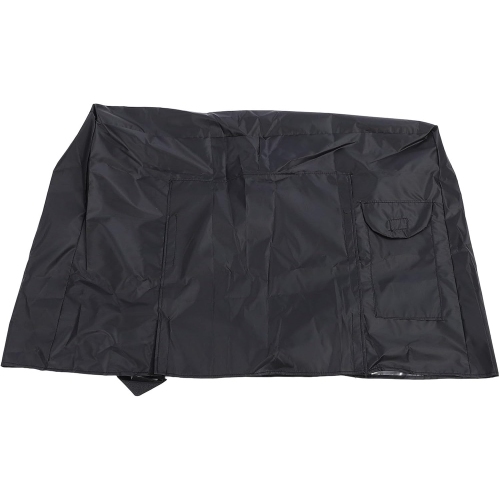

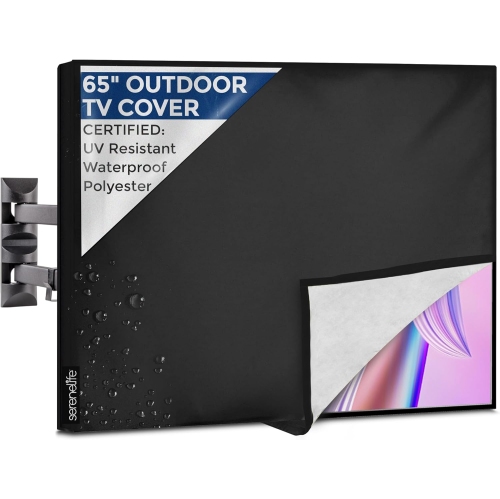
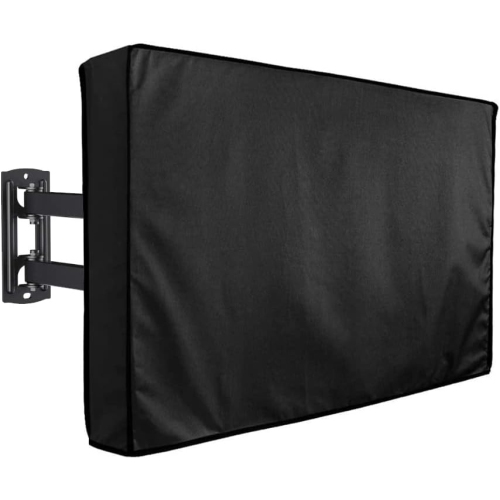
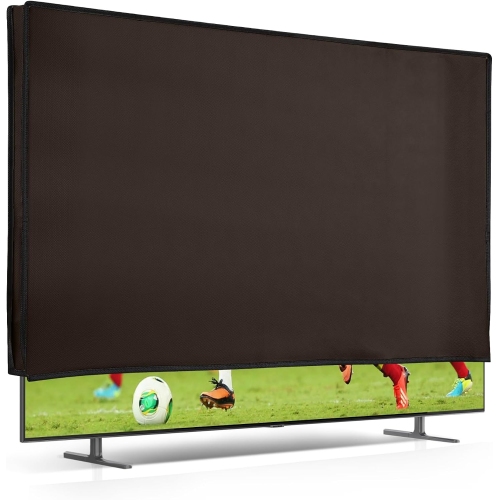
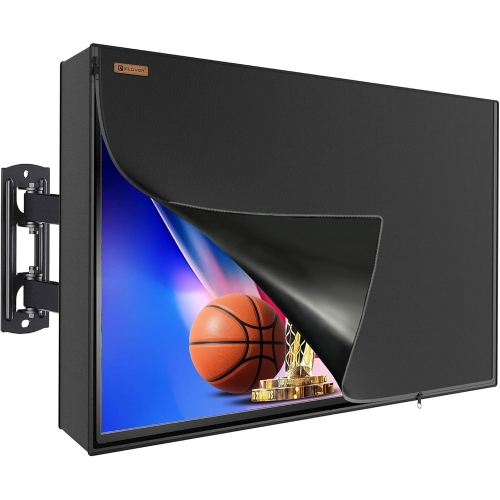
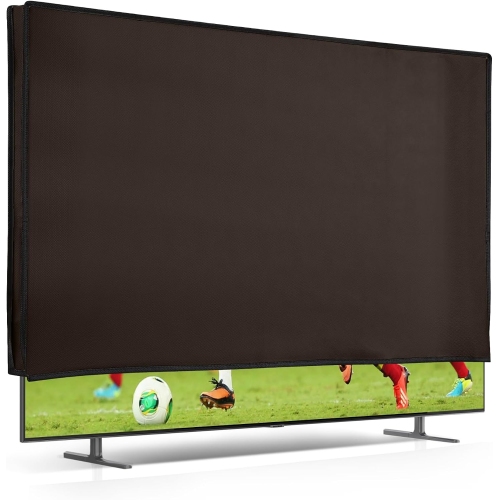
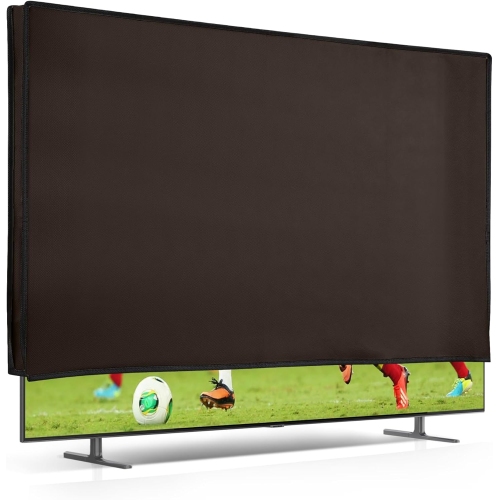
Why screen size alone does not determine cover fit
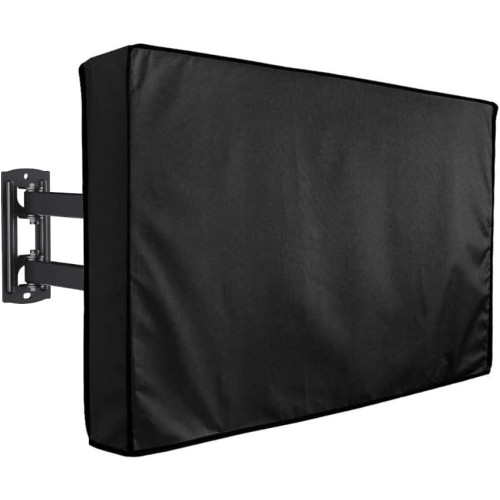
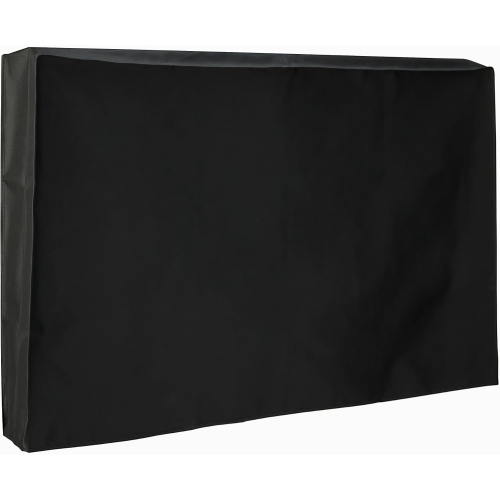
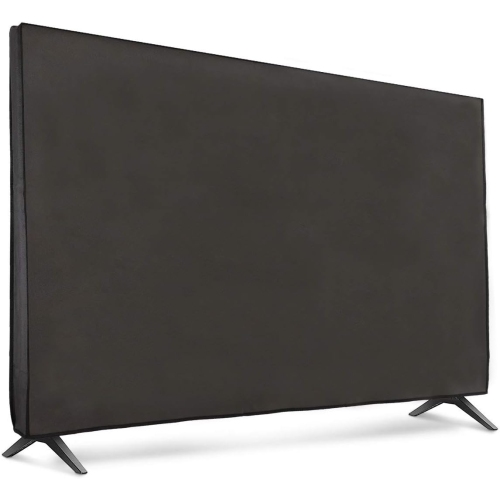
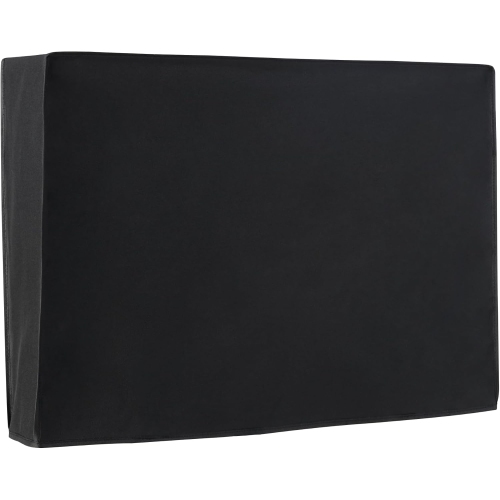
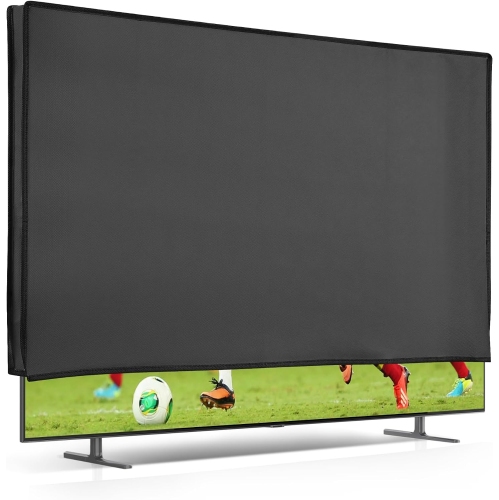
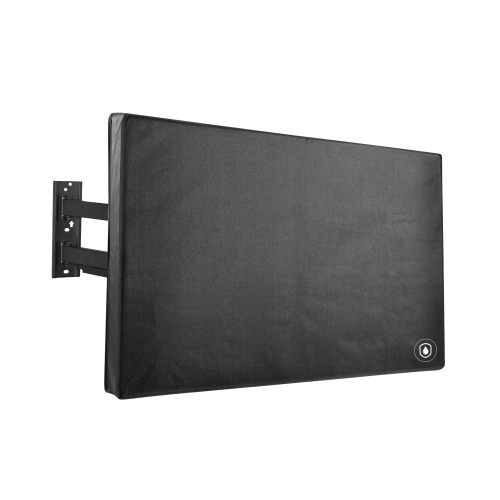
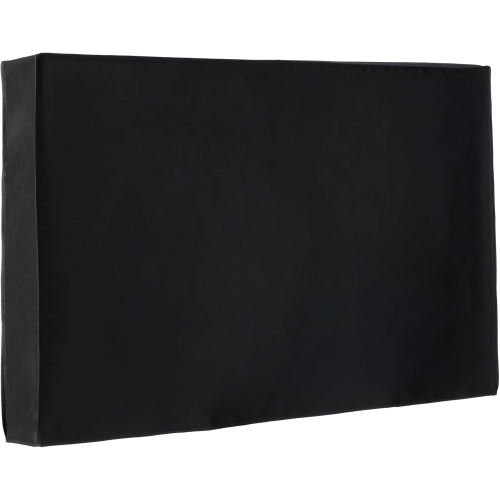
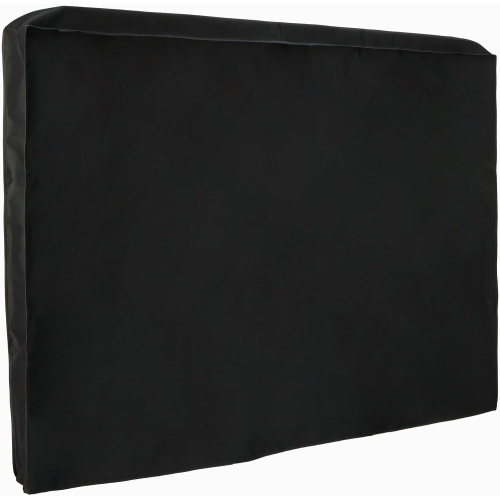
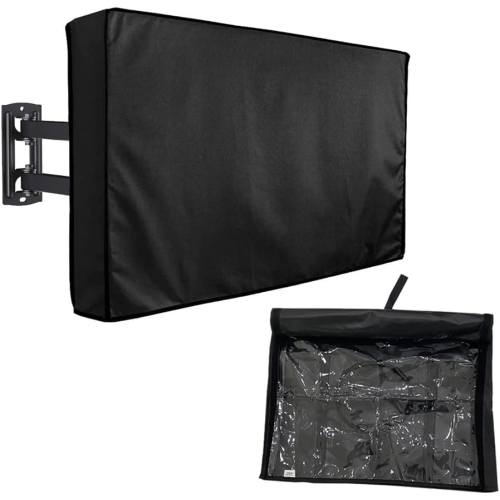
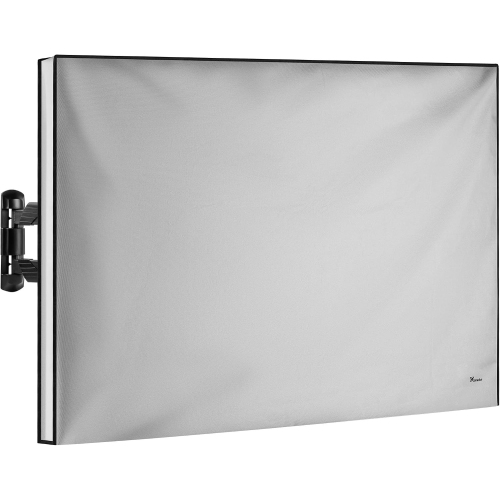
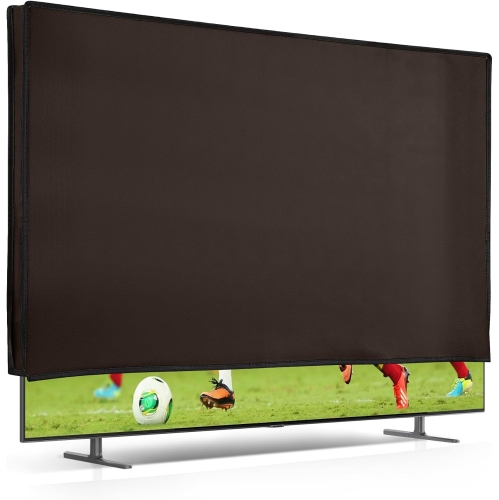
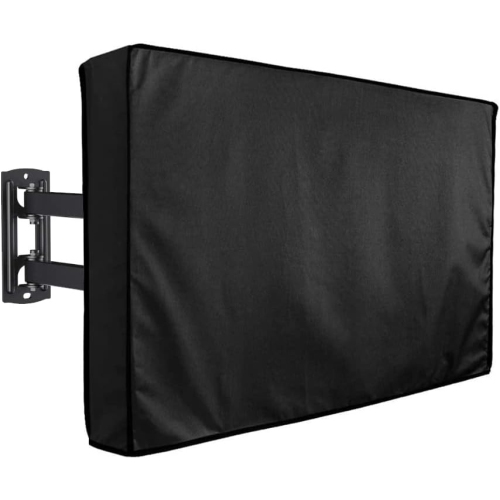
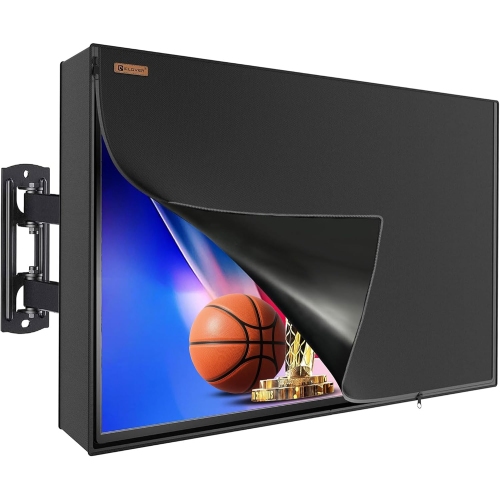
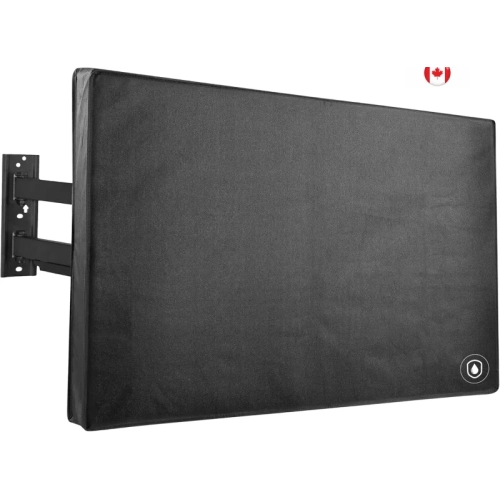
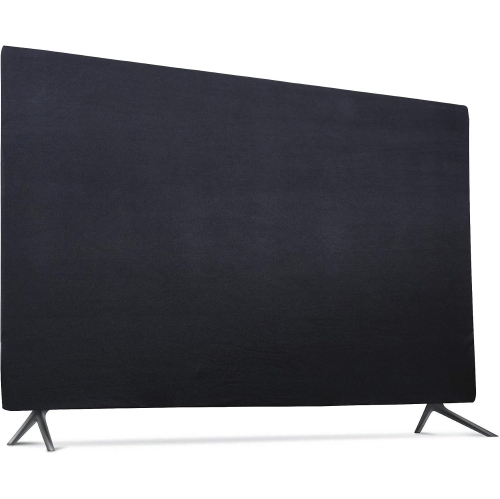
Television covers provide a removable layer of protection for a TV when it is not in use, with designs suited to indoor storage, sheltered outdoor spaces, and different mounting arrangements. Indoor television covers primarily help keep dust, fingerprints, and light surface contact away from the screen and cabinet. Outdoor television covers are designed to address additional exposure, such as windblown dirt, sunlight, and moisture, although the level of protection depends on the fabric, construction, and stated ratings. In either setting, the right fit matters as much as the material. A soft dust cover can be useful for a bedroom television that sits unused between visits, while a more substantial enclosure may suit a compatible outdoor television mounted beneath a covered patio. Screen size alone does not determine whether a cover will fit. The advertised size of a television usually refers to the screen’s diagonal measurement, rather than the full width, height, or depth of its housing. Two televisions with the same screen measurement can have different dimensions because of their bezels, rear panels, speakers, or stand designs. Cover dimensions therefore need to accommodate the television’s complete exterior, along with any parts that remain inside the cover. The mounting arrangement also affects how the fabric sits around the back and bottom of the set. Covers for wall-mounted televisions may include rear openings or overlapping flaps that fit around mounting brackets without pulling tightly against the cabinet. For setups built around Wide TVs, checking the full cabinet width is especially important, since diagonal screen measurements do not describe the shape of the cover. A cover should slide into place without pressure on the screen, while avoiding excessive loose fabric that can sag or catch on nearby objects. For televisions on furniture, the lower opening must also work with the stand or separate feet.
Material and construction determine how a television cover feels, how easily it handles, and what it can reasonably protect against. Lightweight fabric covers are often convenient indoors because they fold down neatly and are easy to remove before viewing. Heavier woven polyester, coated fabrics, and vinyl are common options for outdoor applications, with different balances of flexibility, weight, and resistance to moisture. A woven fabric may have a water-resistant backing or surface treatment, while a coated design may offer a more substantial barrier. These descriptions are not interchangeable: water-resistant materials can shed some moisture without making the entire cover waterproof. Stitching, seams, rear openings, and lower closures all influence whether water can reach the television. Reinforced corners and securely finished edges can also help a cover withstand repeated fitting and removal, particularly around the corners of a larger screen. A soft inner surface can reduce rubbing against the cabinet, but any lining needs to remain clean and free of grit that could mark the finish. For outdoor placement, the cover’s stated resistance to sunlight and ultraviolet exposure matters because prolonged exposure can affect fabric strength and colour. Wind is another practical consideration, especially where loose material could flap against a wall or pull away from the bottom of the television. Hook-and-loop tabs, zips, drawcords, or other closures can help hold the cover in position, provided they are suited to the mounting arrangement. A fully enclosing design offers different coverage from a front-only cover, which leaves the rear housing and connections exposed. Even a substantial cover does not turn an indoor television into an outdoor-rated model or replace a properly sheltered installation. Rain, blowing snow, condensation, and moisture around electrical connections remain concerns that require appropriate equipment and placement, rather than reliance on fabric alone.
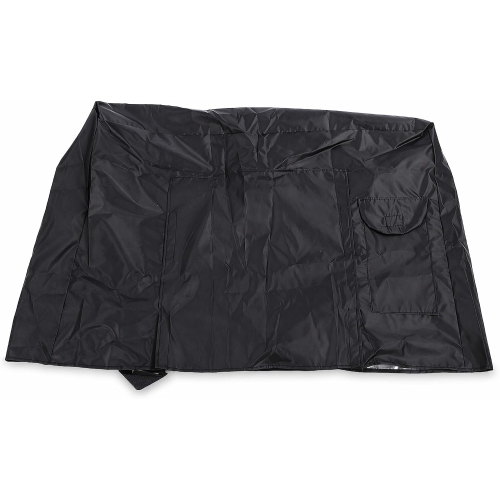
Everyday convenience often comes down to the details that are easiest to overlook when the television is uncovered. A rear flap that opens around a wall bracket can make fitting the cover simpler, while an accessible lower closure can be useful when the set hangs close to a cabinet or patio counter. Articulating mounts need particular attention because the arm, cables, and rear panel can occupy different amounts of space as the television moves. The cover should fit the position used for storage without forcing cables into sharp bends or placing strain on connectors. A separate sound bar may also need its own protection unless the cover is expressly designed to enclose both components. Remote-control pockets can keep accessories together, although an outdoor pocket should not be treated as dry storage unless its construction supports that use. Covers are generally intended for a television that is switched off and has cooled down; keeping fabric over an operating set can obstruct ventilation and trap heat. Removing the cover completely before viewing also keeps loose material away from vents and connections. For care, the fabric’s cleaning directions take priority, since coatings and linings may not tolerate machine washing, strong cleaners, or high heat. Light dust can often be removed with a soft cloth, while washable surfaces may allow gentle cleaning with mild soap and water. Both the cover and the television should be dry before the cover is fitted again, and a damp cover should not be folded away for storage. Occasional checks around seams, corners, and fasteners can reveal wear before a small split becomes a larger opening. For a guest room, shared recreation space, or covered outdoor viewing area, a well-fitting television cover offers a practical way to keep the unused screen covered without making access cumbersome. A manageable weight, suitable openings, and an easy place to store the removed cover can make that routine much more convenient.
Top selling and popular products
-
 Your price for this item is $49.95
-
 Your price for this item is $51.99
-
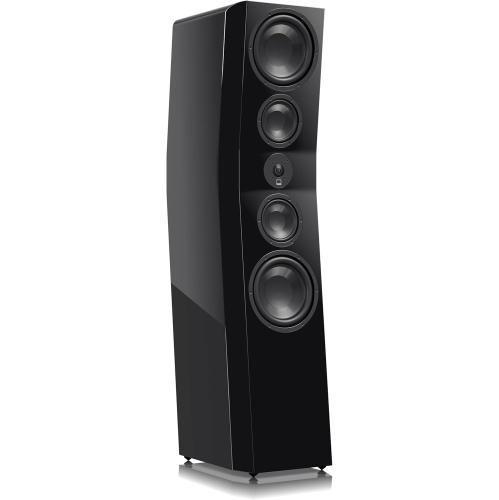 Your price for this item is $4000
-
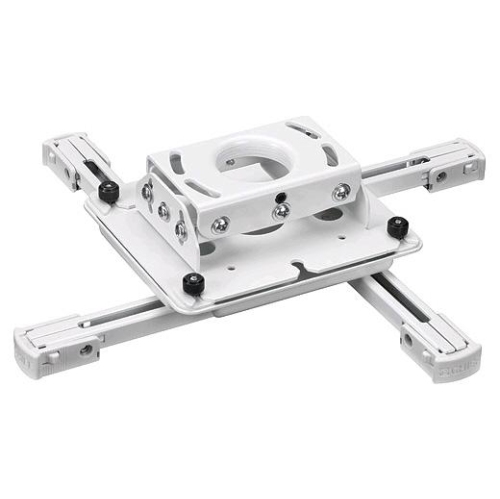 Your price for this item is $304.99
-
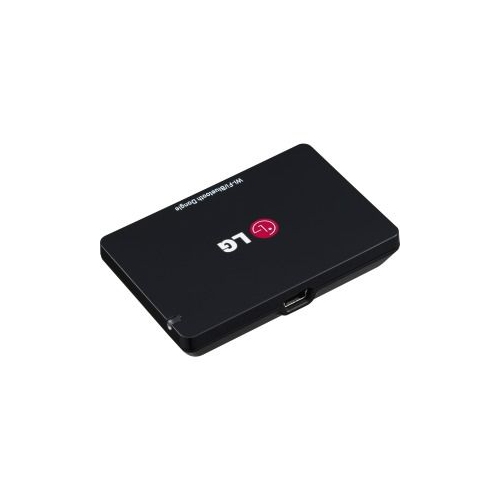 Your price for this item is $71.68
-
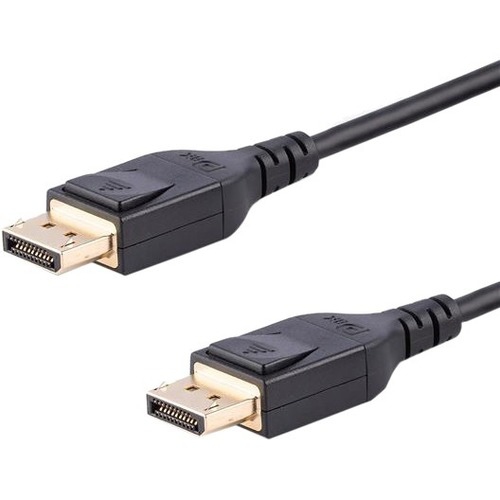 Your price for this item is $48.99
-
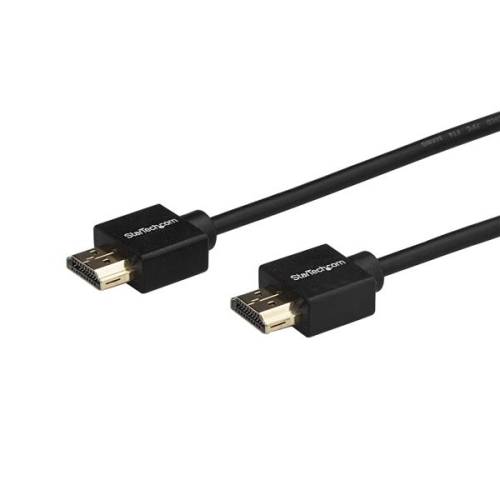 Your price for this item is $75.68
-
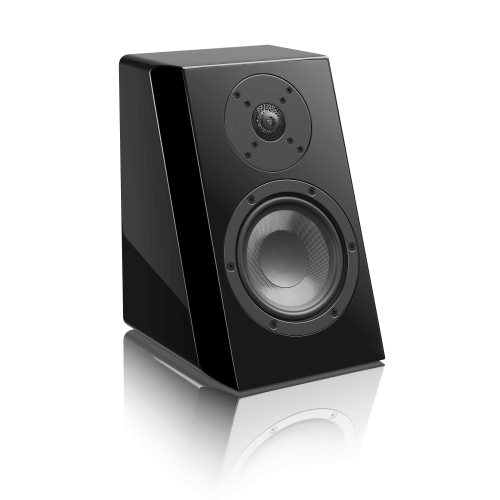 Your price for this item is $1400
Discover more categories related to Television Covers
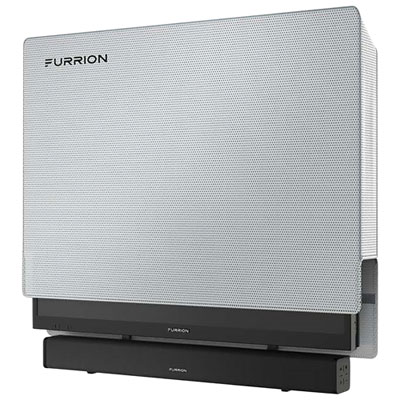
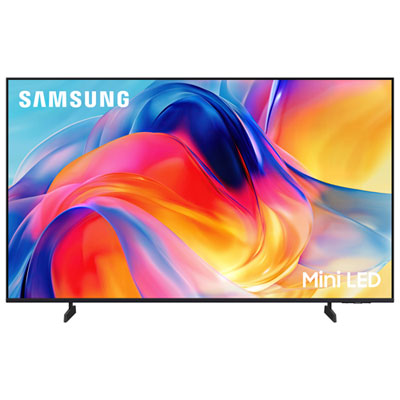
Top Collections:
Best Black Friday Deals This Year, Best Black Friday Deals On Electronics, Kindle Devices, Pokemon Centers, Best Black Friday Deals On Apple Products, Best Cameras for Sports Photography, Dyson Airwrap, Pokémon 30th Celebration Cards, Apple iPhone 17 Pro, Canon G7X Cameras
Some products may be subject to Environmental Handling Fees
(EHF) depending on your province.
Learn more about EHFs.