Vizio Wall Mounts
Upgrade your home entertainment setup with a Vizio wall mount, designed to help you achieve a sleek and organized look in any room. Perfect for saving space and enhancing your viewing experience, these wall mounts offer a convenient solution for securely displaying your TV. Whether you're outfitting a living room, bedroom, or office, explore options that complement your space and make installation easy. Find the right Vizio wall mount to match your needs and enjoy a clean, modern aesthetic for your television display.
Sort

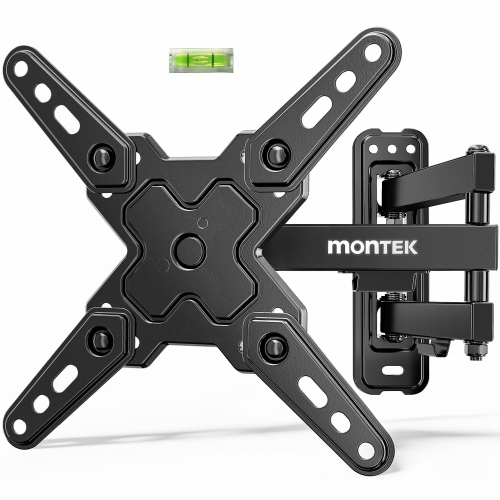
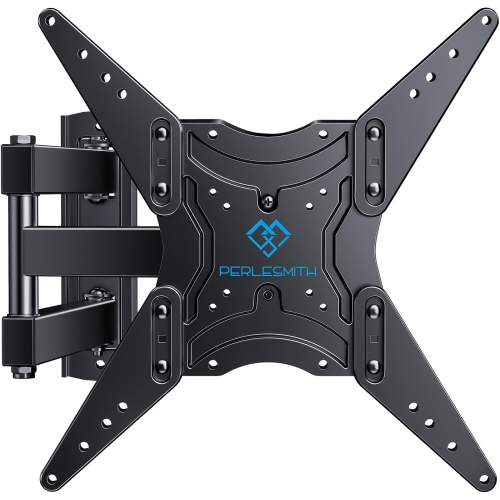
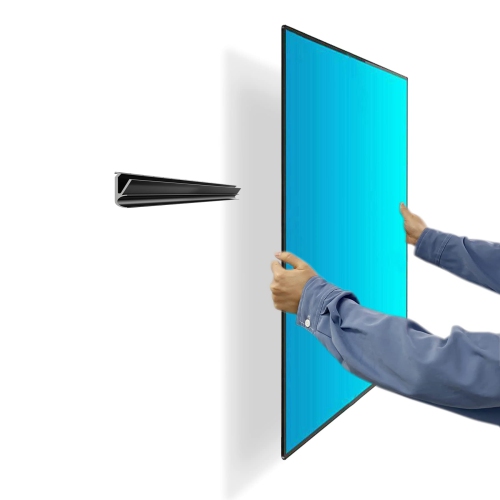
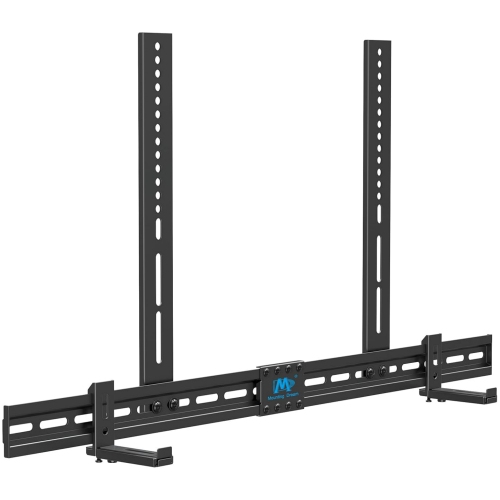
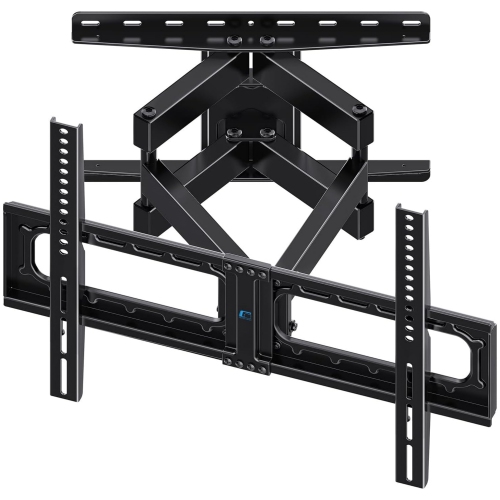
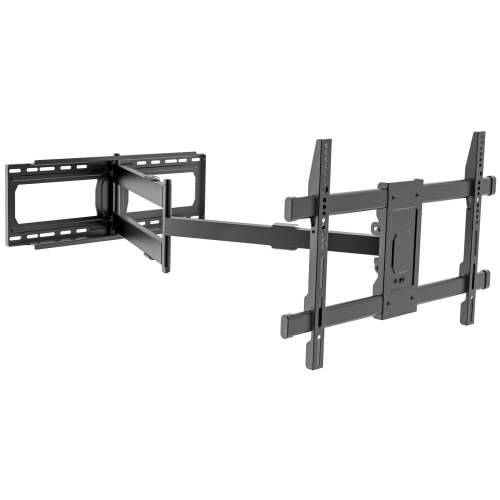
The right TV mount depends on more than size
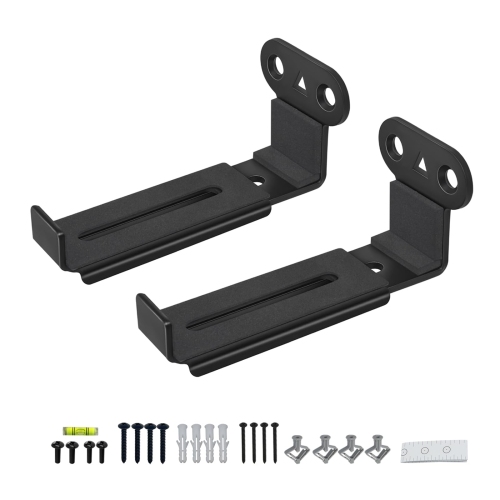
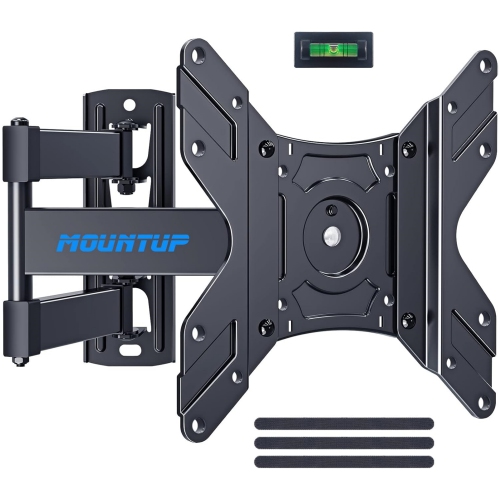
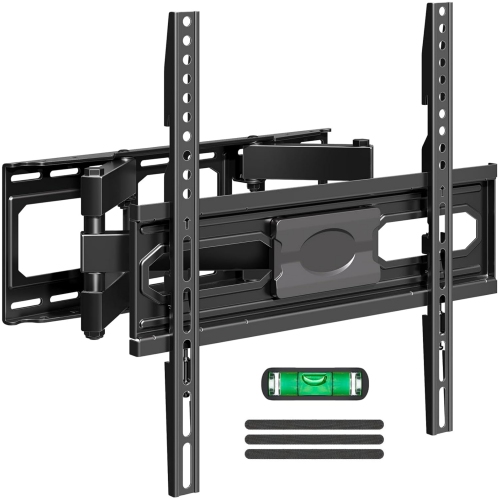
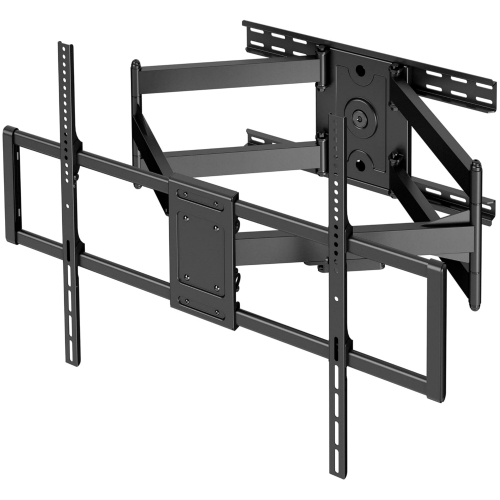
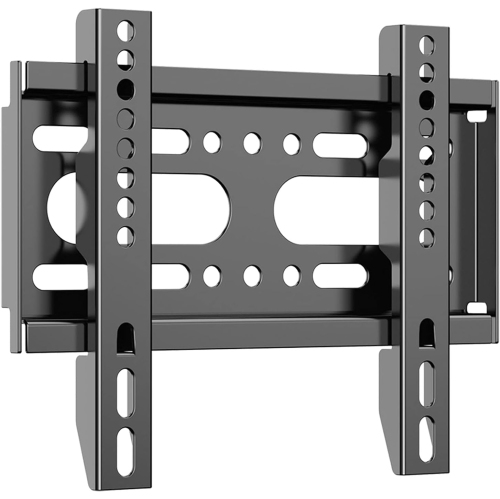
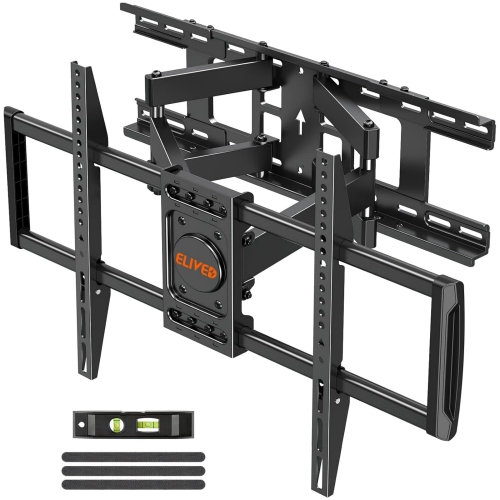
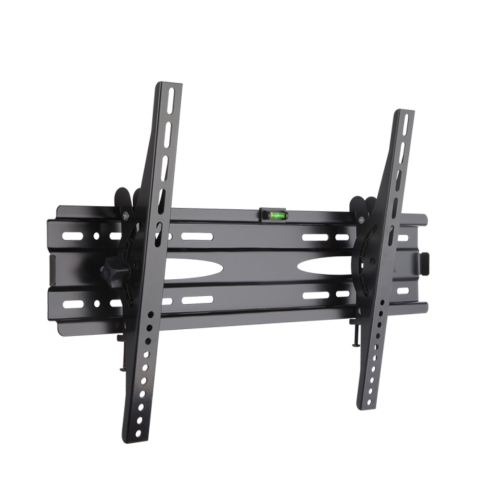
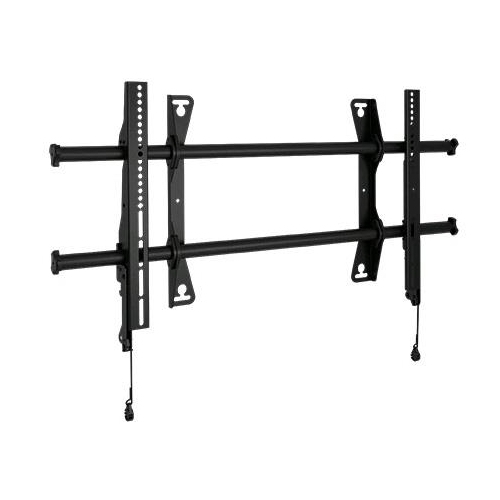
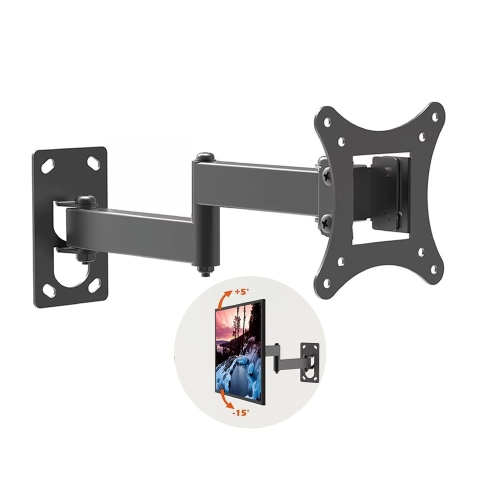
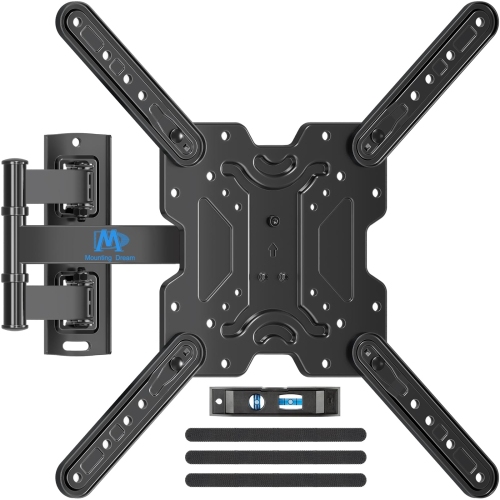
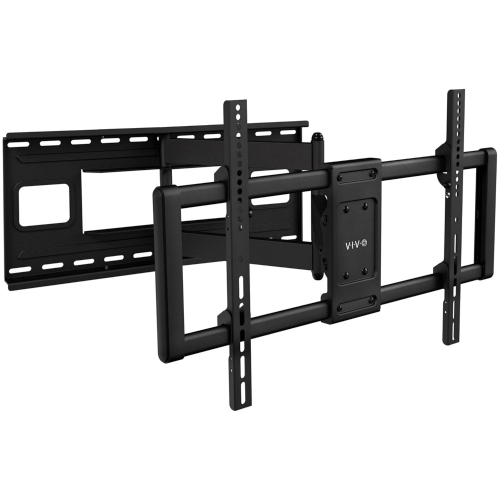
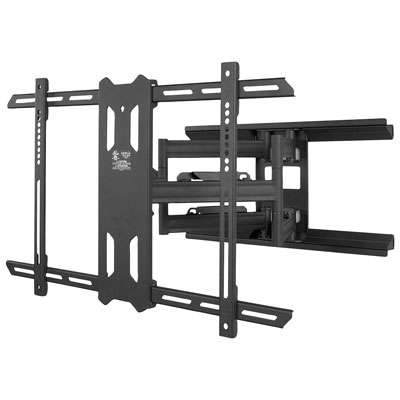
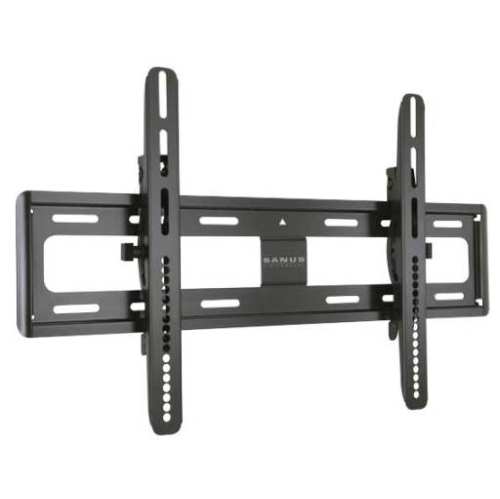
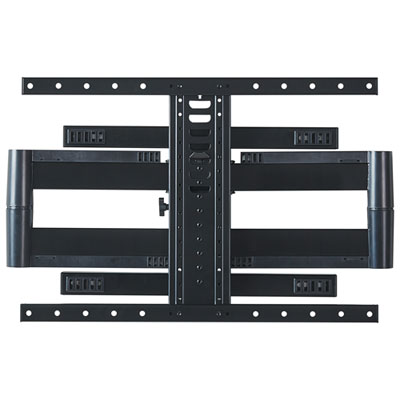
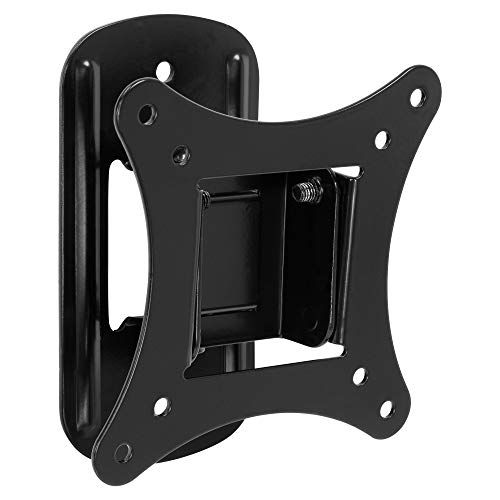
Universal TV wall mounts can support televisions with standard VESA mounting patterns when the mount’s hole spacing, weight capacity and attachment requirements match the screen. Compatibility depends on more than the diagonal screen size: two televisions with the same screen measurement can have different mounting patterns, weights or rear-panel layouts. VESA measurements describe the horizontal and vertical distances between the mounting holes on the back of a television, expressed in millimetres. The television’s specifications or manual identify the pattern, while the mount’s specifications list the patterns it supports. Matching those measurements, confirming the television’s weight without its tabletop stand and checking the required screw size help establish whether a mount is suitable. Universal compatibility does not mean every bracket fits every screen, particularly when recessed mounting holes, curved rear panels or connection ports affect the attachment. Fixed, tilting and full-motion designs each serve a different purpose. Fixed mounts hold a television close to the wall for a clean, picture-frame-like appearance, making them well suited to seating positioned directly opposite the screen. For this type of streamlined setup, VESA Flat Wall Mounts provide a useful category to explore alongside the television’s mounting specifications. Tilting mounts allow vertical angle adjustments that can improve the view when a screen sits slightly above seated eye level or catches reflections from overhead lighting. Full-motion mounts add an extending arm and swivel movement, allowing the screen to face a sofa, an adjacent dining area or another seating position. Their range of movement varies, and a wide television may reach the wall before the arm reaches its advertised swivel angle. The best fit brings together secure support, useful movement and enough clearance for the television’s connections, rather than relying on screen size alone. This distinction matters just as much for a compact bedroom screen as it does for a larger television in a family room.
The way a room is used often makes the differences between mount styles more noticeable than their appearance does. In a living room with a sofa centred across from the television, a low-profile bracket can keep the screen neatly aligned with nearby furniture and leave the floor beneath it open. In an open-plan space, an articulated arm can turn the picture towards people watching from different areas, then fold back when the television is not in use. A bedroom installation may benefit from a modest downward tilt, although viewing height still matters for neck comfort. Mounting a screen unnecessarily high can make long films or gaming sessions less comfortable, even with an adjustable bracket. Clearance behind the television is another practical consideration. A very slim mount may leave limited space for plugs that project straight out from the rear panel, while side-facing ports can be easier to reach. Cable length needs to accommodate the full extension and rotation of a moving arm without pulling on connections or leaving loose loops near the mechanism. Power outlets, media devices and soundbar placement also influence how tidy the finished setup feels. Cable channels and retaining clips can organize leads along an arm, but they do not replace appropriate electrical installation; a television’s ordinary power cord should not be routed inside a wall. Structural support is equally important. Wall construction, stud spacing and the mount’s approved installation methods determine the appropriate attachment points and hardware. A mount rated for a heavy screen still depends on a wall capable of supporting the complete assembly, especially when an extended arm increases leverage. Installation into wood studs, concrete or masonry can involve different fasteners and procedures, and supplied hardware is not necessarily suitable for every wall. Professional installation can be helpful when wall construction is uncertain, outlet placement needs changing or a large screen is difficult to lift and align safely.
Materials and construction affect how a wall mount feels in everyday use as well as how it holds the television. Steel and aluminium components are common, with the complete design and tested load rating being more meaningful than the material name alone. Sturdy wall plates, well-supported joints and secure locking mechanisms all contribute to stable positioning. On an adjustable mount, controlled movement matters: the screen should move as intended without drifting, sagging or requiring excessive force. Some designs include tension adjustment or post-installation levelling, which can help keep the picture straight after the mounting plate has been secured. A durable painted or powder-coated finish can resist everyday scuffs, while smooth edges and well-placed cable guides help prevent cables from rubbing against exposed metal. The mount’s profile also affects the room’s appearance. A compact bracket can almost disappear behind the screen, whereas a longer articulated arm needs space to fold and may remain visible from the side. Furniture, shelving and nearby doorways need enough clearance for the television’s full range of movement. Households with children or pets may appreciate a properly secured wall-mounted television that removes the need for a tabletop stand, though accessible cords and furniture-climbing risks still require attention. For home theatre viewers, a stable position helps maintain a consistent sightline; for people who connect gaming systems or other devices regularly, access to ports may be the greater priority. Ongoing care is generally straightforward. Dust can be removed with a soft, dry cloth, and occasional checks for loose connections, damaged cables or changes in alignment can help identify problems early. Adjustment and maintenance should follow the mount manufacturer’s directions rather than improvised tightening or lubrication. If the television is replaced, the existing mount needs a fresh compatibility check, even when the new screen looks similar in size. A well-matched wall mount supports both the television and the way the room is used, combining dependable attachment with practical access and a comfortable view.
Top selling and popular products
-
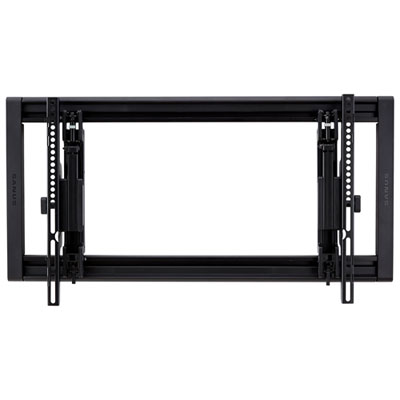 Your price for this item is $199.99
-
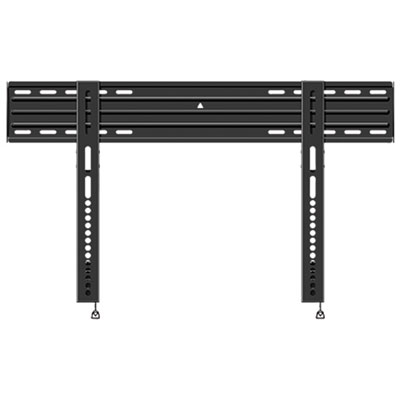 Your price for this item is $99.99
-
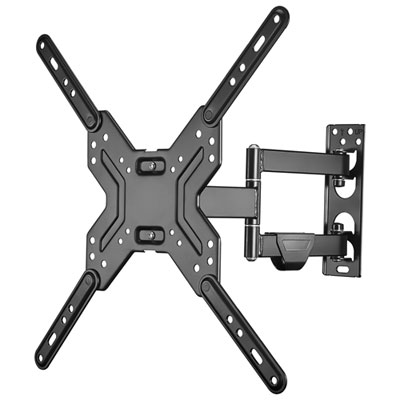 Your price for this item is $59.99
-
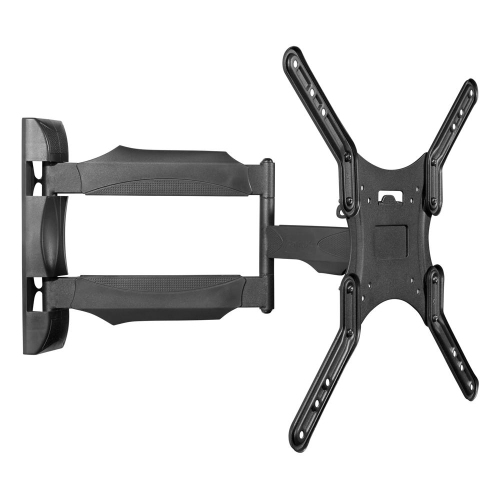 Your price for this item is $79.99
-
 Your price for this item is $179.99
-
 Your price for this item is $18.97
-
 Your price for this item is $143
-
 Your price for this item is $99.99
Discover more categories related to Vizio Wall Mounts
Top Collections:
Best Black Friday Deals This Year, Best Black Friday Deals On Electronics, Kindle Devices, Pokemon Centers, Best Black Friday Deals On Apple Products, Best Cameras for Sports Photography, Dyson Airwrap, Pokémon 30th Celebration Cards, Apple iPhone 17 Pro, Canon G7X Cameras
Some products may be subject to Environmental Handling Fees
(EHF) depending on your province.
Learn more about EHFs.