VESA Flat Wall Mounts

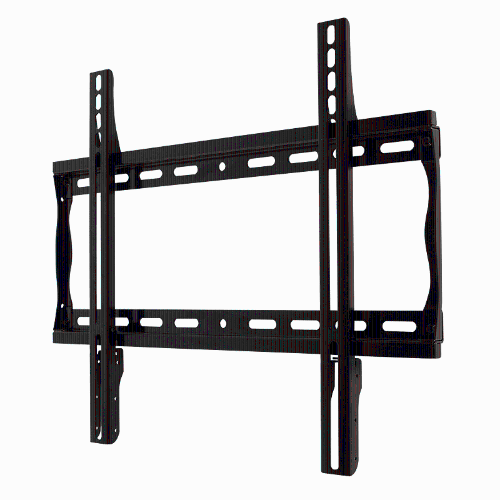
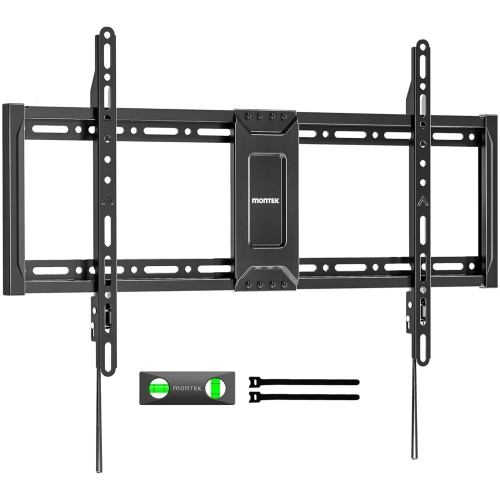
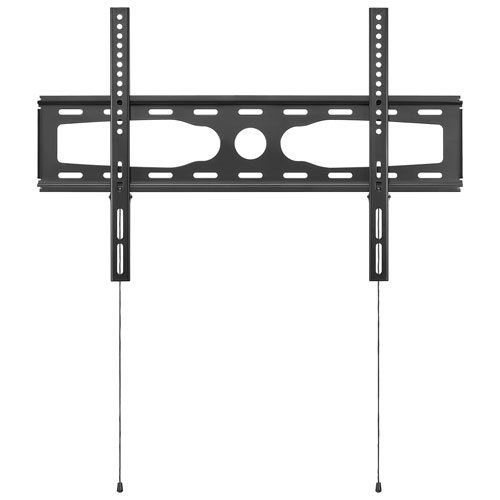
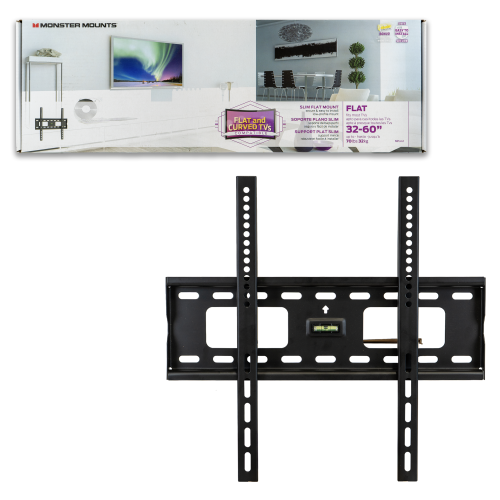
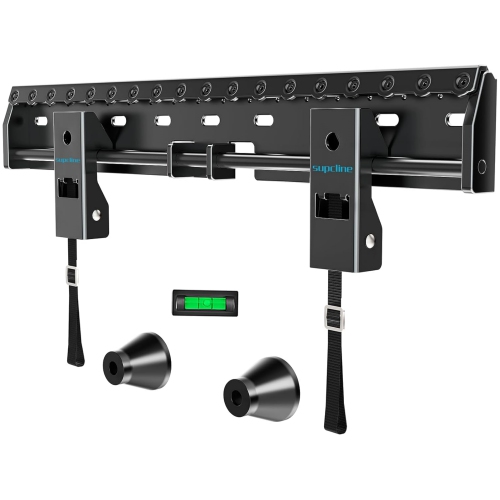
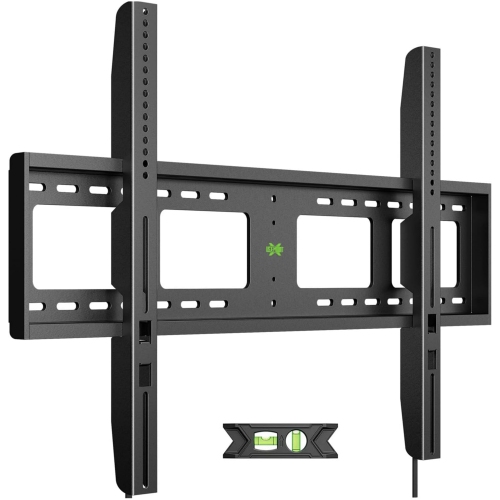
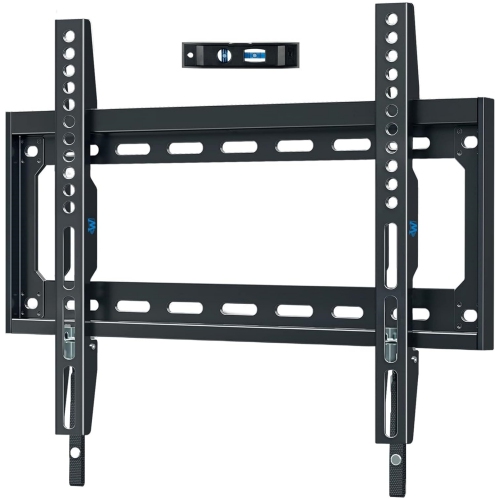
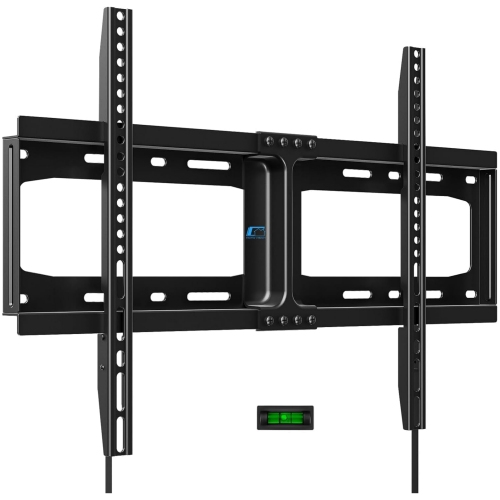
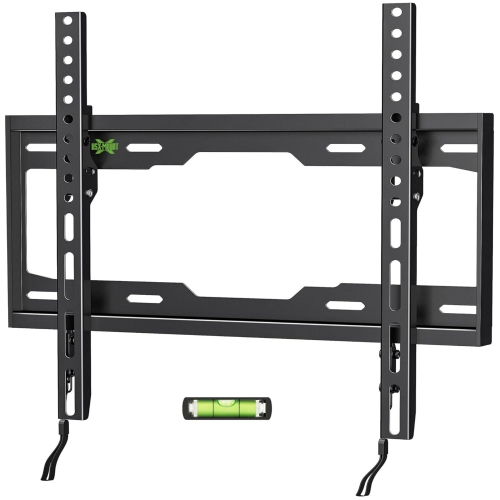
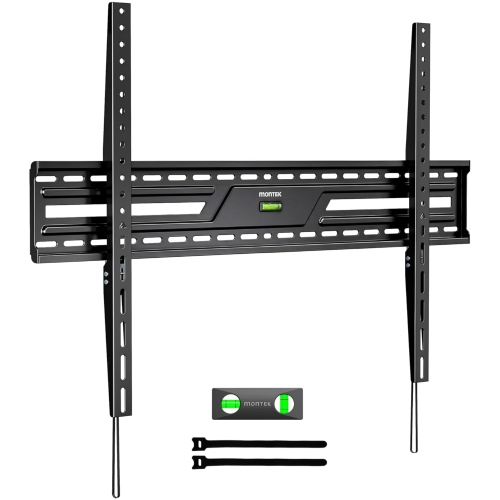
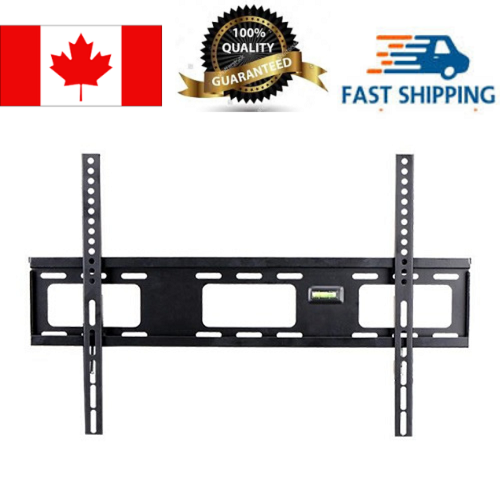
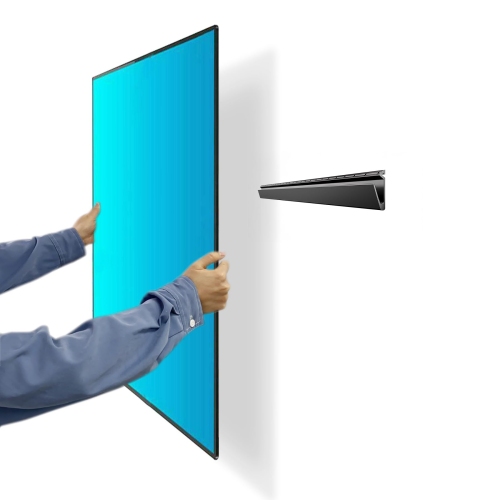
VESA flat wall mounts hold compatible TVs and monitors close to the wall in a fixed position. Compare VESA mounting patterns, supported screen sizes, and weight limits to find a mount that fits your display, and check compatibility with your wall type before installation.
Sort

A secure fit goes beyond screen size

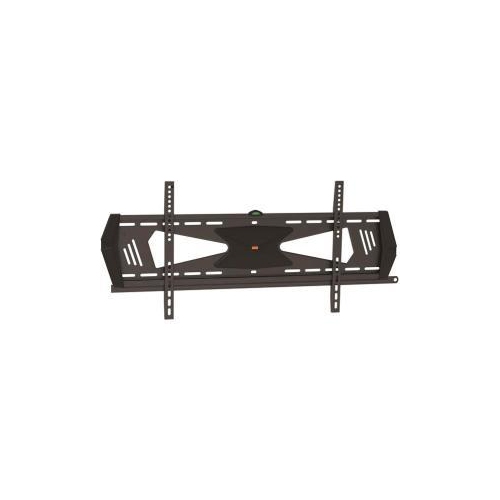
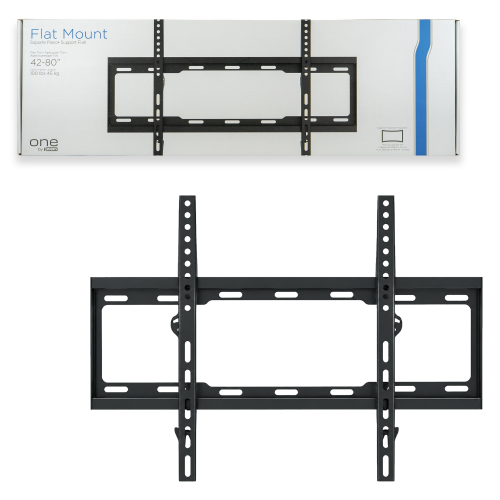
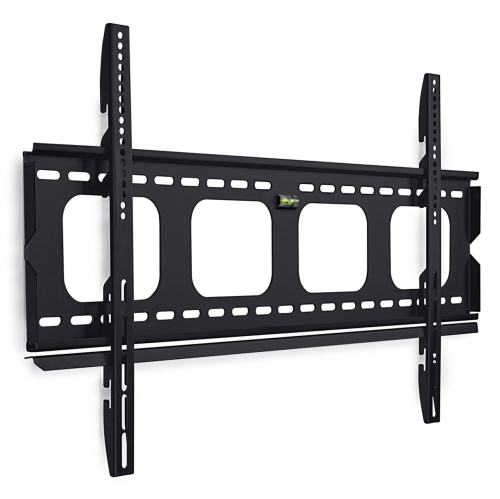
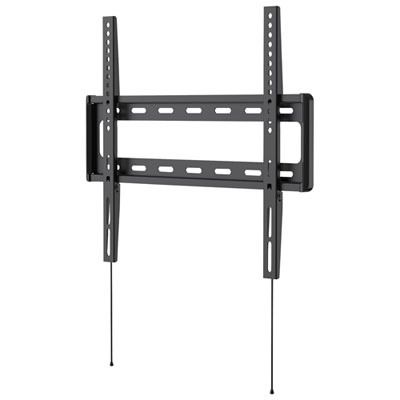
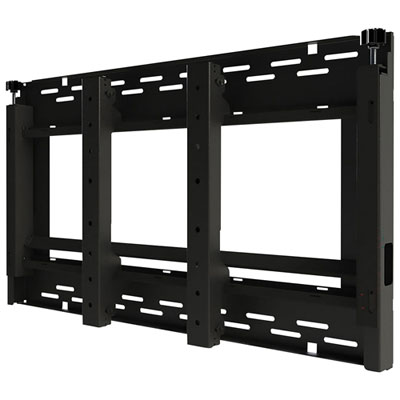
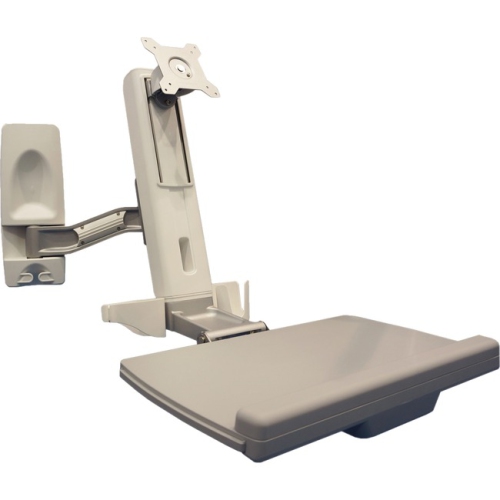
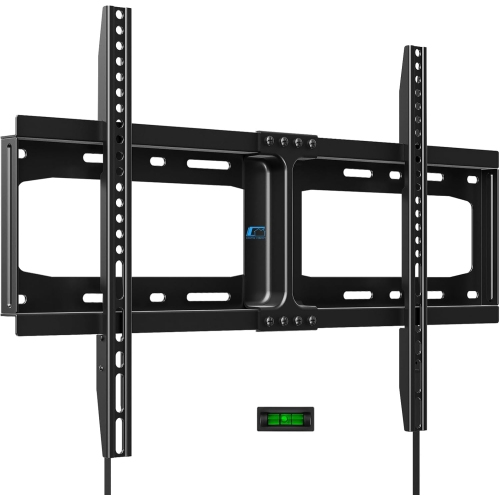
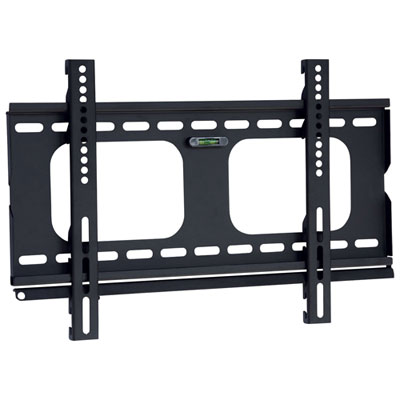
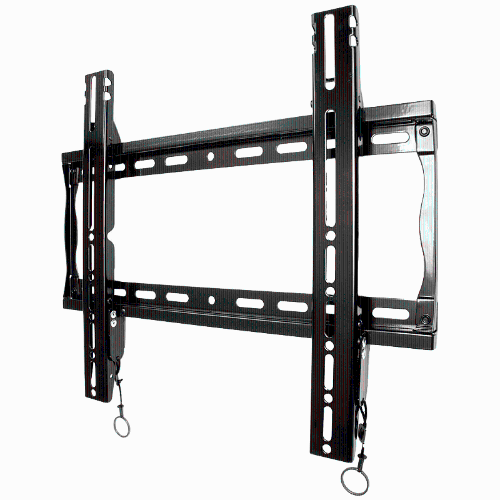
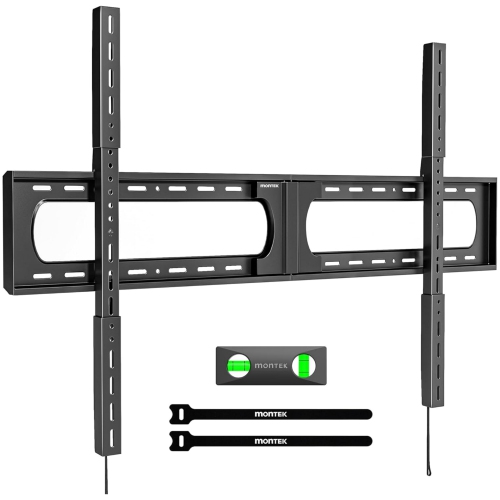
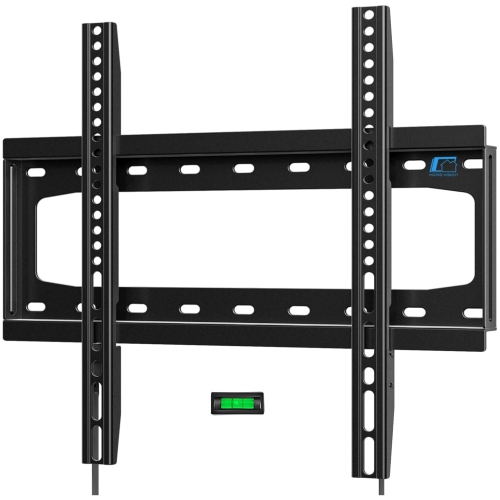
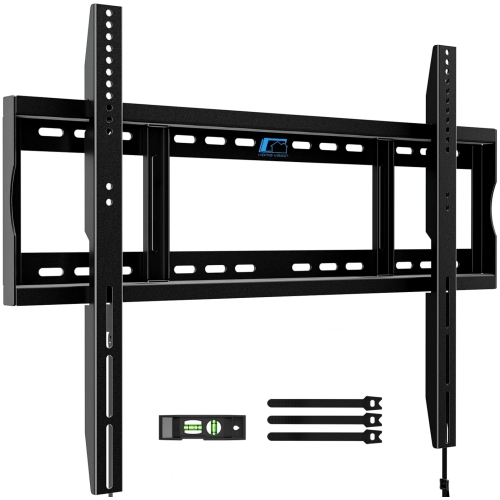
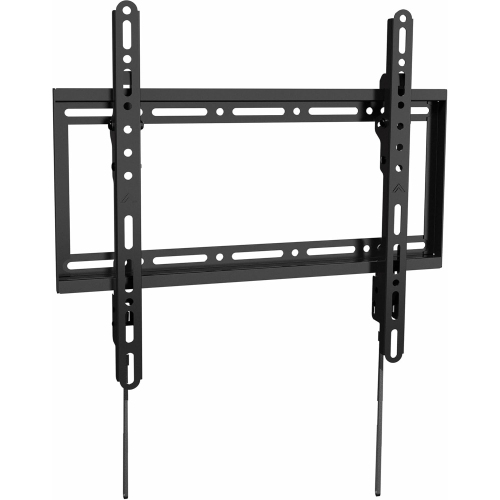
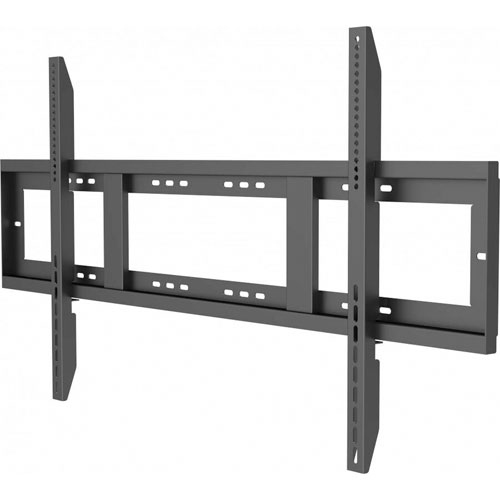
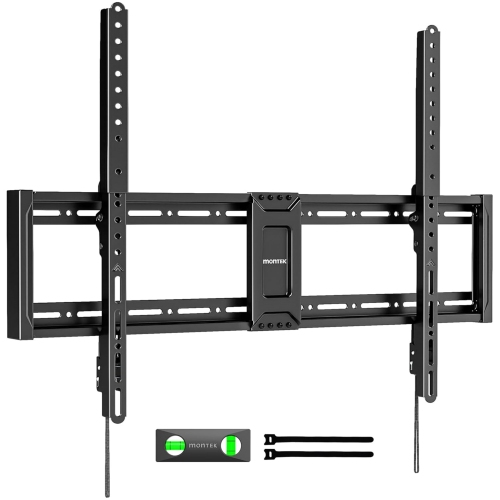
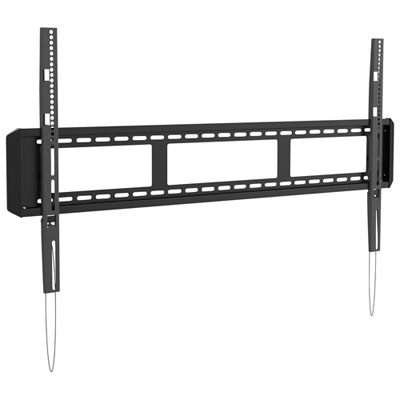
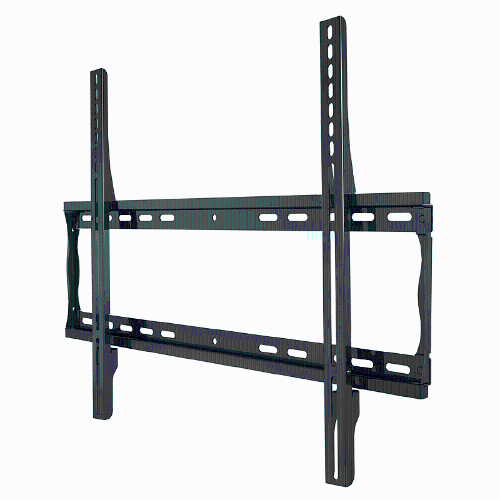
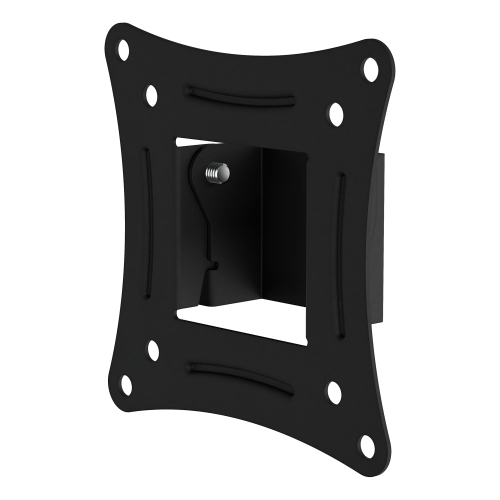
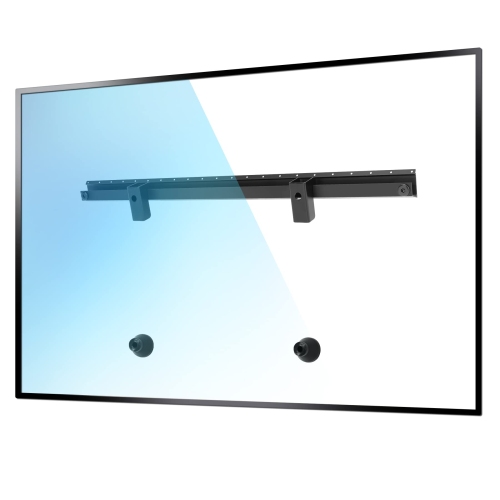
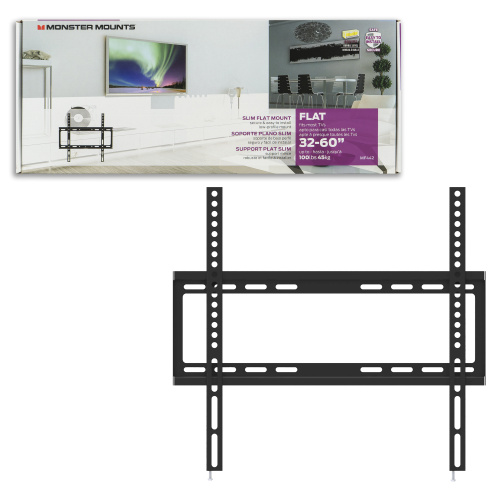
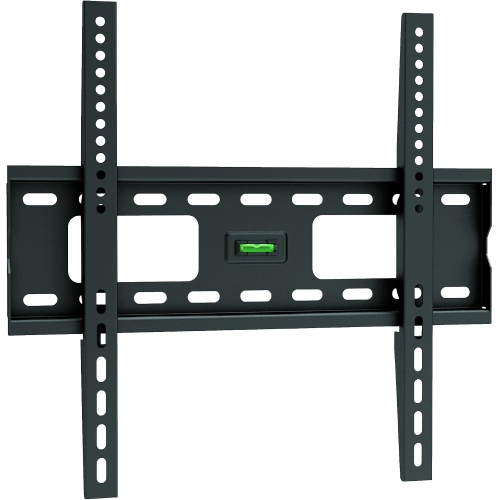
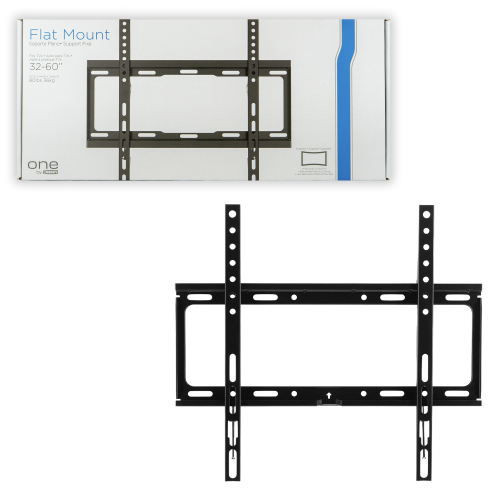
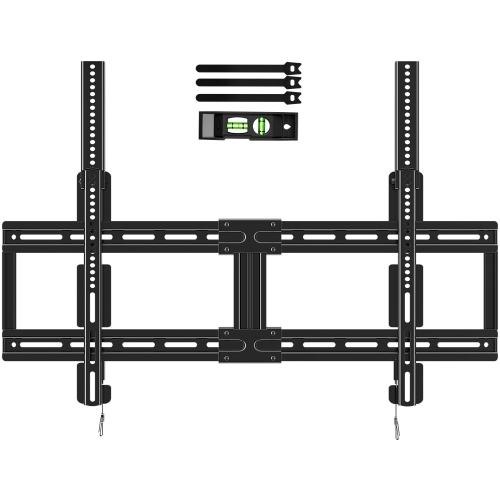
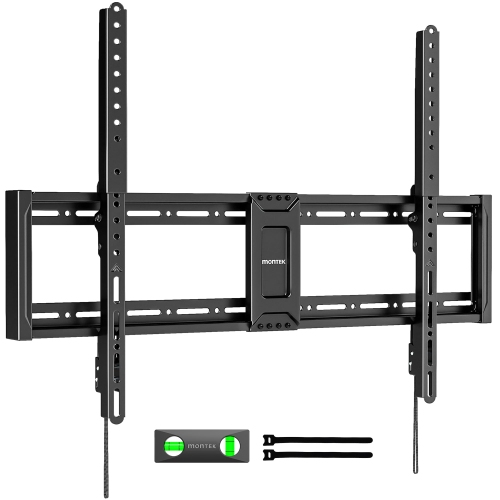
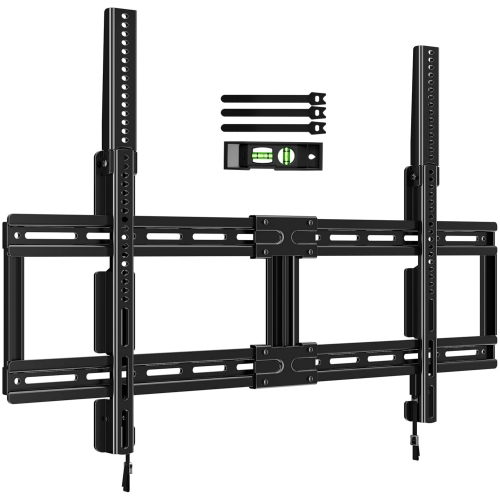
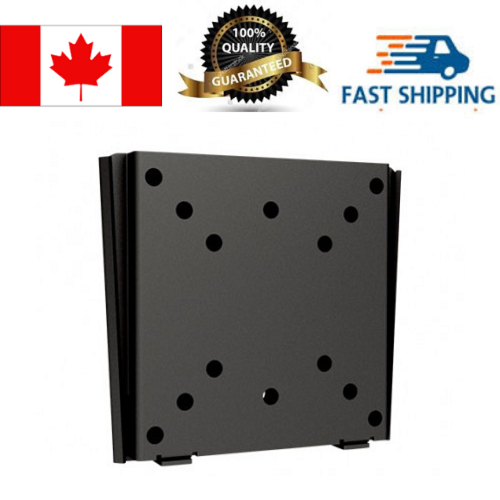
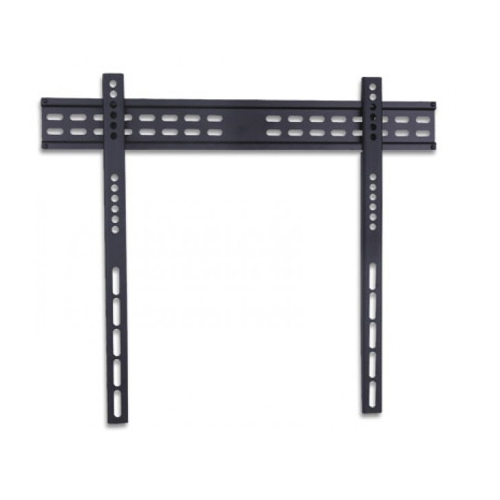
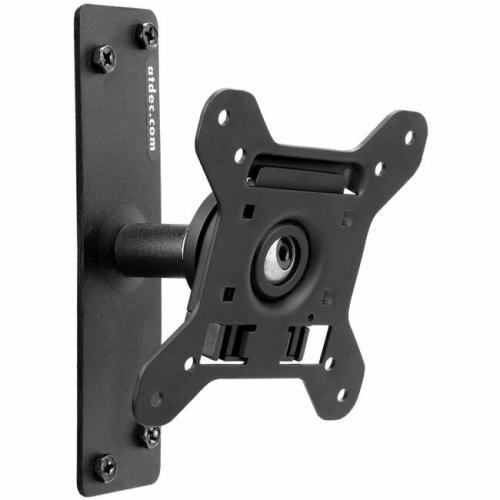
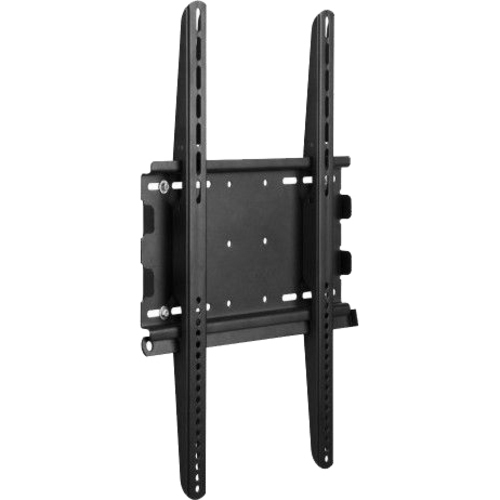
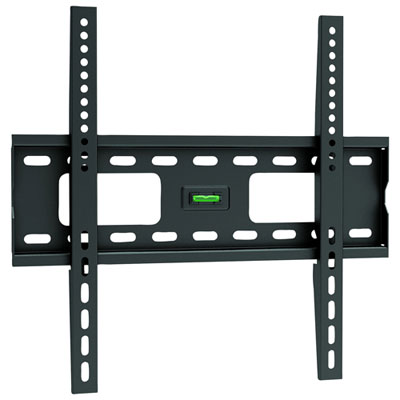
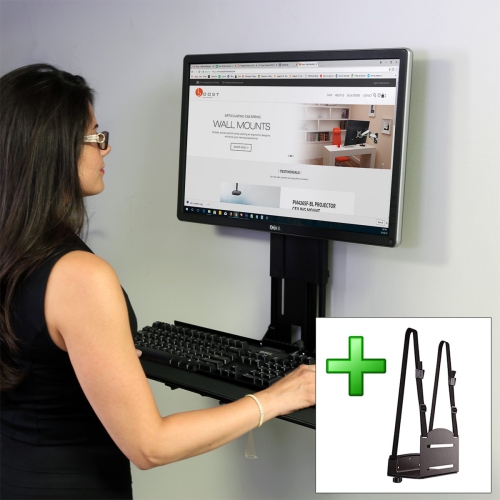
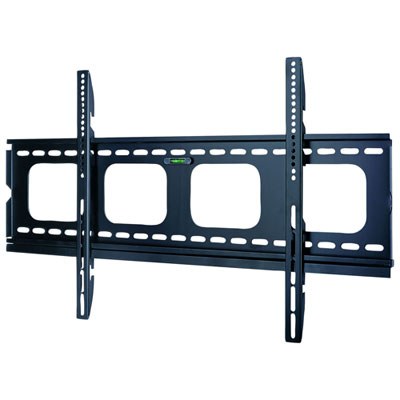
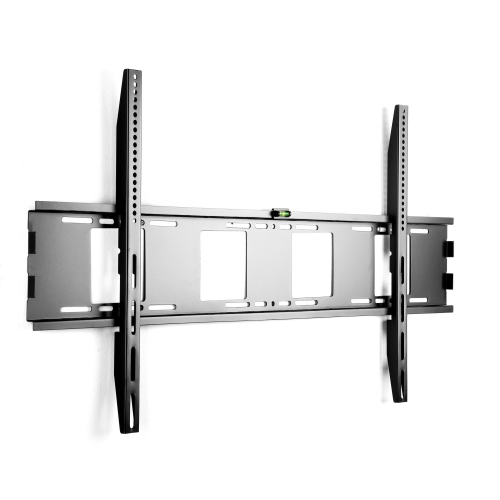
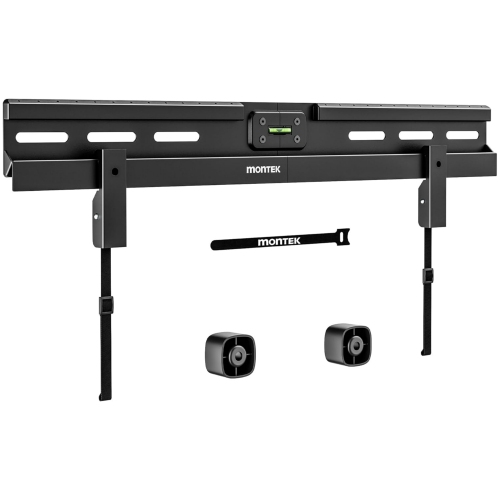
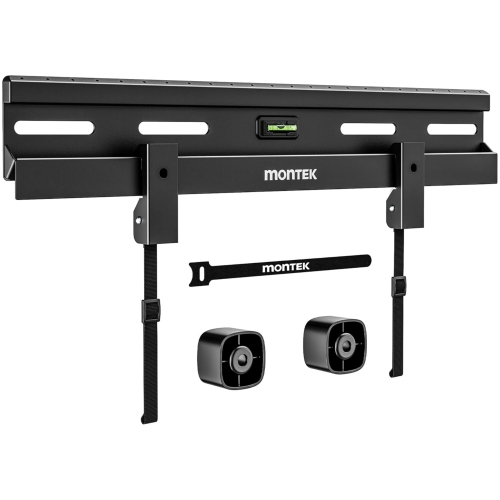
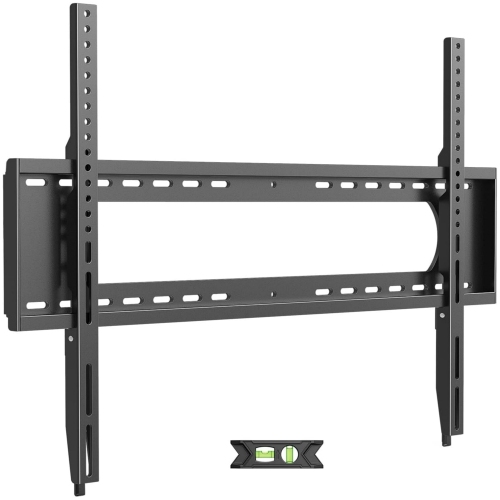
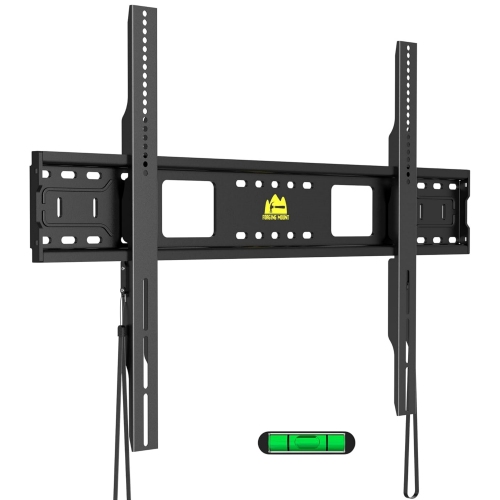
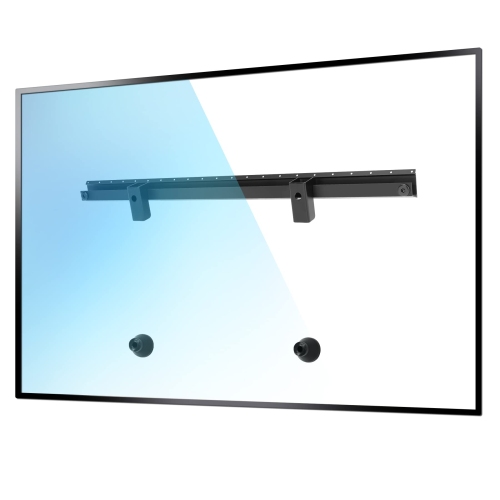
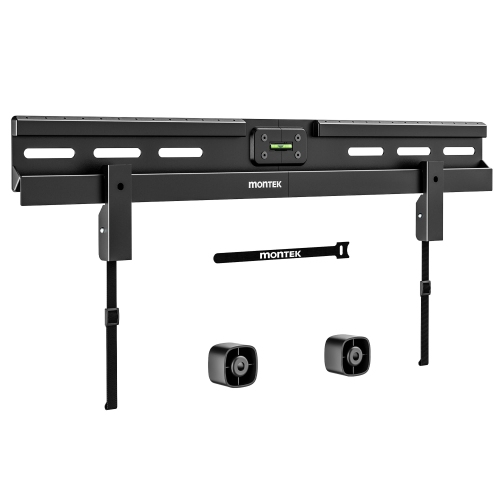
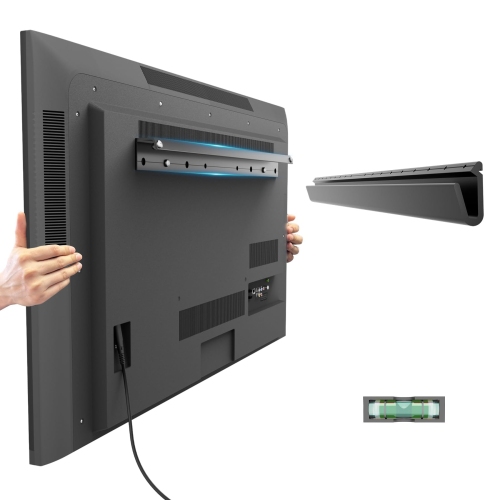
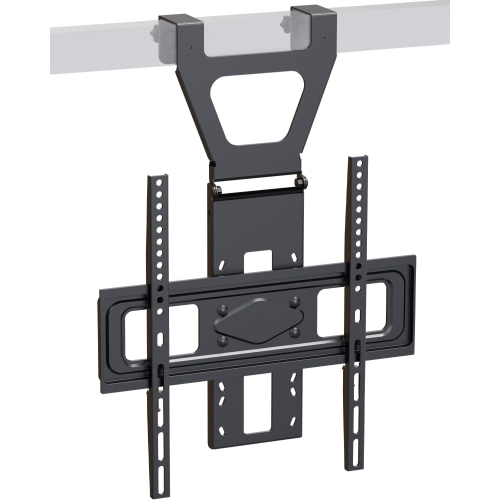
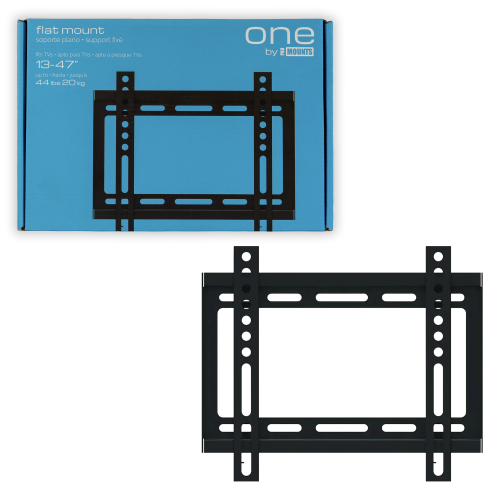
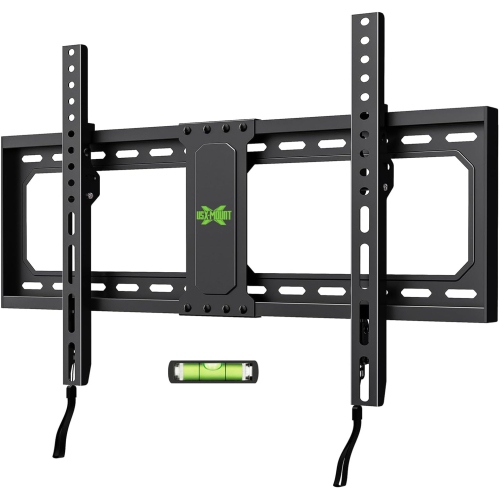
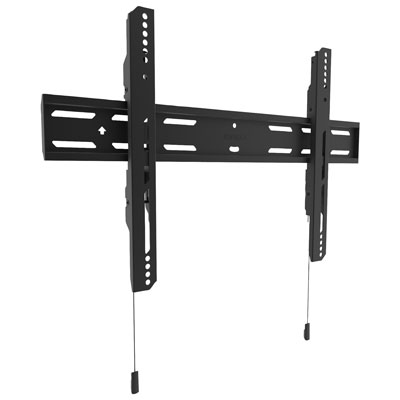
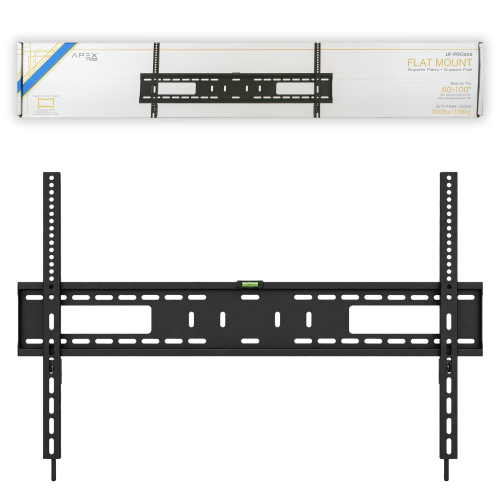
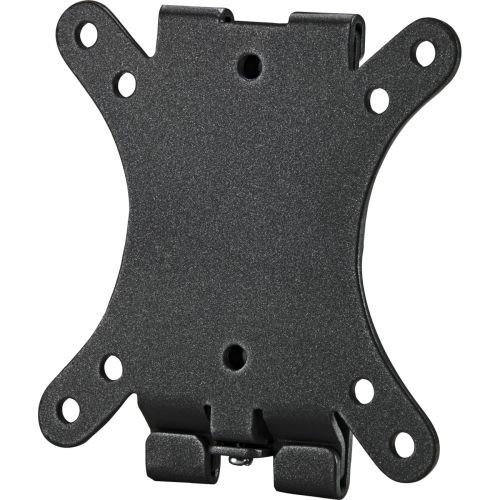
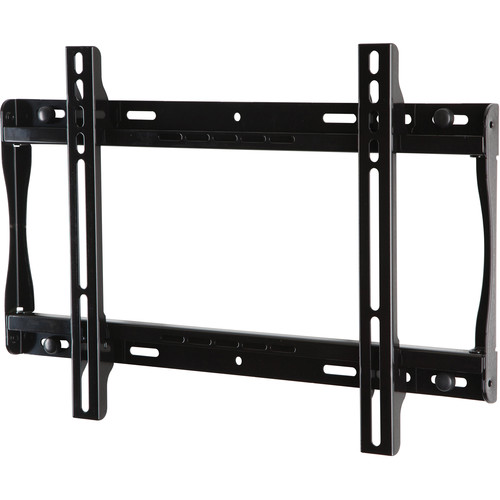
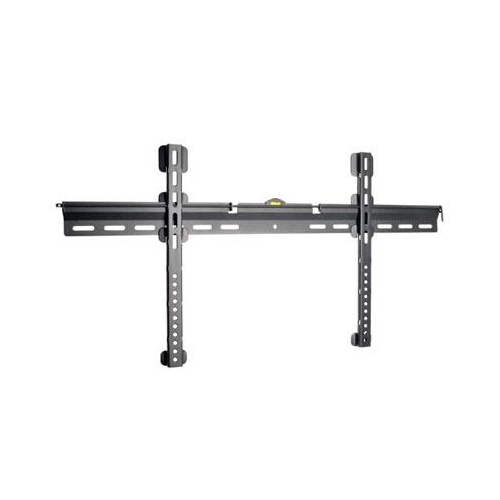
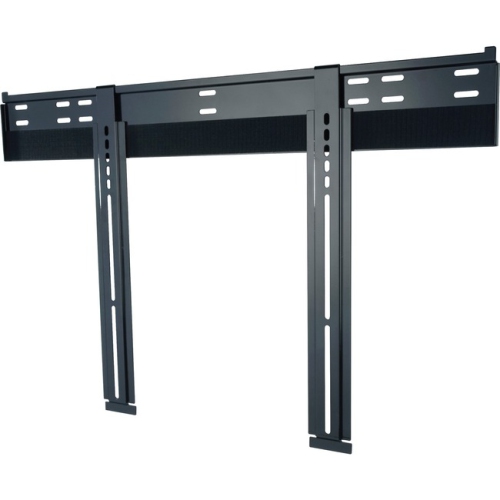
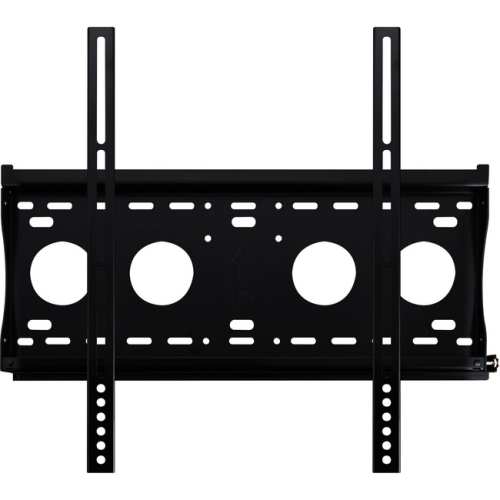
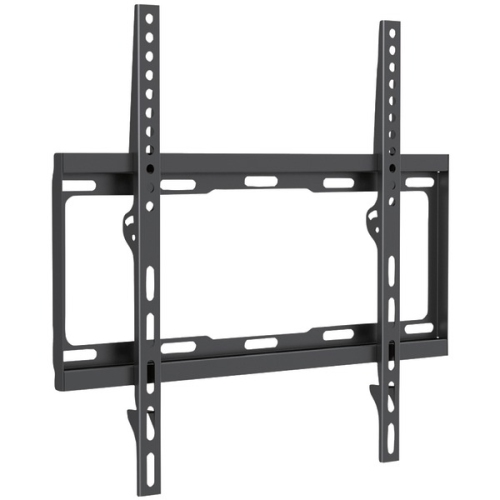
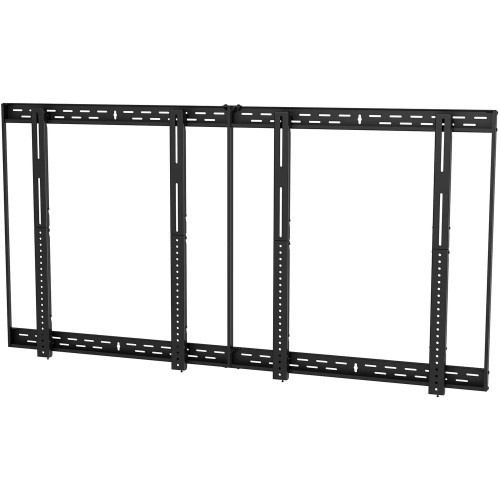
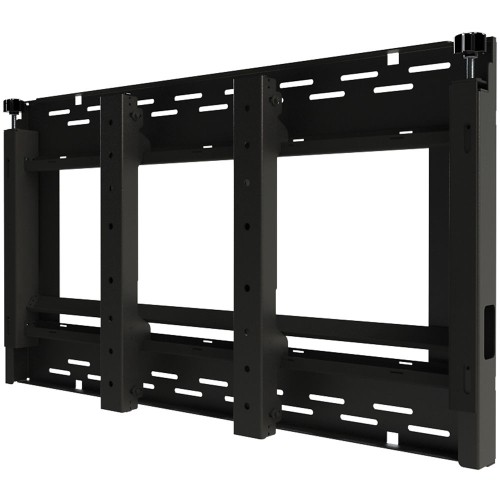
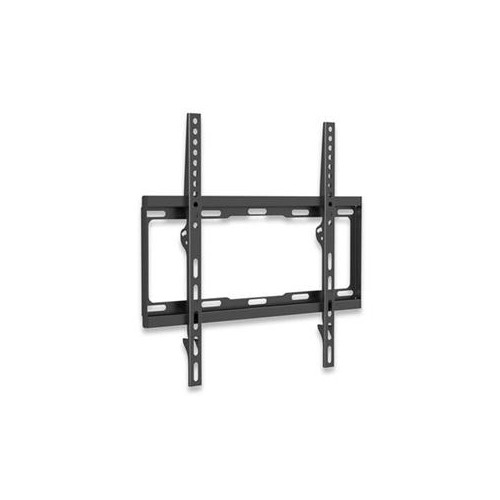
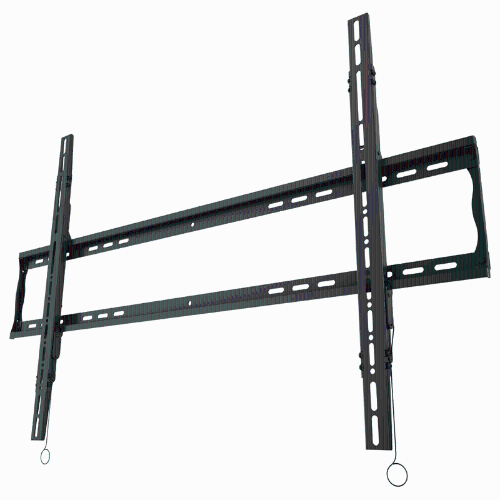
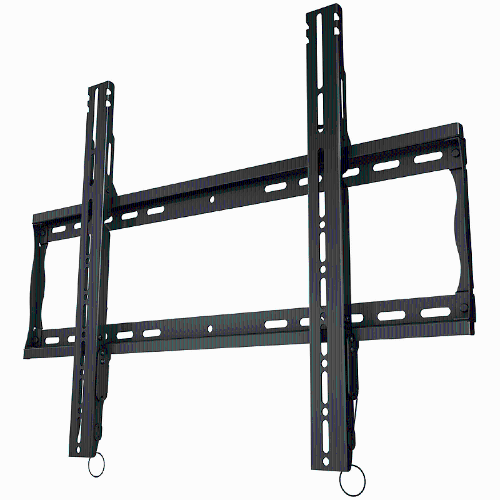
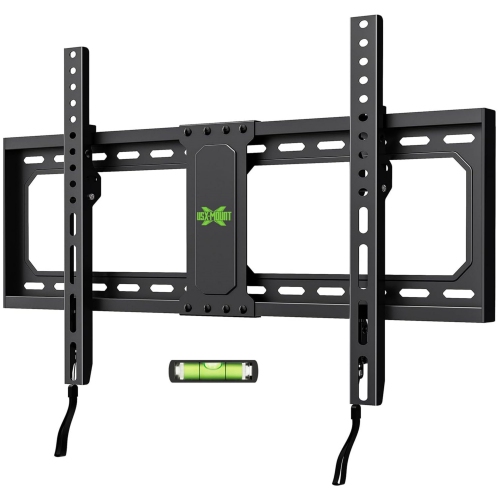
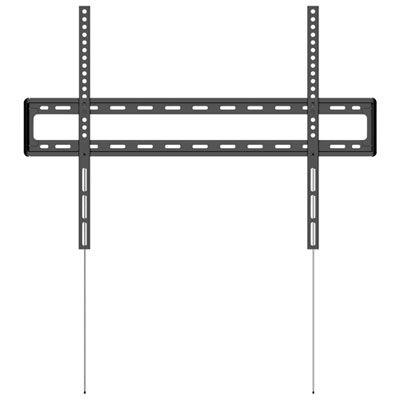
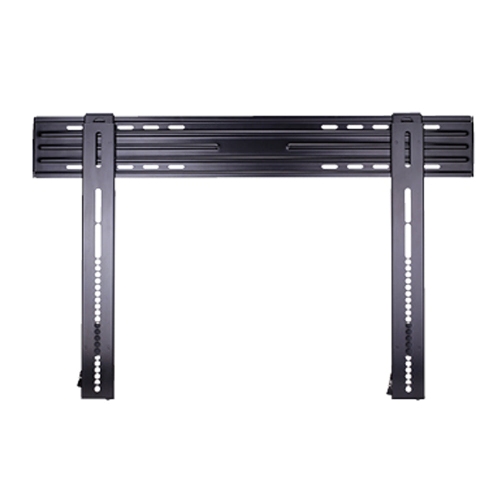
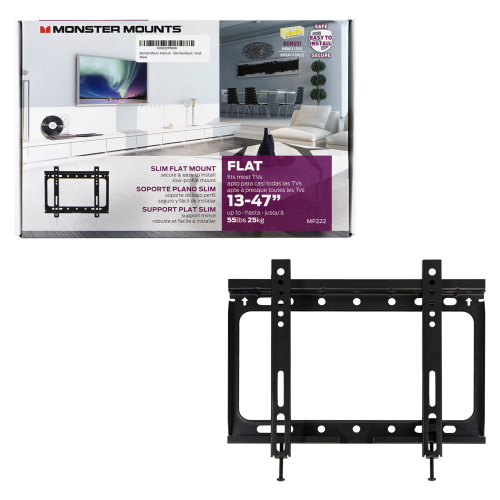
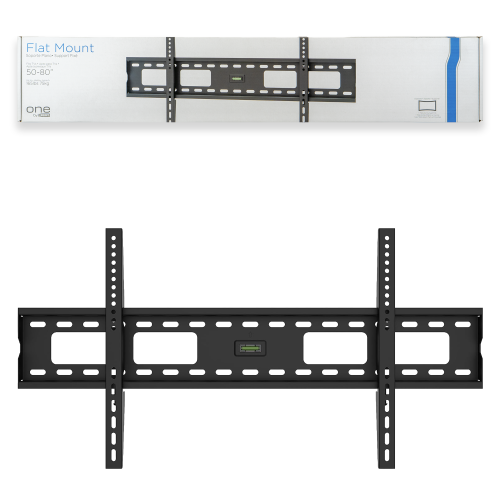
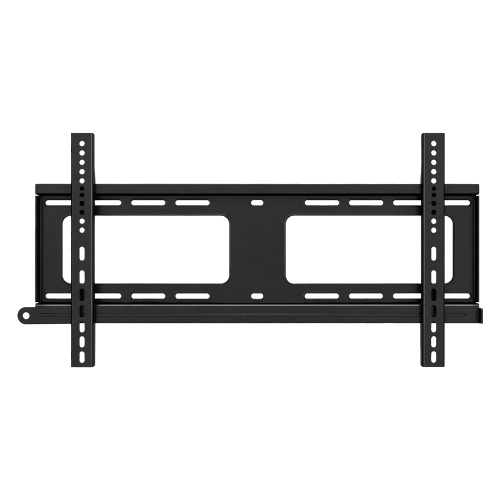
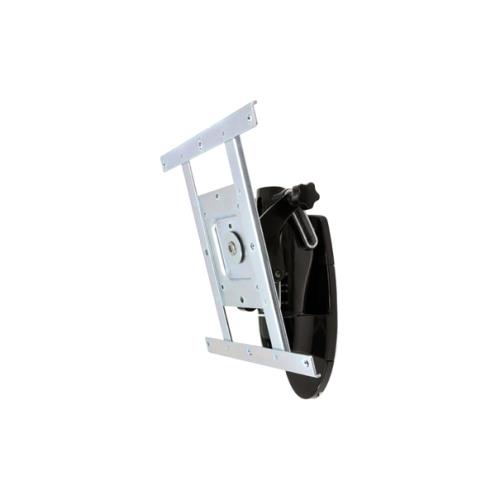
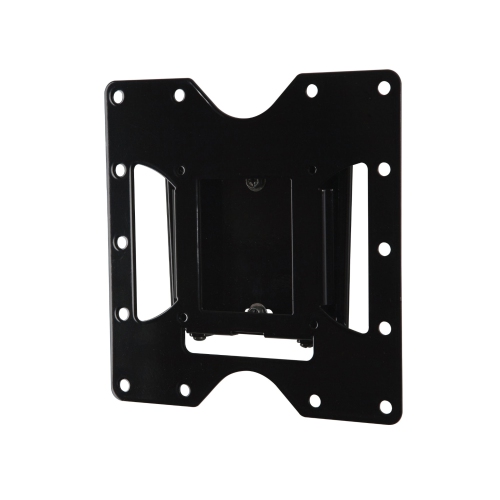
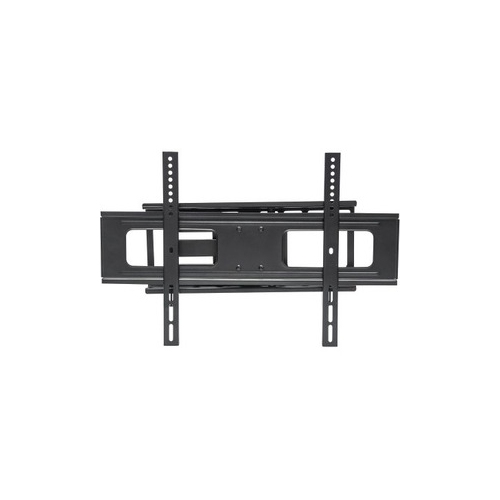
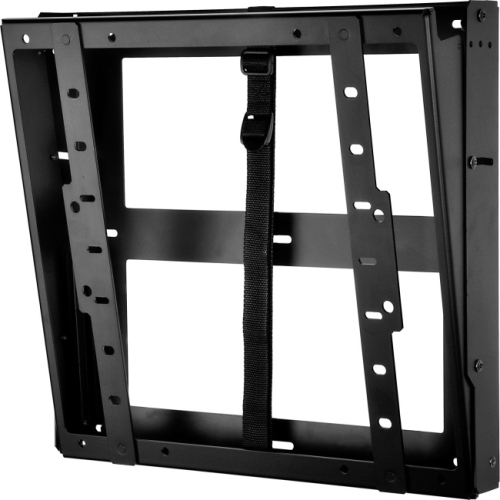
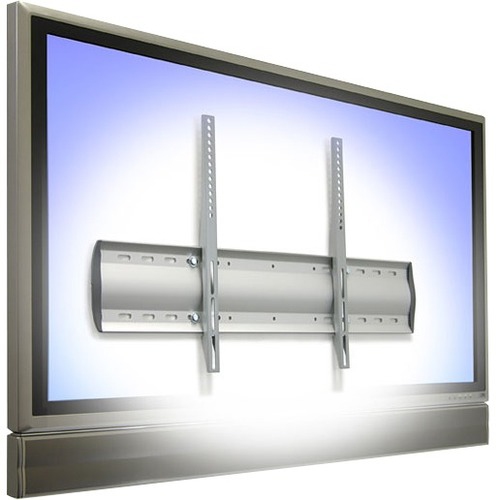
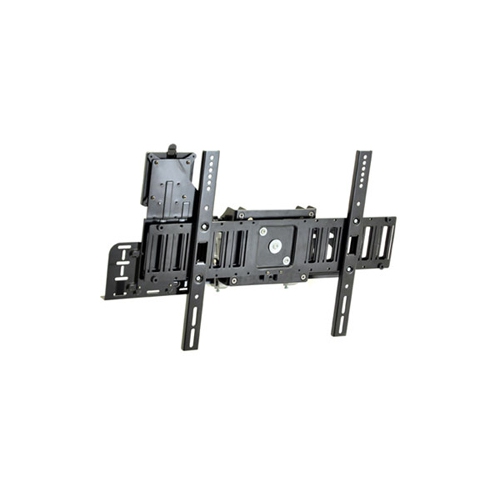
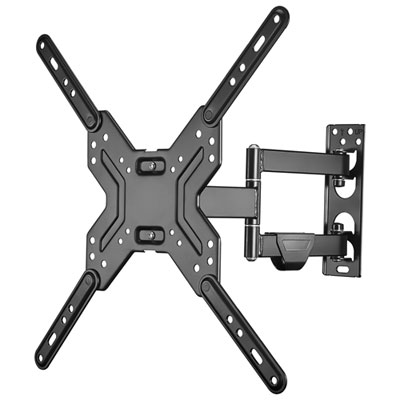
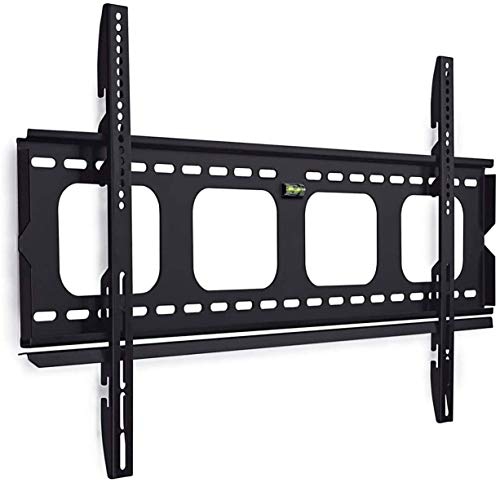
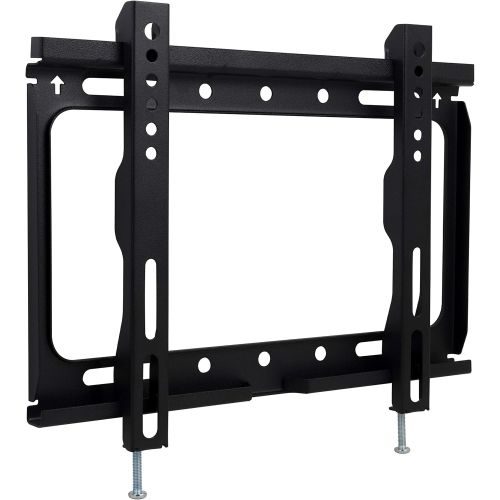
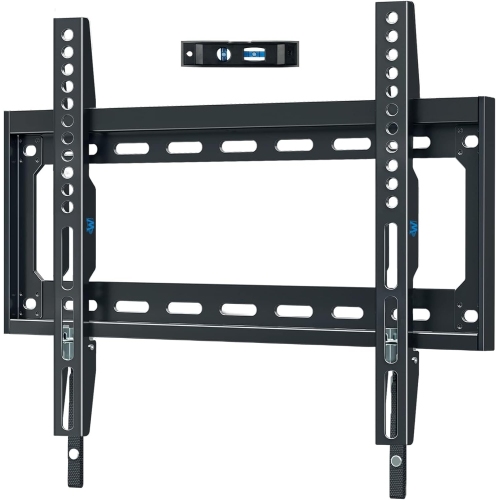
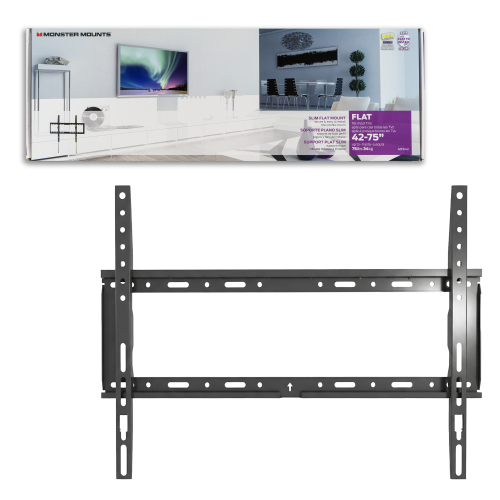
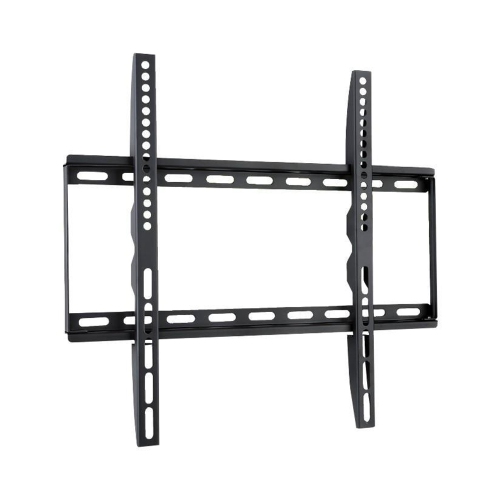
VESA flat wall mounts hold a TV or computer monitor close to the wall, creating a fixed viewing position without the projecting arm used by a full-motion mount. Their low-profile shape suits spaces where the screen can face the main seating area directly, whether that means a television opposite a sofa or a monitor above a work surface. VESA compatibility refers to the mounting-hole pattern on the back of the display, measured in millimetres from the centre of one hole to the centre of another. The first measurement is the horizontal distance and the second is the vertical distance. A 100 x 100 mm pattern, for example, has mounting holes spaced 100 mm apart in both directions. Common patterns include 75 x 75 mm and 100 x 100 mm on smaller displays, with patterns such as 200 x 200 mm, 400 x 400 mm and 600 x 400 mm found on larger screens. These are examples rather than a guarantee of fit: the display and mount specifications need to match. Screen size alone does not establish compatibility, since two televisions with the same diagonal measurement can have different mounting patterns, weights and rear-panel layouts. A suitable bracket must support the display’s weight without its tabletop stand, accommodate its VESA pattern and meet any stated screen-size limits. Curved backs, recessed mounting holes and raised sections around the electronics can also affect how the rails attach. Some displays require manufacturer-specified spacers to keep the bracket clear of the rear casing. Screw diameter and length matter just as much as hole spacing; screws that are too short may not engage properly, while screws that are too long can damage the display. Flat mounts generally provide little or no viewing-angle adjustment, so they are best suited to a position that does not require frequent swivelling or tilting. Any levelling or sideways adjustment offered by a particular design should not be confused with an adjustable viewing angle.

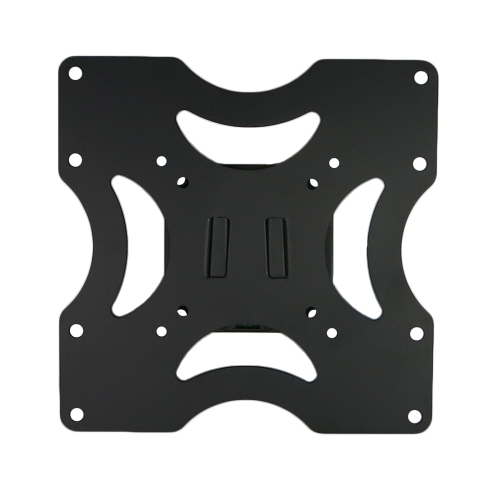
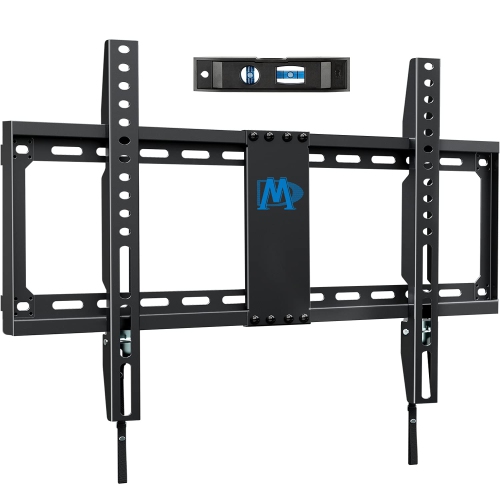
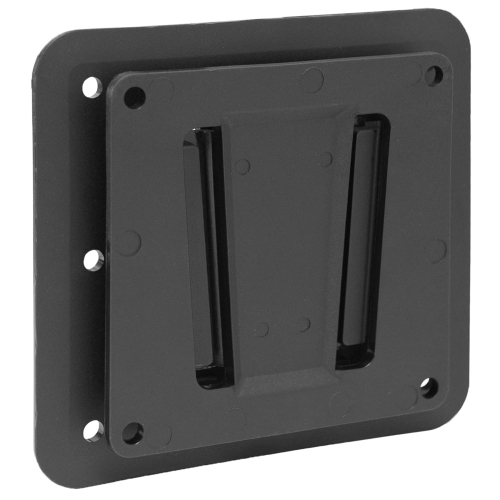
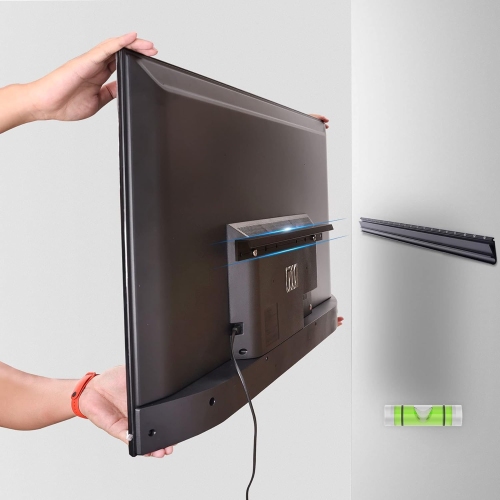
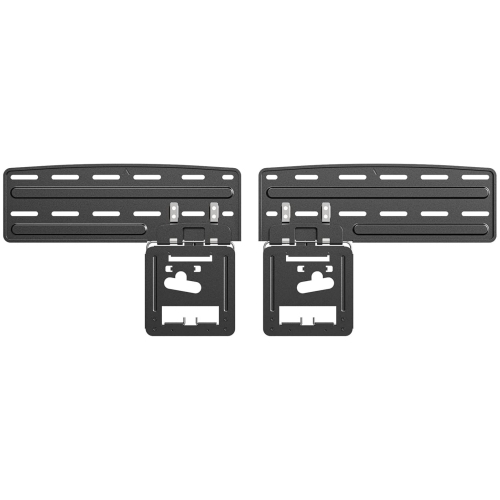
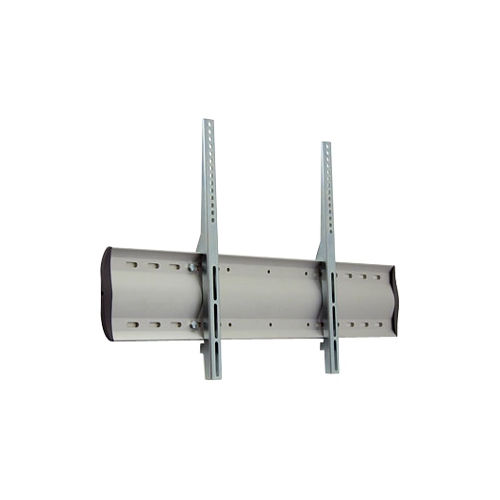
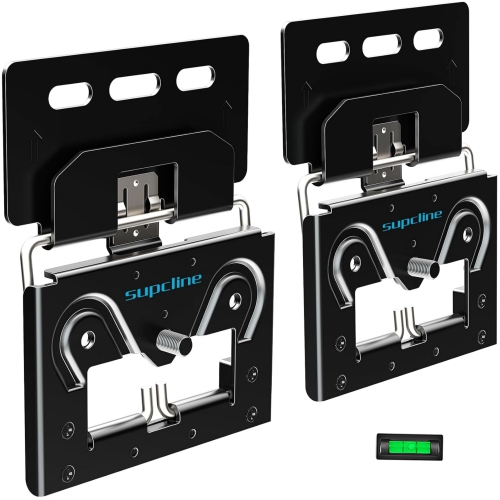
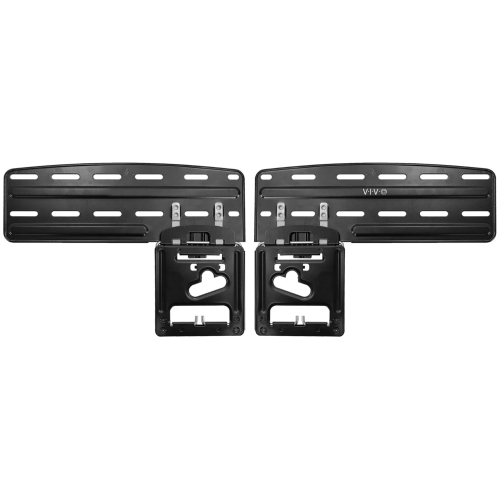
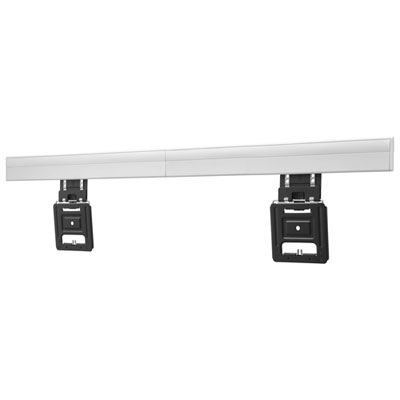
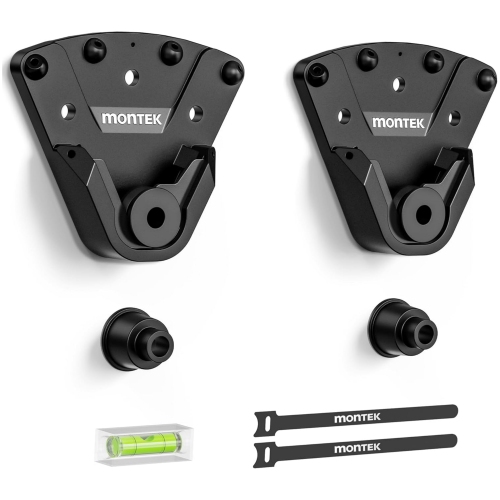
The strength of a flat wall mount depends on its construction, its rated capacity and the structure supporting it. Steel is commonly used for wall plates and display rails because it can provide a rigid connection in a relatively slim profile. Some designs also use aluminium components, with the complete assembly’s load rating remaining more important than the material name alone. Painted or powder-coated finishes give exposed edges a tidy appearance and help protect the metal surface during normal indoor use. Bracket dimensions vary: a broad wall plate may offer several attachment positions, while a compact plate can suit a smaller display or a narrow section of wall. Those dimensions still need to work with the wall’s framing and the manufacturer’s installation requirements. Drywall, wood studs, concrete and masonry are not interchangeable mounting surfaces, and hardware supplied for one type of wall may not be suitable for another. A package of assorted screws does not necessarily include every fastener needed for the wall itself. The display’s weight must be supported through an approved attachment method rather than by the wall finish alone. Professional installation can be useful where the structure is uncertain, the screen is difficult to lift safely or cable routing requires electrical work. Once attached, locking screws, retaining tabs or other security features help keep the display seated on the bracket; their design also affects how the screen can be removed for servicing. In a busy family room, a playroom or a shared workspace, secure installation is especially important, and wall mounting does not make a screen suitable for climbing or pulling. For ongoing care, a soft, dry cloth is usually sufficient for accessible bracket surfaces, subject to the manufacturer’s directions. Loose connections, damaged components or movement at the wall warrant attention before continued use. A mount that has been bent or altered should not be treated as having its original rated strength.

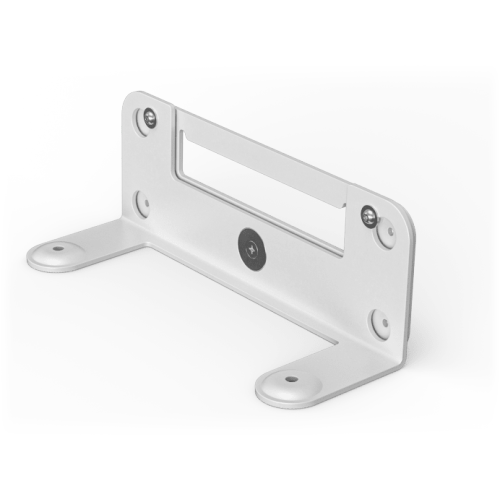
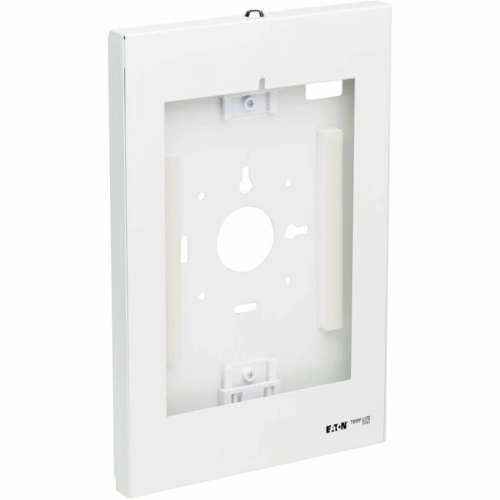
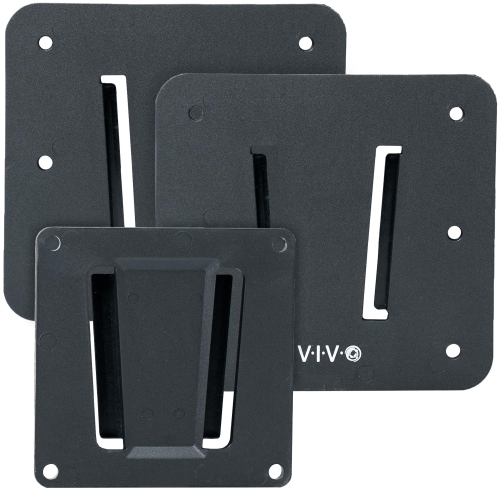
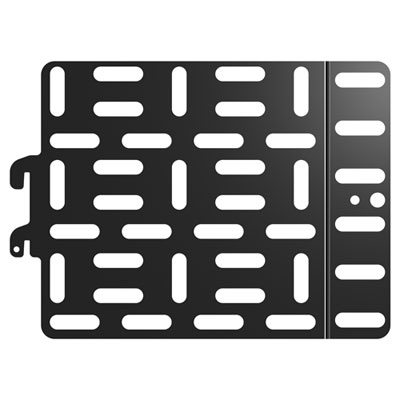
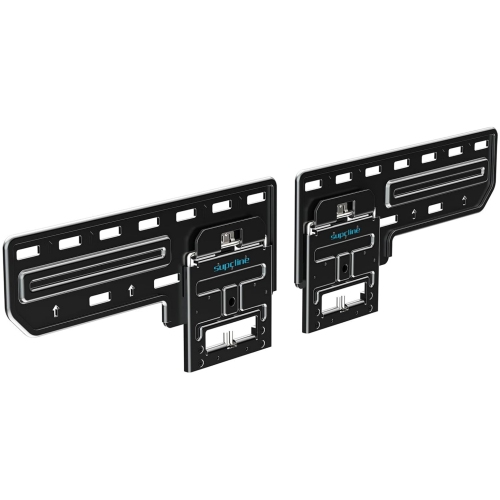
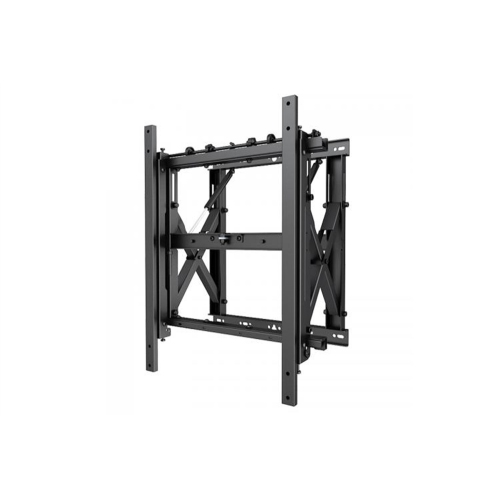
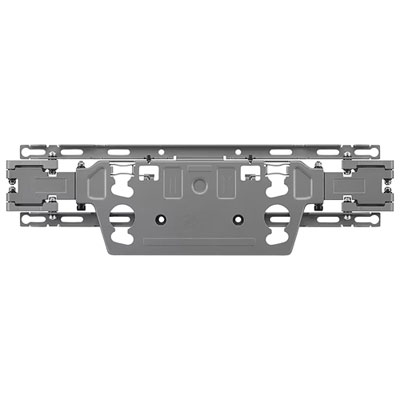
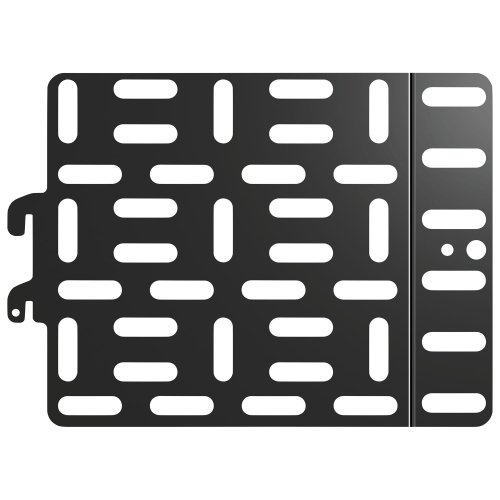
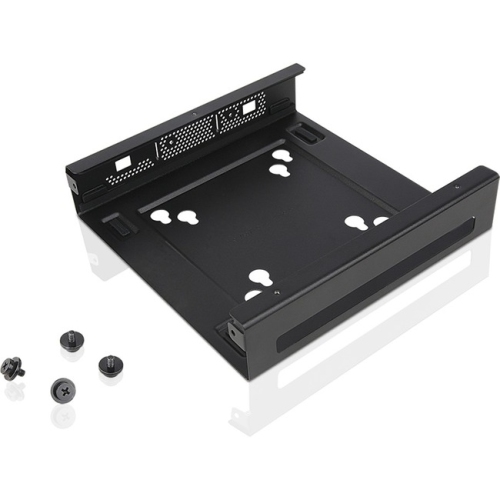
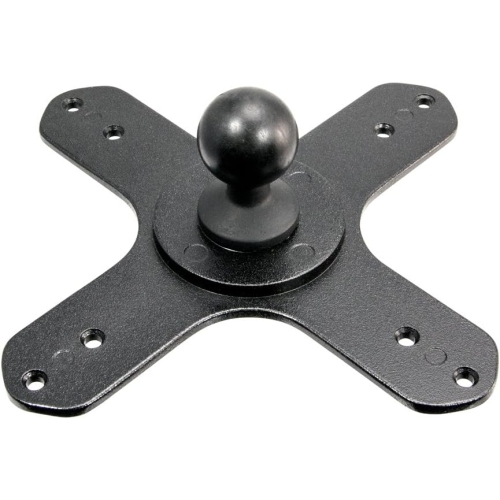
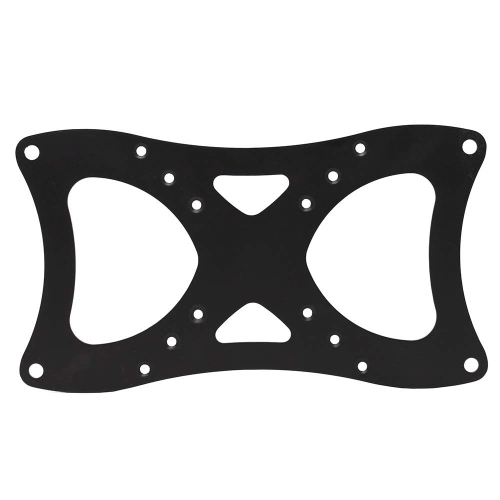
A close-to-wall installation can leave more usable space on a media console, keep a desktop clear of a monitor stand and give a room a less crowded appearance. It works particularly well where the furniture layout is settled and viewers usually sit in the same area. A bedroom television facing the bed, a kitchen display positioned away from splashes or a monitor used for schedules in an office can each have different placement needs, even when the mounting pattern is identical. Height and sightlines matter because a fixed bracket cannot compensate for a screen positioned too high or aimed away from its audience. A television above a fireplace, for instance, may create an uncomfortable upward viewing angle and must also meet the display manufacturer’s heat and clearance requirements. Portrait mounting for a compatible monitor or information display likewise depends on approval from both the screen and mount manufacturers. The gap behind the screen deserves attention, particularly with very slim brackets. Rear-facing HDMI connections, power plugs and cable bends can require more room than side-facing ports, and a bracket rail must not block connections or ventilation openings. Tight clearance can also make it harder to reach a USB port or release mechanism after installation. Suitable cable management keeps leads from being pinched without pulling them taut, while any concealed wiring needs to meet applicable requirements; ordinary power cords should not simply be passed through a wall cavity. Where the mounting interface needs adapting, Vesa Mounting Plates may provide a compatible connection between certain displays and brackets. An adapter must be approved for the intended setup and does not increase the mount’s load capacity. For renters, shared households and anyone planning a later room rearrangement, the permanence of wall attachment is another practical consideration. Flat wall mounts suit a deliberate, stable layout, with compatibility, access and comfortable viewing taking priority over achieving the smallest possible gap behind the screen.
FAQ

Some products may be subject to Environmental Handling Fees (EHF) depending on your province. Learn more about EHFs.