Mid Century Entertainment Centers
If you're looking for a piece of furniture that will add a touch of style and comfort to your home, consider an entertainment center. These pieces are designed to hold all your most important electronics while also providing storage space for DVDs, CDs, and other media. Here are some of the best mid-century-style entertainment centers available today.
Sort
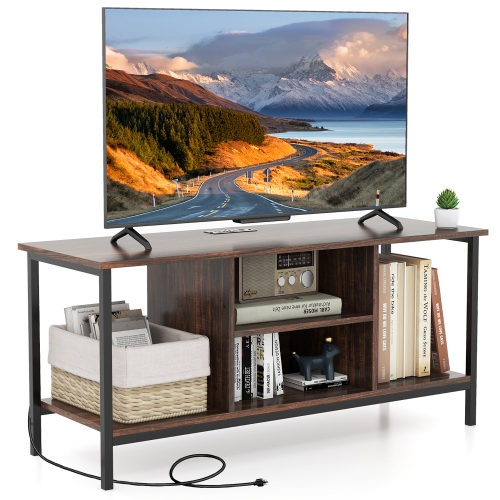
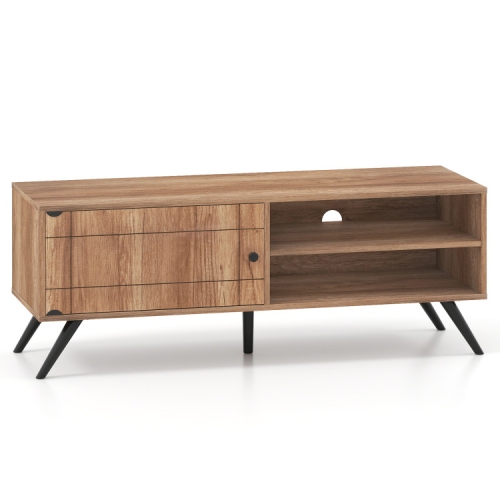
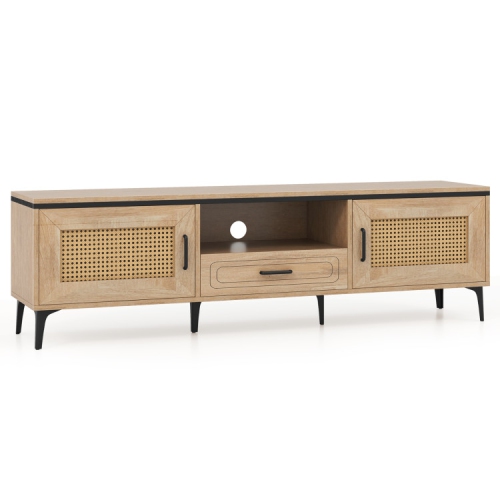


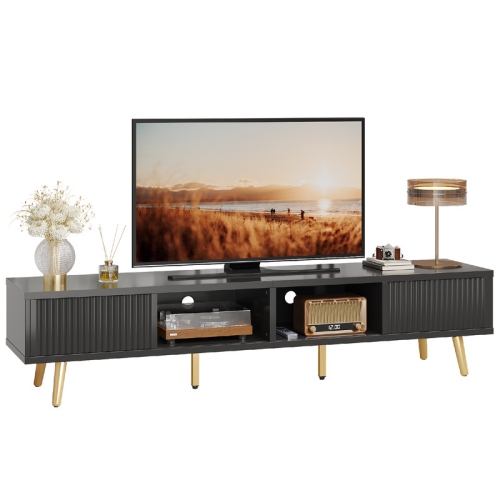
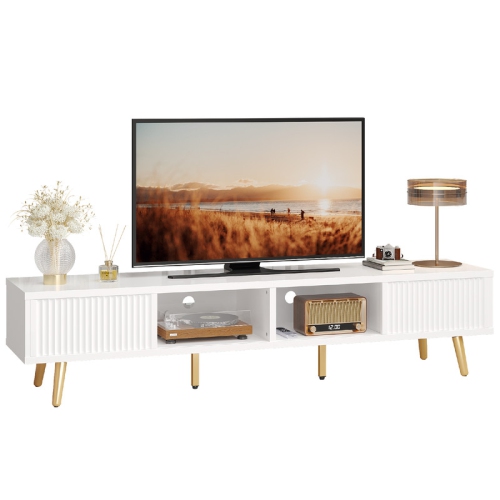

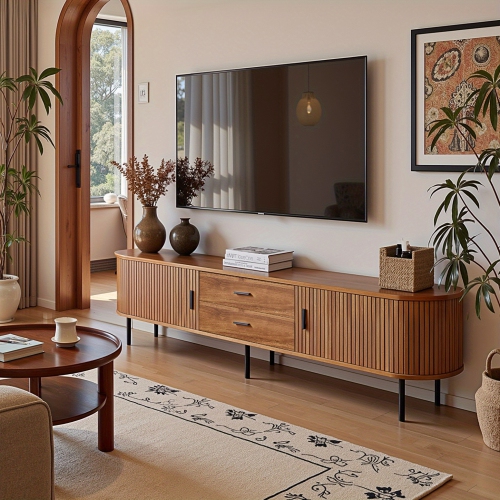
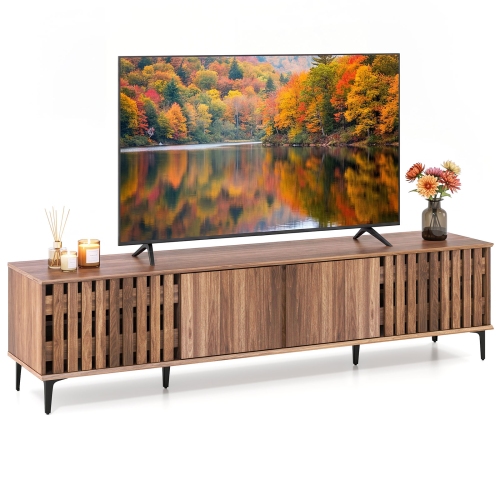
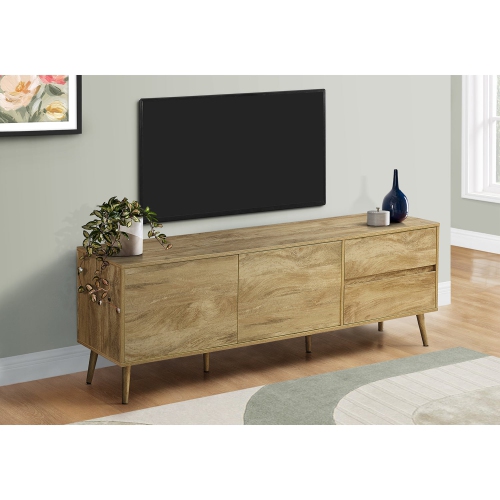

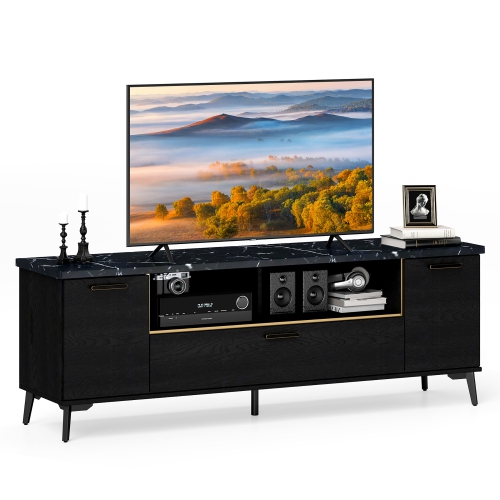


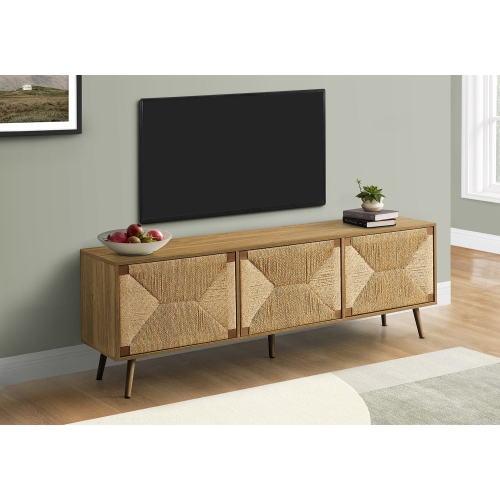
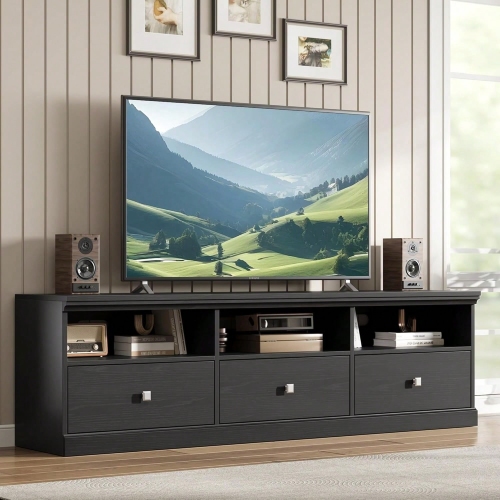
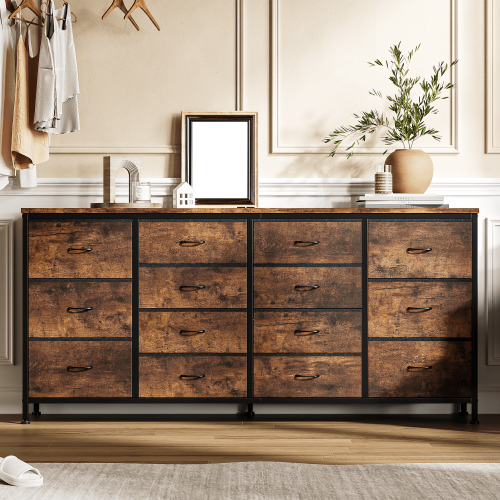

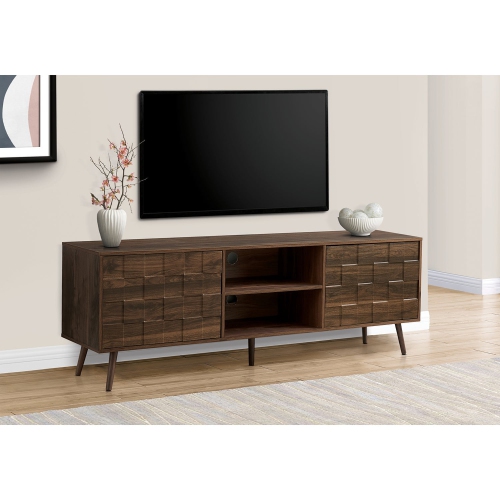

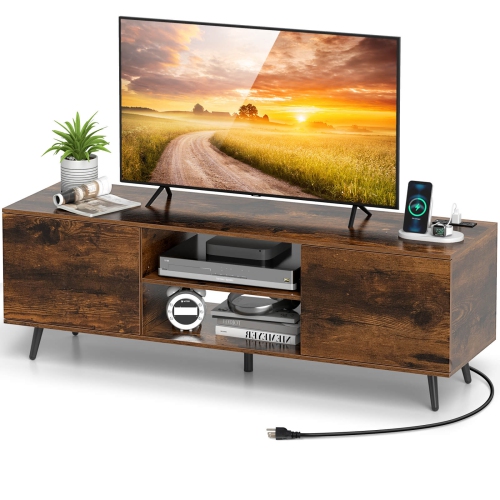

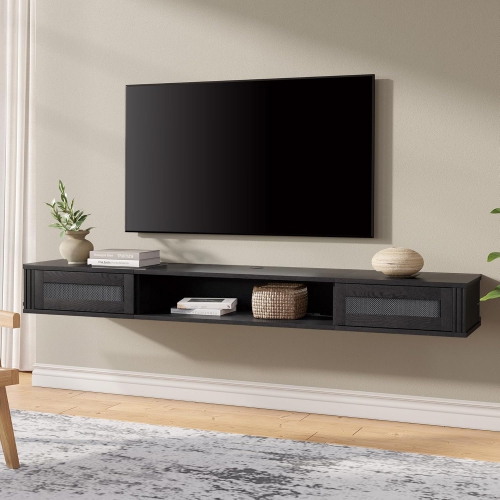

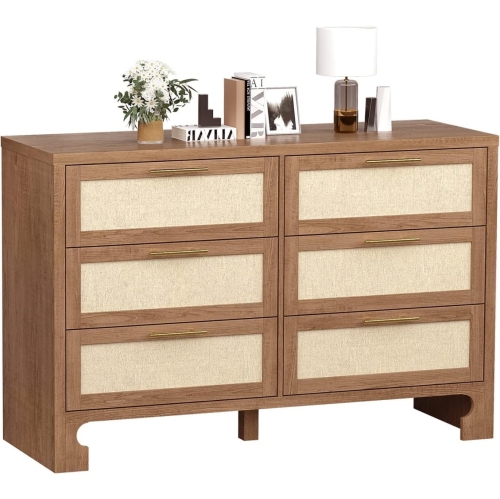


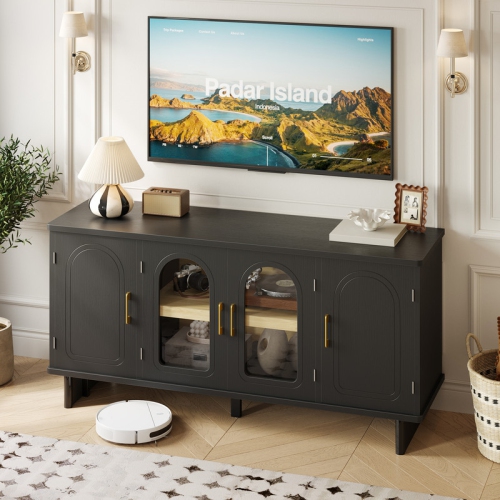


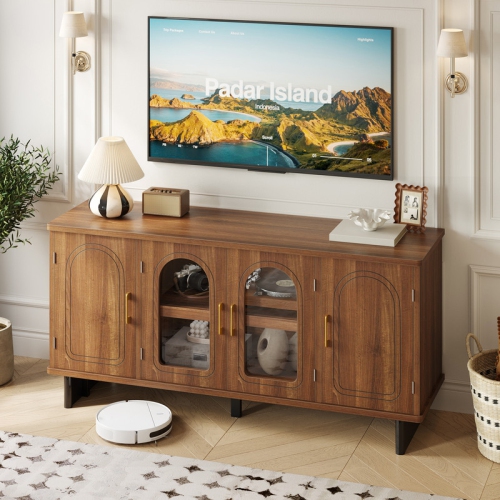


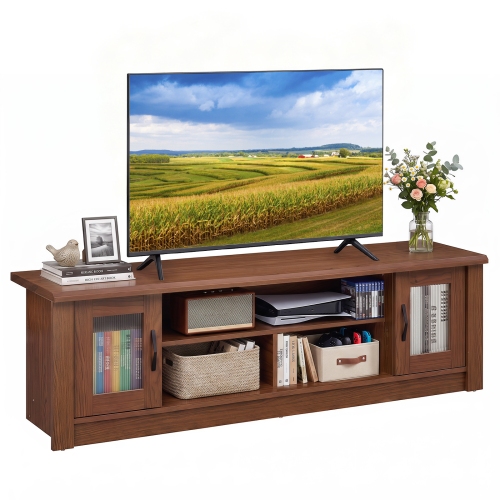
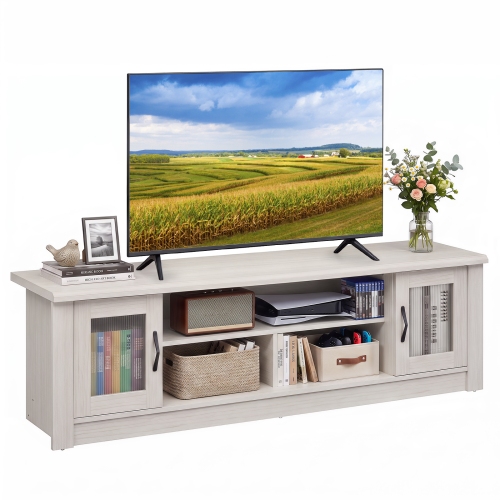
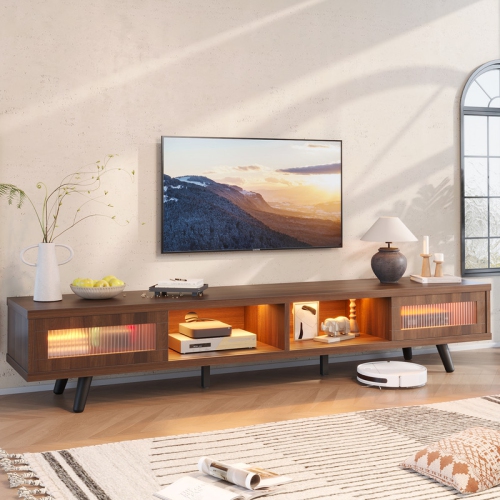
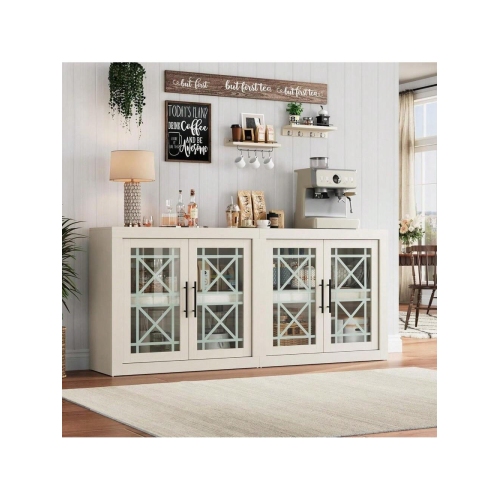
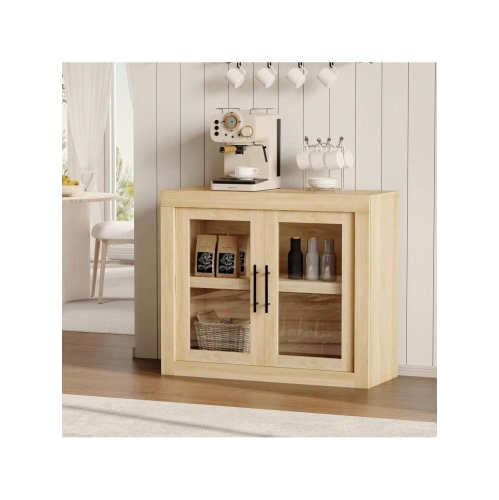
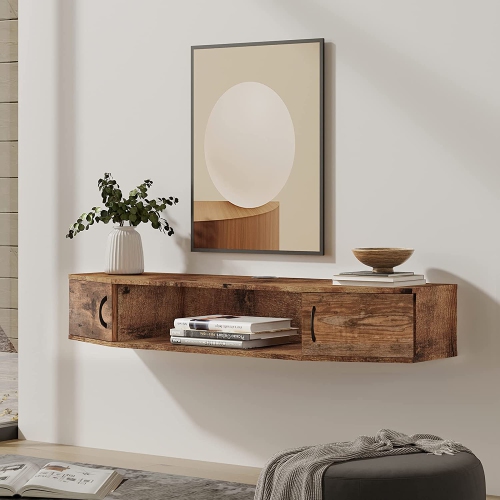
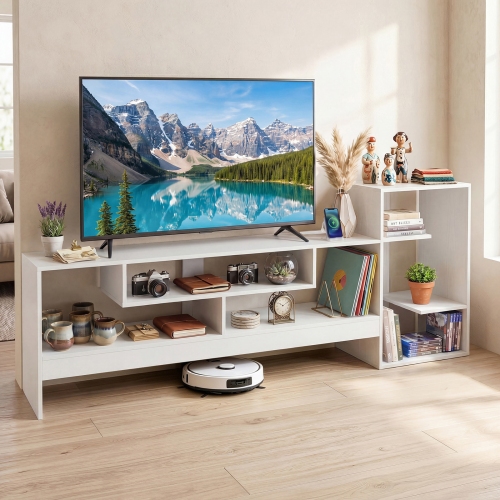
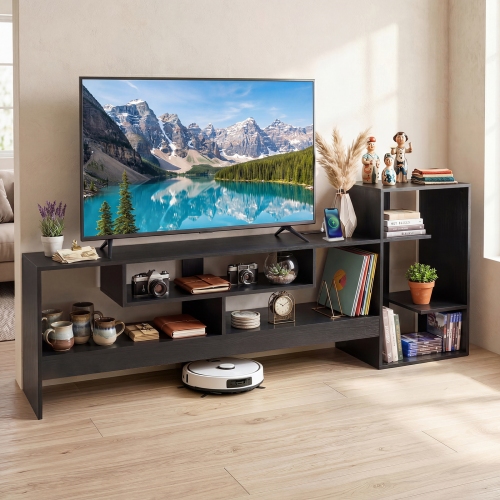
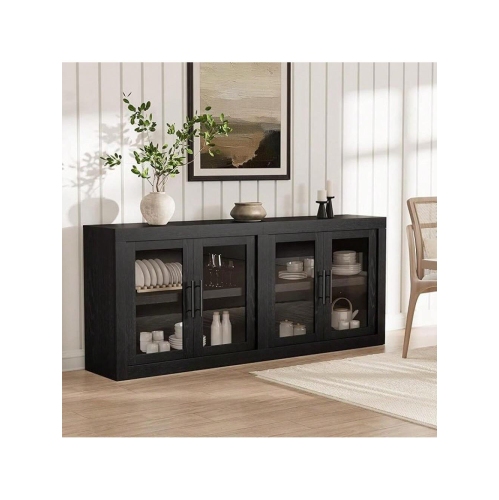
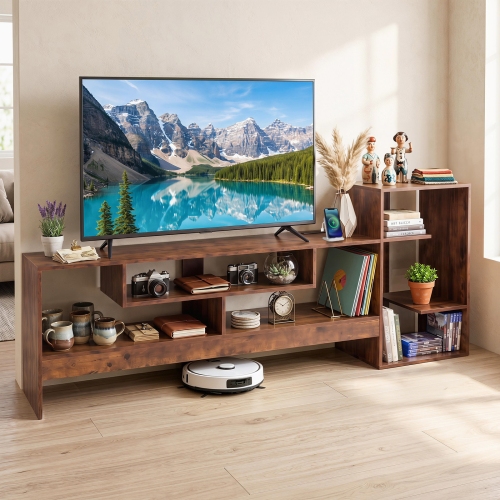

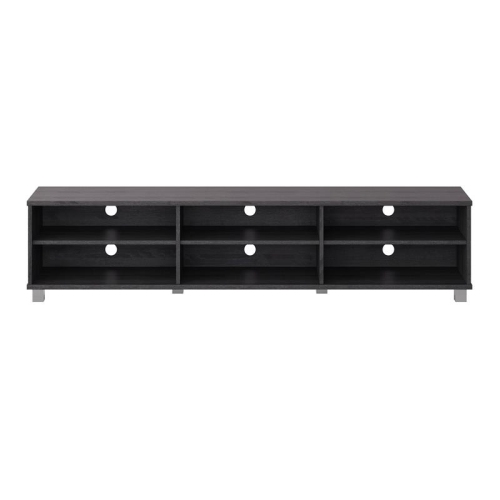
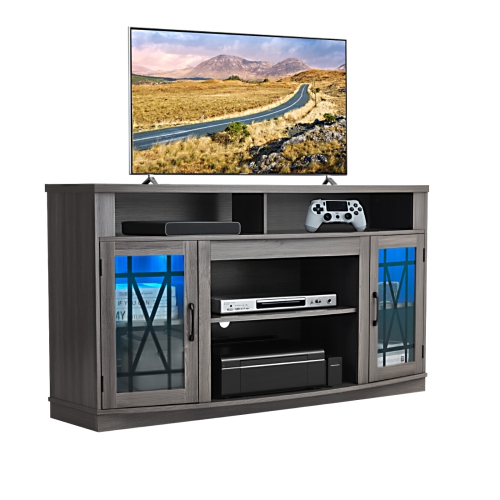
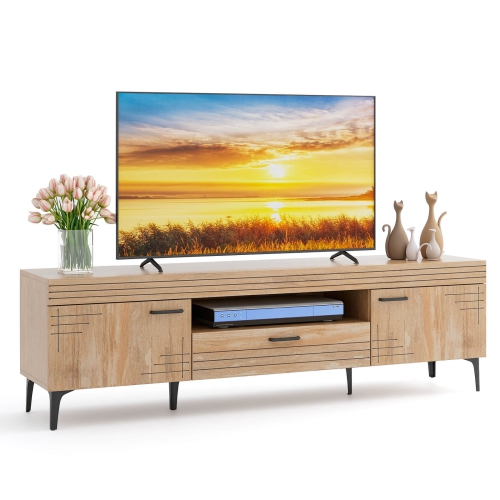


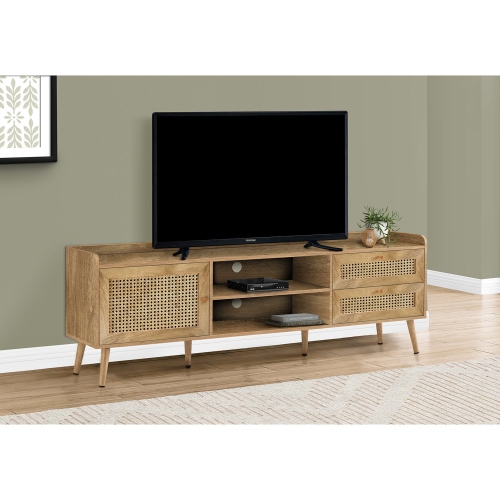


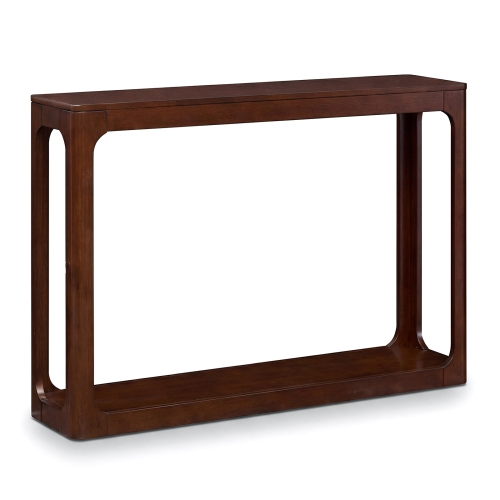
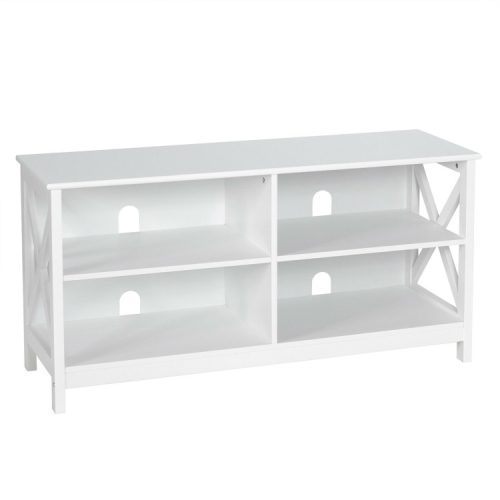


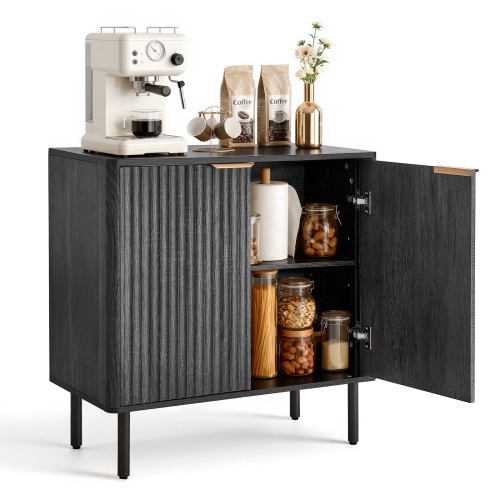
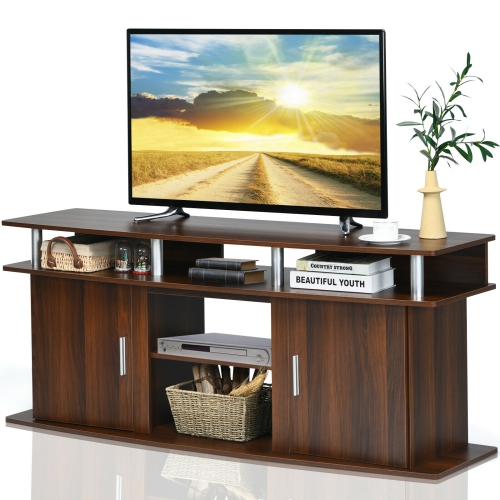
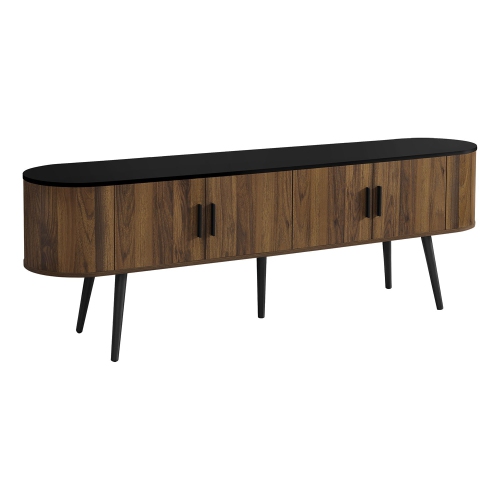

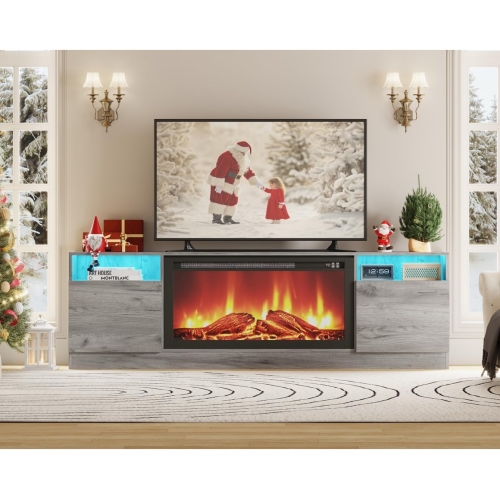

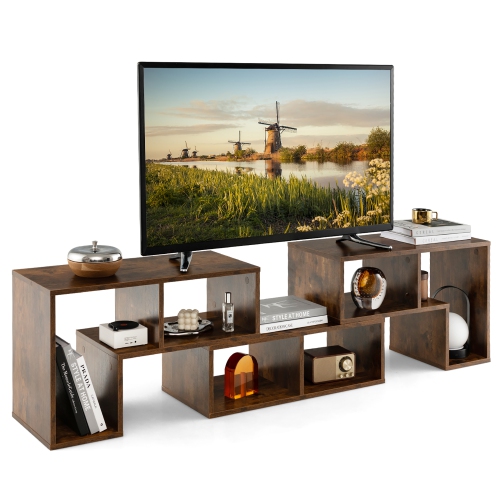


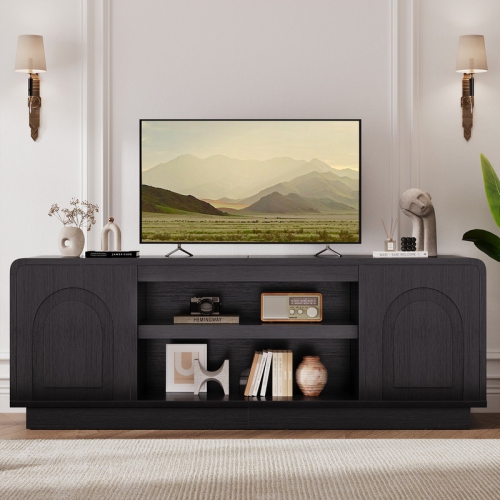

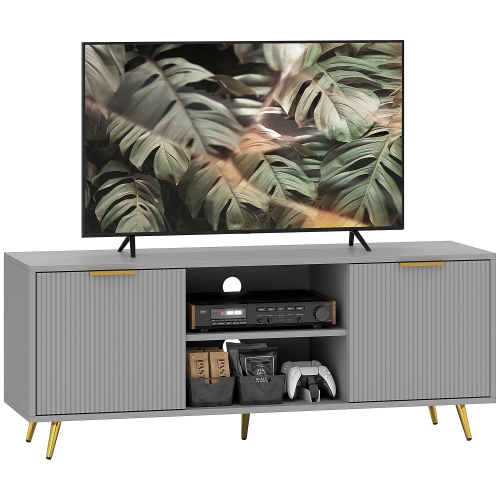
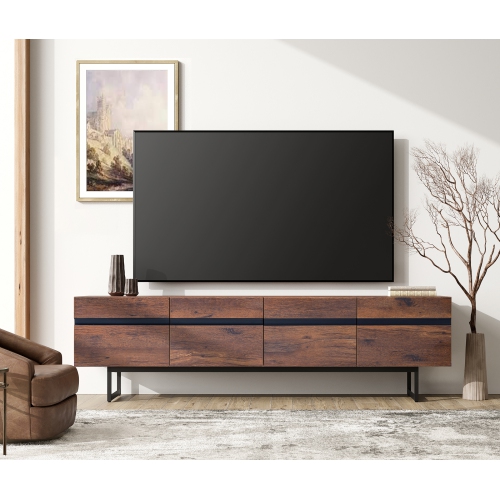


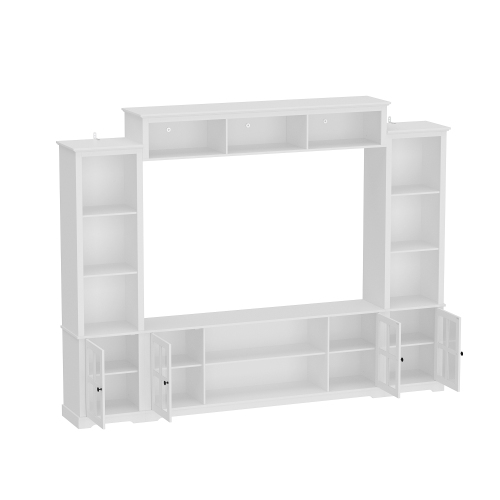
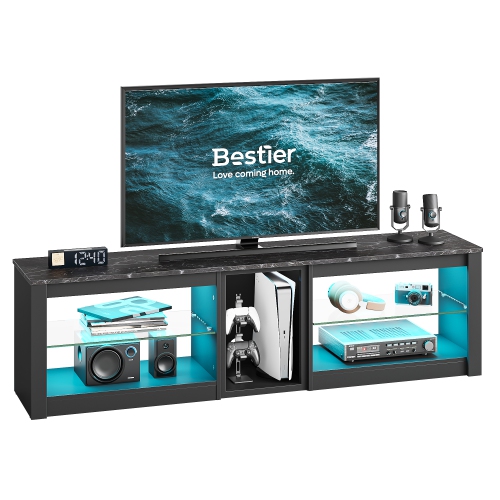
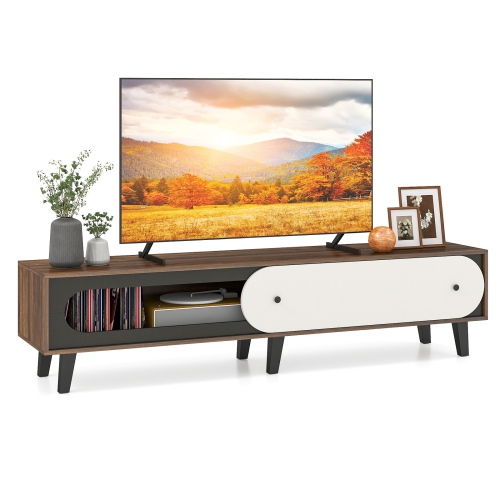

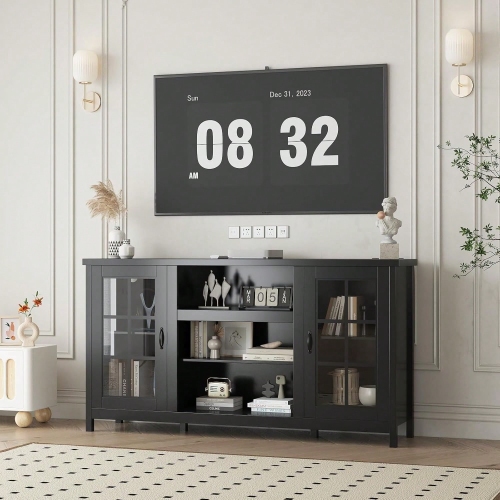


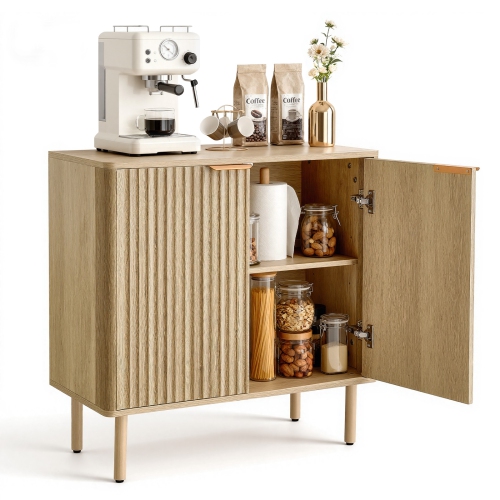
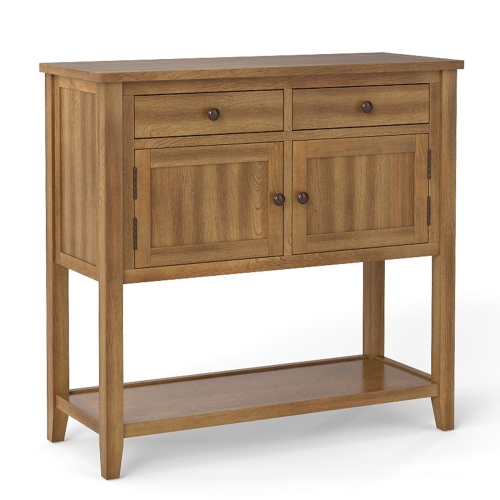

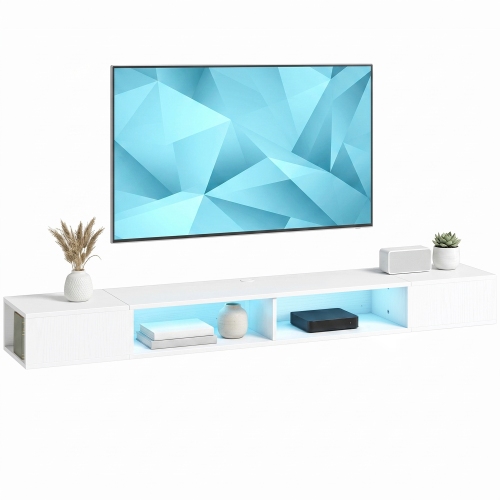


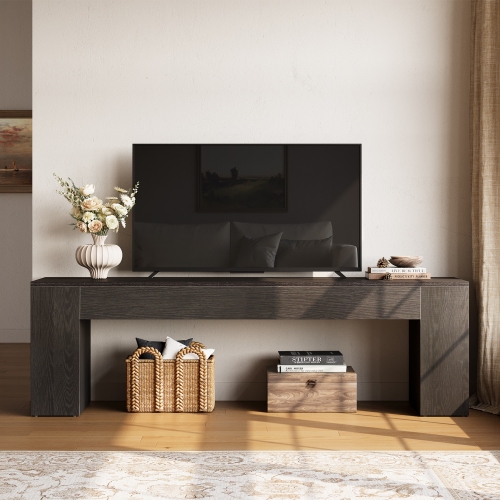


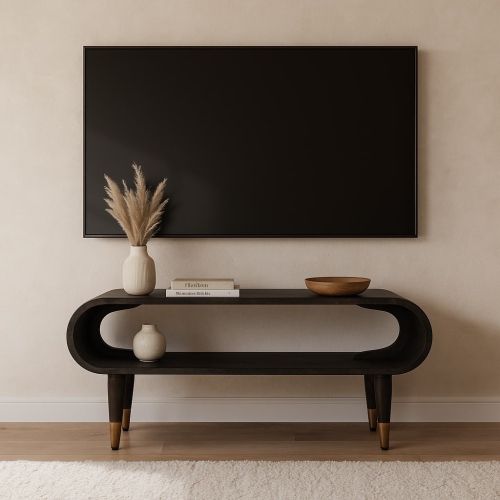
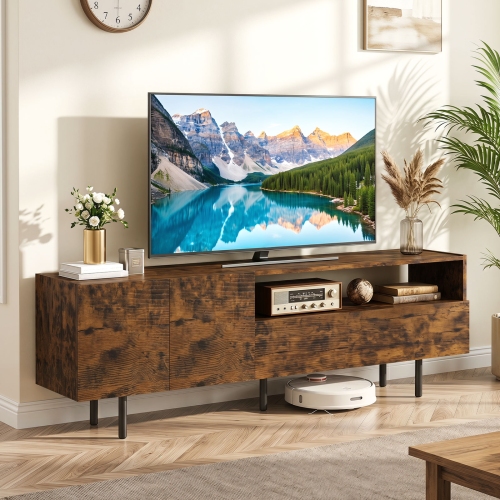
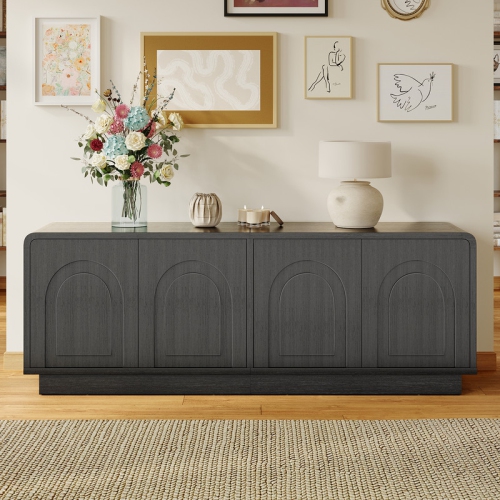
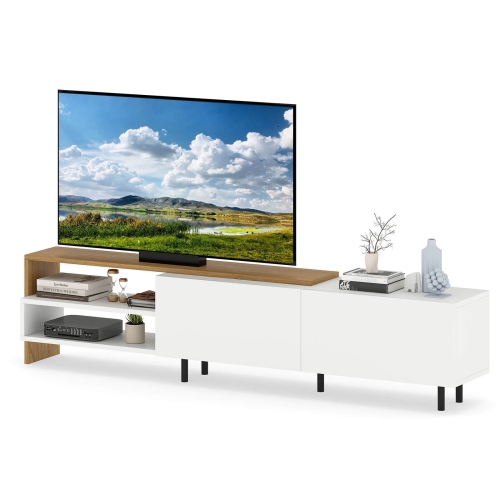

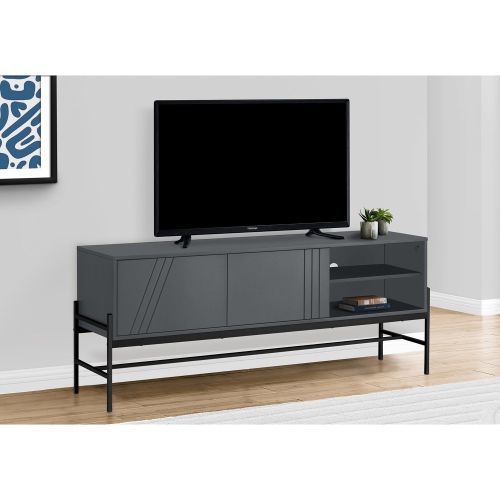
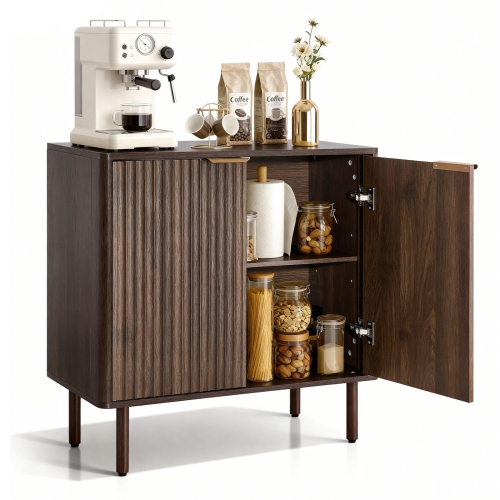
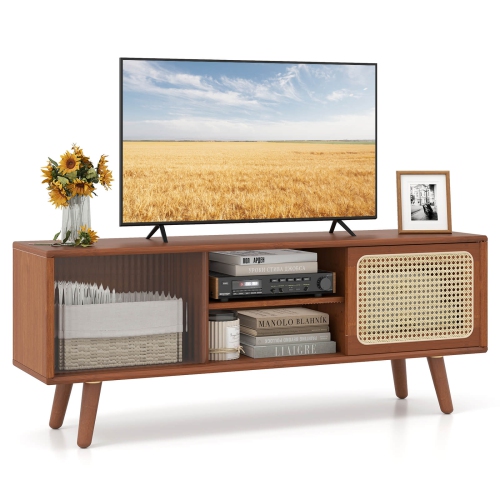


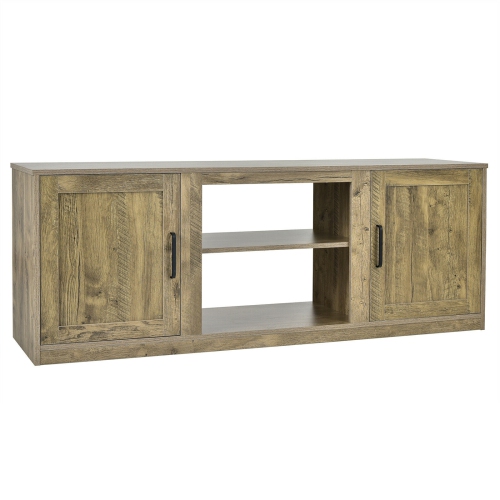
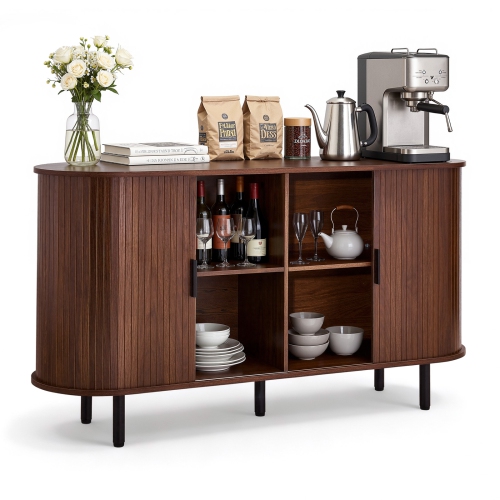

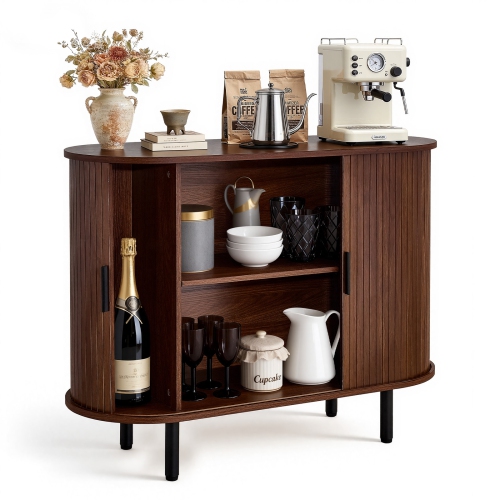
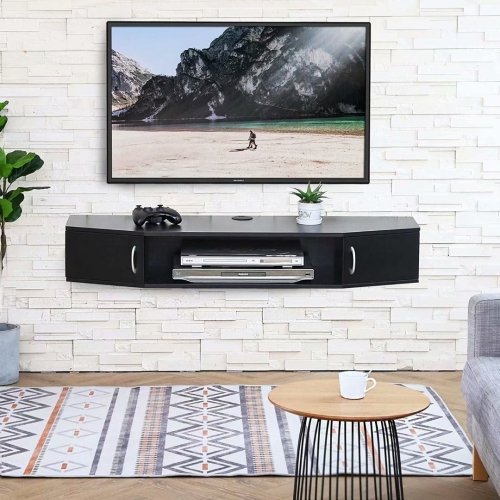

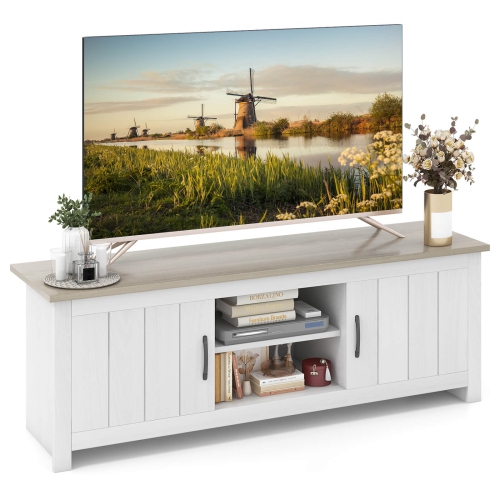
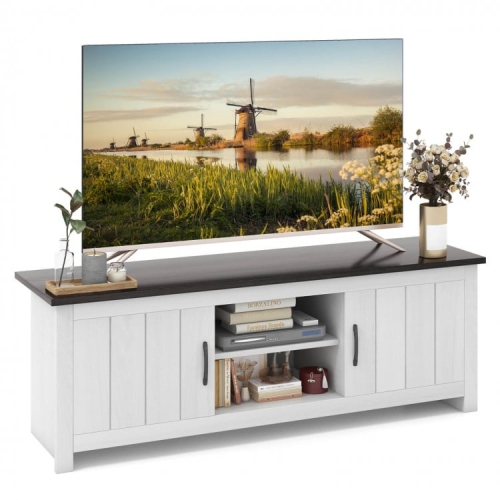
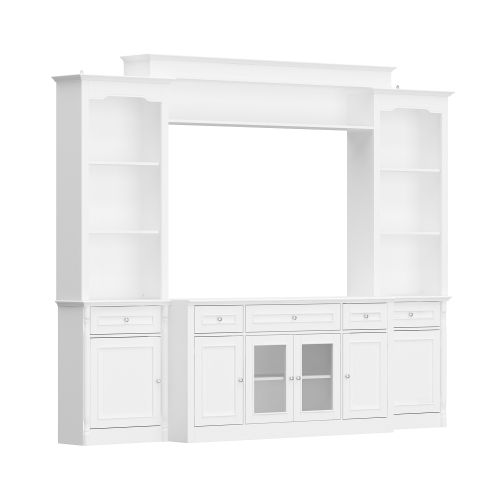
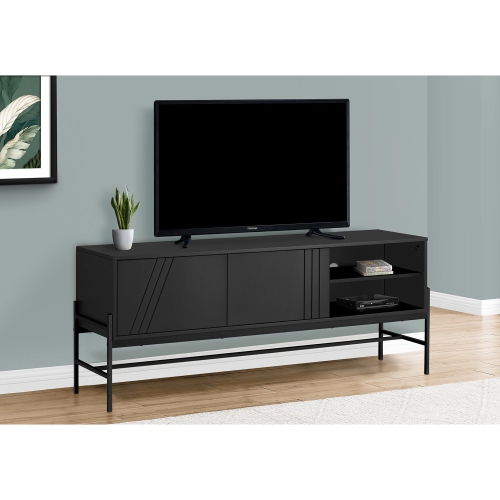
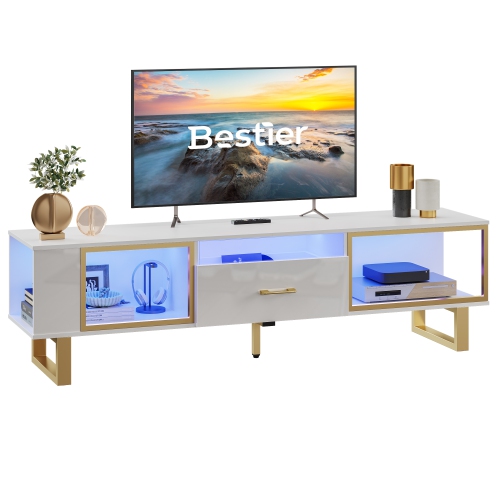
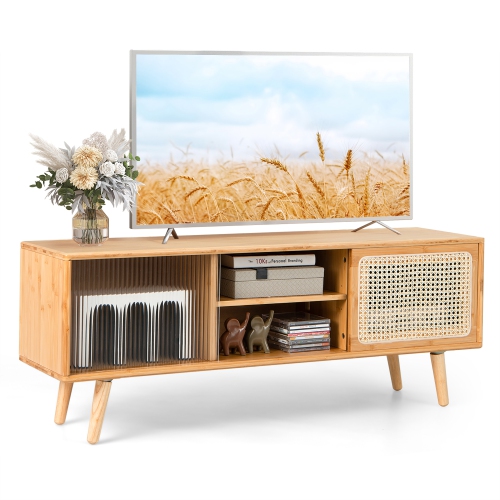

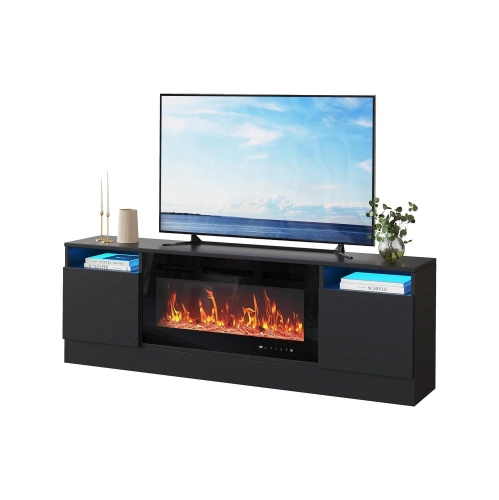




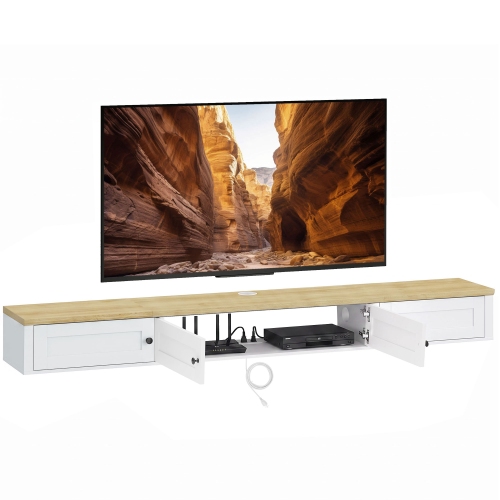
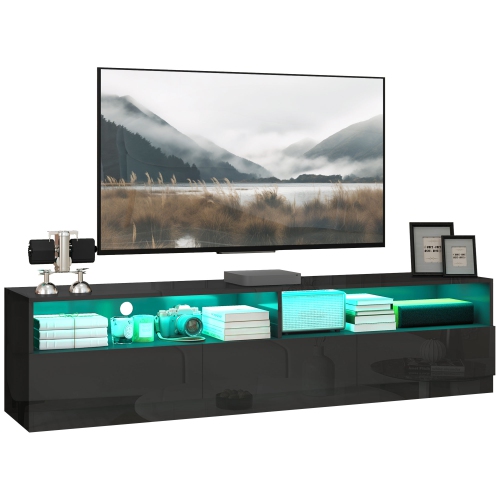


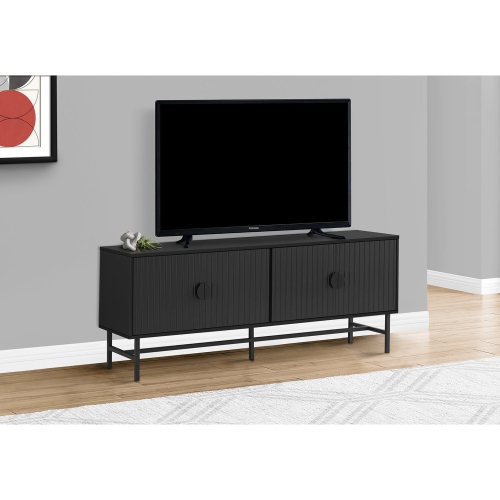
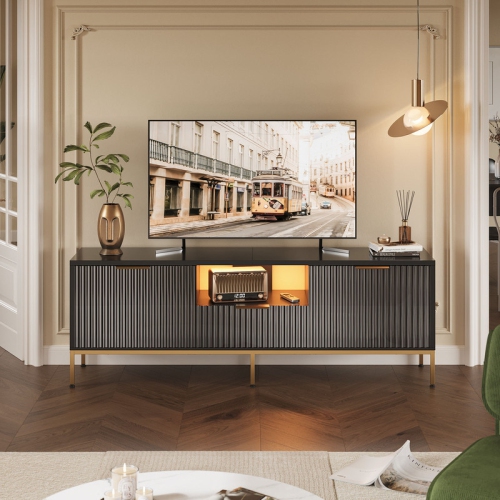
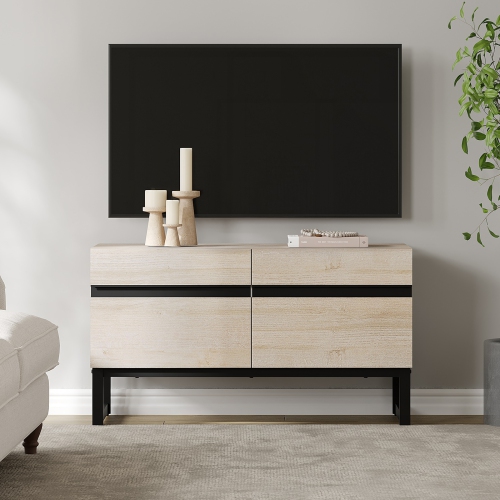


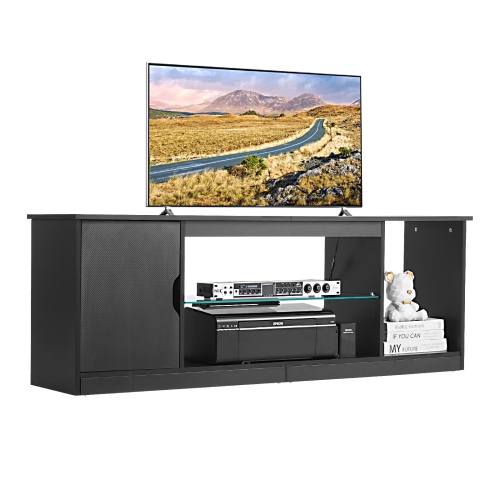
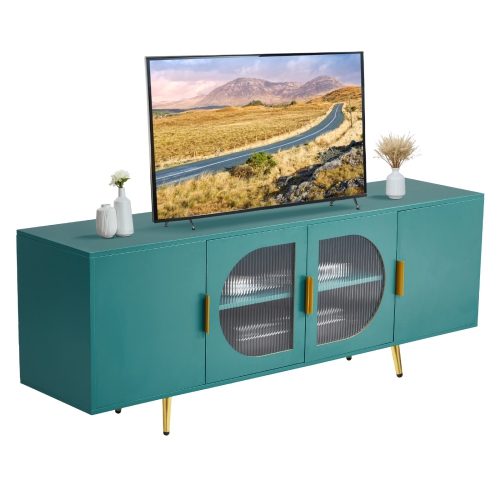


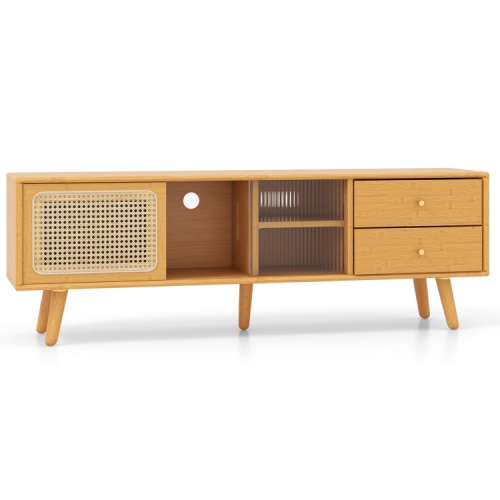
Retro character meets practical storage for modern media setups
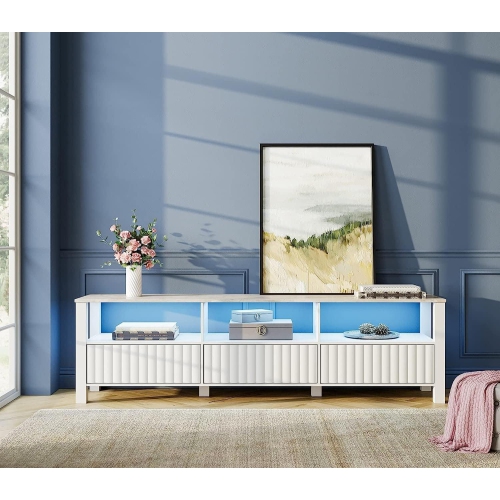
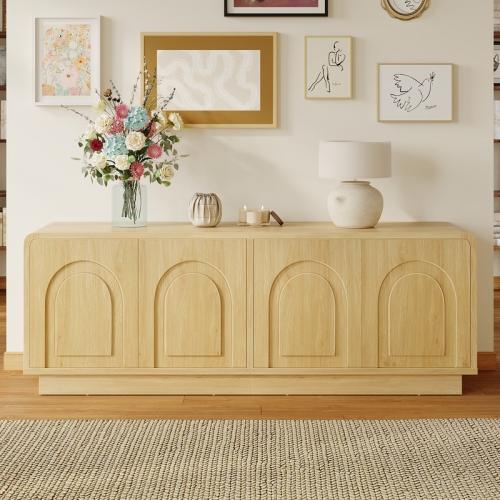
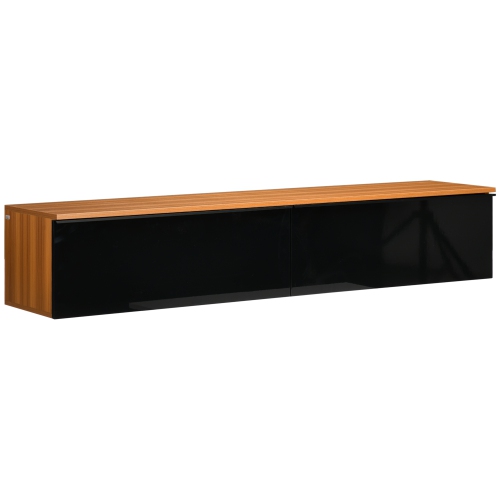
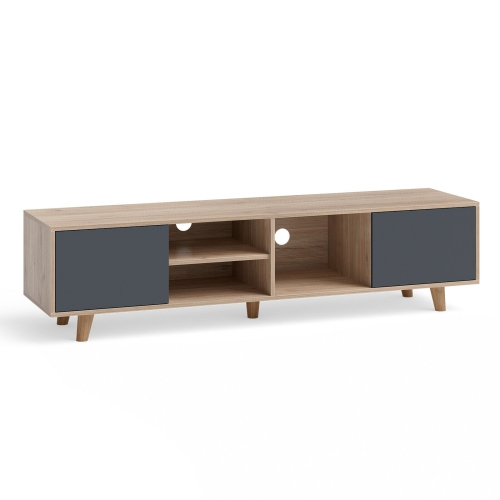
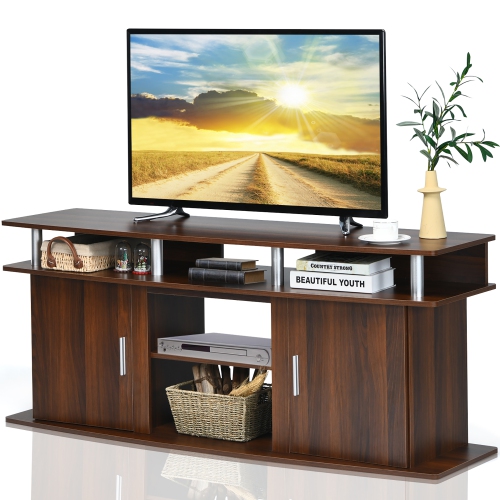
Mid century entertainment centers bring a distinctive balance of warmth, simplicity, and everyday function to a living room, family room, den, or open-concept apartment. Inspired by furniture silhouettes popular in the 1950s and 1960s, these media units are often recognized by their clean geometric shapes, low profiles, tapered or splayed legs, and wood-inspired finishes that add depth without making a room feel crowded. Their design tends to sit comfortably between traditional and contemporary décor, pairing especially well with neutral upholstery, textured rugs, sculptural lighting, and other furniture with gently rounded or streamlined forms. A mid century entertainment center can give a television wall a finished appearance while creating a practical home for receivers, gaming consoles, streaming devices, speakers, remotes, and movie collections. The right size depends on more than the screen measurement alone. Consider the full width of the television, the position of its legs or centre stand, and the amount of space needed on either side for visual balance. A console that extends beyond the screen can create a more grounded look, while a compact unit may be a better fit for a bedroom, condo, studio, or smaller lounge area. Leave enough clearance around the television for comfortable viewing and make sure the furniture can support the weight of the display. Low-profile designs are particularly useful beneath wall-mounted televisions, helping the screen remain the focal point while adding storage below. For shoppers comparing related styles, Mid Century Modern TV Stands offer a similarly streamlined approach to organizing a television setup.
Storage is one of the most important differences between a decorative console and a well-planned entertainment center. Open shelving keeps components visible and easy to reach, making it convenient to check indicator lights, change discs, access controllers, or connect a new device. Enclosed cabinets create a calmer, less cluttered appearance by concealing wires, accessories, and equipment when they are not in use. Some designs combine both approaches, with open shelves for frequently used electronics and cabinet space for remotes, games, headphones, spare cables, and other items that can quickly spread across a room. Slatted, fluted, or sliding doors can add visual interest while preserving the crisp, uncluttered character associated with mid century furniture. When choosing a unit with doors, check that the panels open smoothly and that remote signals can reach the equipment, either through an open section, a suitable material, or a layout that does not block the sensor. Ventilation also deserves attention, particularly if an enclosed compartment will hold a game system, audio receiver, cable box, or other device that produces heat during extended use. Rear openings and cable cutouts can make a noticeable difference by allowing cords to pass neatly toward a wall outlet or power bar rather than hanging over the edge of the furniture. Before assembling the setup, measure the depth of each component, including any cables that bend behind it, and confirm that shelves have enough height for the equipment you plan to use. A little planning helps prevent tightly packed compartments, blocked vents, tangled cords, and the frustration of discovering that a device does not fit after the unit is in place. Adjustable shelving, sturdy hardware, and smooth-gliding doors can also make the entertainment center easier to adapt as viewing habits change.
These pieces suit many kinds of homes and routines. A household that gathers for films, sports, or multiplayer games may appreciate broad shelving and easy access to several devices, while someone who prefers a quieter, more minimal room may value doors that keep technology out of sight. In a shared living space, a well-organized centre can give everyone a clear place for controllers, speakers, and personal devices without allowing the television area to dominate the room. In a bedroom or guest room, a narrower unit can support a smaller screen while providing useful space for books, a soundbar, or decorative accents. Mid century entertainment centers can also make thoughtful gifts for someone moving into a first apartment, furnishing a new home, setting up a dedicated media room, or refreshing a family room during the cooler months when more time is spent indoors. Gift shoppers may want to consider the recipient’s television size, preferred finish, available wall width, and storage habits before choosing a style. Wood tones can bring a cosy, grounded feel to a bright room, while darker finishes may complement modern electronics and provide contrast against light walls. Pay attention to the legs and base as well: elevated legs can make cleaning underneath easier and give a compact room a more open appearance, whereas a broader plinth or floor-level base can offer a more substantial look. Check the assembly requirements, the recommended weight capacity, and whether the unit includes features such as cable management, adjustable shelves, soft-close hinges, or wall-anchoring hardware. It is also worth planning the surrounding area, leaving space for speakers, lamps, plants, artwork, or baskets without covering ventilation openings or crowding the screen. With its blend of retro character and practical storage, a mid century entertainment center can turn a collection of modern electronics into a more cohesive part of the home, giving movie nights, game sessions, music listening, and everyday television viewing a comfortable, organized setting.
Top selling and popular products
-
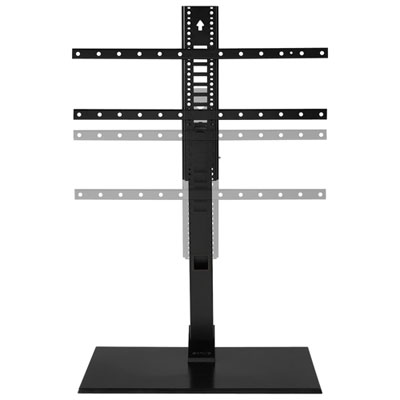 Your price for this item is $249.99
-
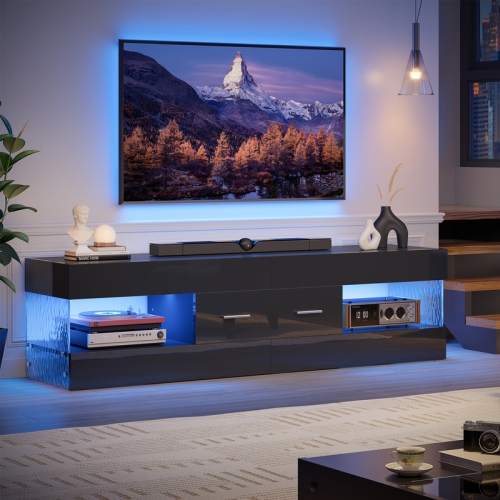 Your price for this item is $179.99
-
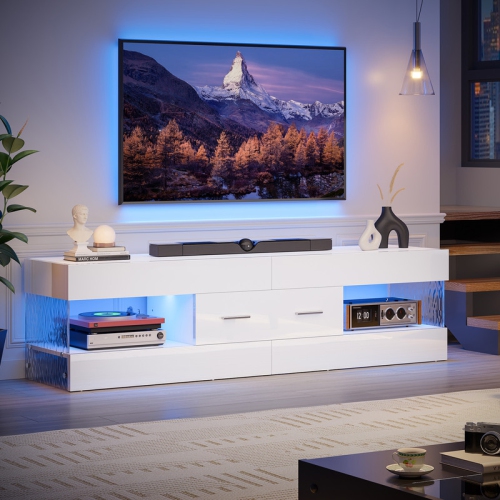 Your price for this item is $169.99
-
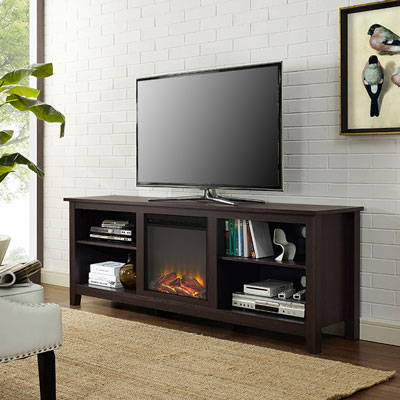 Your price for this item is $689.99
-
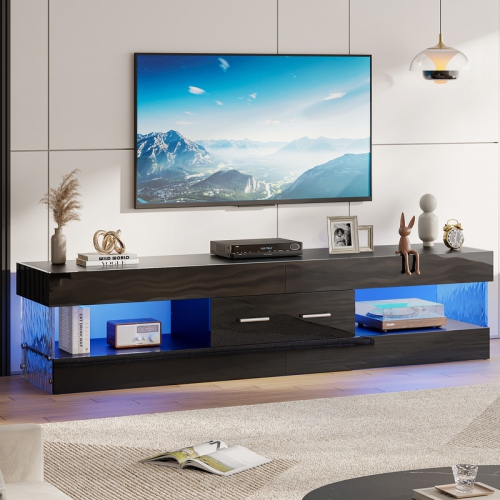 Your price for this item is $199.99
-
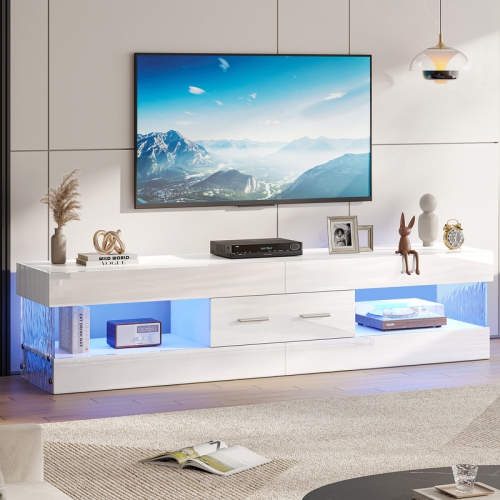 Your price for this item is $199.99
-
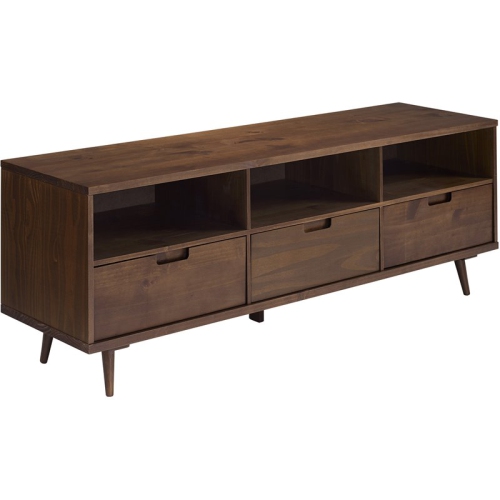 Your price for this item is $941.25
-
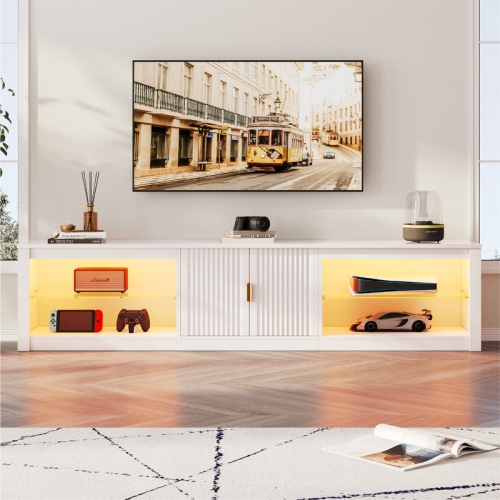 Your price for this item is $269.99
Discover more categories related to Mid Century Entertainment Centers


Top Collections:
Pokemon Centers, Best Cameras for Sports Photography, Kindle Devices, Samsung Galaxy Phones, Canon G7X Cameras, Pokémon 30th Celebration Cards, Refurbished Apple Laptops, iPhone 15 Apple, Laptops for Students, Budget Smartphones
Some products may be subject to Environmental Handling Fees
(EHF) depending on your province.
Learn more about EHFs.