Ultra Wide Lenses
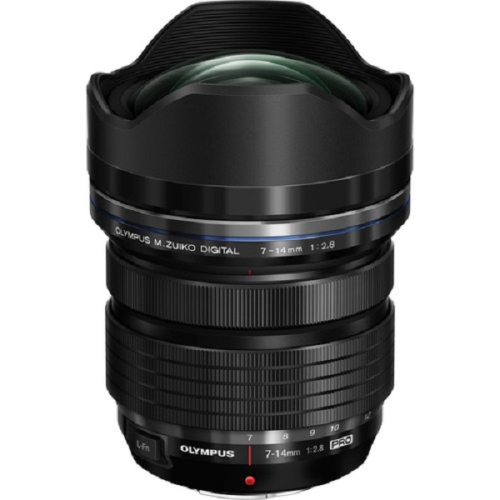
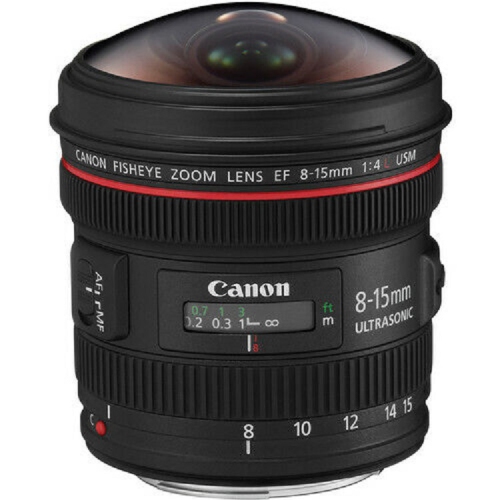
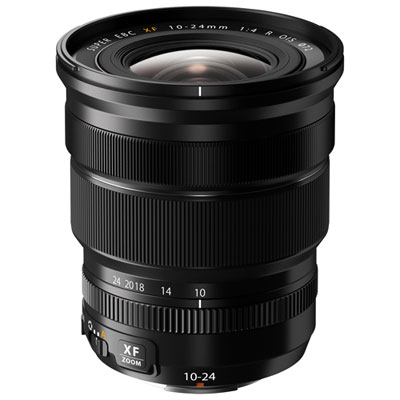
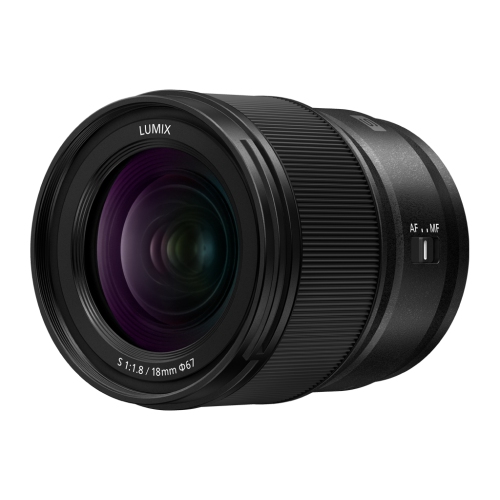
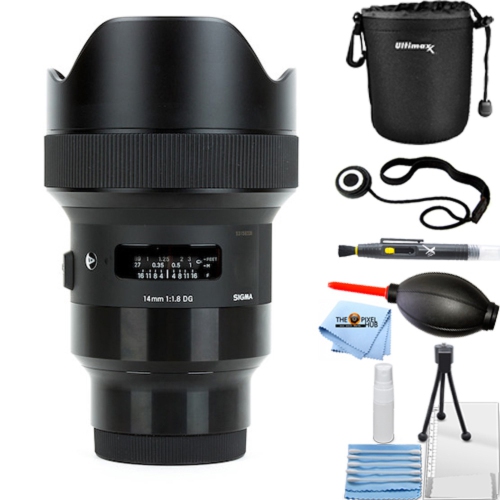
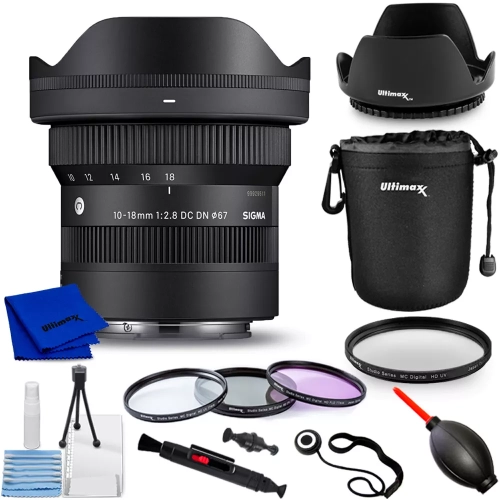
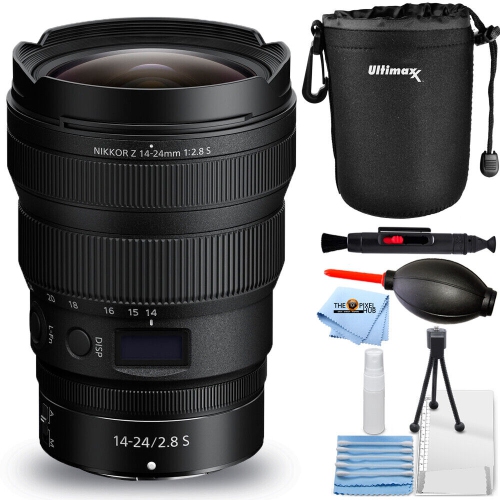
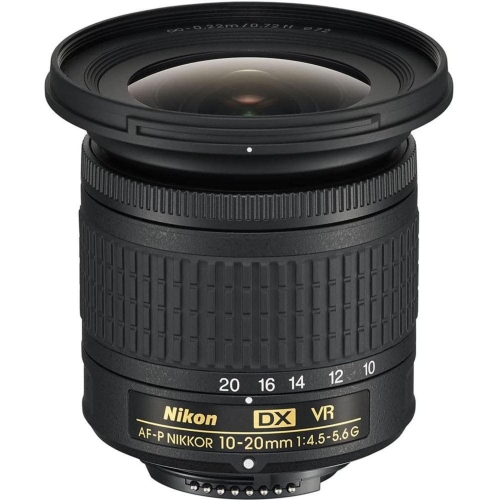
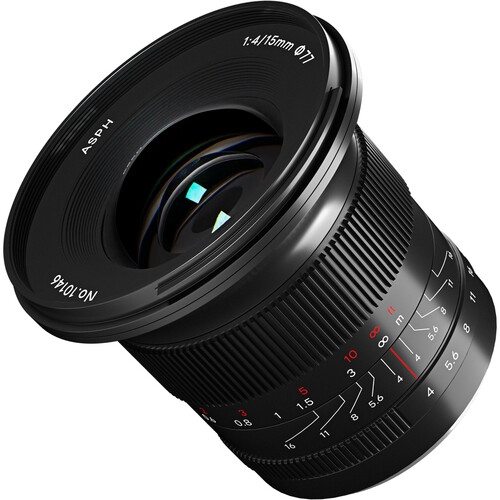
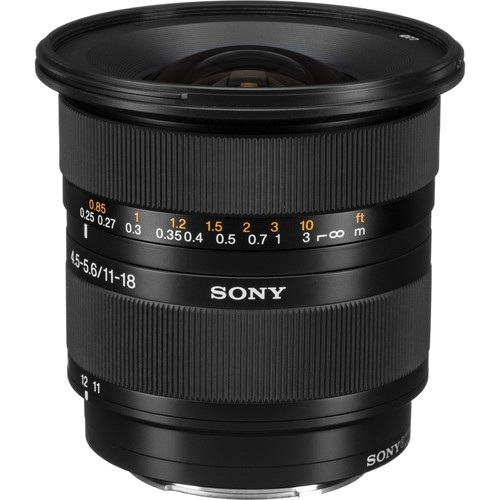
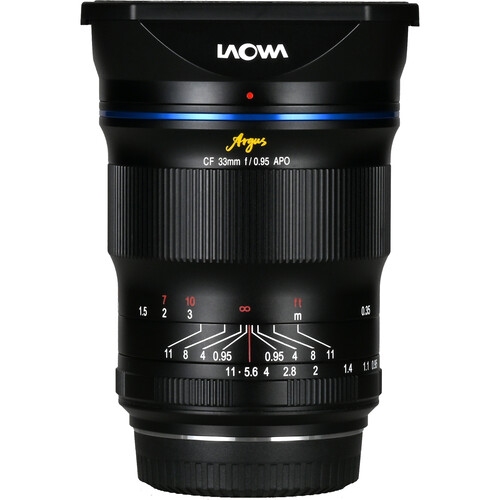
Ultra wide lenses help you fit more into the frame, whether you’re capturing landscapes, architecture, or tight interiors. Compare focal lengths, maximum apertures, and camera-mount compatibility to find a lens that suits your photography, and check sensor-format compatibility to understand the field of view you’ll get with your camera.


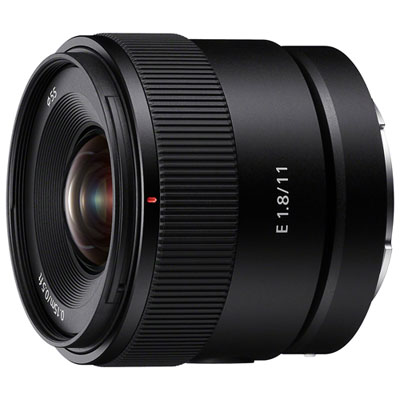
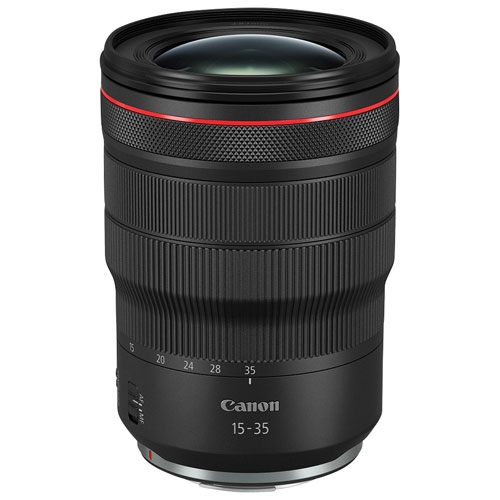


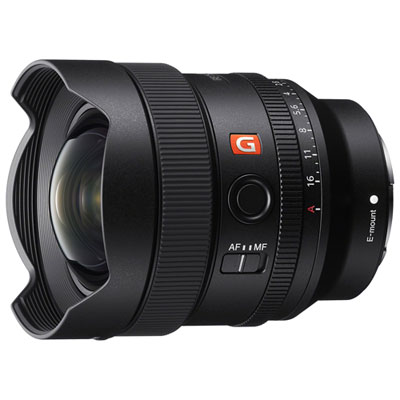
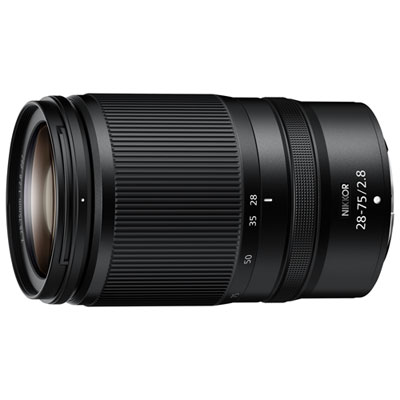
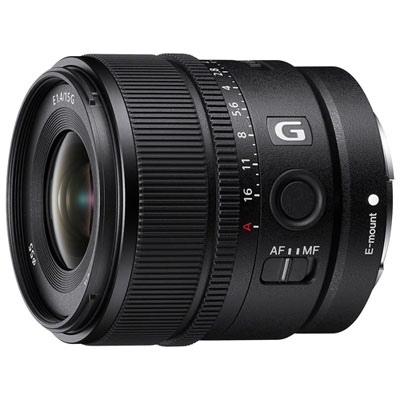
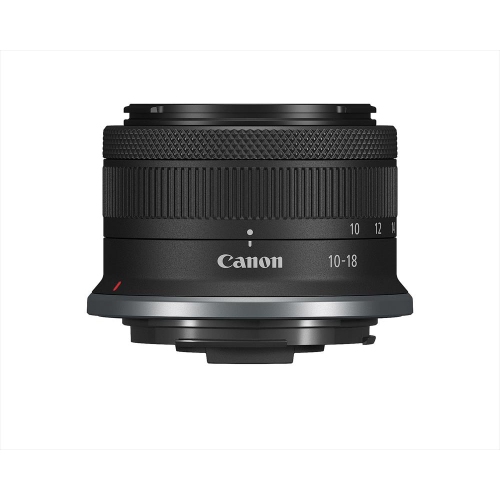































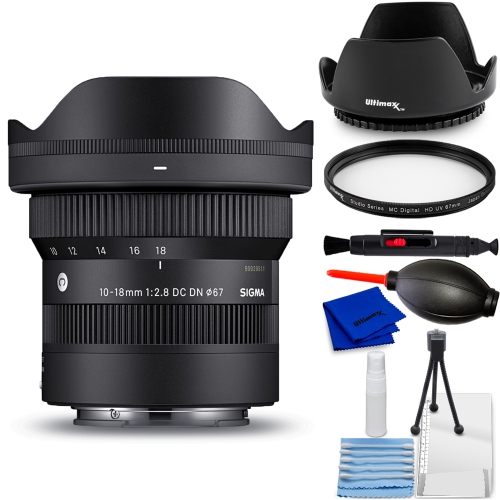
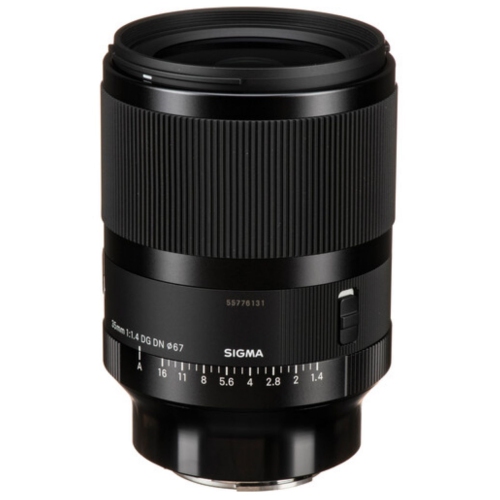
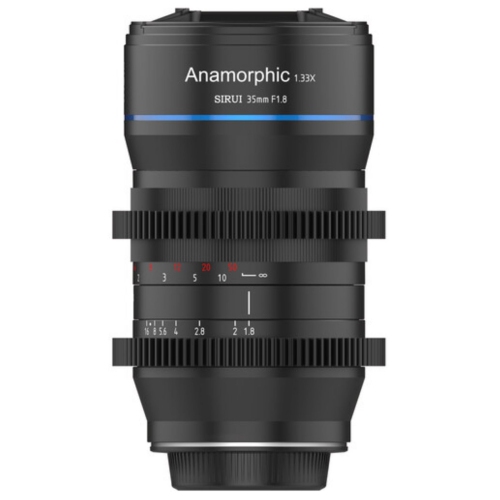
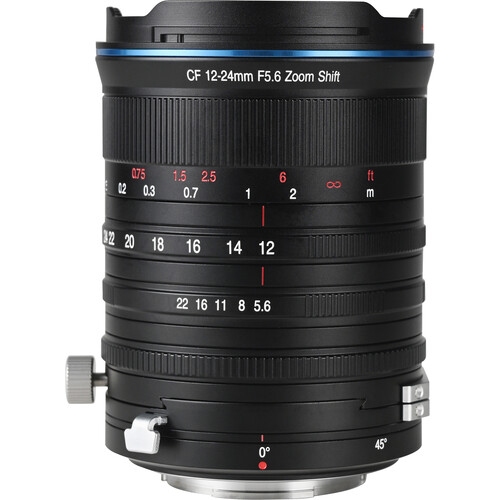


FAQ
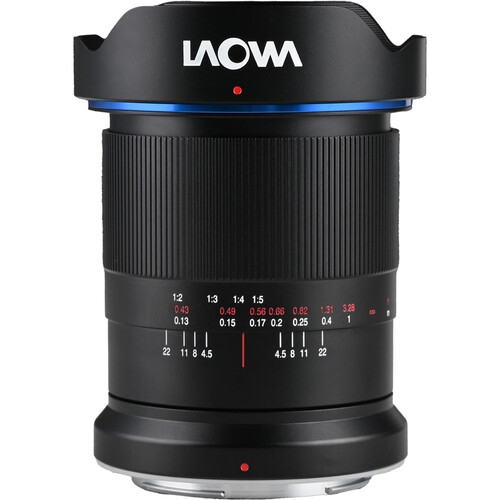
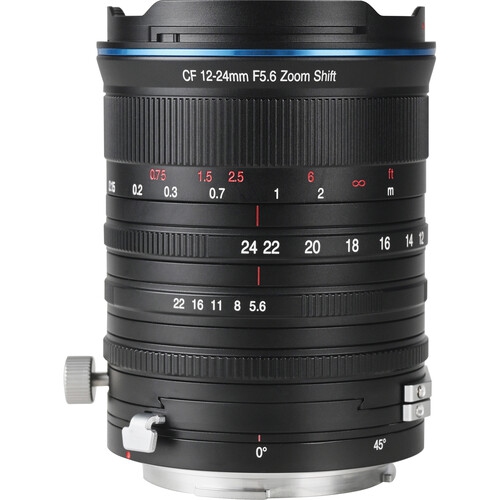
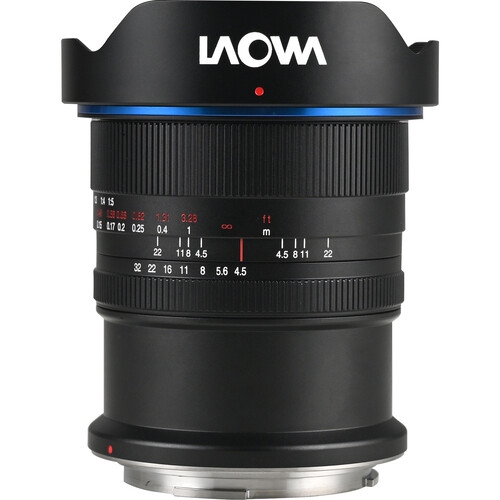
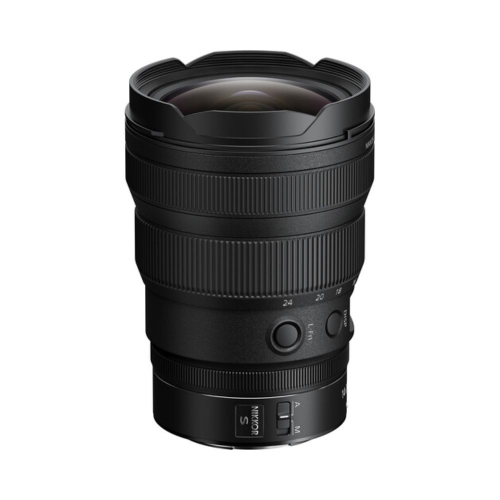
Ultra-wide lenses are commonly used for landscapes, architecture, interiors and astrophotography. Their broad field of view lets photographers include more of a scene, while placing foreground subjects within a wider setting.
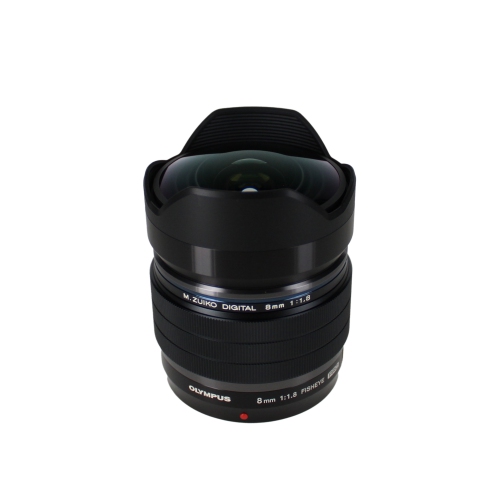
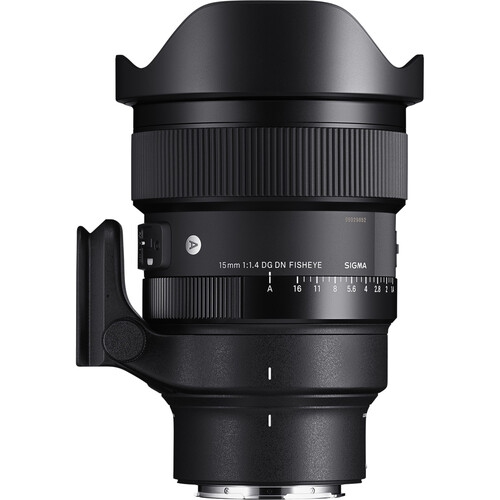
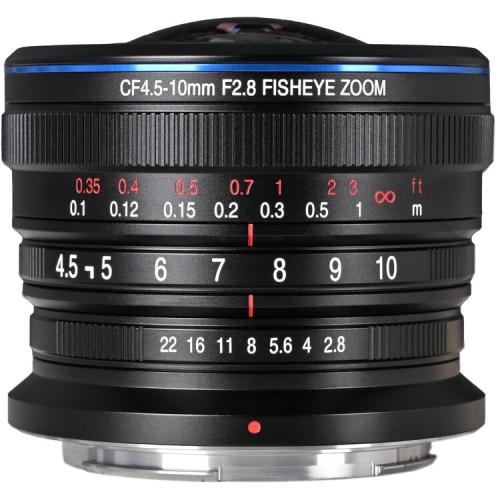
Ultra-wide describes a lens’s broad field of view, while fisheye describes a particular projection. Rectilinear ultra-wide lenses are designed to keep straight lines straight. Fisheye lenses deliberately curve lines away from the centre of the frame for a distinctive visual style.
Choose a clear subject and pay attention to the foreground, as nearby objects can appear especially prominent. Paths, shorelines and other leading lines can guide the viewer through the image. Check the edges of the frame for distractions, and keep the camera level when you want to avoid converging vertical lines.
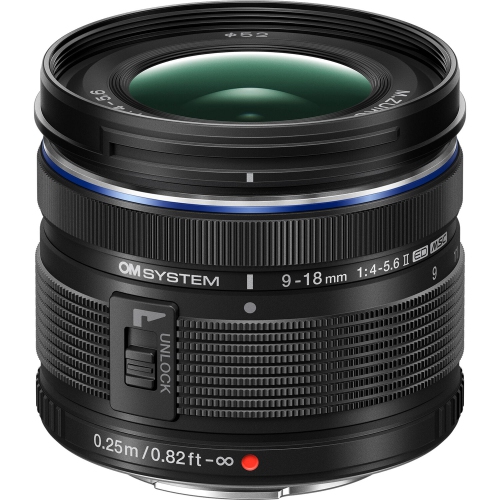
Yes. An ultra-wide prime has a fixed focal length, so you change your position to adjust the framing. An ultra-wide zoom lets you adjust the field of view without changing lenses. The choice depends on whether you prefer working with a fixed perspective or varying your framing from one position.
Check the lens mount, sensor-format compatibility and whether the lens supports your camera’s autofocus and aperture controls. A matching mount alone does not guarantee every feature will work. If an adapter is required, review its compatibility information as well.
Top selling and popular products
Discover more categories related to Ultra Wide Lenses
Some products may be subject to Environmental Handling Fees (EHF) depending on your province. Learn more about EHFs.