Wide Angle Zooms
Capture every detail with precision and clarity using wide angle zoom lenses. These versatile camera accessories are designed to expand your field of view, allowing you to capture breathtaking landscapes, architecture, and group shots with ease. Whether you're a professional photographer or an avid hobbyist, wide angle zooms offer the flexibility to capture stunning images in various settings. From immersive travel photography to expansive interior shots, these lenses are a must-have addition to your camera gear collection. Discover the power of wide angle zooms and unlock a whole new level of creativity in your photography.
Sort
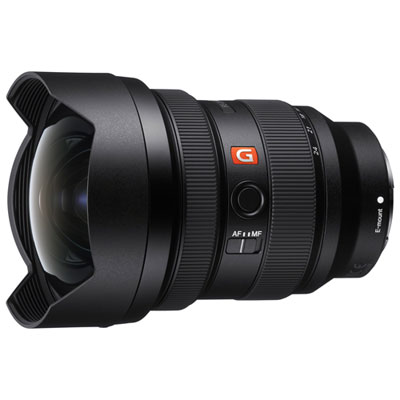
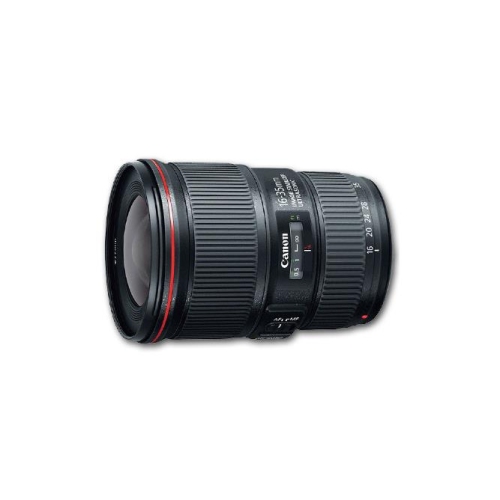
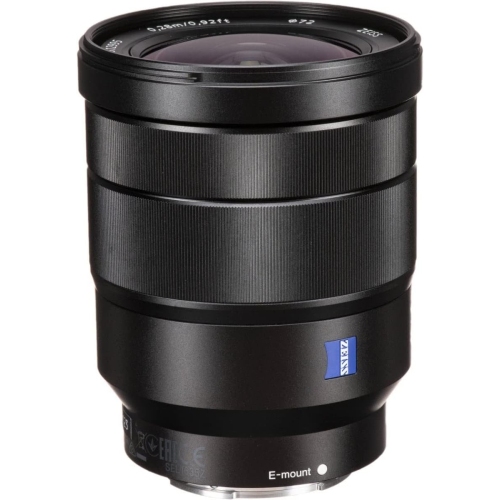
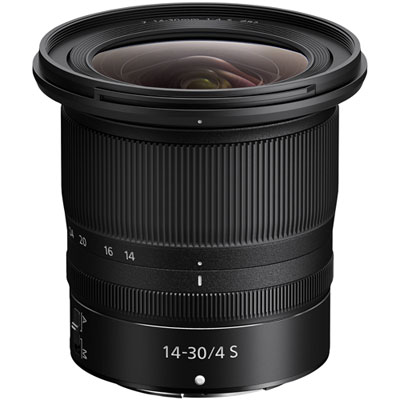
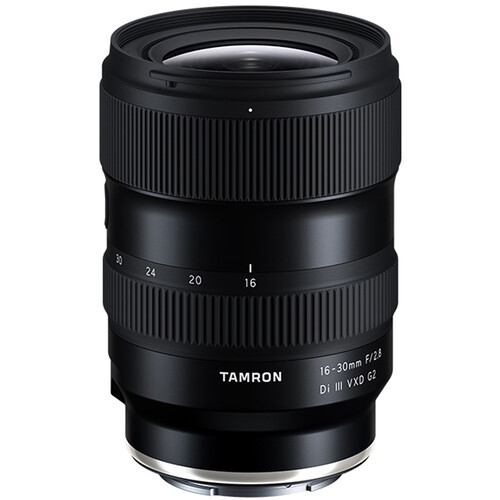
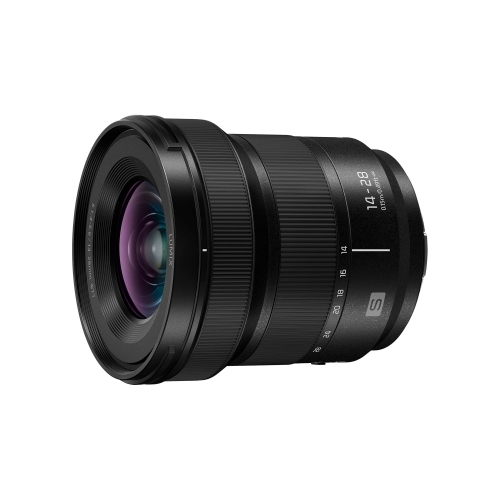
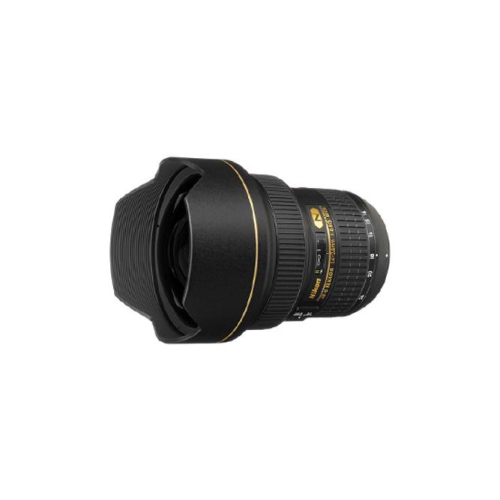
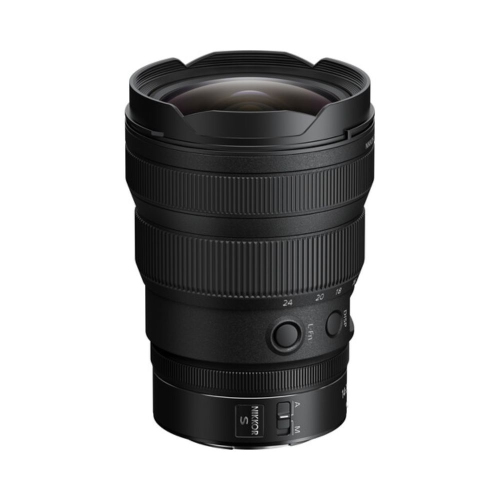
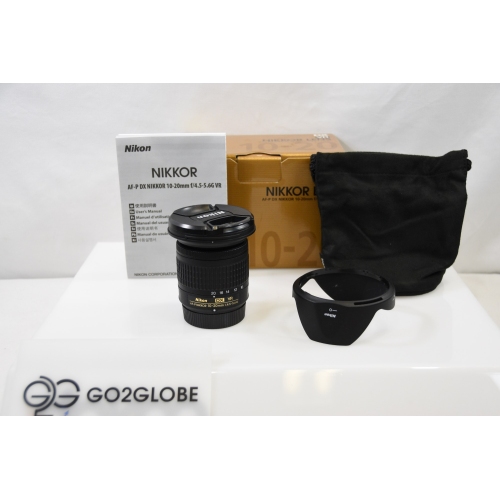
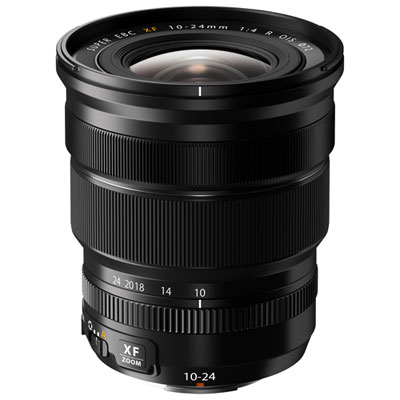
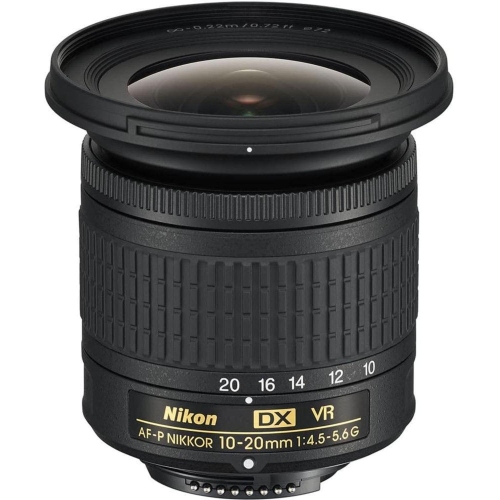
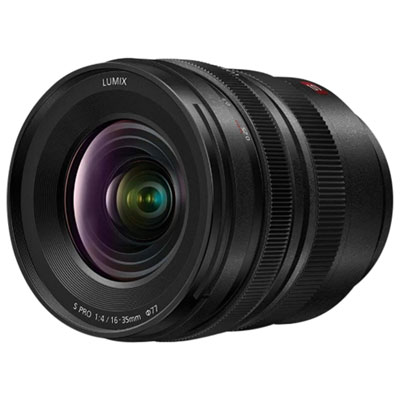
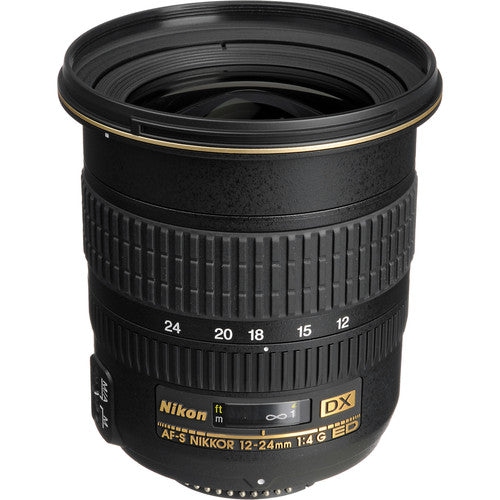
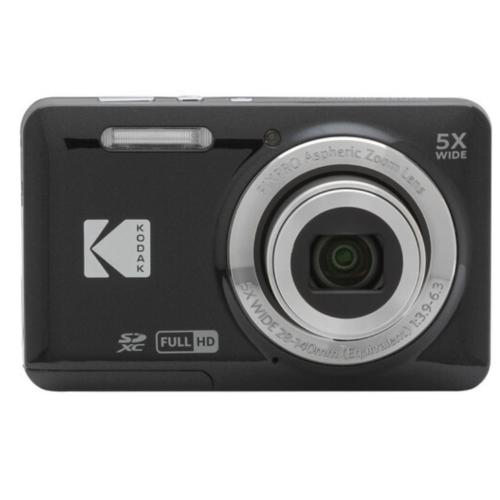
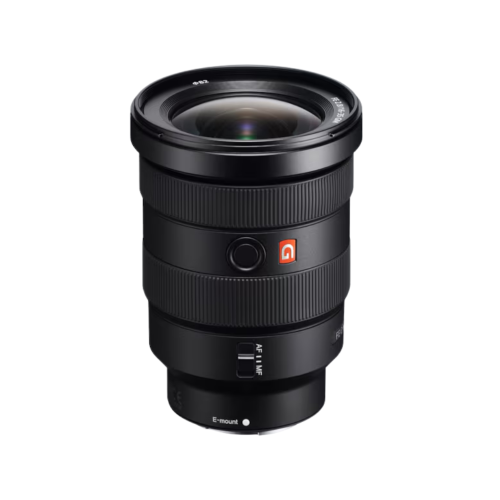
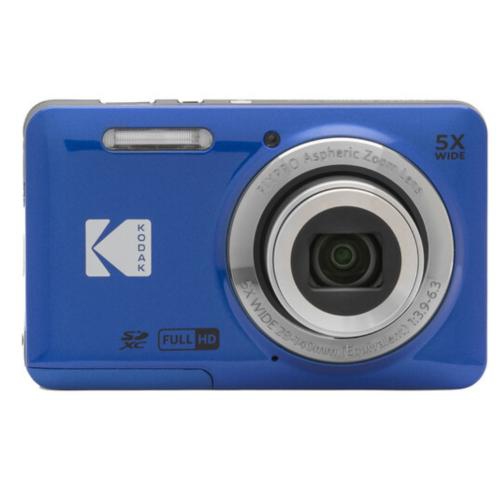
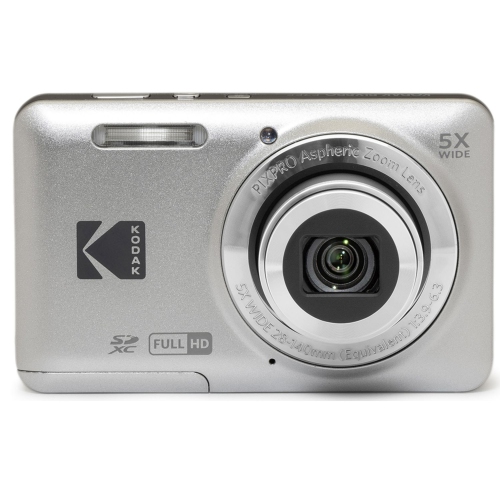
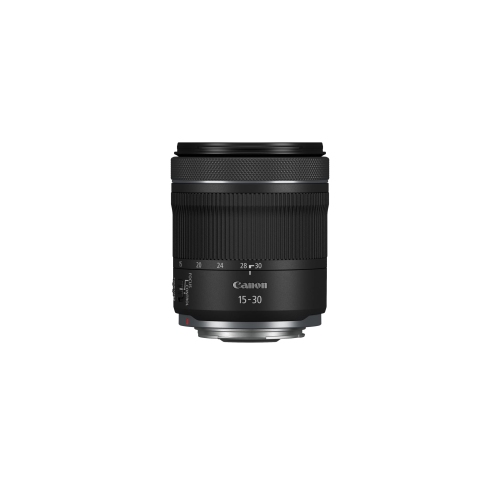
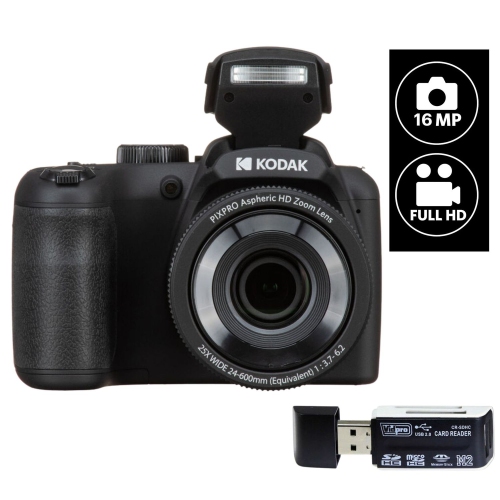

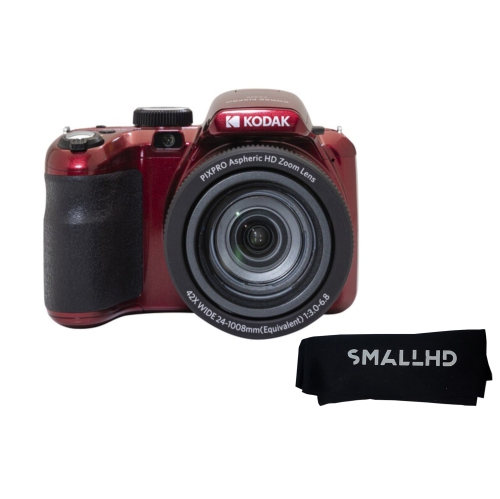
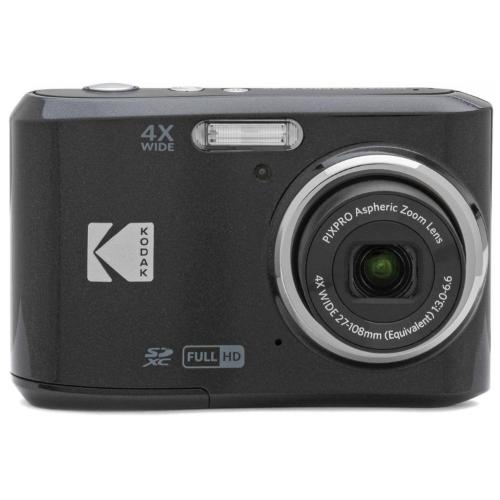
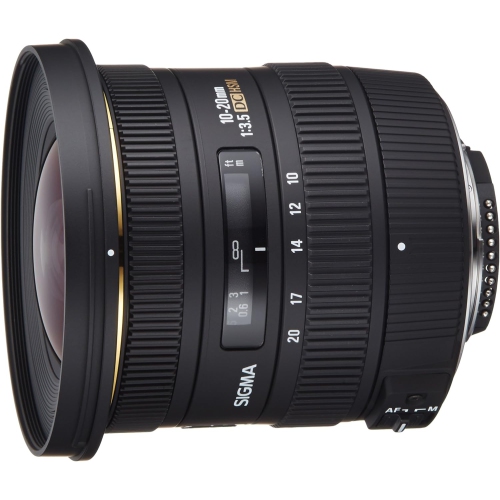
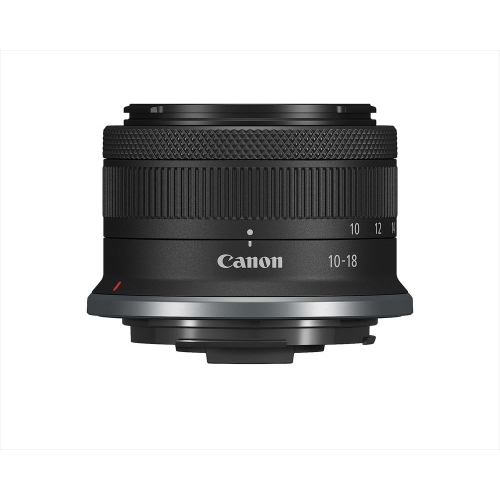
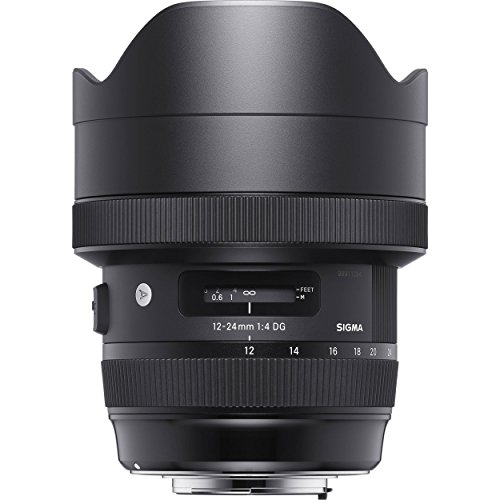
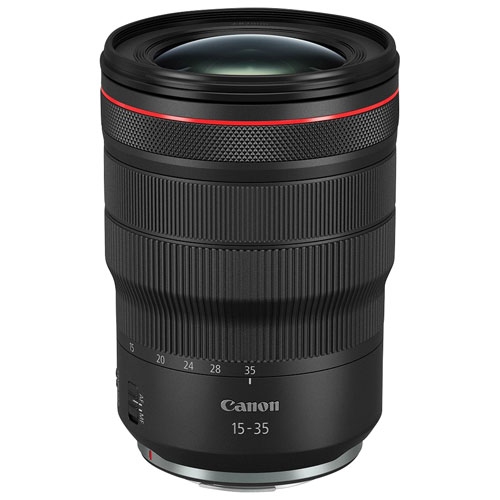
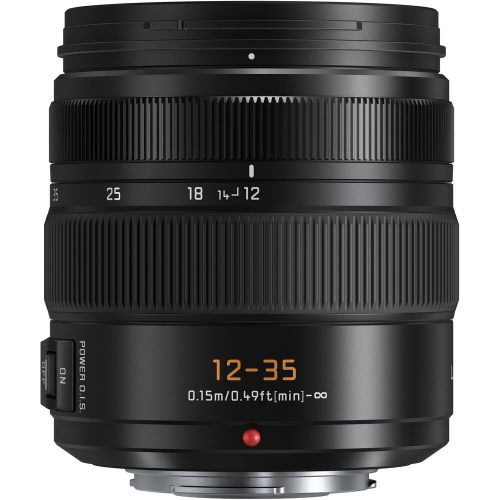
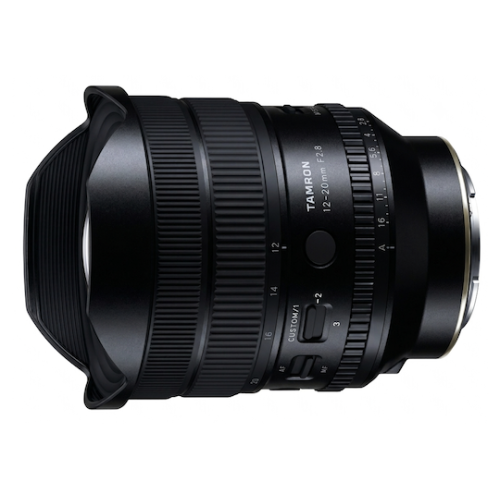
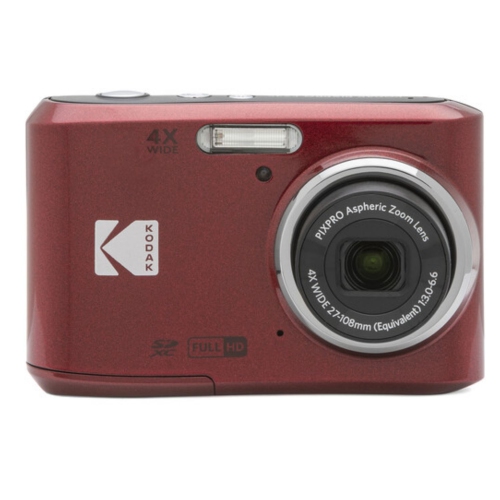
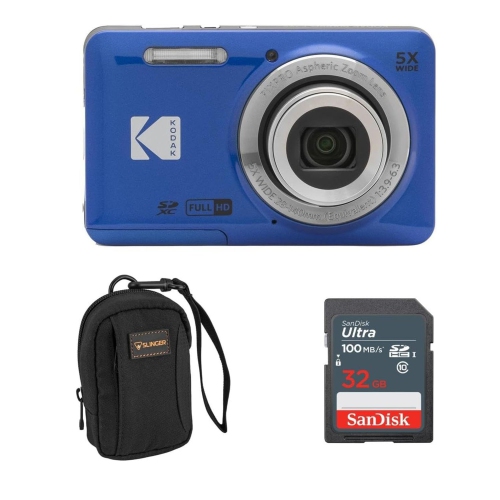
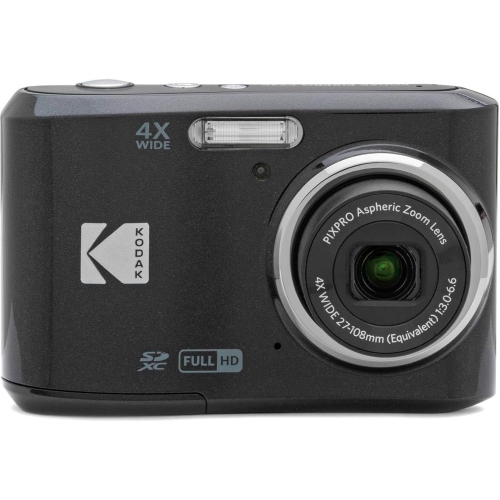

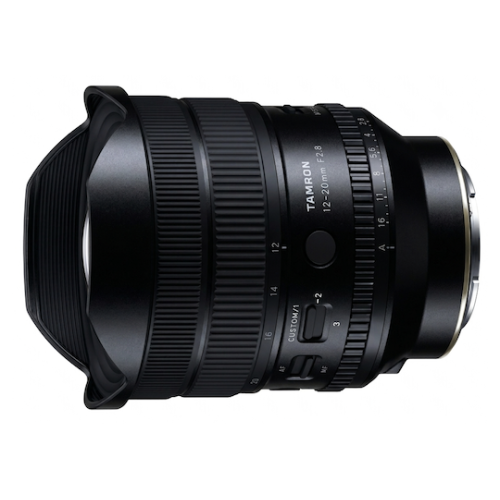
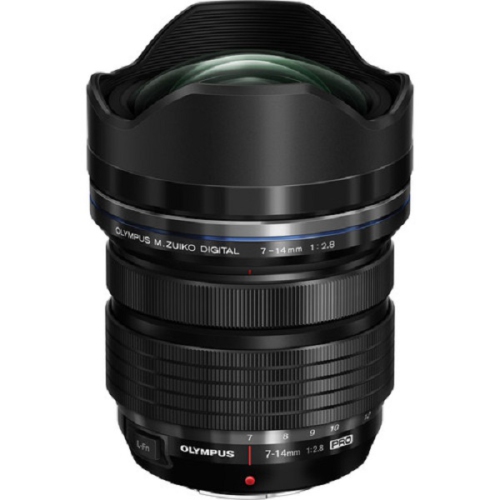
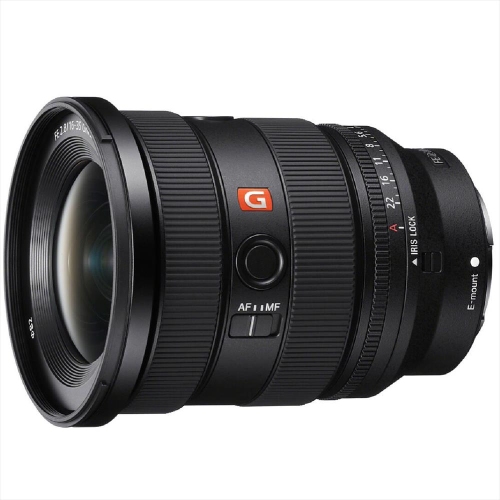
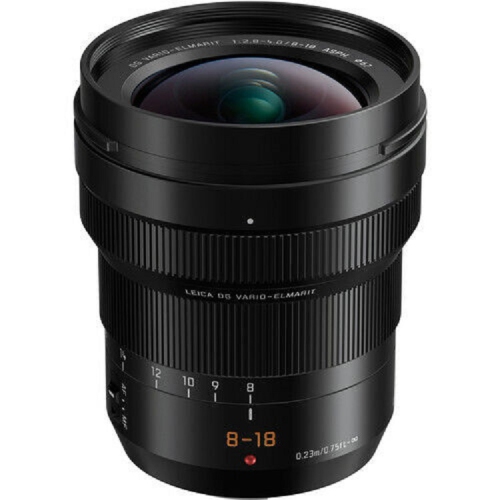
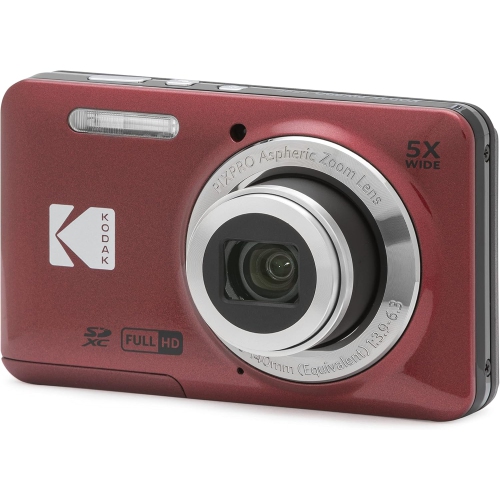
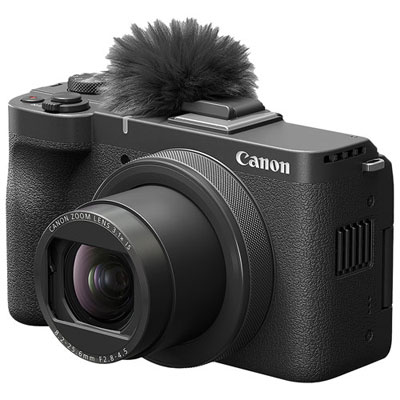
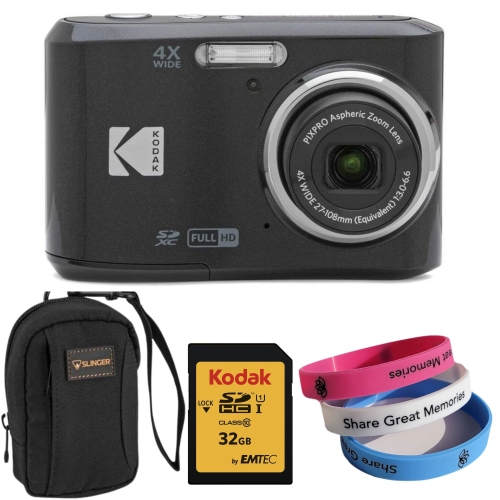
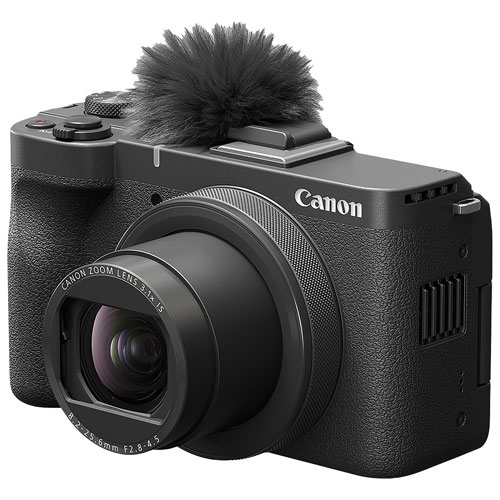
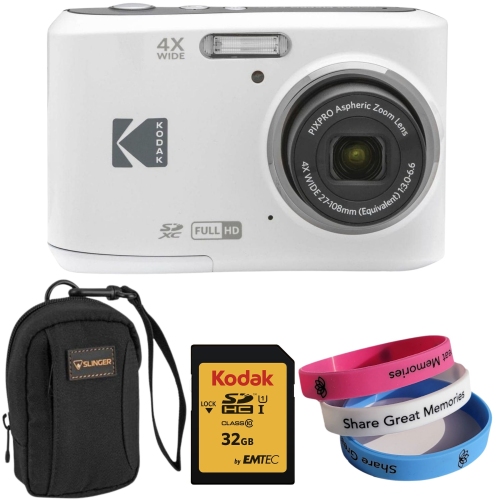
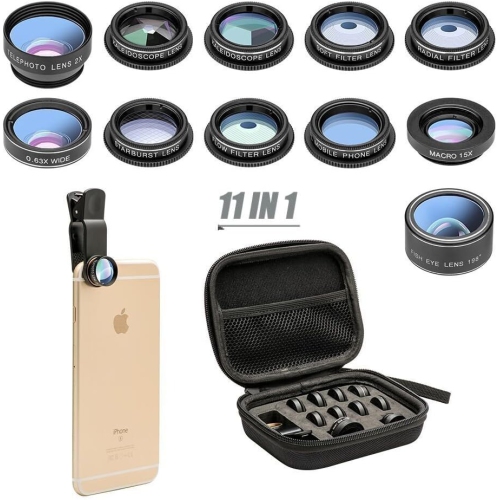
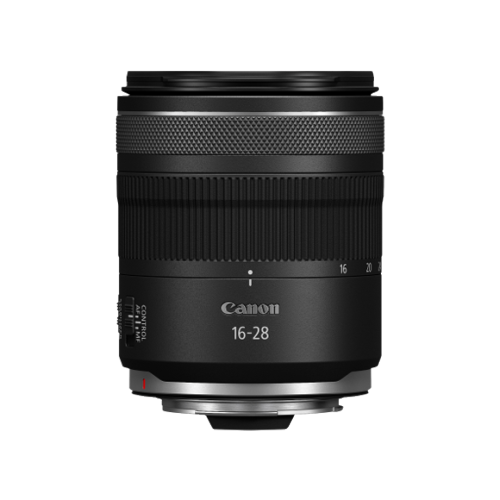
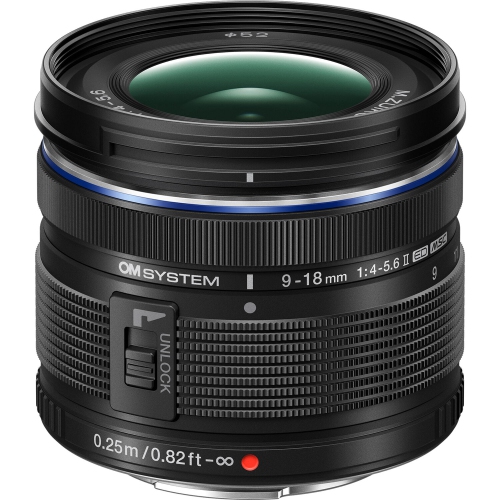
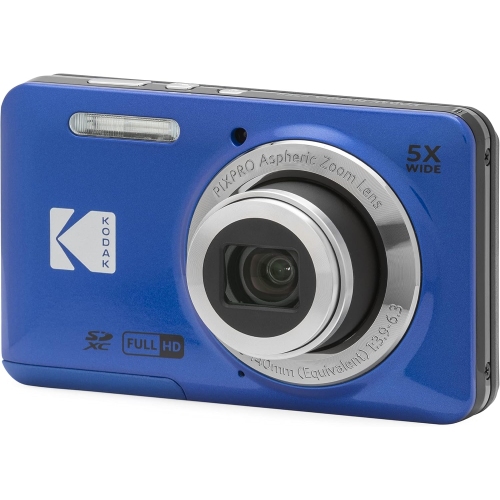
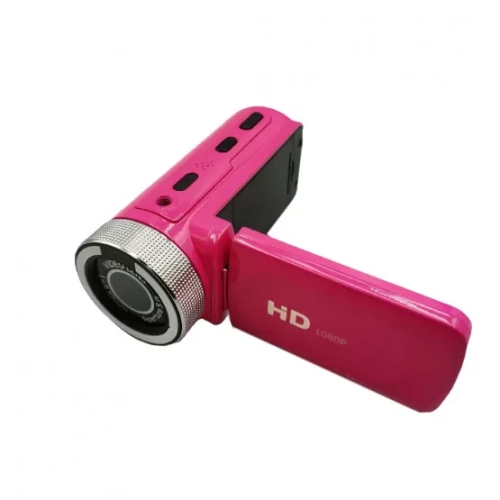
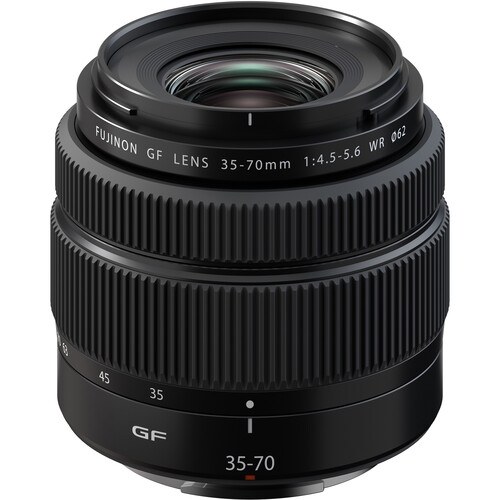
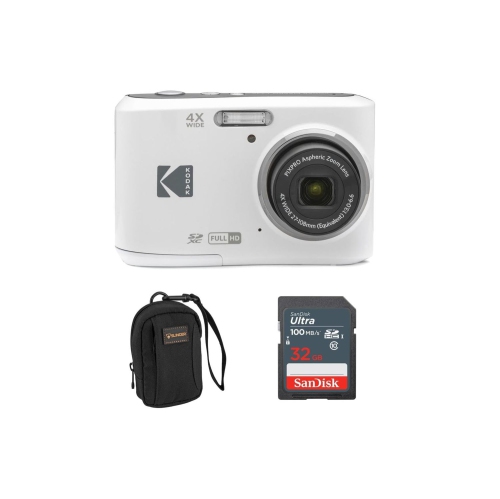
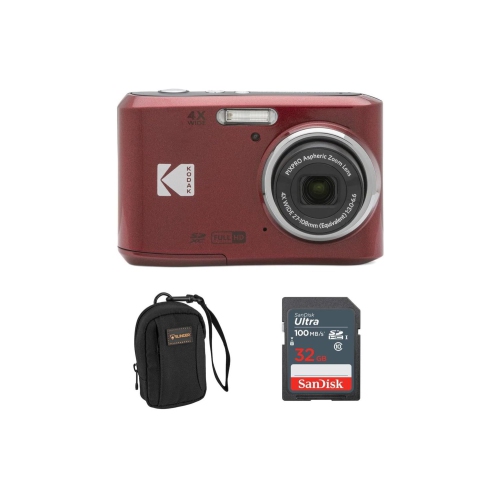
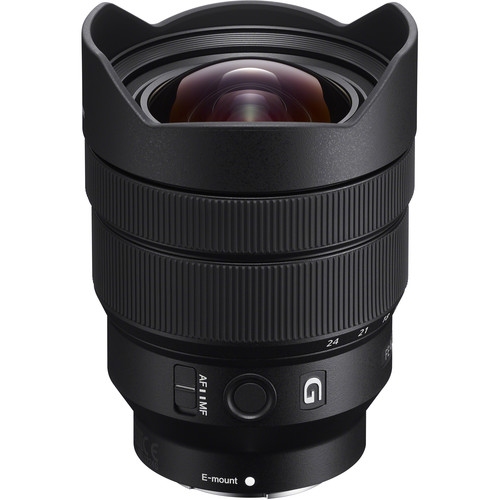
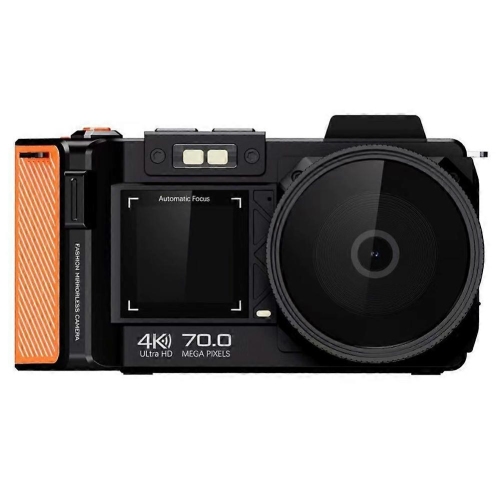
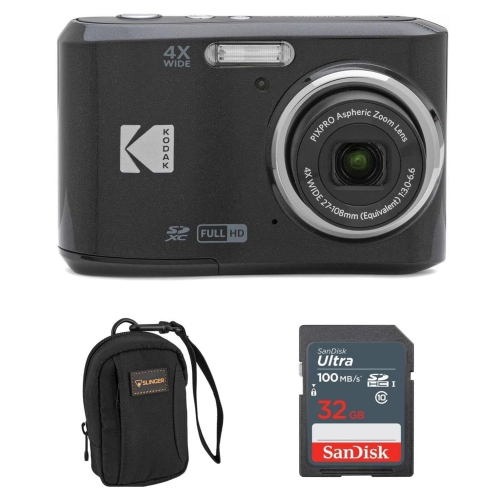
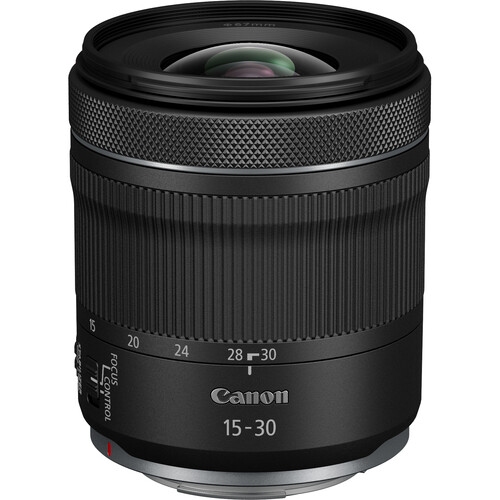
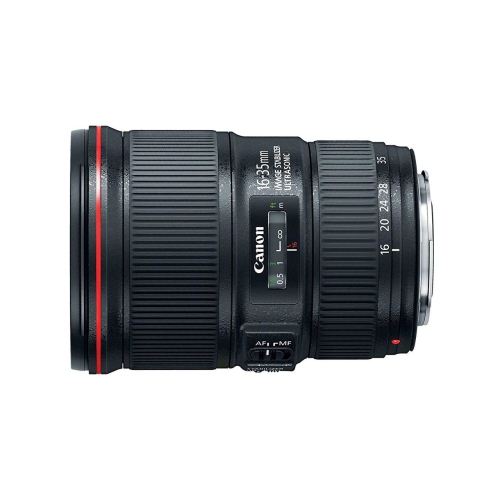
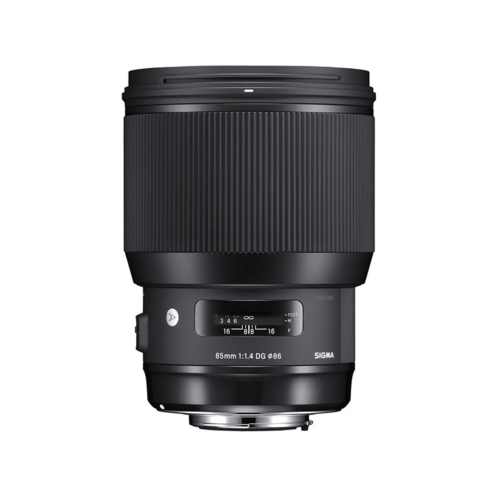
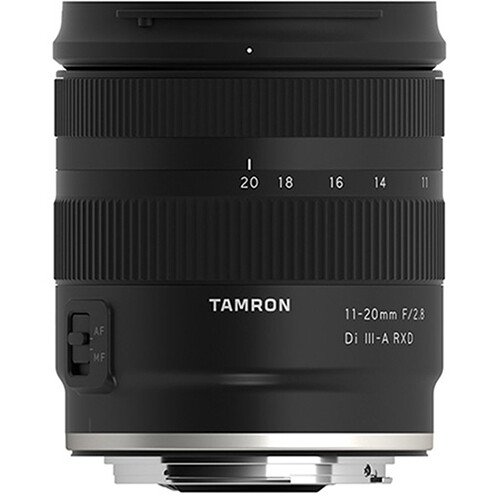
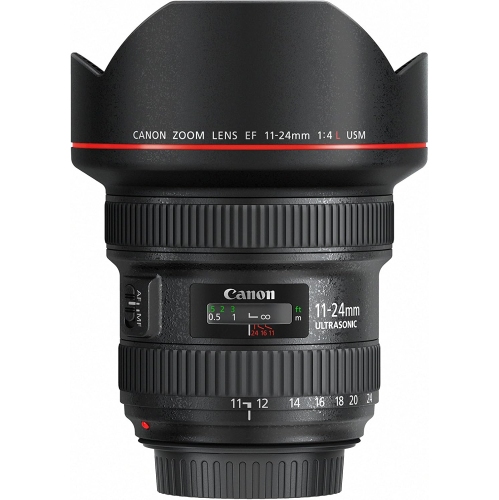
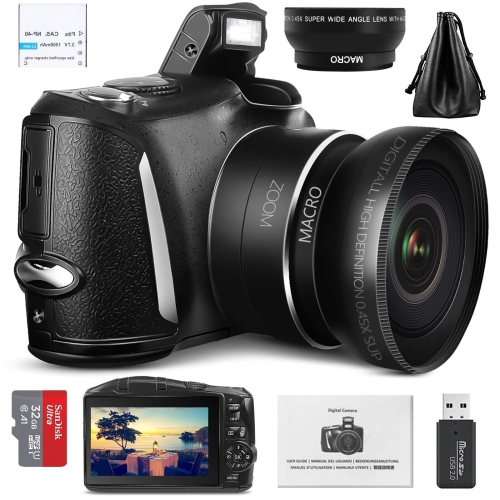
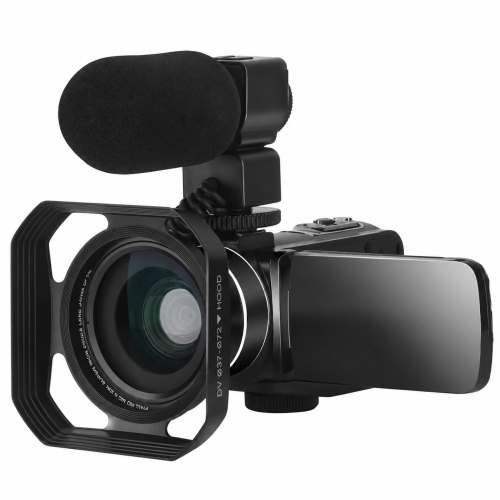
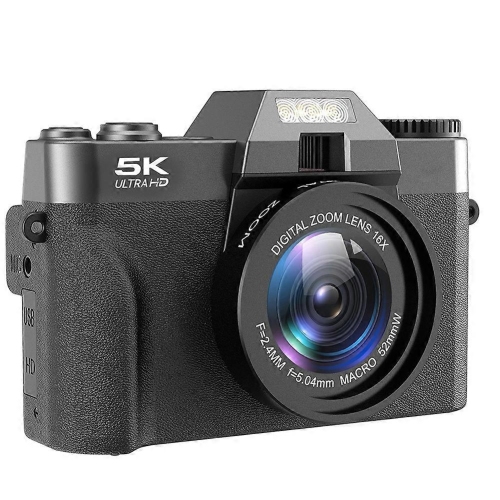
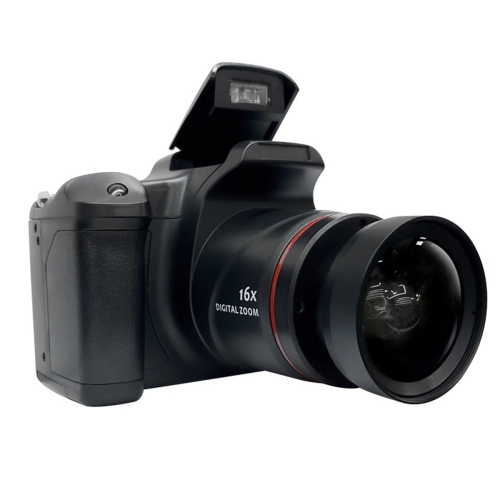
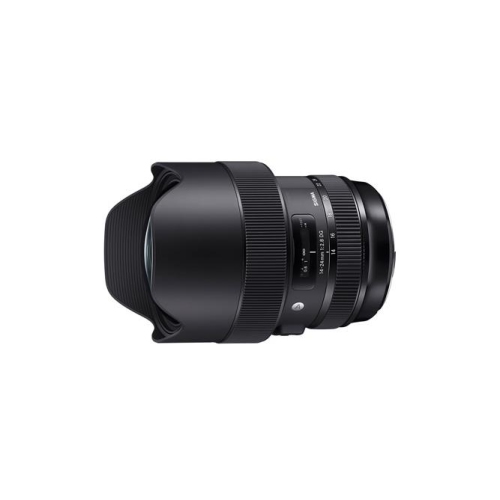
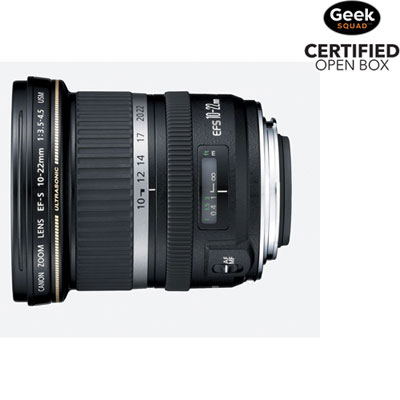
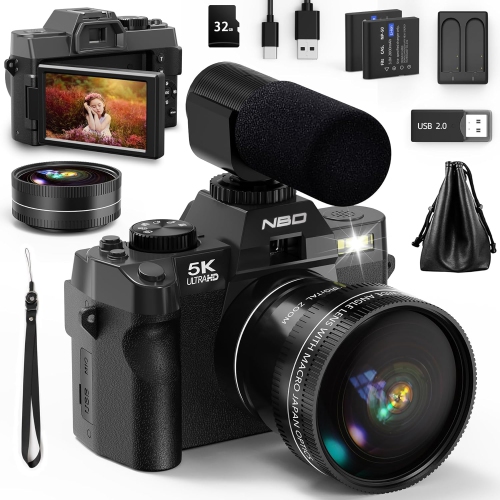
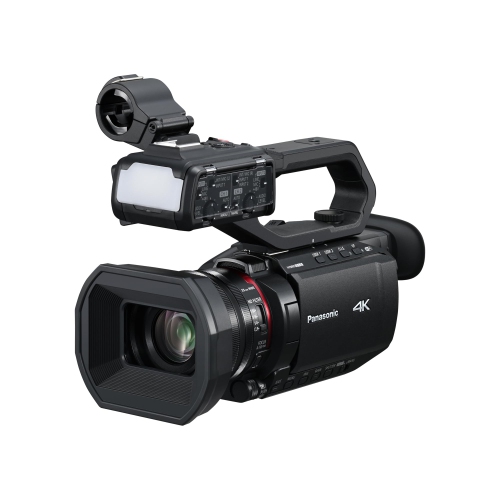
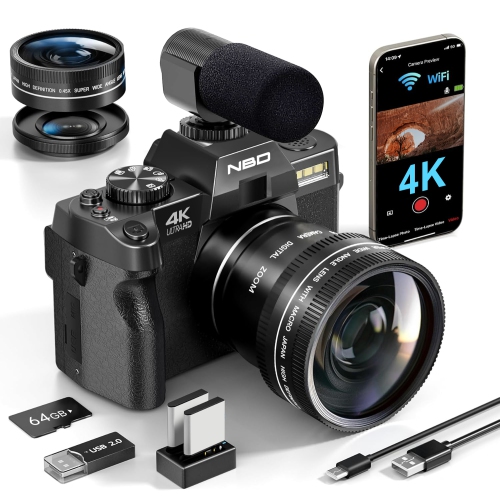
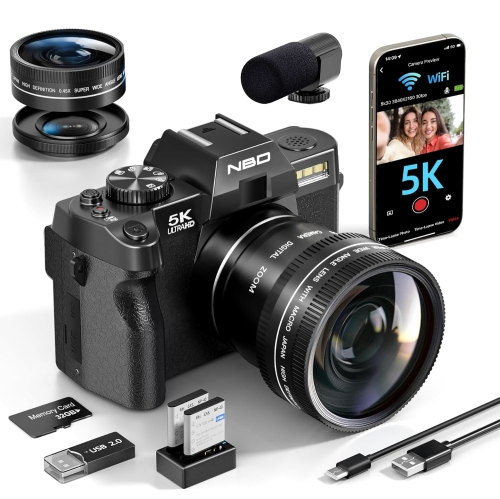
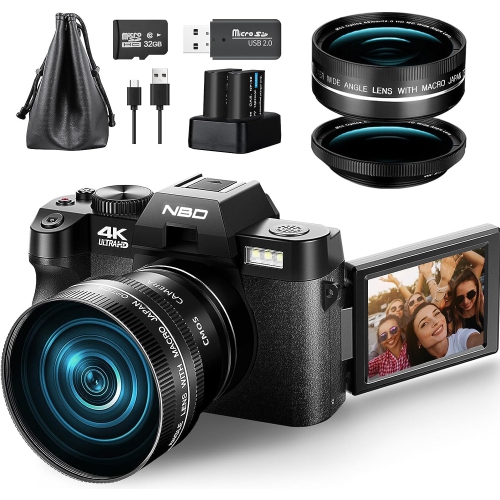
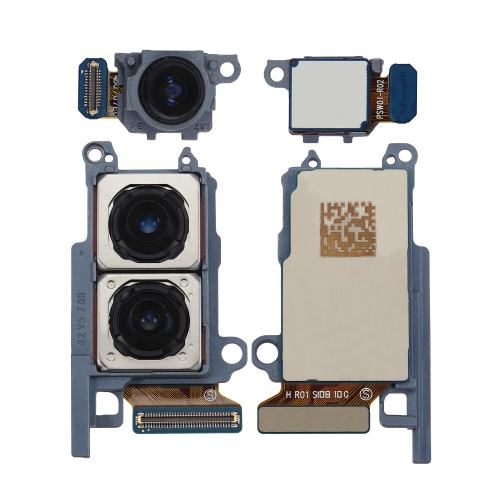
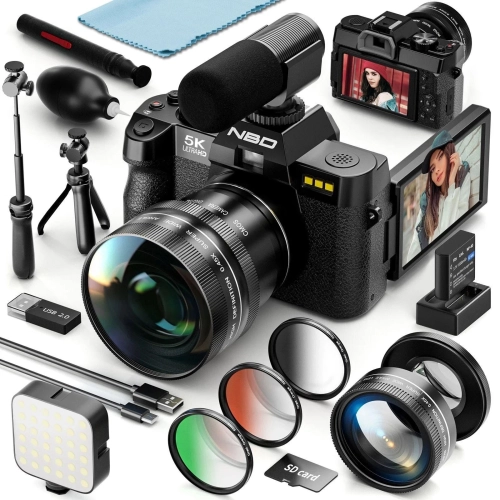
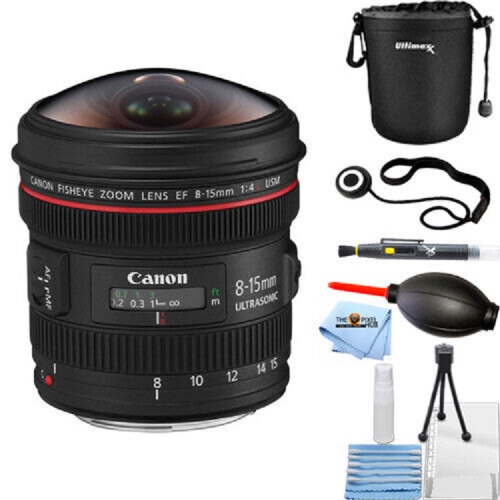
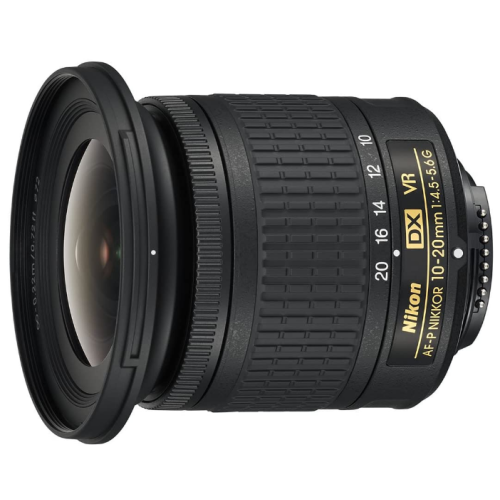
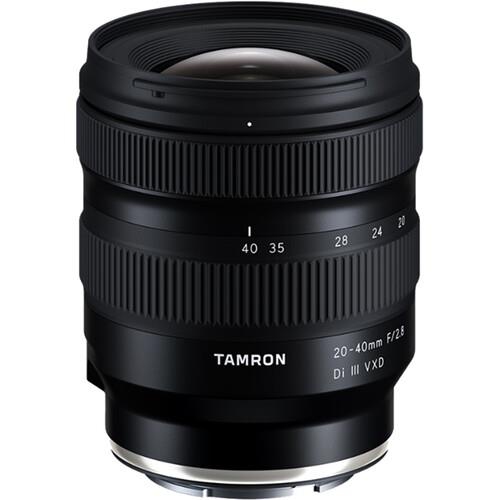
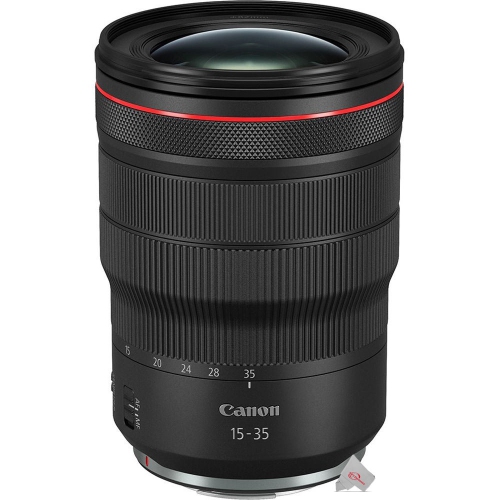

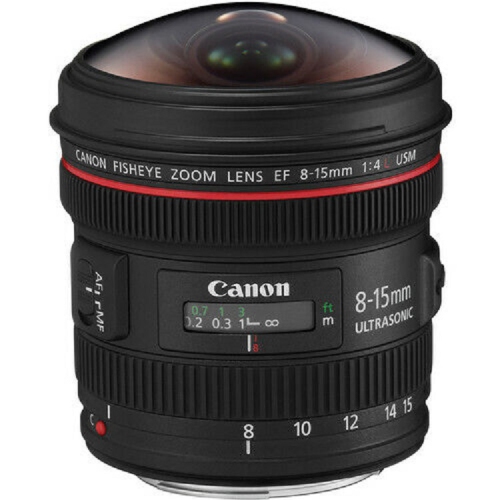
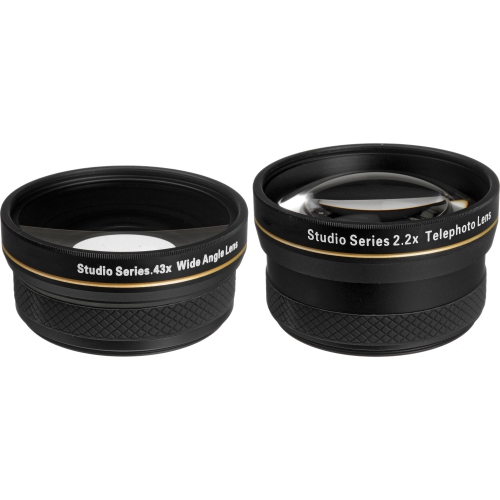
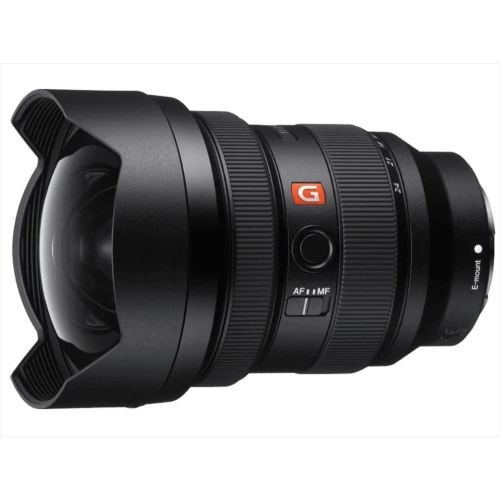
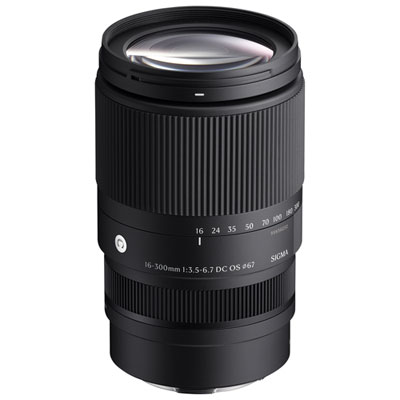
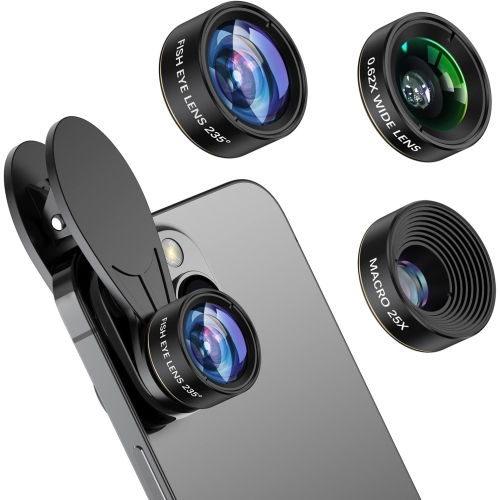
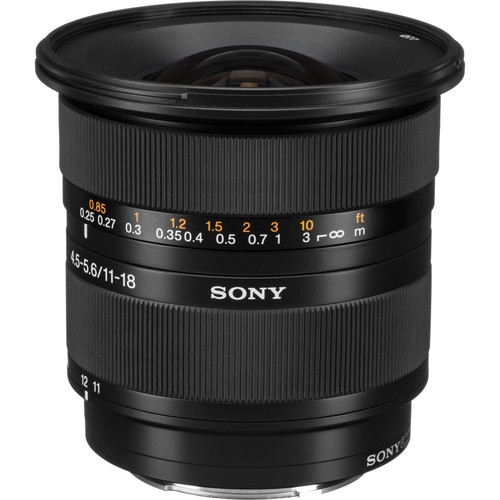
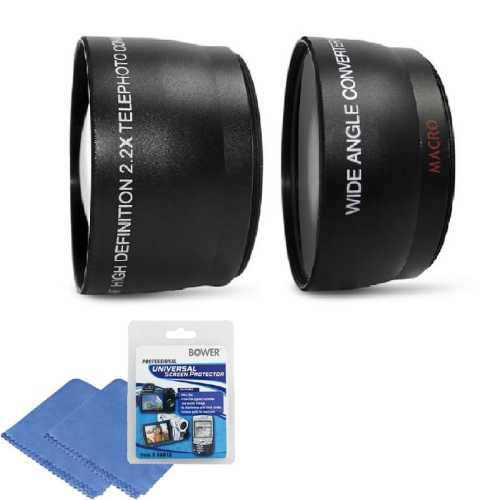
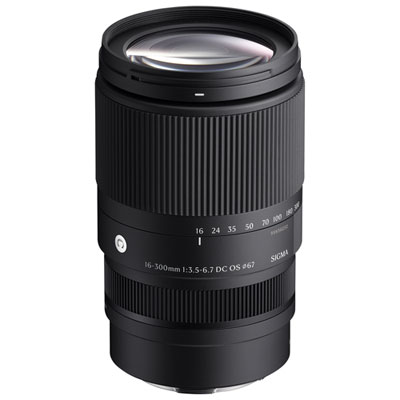
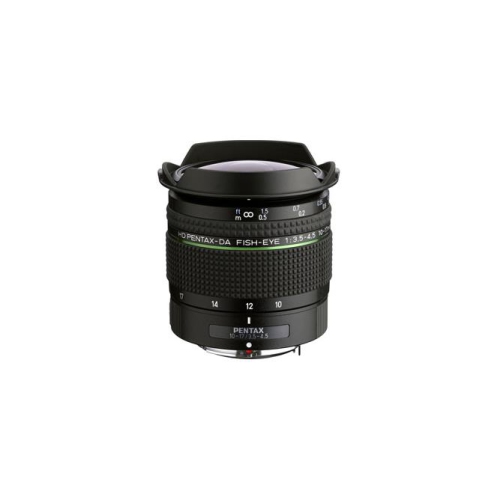
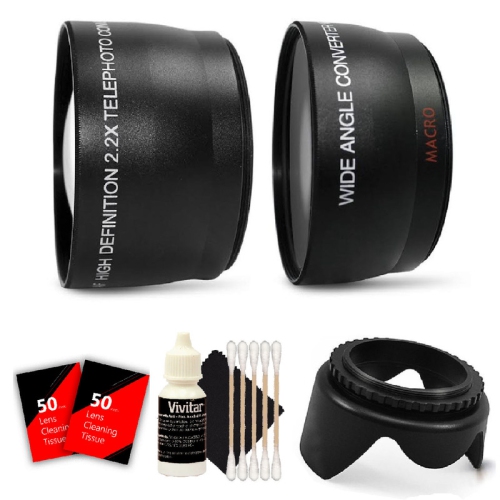
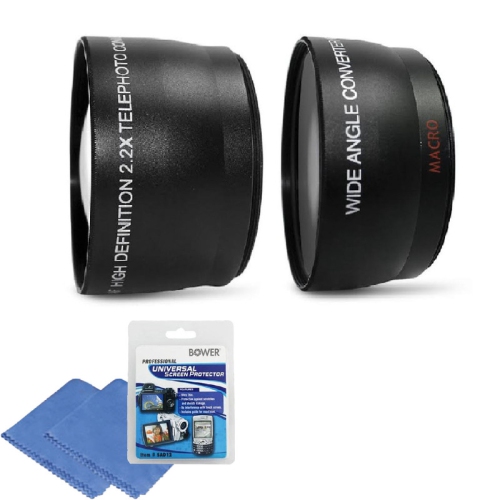
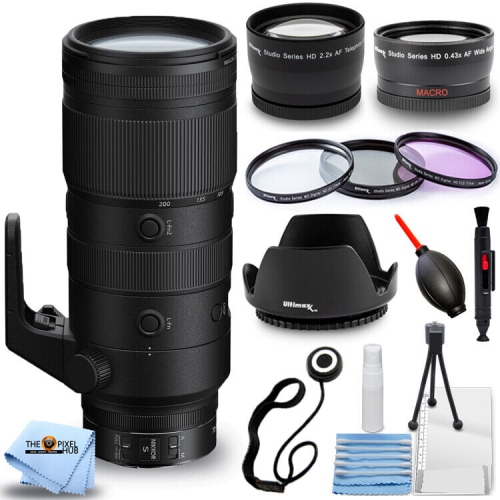
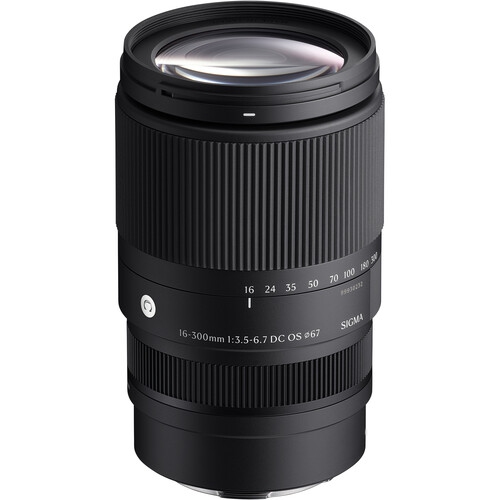
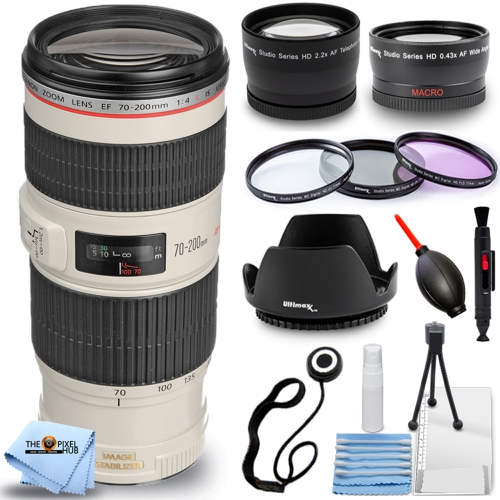
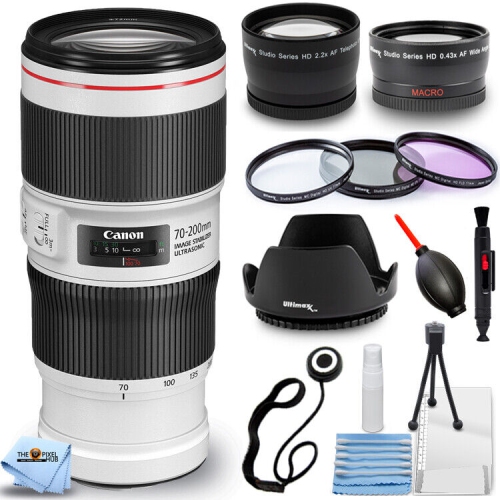
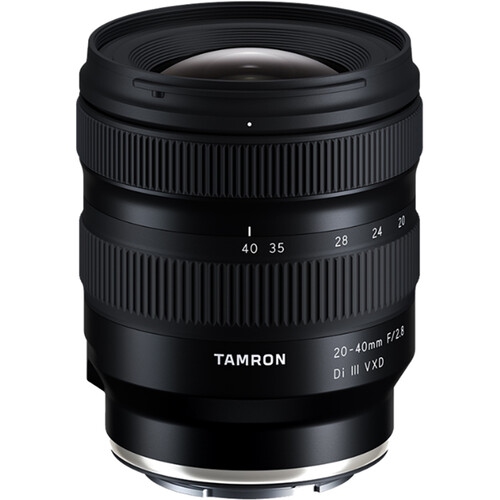
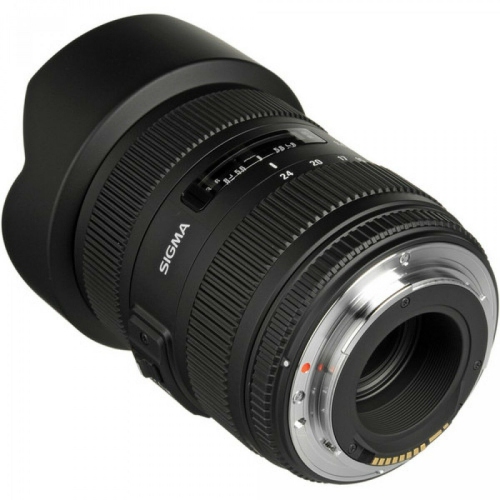
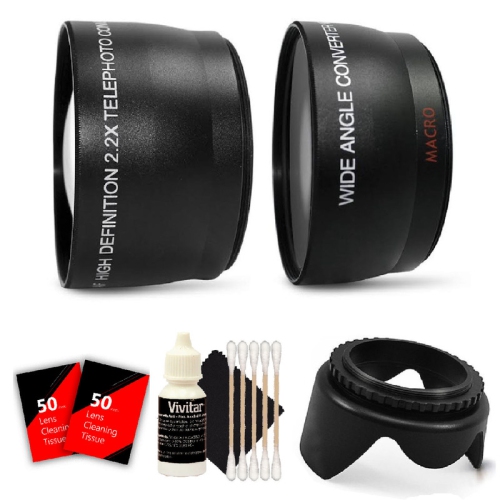
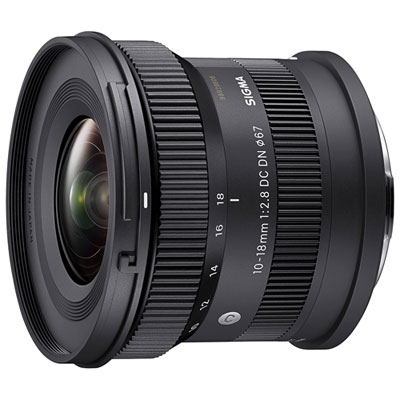
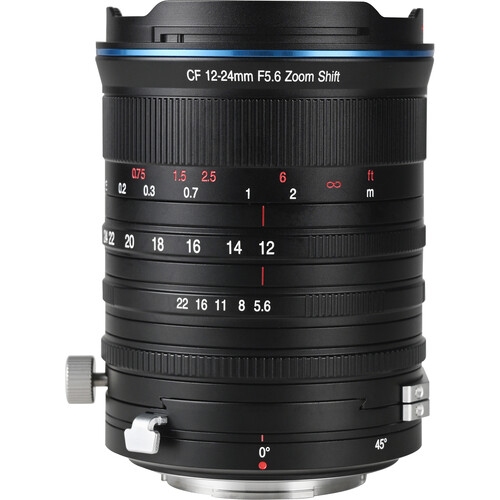
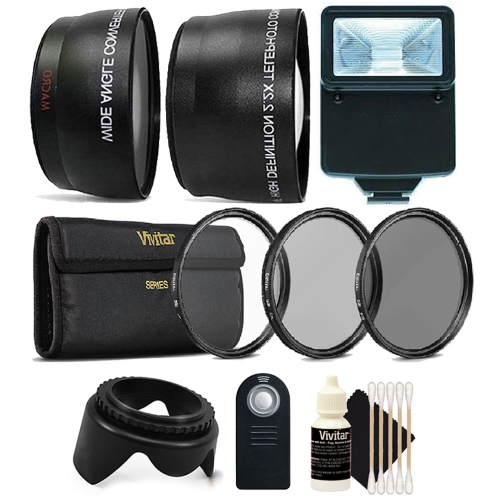
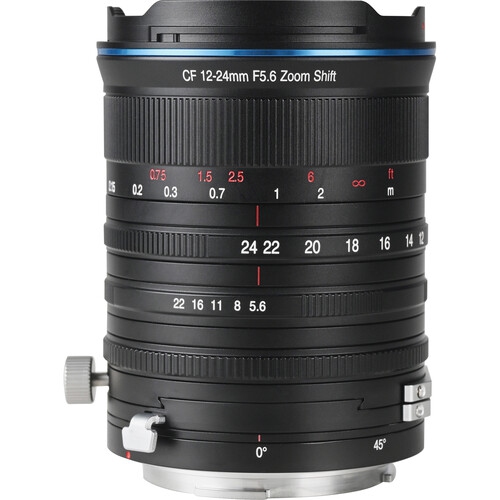
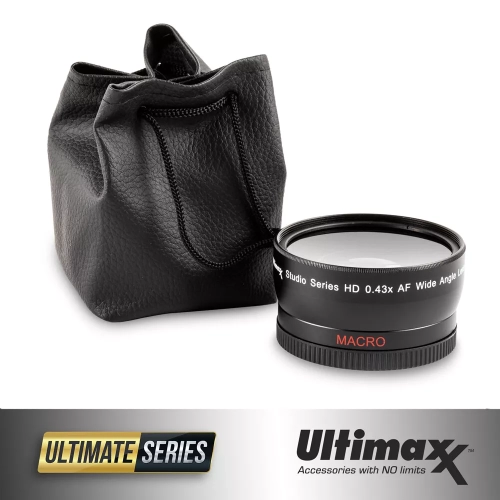
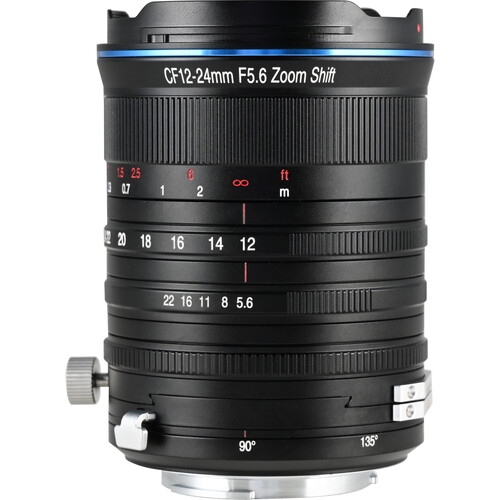
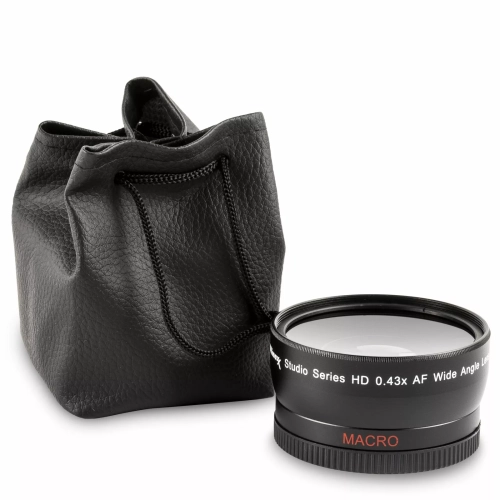
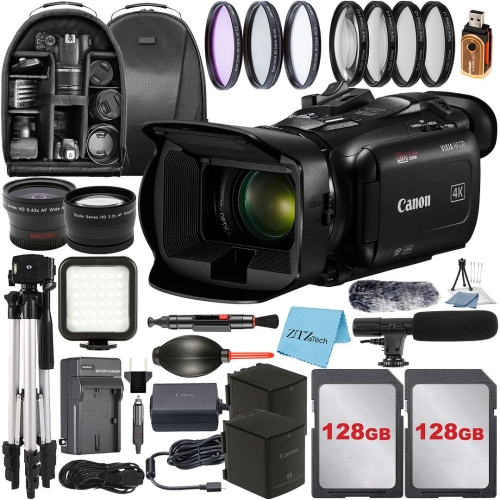
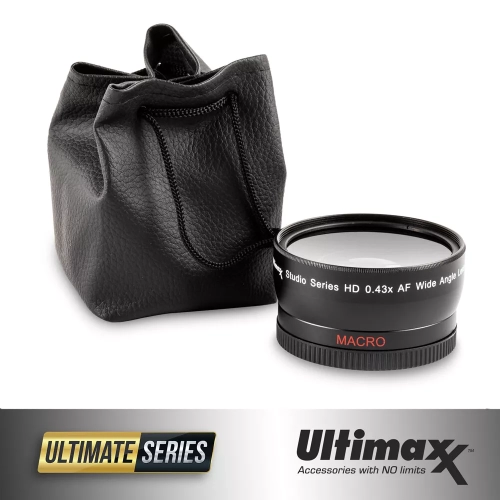
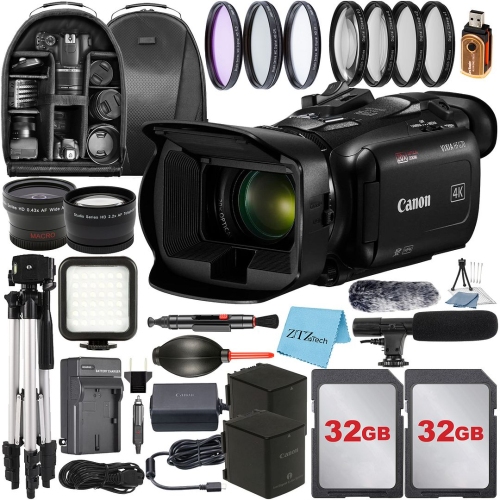
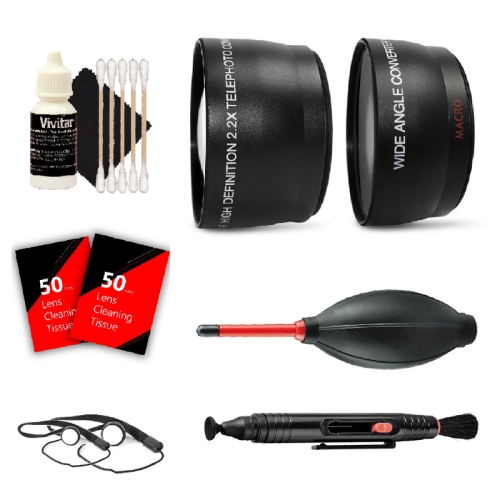
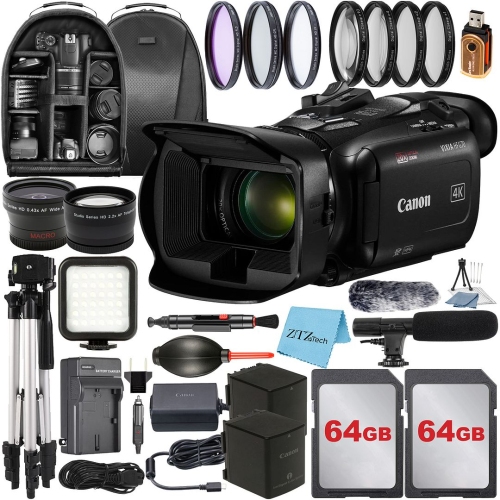
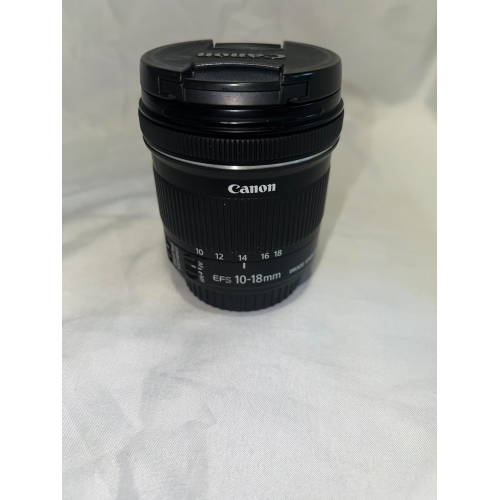
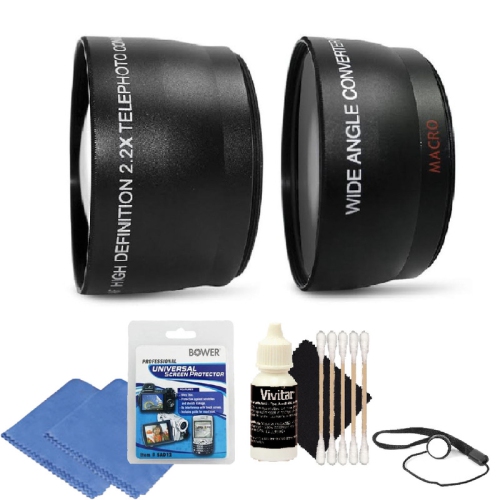
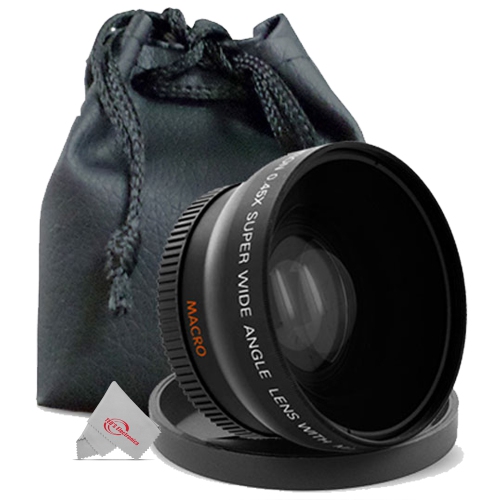
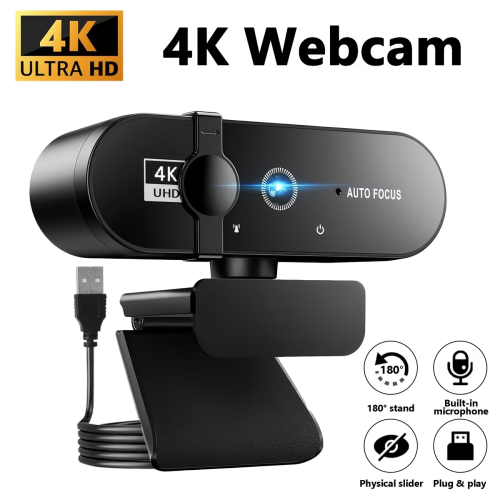
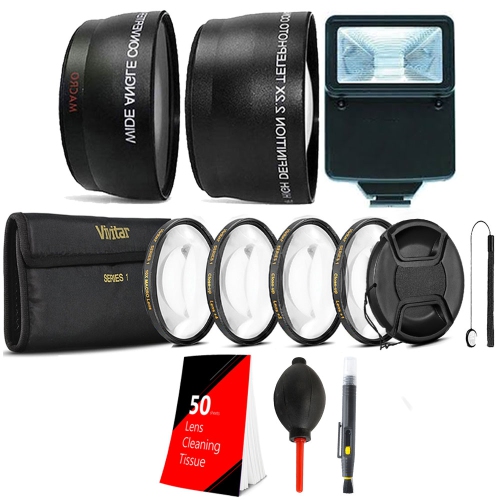
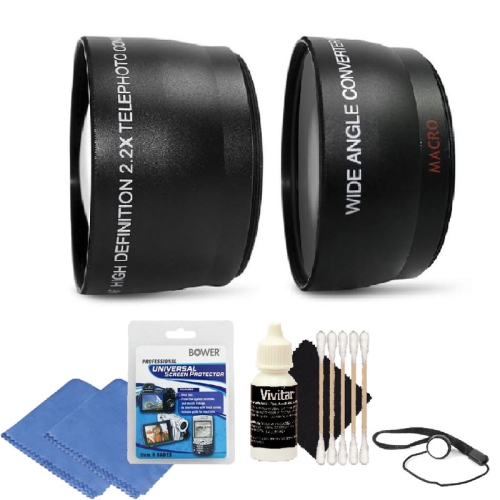
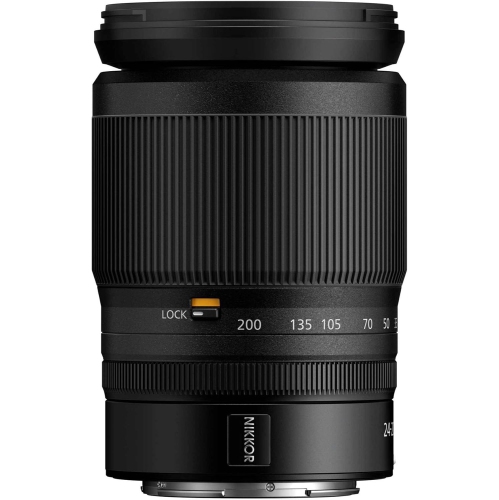
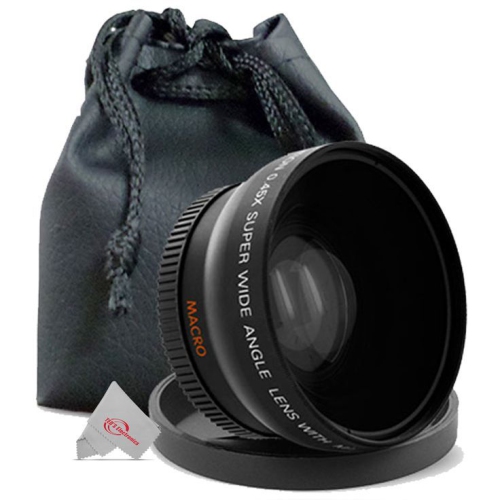
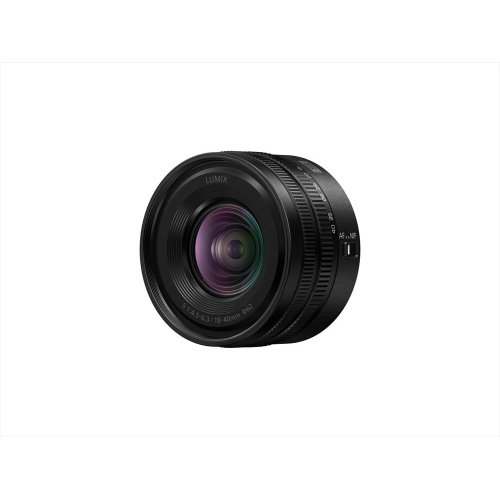
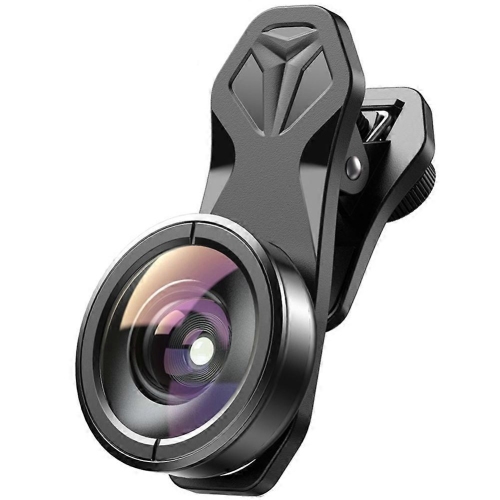
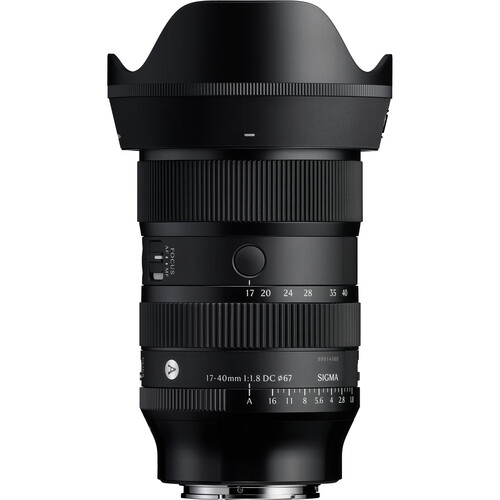
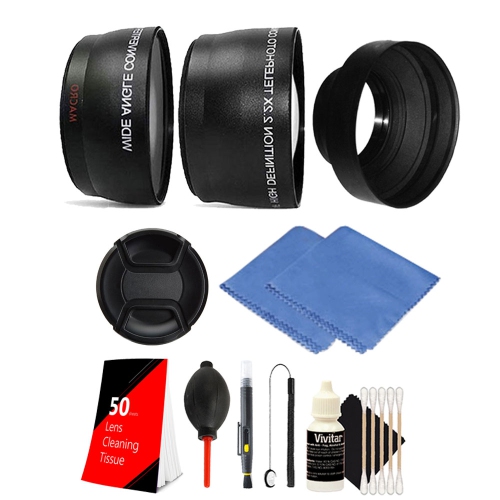
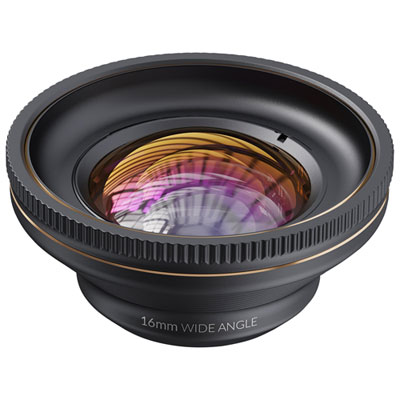
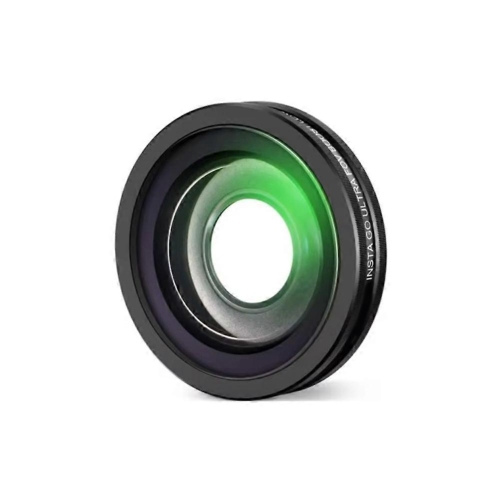
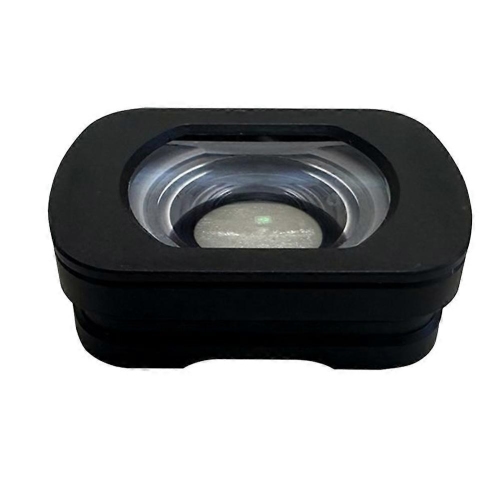
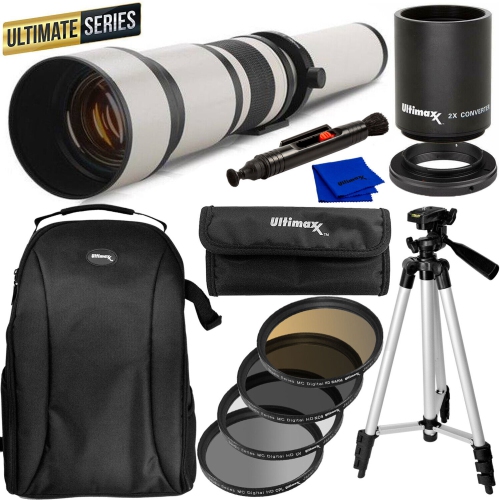
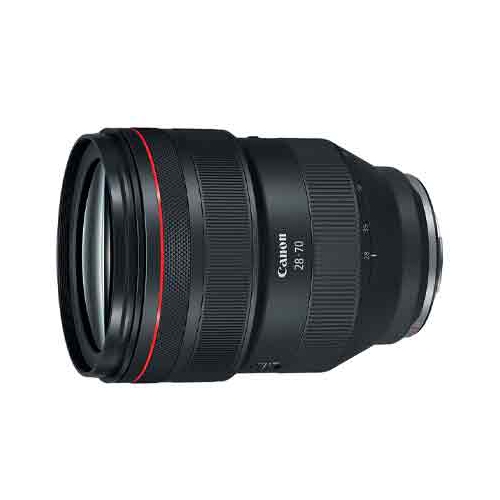
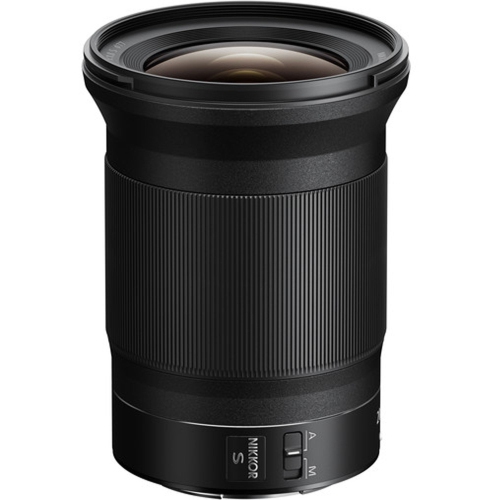
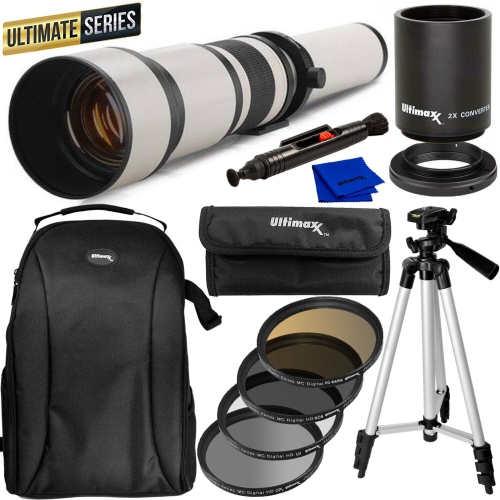
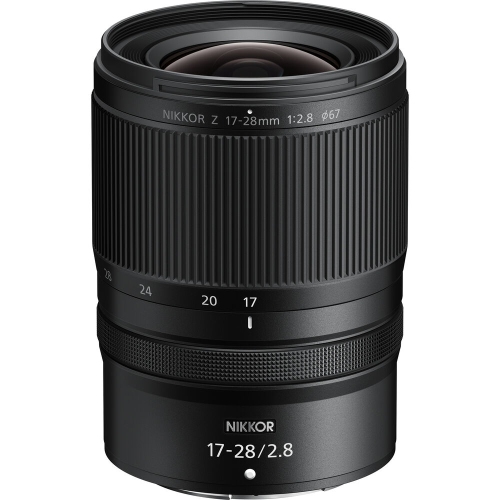

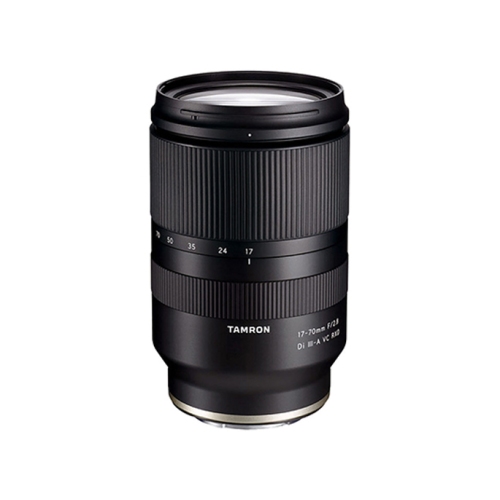
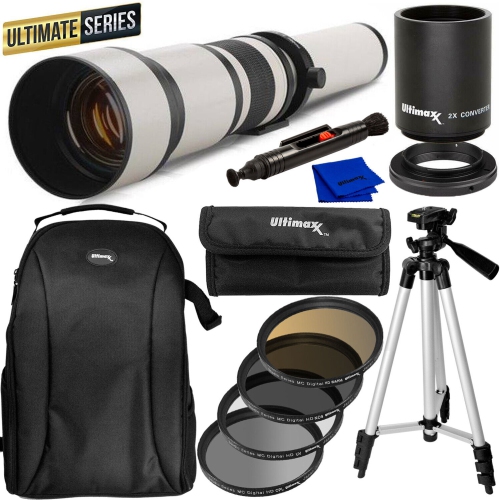
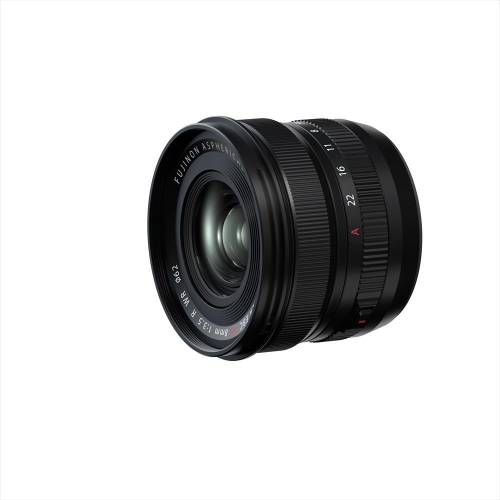
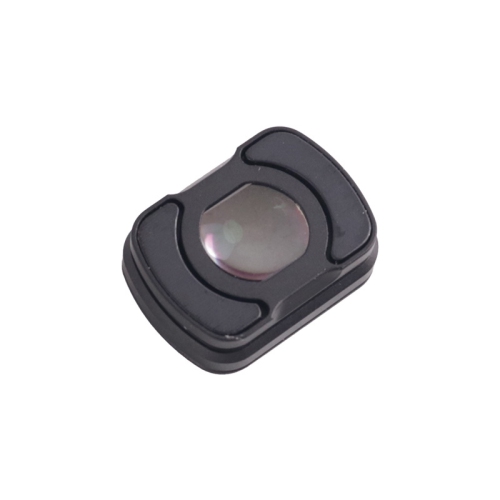
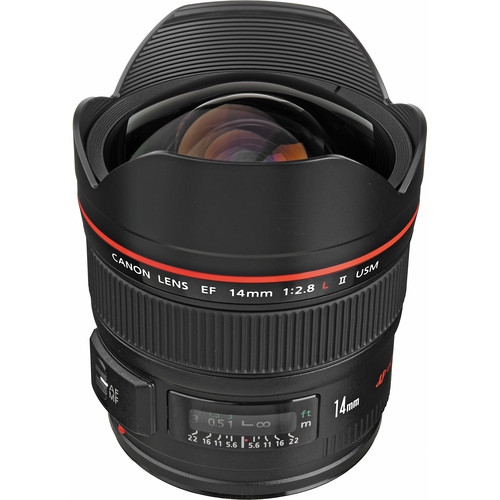
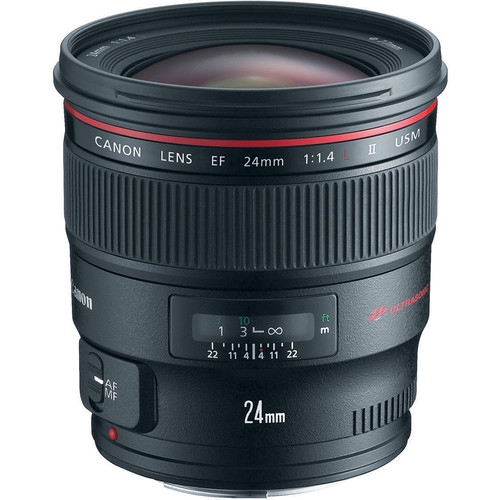

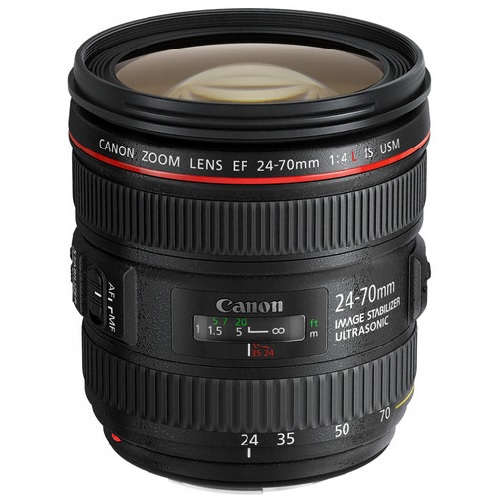
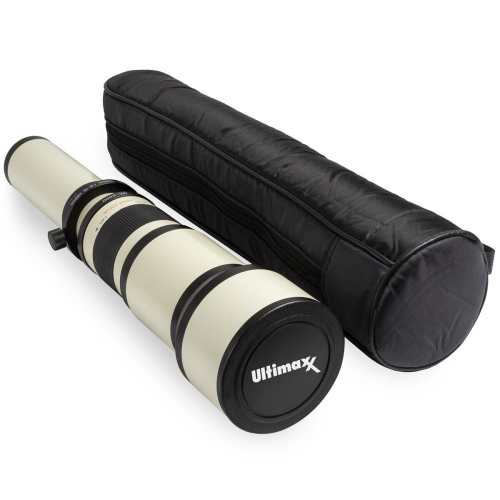
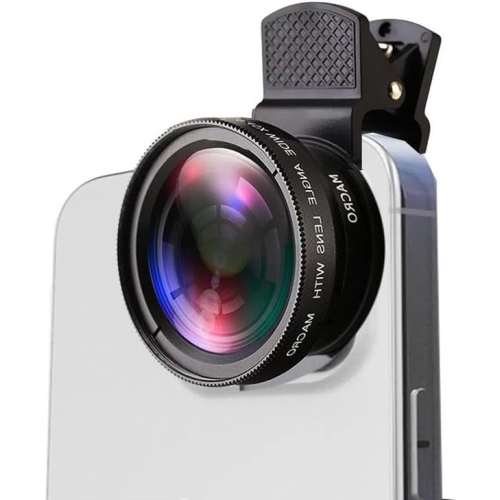
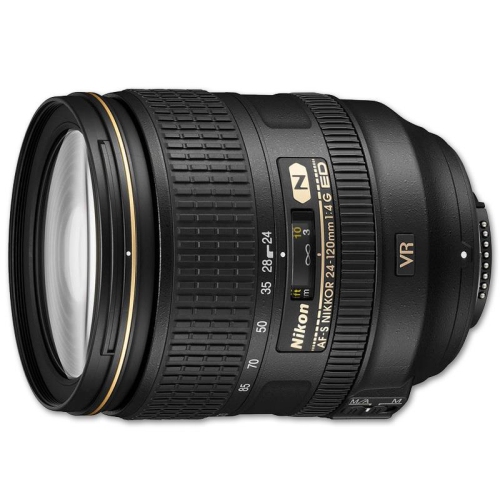
Capture expansive scenes with one flexible lens
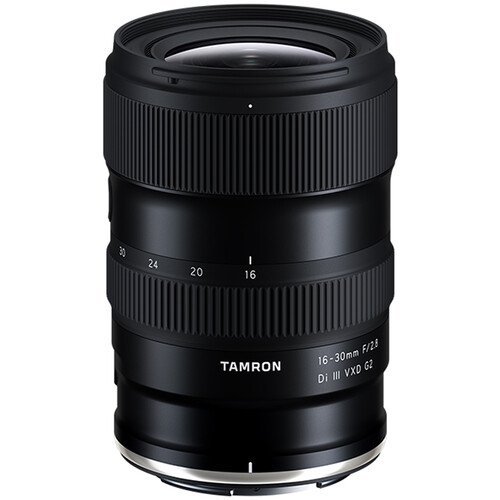
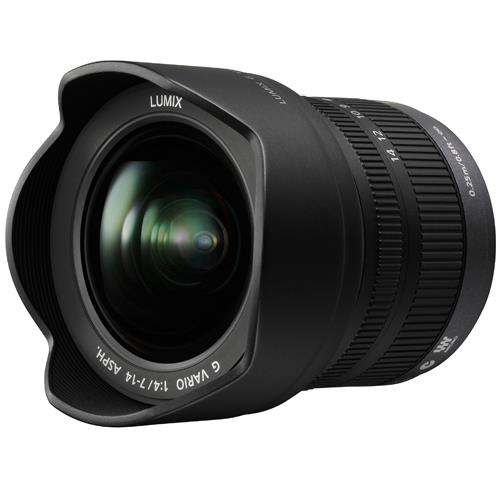
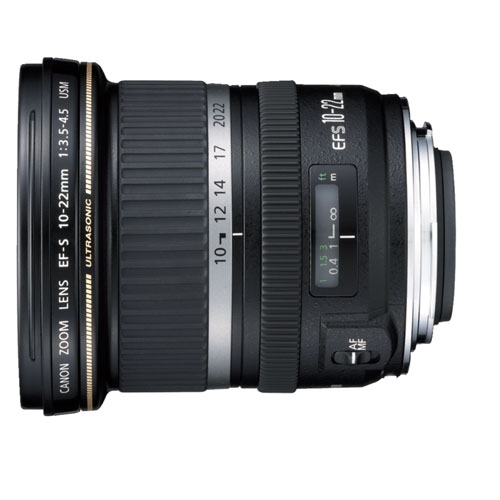
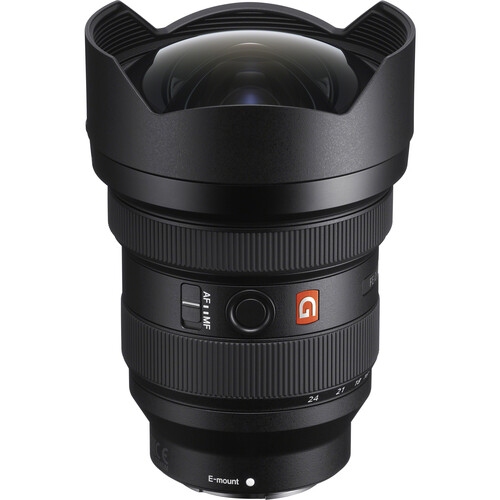
Wide-angle zoom lenses give photographers a broad view while preserving the flexibility to change composition without switching lenses. They typically cover focal lengths wider than 35mm on a full-frame camera, with common ranges such as 16-35mm or 14-24mm. At the wider end, a single frame can include an expansive landscape, a dramatic sky, or the full height of a building from a nearby vantage point. At the longer end, the same lens can create a more natural perspective for street scenes, environmental portraits, travel photography, and everyday storytelling. This versatility makes wide-angle zooms useful for photographers who move between open outdoor spaces and confined interiors, particularly when there is little room to step backwards. Landscape photographers use them to layer foreground details such as textured rock, wildflowers, or shoreline patterns against distant mountains. Architectural and real estate photographers rely on them to show rooms, hallways, and building exteriors with a strong sense of space. They can also be helpful for video creators, vloggers, and gimbal users who want to keep themselves or a subject in frame while working in a compact area. During the warmer seasons, a wide-angle zoom can capture everything from a sweeping lakeside view to the atmosphere of a busy outdoor gathering, while during the cooler months it can bring more context to indoor celebrations, museums, kitchens, and softly lit living spaces.
Camera compatibility is the first consideration when comparing wide-angle zooms. Check the lens mount and make sure the lens is designed for the specific camera system, whether it is a DSLR or mirrorless model. Sensor size is equally important because the stated focal length does not create exactly the same field of view on every camera. A full-frame camera shows the intended wide perspective of a lens, while an APS-C or DX crop-sensor camera narrows the view because of the crop factor. A lens around 10-24mm or 10-20mm on a crop-sensor body can provide a similarly expansive perspective to a 15-35mm or 14-24mm lens on full frame, depending on the camera’s crop factor. Checking this relationship helps prevent an unexpected result, especially when the goal is to photograph a small room, a tall building, or a broad horizon. Aperture is another key choice. A constant f/2.8 aperture can admit more light for night landscapes, indoor scenes, astrophotography, and handheld video, while also offering more control over shutter speed and background separation. A constant f/4 aperture is often a practical choice for travel, daytime landscapes, and architectural work, and may offer a lighter body or a more manageable size. Image stabilization can be valuable when photographing static subjects in dim conditions, although it does not freeze movement in the scene. Autofocus performance, manual-focus control, weather sealing, filter compatibility, and the ability to use lens hoods should also be considered based on how and where the lens will be used.
Optical design affects the look and usability of a wide-angle zoom. Aspherical elements can help control distortion and maintain detail across the frame, while extra-low dispersion glass may reduce chromatic aberration around high-contrast edges. Some barrel distortion is common at very wide focal lengths, but in-camera profiles and editing software can correct much of it. Even with correction, composition remains important: placing a person or object too close to the edge can stretch its proportions, and tilting the camera upward can make vertical lines appear to lean. Keeping the camera level is useful for architecture, while deliberately placing a strong foreground element near the bottom of the frame can add depth to landscapes. Wide-angle lenses also make distances feel larger, so a photographer can move close to a subject to create a more engaging image while still showing the surrounding setting. Size and weight matter for long walks, travel, backpacks, and handheld video; a compact retractable design may be easier to carry, while an internal-zoom design can help maintain balance on a tripod or gimbal. A wide-angle zoom can be a thoughtful gift for a photographer preparing for a first landscape trip, learning interior photography, or expanding beyond a standard kit lens. Someone interested in close-up compositions may also appreciate exploring Wide Angle Macro Lenses for a different way to combine an expansive view with nearby detail. Before choosing, consider the camera body, sensor format, preferred subjects, usual lighting, carrying habits, and whether the lens will be used mainly for still images, video, or both.
Camera compatibility is the first consideration when comparing wide-angle zooms. Check the lens mount and make sure the lens is designed for the specific camera system, whether it is a DSLR or mirrorless model. Sensor size is equally important because the stated focal length does not create exactly the same field of view on every camera. A full-frame camera shows the intended wide perspective of a lens, while an APS-C or DX crop-sensor camera narrows the view because of the crop factor. A lens around 10-24mm or 10-20mm on a crop-sensor body can provide a similarly expansive perspective to a 15-35mm or 14-24mm lens on full frame, depending on the camera’s crop factor. Checking this relationship helps prevent an unexpected result, especially when the goal is to photograph a small room, a tall building, or a broad horizon. Aperture is another key choice. A constant f/2.8 aperture can admit more light for night landscapes, indoor scenes, astrophotography, and handheld video, while also offering more control over shutter speed and background separation. A constant f/4 aperture is often a practical choice for travel, daytime landscapes, and architectural work, and may offer a lighter body or a more manageable size. Image stabilization can be valuable when photographing static subjects in dim conditions, although it does not freeze movement in the scene. Autofocus performance, manual-focus control, weather sealing, filter compatibility, and the ability to use lens hoods should also be considered based on how and where the lens will be used.
Optical design affects the look and usability of a wide-angle zoom. Aspherical elements can help control distortion and maintain detail across the frame, while extra-low dispersion glass may reduce chromatic aberration around high-contrast edges. Some barrel distortion is common at very wide focal lengths, but in-camera profiles and editing software can correct much of it. Even with correction, composition remains important: placing a person or object too close to the edge can stretch its proportions, and tilting the camera upward can make vertical lines appear to lean. Keeping the camera level is useful for architecture, while deliberately placing a strong foreground element near the bottom of the frame can add depth to landscapes. Wide-angle lenses also make distances feel larger, so a photographer can move close to a subject to create a more engaging image while still showing the surrounding setting. Size and weight matter for long walks, travel, backpacks, and handheld video; a compact retractable design may be easier to carry, while an internal-zoom design can help maintain balance on a tripod or gimbal. A wide-angle zoom can be a thoughtful gift for a photographer preparing for a first landscape trip, learning interior photography, or expanding beyond a standard kit lens. Someone interested in close-up compositions may also appreciate exploring Wide Angle Macro Lenses for a different way to combine an expansive view with nearby detail. Before choosing, consider the camera body, sensor format, preferred subjects, usual lighting, carrying habits, and whether the lens will be used mainly for still images, video, or both.
Top selling and popular products
-
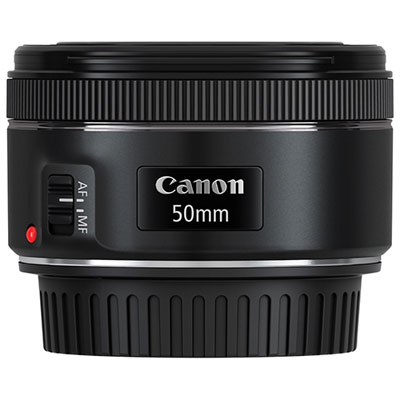 Your price for this item is $169.99
 -
 Your price for this item is $329.99
 -
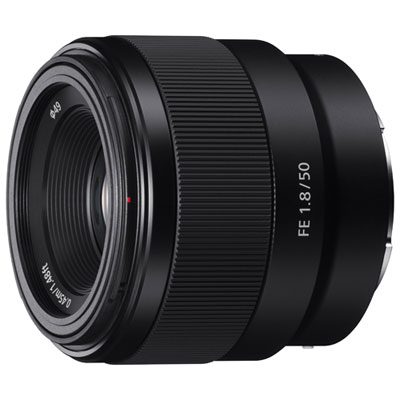 Your price for this item is $349.99
 -
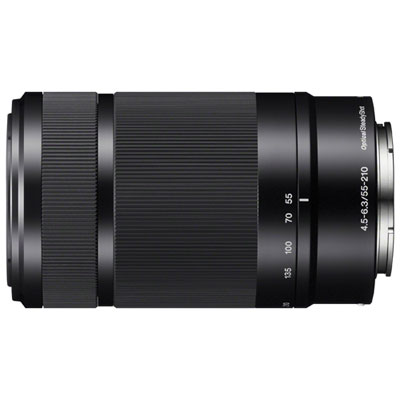 Your price for this item is $399.99
 -
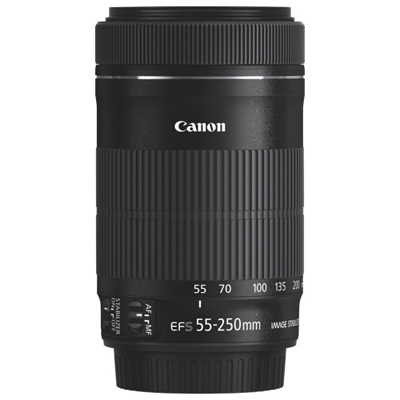 Your price for this item is $399.99
 -
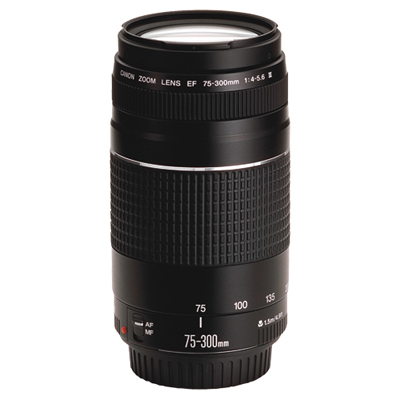 Your price for this item is $199.99
 -
 Your price for this item is $174.99
 -
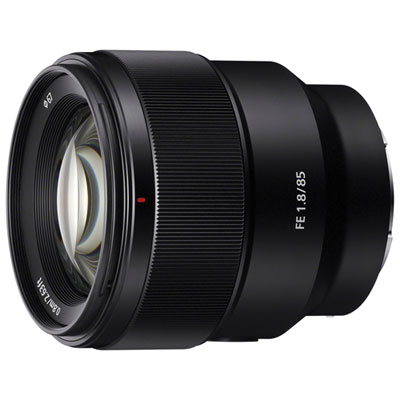 Your price for this item is $799.99
Discover more categories related to Wide Angle Zooms
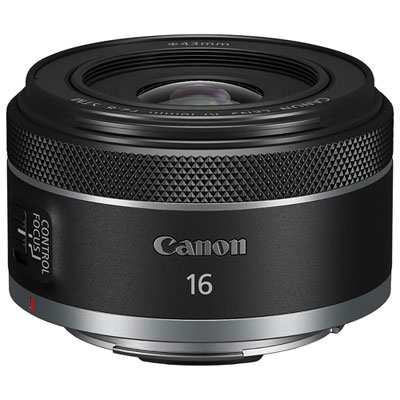
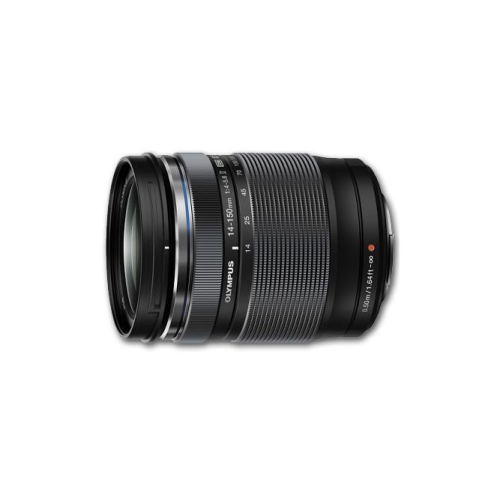
Top Collections:
Pokemon Centers, Best Cameras for Sports Photography, Kindle Devices, Samsung Galaxy Phones, Canon G7X Cameras, Pokémon 30th Celebration Cards, Refurbished Apple Laptops, iPhone 15 Apple, Laptops for Students, Budget Smartphones
Some products may be subject to Environmental Handling Fees
(EHF) depending on your province.
Learn more about EHFs.