2 Player Games Nintendo Switches
The Nintendo Switch is a great console for playing single-player games, but it's even better when you can play with a friend. Whether you're looking for a game to play together on the same system or just want to play something different from what everyone else is playing, these are the best two-player games for the Nintendo Switch.
Sort


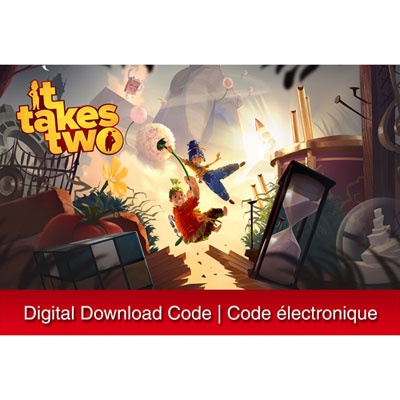
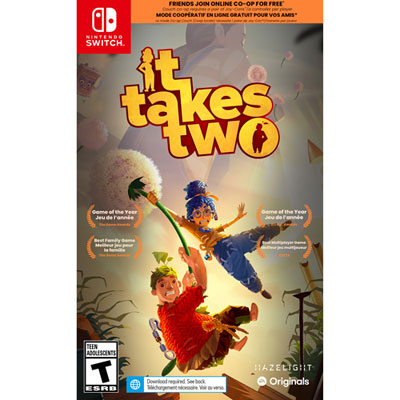
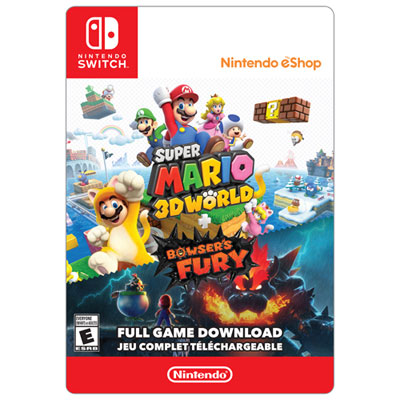
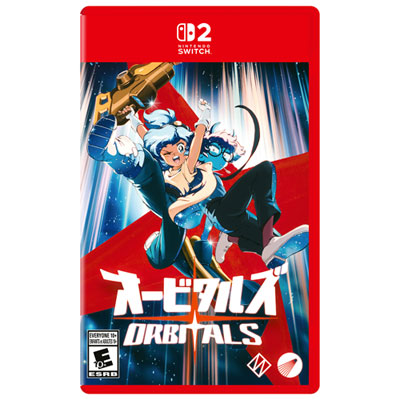


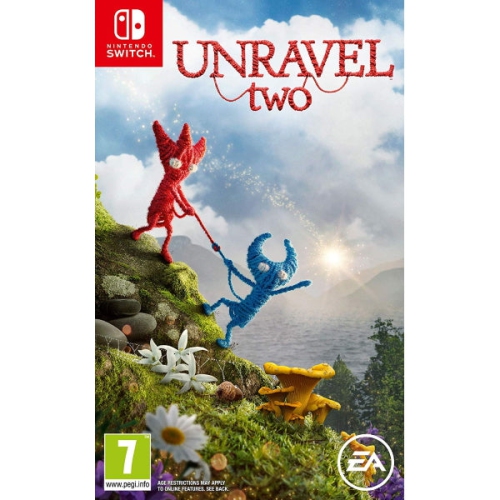

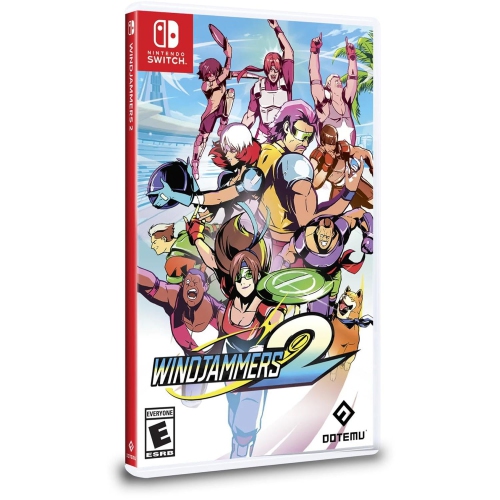
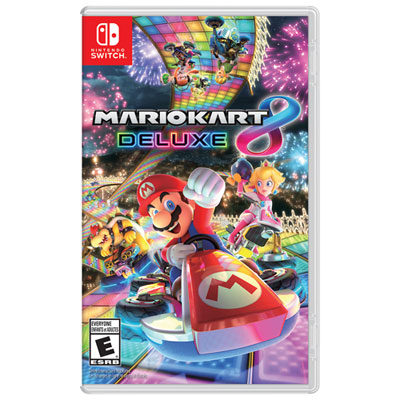
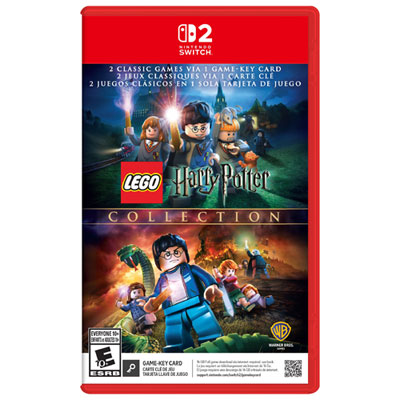


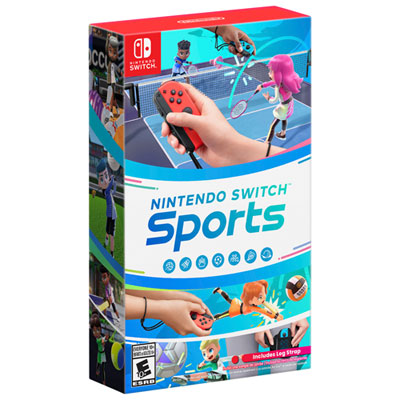
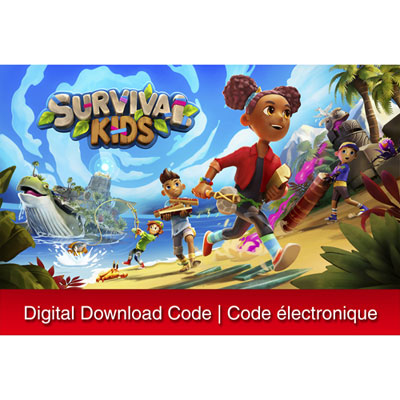
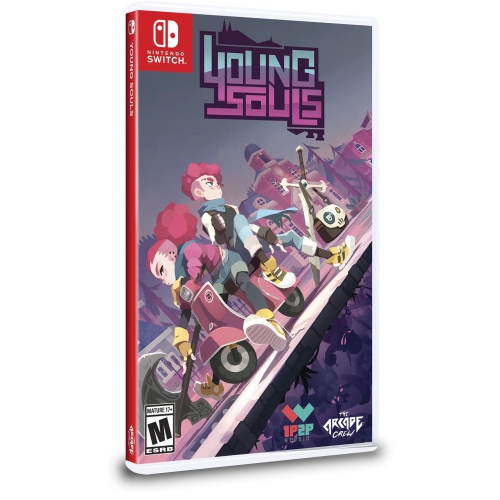
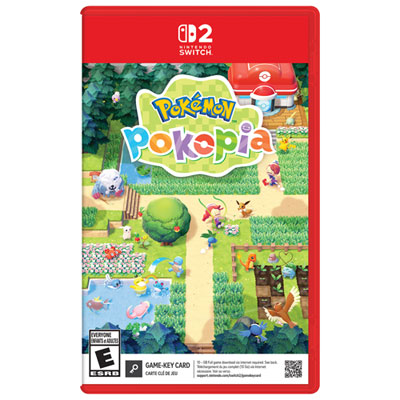
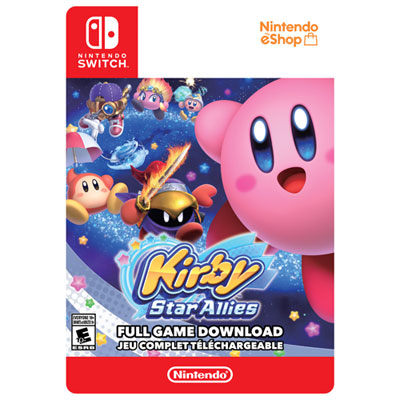
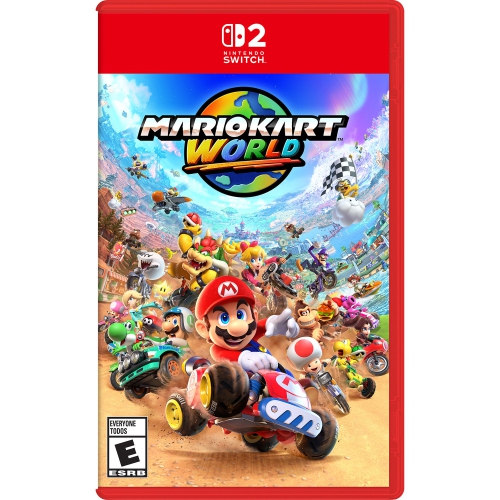
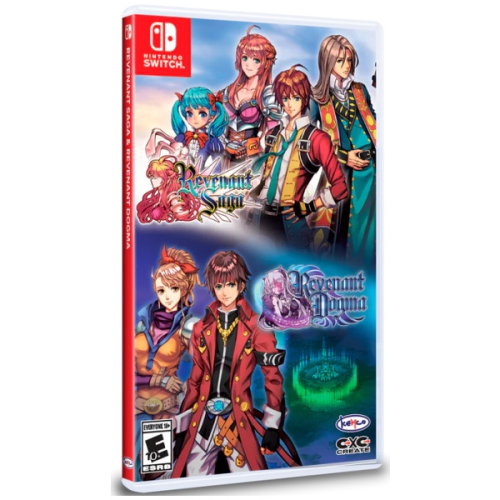
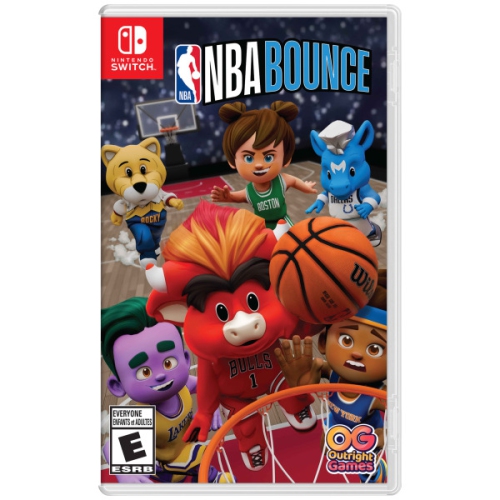
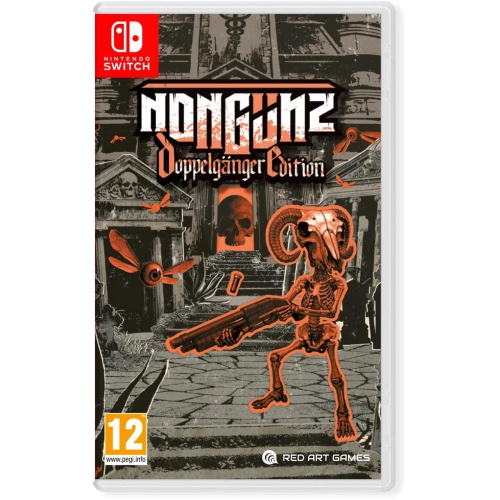
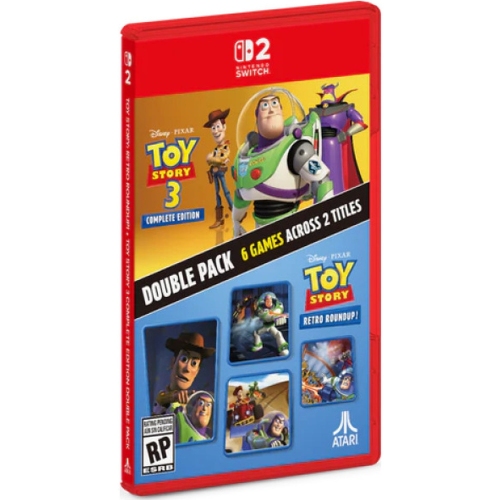
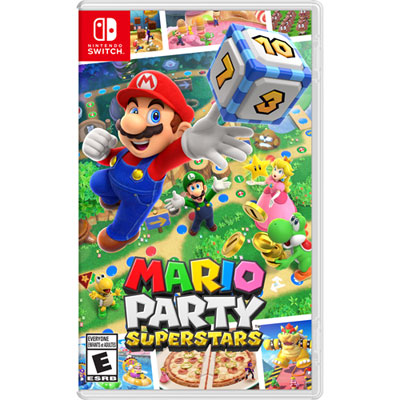
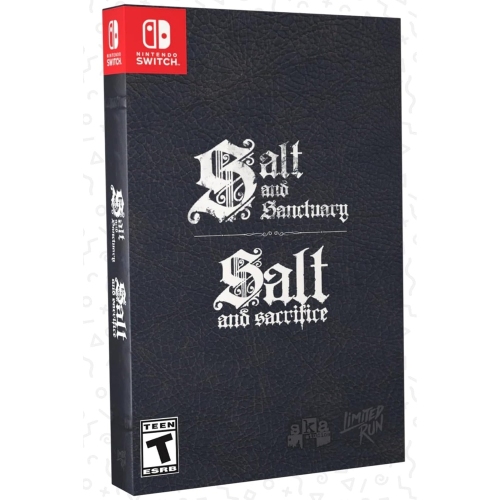
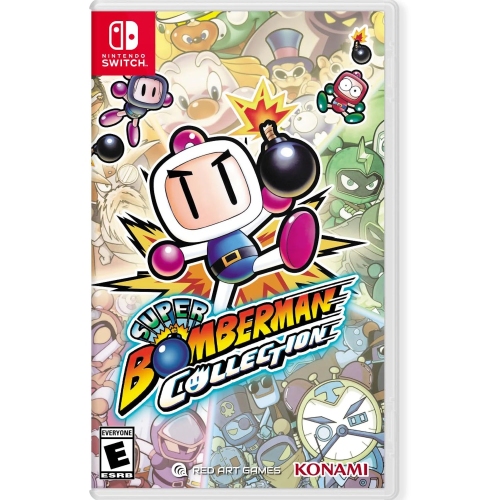
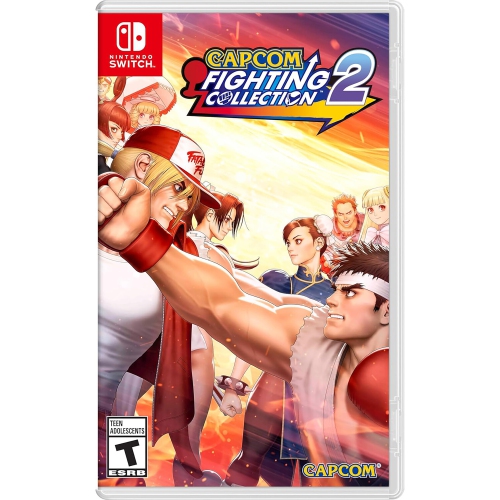
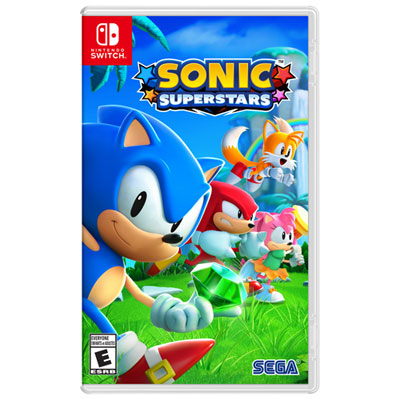
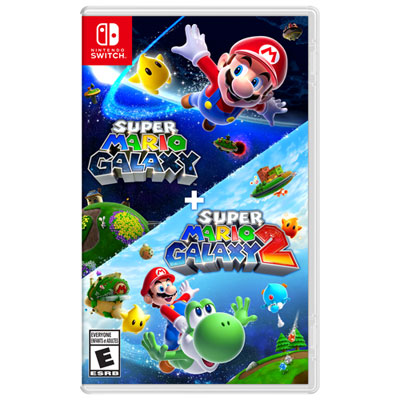
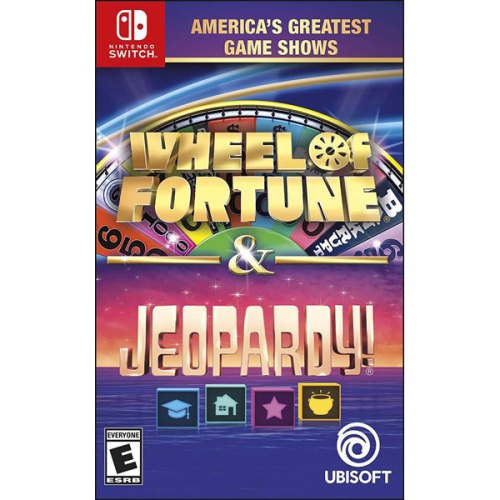
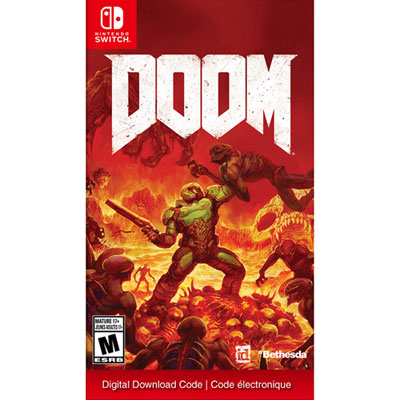
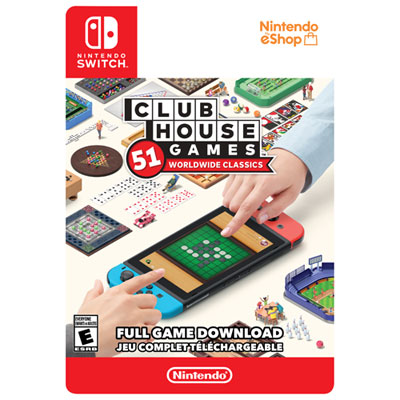
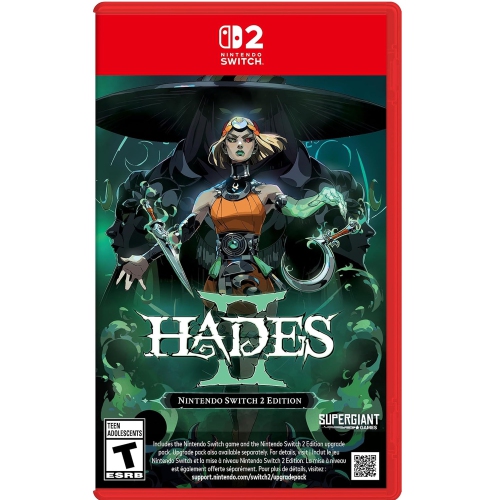
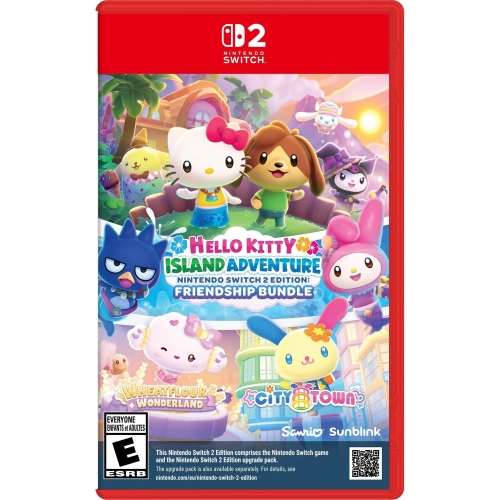
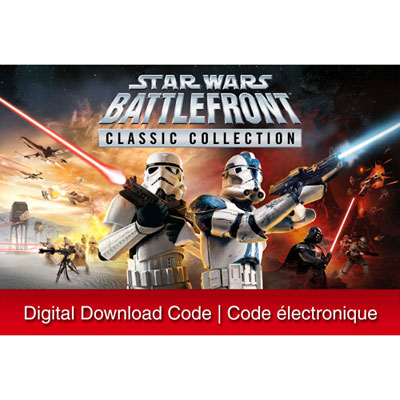
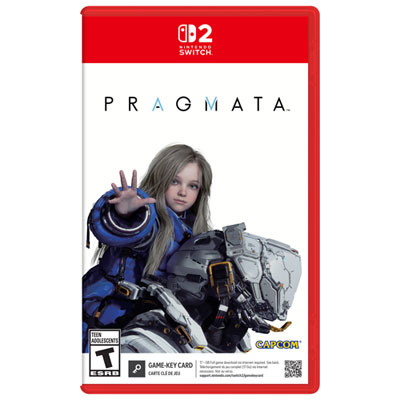
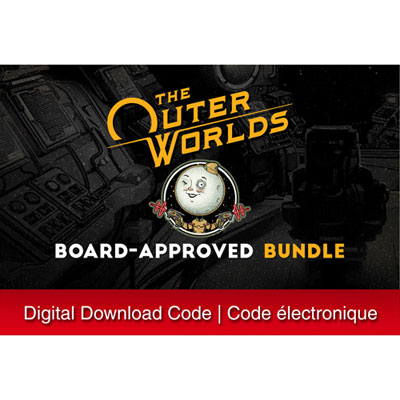
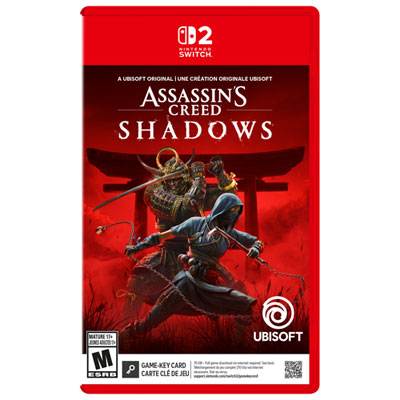

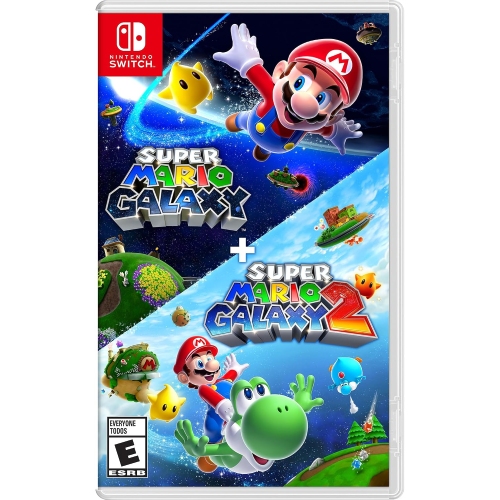
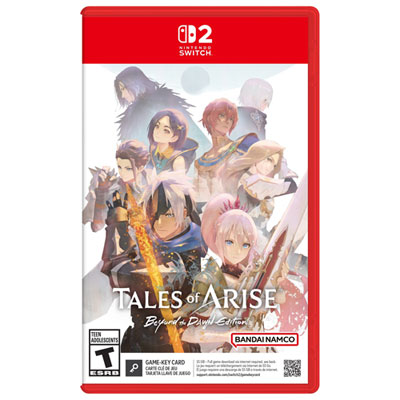
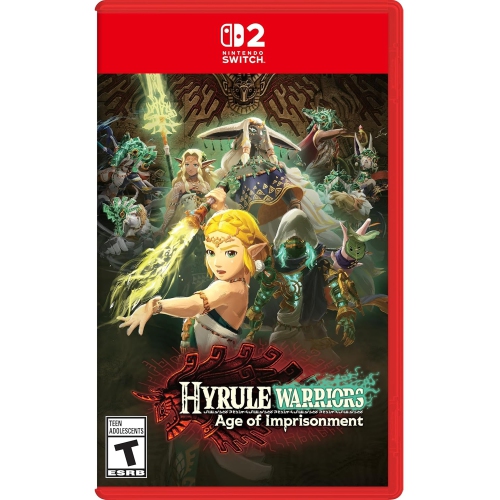
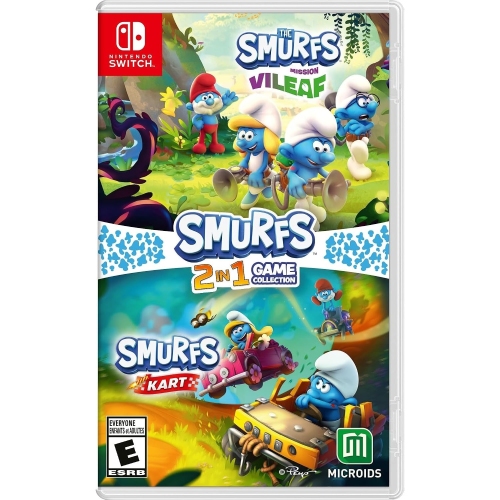

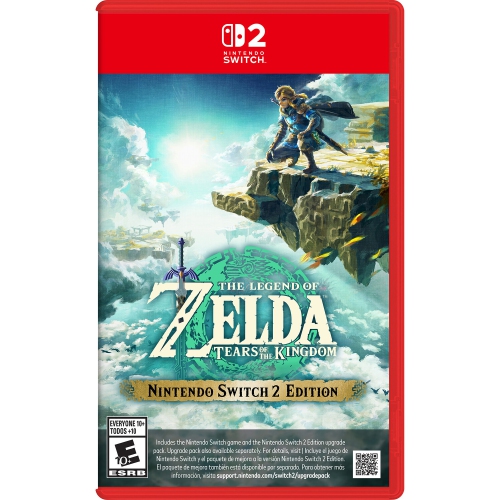
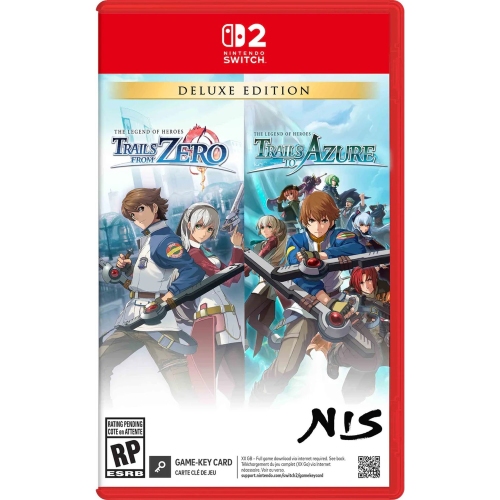
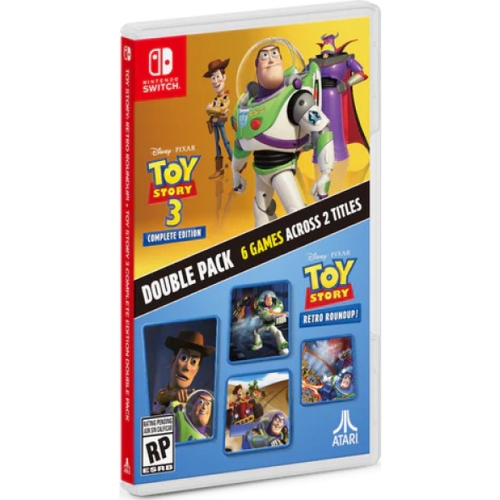
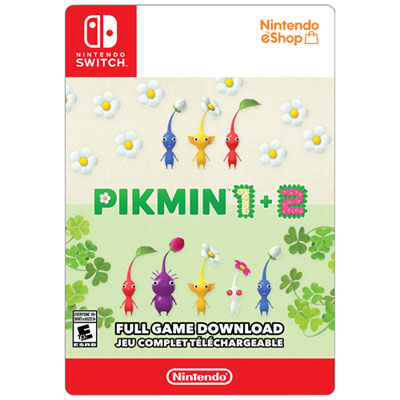


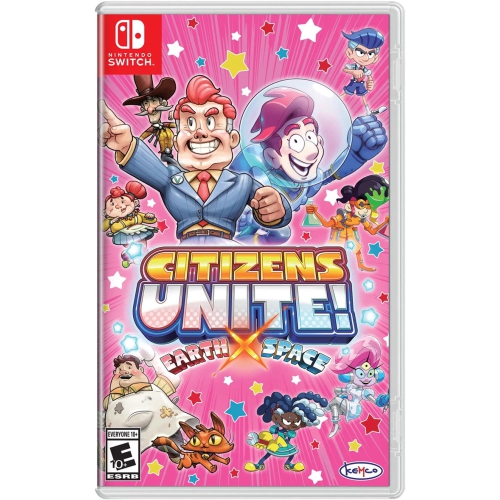

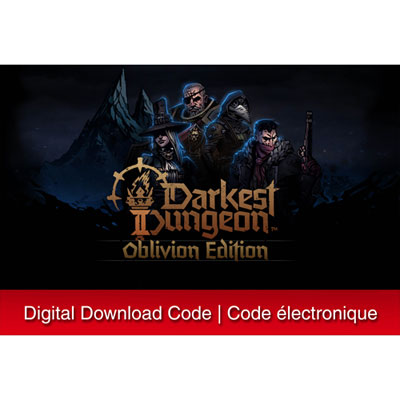
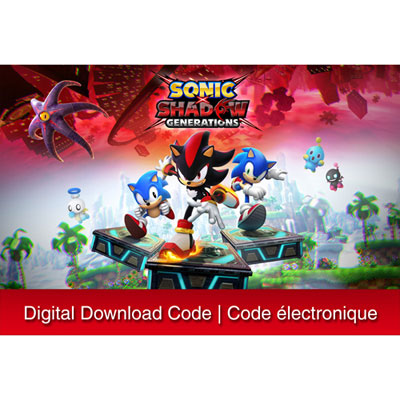
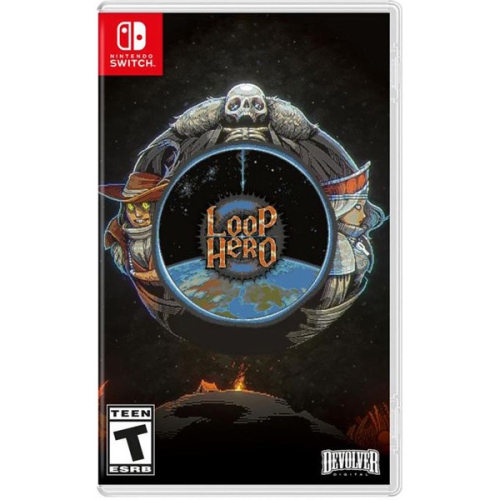
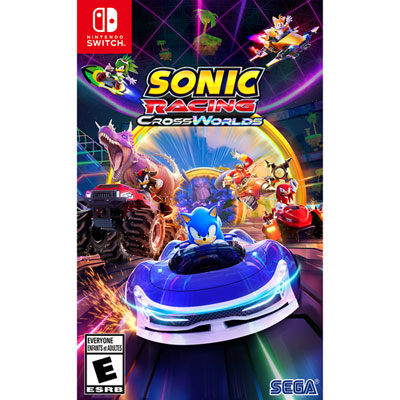
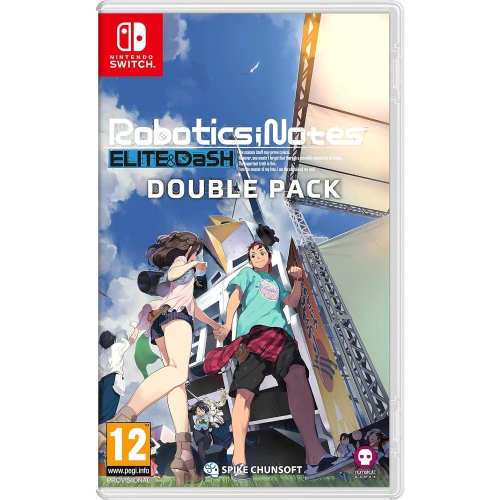
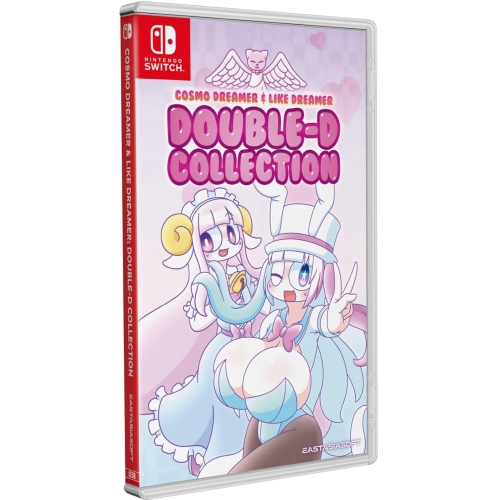


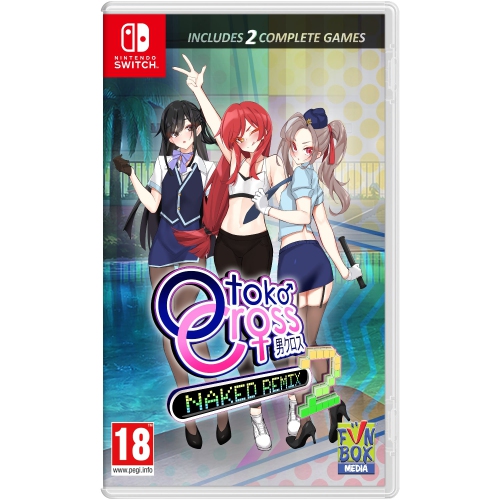
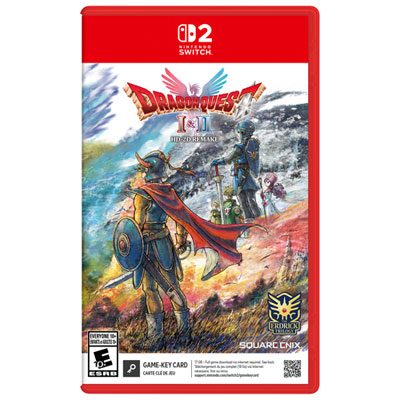
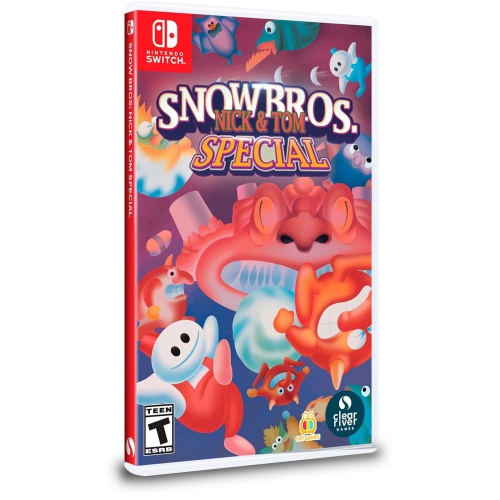

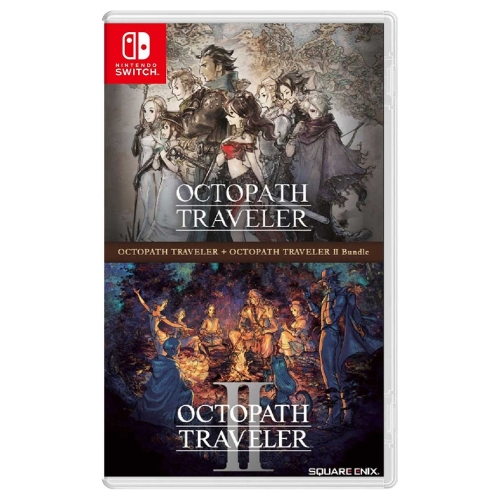
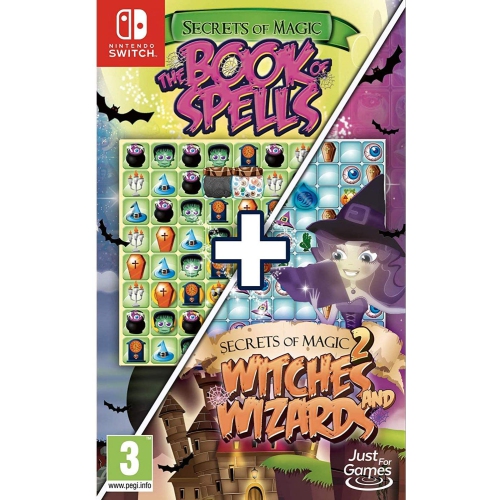
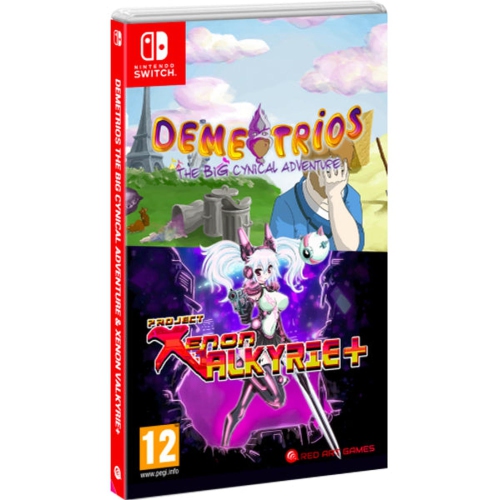

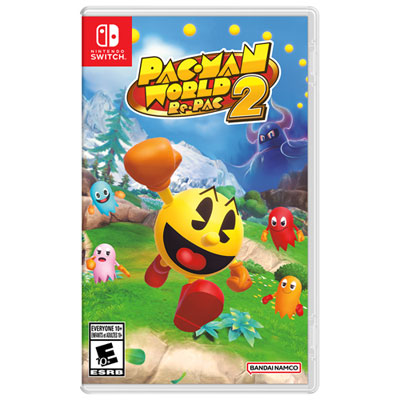
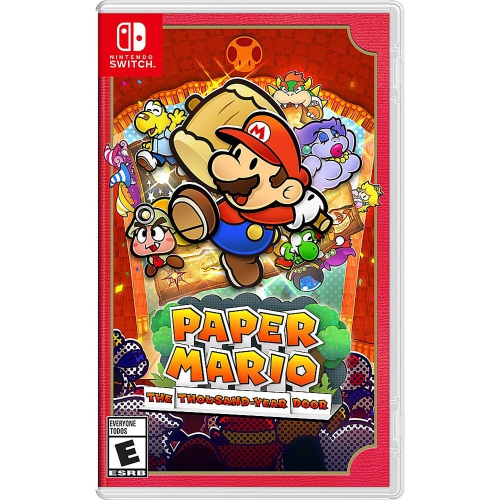
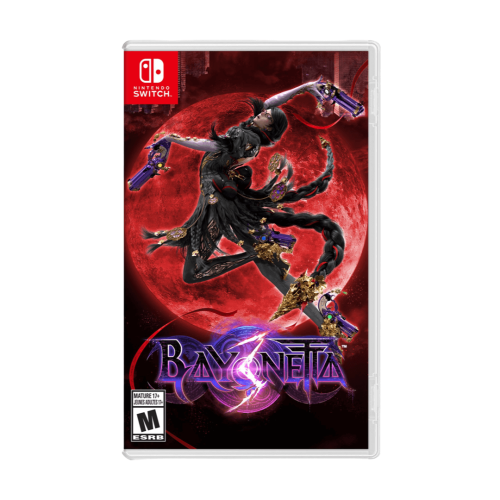
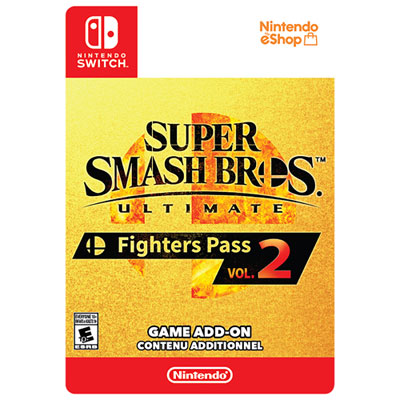
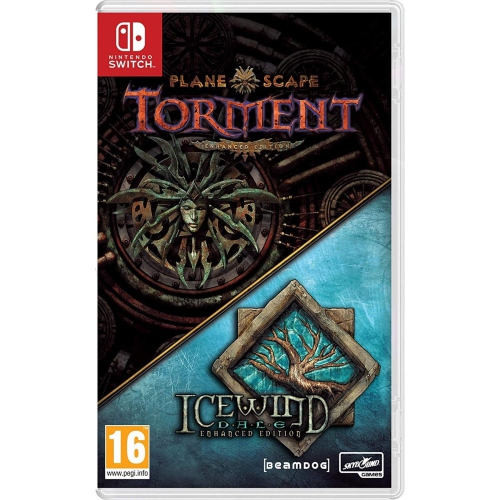
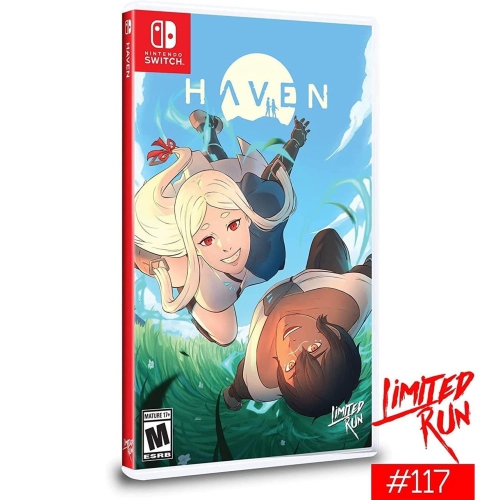
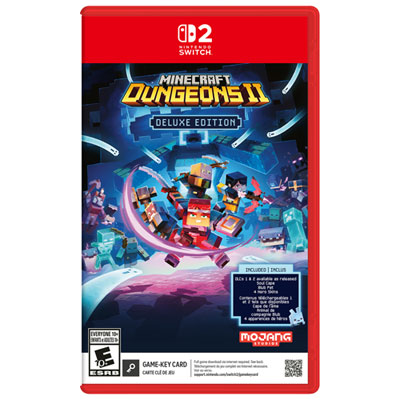

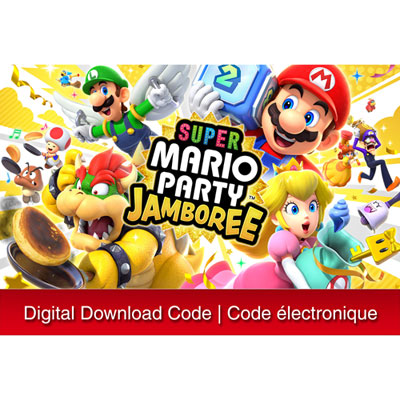
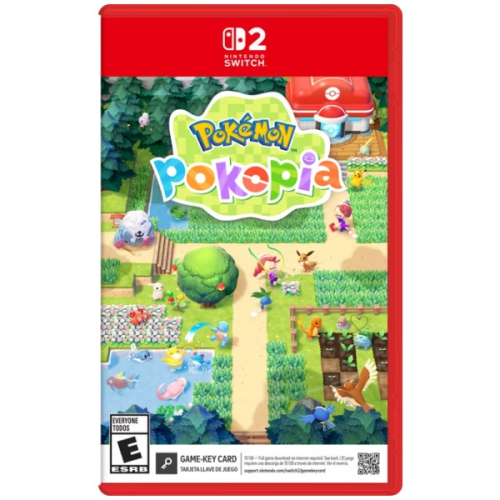

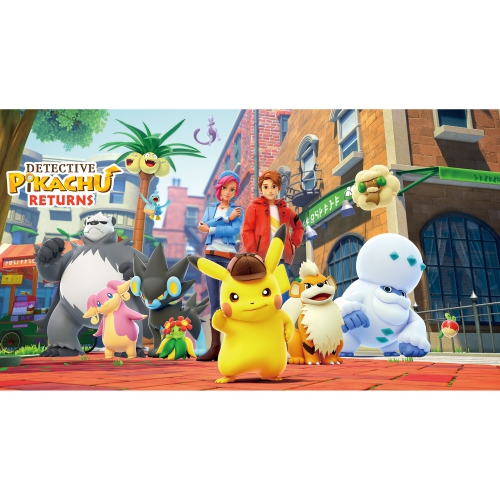
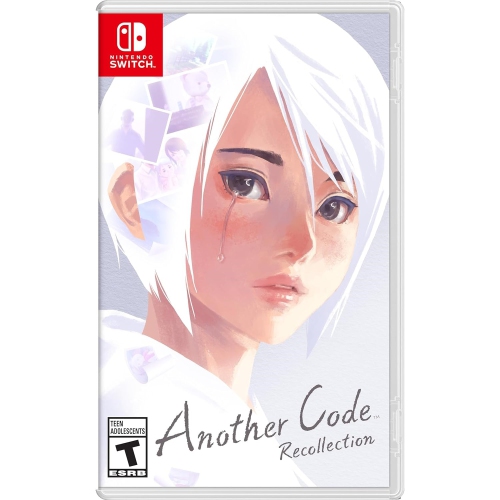
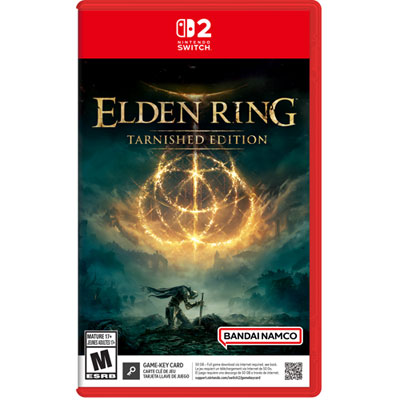
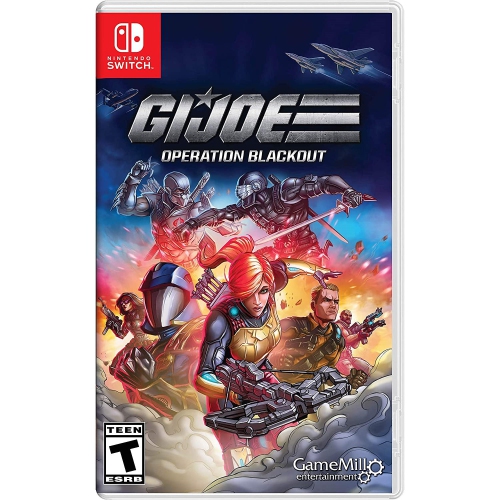
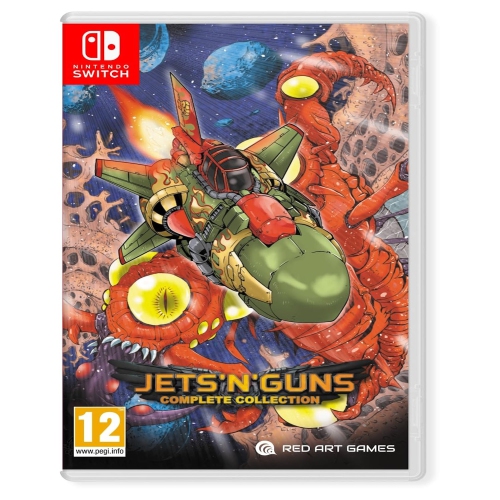

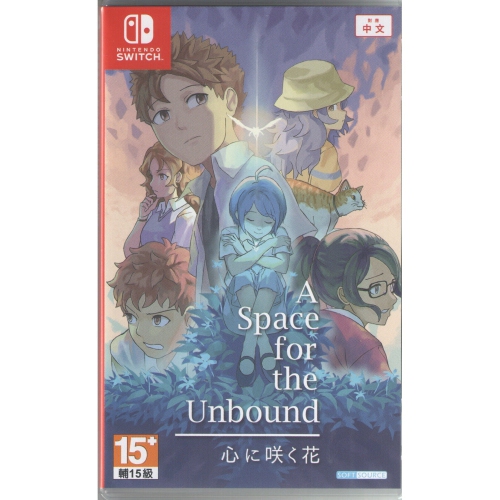
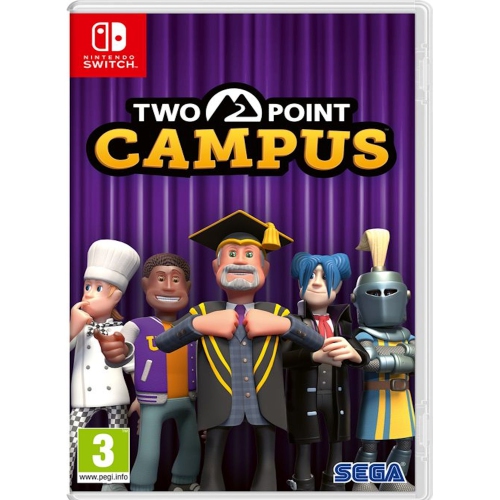
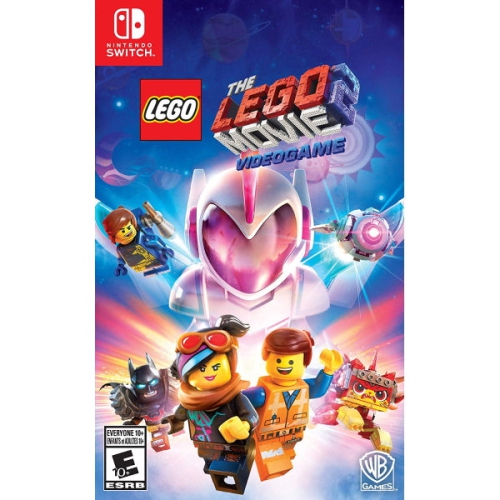

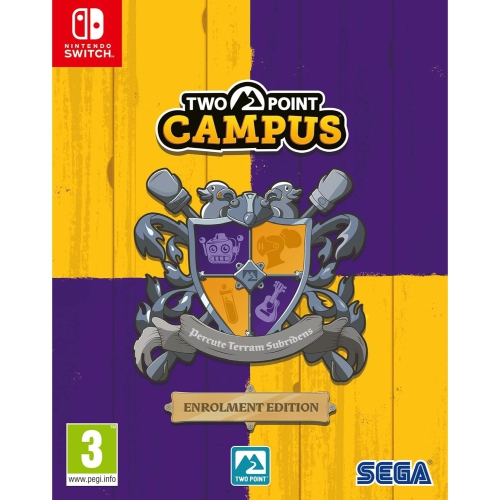
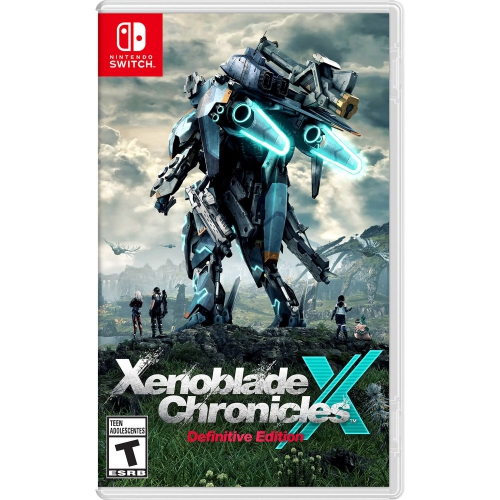


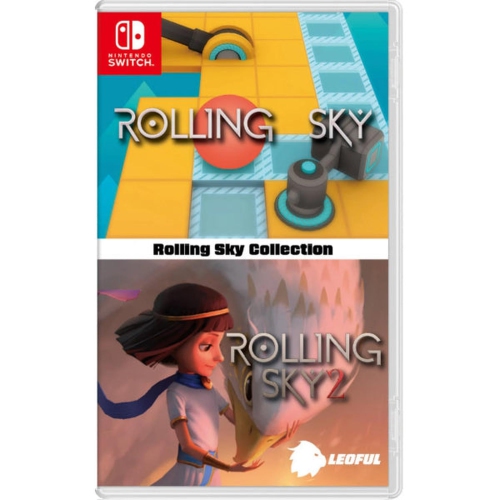
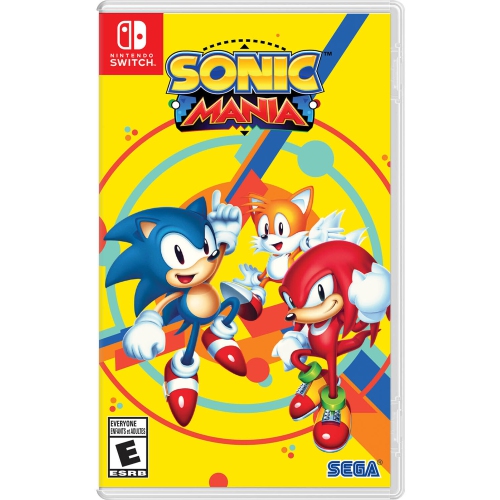
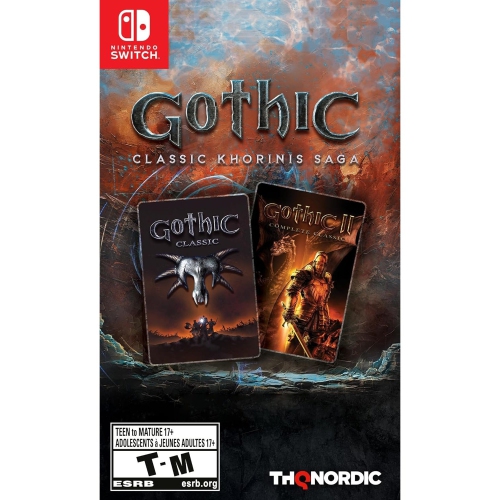
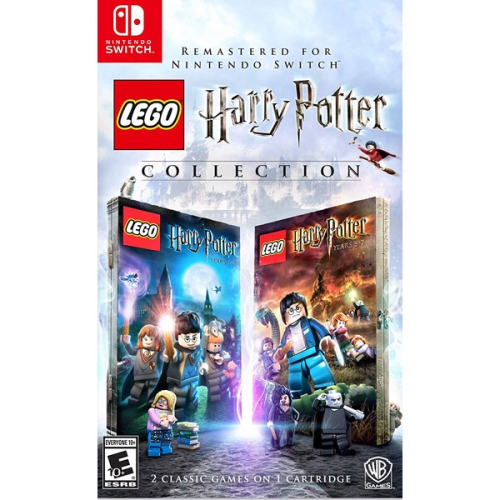

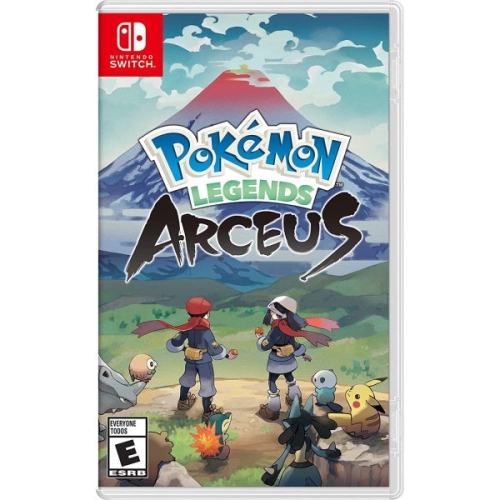


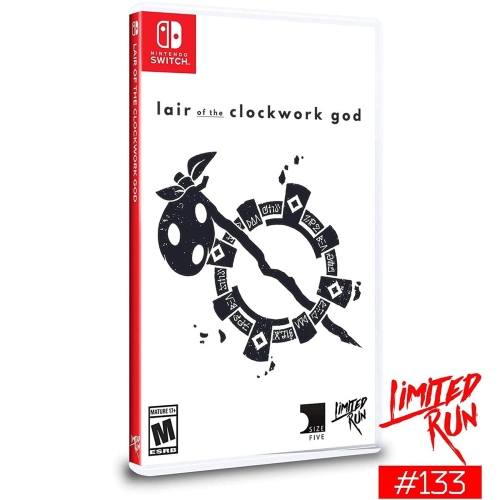
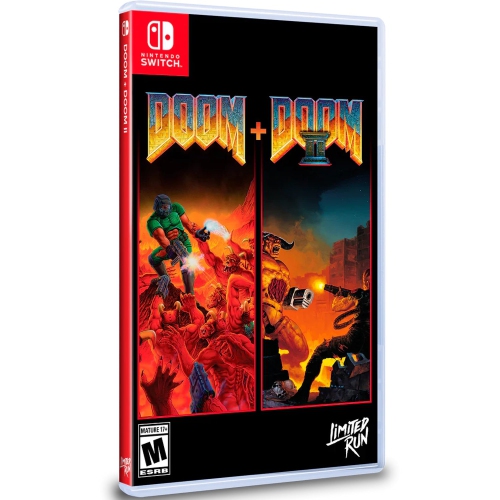
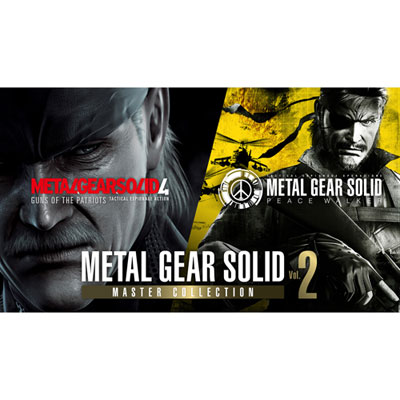
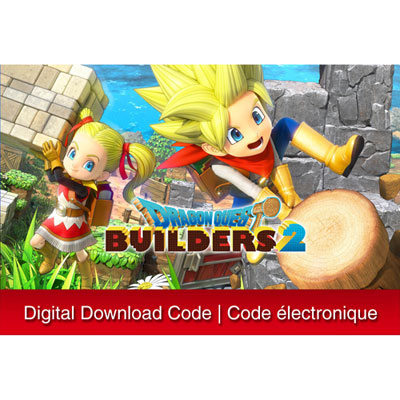


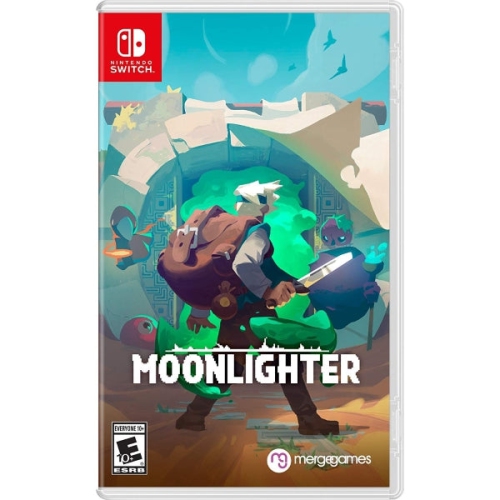


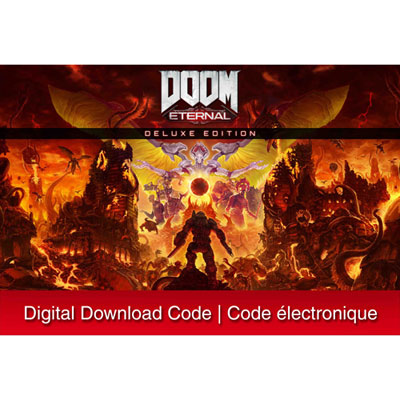
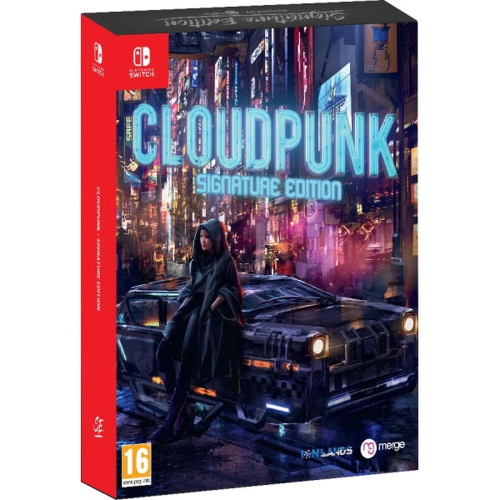

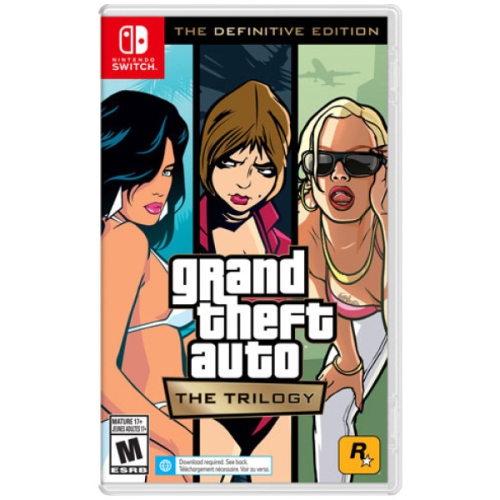
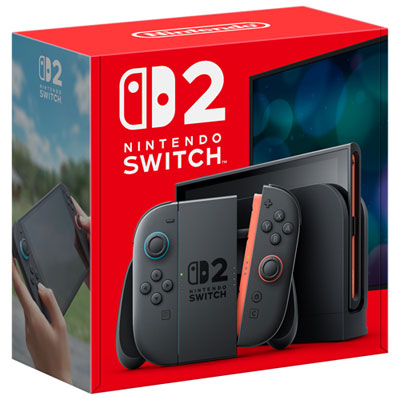
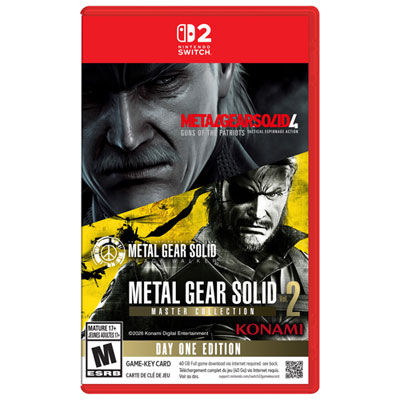
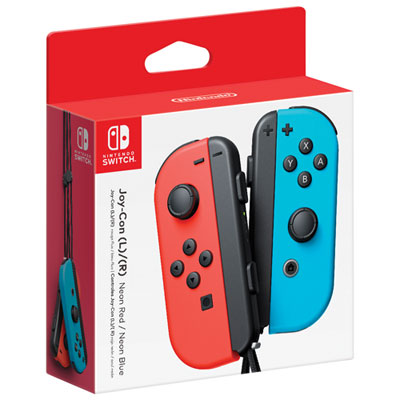
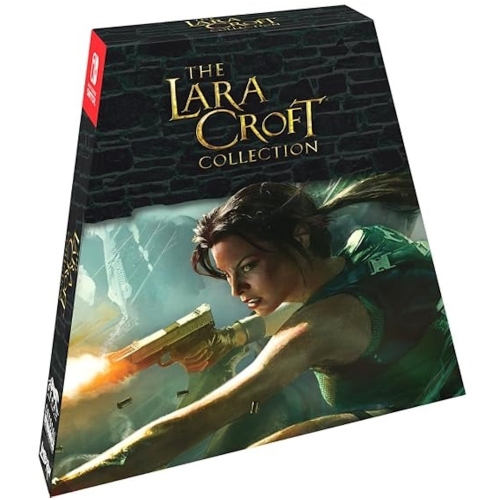
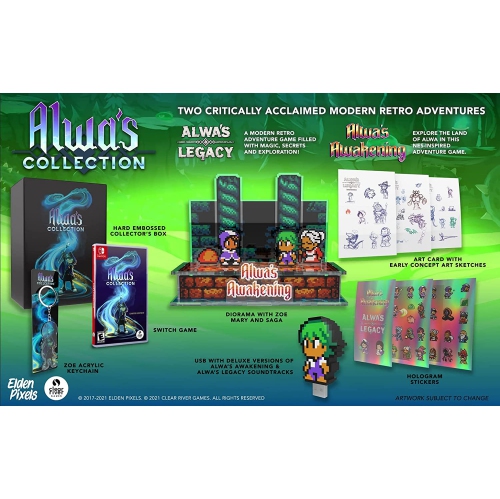
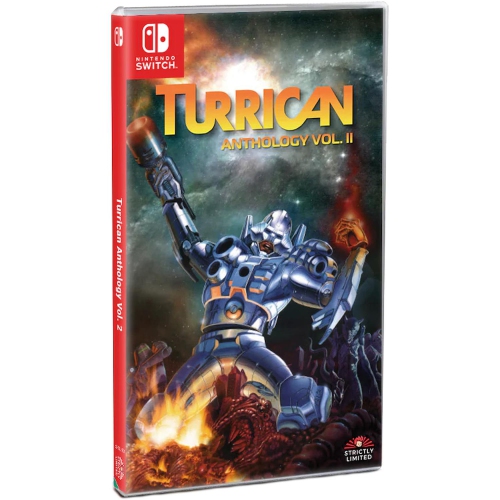

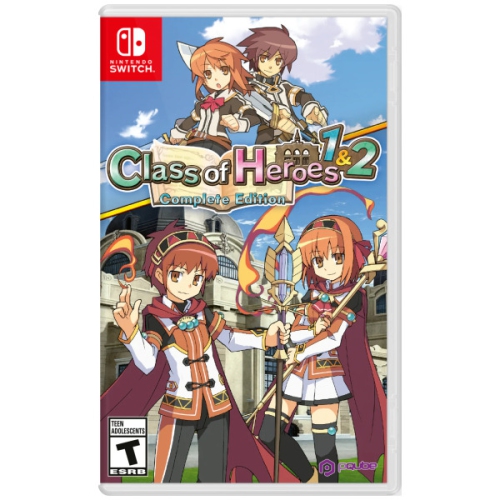
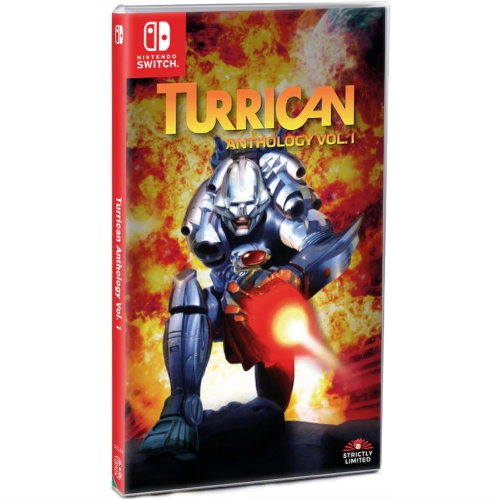
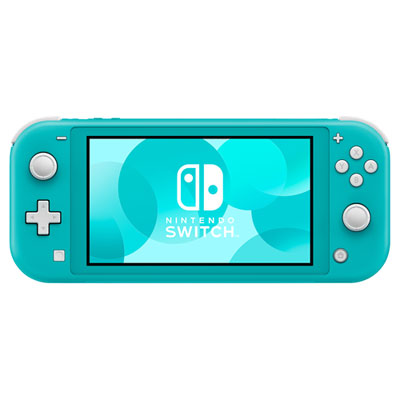
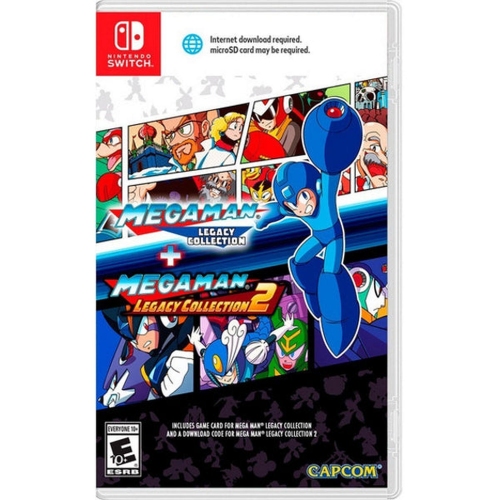

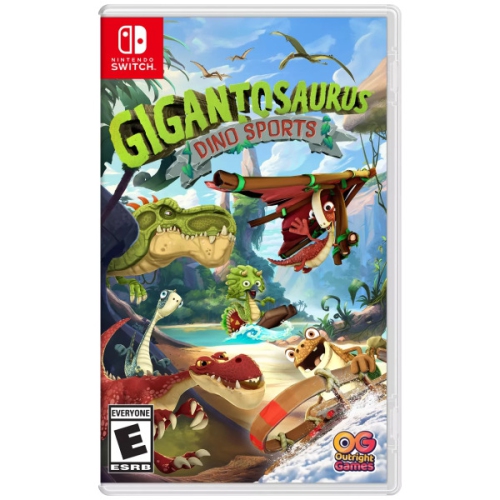
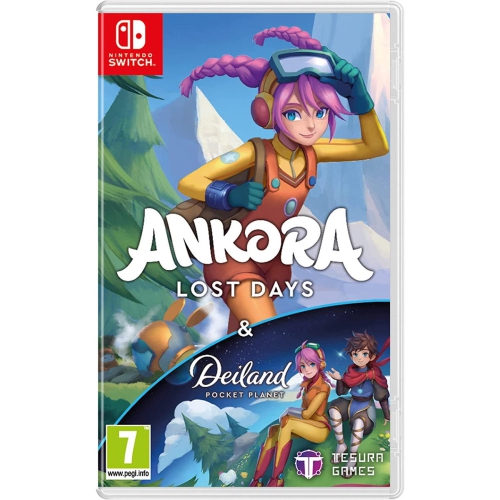

Two controllers can mean teamwork or friendly rivalry
Two-player games turn a shared screen into a place for teamwork, friendly competition, and small victories worth celebrating together. The main distinction is between cooperative games, where both players work towards a common goal, and competitive games, where each person tries to outscore, outpace, or outmanoeuvre the other. Cooperative adventures can involve moving through colourful worlds, solving puzzles, or coordinating tasks that neither player can complete alone. One person might hold a platform in place while the other crosses a gap, with both switching roles at the next obstacle. Competitive formats create a different rhythm: a close race, a carefully timed defensive move, or a last-second goal can make even a short session memorable. Some games combine these approaches, letting two people team up in one mode and face each other in another. Genre shapes the experience just as much as the multiplayer format. Platforming games often reward timing and movement, puzzle games make room for conversation and observation, and sports or racing games offer familiar objectives with opportunities to develop technique. Turn-based play gives each person time to consider a move, while real-time action asks both players to react together. For a household with different levels of gaming experience, forgiving checkpoints, adjustable difficulty, and helpful assist options can keep the focus on enjoying the session rather than repeatedly restarting. A game that supports two people is not necessarily built around equal participation, either. Some give both players full control over separate characters, while others place one person in a supporting role. That difference matters when siblings want equal responsibility, a parent is helping a younger child, or an experienced player is introducing a friend to a new type of game. The strongest fit comes from matching the pace, challenge, and balance of responsibility to the people holding the controllers.
How two-player mode works is another important part of the experience. Same-console multiplayer lets two people play on one compatible system, usually through a shared view or a split screen. A shared view keeps both characters in the same scene, which can encourage close coordination but may limit how far apart they can move. Split-screen play gives each person a separate viewpoint, making independent exploration or head-to-head racing easier to follow, although each view occupies less of the display. Local wireless multiplayer connects nearby compatible consoles, while online multiplayer connects players through an internet connection. These are different features, and support for one does not automatically mean a game includes the others. Depending on the title and mode, separate consoles, game copies, accounts, or an online membership may be needed. Controller requirements also vary: some games support one small controller per person, while others require a pair or a full-size controller for each player. A handheld-only setup may need separate compatible controllers for shared play, and screen visibility is worth considering when both people are looking at a smaller display. These practical details can make the difference between an easy evening together and a setup that does not suit the intended space. Beyond the hardware, the structure of a session affects how comfortably a game fits into everyday life. Short rounds suit a quick match before dinner, while longer adventures benefit from clear save points and straightforward ways to resume progress. Drop-in play can be useful when a second person wants to join without beginning a separate campaign, though participation and progress rules differ by game. Readable text, subtitles, adjustable audio levels, and flexible controls can also make shared play more comfortable. For players with different needs, these features are worth considering alongside the action on screen, particularly when instructions, timing cues, or small interface details are essential to completing a challenge together.
Two-player games can suit regular game nights, visits from friends, shared family time, or a gift intended to bring people together. For partners who enjoy a mix of collaboration and playful rivalry, the Nintendo Switch Couple Game collection provides a related way to explore shared-play options. A good match does not depend on both people having identical tastes. Someone who enjoys spotting patterns may take the lead on a puzzle, while someone comfortable with quick movement handles a timed sequence. Games that allow those strengths to complement each other can feel rewarding without turning every session into a test of skill. For children and families, age ratings, content descriptions, reading demands, and the complexity of the controls help establish whether an experience suits the intended players. For a gift, compatibility with the recipient’s console and preferred way of playing matters as much as the genre. Physical game cards offer a tangible format that can be wrapped and kept in a collection, while digital games are accessed from console storage and tied to the purchasing account. Digital downloads, updates, and additional content can require storage space, and a physical edition may still need a download for certain features. Saved progress is separate from the game card, so moving a card to another console does not automatically move a player’s saved adventure with it. Physical cards are best kept in their protective cases when not in use, with contacts kept clean, dry, and free from scratches. For games played repeatedly by different members of a household, clear cases and consistent storage help prevent small cards from being misplaced. Whether the goal is a thoughtful puzzle session, a lively contest, or an adventure shared over several evenings, two-player games offer a flexible form of entertainment built around interaction. Their lasting appeal comes from what happens between the players: a useful suggestion, an unexpected comeback, or the moment a tricky section finally comes together.
Top selling and popular products
-
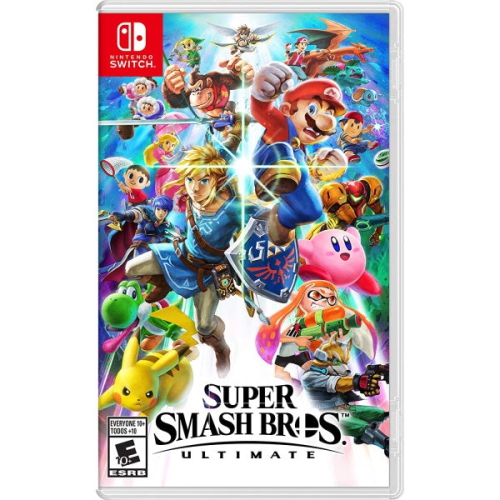 Your price for this item is $89.95
-
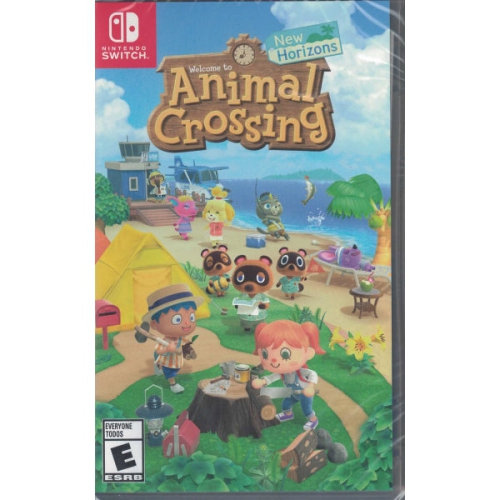 Your price for this item is $89.95
-
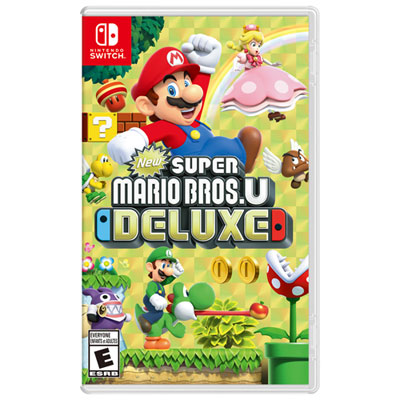 Your price for this item is $84.99
-
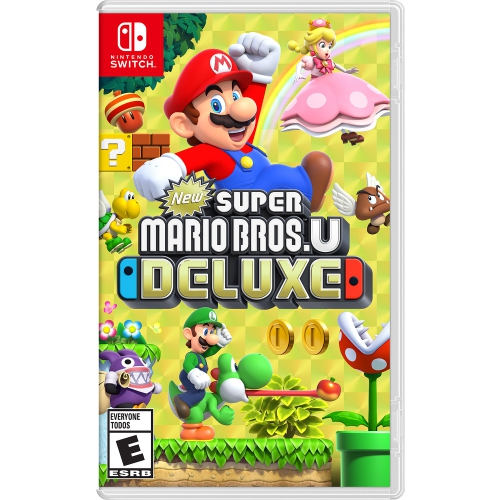 Your price for this item is $88
-
 Your price for this item is $109.87
-
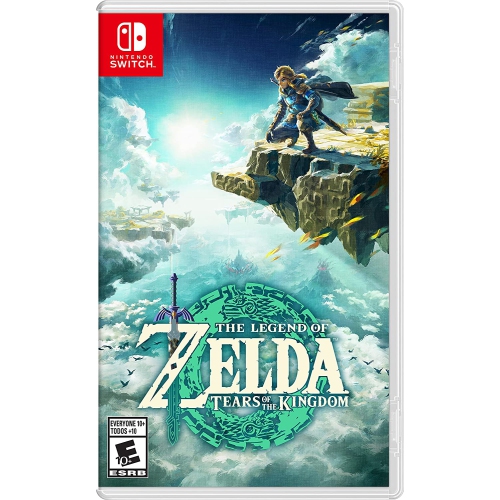 Your price for this item is $109.99
-
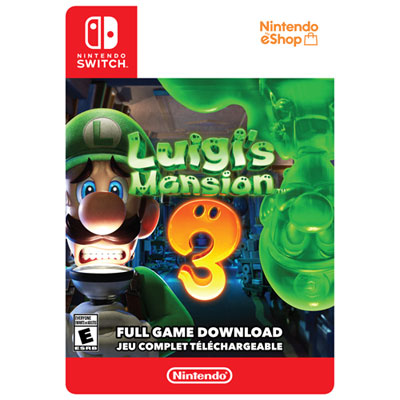 Your price for this item is $84.99
-
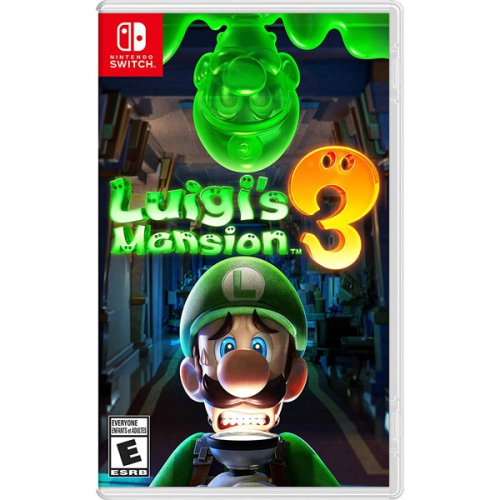 Your price for this item is $79.99
Discover more categories related to 2 Player Games Nintendo Switches
Top Collections:
Best Black Friday Deals This Year, Best Black Friday Deals On Electronics, Kindle Devices, Dyson Airwrap, Best Cameras for Sports Photography, Best Budget Office Chairs, Canon G7X Cameras, PS5 Pro Consoles, Best Black Friday Deals On Apple Products, XBOX One S Consoles
Some products may be subject to Environmental Handling Fees
(EHF) depending on your province.
Learn more about EHFs.