Fighting Games for Switch 2
Fighting Games for Switch 2 offer an exciting way to test your skills, challenge friends, and dive into action-packed battles wherever you play. Whether you’re a seasoned competitor or just starting out, there’s something for every fighting game enthusiast. Discover a wide selection of titles designed to deliver fast-paced gameplay, stunning visuals, and endless entertainment on your Switch 2. Find your next favorite match and get ready to unleash powerful moves with Fighting Games for Switch 2.
Sort
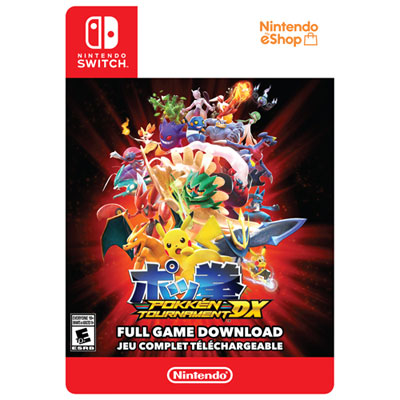
![NINTENDO No More Heroes Iii [ Switch] One of the best Switch games this year](https://multimedia.bbycastatic.ca/multimedia/products/500x500/170/17043/17043891.jpeg)
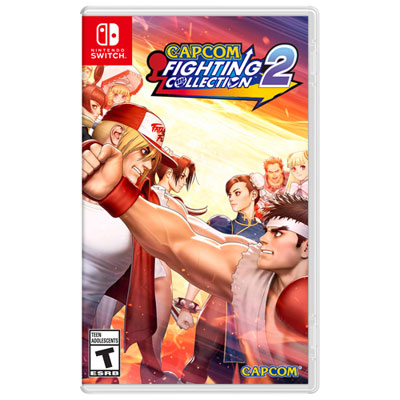
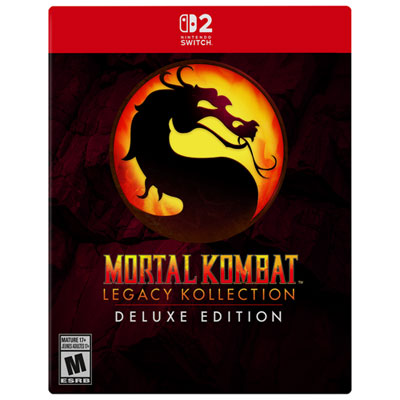
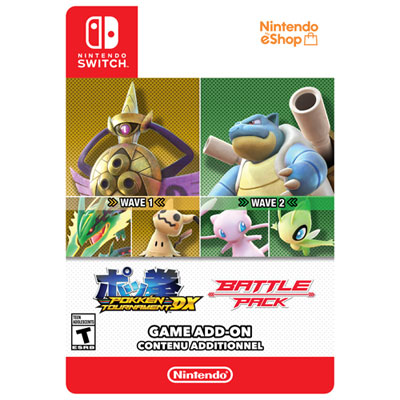
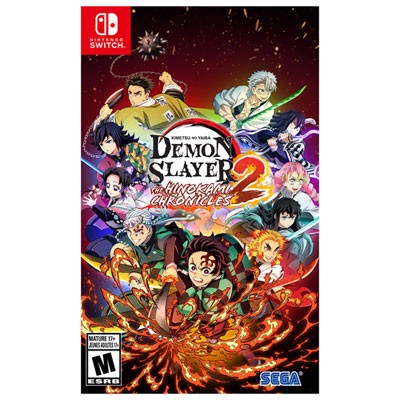
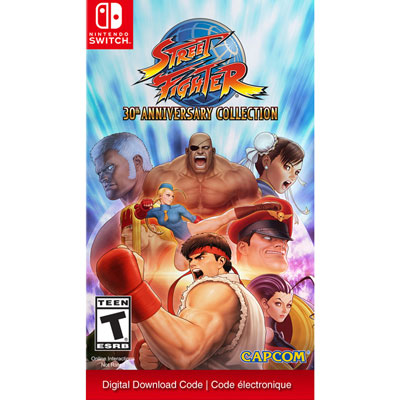
![TECMO KOEI Under Night In-Birth Ii [Sys:celes] (Ninendo Switch)](https://multimedia.bbycastatic.ca/multimedia/products/500x500/177/17718/17718357.jpeg)
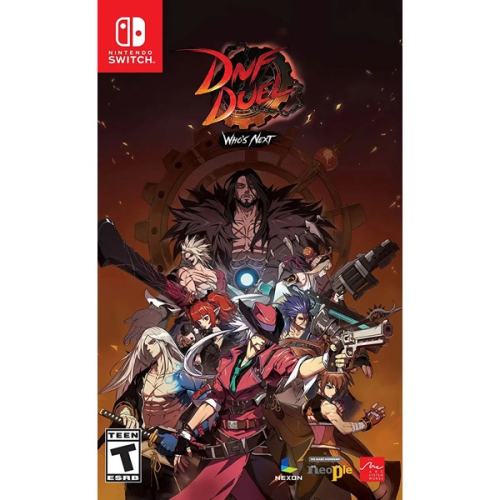
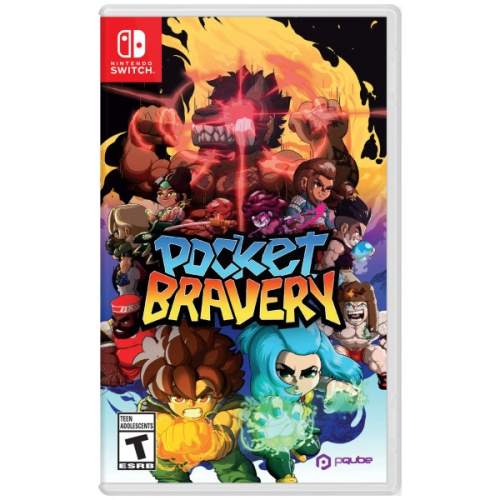
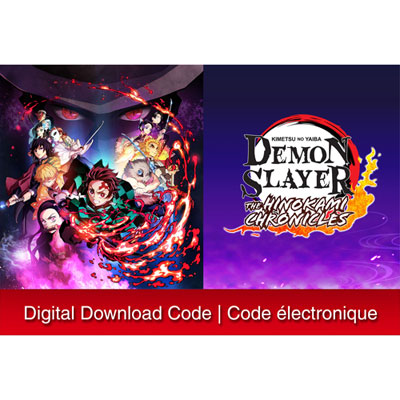
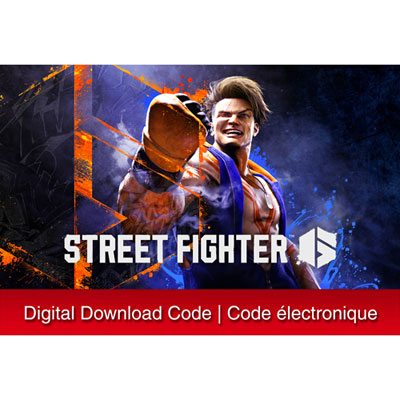

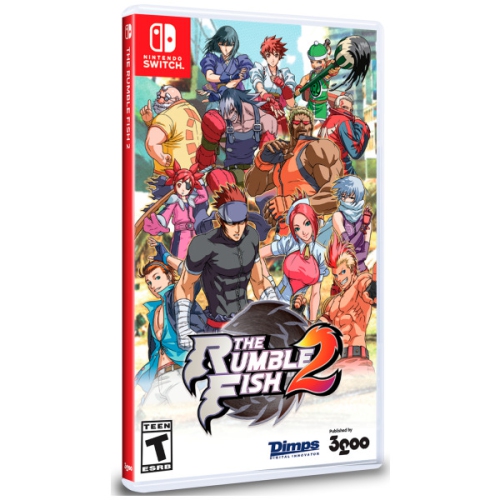
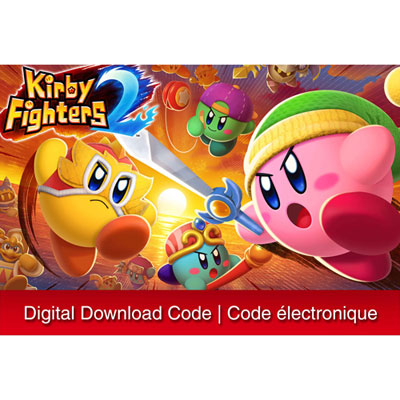
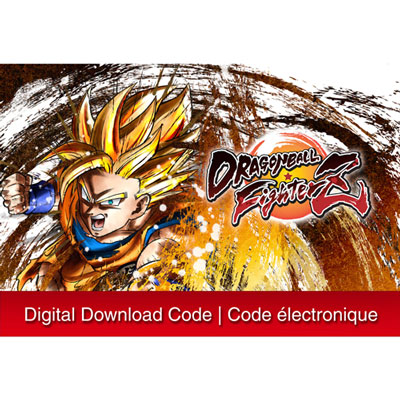
![LIMITED RUN GAMES Midnight Fight Express - Limited Run #232 [Nintendo Switch]](https://multimedia.bbycastatic.ca/multimedia/products/500x500/194/19477/19477010.jpeg)
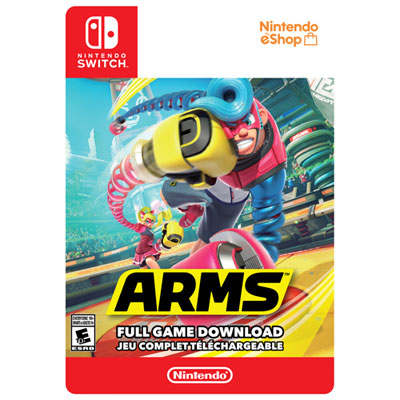
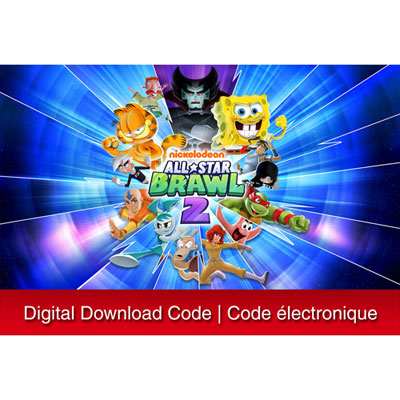
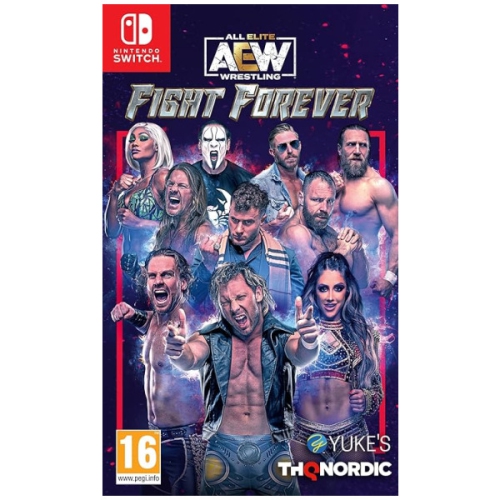
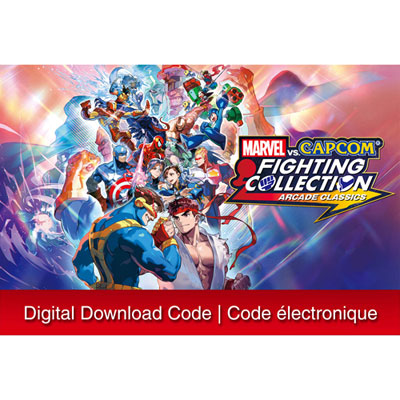
A well-timed counterattack can turn the match around
Fighting games for Switch 2 centre on head-to-head combat, character mastery, and the satisfaction of turning a close match around with a well-timed move. The genre spans traditional two-dimensional fighters, three-dimensional arena combat, platform-based battles, and collections of earlier arcade-style games. Each format brings a different rhythm to play. In a two-dimensional fighter, distance and timing often matter as much as the length of a combo: a quick step backwards can leave an opponent’s attack short and create an opening for a counterattack. Three-dimensional fighting systems may add sidesteps and movement around an opponent, while platform fighters can make positioning, jumps, and stage boundaries central to the contest. These distinctions help explain why two games in the same category can feel very different in the hands. Some favour measured, tactical exchanges; others lean into fast movement, team battles, or lively group matches. Character variety also changes the experience. A fighter with long-reaching attacks rewards a different approach from a grappler who needs to get close, and a balanced character can offer a comfortable starting point while a player learns the controls. For newcomers, approachable inputs, clear tutorials, and adjustable difficulty can make those first matches less intimidating, where supported. More experienced players may value precise movement, detailed practice tools, and enough depth to keep familiar matchups interesting. Visual style matters beyond appearance, too: readable attack animations and a clear view of the action can make it easier to understand why a move connected or missed. The best fit depends on the kind of play someone enjoys, whether that means learning one character inside out, sharing a few rounds with friends, or exploring several fighting styles at a relaxed pace. A smaller roster with distinct characters can be just as engaging as a larger one, particularly when each fighter has a recognisable approach and room for experimentation. Short rounds can suit a quick break, while deeper practice sessions give players time to work on defence, timing, and reliable combinations.
The modes included in a fighting game shape how much there is to enjoy beyond the main versus screen. Solo players may be drawn to arcade ladders, character stories, challenge missions, or longer campaigns, depending on the game. Those modes provide different reasons to return: an arcade run offers a series of opponents, while targeted challenges can turn a difficult technique into a manageable goal. A useful practice mode might let players repeat an opponent’s attack, display button inputs, or test the timing of a response without the pressure of a live match. These features are particularly valuable when a player understands what went wrong but needs space to practise the solution. Local multiplayer brings a different appeal, making fighting games a natural fit for friendly rivalries, shared gaming spaces, and casual get-togethers. Two players trading wins on the same screen create a different atmosphere from a larger group rotating through matches, and supported player counts vary by title and mode. Some games focus firmly on one-on-one competition; others support broader group play. Controller requirements also differ, so a local multiplayer mode does not automatically mean that every controller arrangement will work. Online play, where included, can extend the range of opponents and offer casual rooms, ranked matches, or invitations to friends. Features such as cross-platform matchmaking, spectator options, and rollback netcode are title-specific rather than standard across the category. Rollback netcode is designed to help online matches feel responsive despite network delay, but connection quality still affects the experience. A stable internet connection is especially important in a genre where a small delay can change the timing of a block or throw. Online features may also require an account or a separate membership. For households with different experience levels, optional simplified controls and adjustable match settings can make shared play more welcoming without replacing the appeal of learning the deeper mechanics. Clear menus, readable text, remappable controls, and supported accessibility options can also make a meaningful difference during everyday play, particularly when several people share the same game.
Platform compatibility and edition details are important parts of choosing fighting games for Switch 2. A game made for the system and an earlier release played through backward compatibility are not necessarily the same experience. Compatibility should be confirmed for the individual title, and an earlier game should not be assumed to gain improved graphics, faster loading, or additional modes simply because it is played on newer hardware. For a broader look at the related category, Fighting Games | Nintendo Switches offers another way to explore fighting games, with system support remaining a title-by-title consideration. Edition names deserve attention because included characters, additional stages, and single-player content can differ. Extra content may be supplied through a download code rather than included on the game card, and downloads, updates, or online features can require internet access and storage space. Physical game cards suit players who like keeping a collection on a shelf or choosing a game from its case before a match. Their small size makes careful handling worthwhile: keeping cards in a fitted case, away from liquids and excessive heat, helps protect them, while avoiding contact with the exposed connectors reduces unnecessary handling. Digital formats avoid swapping cards but still involve storage management and account considerations. Comfort matters during longer sessions as well. A controller’s grip shape, button spacing, and directional controls can influence how natural repeated inputs feel, although accessory support must be checked for each game and system. Handheld play and play on a television can also suit different situations, subject to the modes a title supports. As a gift, a fighting game is most personal when it matches the recipient’s habits: solo challenges for someone who enjoys practising independently, local battles for a household that plays together, or competitive modes for a friend who likes refining a skill. Age ratings and content descriptors help identify suitable choices for younger players. Matching the platform, preferred play style, and supported features gives the game a clear place in the recipient’s collection.
The modes included in a fighting game shape how much there is to enjoy beyond the main versus screen. Solo players may be drawn to arcade ladders, character stories, challenge missions, or longer campaigns, depending on the game. Those modes provide different reasons to return: an arcade run offers a series of opponents, while targeted challenges can turn a difficult technique into a manageable goal. A useful practice mode might let players repeat an opponent’s attack, display button inputs, or test the timing of a response without the pressure of a live match. These features are particularly valuable when a player understands what went wrong but needs space to practise the solution. Local multiplayer brings a different appeal, making fighting games a natural fit for friendly rivalries, shared gaming spaces, and casual get-togethers. Two players trading wins on the same screen create a different atmosphere from a larger group rotating through matches, and supported player counts vary by title and mode. Some games focus firmly on one-on-one competition; others support broader group play. Controller requirements also differ, so a local multiplayer mode does not automatically mean that every controller arrangement will work. Online play, where included, can extend the range of opponents and offer casual rooms, ranked matches, or invitations to friends. Features such as cross-platform matchmaking, spectator options, and rollback netcode are title-specific rather than standard across the category. Rollback netcode is designed to help online matches feel responsive despite network delay, but connection quality still affects the experience. A stable internet connection is especially important in a genre where a small delay can change the timing of a block or throw. Online features may also require an account or a separate membership. For households with different experience levels, optional simplified controls and adjustable match settings can make shared play more welcoming without replacing the appeal of learning the deeper mechanics. Clear menus, readable text, remappable controls, and supported accessibility options can also make a meaningful difference during everyday play, particularly when several people share the same game.
Platform compatibility and edition details are important parts of choosing fighting games for Switch 2. A game made for the system and an earlier release played through backward compatibility are not necessarily the same experience. Compatibility should be confirmed for the individual title, and an earlier game should not be assumed to gain improved graphics, faster loading, or additional modes simply because it is played on newer hardware. For a broader look at the related category, Fighting Games | Nintendo Switches offers another way to explore fighting games, with system support remaining a title-by-title consideration. Edition names deserve attention because included characters, additional stages, and single-player content can differ. Extra content may be supplied through a download code rather than included on the game card, and downloads, updates, or online features can require internet access and storage space. Physical game cards suit players who like keeping a collection on a shelf or choosing a game from its case before a match. Their small size makes careful handling worthwhile: keeping cards in a fitted case, away from liquids and excessive heat, helps protect them, while avoiding contact with the exposed connectors reduces unnecessary handling. Digital formats avoid swapping cards but still involve storage management and account considerations. Comfort matters during longer sessions as well. A controller’s grip shape, button spacing, and directional controls can influence how natural repeated inputs feel, although accessory support must be checked for each game and system. Handheld play and play on a television can also suit different situations, subject to the modes a title supports. As a gift, a fighting game is most personal when it matches the recipient’s habits: solo challenges for someone who enjoys practising independently, local battles for a household that plays together, or competitive modes for a friend who likes refining a skill. Age ratings and content descriptors help identify suitable choices for younger players. Matching the platform, preferred play style, and supported features gives the game a clear place in the recipient’s collection.
Top selling and popular products
-
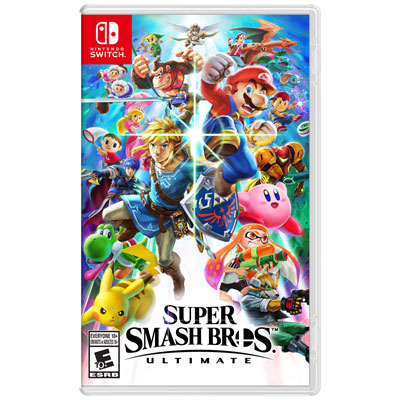
![NINTENDO Super Smash Bros. Ultimate [ Switch]](https://multimedia.bbycastatic.ca/multimedia/products/500x500/166/16618/16618377.jpeg) Your price for this item is $89.95
Your price for this item is $89.95 -
![NINTENDO Animal Crossing: New Horizons [ Switch]](https://multimedia.bbycastatic.ca/multimedia/products/500x500/148/14828/14828033.jpeg) Your price for this item is $80.49
Your price for this item is $80.49 -
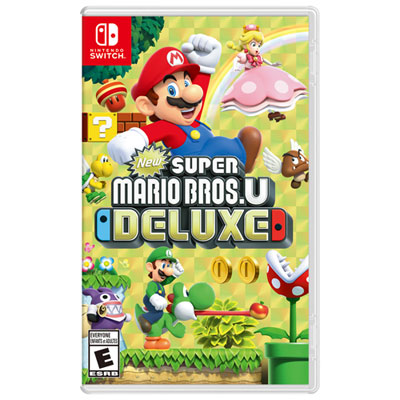 Your price for this item is $84.99
 -
![NINTENDO GAMES New Super Mario Bros. U Deluxe for Nintendo Switch [Videogames]](https://multimedia.bbycastatic.ca/multimedia/products/500x500/176/17683/17683406.jpeg) Your price for this item is $71.75
Your price for this item is $71.75 -
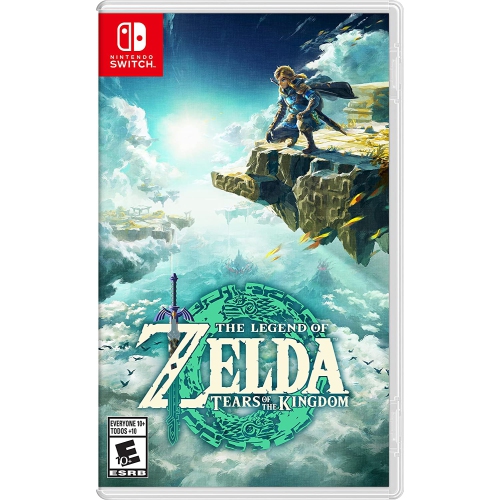 Your price for this item is $109.99
 -
![NINTENDO GAMES The Legend Of Zelda: Tears Of The Kingdom for Nintendo Switch [Videogames]](https://multimedia.bbycastatic.ca/multimedia/products/500x500/176/17661/17661818.jpeg) Your price for this item is $99.99
Your price for this item is $99.99 -
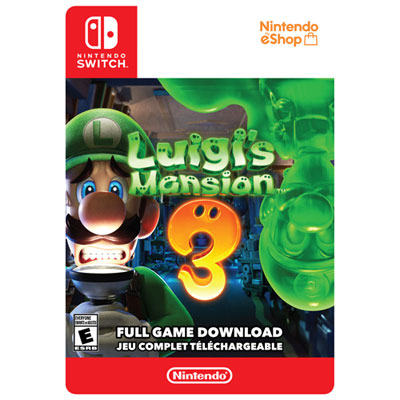 Your price for this item is $84.99
 -
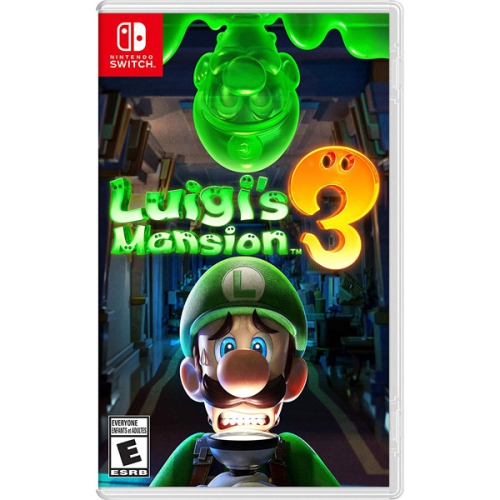 Your price for this item is $87.75
Discover more categories related to Fighting Games for Switch 2
Top Collections:
Pokemon Centers, Kindle Devices, Best Budget Office Chairs, Apple iPhones 16, Best Laptops for Writers, iPhone 15 Apple, Canon G7X Cameras, Refurbished Apple Laptops, Alarm Clock, Motorola Razr Phones
Some products may be subject to Environmental Handling Fees
(EHF) depending on your province.
Learn more about EHFs.