Head Straps
Discover the ultimate in comfort and convenience with our selection of head straps, designed to enhance your experience across a variety of activities. Whether you're looking to upgrade your VR headset for immersive gaming or seeking a secure fit for your action camera during outdoor adventures, the right head strap can make all the difference. With options that cater to different needs and preferences, you'll find adjustable, durable, and versatile solutions that ensure stability and ease of use. Elevate your hands-free experience with head straps that are crafted for both functionality and style, making them an essential accessory for tech enthusiasts and adventurers alike.
Sort













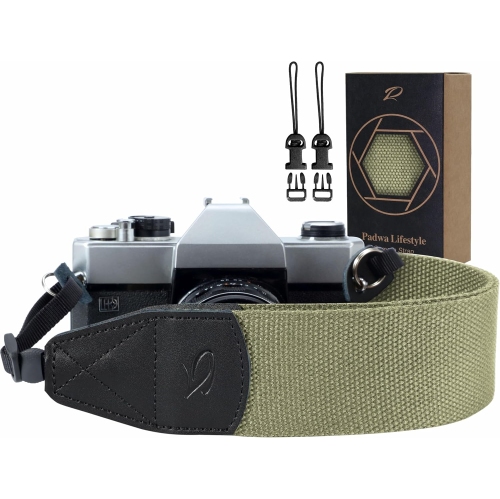
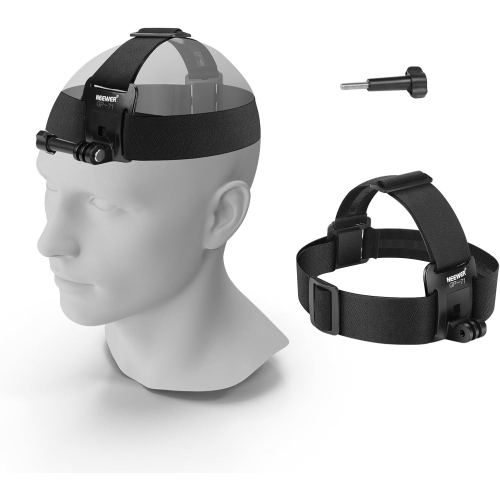
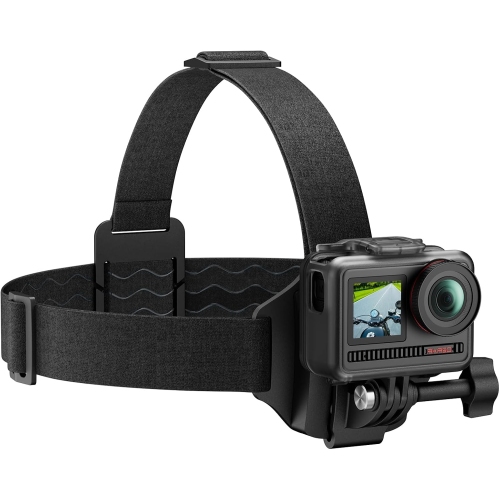
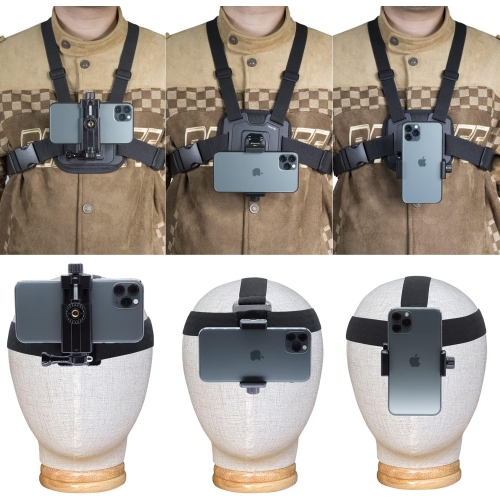





Why a secure fit starts with device compatibility
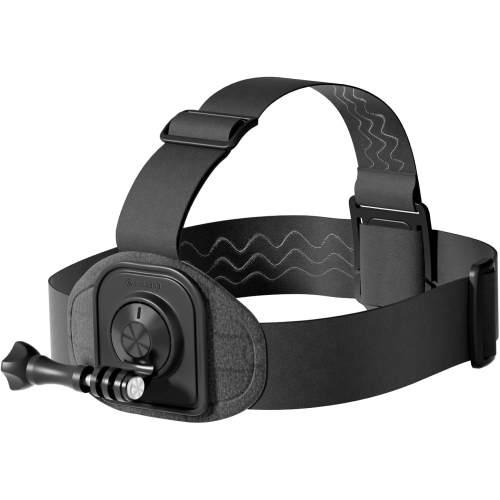
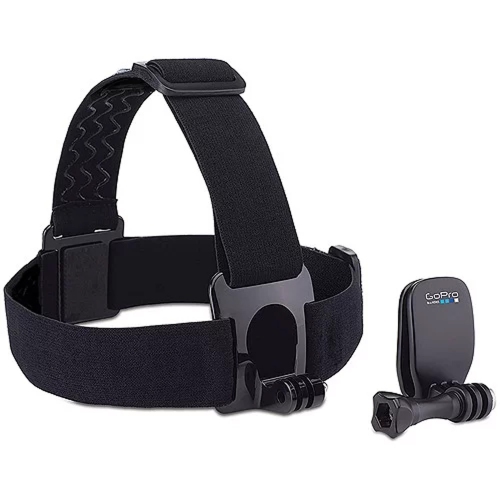
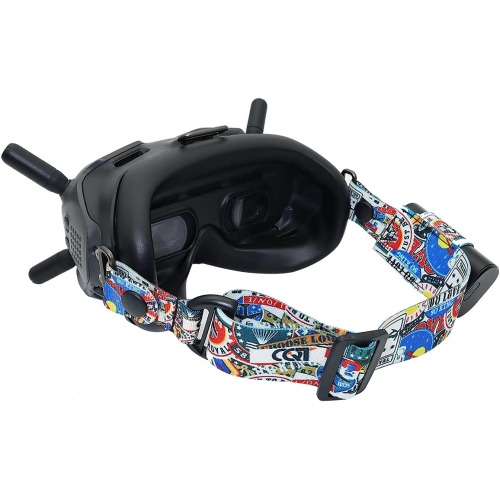
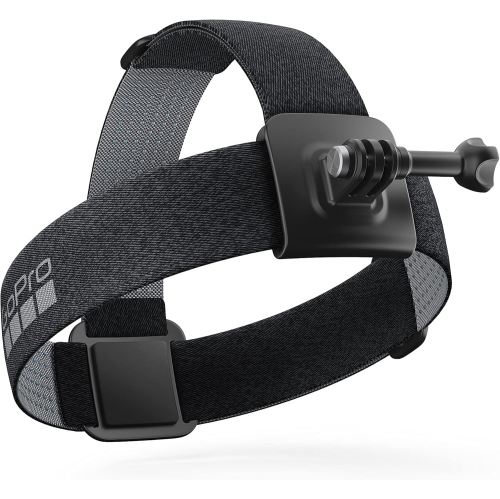
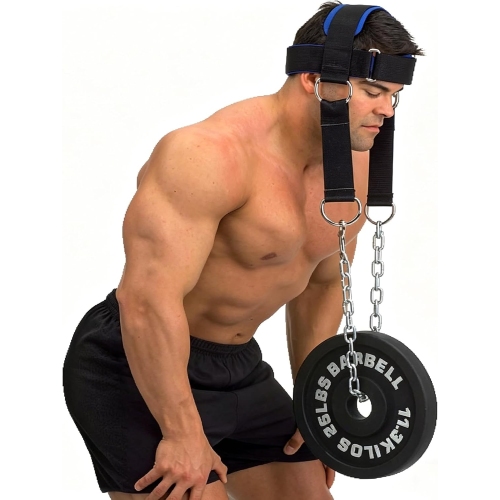
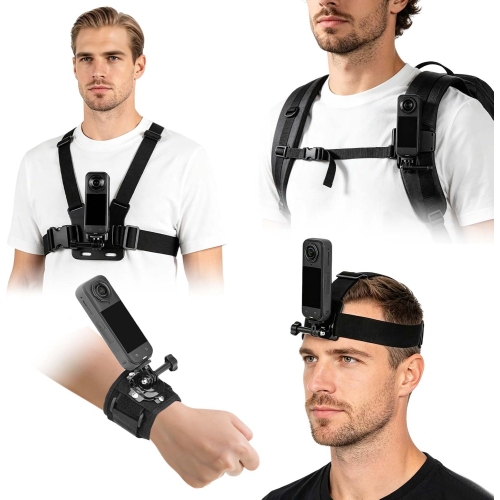
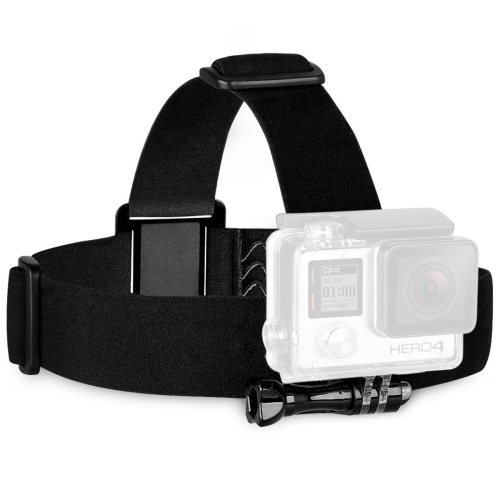
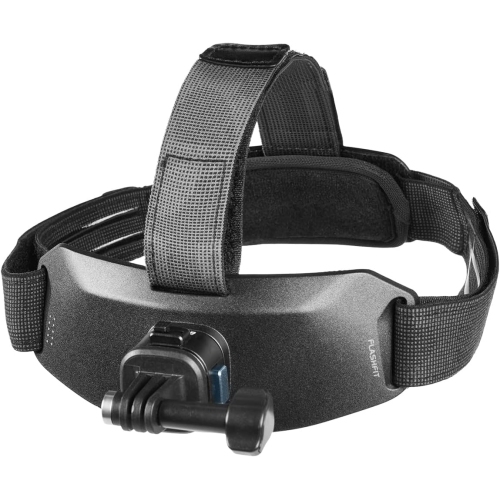
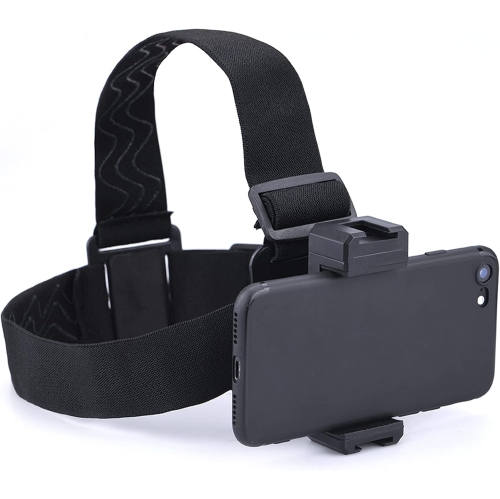
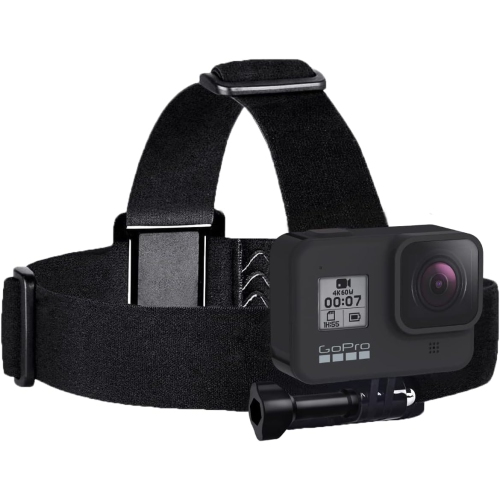
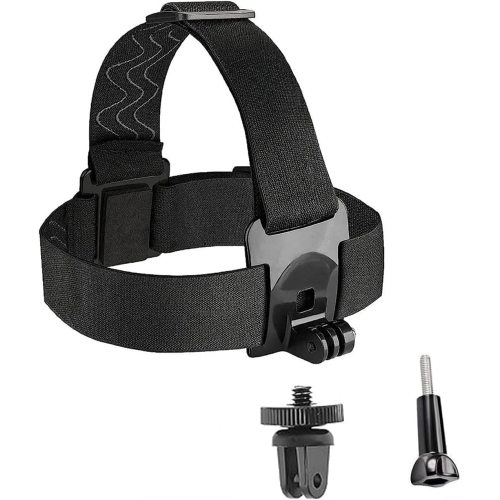
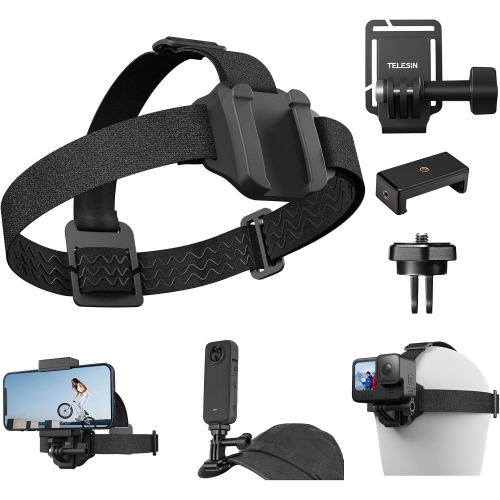
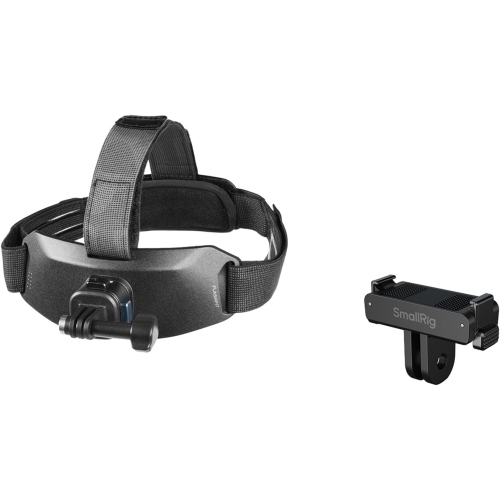
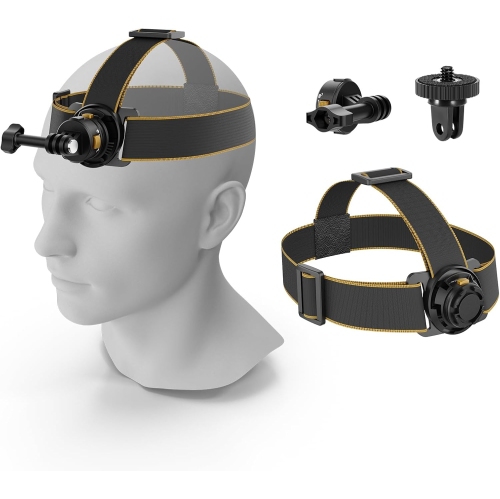
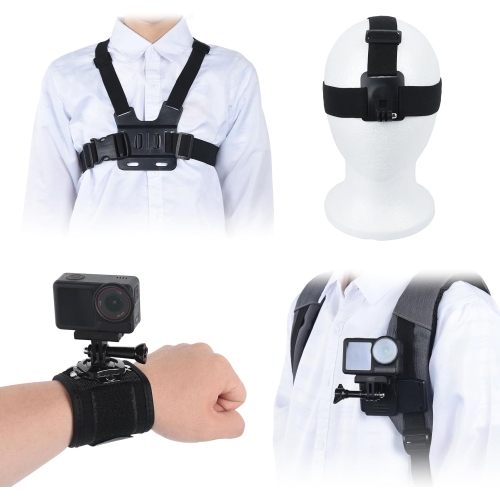
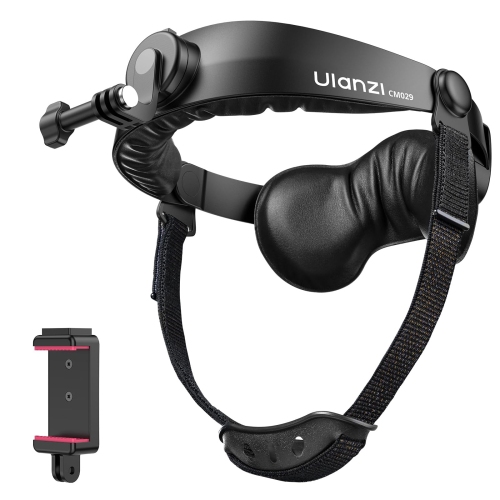
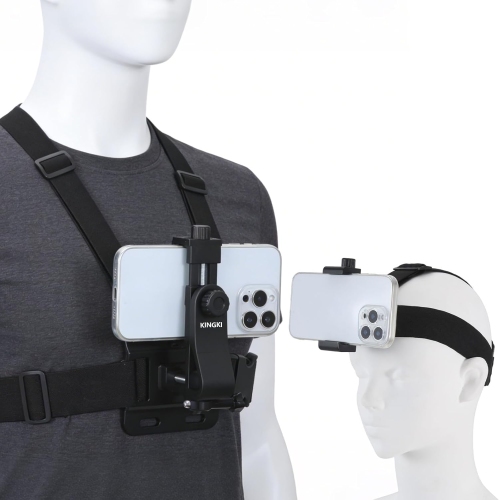
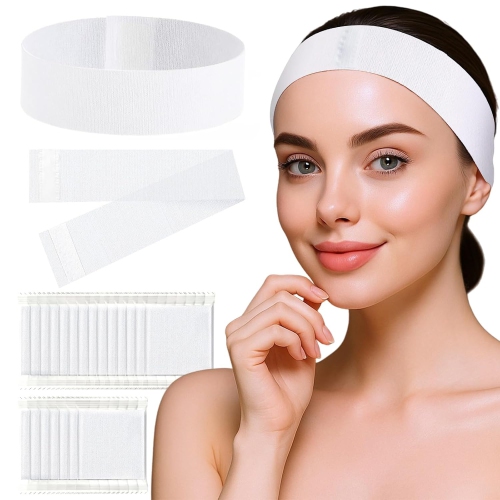
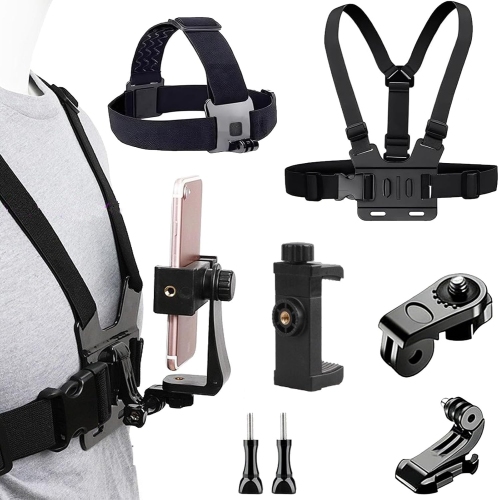
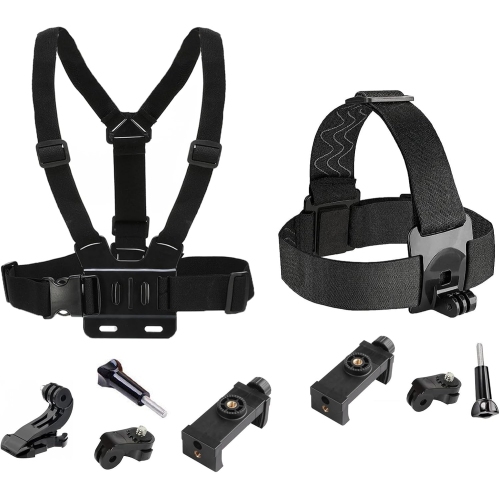
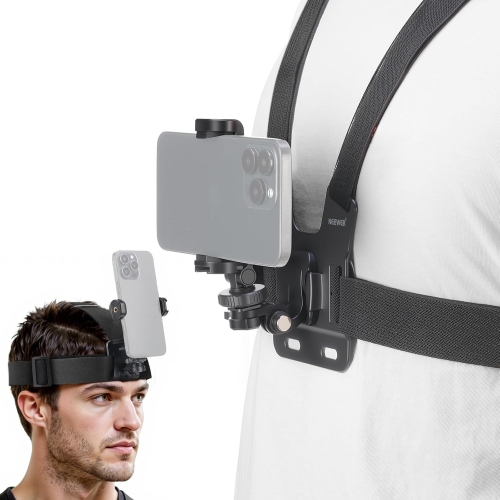
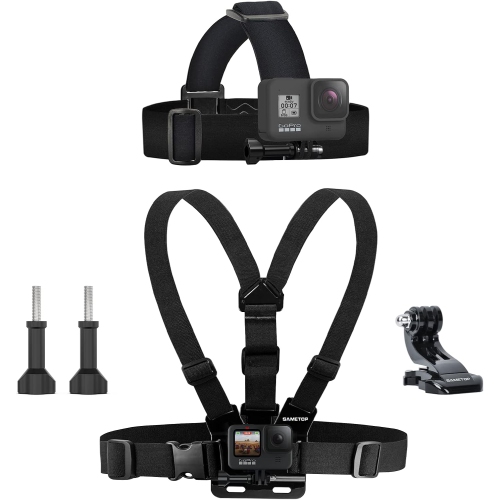
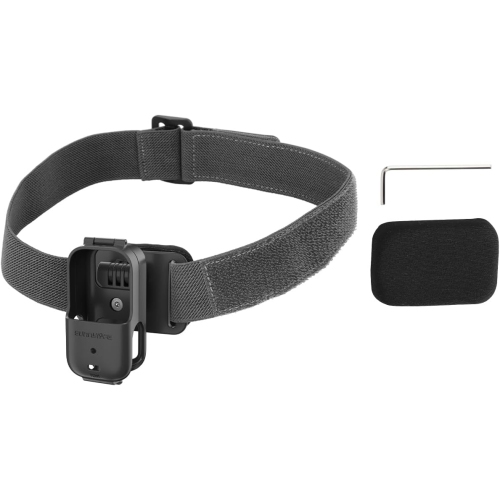
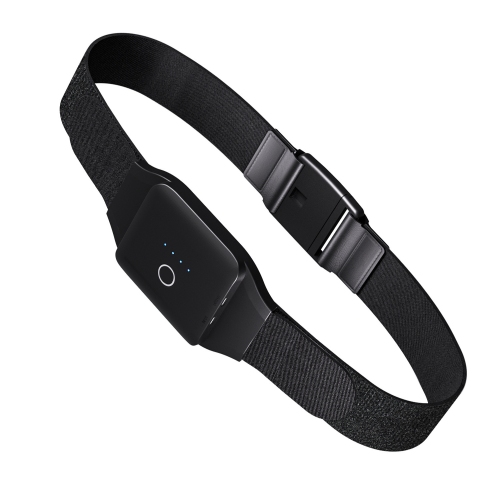
Head straps are adjustable supports that hold compatible devices or equipment against the head, leaving the hands free. Common uses include mounting an action camera for point-of-view footage, supporting a virtual reality headset, and securing certain types of masks. Although these accessories share a name, their attachment points, shapes, and intended uses differ; a camera head strap is not interchangeable with a VR headset strap or a mask harness. For action cameras, a head-mounted position captures footage from close to the wearer’s eye line, making it useful for showing a task, documenting a walk, or sharing a hands-on demonstration. The camera follows head movements rather than staying fixed on the subject, so its position and angle affect what appears in the frame. A slight downward tilt may help capture work on a tabletop, while a more level position may suit a view along a path. The attachment needs to match the camera’s mounting interface, whether it connects directly or requires a compatible adapter. Strap width, adjustment range, and the position of the camera mount all contribute to how the setup feels once the camera is attached. An overhead strap can help distribute the load and limit downward slipping, while a band around the head provides the main point of adjustment. Stretch fabric can offer flexibility, and grippy backing may help the strap stay in position, though comfort depends on the wearer and the total weight being supported. A compact camera can feel quite different once a housing or other accessory is added. Compatibility with a hat or protective helmet also depends on the design and the manufacturers’ instructions. A head strap is a mounting accessory, not protective equipment, and should not compromise the fit or function of a helmet. For camera use, a suitable design balances secure attachment, manageable weight, straightforward adjustment, and access to the controls needed to start or stop recording.
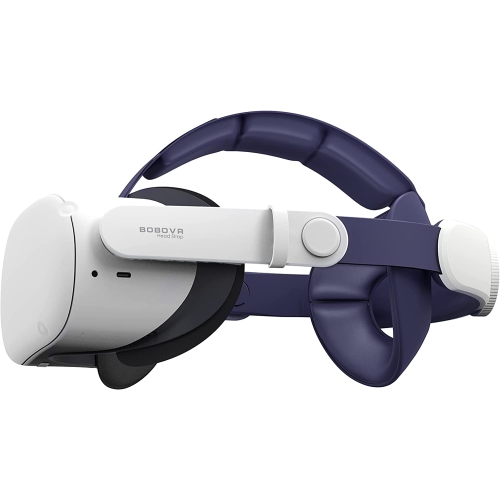
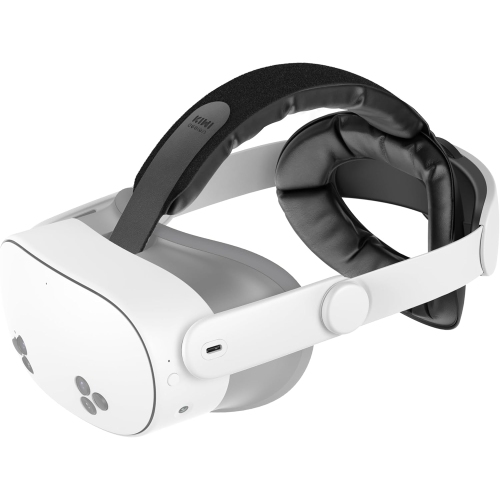
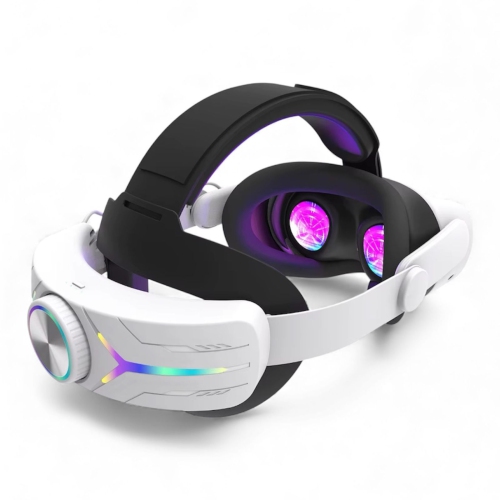
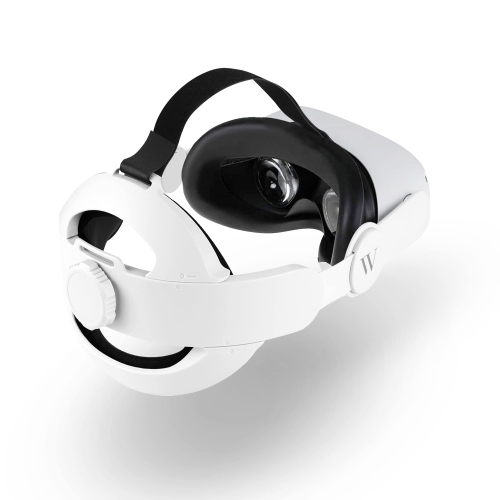
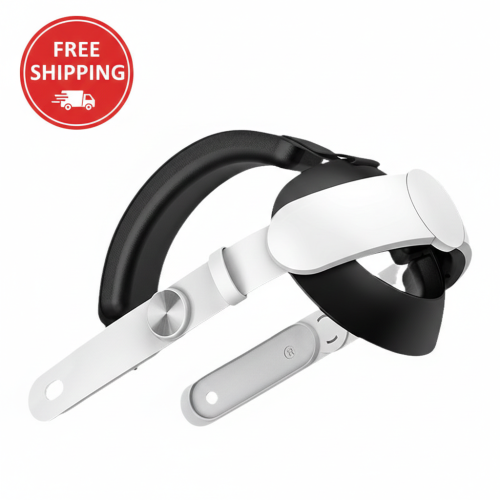
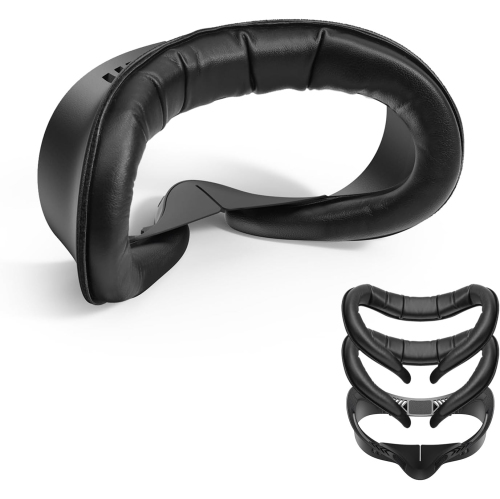
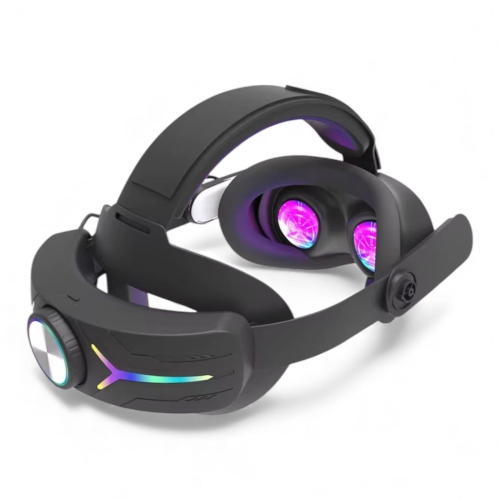
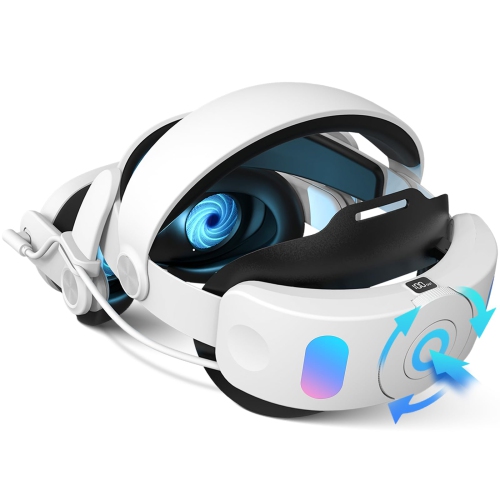
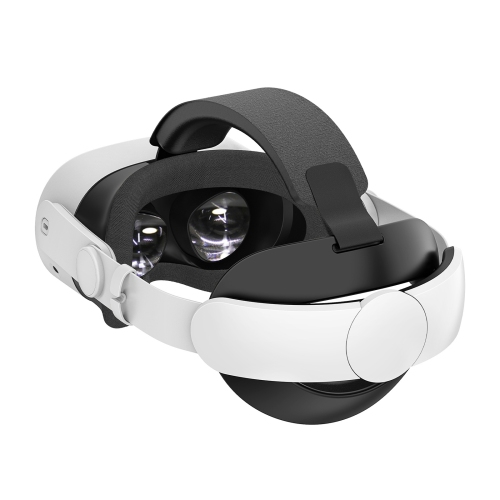
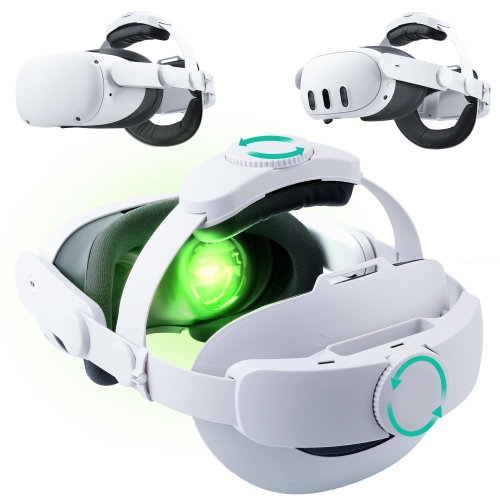
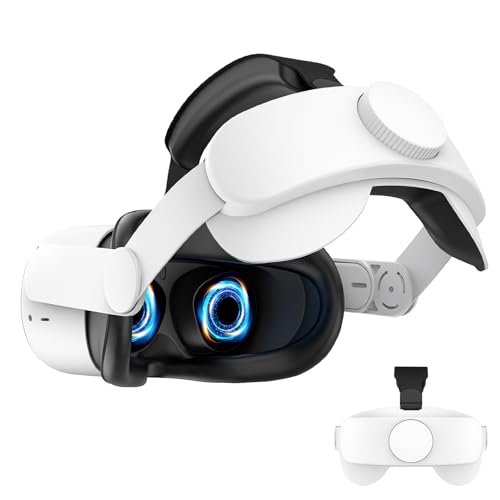
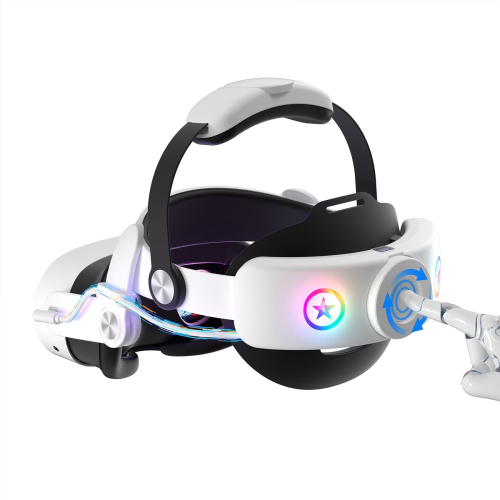
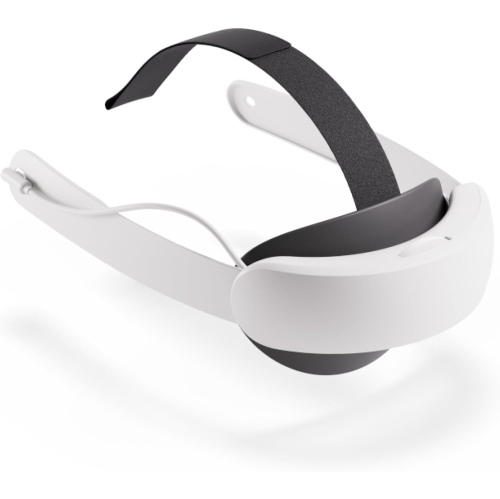
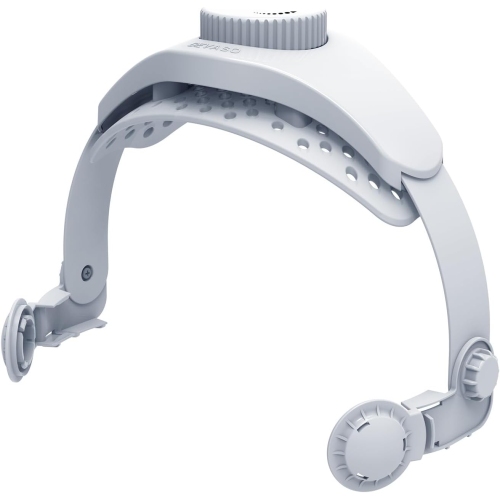
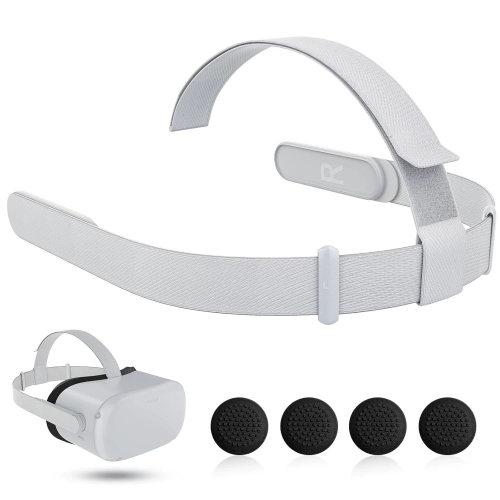
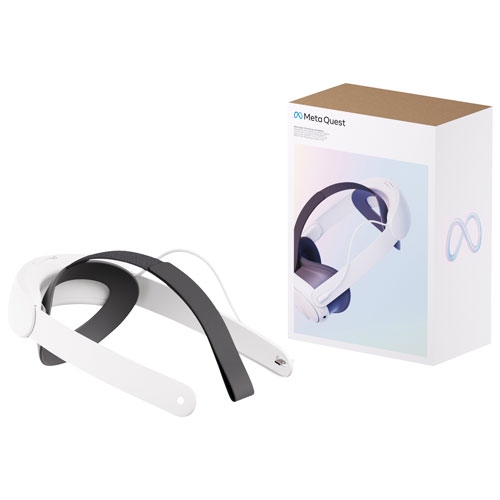
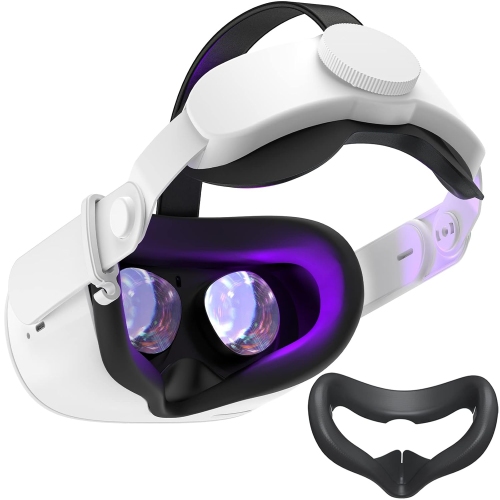
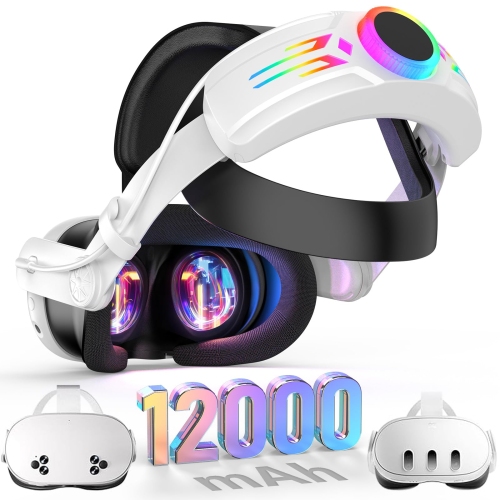
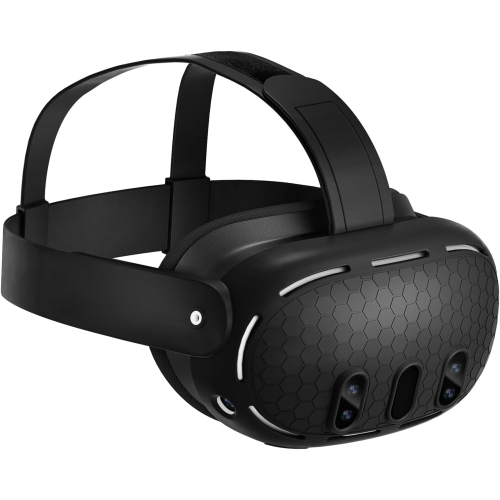
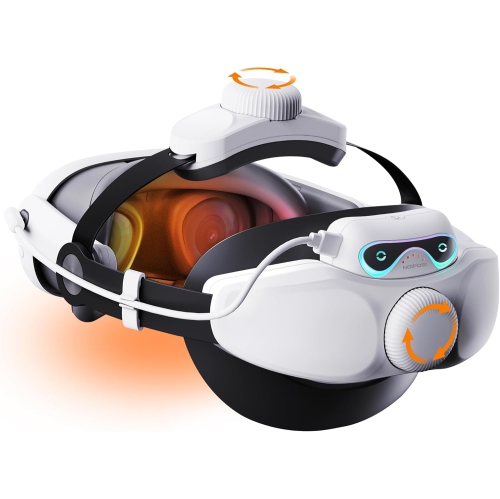
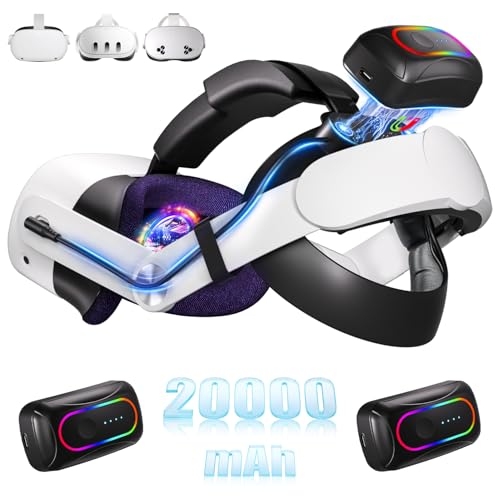
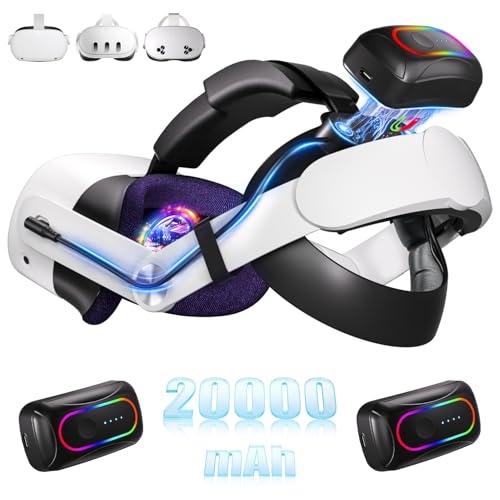
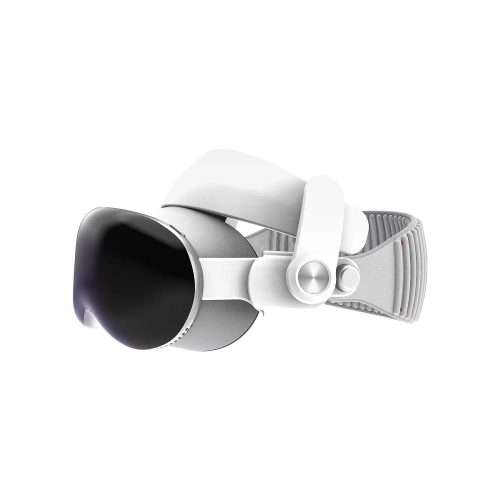
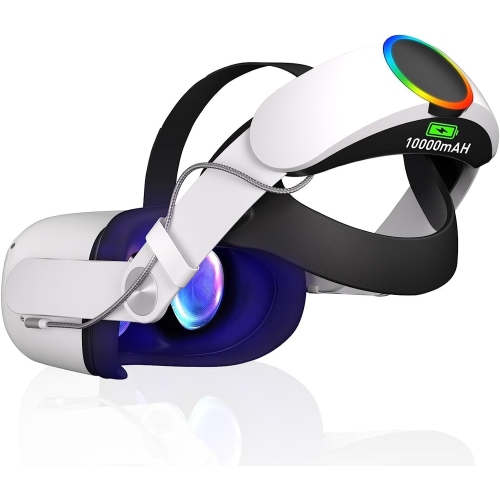
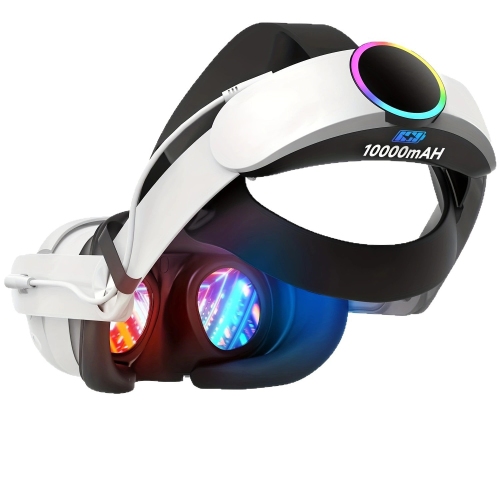
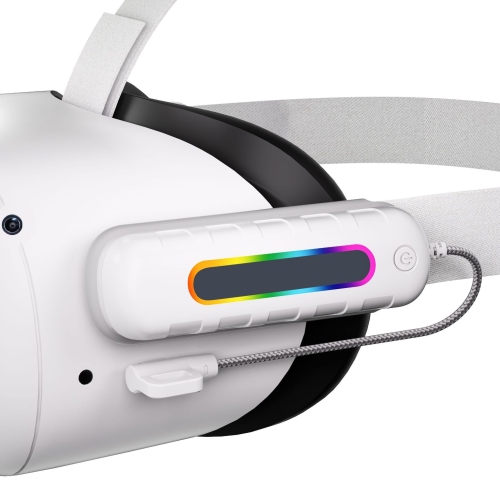
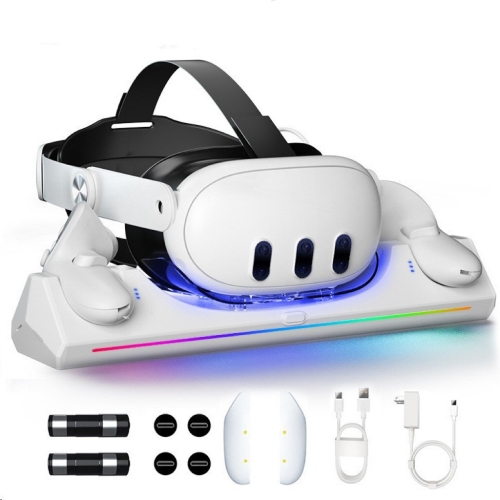
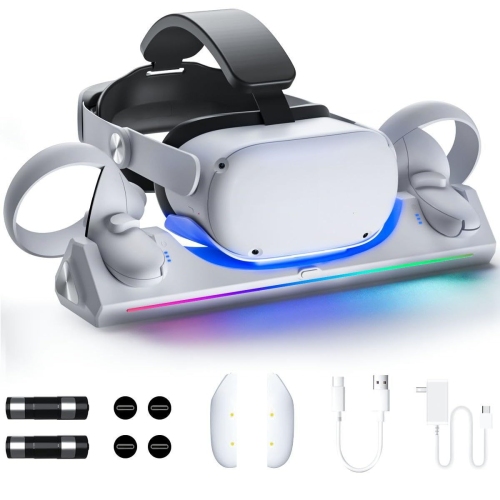
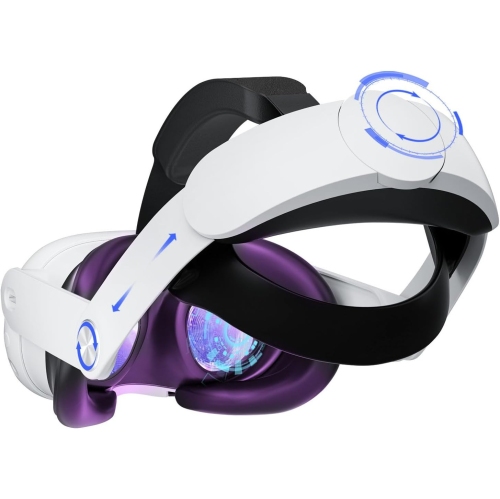
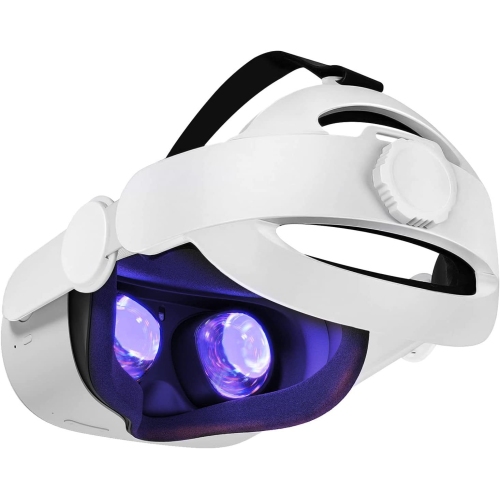
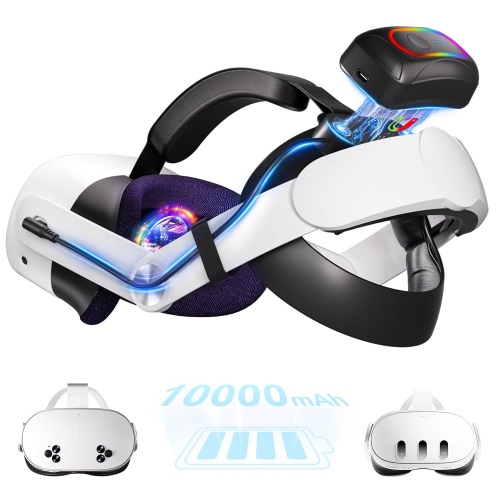
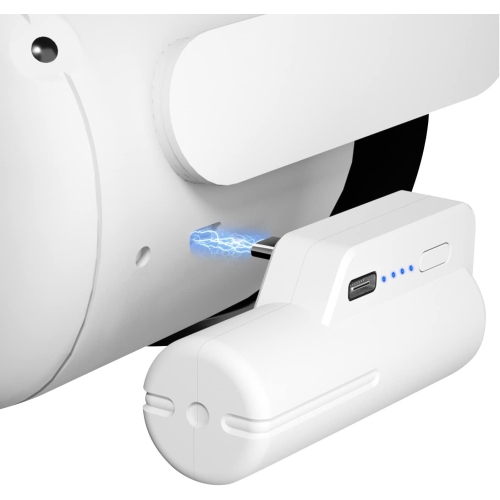
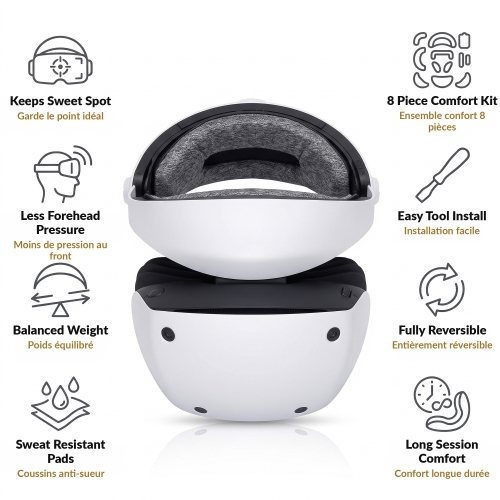
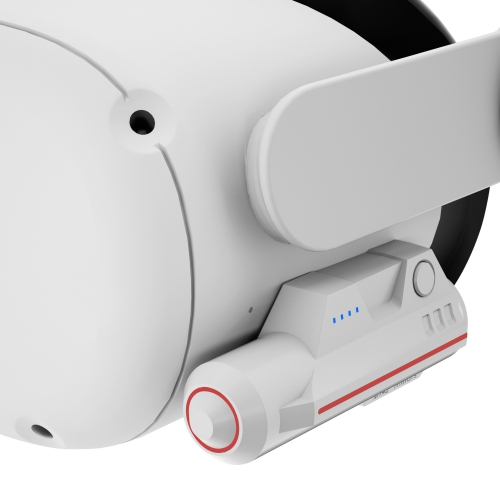
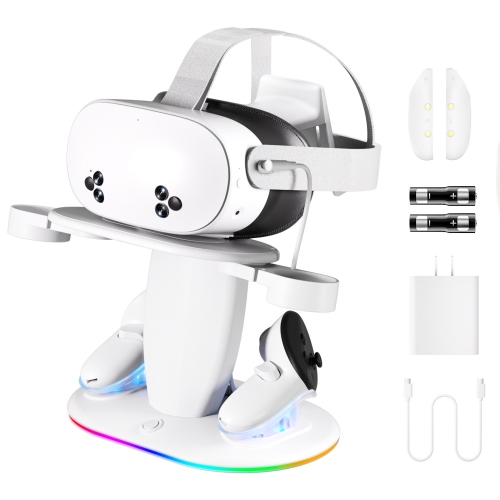
For virtual reality, head straps play a different role: they help position the display and distribute the headset’s weight across the head. The fit can influence both comfort and the ease of keeping the viewing area aligned with the eyes. A soft fabric strap generally offers a flexible, compact design, while a more structured strap may use a rear cradle, adjustable arms, or a tightening dial to hold its shape. Neither approach suits every wearer. Someone who uses a headset for brief, seated sessions may value a lightweight strap that packs away easily, while someone who spends longer periods in interactive experiences may prefer broader support and more precise adjustment. An overhead band can share the load with the rear support, reducing the need to rely solely on tension around the face. The aim is a stable position without excessive pressure at the forehead, cheeks, or back of the head. Tightening a strap beyond a comfortable fit is not a substitute for correct positioning or compatible hardware. Head size, hairstyle, glasses, and the shape of the rear support can all affect the result. A dial that is easy to reach can be useful when several household members share a headset, particularly when their fit settings differ. Padding also matters: its thickness, coverage, and surface texture influence how the strap feels against the skin. Woven fabrics may feel soft and flexible, while smooth, wipeable contact surfaces can simplify cleaning after active sessions. Removable padding can make routine care easier when the design allows it. Some VR head straps incorporate a battery or accommodate an additional power accessory, which changes both the overall weight and how that weight is distributed. Those designs require attention to the headset connection, charging requirements, and access to ports. Compatibility should extend beyond the headset name to the exact generation and attachment system, since similar-looking headsets can use different fittings.
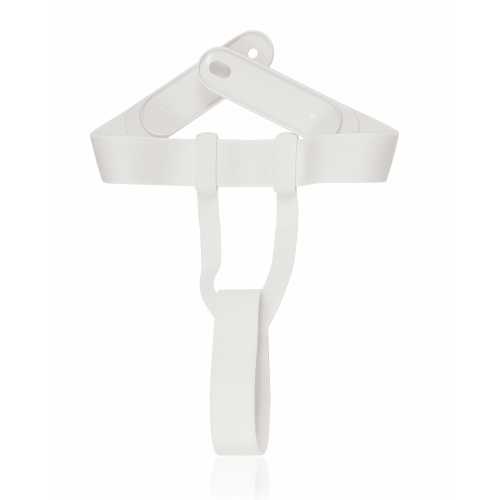
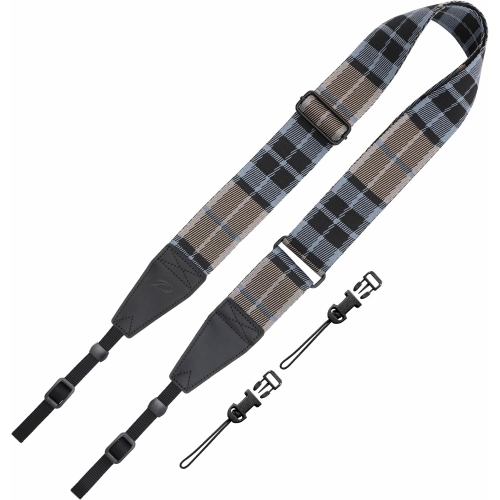
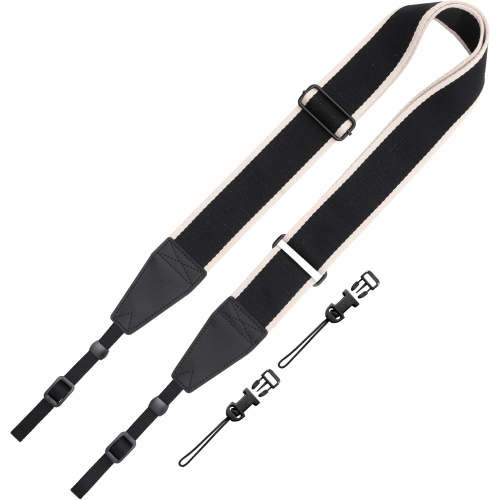
Head straps intended for masks are another distinct category, with fastening layouts and materials chosen for the equipment they support. Replacement straps need to match the original attachment points and the manufacturer’s requirements; a general-purpose camera or headset strap is not an appropriate substitute. Across all head-strap types, materials and construction deserve attention because these accessories sit close to the skin and are repeatedly stretched, adjusted, packed, and handled. Elastic webbing should provide the intended amount of give without leaving the supported device loose. Non-stretch sections, buckles, clips, and stitched joins help maintain the chosen adjustment, while padding can soften contact where the load is concentrated. Smooth edges and well-positioned seams are especially noticeable during longer use. Durability is not simply a matter of choosing the thickest strap: the fasteners, mounting connection, and adjustment hardware need to suit the weight and movement involved. Routine care is usually straightforward, but washing methods vary. Electronics and removable mounts may need to be detached before cleaning, and some padded or structured components are suitable only for wiping rather than immersion. Following the care label helps avoid damage to elastic, surface coatings, and adhesives. Thorough drying before storage helps keep fabric and padding fresh, while storing the strap without sharp folds or pressure on its fittings can help preserve its shape. Fraying, cracked buckles, stretched elastic, or a mounting connection that no longer holds firmly are reasons to reassess continued use. For gifting, the most useful starting point is the recipient’s existing equipment and how they use it, rather than appearance alone. A person who films hands-on projects has different needs from someone who shares a VR headset with family. Camera users may also find Shoulder Straps useful for carrying compatible equipment between shots, whereas a head strap serves the separate purpose of positioning a device during use. The right match keeps attachment, fit, comfort, and care requirements aligned with the activity.
Top selling and popular products
-
 Your price for this item is $109.37
-
 Your price for this item is $109.99
-
 Your price for this item is $95.99
-
 Your price for this item is $79.99
-
 Your price for this item is $179.99
-
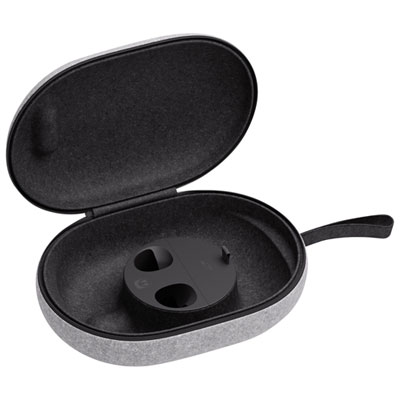 Your price for this item is $88.97
-
 Your price for this item is $54.99
-
 Your price for this item is $54.99
Discover more categories related to Head Straps

Top Collections:
Best Black Friday Deals This Year, Best Black Friday Deals On Electronics, Kindle Devices, Pokemon Centers, Best Black Friday Deals On Apple Products, Best Cameras for Sports Photography, Dyson Airwrap, Pokémon 30th Celebration Cards, Apple iPhone 17 Pro, Canon G7X Cameras
Some products may be subject to Environmental Handling Fees
(EHF) depending on your province.
Learn more about EHFs.