GoPro Straps
Capture every moment hands-free with GoPro straps, the perfect accessory for adventure enthusiasts and action seekers. Whether you're biking, hiking, skiing, or diving, these versatile straps provide secure and stable mounting options for your GoPro camera. Designed to keep your device in place through the most intense activities, GoPro straps ensure you never miss a shot. Explore our wide selection of durable and adjustable straps that cater to various needs and preferences, making it easier than ever to document your life's most thrilling experiences.
Sort
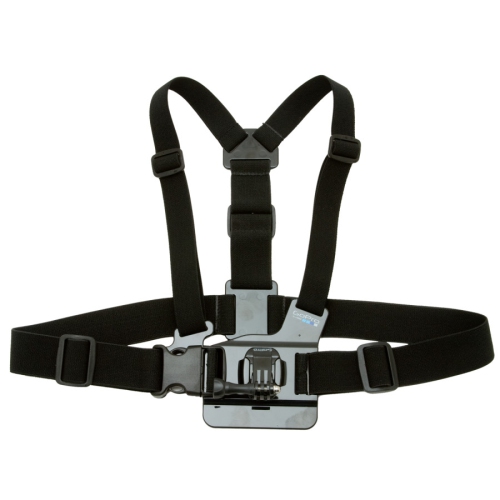

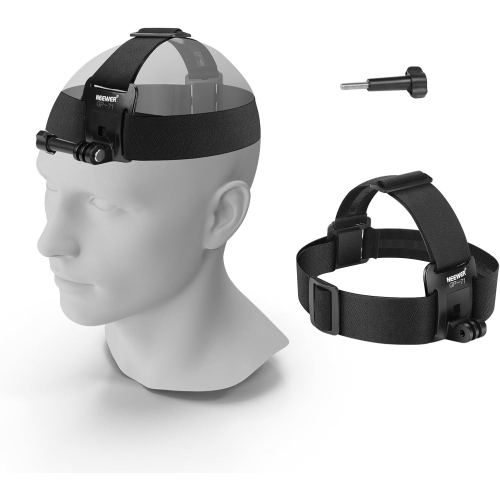
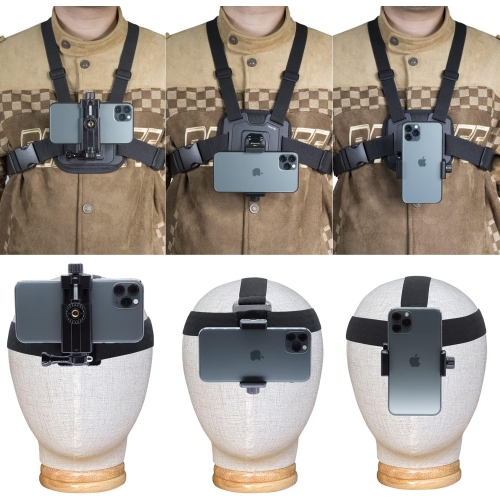
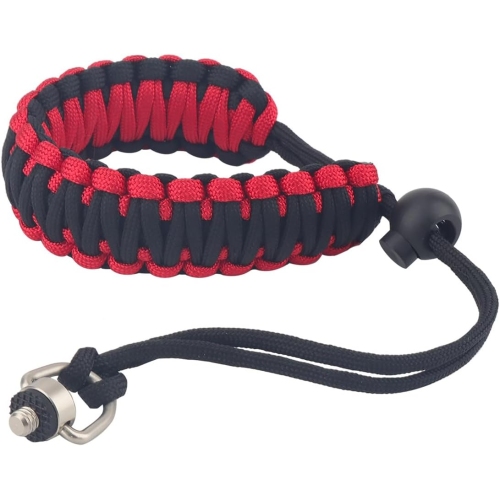
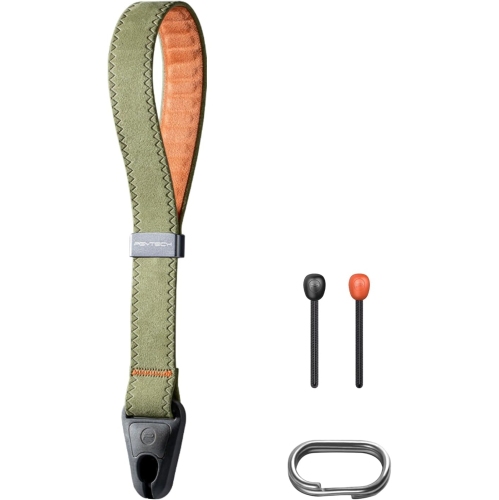
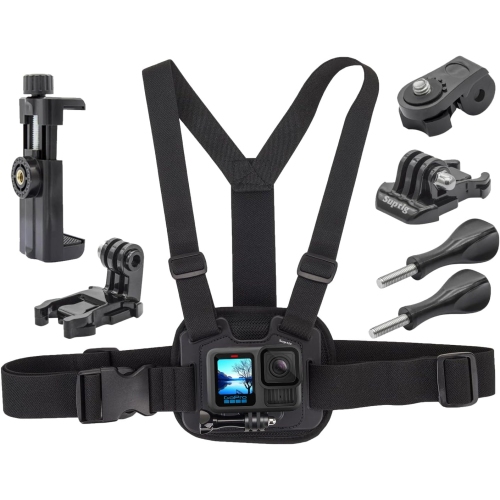

How camera placement shapes your first-person footage
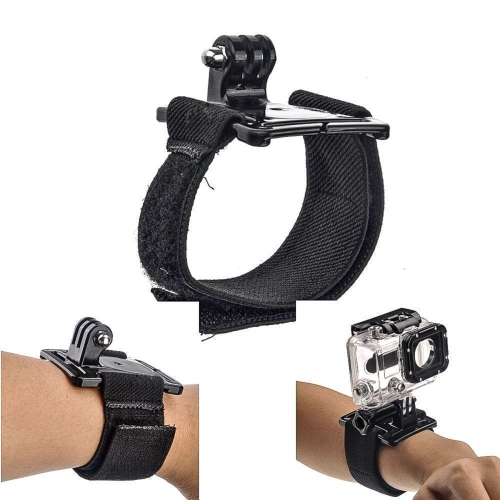
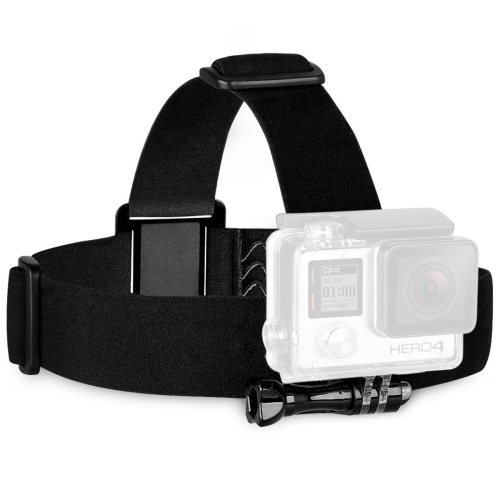
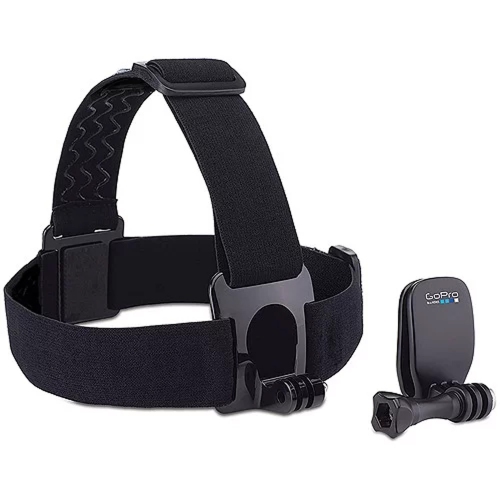
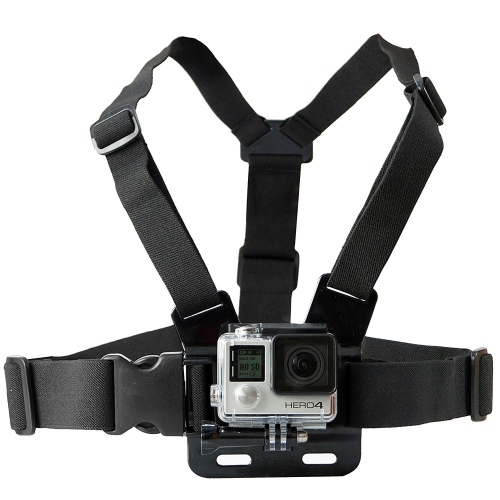
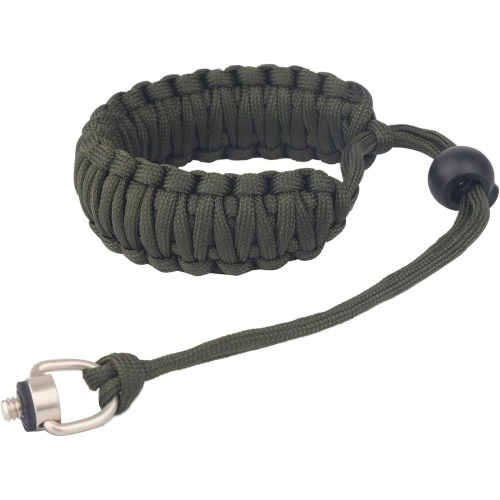
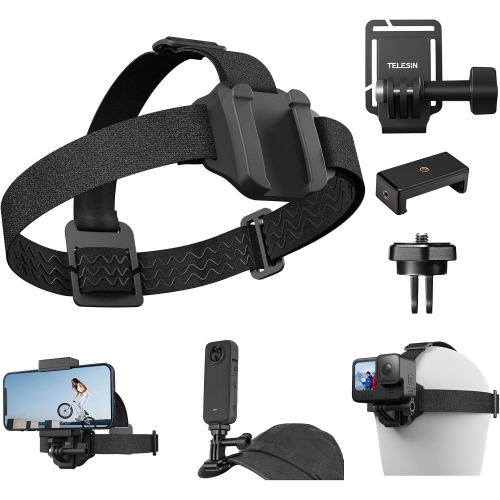
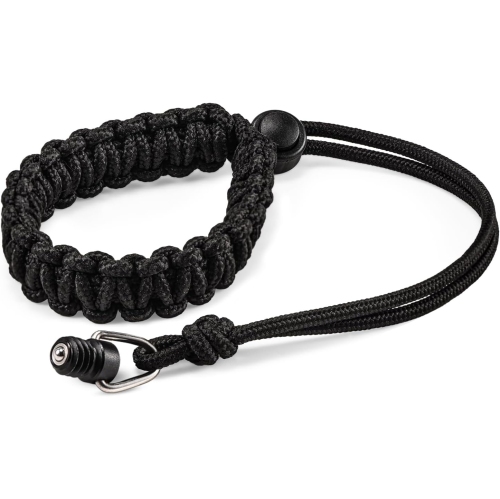
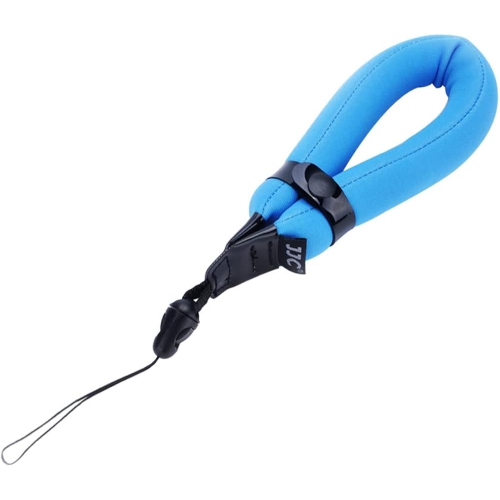
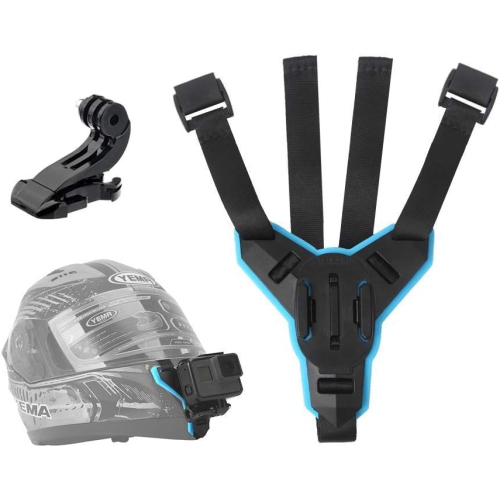
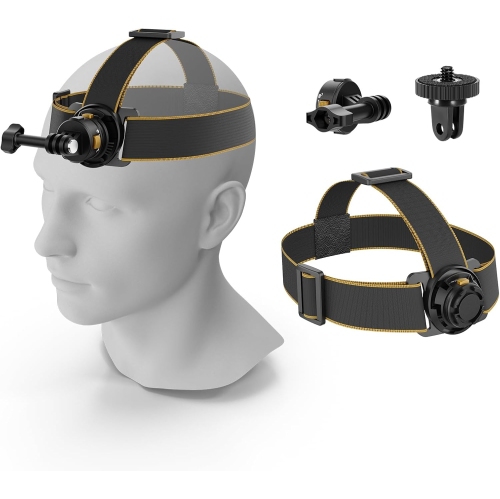
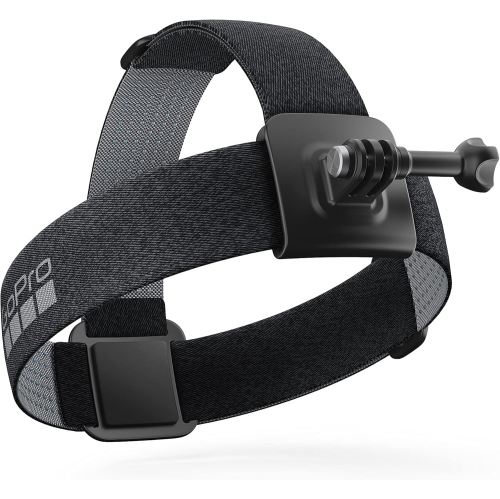
Action camera straps position a compact camera on the body or on compatible equipment, creating a close-up view of an activity without relying on a handheld grip. Different strap styles produce noticeably different footage. A chest harness places the camera below eye level, often bringing handlebars, hands, or equipment into the frame for a stronger sense of the wearer’s movements. Head straps provide a higher viewpoint that follows the direction of the wearer’s head, making them useful for showing what is directly ahead during a walk, a workshop demonstration, or a recreational activity. Wrist and hand straps keep the camera close while allowing the wearer to change its direction by moving an arm or rotating an adjustable mount. These styles are useful for deliberate close-ups, although ordinary hand movements can also introduce more motion into the footage. A helmet strap attaches through a suitable helmet’s openings or around an approved mounting area, depending on its design and the helmet manufacturer’s instructions. Each position has its own framing considerations: a chest-mounted camera can point too far downward when the wearer leans forward, while a head-mounted camera may capture frequent changes in direction. An adjustable tilt joint helps compensate for posture, but the available movement varies between mounts. Camera weight, strap tension, placement, and the movement of the wearer all affect how steady the footage looks. For cyclists, hikers, hobbyists, and people documenting hands-on projects, the appeal is often the ability to show a task from the participant’s perspective. A chest-level view can capture the rhythm of a trail ride, while a head-level view can show the steps involved in assembling a project. Straps also suit travellers who want occasional first-person footage without holding a camera throughout an outing. The most useful style depends less on how many adjustments it offers than on where the camera needs to sit and how naturally the wearer can move with it attached.
Materials and fit make a substantial difference to comfort, especially when a camera stays mounted for more than a few minutes. Woven nylon or polyester webbing is common in adjustable straps, while elastic sections provide stretch around the head or torso. Some designs use padded panels, mesh, or soft neoprene to cushion contact points and distribute pressure. These details serve different purposes: padding softens the area beneath a mounting plate, mesh allows more airflow through covered sections, and wider webbing can spread the load over a larger area. Not every strap combines all of these features, and a heavily padded harness may feel bulkier than a simple webbing design. Adjustment range matters as much as the material. A strap needs enough room for the intended wearer and their clothing, along with sufficient adjustment to hold the camera securely without restricting movement or breathing. Chest harnesses may include separate shoulder and torso adjustments, which help position the mounting plate rather than merely tightening the entire assembly. Head straps need a stable fit without uncomfortable pressure across the forehead, and wrist straps should sit securely without limiting circulation or access to camera controls. Buckle placement also affects everyday use, particularly when a wearer carries a backpack or needs to remove the harness without lifting it over their head. Loose strap ends can catch on equipment, so integrated keepers and tidy adjustment tails are useful details. For helmet-based setups, the GoPro Helmet collection provides a related mounting focus. Helmet compatibility remains essential: attachment points must follow the helmet manufacturer’s guidance, and straps should not interfere with the retention system, obscure vision, or require drilling or other alterations. A camera mount is an accessory, not part of the helmet’s protective structure. For any wearable setup, the practical fit test is whether the wearer can look around, bend, reach, and use their equipment comfortably while the camera remains in its intended position.
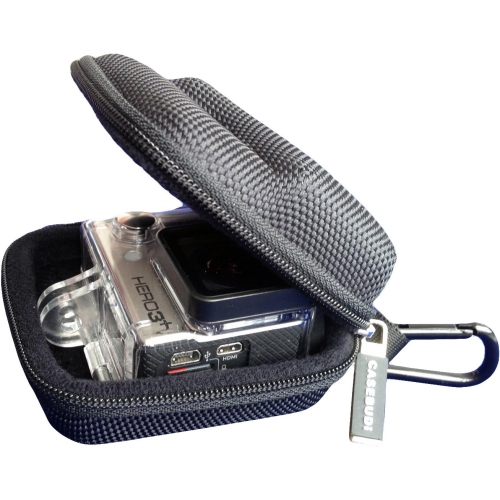
Compatibility involves more than whether a camera can physically sit on a strap’s mounting plate. Action camera straps may use a mounting-finger connection, a quick-release buckle, or another interface that requires a separate adapter. Similar-looking connectors are not necessarily interchangeable, and the camera model, housing, buckle, and fastener all need to work together. A protective housing can change the camera’s size and weight, while an extended adapter moves the camera farther from the body and may make movement more noticeable in the footage. Access to the battery compartment, screen, buttons, and charging port can also vary once the camera is attached. Quick-release mechanisms are convenient for moving between compatible mounts, but they still need to latch fully and be used according to their instructions. Before a longer recording session, a short test clip can reveal an obstructed lens, an uneven horizon, or a camera angle that misses the intended action. This is particularly helpful with chest harnesses, where the view changes when the wearer moves from standing upright to leaning over equipment. Durability depends on the webbing, stitching, buckles, and mounting hardware working together, so frayed edges, stretched elastic, cracked plastic, or a fastener that no longer tightens properly deserve attention. Care requirements vary by material. Where permitted by the manufacturer, cleaning may involve a gentle wash or a fresh-water rinse after contact with salt or grit, followed by complete air-drying before storage. Strong detergents and direct heat can damage some materials. A strap does not add water protection to a camera, and water activities require a camera, housing, and mounting arrangement approved for that use. For gifting, knowing the recipient’s camera model and preferred activity is more helpful than choosing the most elaborate harness. A comfortable, compatible strap that suits their usual viewpoint can become a practical part of a filming kit, whether they enjoy documenting rides, recording creative projects, or capturing shared experiences from a more personal angle.
Top selling and popular products
-
 Your price for this item is $32.97
-
 Your price for this item is $32.95
-
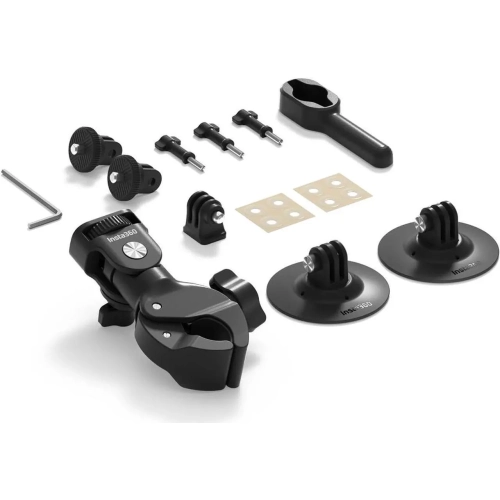 Your price for this item is $83.49
-
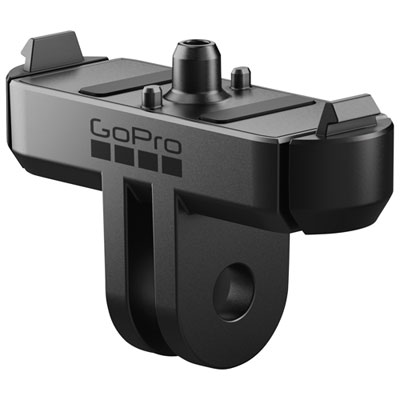 Your price for this item is $36.97
-
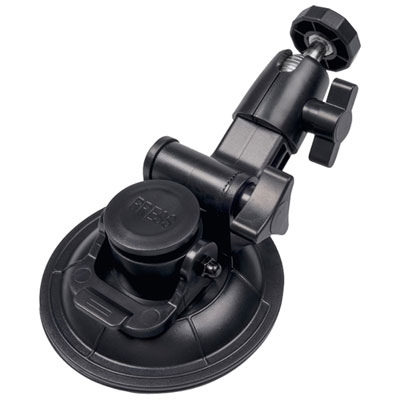 Your price for this item is $29.99
-
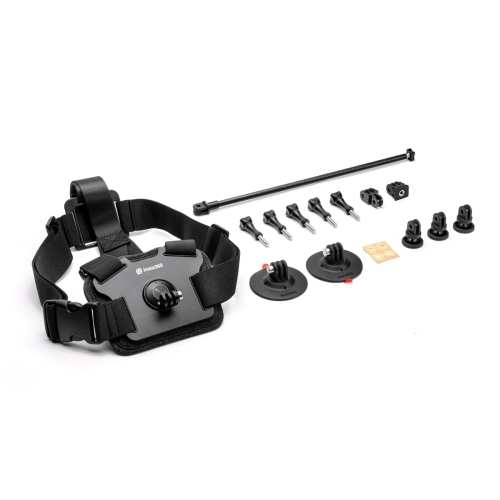 Your price for this item is $77.37
-
 Your price for this item is $29.99
-
 Your price for this item is $32.49
Discover more categories related to GoPro Straps

Top Collections:
Best Black Friday Deals This Year, Best Black Friday Deals On Electronics, Kindle Devices, Pokemon Centers, Best Black Friday Deals On Apple Products, Best Cameras for Sports Photography, Dyson Airwrap, Pokémon 30th Celebration Cards, Apple iPhone 17 Pro, Canon G7X Cameras
Some products may be subject to Environmental Handling Fees
(EHF) depending on your province.
Learn more about EHFs.