Limited Print Switch Games
Limited Print Switch Games offer a unique opportunity for collectors and gaming enthusiasts to expand their libraries with rare and exclusive titles. These special editions are produced in limited quantities, making them highly sought after by fans who appreciate both gameplay and collectability. Explore a diverse selection of Limited Print Switch Games to discover hidden gems and add distinctive releases to your collection before they’re gone.
Sort


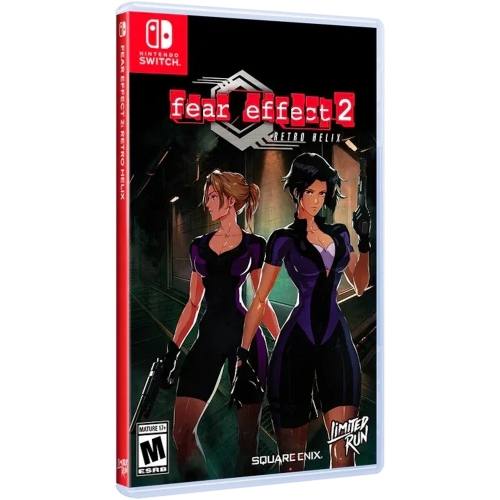


Physical games worth playing as well as displaying
Limited print Switch games are physical game releases produced in defined print runs, often by publishers that specialize in bringing independently developed games to a cartridge format. The term describes how an edition is produced, not a particular genre, difficulty level, or set of bonus features. A limited print release might be a compact puzzle adventure, a story-driven role-playing game, a fast-paced platformer, or a collection of arcade-style challenges. Some editions focus on the game card and standard case, while others include distinctive cover artwork or printed extras. Limited print does not necessarily mean a game will never receive another physical edition, and the contents can differ between releases. For players, the appeal often begins with having a tangible copy: a case to place beside other favourites, artwork to revisit, and a game card to insert before settling into a familiar adventure. For collectors, the connection may be more specific, such as an interest in a particular art style, developer, genre, or publishing history. These games can suit someone who enjoys discovering unusual stories and mechanics just as well as someone building a carefully organized physical library. A beautifully illustrated exploration game may appeal to a player who likes moving at a relaxed pace, while a demanding action game may better suit someone who enjoys practising a difficult sequence until it clicks. The physical format does not change those underlying preferences, so play style remains central to a satisfying choice. Session length, reading requirements, adjustable difficulty, and the balance between exploration and combat all shape how a game fits into everyday play. Short stages can work well for brief handheld sessions, while branching stories and intricate character systems reward longer stretches of attention. A distinctive package is part of the appeal, but the game inside should still be something its recipient will enjoy returning to.
The presentation of a physical release can make familiar artwork feel different when it becomes part of a shelf, desk display, or reading corner. Standard plastic cases usually offer a straightforward way to store the game card and display the cover, while editions with cardboard outer boxes, booklets, art cards, or other printed pieces introduce more textures and surfaces to handle. The exact contents matter more than the label alone. Limited print and collector’s edition are not interchangeable terms: one refers to the production approach, while the other generally signals a package with additional presentation elements or extras. A limited print game can come in a standard case, and a collector’s edition does not automatically have the same production model. For shoppers interested in packages that place greater emphasis on artwork and supplementary pieces, Collector's Edition Switch Games offers a related category to explore. Packaging dimensions are worth considering when a collection needs to fit an existing shelf, particularly when oversized boxes sit alongside standard cases. Printed paper inserts can crease, cardboard corners can show wear, and glossy surfaces can pick up fingerprints, so clean, dry hands and gentle handling help preserve their appearance. Keeping cases away from direct sunlight and damp areas helps protect covers and paper extras from fading or distortion. Game cards belong in their fitted holders or a suitable protective case rather than loose in a bag, where small objects and pressure can damage them. Avoid touching the exposed contacts, and use the console maker’s care instructions if cleaning is needed. A protective outer sleeve may help reduce scuffs on packaging, provided it fits without squeezing the corners. For a collection that is played regularly, keeping booklets and loose inserts together makes it easier to enjoy the presentation without misplacing smaller pieces. There is room for both approaches: an orderly display that highlights the artwork and a practical library arranged for frequent play.
Compatibility and included content are just as important as the condition of the packaging. The edition details should identify the intended console, supported play modes, language options, and any accessories required for particular features. A game designed around motion controls or separate controllers may feel very different from one that works comfortably with built-in handheld controls. Multiplayer descriptions also need a close reading: local play on one console, play between nearby systems, and online multiplayer are distinct features, not interchangeable promises. Online modes may require an account, a membership, and an internet connection, depending on the game. A physical game card should not be assumed to contain every update, expansion, or bonus feature associated with a title. Some editions include additional content on the card, while others use download codes or require separate downloads, and the packaging or product description should explain the arrangement. This distinction matters to players who prefer offline play or want to understand how much console storage a game may need. Save data is stored on the console rather than the game card, so passing a physical copy to another player does not pass along the original player’s progress. Regional editions can also differ in cover text, supported languages, and the requirements attached to downloadable content. English or French packaging alone does not establish which languages are supported within the game. When choosing a gift, the recipient’s console, age rating, preferred genres, and existing collection provide useful starting points. Someone who loves illustrated worlds may appreciate a release with expressive cover art, while a frequent multiplayer host may care more about controller support and the number of players who can join locally. An age rating helps establish suitability, but text size, reading demands, and control complexity can be equally relevant for younger players. The most personal choice connects the physical edition to the way its owner actually plays, giving the case a place on the shelf and the game a reason to leave it.
Top selling and popular products
-
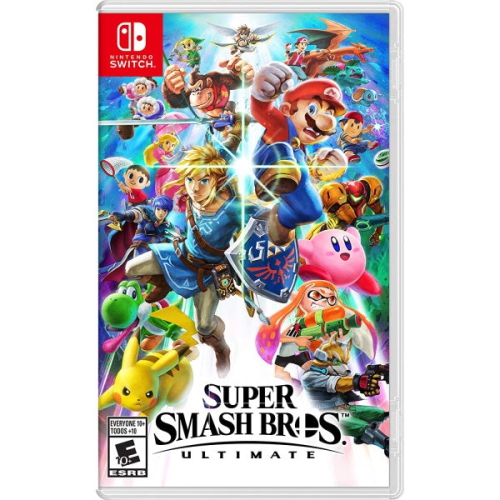 Your price for this item is $89.95
-
 Your price for this item is $89.95
-
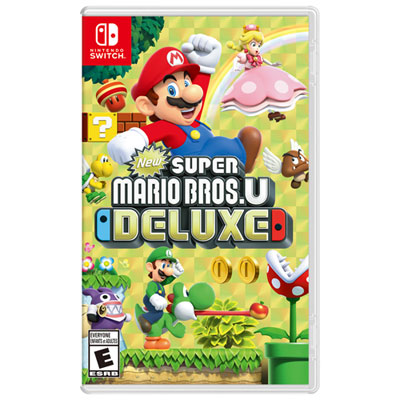 Your price for this item is $84.99
-
 Your price for this item is $85
-
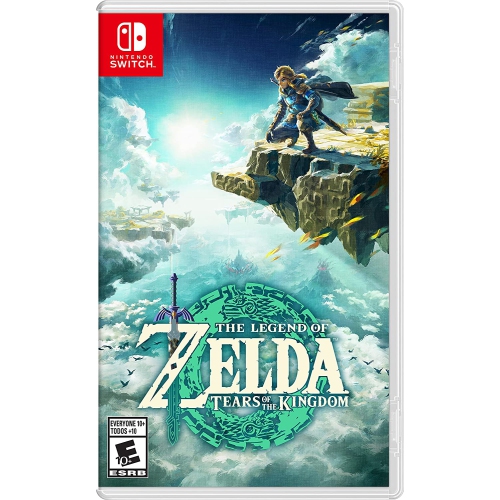 Your price for this item is $109.99
-
 Your price for this item is $99.99
-
 Your price for this item is $84.99
-
 Your price for this item is $79.99
Discover more categories related to Limited Print Switch Games


Top Collections:
Best Black Friday Deals This Year, Best Black Friday Deals On Electronics, Kindle Devices, Pokemon Centers, Best Black Friday Deals On Apple Products, Best Cameras for Sports Photography, Dyson Airwrap, Pokémon 30th Celebration Cards, Apple iPhone 17 Pro, Canon G7X Cameras
Some products may be subject to Environmental Handling Fees
(EHF) depending on your province.
Learn more about EHFs.