Nintendo Switch 4 Player Games
The Nintendo Switch is a console that can be used in many different ways. It's a home console, but it can also be used as a handheld device. The best way to play games on the Switch is with friends and family. Here are some four-player games for the Switch.
Sort
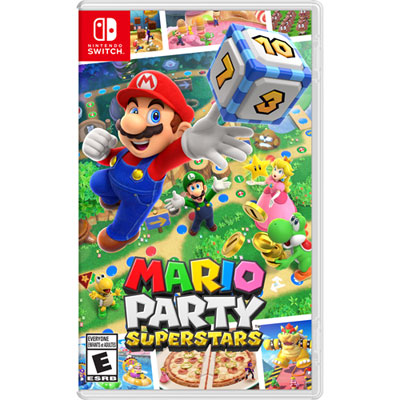
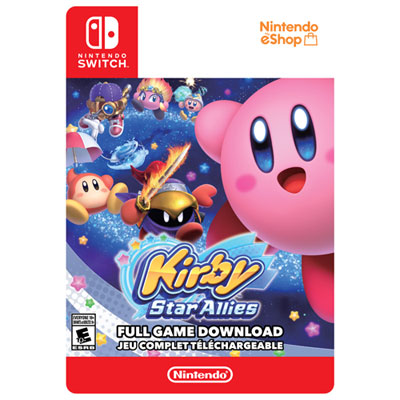
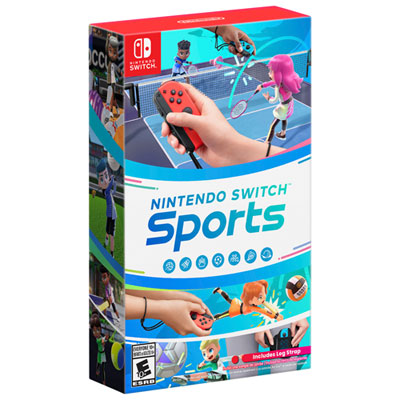
![NINTENDO GAMES Mario Golf: Super Rush for Nintendo Switch [Videogames] BEST GAME EVER! I love this game so much and it is the best game this year](https://multimedia.bbycastatic.ca/multimedia/products/500x500/176/17650/17650845.jpeg)
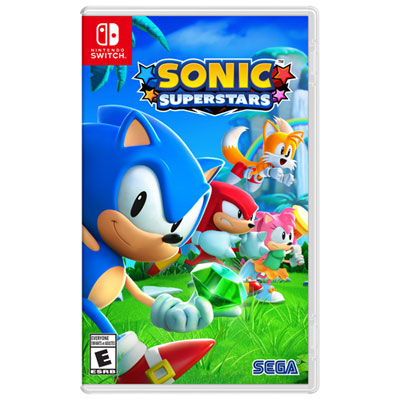
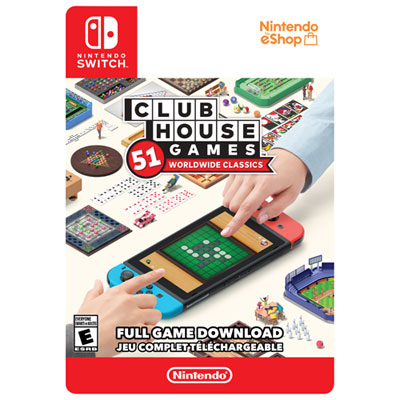

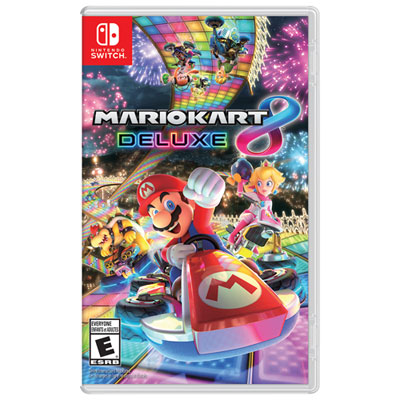
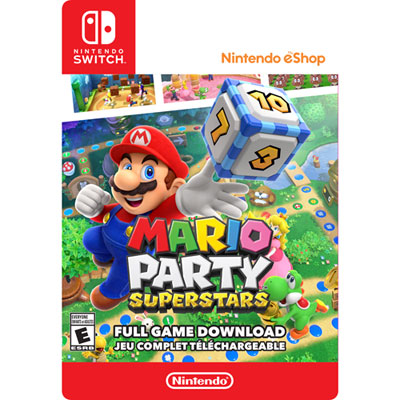
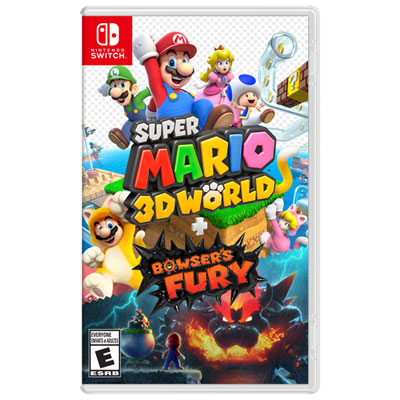
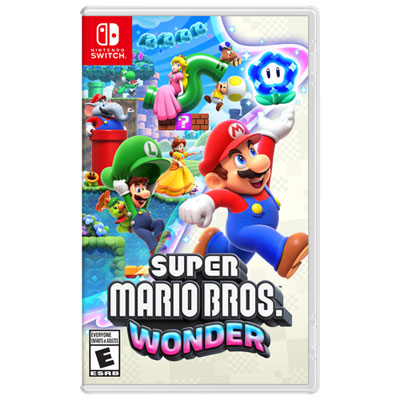
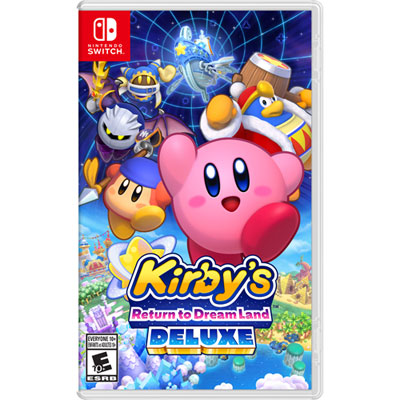
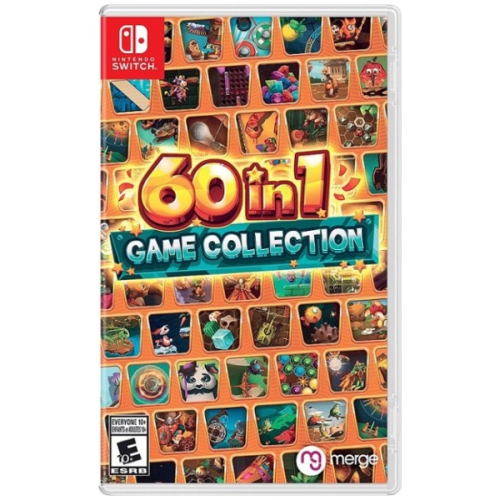
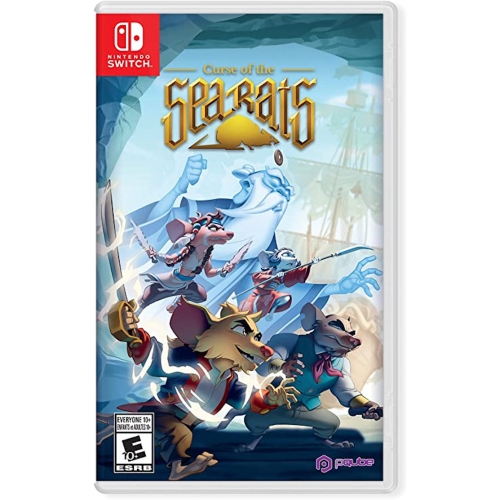
![TEAM17 Golf With Your Friends [Nintendo Switch]](https://multimedia.bbycastatic.ca/multimedia/products/500x500/199/19977/19977305.jpeg)
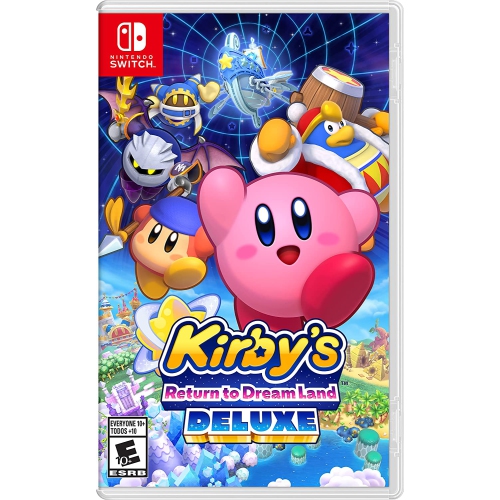
![NINTENDO Everybody 1-2 Switch [ Switch]](https://multimedia.bbycastatic.ca/multimedia/products/500x500/193/19383/19383711.jpeg)
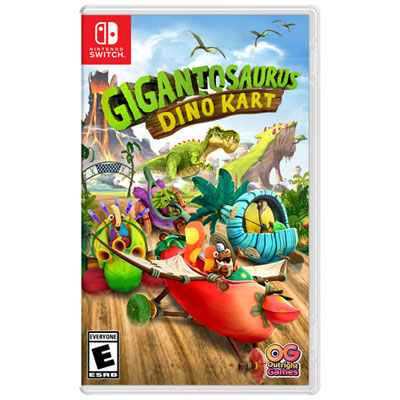
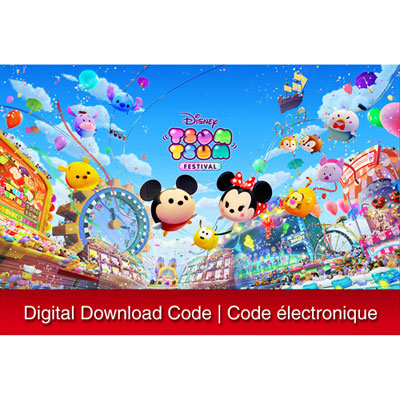
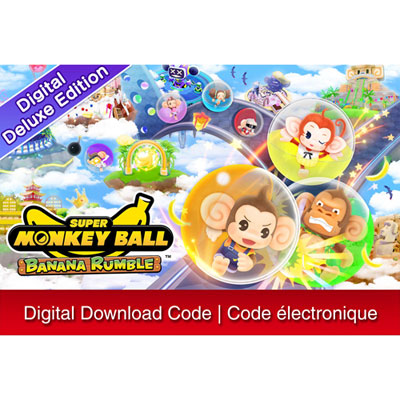
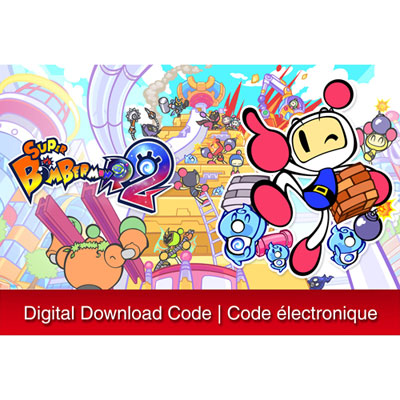
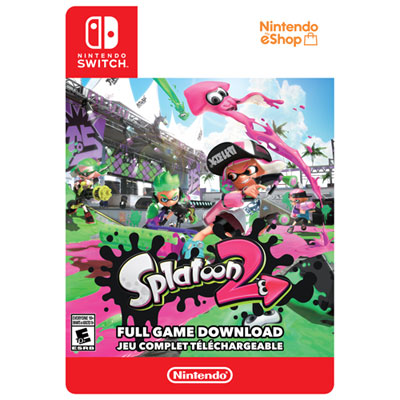
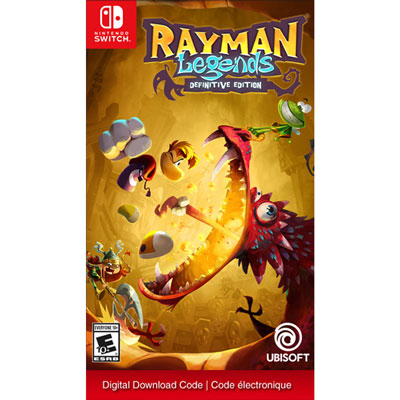
![OUTRIGHT GAMES Gigantosaurus Dino Kart [Nintendo Switch]](https://multimedia.bbycastatic.ca/multimedia/products/500x500/193/19384/19384029.jpeg)
![NINTENDO Everybody 1-2 Switch [ Switch]](https://multimedia.bbycastatic.ca/multimedia/products/500x500/197/19795/19795810.jpeg)
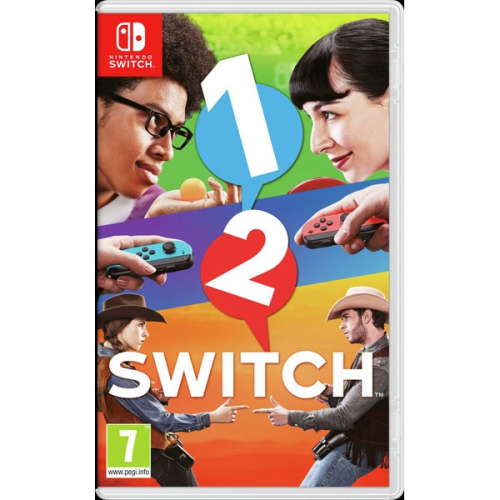
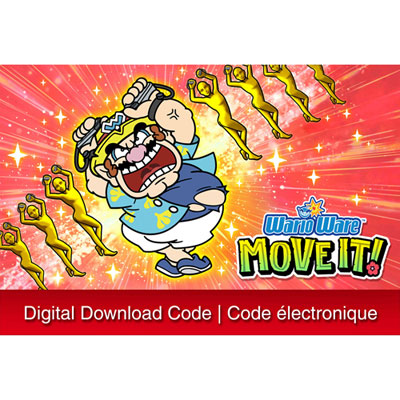

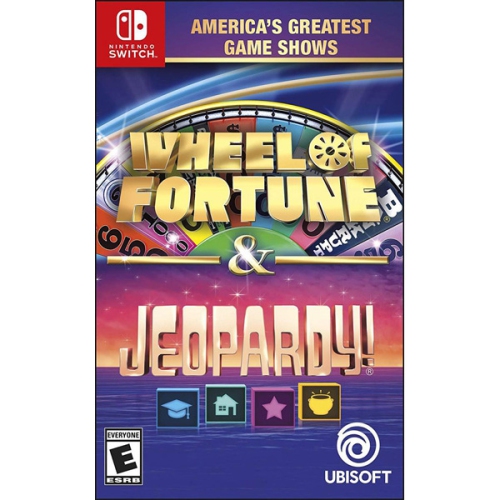

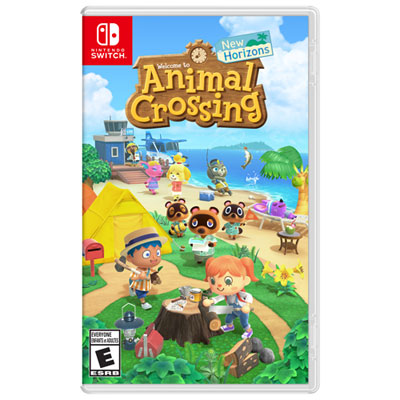
![LIMITED RUN GAMES Windjammers 2 [Nintendo Switch] Great game](https://multimedia.bbycastatic.ca/multimedia/products/500x500/169/16982/16982578.jpeg)

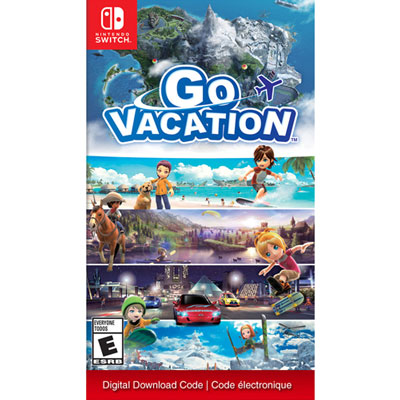
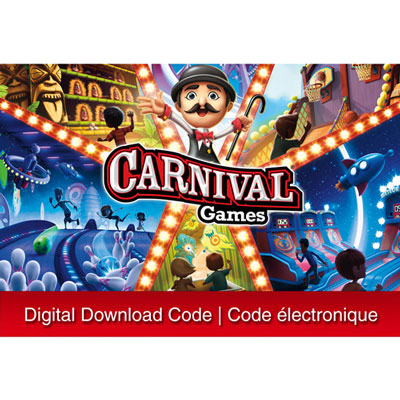
![UBISOFT Just Dance 2020 [Nintendo Switch] Great Game!](https://multimedia.bbycastatic.ca/multimedia/products/500x500/169/16982/16982579.jpeg)
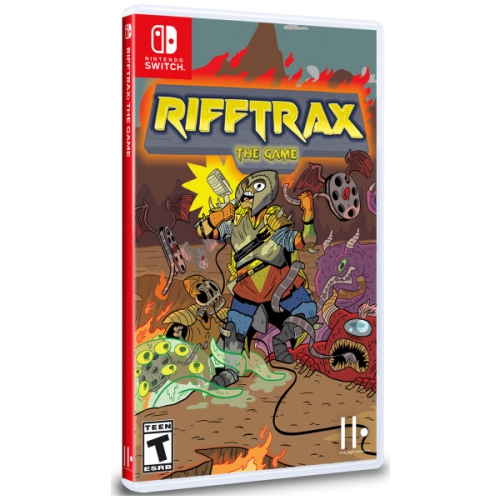
![NINTENDO Super Mario Bros. Wonder [ Switch]](https://multimedia.bbycastatic.ca/multimedia/products/500x500/192/19284/19284637.jpeg)
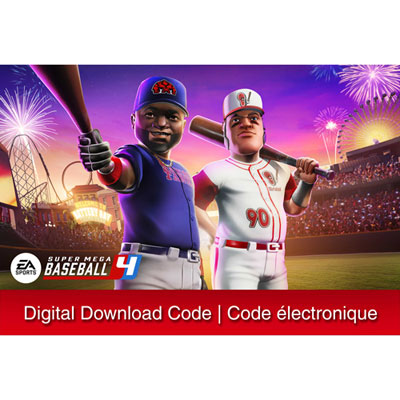
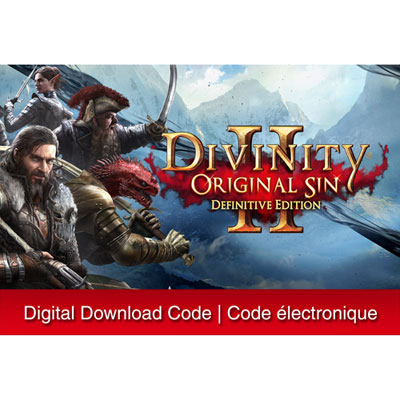
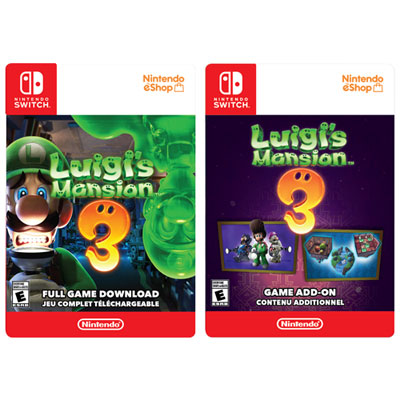
![SUPER RARE GAMES Tabs: Totally Accurate Battle Simulator: Srg#92 [Nintendo Switch]](https://multimedia.bbycastatic.ca/multimedia/products/500x500/193/19382/19382880.png)
![LIMITED RUN GAMES Quake 2 Special Edition - Limited Run #207 [Nintendo Switch]](https://multimedia.bbycastatic.ca/multimedia/products/500x500/193/19382/19382568.jpeg)
![TOZAI GAMES Everyone Spelunker [Nintendo Switch]](https://multimedia.bbycastatic.ca/multimedia/products/500x500/165/16590/16590497.jpeg)
![LIMITED RUN Final Vendetta [Nintendo Switch]](https://multimedia.bbycastatic.ca/multimedia/products/500x500/171/17150/17150158.jpeg)
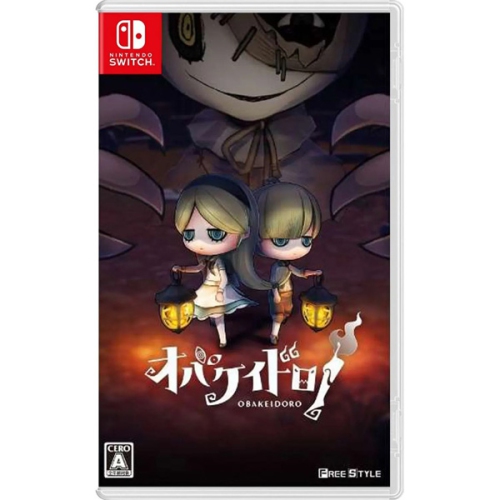
Four-player support doesn’t always mean sharing one screen
Nintendo Switch four-player games bring a full group into the action, with racing, sports, fighting, party, puzzle, and cooperative adventures offering different ways to play together. Four-player support can mean everyone sharing one screen, using separate consoles nearby, or connecting online, depending on the game and its supported modes. That distinction matters for anyone looking for a game to play with three friends or family members: a multiplayer label alone does not guarantee that four people can join on a single console. For living-room play, local multiplayer games let the group enjoy the same match or adventure together, whether the screen is divided into individual views or everyone appears in one shared space. Racing games suit players who enjoy quick reactions, close finishes, and another chance to beat the person beside them. Fighting and sports games bring head-to-head competition or team matchups, while party games often mix short challenges with simple objectives that are easy to explain before passing out controllers. Cooperative games give all four players a common goal, such as solving a puzzle, completing a stage, or keeping a busy operation running while tasks pile up. A group might divide responsibilities between gathering supplies, clearing obstacles, and handling timed objectives, making communication as important as individual skill. Platforming adventures can combine exploration with coordinated jumps and shared challenges, although the amount of teamwork and freedom varies by title. The most suitable choice depends on how the group likes to spend its time together. Short rounds work well when players want to swap teams or take breaks between matches; longer adventures suit a regular group that enjoys returning to shared progress. For mixed interests, varied activities can give each person a chance to shine without making every session depend on the same skill. Beyond games designed for a group of four, Nintendo Switch Multiplayer Games covers the wider multiplayer theme for different group sizes and ways of connecting.
The multiplayer details on a game's packaging or listing help establish what a four-person session actually requires. Local play on one console, local wireless play between nearby consoles, and online multiplayer are separate features, and support for one does not automatically include the others. A game may allow four players online but fewer on a shared screen, or offer four-player matches only in selected activities rather than throughout its main adventure. Some multiplayer formats also involve taking turns instead of having everyone play simultaneously. For a group expecting to race, explore, or compete at the same time, the player count for the intended mode is more useful than a broad multiplayer description. Controller requirements deserve the same attention. Some games let each person use a single compatible controller held sideways, while others need a pair of controllers or a compatible full-size gamepad for every participant. Motion-based activities may have additional controller requirements, and compatibility can differ between modes within the same game. Four people playing on one television also need a console model that supports TV mode; a handheld-only model does not connect to a television. Screen layout affects the experience once everyone is playing. Split-screen races give each player a separate viewpoint, but smaller text, distant turns, and map details can be harder to see from across the room. Shared-screen adventures keep everyone in one view, though players may need to stay close together as the camera follows the group. Online sessions can bring distant friends into the same match, but may require separate consoles, copies of the game, compatible accounts, a reliable internet connection, and a paid membership. Local wireless requirements also vary, including whether each console needs its own copy. Features such as joining friends, combining local and online players, or saving multiplayer progress should be confirmed for the particular game rather than assumed from its genre. These details make the difference between a straightforward shared session and a setup that needs additional equipment or preparation.
Four-player games can suit families, roommates, visiting friends, and regular gaming groups, but age suitability and ease of use are just as important as the number of supported players. Age ratings and content descriptors help identify themes that fit the intended audience, while adjustable difficulty, assist settings, readable menus, and flexible controls can make participation more comfortable. Those features vary by game, so a cheerful visual style should not be taken as a promise of simple controls or forgiving challenges. In a mixed-skill group, a newcomer may enjoy helping with a clear cooperative task more than competing against three experienced players. Other groups prefer individual contests where everyone can pursue their own result without worrying about slowing down a team. Short tutorials, practice opportunities, and rounds with quick restarts can keep a first session moving, while deeper progression gives an established group reasons to return. For gifting, the recipient's console model, preferred genres, existing games, and usual playing companions are useful considerations. A four-player game is especially well matched to someone who regularly hosts game nights, provided the required controllers and play mode fit that household's setup. Physical and digital formats offer different practical benefits without changing the need to confirm multiplayer support. Physical game cards need careful handling: storing them in their cases, keeping the contacts clean and dry, and placing them away from young children and pets helps protect small, easily misplaced pieces. Digital games do not require a card to insert, but they use console or compatible memory-card storage and are associated with the purchasing account. Physical releases can also require downloads or updates, so a game card does not necessarily remove storage or internet requirements. For frequent group play, lasting appeal often comes from varied challenges, adjustable match settings, different roles, or satisfying teamwork rather than sheer complexity. A game that lets all four people contribute, understand the objective, and stay involved is more likely to become a familiar choice whenever the group gets together.
The multiplayer details on a game's packaging or listing help establish what a four-person session actually requires. Local play on one console, local wireless play between nearby consoles, and online multiplayer are separate features, and support for one does not automatically include the others. A game may allow four players online but fewer on a shared screen, or offer four-player matches only in selected activities rather than throughout its main adventure. Some multiplayer formats also involve taking turns instead of having everyone play simultaneously. For a group expecting to race, explore, or compete at the same time, the player count for the intended mode is more useful than a broad multiplayer description. Controller requirements deserve the same attention. Some games let each person use a single compatible controller held sideways, while others need a pair of controllers or a compatible full-size gamepad for every participant. Motion-based activities may have additional controller requirements, and compatibility can differ between modes within the same game. Four people playing on one television also need a console model that supports TV mode; a handheld-only model does not connect to a television. Screen layout affects the experience once everyone is playing. Split-screen races give each player a separate viewpoint, but smaller text, distant turns, and map details can be harder to see from across the room. Shared-screen adventures keep everyone in one view, though players may need to stay close together as the camera follows the group. Online sessions can bring distant friends into the same match, but may require separate consoles, copies of the game, compatible accounts, a reliable internet connection, and a paid membership. Local wireless requirements also vary, including whether each console needs its own copy. Features such as joining friends, combining local and online players, or saving multiplayer progress should be confirmed for the particular game rather than assumed from its genre. These details make the difference between a straightforward shared session and a setup that needs additional equipment or preparation.
Four-player games can suit families, roommates, visiting friends, and regular gaming groups, but age suitability and ease of use are just as important as the number of supported players. Age ratings and content descriptors help identify themes that fit the intended audience, while adjustable difficulty, assist settings, readable menus, and flexible controls can make participation more comfortable. Those features vary by game, so a cheerful visual style should not be taken as a promise of simple controls or forgiving challenges. In a mixed-skill group, a newcomer may enjoy helping with a clear cooperative task more than competing against three experienced players. Other groups prefer individual contests where everyone can pursue their own result without worrying about slowing down a team. Short tutorials, practice opportunities, and rounds with quick restarts can keep a first session moving, while deeper progression gives an established group reasons to return. For gifting, the recipient's console model, preferred genres, existing games, and usual playing companions are useful considerations. A four-player game is especially well matched to someone who regularly hosts game nights, provided the required controllers and play mode fit that household's setup. Physical and digital formats offer different practical benefits without changing the need to confirm multiplayer support. Physical game cards need careful handling: storing them in their cases, keeping the contacts clean and dry, and placing them away from young children and pets helps protect small, easily misplaced pieces. Digital games do not require a card to insert, but they use console or compatible memory-card storage and are associated with the purchasing account. Physical releases can also require downloads or updates, so a game card does not necessarily remove storage or internet requirements. For frequent group play, lasting appeal often comes from varied challenges, adjustable match settings, different roles, or satisfying teamwork rather than sheer complexity. A game that lets all four people contribute, understand the objective, and stay involved is more likely to become a familiar choice whenever the group gets together.
Top selling and popular products
-
![NINTENDO Super Smash Bros. Ultimate [ Switch]](https://multimedia.bbycastatic.ca/multimedia/products/500x500/166/16618/16618377.jpeg) Your price for this item is $89.95
Your price for this item is $89.95 -
![NINTENDO Animal Crossing: New Horizons [ Switch]](https://multimedia.bbycastatic.ca/multimedia/products/500x500/148/14828/14828033.jpeg) Your price for this item is $80.49
Your price for this item is $80.49 -
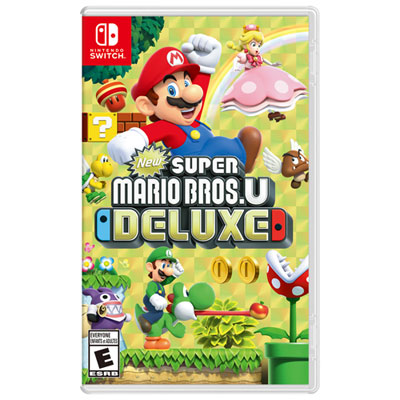 Your price for this item is $84.99
 -
![NINTENDO GAMES New Super Mario Bros. U Deluxe for Nintendo Switch [Videogames]](https://multimedia.bbycastatic.ca/multimedia/products/500x500/176/17683/17683406.jpeg) Your price for this item is $71.75
Your price for this item is $71.75 -
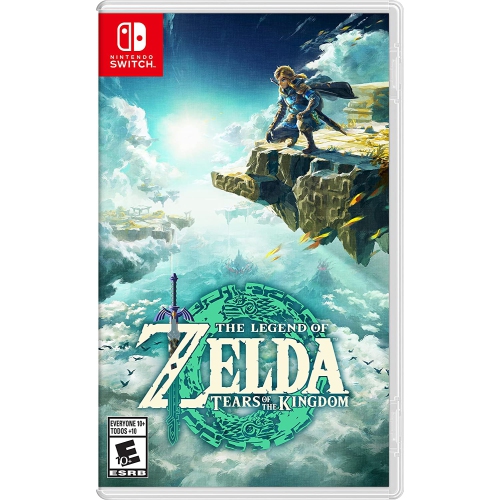 Your price for this item is $109.99
 -
![NINTENDO GAMES The Legend Of Zelda: Tears Of The Kingdom for Nintendo Switch [Videogames]](https://multimedia.bbycastatic.ca/multimedia/products/500x500/176/17661/17661818.jpeg) Your price for this item is $99.99
Your price for this item is $99.99 -
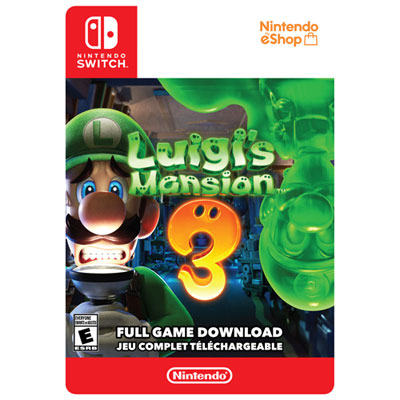 Your price for this item is $84.99
 -
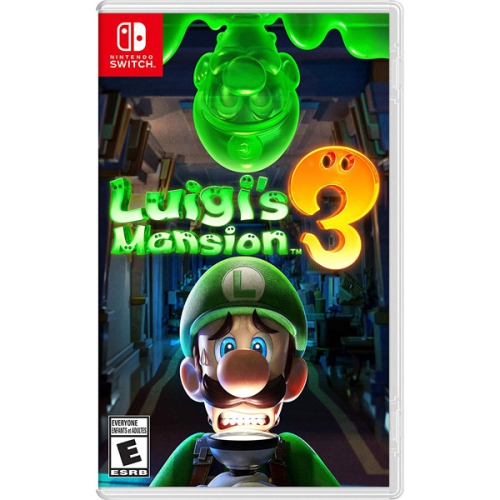 Your price for this item is $87.75
Discover more categories related to Nintendo Switch 4 Player Games

Top Collections:
Pokemon Centers, Kindle Devices, Best Budget Office Chairs, Apple iPhones 16, Best Laptops for Writers, iPhone 15 Apple, Canon G7X Cameras, Refurbished Apple Laptops, Alarm Clock, Motorola Razr Phones
Some products may be subject to Environmental Handling Fees
(EHF) depending on your province.
Learn more about EHFs.