Nintendo Switch Fantasy Games
Step into magical realms and embark on unforgettable adventures with Nintendo Switch Fantasy Games. Explore a captivating collection filled with epic quests, mystical creatures, and enchanting worlds designed to spark your imagination. Whether you're seeking heart-pounding battles or immersive storytelling, these games offer endless opportunities to discover new lands and unlock hidden secrets. Elevate your gaming experience and let your imagination soar with the best selection of Nintendo Switch Fantasy Games.
Sort





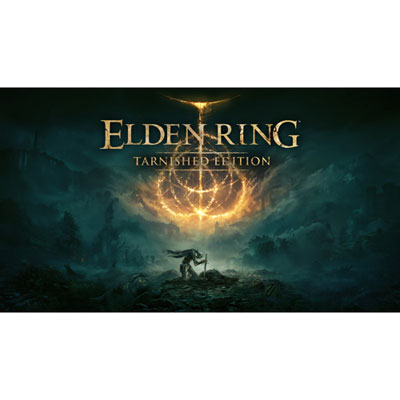
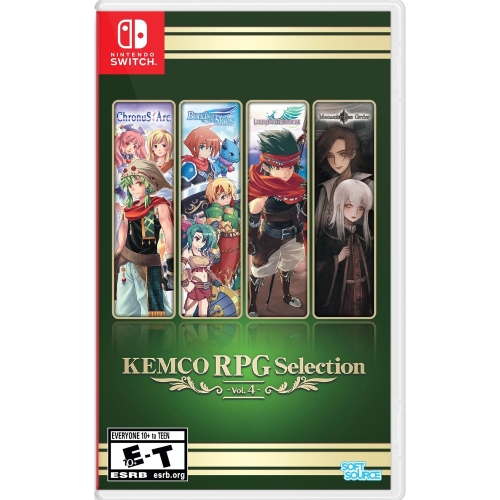

Magical worlds with more than one way to play
Nintendo Switch fantasy games span magical adventures, character-driven role-playing games, tactical battles, and puzzle-filled journeys through imagined worlds. Some centre on a lone traveller crossing ruined kingdoms, while others follow a party of companions whose different abilities shape every encounter. Fantasy is a setting rather than a single style of play: a game with dragons and enchanted forests might feature fast swordplay, carefully planned turns, quiet exploration, or a mixture of all three. Action adventures often put movement, timing, and environmental puzzles at the heart of the experience. Turn-based role-playing games give players time to consider attacks, healing, and the strengths of each party member. Tactical games add positioning and terrain, making a narrow bridge or a well-placed spell as important as a powerful weapon. Open-world adventures offer room to wander towards a distant tower, investigate a cave, or leave the main quest behind for a smaller story. More focused games guide players through a sequence of distinctive locations, with a clearer sense of what comes next. Neither structure guarantees a longer or richer experience; the appeal depends on whether freedom or steady narrative momentum feels more satisfying. Visual styles are just as varied, from detailed three-dimensional landscapes to hand-drawn scenes and expressive pixel art. A bright colour palette can frame a surprisingly thoughtful story, while a shadowy castle might be the backdrop for intricate puzzles rather than constant combat. Music, dialogue, and the design of towns and creatures help give each world its identity. For players drawn particularly to building a party, developing abilities, and following an extended story, the Nintendo Switch RPG category offers a related way to explore the genre. The overlap is substantial, but not every fantasy game is an RPG, and not every RPG uses a fantasy setting. That distinction helps separate the atmosphere a player enjoys from the mechanics they want to spend time learning.
The everyday feel of a fantasy game often comes down to its pace and the decisions it asks players to make. Real-time combat can reward quick reactions, reading an opponent’s movements, and switching between weapons or abilities at the right moment. Turn-based battles usually place more emphasis on planning, although some also include timed inputs that keep players actively involved between choices. Character progression may involve gaining levels, selecting skills, crafting equipment, or finding tools that open previously unreachable paths. A player who enjoys refining a build might spend an evening adjusting a party’s abilities before a difficult encounter; someone more interested in discovery may prefer following an unfamiliar trail and seeing where it leads. Quest logs, maps, and clear objective markers can make a sprawling adventure easier to return to after a break. Save systems also affect how comfortably a game fits into a routine. Frequent saving can suit shorter sessions, while long stretches between checkpoints may call for more uninterrupted time. Portable play makes text size, interface clarity, and the visibility of small details especially relevant. A richly illustrated menu can look impressive yet still require close reading on a smaller screen, and extensive dialogue may appeal more to confident readers than to children still developing those skills. Adjustable difficulty, control options, subtitles, and other accessibility features vary by game, so their presence should not be assumed. Multiplayer features need the same distinction: local shared-screen play, local wireless play, and online play are different arrangements, with different hardware, controller, and connection requirements. A story about a group of heroes can still be entirely single-player. Where cooperative play is supported, players may share exploration, coordinate abilities, or take on encounters together. Competitive modes offer a different experience again. Age ratings and content descriptors provide useful context for families, since fantasy can range from gentle creature-filled journeys to intense battles and unsettling imagery. The artwork alone does not reliably indicate the reading level, challenge, or suitability of the story.
Format and compatibility matter alongside the adventure itself. Physical editions commonly use a small game card housed in a protective case, while digital editions are downloaded to the console or compatible storage. The contents of a boxed edition deserve attention because some packages include a download code rather than a game card, and some card-based games still require additional downloads. Software compatibility, supported play modes, controller requirements, and any internet requirements are worth confirming for the intended console model. Storage needs can extend beyond the initial game to updates and optional additional content. Online features may also require an account or a paid membership, depending on the game and service. A physical card offers something tangible to wrap as a gift, and keeping its original case makes it easier to store and identify. Cards benefit from careful handling: hold them by their edges, keep the contacts clean and dry, and return them to a case instead of leaving them loose in a bag. Protective storage helps prevent loss and unnecessary wear, especially when games travel between homes or accompany a console on a trip. Saved progress is stored on the console rather than on the game card, so moving a card does not by itself move a player’s adventure. Backup and transfer options depend on the game and the supported services. For gift giving, an existing interest in stories, strategy, puzzles, or exploration is often more useful than a general enthusiasm for fantasy. An avid reader may appreciate layered dialogue and companion relationships, while a player who enjoys mastering movement may connect more readily with responsive combat and challenging traversal. Someone sharing a console with family members may value separate save files, though support varies. Familiarity with a series can matter when a story continues across multiple games, while a self-contained adventure can offer a simpler starting point. The strongest fit brings together an appealing world, comfortable controls, suitable content, and a style of play that holds the recipient’s attention beyond the opening scene.
Top selling and popular products
-
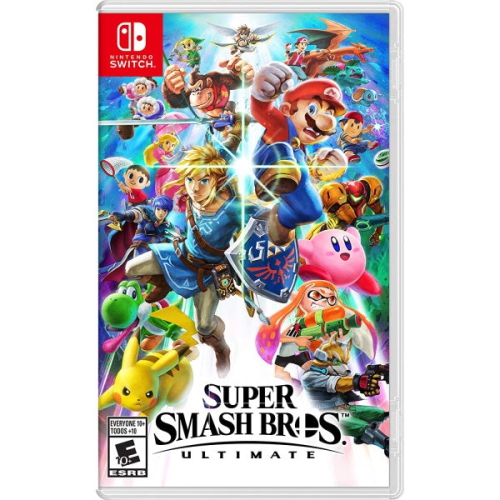 Your price for this item is $89.95
-
 Your price for this item is $89.95
-
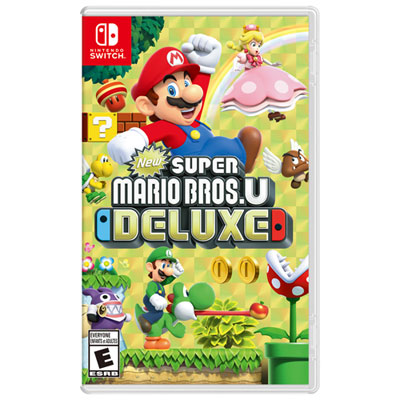 Your price for this item is $84.99
-
 Your price for this item is $85
-
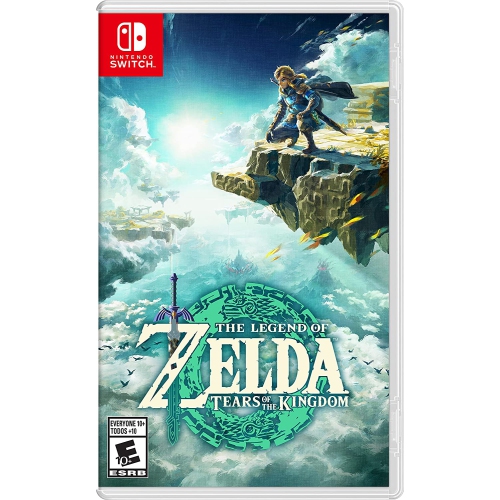 Your price for this item is $109.99
-
 Your price for this item is $99.99
-
 Your price for this item is $84.99
-
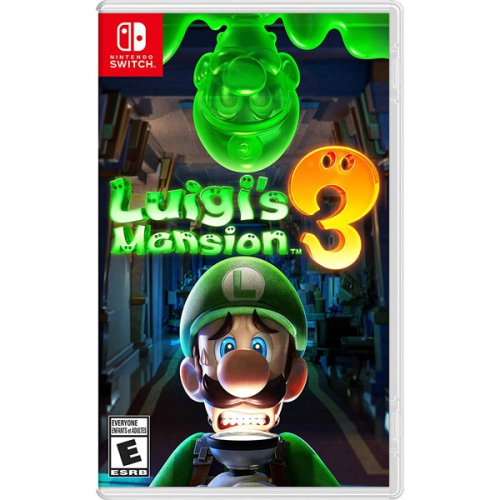 Your price for this item is $79.99
Discover more categories related to Nintendo Switch Fantasy Games


Top Collections:
Best Black Friday Deals This Year, Best Black Friday Deals On Electronics, Kindle Devices, Pokemon Centers, Best Black Friday Deals On Apple Products, Best Cameras for Sports Photography, Dyson Airwrap, Pokémon 30th Celebration Cards, Apple iPhone 17 Pro, Canon G7X Cameras
Some products may be subject to Environmental Handling Fees
(EHF) depending on your province.
Learn more about EHFs.