Nintendo Switch Games Sale
Discover unbeatable deals during the Nintendo Switch Games Sale at Best Buy. Whether you’re expanding your collection or searching for the perfect gift, you’ll find a wide selection of top titles at great prices. Dive into exciting adventures, challenge friends, and enjoy hours of entertainment with games designed for every type of player. Shop now and take advantage of limited-time savings to make the most of your Nintendo Switch experience.
Sort




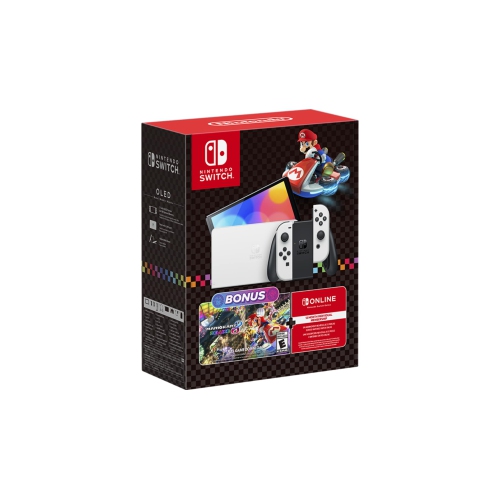


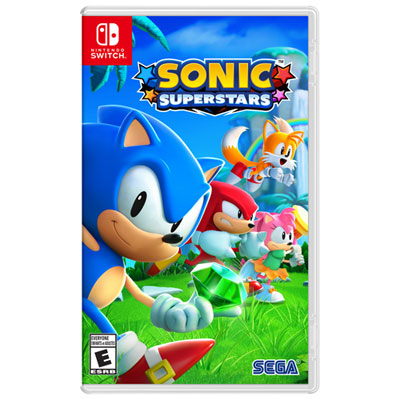


Short breaks and long quests call for different games
Console games designed for handheld, tabletop, and television play can bring very different experiences to the same system, from a five-minute puzzle break to an adventure that unfolds over many sessions. The range includes platformers built around precise jumps, racing games with tight corners and quick rematches, role-playing games with character development, and simulations that reward patient, steady progress. A story-led adventure can suit someone who likes exploring at their own pace, while a rhythm game puts the focus on timing, sound, and repeatable challenges. Strategy games often leave room to think through the next move; sports and action games tend to rely more on quick reactions and familiar controls. Those differences matter as much as a genre label. A colourful art style does not necessarily mean simple gameplay, and a short level can still offer plenty of challenge. For someone fitting play around a transit commute or a lunch break, clear save points and stages that finish in a few minutes can make a game easier to return to. Longer quests may appeal to players who enjoy following a story, building a collection, or gradually mastering a complex set of abilities. Local multiplayer adds another purpose: a few controllers, a shared screen, and a game that lets everyone join without a lengthy introduction. Cooperative play gives friends a common goal, whereas competitive matches make room for friendly rivalries and a quick change of opponents. Some games also support online play, connecting people who cannot sit together in the same room. Player counts, supported modes, and internet requirements vary by title, so a game described as multiplayer may not support the particular setup a household has in mind. For families, age ratings and content descriptions help distinguish suitable choices, rather than relying only on the artwork or the apparent simplicity of the characters.
Physical game cards and digital downloads offer different ways to keep a game library organized. Physical editions commonly use a small game card housed in a protective case, making it easy to identify each game on a shelf and keep its packaging together. The compact format travels easily, although loose cards are easier to misplace and their exposed contacts need careful handling. A fitted storage case helps keep them secure between sessions, while clean, dry hands and storage away from liquids and excessive heat help protect the card and its label. Digital editions are accessed through the console rather than by inserting a card, but they require sufficient storage and an internet connection for the initial download. Access can also depend on the account and licensing arrangements associated with the software. Physical editions may still require downloads for updates or certain content, so the format alone does not tell the whole story about setup. Game files and updates can occupy substantial space, and a compatible storage card may be useful as a library grows. Save data is stored on the console rather than on the game card; backup and transfer options depend on the game and applicable account services. Compatibility also extends beyond storage. Supported hardware, controllers, and play modes determine whether a game suits a particular setup. Some experiences use motion controls or separate controllers for certain activities, and a handheld-only system may need additional equipment to support those features. Television play requires a console model that supports it. Text-heavy menus and small on-screen icons can also feel different on a handheld display than on a larger screen. For games built around movement, the amount of clear floor space and the way controllers are held are practical considerations. These details help distinguish software suited to quiet, portable play from games intended for shared-screen sessions or more active participation.
A good match often comes down to the person holding the controller. Someone who enjoys arranging spaces, completing collections, or following a familiar routine may appreciate a simulation with gradual progress and flexible goals. A player who likes solving problems may prefer puzzles with clear rules and increasingly inventive combinations. Exploration-focused games can reward curiosity with hidden paths and discoveries, while tightly structured challenges appeal to people who enjoy improving a performance through repetition. For a shared household, separate save files or supported user profiles can help different players keep their progress distinct, where the game allows it. Features such as adjustable text size, remappable controls, subtitles, reduced motion effects, and optional gameplay assistance can make a meaningful difference, though support varies from game to game. Sound matters too: musical cues and spoken dialogue may be central to one experience, while another communicates most information visually. For gifting, the recipient’s console model, preferred genres, existing library, and usual way of playing are more useful starting points than cover artwork alone. A game intended for solo play can be a thoughtful choice for someone who enjoys a personal challenge, while a cooperative experience may suit siblings or friends who like working together. Language options are worth considering for bilingual households, especially when reading dialogue or following detailed instructions is part of the experience. Replay value can come from branching decisions, adjustable challenges, alternate routes, or simply satisfying controls that make a familiar stage enjoyable again. Additional downloadable content may extend some games, but an expansion generally requires the compatible base game and is not necessarily a complete experience on its own. For another collection within this category, explore the Nintendo Switch Games Cyber Monday Sales page.
Top selling and popular products
-
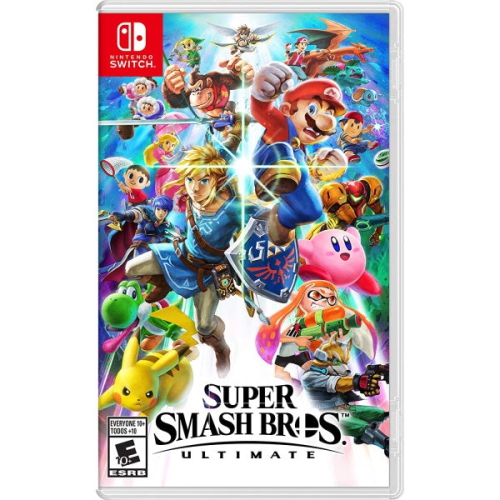 Your price for this item is $89.95
-
 Your price for this item is $89.95
-
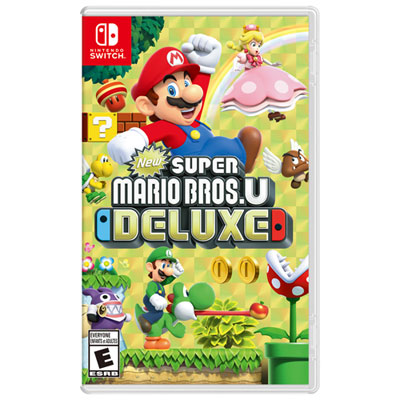 Your price for this item is $84.99
-
 Your price for this item is $85
-
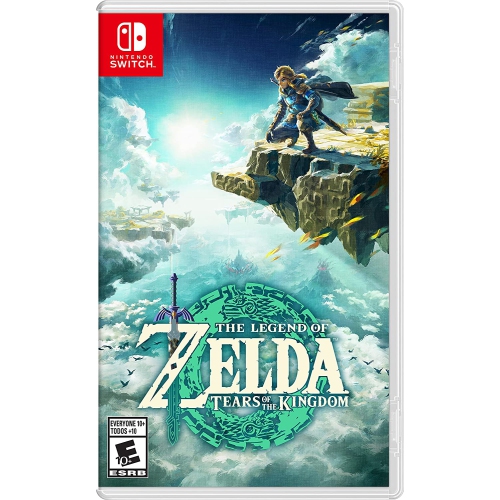 Your price for this item is $109.99
-
 Your price for this item is $99.99
-
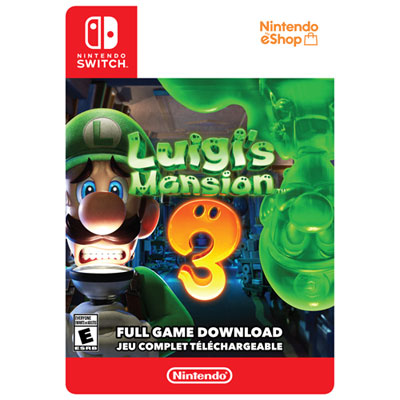 Your price for this item is $84.99
-
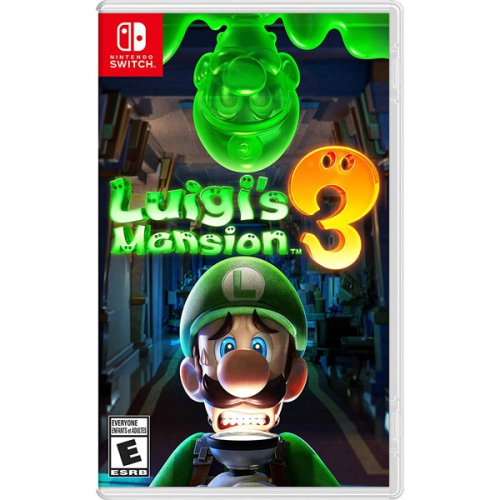 Your price for this item is $79.99
Discover more categories related to Nintendo Switch Games Sale

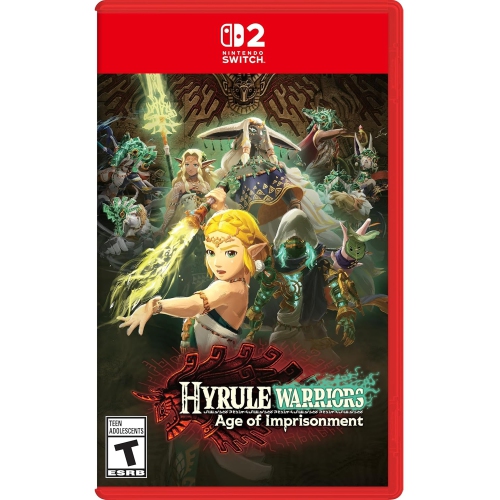
Top Collections:
Best Black Friday Deals This Year, Best Black Friday Deals On Electronics, Kindle Devices, Pokemon Centers, Best Black Friday Deals On Apple Products, Best Cameras for Sports Photography, Dyson Airwrap, Pokémon 30th Celebration Cards, Apple iPhone 17 Pro, Canon G7X Cameras
Some products may be subject to Environmental Handling Fees
(EHF) depending on your province.
Learn more about EHFs.