Smart Video Games
Explore a world of interactive entertainment with Smart Video Games, where cutting-edge technology meets immersive gameplay. Whether you're a casual player or a dedicated gamer, these titles offer engaging experiences across a variety of genres and platforms. Discover new adventures, challenge your skills, and connect with friends through innovative features designed to enhance every gaming session. Elevate your home entertainment setup and find the perfect addition to your collection with Smart Video Games.
Sort









Games that reward curiosity and thoughtful problem-solving
Smart video games challenge logic, strategic planning, spatial reasoning, and problem-solving through interactive play. Rather than describing one formal genre, the term covers games that reward observation, experimentation, and thoughtful decisions: a puzzle that depends on recognizing a pattern, a strategy challenge built around limited resources, or a construction task where every support changes how a structure behaves. The appeal comes from having something meaningful to work out, with feedback that makes each attempt informative. Moving a single piece can reveal a hidden route; rearranging a production line can clear a bottleneck that seemed impossible a few minutes earlier. These experiences suit curious players who enjoy understanding how things work, as well as those who prefer a measured pace over fast reactions. Some games introduce concepts connected to mathematics, programming, engineering, language, or history, while others develop their challenges entirely through shapes, movement, and rules. Educational content can be explicit, but thoughtful play does not have to resemble a worksheet. A well-designed challenge introduces an idea clearly, gives players room to test it, and adds complexity once the basic relationship makes sense. Difficulty settings, optional hints, and opportunities to retry can make that process more approachable without taking away the satisfaction of solving something independently. For children, age-appropriate language and manageable instructions matter as much as the subject itself. For adults, layered systems and open-ended solutions can provide depth beyond an introductory challenge. These games offer opportunities to practise particular skills during play, although success in a game does not automatically translate into broader improvements in intelligence or academic performance. Their lasting attraction is often simpler: the pleasure of noticing a connection, testing a theory, and seeing a plan finally come together. That makes the style of thinking a game encourages a useful distinction alongside its story, visual presentation, and length.
Different kinds of smart video games make room for different ways of thinking. Logic and pattern-based puzzles tend to centre on clear rules, careful observation, and the ability to separate useful clues from distractions. Spatial challenges ask players to picture rotations, judge how objects fit together, or follow a route through a three-dimensional space. A compact puzzle can fit a short break, especially when progress saves between attempts, while a connected series of rooms or mechanisms can support a longer session of exploration. Strategy games place more emphasis on priorities and consequences. Spending resources on one improvement may delay another, and a strong opening move may need revising when conditions change. Turn-based play can leave time to consider those choices, whereas real-time systems ask players to plan while several demands compete for attention. Construction and simulation games often appeal to people who enjoy adjusting details and watching systems respond. A bridge that holds under one load but fails under another makes the relationship between design and performance visible. A transport network that slows at one junction creates a practical reason to rethink routes and capacity. Programming-focused play may use visual commands, ordered instructions, or repeating actions to introduce sequencing and debugging without requiring previous coding experience. Story-led adventures offer another kind of challenge, connecting dialogue, written clues, maps, and objects into a larger explanation. Games with historical settings can also spark curiosity about places and events, though fictional storytelling should not be mistaken for a complete historical account. Across these styles, useful distinctions include whether a challenge has one exact answer or several workable solutions, whether mistakes carry a penalty, and whether hints explain the reasoning or simply reveal the next move. Cooperative play adds a shared dimension: one person may spot a visual detail while another keeps track of the steps already tried. For households sharing a screen, clear roles and adjustable difficulty can help players with different experience levels contribute.
The best fit also depends on how and where a game will be played. Platform compatibility, supported controls, storage requirements, and the need for an internet connection are practical considerations for both physical and digital editions. Some experiences work comfortably with a controller, while others rely on precise pointer movement, touchscreen input, or substantial amounts of reading. Text size can matter greatly when playing from a sofa rather than close to a desktop display. Subtitles, adjustable sound levels, remappable controls, colour-independent cues, and options to reduce time pressure can make thoughtful gameplay more comfortable for a wider range of players. A puzzle that distinguishes pieces through both shape and colour, for example, communicates more clearly than one that relies on colour alone. Session length deserves attention too. Frequent save points and the ability to pause suit interrupted play, while longer strategy scenarios may require more uninterrupted time. Separate player profiles can be helpful when several people want to solve the same challenges without overwriting one another’s progress. For physical editions, keeping discs or cartridges in their protective cases, handling them with clean, dry hands, and following the hardware maker’s cleaning instructions helps protect them between sessions. Replay value comes from the design rather than the format: varied layouts, adjustable challenges, creative building tools, and multiple solutions can offer reasons to return after an initial playthrough. As gifts, smart video games can suit puzzle enthusiasts, aspiring builders, keen readers, and families who enjoy working through a challenge together. Matching the recipient’s preferred pace, reading level, age rating, and gaming platform is more useful than assuming every educational theme will hold their attention. Browsing New Video Games can broaden the search across different gameplay styles, while descriptions of puzzles, strategy systems, and accessibility features help clarify the experience. The most rewarding match gives the player enough support to get started and enough depth to keep experimenting, whether that means solving a quiet sequence of logic puzzles or refining an elaborate plan over several sessions.
Top selling and popular products
-
 Your price for this item is $89.95
-
 Your price for this item is $89.95
-
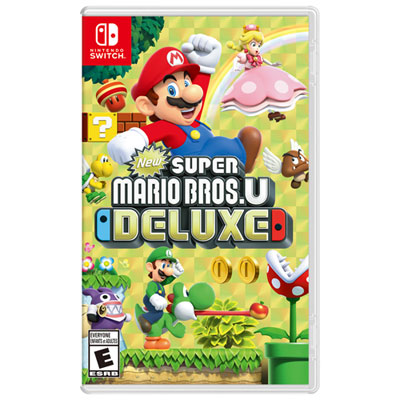 Your price for this item is $84.99
-
 Your price for this item is $85
-
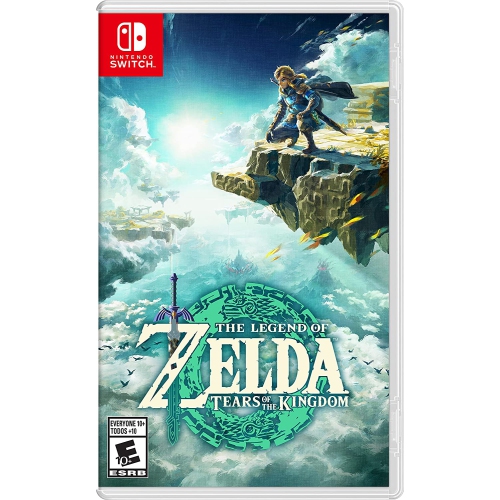 Your price for this item is $109.99
-
 Your price for this item is $99.99
-
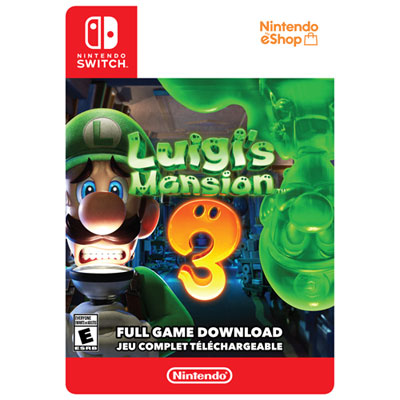 Your price for this item is $84.99
-
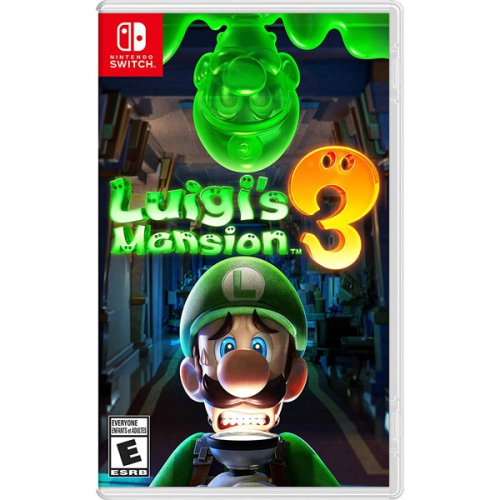 Your price for this item is $87.75
Discover more categories related to Smart Video Games




Top Collections:
Pokemon Centers, Best Black Friday Deals This Year, Best Black Friday Deals On Electronics, Kindle Devices, Best Budget Office Chairs, Best Black Friday Deals On Apple Products, Best Cameras for Sports Photography, Pokémon 30th Celebration Cards, Dyson Airwrap, Canon G7X Cameras
Some products may be subject to Environmental Handling Fees
(EHF) depending on your province.
Learn more about EHFs.