Blood Pressure Monitoring Device
Keep track of your health with a reliable blood pressure monitoring device designed for easy use at home or on the go. Whether you’re managing your wellness routine or simply looking to stay informed about your numbers, these devices offer a convenient solution for monitoring your blood pressure anytime. Explore a variety of blood pressure monitoring device options to find the right fit for your lifestyle and preferences.
Sort
Why validation and cuff fit matter for home readings
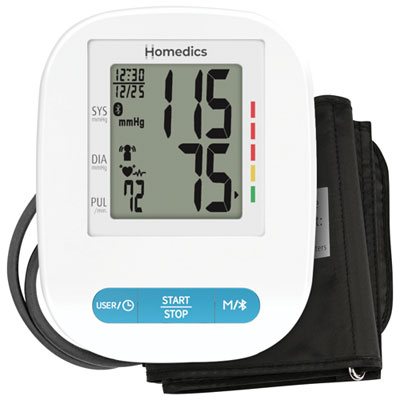
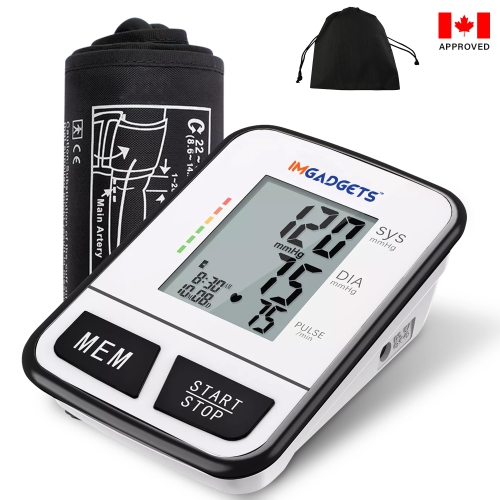
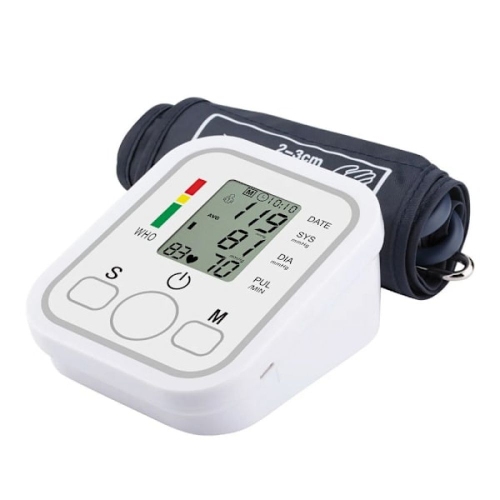
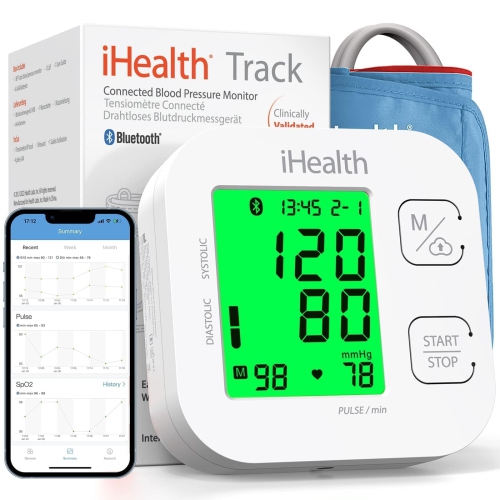
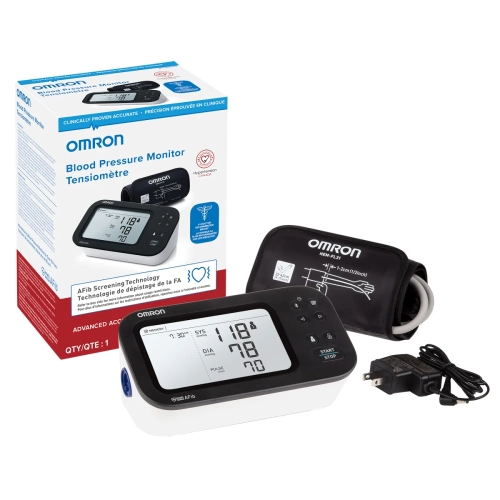
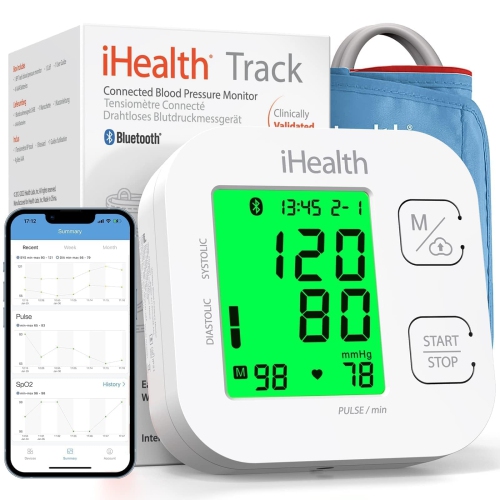
A clinically validated automatic upper-arm blood pressure monitor with a correctly sized cuff is generally the preferred choice for home blood pressure tracking. These devices offer a practical way to measure blood pressure outside a clinic and build a record that can be shared with a healthcare professional. Most automatic monitors inflate the cuff, take a measurement and display two numbers: systolic pressure, which reflects pressure when the heart contracts, and diastolic pressure, which reflects pressure between beats. Blood pressure is expressed in millimetres of mercury, or mmHg, and many digital displays also show pulse rate. Home monitoring may be useful for adults who have been advised to track high blood pressure, people following a treatment plan, or caregivers helping someone maintain a consistent health record. Readings taken at home can add context to measurements taken during appointments, particularly when a healthcare professional wants to understand patterns over time. A single reading is only a snapshot, however, and a home monitor does not establish a diagnosis or determine whether medication should change. For this type of device, clinical validation matters more than a long feature list: it indicates that the monitor’s measurement accuracy has been assessed using a recognized testing protocol. Validation should apply to the model being considered, rather than simply to a manufacturer’s other devices. Automatic operation can make routine use more manageable, especially for someone who finds manual inflation or interpreting a dial difficult. Manual blood pressure equipment requires more technique and is generally better suited to trained users. For someone monitoring during pregnancy or living with an irregular heart rhythm, a healthcare professional can help identify a device validated for that particular use. The most useful home monitor is one that combines appropriate validation, comfortable fit and controls that make repeated measurements straightforward.
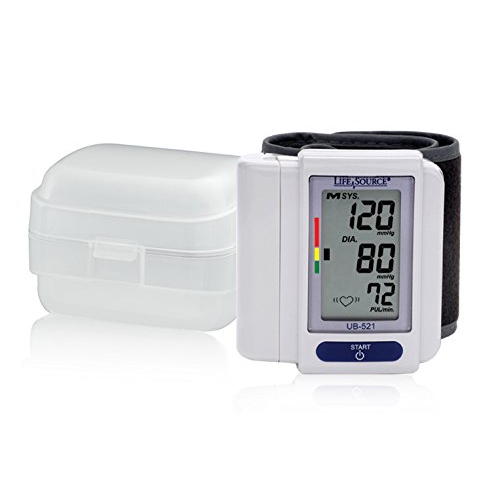
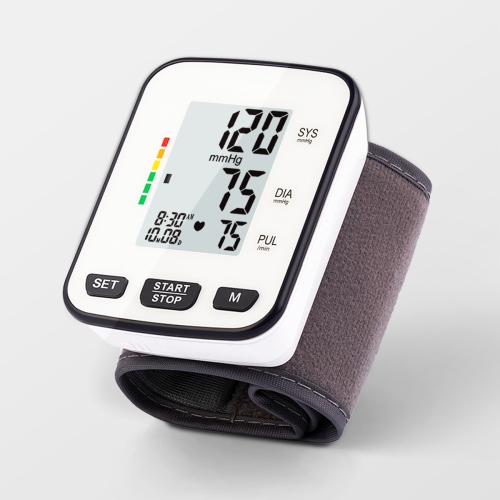
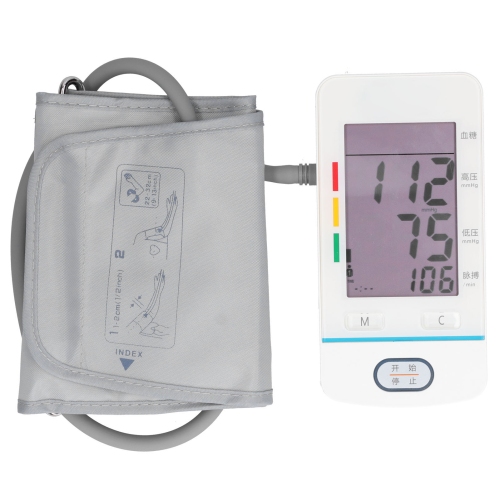
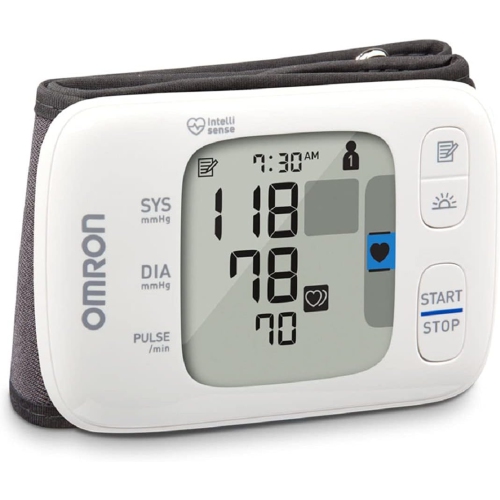
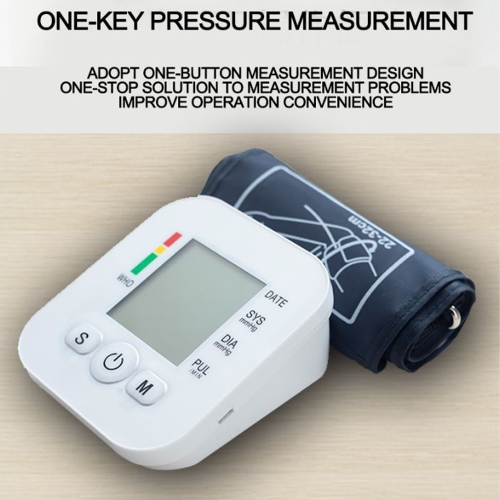
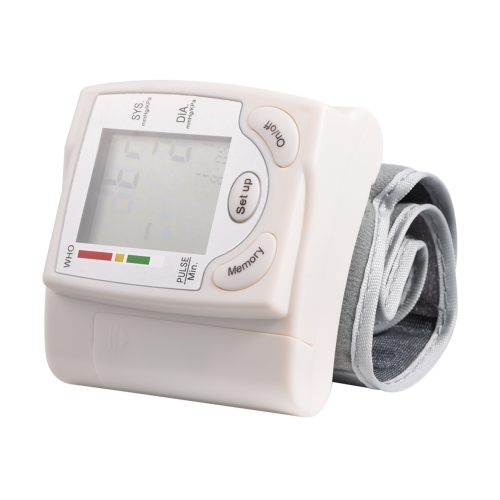
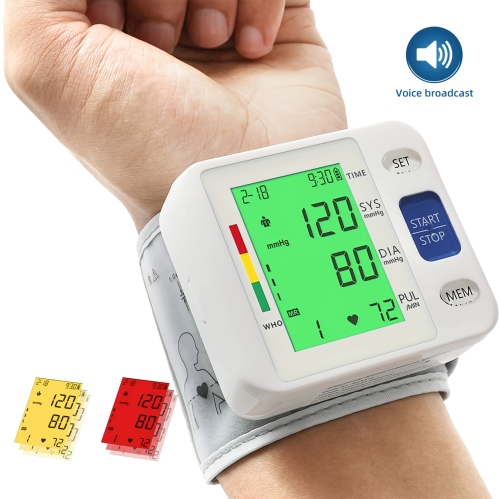
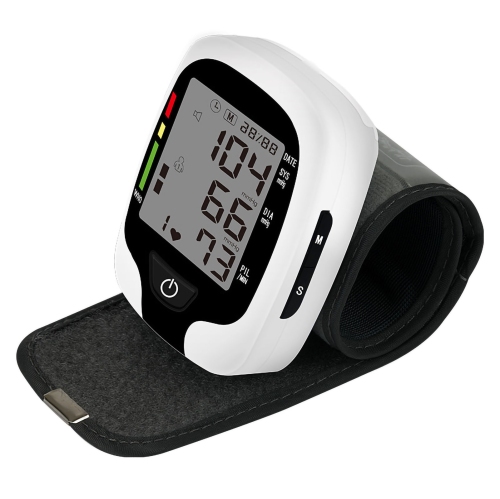
Cuff fit is central to choosing a blood pressure monitoring device because a cuff that is too small or too large can produce inaccurate readings. The stated arm circumference range is more useful than a general description such as standard or large, and it should be checked against the intended user’s upper-arm measurement. When comparing Arm Blood Pressure Monitors, consider whether the included cuff fits each person who will use the device and whether compatible replacement cuffs can be obtained separately. Cuffs commonly combine a fabric outer wrap, an inflatable bladder and a hook-and-loop fastening. A clearly marked artery position, an easy-to-grip tab or a shaped cuff can make placement less awkward for someone taking measurements without help. The wrap should feel secure without pinching, and its fastening should hold reliably through repeated inflation. A sleeve bunched tightly above the cuff can interfere with measurement, so a cuff that is manageable on a bare upper arm is important for everyday use. Wrist monitors offer a compact alternative when upper-arm measurement is unsuitable, but they are particularly sensitive to positioning and need to be held at heart level as directed. Their smaller size does not automatically make them the better choice for routine tracking. Comfort also extends beyond the cuff: accessible buttons, a stable base and tubing that reaches comfortably across a table can make a device easier to use while seated. Durable tubing connections and a secure battery compartment are practical details for equipment handled frequently. Care requirements deserve attention, too. A removable cuff is not necessarily washable, and both the cuff and electronic unit should be cleaned only as the manufacturer directs. Keeping tubing free from sharp bends and storing the monitor in a protective case can help prevent avoidable wear. If a cuff closure no longer holds, tubing becomes damaged or the device repeatedly reports errors, the equipment may need assessment or compatible replacement parts before further use.
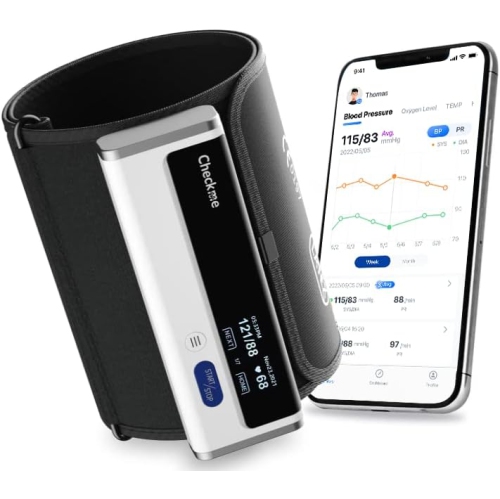
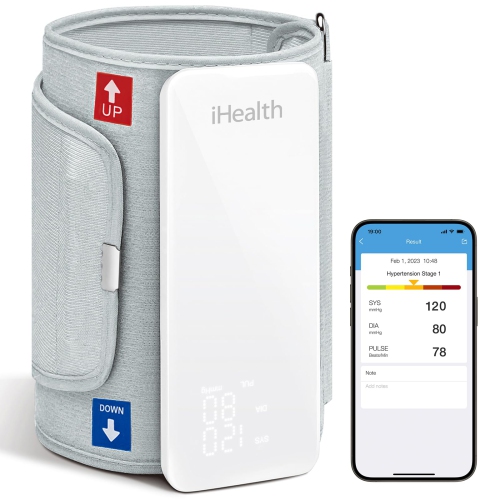
Display design and record-keeping features can make a meaningful difference to how comfortably a monitor fits into daily life. Large, high-contrast numbers are easier to read from a seated position, while a straightforward start button reduces the number of steps involved in taking a measurement. Some devices provide spoken results, cuff-position indicators or movement alerts, although these features vary and do not replace correct technique. A person with limited hand strength may find a pre-shaped cuff easier to manage, while someone with reduced vision may place greater value on audible prompts and a clearly organized screen. Reliable comparisons depend on consistent measurement conditions as well as the monitor itself: sitting quietly, supporting the back and arm, keeping feet flat on the floor and following the recommended rest period all help reduce avoidable variation. Measurements taken immediately after exercise, caffeine or smoking may not reflect resting blood pressure, so the timing recommended by a healthcare professional remains important. Built-in memory can save readings with dates and times, reducing the need to copy numbers after every use. Separate user profiles are helpful in a shared household because they keep one person’s results from being mixed with another’s, provided the cuff fits both users appropriately. Some monitors average multiple readings or transfer results to a compatible phone app, making longer-term patterns easier to review. Connection requirements, phone compatibility, account settings and options for exporting or printing results are worth considering when digital sharing is important. A device with its own readable display may be more convenient for someone who prefers not to use a phone for routine measurements. Battery operation supports portability, while an approved power adaptor, where supported, can suit a monitor kept in one regular location. Irregular-heartbeat symbols and other alerts should be understood as prompts for further attention, not as diagnoses. Whether used independently or with support from a family member or caregiver, a well-matched monitor makes it easier to maintain a clear, consistent record for conversations with a healthcare professional.
Top selling and popular products
-
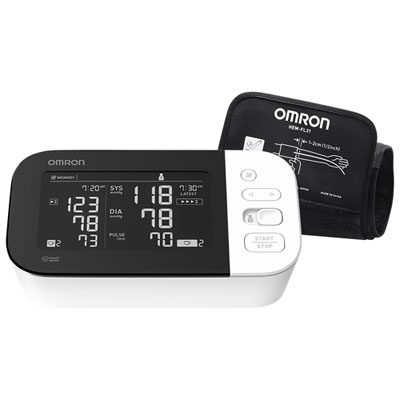 Your price for this item is $149.99
-
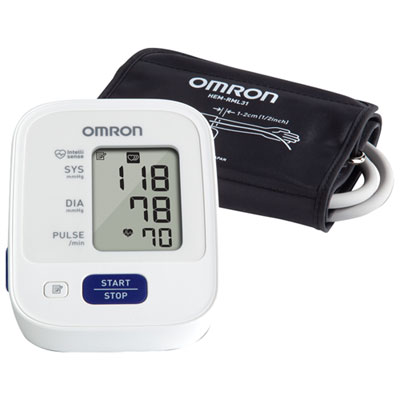 Your price for this item is $69.99
-
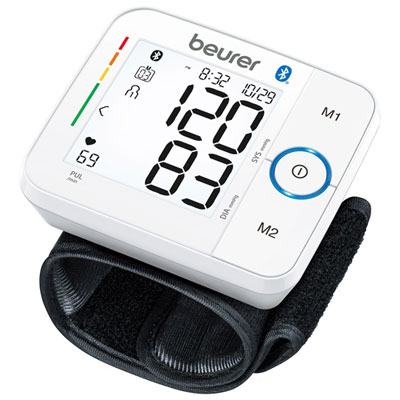 Your price for this item is $79.99
-
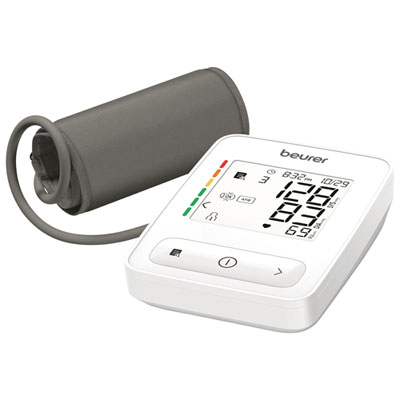 Your price for this item is $49.99
-
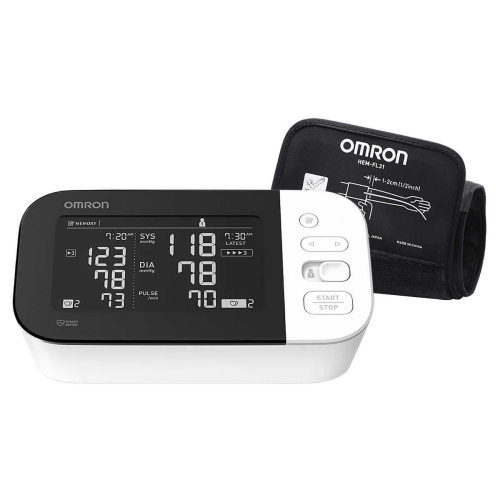 Your price for this item is $234.95
-
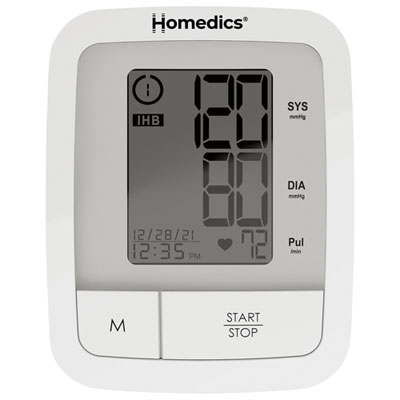 Your price for this item is $69.99
-
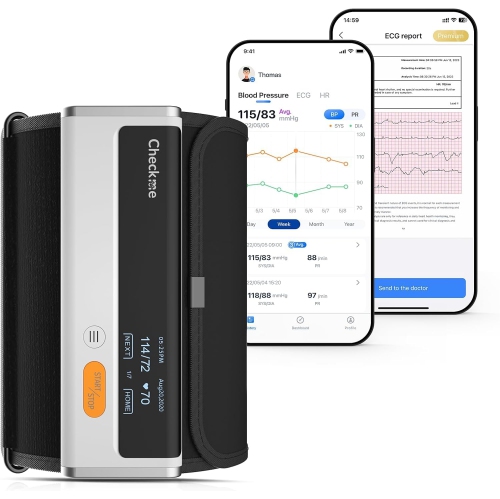 Your price for this item is $139.32
-
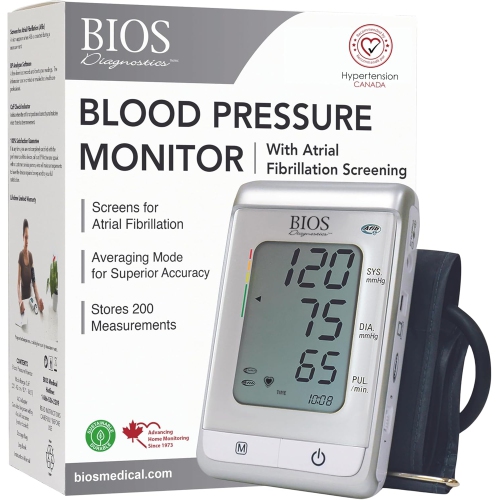 Your price for this item is $69.99
Discover more categories related to Blood Pressure Monitoring Device
Top Collections:
Best Black Friday Deals This Year, Best Black Friday Deals On Electronics, Kindle Devices, Pokemon Centers, Best Black Friday Deals On Apple Products, Best Cameras for Sports Photography, Dyson Airwrap, Pokémon 30th Celebration Cards, Apple iPhone 17 Pro, Canon G7X Cameras
Some products may be subject to Environmental Handling Fees
(EHF) depending on your province.
Learn more about EHFs.