Pressure Monitors With Oximeter
Pressure Monitor With Oximeter devices offer a convenient way to keep track of essential health metrics from the comfort of your home. Designed for ease of use and reliable performance, these monitors help you stay informed about your blood pressure and oxygen levels at any time. Whether you're managing your wellness routine or monitoring changes over time, a Pressure Monitor With Oximeter provides valuable insights to support your daily health goals. Explore options that suit your needs and enjoy greater peace of mind with accurate, at-home monitoring solutions.
Sort
What blood pressure and oxygen readings actually measure
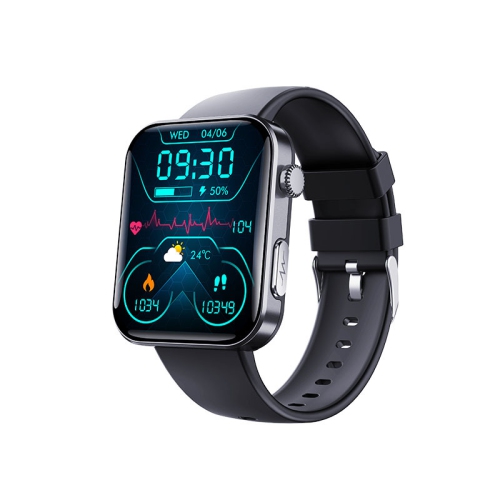
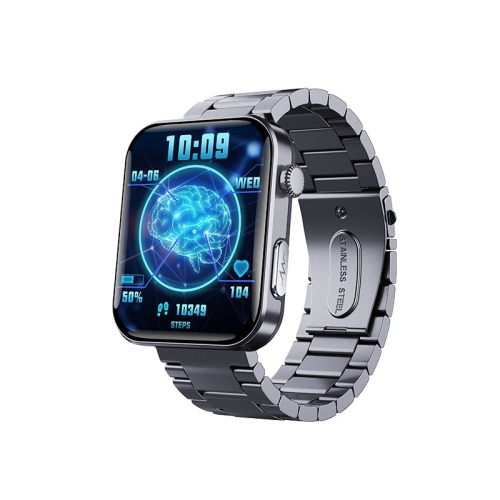
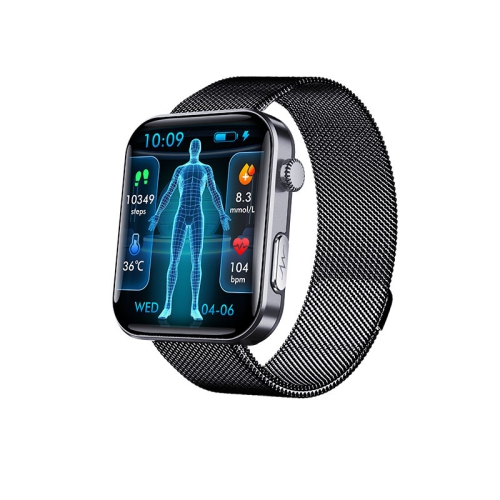
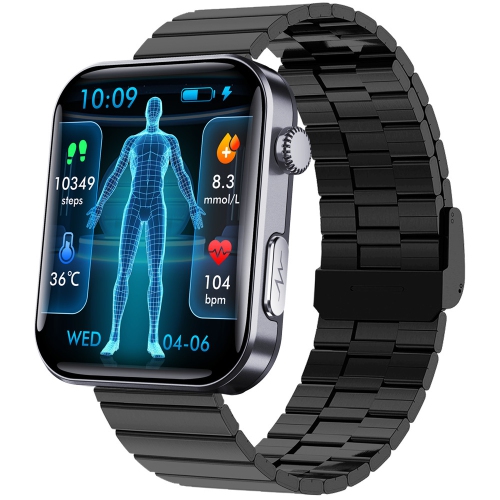
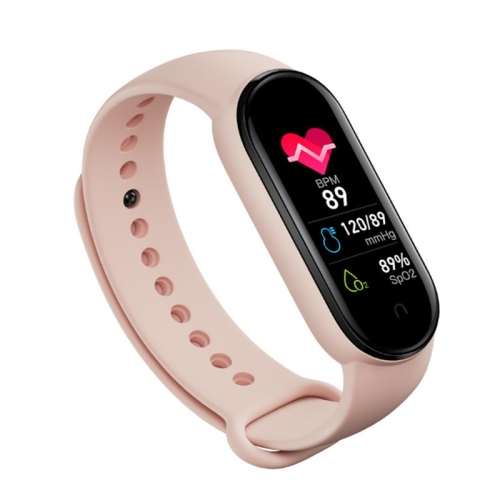
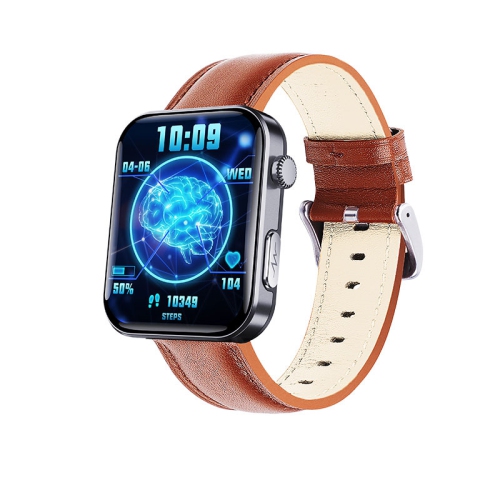
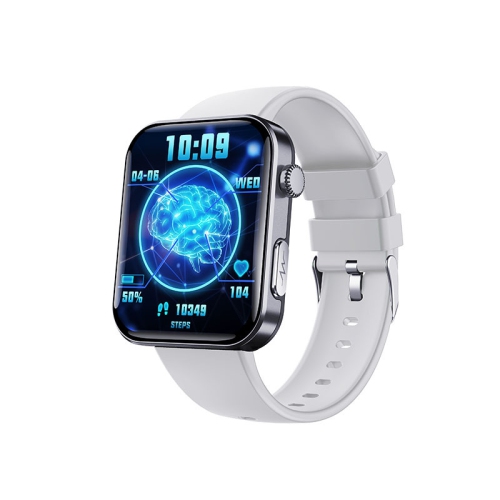
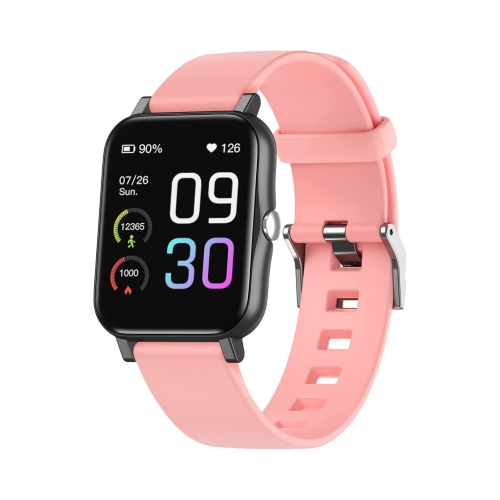
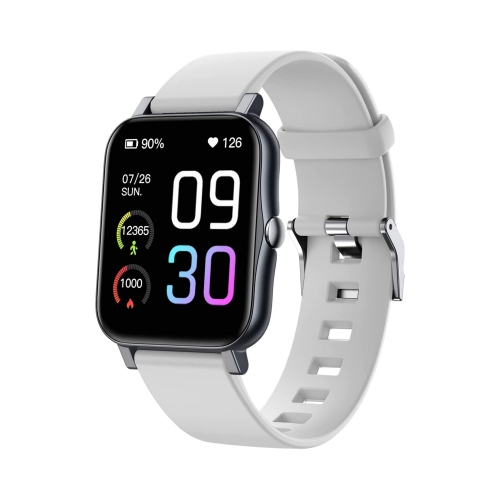
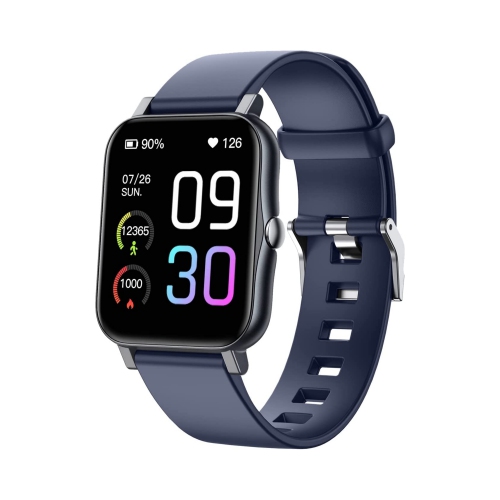
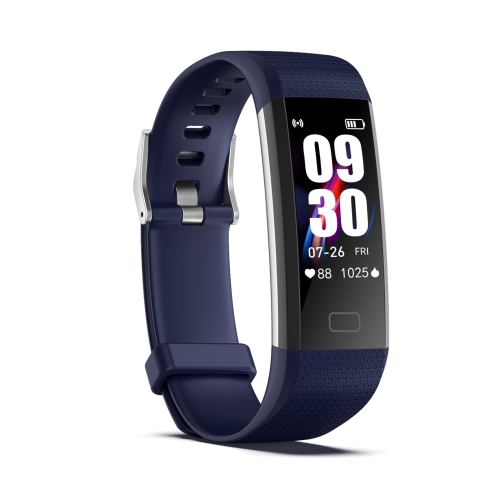
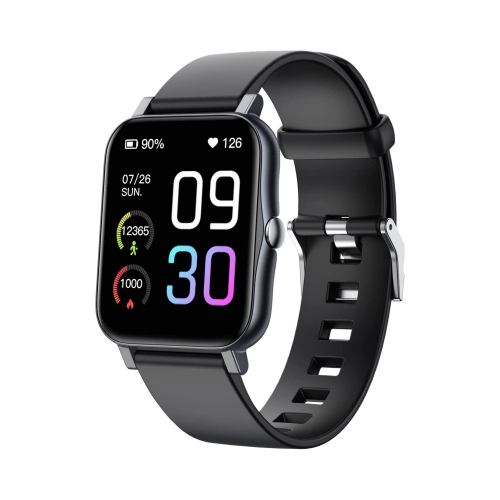
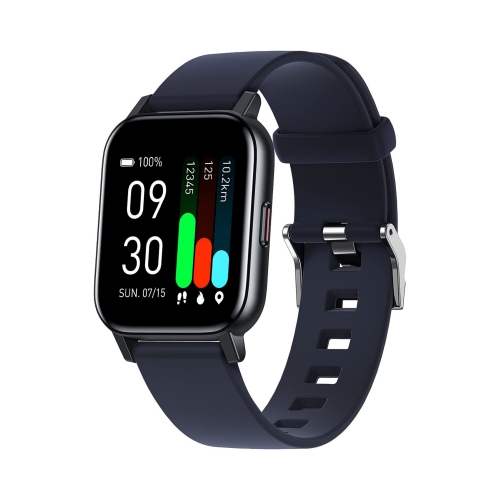
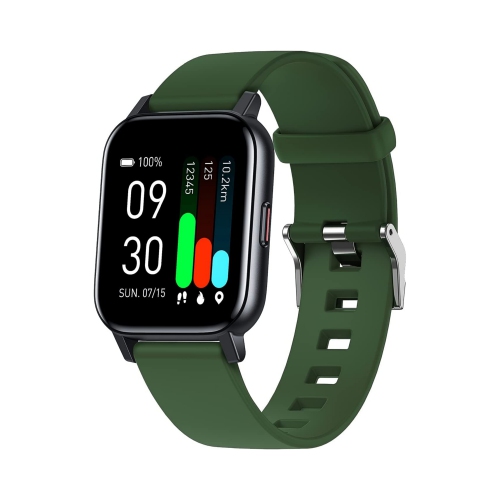
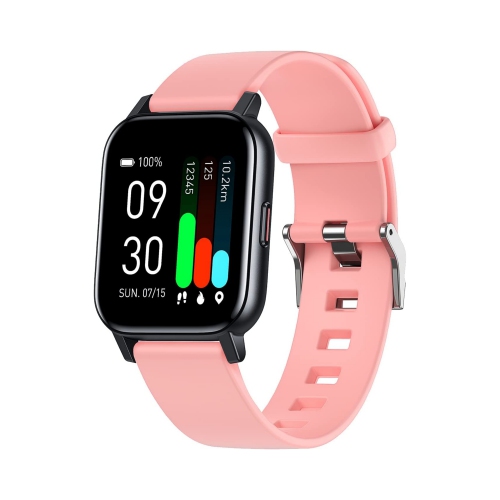
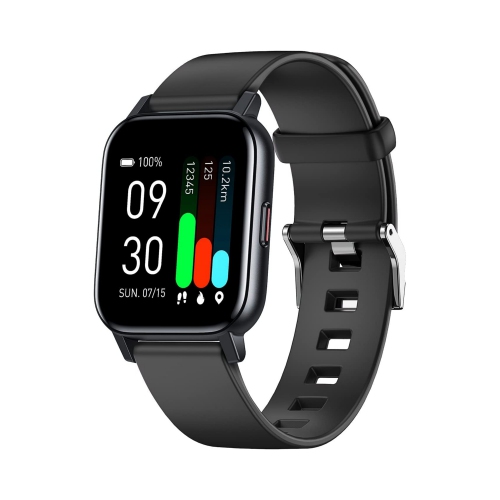
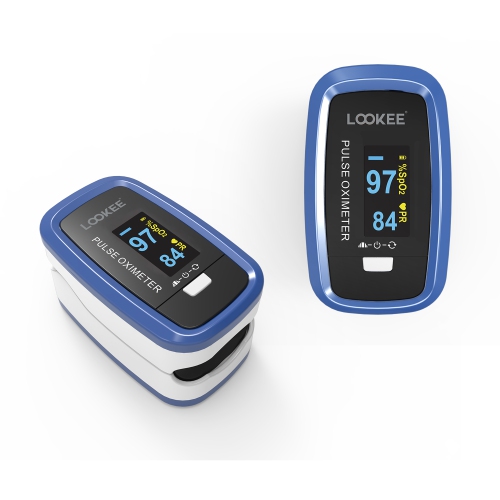
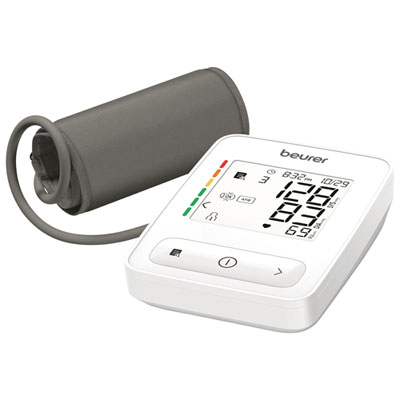
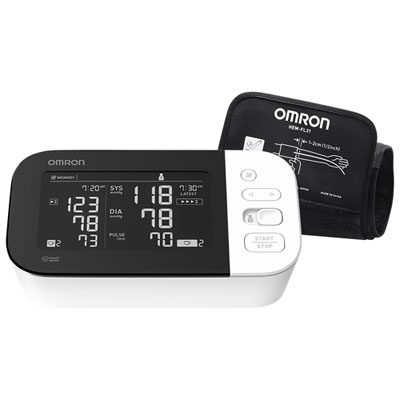
Blood pressure monitors with oximeters support home health tracking by bringing two distinct measurements into the same routine: blood pressure and blood oxygen saturation. A blood pressure monitor uses an inflatable cuff to measure the pressure of blood against artery walls, displaying systolic and diastolic readings in millimetres of mercury, or mmHg. A pulse oximeter uses light to estimate the percentage of haemoglobin carrying oxygen, shown as SpO2, and usually displays pulse rate as well. These measurements describe different aspects of health, so a pulse reading on a blood pressure monitor does not mean the device also measures oxygen saturation. The phrase “pressure monitors with oximeters” can describe an integrated monitor, a package containing separate instruments, or a home setup assembled from a cuff monitor and a fingertip oximeter. Knowing that distinction helps clarify what each format does. A Blood Pressure Monitoring Device can serve as the cuff-based part of that setup, while a separate fingertip sensor handles oxygen measurements. Integrated vital signs monitors are often designed for professional settings, whereas separate devices can suit a home routine without requiring a larger bedside unit. Intended use matters more than the number of readings shown on a screen. A consumer watch that displays blood pressure estimates or blood oxygen information is not automatically a substitute for a clinically validated cuff monitor or a medical-purpose oximeter. For someone tracking a diagnosed condition, the device’s Health Canada authorization, independent validation where applicable, and suitability for the person using it are important considerations. Adults following a clinician’s monitoring plan, older relatives recording readings between appointments, and caregivers helping someone maintain a health log may all find these tools useful. The most practical arrangement is one that measures the required information clearly and fits comfortably into an established care routine, without adding features that make everyday use more complicated.
Fit and ease of handling make a noticeable difference when these devices become part of everyday life. For an upper-arm blood pressure monitor, the cuff’s stated circumference range needs to match the wearer’s arm; a cuff that is too small or too large can affect the result. A contoured cuff may be easier to position with one hand, while a clearly marked placement indicator can help someone repeat the same setup each time. Soft fabric, smooth edges, and secure hook-and-loop fastening contribute to comfort, particularly when readings are taken regularly. Material information is also worth checking for anyone with a latex sensitivity. Wrist monitors have different positioning requirements and can be more sensitive to placement, so their compact size should be weighed against the intended user’s needs and a clinician’s advice. Fingertip oximeters have their own fit considerations: the finger opening, spring tension, and sensor design should suit the person using them. Adult devices are not necessarily appropriate for children or people with very small fingers. Beyond fit, everyday usability often comes down to details that are easy to overlook. Large numerals can be easier to read across a table, a bright display may help someone with reduced vision, and clearly separated buttons can be more manageable for hands with limited dexterity. A rotating oximeter display can make a reading visible without awkwardly turning the hand. For a household sharing a blood pressure monitor, separate user profiles help keep records distinct. Stored readings with dates and times can support a more useful conversation at an appointment than a collection of loose notes. If phone connectivity is included, compatibility, account requirements, and the ability to view or export records matter as much as the connection itself. A straightforward monitor with accessible memory may be preferable for someone who does not want another app, while a caregiver may value an organized history that can be shared with permission. These practical differences help distinguish a device that looks convenient from one that remains comfortable to use repeatedly.
Materials, care requirements, and power options also shape how well a monitoring setup holds up over time. A sturdy housing, legible controls, and securely attached tubing are useful qualities in a blood pressure monitor that moves between a bedroom drawer and a kitchen table. Cuffs and air hoses experience repeated handling, so access to compatible replacement parts can matter for long-term use. A fingertip oximeter benefits from a protective case that keeps its sensor opening away from dust and loose objects in a bag. Cleaning should follow the manufacturer’s directions: electronic housings and optical sensors may need different treatment from a fabric cuff, and washable components should not be assumed unless expressly identified. Harsh cleaners, soaking, or moisture entering a battery compartment can damage equipment. In a shared household, cleaning between users is especially relevant, alongside keeping personal records separate. Battery type, a low-battery indicator, automatic shut-off, and any supported power adapter affect convenience, particularly when a device is used frequently or taken to appointments. Consistent measurement conditions matter too. Blood pressure readings are influenced by posture, recent activity, cuff placement, and whether the arm is supported; a comfortable chair and a table at a suitable height can make the routine easier to repeat. Oximeter estimates can be affected by movement, reduced circulation, nail products, and skin pigmentation, and they should not be interpreted without considering symptoms and clinical advice. Neither device establishes a diagnosis on its own, and an apparently reassuring number should not override concerning symptoms. For someone choosing these devices for a parent, partner, or another adult, discussing preferences first is more helpful than assuming that extra functions will be welcome. Familiar controls, a suitable cuff, readable results, and manageable cleaning may be more valuable than a long feature list. Together, an appropriately selected blood pressure monitor and oximeter can make it easier to keep an orderly record of complementary measurements and share that information with a healthcare professional.
Top selling and popular products
-
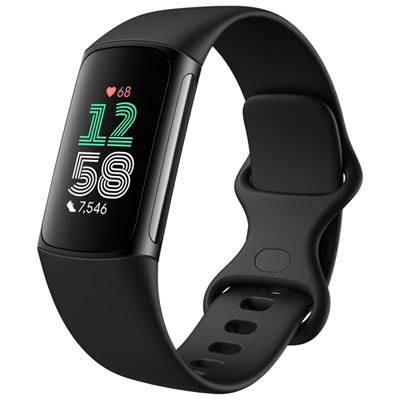 Your price for this item is $219.99
-
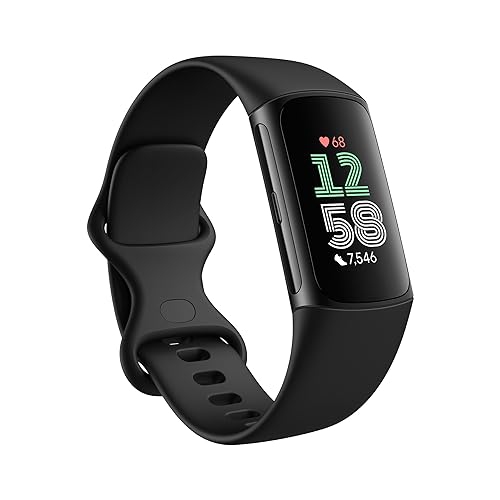 Your price for this item is $199.99
-
 Your price for this item is $199.99
-
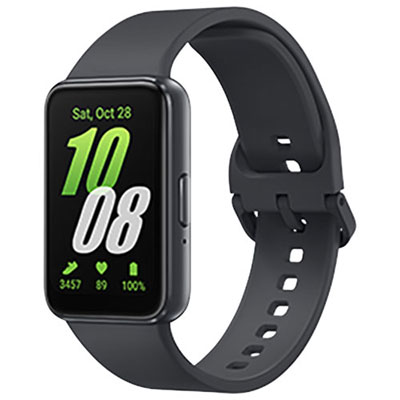 Your price for this item is $75.97
-
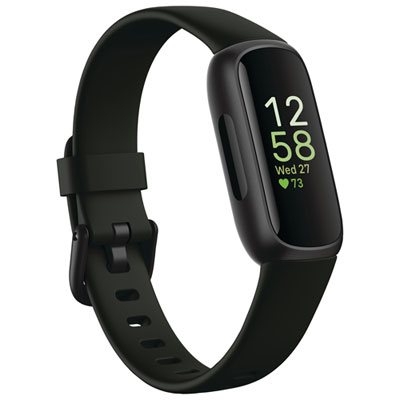 Your price for this item is $129.99
-
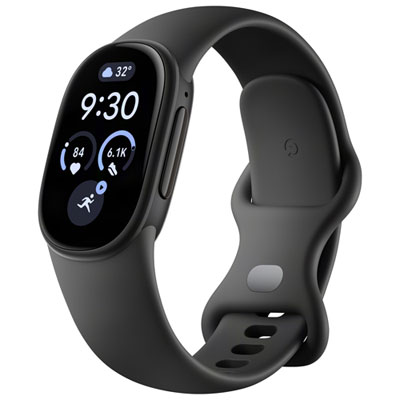 Your price for this item is $229.99
-
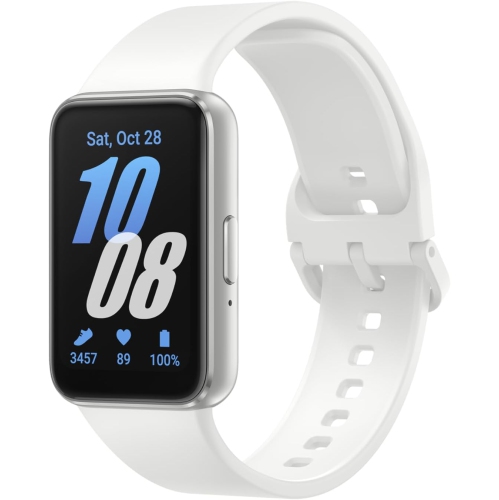 Your price for this item is $89
-
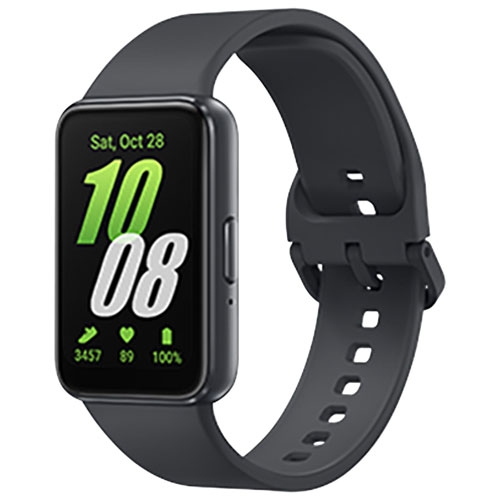 Your price for this item is $64.95
Discover more categories related to Pressure Monitors With Oximeter
Top Collections:
Best Black Friday Deals This Year, Best Black Friday Deals On Electronics, Kindle Devices, Pokemon Centers, Best Black Friday Deals On Apple Products, Best Cameras for Sports Photography, Dyson Airwrap, Pokémon 30th Celebration Cards, Apple iPhone 17 Pro, Canon G7X Cameras
Some products may be subject to Environmental Handling Fees
(EHF) depending on your province.
Learn more about EHFs.