Bluetooth Audio Sunglasses
Bluetooth audio sunglasses are revolutionizing the way we experience sound and style on the go. Seamlessly integrating wireless audio technology into fashionable eyewear, these innovative sunglasses offer a unique blend of convenience and versatility. Whether you're enjoying a sunny day at the beach or taking a stroll in the park, bluetooth audio sunglasses provide an immersive listening experience without compromising on design. Explore this selection to find the perfect pair that matches your lifestyle and keeps you connected effortlessly, all while protecting your eyes from harmful UV rays.
Sort
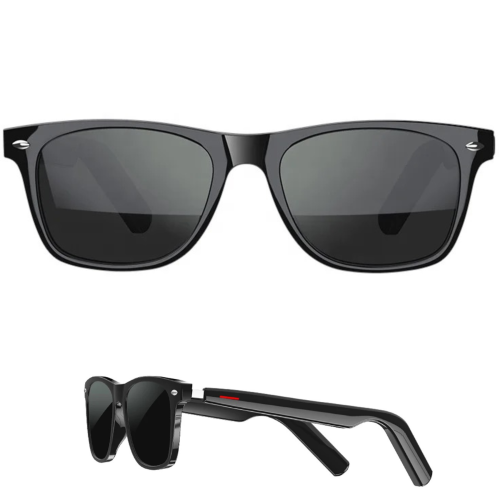
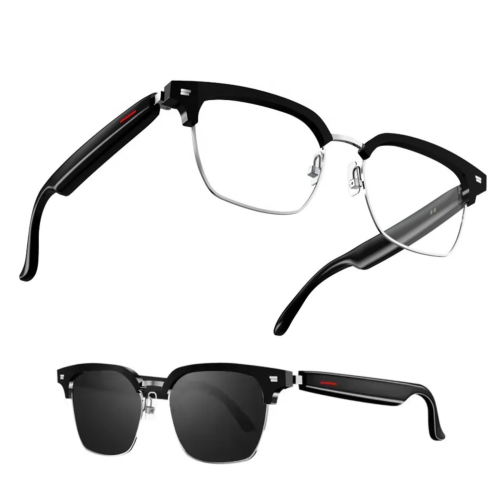
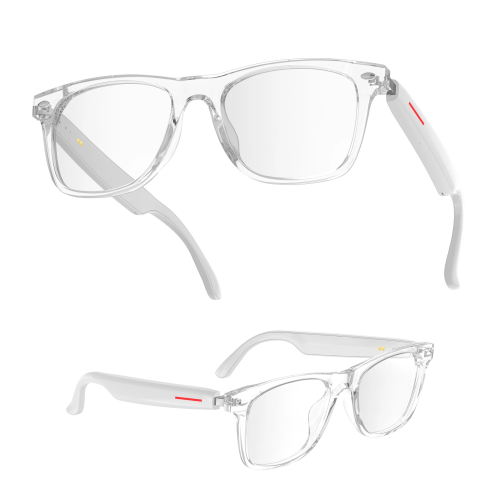
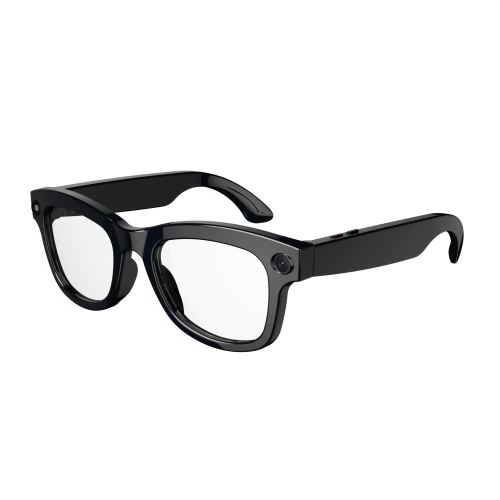

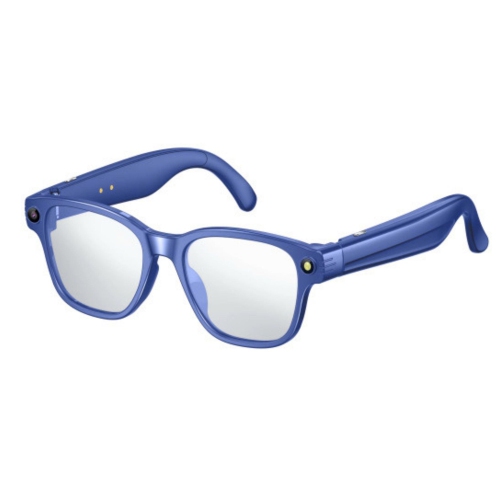


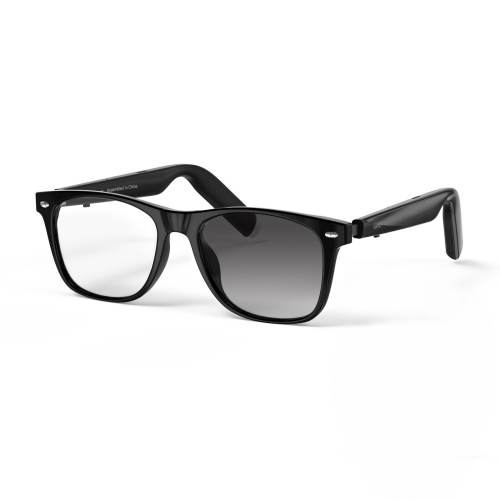


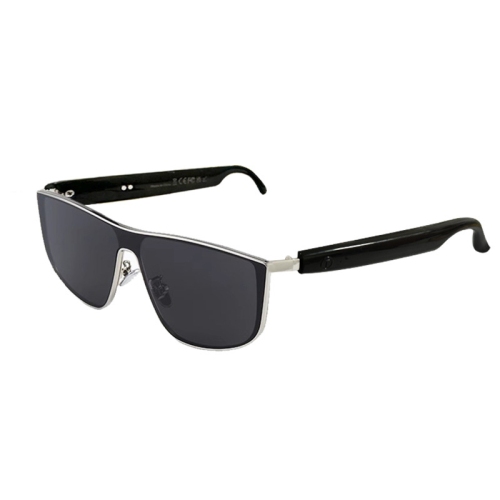


Your favourite audio without earbuds under your sunglasses
Bluetooth audio sunglasses combine tinted eyewear with wireless listening, using speakers built into the frame to play sound near the ears. A Bluetooth connection carries audio from a compatible phone or other device, while built-in microphones on many designs support hands-free calls. Unlike earbuds, open-ear audio sunglasses leave the ear canals uncovered, so music, podcasts, and spoken directions can play without an in-ear fit. Most use miniature air-conduction speakers positioned in the arms rather than bone-conduction technology, which transmits vibrations through contact with the head. This makes them appealing for people who dislike ear tips or want fewer separate accessories when heading out for a walk, taking a sightseeing tour, or spending time at a café. Picture listening to an audiobook along a familiar walking route, then pausing it with a tap on the frame before speaking to someone nearby. The convenience comes from having eyewear, speakers, and often a microphone in one wearable accessory. There are trade-offs, however: an open-ear design does not isolate sound like sealed headphones, and bass generally has less weight than it does through well-fitting earbuds or over-ear headphones. Traffic and other background noise can make dialogue harder to follow, particularly at lower listening levels. Audio may also be audible to people close by, especially when the volume is raised, so these sunglasses should not be treated as private listening devices. Keeping the ears uncovered can help retain awareness of surrounding sounds, but playback can still distract or mask important cues. Moderate volume, paused audio at crossings, and attention to local rules remain important. For everyday use, the best match depends on whether the priority is spoken content, casual music listening, brief calls, or a comfortable alternative to wearing sunglasses and earbuds together. They are a distinct type of wearable audio accessory rather than a direct replacement for every pair of headphones.
Lens quality and frame fit matter just as much as the electronics in Bluetooth sunglasses. A dark tint alone does not establish ultraviolet protection; an explicit UV400 or 100% UVA and UVB protection rating provides a more useful basis for assessing the lenses. Polarized lenses can reduce reflected glare from surfaces such as water and pavement, but polarization and UV protection are separate properties. Polarization can also affect the visibility of some phone screens and displays when viewed at certain angles. Lens colour influences how a view appears, while lens size and frame shape affect coverage around the eyes. Anyone who wears corrective lenses should check whether a frame supports prescription replacements and whether those lenses must be fitted through a specified provider. Not every audio frame can accept them, and changing lenses without following the maker’s directions can damage the eyewear. Fit deserves particular attention because batteries, speakers, and controls add bulk to the arms. A frame should sit securely across the bridge without sliding, pinching behind the ears, or pressing against the temples. Listed frame width, bridge width, and arm length can help establish how a design compares with a comfortable pair already worn. Speaker position also matters: a frame that sits differently on the face may change how clearly sound reaches the ears. Lightweight plastic or nylon frames are common, while hinges and other components may use metal for structural support. Material names alone do not establish durability; hinge construction, lens coatings, and the way the frame distributes its weight all contribute to daily comfort and wear. For longer walks or active use, secure nose pads and a stable fit can be more useful than a loose fashion-oriented shape. Compatibility with a hat or helmet may also matter, since thicker arms can create pressure where accessories overlap. For gifting, familiar frame dimensions and a preferred eyewear shape are helpful starting points, particularly when the recipient will wear the sunglasses for several hours at a time.
Wireless features determine how smoothly audio sunglasses fit into a daily routine. Compatibility with the intended phone should be checked alongside support for calls, media playback, and any companion app. A newer Bluetooth version does not, by itself, guarantee better sound, longer range, or a more reliable connection; speaker design, software, and the paired device also affect performance. Some frames use physical buttons, while others rely on touch-sensitive areas along the arms. Accessible controls for pausing playback, adjusting volume, and answering calls reduce the need to reach for a phone, although the exact commands vary. Voice assistant access may require a compatible phone, permissions, and an internet connection for certain requests. Microphone placement and processing influence call clarity, so hands-free calling is best understood as a convenience rather than a promise of clear speech in every setting. Battery specifications also need context: music playback time, call time, and standby time describe different uses, and listening volume can affect how long a charge lasts. Enough playback for a short commute may not cover a full day of outings. Charging methods vary, with some frames using dedicated magnetic cables or contact-based chargers that need to be kept with the eyewear. A protective case helps prevent scratched lenses and bent arms inside a bag, but it should not be assumed to recharge the glasses unless that function is stated. For care, a clean microfibre cloth and lens-safe cleaning methods help protect coatings; charging contacts should stay clean and dry. Water-resistance ratings apply only to specified conditions and do not automatically make the frames suitable for swimming or rinsing under a tap. Follow the maker’s cleaning directions, avoid harsh solvents, and inspect hinges and charging points periodically. With suitable fit and care, audio sunglasses can be a thoughtful gift for a podcast listener, frequent walker, or traveller who prefers open-ear sound. They are intended for awake, everyday wear rather than resting against a pillow; for a different listening routine, Bluetooth Sleep Headphones offer a separate category focused on bedtime listening.
Top selling and popular products
-
 Your price for this item is $559
-
 Your price for this item is $39.97
-
 Your price for this item is $59.99
-
 Your price for this item is $89
-
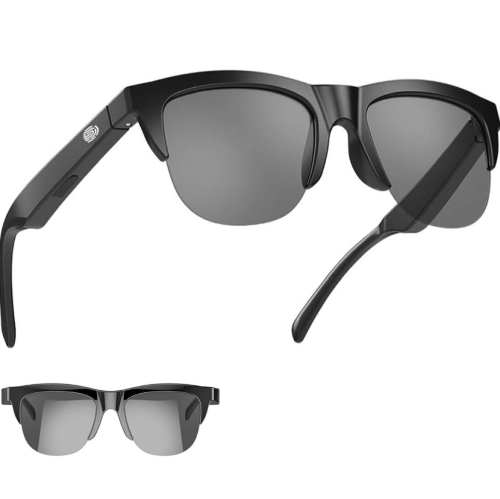 Your price for this item is $49.9
-
 Your price for this item is $79.9
-
 Your price for this item is $79.9
-
 Your price for this item is $45.99
Discover more categories related to Bluetooth Audio Sunglasses

Top Collections:
Pokemon Centers, Best Cameras for Sports Photography, Kindle Devices, Samsung Galaxy Phones, Canon G7X Cameras, Pokémon 30th Celebration Cards, Refurbished Apple Laptops, iPhone 15 Apple, Laptops for Students, Budget Smartphones
Some products may be subject to Environmental Handling Fees
(EHF) depending on your province.
Learn more about EHFs.