Fitbit Activity Trackers for Health and Fitness
Fitbit activity trackers for health and fitness are designed to help you stay motivated and reach your wellness goals. With a variety of models to suit different lifestyles, these innovative devices make it easy to monitor your daily routine and track your progress. Explore options that fit seamlessly into your day, whether you're at the gym, at work, or on the go. Discover how Fitbit activity trackers for health and fitness can support your journey toward an active lifestyle.
Sort
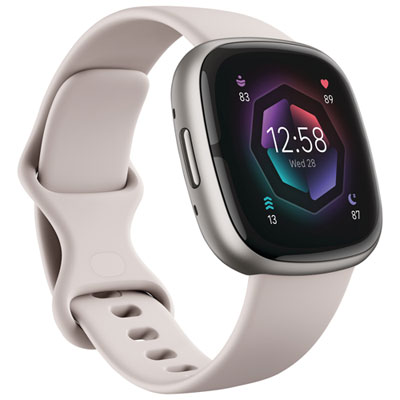
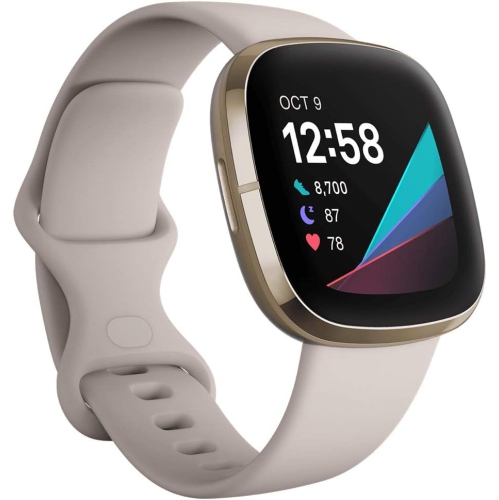
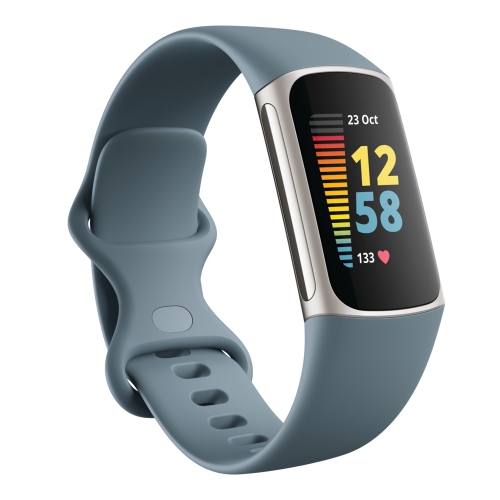
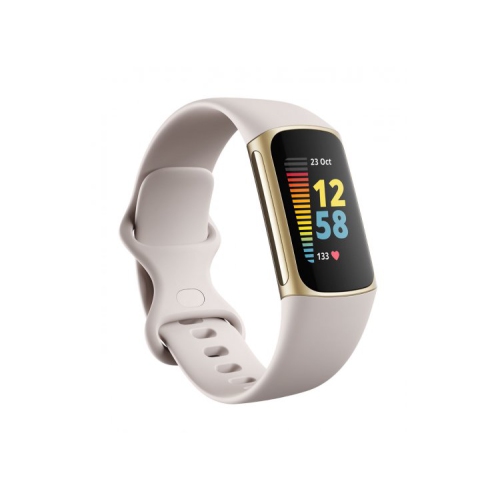

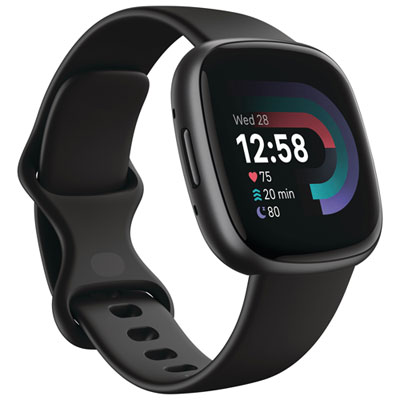
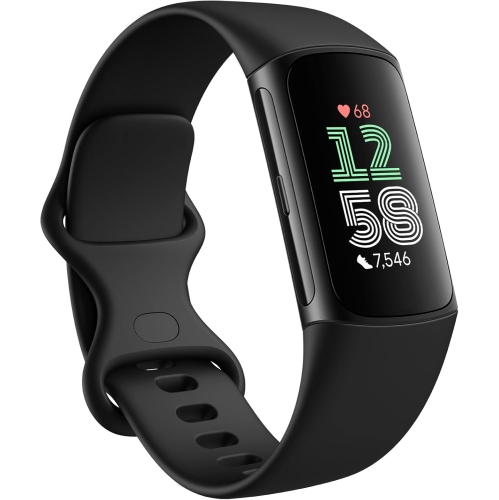
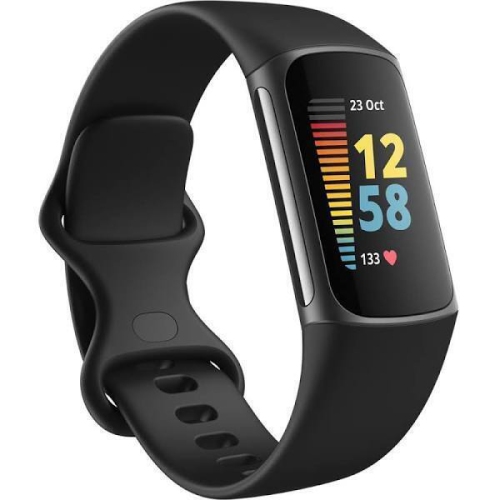
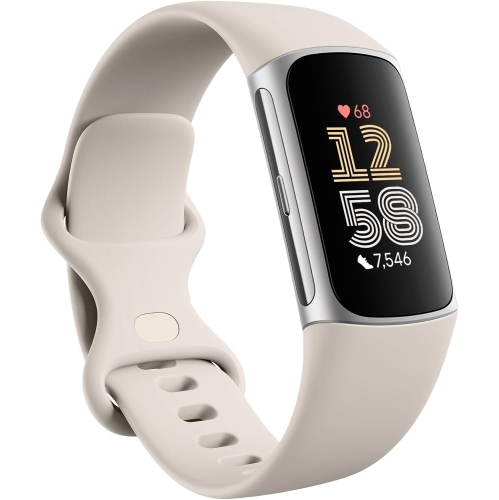
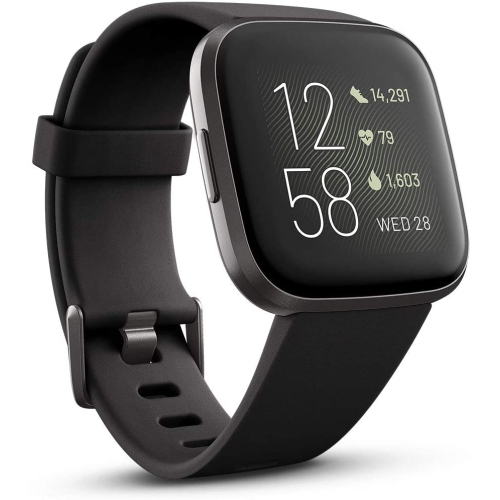
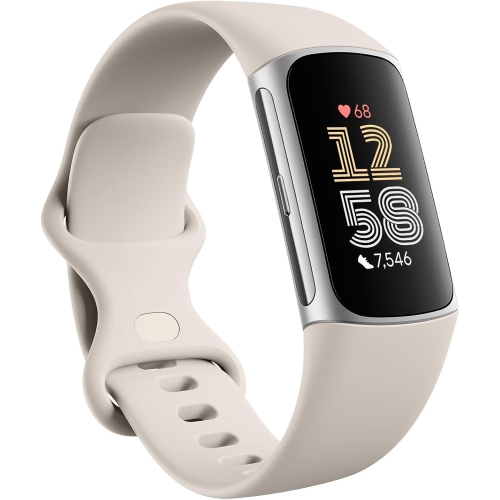
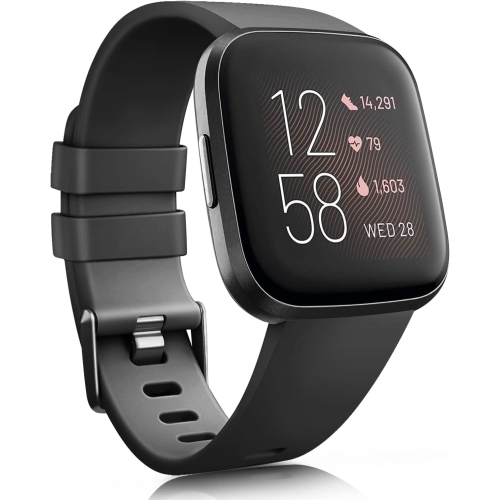
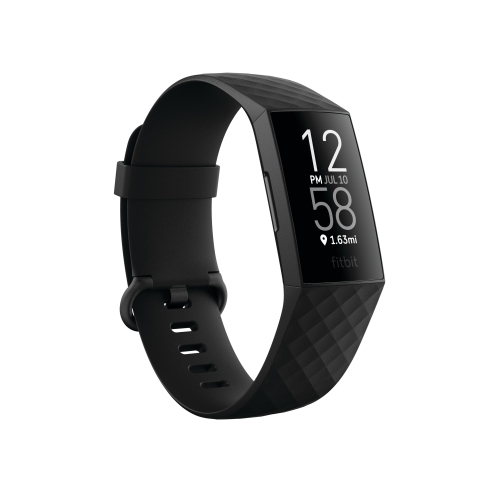
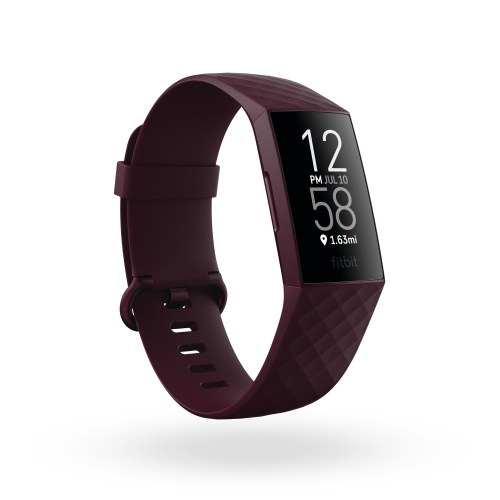
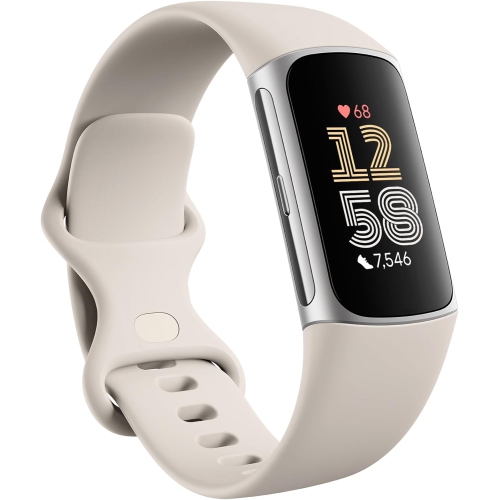
The bigger picture behind your steps and sleep
Activity trackers bring movement, exercise and everyday wellness information together in a wrist-worn device that can become part of a familiar routine. Step counts, distance estimates, active minutes and reminders to move can make daily activity easier to recognize, whether that activity comes from a dedicated workout, a lunchtime walk or several short trips up the stairs. Models with continuous heart rate monitoring add another layer of context, showing how the heart responds to exercise and how resting measurements change over time. These readings are most useful as personal trends rather than isolated numbers: a demanding workout, a restless night or a change in routine can all affect what appears on the screen. Sleep tracking can help put those patterns into perspective by estimating sleep duration, interruptions and, on supported devices, time spent in different sleep stages. Some trackers also offer guided breathing, stress-related insights or blood oxygen estimates, although features, regional eligibility and usage requirements vary. These tools support general wellness awareness and do not replace medical assessment, diagnosis or treatment. The appeal is often less about collecting every possible measurement and more about making useful information easy to revisit. Someone building a walking habit might appreciate a clear daily activity summary, while a regular exerciser may be more interested in workout duration and heart rate zones. A compact display can provide a quick progress check without opening a phone, and a companion app can show longer-term patterns in greater detail. Estimated calorie expenditure and automatic activity recognition can provide additional context, but neither should be treated as an exact record of every movement or energy need. Consistent wear and realistic goals generally make the information more meaningful than comparing results with another person. For many routines, the most helpful tracker is one that presents a manageable set of measurements clearly enough to support small, repeatable habits.
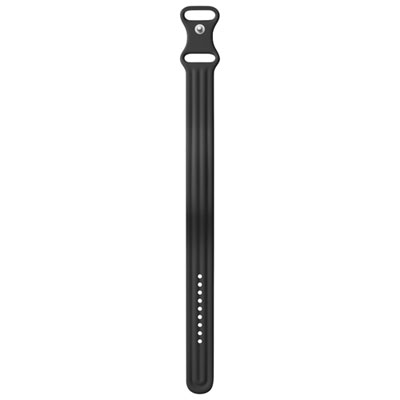
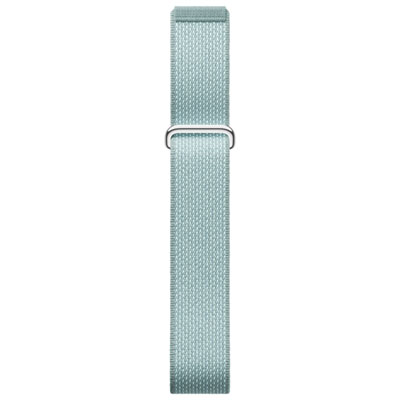
The physical design matters just as much as the feature list because an activity tracker may stay on the wrist through desk work, exercise and sleep. Slim wristbands tend to feel unobtrusive under a sleeve, while wider, watch-style designs can provide more room for workout statistics, notifications and touch controls. Screen brightness, text size and the ease of waking the display all affect how comfortable a device is to use during a quick glance. A secure fastening and an appropriate band length help keep the sensors in steady contact with the skin without making the wrist feel restricted. A comfortable everyday fit usually leaves a little room for movement; exercise may call for a slightly snugger adjustment, following the device’s fit instructions. Smooth silicone bands are practical for sweaty sessions because they are generally easy to wipe clean, while woven bands can offer a softer feel for everyday wear. Metal bands and decorative accessories may suit a different look, but their weight, closures and care requirements can change the wearing experience. Where bands are interchangeable, the attachment system and supported sizes determine which replacements will fit. For exercise, useful differences include the range of supported workout modes, whether activities can be detected automatically and how easily a session can be started or paused. Built-in GPS can record a route without relying on a phone’s location connection, while connected GPS generally requires a compatible phone nearby. Either approach can be useful for walks and runs, depending on whether carrying a phone is part of the routine. Water resistance also deserves a close look: resistance to splashes does not automatically mean a tracker is suitable for swimming, and any supported water activity must match the device’s stated rating and instructions. Repeated contact with exercise equipment, moisture and clothing makes secure construction and a comfortable band particularly relevant to daily durability.
Everyday ownership also involves charging, phone compatibility and simple care habits that keep a tracker pleasant to wear. Multi-day battery life can make continuous activity and sleep tracking more convenient, but actual runtime depends on settings and use. Frequent GPS workouts, an always-on display, notifications and other enabled features can shorten the time between charges. A brief charging routine during a shower or another regular break may help reduce gaps in the record, provided the device is dry before it is connected to its charger. A compatible smartphone, companion app and account may be needed for setup, syncing and access to detailed summaries. Phone operating system requirements, notification support and app permissions can affect how smoothly those features work together. Some expanded insights or services may require a separate subscription, so included functions and optional services are worth distinguishing when comparing devices. Care is usually straightforward: wipe the device and band as directed, remove sweat and residue, and allow both the wrist and wearable to dry before putting the tracker back on. Harsh cleaners, abrasive cloths and unapproved charging accessories can damage finishes, bands or contacts. Giving the skin a break and adjusting the fit can also help reduce irritation from prolonged wear; persistent discomfort is a reason to stop wearing the device and seek appropriate advice. Activity trackers can be thoughtful gifts for someone who enjoys walking, trains regularly or likes seeing progress laid out in a clear visual format. The recipient’s wrist size, phone compatibility and preferred balance of simplicity and detail matter more than a long list of features they may never use. The broader selection of Fitbit Wearables for Everyday Fitness offers another way to explore wrist-worn options for daily movement and wellness routines. A tracker that feels comfortable, fits naturally into the day and makes its information easy to understand is more likely to remain useful beyond the first few workouts.
Top selling and popular products
-
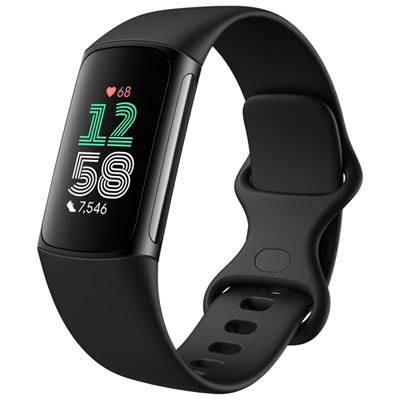 Your price for this item is $219.99
-
 Your price for this item is $199.99
-
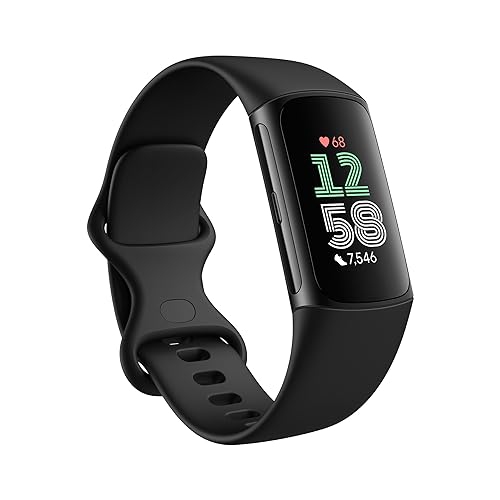 Your price for this item is $199.99
-
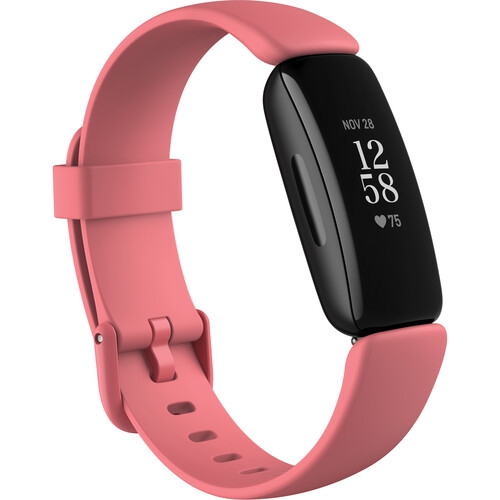 Your price for this item is $99
-
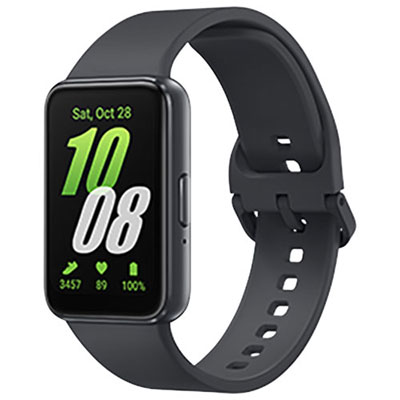 Your price for this item is $79.99
-
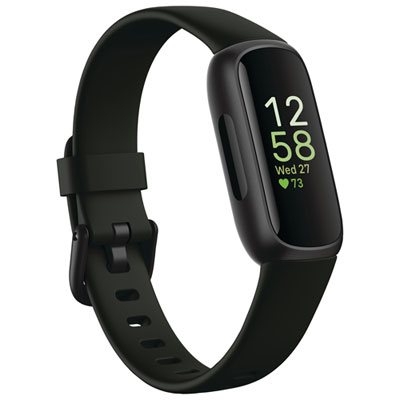 Your price for this item is $129.99
-
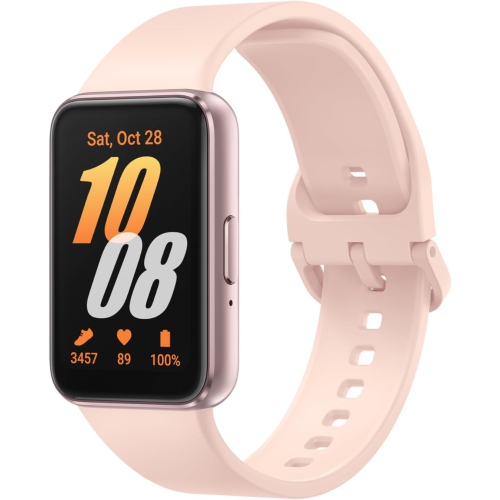 Your price for this item is $79
-
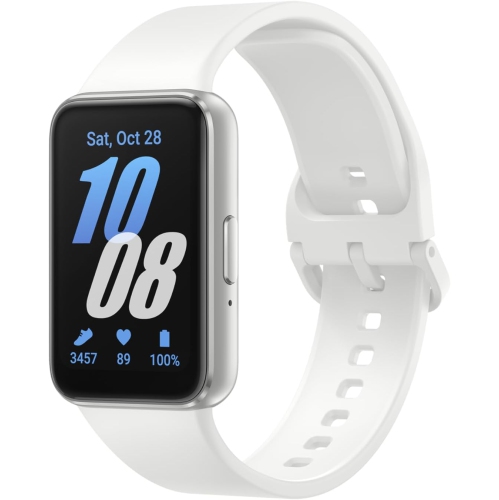 Your price for this item is $67
Discover more categories related to Fitbit Activity Trackers for Health and Fitness


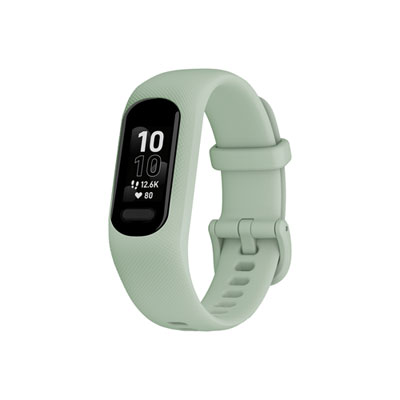
Top Collections:
Pokemon Centers, Best Cameras for Sports Photography, Kindle Devices, Samsung Galaxy Phones, Canon G7X Cameras, Pokémon 30th Celebration Cards, Refurbished Apple Laptops, iPhone 15 Apple, Laptops for Students, Budget Smartphones
Some products may be subject to Environmental Handling Fees
(EHF) depending on your province.
Learn more about EHFs.