Fitness And Health Trackers
Stay on top of your fitness goals and monitor your health with our wide selection of fitness and health trackers. Whether you're a seasoned athlete or just starting your wellness journey, these devices are designed to help you track your steps, monitor your heart rate, analyze your sleep patterns, and much more. With advanced features and sleek designs, our range of fitness and health trackers will keep you motivated and informed as you strive for a healthier lifestyle. Explore our collection today and find the perfect tracker to support your fitness and well-being goals.
Sort














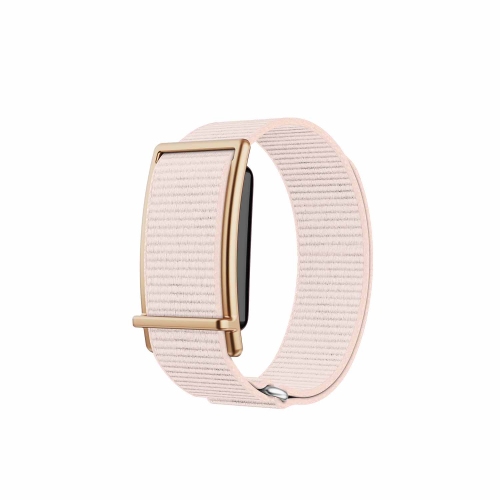


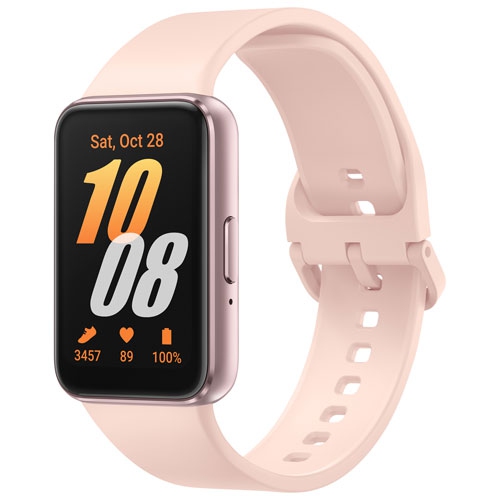

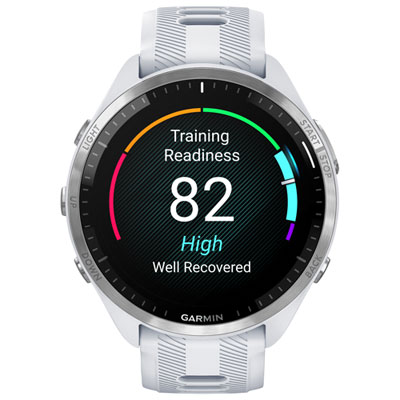

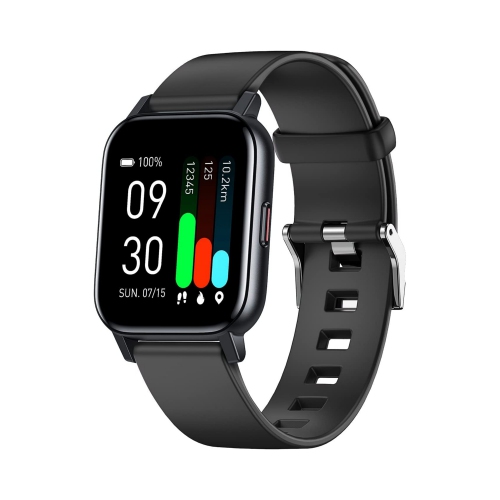









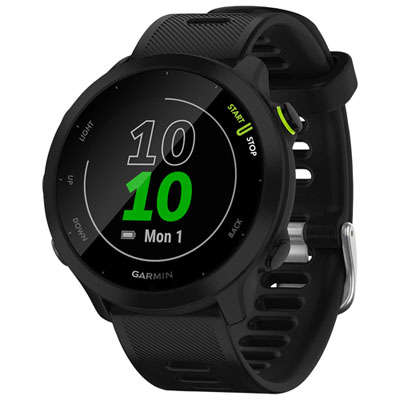

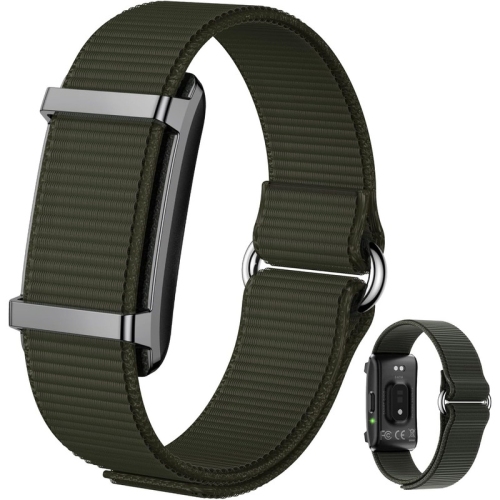

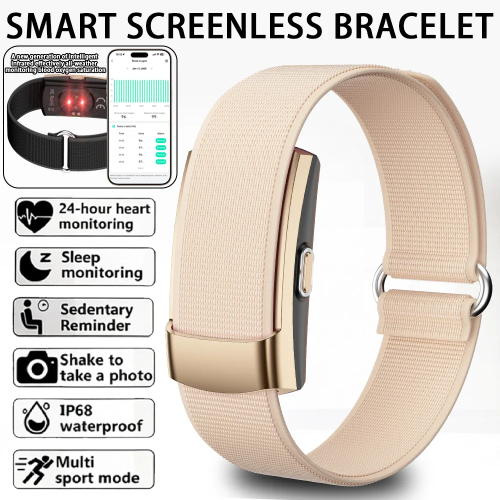
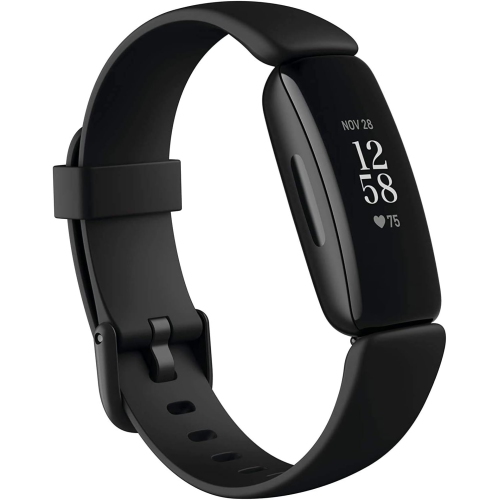






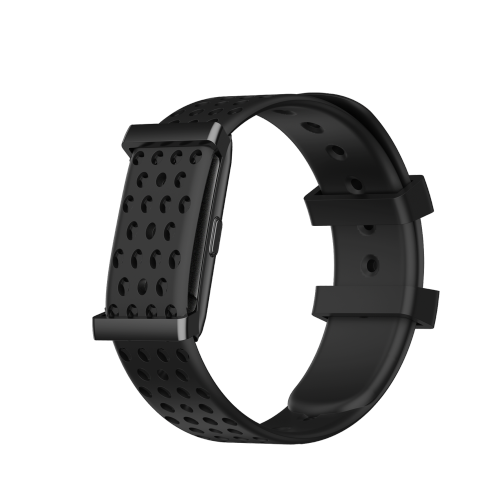
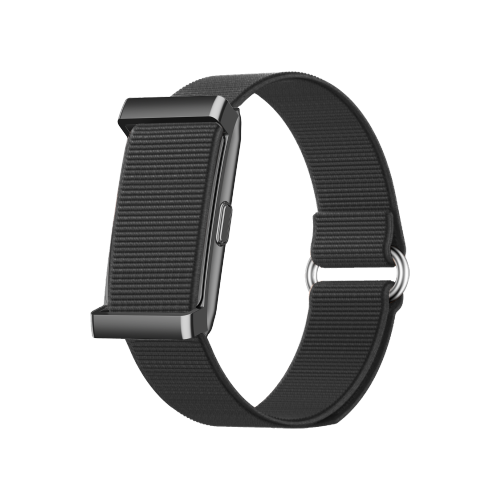

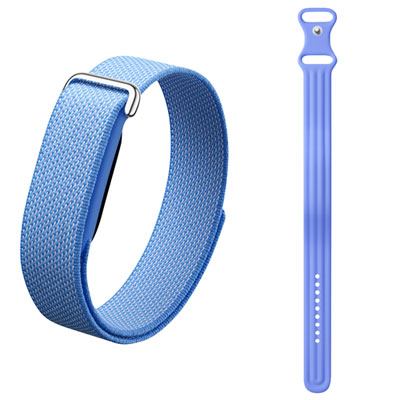
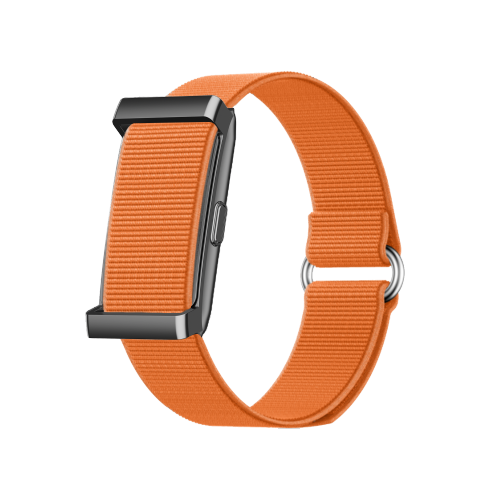
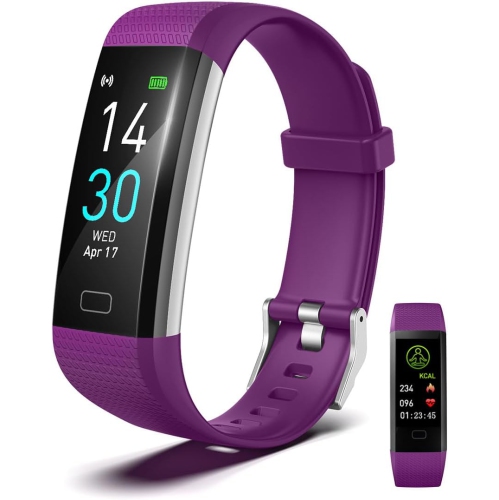
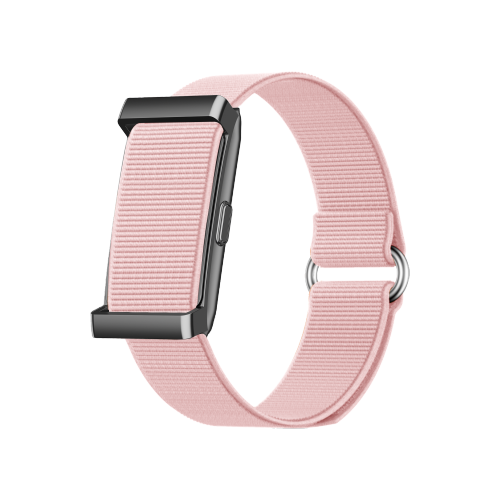


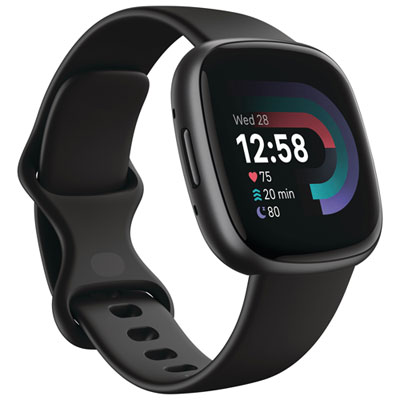
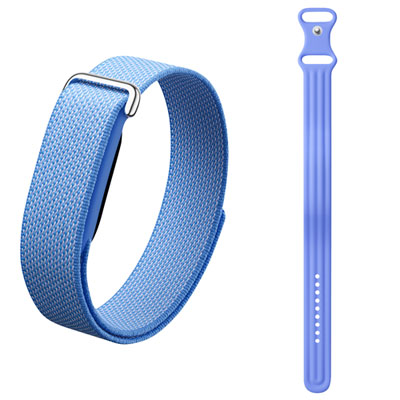








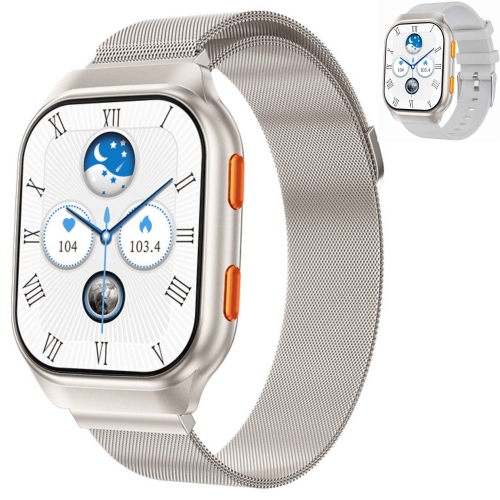

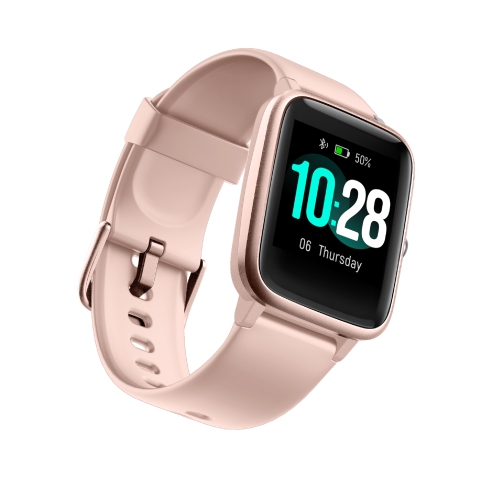

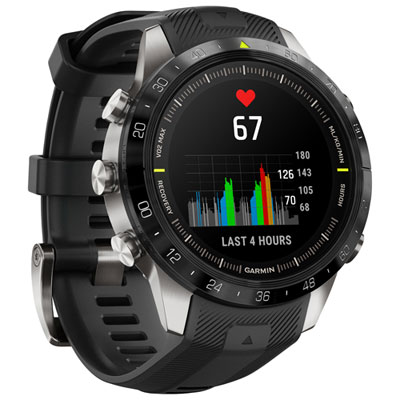
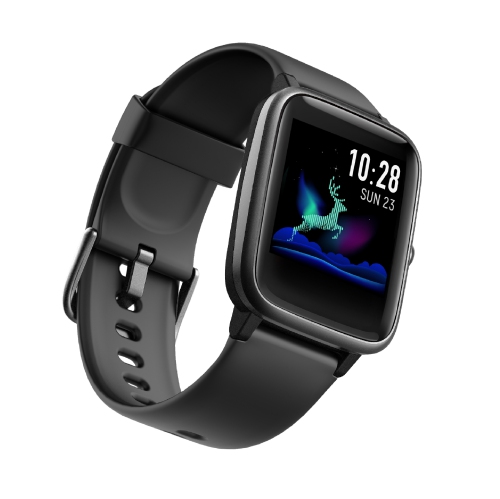









What everyday movement and sleep patterns can reveal
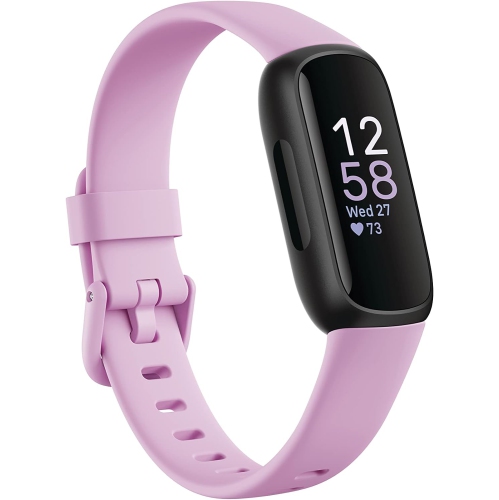
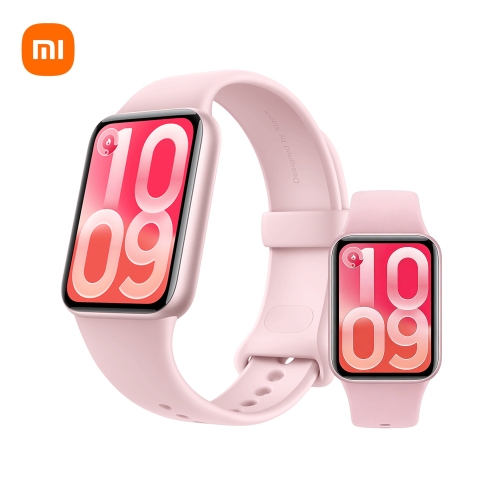
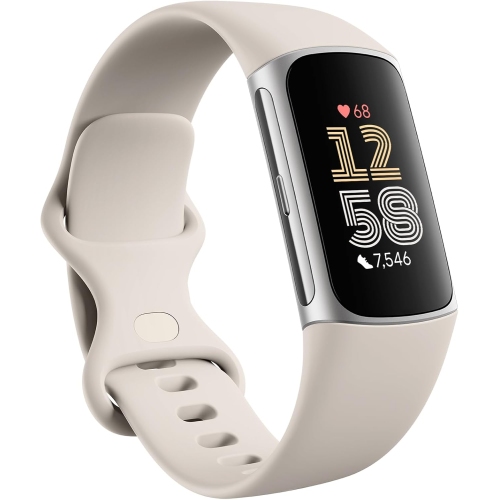
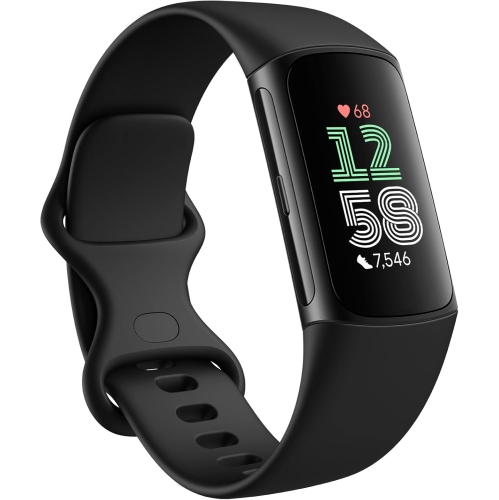
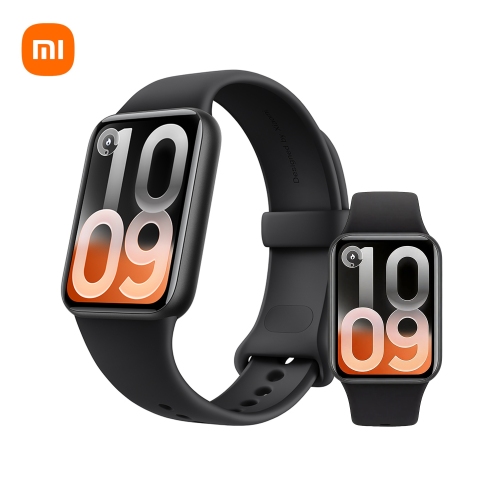
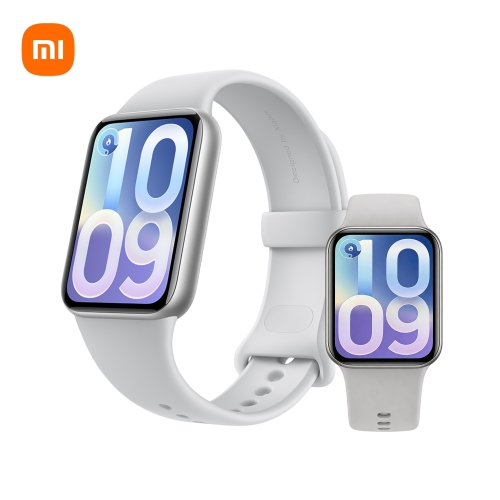
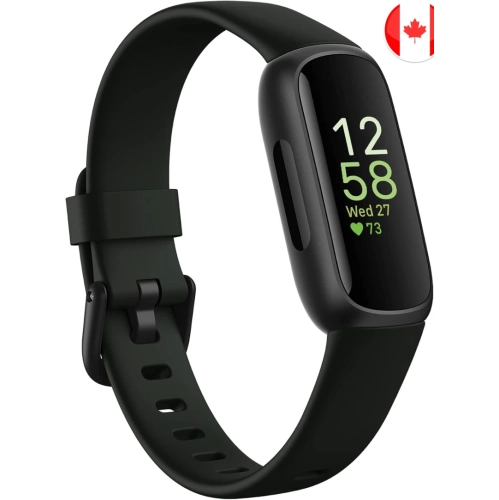
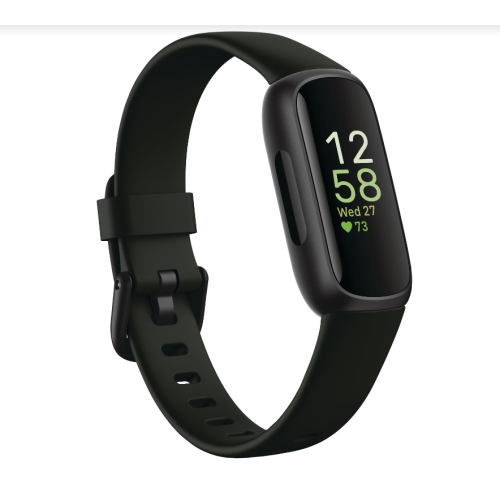
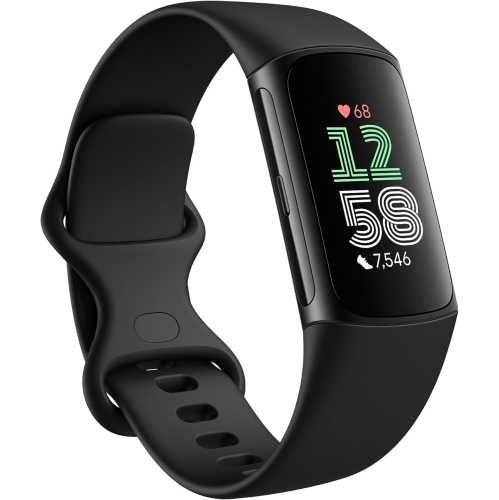
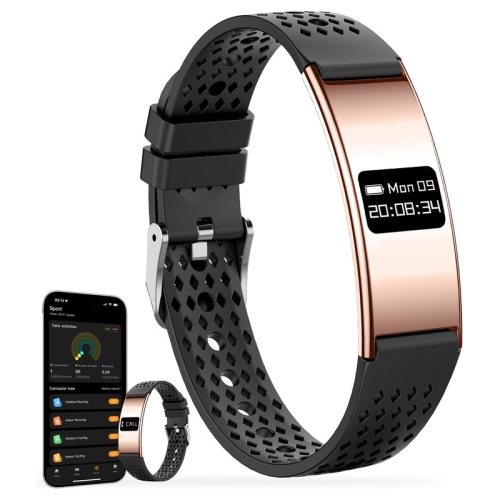
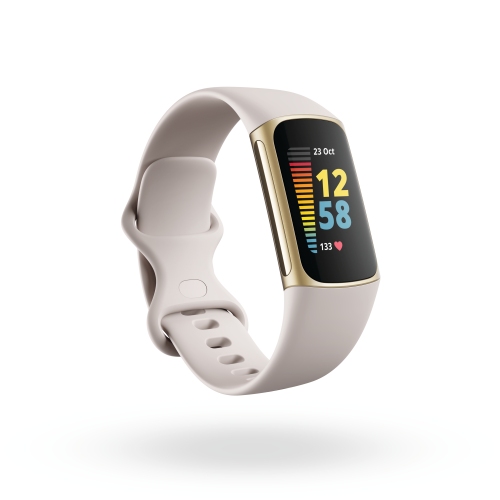
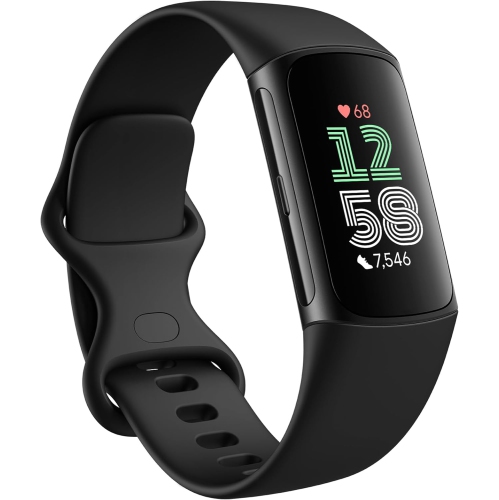
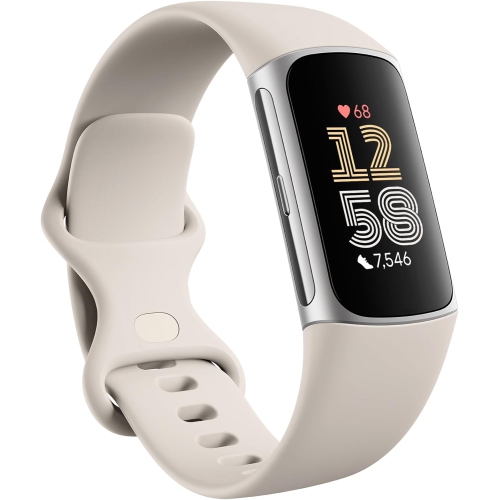
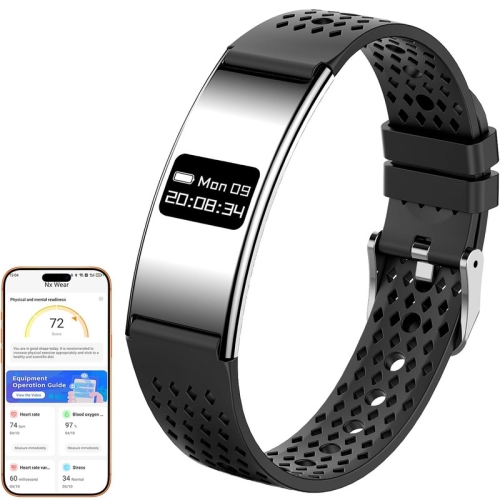
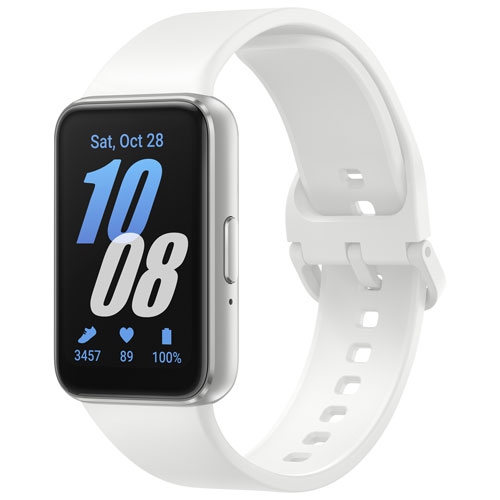
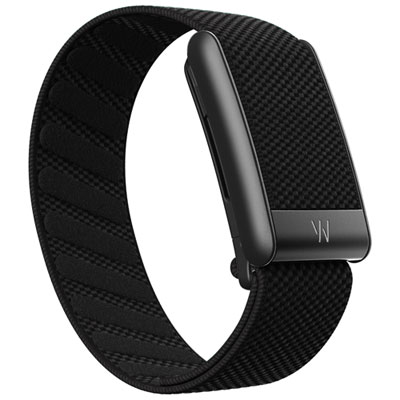
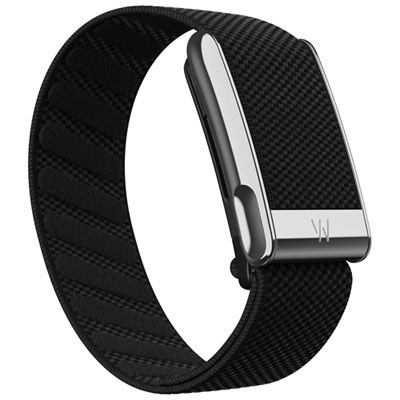
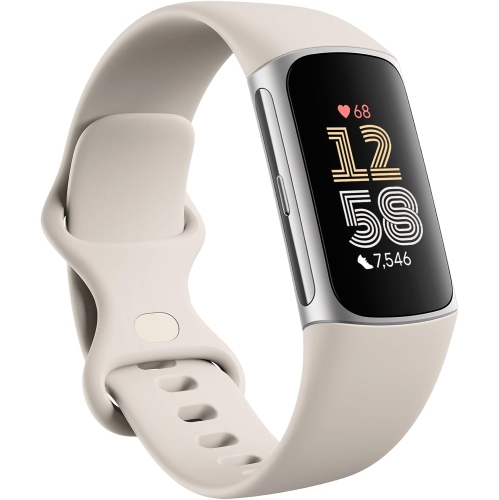
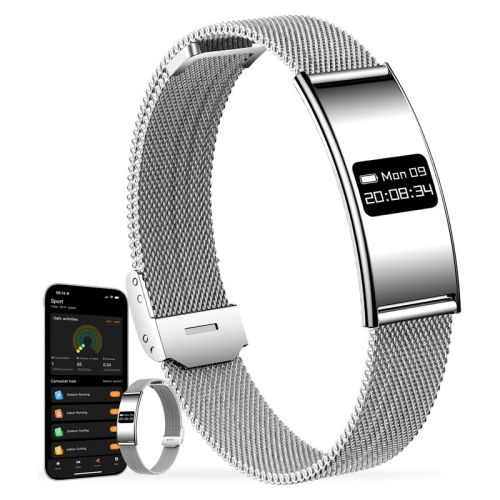
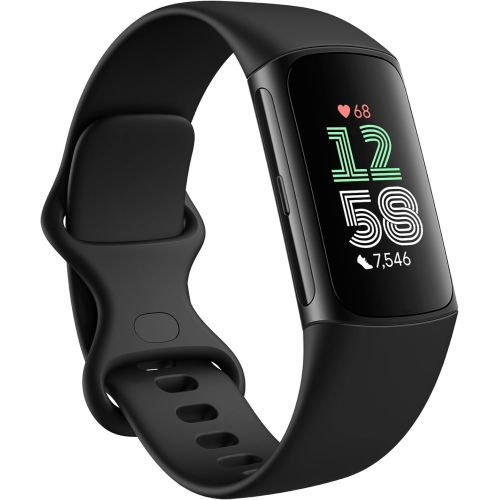
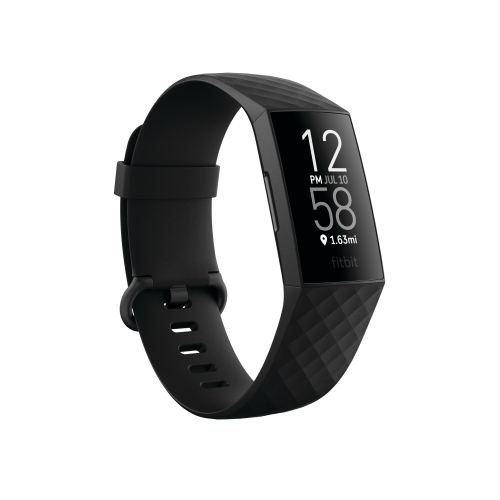
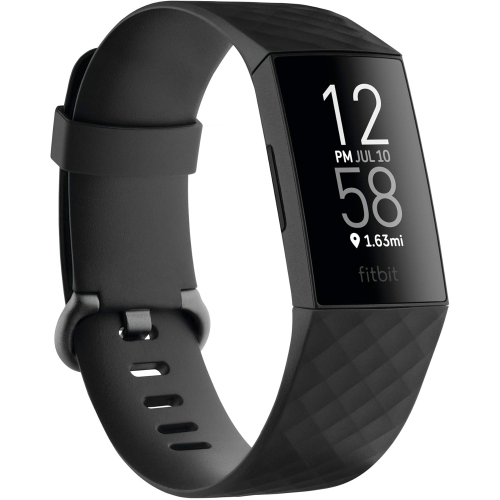
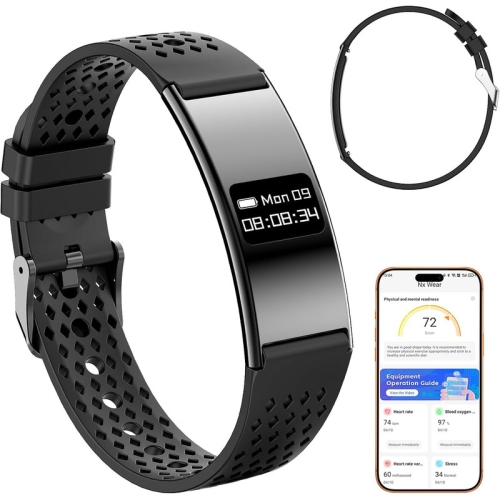
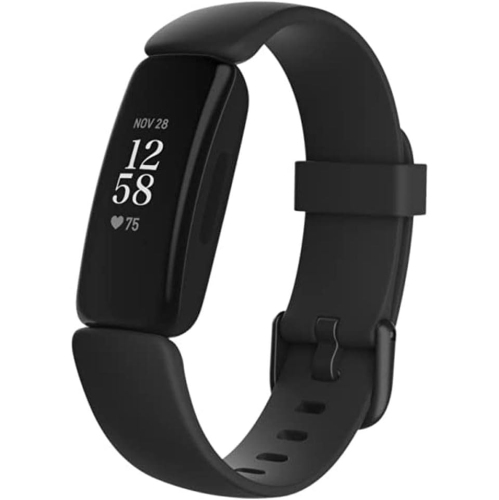
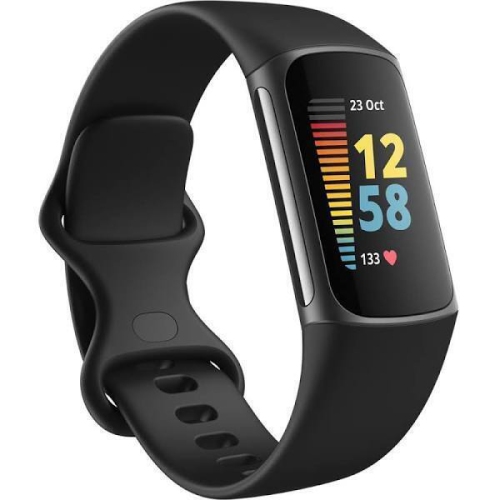
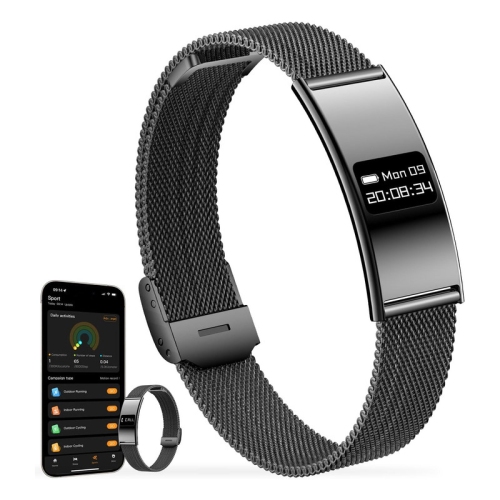
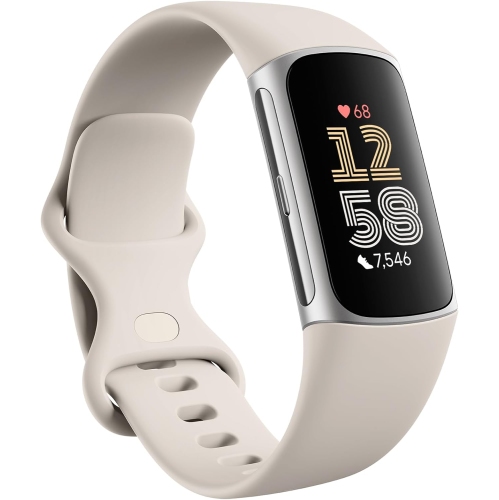
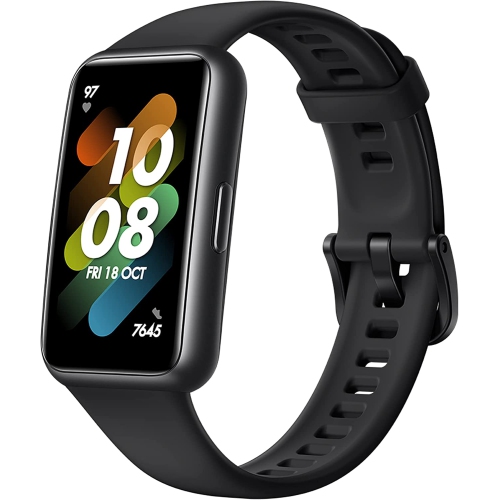
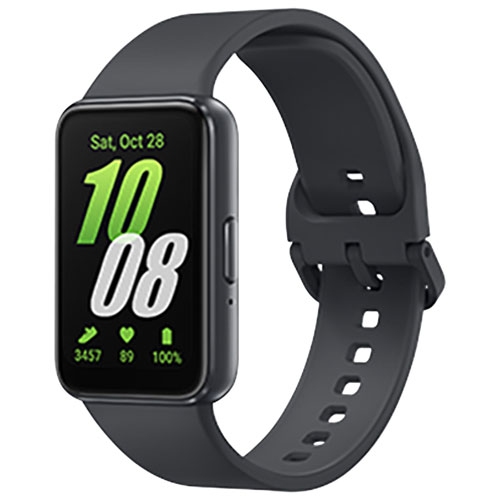
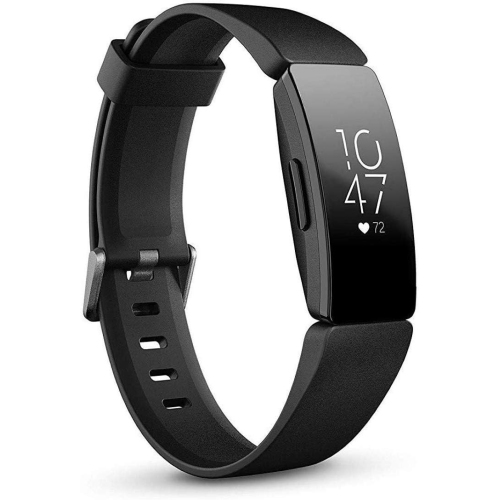
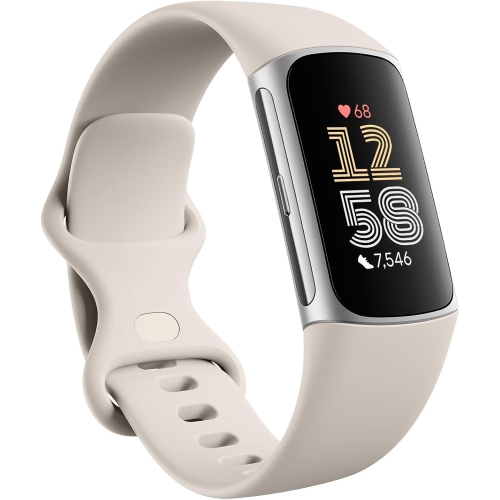
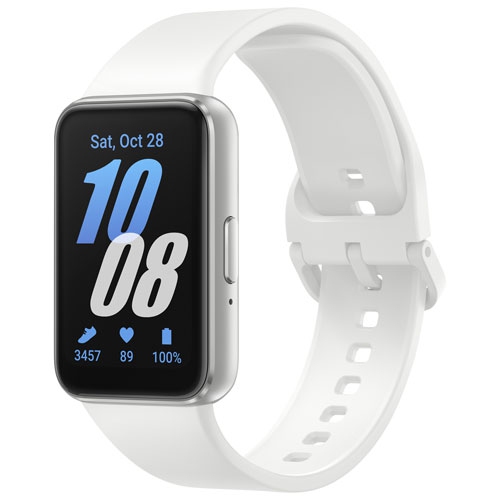
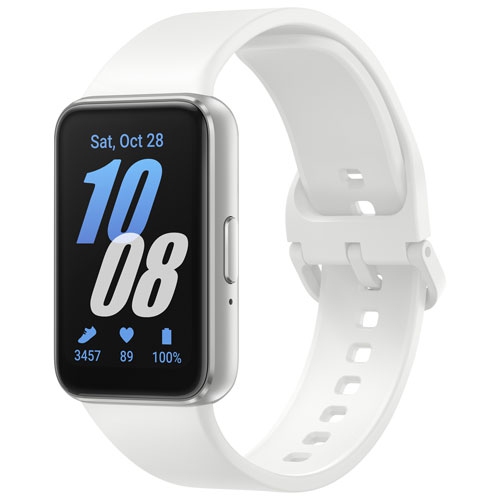
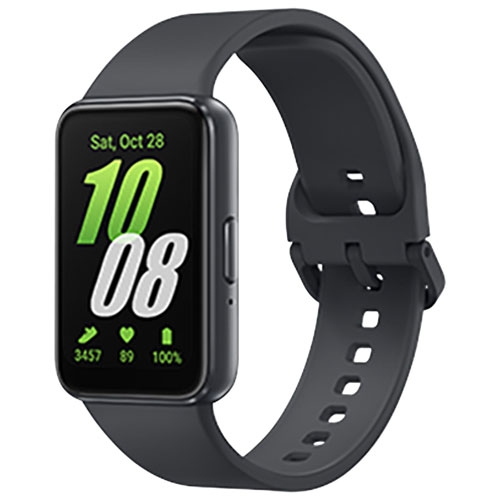
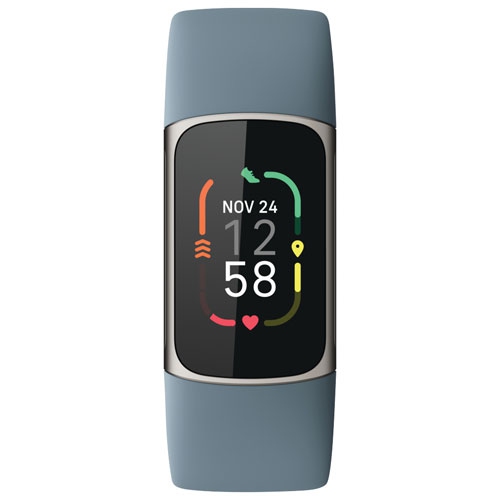
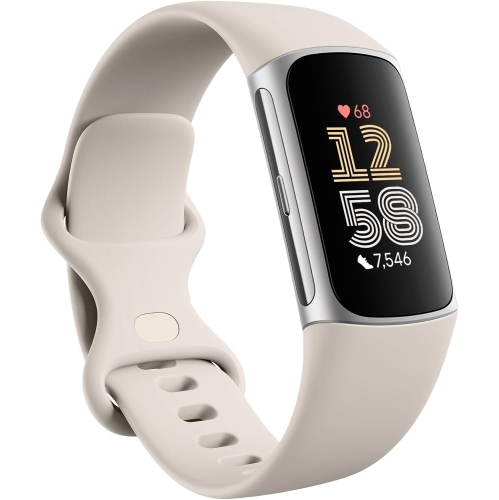
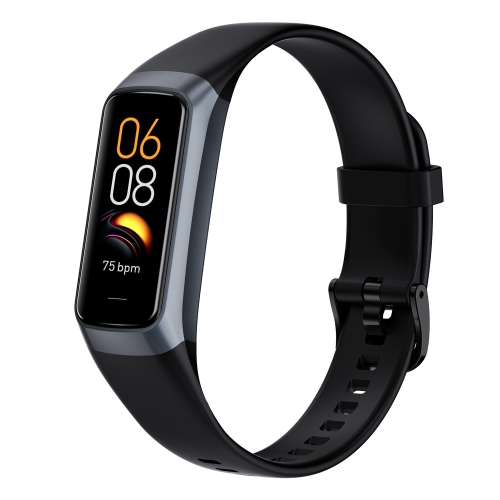
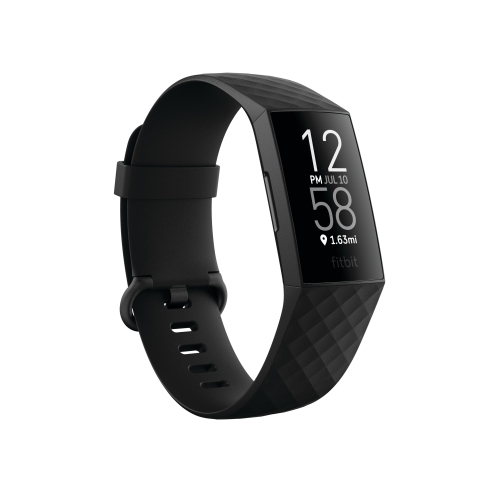
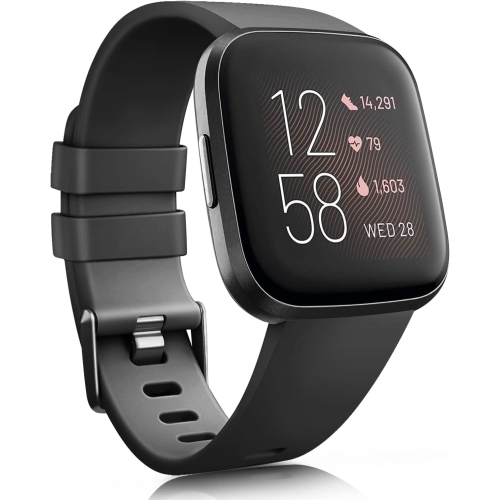
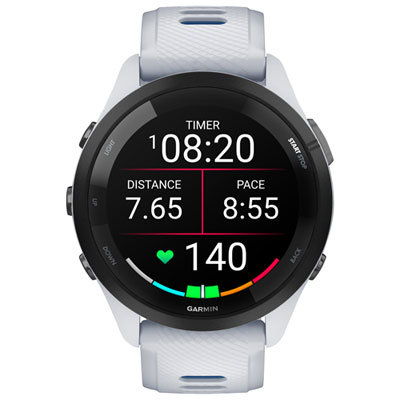
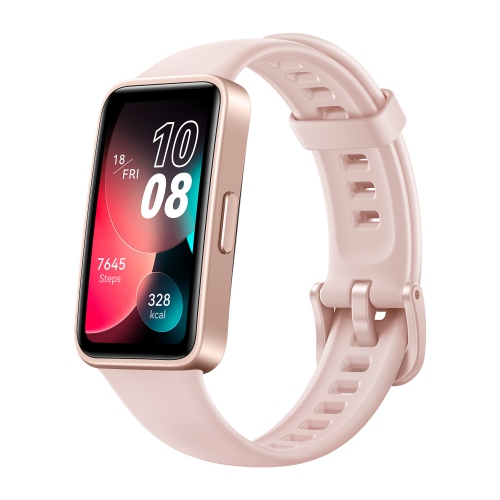
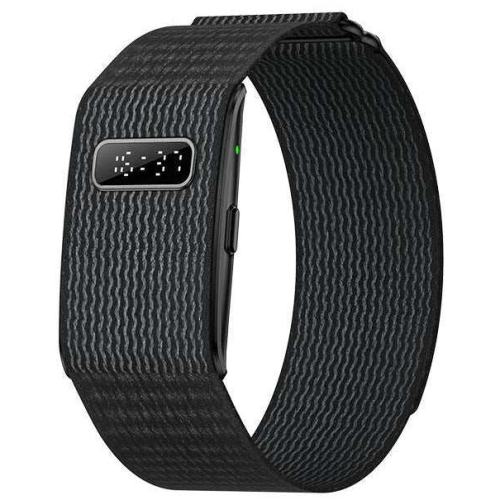
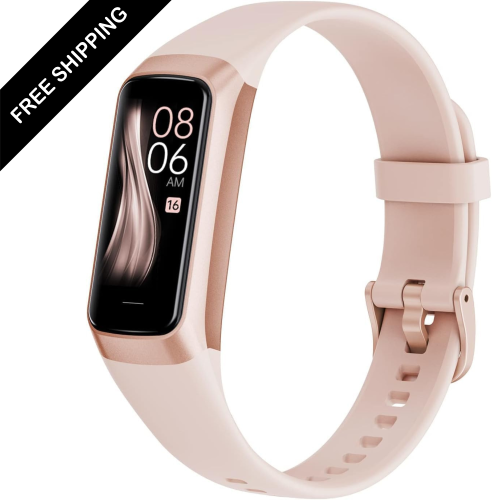
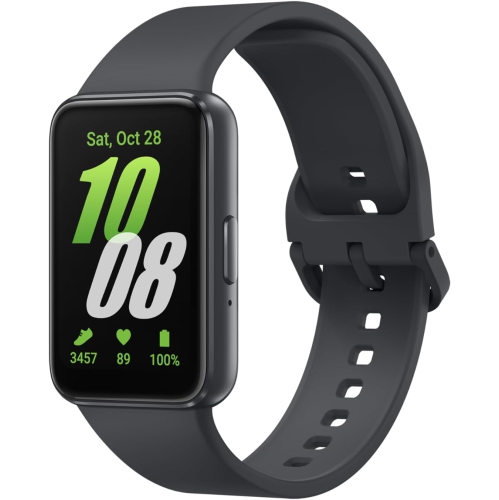
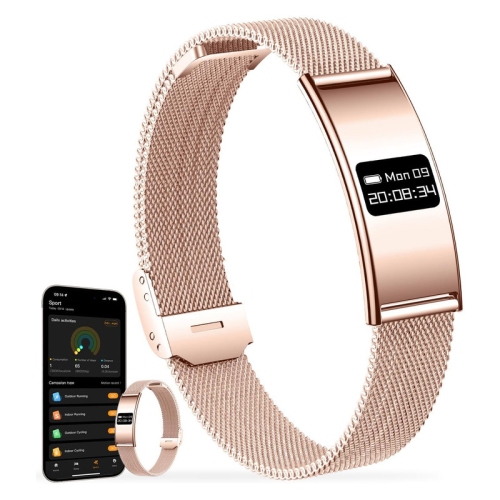
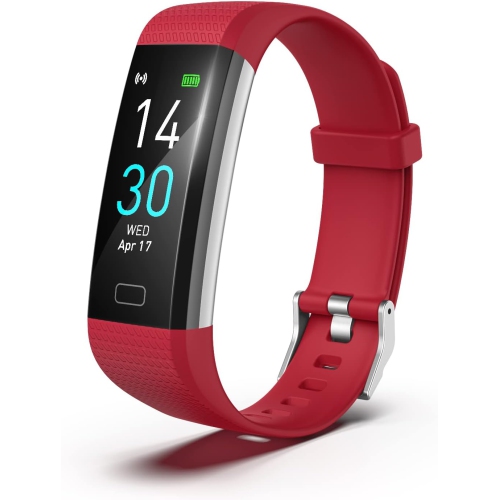
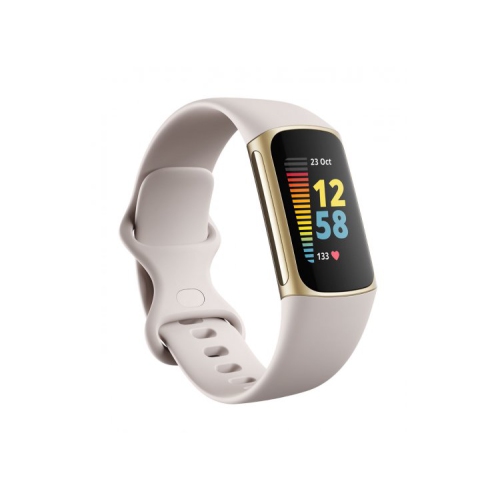
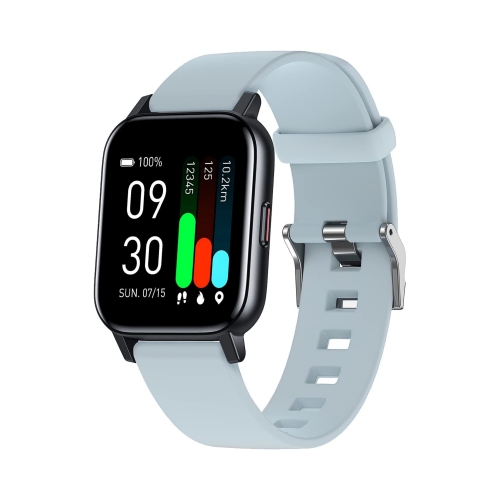
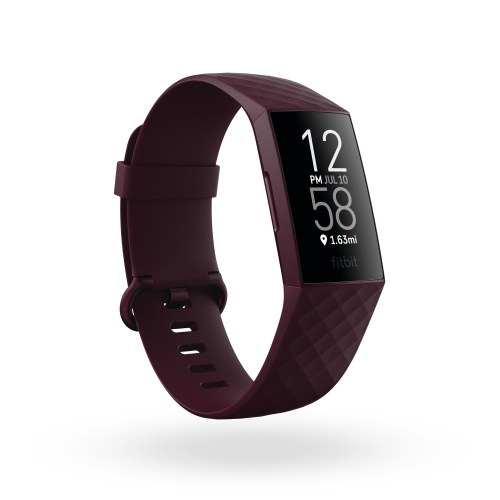
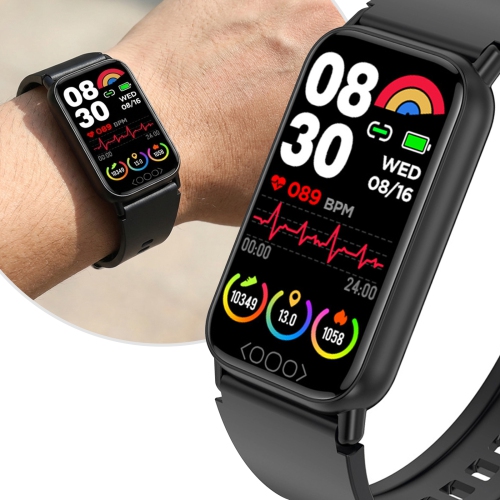
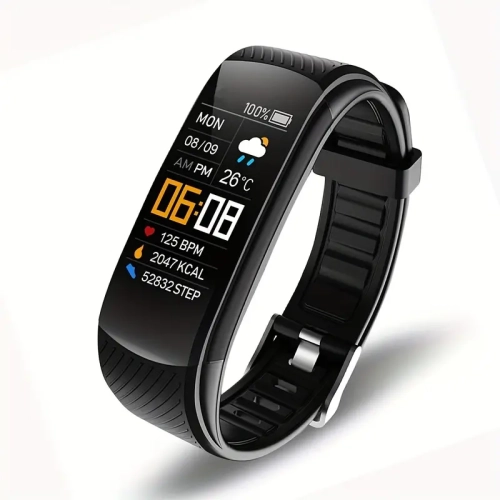
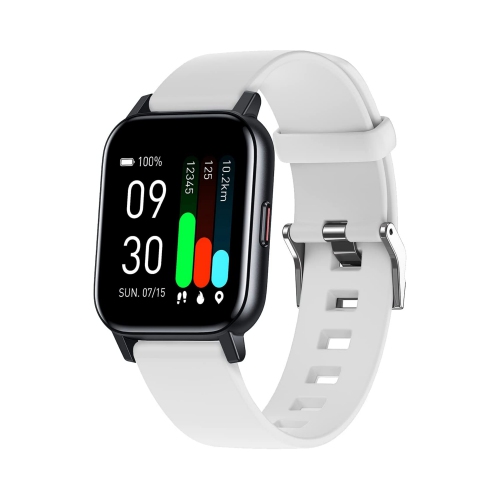
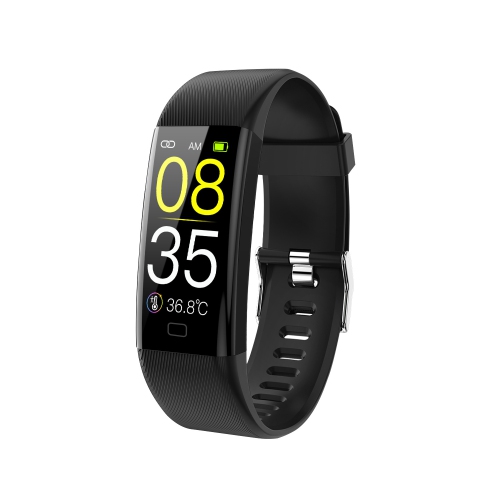
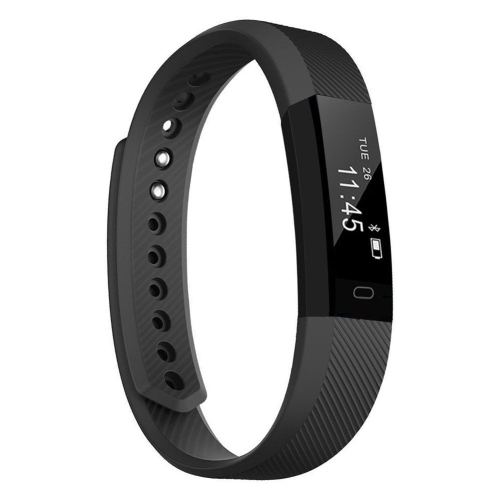
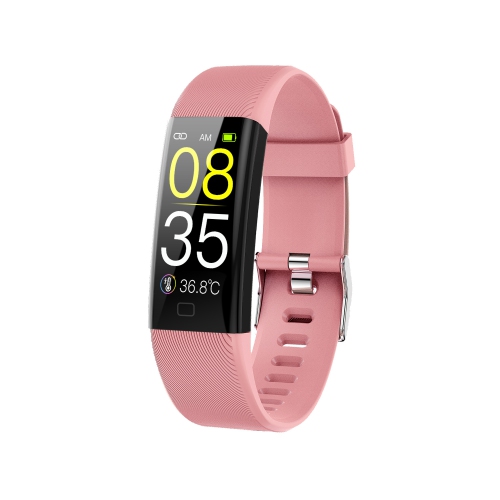
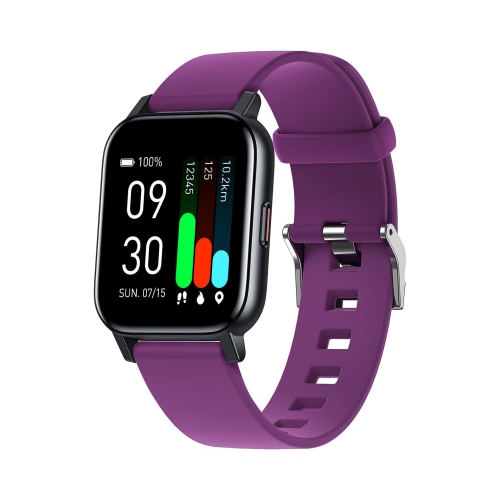
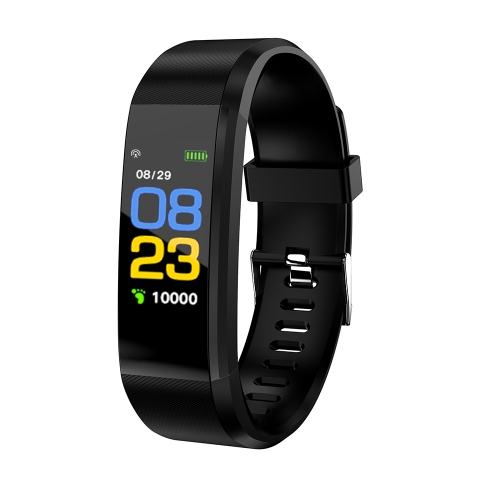
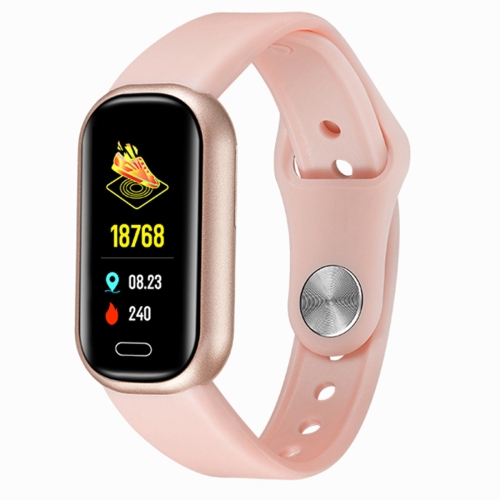
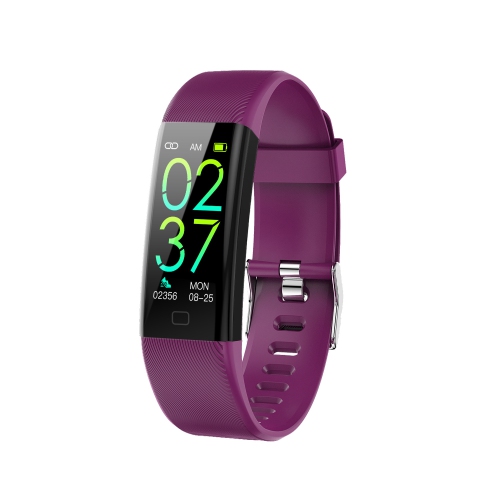
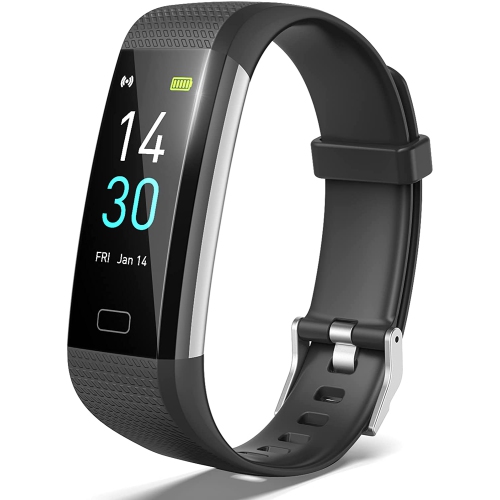
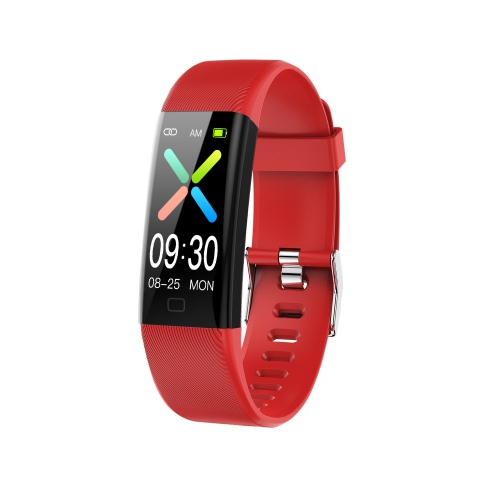
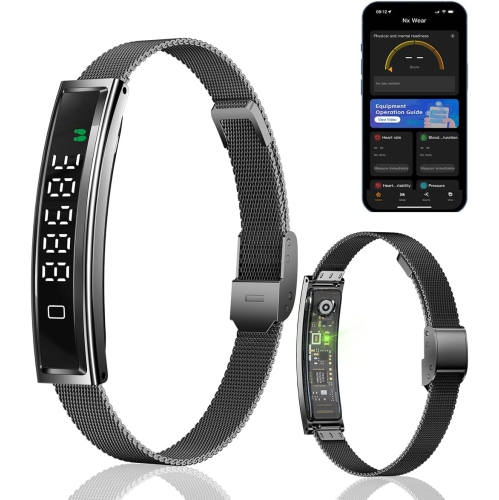
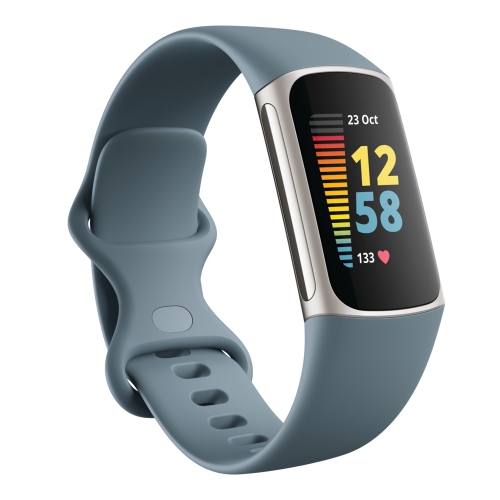
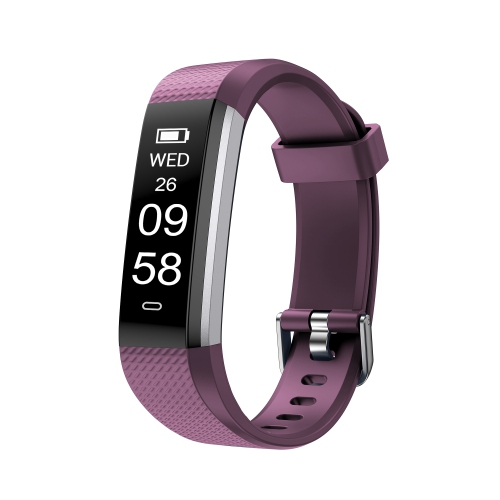
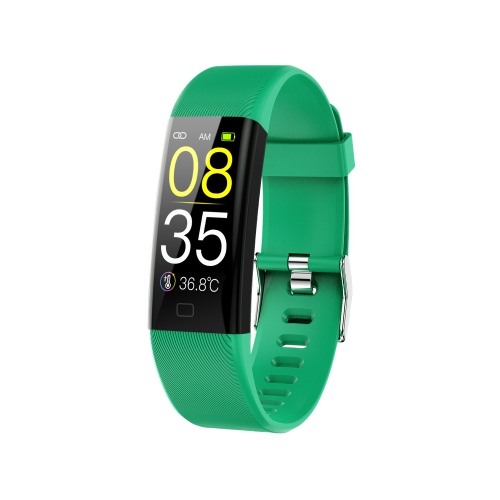
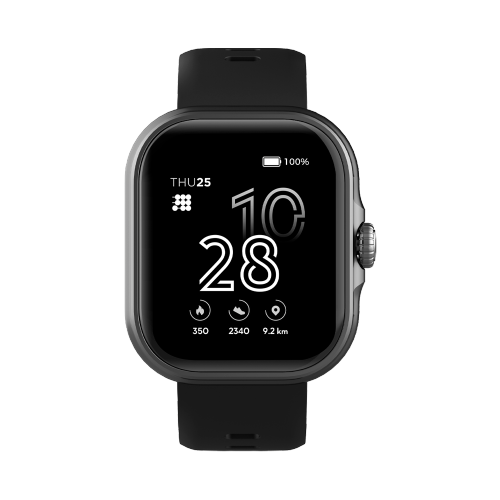
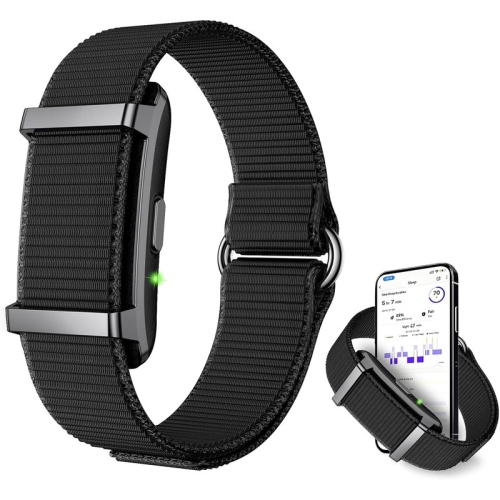
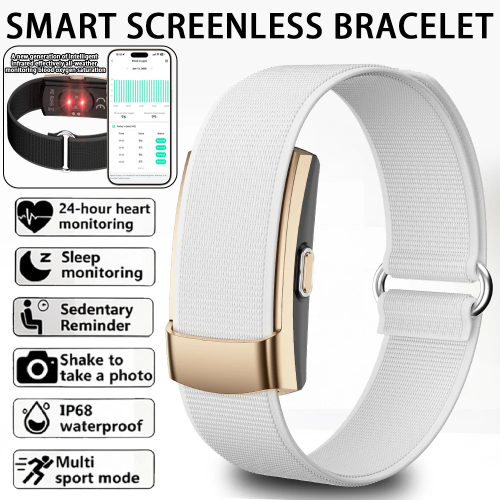
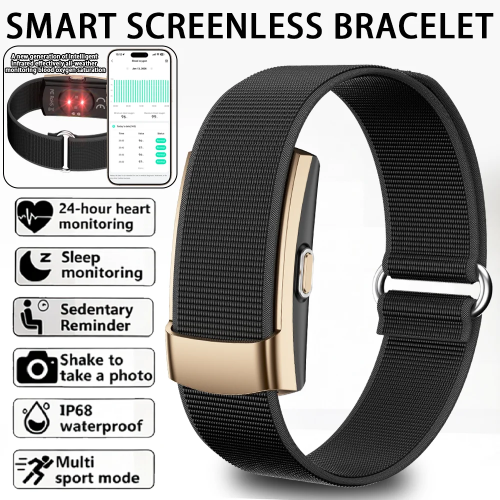
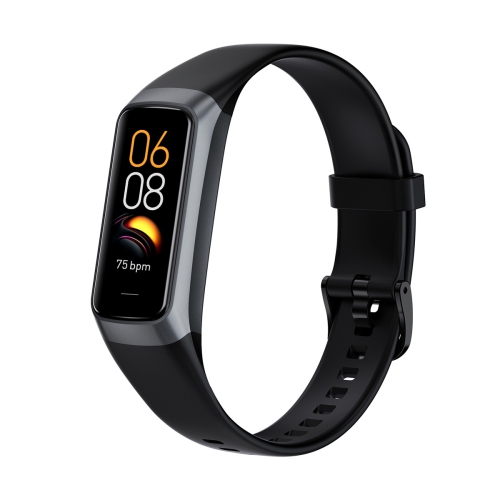
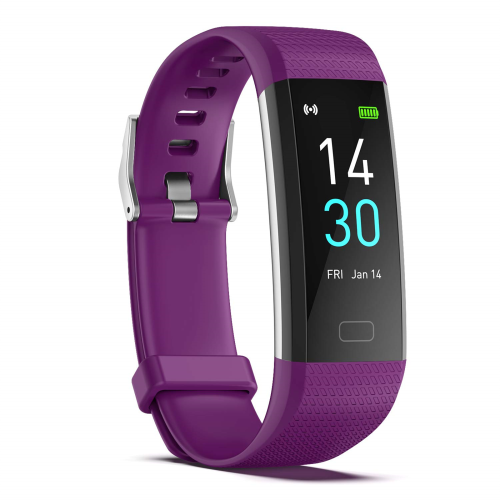
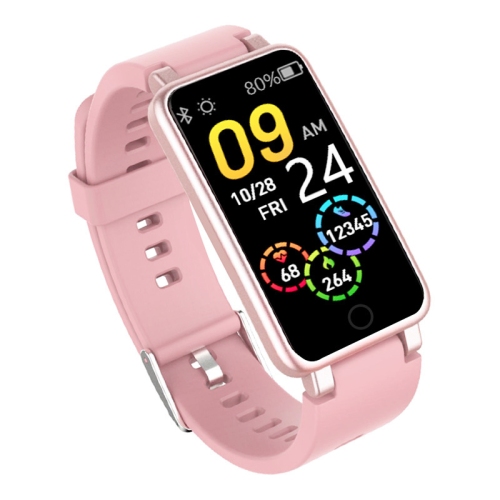
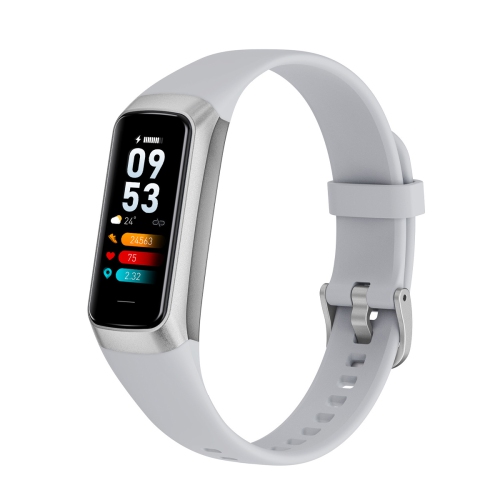
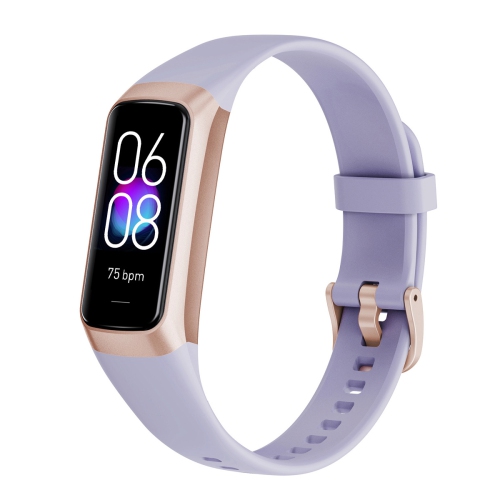
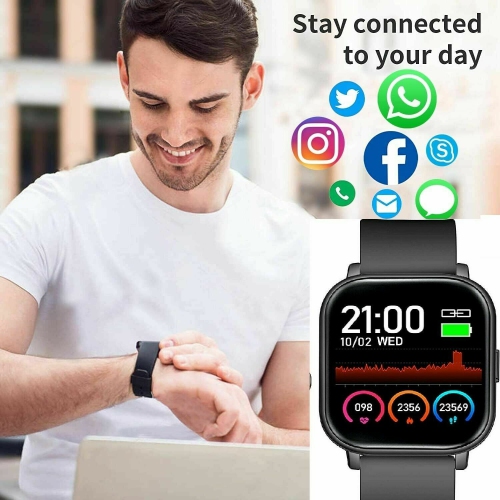
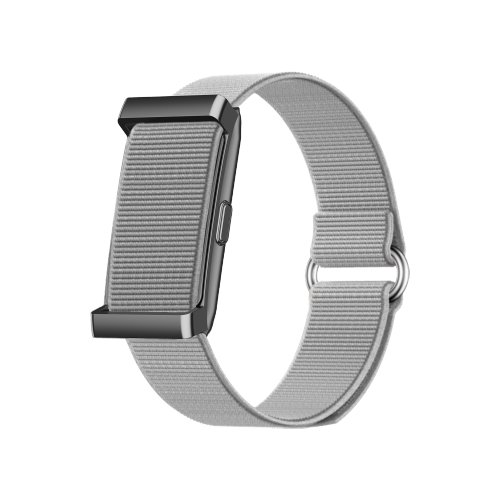
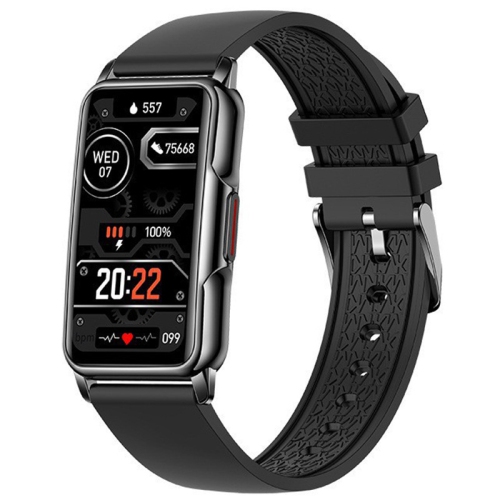
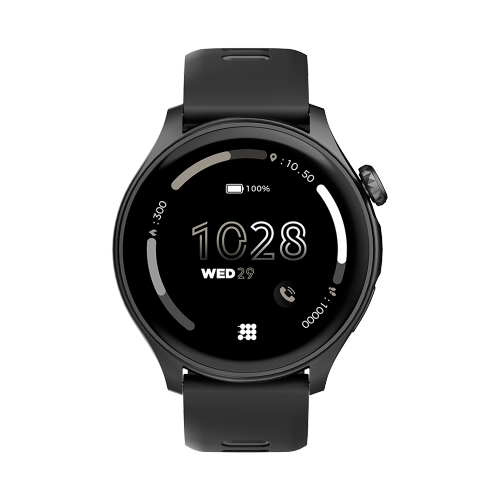
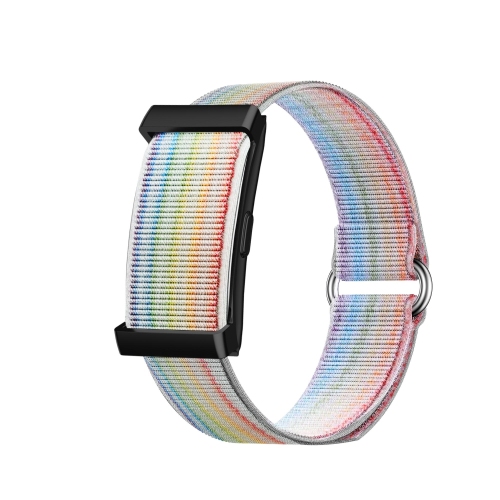
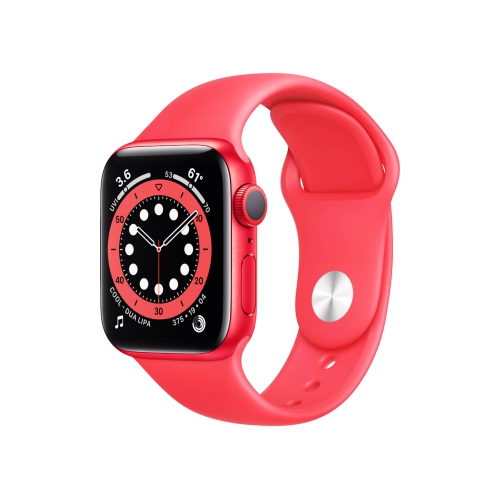
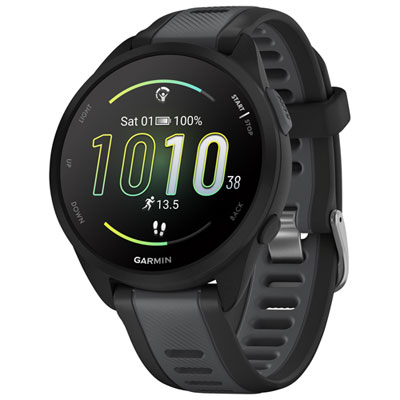
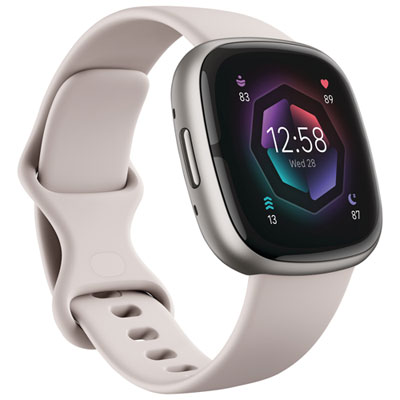
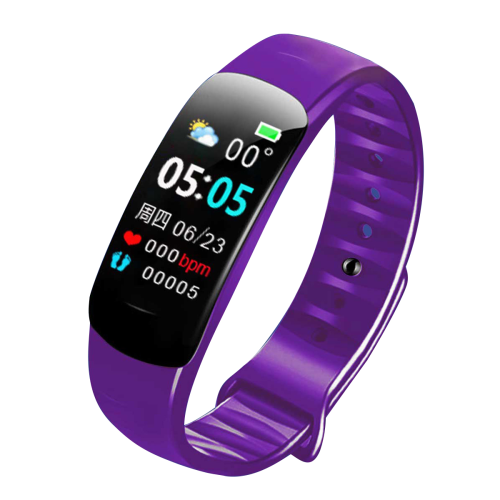
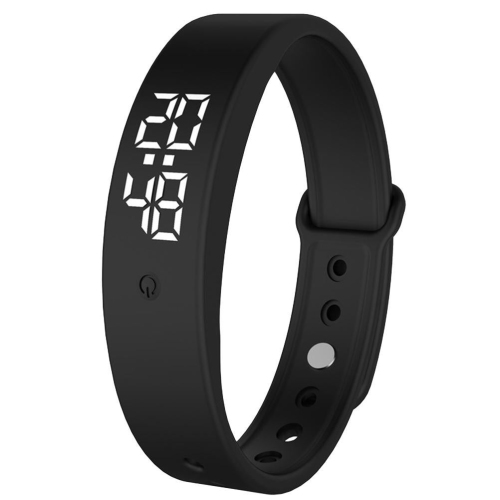
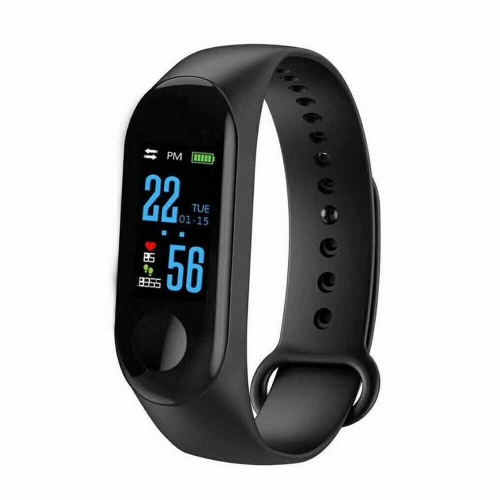
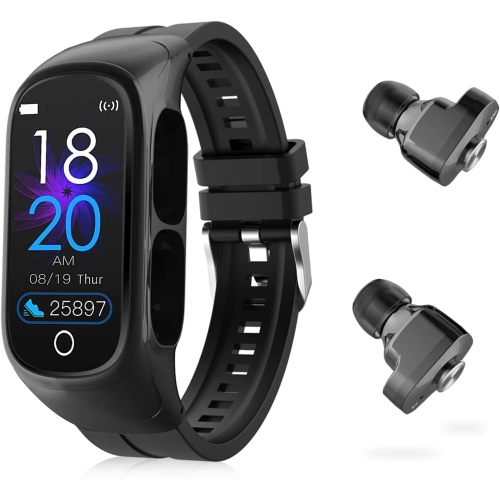
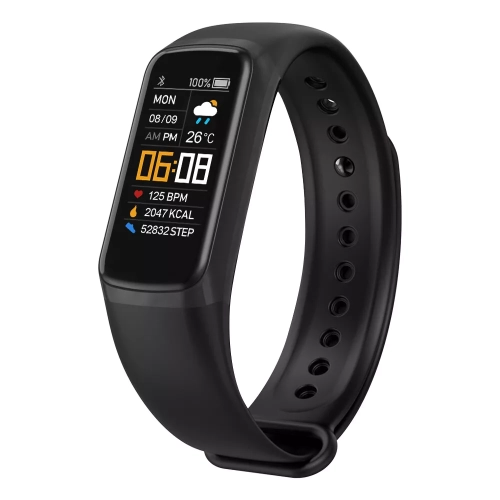
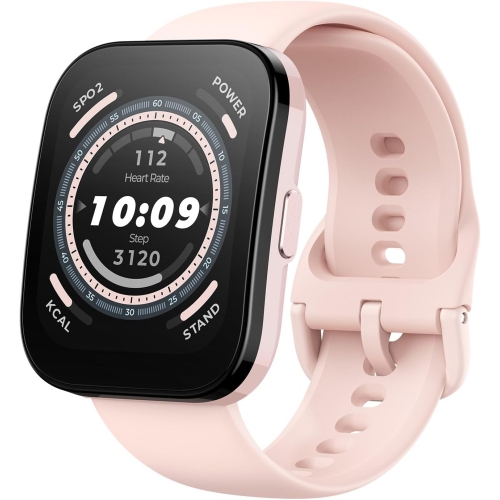
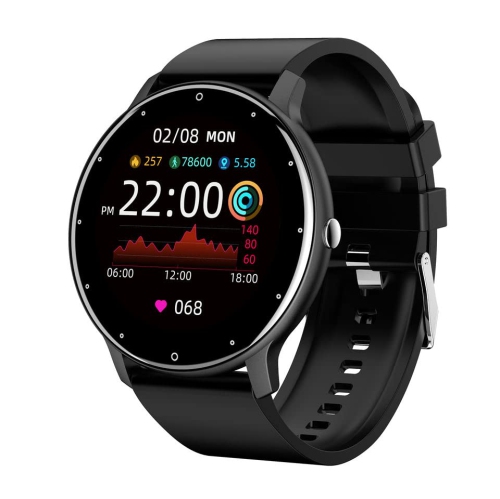
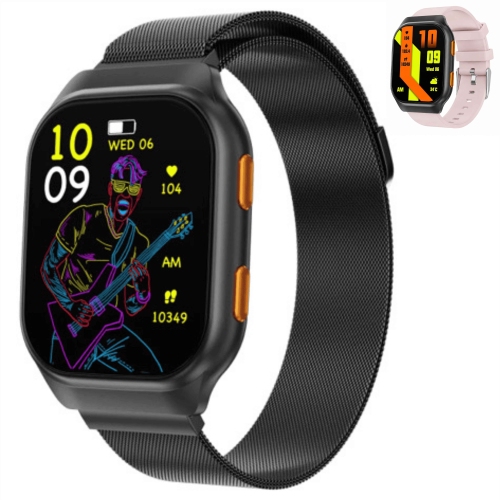
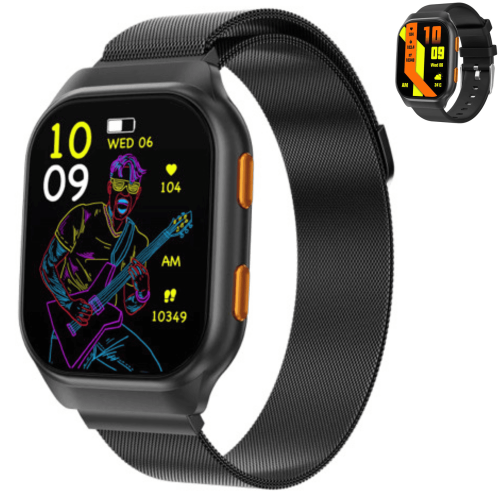
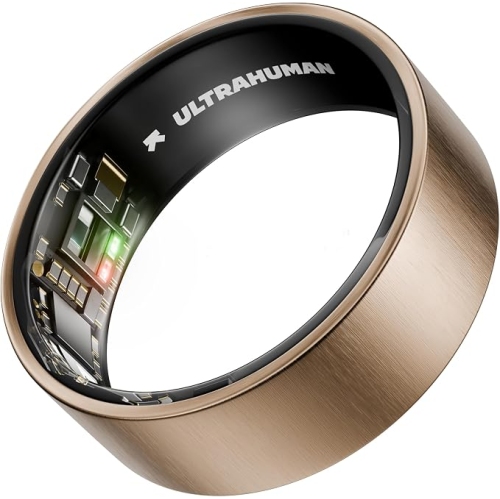
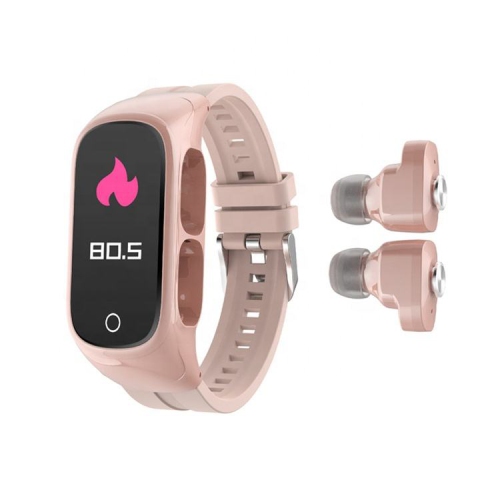
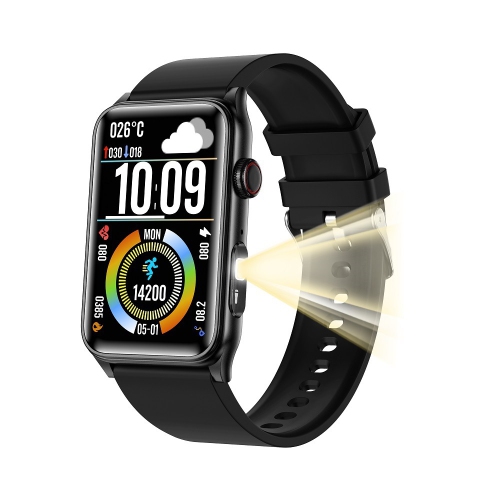
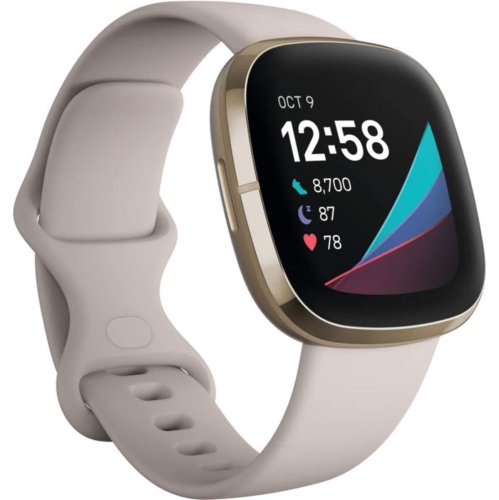
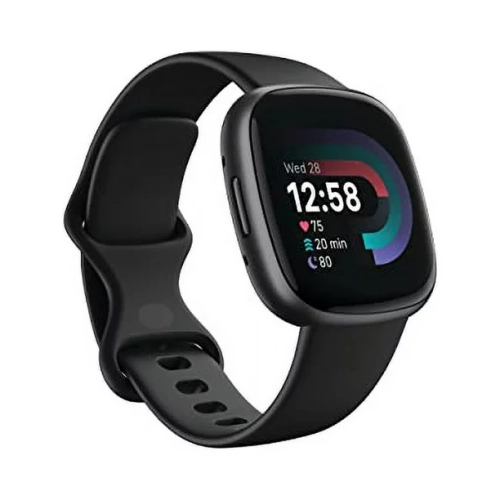
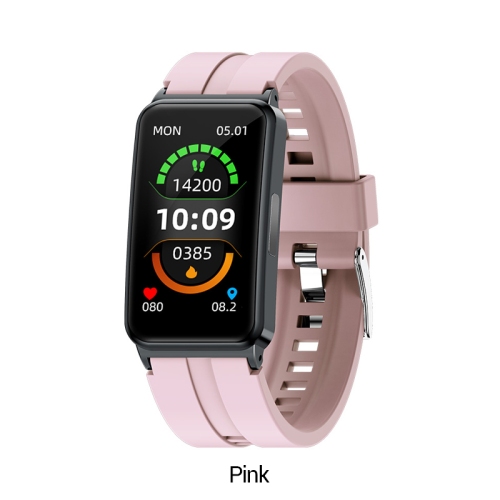
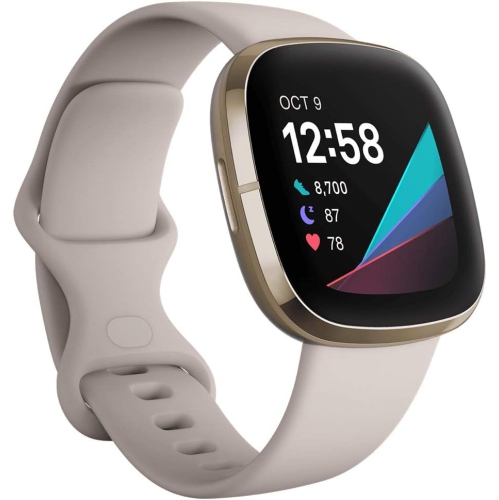
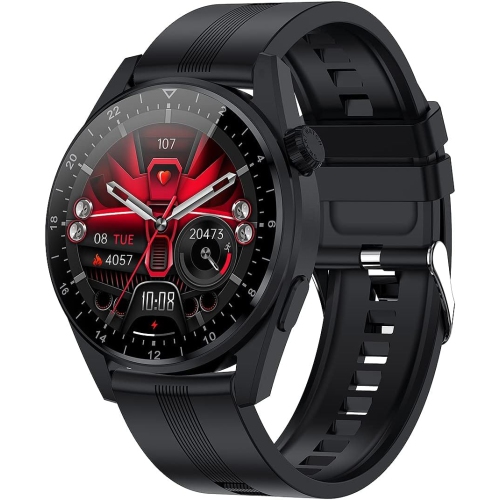
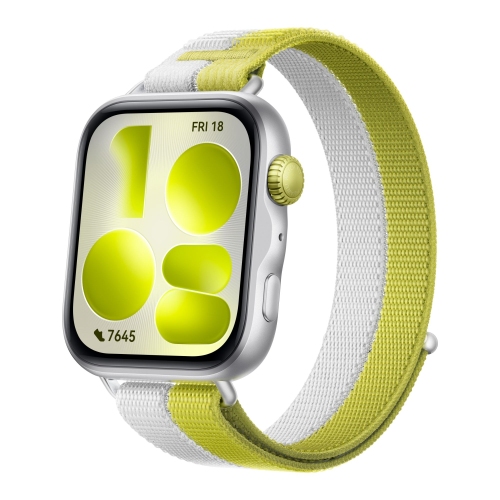
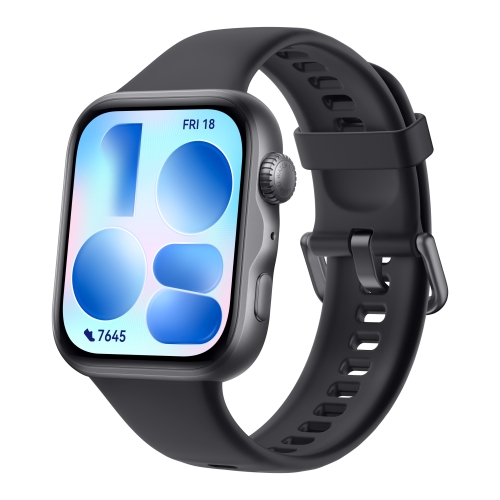
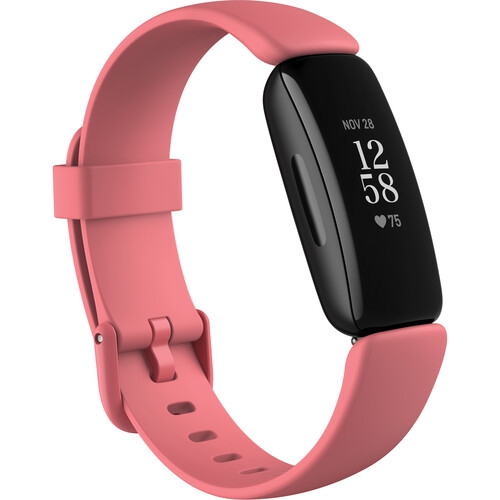
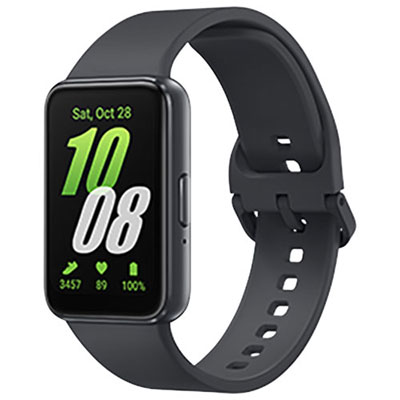
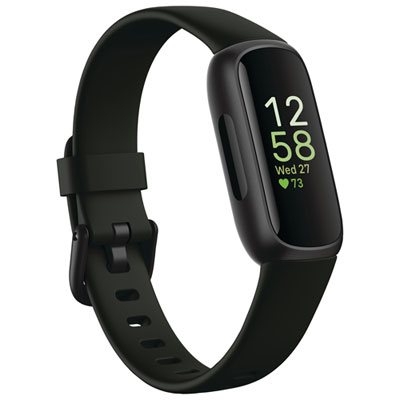
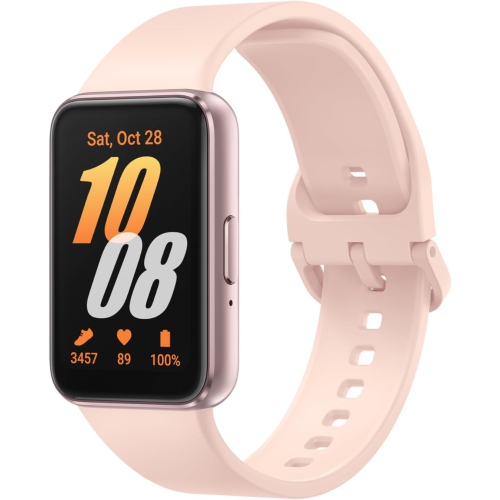
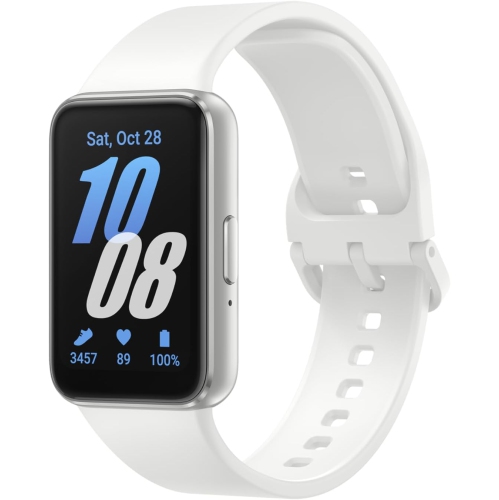
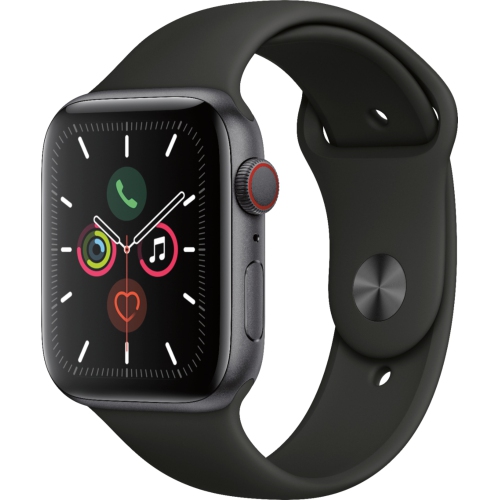
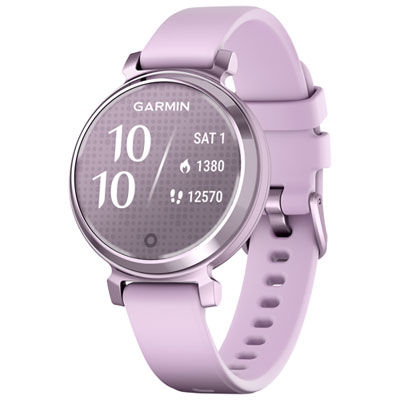
Fitness and health trackers bring everyday movement, exercise sessions, and selected wellness measurements into one place, making it easier to notice patterns that might otherwise pass unnoticed. These wearable devices range from slim fitness bands and connected watches to discreet smart rings and screenless trackers. Each format suits a different routine: a lightweight band can feel unobtrusive during a walk or workday, while a watch with a larger display makes workout information easier to read at a glance. A smart ring offers a less visible way to track certain measurements, particularly for people who prefer wearing a traditional watch or keeping screens out of the bedroom. Common features include step counting, activity reminders, heart rate tracking, and sleep summaries, although the exact combination varies by device. Exercise modes can organize sessions such as running, cycling, swimming, and strength training, with supported measurements displayed during the activity or reviewed afterwards in a companion app. Built-in GPS can map an outdoor route without relying on a phone for location data, while connected GPS uses a paired phone; that distinction matters to anyone who prefers leaving their phone behind on a run. For a broader combination of workout tracking and everyday connected features, Smart Fitness Tracking Watches can bring activity information together with supported notifications, timers, and other wrist-based conveniences. Someone building a regular walking habit may value a clear step display and gentle reminders more than a long list of sports modes. A regular runner may place greater importance on pace, distance, route tracking, and readable workout screens. For gym sessions, easy-to-use controls and a secure fit can matter more than navigation features. The most useful format is often the one that feels comfortable enough to wear consistently and presents information in a way that makes sense at a glance, whether that means a simple daily total or a detailed view of an exercise session.
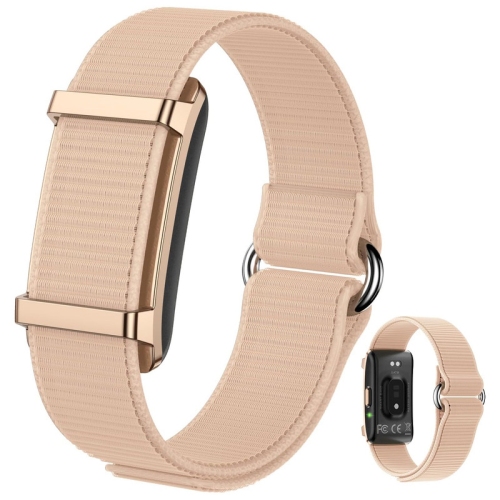
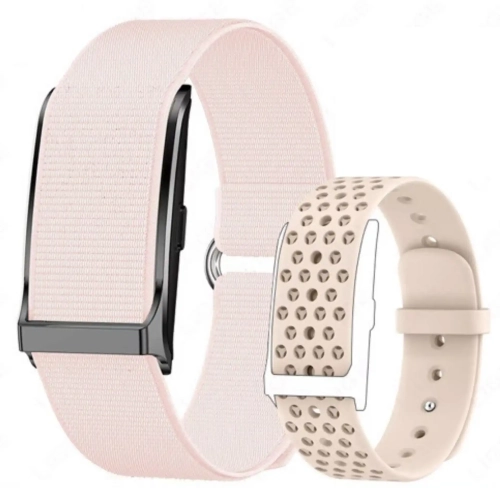
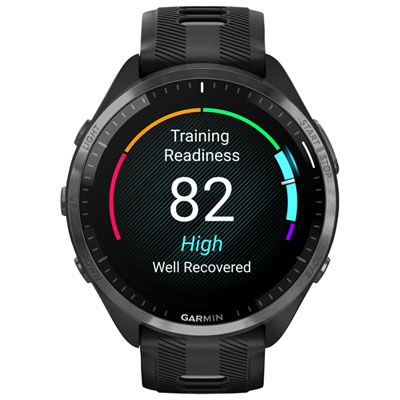
Health-related features add context beyond a workout, but their usefulness depends on what a device measures and how those measurements are presented. Supported trackers may show resting heart rate trends, estimated sleep duration and stages, breathing rate, blood oxygen estimates, or changes in skin temperature. Some also use heart rate variability and other signals to generate stress, readiness, or recovery summaries. These scores are interpretations of sensor data rather than direct measurements of how someone feels, and an unusually demanding day, disrupted sleep, or an inconsistent fit can affect the picture. Estimated aerobic fitness measurements, such as VO2 max, can offer another way to follow training trends on compatible devices without replacing laboratory testing. Advanced functions such as ECG recording have model-specific requirements and may depend on regional authorization and user eligibility. Consumer fitness trackers are not a substitute for medical assessment, and their readings should not be used alone to diagnose a condition or change treatment. Physical comfort is just as important as the feature list, especially for overnight wear. Soft silicone bands are commonly used for exercise because they are flexible and easy to wipe down, while woven fabric, leather, and metal options have different textures and care needs. Adjustable bands should hold wrist sensors steadily against the skin without pinching; a loose watch that slides around during a workout may produce less consistent readings. Ring sizing needs particular attention because it differs from adjusting a strap, and finger size can fluctuate throughout the day. Case thickness, weight, clasp design, and the position of buttons can all affect comfort beneath a sleeve or during movements that bend the wrist. Smooth edges and a low-profile shape may be especially welcome during sleep. Sweat, soap residue, and moisture can collect beneath a wearable, so cleaning and drying it according to the manufacturer’s directions helps keep both the device and the contact area comfortable. Band and case materials may require different cleaning methods, even when they belong to the same wearable.
Durability and everyday convenience help determine how well fitness and health trackers fit into a routine. Water-resistance ratings need to match the intended activity: protection against splashes does not automatically make a device suitable for swimming, diving, or exposure to hot water. Pool use also calls for attention to the manufacturer’s rinsing and drying directions. At the gym, repeated contact with weights or equipment can mark cases and screens, while rings may interfere with a secure grip during some exercises. Display size, contrast, text options, and physical controls influence usability, particularly when checking a timer between sets or reading a notification without reaching for a phone. Battery life varies with the device and its settings; frequent GPS workouts, continuous sensing, and an always-on display generally use more power than simpler tracking. Longer intervals between charges can make overnight tracking easier to maintain, while a convenient charging routine can be equally valuable for someone who already charges devices regularly. Compatibility deserves attention because a wearable may support one phone platform more fully than another, and functions such as message replies, music controls, or contactless payments can have additional requirements. Companion apps also differ in how they present trends, organize workouts, and share information with other services. Some insights or coaching features may require a separate subscription, so the distinction between included functions and optional services matters over time. Privacy settings are another practical consideration, particularly for location history, sleep information, and health-related data; clear controls make it easier to decide what is stored or shared. As a gift, a tracker can suit a walking enthusiast, a regular gym-goer, or someone who enjoys following personal activity trends, provided it matches their phone, preferred fit, and interest in wearable technology. A comfortable device with understandable summaries can support a routine without demanding constant attention, keeping the focus on activities and habits rather than on the screen itself.
Top selling and popular products
-
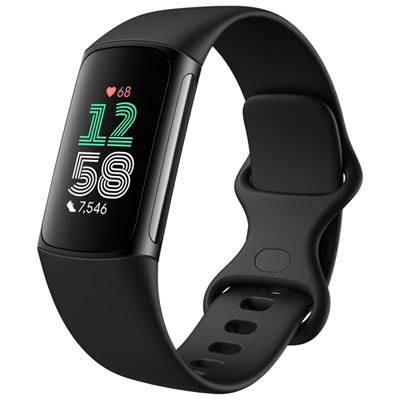 Your price for this item is $219.99
-
 Your price for this item is $199.99
-
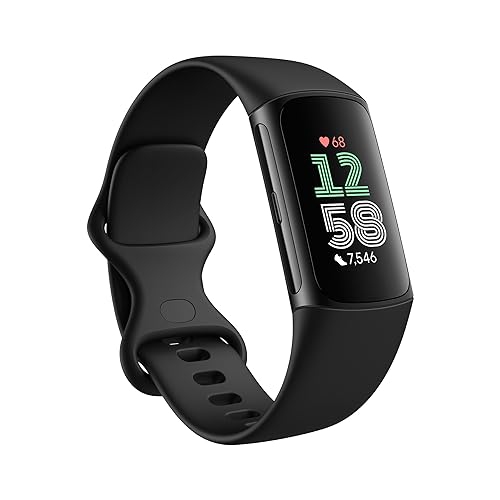 Your price for this item is $199.99
-
 Your price for this item is $99
-
 Your price for this item is $79.99
-
 Your price for this item is $129.99
-
 Your price for this item is $79
-
 Your price for this item is $67
Discover more categories related to Fitness And Health Trackers
Top Collections:
Pokemon Centers, Best Cameras for Sports Photography, Kindle Devices, Samsung Galaxy Phones, Canon G7X Cameras, Pokémon 30th Celebration Cards, Refurbished Apple Laptops, iPhone 15 Apple, Laptops for Students, Budget Smartphones
Some products may be subject to Environmental Handling Fees
(EHF) depending on your province.
Learn more about EHFs.