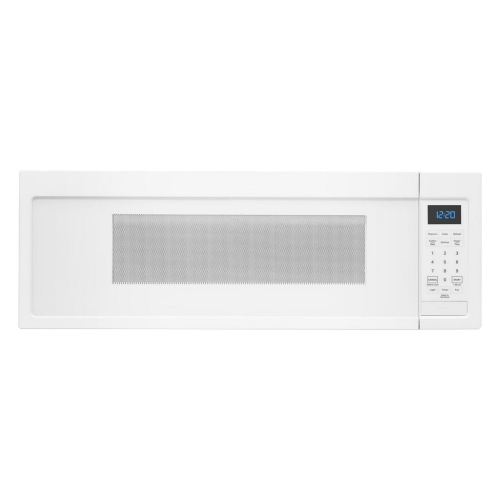
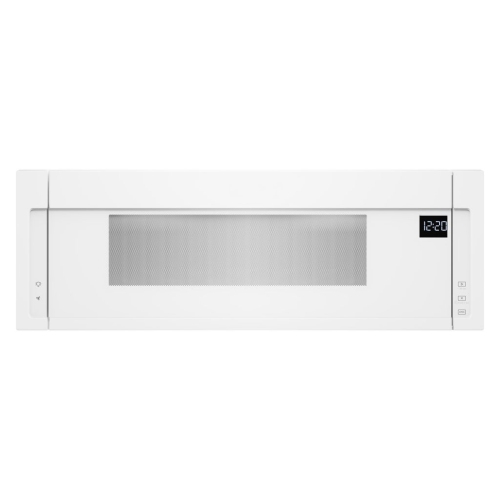
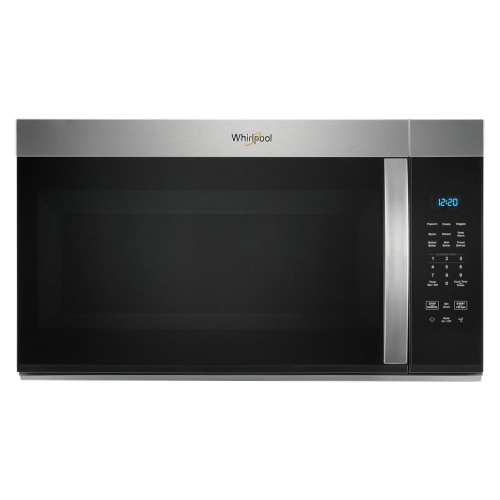
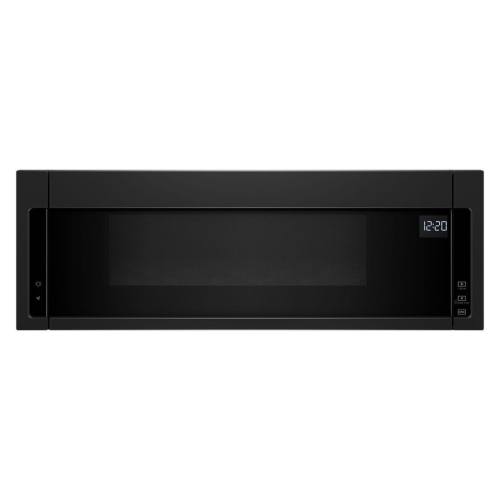
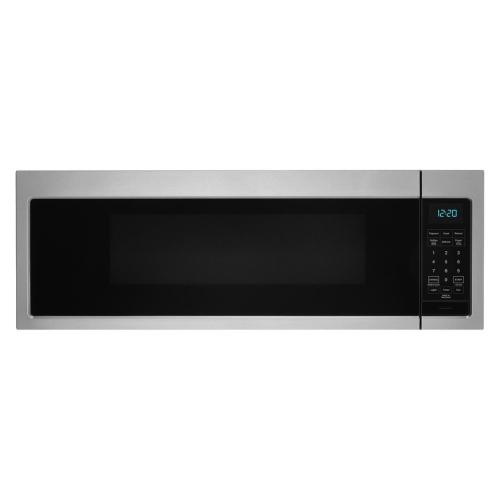
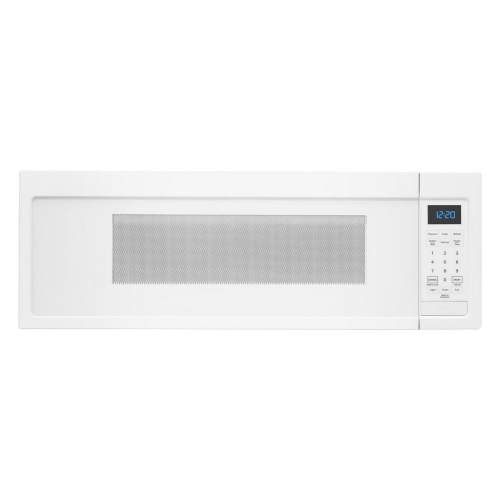
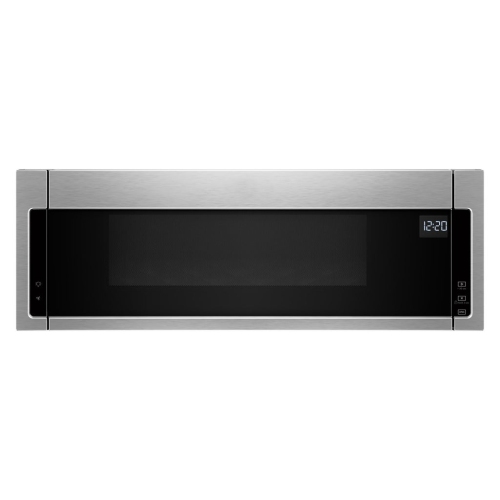
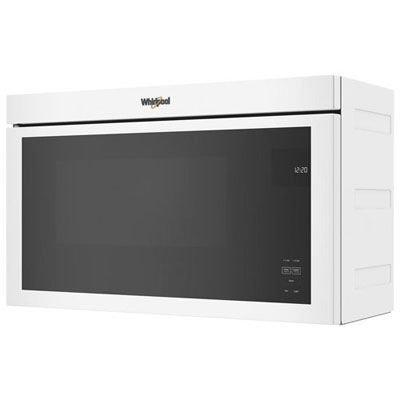
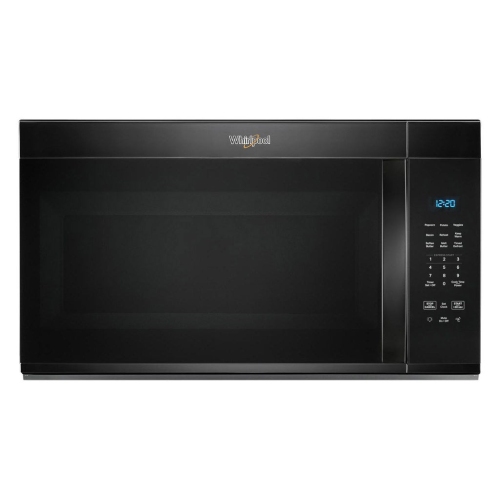
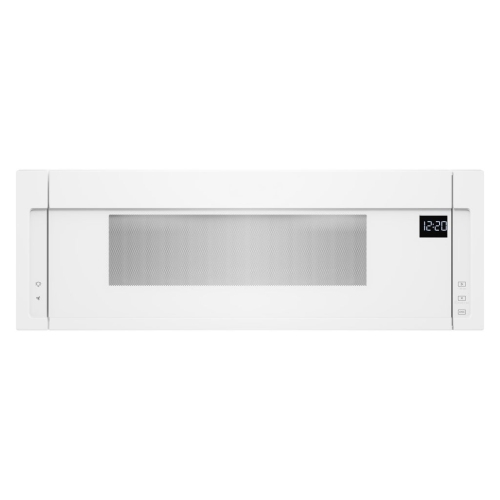
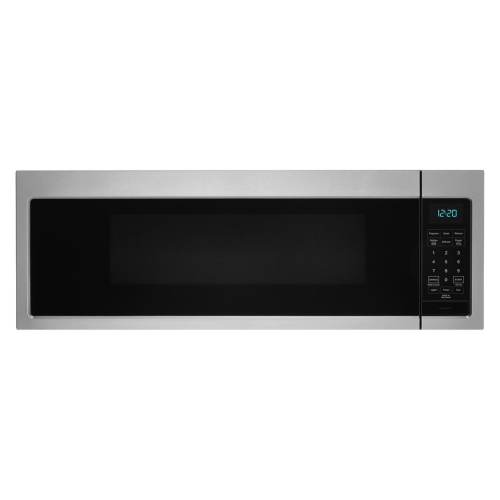
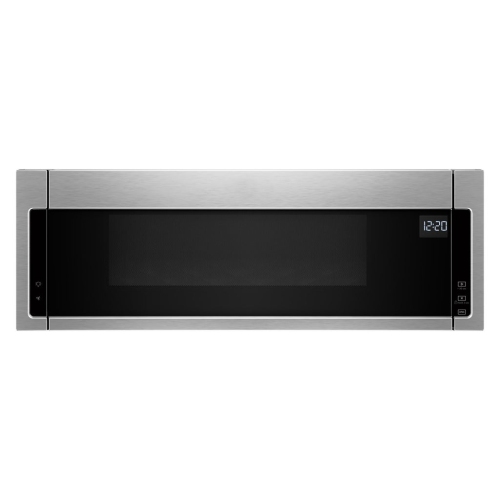
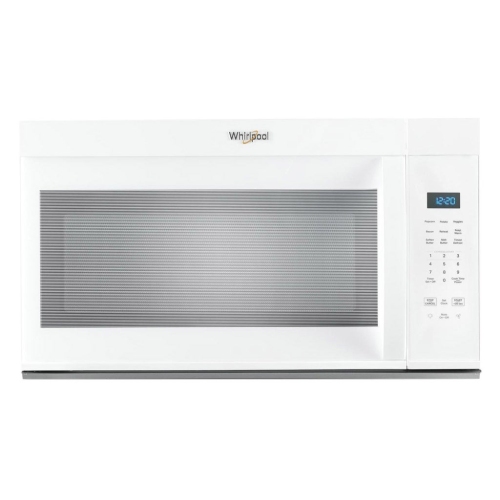
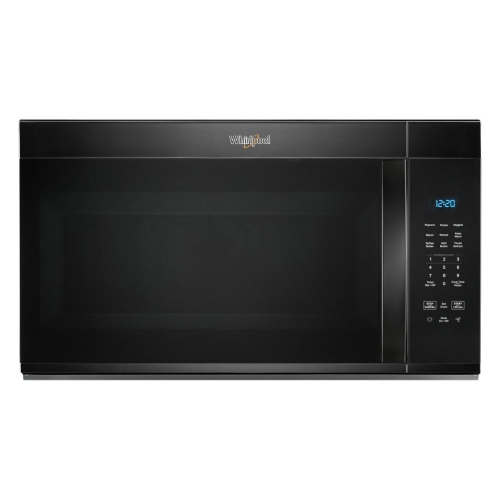
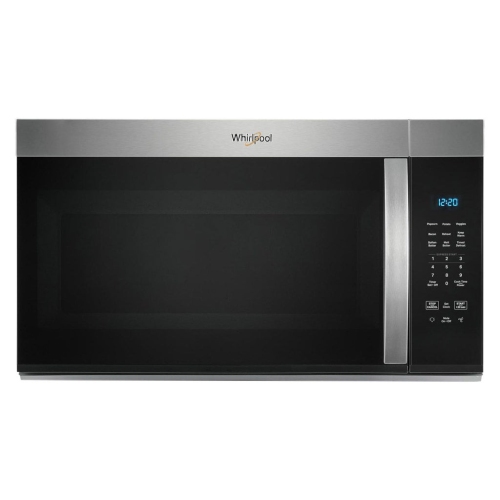
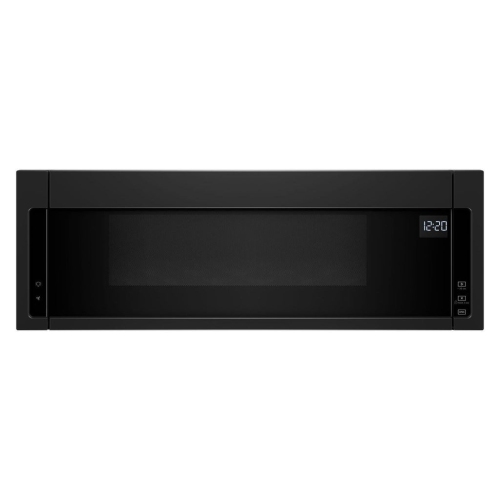
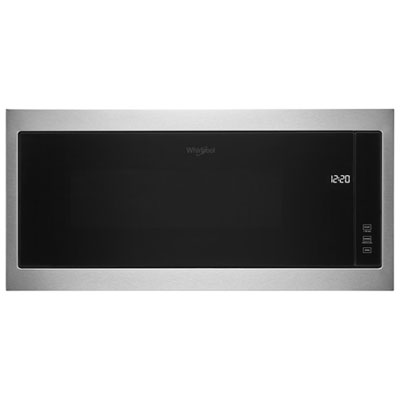
Whirlpool Overhead Microwaves

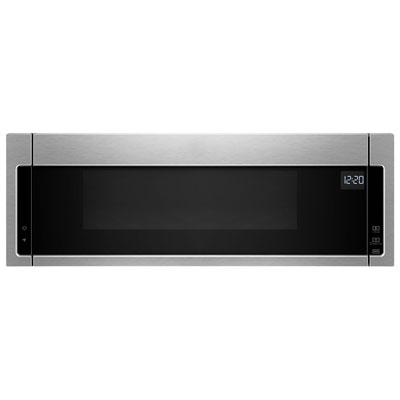
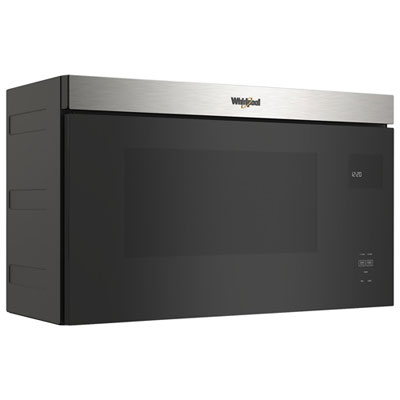
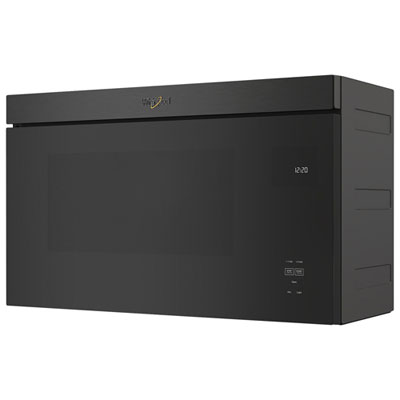
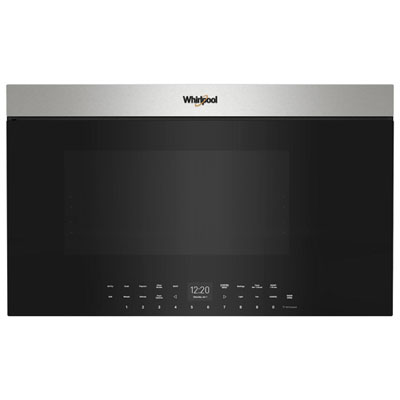
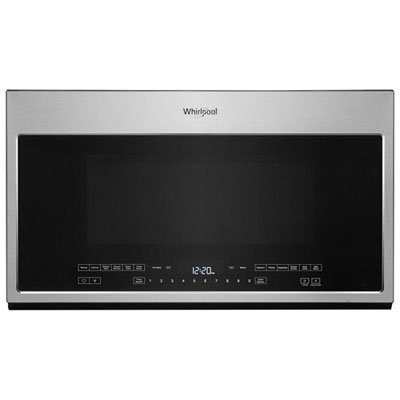
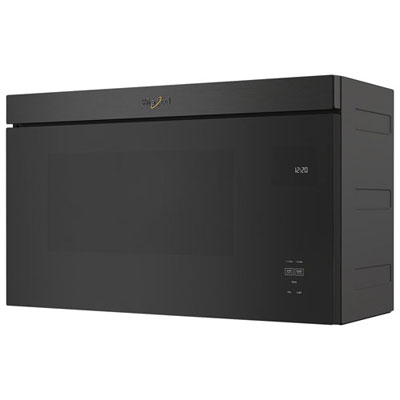
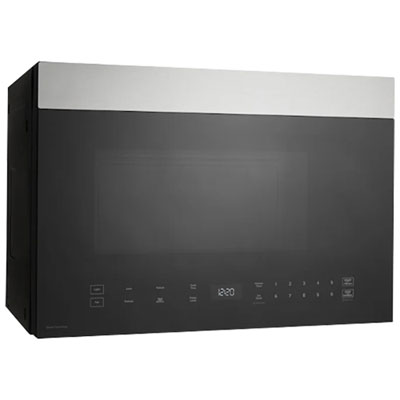
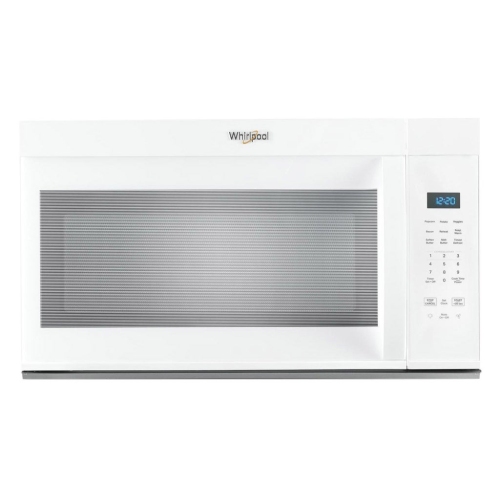
Shop Whirlpool overhead microwaves for an above-range setup that frees up countertop space. Compare over-the-range options by dimensions, capacity, and ventilation requirements to find a microwave that fits your kitchen layout and everyday cooking needs.
Read More

Sort

Cooking above the range without crowding your counters

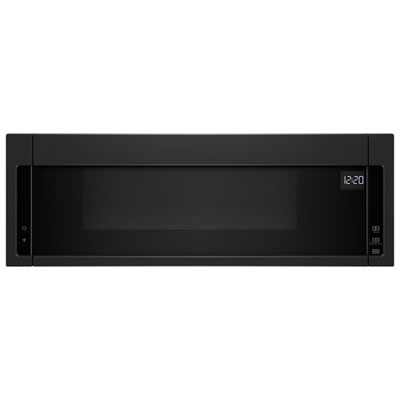
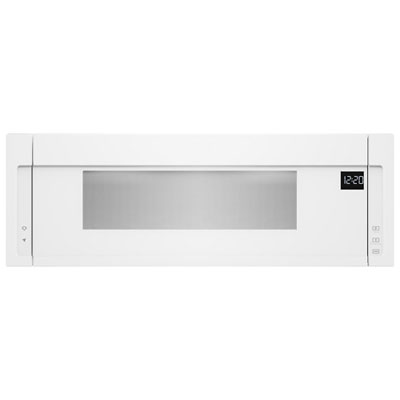
Overhead microwaves combine everyday microwave cooking with ventilation and task lighting above a range, keeping a frequently used appliance off the countertop. Often called over-the-range microwaves, they make practical use of the space beneath an upper cabinet while leaving more room for chopping vegetables, setting down groceries, or preparing several dishes at once. This arrangement suits kitchens where counter space is limited, but it can be equally useful in a larger layout that keeps cooking appliances together. A bowl of oatmeal, a plate of leftovers, and vegetables for dinner can all be prepared close to the main cooking area without a separate microwave station. The fit involves more than matching the appliance to the width of the range. Cabinet dimensions, mounting requirements, door clearance, and the distance above the cooking surface all affect how an overhead microwave sits and functions. A nominal 30-inch width is common, although exact measurements and installation clearances vary. Depth matters too: a microwave that projects farther beyond the cabinets can change sightlines and the amount of space above front burners. Low-profile designs can offer a different balance of exterior height and interior capacity, particularly where a conventional cabinet-height appliance would feel bulky. The placement of the handle and the direction of the door swing also influence daily use, especially beside a wall or tall pantry cabinet. Because the appliance is elevated, access deserves as much attention as appearance. Lifting a wide casserole dish or a bowl of hot soup from above the range may be less comfortable for shorter adults or anyone with limited reach. An overhead location also generally puts independent use beyond the comfortable reach of young children. Stainless steel, black, and white finishes can coordinate with surrounding appliances, while handle shapes and control-panel placement contribute to a consistent look. Some finishes are designed to make fingerprints less noticeable, but their care requirements still vary. A well-matched installation feels integrated into the kitchen rather than simply filling an empty space.

Interior capacity and usable cooking space are closely related, but they are not quite the same thing. A microwave may have room for a large dinner plate while still being awkward for a tall jug or a rectangular baking dish. Interior height, turntable diameter, and the shape of the cavity help determine which containers fit comfortably. For households that regularly reheat family-sized portions, the ability to accommodate familiar serving dishes can matter more than a capacity figure alone. A turntable helps move food through the microwave’s heating pattern, although stirring, rotating, and allowing standing time remain important for more even results. Cooking power also affects how quickly food heats, and package directions may need adjustment to suit the appliance’s wattage. Features vary across the category, with options such as sensor cooking, timed defrosting, adjustable power levels, and convenient add-time controls supporting different routines. Sensors can help adjust certain cooking cycles by detecting moisture released from food, but they do not remove the need to use suitable containers or check that food is heated thoroughly. Lower power settings are useful for tasks that benefit from gentler heating, such as softening butter or warming a sauce without bringing it rapidly to a boil. Defrost settings can make frozen ingredients easier to work with before cooking, provided the food is handled promptly and according to safe preparation practices. For someone reheating lunch between meetings, clear controls and a straightforward start function may be the most useful features. A household preparing several components of dinner may place more value on flexible power settings and an interior that accommodates a broad serving bowl. Some designs offer additional cooking modes, but those capabilities depend on the appliance and may require specific accessories or cookware. Display readability, audible alerts, interior lighting, and the feel of the door handle all influence the experience beyond the cooking functions themselves. These details become noticeable through repeated use, from checking a mug of milk to removing a covered dish without brushing against the sides.

The ventilation system is another important part of an overhead microwave’s role. Depending on the model and kitchen setup, cooking air may be exhausted outdoors through ductwork or passed through filters and recirculated into the room. These arrangements are not interchangeable without the appropriate configuration, and the existing duct location can influence installation. Grease filters help capture airborne cooking residue, while recirculating setups may also use charcoal filters to help reduce odours. Recirculation does not carry moisture outdoors in the same way as an externally vented system. Fan speeds, sound levels, and the position of the intake affect how ventilation fits into everyday cooking, whether a saucepan is simmering or onions are sautéing on the stovetop. Households that frequently cook with high heat may have ventilation requirements that call for a separate assessment of the range and kitchen layout. Lighting beneath the microwave helps illuminate the cooking surface, making it easier to see into a pot or monitor food in a pan. Keeping that area clean supports both visibility and a tidy appearance. Inside the microwave, smooth surfaces and accessible corners can make splashes easier to wipe away before they dry into stubborn patches. A removable turntable simplifies cleaning, although dishwasher suitability depends on the care instructions. Mild cleaning methods generally help protect finishes, while abrasive pads can leave scratches on visible surfaces. Door seals, hinges, mounting points, and filters also deserve attention over the appliance’s working life; secure installation and routine care support reliable everyday use. An overhead microwave is often a practical fit for homeowners replacing an existing appliance, households furnishing a kitchen, or anyone consolidating cooking functions in a compact space. For layouts that place microwave cooking away from the stovetop, Whirlpool Wall Microwaves provide a related category to explore, with their own fit and installation considerations. The most comfortable arrangement leaves enough space to cook below, reach the controls easily, and move hot dishes to a nearby landing surface without an awkward stretch.
Read More

FAQ

Some products may be subject to Environmental Handling Fees (EHF) depending on your province. Learn more about EHFs.