Wi-Fi Extenders for Security Cameras
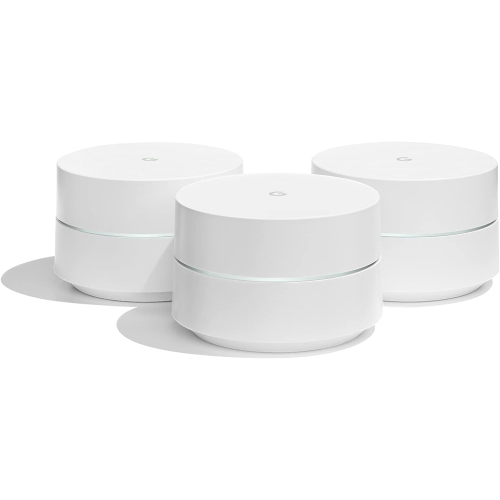
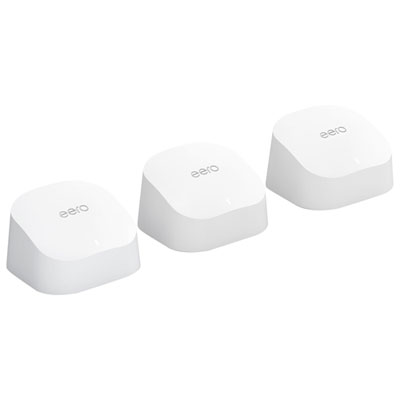
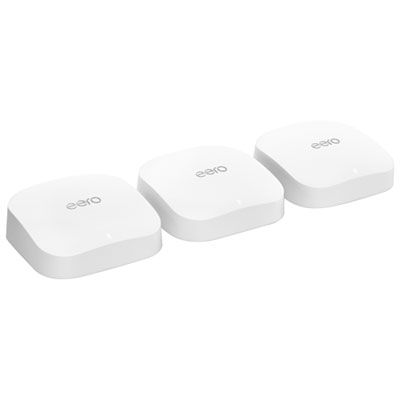
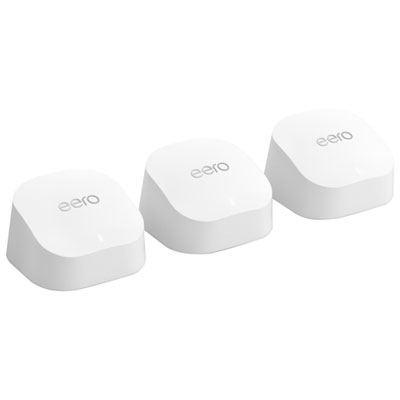
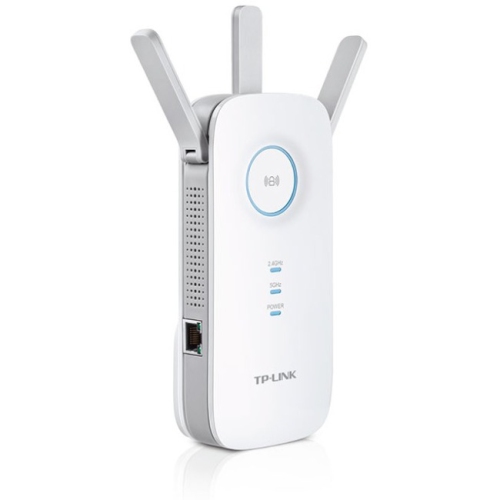
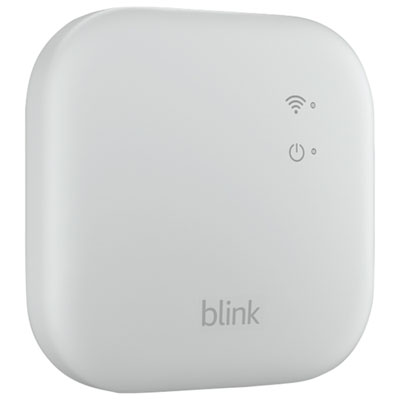
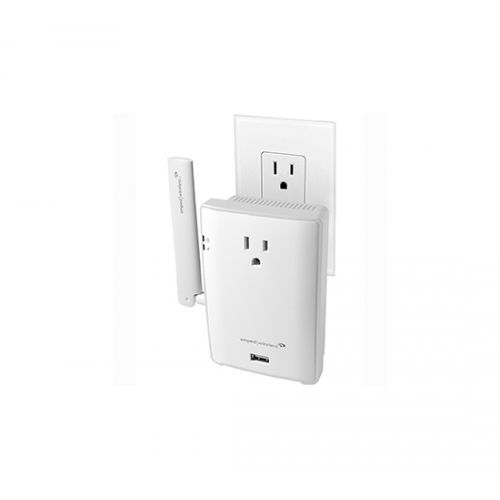
WiFi Extenders for Security Cameras are designed to help you maintain a strong and reliable connection between your cameras and your home network. With the right extender, you can enjoy seamless video streaming and uninterrupted monitoring, even in areas of your property that are farther from your router. Whether you're looking to cover blind spots or simply want more flexibility in camera placement, WiFi extenders offer an effective solution to keep your security system connected. Explore a wide selection of options to find the ideal fit for your setup and help ensure peace of mind throughout your space.
Sort


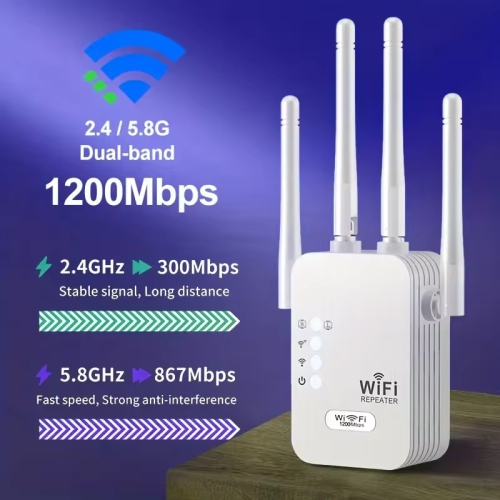
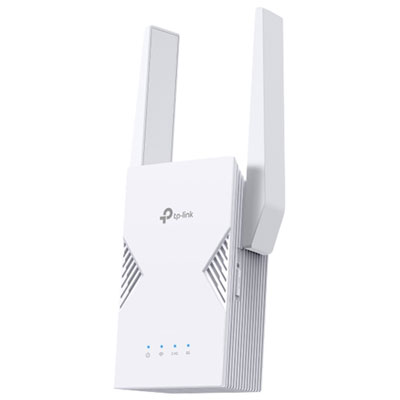
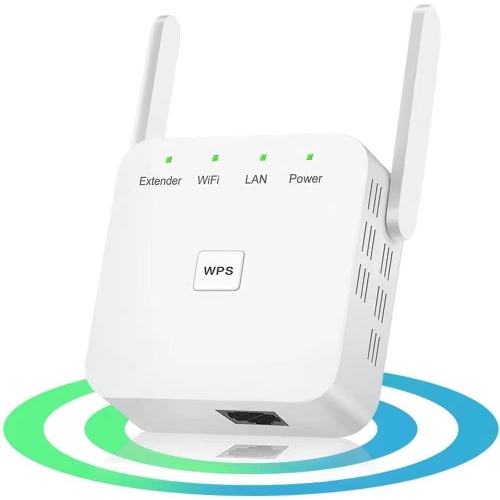
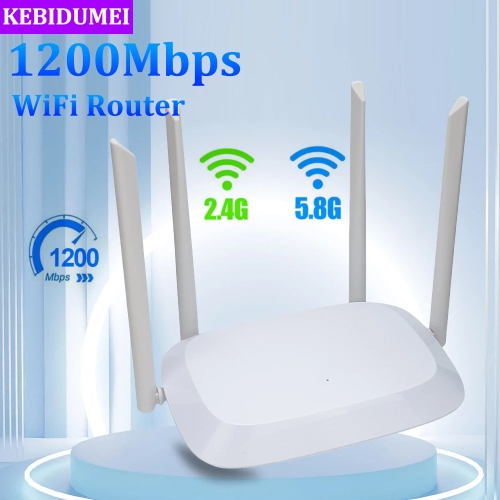


WiFi Extenders for Security Cameras
When it comes to setting up security cameras around your home or business, reliable Wi-Fi coverage is essential for uninterrupted video streaming and alerts. Many Canadians find that the placement of their cameras—whether it’s monitoring a back alley, a detached garage, or a sprawling backyard—often puts them just out of reach of their main router’s signal. This is where WiFi extenders come into play, offering a practical solution to bridge the gap between your cameras and your home network. By rebroadcasting your existing Wi-Fi signal, these devices help eliminate dead zones and ensure your cameras stay connected, even in the farthest corners of your property. The right extender can make all the difference, especially during the winter months, when icy weather and snowdrifts can make outdoor maintenance and troubleshooting a challenge. With an extender in place, you can check your security feeds from the warmth of your living room, knowing that your cameras are still capturing every detail—whether you’re watching for deliveries, wildlife, or simply keeping an eye on things while you’re away.
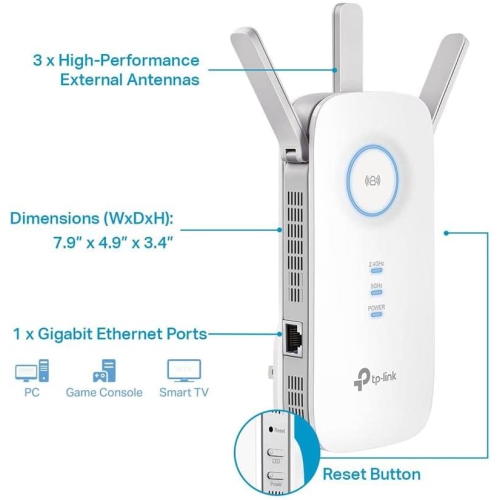
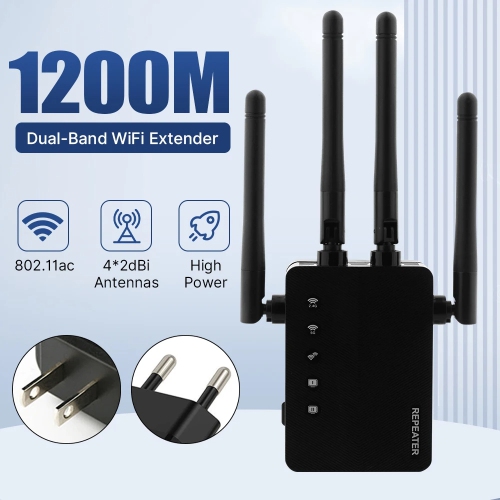
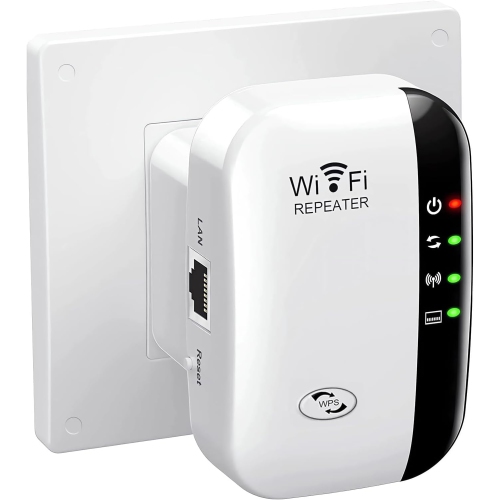
Choosing the best WiFi extender for your security cameras involves a few important considerations. First, think about the type of cameras you’re using and their bandwidth requirements. High-definition and 4K cameras need more robust connections, so a dual-band or mesh system may be the best fit for homes with multiple devices or larger properties. Placement is also key: for optimal performance, position your extender about halfway between your router and the cameras, rather than right next to either device. This ensures the signal is strong enough to reach your cameras without sacrificing speed. Some extenders come with Ethernet ports, offering the option to hardwire your cameras for added stability—a handy feature if you’re monitoring a garage workshop or garden shed that’s a good distance from your main building. If you’re helping a friend or family member set up their first security system, a WiFi extender can be a thoughtful and practical gift, especially for new homeowners, small business owners, or anyone with a large property to cover. It’s a simple upgrade that can make a big impact on peace of mind, especially during the darker, shorter days of January when reliable security is top of mind.
Whether you’re looking to boost coverage for a single camera or support a network of devices, there’s a range of options to suit every need. Some extenders are designed specifically for security systems, supporting multiple cameras and offering features tailored to surveillance setups, while others are general-purpose devices that work with any Wi-Fi-enabled camera. Keeping your extender’s firmware up to date is always a good practice to ensure top performance and security. For more information on finding the right solution for your setup, you can explore the full selection of WiFi Range Extenders to compare features and find the best fit for your home or business. With the right extender in place, you can enjoy seamless, reliable coverage all year round—no matter where you need to keep an eye out.
Choosing the best WiFi extender for your security cameras involves a few important considerations. First, think about the type of cameras you’re using and their bandwidth requirements. High-definition and 4K cameras need more robust connections, so a dual-band or mesh system may be the best fit for homes with multiple devices or larger properties. Placement is also key: for optimal performance, position your extender about halfway between your router and the cameras, rather than right next to either device. This ensures the signal is strong enough to reach your cameras without sacrificing speed. Some extenders come with Ethernet ports, offering the option to hardwire your cameras for added stability—a handy feature if you’re monitoring a garage workshop or garden shed that’s a good distance from your main building. If you’re helping a friend or family member set up their first security system, a WiFi extender can be a thoughtful and practical gift, especially for new homeowners, small business owners, or anyone with a large property to cover. It’s a simple upgrade that can make a big impact on peace of mind, especially during the darker, shorter days of January when reliable security is top of mind.
Whether you’re looking to boost coverage for a single camera or support a network of devices, there’s a range of options to suit every need. Some extenders are designed specifically for security systems, supporting multiple cameras and offering features tailored to surveillance setups, while others are general-purpose devices that work with any Wi-Fi-enabled camera. Keeping your extender’s firmware up to date is always a good practice to ensure top performance and security. For more information on finding the right solution for your setup, you can explore the full selection of WiFi Range Extenders to compare features and find the best fit for your home or business. With the right extender in place, you can enjoy seamless, reliable coverage all year round—no matter where you need to keep an eye out.
Top selling and popular products
-
 Your price for this item is $139.99
 -
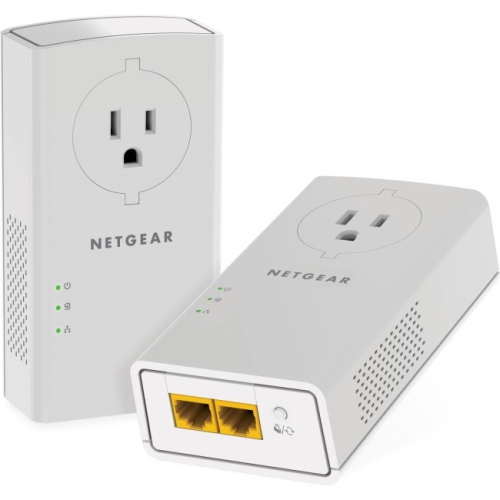 Your price for this item is $188.85
 -
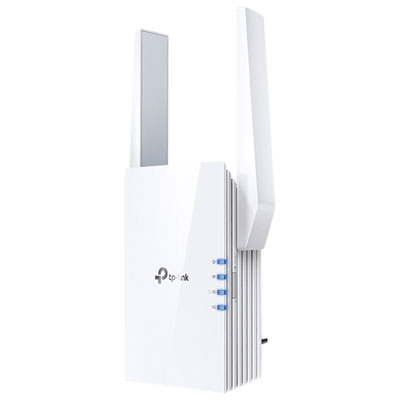 Your price for this item is $59.99
 -
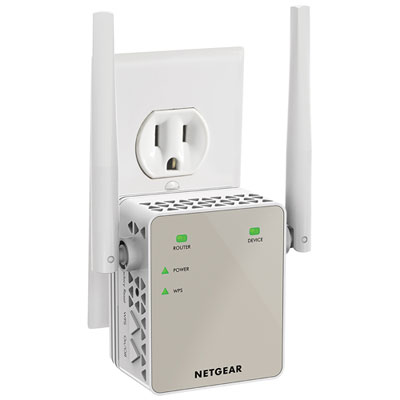 Your price for this item is $69.99
 -
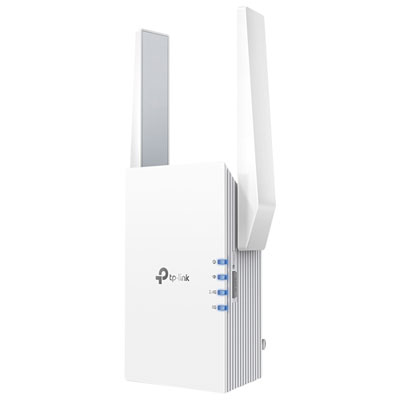 Your price for this item is $109.99
 -
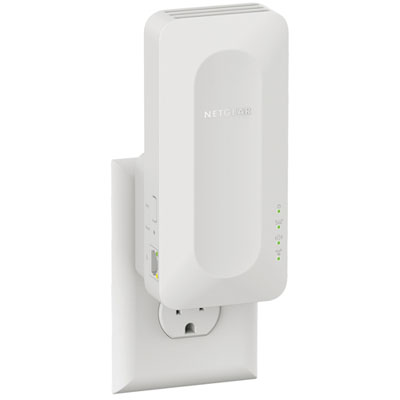 Your price for this item is $79.99
 -
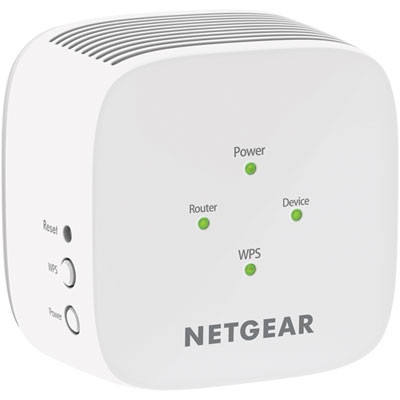 Your price for this item is $39.99
 -
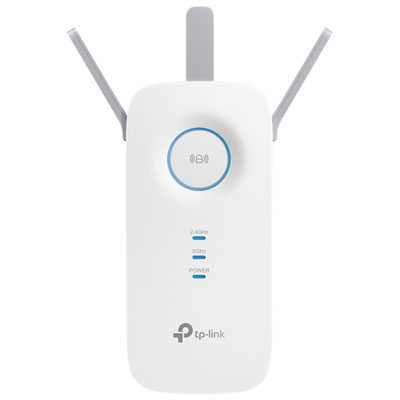 Your price for this item is $59.99
Discover more categories related to Wi-Fi Extenders for Security Cameras
Top Collections:
RAM Upgrades for PC, Best Laptops for Home Use, Top Laptops for University Students, Best Vacuum Cleaners, Best Wi-Fi Routers, Best Type C Hub, Best Fridges, Best Noise Cancelling Headphones, Best Quality Doorbell Cameras, Kindle Devices
Some products may be subject to Environmental Handling Fees
(EHF) depending on your province.
Learn more about EHFs.