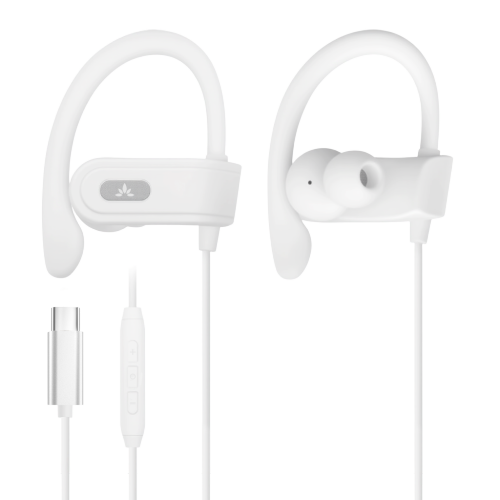
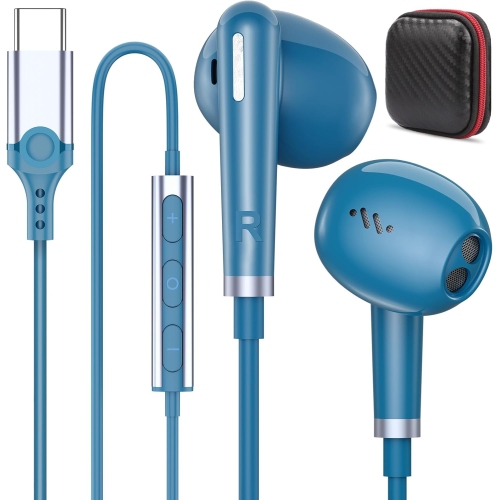
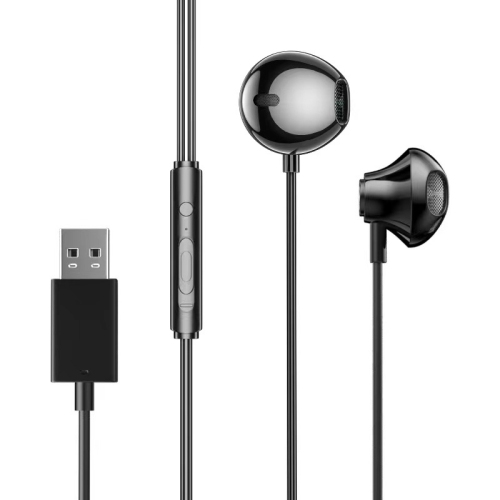
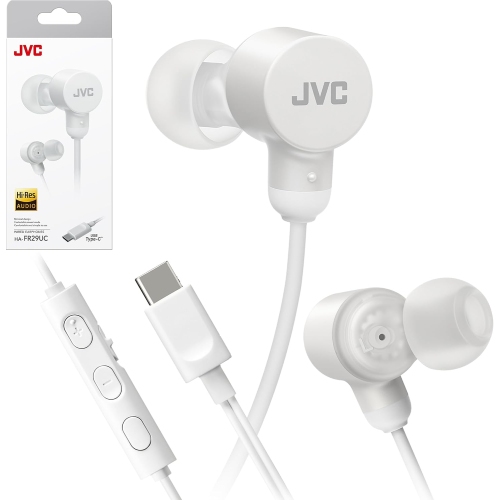
Wired Headphones Under $50

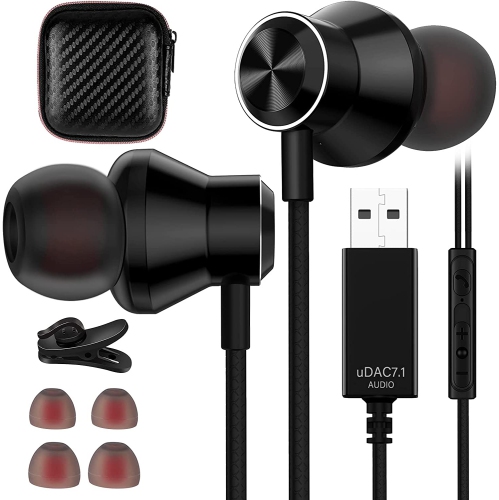
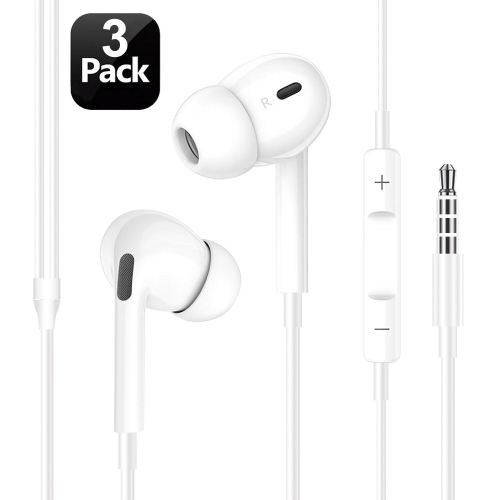
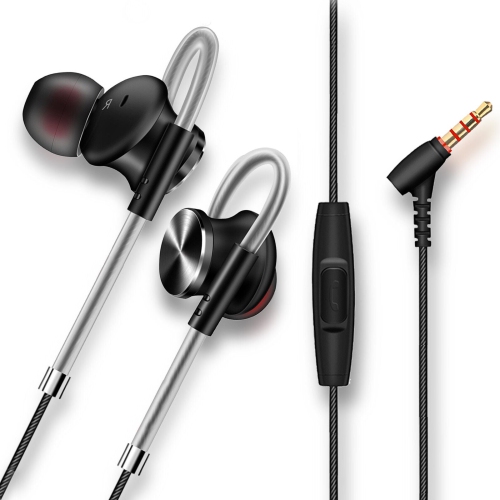
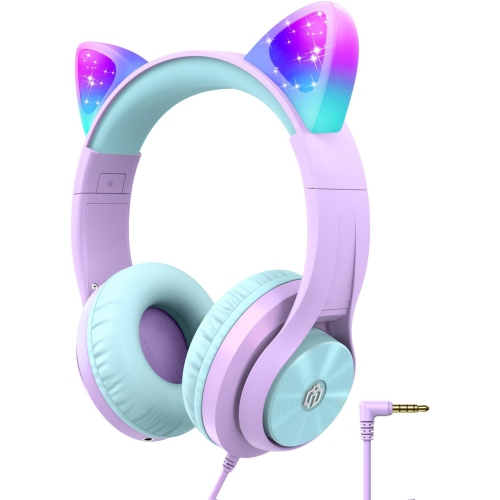
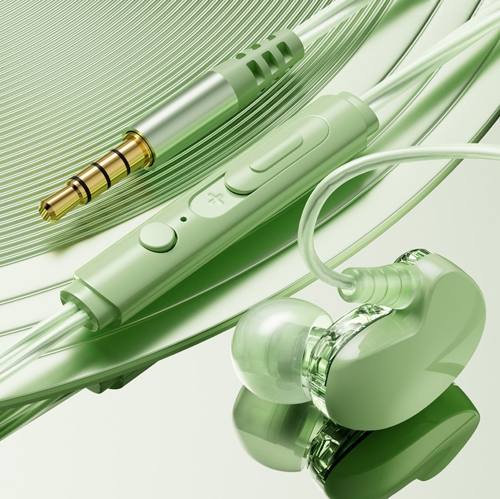
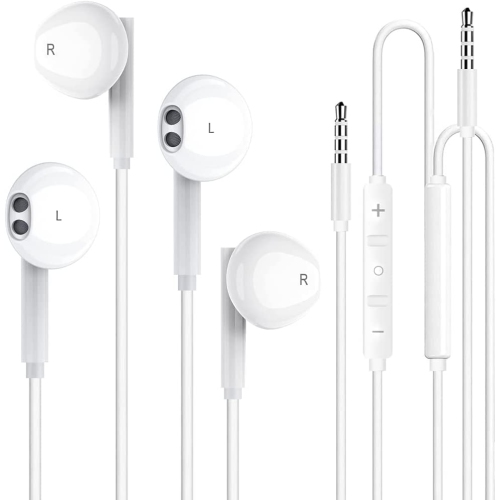
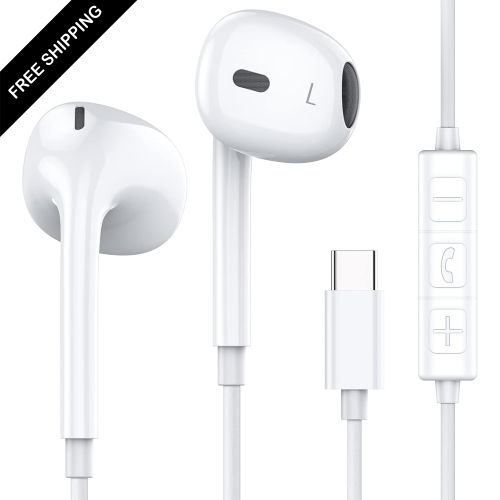
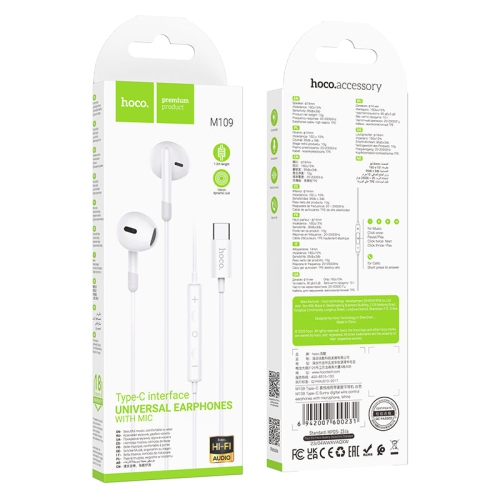
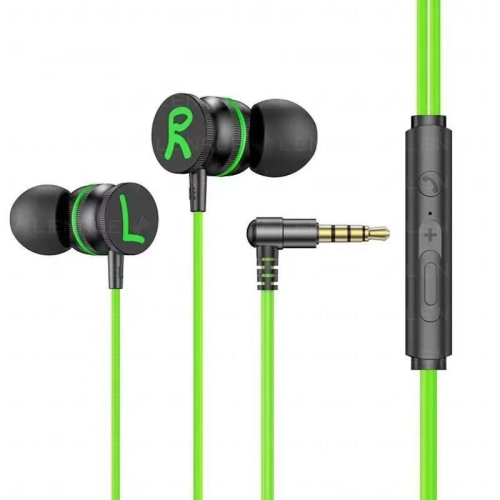
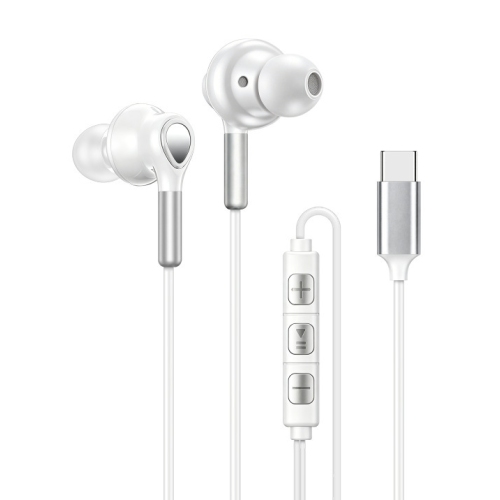
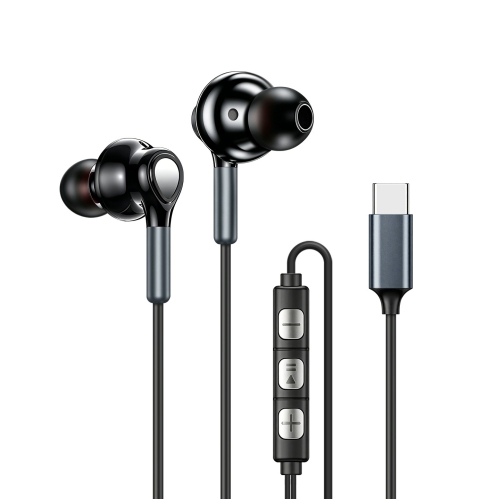
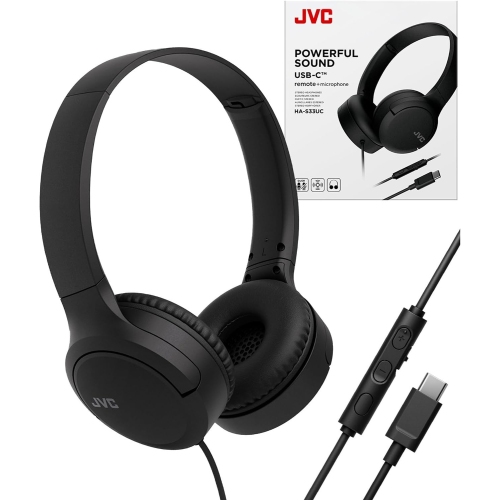
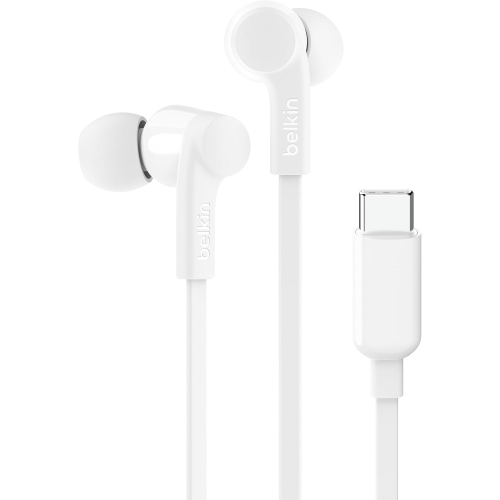
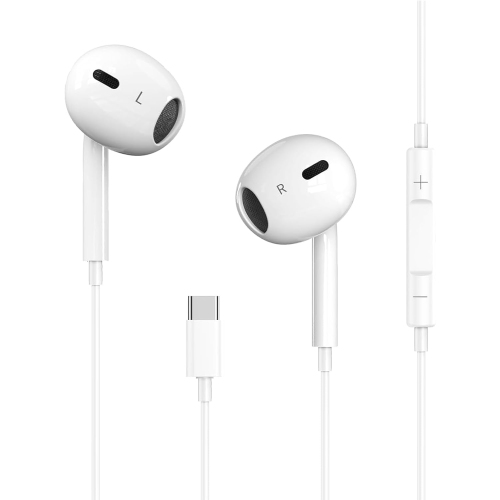
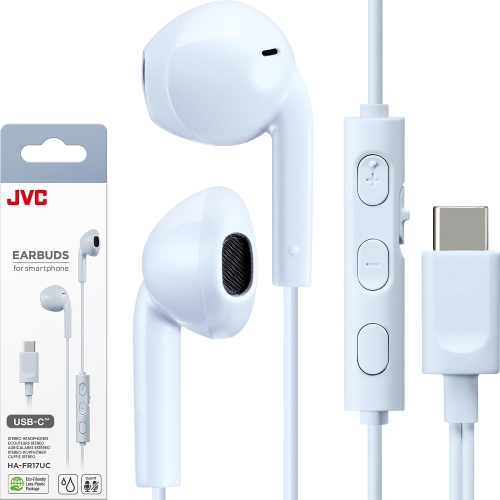
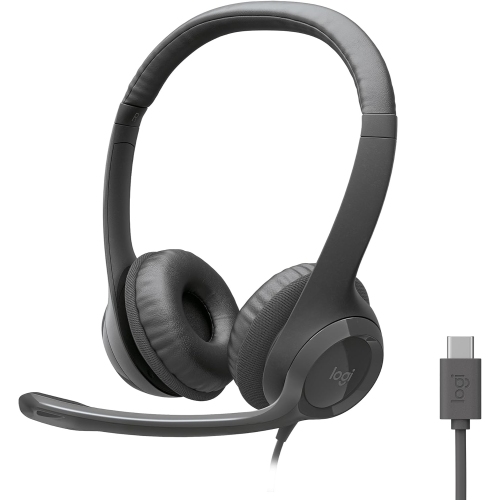
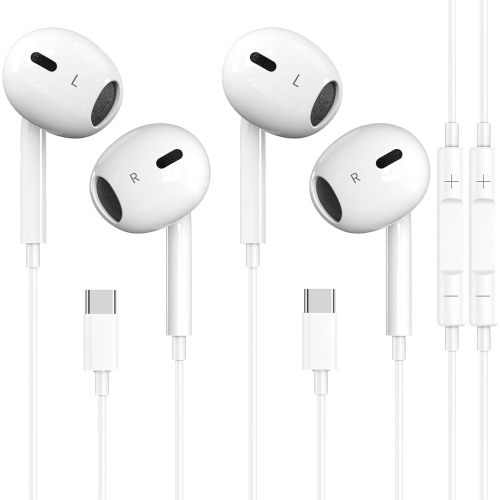
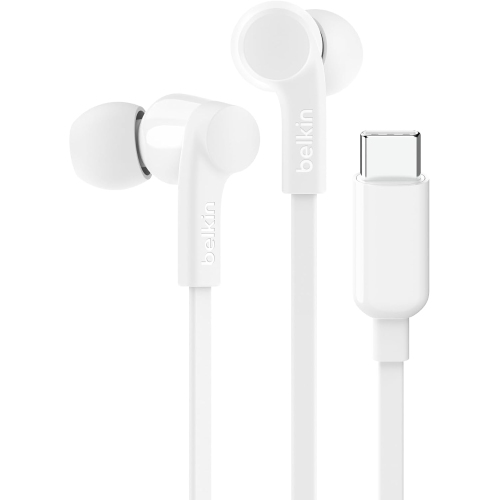
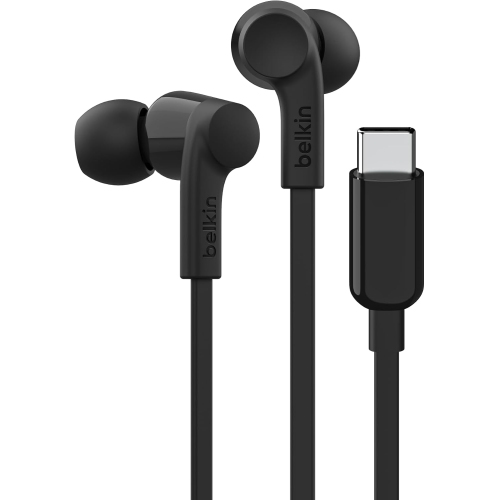
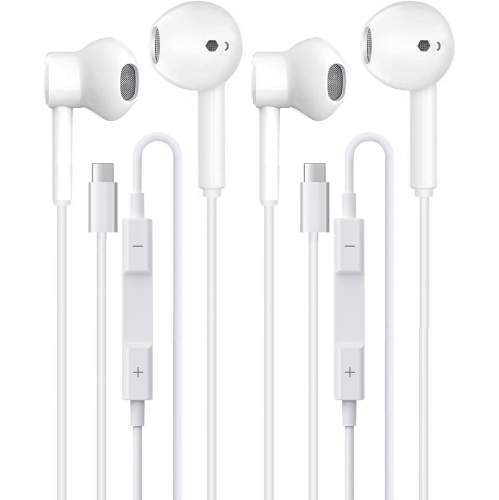
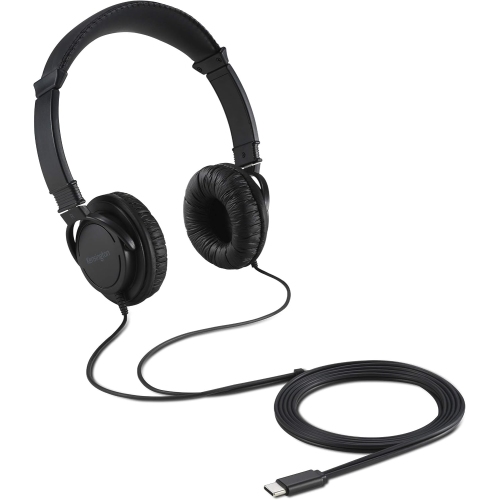
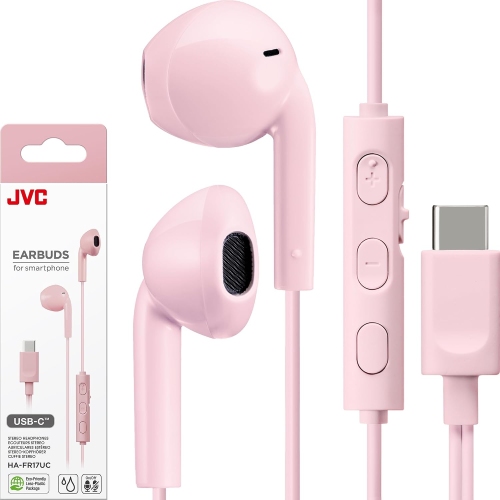
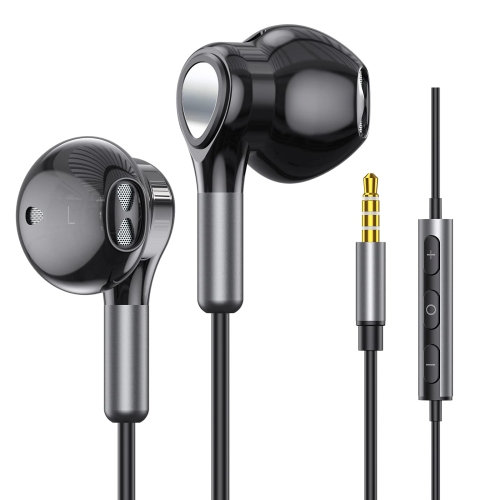
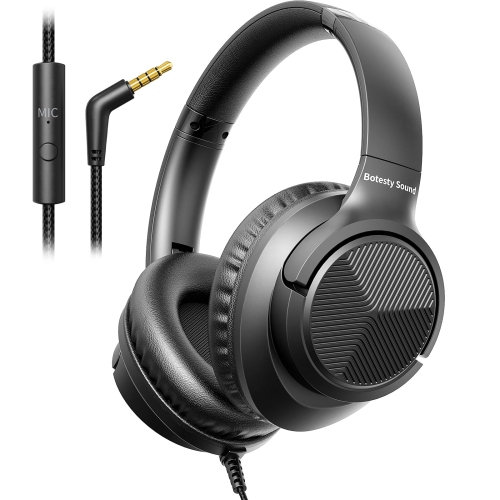
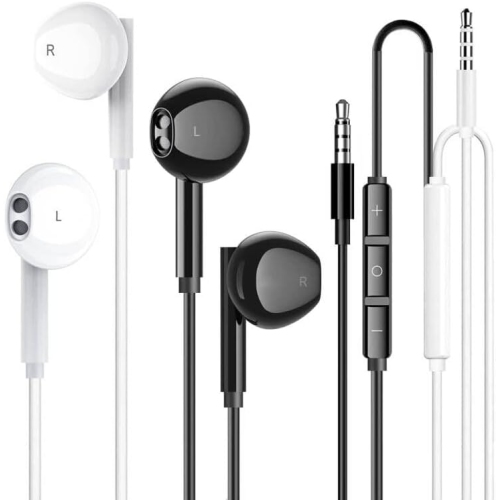
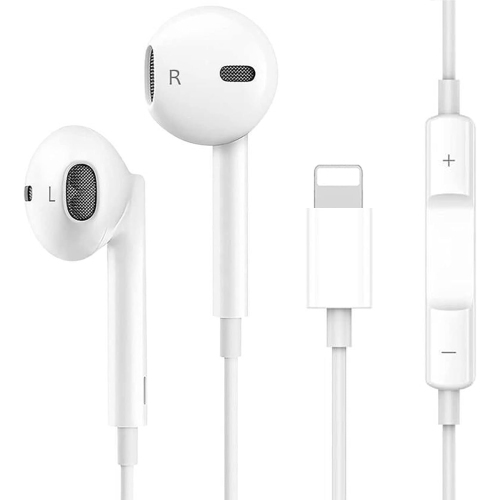
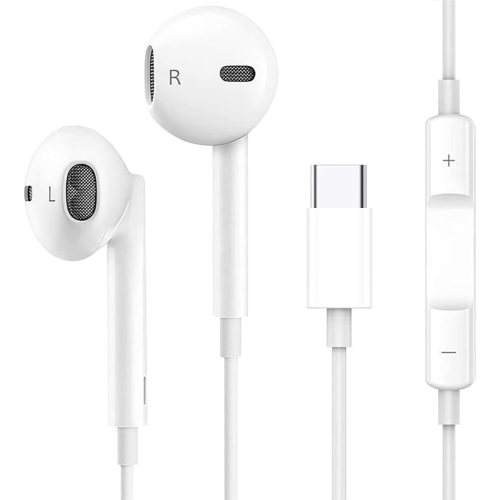
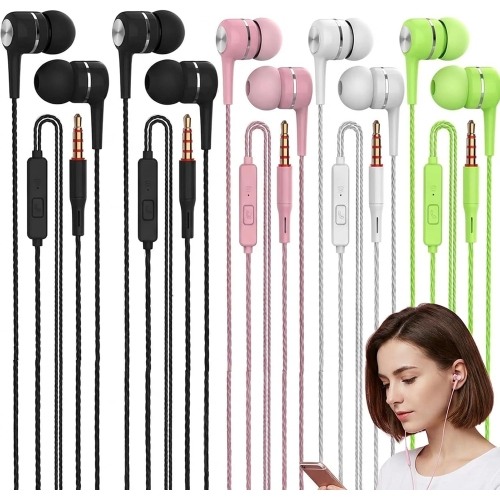
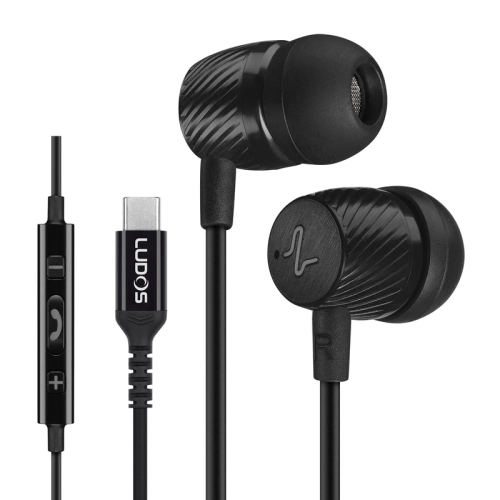
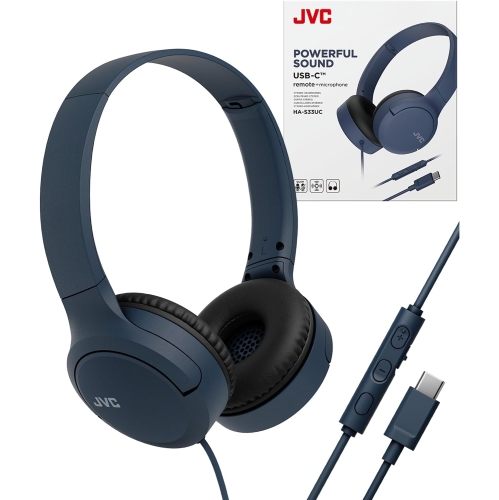
Shop wired headphones under $50 for everyday listening on a budget. Compare available options by fit, connector type, and features to find a pair that suits your needs. Before choosing, check that the headphones’ connector matches your device’s audio port, or whether you’ll need an adapter.
Sort

How fit and compatibility shape everyday wired listening

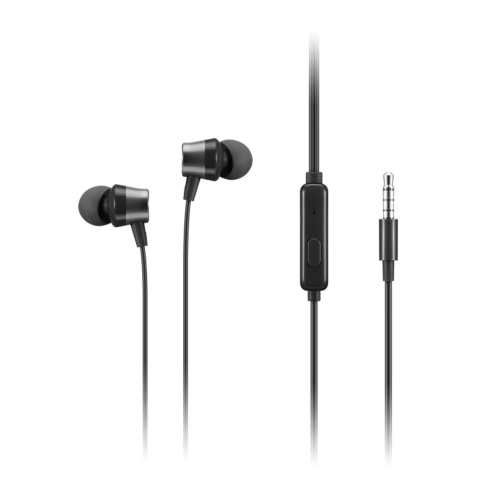
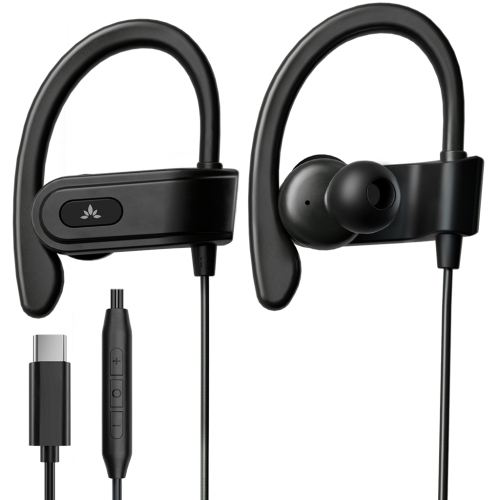
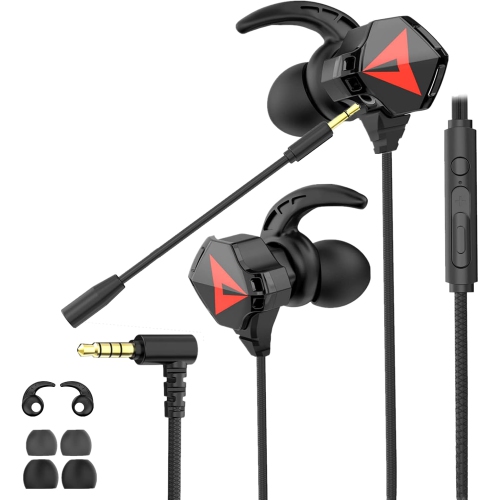
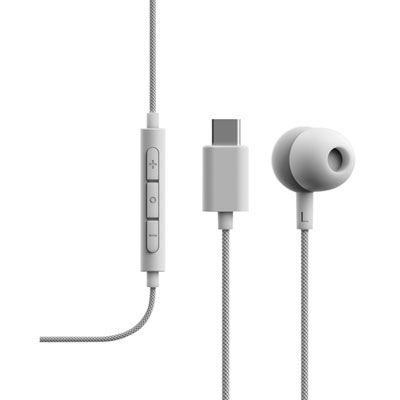
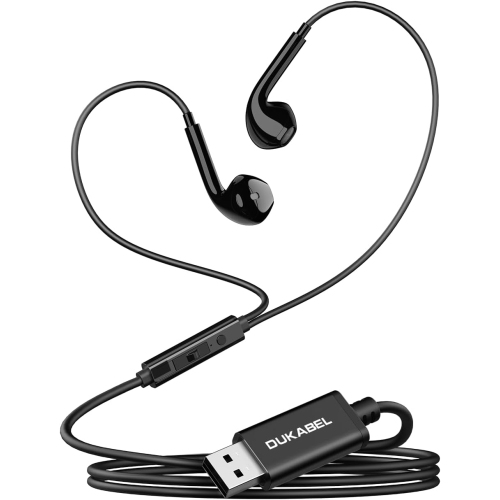
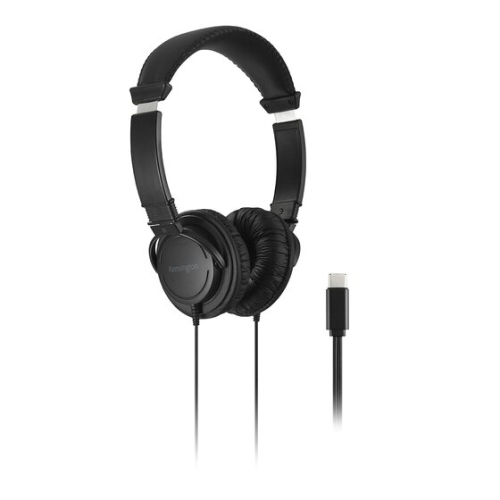
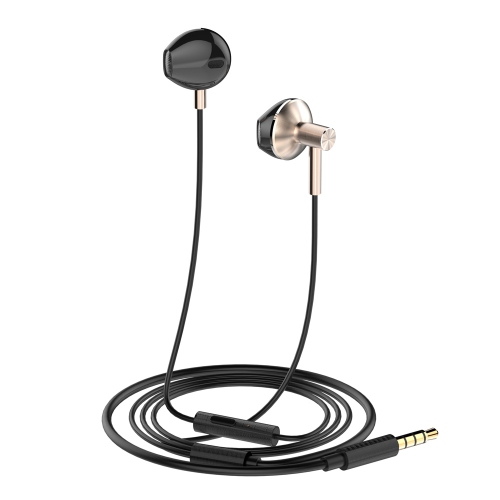
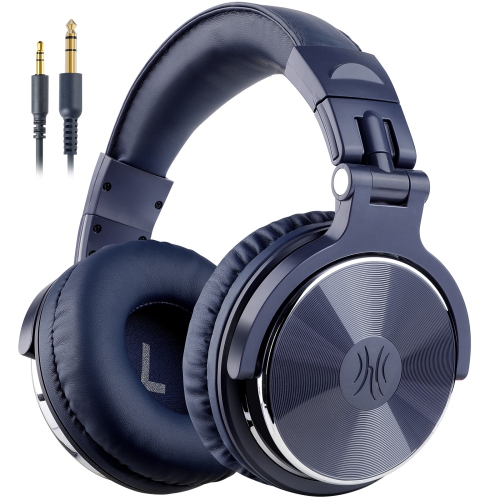
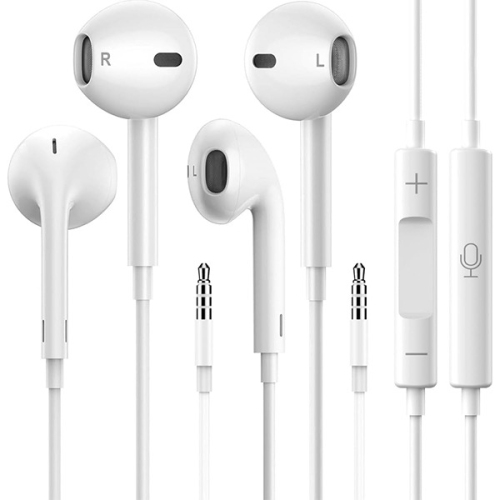
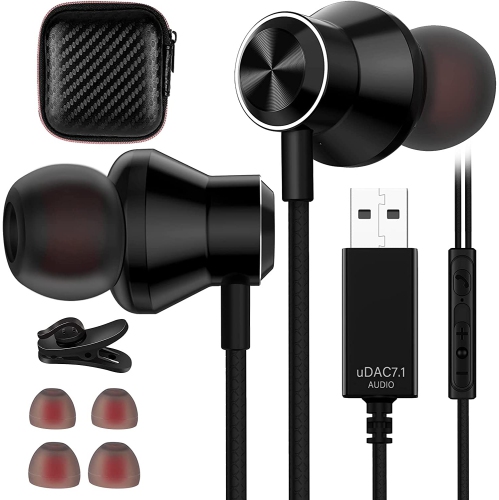
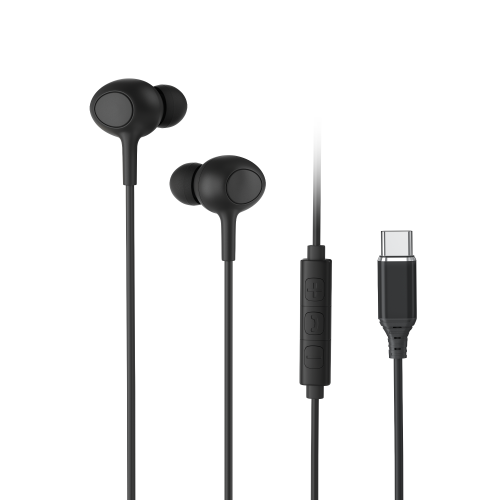
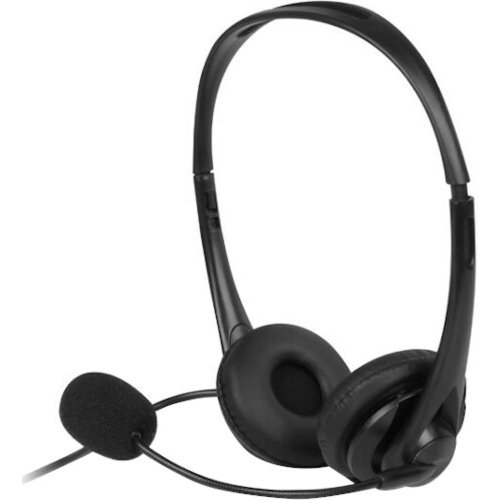
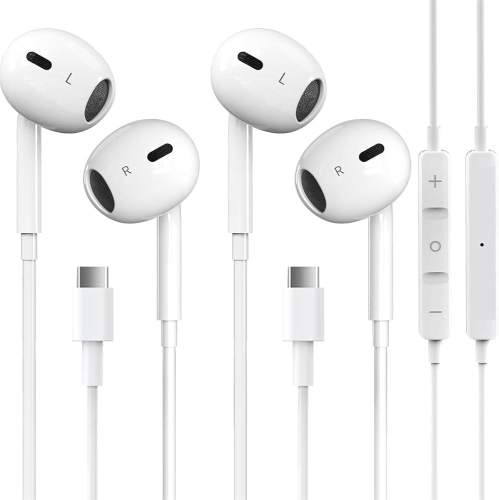
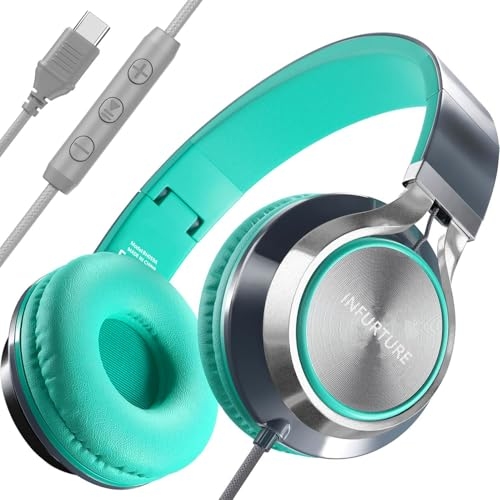
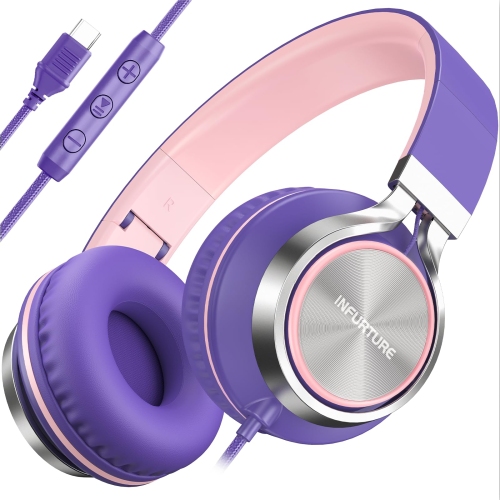
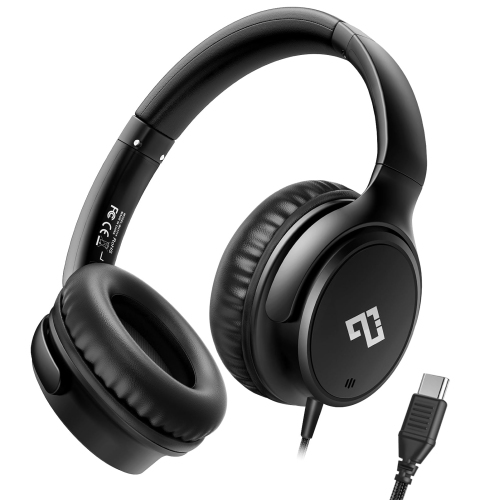
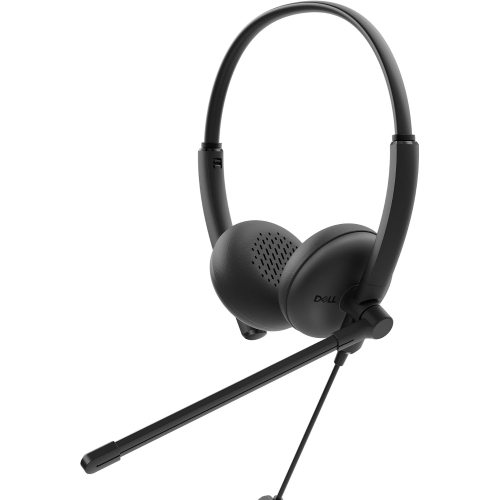
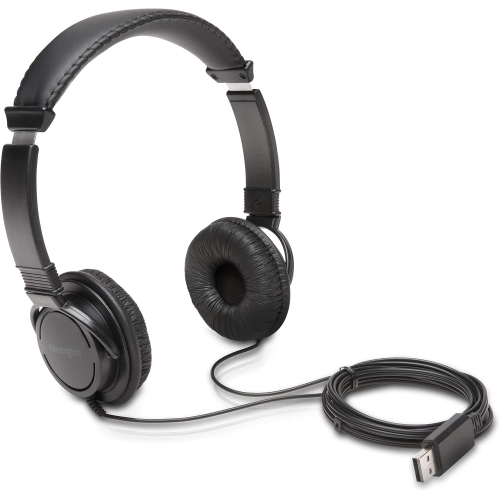
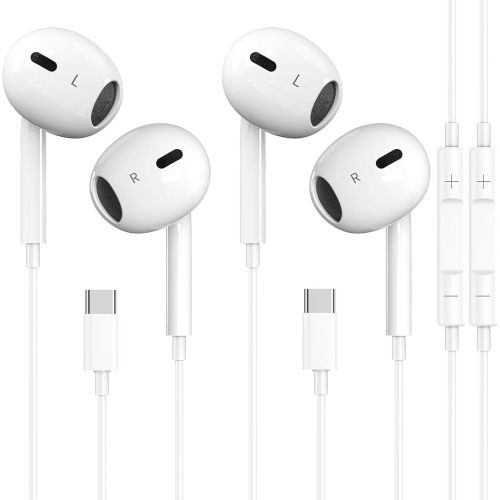
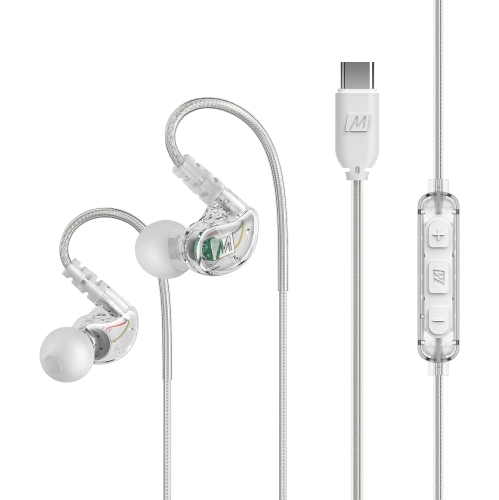
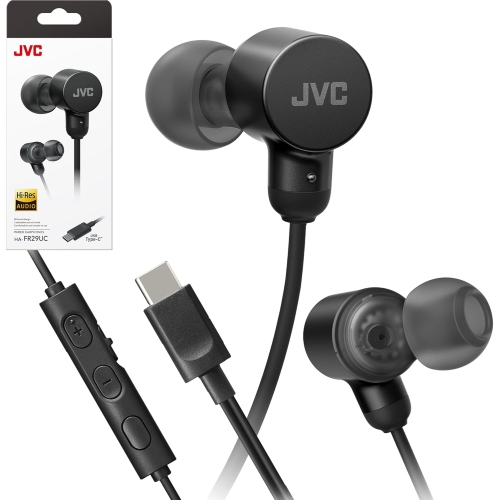
Wired headphones offer a straightforward connection for music, podcasts, video calls, and everyday listening, with a cable linking the headphones directly to a compatible audio source. Passive wired designs do not need charging or Bluetooth pairing, making them convenient for a shared computer, a study desk, or a bag packed for the daily commute. A wired connection also avoids the transmission delay associated with some wireless setups, which can be useful when watching dialogue, practising with a digital instrument, or playing games where sound needs to stay closely matched to the action. The connector matters as much as the headphones themselves. A 3.5 mm plug connects to a compatible headphone jack, while USB-C headphones require a device that supports their audio connection. Phones and tablets without a headphone jack may need an adapter, and some adapters require a built-in digital-to-analogue converter to work with the intended device. Cable length makes a practical difference, too: a shorter lead can stay manageable beside a phone, while a longer one provides more reach from a desktop computer or television connection. Excess cable can catch on chair arms or desk corners, so extra length is not always an advantage. For calls, online lessons, and multiplayer chat, a built-in microphone can make a pair more versatile, but microphone support and inline controls should match the connected device. A button that handles playback on one device may not provide every function on another. A cable connection alone does not guarantee microphone compatibility, particularly with computers that use separate headphone and microphone sockets. Everyday listening needs can also differ within a household. Someone reviewing recorded lectures may value clear speech above deep bass, while someone listening to albums during a train journey may prefer a secure fit and less sound escaping into nearby seats. These practical differences give wired headphones a place across work, study, entertainment, and travel without requiring the same shape or feature set for every listener.

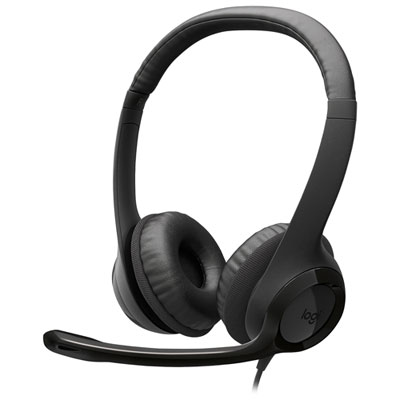
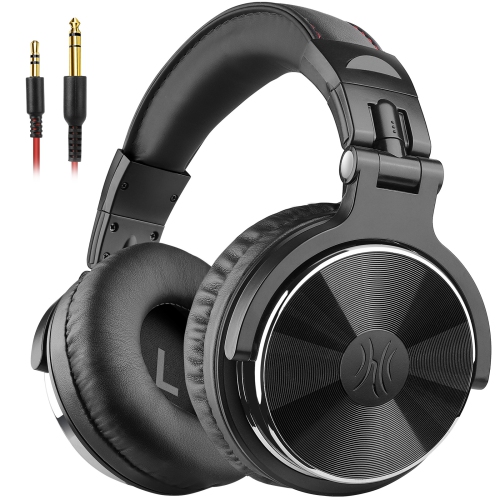
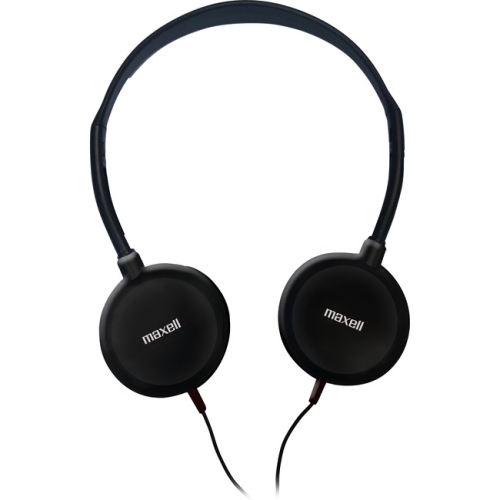
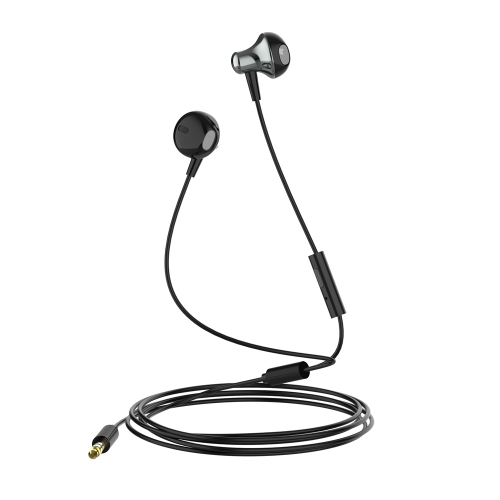
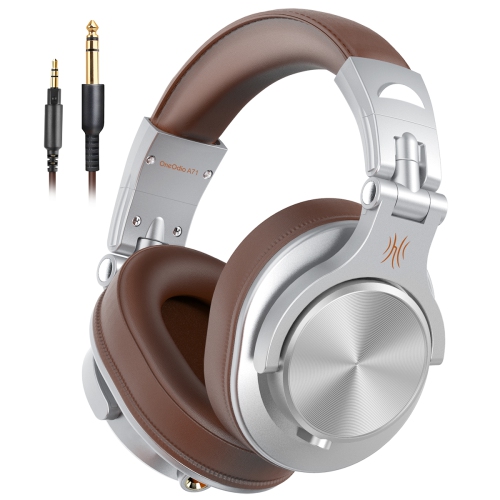
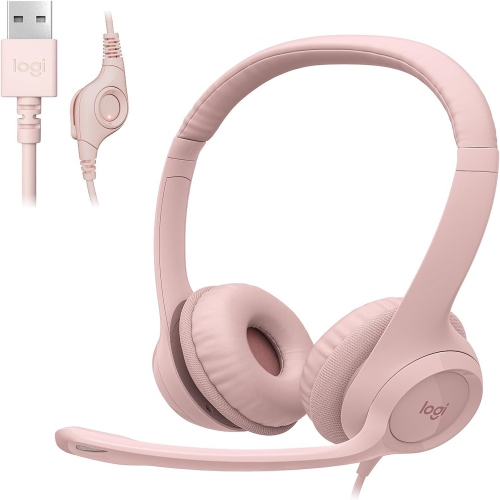
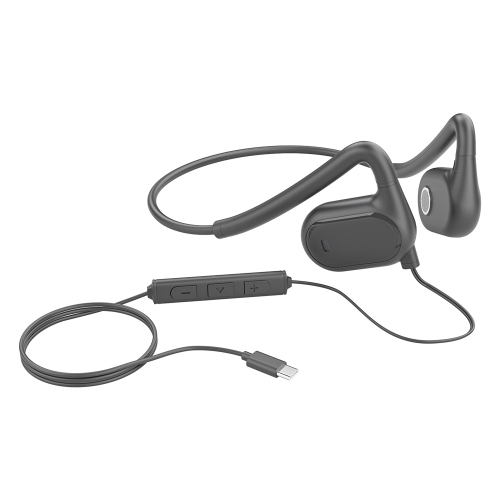
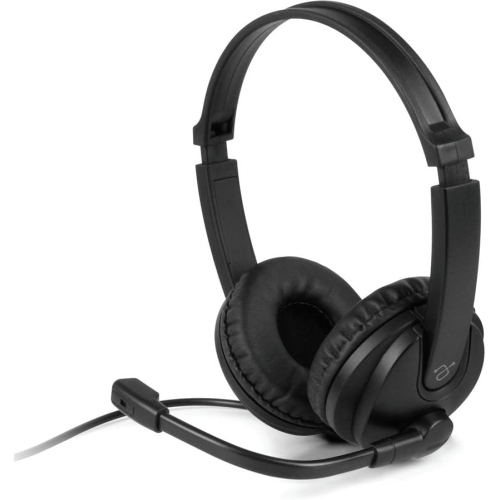
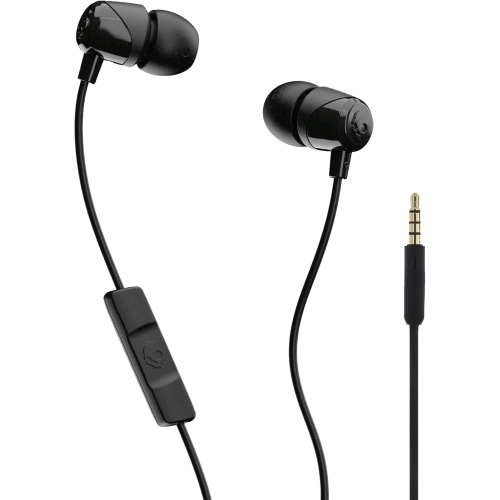
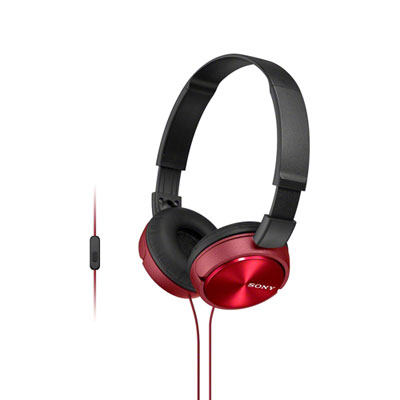
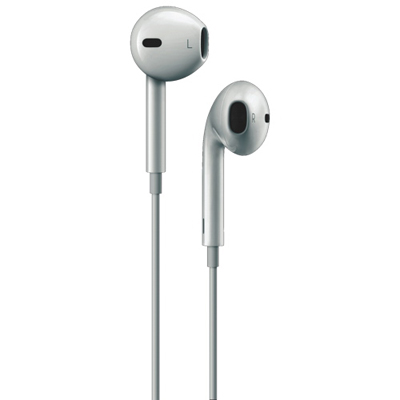
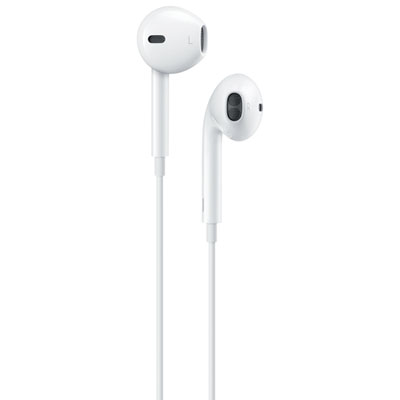
Comfort depends on how the headphones sit, how their weight is distributed, and how long they remain in place. Over-ear headphones surround the ears with cushions and can feel settled during longer listening sessions, although the size of the ear openings and the pressure of the headband affect comfort. On-ear designs rest against the ears and often take up less room in a bag, but their clamping force may become more noticeable over time. In-ear headphones offer a compact alternative, with fit shaped by the size and material of the ear tips. Silicone tips are common and easy to wipe clean; foam tips, where included, conform differently and may need replacement as they wear. A secure in-ear seal helps preserve bass and can reduce some surrounding sound, while a loose fit may make the same audio seem thin. Earbuds that sit near the entrance of the ear canal feel different again and generally allow more outside sound through. Passive isolation from a cushion or ear tip is not the same as active noise cancellation, and neither should be treated as hearing protection. For desk use, soft padding and an adjustable headband can matter more than a folding frame. For a crowded backpack, compact dimensions and hinges that fold without forcing the cable into a sharp bend may be more useful. Listeners who wear glasses may notice pressure where the cushions meet the frames, especially during a full-length film or a long call. Sound preferences are equally personal. Emphasized bass can give rhythm-heavy music more weight, while a more balanced presentation may make voices and instruments easier to follow together. Large earcups or a larger driver measurement do not automatically mean better sound. The fit, acoustic design, recording, and connected device all influence the result. Closed-back earcups can help limit sound leakage, but loud playback may still be audible nearby. Comfortable volume levels and listening breaks remain important, even when a snug fit makes it easier to hear quiet details without turning the volume up.

Materials and construction influence how wired headphones handle repeated packing, unpacking, and daily use. Lightweight plastic housings can keep weight down, while metal reinforcement in a headband or adjustment slider may add rigidity at points that receive regular stress. Neither material alone determines durability; the quality of the hinges, joints, cable entry points, and cushioning also matters. The cable often takes the most handling, especially near the plug and where it enters an earcup or earpiece. Flexible strain relief at these points can help manage bending, but pulling on the wire instead of the plug still puts unnecessary stress on the connection. A detachable cable, when supported by the design, can make a damaged lead easier to replace, provided the replacement has the correct connector and wiring. For storage, loosely coiling the cable is gentler than winding it tightly around a phone or stretching it across a folded headband. A pouch or case can keep ear tips clean and prevent the plug from pressing into soft cushions inside a bag. Routine care is simple: disconnect the headphones, wipe accessible surfaces with a soft cloth, and follow the manufacturer’s cleaning directions for cushions and tips. Moisture should stay away from openings and connectors, and headphones without a stated water-resistance rating should not be assumed suitable for sweaty workouts. Shared headphones need particular attention to the surfaces that touch skin, with removable tips or replaceable cushions offering practical upkeep options where supported. As a gift, wired headphones can suit a student setting up a study space, a family member who prefers a direct connection, or someone who wants a separate pair for their computer. Matching the connector, wearing style, and microphone needs to that person’s routine makes the gift more useful than relying on appearance alone. The broader Headphones Under $50 collection provides another place to browse different listening formats. Within wired designs, a comfortable fit, a suitable cable, and dependable everyday handling are the details that help headphones become an easy part of a familiar routine.
FAQ

Some products may be subject to Environmental Handling Fees (EHF) depending on your province. Learn more about EHFs.