Wired Headphones Under $100
Wired Headphones Under $100 offer an impressive blend of value and performance for music lovers, gamers, and professionals alike. Whether you’re seeking reliable audio for work, study, or entertainment, these affordable options deliver quality sound without stretching your budget. Explore a range of comfortable designs and find the perfect pair to suit your listening needs, all while keeping costs under control. Discover how Wired Headphones Under $100 can enhance your everyday audio experience.
Sort




How headphone fit and cables shape everyday listening
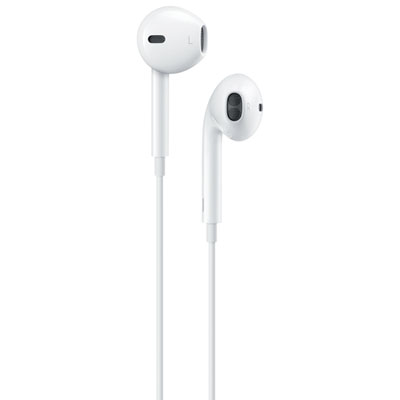
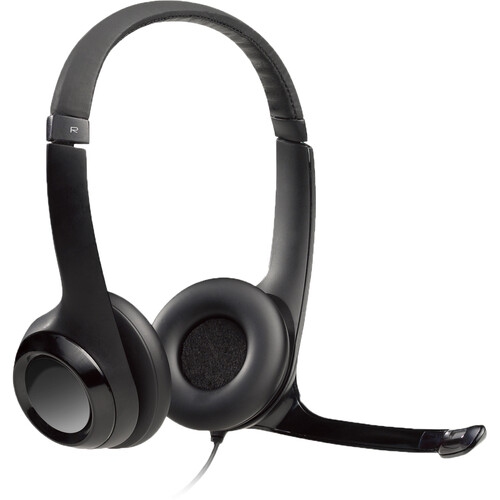
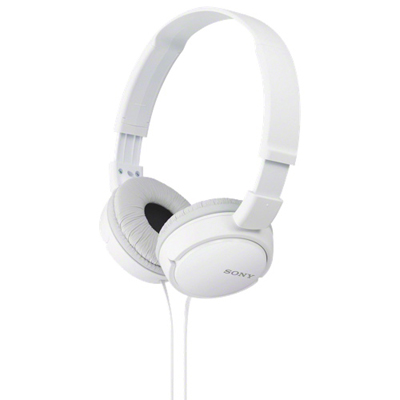
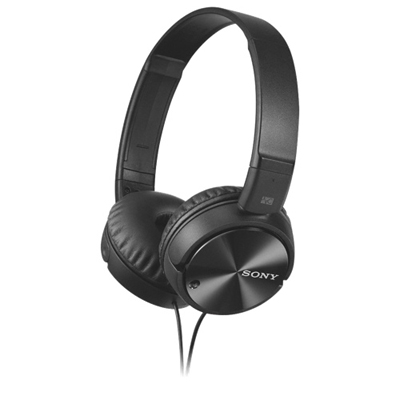
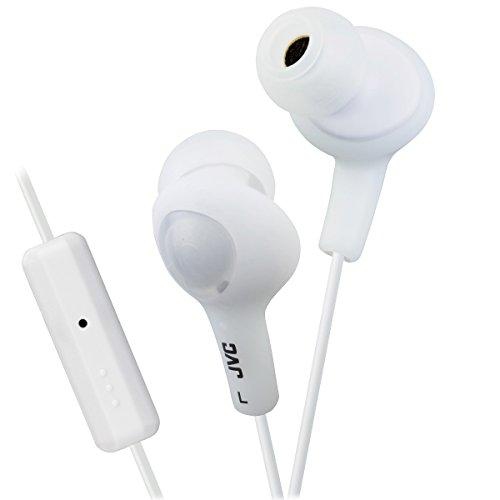
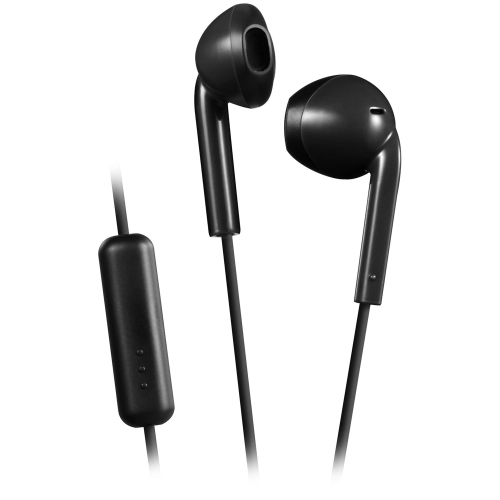
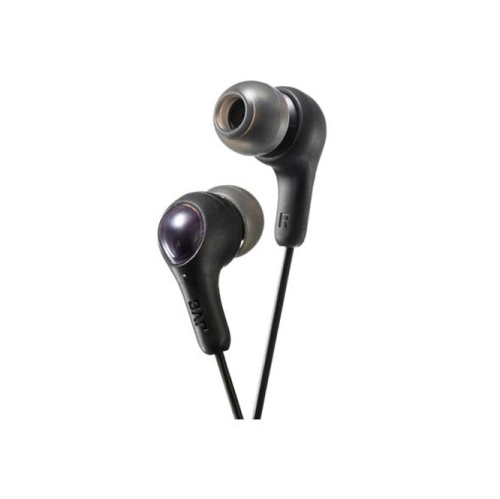
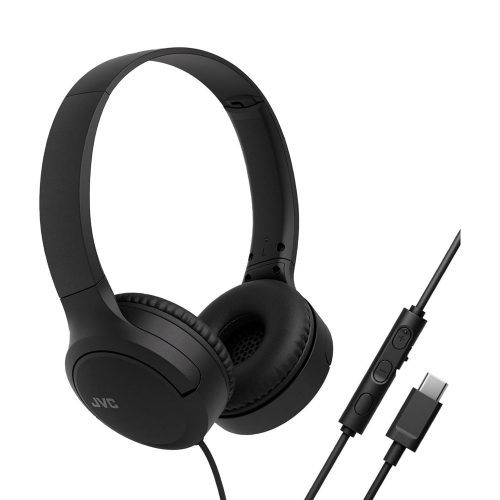
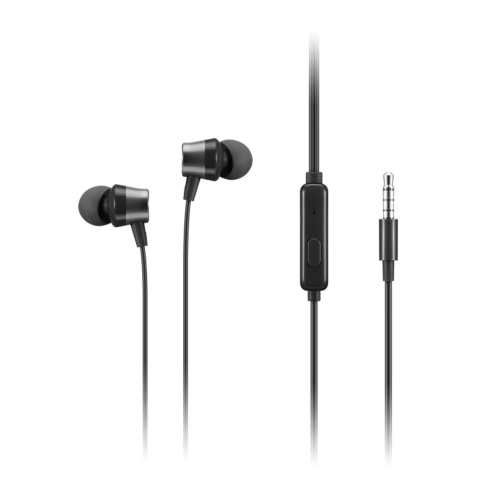
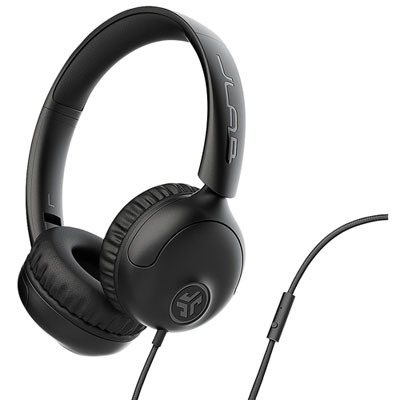
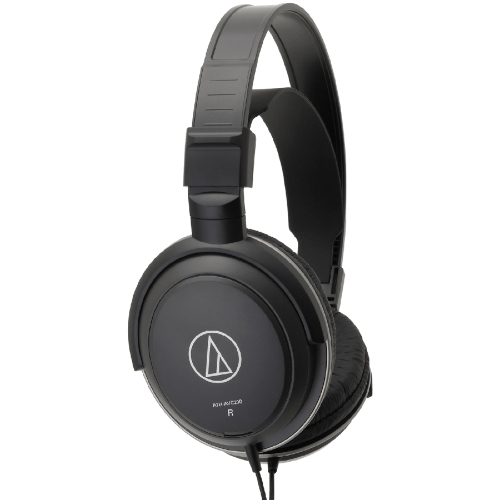
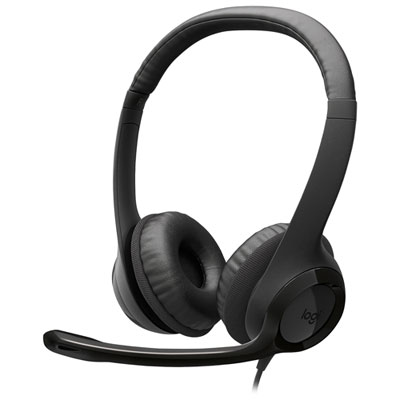
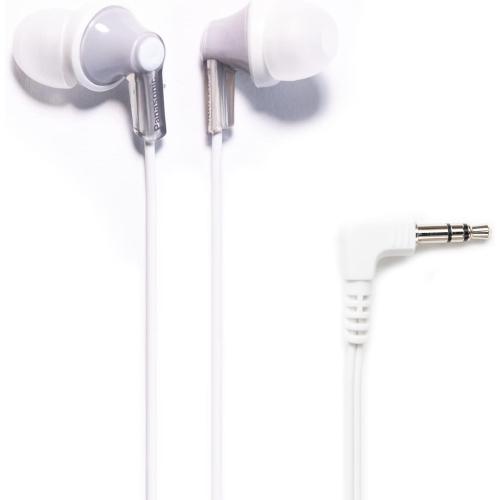
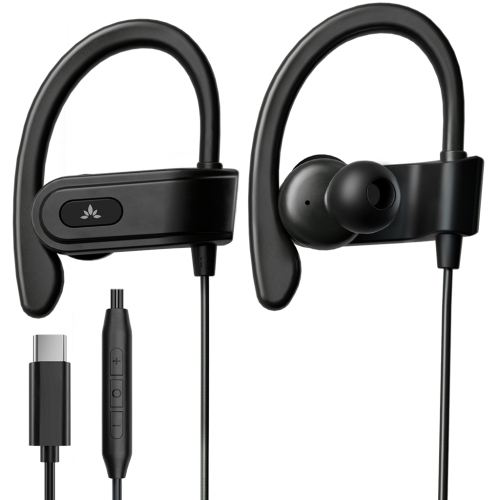
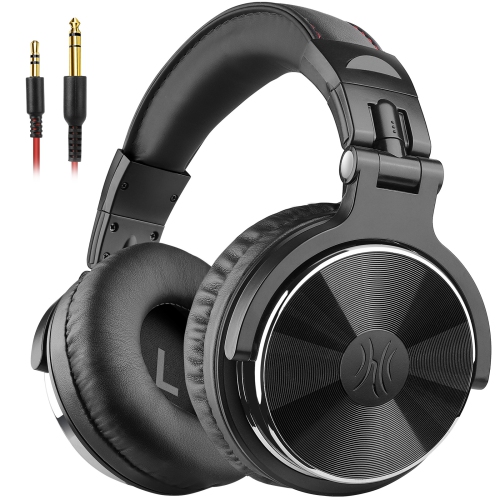
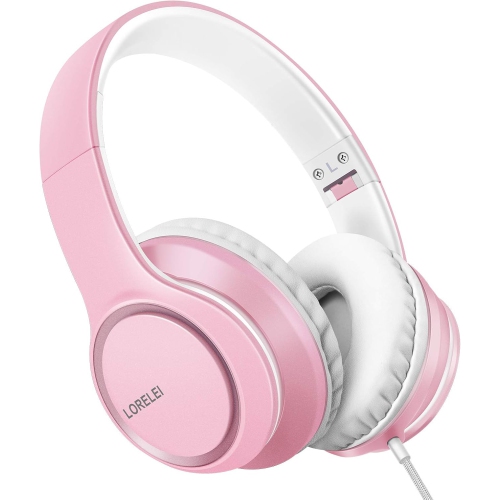
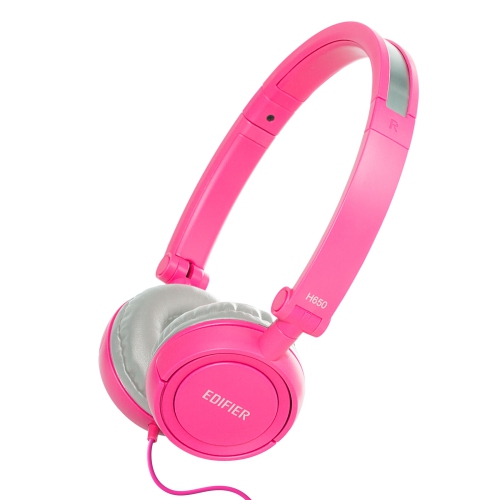
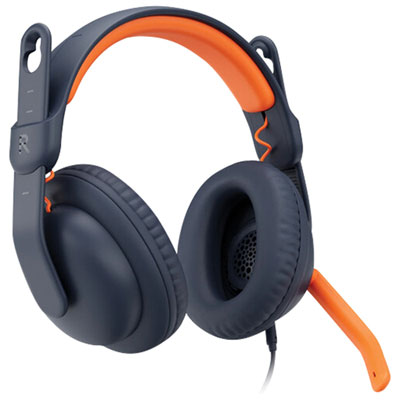
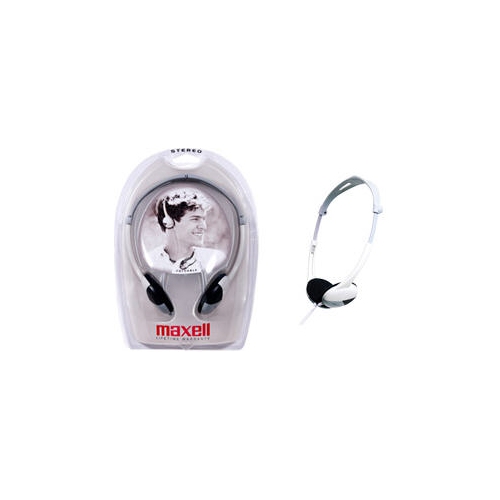
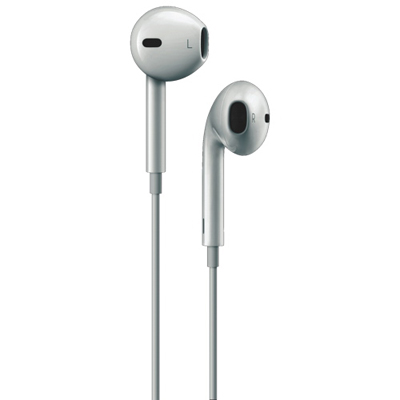
Wired headphones come in three common styles: over-ear, on-ear and in-ear. The difference is easy to picture on a crowded train or at a shared desk. Over-ear headphones have cushions that fit around the ears rather than resting directly on them, which can be comfortable through a long stretch of music, gaming or audio editing. A closed-back design can help keep music from spilling into the room and dull some background chatter, though the seal around the ears matters as much as the shape of the cups. Thick glasses frames or shallow cushions can leave small gaps that let sound in and make bass seem thinner. Open-back headphones let more sound pass through in both directions, which makes them a better fit for a quiet room than a shared library table. On-ear headphones rest against the outer ear and tend to take up less space in a bag. Swivelling cups can help the pads sit flat, but headband pressure may become more noticeable over a long session, especially where the pads meet the arms of glasses. In-ear headphones, including styles called in-ear monitors, are small enough to tuck into a pocket or the front pouch of a backpack. With silicone or foam tips, a close fit can soften outside noise and give bass a fuller sound without turning up the volume. A tip that slips when the listener talks or moves their jaw may not hold that seal, and the same tip size might not fit both ears. Sound preferences matter across all three styles. A bass-forward sound can give drums and bass lines more weight, while a more even balance can make it easier to hear how voices and instruments sit together. Driver size and count alone say little about how a pair will sound once it’s on.
The plug and cable shape the everyday experience just as much as the earcups. A pair with a 3.5 mm plug connects directly to a matching headphone jack, while a phone or tablet without that jack may need wired headphones with a compatible digital connector or an adapter that supports audio. An adapter that plays sound doesn’t necessarily carry the microphone signal, and in-line volume or playback controls may work differently from one device to another. That distinction is easy to miss when the same pair is meant for music on a phone and calls on a laptop. For voice chat, online classes or meetings, an in-line mic keeps the cable fairly simple but can brush against a collar, while a boom mic sits closer to the mouth and can often be moved out of the way between calls. Some desktop computers have separate headphone and microphone jacks, so a headset with a single combined plug may need a splitter designed to separate those two signals. Cable length also depends on where the device sits. A short cord is easier to manage when the phone is in a jacket pocket, while extra reach helps when the headphone jack is beneath a work surface or on an audio interface at the far edge of a desk. For gaming or playing along with a keyboard, a direct wired connection avoids the delay that Bluetooth audio can introduce. Most passive wired headphones draw their signal from the connected device and don’t need to be charged, which is convenient for a pair that stays beside a computer or in a school bag. The Wired Headphones Under $50 page offers another way to compare wired styles for those everyday uses.
Materials influence how headphones feel after an hour and how they hold up after a year of being packed and unpacked. Fabric-covered pads generally allow more airflow, while smooth synthetic leather pads are often easier to wipe down and may form a closer seal. A padded headband can spread pressure over a wider area, but generous padding doesn’t necessarily make a heavier pair feel light. Plastic housings can keep weight down, and metal reinforcement can add stiffness where a band or hinge flexes. The parts that deserve attention are the ones that get handled every day: the headband sliders, the folding joints and the places where the cord enters the plug or earcup. A flexible sleeve at those cable joins helps spread the bend over a wider area. A braided jacket can help resist surface wear, but it won’t prevent damage if the cord is repeatedly wrapped tight or pulled sideways at the plug. A detachable cable or replaceable cushions can extend the useful life of a pair, provided the replacements match the fittings. A loose coil and a pouch keep the cord from winding around pens, keys and charger cables at the bottom of a bag. Unplugging by the connector rather than tugging the cord also takes strain off the join. For routine care, a soft cloth can lift dust and skin oils from pads and headbands, while removable ear tips can be cleaned separately as directed and left to dry before they go back on. As a gift, wired headphones make sense when there’s a clear place for them in someone’s routine: a student who takes calls from a shared room, a musician practising through a keyboard’s headphone jack or a commuter who likes to keep a small pair tucked into a bag. Knowing which jack the recipient uses and whether they prefer cushions around the ears, pads resting on them or tips that fit inside makes the gift more likely to get regular use.
Top selling and popular products
-
 Your price for this item is $25.99
-
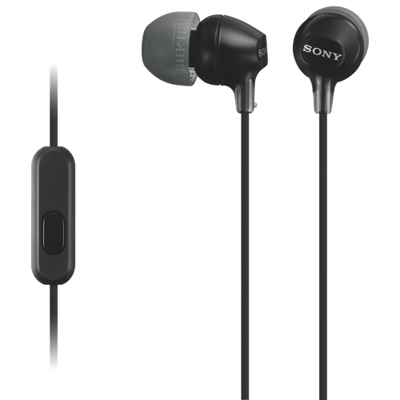 Your price for this item is $15.98
-
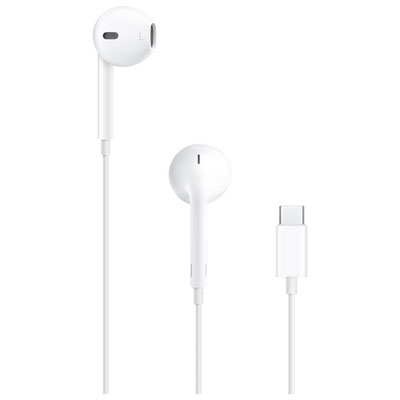 Your price for this item is $25.99
-
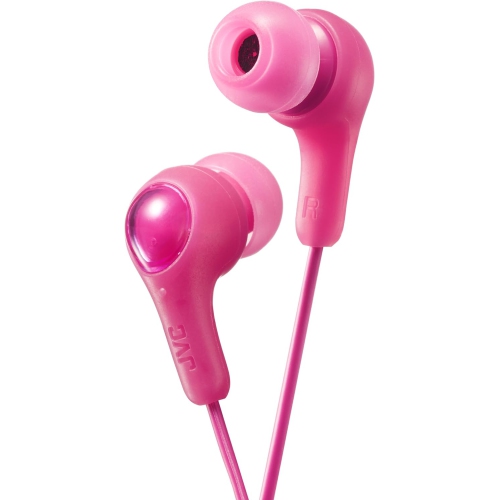 Your price for this item is $25.98
-
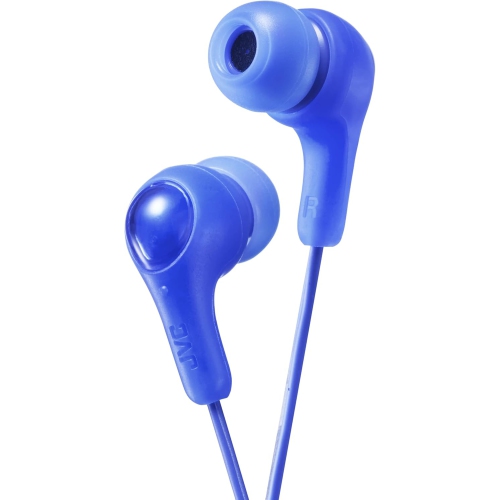 Your price for this item is $25.98
-
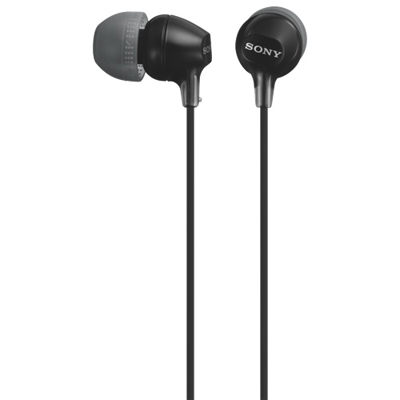 Your price for this item is $12.99
-
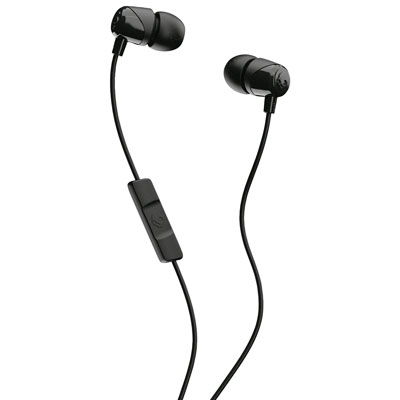 Your price for this item is $14.99
-
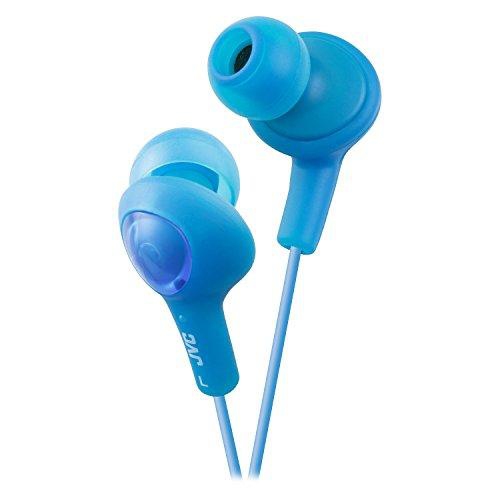 Your price for this item is $19.99
Discover more categories related to Wired Headphones Under $100


Top Collections:
Best Black Friday Deals This Year, Best Black Friday Deals On Electronics, Kindle Devices, Pokemon Centers, Best Black Friday Deals On Apple Products, Best Cameras for Sports Photography, Dyson Airwrap, Pokémon 30th Celebration Cards, Apple iPhone 17 Pro, Canon G7X Cameras
Some products may be subject to Environmental Handling Fees
(EHF) depending on your province.
Learn more about EHFs.