Wireless Mesh Extenders

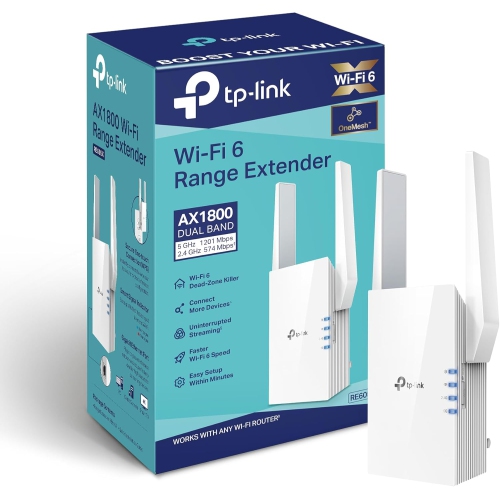
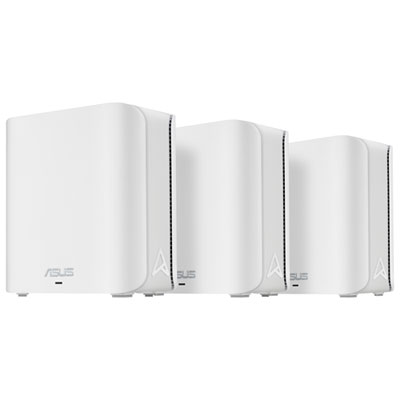
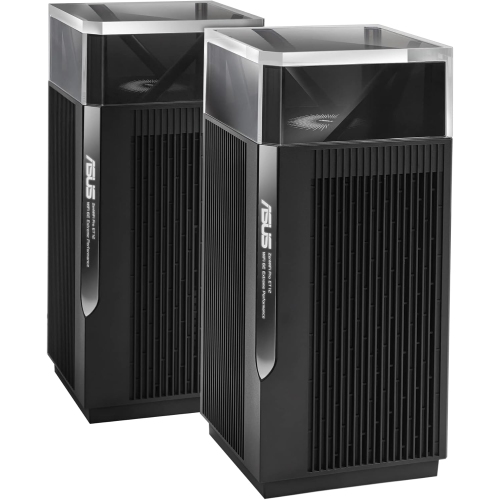
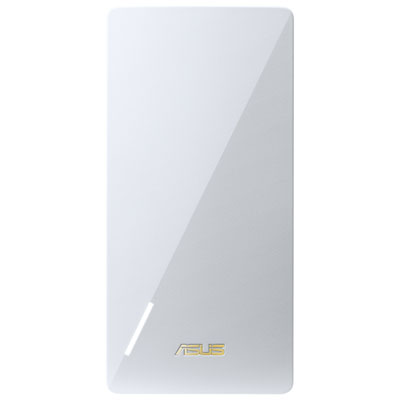
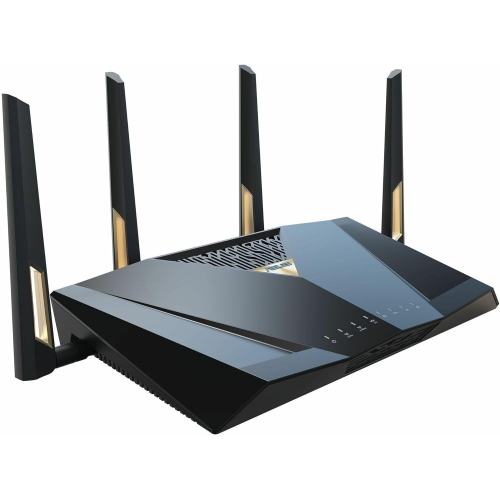
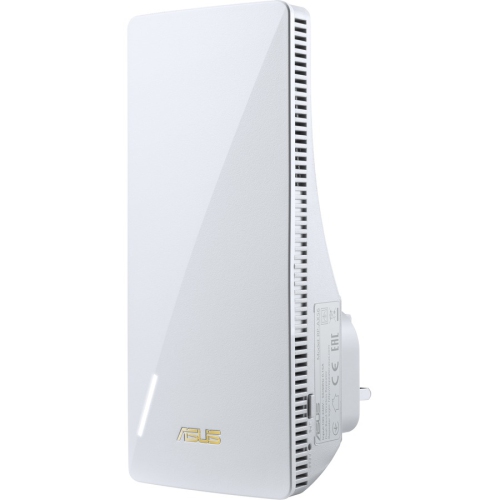
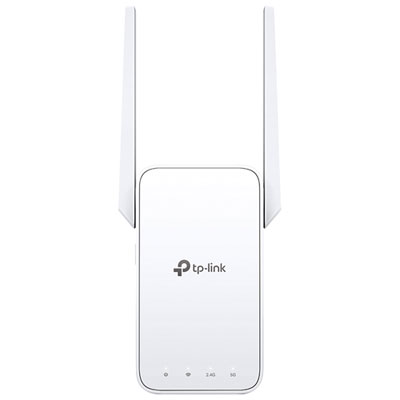
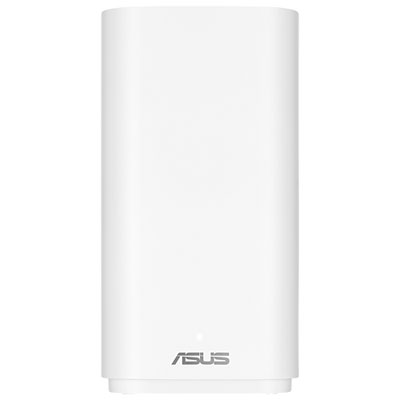
Wireless mesh extenders help expand Wi-Fi coverage to rooms where your signal is weak. Compare options by compatibility with your existing router or mesh system, supported Wi-Fi standards, and coverage needs to find an extender that works with your setup.
Read More

Sort

More Wi-Fi coverage from the network you already have

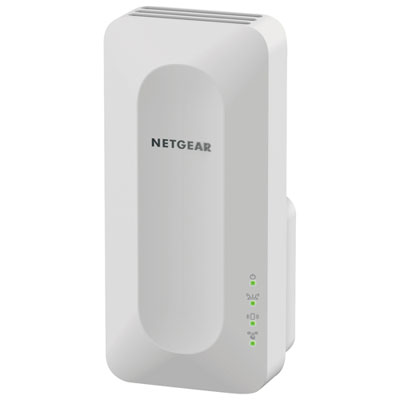
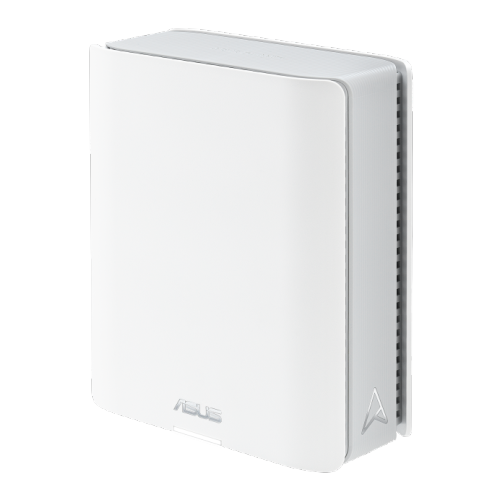
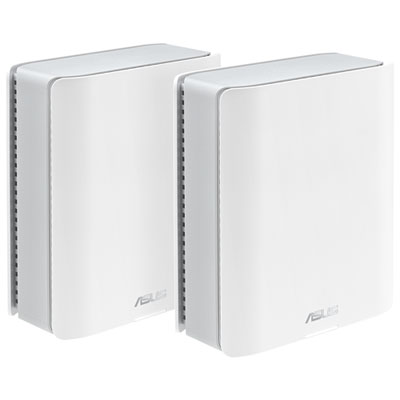
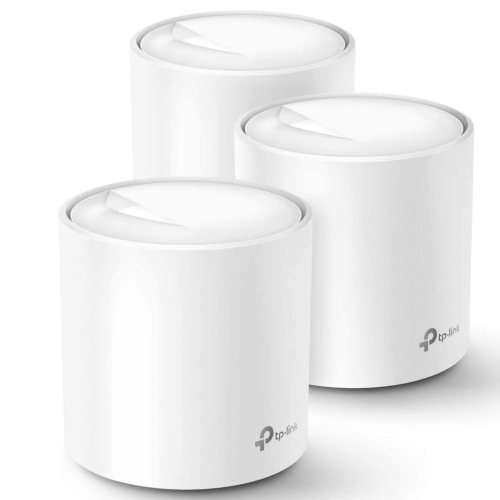
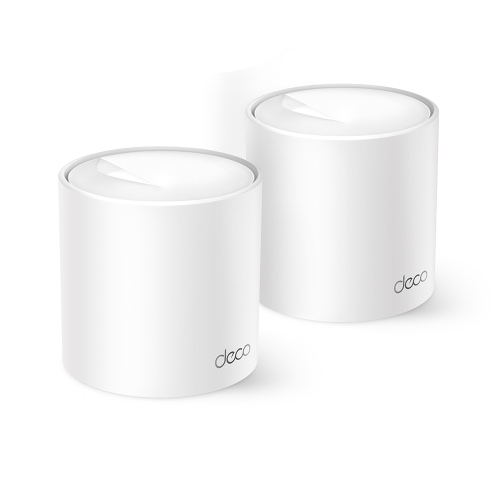
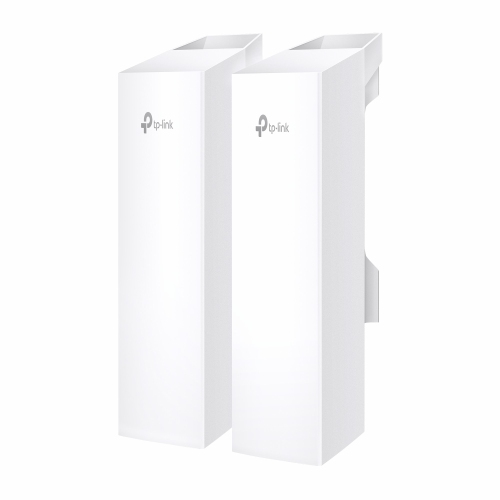
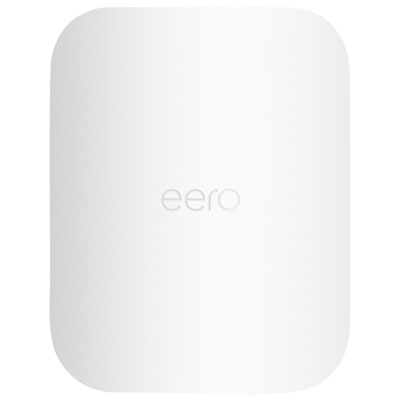
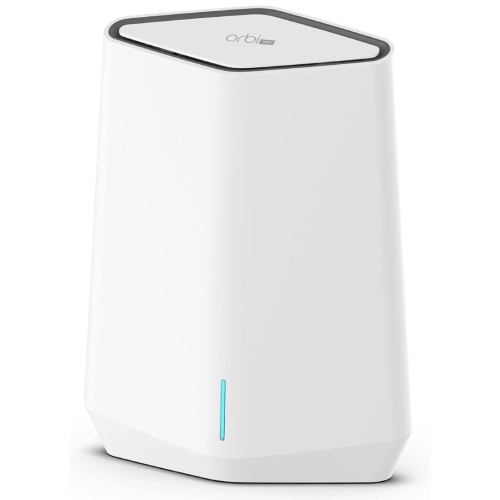
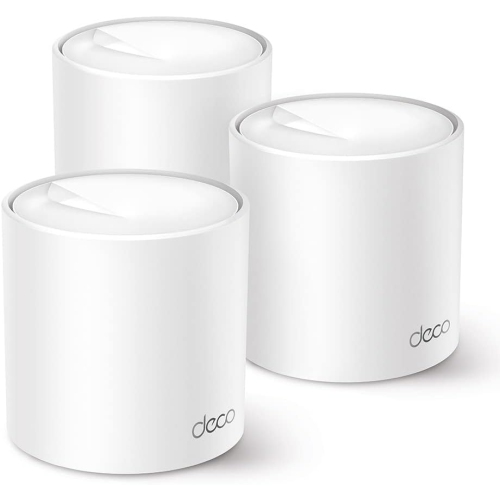
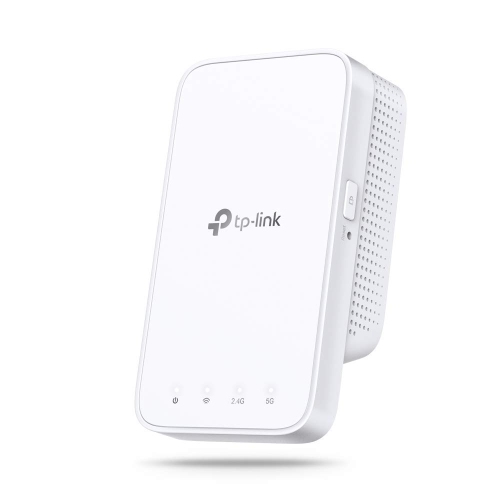
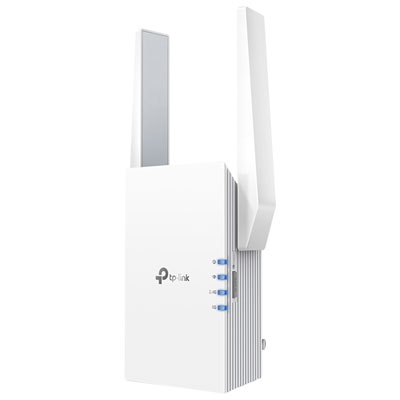
Wireless mesh extenders help bring Wi-Fi coverage to areas of a home where the main router’s signal is weak, making them useful for upstairs bedrooms, basement offices, and living spaces farther from the internet connection. When paired with a compatible router or mesh system, they can expand an existing network rather than create a separate network that requires manual switching. A shared network name and coordinated connections can make it easier for compatible phones, tablets, and laptops to stay connected as you move between rooms. This makes wireless mesh extenders worth considering for households with several people streaming, working, studying, or using connected home devices in different areas. Their main benefit is extending the reach of an existing connection, rather than increasing the speed of the internet plan itself. The layout of your home, the placement of your router, and obstacles such as thick walls or floors all influence how much additional coverage an extender can provide.

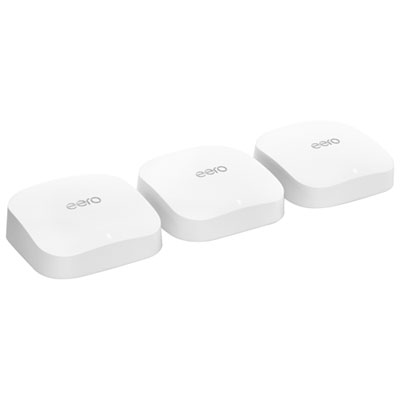
Compatibility is an important distinction when comparing wireless mesh extenders. A device that repeats a router’s Wi-Fi signal does not necessarily become part of its mesh network, and mesh features may require support for a particular system or compatible product family. Checking compatibility with your existing router helps you choose an addition that supports the network experience you want. Wi-Fi generation, supported frequency bands, and connection capacity are also useful points of comparison, especially in homes with a mix of older devices and newer technology. Dual-band and tri-band designs offer different ways to handle traffic between devices and network nodes, while some configurations can dedicate a band to communication within the mesh system. Published speed ratings describe theoretical wireless capabilities rather than guaranteed internet speeds. For video calls, online gaming, and high-resolution streaming, a stable connection and a strong link back to the router matter alongside the extender’s advertised performance.

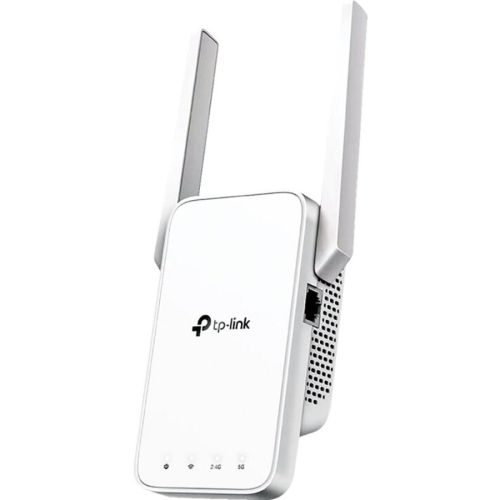
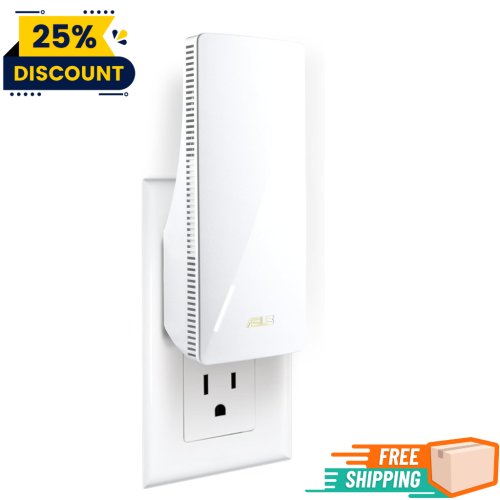
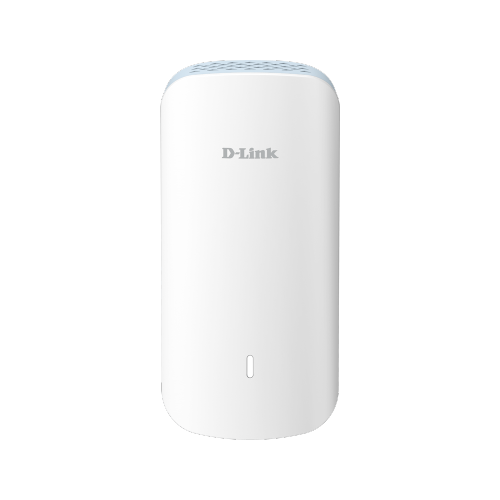
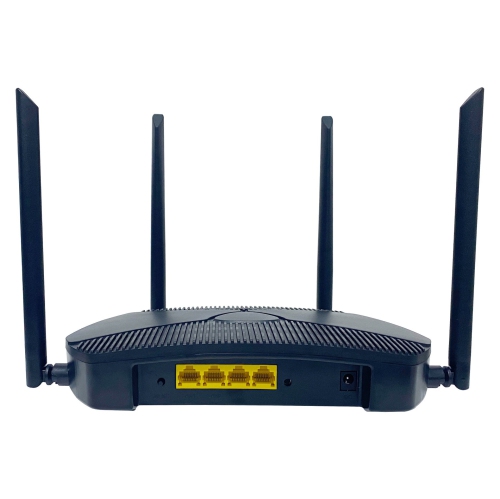
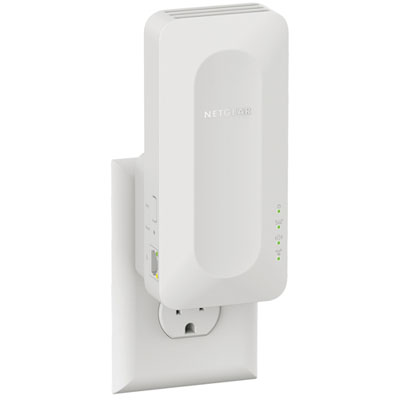
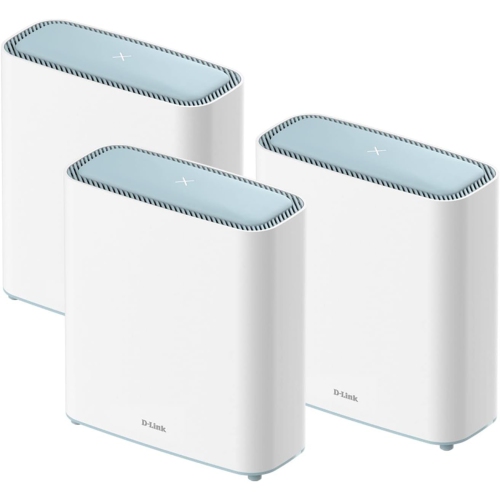
Physical design and connection options can help narrow the choice for your space. A wall-plug format may suit a hallway or landing with an accessible outlet, while a freestanding unit needs a suitable surface and nearby power. Placement matters: an extender needs to receive a reliable signal from the existing network, so positioning it between the router and a weak-coverage area is generally more effective than putting it at the farthest edge of coverage. Ethernet ports can be useful for connecting equipment such as a desktop computer, television, or games console, and models that support Ethernet backhaul can use a wired connection to carry traffic back to the router or another compatible network node. Setup tools, security features, and access to firmware updates are also relevant considerations for everyday ownership. For households looking to improve coverage without replacing a compatible router, wireless mesh extenders offer a way to build on the network already in place, with the best fit depending on the home’s layout, connected devices, and existing equipment.

Read More

FAQ

Some products may be subject to Environmental Handling Fees (EHF) depending on your province. Learn more about EHFs.