Outdoor Wi-Fi Extenders
Outdoor WiFi Extender solutions are designed to help you enjoy a stronger and more reliable wireless connection in your backyard, patio, or any open-air space around your home. Whether you're streaming music by the pool, working from your garden, or keeping smart devices connected outside, these extenders make it easier to stay online beyond your indoor walls. Explore a variety of Outdoor WiFi Extender options to find the right fit for your coverage needs and outdoor activities.
Sort
Why outdoor Wi-Fi needs more than signal strength
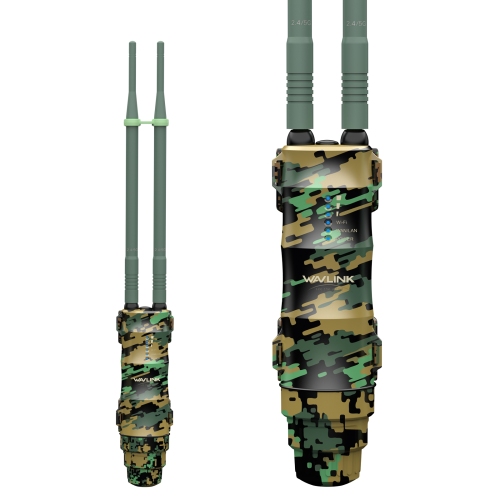
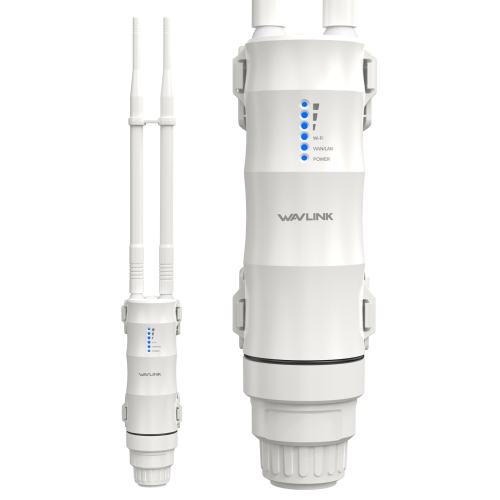
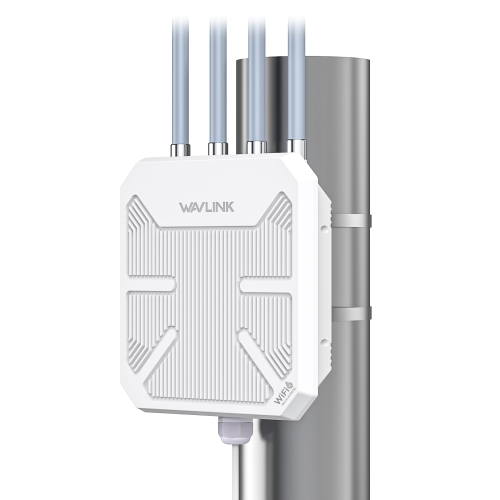
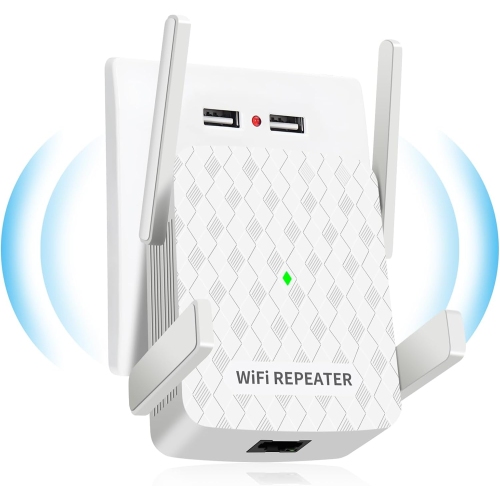
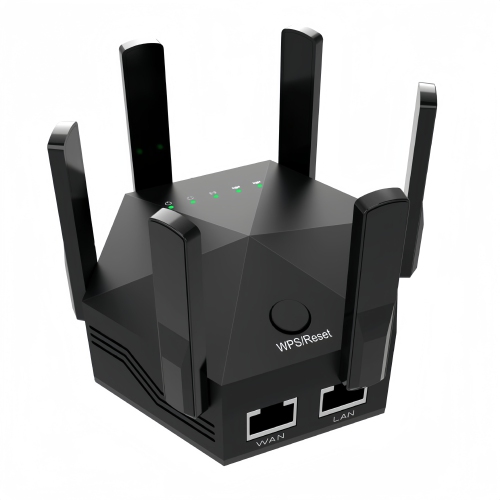
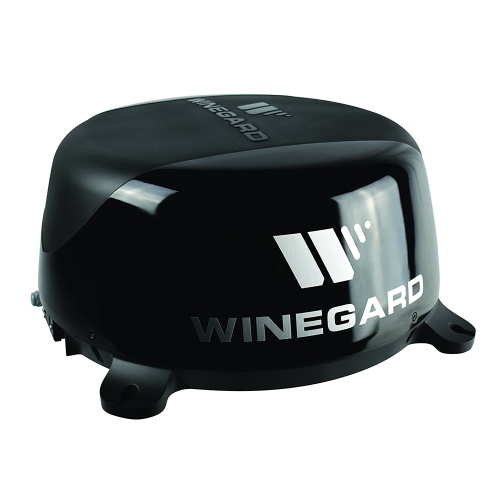
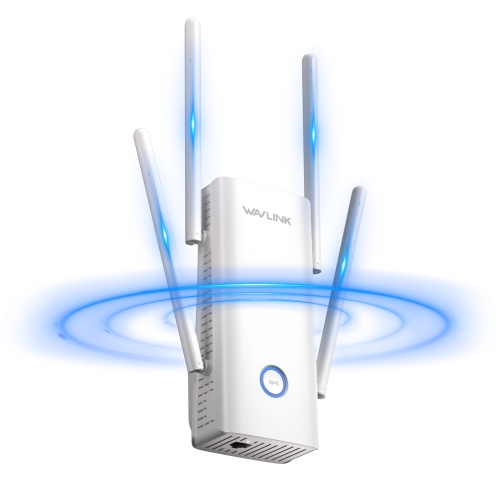
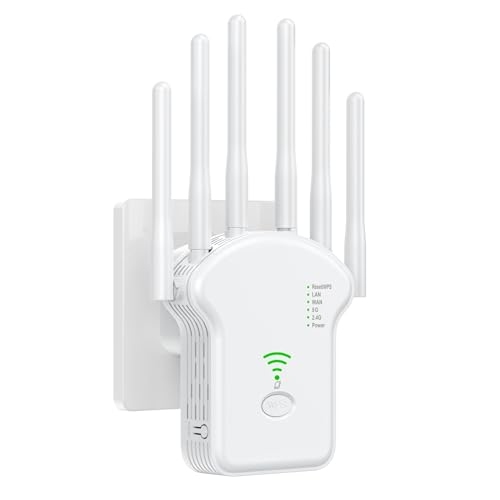
Outdoor Wi-Fi extenders help carry an existing wireless network beyond the walls of a home or small business, making it easier to stay connected on a patio, near a garage, or across a larger property. The main differences between outdoor networking options are how they connect to the router and whether they belong to a particular mesh system. A wireless range extender receives an existing Wi-Fi signal and rebroadcasts it, so it needs a reliable connection to the original network. An outdoor access point typically uses an Ethernet cable to connect back to the router or network switch, providing wireless coverage without relying on a distant wireless signal for that connection. An outdoor mesh node works within a compatible mesh system and may use either a wireless or wired connection between nodes, depending on its design. These categories can overlap, and some devices support more than one operating mode, making compatibility and connection type more useful distinctions than the name alone. An outdoor-rated mesh node can suit a household that already uses a compatible mesh network and wants shared network management. A standalone outdoor access point can make sense where Ethernet reaches an exterior wall, outbuilding, or covered seating area. A wireless extender can suit a location where running cable is impractical, provided a strong enough signal reaches its mounting position. None of these devices creates an internet connection independently; each extends access to an existing network. Their usefulness is easy to picture: a video call at a garden table, music beside an outdoor dining area, or a connected camera near a detached garage. The best fit depends on the space, the existing router, the number of connected devices, and whether a wired connection is practical. For a small patio, reliable coverage just outside the back door may be enough. A long property or separate workshop can require a different layout, with more attention to the path between the house and the area that needs service.
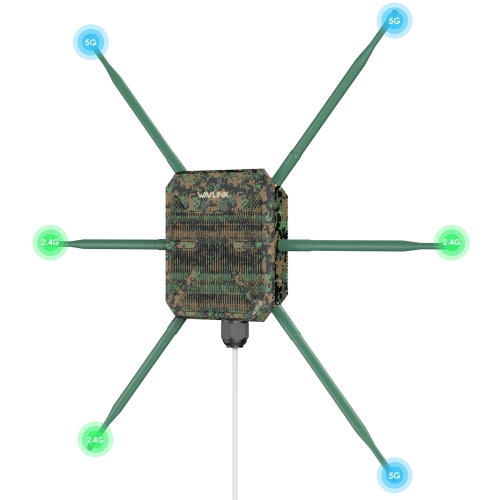
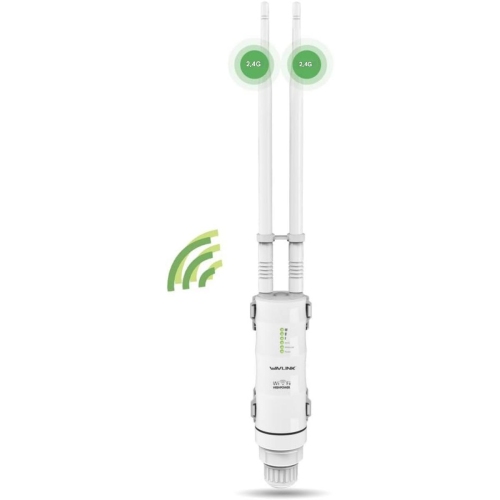
Coverage depends as much on placement and building materials as it does on the extender’s specifications. Brick, concrete, metal siding, insulated exterior walls, and certain types of glass can weaken a wireless signal before it reaches an outdoor device. A unit installed at the far edge of the existing network may show a connection but still struggle to deliver consistent performance. Wireless extenders generally work better where they can receive a dependable signal while reaching towards the area that needs coverage, rather than directly inside the dead zone. An Ethernet-connected access point offers more placement flexibility, although cable routing, power, and mounting access still matter. Antenna design also affects the shape of coverage. Omnidirectional antennas typically serve an area around the device, while directional designs concentrate coverage towards a particular location. Antenna count alone does not establish range, and a high advertised speed does not guarantee that speed at every corner of a property. A phone or tablet must also be able to send a signal back to the network, so greater transmitting power at one end does not solve every coverage problem. Dual-band models can offer a choice between 2.4 GHz, which generally reaches farther, and 5 GHz, which can provide more capacity over shorter distances. Actual results depend on interference, obstacles, connected equipment, and the network connection feeding the extender. Wireless repeating can also reduce usable throughput because the device shares wireless capacity between receiving and forwarding traffic, though the effect varies by design. For everyday browsing or audio streaming, stable coverage may matter more than peak speed. Video calls, several simultaneous streams, and large file transfers place greater demands on the connection. Patios, garden seating areas, and detached workspaces are common reasons to consider Wi-Fi Range Extenders for Backyards, with the distance and construction of each property shaping the right setup. Reaching a separate building may call for a dedicated point-to-point wireless link and an access point inside, rather than a single conventional extender expected to cover the entire distance.
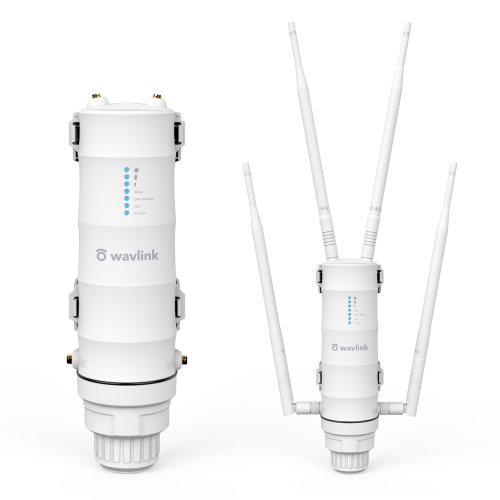
Outdoor installation also brings practical requirements that indoor networking equipment is not necessarily built to handle. Weather-resistant housings, sealed cable entries, and secure mounting hardware help protect equipment intended for exterior use, but protection levels differ. An ingress protection rating describes resistance to dust and water under defined test conditions; it should not be treated as permission to submerge a device or ignore its installation requirements. UV-resistant housing materials and corrosion-resistant mounting components can be useful for exposed locations, while the manufacturer’s operating temperature range helps establish whether a unit suits its intended mounting position. An indoor extender placed beneath a roof overhang is not automatically suitable for outdoor use. The power adapter, cable connections, and any supplied injector also need appropriate protection, since an outdoor-rated access point may include power equipment designed to remain indoors. Power over Ethernet, often called PoE, carries power and data through a compatible Ethernet cable and can simplify installation where an electrical outlet is inconvenient. The supported PoE standard, power requirements, and injector or switch compatibility need to match; not every device uses the same arrangement. Outdoor-rated cabling, suitable cable glands, and mounting that follows the manufacturer’s directions are part of a dependable installation. Accessible placement also makes occasional inspection easier, whether that means checking a bracket, looking for cable damage, or gently cleaning the housing as directed. Once installed, straightforward network management can make everyday use more convenient. Shared network names may reduce manual switching between areas, but seamless roaming depends on the access points, network configuration, and connected device. Guest network support can help separate visitors from household devices, while supported security settings and ongoing firmware updates matter for any network extension. Outdoor coverage is useful for households, home-based workers, and small businesses with exterior seating or work areas. A carefully matched setup keeps the emphasis on the activities happening outside: checking a recipe beside the barbecue, taking a call away from a busy room, or keeping connected equipment within reach of the network.
Top selling and popular products
-
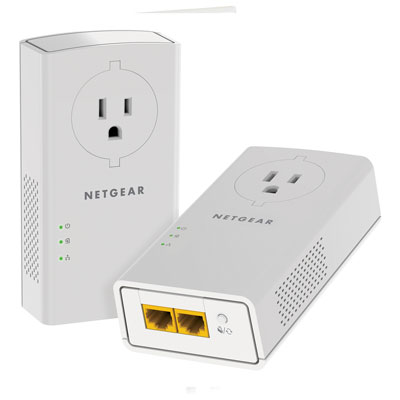 Your price for this item is $139.99
-
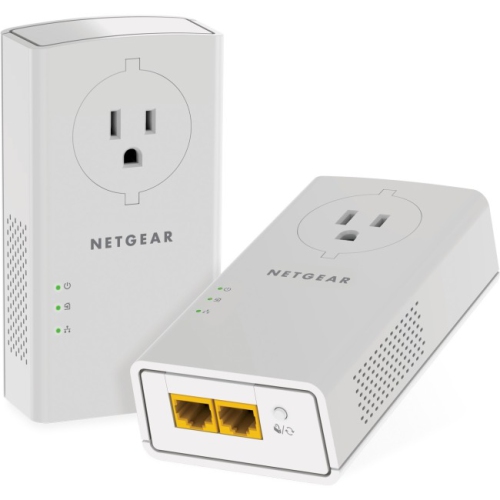 Your price for this item is $182.68
-
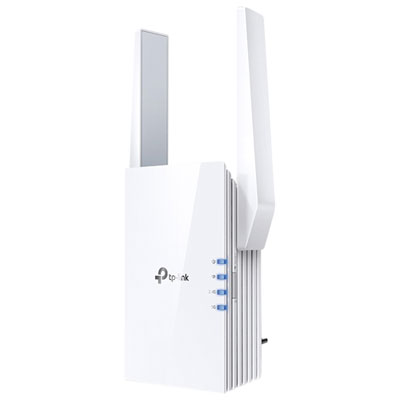 Your price for this item is $89.99
-
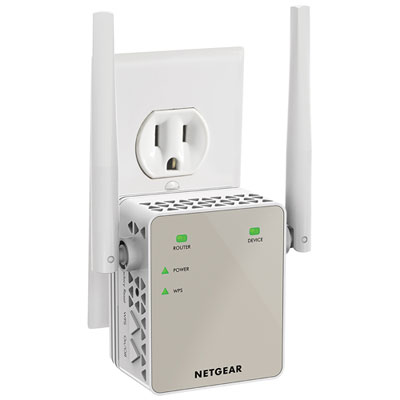 Your price for this item is $79.99
-
 Your price for this item is $45.78
-
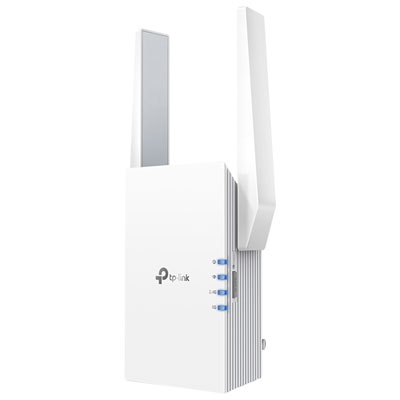 Your price for this item is $109.99
-
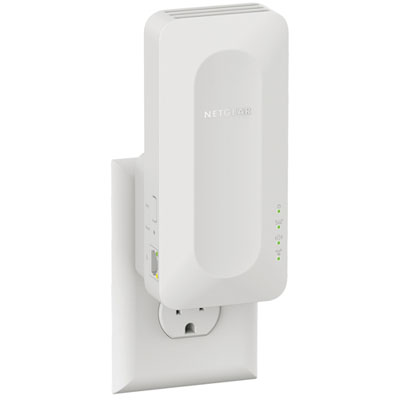 Your price for this item is $79.99
-
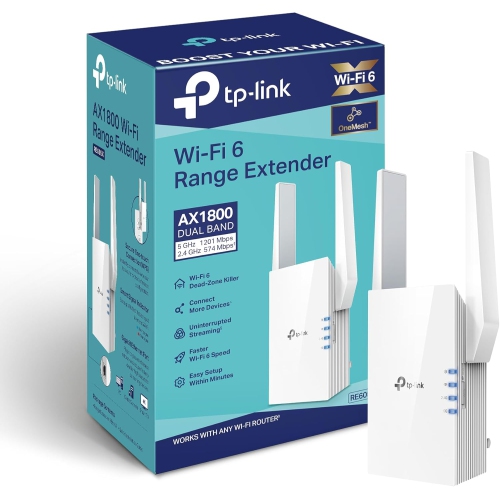 Your price for this item is $147.29
Discover more categories related to Outdoor Wi-Fi Extenders
Top Collections:
Best Black Friday Deals This Year, Best Black Friday Deals On Electronics, Kindle Devices, Pokemon Centers, Best Black Friday Deals On Apple Products, Best Cameras for Sports Photography, Dyson Airwrap, Pokémon 30th Celebration Cards, Apple iPhone 17 Pro, Canon G7X Cameras
Some products may be subject to Environmental Handling Fees
(EHF) depending on your province.
Learn more about EHFs.