27 Inch Stainless Steel Wall Ovens
Upgrade your kitchen with a sleek and modern touch with our 27-inch stainless steel wall ovens. These stainless steel wall ovens offer exceptional performance and versatility, making them a great choice for almost any home kitchen. Here are some great options for you.
Sort
Why cabinet fit matters more than nominal width
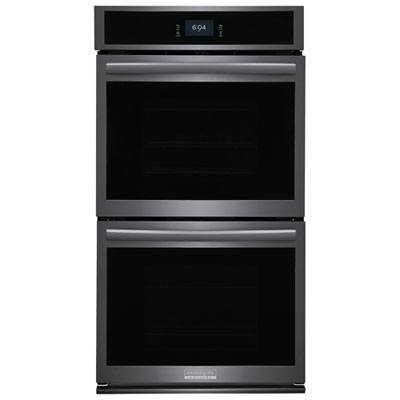
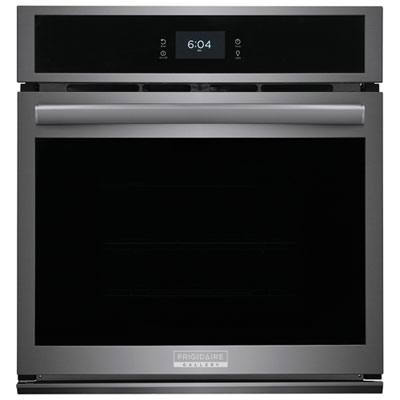
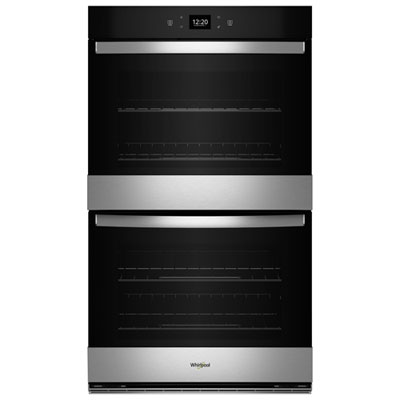
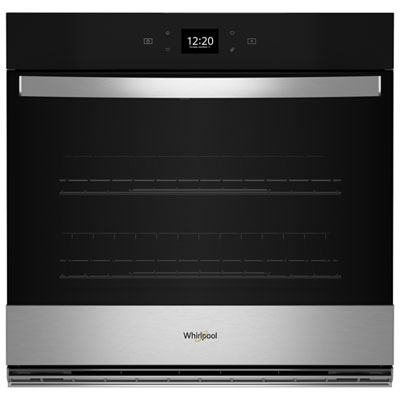
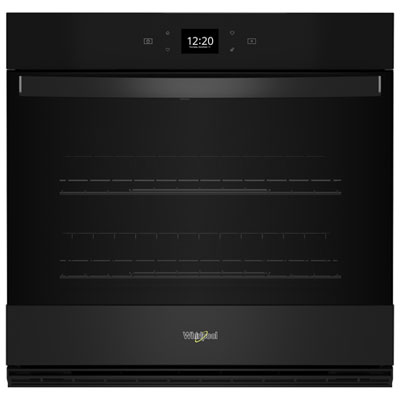
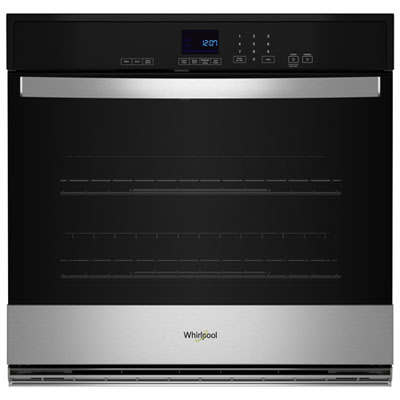
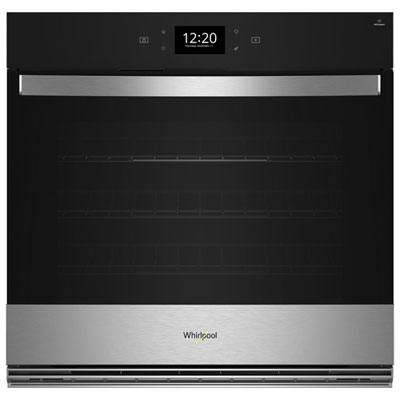
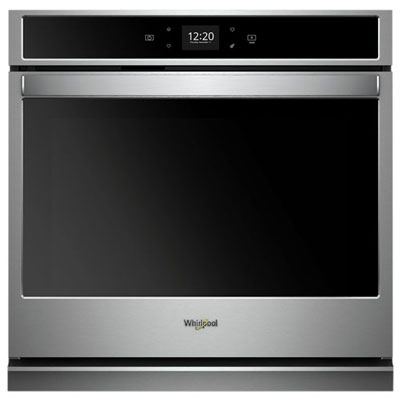
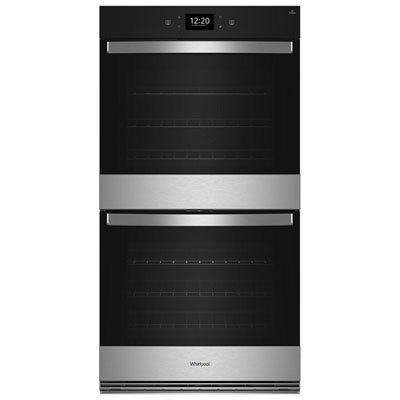
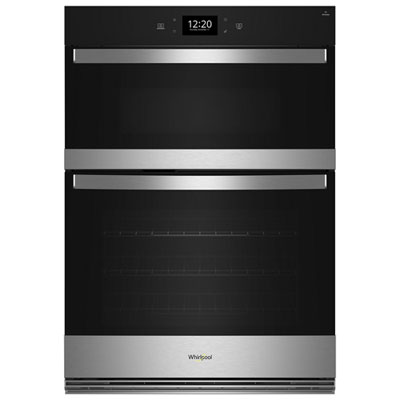
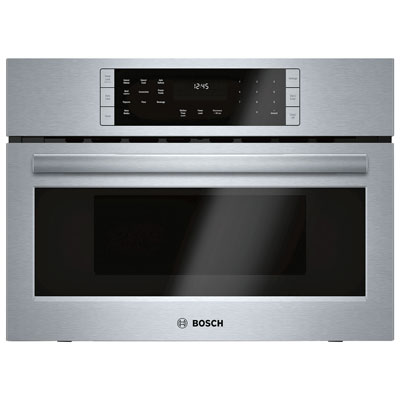
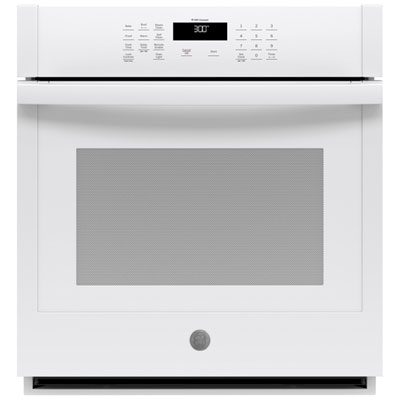
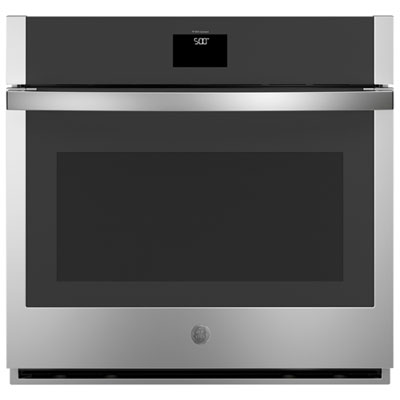
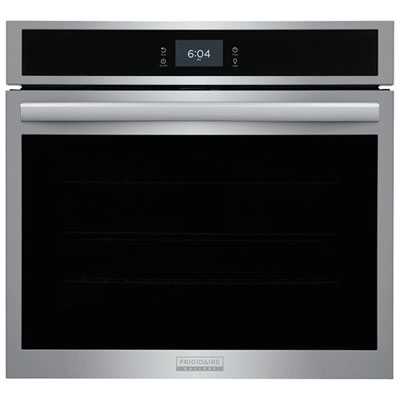
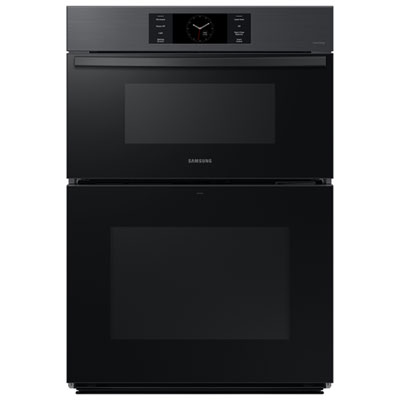
27-inch stainless steel wall ovens are built-in cooking appliances designed to sit within kitchen cabinetry rather than beneath an attached cooktop. Their nominal width describes the appliance size category, not the exact cabinet opening required for installation. This format suits kitchens planned around separate cooking zones, whether the oven sits beneath a counter or higher in a tall cabinet. A raised installation can make it easier to check a bubbling casserole, lift out a tray of muffins, or baste a roast without bending as far, although a comfortable height depends on the person using it. Stainless steel brings a metallic finish that pairs readily with light cabinets, dark painted doors, wood grain, and many other kitchen appliances. The visible stainless steel is generally part of the exterior finish; the oven cavity typically uses a different material, such as coated steel designed to withstand cooking heat and simplify cleaning. Handle shape, window proportions, trim, and control placement all influence how the oven looks once installed. Some finishes have a pronounced brushed grain, while others include a coating intended to reduce visible fingerprints. Stainless steel shades and sheen can vary, so appliances described with the same finish may not match exactly when placed beside one another. For everyday use, a 27-inch wall oven can suit couples, families, enthusiastic bakers, and households replacing an existing built-in appliance, provided its usable capacity matches their cooking habits. Exterior width alone does not establish how much food fits inside. Interior dimensions, rack positions, and the shape of the cavity determine whether a favourite roasting pan or baking sheet has enough clearance. A household that regularly prepares several dishes at once may place more value on rack flexibility and configuration than on the capacity figure alone. The appeal is a dedicated baking and roasting space that fits the kitchen layout while keeping the cooktop location independent.
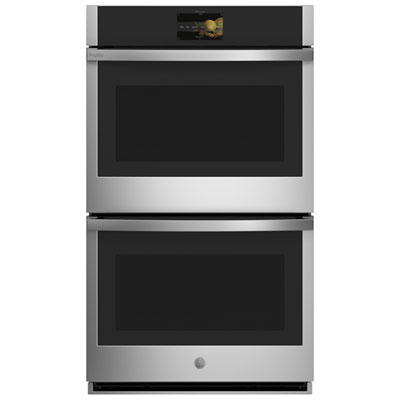
Cabinet fit is particularly important with 27-inch stainless steel wall ovens because appliances within the same width category can have different installation requirements. The overall front width, cabinet cutout width, cutout height, and required depth are separate measurements. Some single-oven installation specifications call for an opening approximately 25¼ inches wide, roughly 27⅝ to 28 inches high, and at least 23½ inches deep, but those figures are examples rather than universal dimensions. The installation document for the chosen appliance is the deciding reference, including any requirements for ventilation, electrical placement, supporting surfaces, and surrounding clearances. A replacement oven should not be assumed to fit simply because the old appliance was also described as 27 inches wide. Trim can hide the edges of an existing opening, and a junction box or cable at the back may reduce the usable depth. The cabinet must also support the appliance’s specified weight. Beyond the opening itself, the door needs room to swing down without striking an island, projecting handle, or nearby obstruction. Enough standing space in front matters when transferring a heavy covered dish onto a heat-safe landing surface. Flush installation, where the appliance front aligns more closely with adjacent cabinetry, is only suitable when both the oven and cabinet arrangement support it. Single wall ovens provide one cooking cavity, while double wall ovens provide two and require a much taller opening. A double configuration can be useful for baking bread while another dish cooks at a different setting, but its added height changes both cabinet planning and access to each cavity. Most electric wall ovens require a dedicated circuit, with voltage, amperage, and connection details confirmed before installation by a qualified professional. For kitchens being redesigned around a wider opening, 30 Inch Wall Ovens represent a different size category rather than a direct replacement for a 27-inch installation. Moving between widths may involve cabinet alterations as well as a fresh assessment of clearances and electrical requirements.
Cooking features and everyday care distinguish wall ovens just as much as their appearance. Conventional baking uses heating elements to cook food, while convection adds a fan to circulate heated air through the cavity. Some convection systems also include a heating element near the fan; the precise arrangement varies by appliance. Convection can be helpful for browning vegetables or baking across multiple racks, though cookware placement and recipe adjustments still matter. Air fry settings, where included, use strong airflow and typically work best when food has space around it rather than being piled into a deep dish. A compatible perforated tray or basket may be needed, and it is not always included. Temperature probes can help track the internal temperature of a roast without repeatedly opening the door, while delayed starts, cooking timers, and automatic shut-off functions serve different purposes and should not be treated as interchangeable. Connected features on some ovens use Wi-Fi for functions such as notifications or remote monitoring, with capabilities depending on the appliance, app, and setup requirements. Straightforward controls, readable displays, bright interior lighting, and smooth-moving racks can be just as valuable during regular meal preparation. A sliding rack, for example, can make a full roasting pan easier to reach, provided it is used within its stated load limit. Cleaning methods also vary: a high-heat self-clean cycle breaks down residue differently from a steam-clean setting intended to loosen lighter spills. Neither removes the need to follow the care instructions, and racks or accessories may need to come out before a cleaning cycle. For the stainless steel exterior, a soft cloth and a cleaner approved for the finish help lift marks without scratching the surface or damaging a protective coating. Wiping in the direction of the grain is often appropriate for brushed stainless steel. Abrasive pads and harsh cleaners can leave lasting marks, while spills around the door should be addressed once surfaces are safe to touch. Keeping door seals clean, leaving vents unobstructed, and avoiding foil on the oven floor unless expressly permitted help preserve proper operation. Together, suitable capacity, precise fit, useful cooking functions, and manageable care make a wall oven a practical part of daily kitchen routines.
Cabinet fit is particularly important with 27-inch stainless steel wall ovens because appliances within the same width category can have different installation requirements. The overall front width, cabinet cutout width, cutout height, and required depth are separate measurements. Some single-oven installation specifications call for an opening approximately 25¼ inches wide, roughly 27⅝ to 28 inches high, and at least 23½ inches deep, but those figures are examples rather than universal dimensions. The installation document for the chosen appliance is the deciding reference, including any requirements for ventilation, electrical placement, supporting surfaces, and surrounding clearances. A replacement oven should not be assumed to fit simply because the old appliance was also described as 27 inches wide. Trim can hide the edges of an existing opening, and a junction box or cable at the back may reduce the usable depth. The cabinet must also support the appliance’s specified weight. Beyond the opening itself, the door needs room to swing down without striking an island, projecting handle, or nearby obstruction. Enough standing space in front matters when transferring a heavy covered dish onto a heat-safe landing surface. Flush installation, where the appliance front aligns more closely with adjacent cabinetry, is only suitable when both the oven and cabinet arrangement support it. Single wall ovens provide one cooking cavity, while double wall ovens provide two and require a much taller opening. A double configuration can be useful for baking bread while another dish cooks at a different setting, but its added height changes both cabinet planning and access to each cavity. Most electric wall ovens require a dedicated circuit, with voltage, amperage, and connection details confirmed before installation by a qualified professional. For kitchens being redesigned around a wider opening, 30 Inch Wall Ovens represent a different size category rather than a direct replacement for a 27-inch installation. Moving between widths may involve cabinet alterations as well as a fresh assessment of clearances and electrical requirements.
Cooking features and everyday care distinguish wall ovens just as much as their appearance. Conventional baking uses heating elements to cook food, while convection adds a fan to circulate heated air through the cavity. Some convection systems also include a heating element near the fan; the precise arrangement varies by appliance. Convection can be helpful for browning vegetables or baking across multiple racks, though cookware placement and recipe adjustments still matter. Air fry settings, where included, use strong airflow and typically work best when food has space around it rather than being piled into a deep dish. A compatible perforated tray or basket may be needed, and it is not always included. Temperature probes can help track the internal temperature of a roast without repeatedly opening the door, while delayed starts, cooking timers, and automatic shut-off functions serve different purposes and should not be treated as interchangeable. Connected features on some ovens use Wi-Fi for functions such as notifications or remote monitoring, with capabilities depending on the appliance, app, and setup requirements. Straightforward controls, readable displays, bright interior lighting, and smooth-moving racks can be just as valuable during regular meal preparation. A sliding rack, for example, can make a full roasting pan easier to reach, provided it is used within its stated load limit. Cleaning methods also vary: a high-heat self-clean cycle breaks down residue differently from a steam-clean setting intended to loosen lighter spills. Neither removes the need to follow the care instructions, and racks or accessories may need to come out before a cleaning cycle. For the stainless steel exterior, a soft cloth and a cleaner approved for the finish help lift marks without scratching the surface or damaging a protective coating. Wiping in the direction of the grain is often appropriate for brushed stainless steel. Abrasive pads and harsh cleaners can leave lasting marks, while spills around the door should be addressed once surfaces are safe to touch. Keeping door seals clean, leaving vents unobstructed, and avoiding foil on the oven floor unless expressly permitted help preserve proper operation. Together, suitable capacity, precise fit, useful cooking functions, and manageable care make a wall oven a practical part of daily kitchen routines.
Top selling and popular products
-
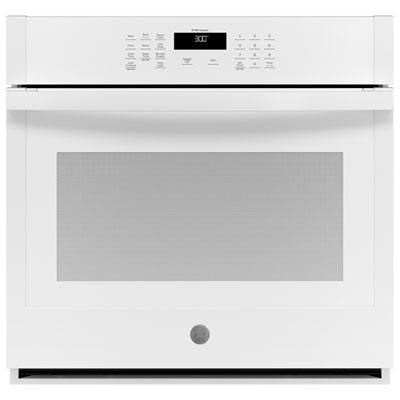 Your price for this item is $2699.99
 -
 Your price for this item is $2449.99
 -
 Your price for this item is $2699.99
 -
 Your price for this item is $5999.99
 -
 Your price for this item is $2199.99
 -
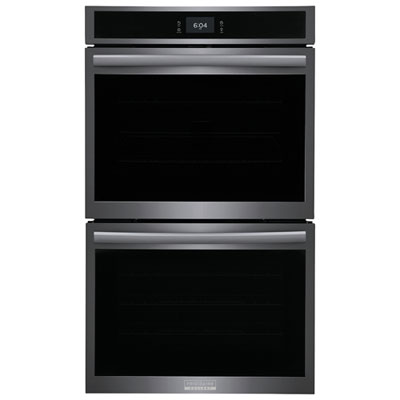 Your price for this item is $3699.99
 -
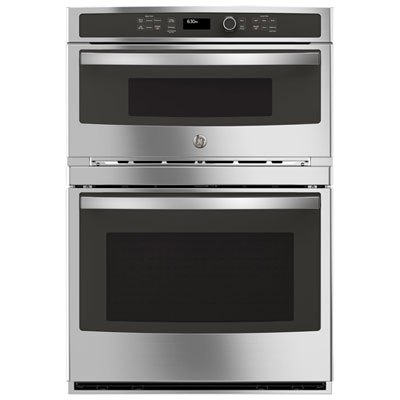 Your price for this item is $4399.99
 -
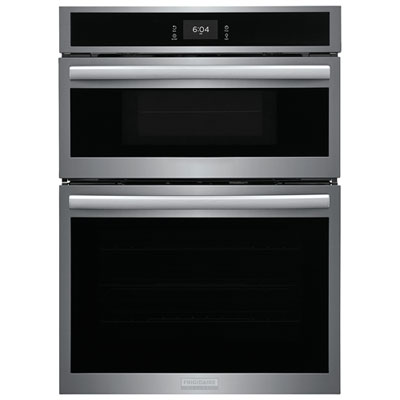 Your price for this item is $3899.99
Discover more categories related to 27 Inch Stainless Steel Wall Ovens
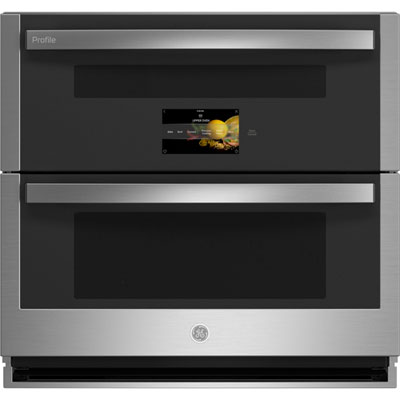
Top Collections:
Pokemon Centers, Kindle Devices, Best Budget Office Chairs, Apple iPhones 16, Best Laptops for Writers, iPhone 15 Apple, Canon G7X Cameras, Refurbished Apple Laptops, Alarm Clock, Motorola Razr Phones
Some products may be subject to Environmental Handling Fees
(EHF) depending on your province.
Learn more about EHFs.