Stainless Steel Electric Wall Ovens
Stainless Steel Electric Wall Ovens bring a sleek, modern touch to any kitchen while offering reliable performance for all your cooking needs. With their versatile designs, these ovens seamlessly fit into various kitchen layouts and complement a wide range of décor styles. Whether you’re preparing family meals or entertaining guests, Stainless Steel Electric Wall Ovens provide the perfect combination of style and functionality to help elevate your culinary experience. Explore the selection to find the ideal addition to your home.
Sort



Why wall oven fit goes beyond cabinet width
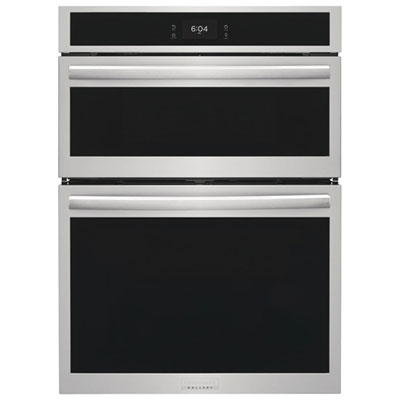
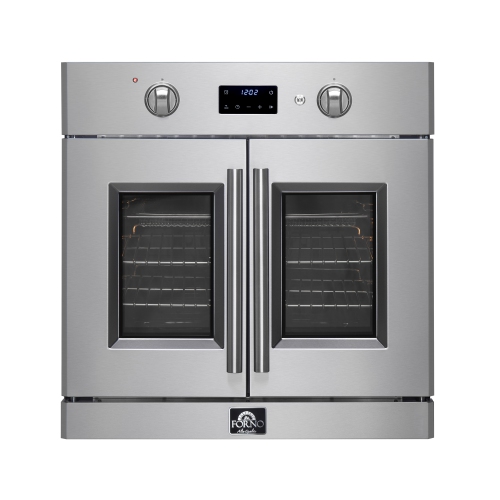
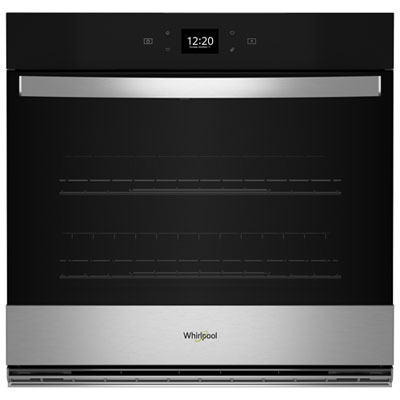
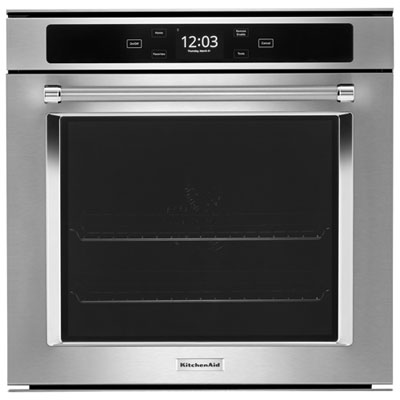
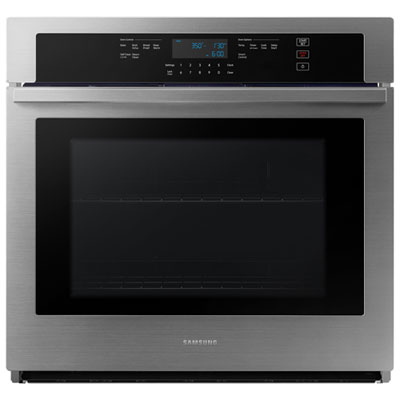
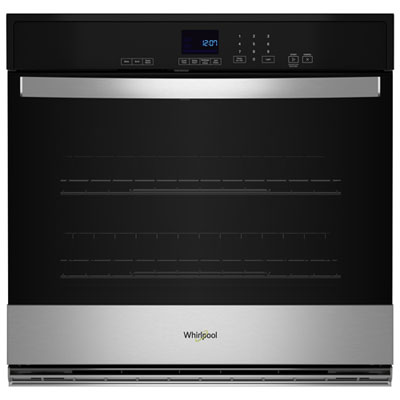
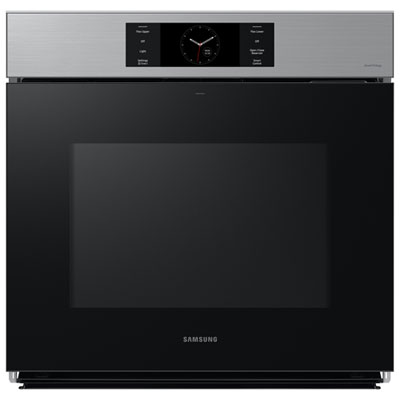
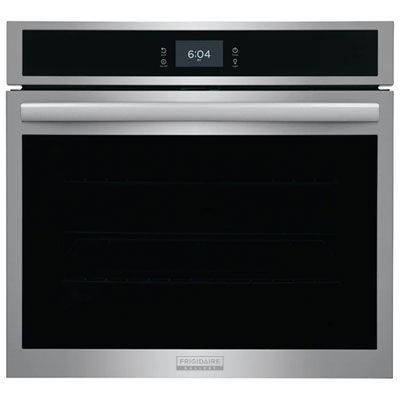
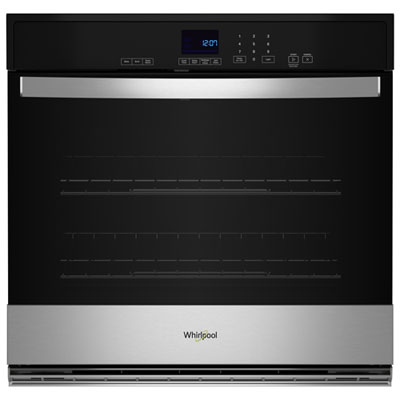
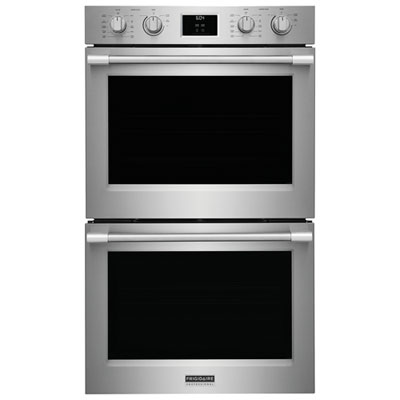
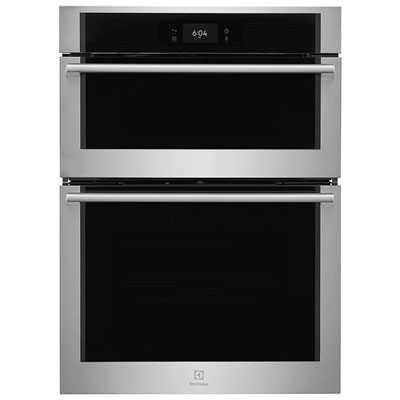
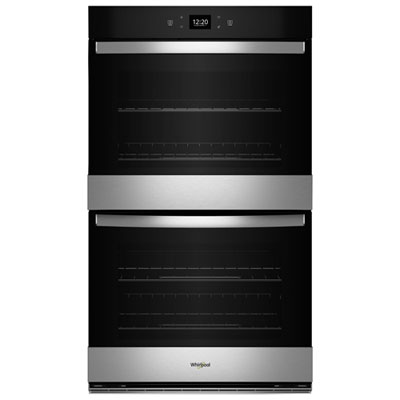
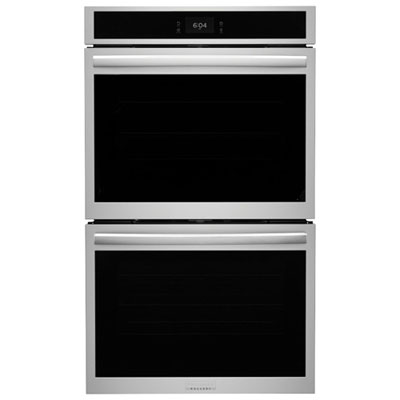
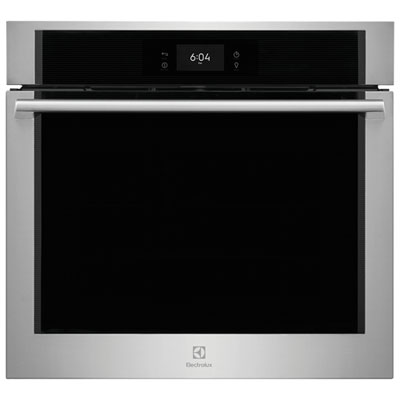
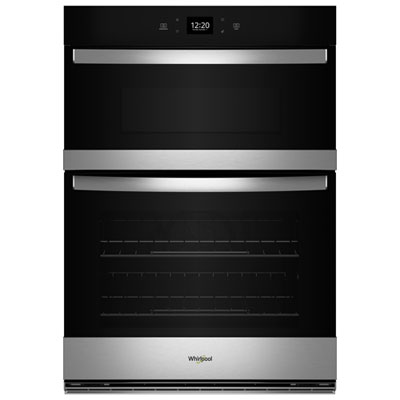
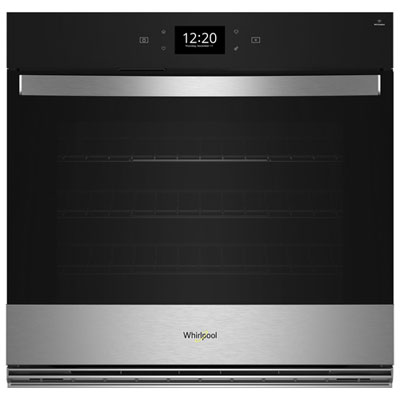
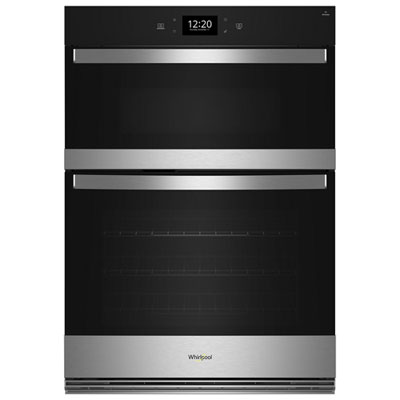
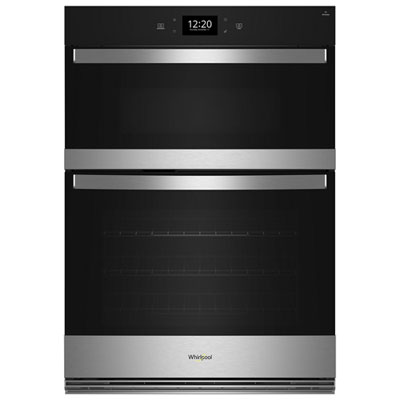
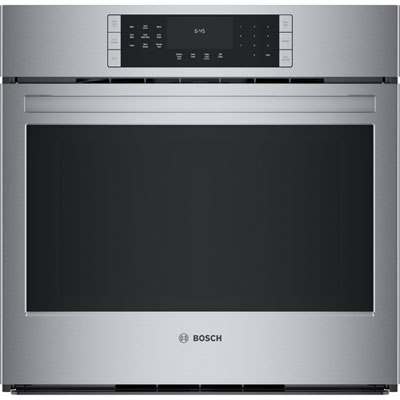
Stainless steel electric wall ovens are built-in cooking appliances that combine an electric oven cavity with a stainless steel exterior, creating a dedicated baking and roasting space within kitchen cabinetry. Unlike a freestanding range, a wall oven does not include a cooktop, so the cooking surface can be positioned elsewhere in the kitchen. This arrangement suits layouts with an island cooktop, separate preparation areas, or an oven installed at a comfortable working height. Common nominal widths include 24-inch, 27-inch, and 30-inch formats, but the stated width is not the same as the required cabinet opening. Cutout height, width, and depth, along with ventilation clearances and electrical requirements, determine whether an oven will fit a particular space. Even a replacement with the same nominal width can require different opening dimensions. The door’s swing and the space in front of it also matter, especially opposite an island or beside a busy walkway. A fully opened door needs room for someone to stand securely while lifting a roasting pan or sliding out a baking tray. Single wall ovens provide one cooking cavity, while double wall ovens offer two cavities for preparing dishes separately. Capacity is generally expressed in cubic feet, although usable rack space and interior dimensions can be more helpful when assessing whether a favourite casserole dish or wide baking sheet will fit. For households replacing an existing appliance, the cabinet opening and electrical connection are central considerations; for a kitchen renovation, placement can be planned around the way meals are prepared and served. Installation requirements vary, and electrical connections should be handled by a qualified professional in accordance with the appliance instructions and applicable local requirements. The stainless steel designation usually describes the visible finish rather than every component: oven interiors commonly have enamel surfaces, doors incorporate glass, and handles and control panels may use additional materials. This combination gives the appliance a coordinated appearance while providing surfaces suited to the heat and everyday demands of cooking.
Cooking features distinguish stainless steel electric wall ovens just as much as their dimensions. Conventional baking uses heating elements to heat the oven cavity, while convection adds a fan to circulate hot air; some configurations also include a dedicated convection heating element. Air circulation can support more even cooking, particularly when several trays are involved, but cooking times and temperatures may need adjustment according to the recipe and the appliance’s instructions. For someone baking batches of cookies, rack spacing and airflow around each tray can be as important as the number of racks supplied. For roasts and casseroles, the ability to accommodate a deep pan with enough room above it makes loading and checking food easier. Broil settings provide concentrated heat for browning toppings and finishing dishes, while additional functions such as proofing, warming, or air frying depend on the model. A food temperature probe, where included, can help monitor the centre of a roast without repeatedly opening the door. Double ovens are particularly useful when dishes need different temperatures: bread can bake in one cavity while a main course cooks in the other. A single oven may be a simpler fit for smaller households or kitchens where one cooking cavity handles most meals. Clear interior lighting and a generously sized door window make it easier to watch pastry colour or check a bubbling gratin without interrupting cooking. Control layouts range from physical knobs to digital touch panels, with differences in readability, responsiveness, and how cooking modes are selected. Timers and preset functions can simplify familiar tasks, although their operation varies. Select wall ovens offer Wi-Fi connectivity for features such as status notifications, app-based settings, or supported remote functions. These capabilities depend on the appliance, app, network connection, and any safety conditions specified by the manufacturer. For everyday use, straightforward controls, comfortable rack movement, and a cavity that fits regularly used cookware often matter more than a long list of modes. Frequent bakers, households preparing several dishes at once, and cooks who appreciate a separate cooking surface can each benefit from a layout matched to their routines.
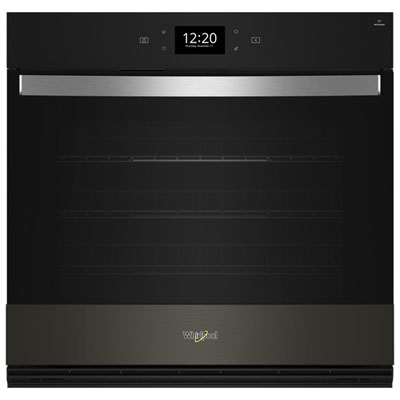
The stainless steel finish brings a neutral metallic surface to the kitchen, pairing readily with many cabinet colours, stone countertops, and other stainless steel appliances. Differences in grain, sheen, handles, and trim can affect how closely neighbouring appliances match, so “stainless steel” does not necessarily mean every finish looks identical. For a darker visual alternative, Stainless Black Wall Ovens offer another direction for coordinating cabinetry and appliances. On a stainless steel exterior, fingerprints, splashes, and streaks may be noticeable, particularly around the handle and controls. Some finishes have a fingerprint-resistant treatment, but care requirements still vary. Gentle cleaning with a soft cloth and a suitable cleaner helps preserve the surface; wiping with the grain can reduce visible streaks on brushed finishes. Abrasive pads, harsh chemicals, and cleaners not approved for the finish can leave marks or damage protective coatings. Inside the oven, cleaning options may include manual cleaning, a steam-assisted cycle, a high-temperature self-cleaning cycle, or a combination of methods. Steam-assisted cleaning generally helps loosen lighter residue and still requires wiping, whereas high-temperature self-cleaning treats baked-on soil differently and involves specific preparation and safety instructions. Rack removal requirements vary, and not every rack or accessory is suitable for a self-cleaning cycle. Spills are easier to manage before repeated heating turns them into stubborn deposits, once the oven is cool enough for safe cleaning. The door seal, interior glass, rack supports, and controls also contribute to long-term performance, making careful use and maintenance worthwhile. Smoothly operating racks and a comfortable handle can make the appliance more pleasant to use over years of weeknight dinners, baking projects, and meals shared with guests. A well-matched stainless steel electric wall oven balances cabinet fit, practical cooking capacity, accessible controls, and manageable care, providing a dedicated cooking space that feels integrated into the kitchen rather than simply occupying an opening.
Top selling and popular products
-
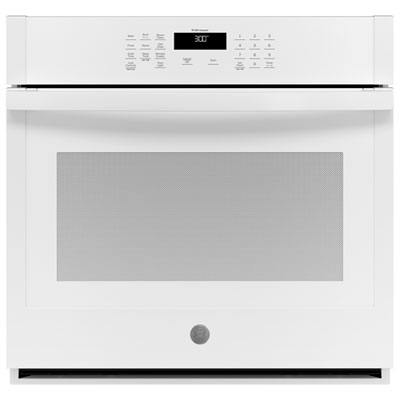 Your price for this item is $2369.99
-
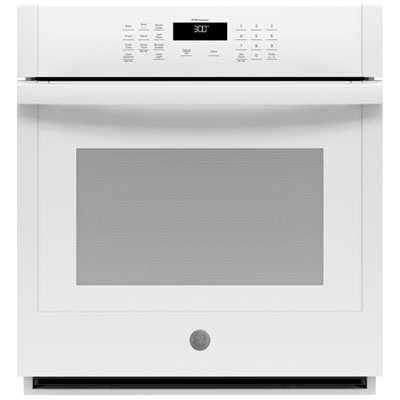 Your price for this item is $2249.99
-
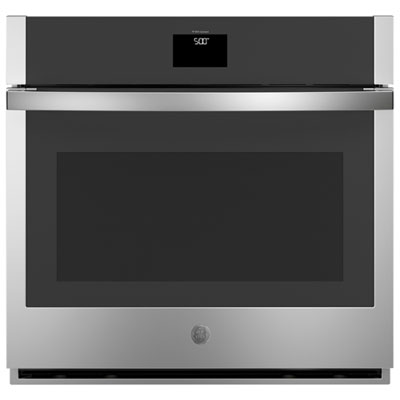 Your price for this item is $2369.99
-
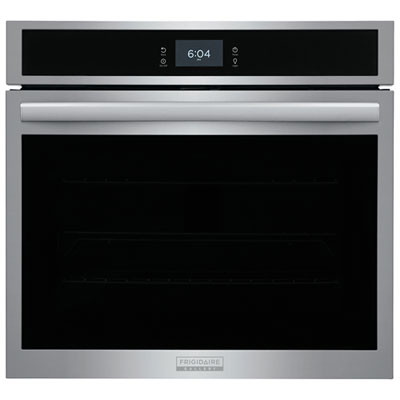 Your price for this item is $2199.99
-
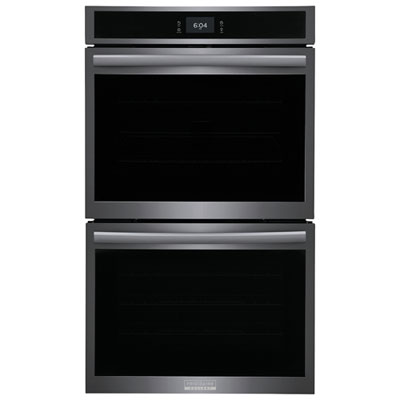 Your price for this item is $3699.99
-
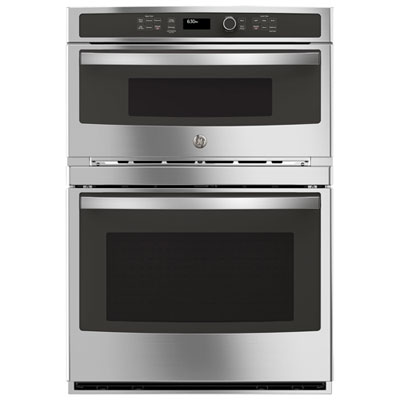 Your price for this item is $3749.99
-
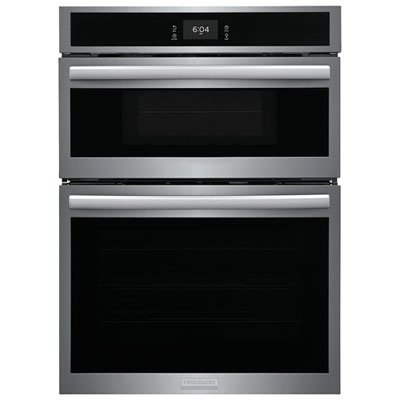 Your price for this item is $3699.99
-
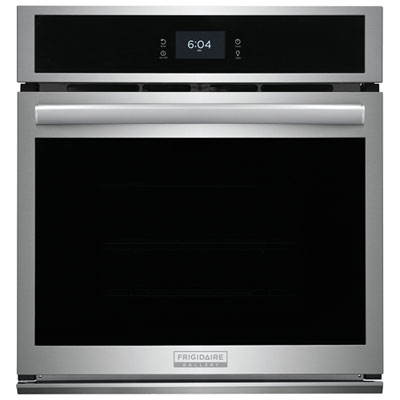 Your price for this item is $2199.99
Discover more categories related to Stainless Steel Electric Wall Ovens

Top Collections:
Best Black Friday Deals This Year, Best Black Friday Deals On Electronics, Kindle Devices, Pokemon Centers, Best Black Friday Deals On Apple Products, Best Cameras for Sports Photography, Dyson Airwrap, Pokémon 30th Celebration Cards, Apple iPhone 17 Pro, Canon G7X Cameras
Some products may be subject to Environmental Handling Fees
(EHF) depending on your province.
Learn more about EHFs.