Stainless Steel Double Wall Ovens
Stainless steel double wall ovens bring a sleek, modern look to any kitchen while offering the flexibility and convenience needed for busy households and avid home cooks. With their spacious design and eye-catching finish, these ovens make it easy to prepare multiple dishes at once, whether you’re hosting a family gathering or tackling weeknight meals. Explore a wide selection of stainless steel double wall ovens that combine style and performance, making them an ideal addition to your culinary space.
Sort
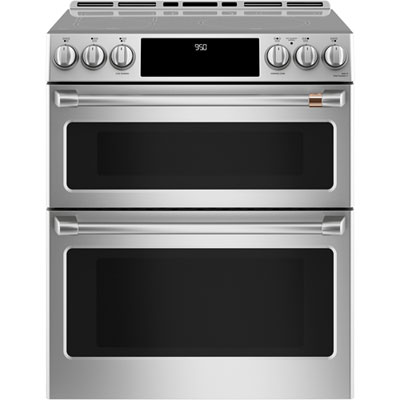
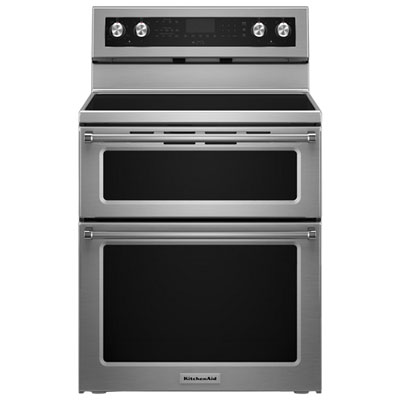

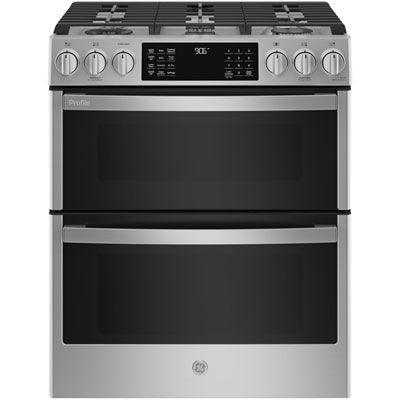
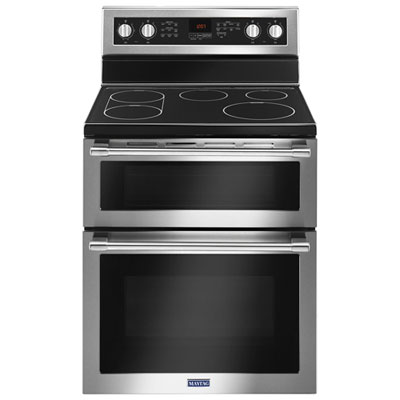
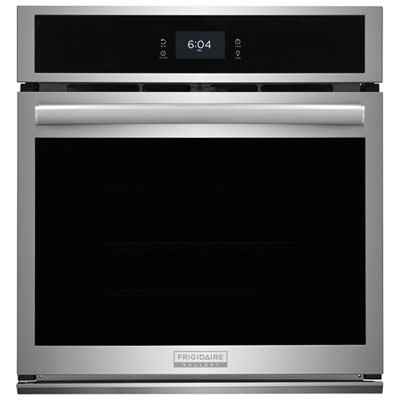
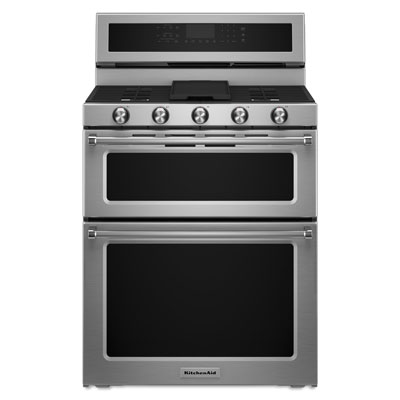
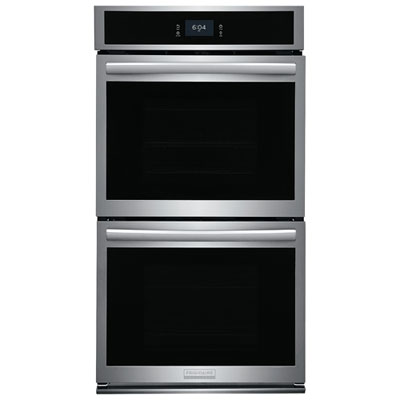
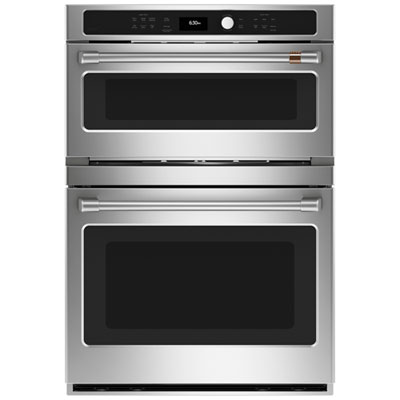
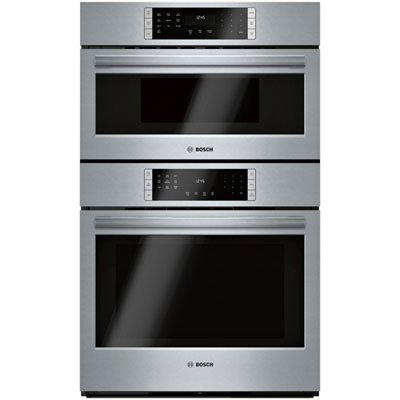
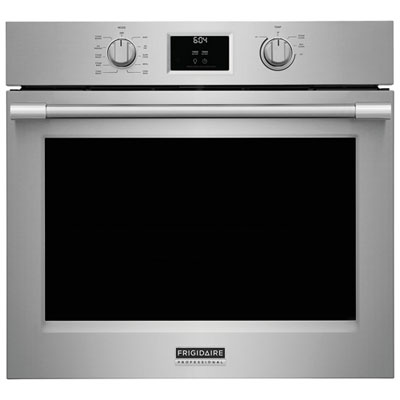
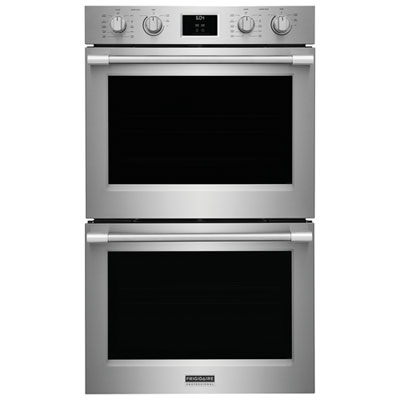
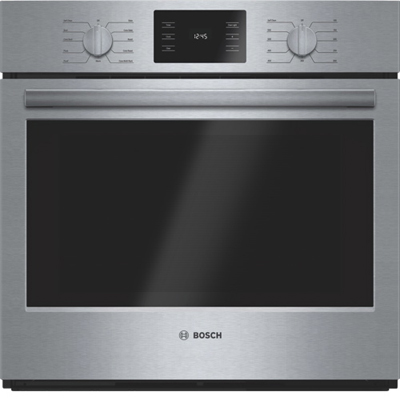
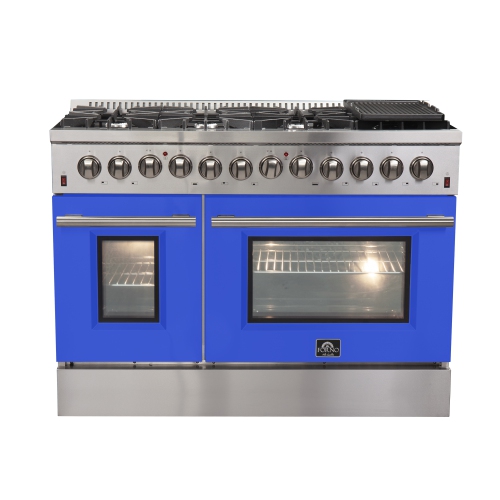
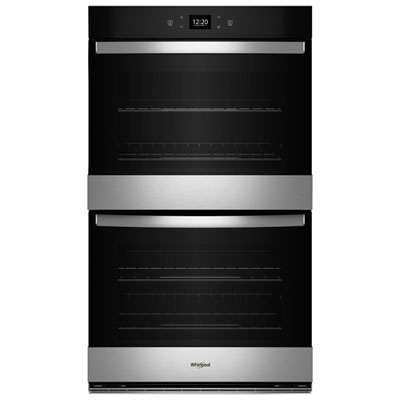
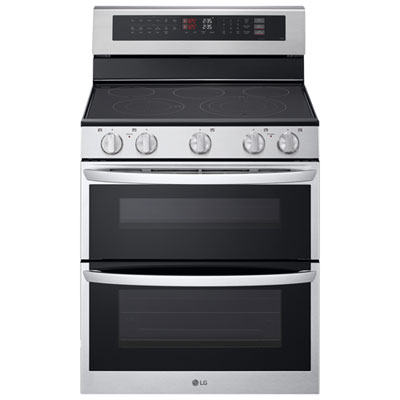
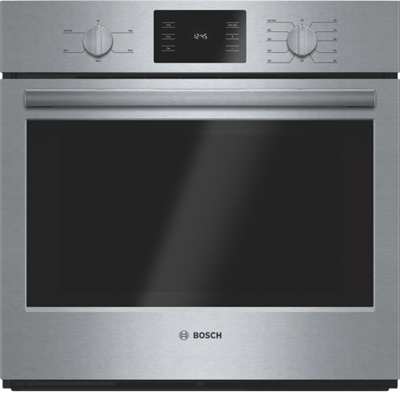
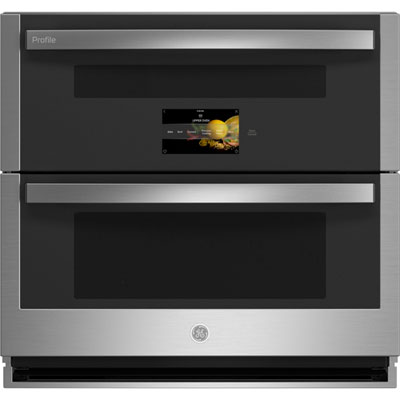
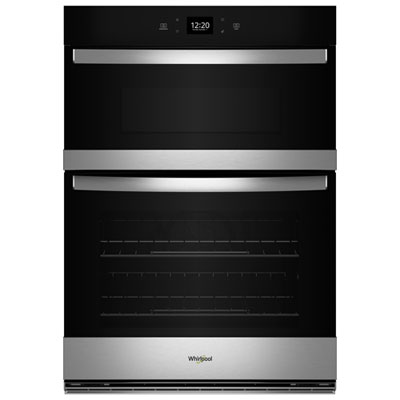
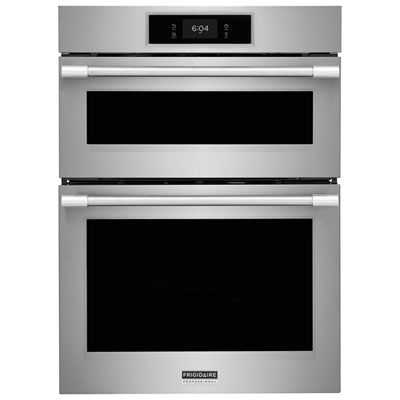
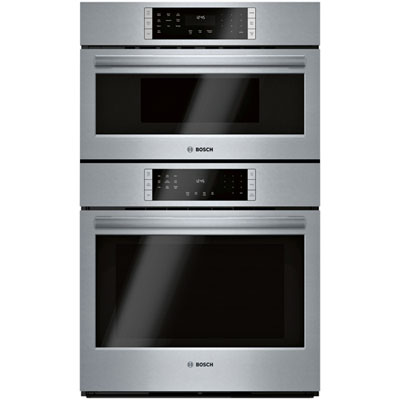
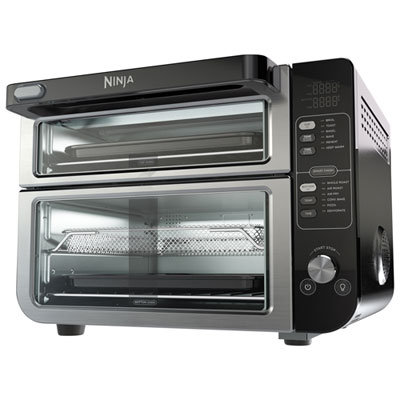
Dinner and dessert can bake at different temperatures
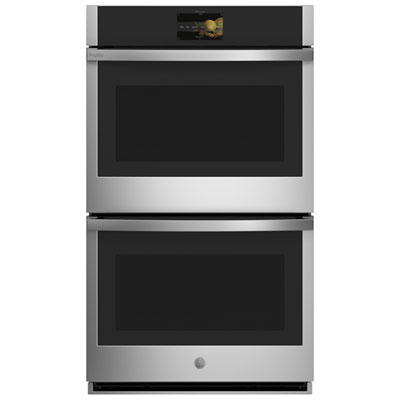
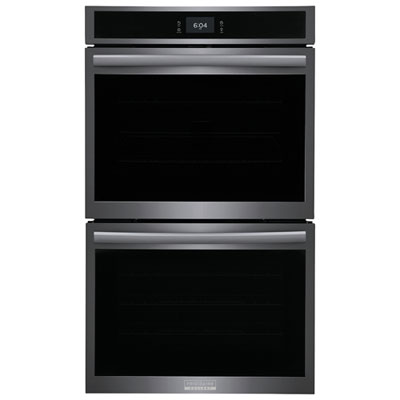
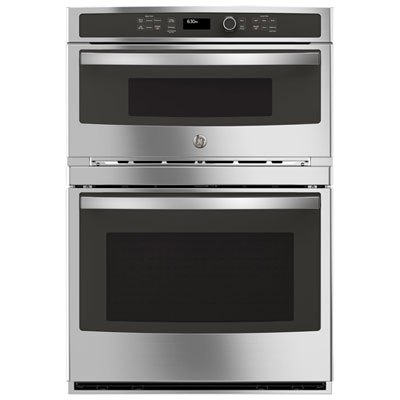
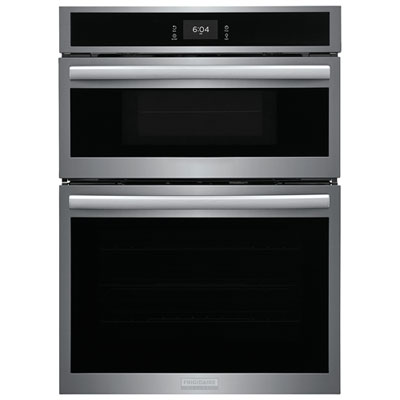
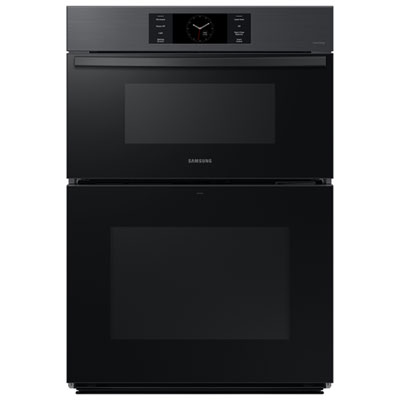
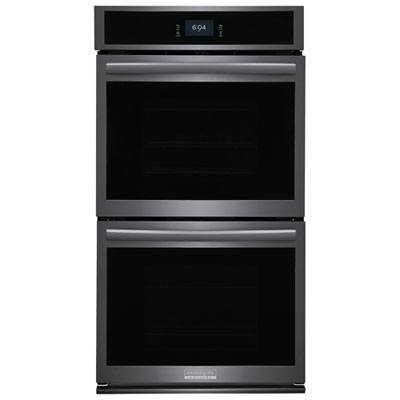
Stainless steel double wall ovens combine two separate cooking cavities in a built-in appliance, giving a kitchen more flexibility without requiring two freestanding ranges. Each cavity has its own temperature controls, so a roast can cook in one while a tray of vegetables browns in the other, or a delicate dessert can bake separately from a savoury main course. That separation is useful for households that prepare several dishes at once, batch-cook meals, or regularly host family and friends. During the cooler months, having room for a bubbling casserole and a sheet of freshly baked rolls can make a busy evening feel less crowded. Unlike a range, a double wall oven does not include a cooktop; it fits into cabinetry, leaving the cooking surface as a separate appliance elsewhere in the kitchen. Many full-size configurations offer approximately 10 cubic feet of combined capacity, although the total volume and the division between cavities vary. Some designs have two similarly sized ovens, while others pair a smaller cavity with a larger one. Equal-sized cavities suit cooks who want comparable space for multiple roasting pans, while an unequal arrangement can offer a smaller compartment for everyday dishes and a larger one for entertaining. Usable space matters as much as the capacity figure: rack width, cavity depth, and the clearance above a tall covered roaster all affect what fits comfortably. Stainless steel generally describes the exterior finish rather than every surface of the appliance, with interiors commonly made from coated metal designed to withstand cooking temperatures. Its silver-toned appearance works with light cabinetry, dark wood, stone counters, and many other kitchen finishes. Handle shape, window proportions, and the placement of the control panel also influence how the appliance looks once installed. For a darker finish with a similar metallic character, Black Stainless Steel Double Ovens offer another visual direction, although their surface coatings may require different care from traditional stainless steel.
Fit is one of the most important considerations for stainless steel double wall ovens, whether the project involves replacing an existing appliance or planning new cabinetry. Common nominal widths include 27 inches and 30 inches, but the stated appliance width is not the same as the required cabinet opening. The installation specifications establish the necessary cutout width, height, and depth, along with ventilation clearances, cabinet support, and electrical connection requirements. Even two ovens with the same nominal width can need different openings, so the dimensions of an older unit are not enough to confirm that a replacement will fit. Double wall ovens are heavy appliances, and the cabinet base must support the specified load. Most electric configurations require a dedicated 240-volt circuit and a hardwired connection, with the exact electrical rating and installation requirements determined by the appliance documentation and local codes. A qualified installer or electrician can assess an existing setup before installation. Door clearance deserves equal attention: an open door should not block a narrow walkway, strike an island, or make it difficult to set down a hot pan. Installation height also affects everyday comfort. The upper cavity needs to be low enough to reach safely, while the lower cavity should remain practical for lifting a full roasting dish. A nearby heat-resistant landing area is especially helpful when transferring a heavy casserole or checking several trays in succession. Inside the oven, multiple rack positions make it easier to accommodate shallow baking sheets and deeper cookware, while sliding racks can reduce the effort needed to bring a dish forward. The controls should be easy to read from a normal standing position, with clear indicators showing which cavity is operating. Bright interior lighting and large windows help make food visible without repeatedly opening the doors. These details can matter more in daily use than a long feature list, particularly in a kitchen shared by several cooks with different heights, habits, and preferences.
Cooking features distinguish how stainless steel double wall ovens perform different tasks, but they are not necessarily identical in both cavities. Convection uses a fan to circulate heated air, helping distribute heat around food; true convection typically adds a heating element near the fan. Depending on the recipe and oven design, convection can support more even browning and multi-rack baking, though cooking times or temperatures may need adjustment. Checking whether convection is included in one cavity or both helps clarify how flexible the appliance will be when preparing a large meal. Air fry settings use circulating hot air and may call for a perforated tray or basket, with space around the food helping crisp potatoes or breaded vegetables. Broiling provides intense heat from above for browning a gratin or finishing an open-faced sandwich, while proofing and warming modes, where included, serve different low-temperature tasks. A temperature probe can track the internal temperature of a roast, reducing the need to open the door for repeated checks. Wi-Fi connectivity may provide app notifications, cooking status, or remote adjustments, depending on the appliance and its safety requirements; remote operation can require activation at the oven itself. Straightforward timers and responsive controls remain useful even when connected features are not part of the household routine. Care requirements deserve attention alongside cooking functions. Fingerprint-resistant stainless finishes can reduce visible marks, but they still need gentle cleaning with products approved for that surface. Traditional brushed stainless steel is generally best wiped in the direction of the grain with a soft cloth, avoiding abrasive pads that can leave permanent scratches. Interior cleaning options also vary. High-heat self-cleaning cycles address baked-on residue, while steam-cleaning functions generally help loosen lighter spills and still require wiping afterwards. Racks, probes, and accessories may need removal before a cleaning cycle, as specified in the care instructions. Allowing the oven to cool before cleaning spills, keeping door seals clear of debris, and avoiding foil on the oven floor unless expressly permitted all help protect its finish and performance. For frequent bakers, busy families, and enthusiastic hosts, the most useful combination is generous usable space, accessible racks, dependable controls, and features that suit the dishes prepared most often.
Fit is one of the most important considerations for stainless steel double wall ovens, whether the project involves replacing an existing appliance or planning new cabinetry. Common nominal widths include 27 inches and 30 inches, but the stated appliance width is not the same as the required cabinet opening. The installation specifications establish the necessary cutout width, height, and depth, along with ventilation clearances, cabinet support, and electrical connection requirements. Even two ovens with the same nominal width can need different openings, so the dimensions of an older unit are not enough to confirm that a replacement will fit. Double wall ovens are heavy appliances, and the cabinet base must support the specified load. Most electric configurations require a dedicated 240-volt circuit and a hardwired connection, with the exact electrical rating and installation requirements determined by the appliance documentation and local codes. A qualified installer or electrician can assess an existing setup before installation. Door clearance deserves equal attention: an open door should not block a narrow walkway, strike an island, or make it difficult to set down a hot pan. Installation height also affects everyday comfort. The upper cavity needs to be low enough to reach safely, while the lower cavity should remain practical for lifting a full roasting dish. A nearby heat-resistant landing area is especially helpful when transferring a heavy casserole or checking several trays in succession. Inside the oven, multiple rack positions make it easier to accommodate shallow baking sheets and deeper cookware, while sliding racks can reduce the effort needed to bring a dish forward. The controls should be easy to read from a normal standing position, with clear indicators showing which cavity is operating. Bright interior lighting and large windows help make food visible without repeatedly opening the doors. These details can matter more in daily use than a long feature list, particularly in a kitchen shared by several cooks with different heights, habits, and preferences.
Cooking features distinguish how stainless steel double wall ovens perform different tasks, but they are not necessarily identical in both cavities. Convection uses a fan to circulate heated air, helping distribute heat around food; true convection typically adds a heating element near the fan. Depending on the recipe and oven design, convection can support more even browning and multi-rack baking, though cooking times or temperatures may need adjustment. Checking whether convection is included in one cavity or both helps clarify how flexible the appliance will be when preparing a large meal. Air fry settings use circulating hot air and may call for a perforated tray or basket, with space around the food helping crisp potatoes or breaded vegetables. Broiling provides intense heat from above for browning a gratin or finishing an open-faced sandwich, while proofing and warming modes, where included, serve different low-temperature tasks. A temperature probe can track the internal temperature of a roast, reducing the need to open the door for repeated checks. Wi-Fi connectivity may provide app notifications, cooking status, or remote adjustments, depending on the appliance and its safety requirements; remote operation can require activation at the oven itself. Straightforward timers and responsive controls remain useful even when connected features are not part of the household routine. Care requirements deserve attention alongside cooking functions. Fingerprint-resistant stainless finishes can reduce visible marks, but they still need gentle cleaning with products approved for that surface. Traditional brushed stainless steel is generally best wiped in the direction of the grain with a soft cloth, avoiding abrasive pads that can leave permanent scratches. Interior cleaning options also vary. High-heat self-cleaning cycles address baked-on residue, while steam-cleaning functions generally help loosen lighter spills and still require wiping afterwards. Racks, probes, and accessories may need removal before a cleaning cycle, as specified in the care instructions. Allowing the oven to cool before cleaning spills, keeping door seals clear of debris, and avoiding foil on the oven floor unless expressly permitted all help protect its finish and performance. For frequent bakers, busy families, and enthusiastic hosts, the most useful combination is generous usable space, accessible racks, dependable controls, and features that suit the dishes prepared most often.
Top selling and popular products
-
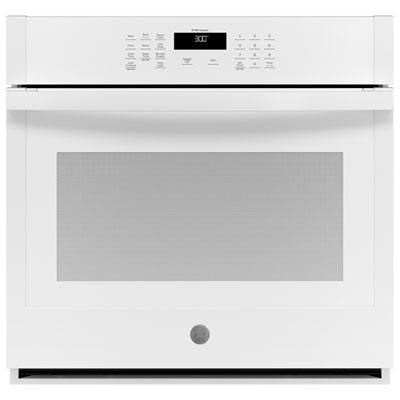 Your price for this item is $2699.99
 -
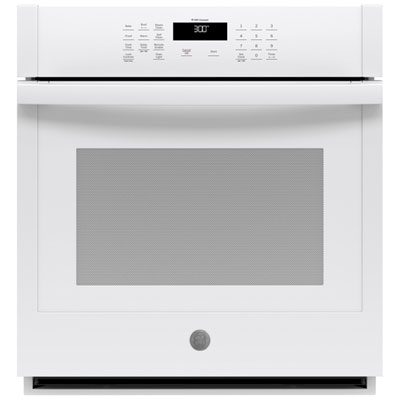 Your price for this item is $2449.99
 -
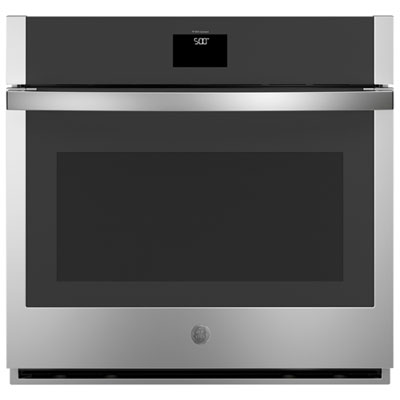 Your price for this item is $2699.99
 -
 Your price for this item is $5999.99
 -
 Your price for this item is $2199.99
 -
 Your price for this item is $3699.99
 -
 Your price for this item is $4399.99
 -
 Your price for this item is $3899.99
Discover more categories related to Stainless Steel Double Wall Ovens
Top Collections:
Pokemon Centers, Kindle Devices, Best Budget Office Chairs, Apple iPhones 16, Best Laptops for Writers, iPhone 15 Apple, Canon G7X Cameras, Refurbished Apple Laptops, Alarm Clock, Motorola Razr Phones
Some products may be subject to Environmental Handling Fees
(EHF) depending on your province.
Learn more about EHFs.