Bar Fridge Style Mini Freezers
Bar fridge style mini freezers are a convenient solution for adding extra freezing space to small kitchens, offices, dorm rooms, or entertainment areas. Their compact design fits easily under counters or in tight spaces while offering reliable performance for storing frozen foods and treats. Whether you need additional storage for everyday essentials or want a dedicated spot for snacks and beverages, bar fridge style mini freezers provide flexibility for a variety of needs. Explore options that combine practicality with space-saving benefits to find the right fit for your space.
Sort
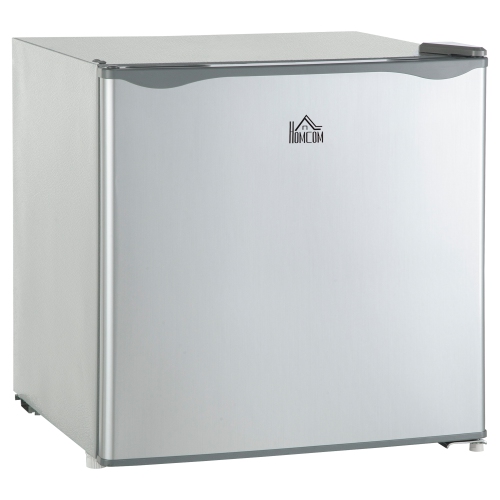
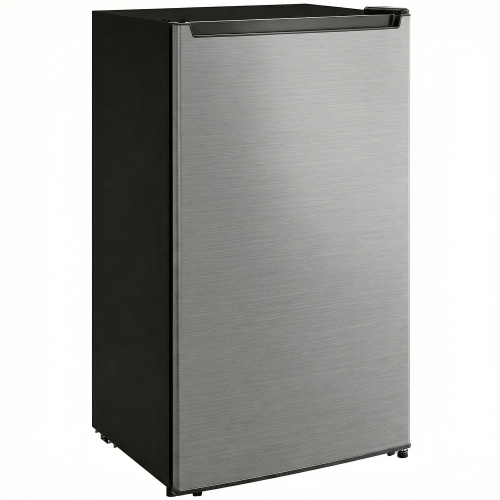
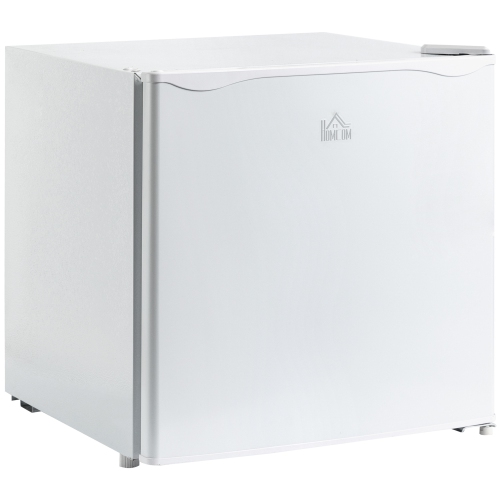
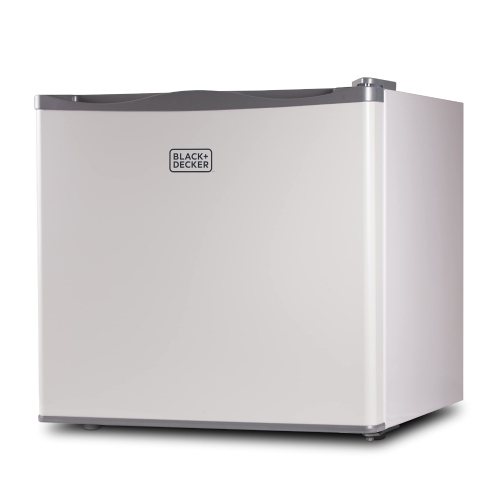
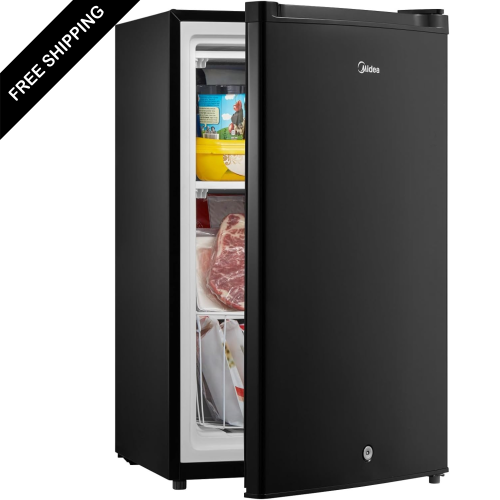
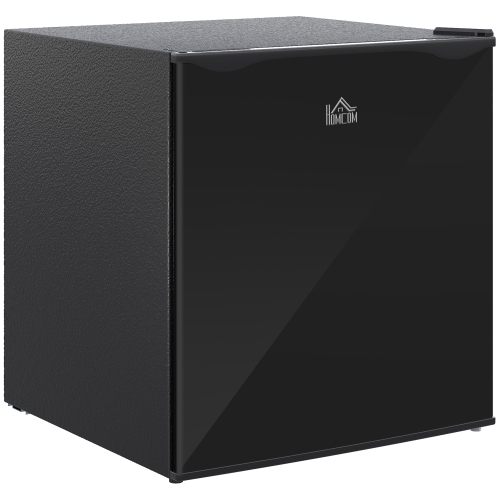
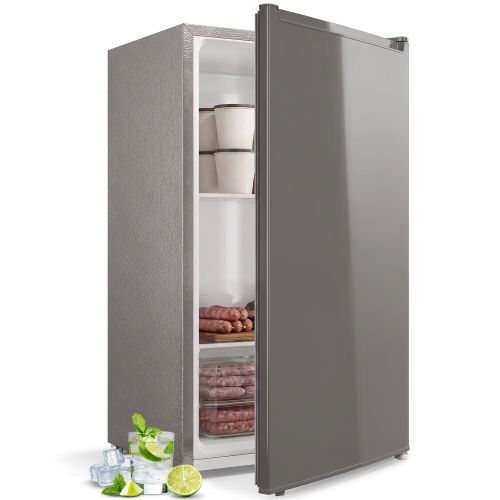
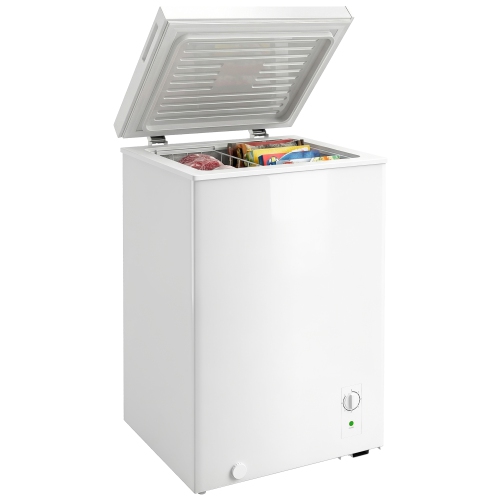
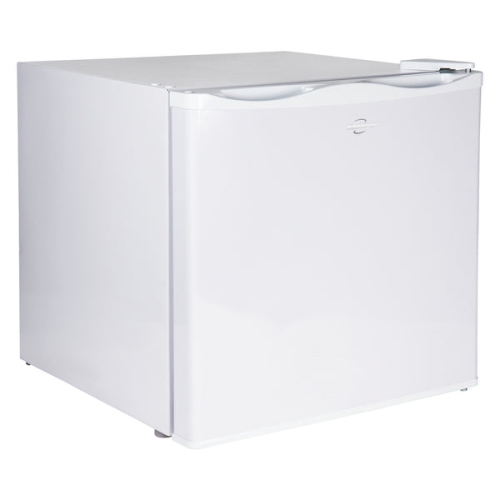
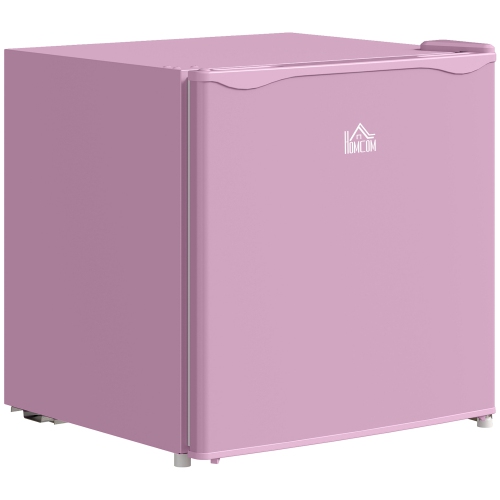
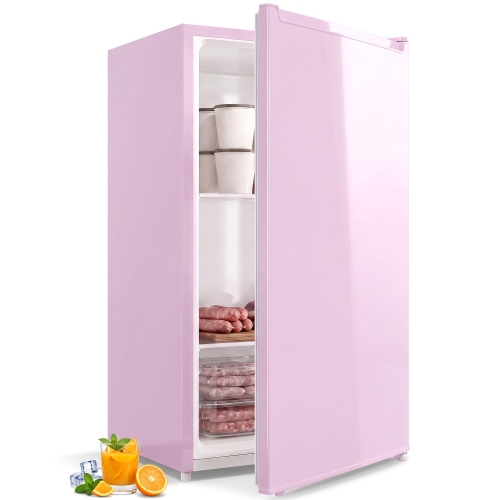
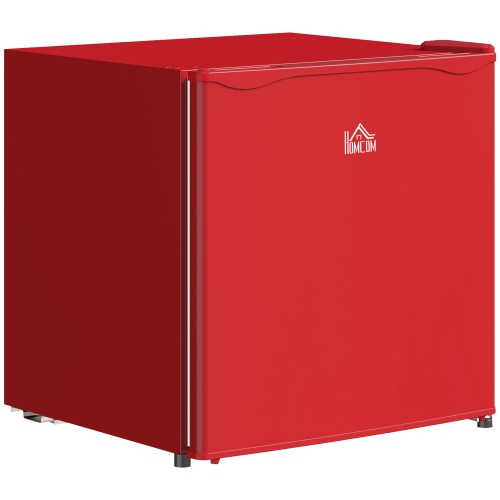
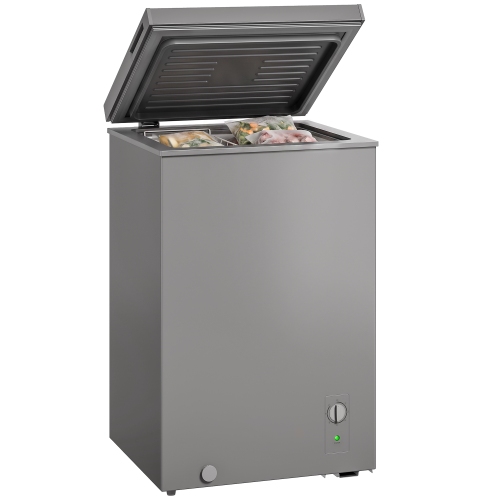
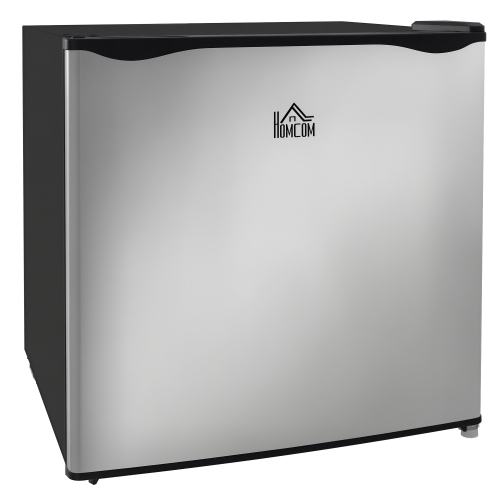
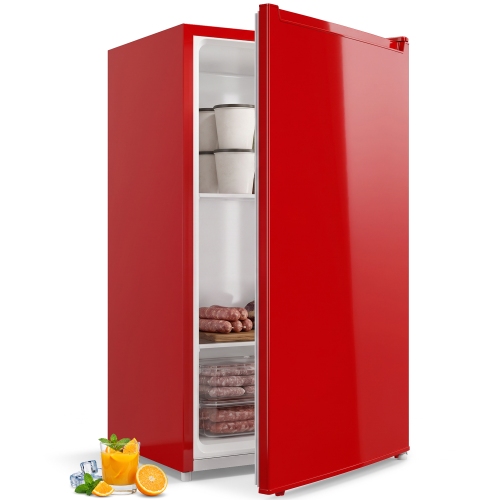
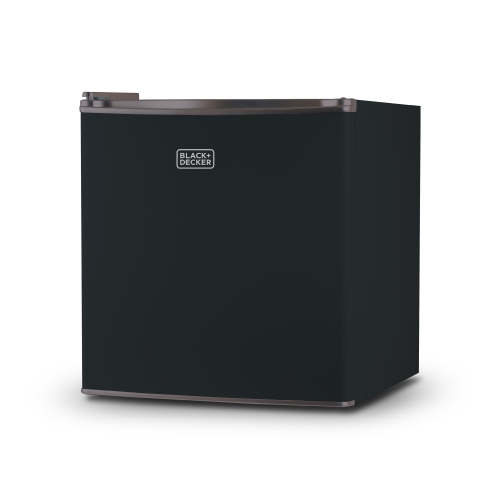
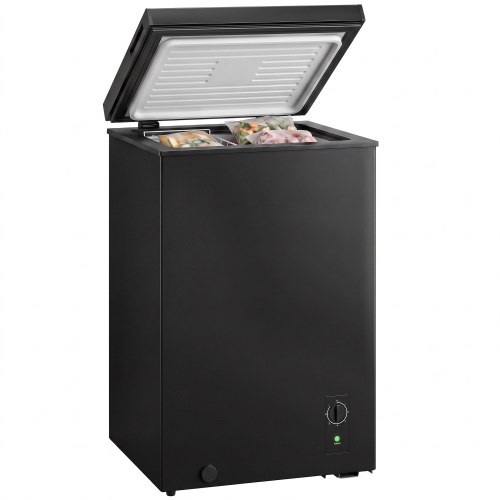

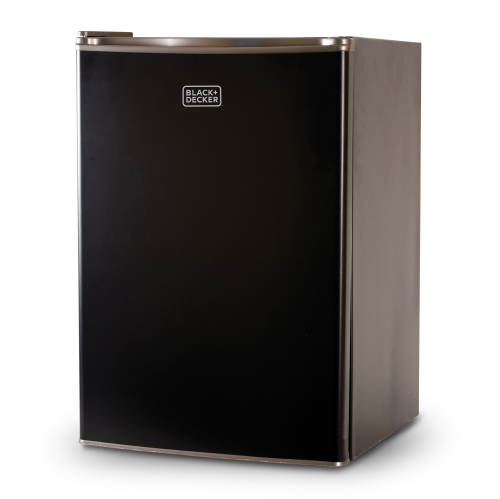
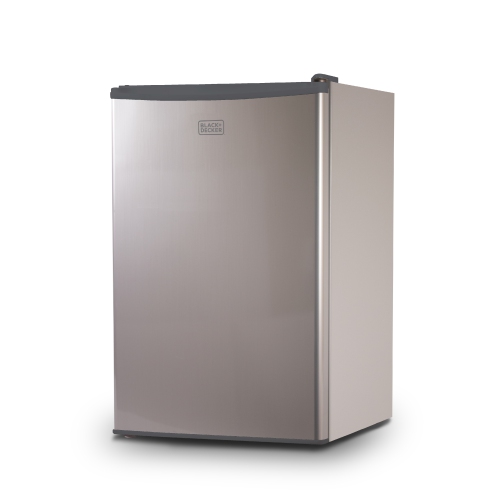
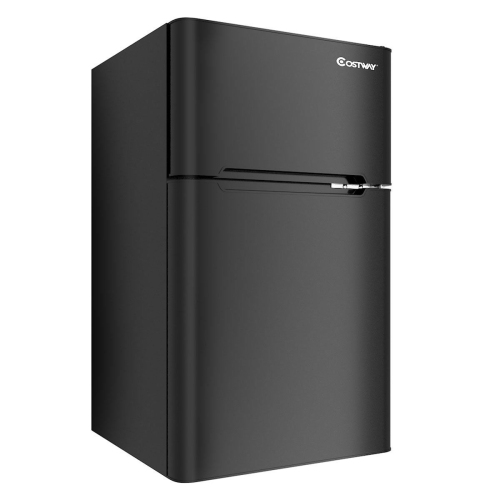
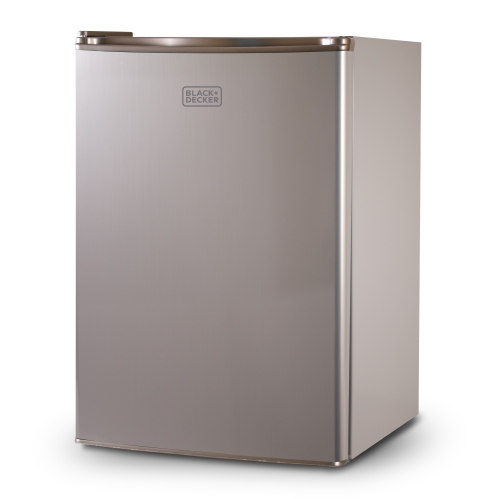
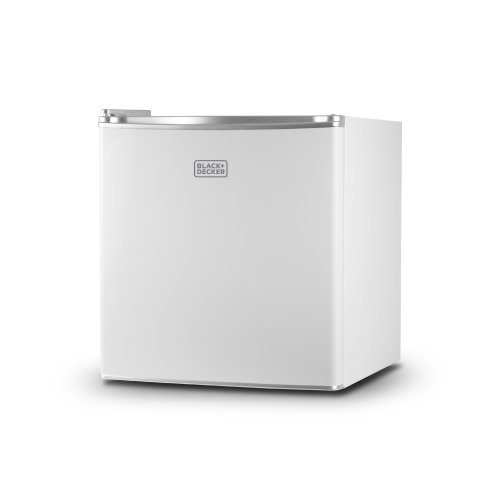
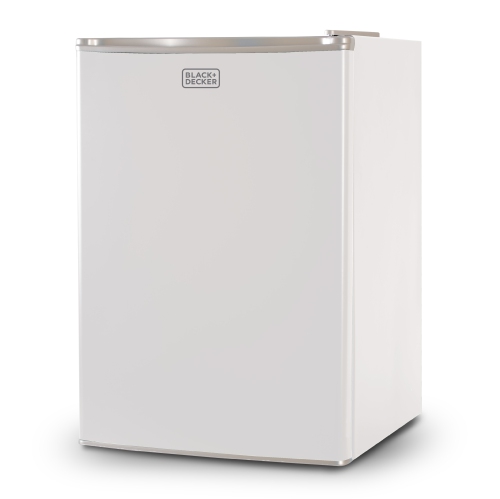
What fits behind a compact freezer door
A bar fridge-style mini freezer has the short, upright shape of a bar fridge, but its cabinet is designed for frozen food rather than drinks and refrigerated snacks. The front-opening door is part of the appeal: it’s easy to slide out a container of soup or reach for a tray of ice without lifting things out of the way, as might be necessary with a chest freezer. Compact units with this shape often fall in the range of about 1.1 to 4.6 cubic feet, though the listed capacity doesn’t always refer to the same thing. In a dedicated mini freezer, it describes the freezer cabinet. In a compact fridge-freezer, it may describe the combined space, leaving only a portion for frozen food. A single-door bar fridge may have a small chiller compartment that’s useful for making ice but isn’t necessarily designed for long-term frozen storage. A two-door compact fridge with a separate top freezer gives each compartment its own door, but the freezer still shares the overall footprint with the refrigerator. For households that already have enough refrigerator space, a dedicated upright or cube freezer puts the whole cabinet to work holding frozen groceries at the recommended freezer temperature of −18 °C or colder. How that space is divided can matter as much as the capacity. A low shelf can be just right for flat bags of fruit or individually wrapped portions that stack neatly, while a taller opening makes room for tubs, upright containers and bulkier packages. An ice tray fits into a narrow gap, but it still needs a level spot where it won’t be bumped every time something else comes out. Even two cabinets with similar capacity can hold a weekly batch of meals quite differently if one has fixed shelves and the other has room to rearrange them.
The compact footprint makes this style useful in apartment kitchens, basement kitchenettes and shared homes where the main freezer fills up quickly. A roommate might keep a few labelled meals on one shelf, while a family might use the cabinet for the bread, berries and leftovers that otherwise crowd the freezer drawer. In a studio, the options on Mini Freezers For Studio Kitchens are especially relevant when frozen storage has to fit around a short run of cabinets and a limited amount of countertop. The room a freezer takes up includes more than its width and height. The hinge may need space beside a wall, the handle can project into a narrow walkway, and a door that opens only partway can make it awkward to slide out a basket or wipe down a shelf. A reversible door, where offered, can help a freezer open toward the prep area rather than across it. Ventilation matters too: a freestanding cabinet that fits neatly into an opening isn’t necessarily intended to be enclosed there. A spot beneath a counter works only when the freezer is designed for that installation and has the required clearance. In a room that doubles as a living or sleeping area, the sound of the compressor cycling may be more noticeable than it would be in a separate kitchen. A firm, level floor helps limit vibration and lets the door sit properly against its seal. A sturdy cabinet, a hinge that opens smoothly and shelves that don’t shift when a container is pulled forward are useful details for a freezer that will see daily use.
The materials inside and out shape how a mini freezer holds up to everyday handling. A coated metal exterior and a smooth interior liner are generally straightforward to wipe down, while rounded interior corners make it easier to pick up crumbs or brush away loose ice. Wire shelves leave room for air to circulate around packages, but a small bag or an ice tray may sit more securely on a flat shelf. Removable shelves and baskets make it easier to clean up a spill and give taller containers a place to stand. A removable basket can also keep small packs together so they don’t disappear behind a stack of larger meals. The door gasket deserves just as much attention as the shelves. A stray bag corner caught in the seal can let moist air in, and frost along the edge can be a sign that the door isn’t closing fully. Keeping the gasket clean and checking that packages sit clear of the door can prevent that problem. In a manual-defrost freezer, a thick layer of frost takes up space and can make containers harder to remove. It’s easier to defrost when the freezer holds only a few things that can be moved to another freezer. Letting the ice soften on its own, rather than prying it loose with a sharp tool, helps protect the liner. For everyday use, flat, dated portions and a little open space at the front make it easier to see what’s there and reach older food before it gets buried. That modest amount of extra storage can make a difference for someone who cooks several meals at once, buys groceries in larger packs or likes to keep a few dinners on hand. It can also make a practical housewarming gift for someone who has already set aside a spot for it and would use the freezer space more than an extra fridge compartment.
Top selling and popular products
-
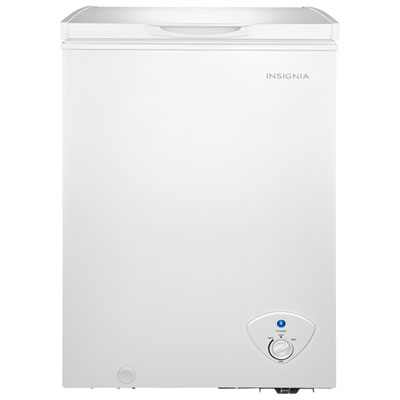 Your price for this item is $279.99
-
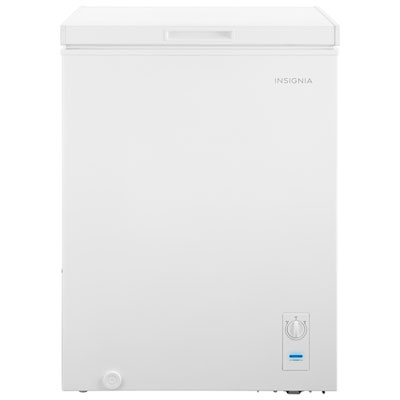 Your price for this item is $179.99
-
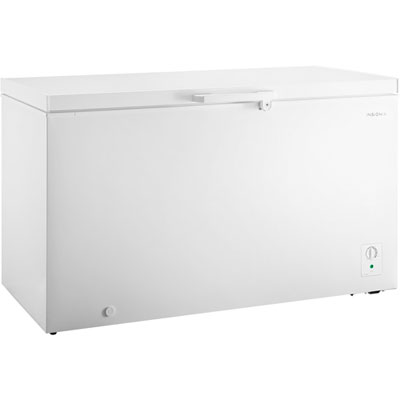 Your price for this item is $799.99
-
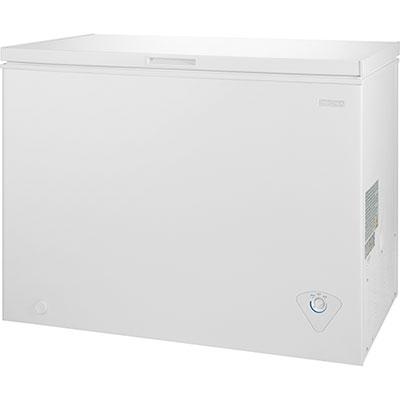 Your price for this item is $499.99
-
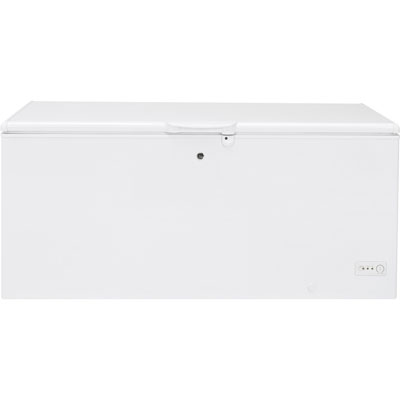 Your price for this item is $1199.99
-
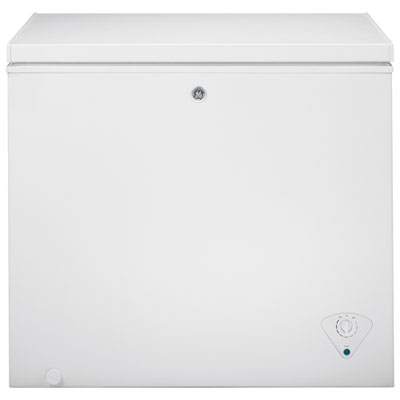 Your price for this item is $339.99
-
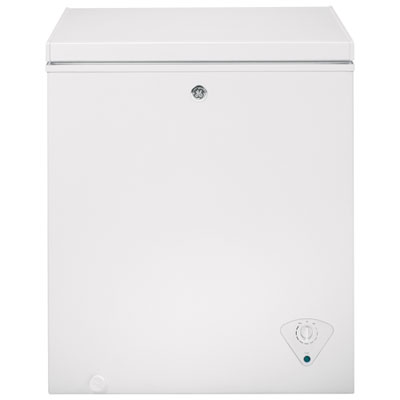 Your price for this item is $269.99
-
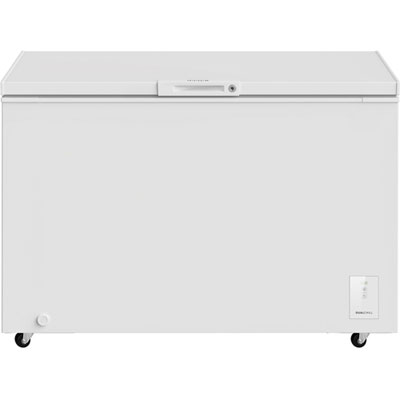 Your price for this item is $899.99
Discover more categories related to Bar Fridge Style Mini Freezers

Top Collections:
Best Black Friday Deals This Year, Best Black Friday Deals On Electronics, Kindle Devices, Pokemon Centers, Best Black Friday Deals On Apple Products, Best Cameras for Sports Photography, Dyson Airwrap, Pokémon 30th Celebration Cards, Apple iPhone 17 Pro, Canon G7X Cameras
Some products may be subject to Environmental Handling Fees
(EHF) depending on your province.
Learn more about EHFs.