Frost Free Mini Fridges
Whether you're a student looking to stock up on snacks for late-night study sessions or a city dweller in need of some extra fridge space, frost-free mini-fridges are the perfect solution. These compact appliances offer convenience and versatility, allowing you to keep your beverages chilled and your perishables fresh without the hassle of defrosting. With their sleek designs and efficient cooling systems, frost-free mini-fridges are a must-have addition to any space where space is limited but functionality is key. Explore our wide selection of frost-free mini-fridges to find the perfect fit for your needs.
Sort
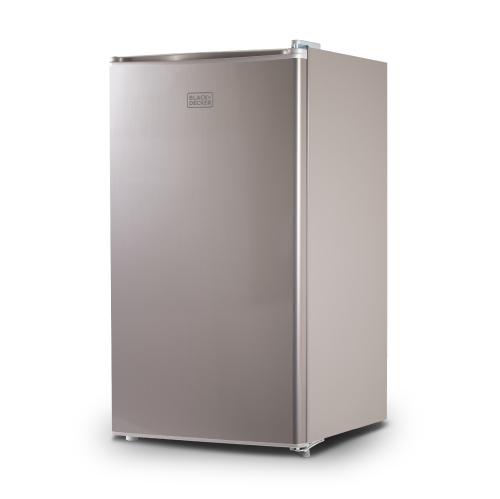
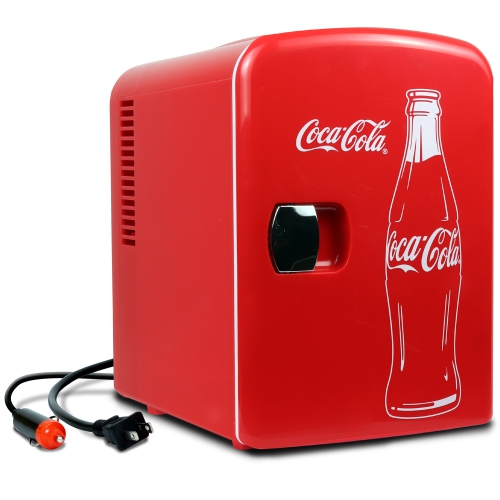
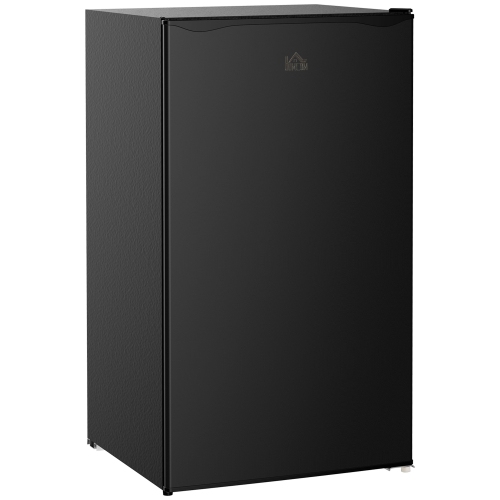
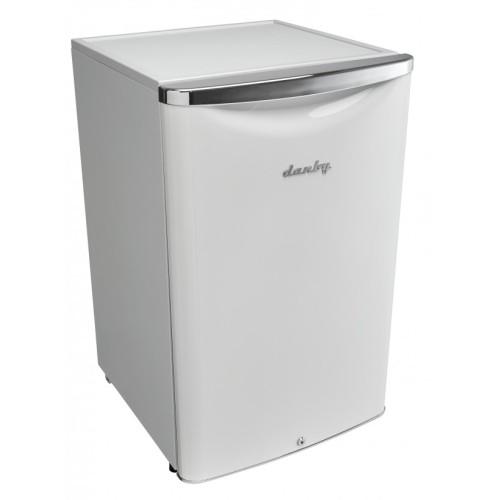
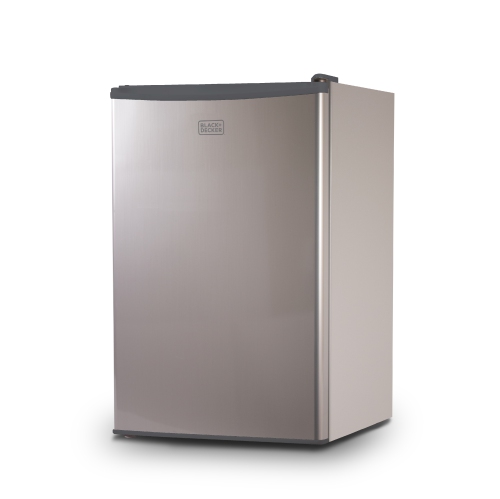
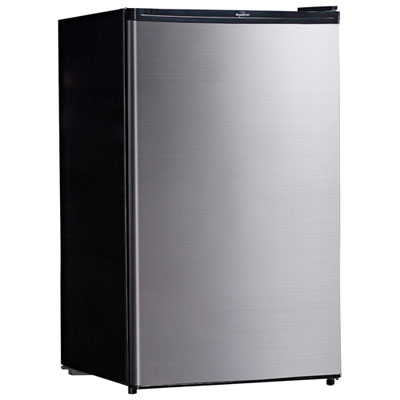
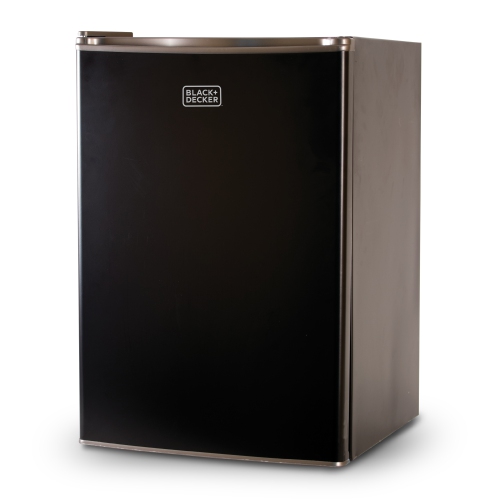
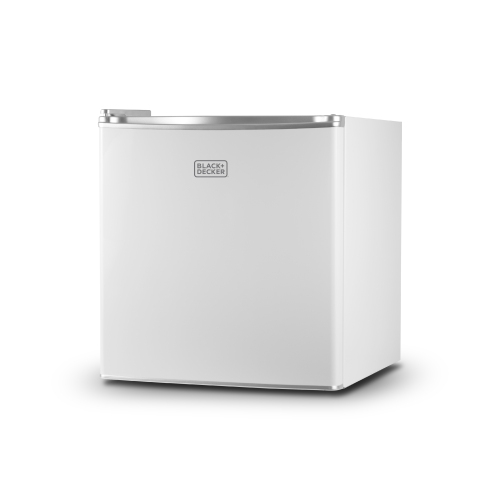
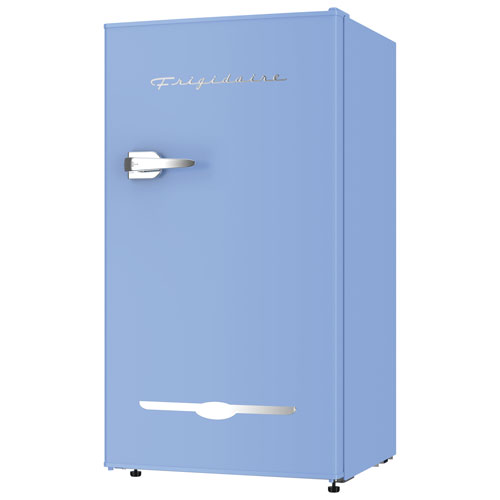
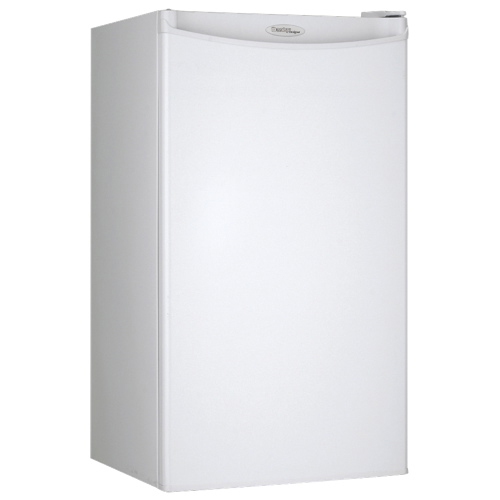
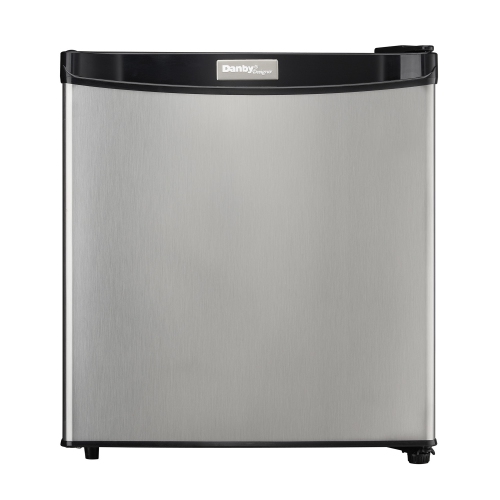
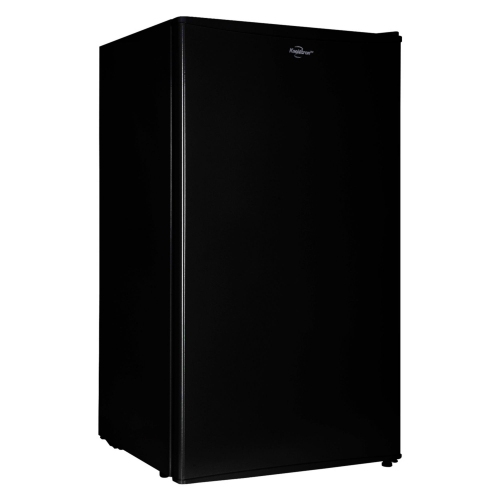
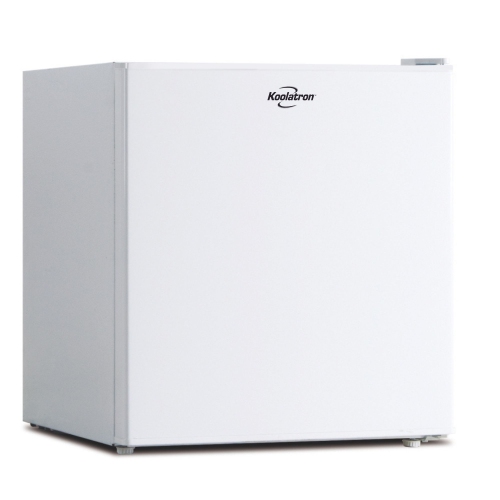
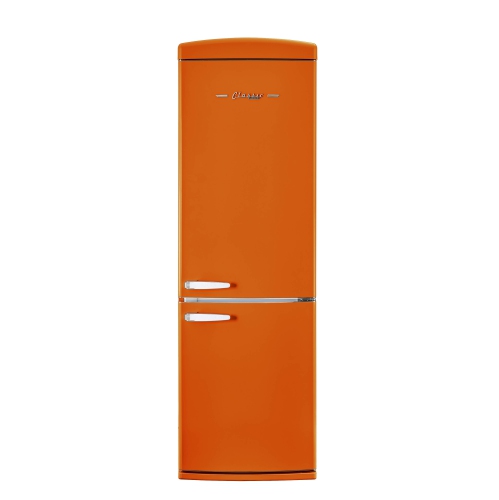
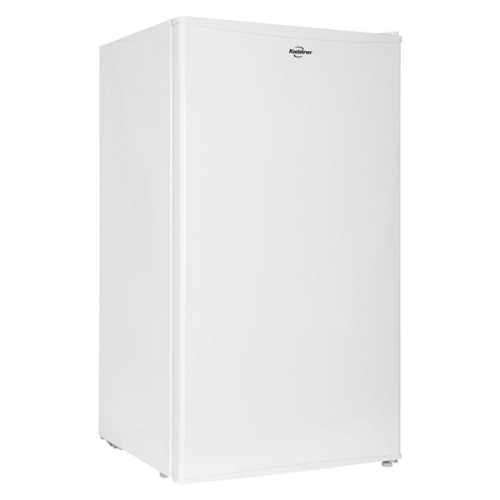
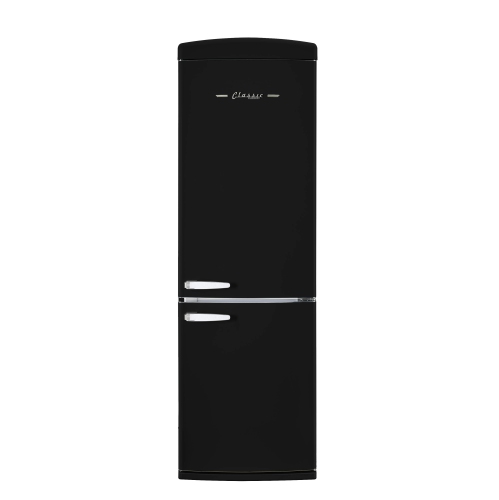
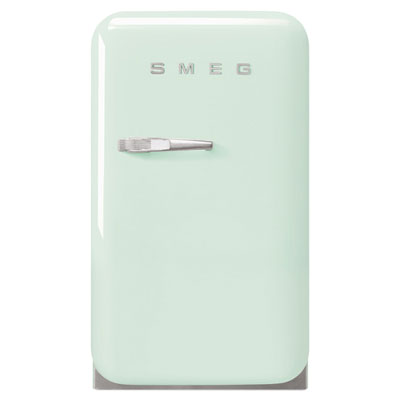
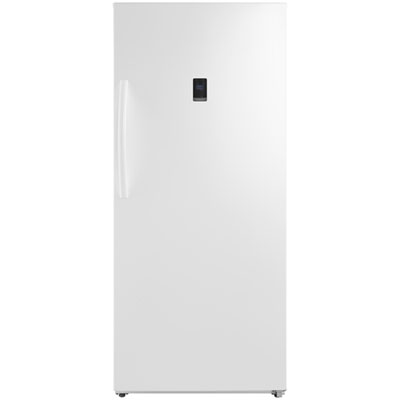
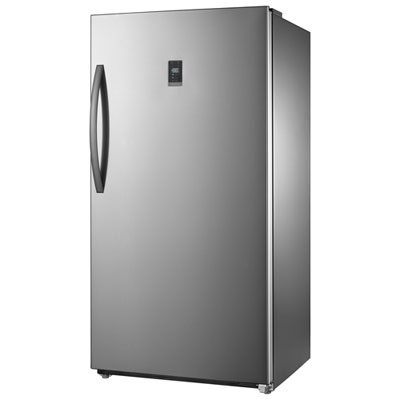
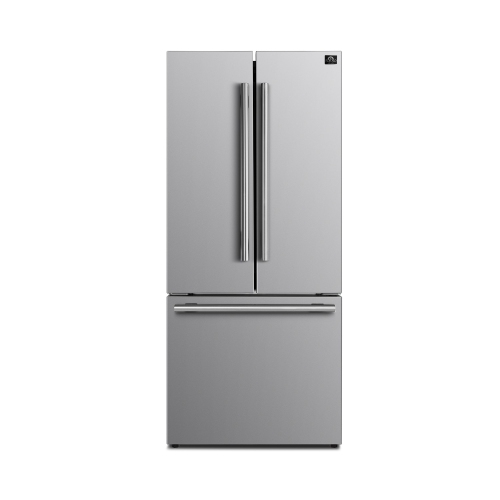
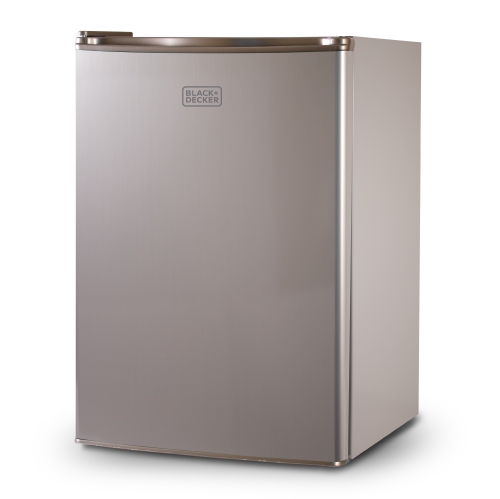
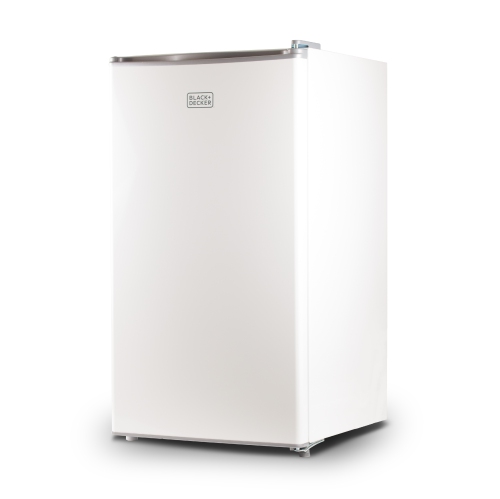
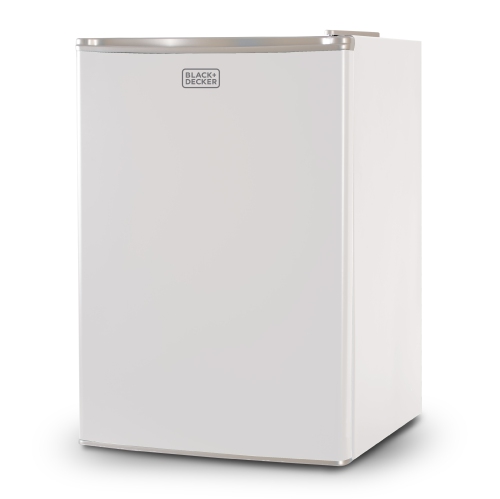
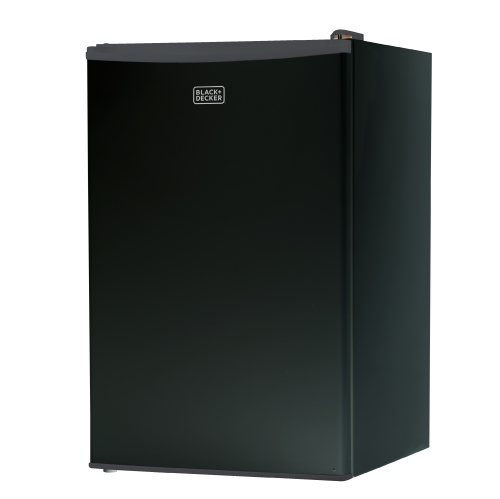
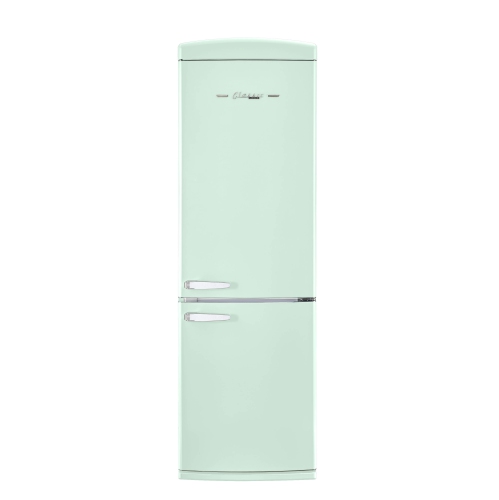
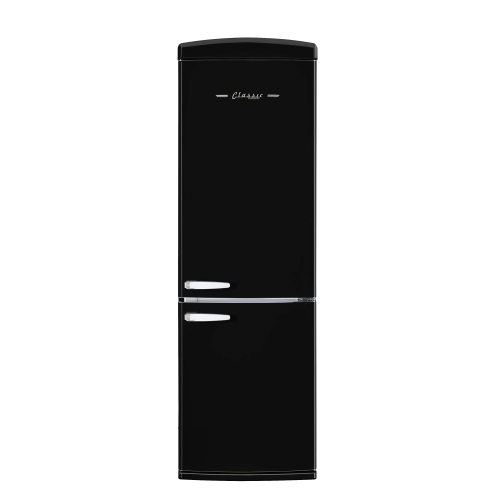
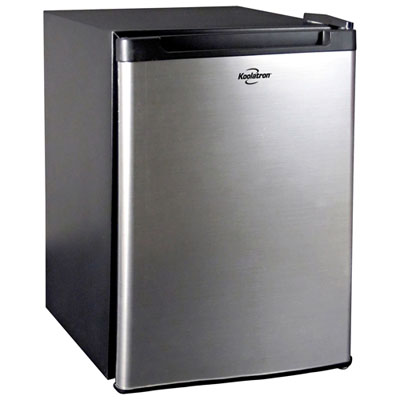
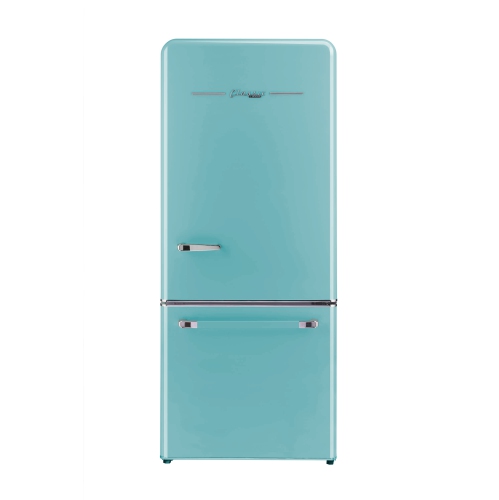
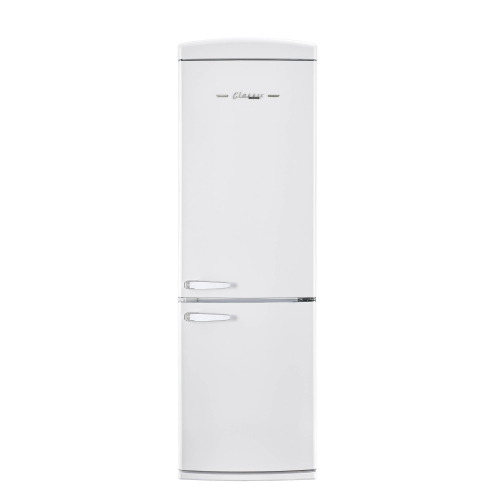
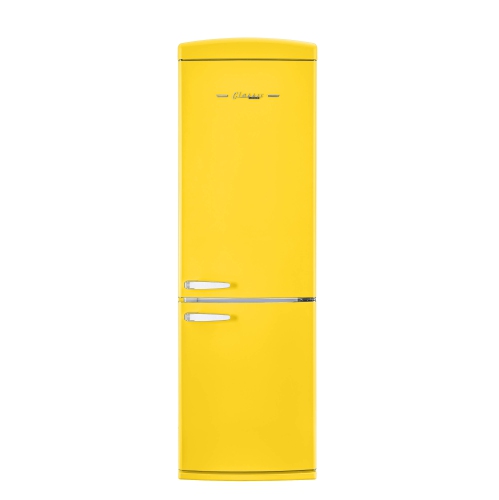
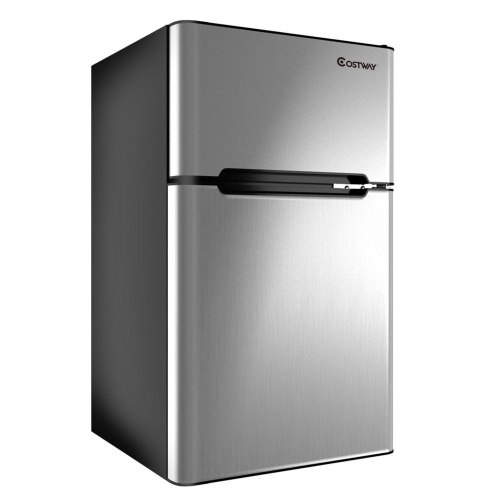
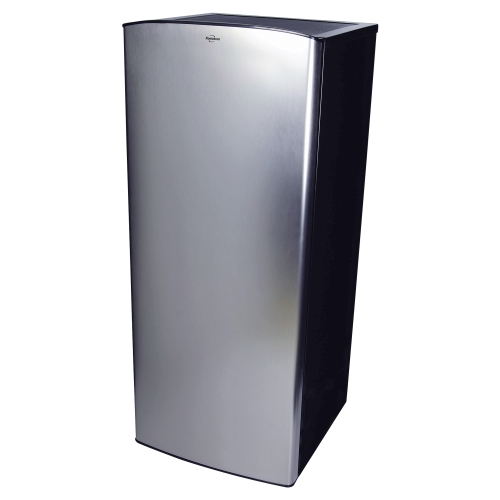
Enjoy easier frozen food access with less manual defrosting
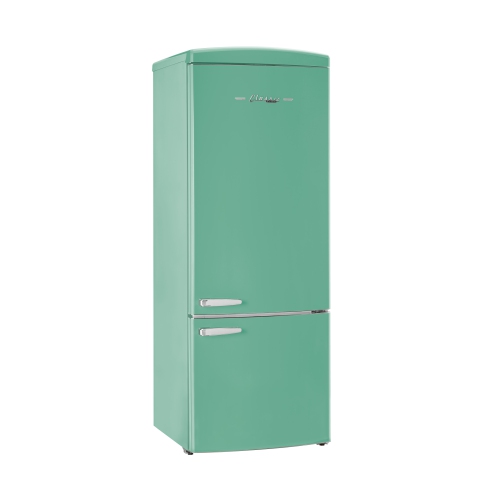
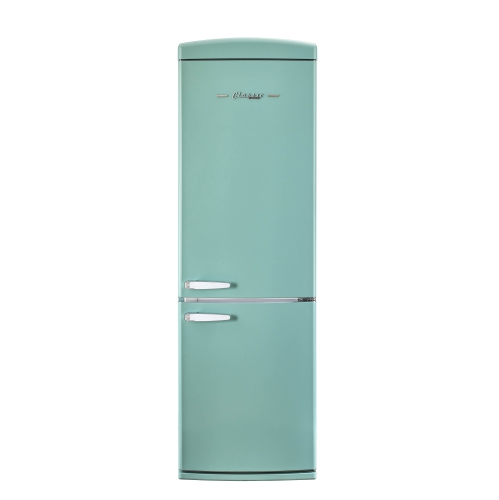
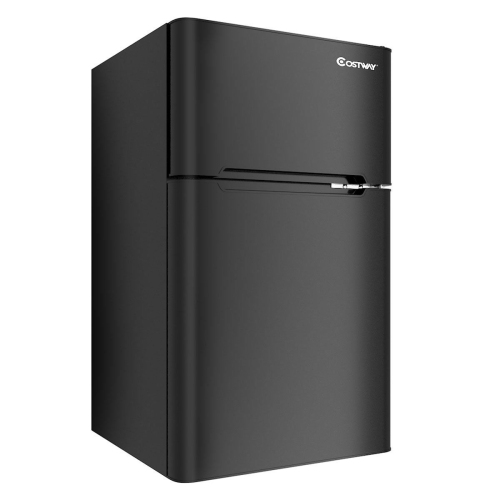
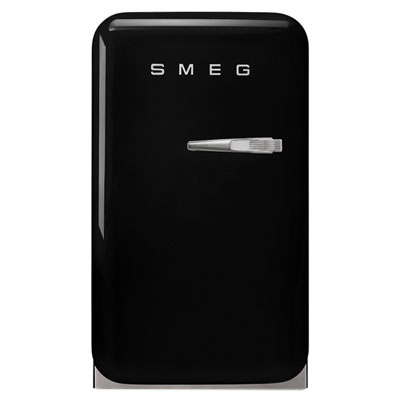
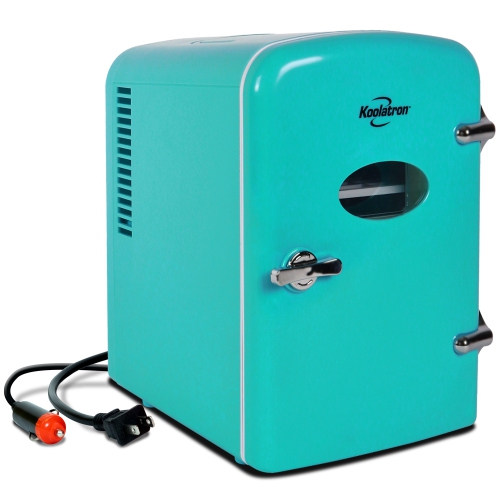
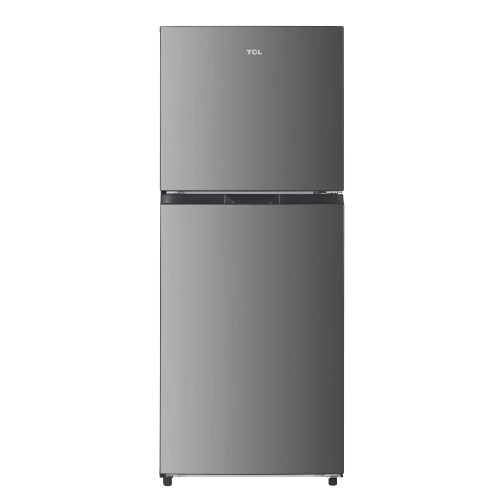
Frost Free Mini Fridges offer compact cooling with an important convenience: automated frost control that helps prevent ice from collecting inside the freezer compartment. Instead of unplugging the appliance, removing its contents, and scraping away a thick layer of ice, you can keep food organized and ready to use with less routine maintenance. This makes a frost-free mini fridge a practical choice for bedrooms, home offices, guest rooms, basement recreation areas, dorm-style spaces, workshops, cottages, and small kitchens where every square inch matters. It can also be useful in a home where a full-size refrigerator is already busy, providing a dedicated place for drinks, snacks, packed lunches, ingredients, or extra frozen food. True frost-free designs are more commonly found in compact refrigerators measuring about 3.1 to 3.3 cubic feet or more, while many small cube-style models in the 1.6 to 1.7 cubic foot range use manual defrost. Product descriptions can use similar language for different cooling systems, so check the specifications carefully for “frost-free” or “automatic defrost” operation rather than assuming that every mini fridge includes it. A separate freezer door is another useful detail to look for, as it often indicates a more substantial freezer compartment and helps limit the amount of cold air lost when you open the refrigerator section. With a separate door, frozen items can remain grouped together, food is less likely to stick to an ice-coated interior, and everyday access feels more like using a traditional refrigerator in a smaller footprint.
Capacity and layout should match the way you expect to use the appliance. A compact refrigerator may hold cans, bottles, yoghurt, fruit, condiments, prepared meals, and a few containers of leftovers, but the usable storage can vary significantly depending on shelf design and door bins. Before choosing a model, measure the available width, depth, and height, then allow additional clearance for ventilation and for the door to open fully. This is particularly important when placing a mini fridge beneath a counter, beside a desk, or in a narrow corner near a wall. A reversible door can make a noticeable difference in a tight room because it lets you position the handle on the side that best suits the surrounding furniture and traffic flow. Adjustable shelves help accommodate taller bottles or pitchers, while a crisper drawer can keep produce separate from ready-to-eat foods. If frozen storage is a priority, look beyond the overall cubic-foot capacity and consider the dimensions of the freezer itself. A small in-column ice box may be suitable for ice packs or a few frozen treats, but it will not offer the same flexibility as a separate freezer compartment. Frost-free cooling also helps maintain easier access over time, since packages are less likely to become trapped behind built-up ice. For a bedroom or office, sound level and placement deserve attention as well. Leave room around the exterior as recommended by the manufacturer, keep the unit on a stable, level surface, and avoid blocking ventilation openings with boxes, curtains, or furniture. A mini fridge can be a thoughtful gift for a student moving into residence, someone setting up a first apartment, a host preparing a guest room, or a family member creating a comfortable entertainment area. It can also make a practical housewarming gift when paired with an organized selection of everyday snacks and beverages, without taking up the floor space required by a full-size appliance.
Daily use is simplest when the refrigerator is loaded with enough space for air to circulate and when frequently used items are kept at an easy-to-reach height. Avoid pressing food tightly against interior vents, since unrestricted airflow helps the appliance cool consistently. Allow hot leftovers to cool appropriately before storing them, keep the door closed whenever possible, and follow the manufacturer’s guidance for temperature settings and food storage. Frost-free operation reduces the need for manual defrosting, but it does not remove the need for occasional cleaning. Wipe spills promptly, wash removable shelves and bins with mild dish soap, and clean the door seal so it continues to close securely. A well-fitting seal is especially important in compact spaces where the refrigerator may be opened often for drinks or snacks. Consider the types of containers you use, too: stackable dishes make better use of narrow shelves, while clear bins can keep small items from disappearing at the back. For entertaining, a mini fridge can hold chilled drinks and garnishes close to a dining or seating area; for work or study, it can keep lunch and refreshments separate from the main household refrigerator. If you need more dedicated frozen storage than a compact refrigerator provides, browsing Bar Fridge Style Mini Freezers can help you compare related formats. During warmer weather, a conveniently placed unit can keep cold drinks within reach, while during the cooler months it can continue serving as a dependable secondary refrigerator for meal ingredients, baking supplies, or freezer items. Paying close attention to the defrost system, freezer configuration, dimensions, door swing, interior arrangement, and intended location will help you choose a frost-free mini fridge that fits naturally into your routine and makes good use of the space available.
Capacity and layout should match the way you expect to use the appliance. A compact refrigerator may hold cans, bottles, yoghurt, fruit, condiments, prepared meals, and a few containers of leftovers, but the usable storage can vary significantly depending on shelf design and door bins. Before choosing a model, measure the available width, depth, and height, then allow additional clearance for ventilation and for the door to open fully. This is particularly important when placing a mini fridge beneath a counter, beside a desk, or in a narrow corner near a wall. A reversible door can make a noticeable difference in a tight room because it lets you position the handle on the side that best suits the surrounding furniture and traffic flow. Adjustable shelves help accommodate taller bottles or pitchers, while a crisper drawer can keep produce separate from ready-to-eat foods. If frozen storage is a priority, look beyond the overall cubic-foot capacity and consider the dimensions of the freezer itself. A small in-column ice box may be suitable for ice packs or a few frozen treats, but it will not offer the same flexibility as a separate freezer compartment. Frost-free cooling also helps maintain easier access over time, since packages are less likely to become trapped behind built-up ice. For a bedroom or office, sound level and placement deserve attention as well. Leave room around the exterior as recommended by the manufacturer, keep the unit on a stable, level surface, and avoid blocking ventilation openings with boxes, curtains, or furniture. A mini fridge can be a thoughtful gift for a student moving into residence, someone setting up a first apartment, a host preparing a guest room, or a family member creating a comfortable entertainment area. It can also make a practical housewarming gift when paired with an organized selection of everyday snacks and beverages, without taking up the floor space required by a full-size appliance.
Daily use is simplest when the refrigerator is loaded with enough space for air to circulate and when frequently used items are kept at an easy-to-reach height. Avoid pressing food tightly against interior vents, since unrestricted airflow helps the appliance cool consistently. Allow hot leftovers to cool appropriately before storing them, keep the door closed whenever possible, and follow the manufacturer’s guidance for temperature settings and food storage. Frost-free operation reduces the need for manual defrosting, but it does not remove the need for occasional cleaning. Wipe spills promptly, wash removable shelves and bins with mild dish soap, and clean the door seal so it continues to close securely. A well-fitting seal is especially important in compact spaces where the refrigerator may be opened often for drinks or snacks. Consider the types of containers you use, too: stackable dishes make better use of narrow shelves, while clear bins can keep small items from disappearing at the back. For entertaining, a mini fridge can hold chilled drinks and garnishes close to a dining or seating area; for work or study, it can keep lunch and refreshments separate from the main household refrigerator. If you need more dedicated frozen storage than a compact refrigerator provides, browsing Bar Fridge Style Mini Freezers can help you compare related formats. During warmer weather, a conveniently placed unit can keep cold drinks within reach, while during the cooler months it can continue serving as a dependable secondary refrigerator for meal ingredients, baking supplies, or freezer items. Paying close attention to the defrost system, freezer configuration, dimensions, door swing, interior arrangement, and intended location will help you choose a frost-free mini fridge that fits naturally into your routine and makes good use of the space available.
Top selling and popular products
-
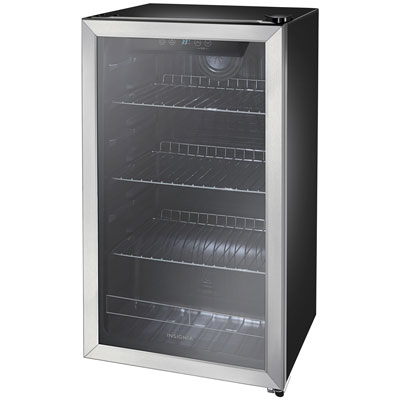 Your price for this item is $349.99
 -
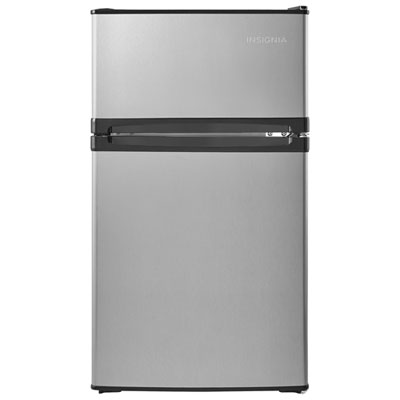 Your price for this item is $299.99
 -
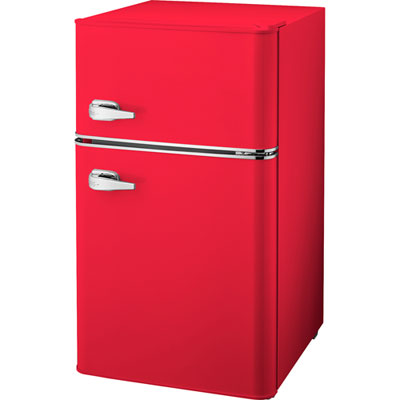 Your price for this item is $199.97
 -
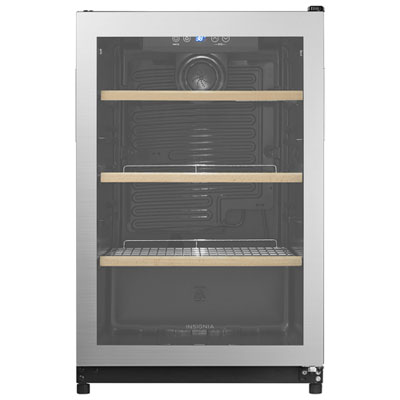 Your price for this item is $329.99
 -
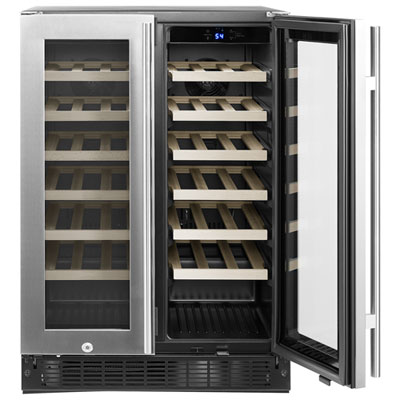 Your price for this item is $999.99
 -
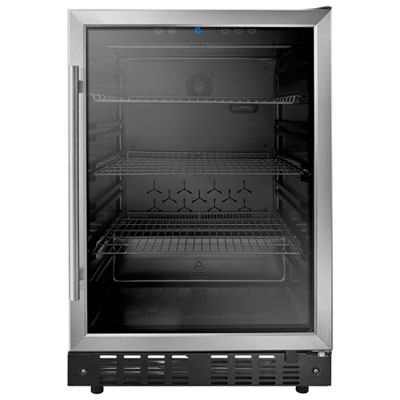 Your price for this item is $699.99
 -
 Your price for this item is $599.99
 -
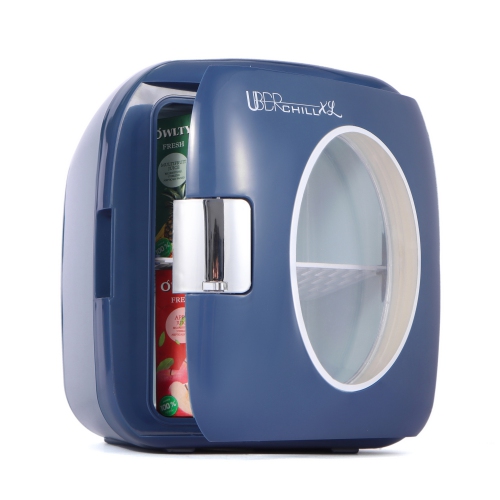 Your price for this item is $169.99
Discover more categories related to Frost Free Mini Fridges
Top Collections:
Pokemon Centers, Kindle Devices, Best Budget Office Chairs, Apple iPhones 16, Best Laptops for Writers, iPhone 15 Apple, Canon G7X Cameras, Refurbished Apple Laptops, Alarm Clock, Motorola Razr Phones
Some products may be subject to Environmental Handling Fees
(EHF) depending on your province.
Learn more about EHFs.