Indoor Grills
If you're looking for a way to enjoy grilled food year-round, an indoor grill is the perfect solution. Indoor grills are designed to cook food quickly and evenly, just like an outdoor grill. They come in a variety of sizes and styles to fit almost any kitchen. Here are some of the great options available on the market today.
Sort





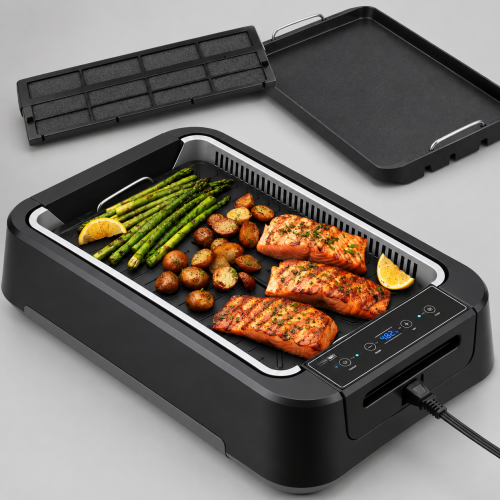
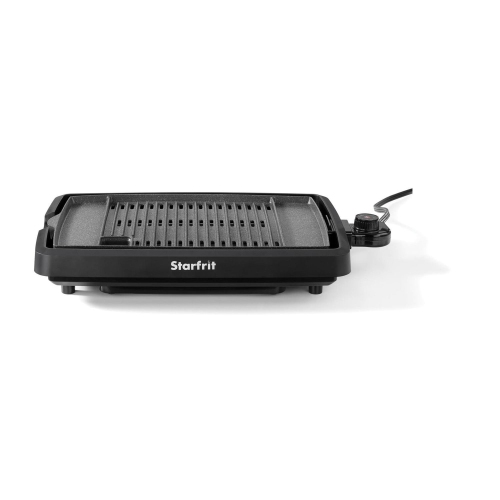
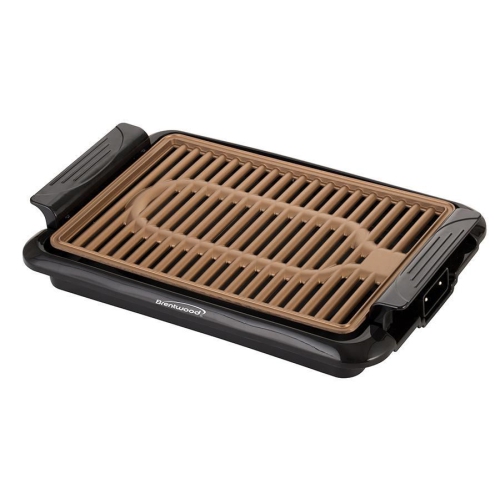


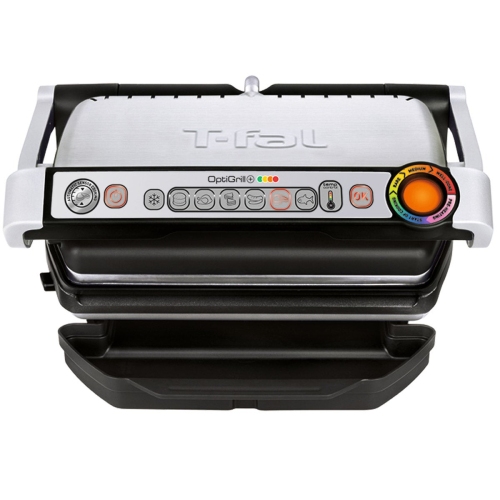


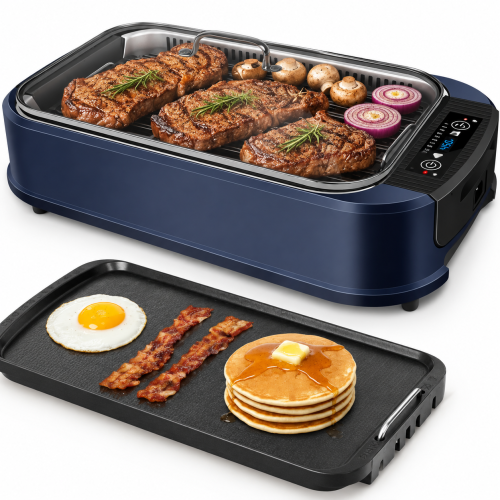
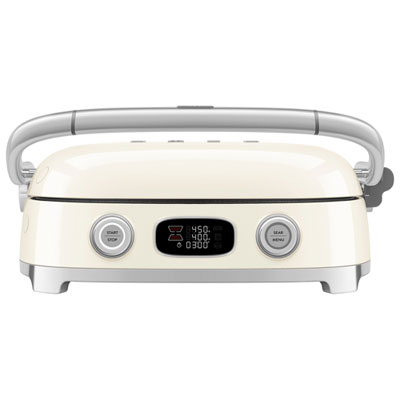
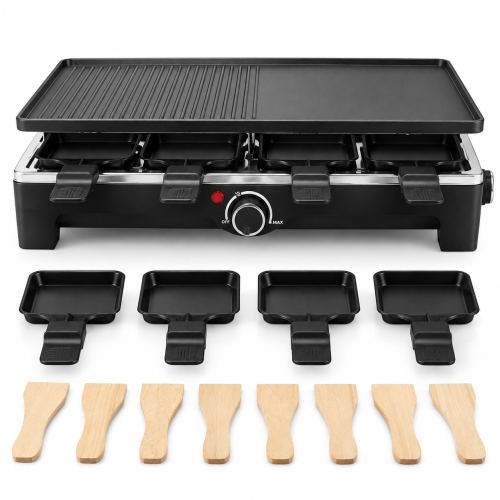

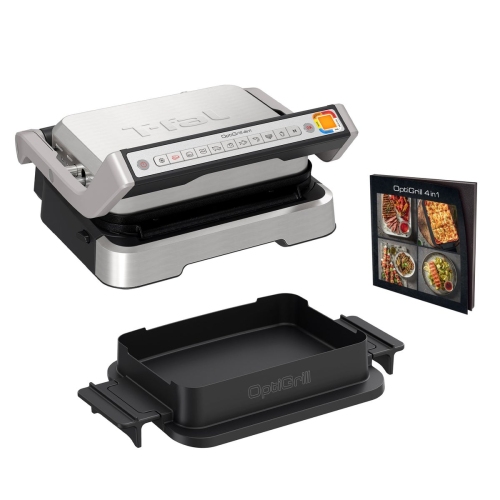

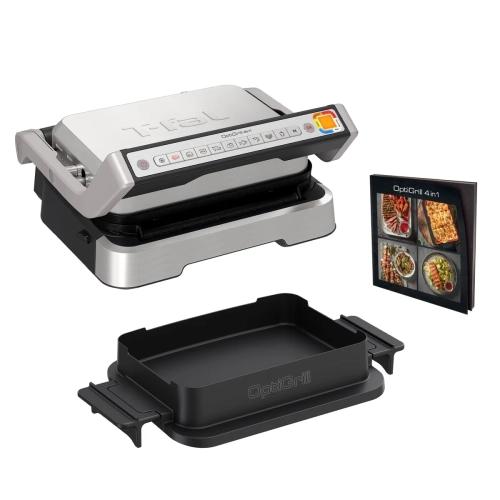
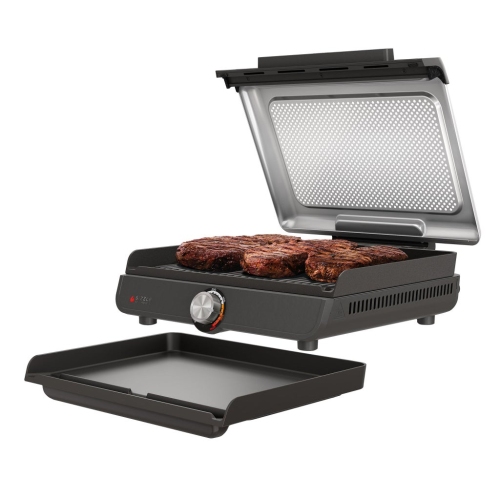
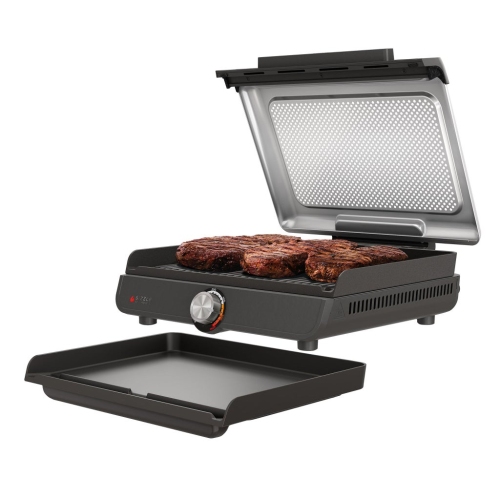
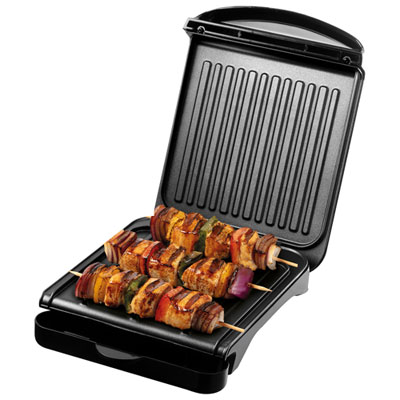

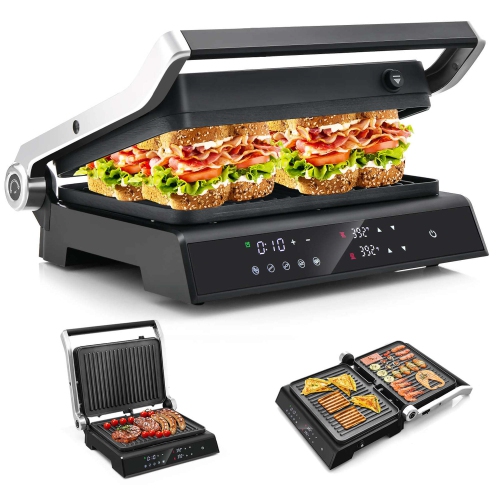

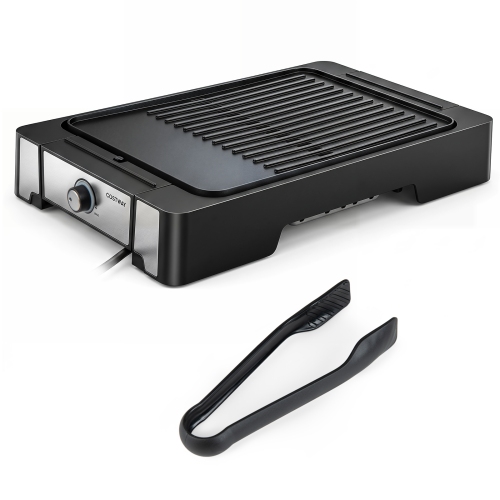

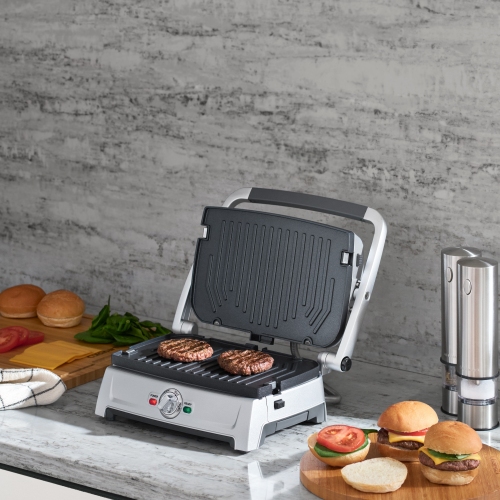
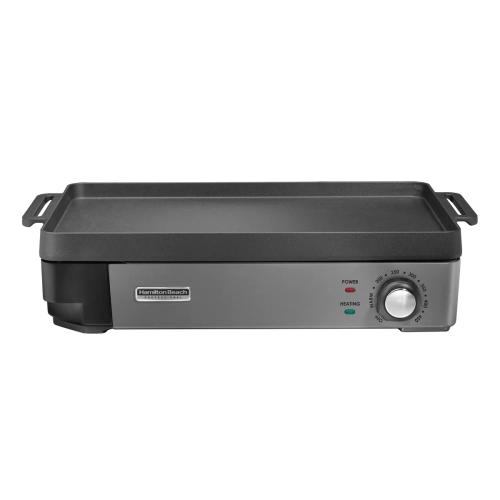
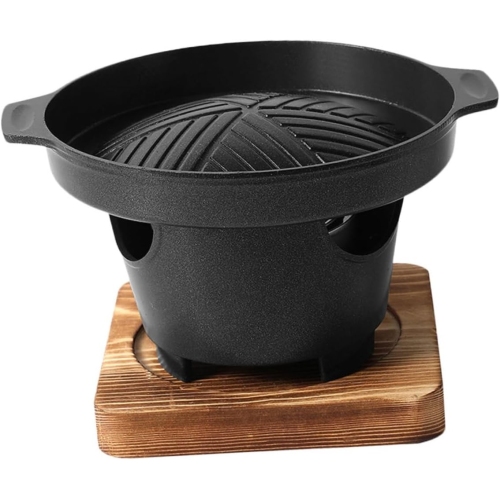
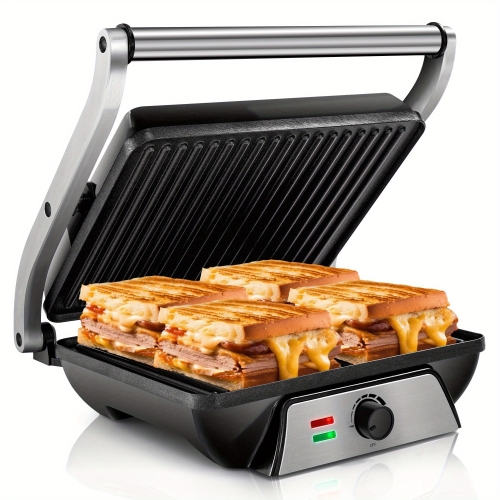
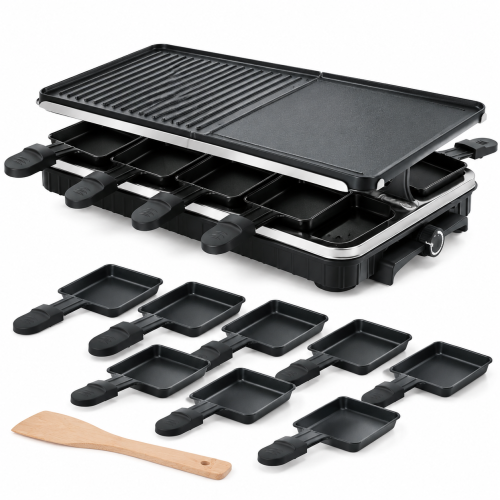
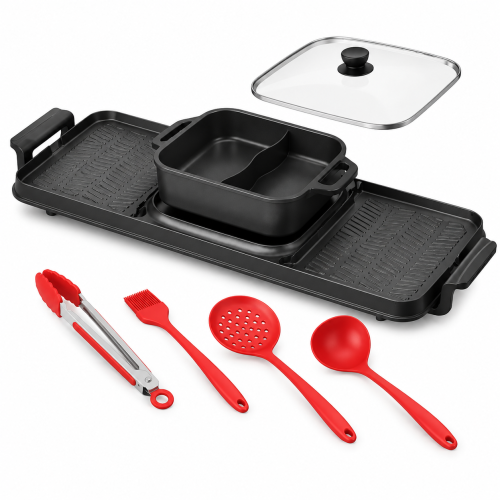






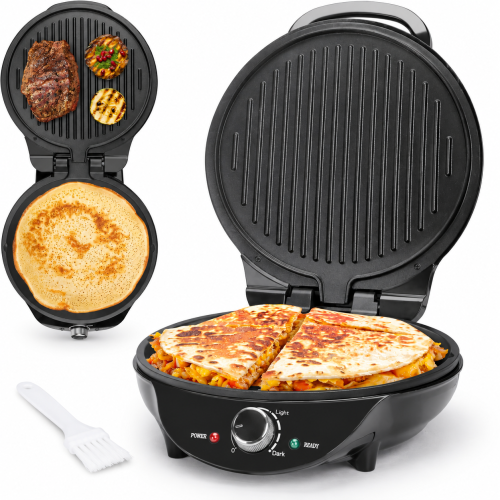
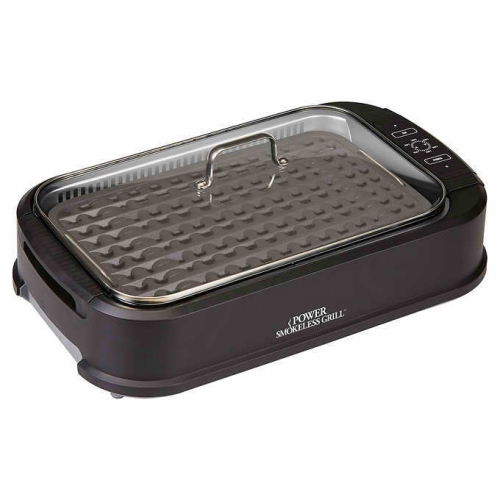
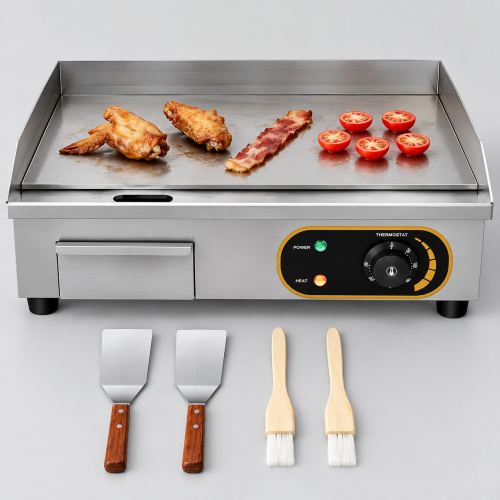
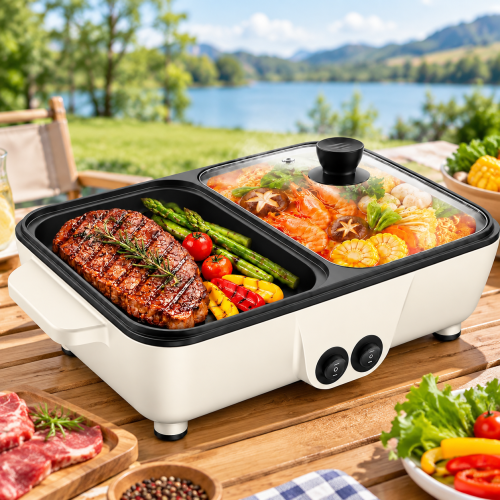

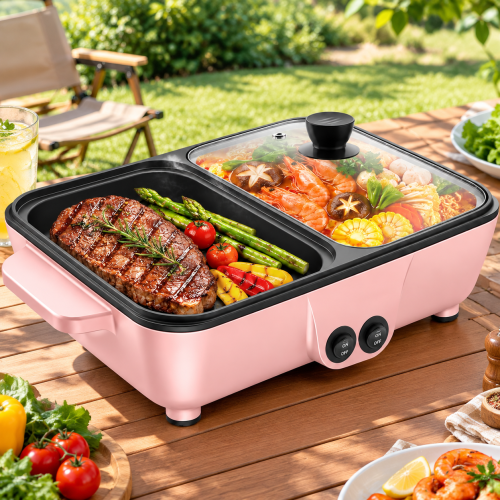
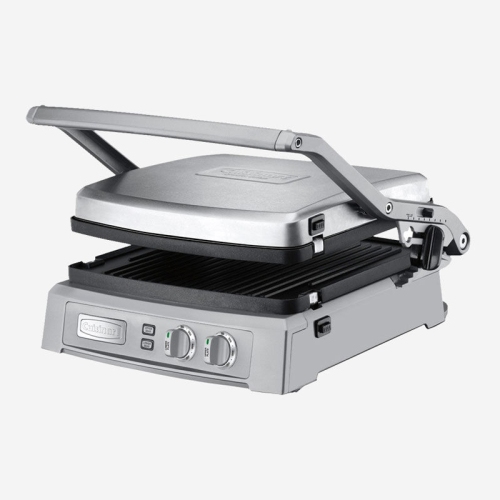
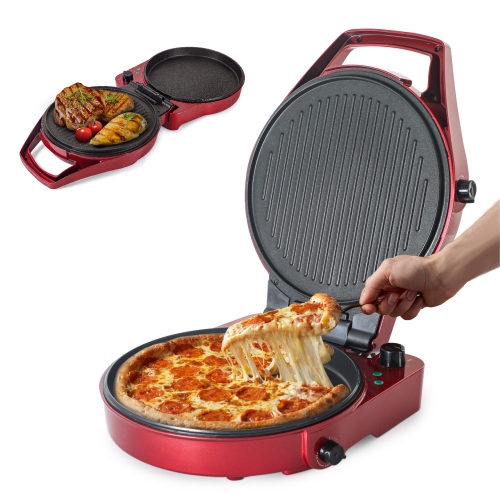


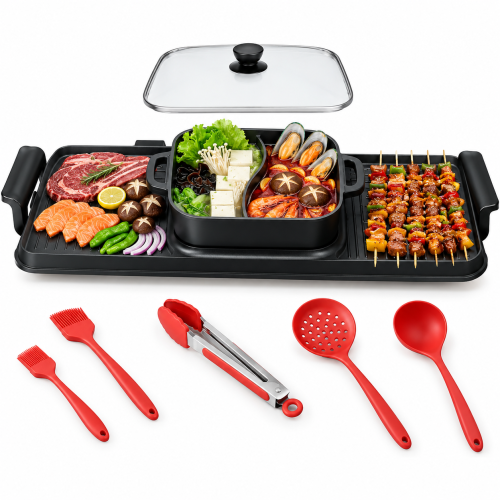

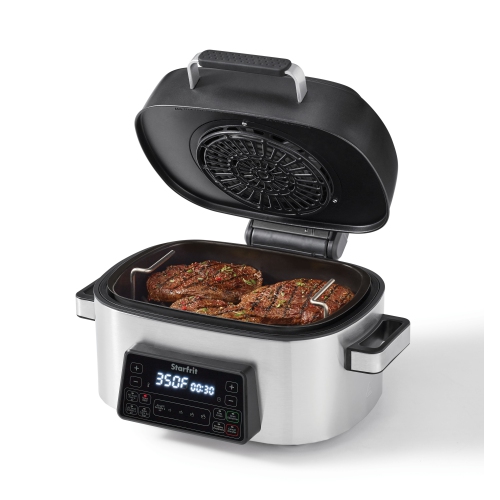
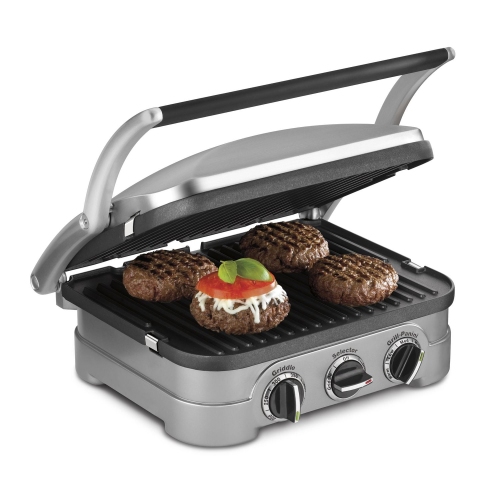
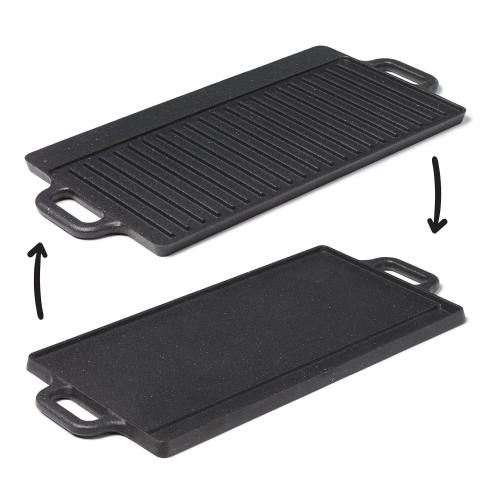
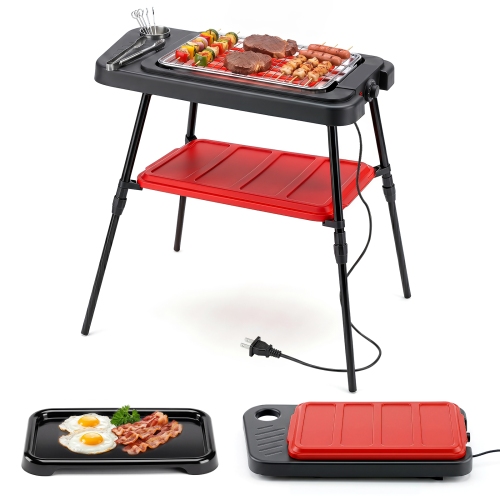
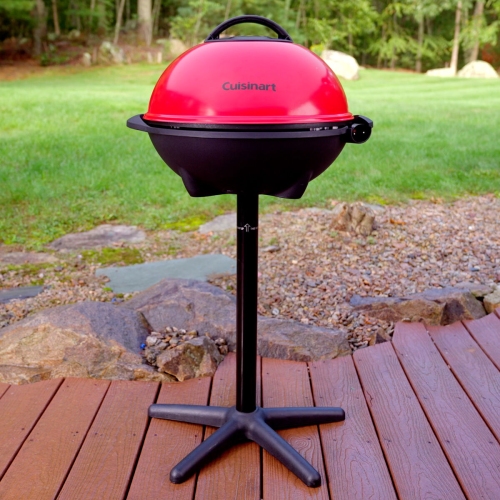


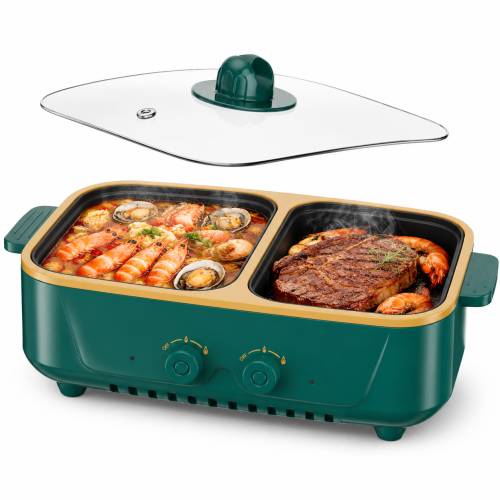


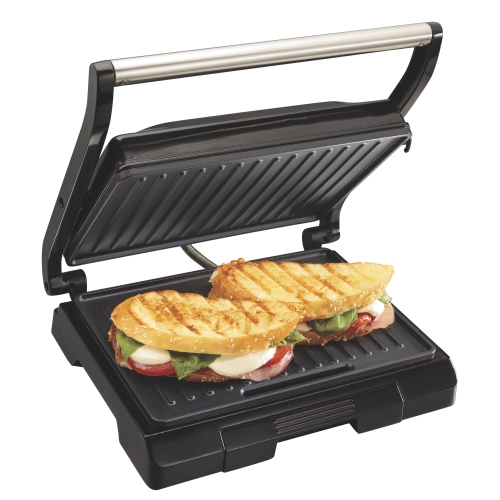


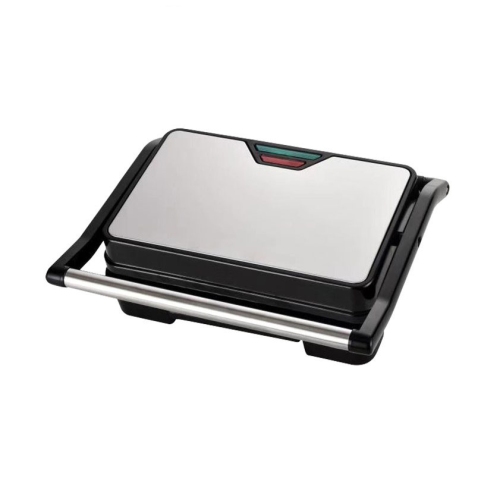


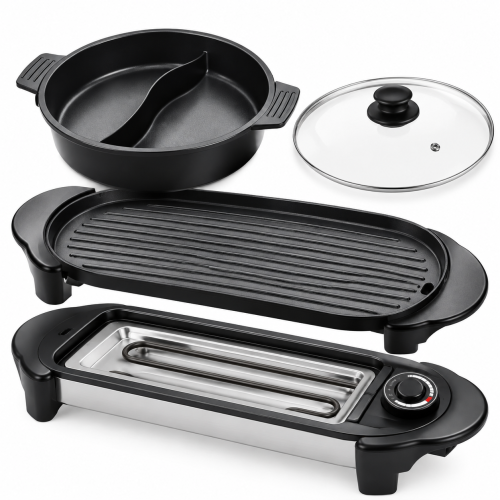
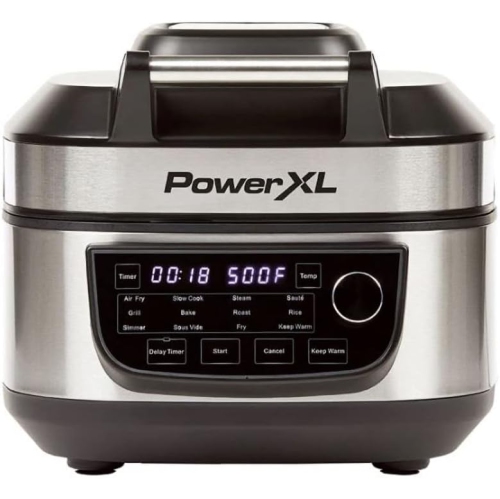
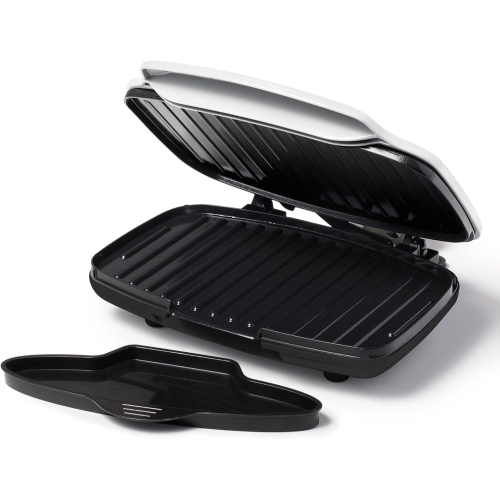
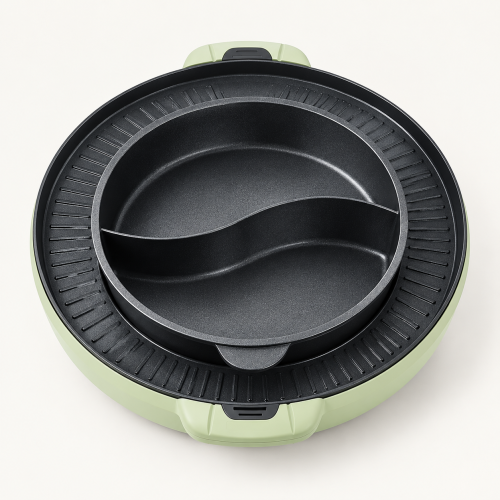
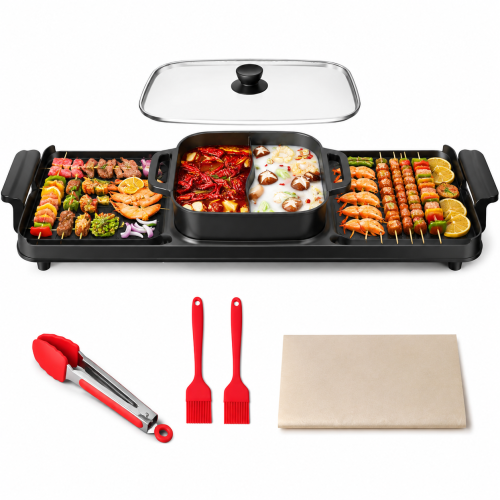
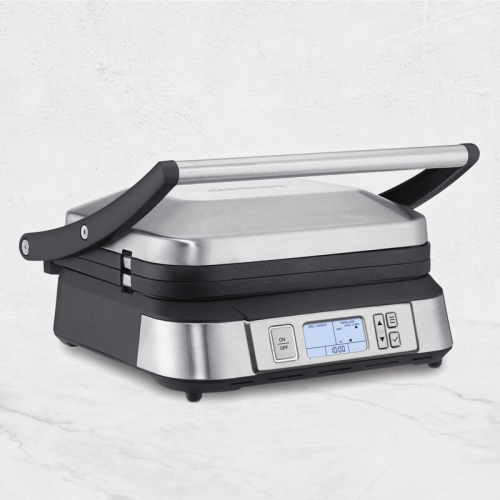
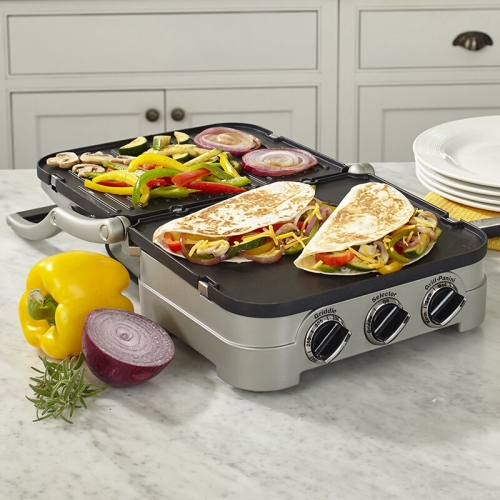


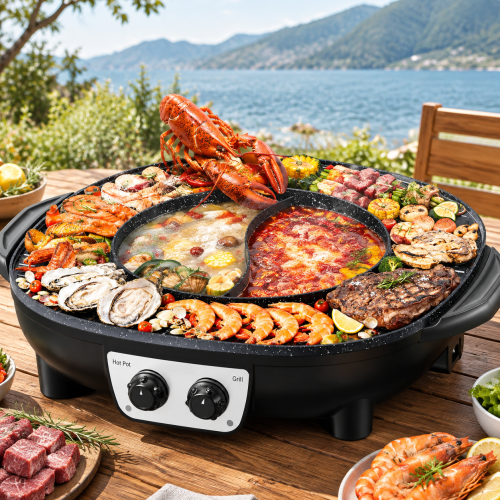


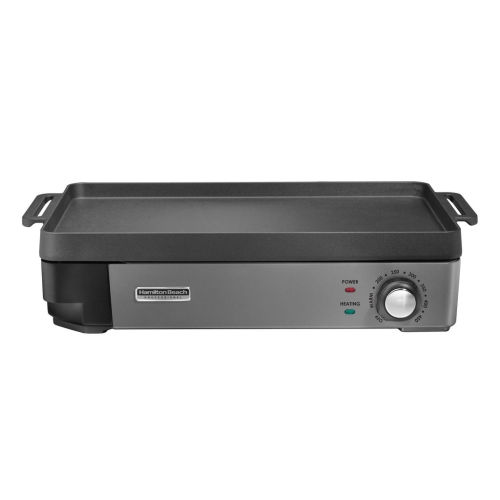
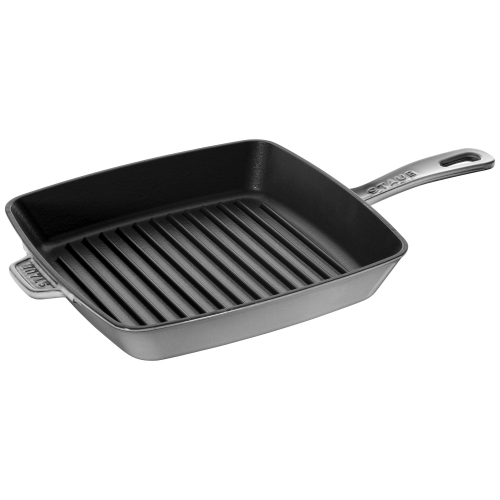
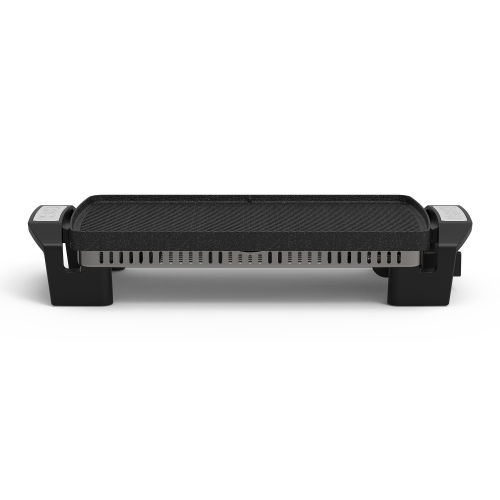


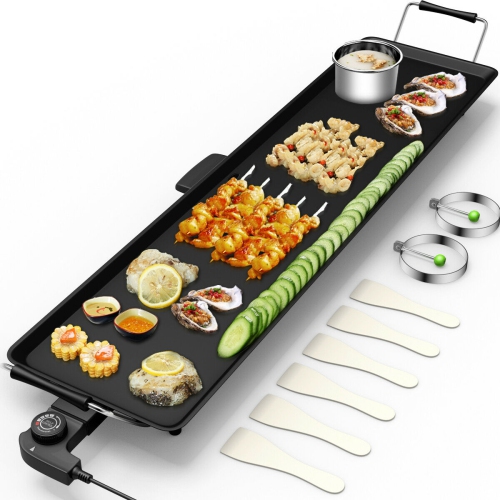
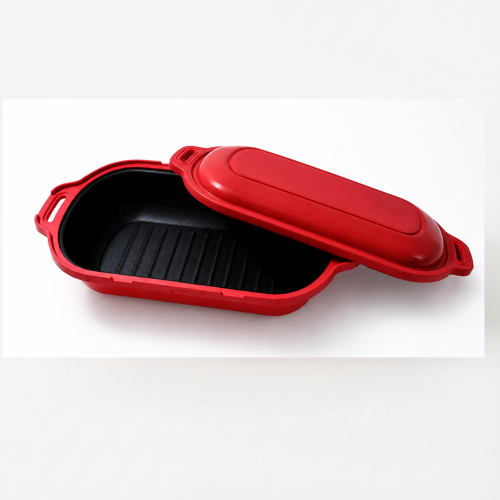
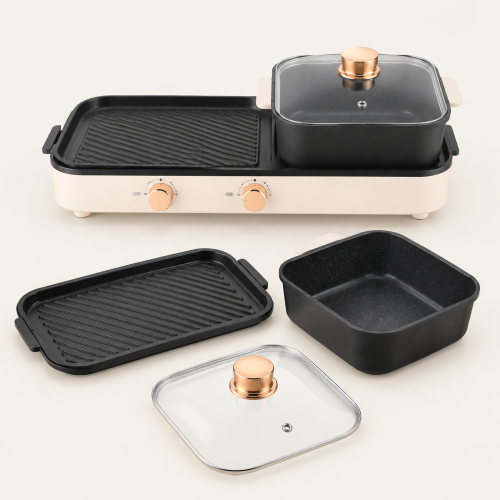

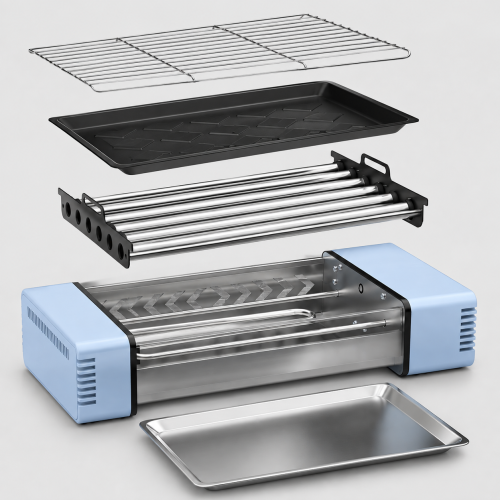
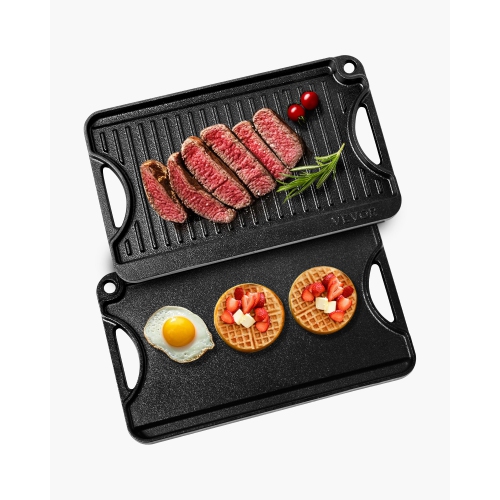


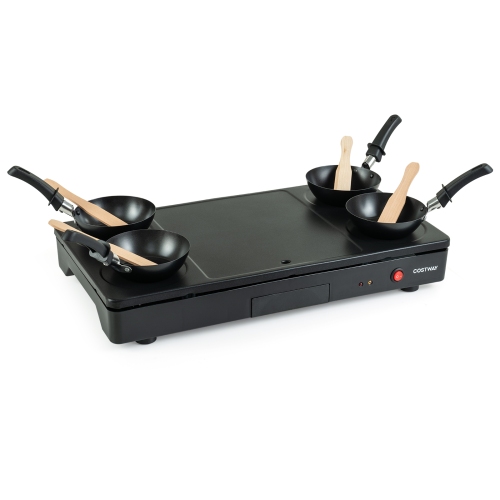
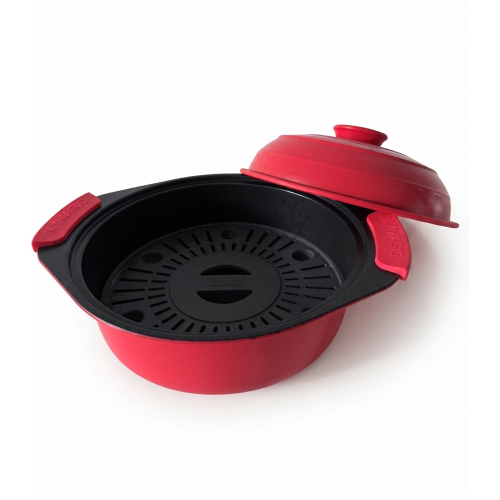
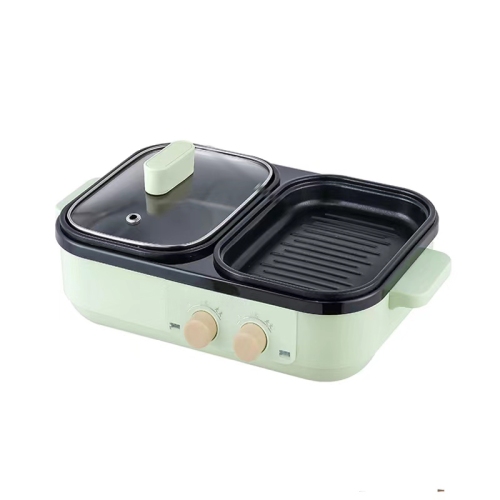
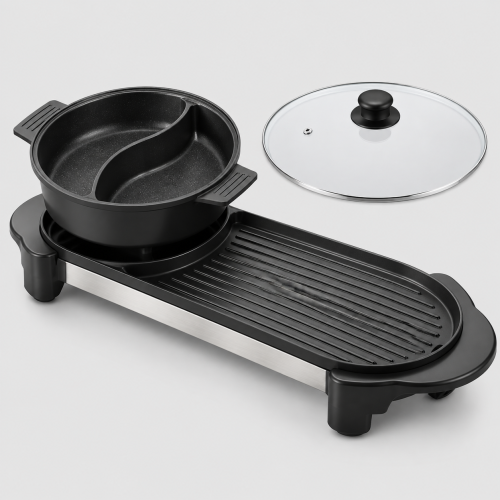
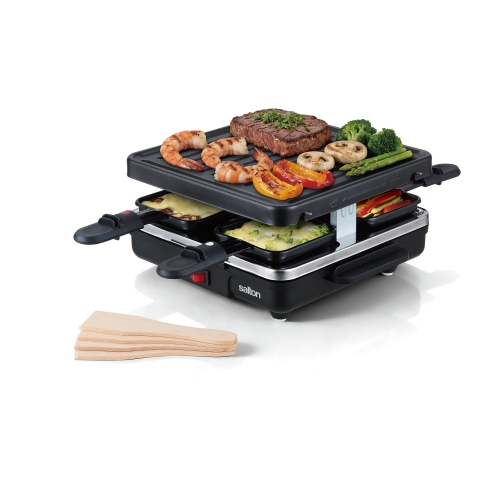
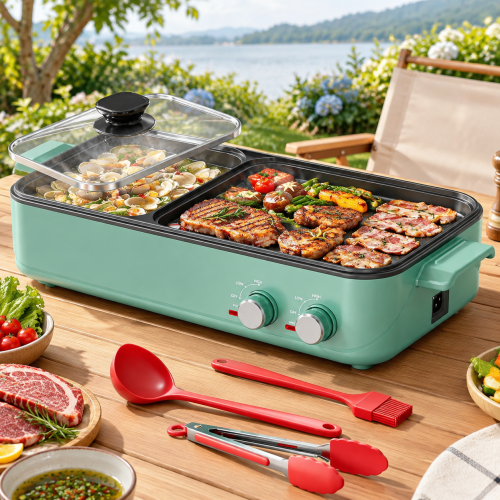
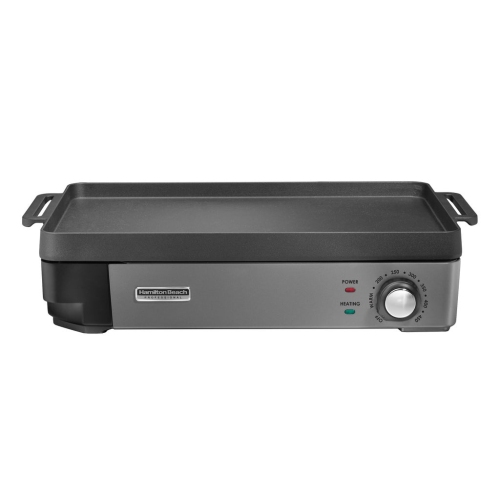
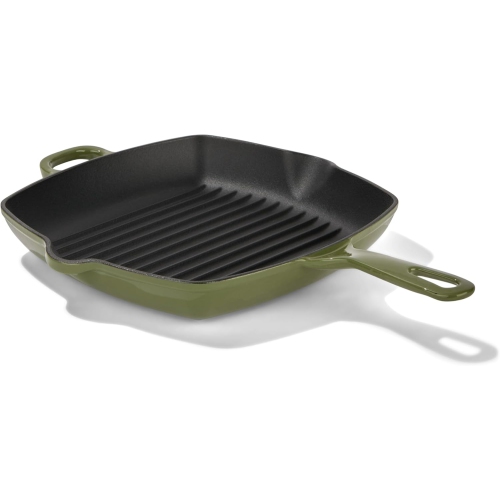
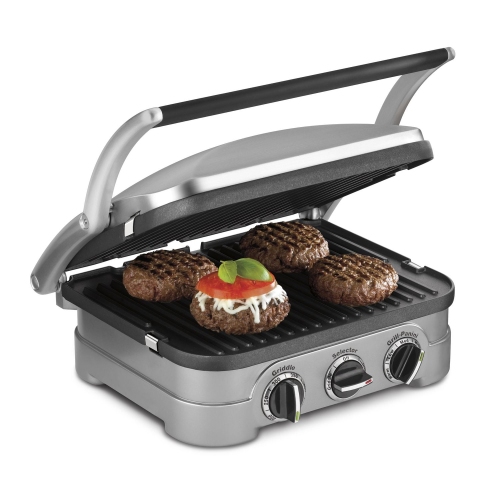
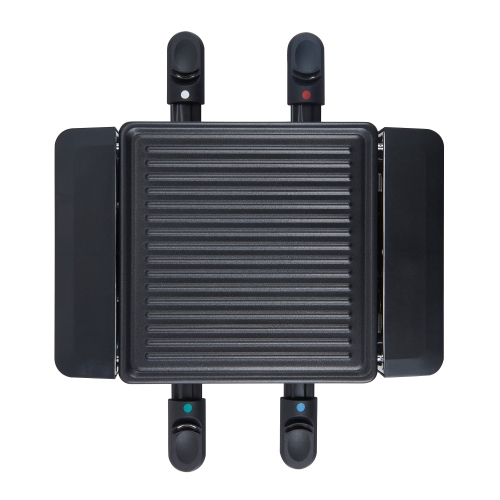


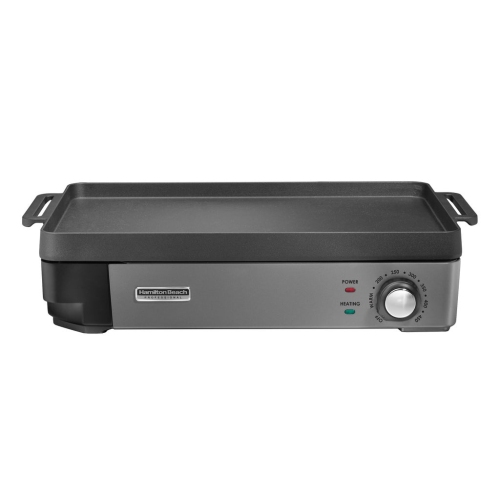

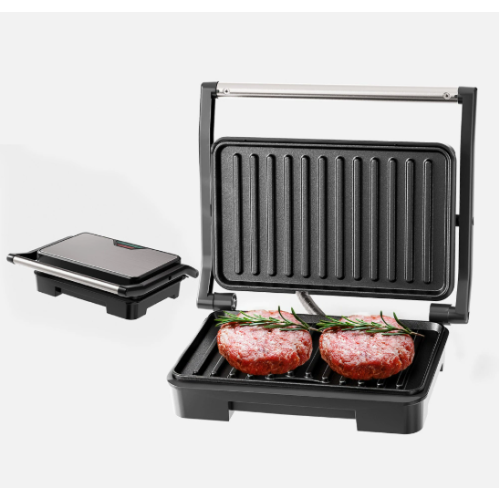
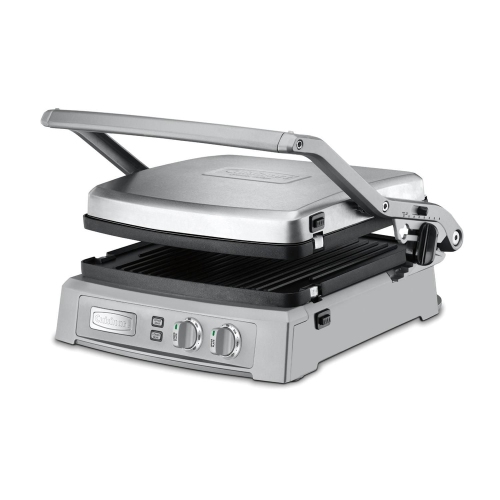



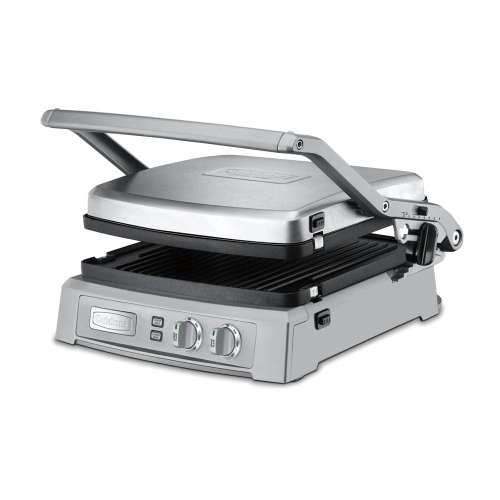

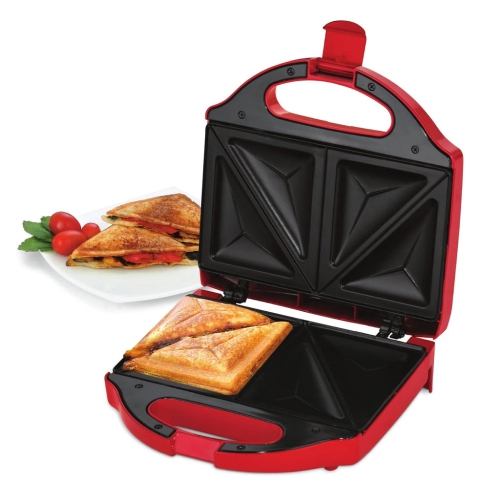
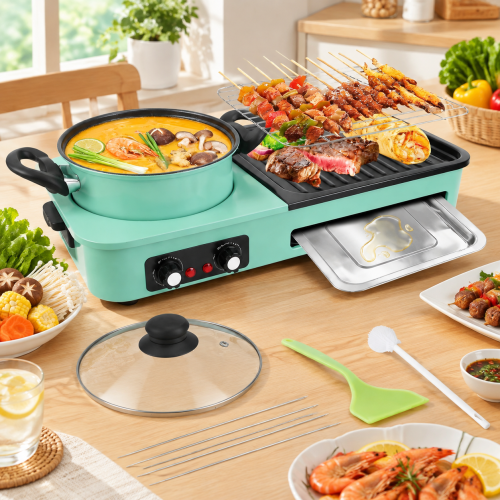
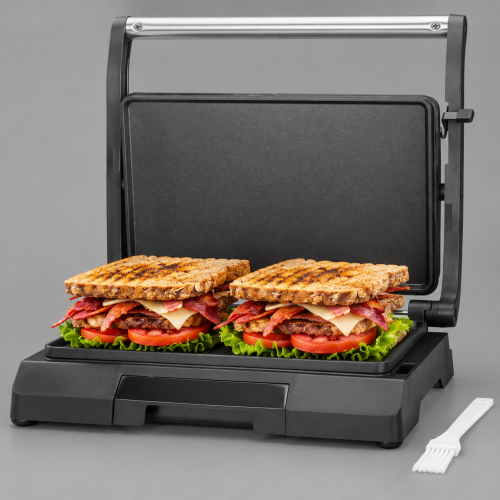
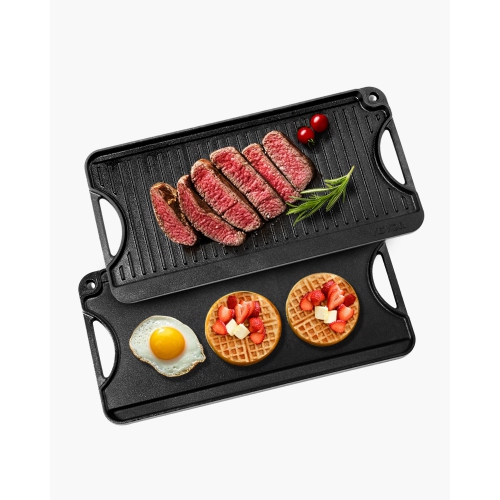


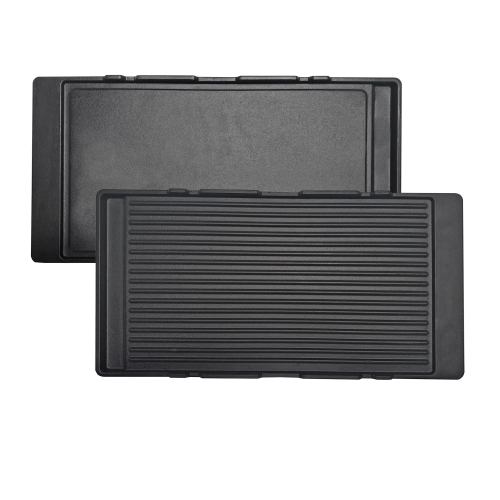
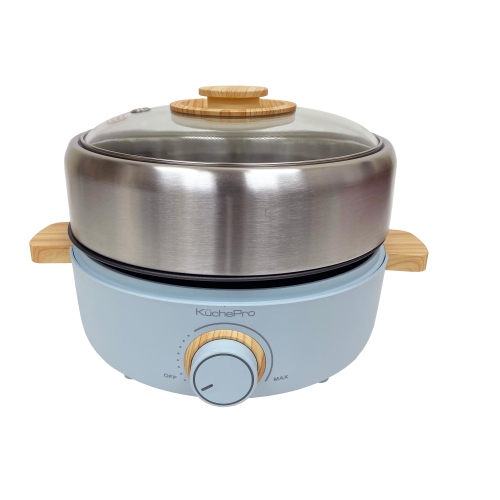
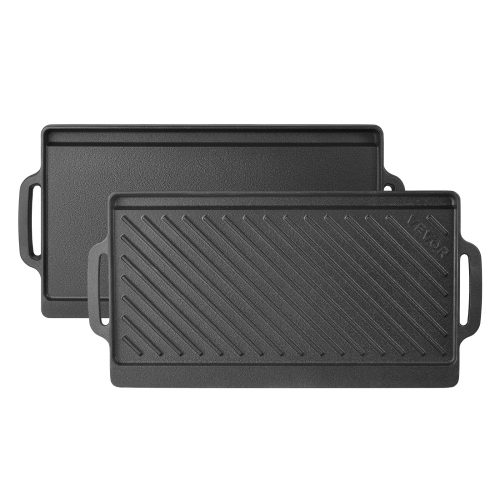

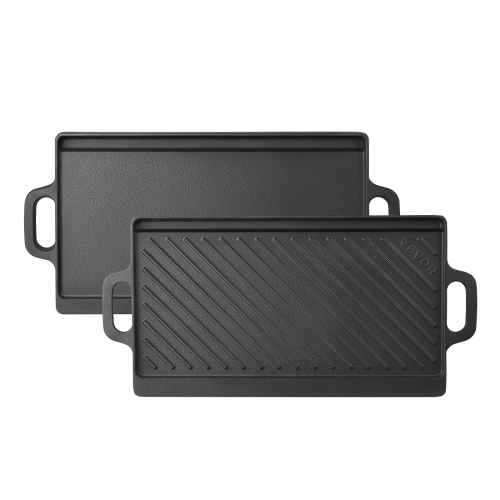


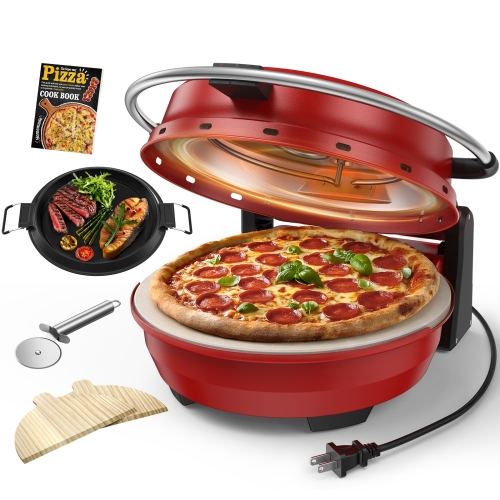


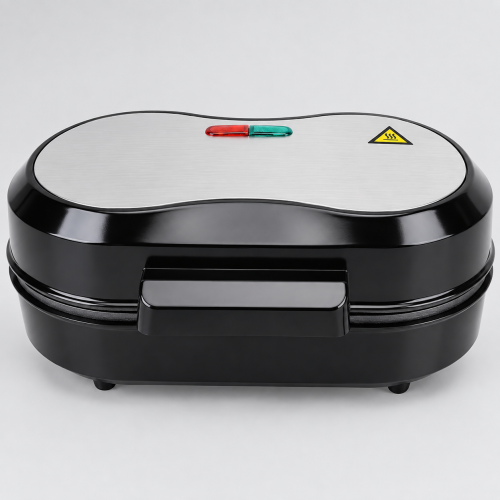
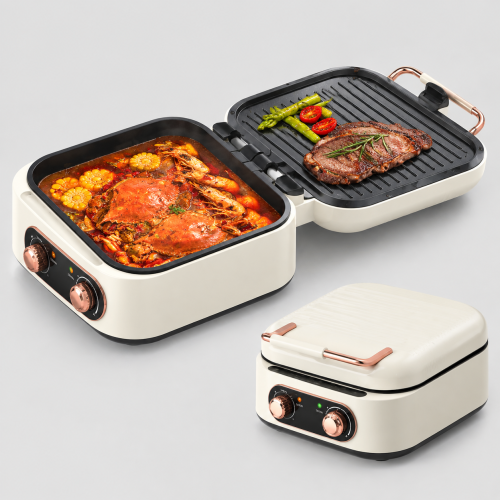


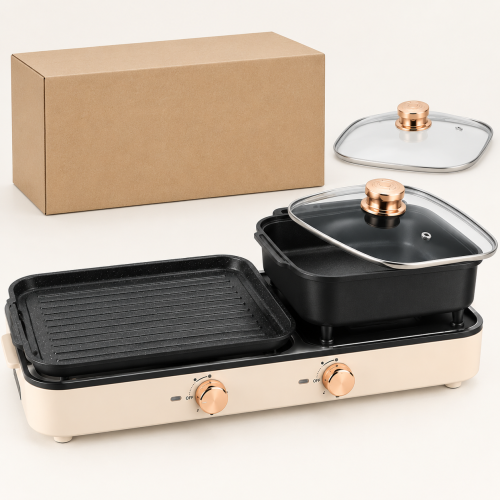

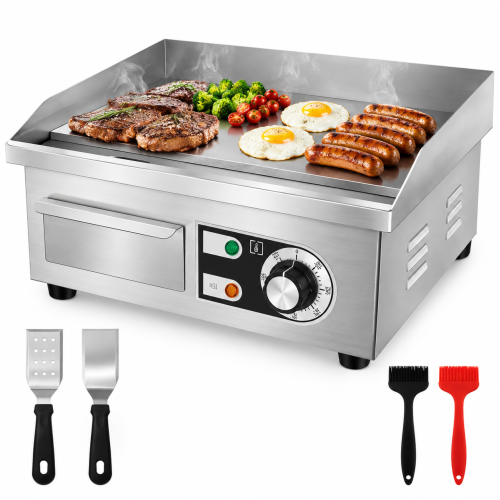


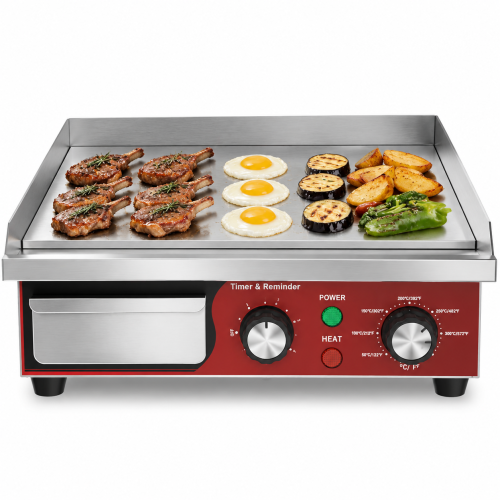


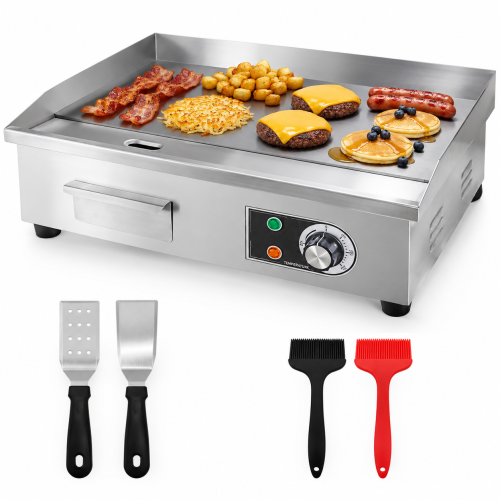
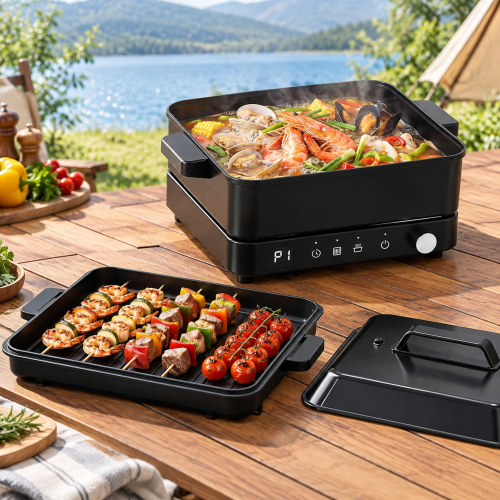
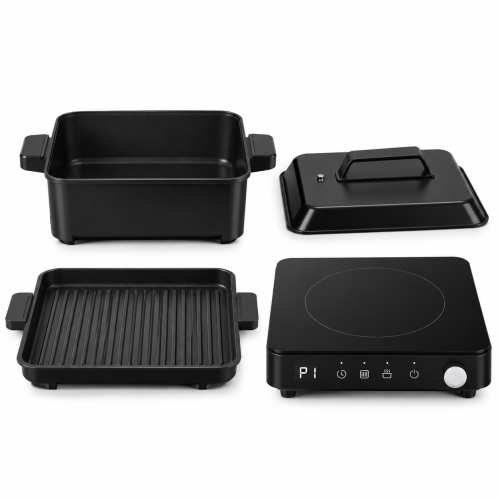

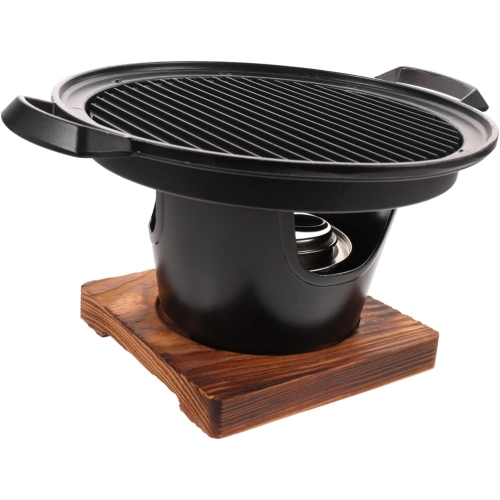
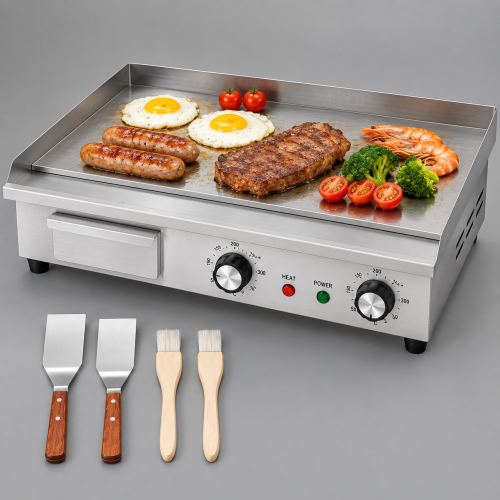
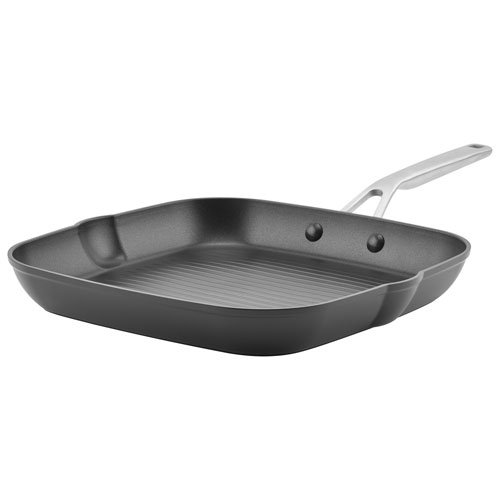
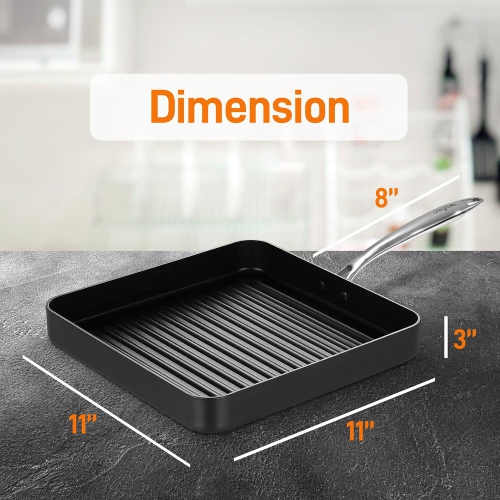

Grill marks for everyday meals on your countertop
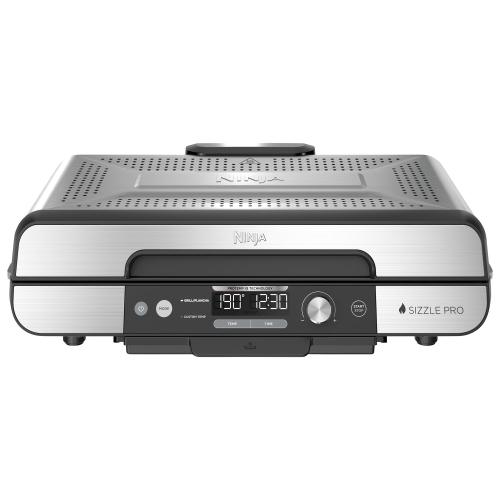
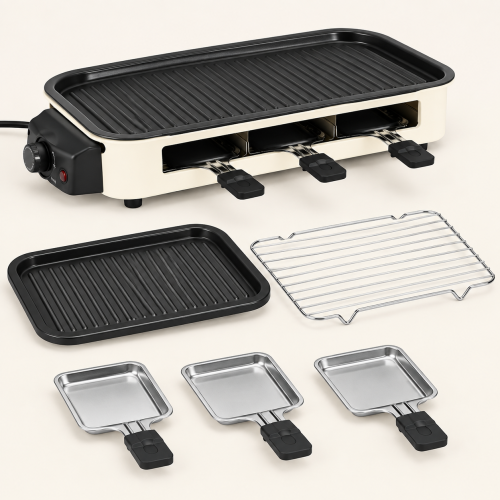
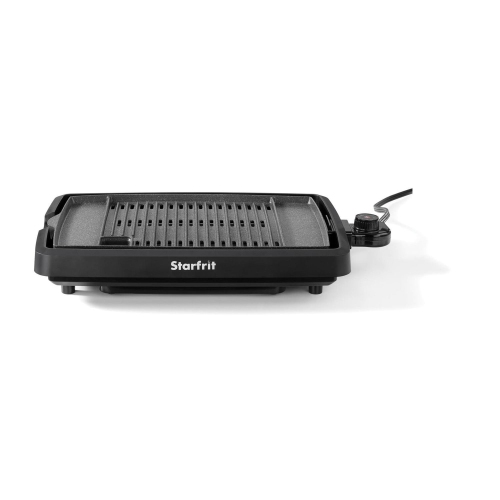
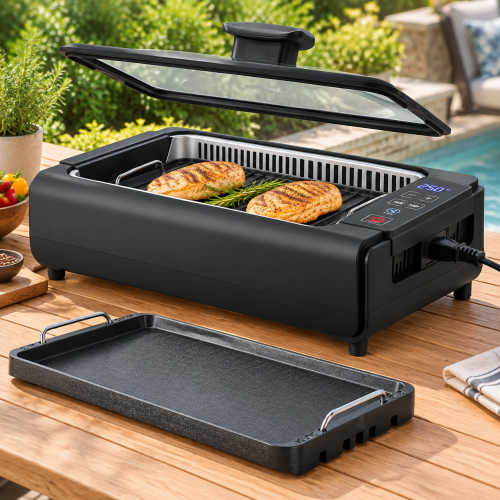
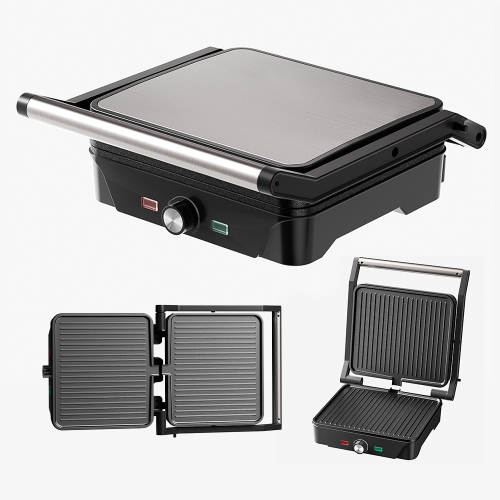
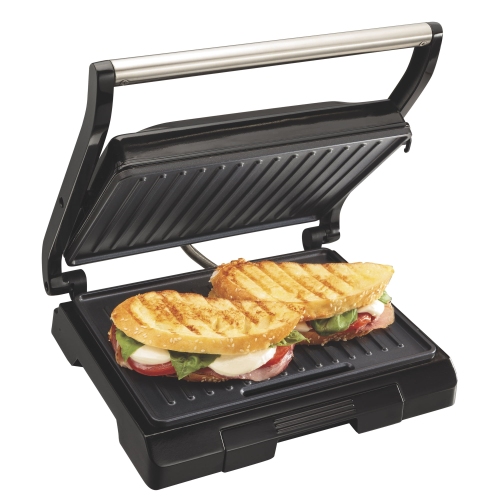
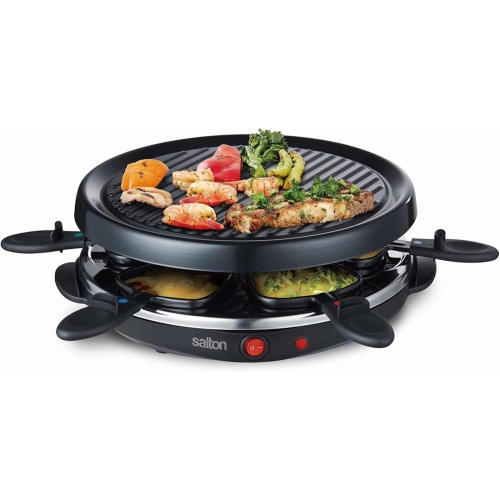
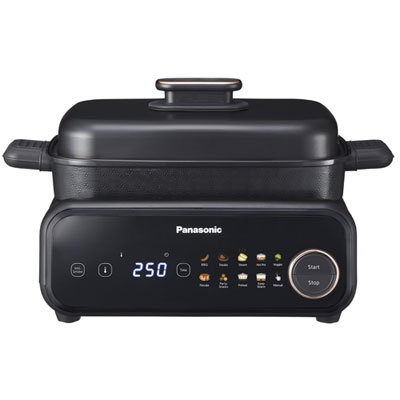
Indoor grills are kitchen appliances designed to cook foods such as burgers, steak, chicken, and vegetables on a heated grilling surface inside the home. Most countertop designs use electric heating elements and ridged cooking plates to create grill marks while allowing excess fat and cooking juices to drain into a collection tray. They bring the convenience of grilling into the kitchen, with controls that make it easier to adjust the heat for different ingredients. An open grill has an exposed cooking surface where food is turned by hand, giving a cook room to move skewers, rotate vegetables, or check the underside of a fillet. A contact grill closes over the food and heats it from above and below, making it useful for burgers, boneless chicken, and toasted sandwiches. Some designs open flat to create a larger cooking area, while others have a floating hinge that accommodates thicker sandwiches or uneven cuts. The right format depends on how grilling fits into everyday meals: a compact contact grill can handle a quick lunch, while a broader open surface gives mixed ingredients more room. Adjustable heat settings are especially useful when moving between delicate fish, firm vegetables, and meat that benefits from a hotter sear. Preheat indicators help show when the appliance is ready, although the depth of browning still depends on the food’s moisture, thickness, and contact with the plate. Indoor grilling can produce less smoke than cooking over an open flame, but no grill should be assumed to eliminate smoke entirely. Fat, marinades, and food residue can still smoke when heated, so kitchen ventilation and the manufacturer’s operating instructions remain important. Appliances designed for outdoor use, including charcoal and propane grills, should never be used indoors. For electric indoor grills, a stable, heat-resistant work surface and the specified clearance around the appliance are part of a suitable setup.
Cooking area and countertop fit make a noticeable difference to how useful an indoor grill feels in daily use. The outer dimensions do not always reveal how much food fits on the plates, particularly when a wide border, hinge, or drainage channel takes up space. A cooking surface that holds two sandwiches comfortably may feel crowded with several vegetable skewers, and crowded ingredients can release moisture faster than it evaporates, reducing browning. For a single-person household or a couple, a smaller grill may be easier to store and clean between meals. Larger households, or anyone preparing several portions together, may appreciate a wider plate that reduces the need for separate batches. Open-lid height, cord reach, appliance weight, and access to the drip tray also affect placement. A hinged grill needs space above it, while a model that opens flat needs enough clear counter space on both sides. Materials influence handling and upkeep as much as appearance. Aluminium cooking plates are relatively light and respond readily to heat changes; cast iron retains heat well but adds weight and may require seasoning, depending on its finish. Non-stick coatings can make food release and cleanup easier, especially with fish or cheese-filled sandwiches, but their care requirements matter. Utensils approved for the surface help avoid scratches, and abrasive cleaning pads can damage some finishes. Stainless steel housings provide a sturdy exterior, though fingerprints and cooking splashes may need wiping away. Durability also depends on practical details such as a stable base, a well-supported hinge, secure plate attachments, and handles that feel comfortable to use. Removable cooking plates and an accessible drip tray can simplify cleaning, but dishwasher suitability varies by component. A plate described as dishwasher-safe does not mean the electrical base can be immersed. Clear controls, readable markings, and parts that lift out without awkward handling can matter more over time than a long list of cooking modes, particularly when the grill is used several times a week.
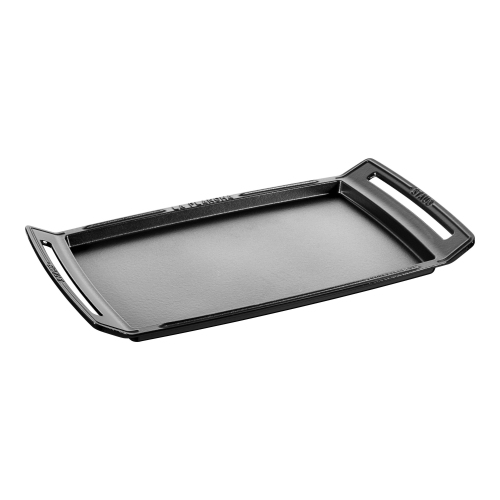
An indoor grill can earn its place through a wide range of familiar meals rather than a single signature dish. A ridged plate gives sliced zucchini, peppers, and halloumi browned contact lines, while a closing lid can crisp the outside of a sandwich and warm the filling. Boneless cuts with a fairly even thickness tend to make better contact with the cooking surface than irregular pieces, and a floating hinge helps a contact grill rest more evenly over thicker food. For mixed meals, enough space between ingredients allows each portion to sit directly on the plate instead of overlapping. Marinades and glazes also affect the experience: thick, sugary sauces can darken quickly and leave a sticky residue, making accessible plates and drainage channels particularly useful. Grill marks indicate surface browning, not whether food has reached a safe internal temperature; a food thermometer remains the reliable way to check meat and poultry. Ridged plates suit foods where searing and drainage are priorities, while indoor griddles provide a flat surface better suited to pancakes, eggs, and smaller ingredients that need continuous support. Some indoor grills have interchangeable plate styles, though the included accessories and approved uses differ by design. After cooking, letting the appliance cool as directed before removing parts helps make cleanup safer and more manageable. Emptying the drip tray and removing food residue after each use can prevent lingering odours and buildup that may smoke during later cooking. Indoor grills can also make practical gifts for someone setting up a kitchen, moving into a smaller home, or enjoying quick meals without several pots and pans. The most useful choice is one that matches the recipient’s counter space, usual portions, and willingness to clean and store another appliance. For frequent use, straightforward operation, a suitable cooking area, and manageable care requirements help make grilling a comfortable part of an everyday kitchen routine.
Top selling and popular products
-
 Your price for this item is $70.92
-
 Your price for this item is $39.99
-
 Your price for this item is $99.99
-
 Your price for this item is $69.99
-
 Your price for this item is $109.99
-
 Your price for this item is $79.99
-
 Your price for this item is $97.89
-
 Your price for this item is $272.98
Discover more categories related to Indoor Grills
Top Collections:
Best Black Friday Deals This Year, Best Black Friday Deals On Electronics, Kindle Devices, Pokemon Centers, Best Black Friday Deals On Apple Products, Best Cameras for Sports Photography, Dyson Airwrap, Pokémon 30th Celebration Cards, Apple iPhone 17 Pro, Canon G7X Cameras
Some products may be subject to Environmental Handling Fees
(EHF) depending on your province.
Learn more about EHFs.