Blenders for Soup Making
If you're looking to whip up delicious and nutritious soups right in the comfort of your own kitchen, look no further than this selection of blenders designed specifically for soup making. These versatile kitchen appliances are perfect for creating silky smooth purees, hearty bisques, and flavorful broths with ease. Whether you're a seasoned chef or just starting out on your culinary journey, a high-quality blender can be a game-changer when it comes to preparing homemade soups that are both satisfying and wholesome.
Sort
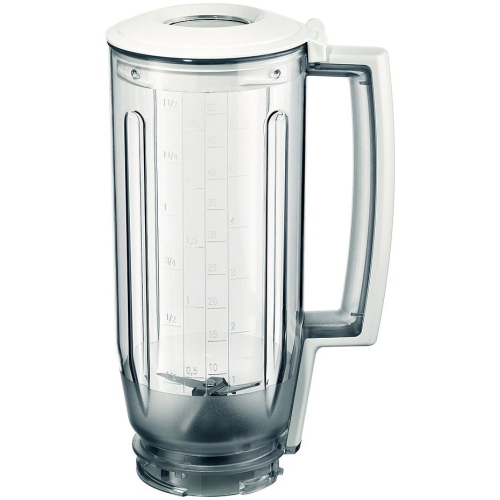
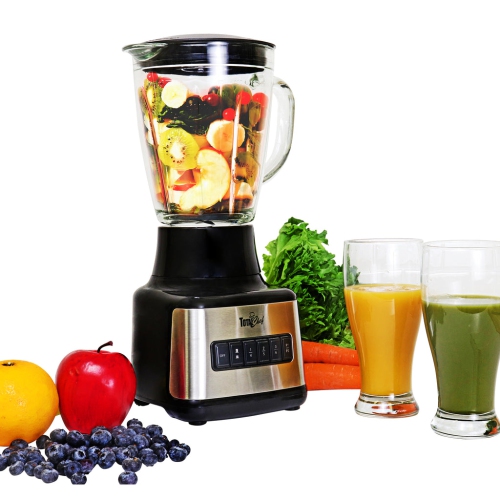
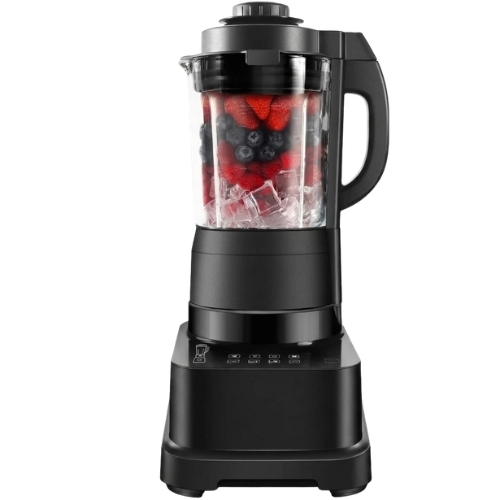
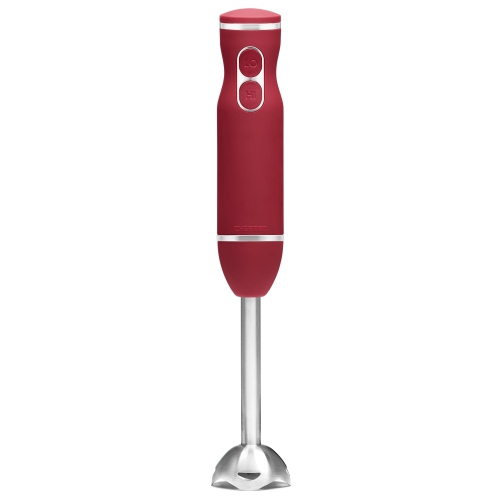
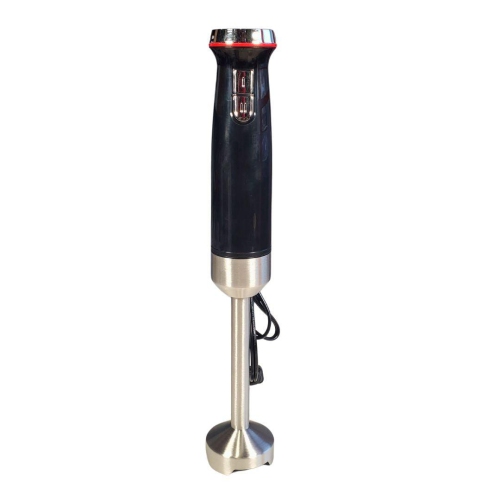
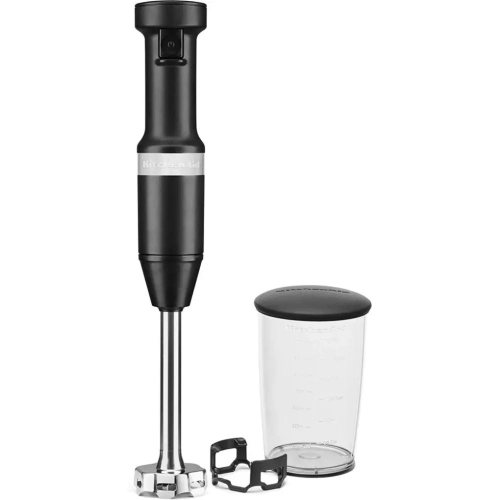
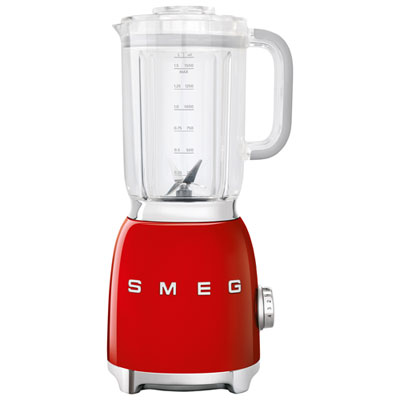
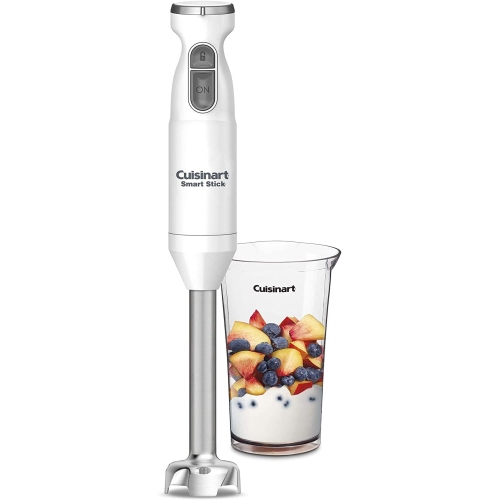
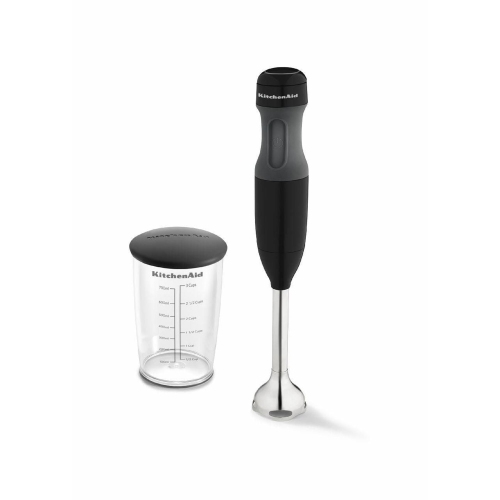
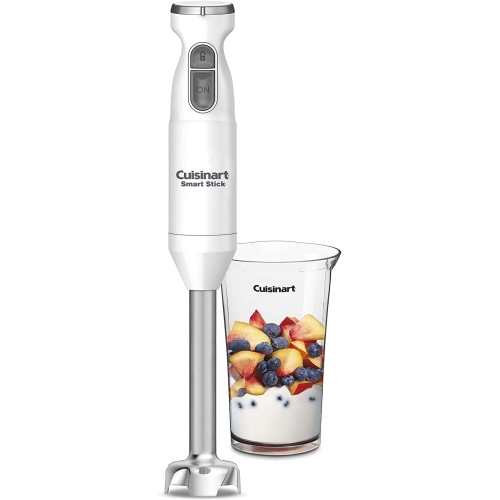
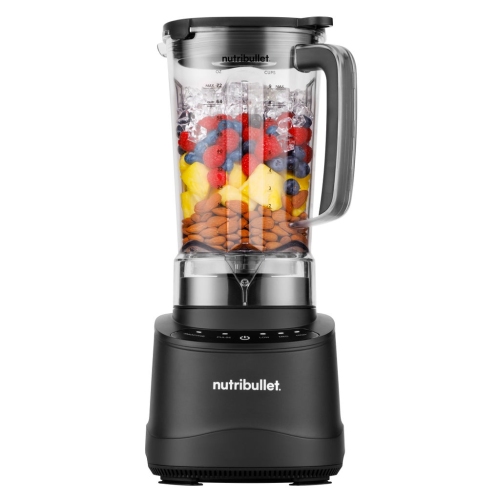
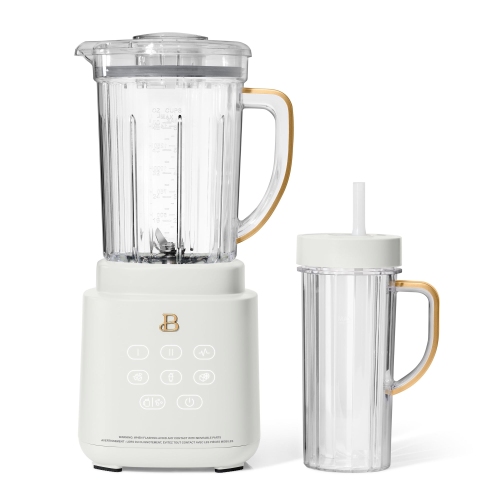
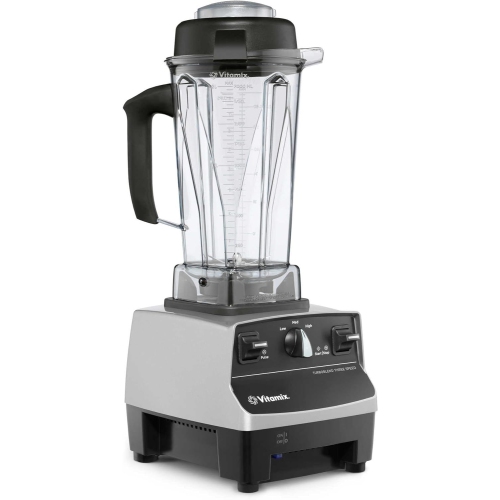
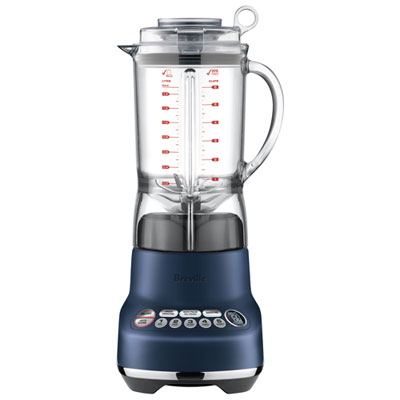
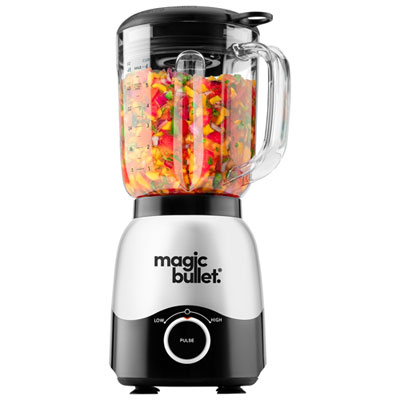
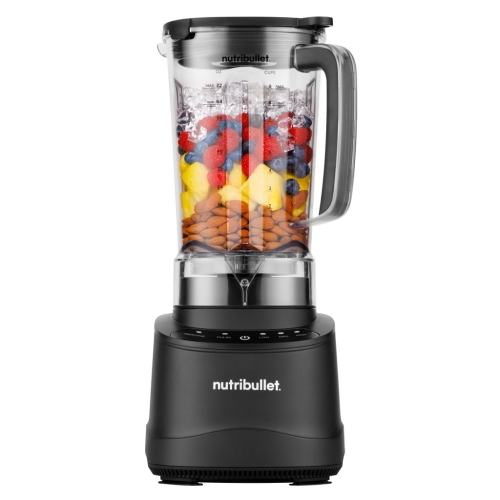
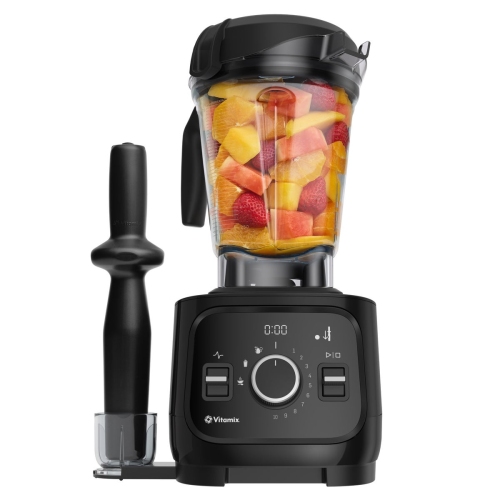
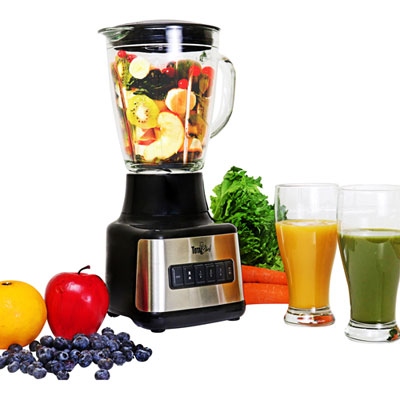
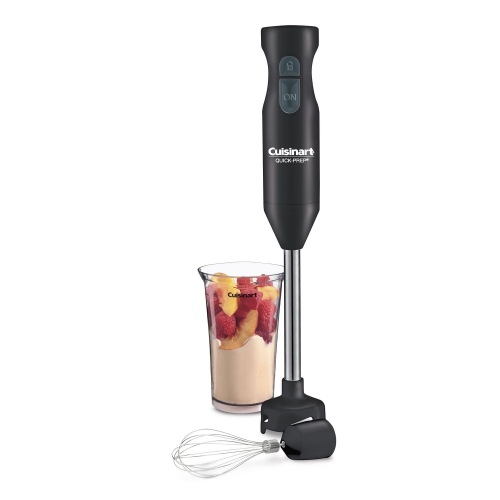
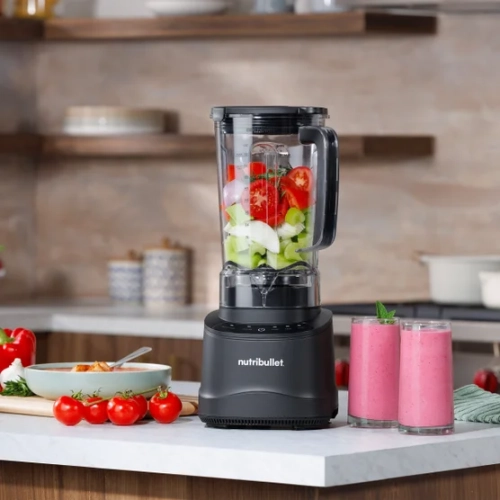
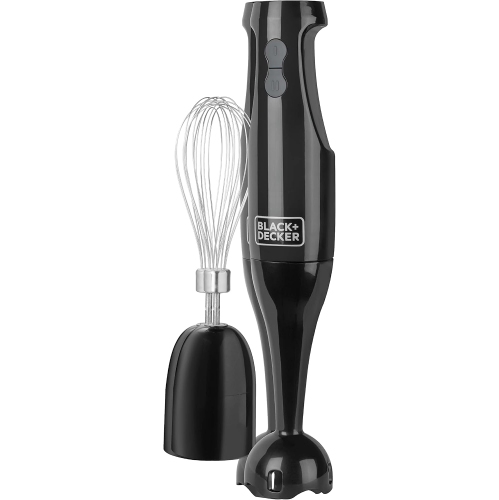
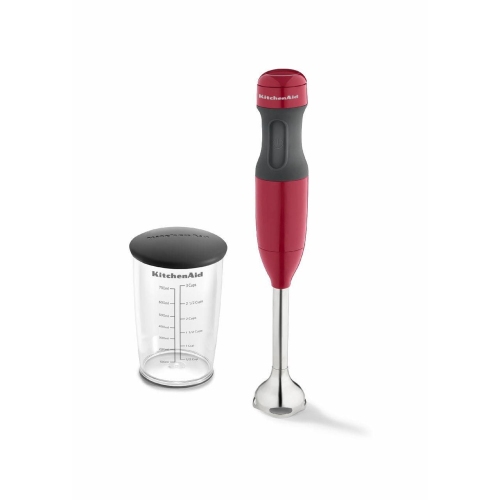
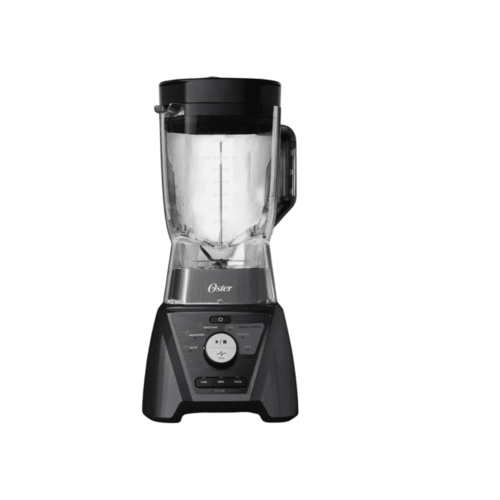
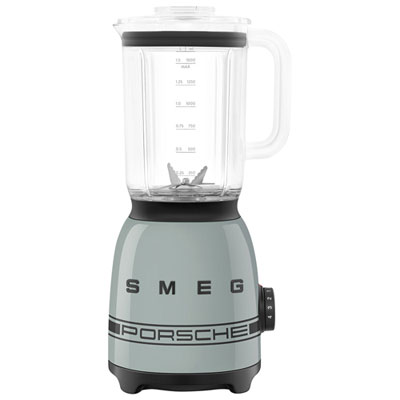
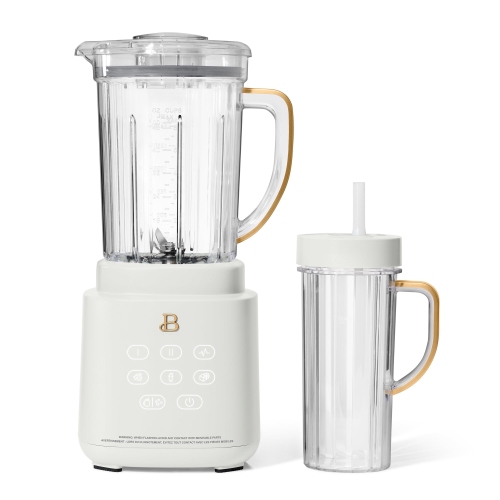
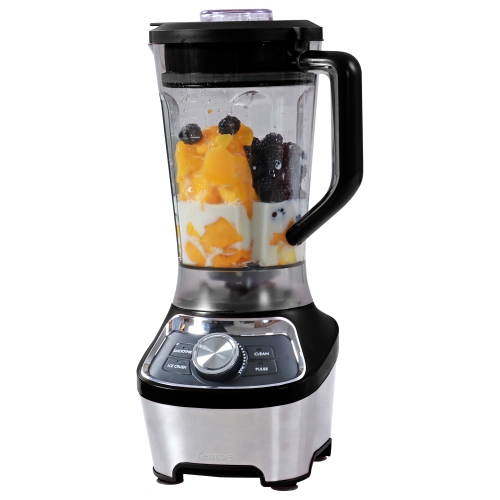
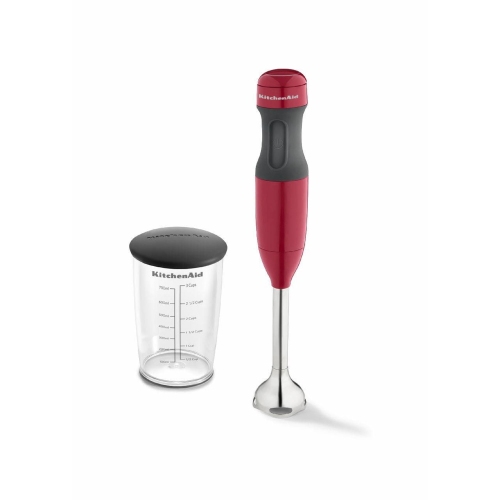
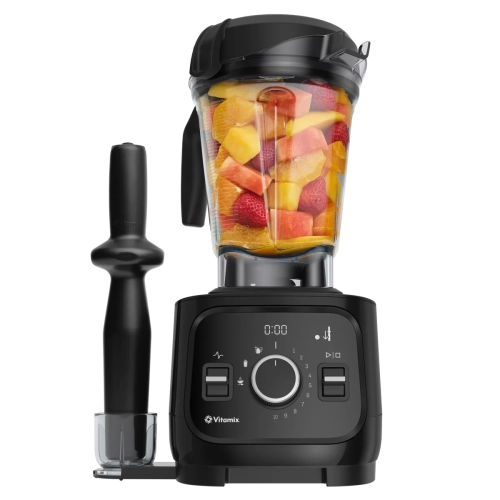
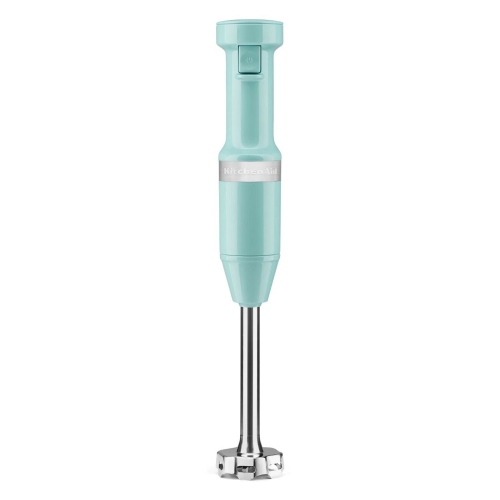
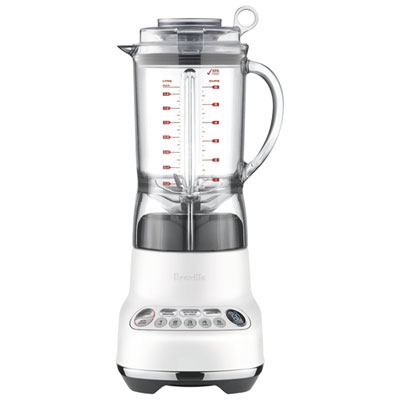
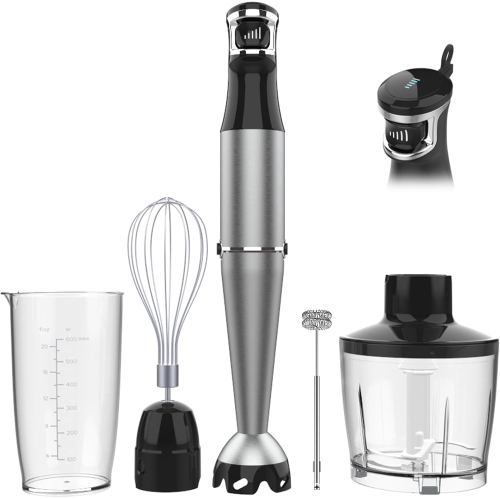
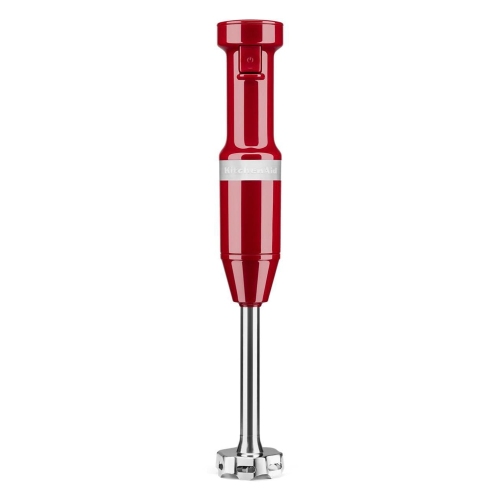
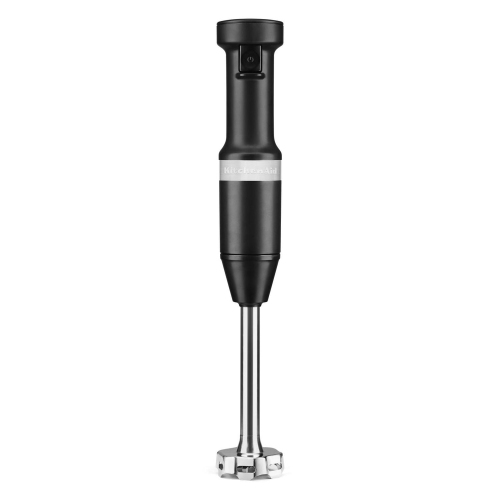
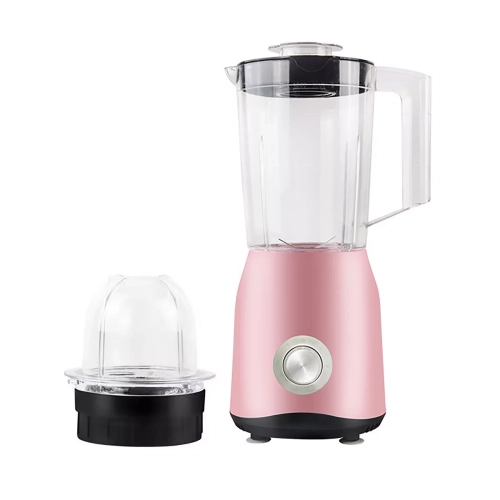
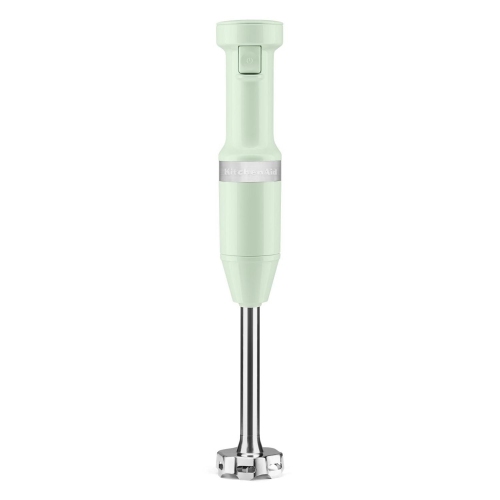
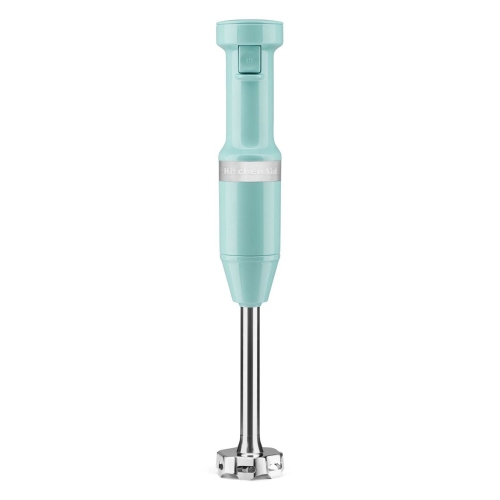
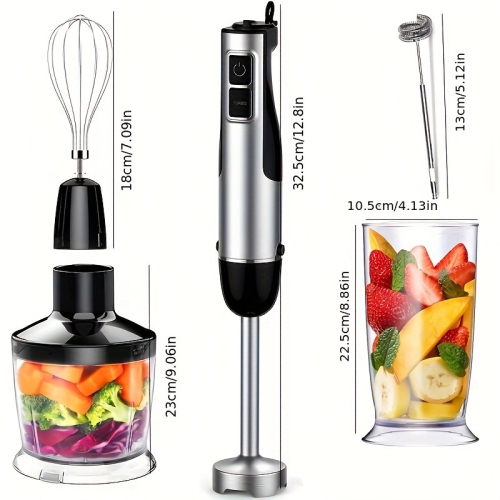
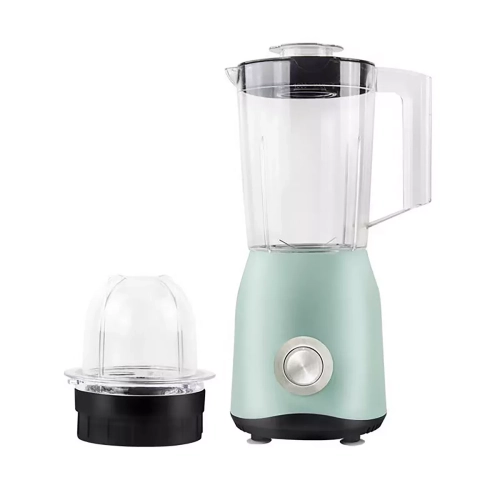
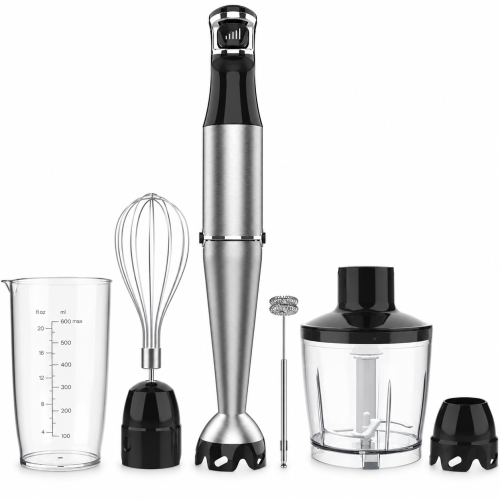
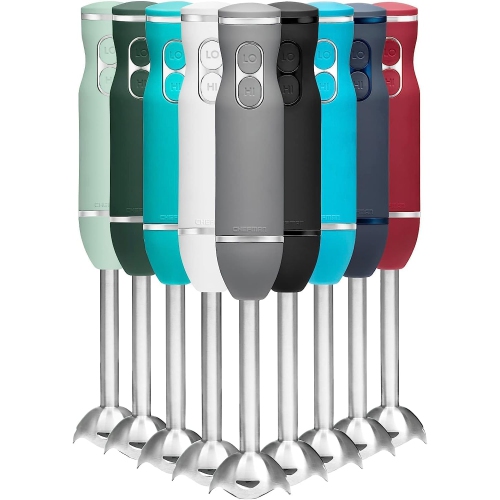
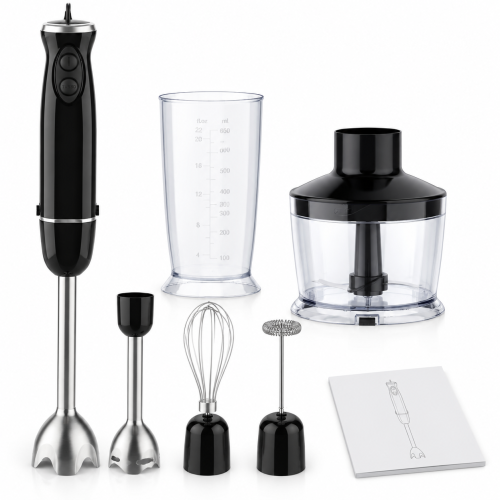
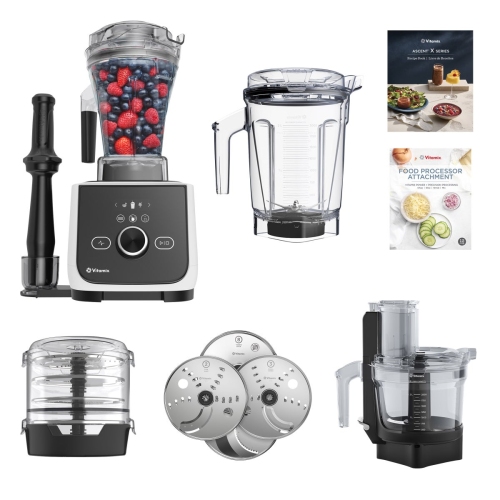
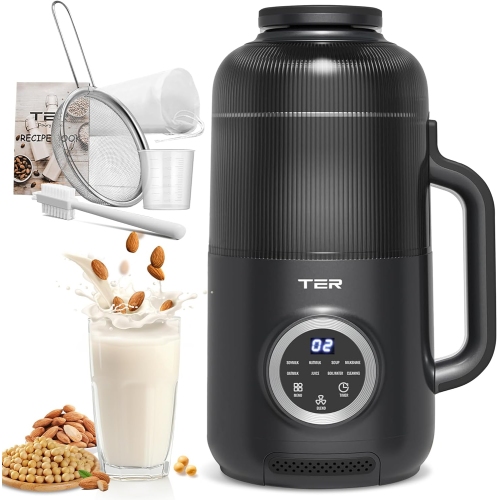

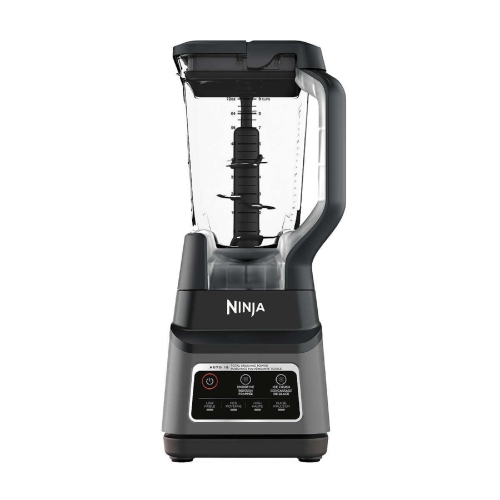
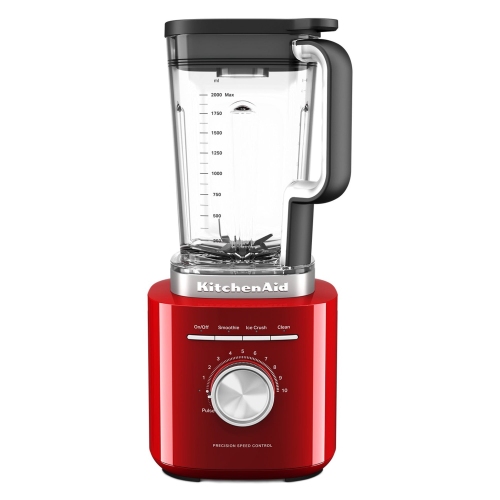
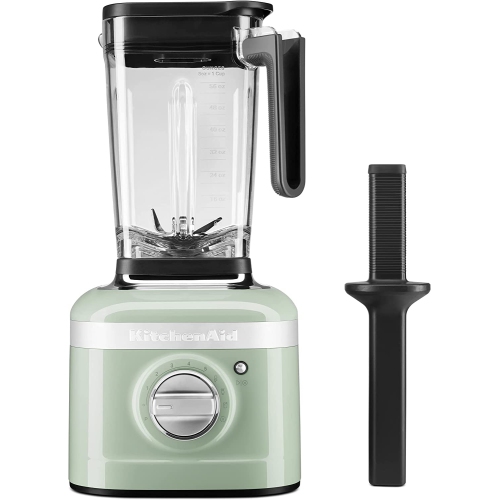
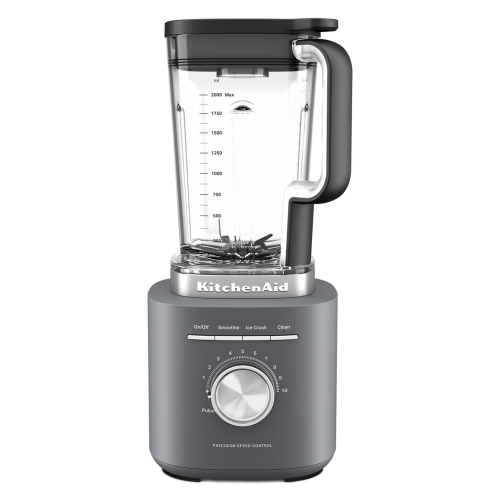
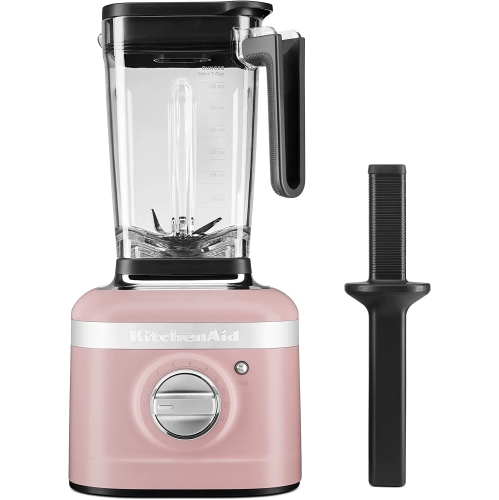
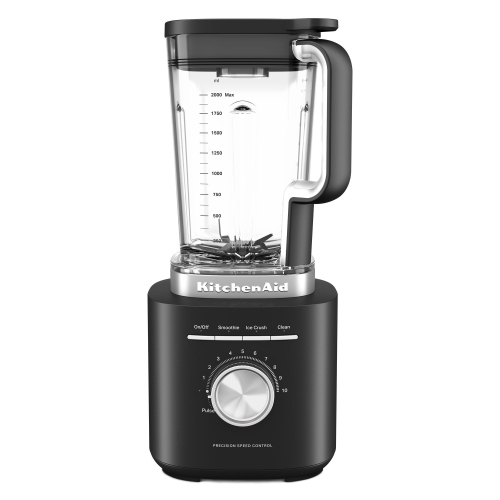
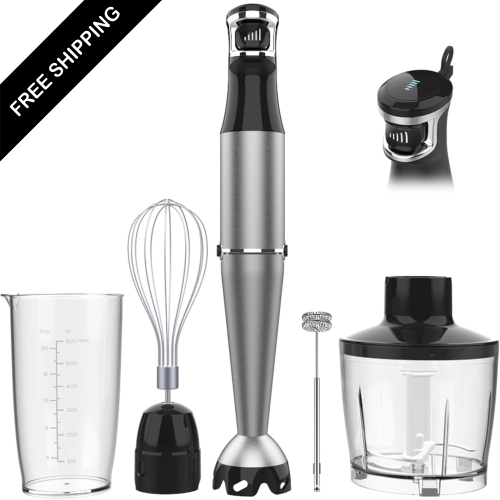
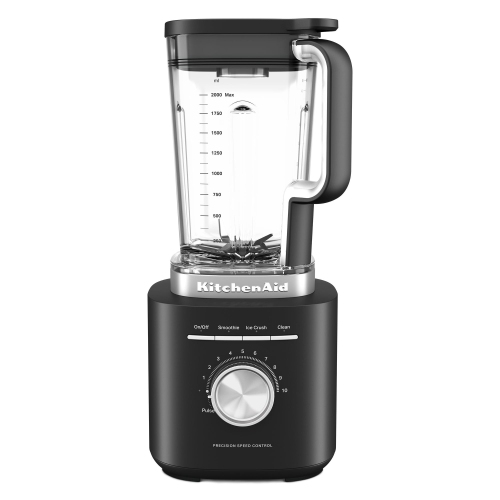

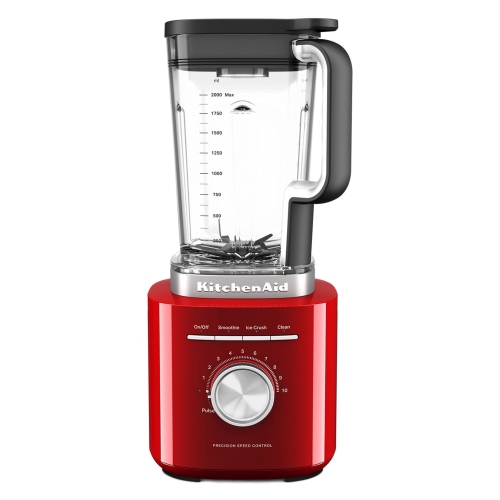
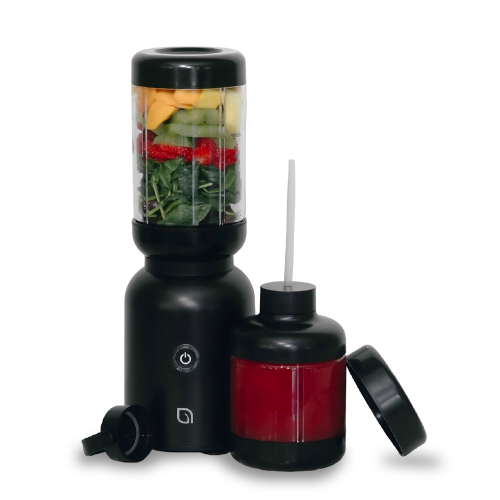
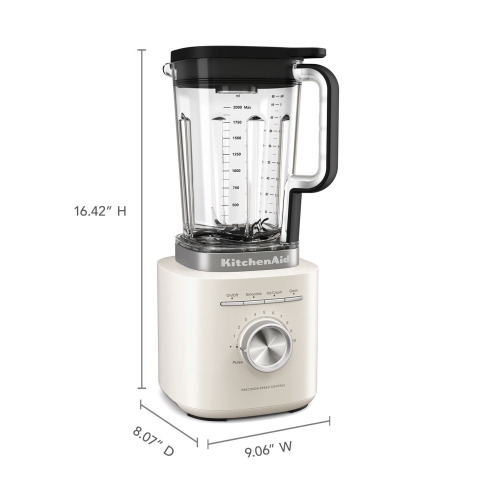

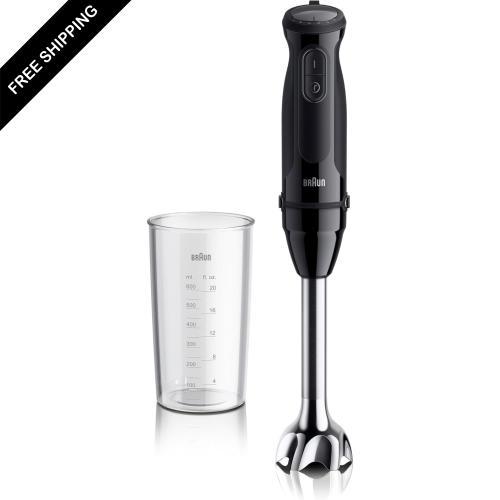
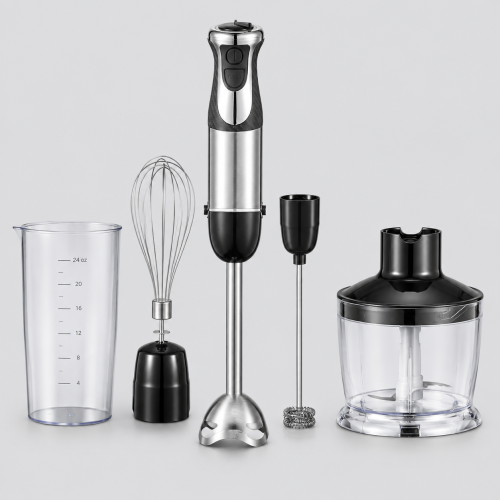
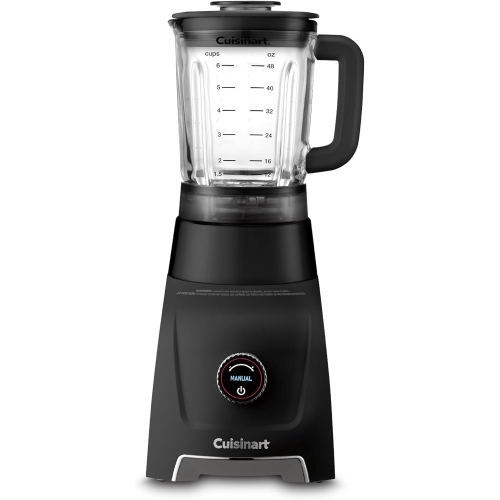
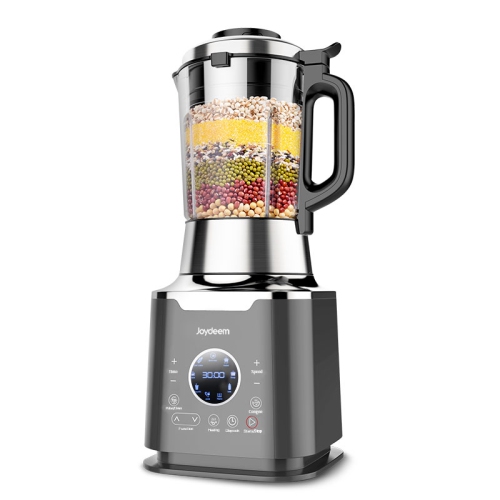

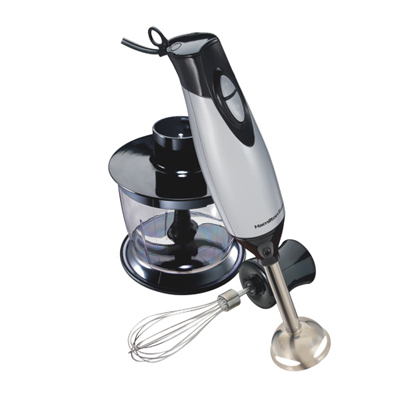
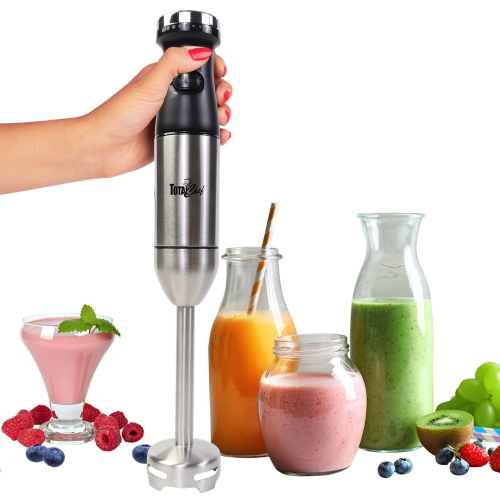
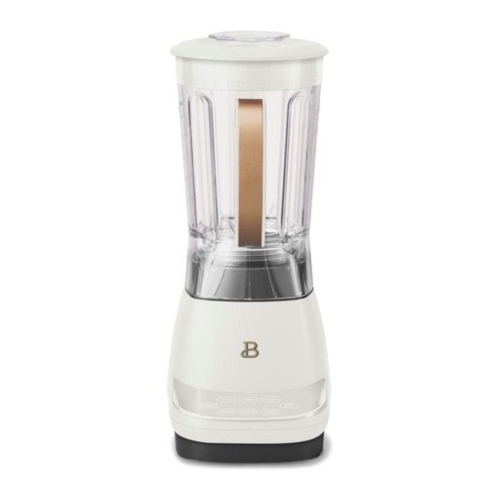

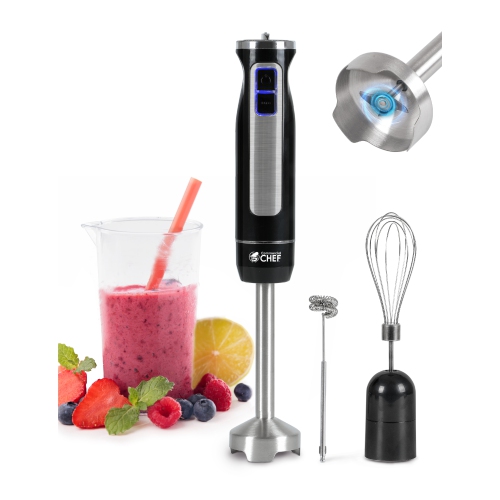

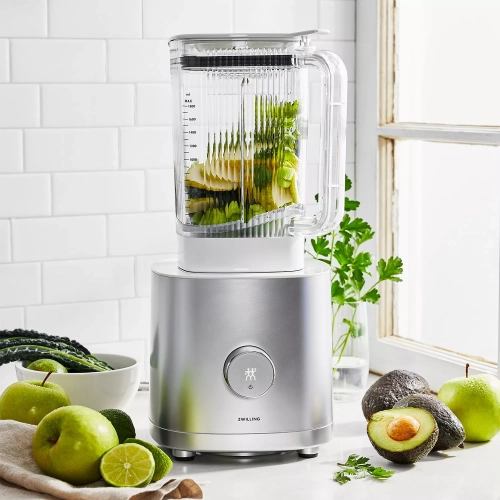
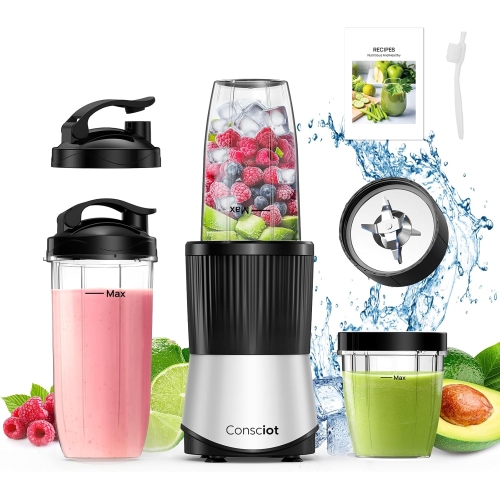
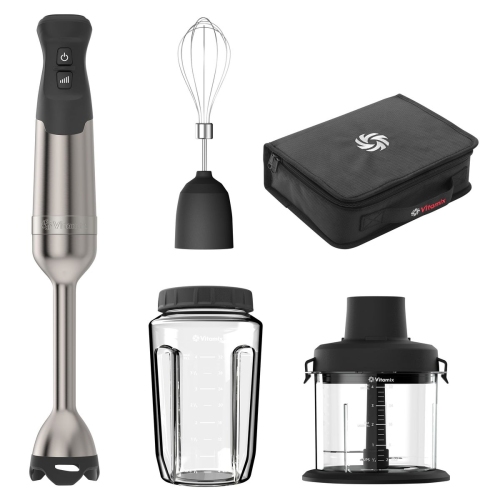
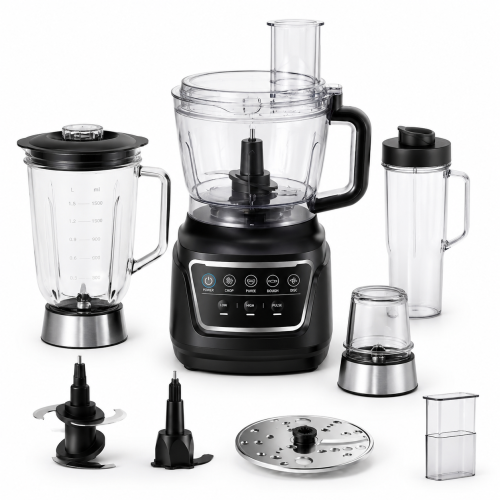

Smooth soup takes more than a powerful motor
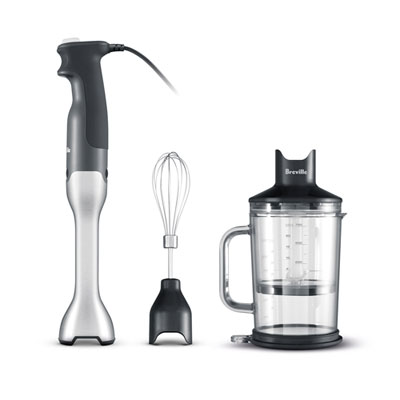
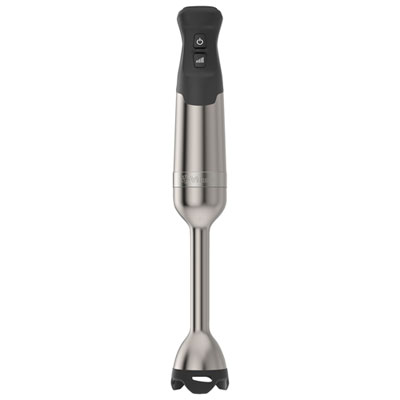
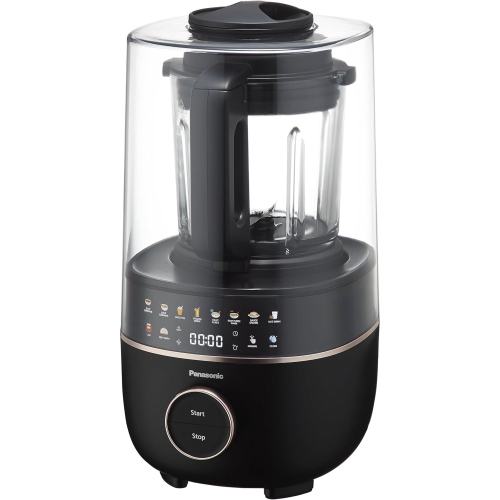
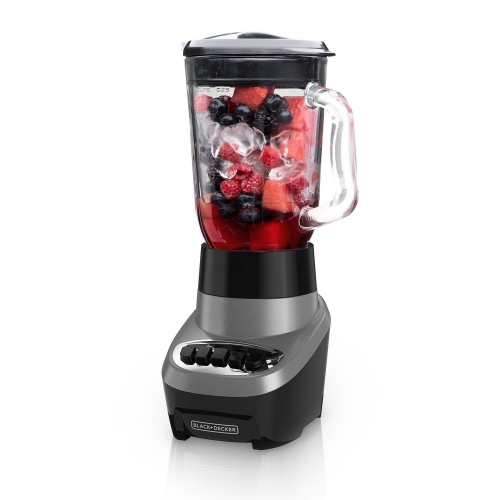
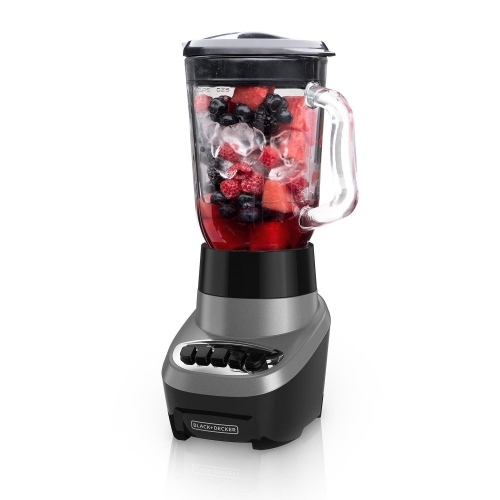
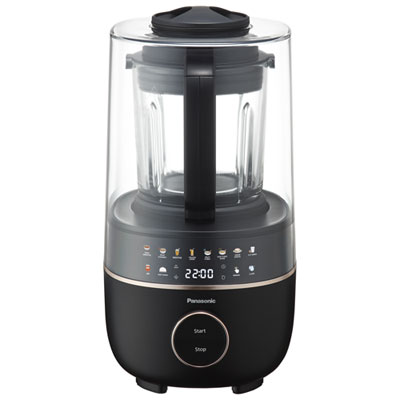
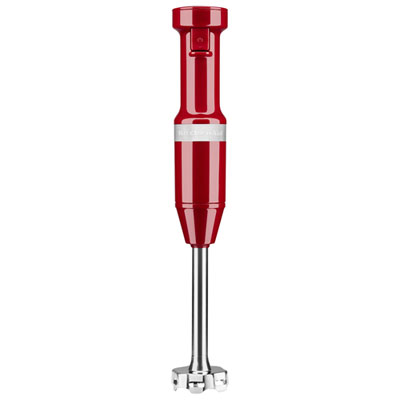
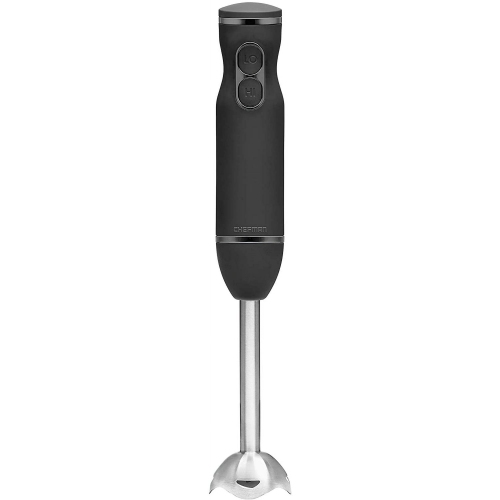
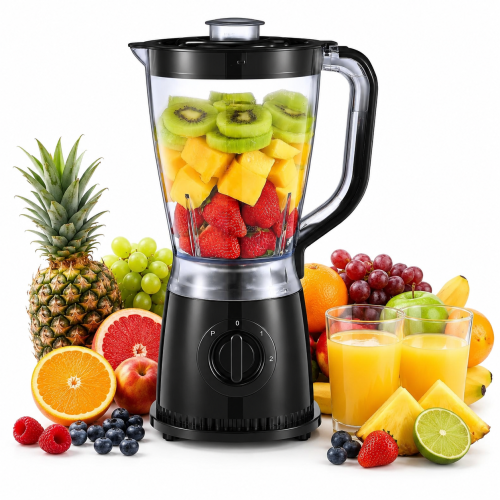
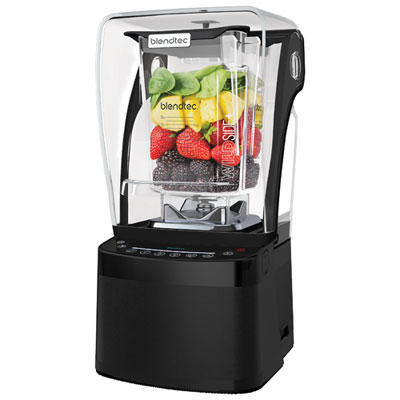
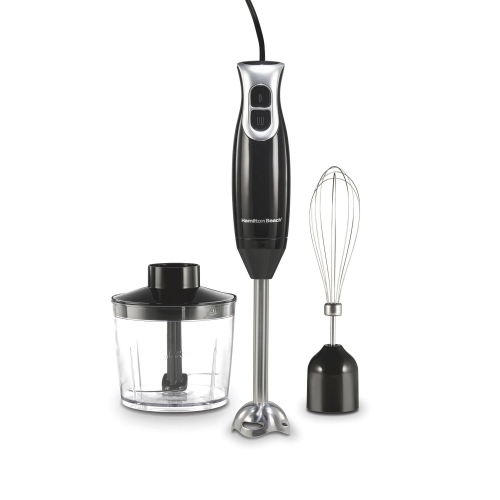
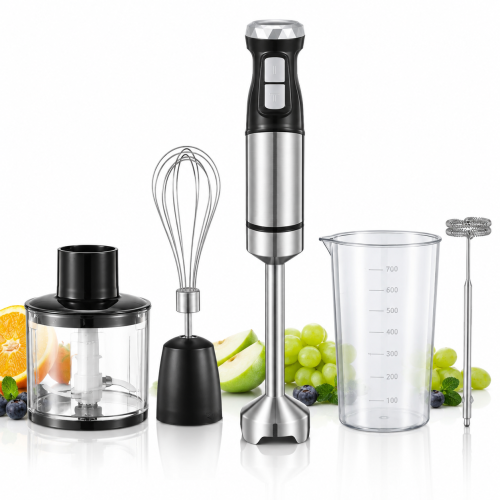
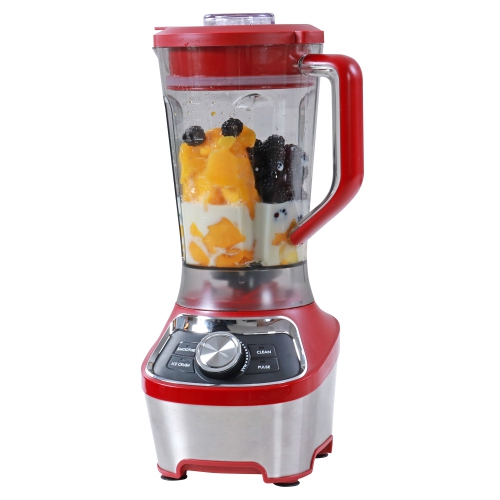
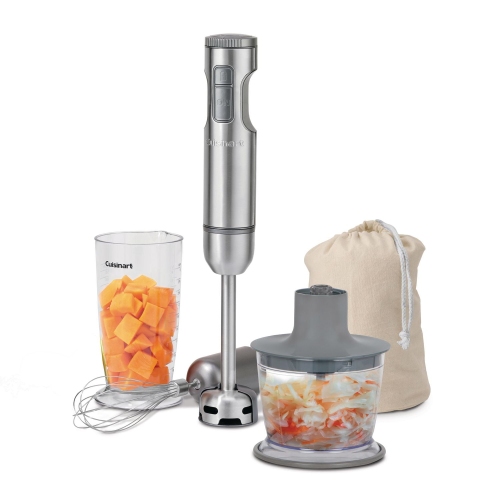
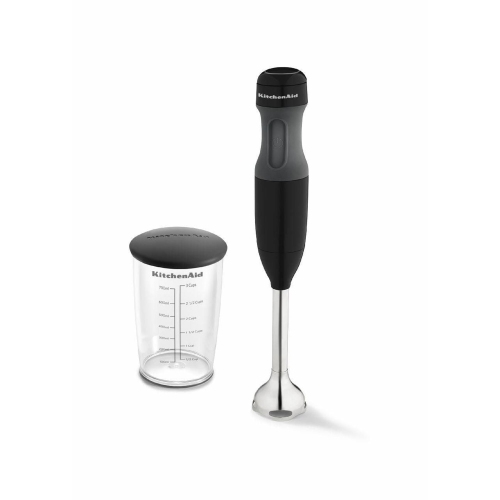
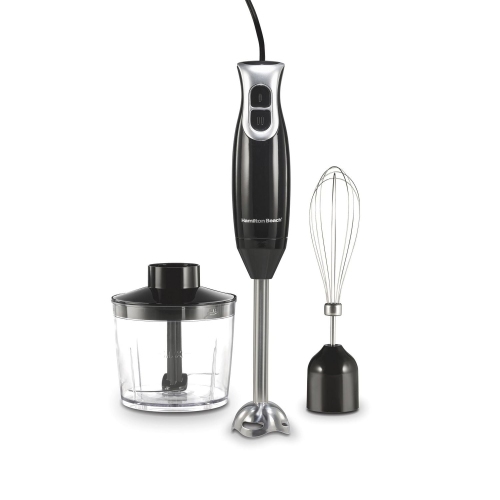
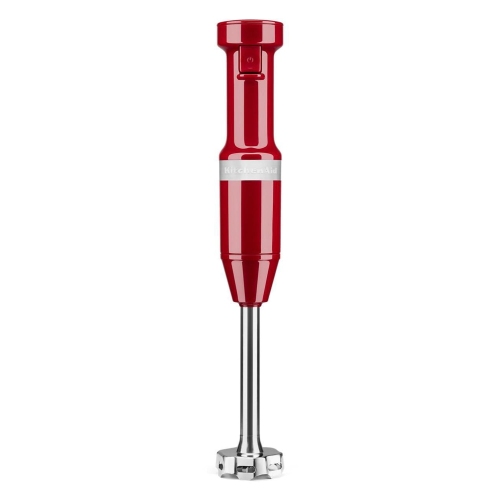
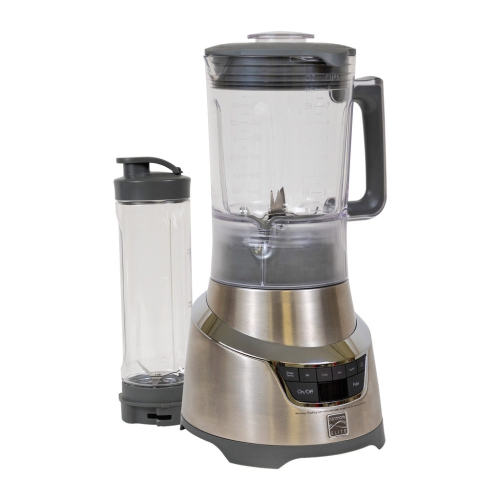
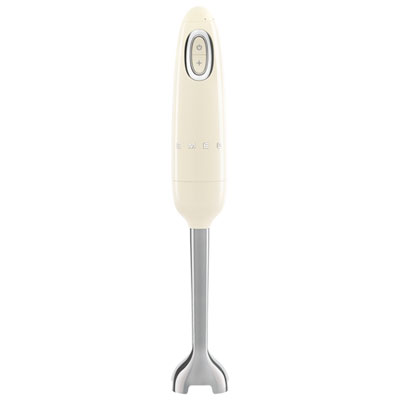
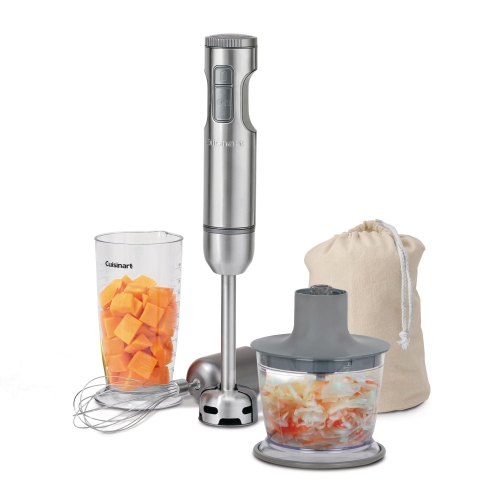
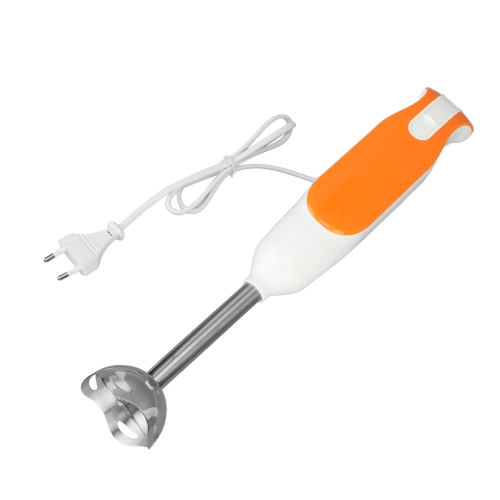
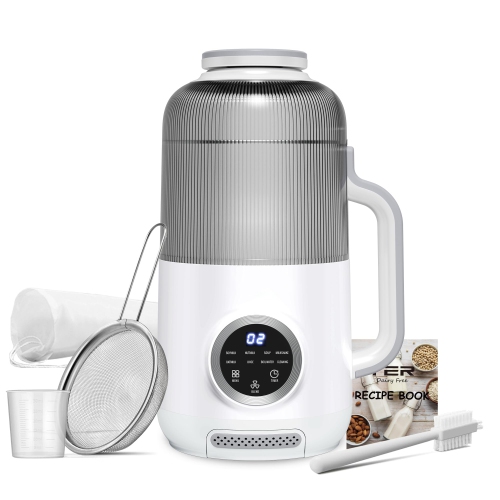
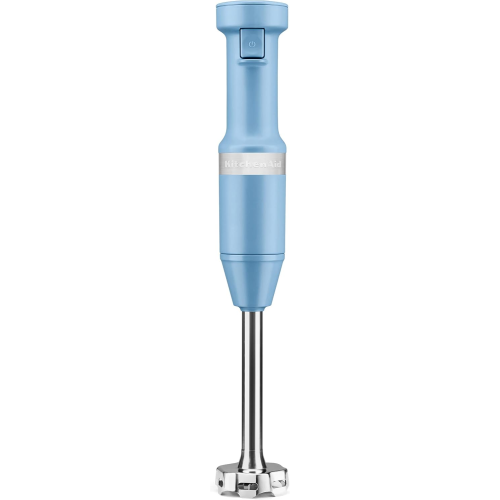
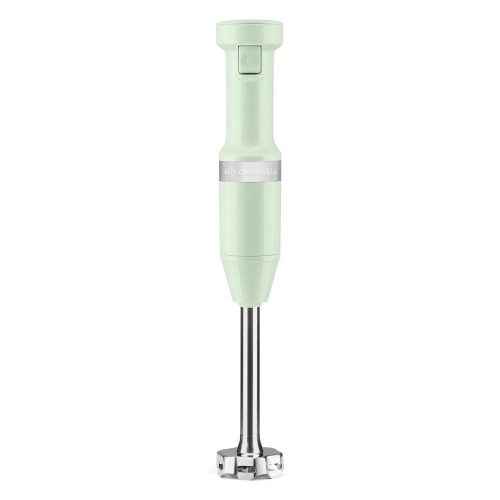
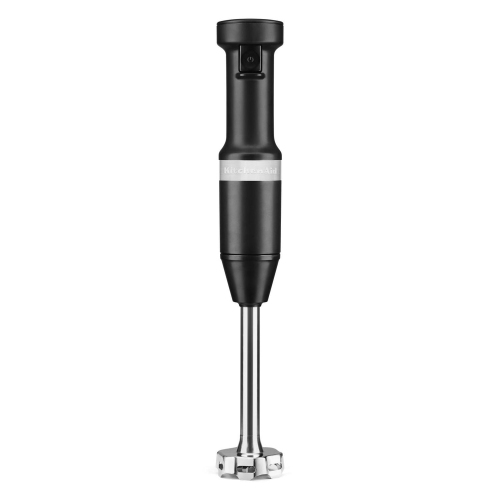
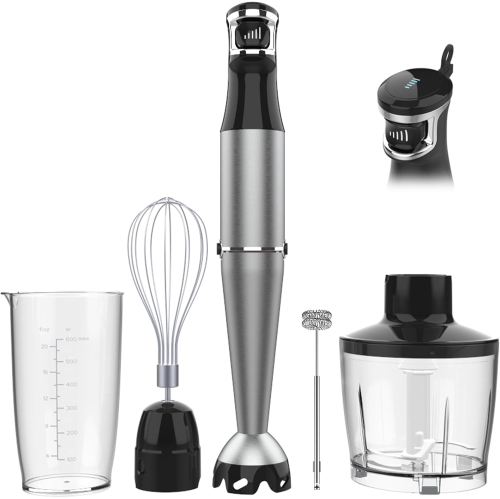
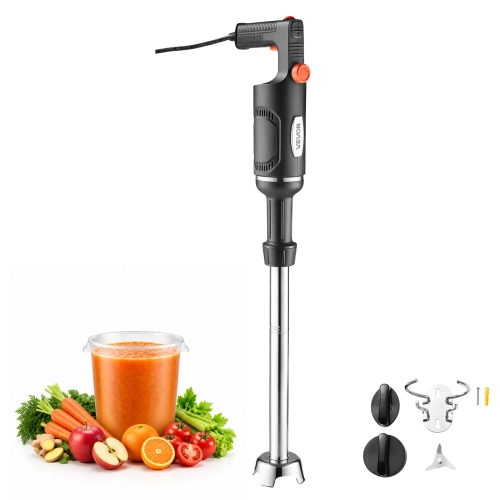
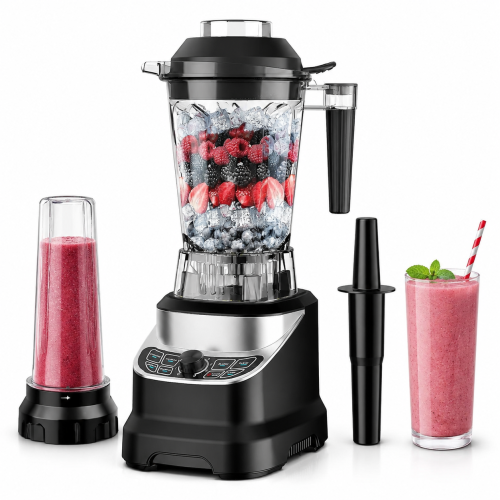
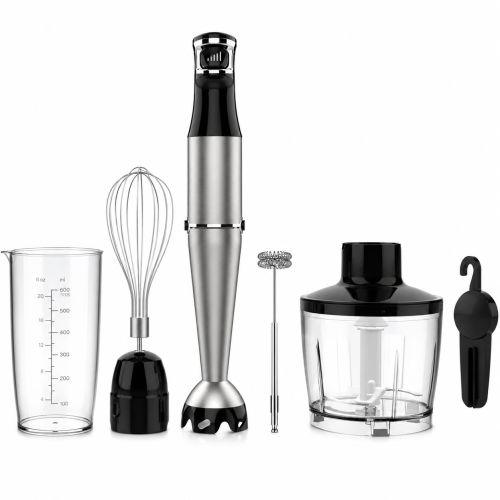
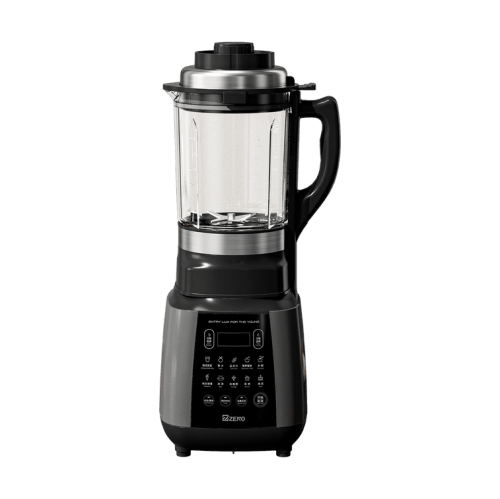
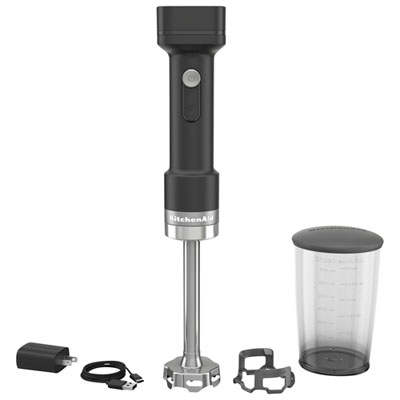
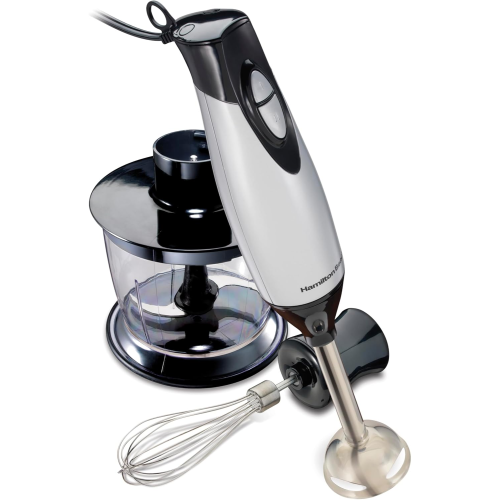
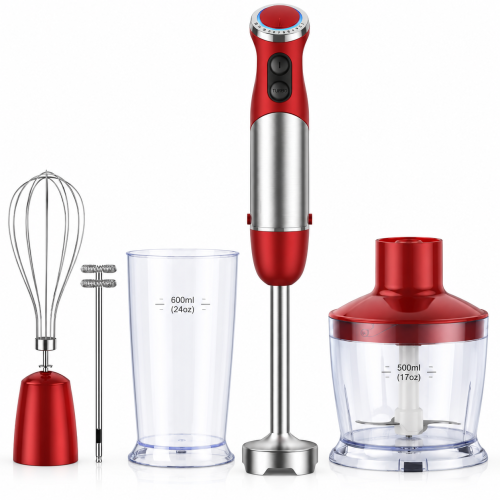
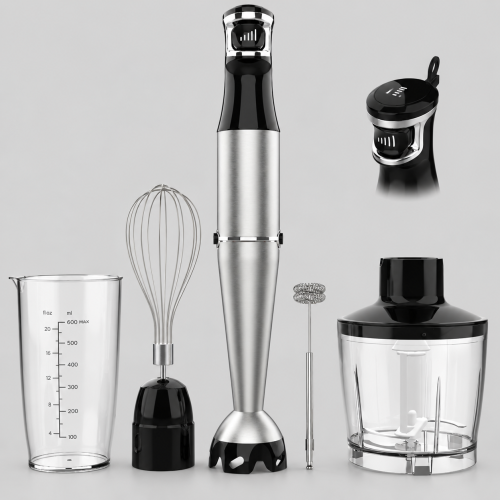
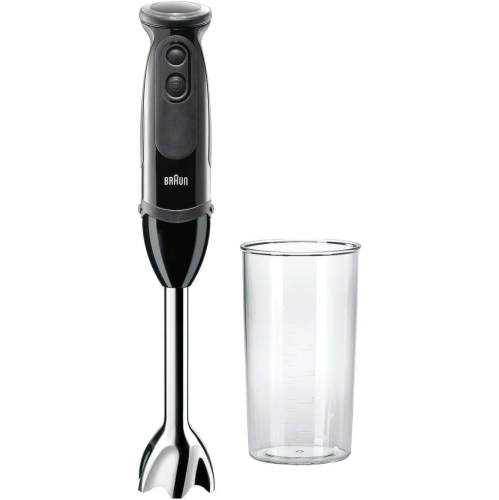
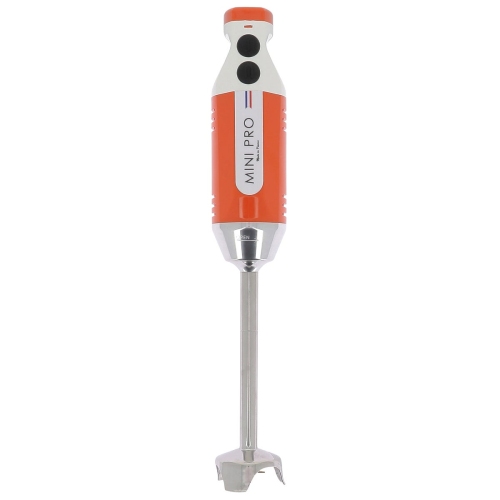
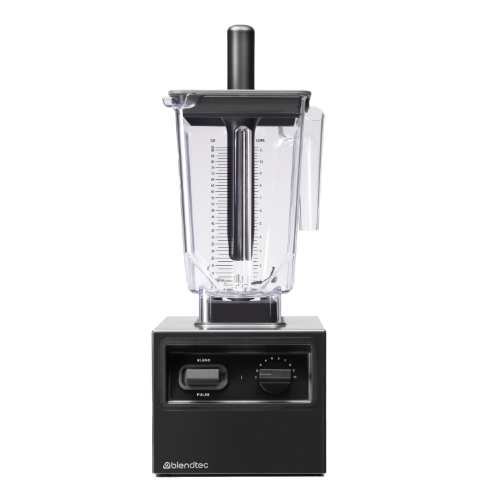
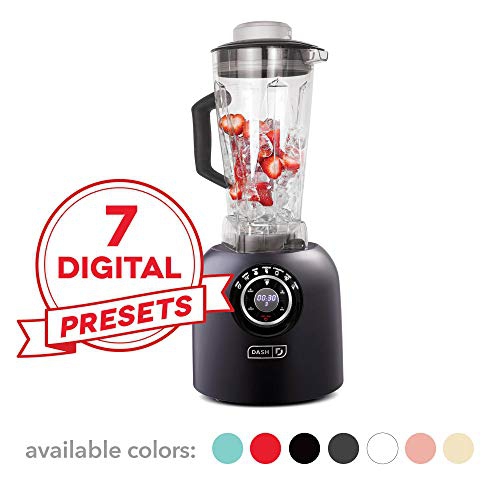
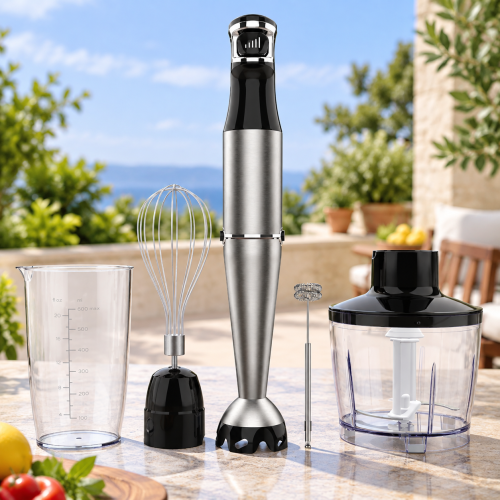
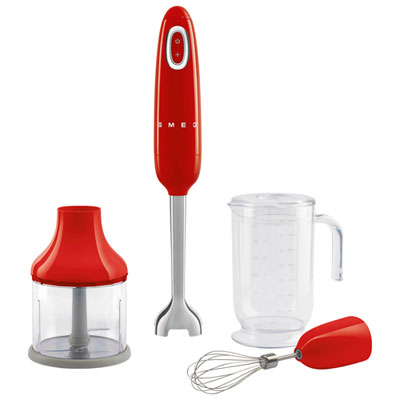
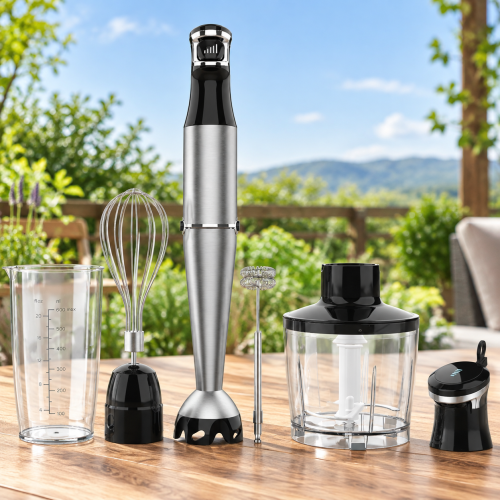
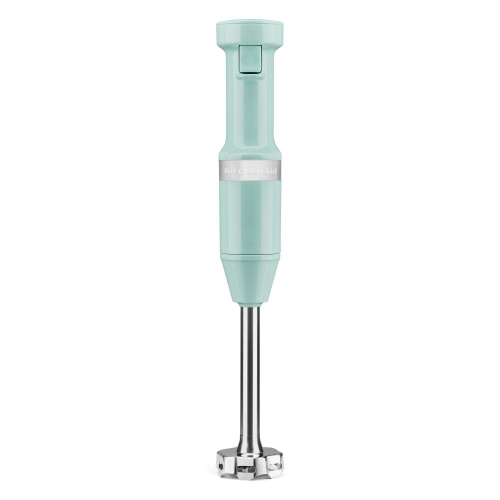
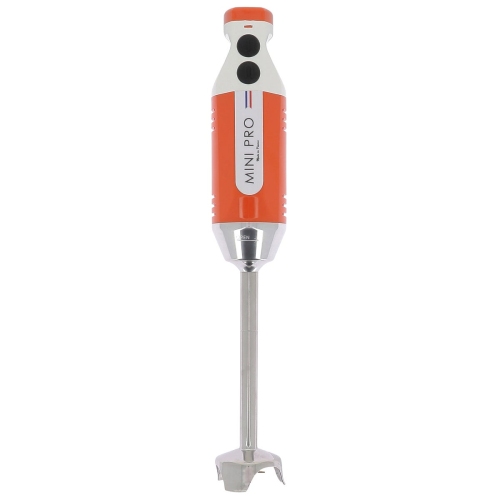
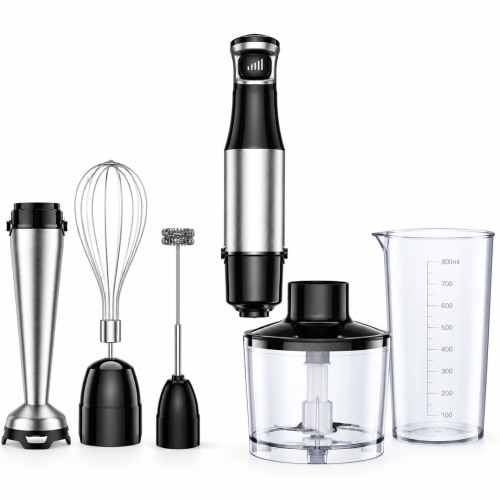
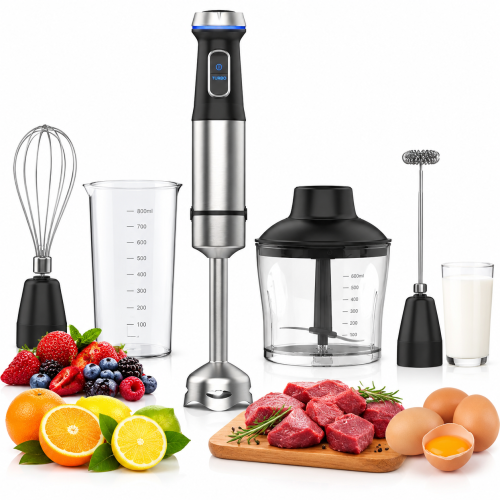
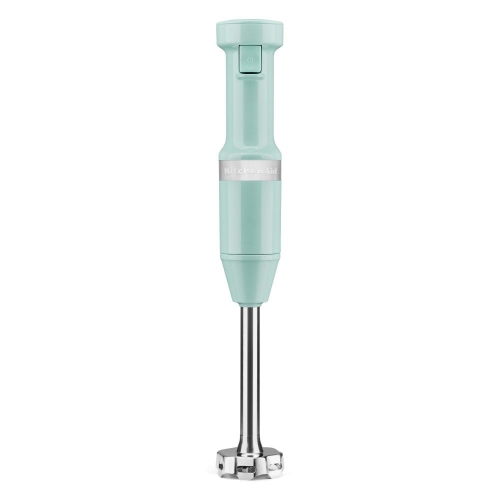
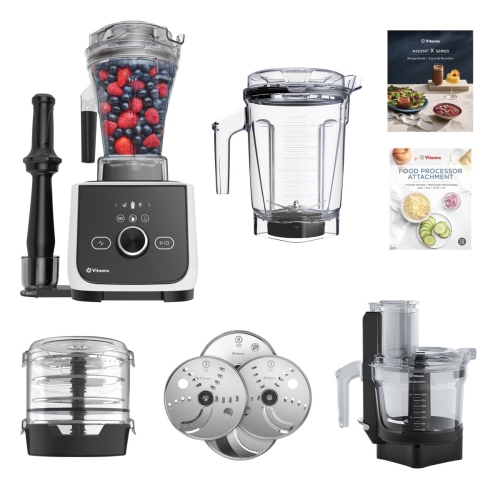
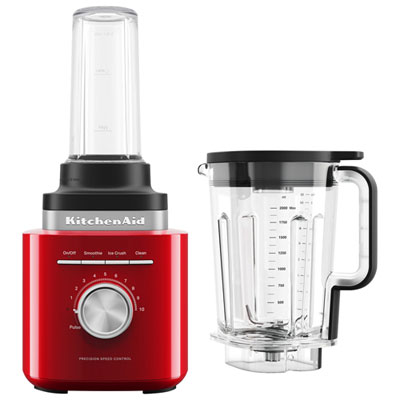
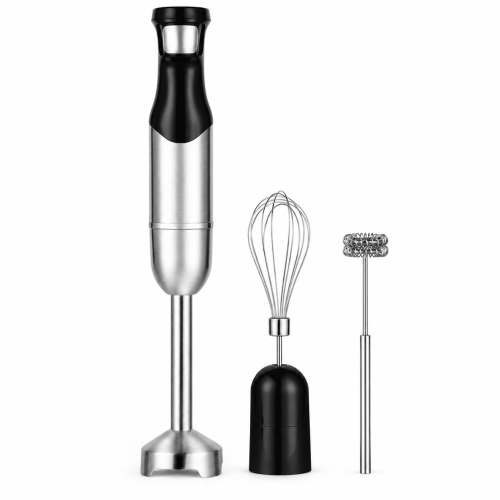
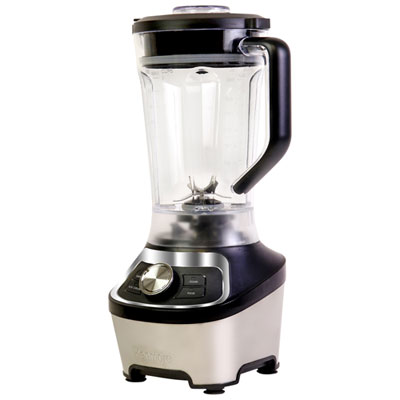
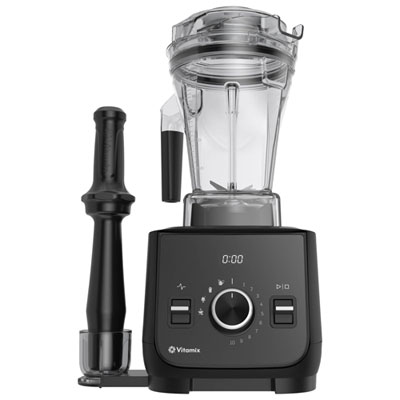
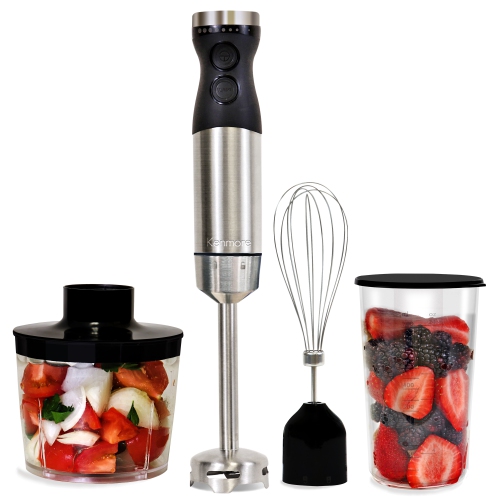
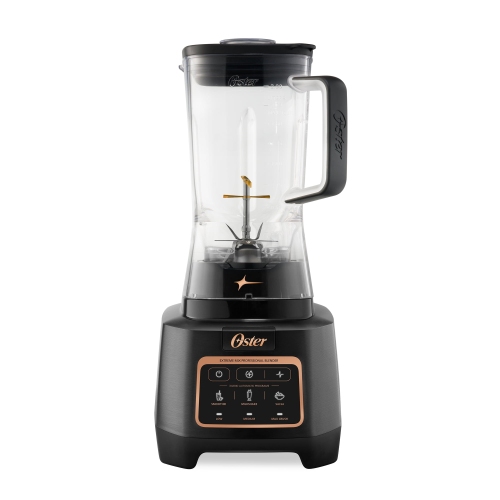
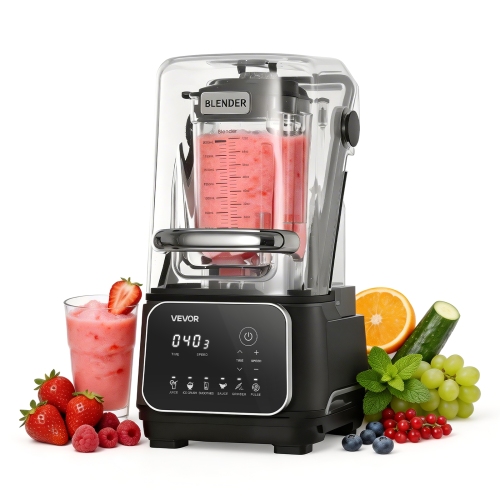
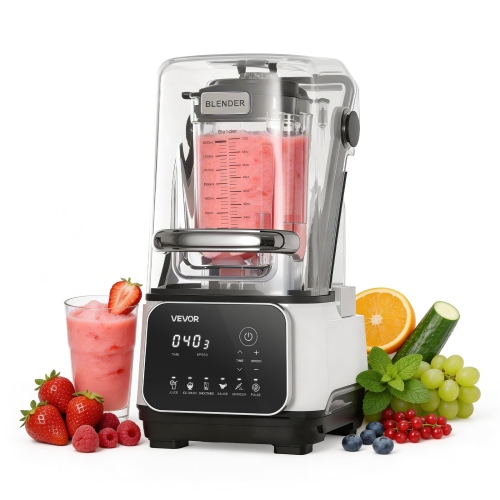
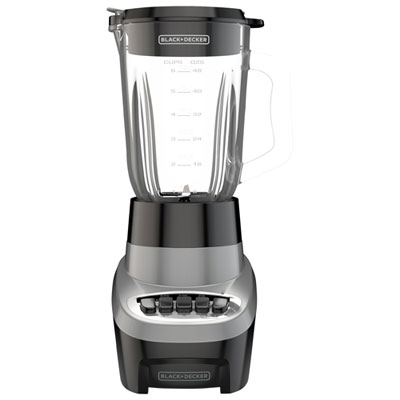
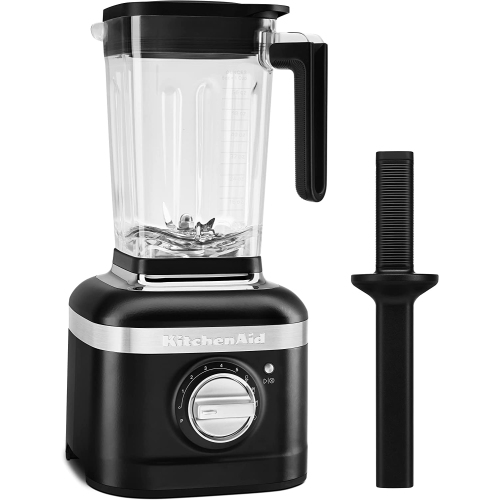
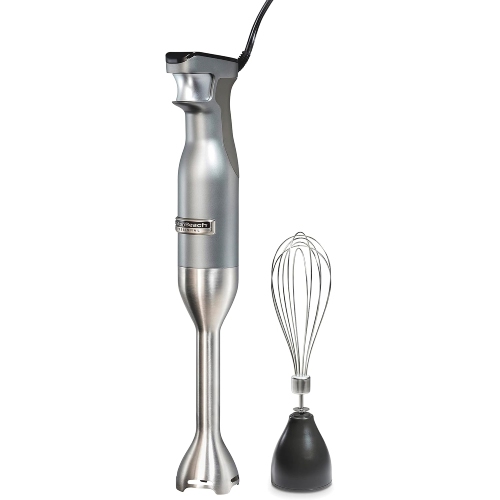
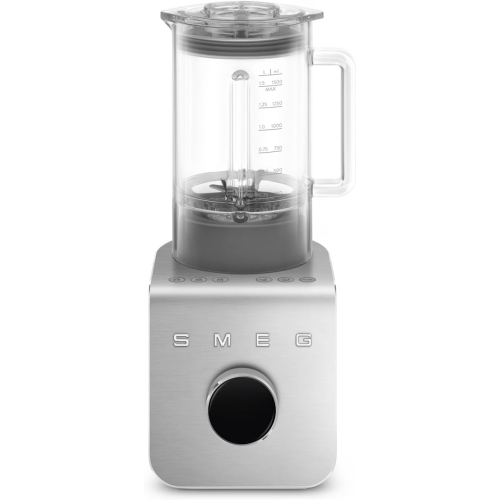
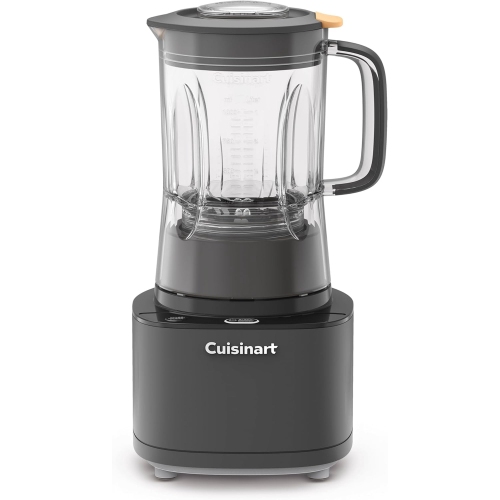
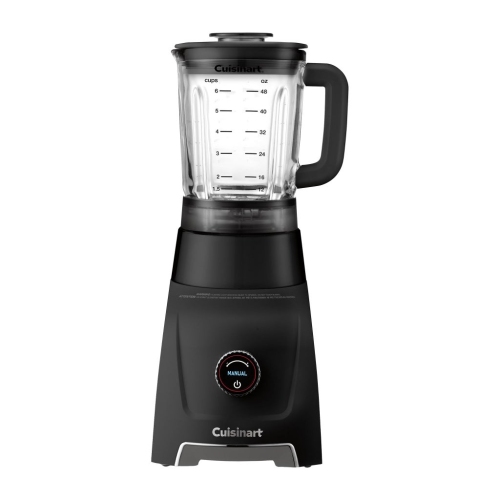
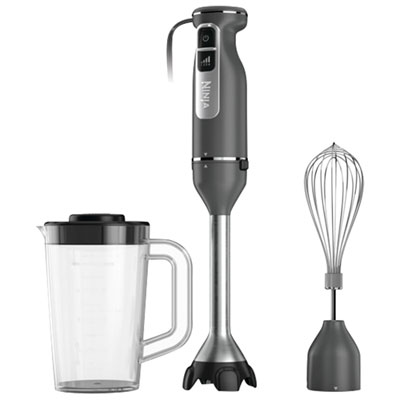
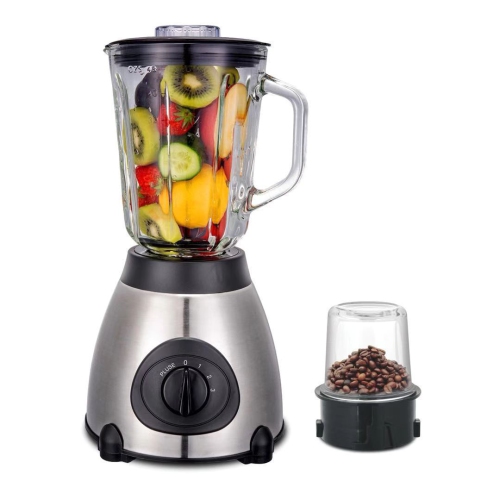
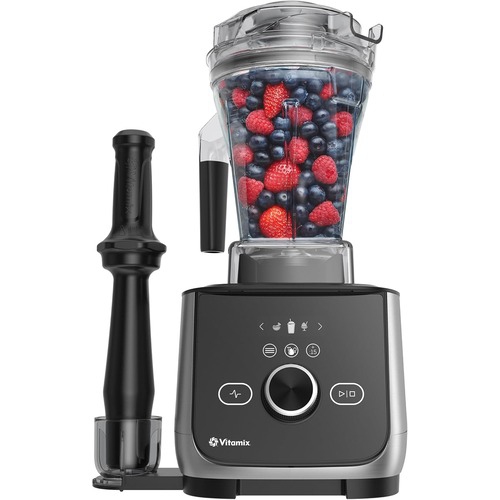
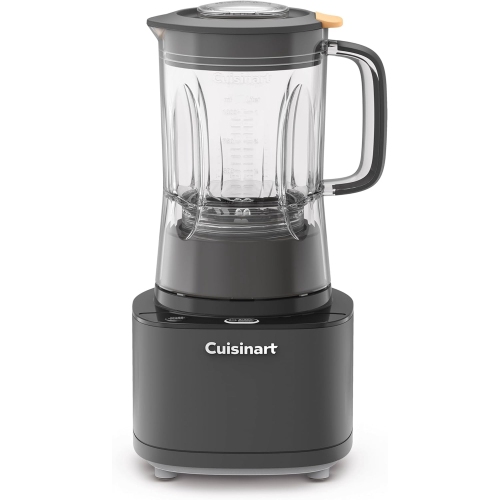
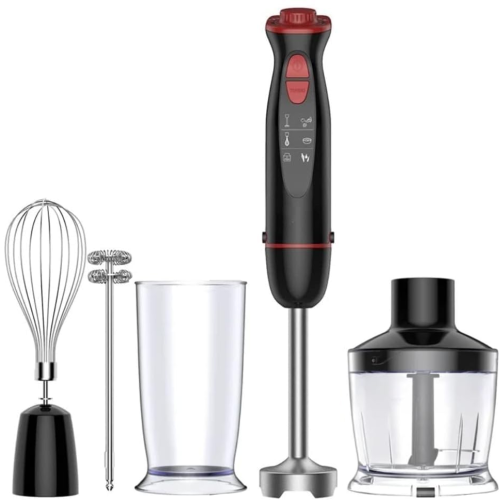
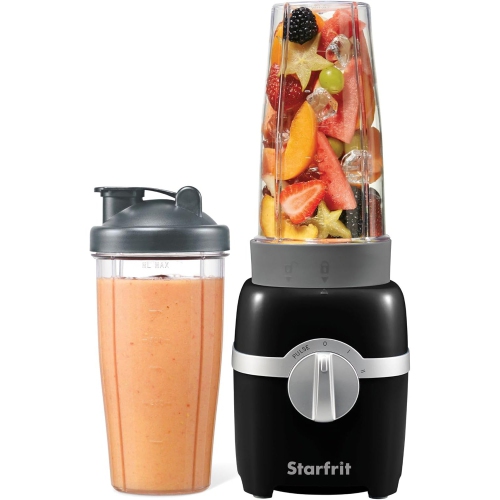
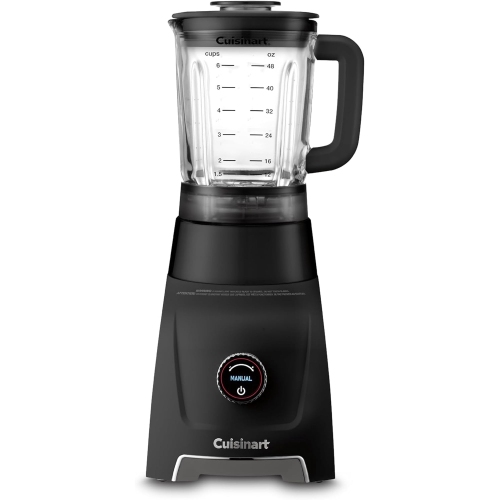
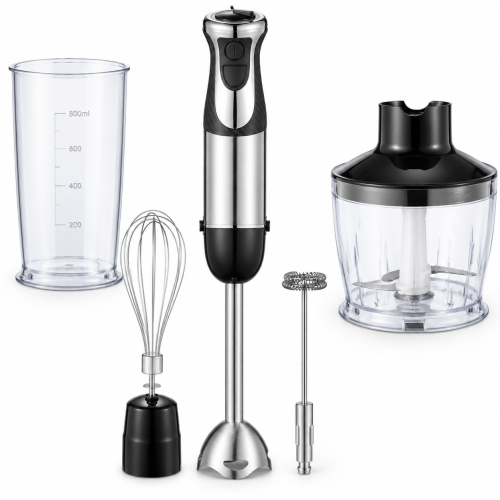
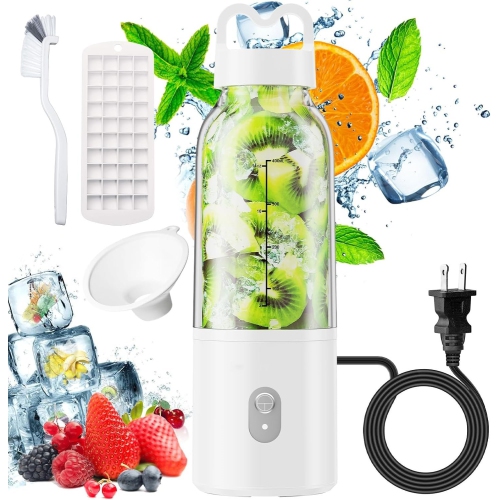
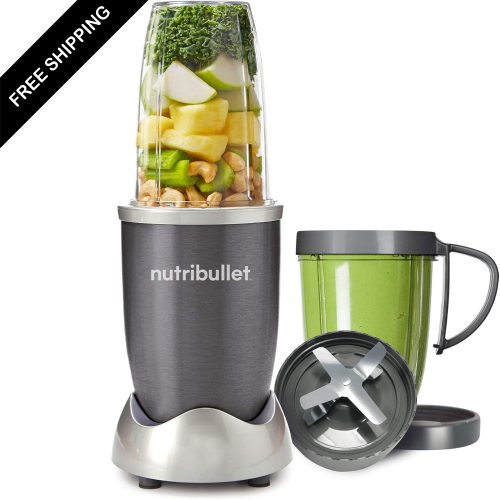
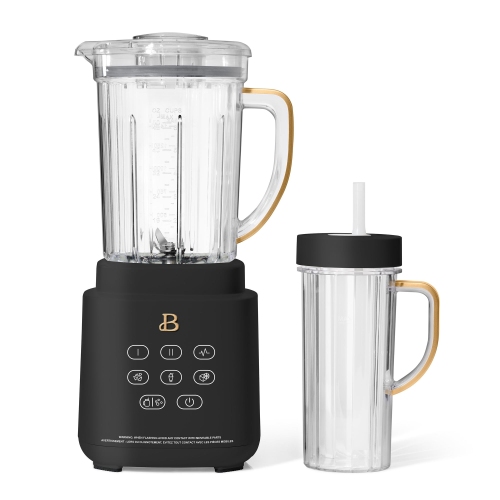
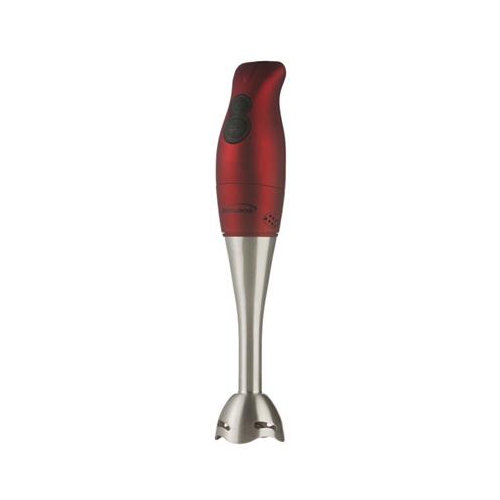
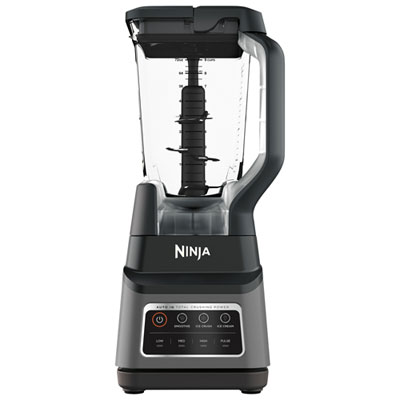
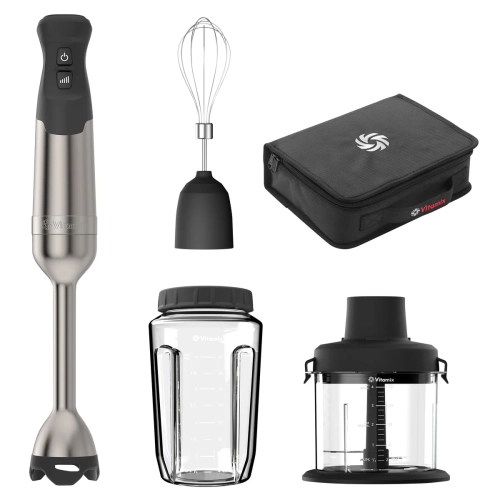
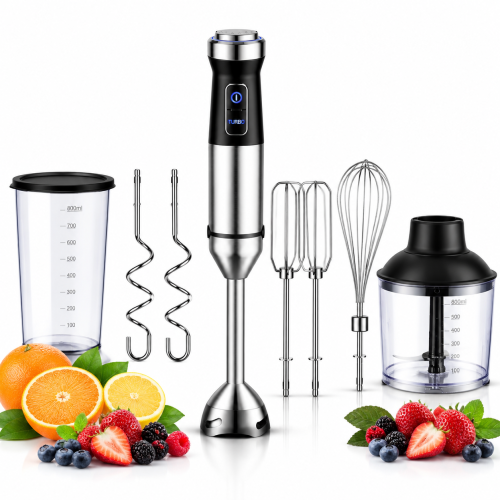
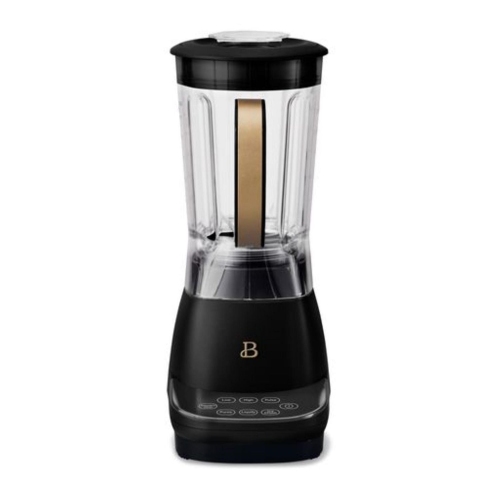
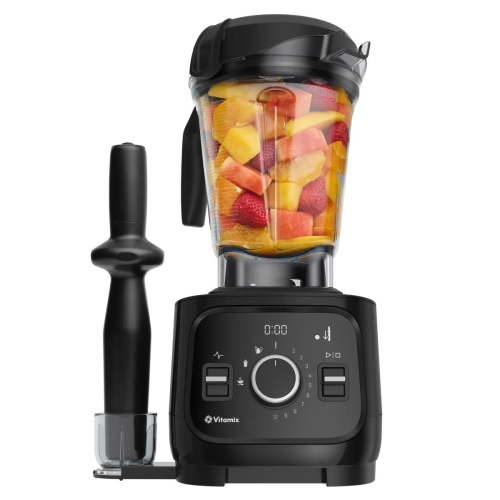
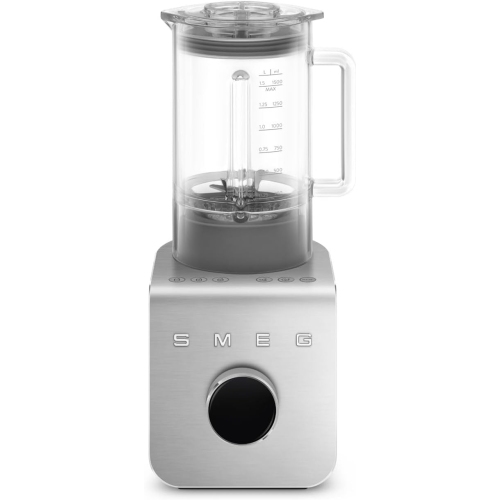
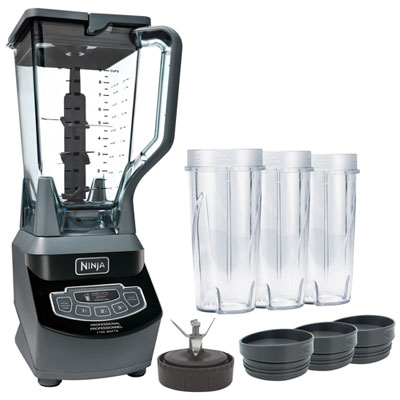
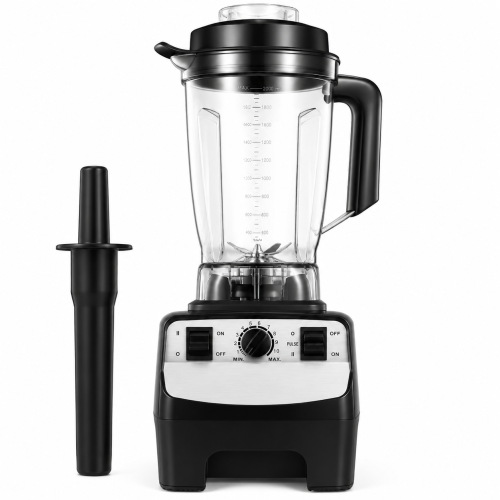
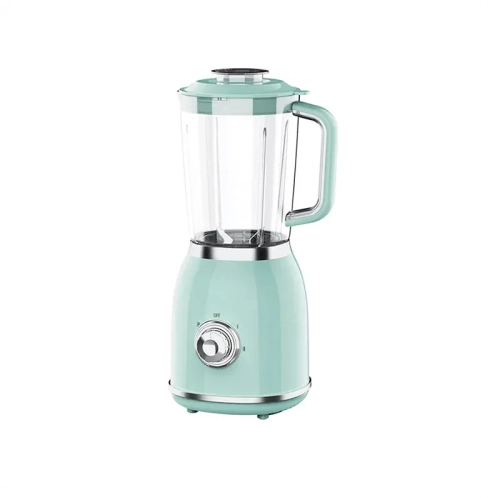
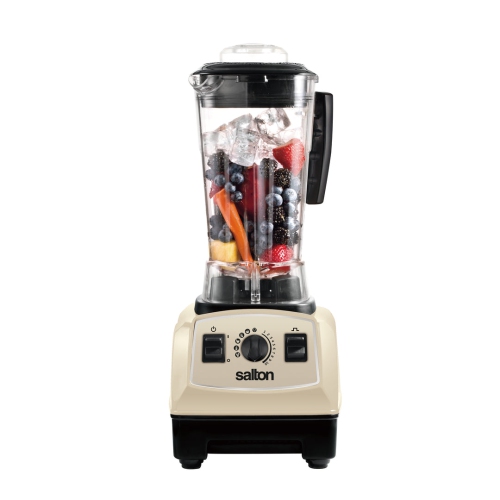
Blenders for soup making turn cooked vegetables, beans, and broth into textures ranging from lightly chunky to smooth and creamy. The main choice is between an immersion blender that works directly in the cooking pot and a countertop blender that processes ingredients in a separate jug. An immersion blender suits cooks who want fewer transfers, especially when preparing a large pot of lentil soup or blending only part of a vegetable soup to thicken the broth. A countertop blender can be a good fit for finely puréed soups, particularly when its blade design and blending settings are suited to fibrous ingredients such as celery, leeks, and cooked greens. Some appliances also combine blending with a heating function, but an ordinary blender should not be assumed to cook raw ingredients or bring soup to a safe serving temperature. Likewise, a powerful motor does not automatically mean an appliance can handle hot liquids. The manufacturer’s approved uses, temperature limits, and hot-liquid capacity are more important than a general description of blending strength. Hot ingredients release steam, so countertop blending requires a heat-approved jug and the lid arrangement and venting method specified by the manufacturer. Sealed personal blending cups are not suitable for hot soup unless explicitly designed and approved for that purpose. The maximum quantity for hot liquids may also be lower than the jug’s overall capacity, leaving room for expansion and movement during blending. For immersion blending, a deep pot gives the blending head room to move while helping contain splashes. The blade guard needs to remain submerged during operation, and the motor housing must stay out of the liquid. A pot that holds enough soup for several meals may still need extra headroom for blending safely. These differences make intended use especially important: blending a small saucepan of tomato soup, preparing several portions for meal prep, and producing a very fine squash purée place different demands on the appliance.
Materials and construction influence how a soup blender feels in everyday use, as well as how it holds up to frequent cleaning. Stainless steel immersion shafts are practical for contact with cooked ingredients, while removable blending arms make it easier to wash the parts that touch food without wetting the motor unit. A blade guard that protects the cutting area is useful, though compatibility with non-stick cookware still depends on the appliance and pot manufacturers’ guidance. Countertop jugs may be made from glass, plastic, or stainless steel, and each material has practical differences. Glass can feel substantial and allows a clear view of the mixture, but its weight matters when lifting a full jug. Plastic jugs are often lighter to handle, although heat suitability varies and should never be inferred from appearance alone. Stainless steel containers are opaque, so checking texture usually means stopping the appliance and opening it as directed. Clear measurement markings, a comfortable handle, and a spout that pours cleanly can make portioning soup into bowls or storage containers less awkward. Controls matter just as much as materials. Variable speed allows a gentler start before increasing blending intensity, while a pulse setting provides short bursts for adjusting texture without immediately turning every ingredient into a uniform purée. With an immersion blender, the position of the speed control and the pressure needed to hold the switch can affect comfort during longer tasks. Motor wattage is only one part of performance; blade geometry, jug shape, ingredient quantity, and the amount of liquid also influence the result. Thick mixtures such as chickpea soup or potato and leek soup may need a different approach from a loose broth-based vegetable soup. A blender that maintains good ingredient circulation is more useful than one chosen solely for a high power rating. Stable footing, secure attachments, and controls that are easy to identify contribute to a more comfortable cooking routine, especially on a busy countertop.
Capacity, storage, and cleaning help determine whether a soup blender becomes an everyday appliance or something that stays in the cupboard. A compact immersion blender can suit a smaller kitchen, while a countertop model needs space for its base and enough clearance to remove the lid and lift the jug comfortably. For someone cooking one or two portions, a very large container may be less convenient if its minimum blending quantity exceeds the amount being prepared. Larger households and people who portion meals ahead may value greater usable capacity, provided hot-liquid limits are respected. When browsing KitchenAid Soup Blenders, approved blending temperatures, container size, attachment design, and cleaning requirements remain useful points of comparison. The intended texture also matters: a silky carrot soup, a rustic bean soup with some whole beans left intact, and a creamy mushroom soup do not require identical blending results. Blending can give cooked vegetables body without always needing cream, although ingredients and recipe proportions determine the final consistency. Extra attachments may broaden an appliance’s use for sauces, dips, or chopping, but they also need storage and should serve a genuine cooking need. For a gift, the recipient’s habits are a better starting point than the number of accessories: a keen soup maker may appreciate comfortable handling, straightforward controls, and parts that are easy to clean. Regular care supports dependable use. Removable components should go in the dishwasher only when labelled dishwasher-safe, and electrical bases and motor housings should never be immersed. Allowing parts to cool and cleaning them according to the manufacturer’s instructions helps remove food from around seals, blade guards, and lid openings. Appliances should be disconnected before attachments are removed or blade areas are cleaned. Thorough drying before storage, routine checks for damaged seals or loose connections, and avoiding operation beyond the recommended run time all help protect the appliance. The most suitable blender fits both the soup being made and the practical rhythm of preparing, serving, and cleaning up after it.
Top selling and popular products
-
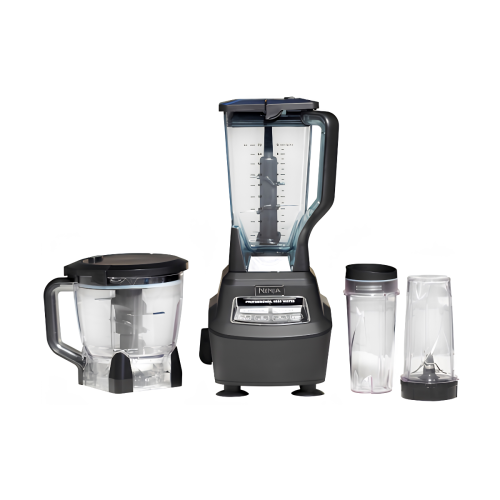 Your price for this item is $239.99
-
 Your price for this item is $79.99
-
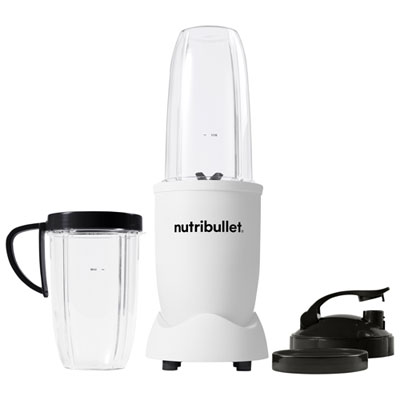 Your price for this item is $99.99
-
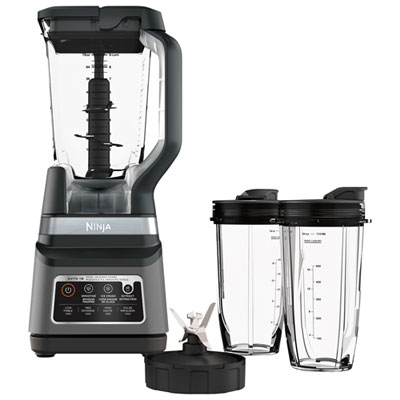 Your price for this item is $219.99
-
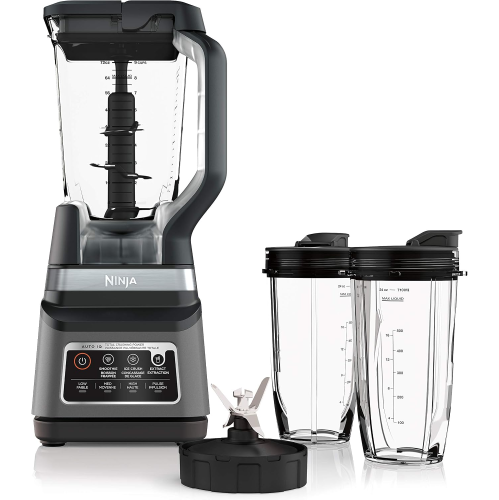 Your price for this item is $219.99
-
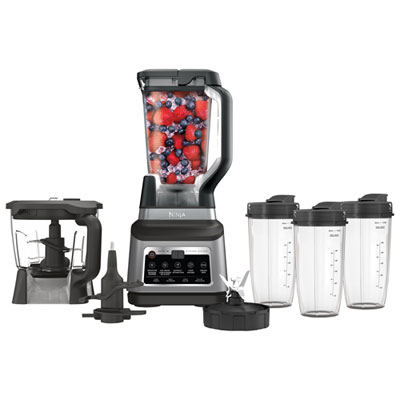 Your price for this item is $299.99
-
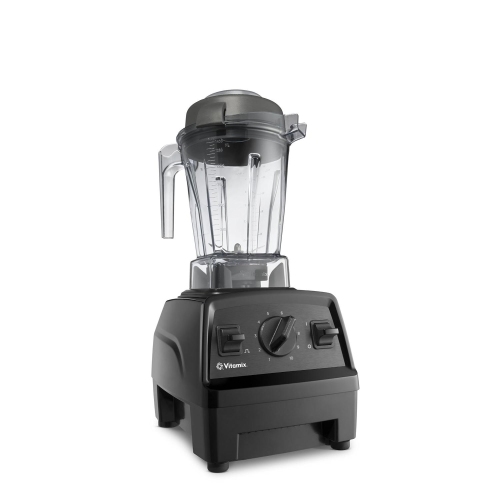 Your price for this item is $521.55
-
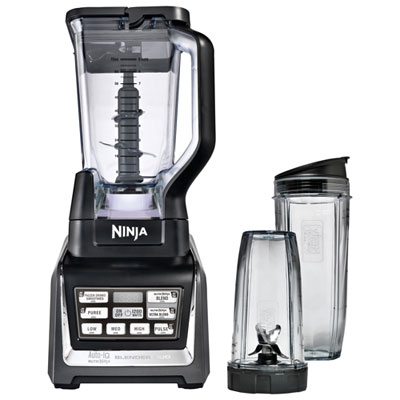 Your price for this item is $169.99
Discover more categories related to Blenders for Soup Making
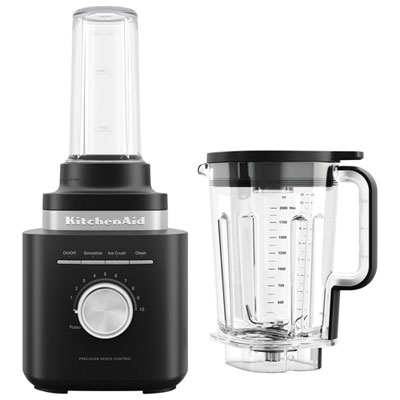
Top Collections:
Best Black Friday Deals This Year, Best Black Friday Deals On Electronics, Kindle Devices, Pokemon Centers, Best Black Friday Deals On Apple Products, Best Cameras for Sports Photography, Dyson Airwrap, Pokémon 30th Celebration Cards, Apple iPhone 17 Pro, Canon G7X Cameras
Some products may be subject to Environmental Handling Fees
(EHF) depending on your province.
Learn more about EHFs.