Ninja Blender Juicers
Discover how a Ninja Blender Juicer can enhance your kitchen routine and make meal prep more efficient. With a sleek design and versatile performance, these appliances are ideal for creating smoothies, juices, sauces, and more. Whether you’re looking to upgrade your current setup or exploring new ways to enjoy fresh drinks at home, the Ninja Blender Juicer offers reliable solutions for every lifestyle. Find the perfect option to suit your needs and elevate your culinary experience.
Sort

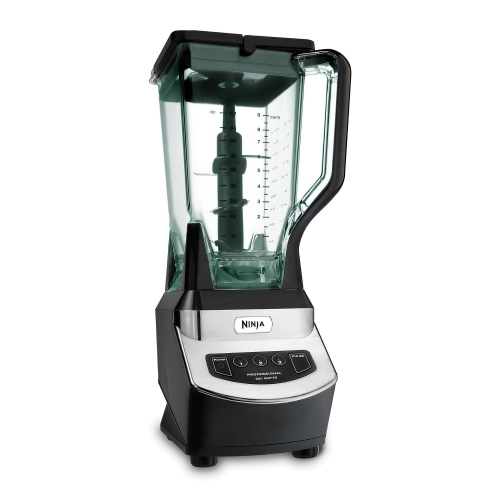
Why blending and juicing deliver different drinks
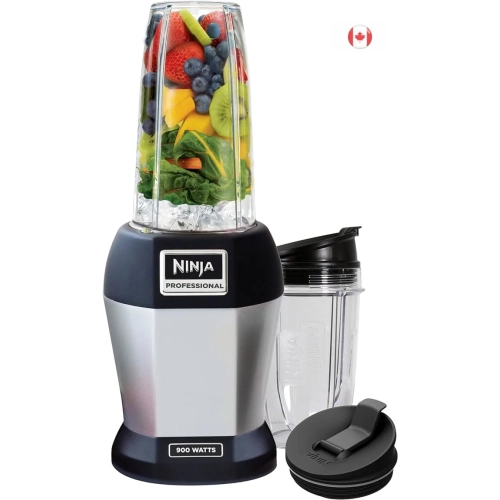
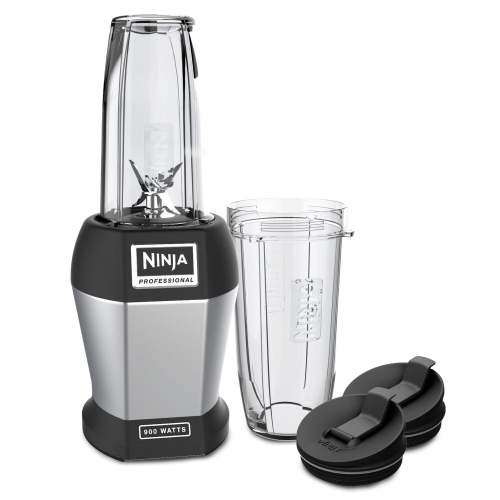
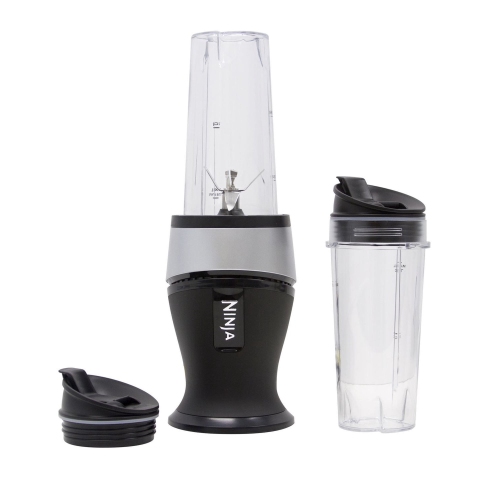
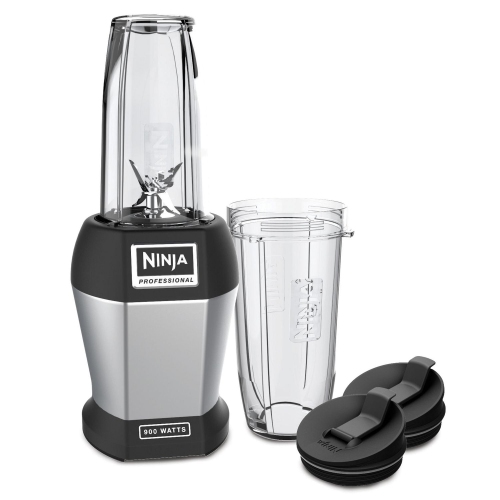
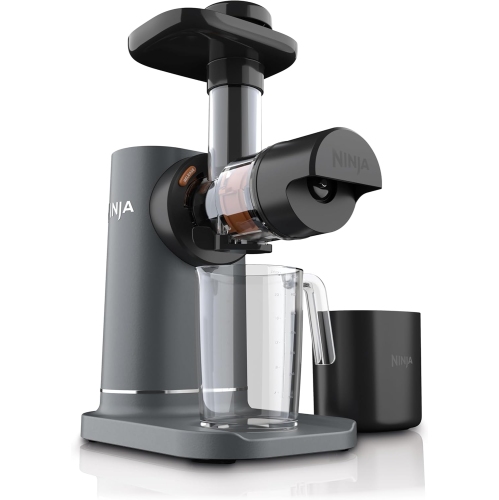
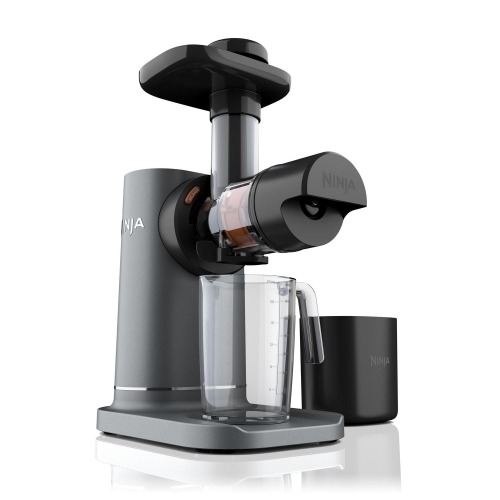
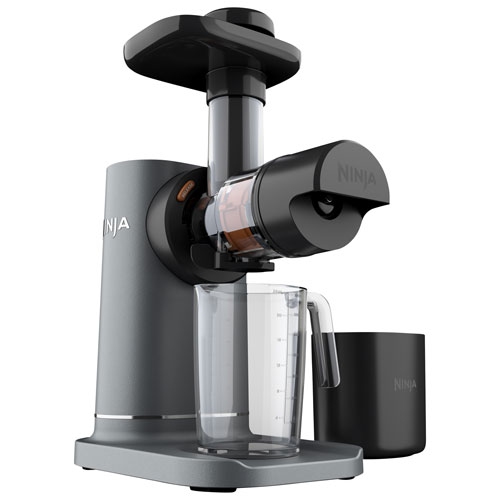
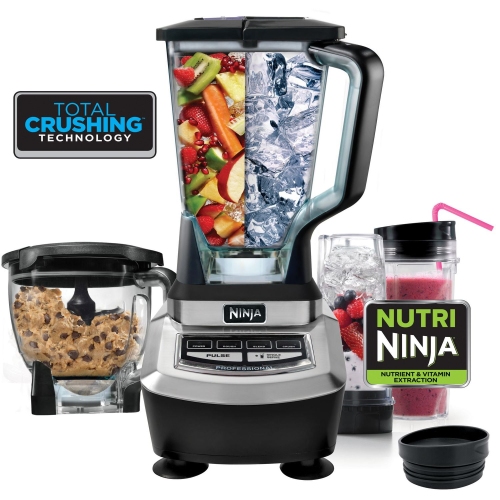
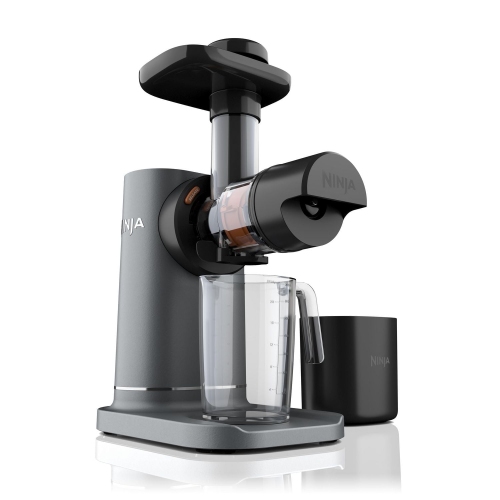
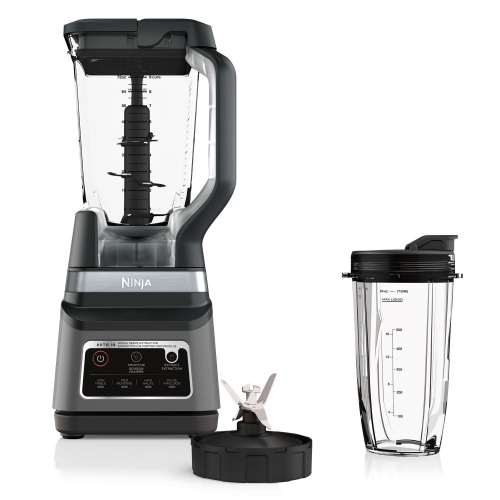
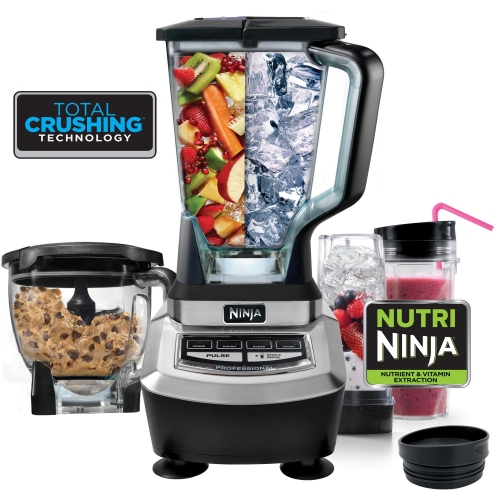
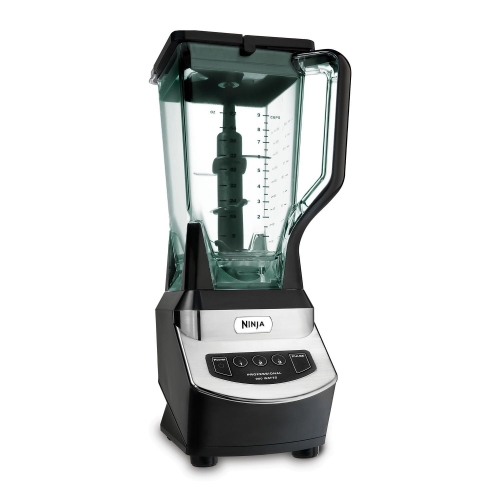
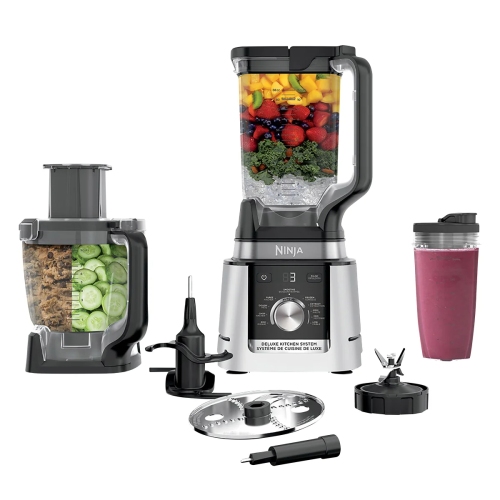
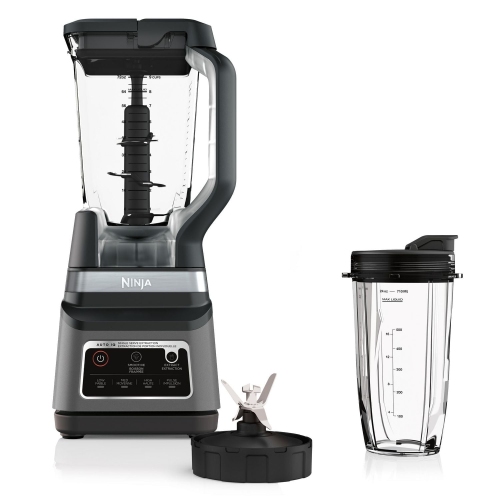
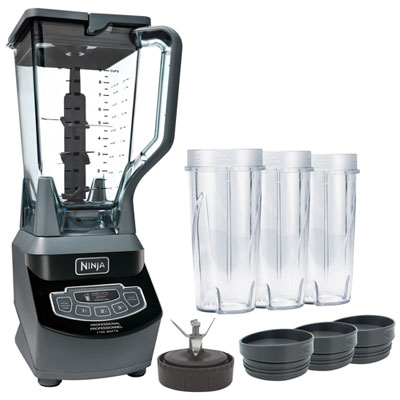
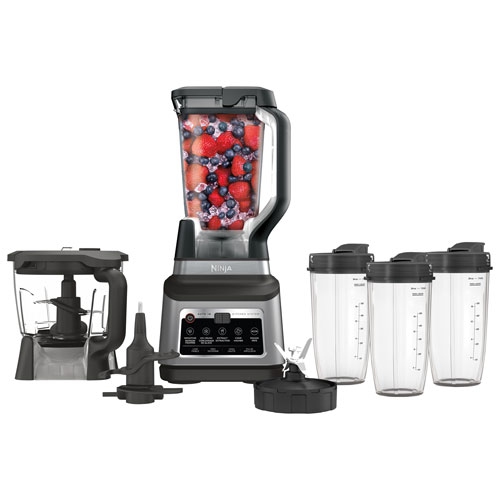
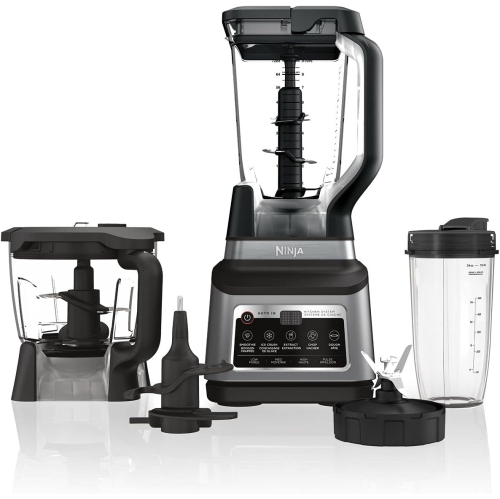
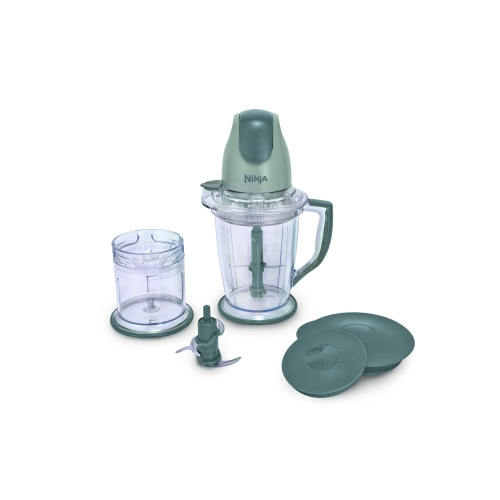
Blenders and juicers turn fresh produce into drinks, but they do different jobs. A blender processes ingredients together, keeping the edible pulp and fibre in the finished mixture, while a dedicated juicer separates extracted juice from much of the pulp. That distinction matters when the goal is a thick berry smoothie rather than a lighter glass of carrot and apple juice. Cold-press juicers typically use a slowly rotating auger to crush produce and press it against a filter, directing juice and pulp into separate containers. Conventional blenders use fast-moving blades to break ingredients down inside a pitcher or personal blending cup. Adding liquid helps many blended mixtures circulate, especially when the recipe includes leafy greens, frozen fruit, or a generous spoonful of nut butter. A blended fruit drink can be strained through a suitable fine-mesh sieve or food-safe straining bag for a smoother texture, but this adds a separate preparation and cleaning step. It does not turn the blender itself into a juice extractor. Some multifunction appliances include purpose-built filtering attachments, although a juice setting alone does not establish that an appliance separates pulp. For anyone considering Ninja Blenders, the included vessels, attachments, and supported functions help distinguish smoothie-making from juice extraction. A personal blending cup suits a breakfast drink made for one, while a larger pitcher can accommodate several servings. A dedicated juicer serves a different routine, particularly when separated juice is the preferred result and there is a use or disposal plan for the remaining pulp. Neither approach produces exactly the same texture from every ingredient: ripe pears, fibrous celery, seeded berries, and crisp apples each behave differently. Ingredient combinations also affect thickness, sweetness, and the amount of foam. Drinks made with whole edible portions of produce generally retain more fibre than strained juice, while the amount retained after filtering depends on the ingredients and how finely they are strained. The most useful distinction is the drink each appliance is designed to make, rather than treating blending and juicing as interchangeable functions.
Capacity, construction, and kitchen fit shape how comfortably these appliances become part of an everyday routine. A large pitcher can be useful for sharing smoothies at breakfast, but its maximum fill line determines the usable batch size, not the vessel’s apparent volume. Personal cups take up less room during preparation and may double as drinking containers when a compatible lid is included. A juicer needs space for its body, feed chute, juice container, and pulp container, which can make its working footprint larger than the base alone suggests. Clearance beneath cupboards matters too, especially when a lid, food pusher, or tall pitcher must be lifted out. Food-contact plastic is common in blending containers because it keeps larger vessels relatively light; stainless-steel cutting blades provide the working edge in many blenders. Juicers rely on an auger and filtering components whose openings and construction influence pulp separation and cleaning. Material descriptions, food-contact specifications, and care requirements are worth considering together, since not every removable component tolerates the same treatment. For blended drinks, motor design, blade arrangement, container shape, and supported programs all affect performance; wattage by itself does not describe the finished texture. Frozen fruit, ice, and thick mixtures require an appliance expressly designed for those tasks. Juicers likewise differ in how they handle firm roots, delicate leaves, and soft fruit, so supported ingredients matter more than broad claims about versatility. A narrow feed chute may require more chopping, while a wider opening can reduce preparation for appropriately sized ingredients. Neither removes the need to wash produce, remove unsuitable parts, and follow ingredient preparation directions. Hard pits and other inedible parts need attention before processing. Noise and batch length also matter in shared kitchens or apartments, although operating sound varies with the appliance and the ingredients. A breakfast smoothie, an afternoon vegetable juice, and a larger batch for several people place different demands on capacity, preparation time, and cleanup.
Care and everyday handling have a direct effect on long-term usefulness. Pulp can collect in a juicer’s filter openings, and smoothie residue can cling beneath blade assemblies, around seals, or inside lid channels. Prompt rinsing helps prevent residue from drying in these areas, making the full wash easier later. Removable parts may be dishwasher-safe only in specified positions or on particular cycles, while other components require handwashing; the care directions for each part take priority over assumptions about the appliance as a whole. Motor bases should not be immersed, and electrical components need protection from splashes during cleaning. Sharp blade assemblies require careful handling, particularly when they lift out separately from the pitcher. A suitable cleaning brush can help reach filter mesh without placing fingers near cutting surfaces, provided it is appropriate for the component. Abrasive pads can scratch containers or damage delicate filtering surfaces, and fully drying washed parts before storage helps keep enclosed spaces clean. Durability also depends on using the appliance within its stated limits. Overfilling a vessel, forcing ingredients through a chute, or processing mixtures beyond the appliance’s intended use can strain parts and compromise results. Securely fitted lids, correctly seated containers, and intact seals support reliable operation. Replacement cups, lids, seals, or filters may extend useful service when compatible parts exist, but attachments are not universally interchangeable between appliances. Storage deserves attention as well: a place for the pusher, brush, lids, and extra cups makes a complete setup easier to use without cluttering the counter. These practical details are particularly relevant for frequent smoothie drinkers, households that prepare several servings, and people who prefer freshly extracted fruit or vegetable juice. As a housewarming gift or a gift for someone setting up a kitchen, a blender or juicer is most thoughtful when it matches an established habit and the recipient’s available space. A compact smoothie setup suits a different routine from a dedicated juice station with separate containers and more components to wash. The right fit supports the drinks someone already enjoys making, with a preparation and care routine that feels manageable.
Top selling and popular products
-
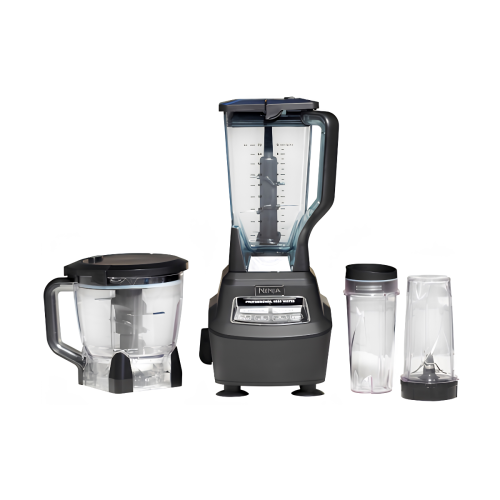 Your price for this item is $239.99
-
 Your price for this item is $79.99
-
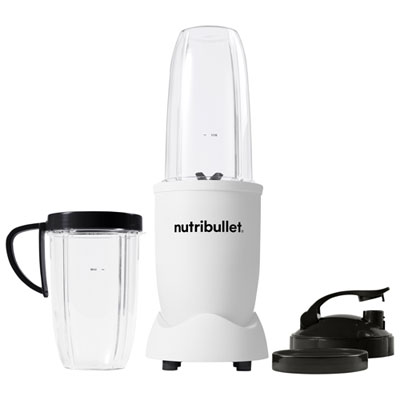 Your price for this item is $99.99
-
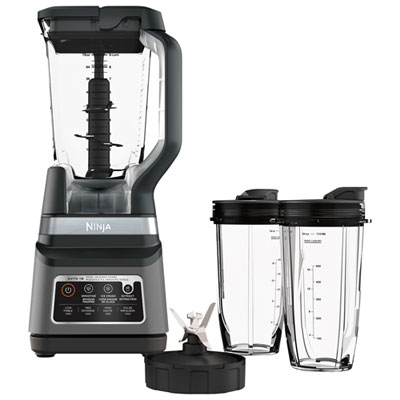 Your price for this item is $219.99
-
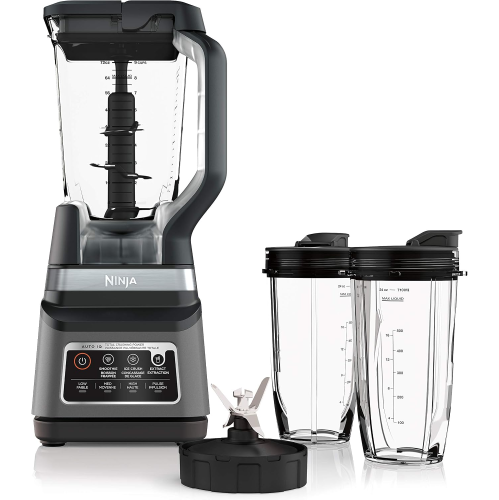 Your price for this item is $219.99
-
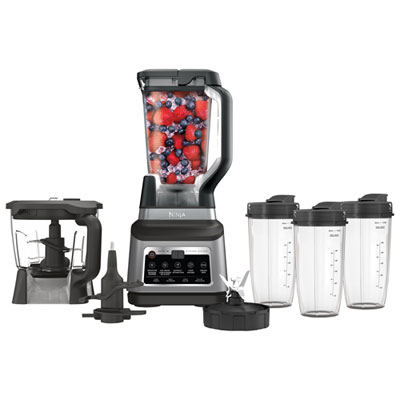 Your price for this item is $299.99
-
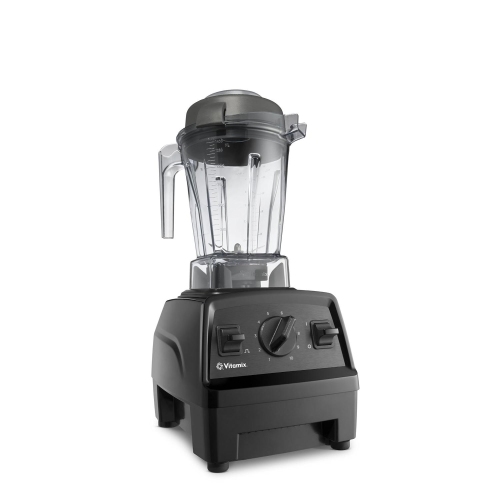 Your price for this item is $521.55
-
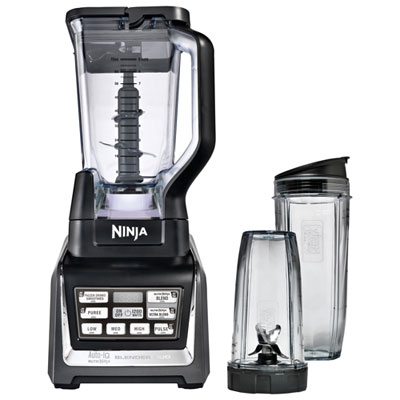 Your price for this item is $169.99
Discover more categories related to Ninja Blender Juicers
Top Collections:
Best Black Friday Deals This Year, Best Black Friday Deals On Electronics, Kindle Devices, Pokemon Centers, Best Black Friday Deals On Apple Products, Best Cameras for Sports Photography, Dyson Airwrap, Pokémon 30th Celebration Cards, Apple iPhone 17 Pro, Canon G7X Cameras
Some products may be subject to Environmental Handling Fees
(EHF) depending on your province.
Learn more about EHFs.