Soup Blenders
Looking to whip up delicious and nutritious soups right in the comfort of your own kitchen? Look no further than our collection of soup blenders. These versatile appliances are designed to effortlessly blend, puree, and emulsify ingredients, making it easier than ever to create smooth and flavorful soups with just the touch of a button. Whether you're a seasoned chef or a beginner in the kitchen, our range of soup blenders offers an array of features and functions to suit your needs. From powerful motors to variable speed settings, these blenders are sure to become your new go-to kitchen companion for all your soup-making adventures. Explore our selection today and elevate your culinary creations to new heights.
Sort
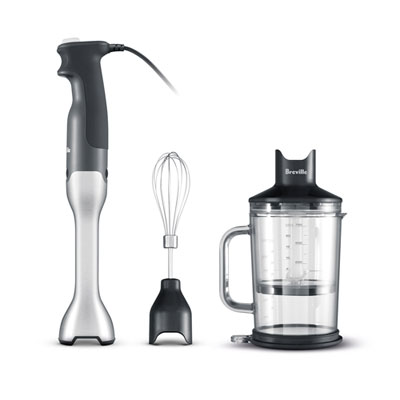
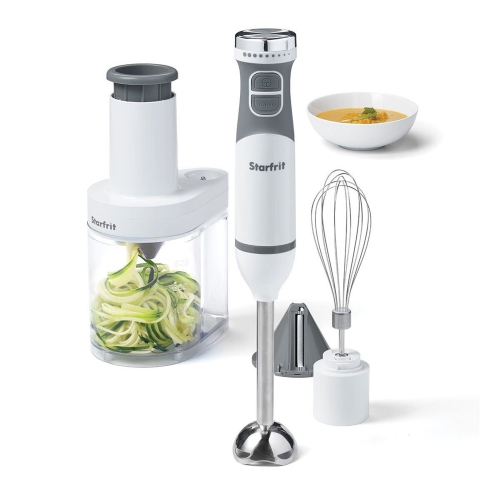
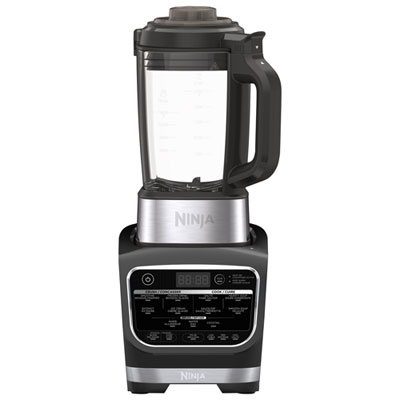
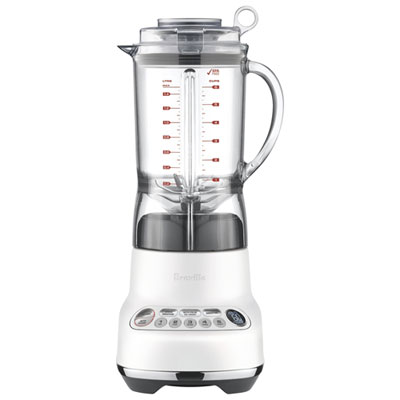
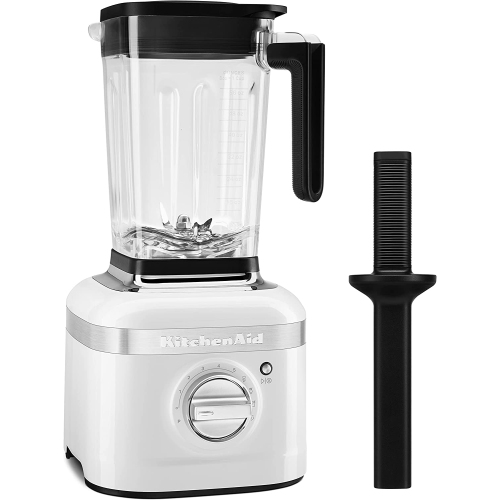
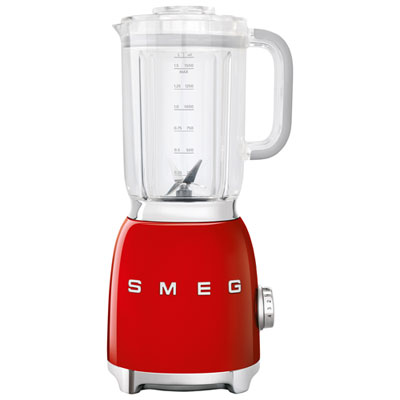
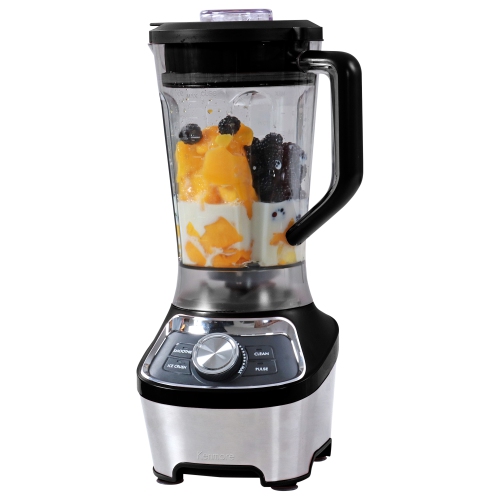
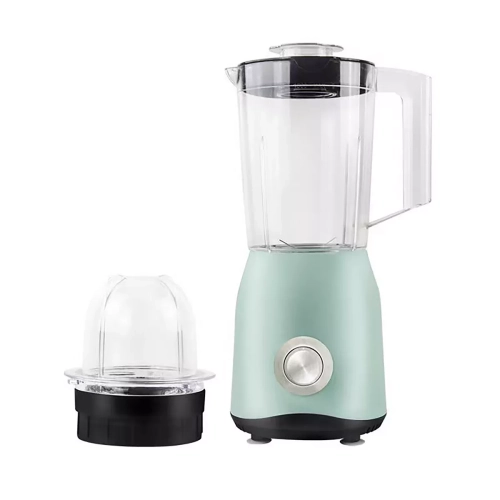
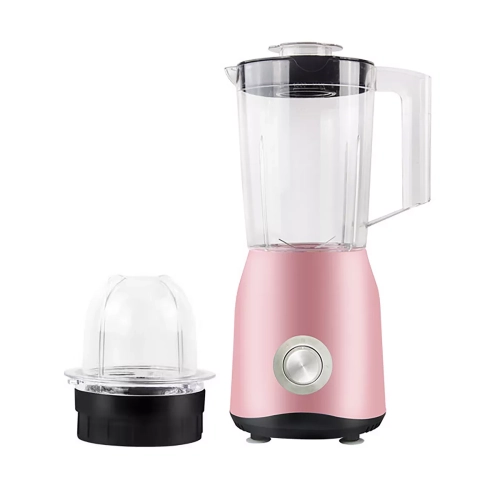
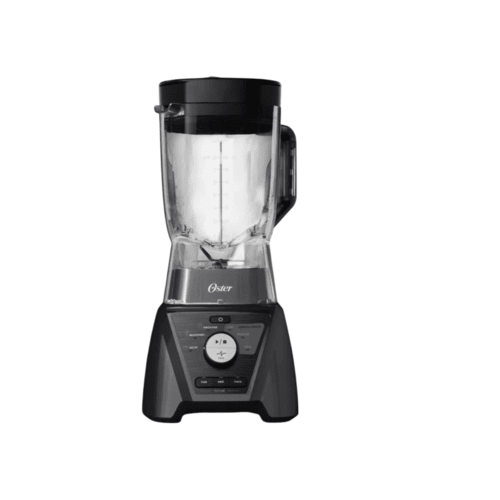
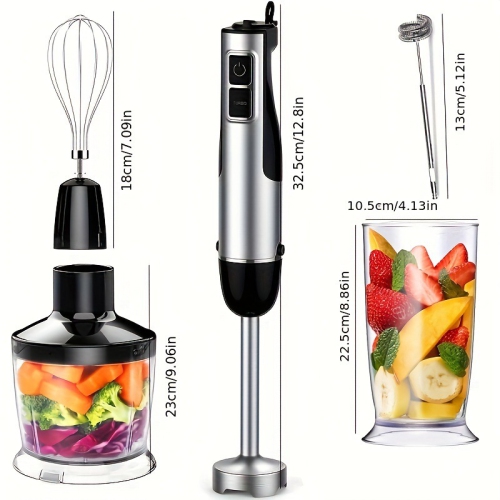
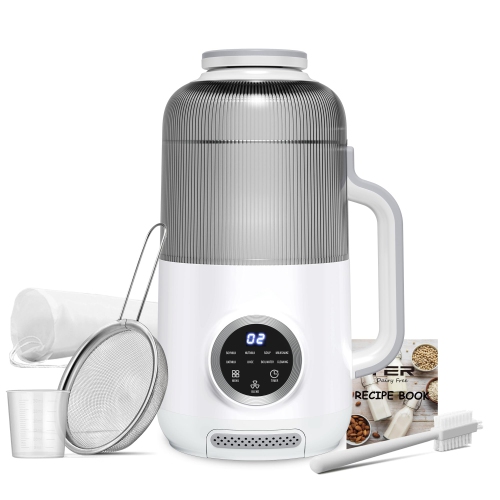
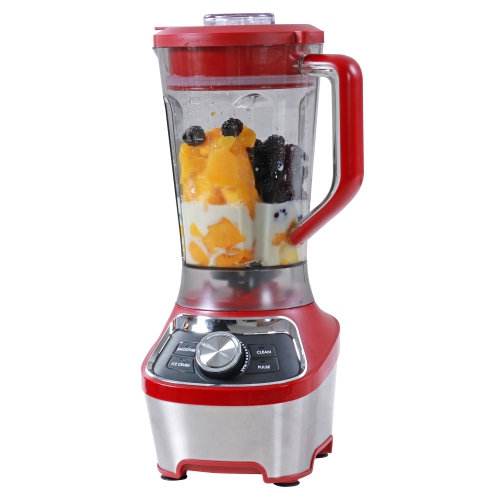
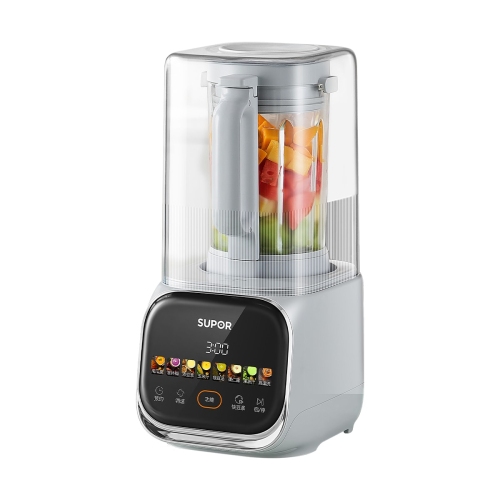
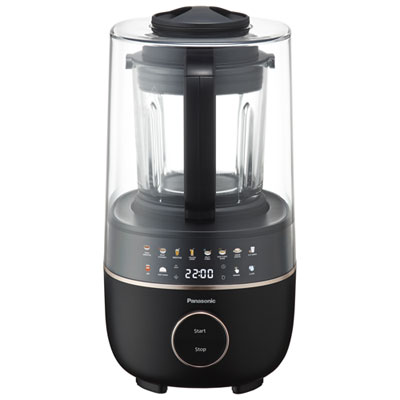
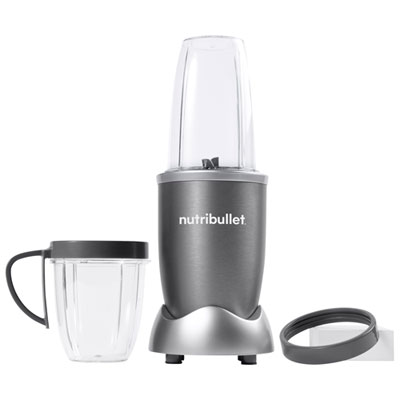
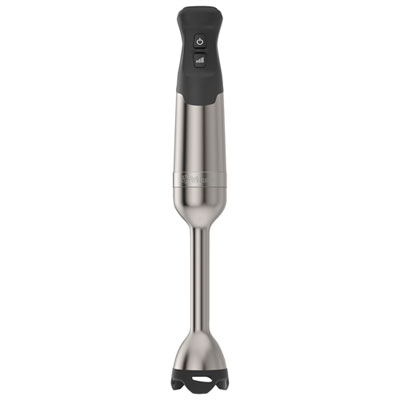
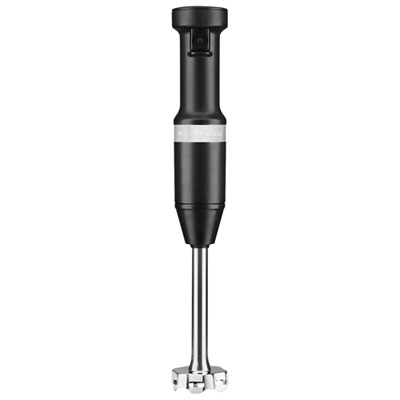
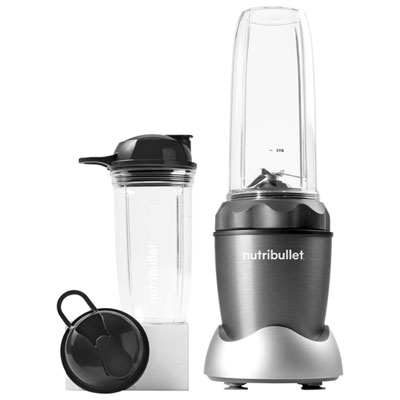
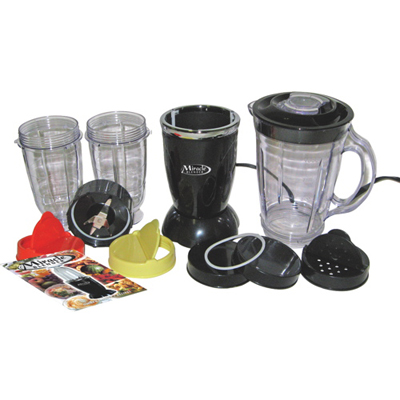
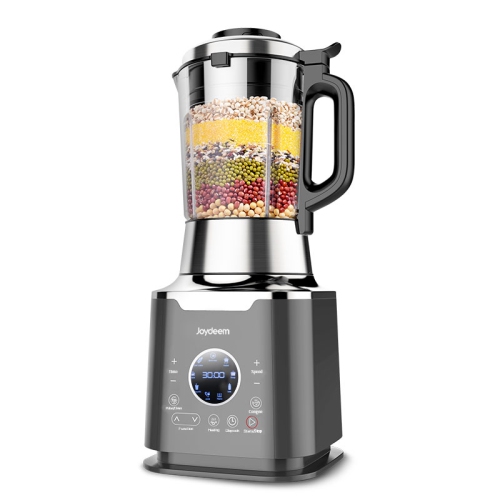
From stovetop purees to automated cooking and blending
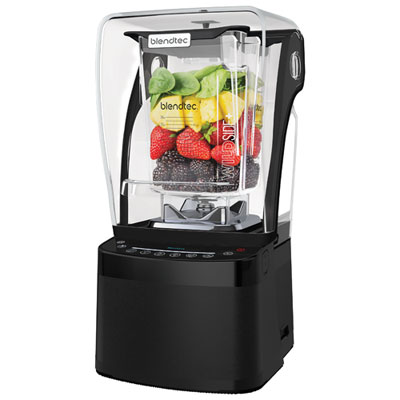
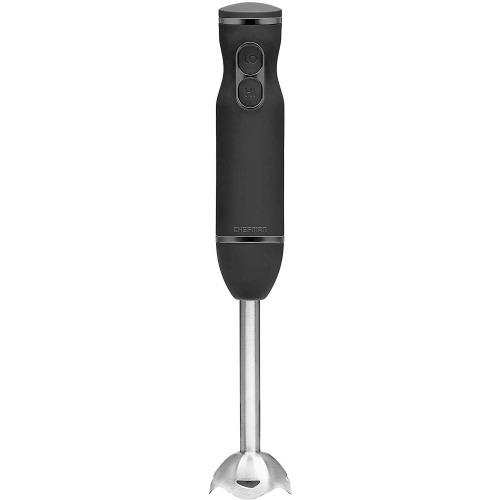
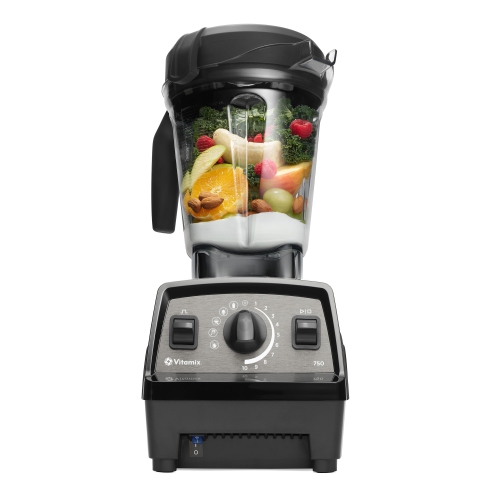
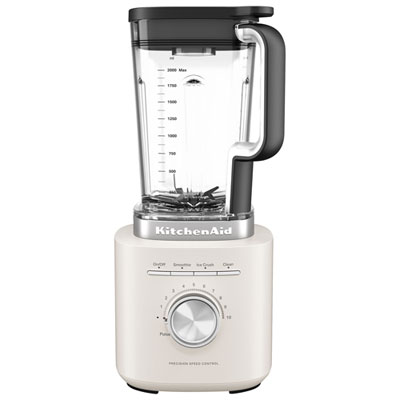
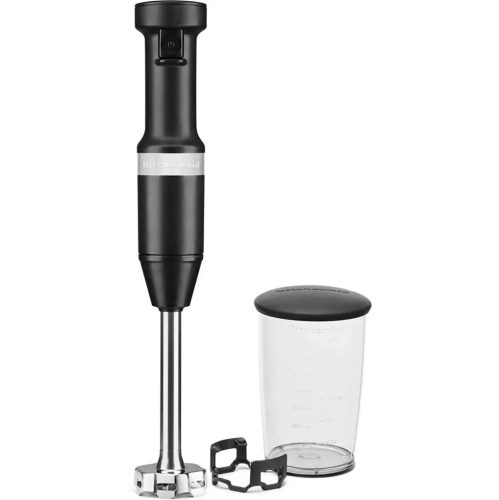
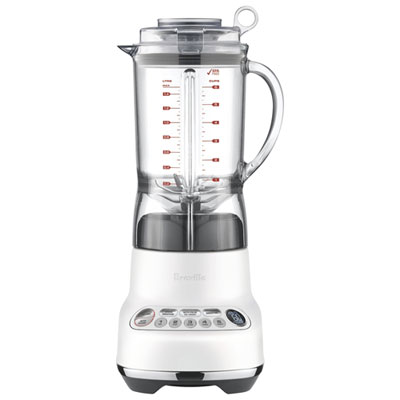
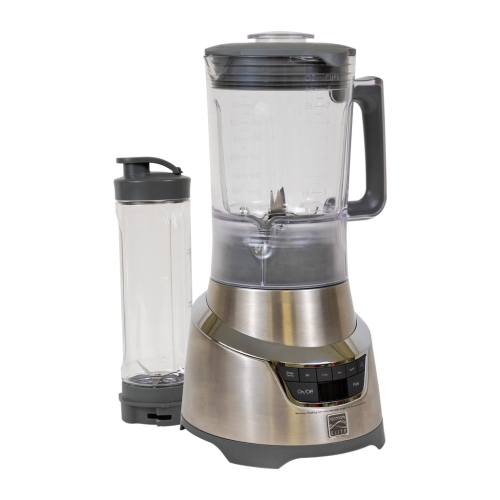
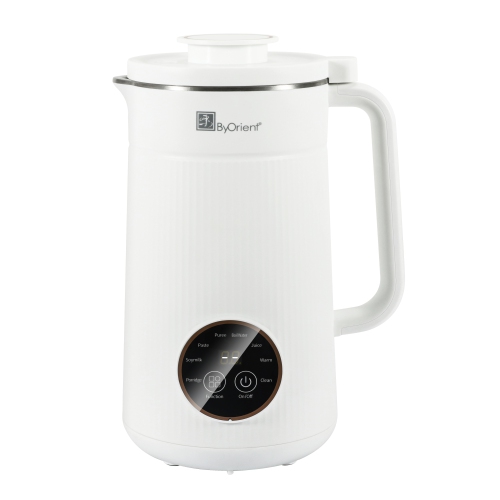
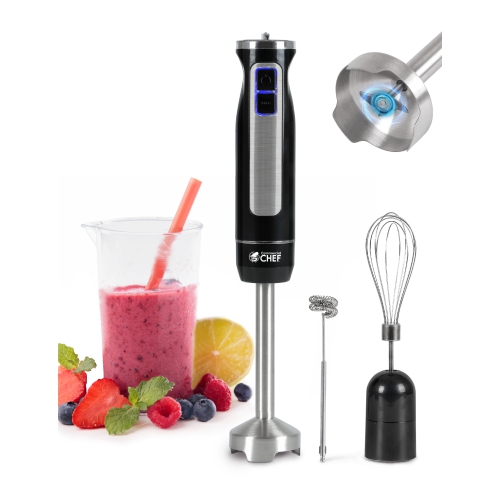
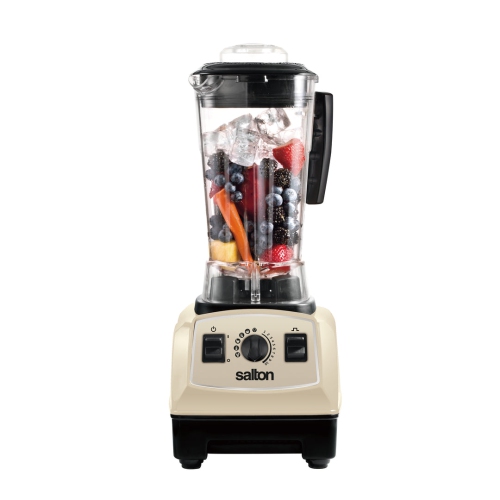
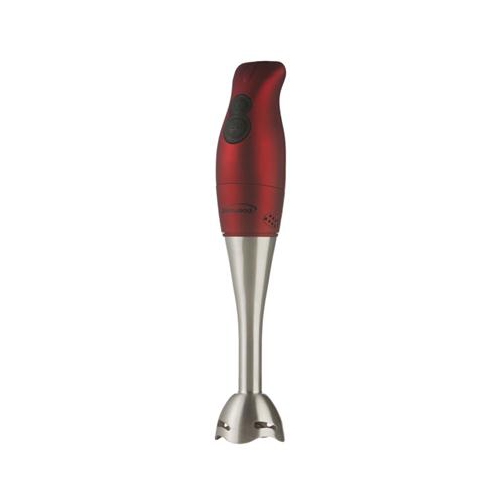
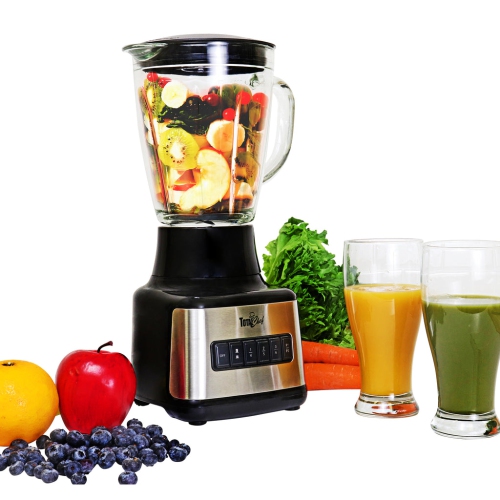
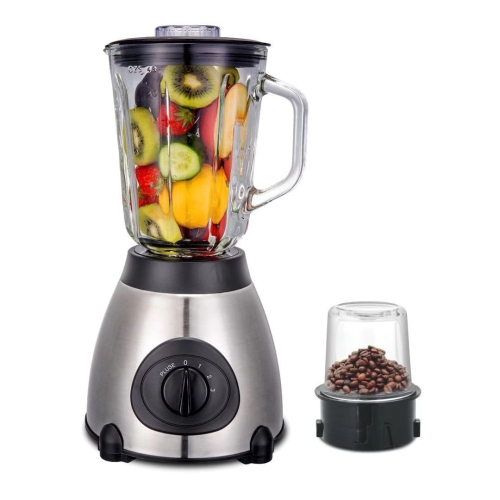
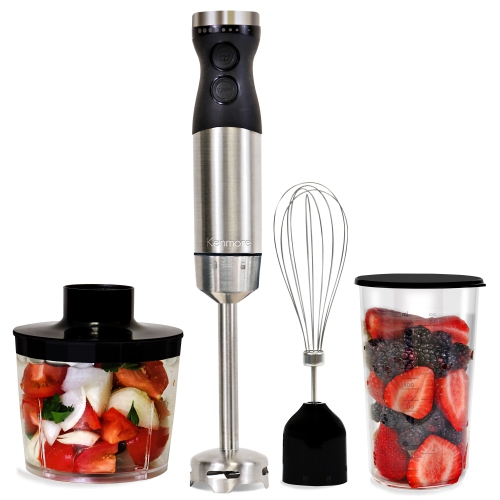
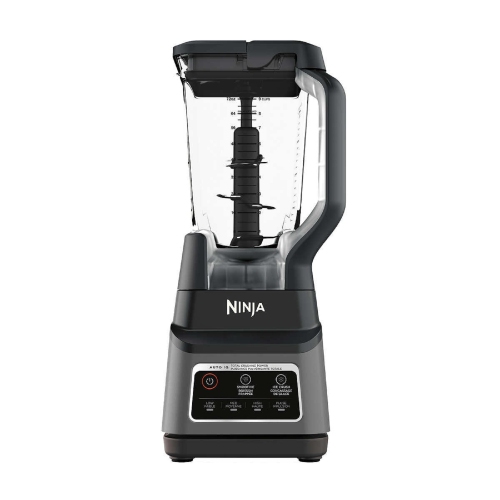
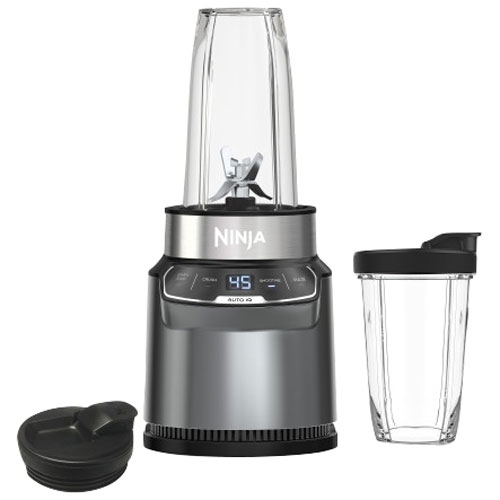
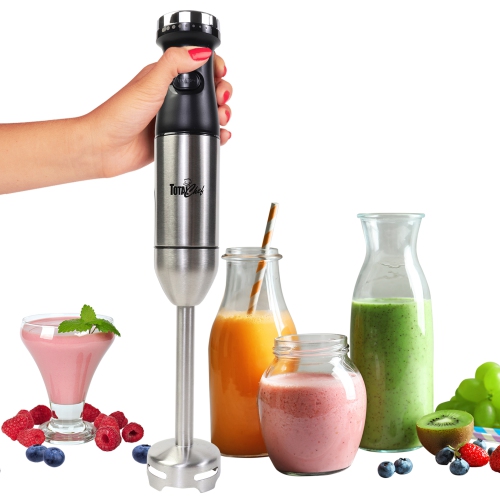
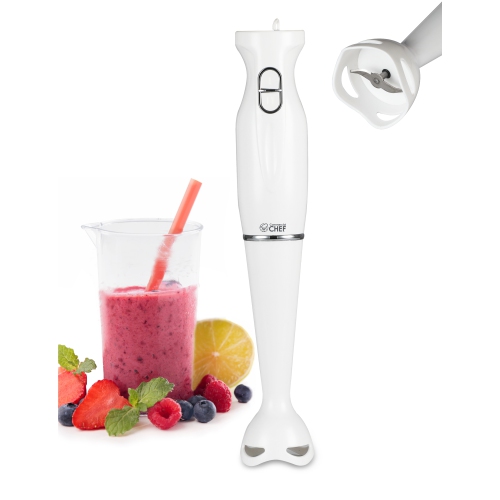
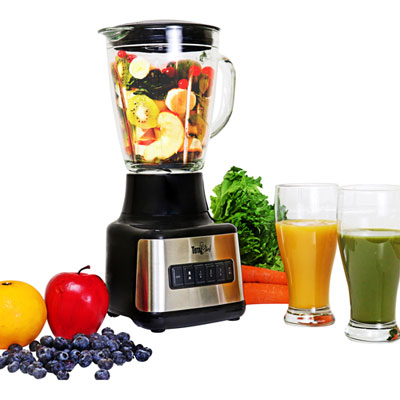
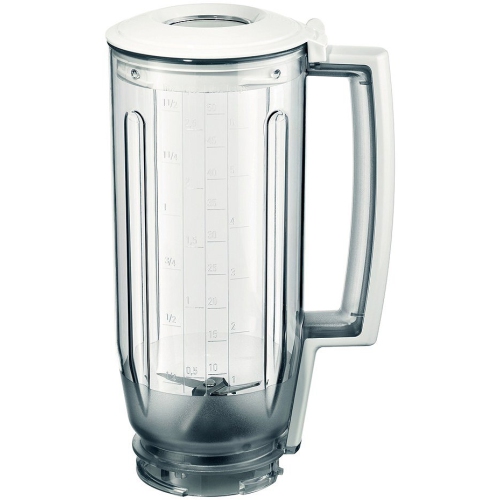
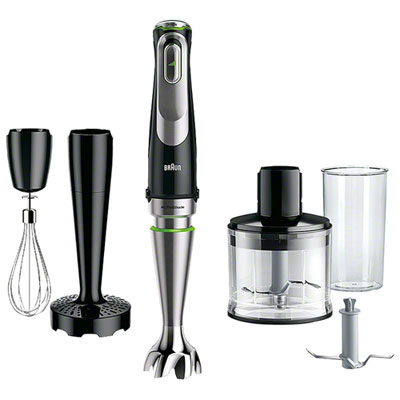
Soup blenders make it easier to turn everyday ingredients into smooth, comforting meals, whether you are preparing a quick lunch for one or a large pot for the household. In this category, the term can refer to several types of appliances. An immersion blender, also called a stick blender or hand blender, is a compact wand that blends ingredients directly in a saucepan, Dutch oven, or other cooking vessel. It is especially useful for pureeing potato and leek soup, tomato soup, squash soup, lentil soup, and sauces without transferring hot contents into a separate jar. Because it is easy to store and quick to rinse, an immersion blender suits cooks who value convenience, make smaller batches, or already have a favourite stovetop pot. A countertop soup blender offers a different approach, often combining blending and heating in one appliance. Depending on the model, it may chop or puree ingredients, cook them with an integrated heating element, and keep the finished soup warm for serving. This all-in-one format can be helpful in a busy kitchen, a small household, or any home where a warm meal needs to be prepared with minimal supervision. Some countertop blenders are designed for both hot and cold recipes, allowing the same appliance to handle smoothies, sauces, dips, and chilled drinks between batches of soup. High-speed countertop blenders without a built-in heating element can also produce exceptionally smooth results, although ingredients generally need to be cooked first and added according to the manufacturer’s instructions. The right style depends on how much soup you make, whether you prefer hands-on cooking or automated programs, how much counter space is available, and whether you want one appliance for several kitchen tasks.
When comparing soup blenders, start with capacity and serving size. A smaller jar or compact immersion blender may be well suited to individual portions, while a larger container can help prepare enough soup for lunches, family dinners, or planned leftovers. Consider the texture you prefer as well. A blender with multiple speed settings can give you control over a rustic, slightly chunky finish or a fine, velvety puree, while preset programmes may simplify recipes that require timed cooking and blending. Power, blade design, and motor performance can affect how smoothly fibrous vegetables, cooked legumes, and tougher ingredients are processed. For immersion models, a comfortable grip, intuitive controls, and a detachable blending shaft can make a noticeable difference during longer recipes. A guard around the blade can help protect cookware, particularly when blending directly in non-stick pots. For countertop models, look for a stable base, a secure lid, a heat-resistant jar, and controls that are straightforward to use while ingredients are hot. A wide opening can make adding chopped vegetables easier, while a measuring guide can help with broth and liquid ratios. Cleanup is another practical consideration: removable components, dishwasher-safe parts where permitted, and smooth surfaces can make the appliance more inviting for everyday use. Always follow the instructions supplied with the blender, especially when working with hot liquids. Begin at a low speed, keep the blade or lid securely positioned, avoid overfilling, and allow steam to escape only as directed. With a standard countertop blender that is not designed for hot ingredients, cool soup before blending and leave room for expansion. When using a heated soup blender, use its venting and locking features correctly, and never remove the lid while the contents are actively steaming unless the instructions specifically allow it.
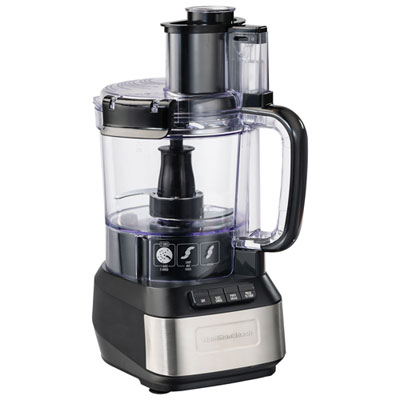
Soup blenders can be a thoughtful gift for a home cook setting up a first kitchen, a student living in a smaller space, or anyone who enjoys making nourishing meals from simple ingredients. They can also be useful for households looking to prepare make-ahead lunches, smooth purees for young children, or easy dinners during the cooler months, when the aroma of simmering vegetables and herbs makes the kitchen feel especially welcoming. An immersion blender is often a practical choice for someone who has limited storage or already owns quality cookware, while a heated countertop model may appeal to a recipient who appreciates guided programmes and fewer separate cooking steps. Before choosing, think about the recipient’s cooking habits, available counter space, preferred batch size, and comfort with manual controls. Someone who enjoys experimenting may appreciate variable speeds and versatile blending accessories; a busy cook may prefer automatic settings, keep-warm functions, and a simple cleaning routine. Soup-focused shoppers who want to compare related food-preparation options can also explore Soup Food Processors for appliances that chop, slice, grate, or prepare ingredients before they reach the pot. Whether you choose a handheld blender for direct, low-mess pureeing or a countertop appliance that cooks and blends in one container, a soup blender can bring consistency and convenience to meals built around fresh vegetables, stock, beans, grains, and seasonings. It is the sort of kitchen tool that earns its place through repeated use: a quick roasted pepper soup after work, a creamy cauliflower puree for a weekend dinner, or a batch of hearty soup portioned out for the days ahead.
When comparing soup blenders, start with capacity and serving size. A smaller jar or compact immersion blender may be well suited to individual portions, while a larger container can help prepare enough soup for lunches, family dinners, or planned leftovers. Consider the texture you prefer as well. A blender with multiple speed settings can give you control over a rustic, slightly chunky finish or a fine, velvety puree, while preset programmes may simplify recipes that require timed cooking and blending. Power, blade design, and motor performance can affect how smoothly fibrous vegetables, cooked legumes, and tougher ingredients are processed. For immersion models, a comfortable grip, intuitive controls, and a detachable blending shaft can make a noticeable difference during longer recipes. A guard around the blade can help protect cookware, particularly when blending directly in non-stick pots. For countertop models, look for a stable base, a secure lid, a heat-resistant jar, and controls that are straightforward to use while ingredients are hot. A wide opening can make adding chopped vegetables easier, while a measuring guide can help with broth and liquid ratios. Cleanup is another practical consideration: removable components, dishwasher-safe parts where permitted, and smooth surfaces can make the appliance more inviting for everyday use. Always follow the instructions supplied with the blender, especially when working with hot liquids. Begin at a low speed, keep the blade or lid securely positioned, avoid overfilling, and allow steam to escape only as directed. With a standard countertop blender that is not designed for hot ingredients, cool soup before blending and leave room for expansion. When using a heated soup blender, use its venting and locking features correctly, and never remove the lid while the contents are actively steaming unless the instructions specifically allow it.
Soup blenders can be a thoughtful gift for a home cook setting up a first kitchen, a student living in a smaller space, or anyone who enjoys making nourishing meals from simple ingredients. They can also be useful for households looking to prepare make-ahead lunches, smooth purees for young children, or easy dinners during the cooler months, when the aroma of simmering vegetables and herbs makes the kitchen feel especially welcoming. An immersion blender is often a practical choice for someone who has limited storage or already owns quality cookware, while a heated countertop model may appeal to a recipient who appreciates guided programmes and fewer separate cooking steps. Before choosing, think about the recipient’s cooking habits, available counter space, preferred batch size, and comfort with manual controls. Someone who enjoys experimenting may appreciate variable speeds and versatile blending accessories; a busy cook may prefer automatic settings, keep-warm functions, and a simple cleaning routine. Soup-focused shoppers who want to compare related food-preparation options can also explore Soup Food Processors for appliances that chop, slice, grate, or prepare ingredients before they reach the pot. Whether you choose a handheld blender for direct, low-mess pureeing or a countertop appliance that cooks and blends in one container, a soup blender can bring consistency and convenience to meals built around fresh vegetables, stock, beans, grains, and seasonings. It is the sort of kitchen tool that earns its place through repeated use: a quick roasted pepper soup after work, a creamy cauliflower puree for a weekend dinner, or a batch of hearty soup portioned out for the days ahead.
Top selling and popular products
-
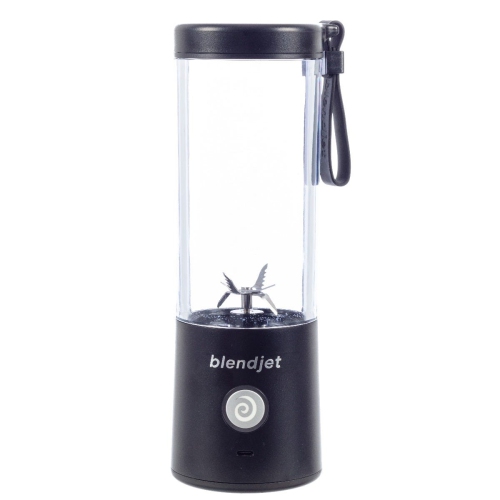 Your price for this item is $29.99
 -
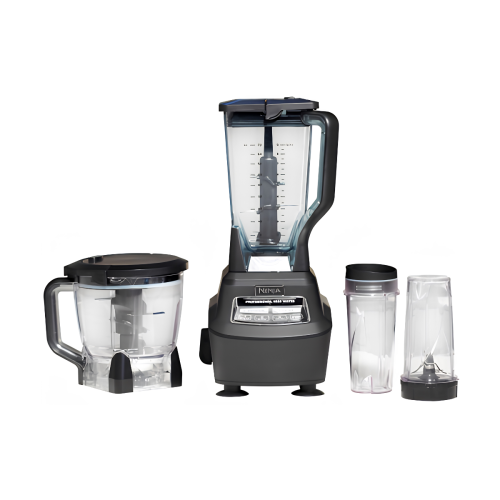 Your price for this item is $239.99
 -
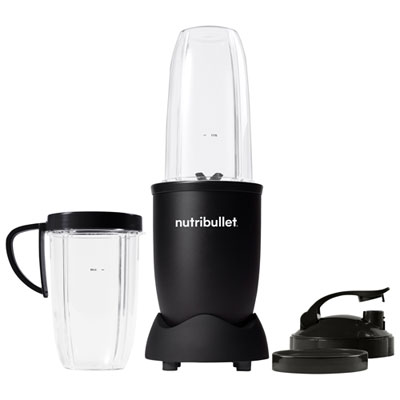 Your price for this item is $99.99
 -
 Your price for this item is $79.99
 -
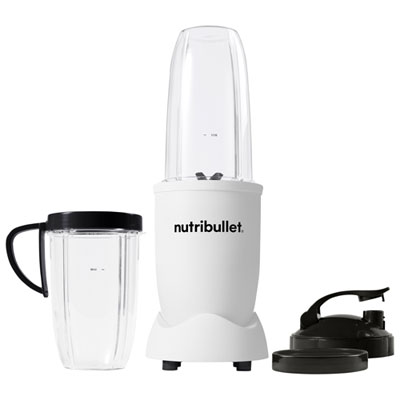 Your price for this item is $99.99
 -
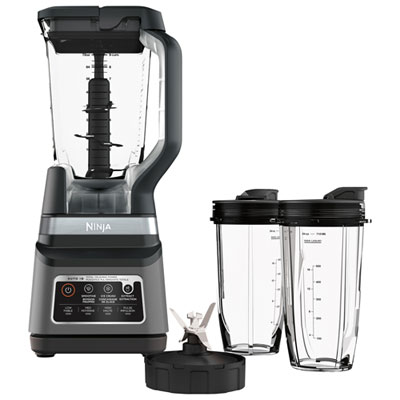 Your price for this item is $169.99
 -
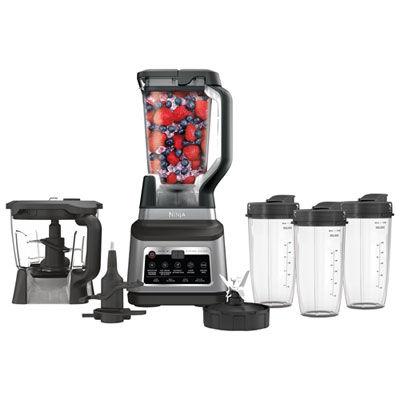 Your price for this item is $299.99
 -
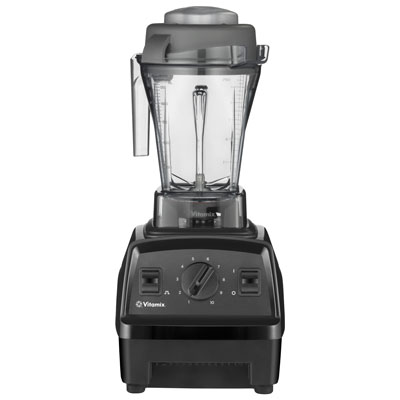 Your price for this item is $499.99
Discover more categories related to Soup Blenders
Top Collections:
Pokemon Centers, Kindle Devices, Best Budget Office Chairs, Apple iPhones 16, Best Laptops for Writers, iPhone 15 Apple, Canon G7X Cameras, Refurbished Apple Laptops, Alarm Clock, Motorola Razr Phones
Some products may be subject to Environmental Handling Fees
(EHF) depending on your province.
Learn more about EHFs.