Compact Gas Ranges
Compact Gas Ranges are the perfect solution for kitchens where space is at a premium. Designed to fit seamlessly into smaller areas without sacrificing performance, these ranges offer efficient cooking options for apartments, condos, and cozy homes. Whether you're outfitting a studio or looking to maximize your kitchen layout, Compact Gas Ranges provide reliable functionality in a streamlined size. Explore a range of options to find the ideal fit for your culinary needs and available space.
Sort
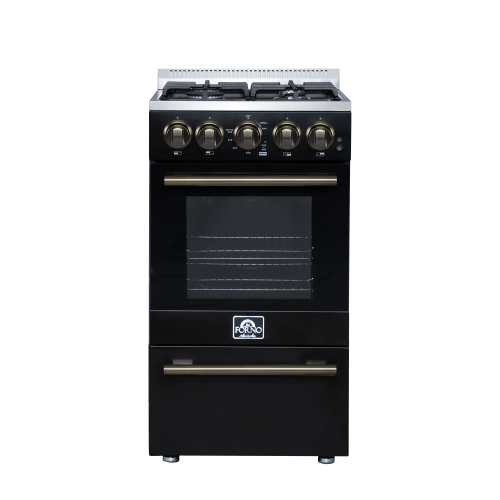
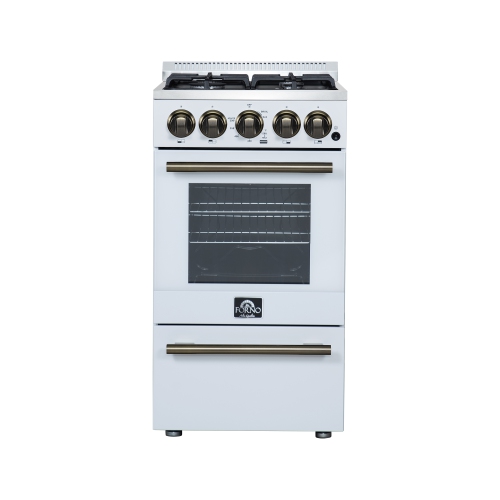
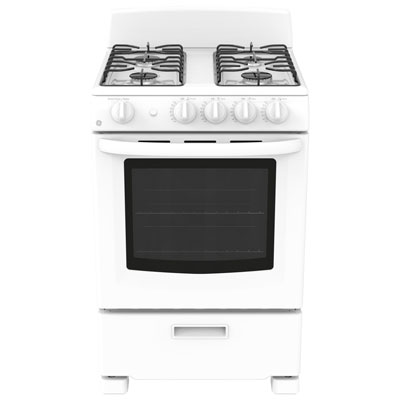
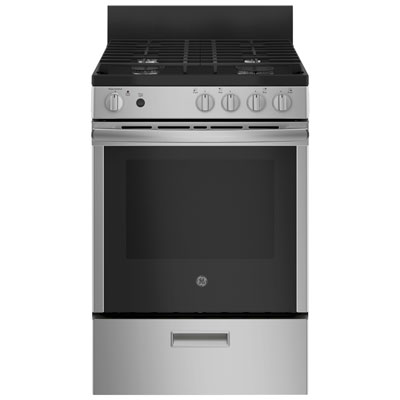
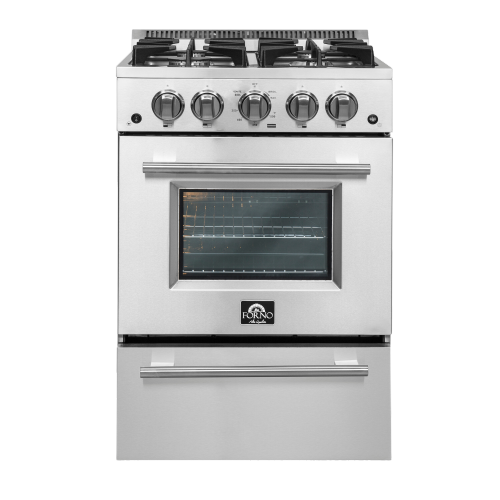
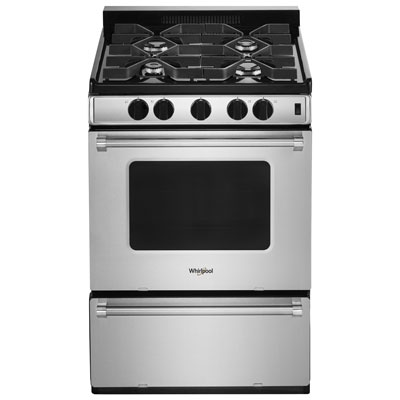
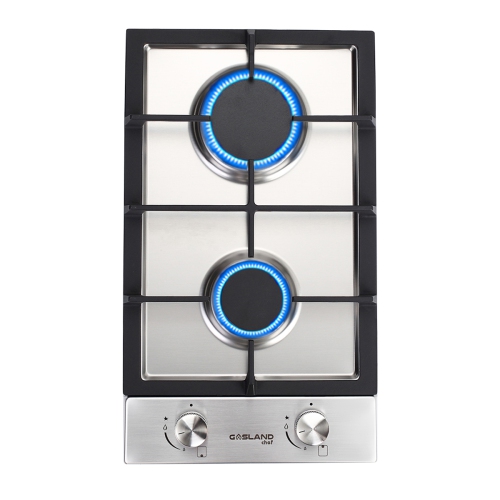
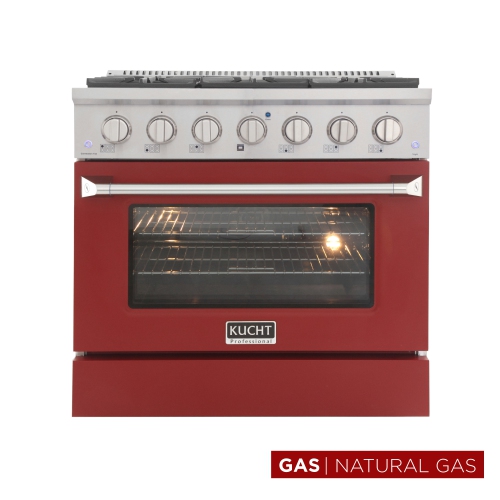

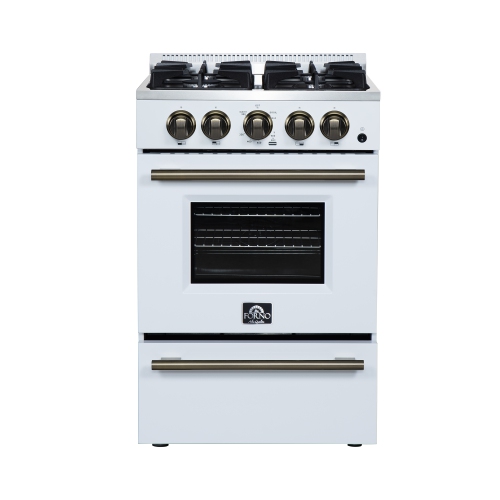
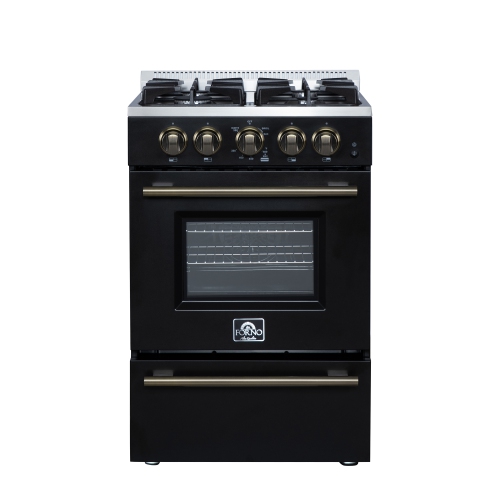
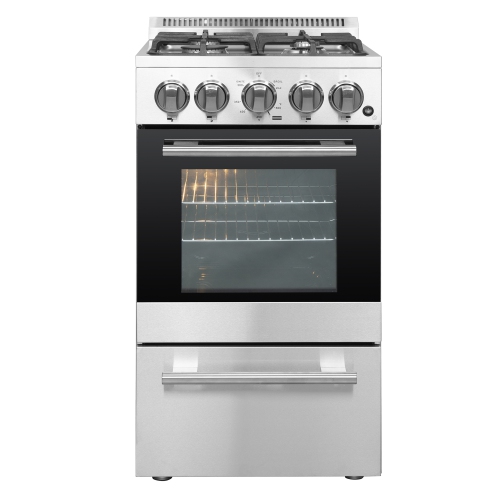

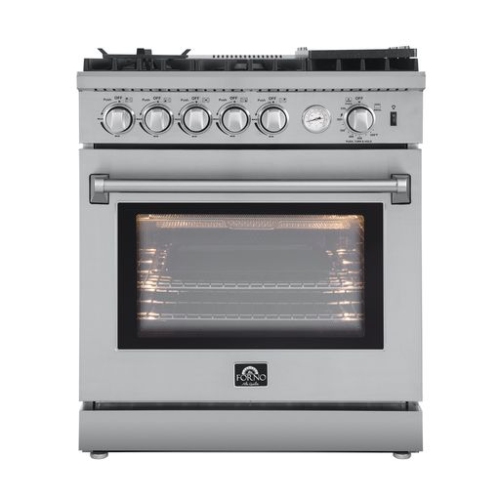
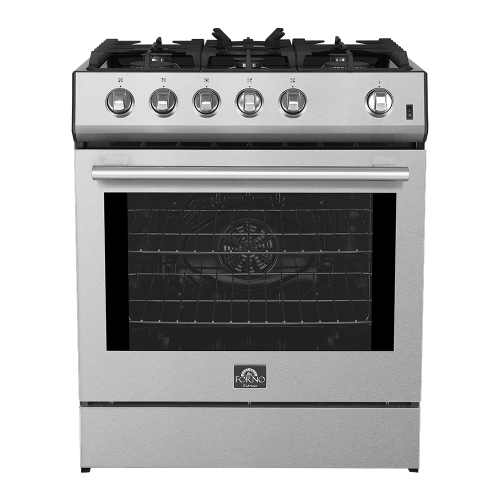
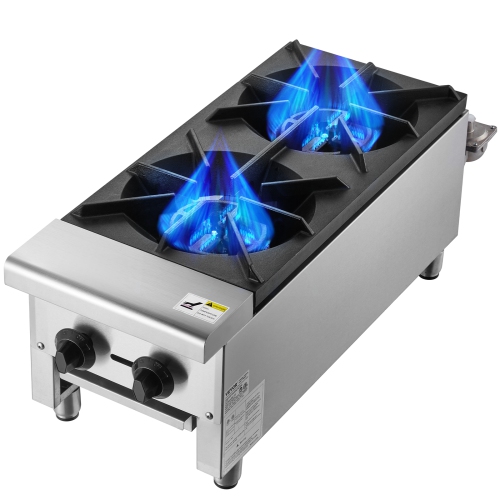
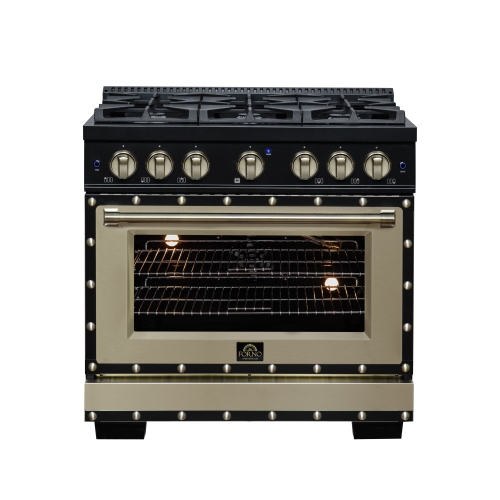
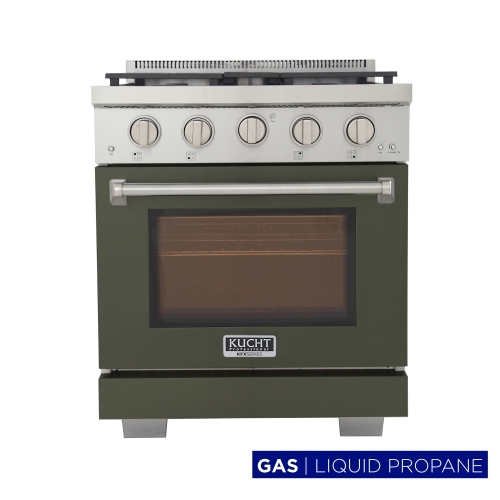

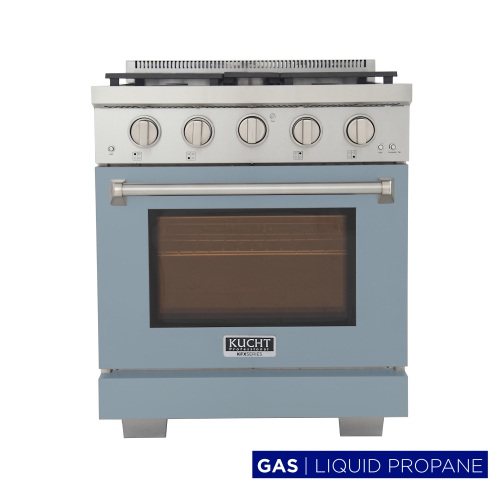
Everyday stovetop and oven cooking in less space
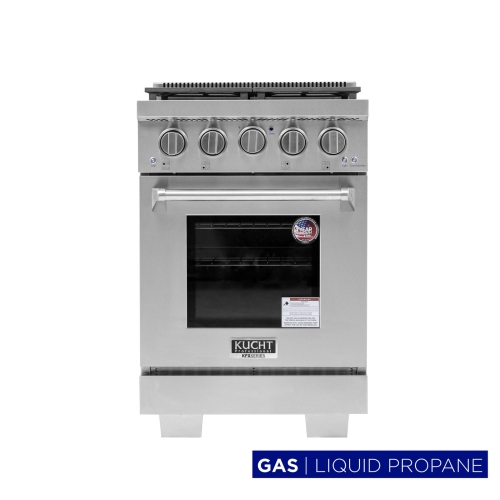
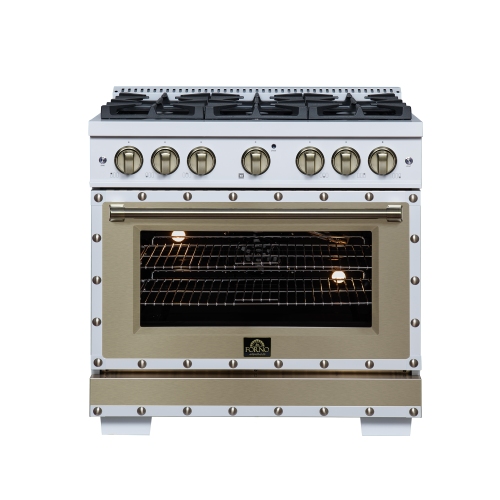
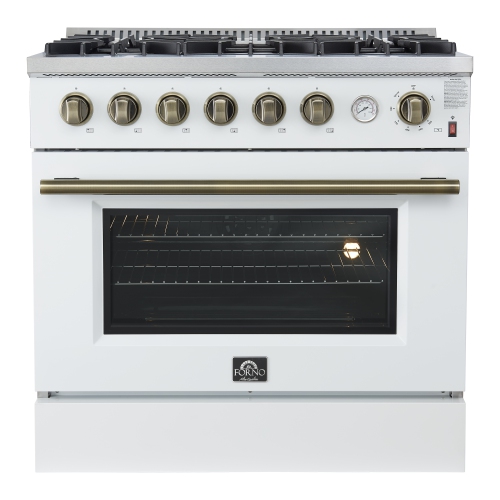
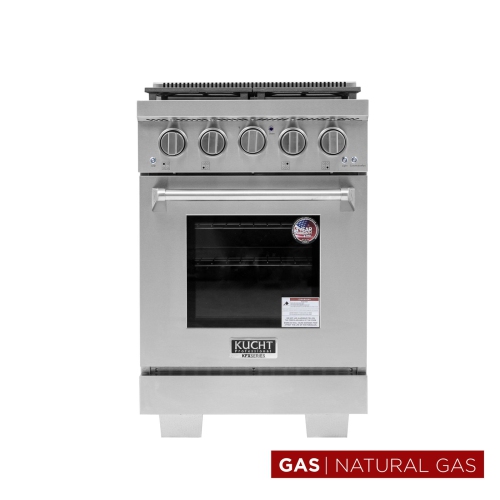
Compact gas ranges combine a gas cooktop and an oven in a single appliance with a narrower footprint, commonly in 20-inch and 24-inch widths. They suit apartments, condos, cottages, tiny homes, and other kitchens where a standard-width range would take up too much room. The appeal is straightforward: a smaller kitchen can still have a place to simmer soup, sauté vegetables, and bake a casserole without relying on separate countertop appliances for every task. Compact describes the appliance’s size, not a single set of features, so burner layouts, oven capacities, controls, and cleaning requirements vary. A narrower range can leave more room for a drawer bank or food preparation area, but the right fit depends on more than the width between two cabinets. Overall depth, handle projection, height, and the space needed to open the oven door all affect how comfortably the kitchen works. In a galley layout, an open oven door should not create an unexpected obstacle across the main walkway. Nearby drawers and cupboard doors also need room to move without striking the range or its controls. Manufacturer-specified clearances to cabinets and combustible surfaces remain important even when the appliance itself is small. Gas connections, electrical connections, and ventilation arrangements also need to work with the intended location. For renters and condo owners, building requirements and permission for installation can be just as important as physical dimensions. The Apartment Gas Ranges category is closely related to this space-conscious approach, with the same emphasis on combining everyday stovetop and oven cooking in a manageable footprint. Whether the kitchen serves one person or a small household, a well-matched compact range supports familiar meals while leaving room for the rest of daily life, from making coffee to setting down groceries. It can also make sense in a secondary kitchen, provided the space is approved for a gas appliance and has the required connections and ventilation. A smaller footprint is most useful when it improves the whole layout rather than simply fitting into an empty opening.
Cooking space is where the differences between compact gas ranges become especially noticeable. Many have four burners, but the distance between them and the shape of the grates determine how easily several pots can share the cooktop. A wide frying pan beside a saucepan may be a more useful test of the layout than the burner count alone. For someone who often cooks pasta and sauce together, enough separation for both pans matters; for someone who makes stews or braises, support for a heavier Dutch oven may take priority. Burner output also deserves attention. Higher-output burners can be useful for bringing water to a boil, while a controlled low flame is valuable for gently heating sauces or melting butter. Gas offers a visible flame and responsive heat adjustment, although low-heat performance depends on the burner design and correct setup. Grates should hold cookware steadily, and their arrangement affects whether a pan can be moved smoothly between burners. Cast-iron grates provide substantial support but can be heavy to lift for cleaning; coated surfaces require care to avoid damage. Stainless steel and enamel finishes each bring a different appearance and cleaning routine, with smooth areas around the burners making everyday splashes easier to reach. Inside the oven, usable dimensions matter as much as stated capacity. A favourite roasting pan, baking dish, or baking sheet needs enough clearance for proper placement and airflow, so familiar cookware is worth comparing with the oven’s interior measurements. Rack positions influence flexibility, particularly when a deeper casserole needs headroom or a dish needs to sit closer to the broiler. Convection, where included, circulates heated air, but recipes may need adjustments according to the appliance instructions. Oven lighting and a viewing window can make it easier to check browning without opening the door. Controls should also be comfortable to read and operate, especially in a narrow kitchen where reaching across hot cookware would be awkward. These practical details help distinguish a range that merely fits from one that feels comfortable through repeated breakfasts, weeknight dinners, and baking sessions.
Installation and regular care play a large part in how a compact gas range performs over time. The appliance must be compatible with the home’s fuel supply: a range configured for natural gas is not automatically ready for propane. Conversion is appropriate only when the manufacturer permits it, using the specified components and qualified installation service. Electrical requirements also vary, so the required power connection should be confirmed rather than assumed from the presence of gas burners. A qualified professional should handle the gas connection and any permitted conversion, with the range levelled and its anti-tip device installed as directed. Proper levelling helps cookware sit evenly and supports consistent baking, while the anti-tip device is an essential safety feature. Ventilation should follow local requirements and the appliance manufacturer’s instructions; a range hood can help remove cooking fumes, moisture, and grease. Gas cooking appliances should never be used to heat a room. Once installed, manageable cleaning routines help protect both appearance and function. Spills are usually easier to remove after surfaces have cooled and before residue has been repeatedly heated. Removable grates and burner caps can improve access, but cleaning methods differ by material, and parts should not be placed in a dishwasher unless the manufacturer specifically allows it. Burner caps need to be dry and correctly seated before use, and burner openings should be maintained according to the care instructions. Abrasive pads and harsh cleaners can damage some finishes, control markings, or coated components. The oven interior, door glass, and door seal also need their own care: forceful scrubbing or unsuitable cleaning products can cause damage rather than solve it. For durability, sturdy hinges, secure knobs, stable grates, and accessible replacement parts are useful considerations alongside finish and capacity. A compact gas range earns its place through reliable everyday use, with proportions that suit the room, cooking features that match the household’s habits, and surfaces that can be maintained without turning every meal into a lengthy cleanup.
Top selling and popular products
-
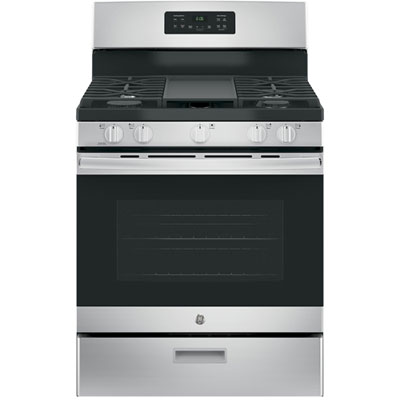 Your price for this item is $849.99
-
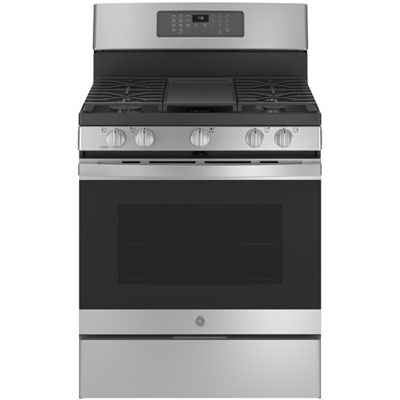 Your price for this item is $1099.99
-
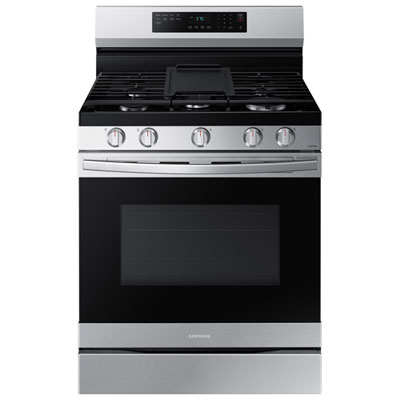 Your price for this item is $1395.99
-
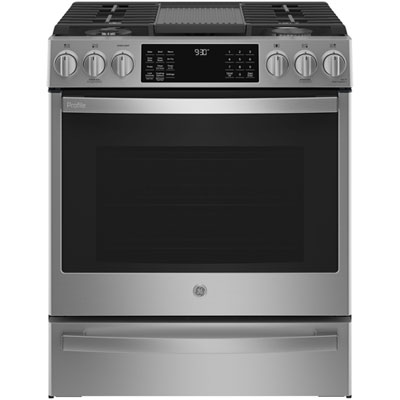 Your price for this item is $1799.99
-
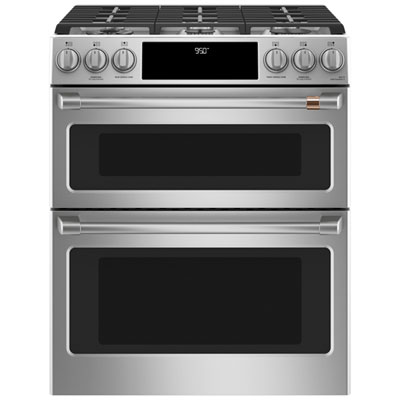 Your price for this item is $3599.99
-
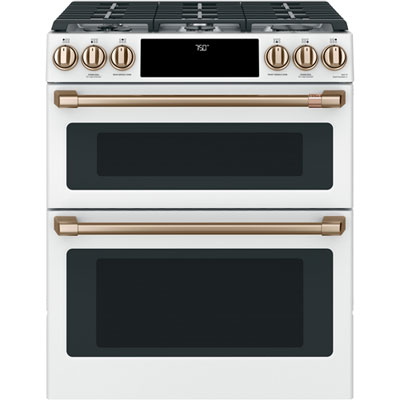 Your price for this item is $3499.99
-
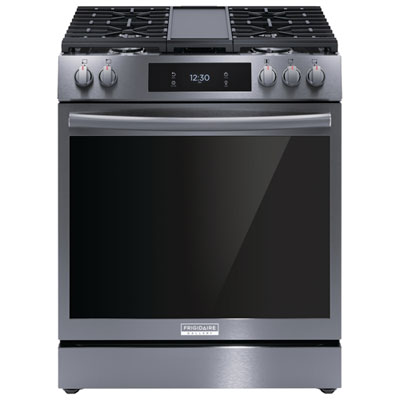 Your price for this item is $2099.99
-
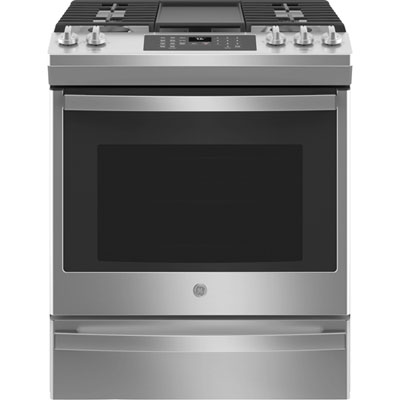 Your price for this item is $1299.99
Discover more categories related to Compact Gas Ranges

Top Collections:
Best Black Friday Deals This Year, Best Black Friday Deals On Electronics, Kindle Devices, Pokemon Centers, Best Black Friday Deals On Apple Products, Best Cameras for Sports Photography, Dyson Airwrap, Pokémon 30th Celebration Cards, Apple iPhone 17 Pro, Canon G7X Cameras
Some products may be subject to Environmental Handling Fees
(EHF) depending on your province.
Learn more about EHFs.