Natural Gas Ranges
If you're looking to upgrade your kitchen with a reliable and efficient cooking solution, look no further than these natural gas ranges. Designed to deliver precise temperature control and even heat distribution, these gas ranges are perfect for passionate home cooks and professional chefs alike. With their sleek designs and advanced features, these natural gas ranges offer a seamless blend of style and functionality. Whether you're simmering sauces, searing steaks, or baking mouthwatering desserts, these appliances are built to handle it all.
Sort
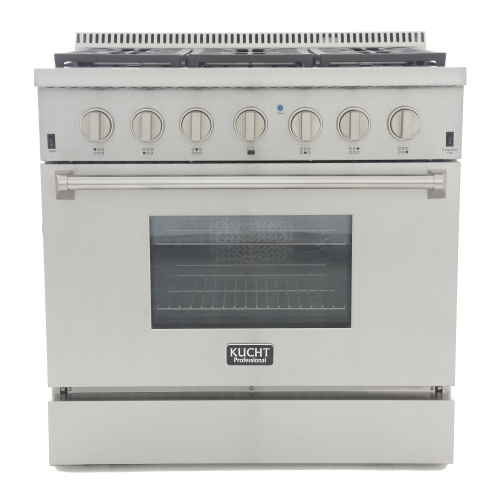
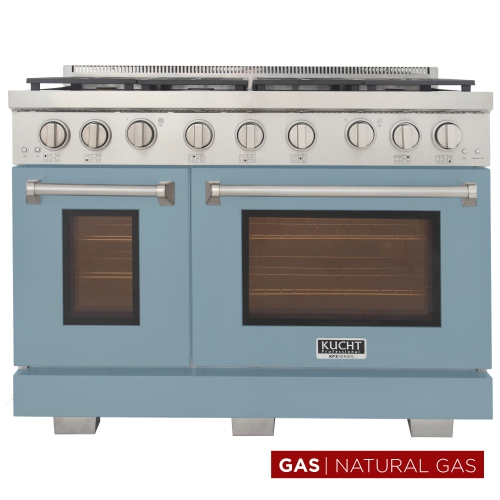
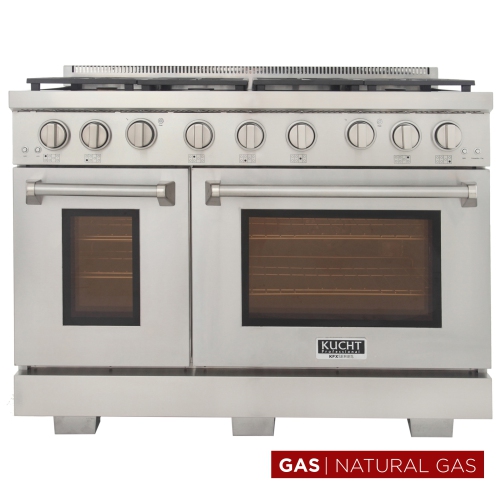
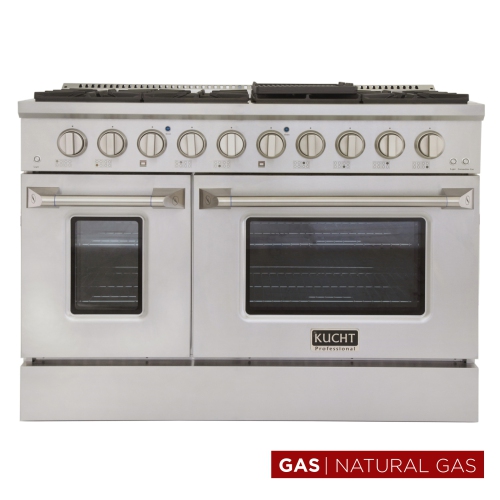

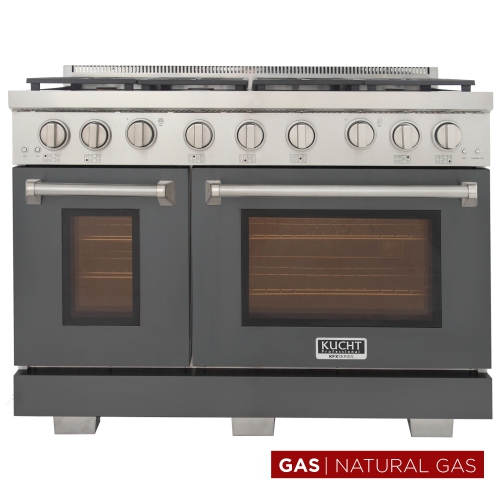
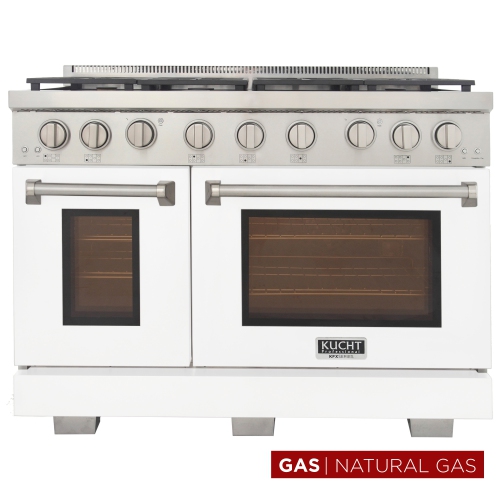

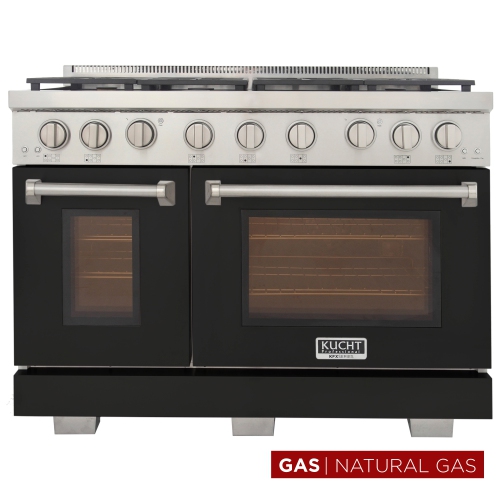
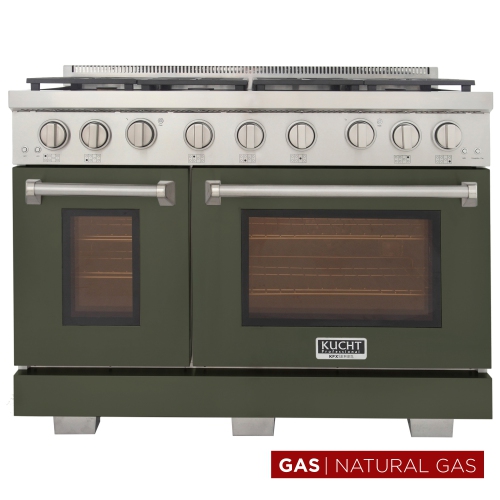


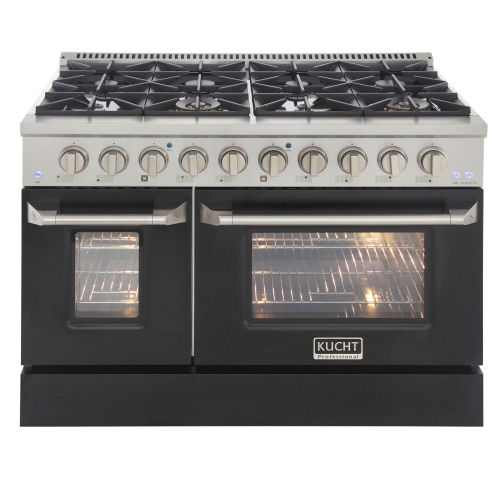
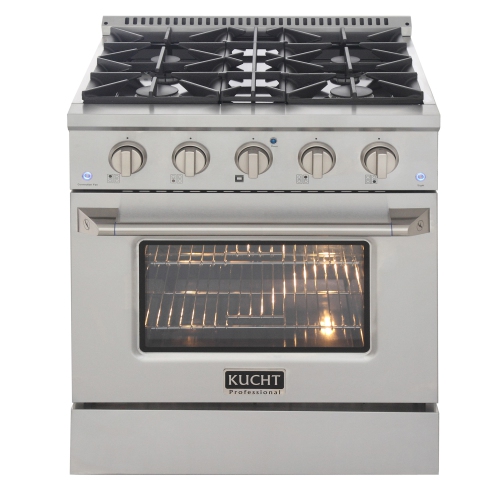
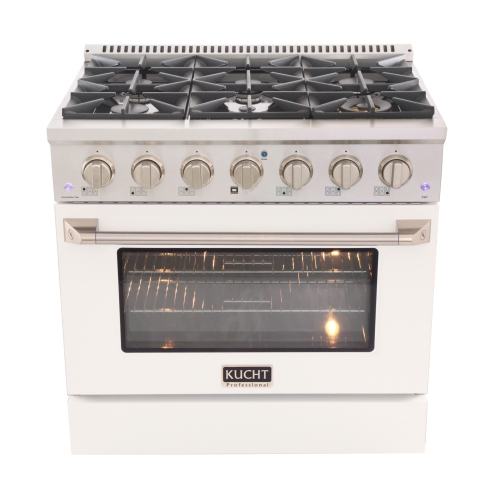
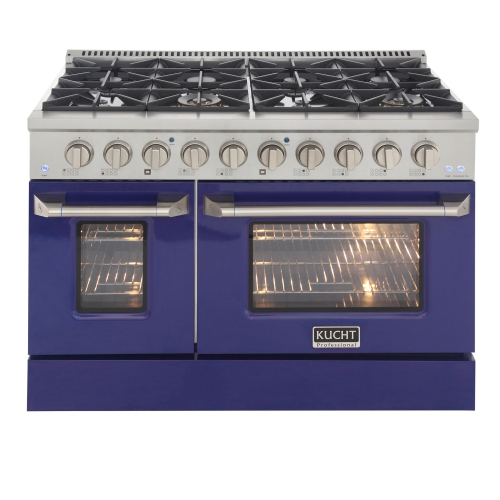
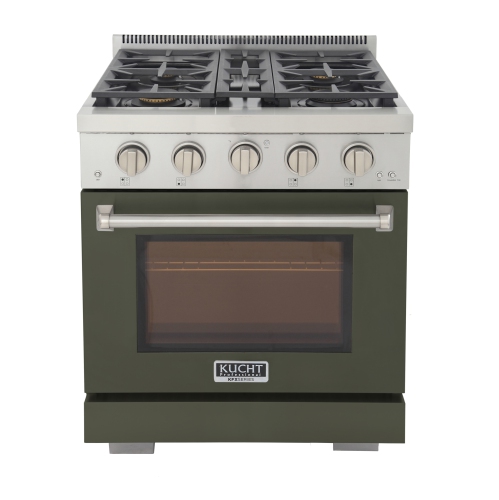
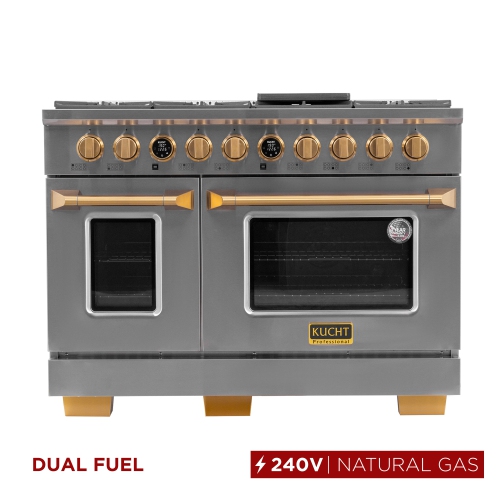
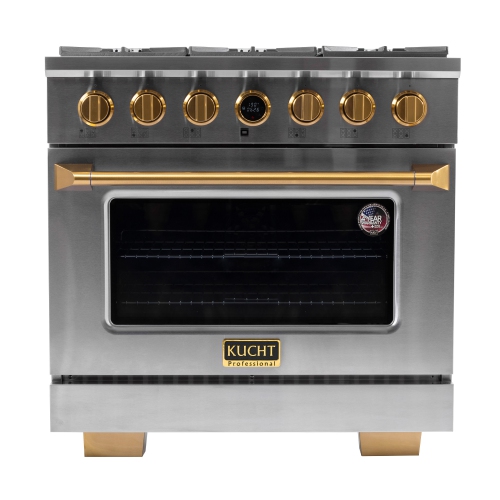
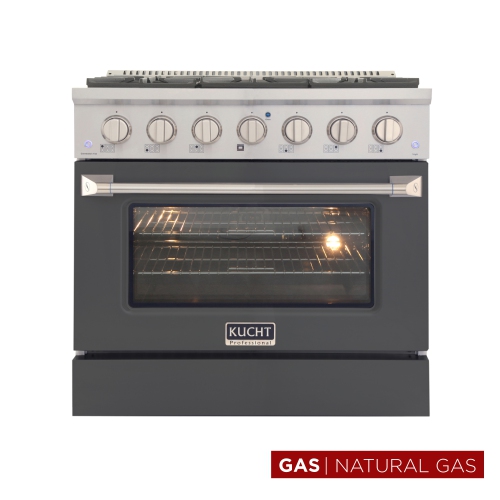
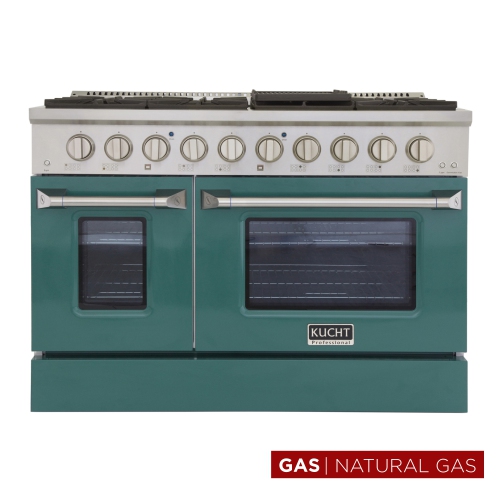
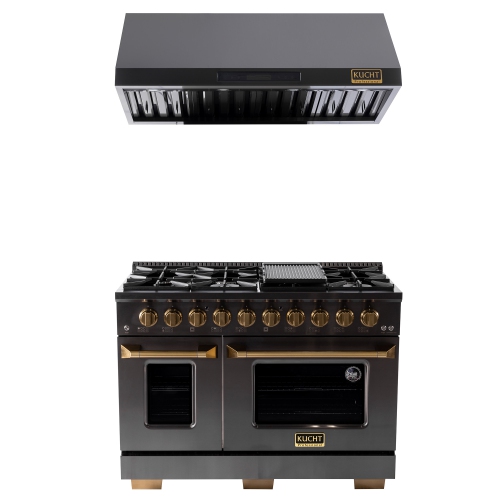
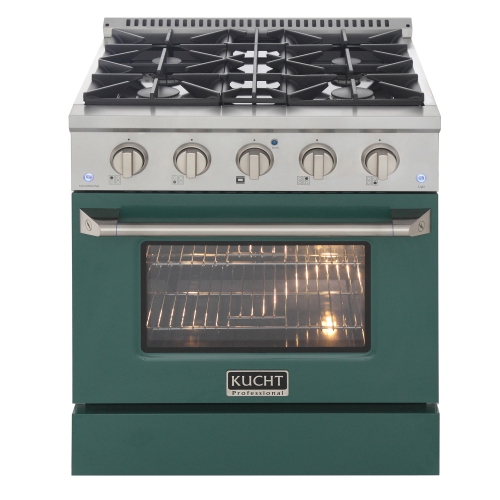

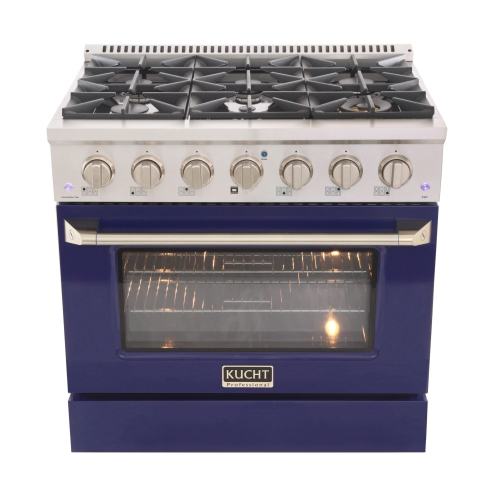


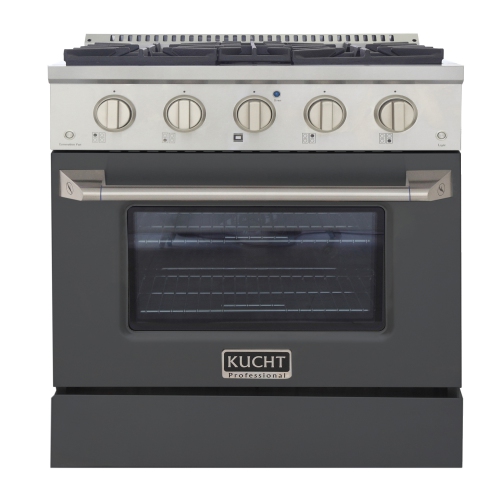
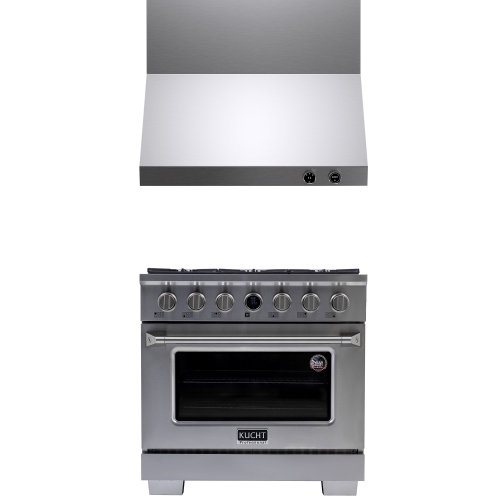
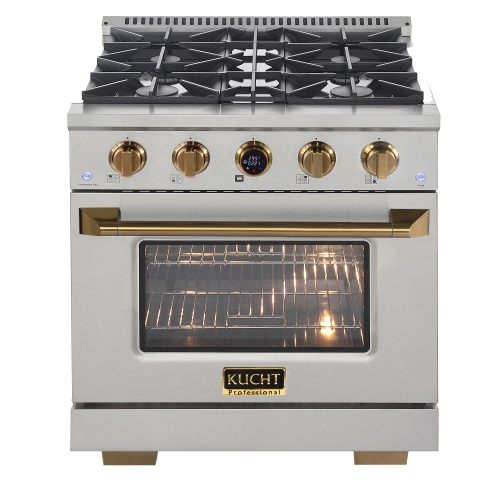
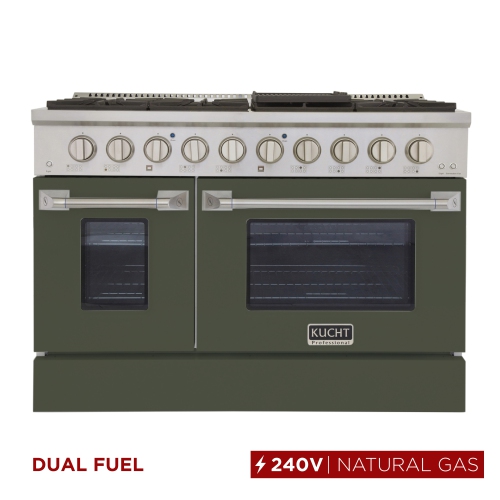


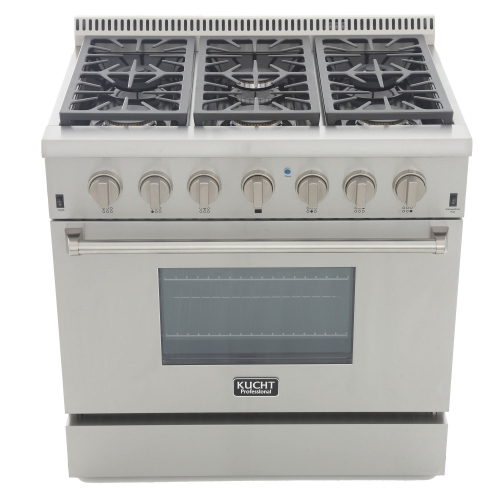
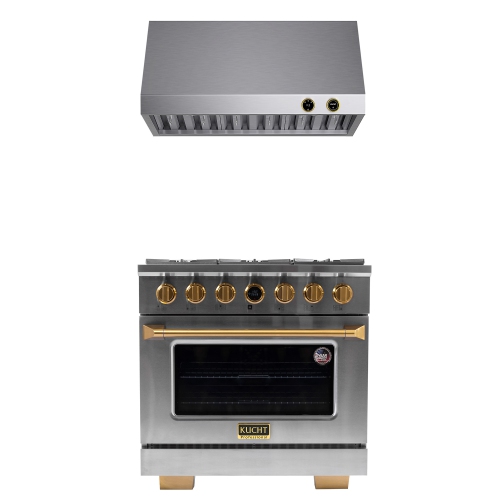
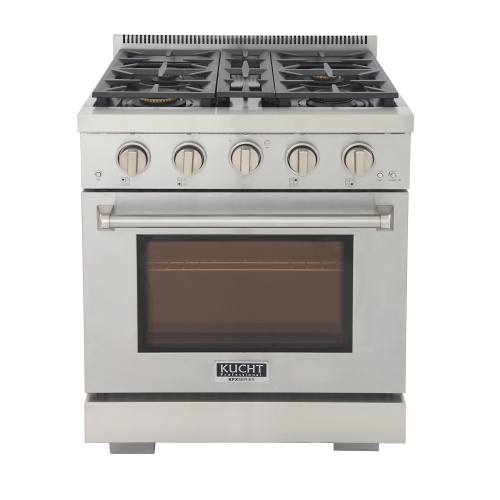
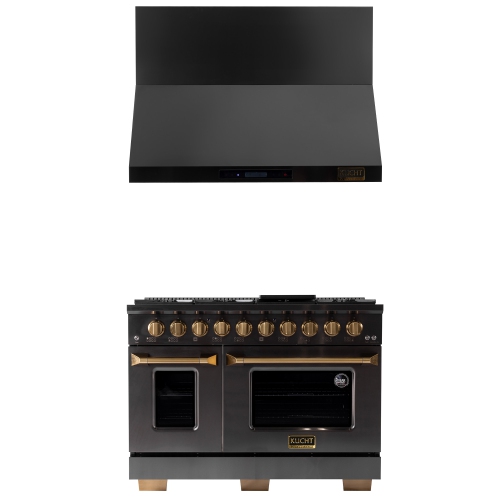
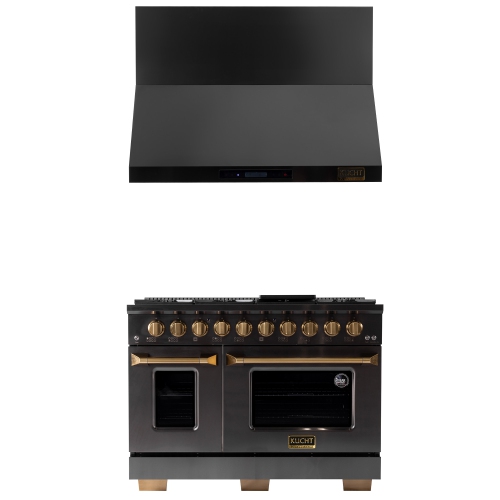
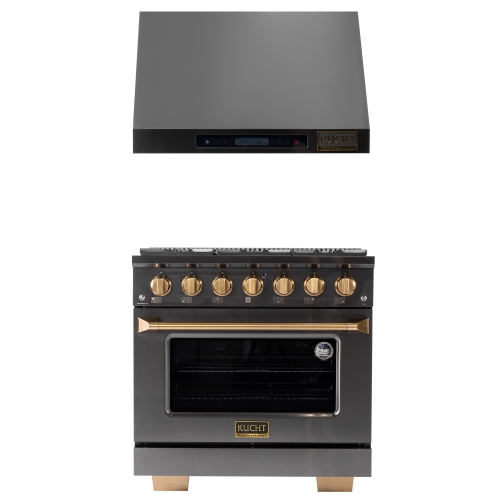
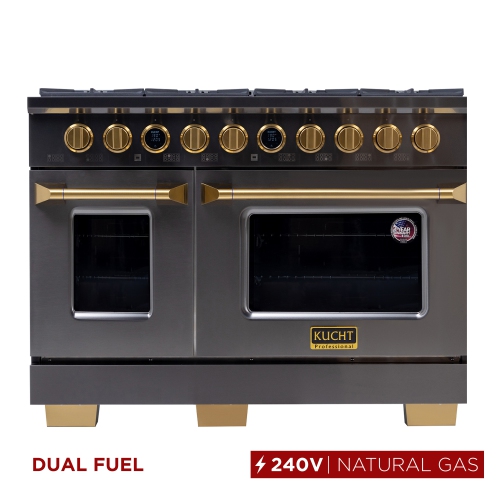
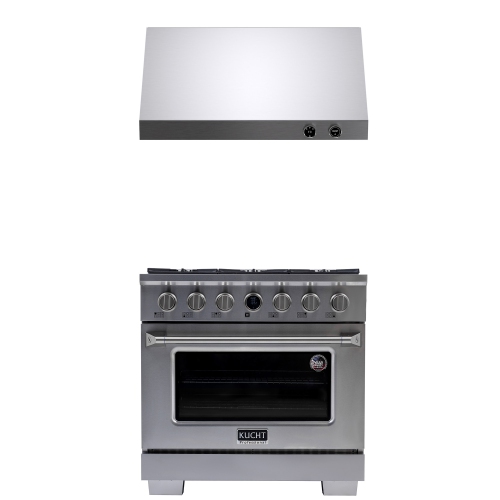
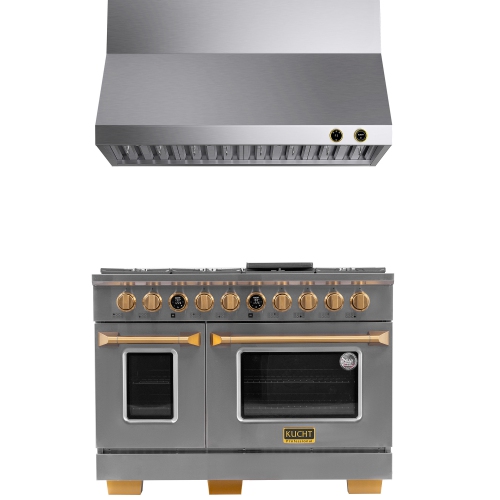
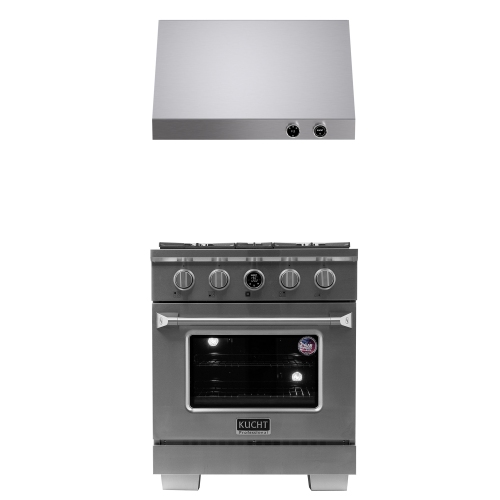


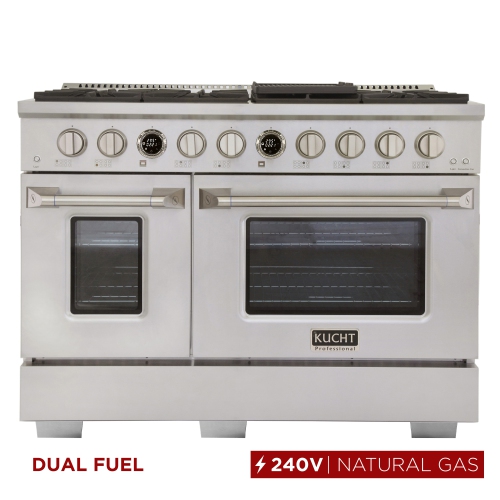
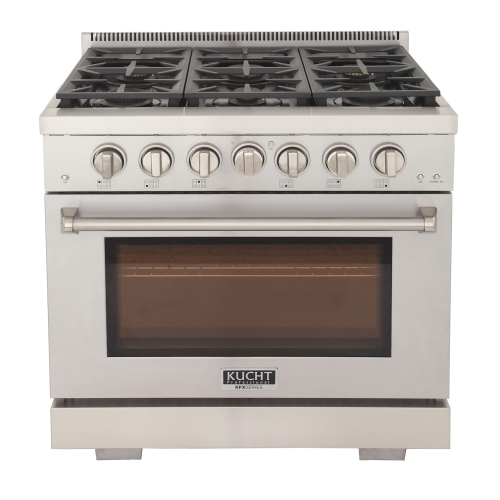
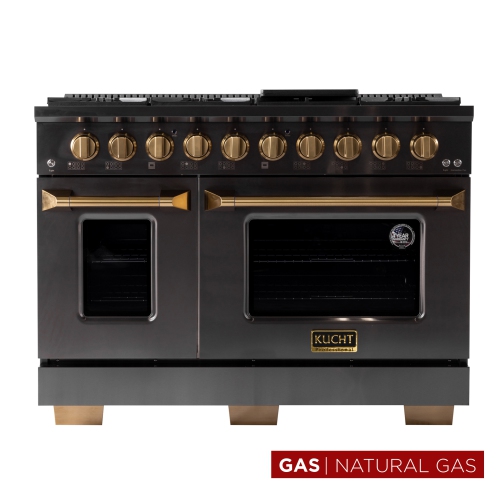
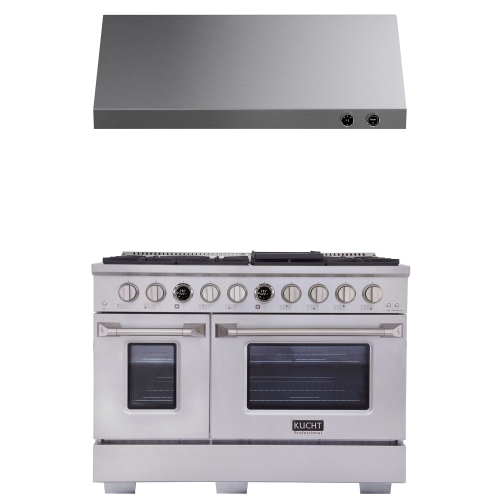
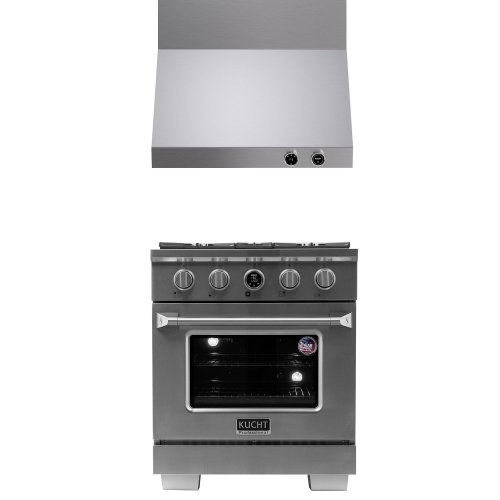
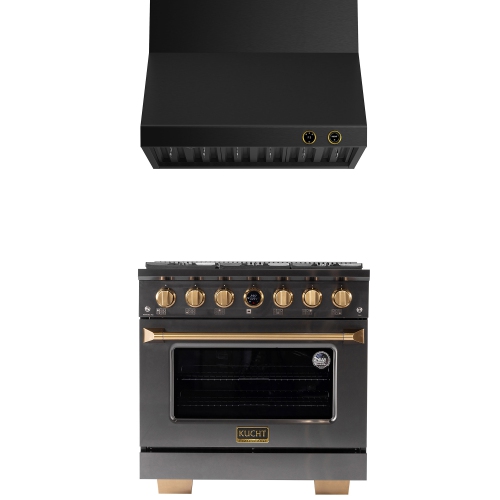
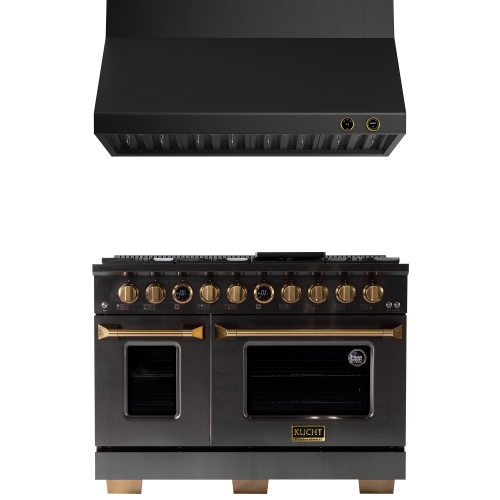

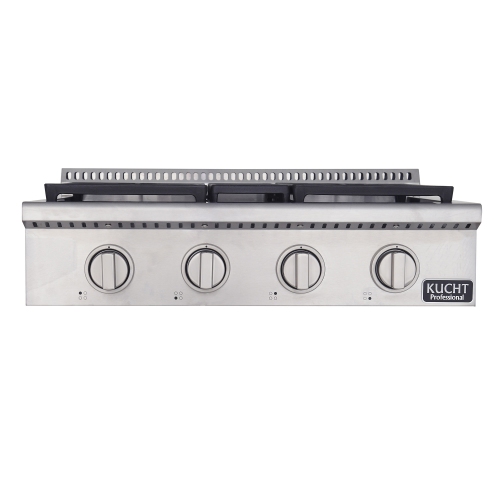
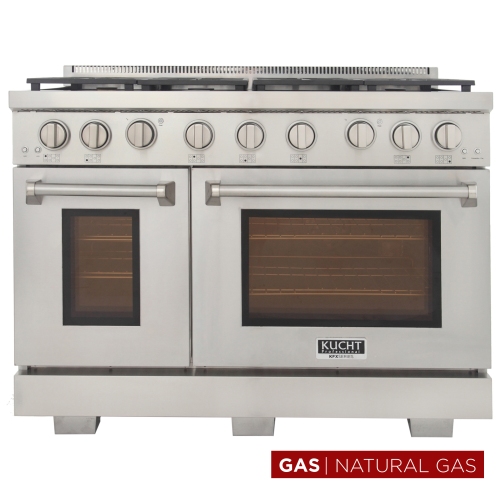
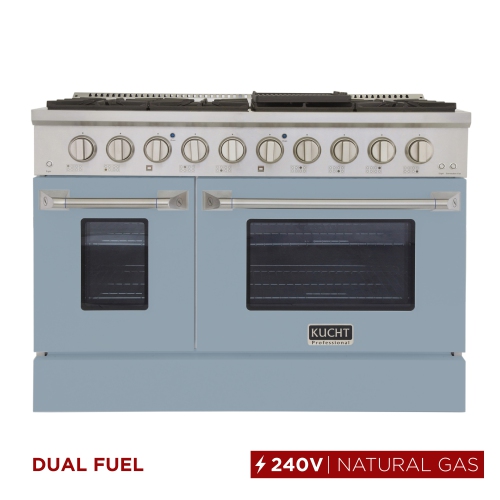
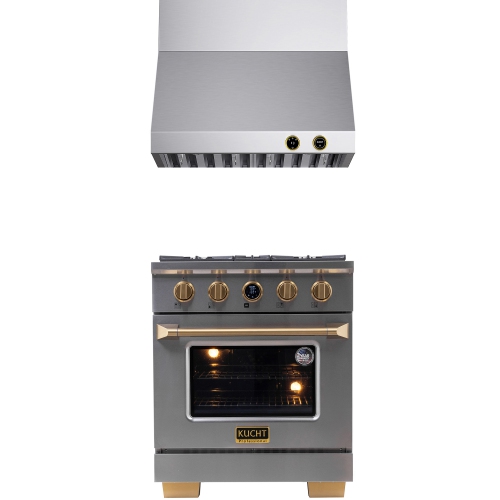

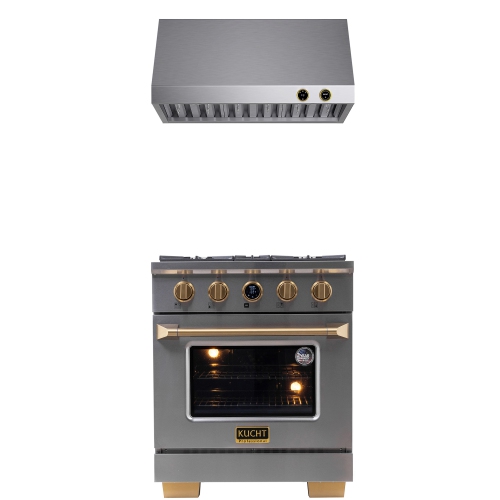
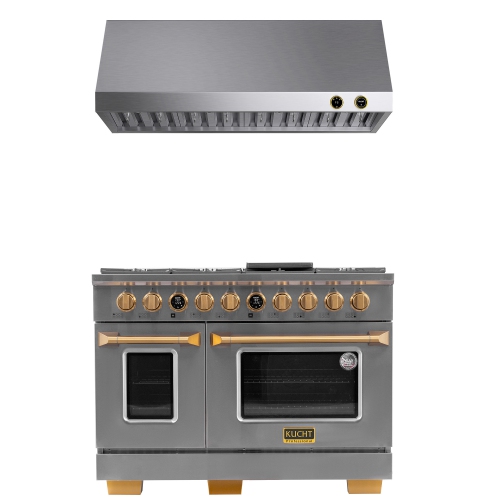
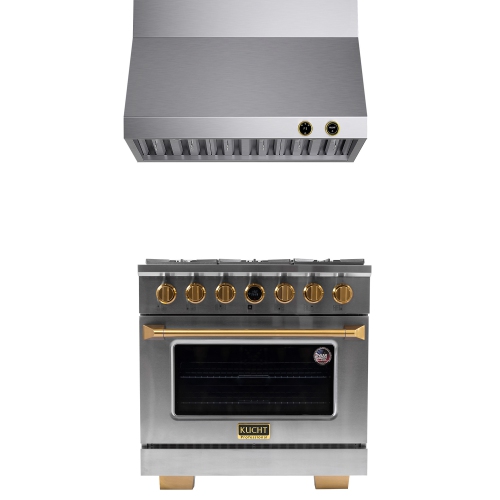
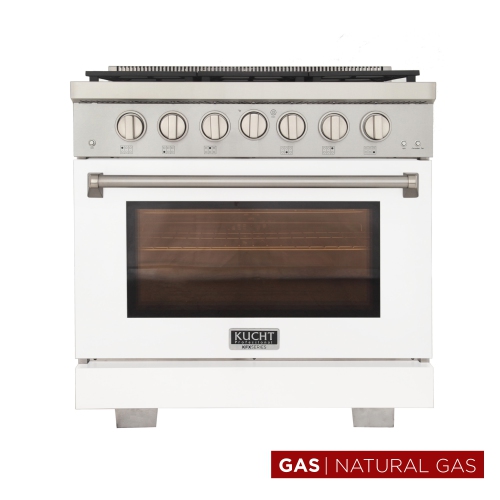
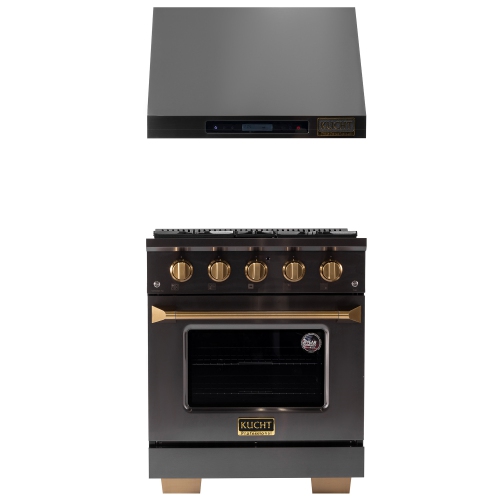
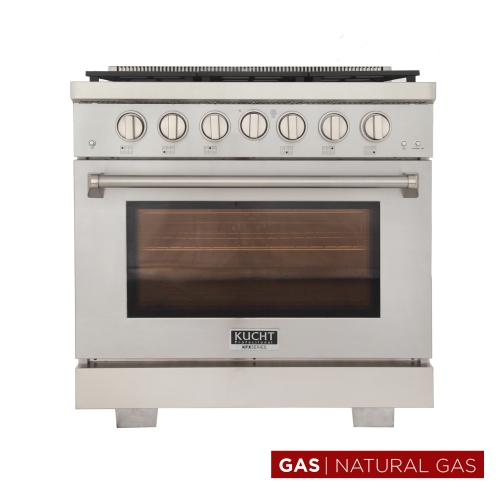
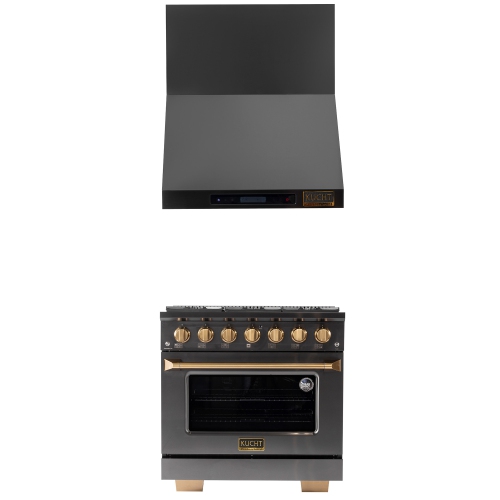
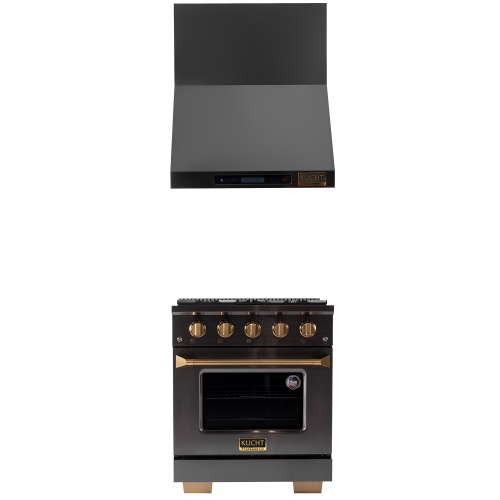
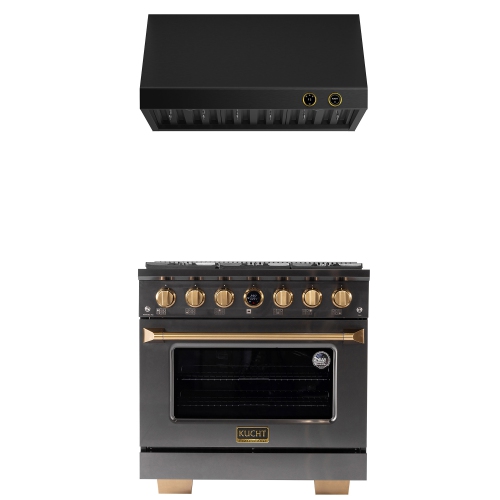
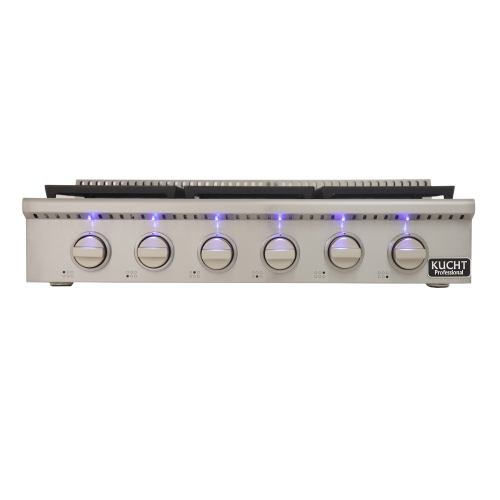
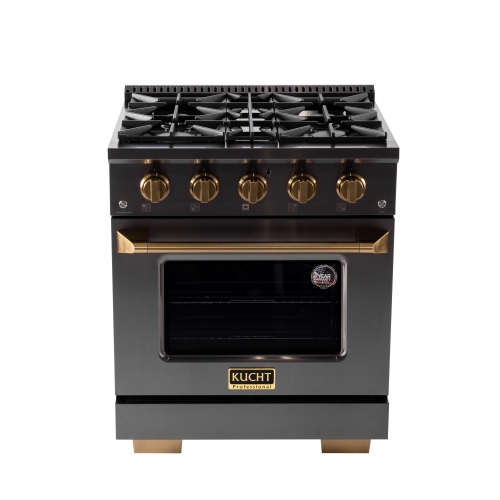
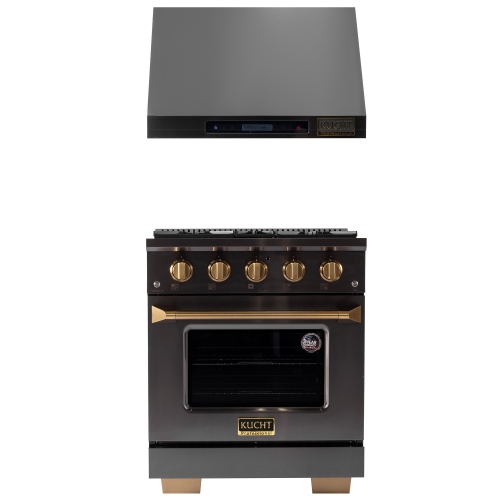
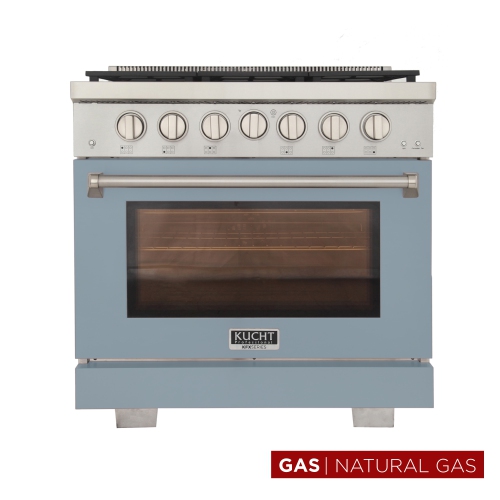
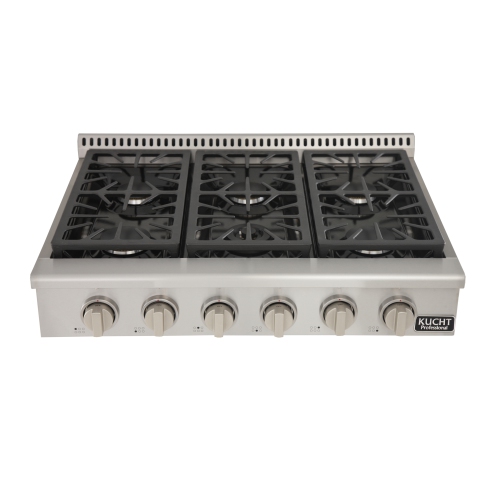
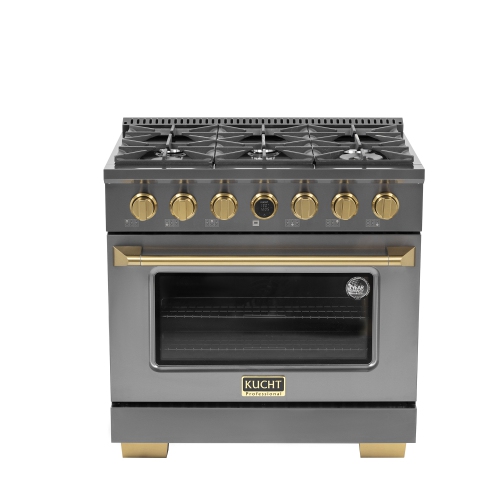

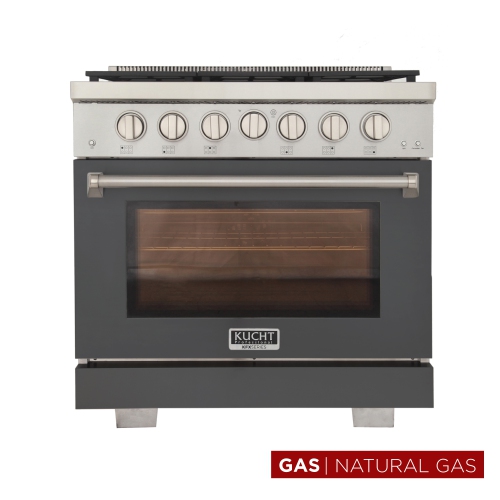
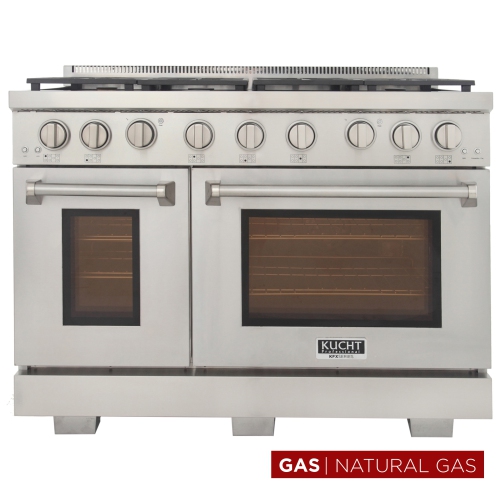
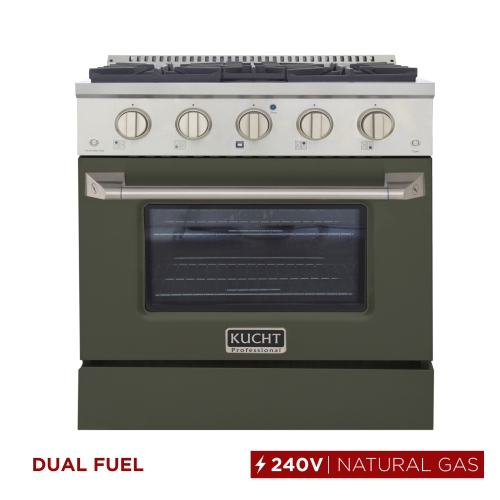
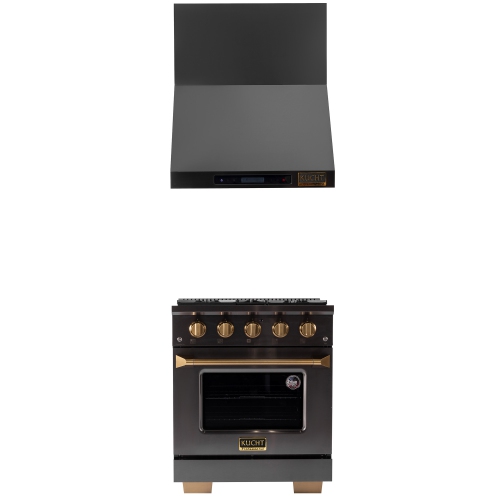
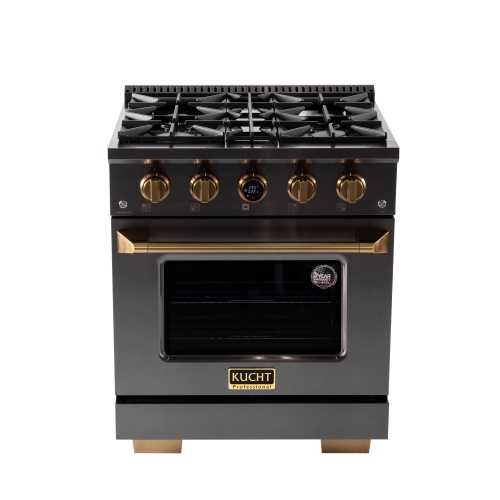
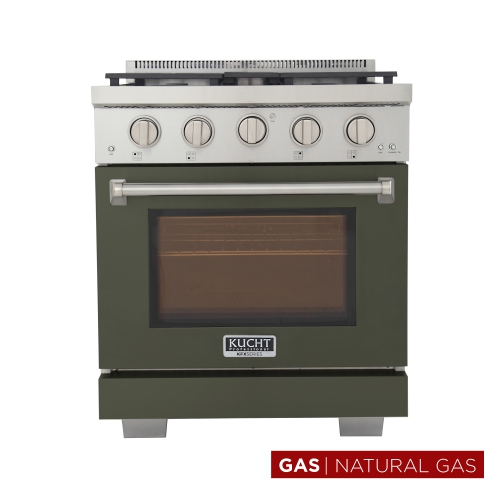
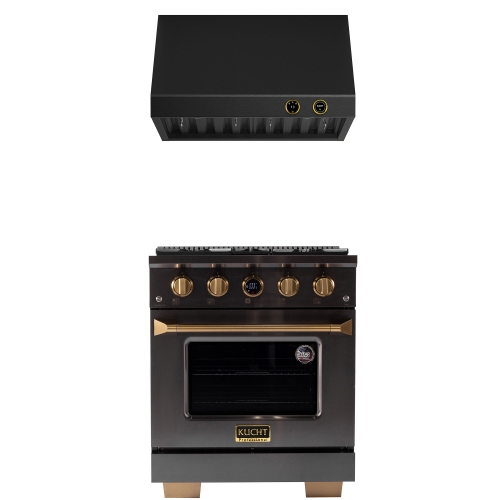
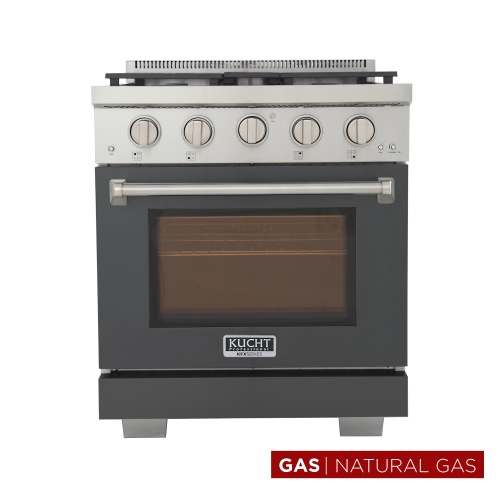
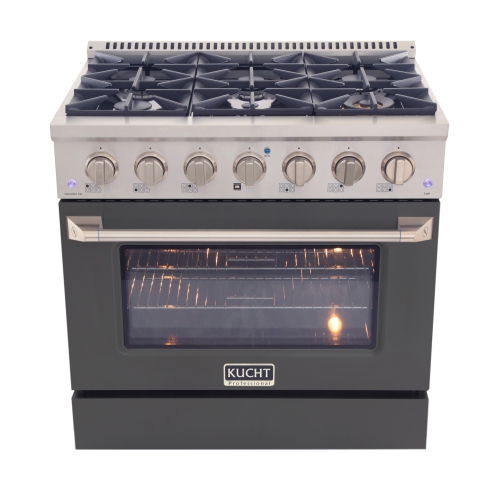
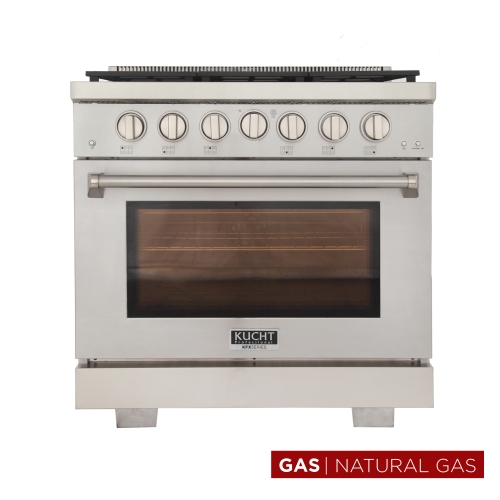
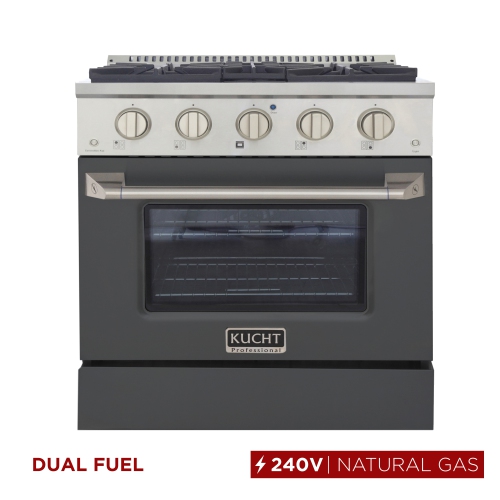
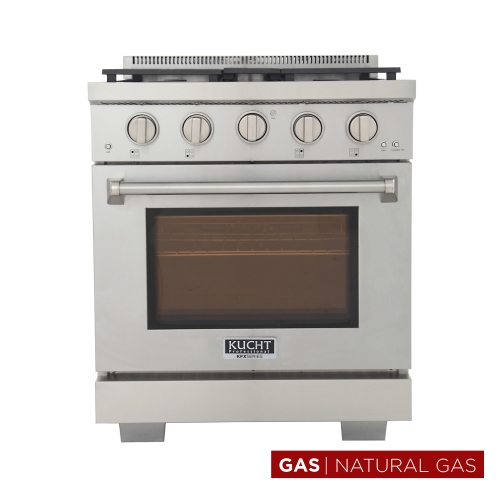
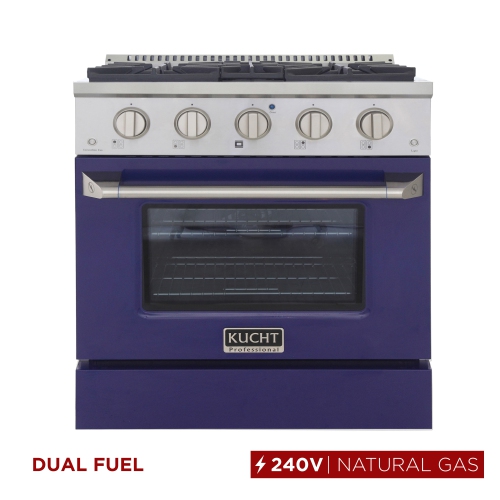
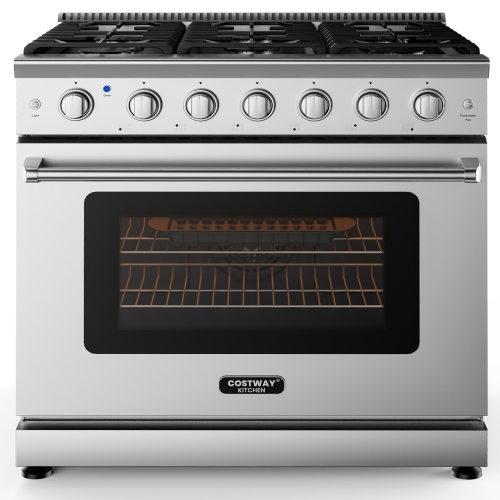
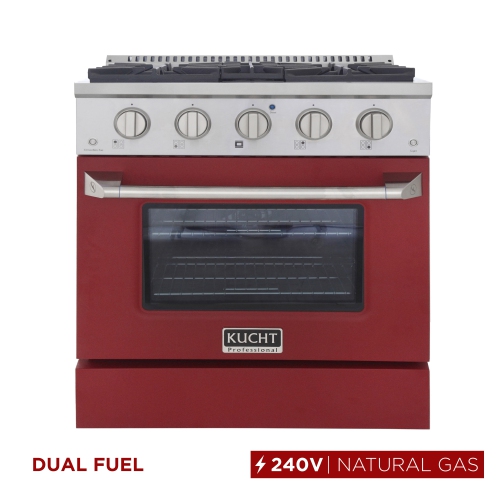
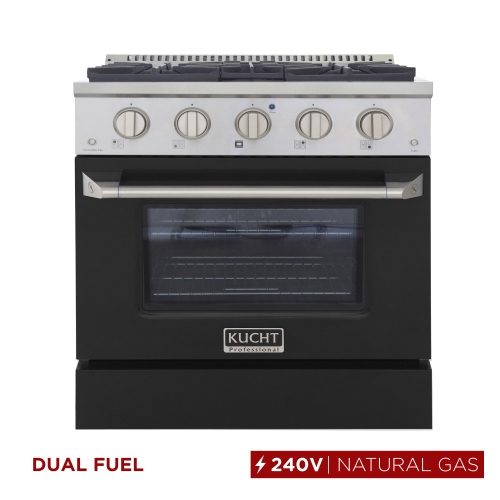
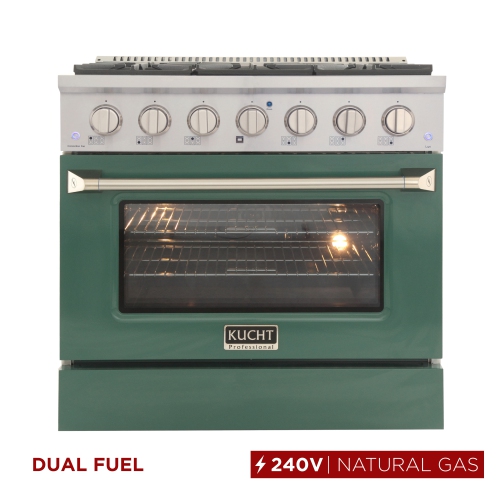

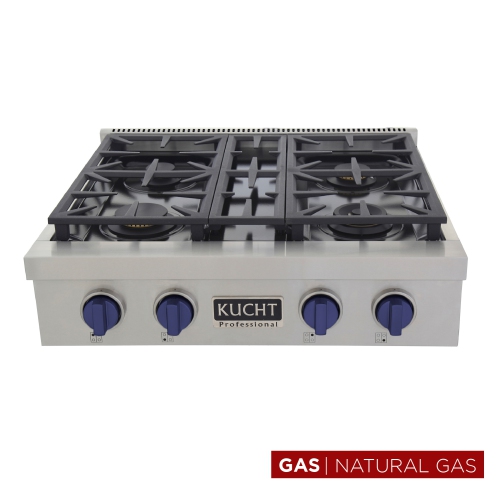
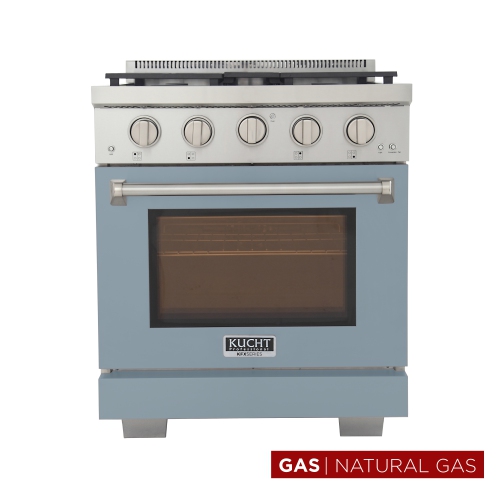
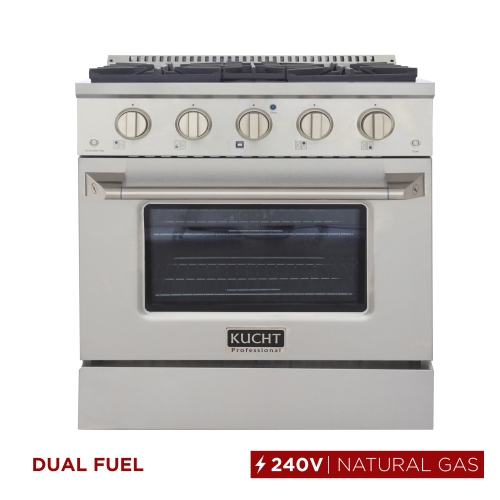

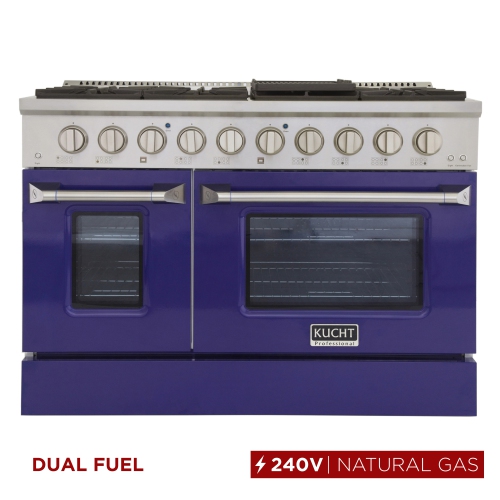
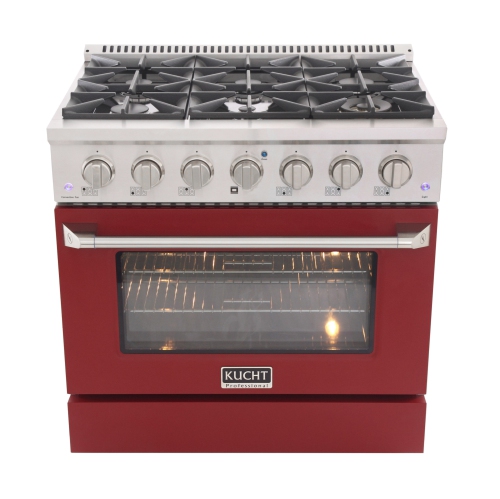

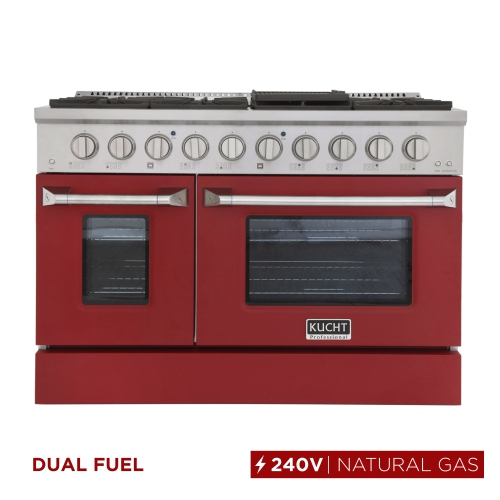
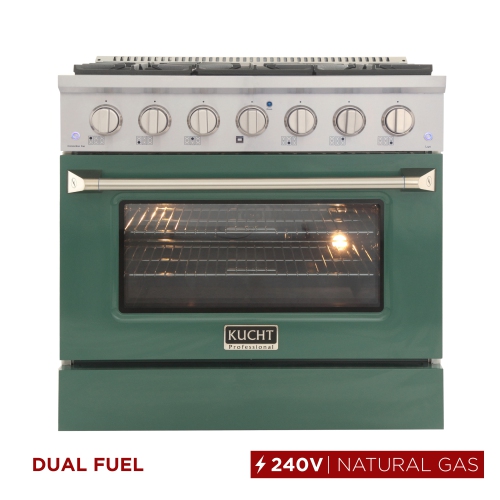

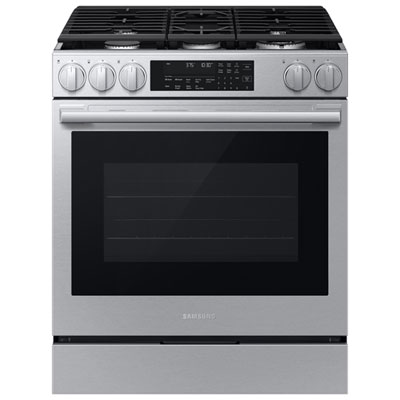
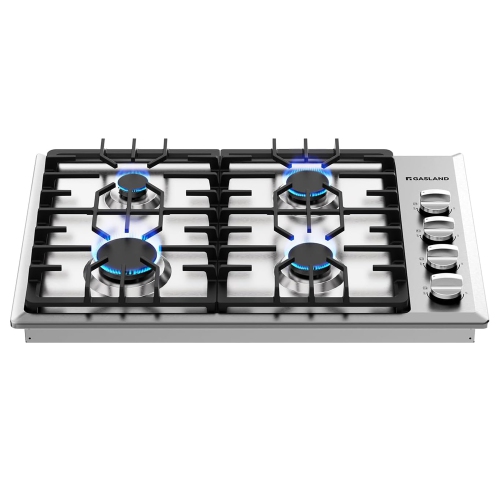
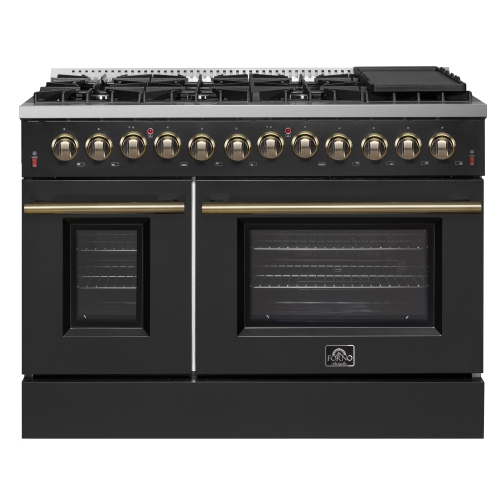
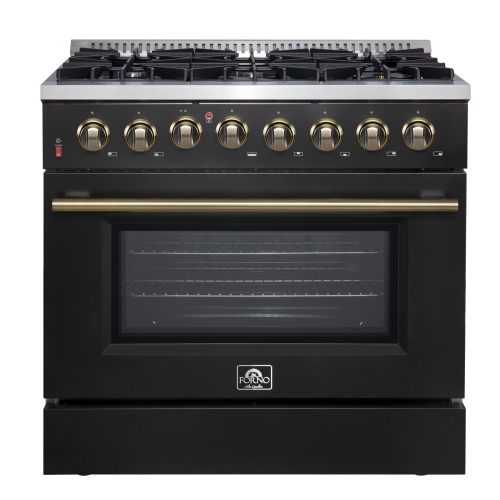


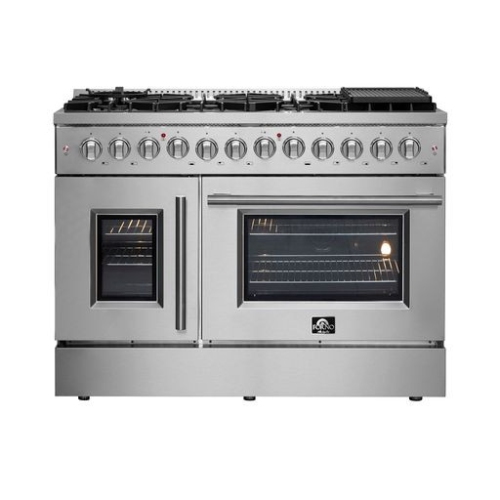
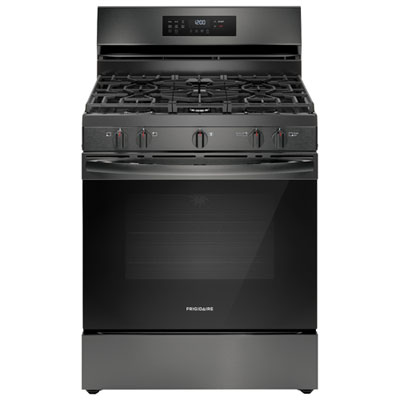
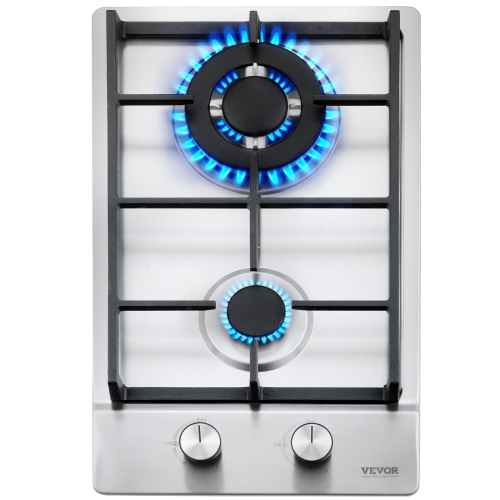
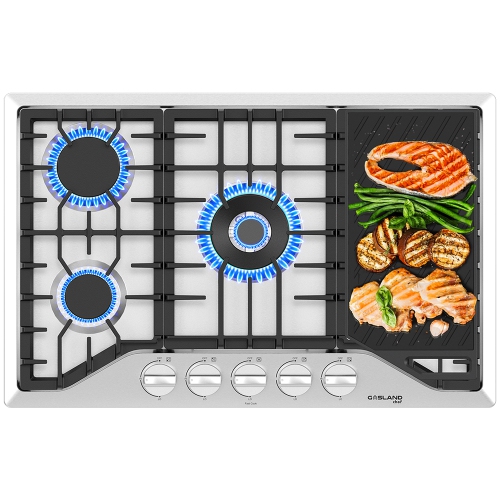

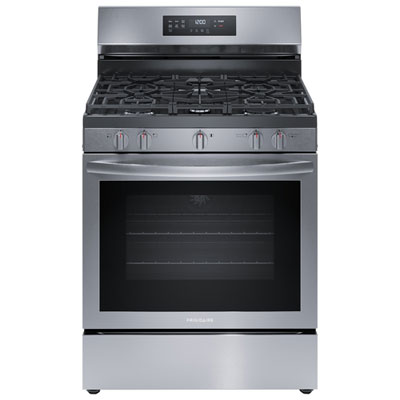
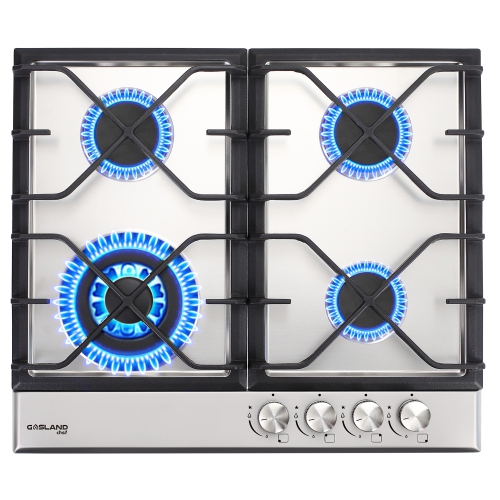
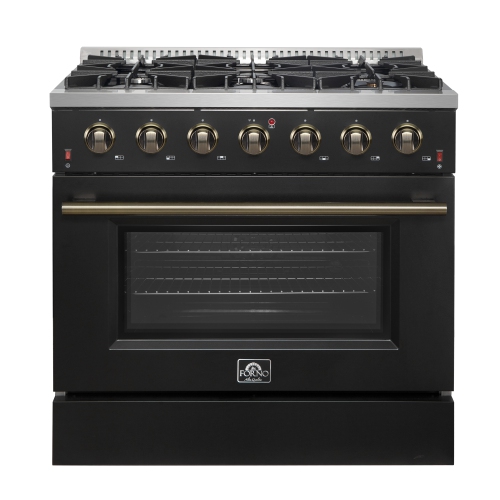
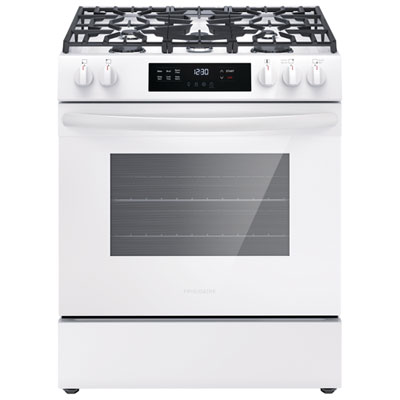
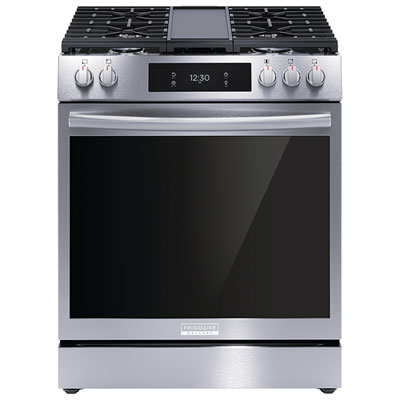
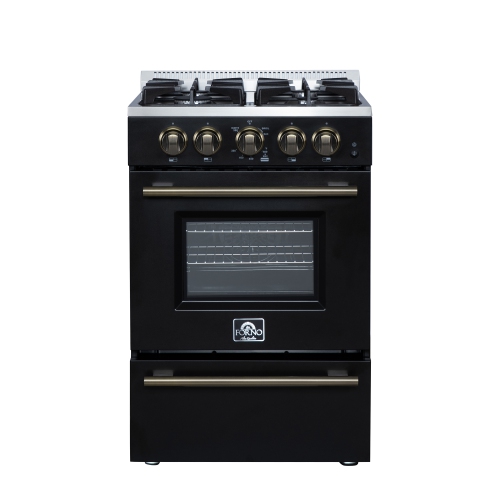

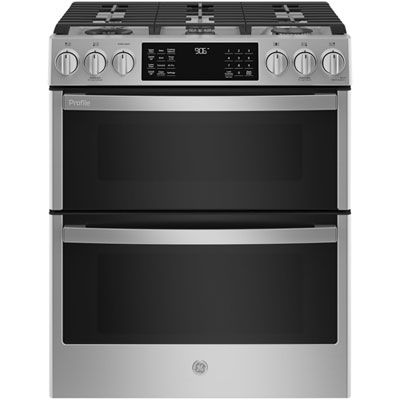
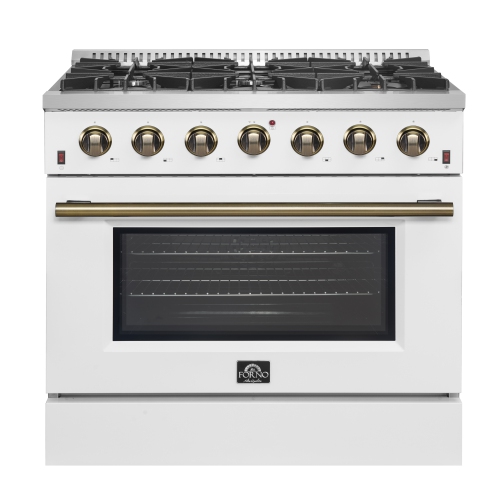
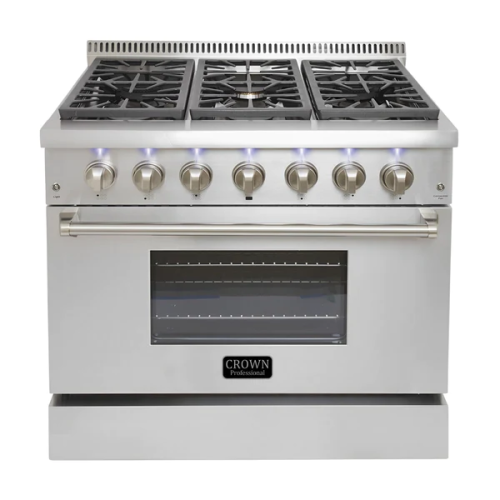
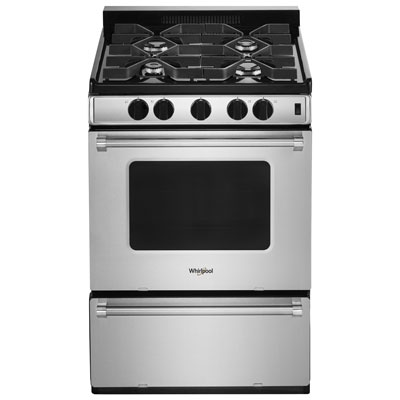
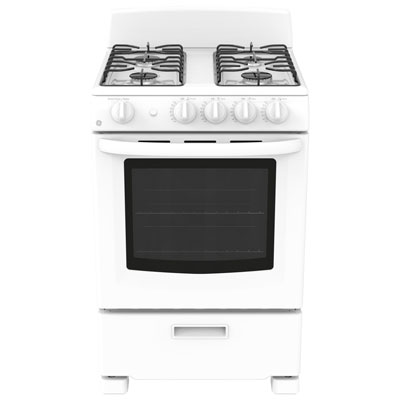
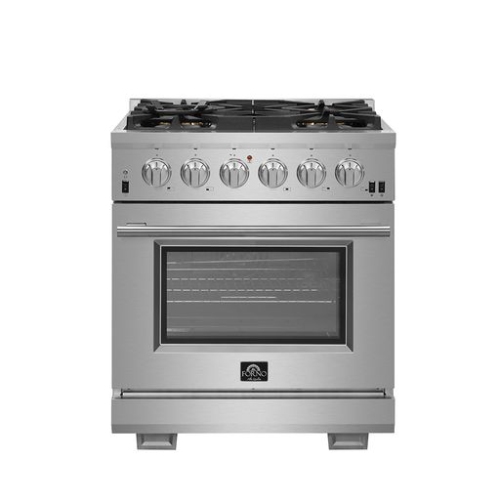
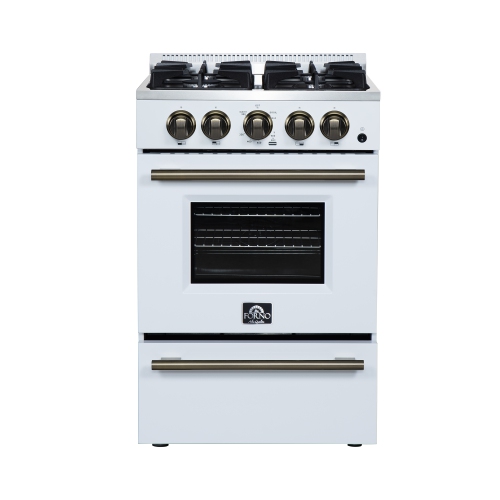

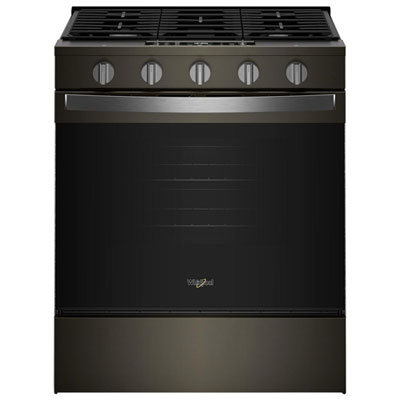
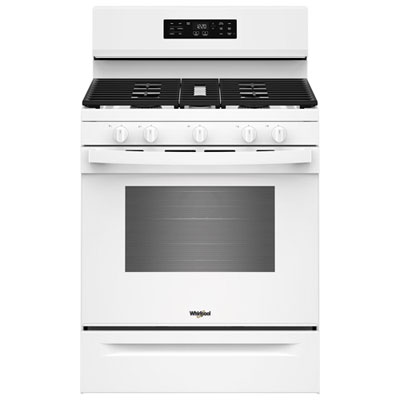
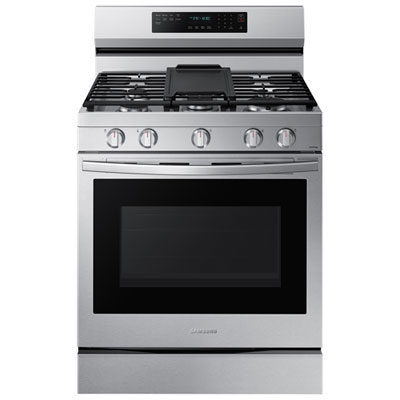
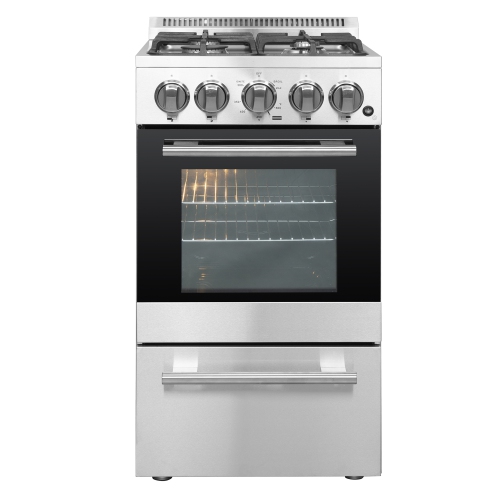
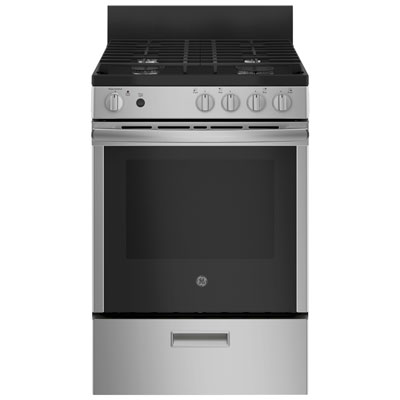
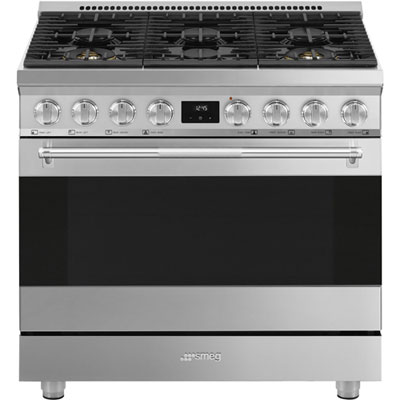
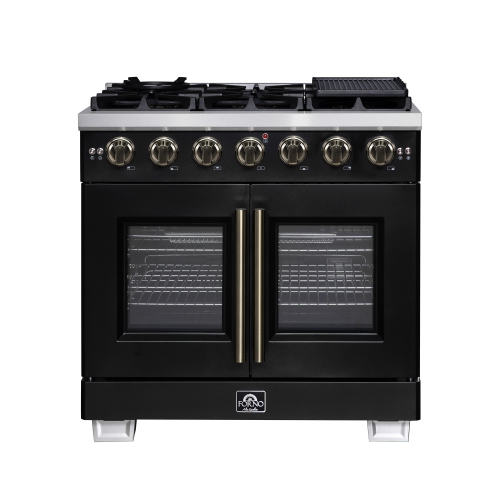
How flame control and cookware shape everyday cooking
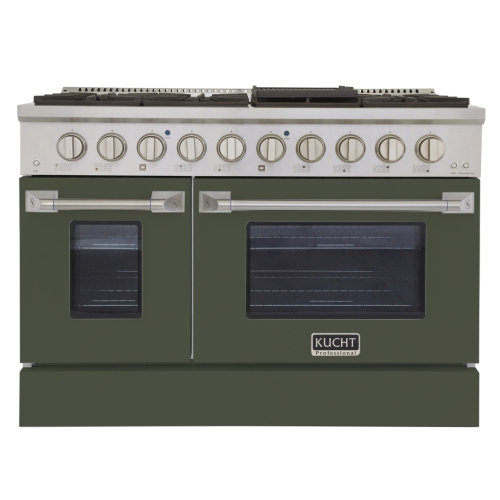
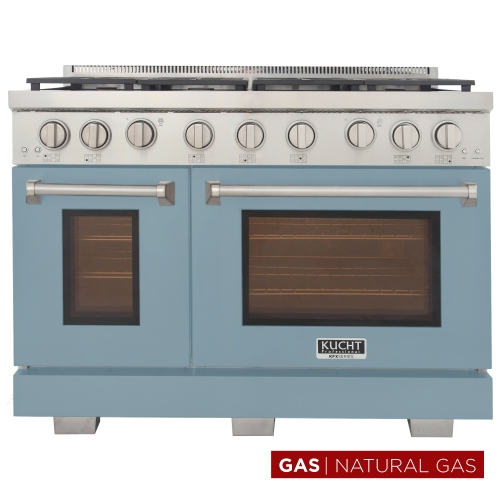
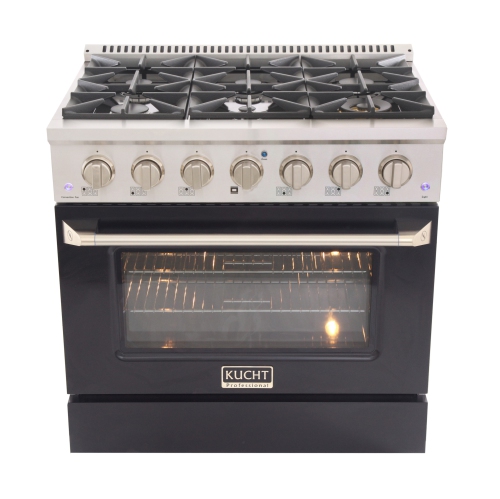
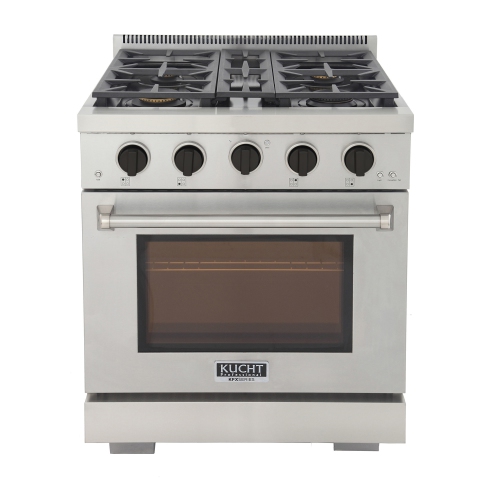
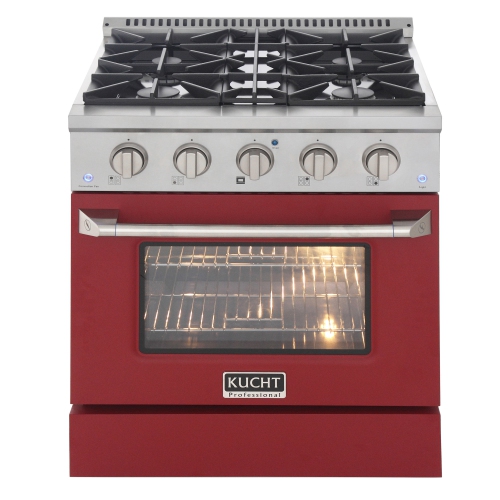
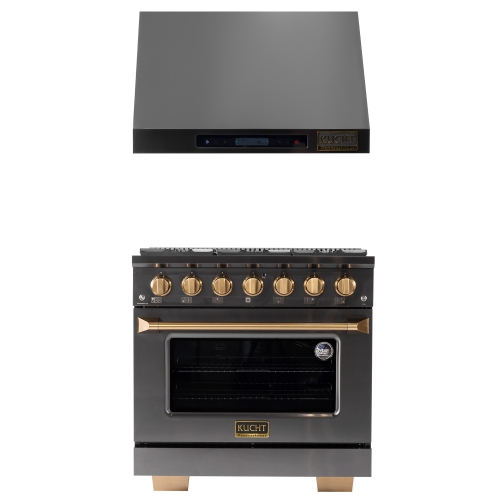
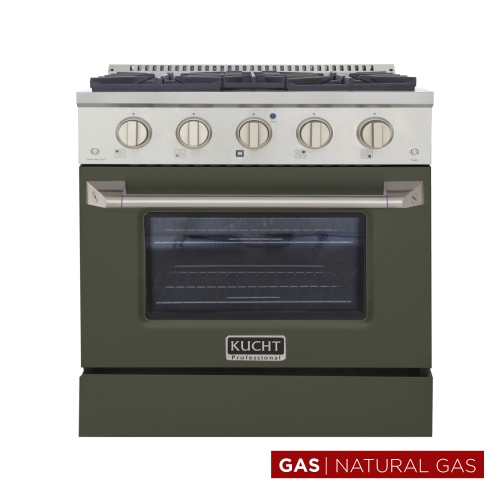
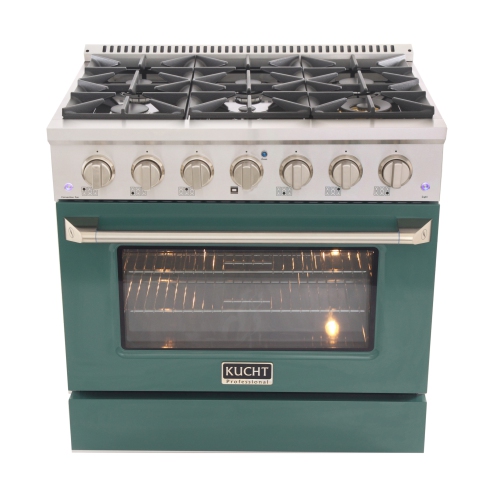
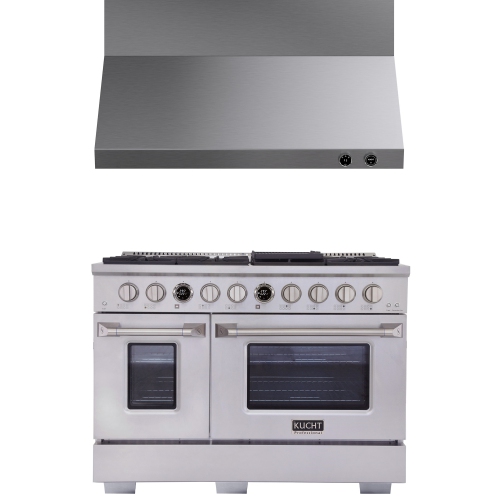
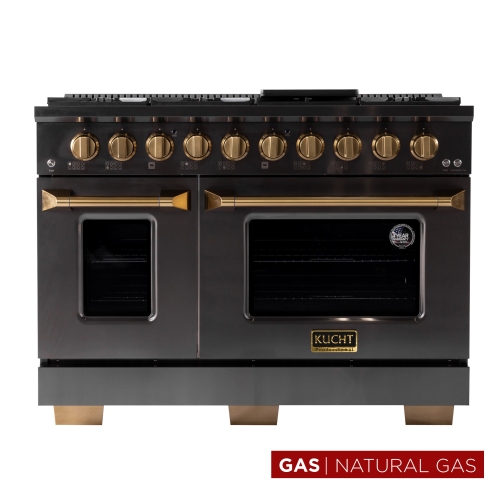
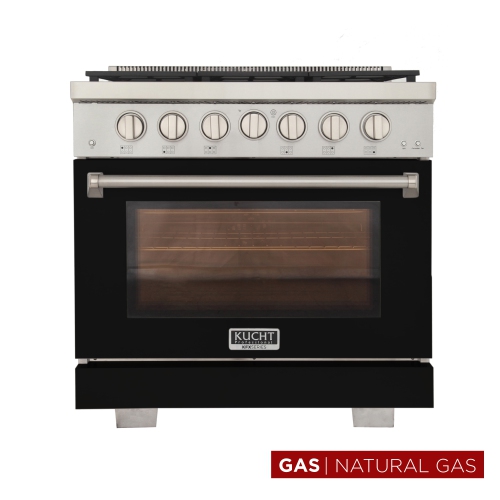
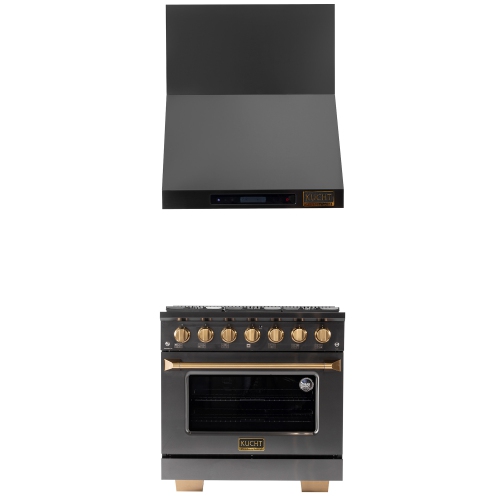
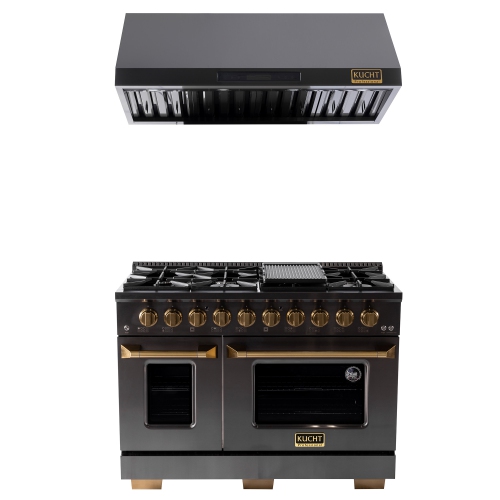
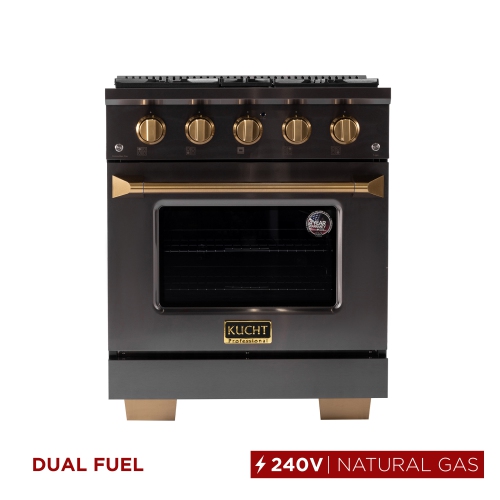
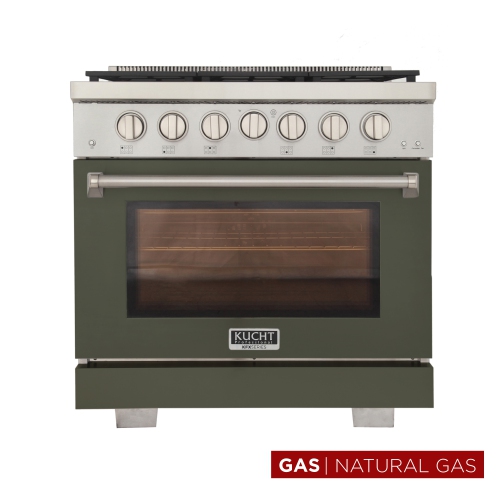
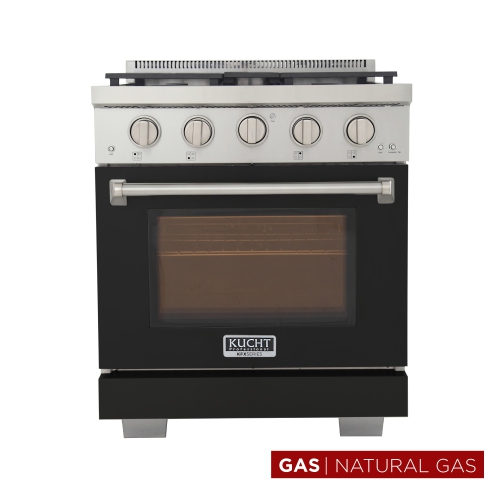
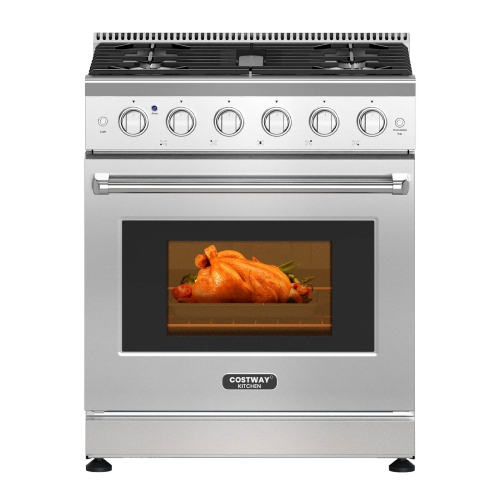
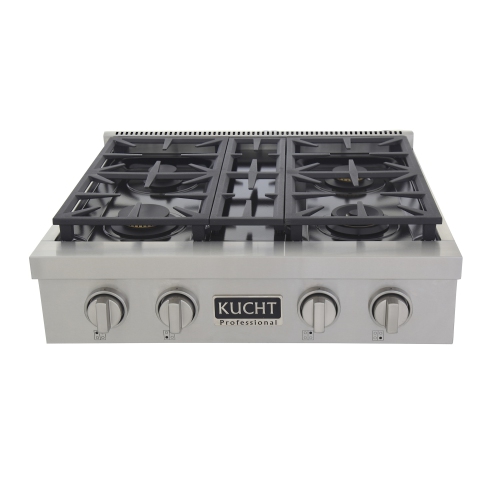
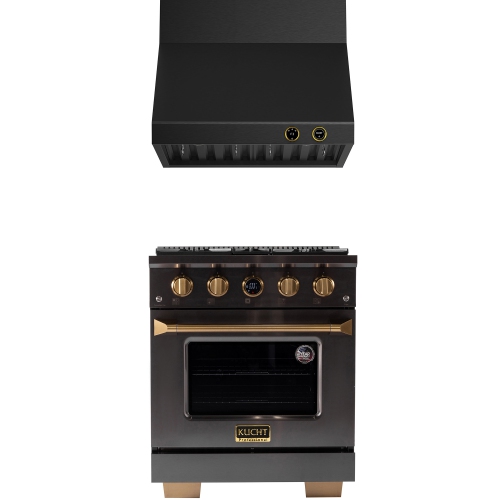
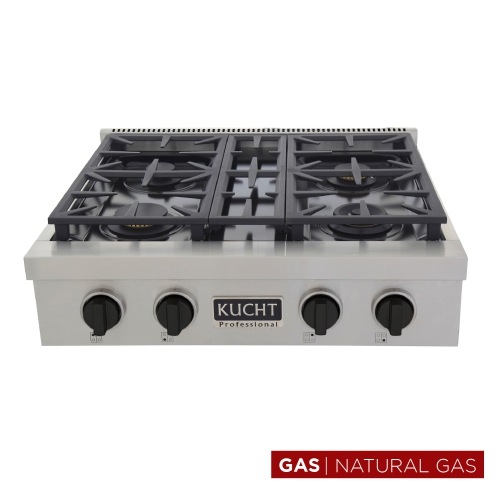
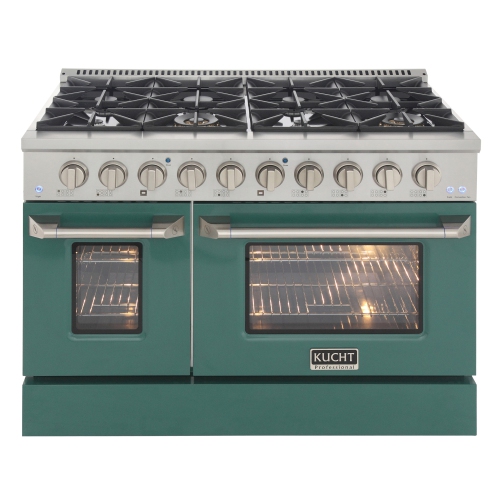
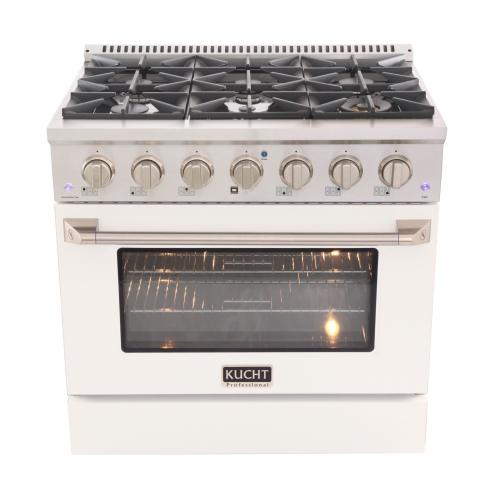
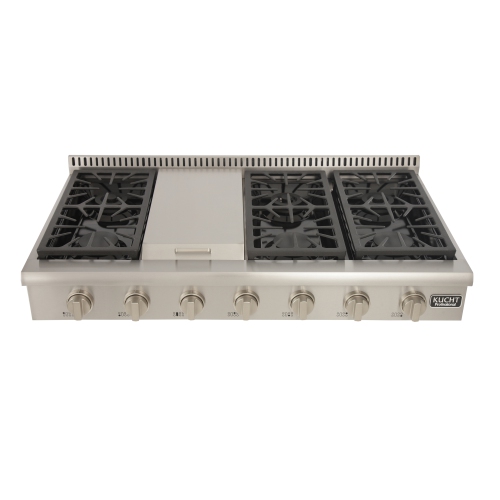
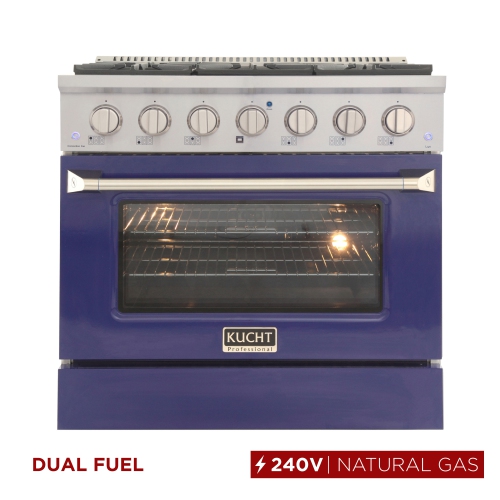
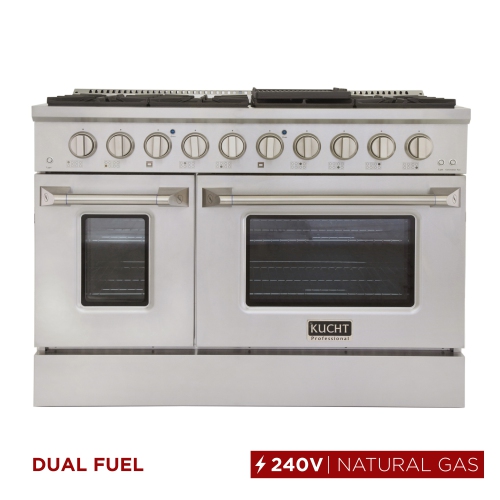
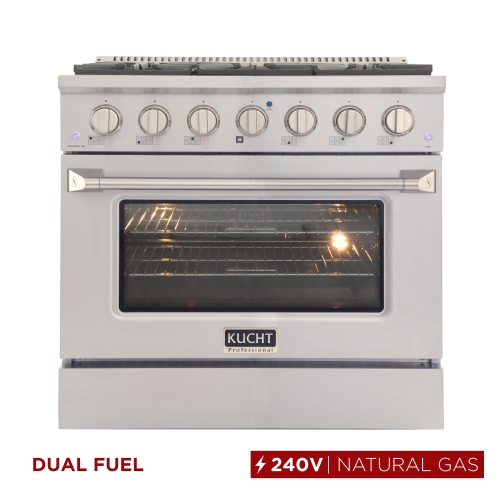
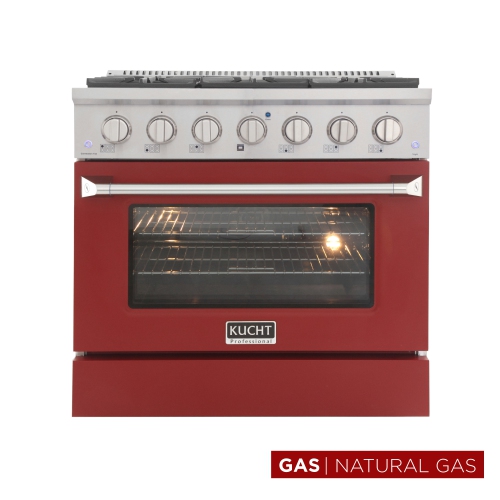
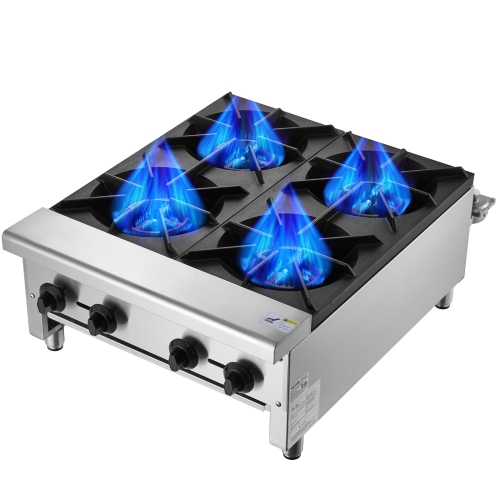
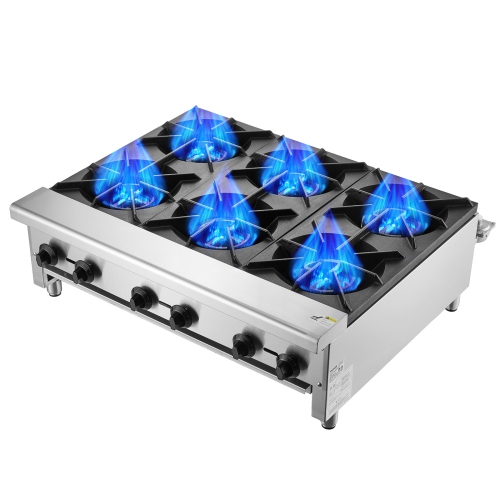
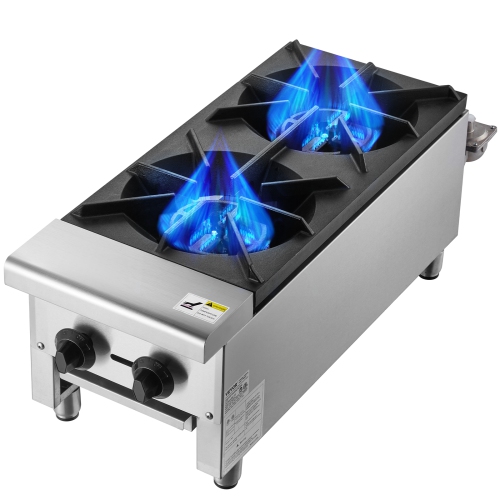
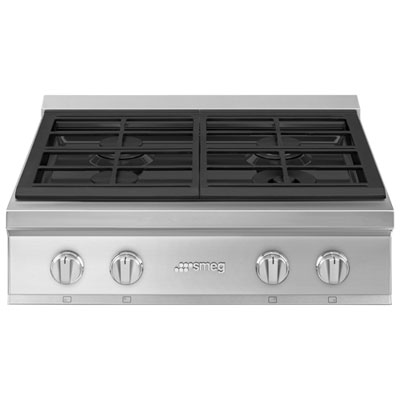
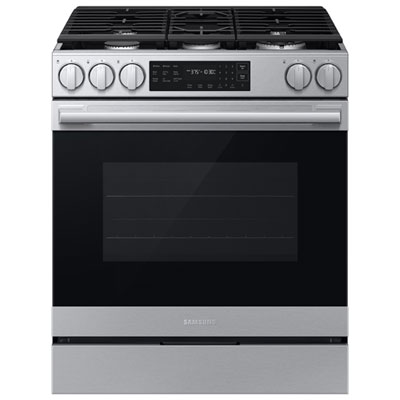
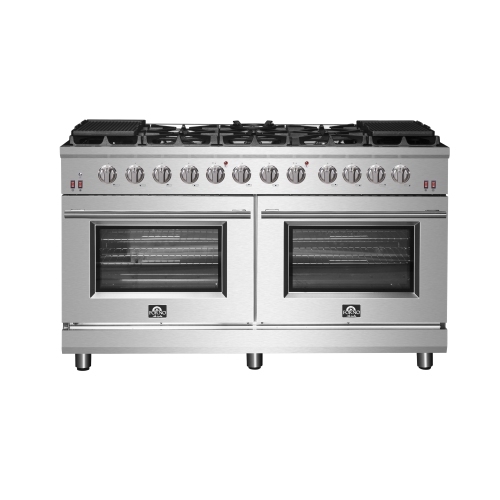
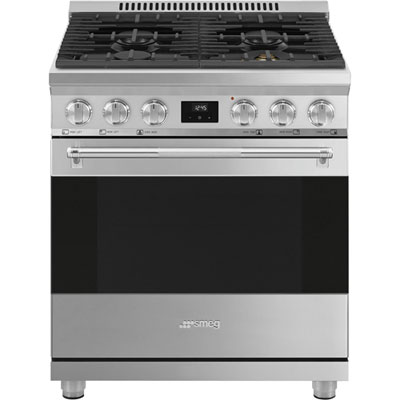
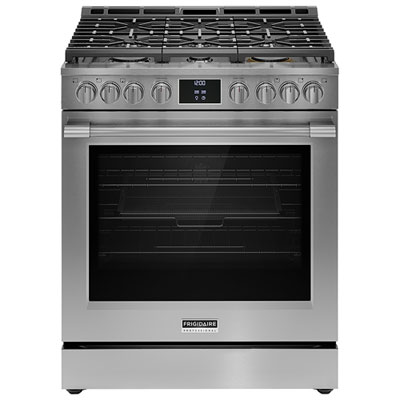
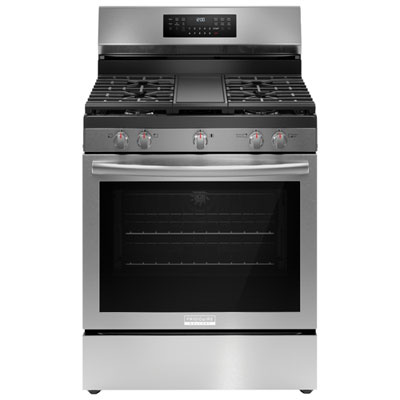
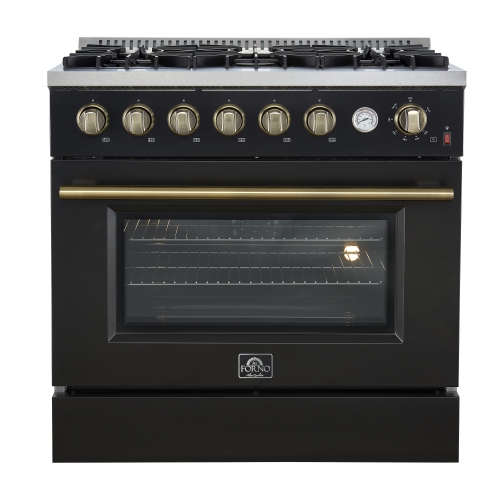
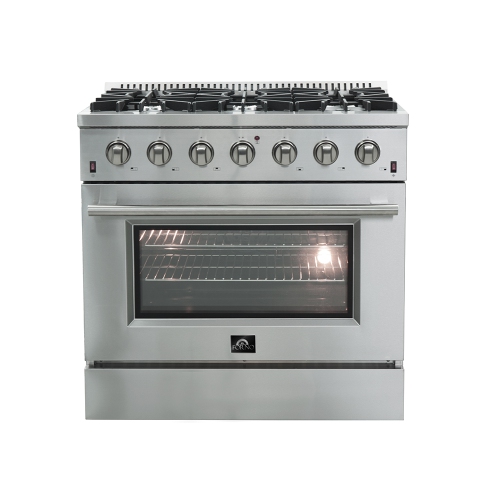
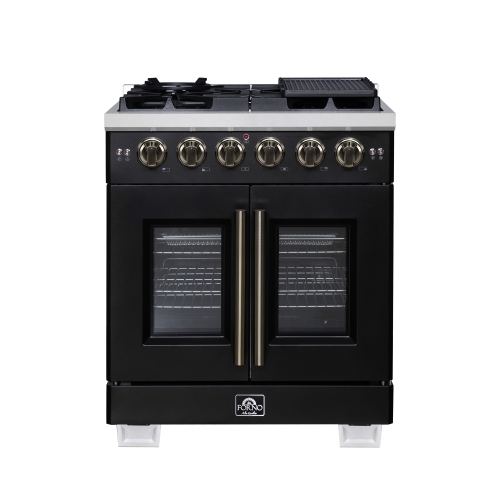
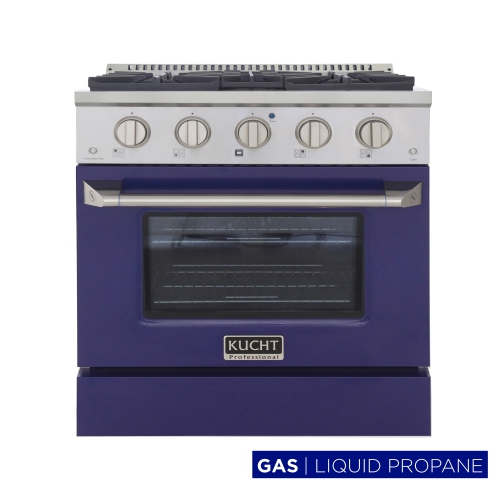
Natural gas ranges are kitchen cooking appliances that combine a natural gas cooktop with an oven in a single unit. They are designed for preparing food, not for heating a living space. An all-gas range uses gas for both the surface burners and the oven, while a dual-fuel range pairs gas burners with an electric oven. Both configurations offer the visible flame and responsive heat adjustment that appeal to cooks who frequently sauté, simmer, sear, or prepare several dishes at once. Turning a burner down changes the flame immediately, although a heavy pan will still retain heat. This makes cookware and burner selection just as important as the controls themselves. A smaller burner can suit a saucepan of delicate sauce, while a higher-output burner can help bring a large pot of pasta water to a boil. Burner output is commonly expressed in British thermal units per hour, often shortened to BTU, but maximum output alone does not describe cooking performance. A stable low flame, useful spacing between burners, and room for the pans used most often all contribute to everyday comfort. Someone preparing rice, vegetables, and a skillet dish together may value a different layout than someone who regularly uses a large roasting pan across suitable burners. Continuous grates can make it easier to move a heavy pot between cooking positions without lifting it completely off the surface. Their shape and weight also affect how easily they can be removed for cleaning. Flat, stable cookware bases help pots sit securely, and the flame should remain beneath the pan rather than extend around its sides. Stainless steel, cast iron, and many other cookware materials work with gas burners, provided the cookware manufacturer permits their use. For households that cook frequently, the appeal is often practical: a clear view of the flame, direct control at the knob, and a cooking surface that accommodates familiar pots and pans.
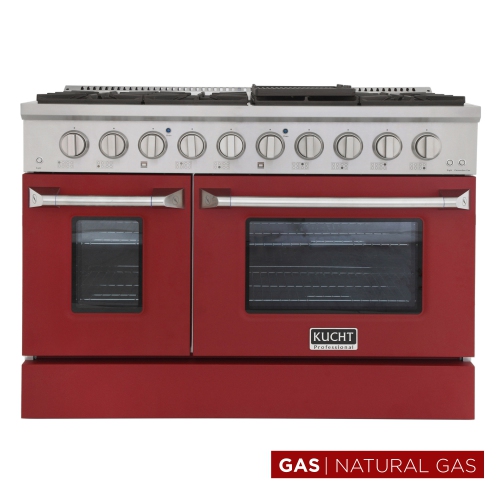
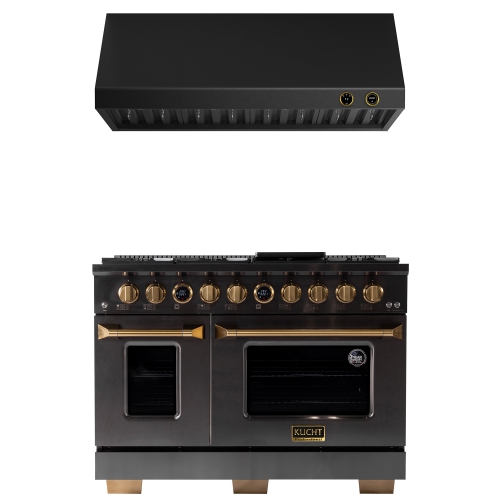
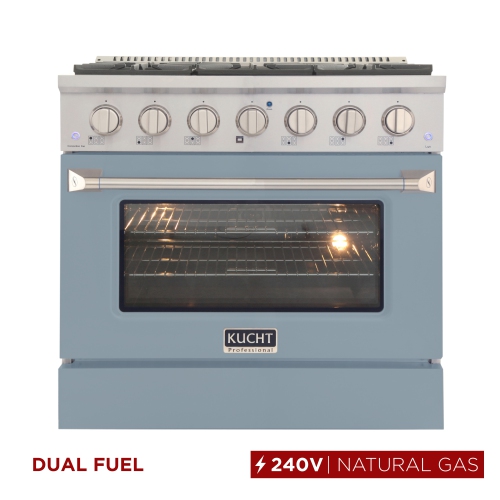
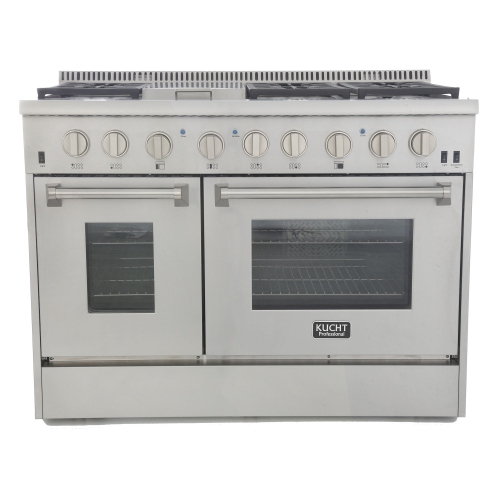
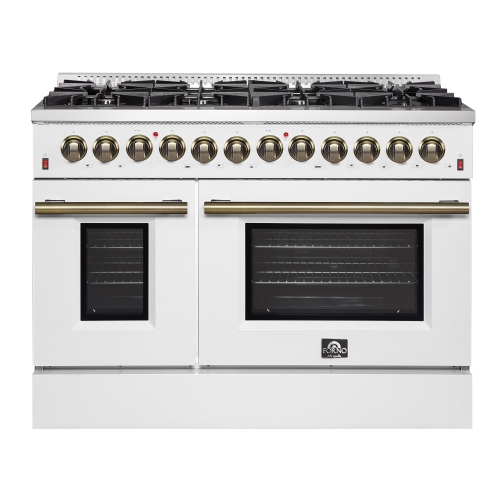
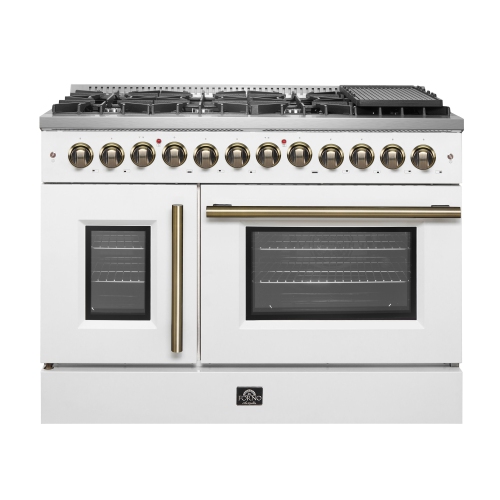
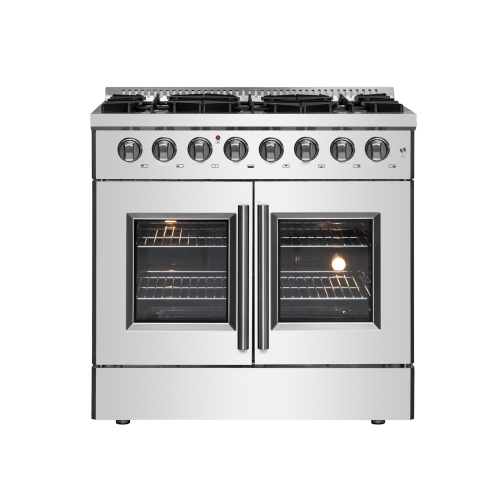
The fit of a natural gas range involves more than its advertised width. A nominal 30-inch range, for example, still needs to match the opening dimensions and installation clearances specified for that appliance. Overall depth, handle projection, and the space needed to open the oven door affect how comfortably the kitchen works, especially opposite an island or beside a doorway. The delivery route matters too, including hallways, stair turns, and door openings. Freestanding ranges commonly have finished sides and a raised rear control panel, while slide-in designs typically place controls at the front for a more integrated appearance. Exact construction varies, so the relationship between the range, countertop, backsplash, and neighbouring cabinets deserves attention. Front controls may be easier to reach without leaning over cookware, although their position also matters in homes with young children. A natural gas connection, the correct electrical supply, suitable ventilation, and installation by a qualified professional are essential considerations. Dual-fuel ranges generally require a different electrical connection from all-gas models, and fuel conversion should never be assumed to be possible without checking the appliance specifications. Installation must follow the manufacturer’s instructions and applicable local requirements, including securing the supplied anti-tip device. Oven space is equally important to the way the appliance fits a household. Capacity in cubic feet provides a general comparison, but the usable rack width and depth determine whether a favourite baking sheet or roasting dish will fit. Multiple rack positions offer flexibility for tall covered dishes or trays of biscuits. Convection uses a fan to circulate heated air and can support more consistent cooking across suitable rack arrangements, with cooking adjustments made according to the oven instructions and recipe. A double-oven layout can accommodate dishes requiring different settings, though each cavity’s dimensions matter more than the combined capacity alone. Clear controls, a readable display, a useful oven light, and smoothly moving racks can make a noticeable difference when checking bread, lifting out a casserole, or coordinating a full meal.
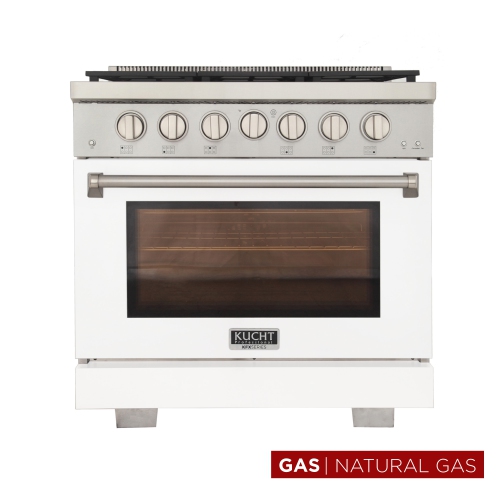
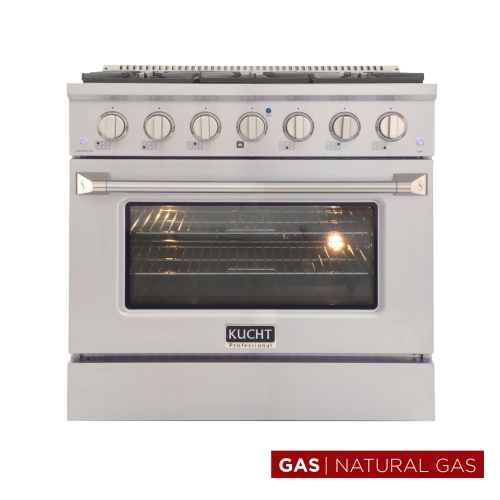
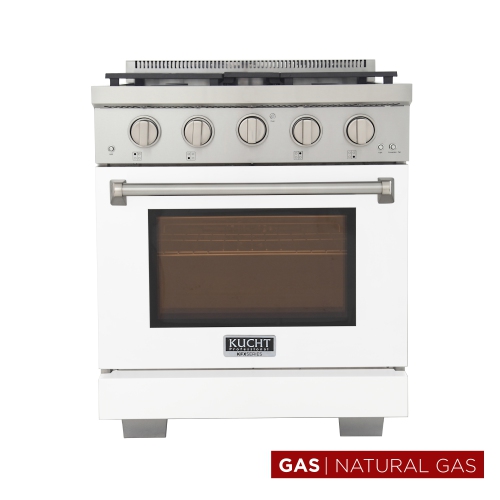
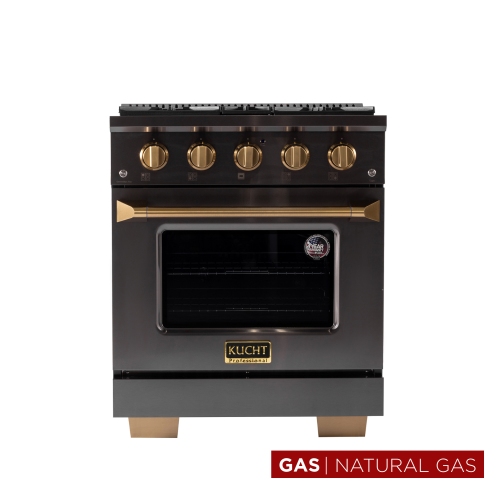
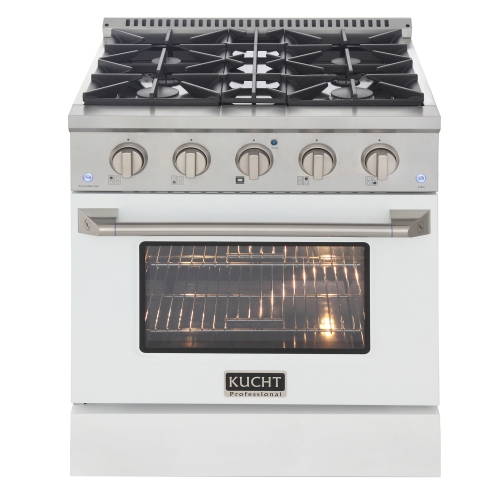
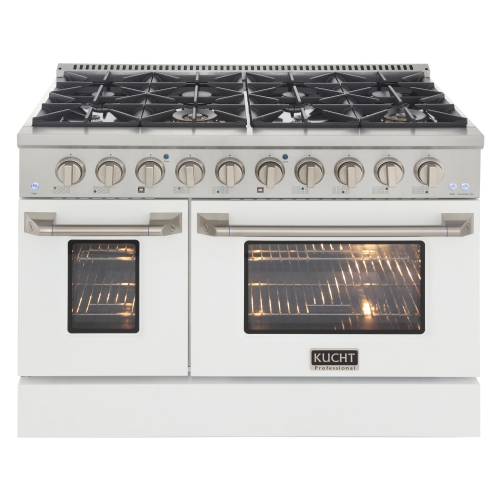
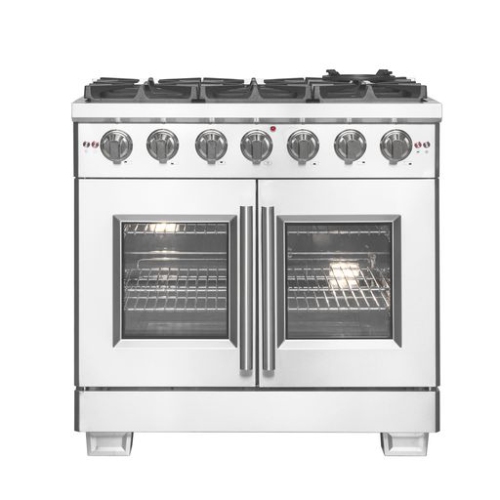
Materials and finishes shape both the appearance of a gas range and the upkeep it needs. Stainless steel provides a familiar match for many kitchen appliances, although fingerprints and cleaning methods vary by finish. White finishes can brighten a kitchen and sit comfortably alongside painted cabinetry, tile, and a wide range of countertop colours. For a lighter appliance palette, White Gas Ranges offer a related direction while keeping the focus on gas cooking. Beyond colour, details such as knob size, handle shape, grate construction, and the surface around the burners influence daily use. Heavy cast-iron grates provide a sturdy cooking platform, but their weight may be a consideration for anyone who prefers lighter parts to lift and wash. Porcelain-enamel surfaces can be straightforward to wipe down when spills are addressed promptly and the finish is treated according to the manufacturer’s care instructions. Sealed burners help limit where spills can travel, but they do not eliminate cleaning around burner caps and openings. Once the cooktop has cooled, removing food residue with approved cleaning materials helps prevent stubborn buildup. Burner caps need to be clean, dry, and correctly seated before use; misplaced caps or blocked openings can affect ignition and flame quality. Abrasive pads and harsh cleaners can damage certain finishes, while cast-iron components may have specific washing and drying requirements. Inside the oven, a removable rack arrangement and accessible surfaces can make routine care easier. Self-cleaning and steam-cleaning functions, where included, have different procedures and limitations, so neither replaces attention to the appliance instructions. Durability depends on suitable materials, correct installation, and regular care rather than a particular appearance alone. A hood vented outdoors helps remove cooking odours, moisture, and emissions, while ventilation requirements should follow the installation instructions. For a busy household, a compact kitchen, or someone who enjoys preparing meals from scratch, the most useful combination is a range that fits the space, supports familiar cooking habits, and remains manageable to clean after dinner.
Top selling and popular products
-
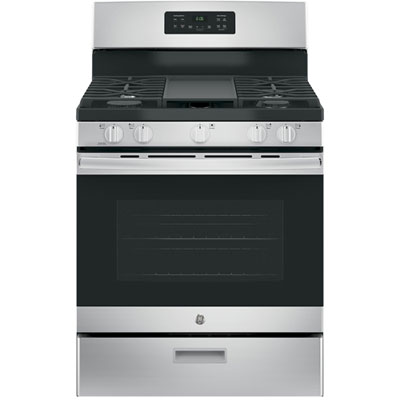 Your price for this item is $849.99
-
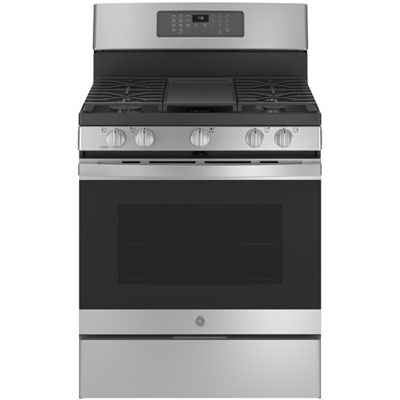 Your price for this item is $1099.99
-
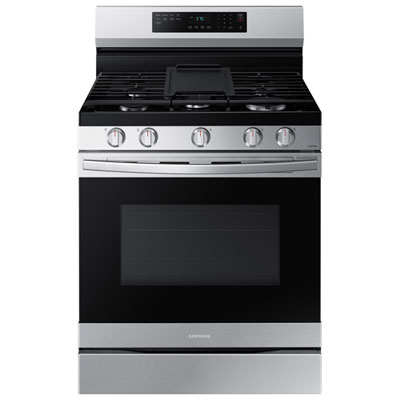 Your price for this item is $1395.99
-
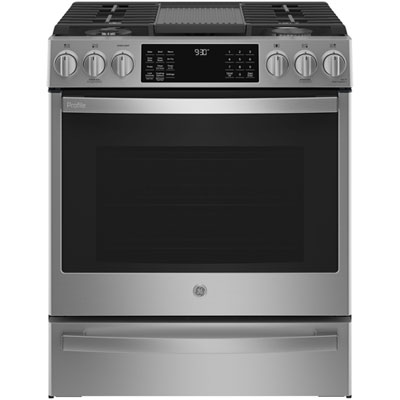 Your price for this item is $1799.99
-
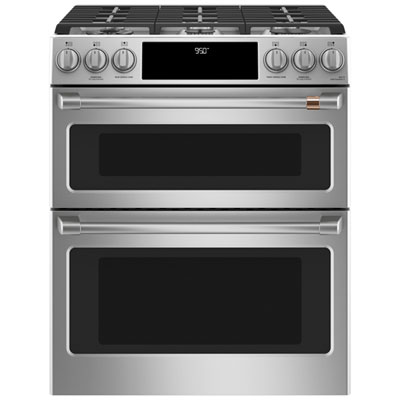 Your price for this item is $3599.99
-
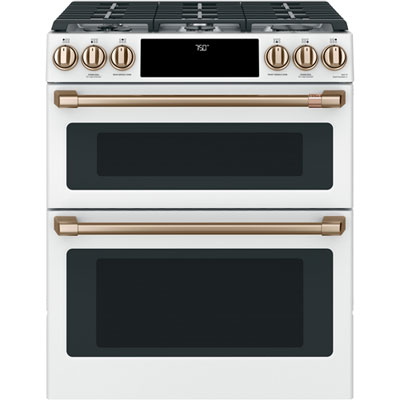 Your price for this item is $3499.99
-
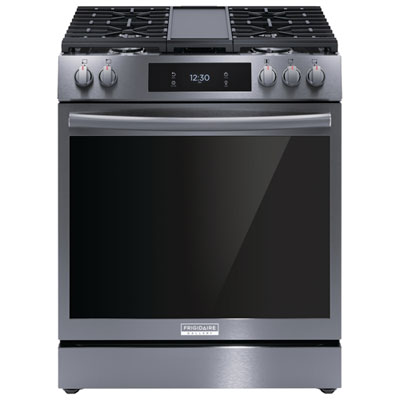 Your price for this item is $2099.99
-
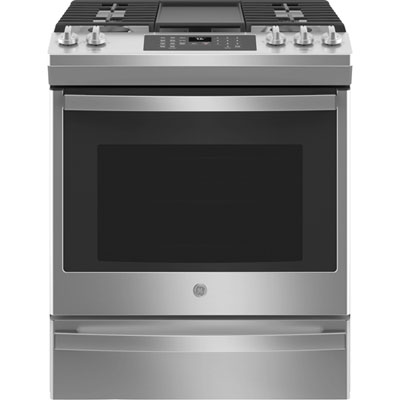 Your price for this item is $1299.99
Discover more categories related to Natural Gas Ranges
Top Collections:
Best Black Friday Deals This Year, Best Black Friday Deals On Electronics, Kindle Devices, Pokemon Centers, Best Black Friday Deals On Apple Products, Best Cameras for Sports Photography, Dyson Airwrap, Pokémon 30th Celebration Cards, Apple iPhone 17 Pro, Canon G7X Cameras
Some products may be subject to Environmental Handling Fees
(EHF) depending on your province.
Learn more about EHFs.