Convertible Under Cabinet Range Hood
Upgrade your kitchen with a Convertible Under Cabinet Range Hood, designed to bring both style and functionality to your cooking space. Perfect for maximizing space while maintaining a sleek look, these range hoods fit neatly beneath your cabinets and adapt to various kitchen layouts. Explore a wide selection of Convertible Under Cabinet Range Hoods to find the ideal match for your home, whether you’re renovating or simply looking to enhance your current setup. Discover options that blend seamlessly with your kitchen décor and help create a more enjoyable cooking environment.
Sort
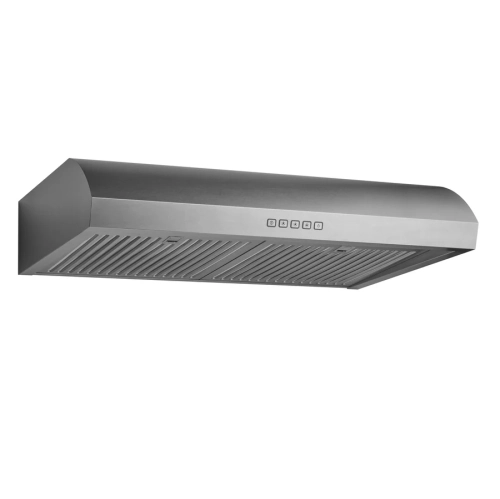
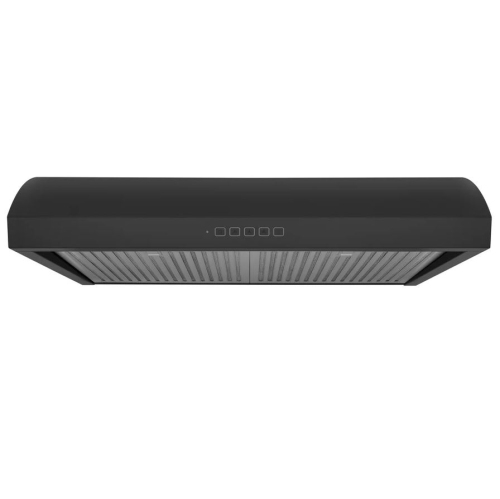
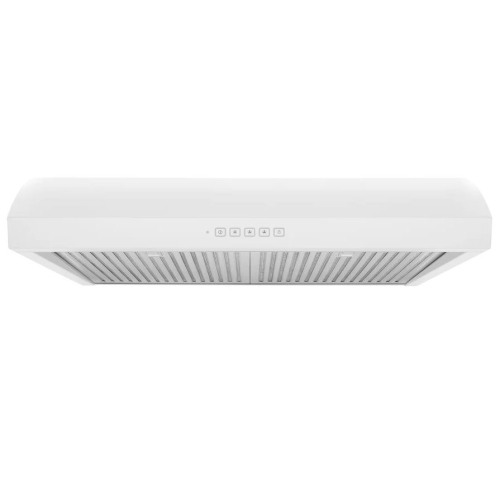
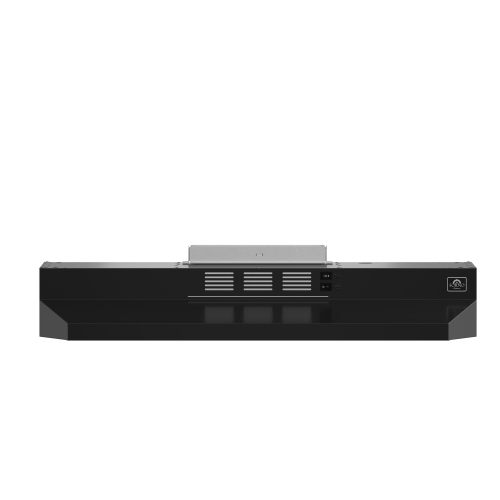
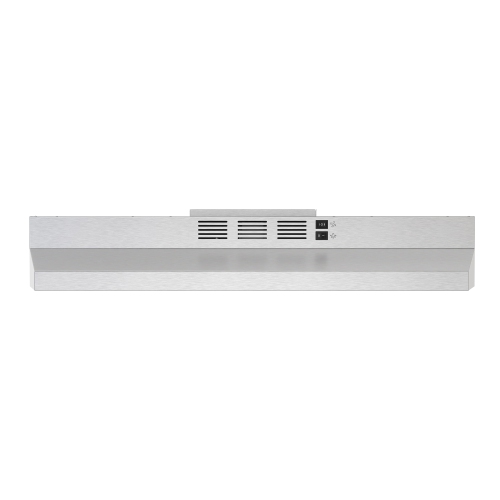
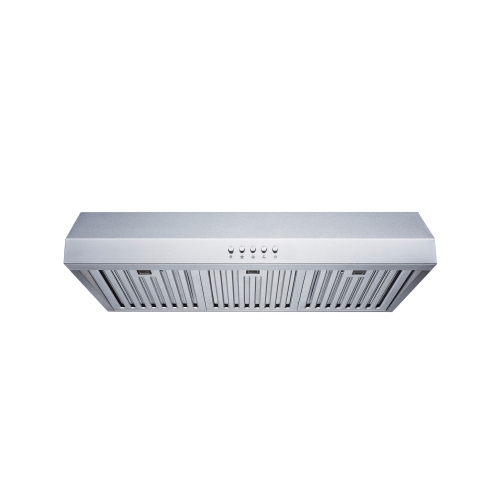
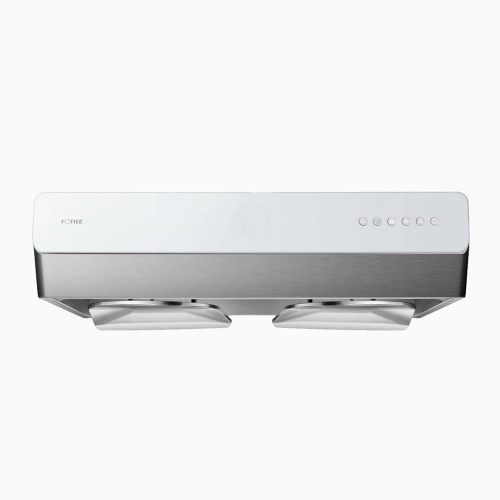
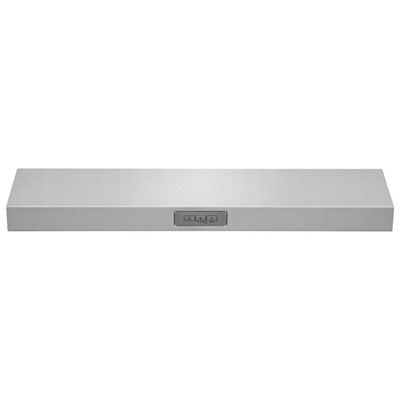
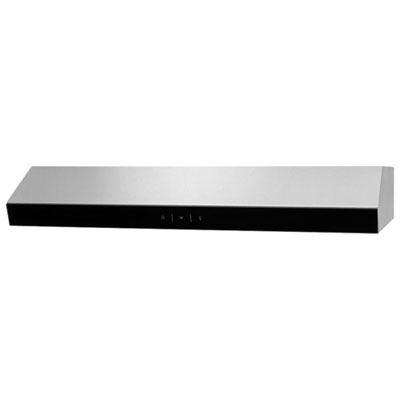
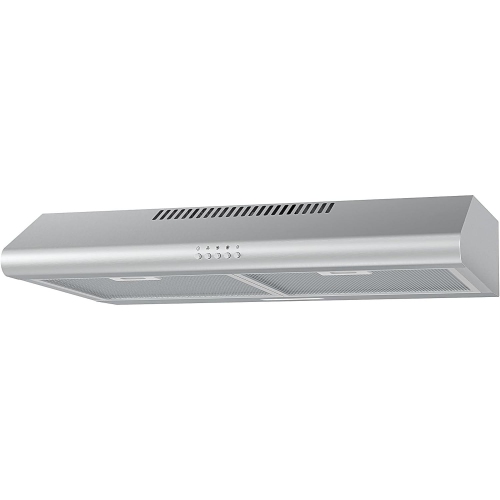
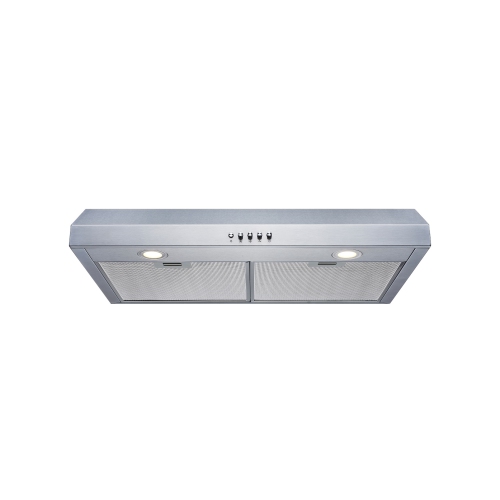
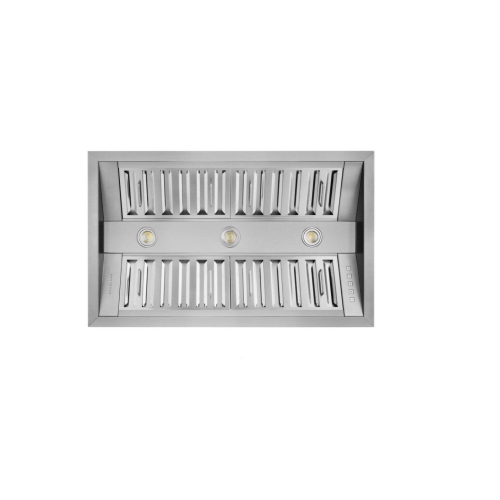
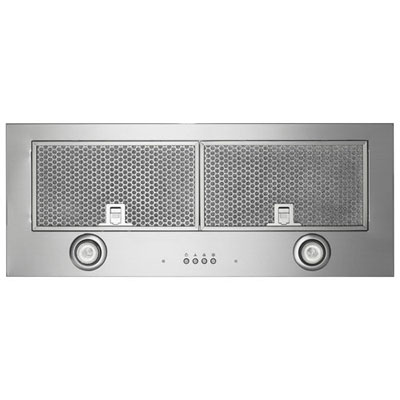
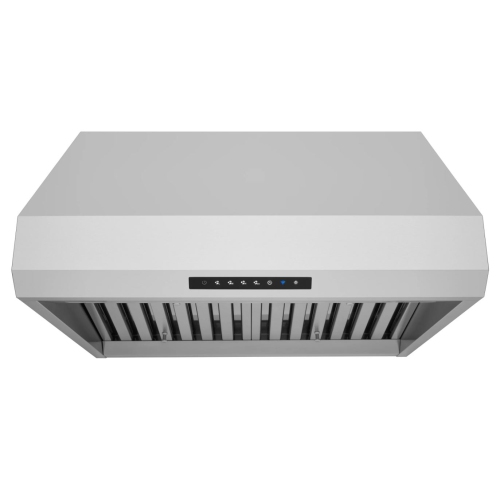
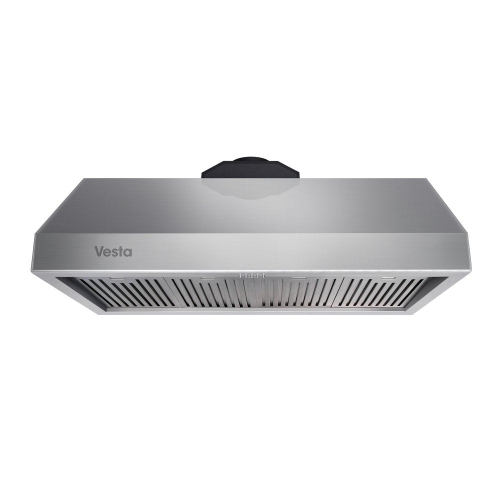
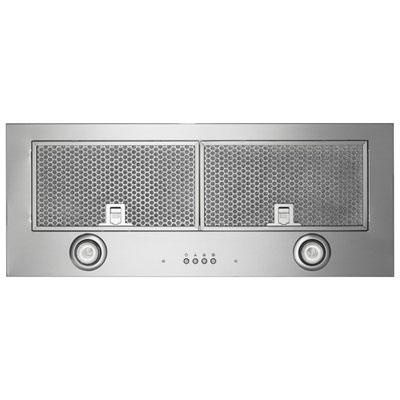
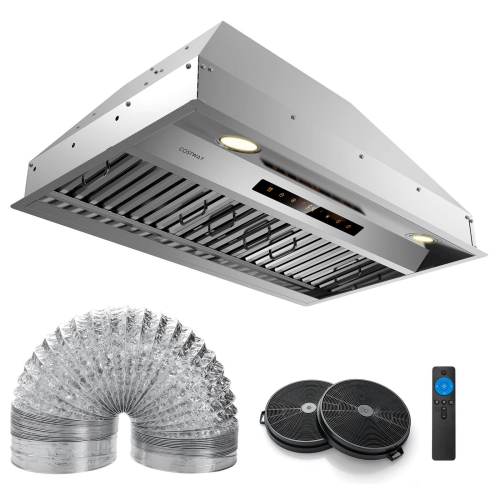
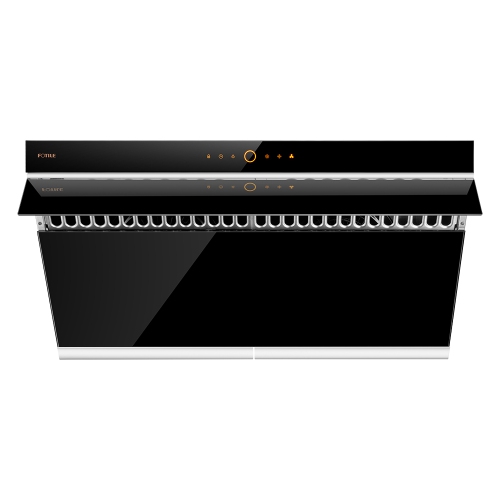
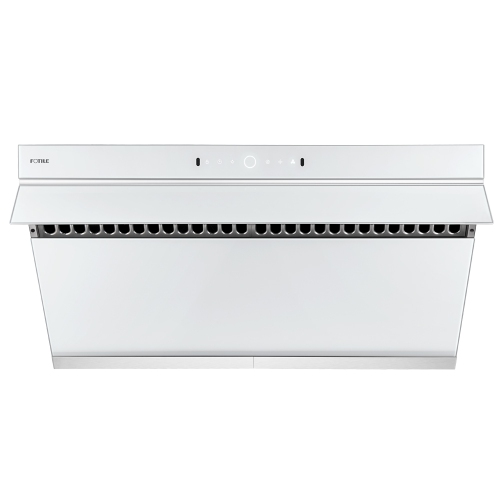
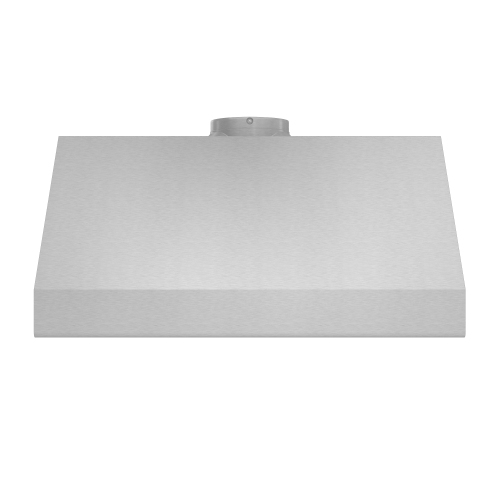
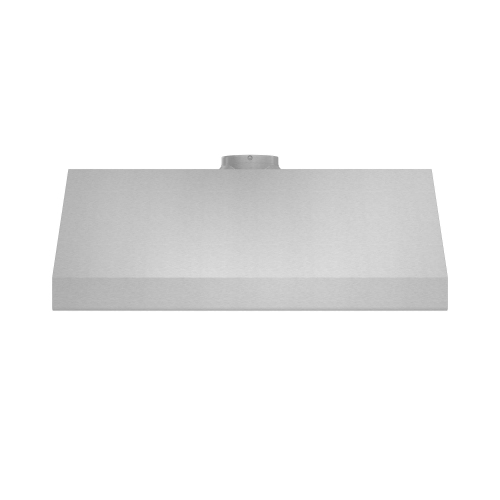
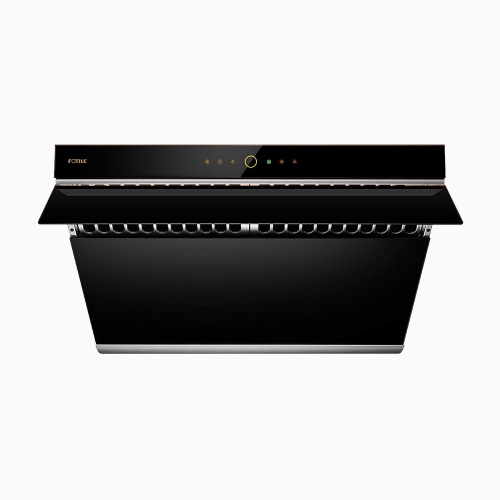
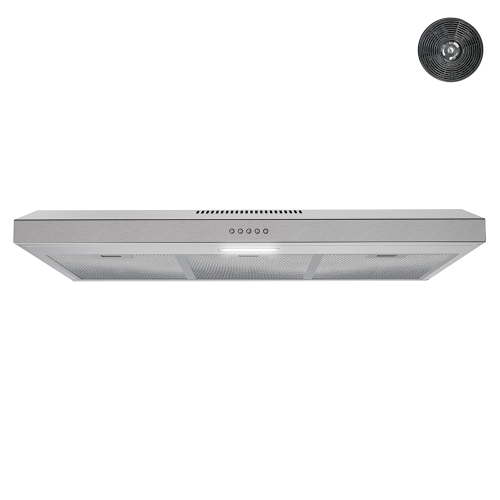
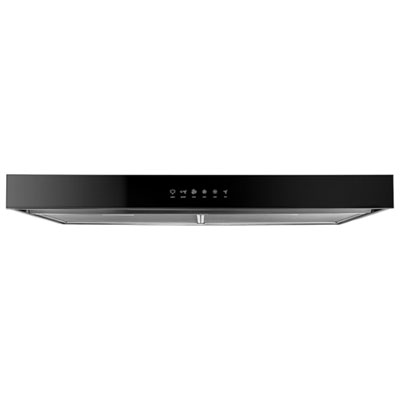
What ducted and ductless venting mean for your kitchen
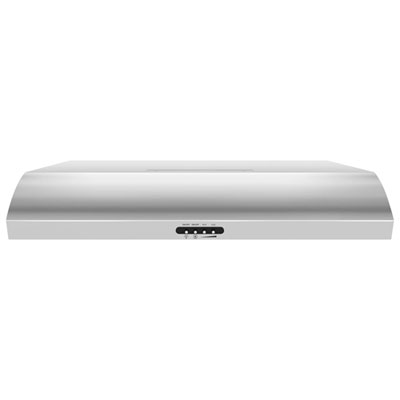
A convertible under cabinet range hood mounts beneath upper kitchen cabinetry and can be installed to vent cooking air outdoors or to recirculate filtered air back into the kitchen. That choice of exhaust configuration is what makes the hood convertible: the same basic appliance supports either a ducted or ductless setup when installed with the required components. In a ducted installation, the fan draws air through grease filters and sends it outside through connected ductwork, helping remove cooking odours, airborne grease, smoke, and moisture. In a ductless installation, air passes through grease filters and an additional filtration stage, commonly an activated charcoal filter, before returning to the room. Recirculating filtration can capture grease and reduce some cooking odours, but it does not carry heat or moisture outdoors and should not be treated as equivalent to exterior ventilation. This distinction matters when choosing a hood for a kitchen with no existing exterior duct route, an apartment with building restrictions, or a renovation where the exhaust arrangement has not yet been finalized. Convertible does not usually mean switching between the two modes with a control button; changing the setup can involve filters, outlet covers, adapters, and installation work. The conversion requirements depend on the hood, so its installation documentation should match the planned arrangement. For everyday cooking, an under cabinet design keeps ventilation close to the cooking surface without taking up counter space. It also preserves the familiar layout of cabinets above the range, although ductwork may occupy part of the cabinet interior. Built-in task lighting can make it easier to see the colour of onions softening in a pan or check a simmering sauce, while adjustable fan speeds let the airflow suit anything from gentle steaming to a more active stovetop meal. The best fit depends on both the kitchen’s physical layout and the way the cooking surface is used.
Dimensions deserve as much attention as the exhaust configuration. The hood should be appropriately sized for the range or cooktop, with enough coverage and the mounting clearance specified by the appliance manufacturers. A 30-inch cooking surface often pairs with a 30-inch hood, while a wider cooking surface generally needs a correspondingly wider hood; width alone, however, does not establish compatibility. Hood depth, the position of the cooking elements, and the distance between the cooking surface and the intake all affect how well rising cooking vapours are captured. A shallow cabinet can make a slim profile appealing, but the hood still needs to project far enough to provide suitable coverage. Before installation, measurements should account for cabinet width and depth, the space above the cooking surface, the electrical connection, and the location of any existing exhaust opening. Gas and electric cooking appliances may have different clearance requirements, and the hood’s instructions must also be considered. For ducted use, the direction of the outlet matters: some configurations exhaust upward, some through the rear, and some support more than one arrangement with the correct components. Duct size and shape must match the installation requirements rather than being reduced simply to fit an existing opening. Long duct runs, tight bends, and restrictive terminations can reduce airflow and add noise, even when the fan has a substantial airflow rating. Airflow is commonly expressed in cubic feet per minute, or CFM, but a higher number is not automatically a better match for every kitchen. Cooking intensity, duct layout, noise preferences, and applicable ventilation requirements all play a part. Higher-capacity exhaust systems may also require make-up air under local rules. Exterior exhaust must discharge to an approved outdoor location, not into an attic or another enclosed space. Where the installation involves new wiring, altered cabinetry, or a new duct route, qualified installation support can help address those details before the hood is mounted.
Materials, controls, and filter access influence how comfortably a convertible under cabinet range hood fits into daily life. Stainless steel is a common choice for its durable surface and compatibility with many kitchen appliances, while painted finishes can create a quieter visual connection with surrounding cabinetry. The finish affects cleaning as well as appearance: brushed stainless steel generally benefits from gentle wiping in the direction of the grain, while painted surfaces need cleaners that will not damage the coating. Abrasive pads and harsh chemicals can mark either finish. Grease filters sit directly in the path of cooking residue, so their construction and ease of removal are worth considering. Metal mesh filters can trap fine grease droplets, while baffle-style filters use shaped passages to separate grease from moving air; cleaning methods vary by design. Some removable metal filters can go in a dishwasher, but that should only be assumed when the care instructions permit it. Filters should be fully dry before being refitted, and charcoal filters generally need replacement rather than routine washing unless they are specifically designed to be cleaned. Regular attention helps prevent grease buildup from restricting airflow or leaving sticky residue around the hood. Controls should also be easy to reach and understand, particularly when hands are busy and several pans need attention. Clearly marked buttons, accessible lighting controls, and useful lower fan settings can make a practical difference in an open-plan home where cooking, conversation, and television share the same space. Noise comparisons are most useful when made at similar airflow settings, since maximum-speed figures do not describe every cooking situation. Exploring under cabinet range hoods with a convertible exhaust system for flexibility can help narrow the choice around cabinet fit, the intended exhaust route, and maintenance needs. For a busy family kitchen, a compact condo, or a carefully planned kitchen update, the aim is the same: ventilation suited to the cooking space, with accessible filters, dependable lighting, and an installation that supports the chosen configuration.
Top selling and popular products
-
 Your price for this item is $566.99
-
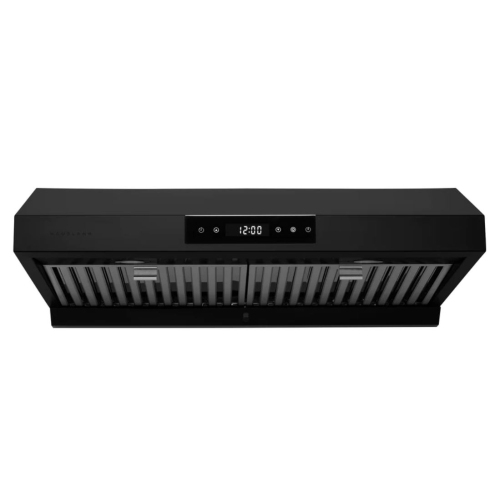 Your price for this item is $611.99
-
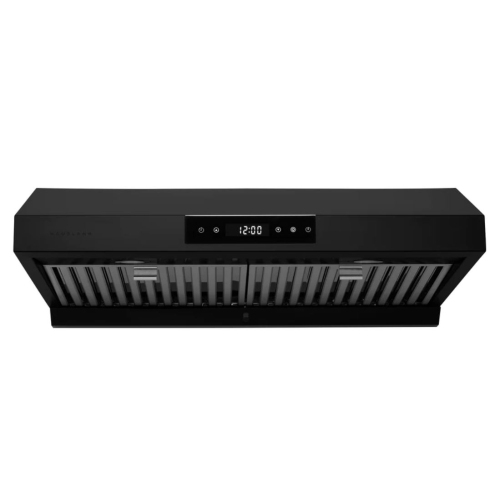 Your price for this item is $566.99
-
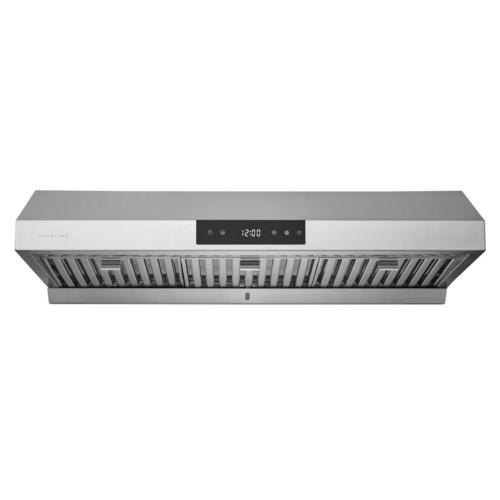 Your price for this item is $611.99
-
 Your price for this item is $611.99
-
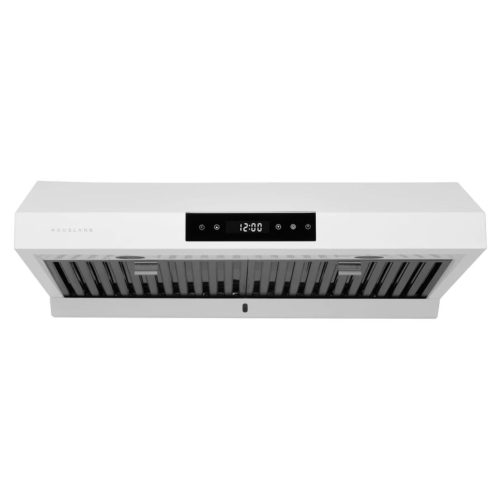 Your price for this item is $566.99
-
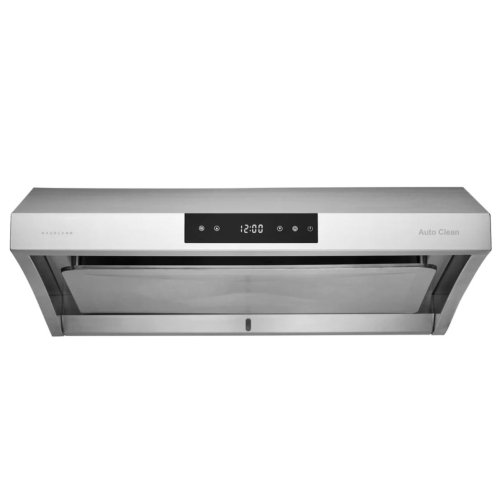 Your price for this item is $701.99
-
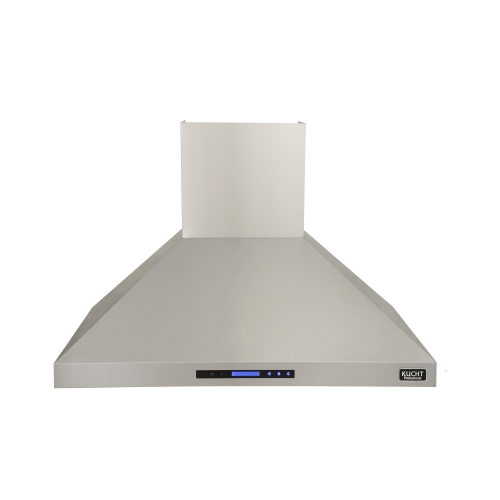 Your price for this item is $2455
Discover more categories related to Convertible Under Cabinet Range Hood
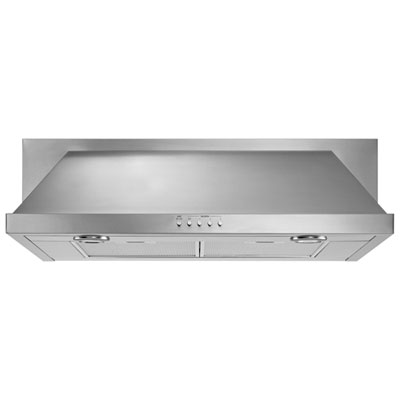
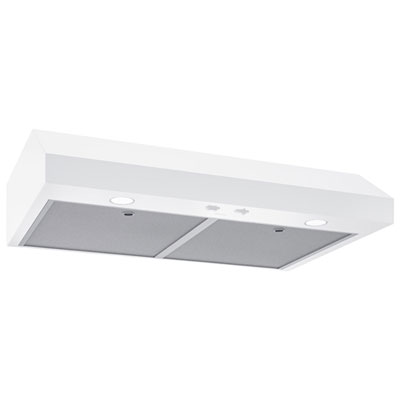
Top Collections:
Best Black Friday Deals This Year, Best Black Friday Deals On Electronics, Kindle Devices, Pokemon Centers, Best Black Friday Deals On Apple Products, Best Cameras for Sports Photography, Dyson Airwrap, Pokémon 30th Celebration Cards, Apple iPhone 17 Pro, Canon G7X Cameras
Some products may be subject to Environmental Handling Fees
(EHF) depending on your province.
Learn more about EHFs.