Cup Coffee Percolators
Sort

Why six cups may not mean six mugs
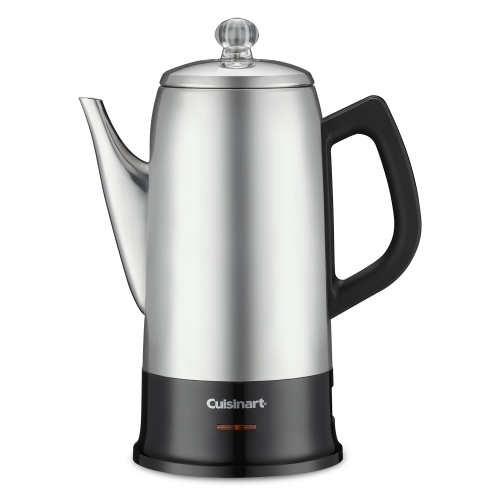
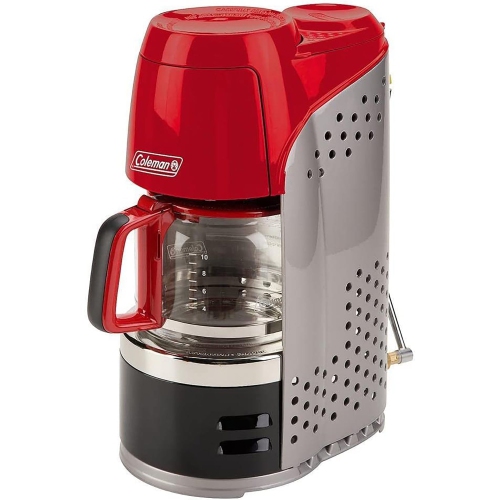
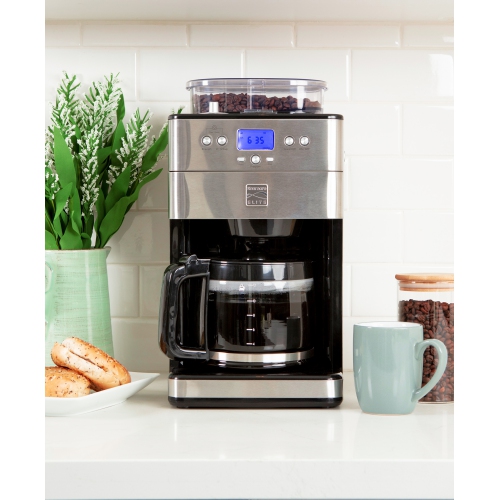
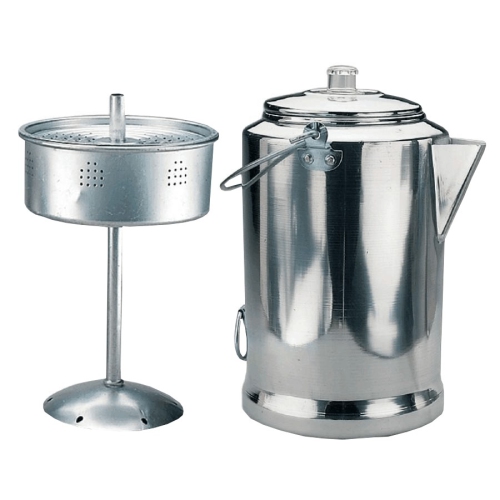
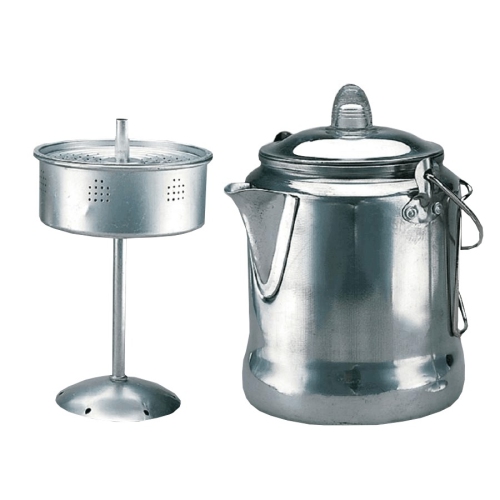
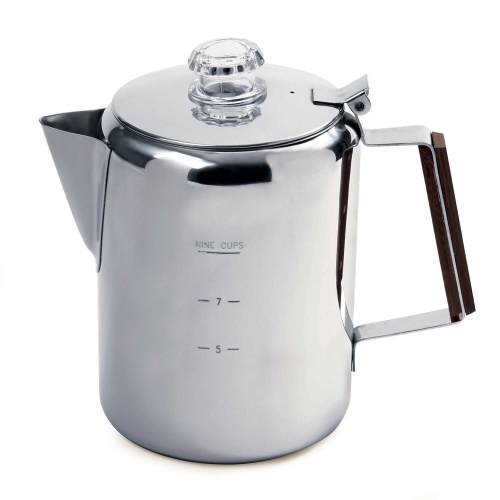
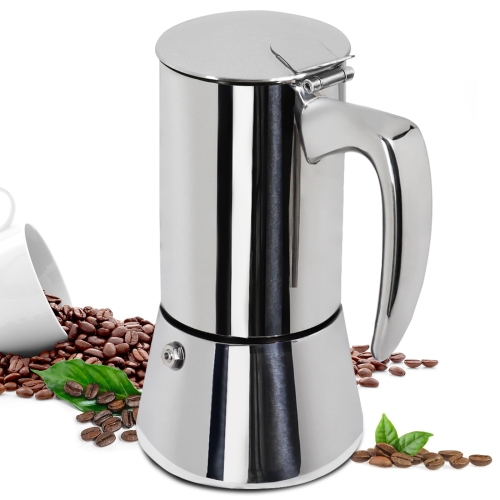
Coffee percolators brew by moving heated water up a central tube and over ground coffee held in a raised filter basket. The liquid drains back into the pot and circulates through the grounds again during brewing, producing the full-bodied flavour and familiar bubbling sound associated with percolated coffee. Unlike a drip coffee maker, which generally passes water through the grounds once, a percolator repeatedly circulates the brewing liquid, so grind size, heat, and brewing time all influence the result. Cup capacity is a useful starting point when comparing coffee percolators, but the number on the pot does not necessarily represent the number of full mugs it will fill. Manufacturers may use a smaller serving size than a typical kitchen mug, and cup measurements can differ between designs. A capacity stated in millilitres or litres gives a clearer picture of how much coffee a pot can hold. For example, a nominal six-cup capacity may suit a few modest servings rather than six large travel mugs. The usable brewing capacity and any minimum-fill requirement also matter: a large pot is not always intended to brew a single serving. Smaller-capacity percolators can suit one or two coffee drinkers, while larger capacities make sense for shared breakfasts, family visits, or several people filling cups before heading out. There is a practical difference between brewing enough for immediate serving and preparing a pot that will sit for an extended period. Coffee left over active heat can develop a harsher taste, even when the appliance is designed to keep it warm. For a household where everyone drinks coffee at different times, batch size may matter as much as total capacity. The most useful fit is a percolator whose serving volume matches the cups actually used, with enough room on the counter or stovetop for comfortable handling and pouring. Clearly marked fill lines help make those everyday batches more consistent without measuring water separately each time.
Electric and stovetop coffee percolators offer different ways to bring that brewing method into a daily routine. Electric designs have a built-in heating element and plug into an outlet; depending on the design, they may include a ready light, automatic brewing controls, or a keep-warm function. These features can suit a kitchen counter, a shared break area, or a dining space where coffee is served close to an outlet, provided the appliance is intended for that setting. A detachable cord or separate power base can make pouring more convenient, although those features should not be assumed across all designs. Stovetop percolators rely on an external heat source and give the person brewing more direct control over the heating process. Hob compatibility deserves close attention, especially with induction: a stainless steel body alone does not guarantee that a pot will work on an induction surface. Glass, electric coil, and gas cooking surfaces can also have different cookware requirements. For camping use, suitability depends on the pot’s stated heat-source compatibility, including its handle, lid knob, and base; a stovetop designation does not automatically make a percolator appropriate for an open fire. Materials affect both handling and care. Stainless steel is commonly used for its durability and resistance to everyday wear, while glass designs provide a view of the coffee as it brews but need protection from impacts and sudden temperature changes. Aluminium is generally lighter to carry, though its cleaning requirements and cooking-surface compatibility can differ from those of stainless steel. A comfortable handle, secure lid, and well-shaped spout are particularly noticeable when a filled pot is lifted and tilted. Overall height matters for storage beneath cupboards, while the base should sit securely on its intended surface. Details such as an easy-to-read water scale, accessible basket, and replaceable lid knob can be more useful over time than a decorative finish alone. The Best Coffee Percolators page offers another way to explore the category alongside these everyday considerations.
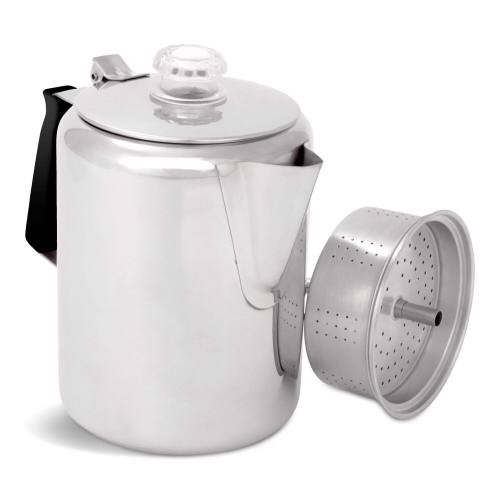
The filter basket and central tube are small components with a large role in how a coffee percolator performs. A properly seated tube and basket allow the brewing liquid to circulate as intended, while the basket’s perforations affect how well it retains the grounds. A coarse grind is generally well suited to percolation because finer particles can pass through the basket and leave sediment in the cup. Coffee quantity is best matched to the manufacturer’s directions, the actual water volume, and personal taste rather than relying on a universal scoop-per-cup rule. Scoop sizes and nominal cup measurements vary, so a repeatable measure of both water and coffee makes it easier to reproduce a preferred strength. With a stovetop design, controlled heat matters more than vigorous boiling; excessive heat or prolonged brewing can produce an overly bitter result. Electric models manage heat differently, making the operating instructions important even for someone familiar with another percolator. Some baskets can accommodate a compatible paper filter to reduce sediment, but filters need to suit the basket and must not interfere with circulation. After serving, removing spent grounds and washing the removable brewing components helps prevent coffee oils from building up and affecting flavour. Narrow openings, basket seams, and the inside of the tube deserve attention because residue can remain there even when the pot looks clean. Dishwasher suitability varies by component, and electric bodies, cords, and power bases should never be immersed unless the manufacturer explicitly permits it. Mineral deposits may also require periodic descaling with an approved method. For frequent use, straightforward disassembly and access to replacement parts can contribute to a longer useful life. Percolators can be a thoughtful gift for someone who enjoys traditional coffee preparation, hosts small gatherings, or wants a brewing method that does not depend on capsules. Matching the capacity, heat source, weight, and cleaning needs to that person’s habits makes the gift more practical. Whether it fills two breakfast mugs or supplies coffee around a shared table, a well-matched percolator earns its place through comfortable handling, dependable brewing, and manageable daily care.
Electric and stovetop coffee percolators offer different ways to bring that brewing method into a daily routine. Electric designs have a built-in heating element and plug into an outlet; depending on the design, they may include a ready light, automatic brewing controls, or a keep-warm function. These features can suit a kitchen counter, a shared break area, or a dining space where coffee is served close to an outlet, provided the appliance is intended for that setting. A detachable cord or separate power base can make pouring more convenient, although those features should not be assumed across all designs. Stovetop percolators rely on an external heat source and give the person brewing more direct control over the heating process. Hob compatibility deserves close attention, especially with induction: a stainless steel body alone does not guarantee that a pot will work on an induction surface. Glass, electric coil, and gas cooking surfaces can also have different cookware requirements. For camping use, suitability depends on the pot’s stated heat-source compatibility, including its handle, lid knob, and base; a stovetop designation does not automatically make a percolator appropriate for an open fire. Materials affect both handling and care. Stainless steel is commonly used for its durability and resistance to everyday wear, while glass designs provide a view of the coffee as it brews but need protection from impacts and sudden temperature changes. Aluminium is generally lighter to carry, though its cleaning requirements and cooking-surface compatibility can differ from those of stainless steel. A comfortable handle, secure lid, and well-shaped spout are particularly noticeable when a filled pot is lifted and tilted. Overall height matters for storage beneath cupboards, while the base should sit securely on its intended surface. Details such as an easy-to-read water scale, accessible basket, and replaceable lid knob can be more useful over time than a decorative finish alone. The Best Coffee Percolators page offers another way to explore the category alongside these everyday considerations.
The filter basket and central tube are small components with a large role in how a coffee percolator performs. A properly seated tube and basket allow the brewing liquid to circulate as intended, while the basket’s perforations affect how well it retains the grounds. A coarse grind is generally well suited to percolation because finer particles can pass through the basket and leave sediment in the cup. Coffee quantity is best matched to the manufacturer’s directions, the actual water volume, and personal taste rather than relying on a universal scoop-per-cup rule. Scoop sizes and nominal cup measurements vary, so a repeatable measure of both water and coffee makes it easier to reproduce a preferred strength. With a stovetop design, controlled heat matters more than vigorous boiling; excessive heat or prolonged brewing can produce an overly bitter result. Electric models manage heat differently, making the operating instructions important even for someone familiar with another percolator. Some baskets can accommodate a compatible paper filter to reduce sediment, but filters need to suit the basket and must not interfere with circulation. After serving, removing spent grounds and washing the removable brewing components helps prevent coffee oils from building up and affecting flavour. Narrow openings, basket seams, and the inside of the tube deserve attention because residue can remain there even when the pot looks clean. Dishwasher suitability varies by component, and electric bodies, cords, and power bases should never be immersed unless the manufacturer explicitly permits it. Mineral deposits may also require periodic descaling with an approved method. For frequent use, straightforward disassembly and access to replacement parts can contribute to a longer useful life. Percolators can be a thoughtful gift for someone who enjoys traditional coffee preparation, hosts small gatherings, or wants a brewing method that does not depend on capsules. Matching the capacity, heat source, weight, and cleaning needs to that person’s habits makes the gift more practical. Whether it fills two breakfast mugs or supplies coffee around a shared table, a well-matched percolator earns its place through comfortable handling, dependable brewing, and manageable daily care.
Top selling and popular products
-
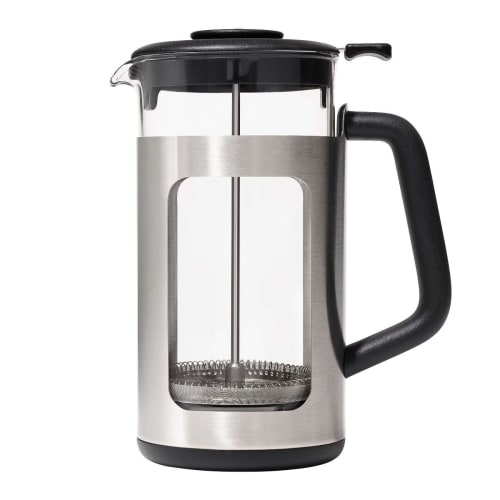 Your price for this item is $180
 -
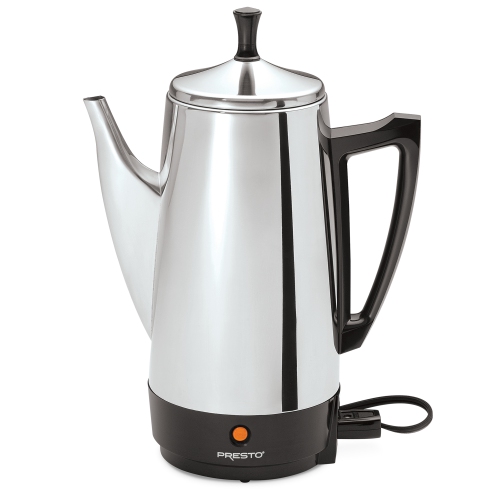 Your price for this item is $159.99
 -
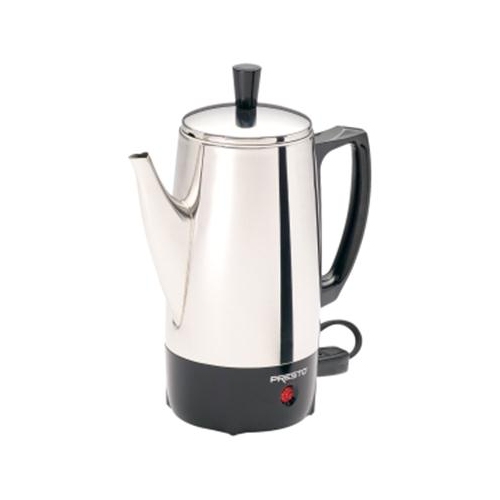 Your price for this item is $115.99
 -
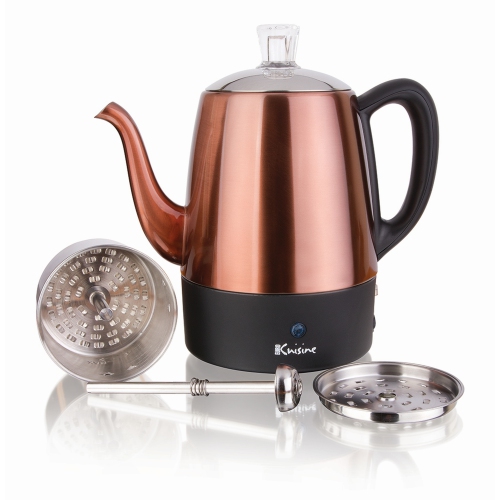 Your price for this item is $114.99
 -
 Your price for this item is $70
 -
 Your price for this item is $134
 -
 Your price for this item is $13.99
 -
 Your price for this item is $84.99
Discover more categories related to Cup Coffee Percolators
Top Collections:
Pokemon Centers, Kindle Devices, Best Budget Office Chairs, Apple iPhones 16, Canon G7X Cameras, iPhone 15 Apple, Alarm Clock, Refurbished Apple Laptops, Flip Phones, Best Laptops for Writers
Some products may be subject to Environmental Handling Fees
(EHF) depending on your province.
Learn more about EHFs.