Electric Coffee Percolators
Elevate your daily coffee experience with an electric coffee percolator, designed to deliver rich and flavorful brews with ease. Perfect for home kitchens, offices, or gatherings, these convenient appliances bring the classic taste of percolated coffee into the modern era. Whether you’re preparing a single cup or serving a group, an electric coffee percolator offers a reliable way to enjoy freshly brewed coffee whenever you want. Discover a variety of options to suit your brewing preferences and start each day with the perfect cup.
Sort

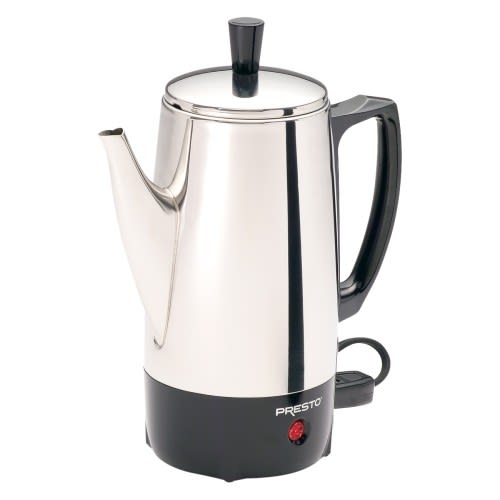
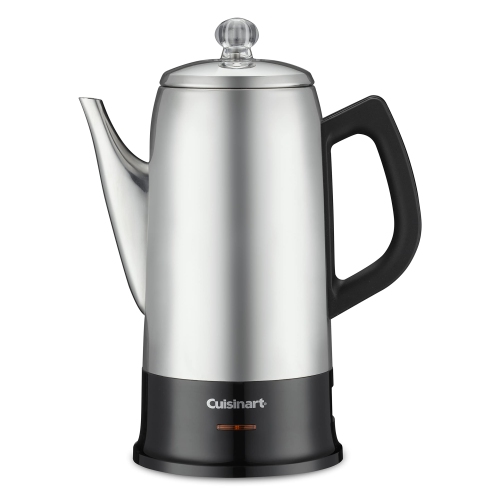
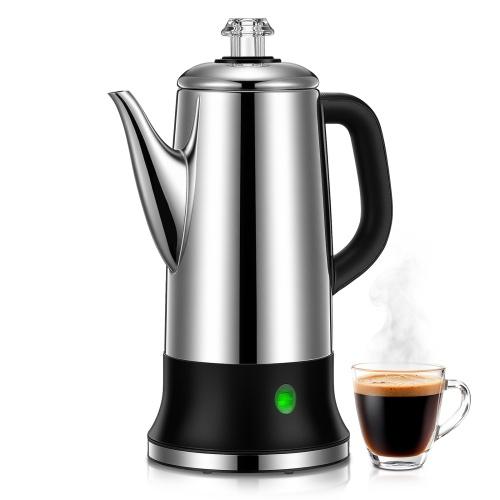
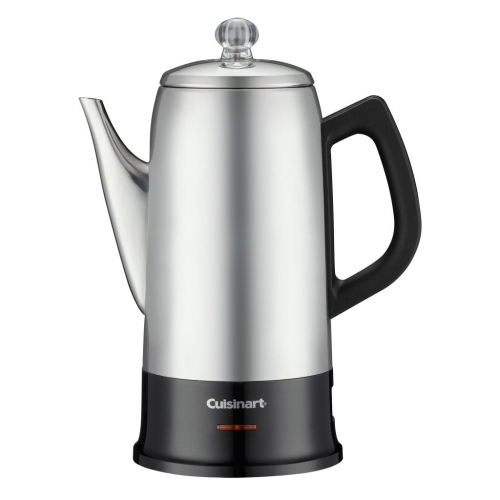
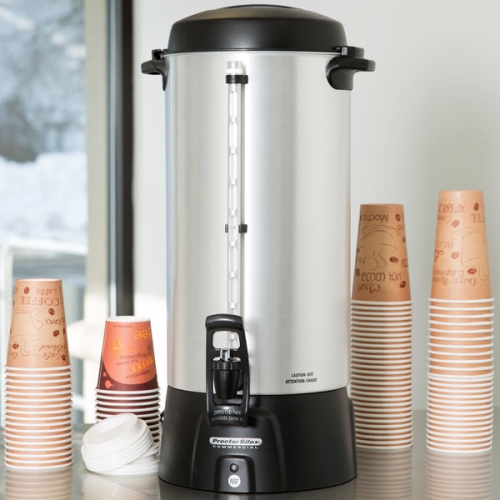
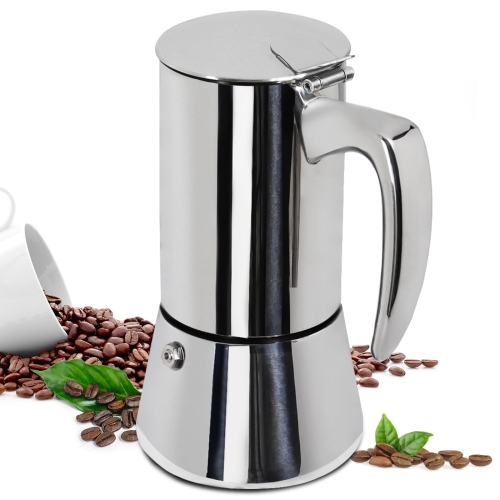
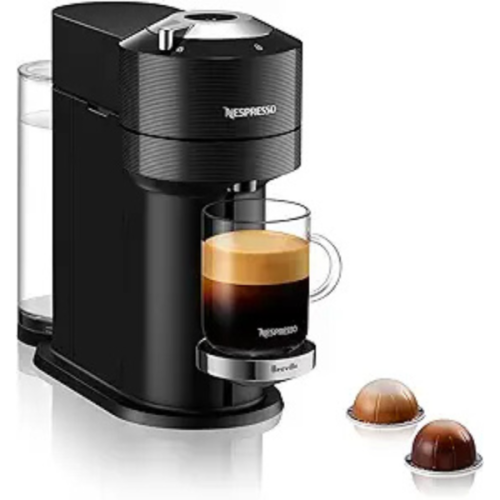
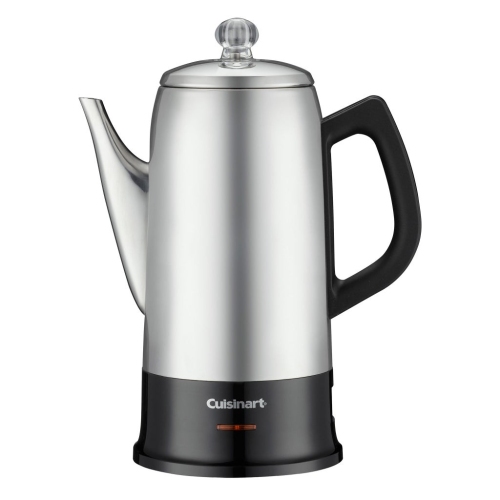
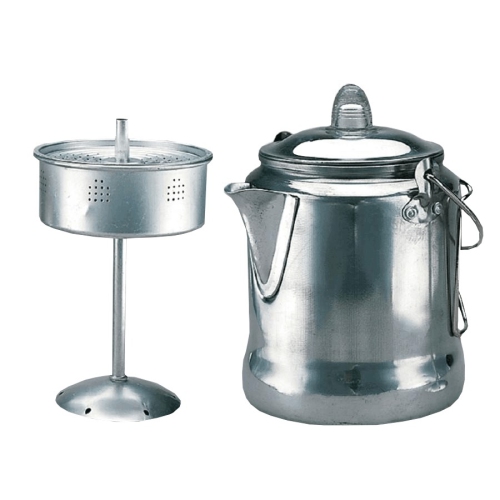
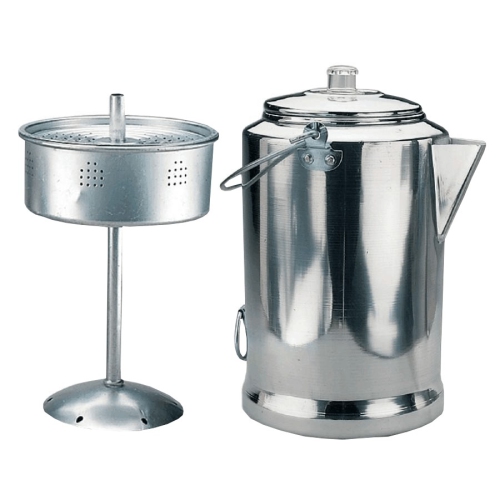
Full-bodied coffee brewed and served in one pot
Electric coffee percolators are plug-in appliances that brew coffee by circulating heated water up a central tube and over grounds held in a perforated basket. The brewed liquid returns to the pot, passing through the grounds repeatedly during the brewing cycle. This method produces the hot, full-bodied coffee associated with a traditional percolator, without requiring a stovetop burner. Unlike a drip coffee maker, which generally sends water through the grounds once into a separate carafe, a percolator brews and holds coffee in the same vessel. Many electric designs automatically change from brewing to a lower-heat keep-warm setting, making them useful for a leisurely breakfast, a shared office coffee break, or serving several people after dinner. Automatic operation varies, so a ready light, keep-warm function, and automatic shut-off should be treated as separate features rather than interchangeable descriptions. The flavour depends on the beans, grind, water, and brewing cycle, not simply the appliance’s wattage. A coarse or medium-coarse grind generally suits a percolator basket better than a fine espresso grind, which can pass through the holes and leave sediment in the cup. Excessively fine grounds may also interfere with water flowing evenly through the basket. Coffee intended for a paper-filter drip machine is not always the best match for a metal percolator basket, even when the beans themselves are suitable. A measured amount of coffee and a consistent water level make it easier to repeat a preferred result, whether the goal is a lighter breakfast cup or a more pronounced roast flavour served with milk. Brewing time changes with the amount of water, starting water temperature, and appliance design; a larger wattage rating alone does not establish how the finished coffee will taste. For households that enjoy a familiar pot of coffee rather than individual capsules, the appeal lies in a straightforward brewing method and a vessel that can move from the kitchen counter to the table when its design allows.
Capacity makes a practical difference when comparing Cup Coffee Percolators for a household, shared workspace, or regular gatherings. The cup count on a coffee appliance may represent smaller servings than a typical mug, so the stated water capacity gives useful context. A pot that comfortably serves several small cups after a meal may fill fewer large breakfast mugs. Minimum fill requirements matter, too: a larger vessel is not necessarily suitable for brewing a single serving, because the heating and circulation system needs an appropriate water level to work as intended. For everyday use, capacity should reflect both the usual number of drinkers and how much coffee each person pours. The appliance’s footprint, height, and access to an electrical outlet also affect where it fits, particularly on a counter beneath cupboards. Stainless steel is a common material for the body and internal brewing components because it tolerates repeated heating and regular washing. A polished exterior has a traditional coffee-service appearance, while a brushed finish may make fingerprints less noticeable. The basket, stem, lid, and handle deserve as much attention as the outer finish: these are the parts handled during filling, brewing, pouring, and cleaning. A well-fitting lid, comfortable handle, and neatly formed spout contribute to controlled serving, especially when the pot is full. Heat-resistant handles help with handling, but the body, lid, and escaping steam can still be hot. Some designs use a detachable power cord, while others lift away from a powered base. Either arrangement can make table service easier, although powered warming generally stops once the pot is disconnected. A viewing knob or brewing indicator can provide a visible cue without lifting the lid. Clear water markings and accessible controls are useful details for anyone who would rather fill the pot and start breakfast than manage multiple settings. Safety functions such as boil-dry protection or timed shut-off are worth distinguishing from convenience features, since their presence and operation vary between designs.
Regular care helps electric coffee percolators continue pouring clean-tasting coffee and keeps their removable parts working properly. Coffee oils can collect inside the vessel, beneath the lid, and around the basket, while fine grounds may settle along the bottom or inside the stem. Components that separate easily are simpler to inspect and rinse after the appliance has been unplugged and allowed to cool. A narrow cleaning brush can help reach the central tube when permitted by the care instructions, and a soft cloth or non-abrasive sponge helps protect the finish. Dishwasher suitability applies to individual components, not automatically to the entire appliance; an electrical body or powered base should never be immersed unless the manufacturer expressly permits it. Hard-water mineral deposits can affect heating and circulation over time, making manufacturer-approved descaling part of routine upkeep where needed. Keeping the basket perforations clear and ensuring the stem is seated correctly also supports consistent brewing. Durability involves more than a substantial metal shell: secure handle attachments, sound electrical connections, and continued access to compatible replacement parts can all influence how long an appliance remains useful. For daily coffee drinkers, a manageable weight and uncomplicated cleaning routine may matter more than an elaborate set of controls. For occasional hosts, a generous serving capacity and a spout that pours neatly into smaller cups may be the more relevant qualities. An electric percolator can also make a thoughtful housewarming or wedding gift for someone who enjoys traditional brewed coffee, particularly when its capacity suits the recipient’s household and kitchen space. It is less suited to someone whose main interest is espresso or milk-based café drinks, since percolation is a different brewing method and does not create espresso pressure or steam milk. Its place is straightforward: brewing a shared pot for breakfast, keeping coffee ready during a conversation when equipped to do so, and bringing the familiar aroma of freshly brewed coffee to an everyday routine. Matching those habits with appropriate capacity, comfortable handling, and easy-to-clean construction gives the appliance a clear role beyond its appearance on the counter.
Top selling and popular products
-
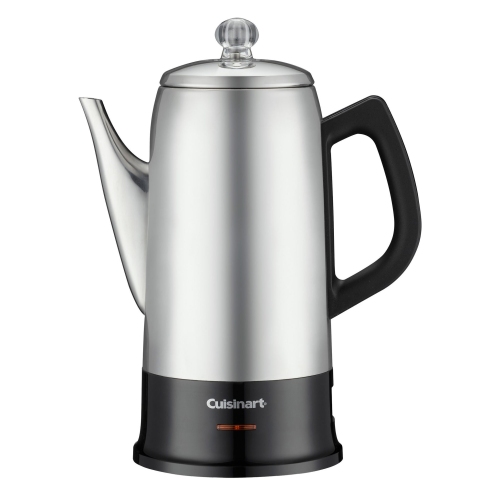 Your price for this item is $119.95
-
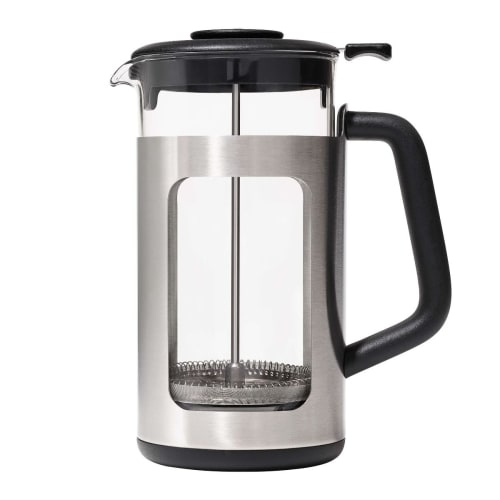 Your price for this item is $180
-
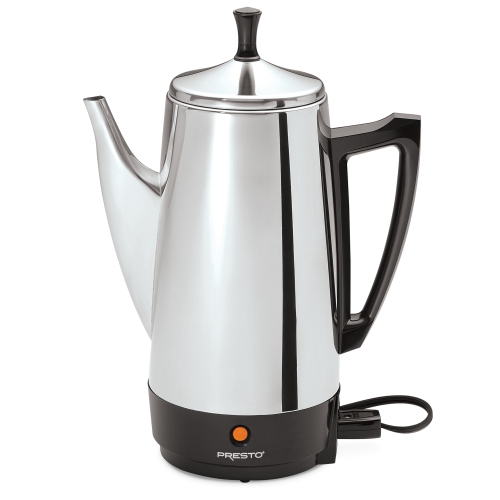 Your price for this item is $159.99
-
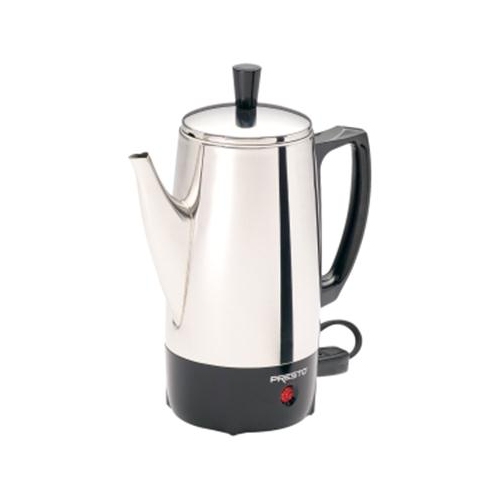 Your price for this item is $115.99
-
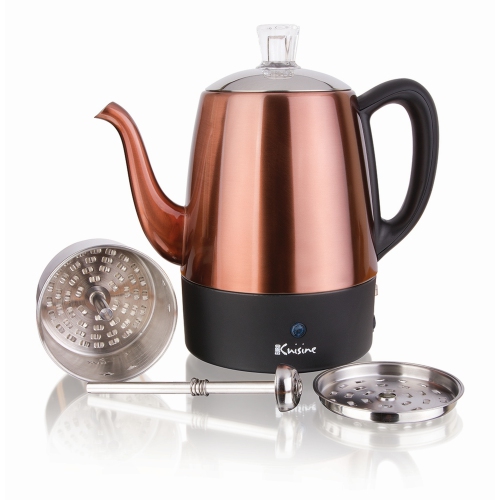 Your price for this item is $114.99
-
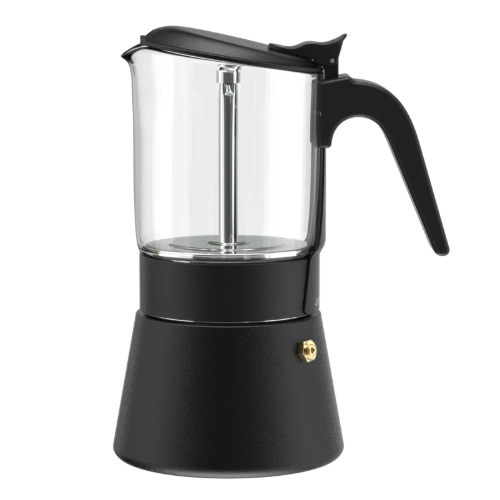 Your price for this item is $70
-
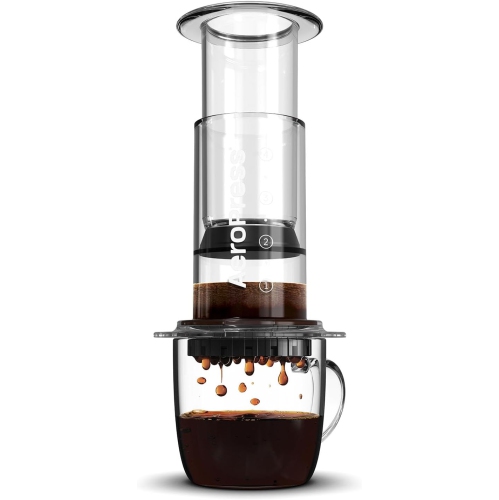 Your price for this item is $70
-
 Your price for this item is $27
Discover more categories related to Electric Coffee Percolators
Top Collections:
Best Black Friday Deals This Year, Best Black Friday Deals On Electronics, Kindle Devices, Pokemon Centers, Best Black Friday Deals On Apple Products, Best Cameras for Sports Photography, Dyson Airwrap, Pokémon 30th Celebration Cards, Apple iPhone 17 Pro, Canon G7X Cameras
Some products may be subject to Environmental Handling Fees
(EHF) depending on your province.
Learn more about EHFs.