Cupcake Mixers
Cupcake mixers make baking sweet treats at home easier and more enjoyable. Whether you’re preparing a batch for a special occasion or simply satisfying a craving, the right cupcake mixer helps you achieve smooth batter and consistent results every time. Explore a wide selection of cupcake mixers designed to simplify your baking process and enhance your kitchen experience. Find the perfect match to suit your needs and start creating delicious cupcakes with ease.
Sort
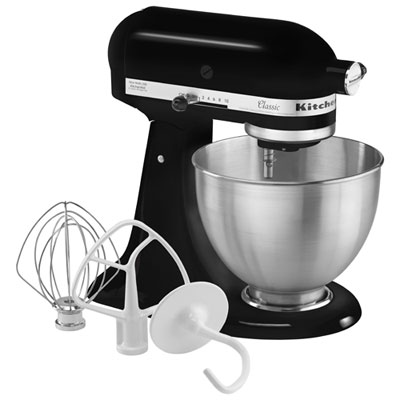
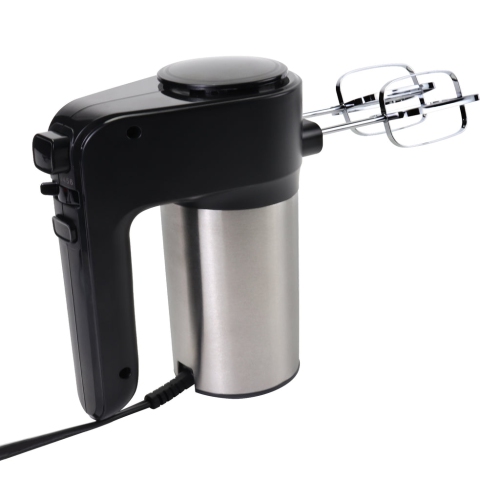
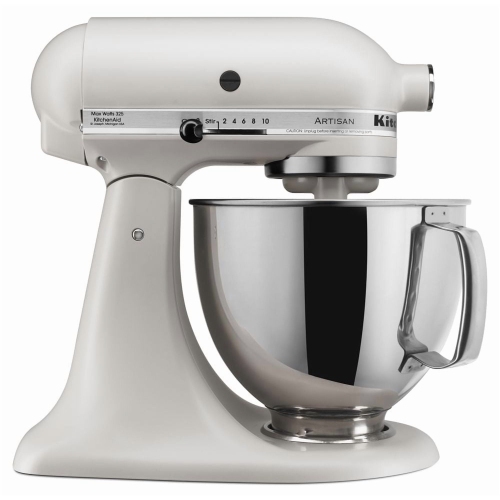
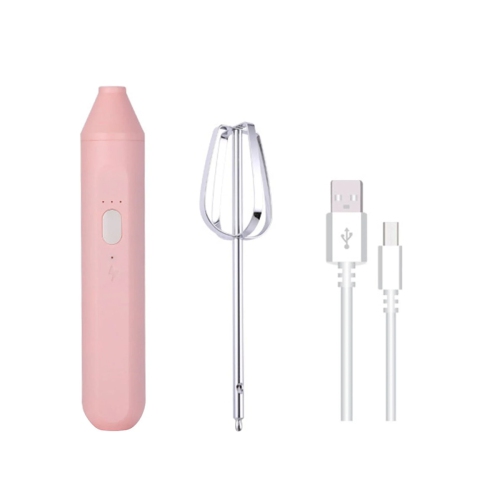
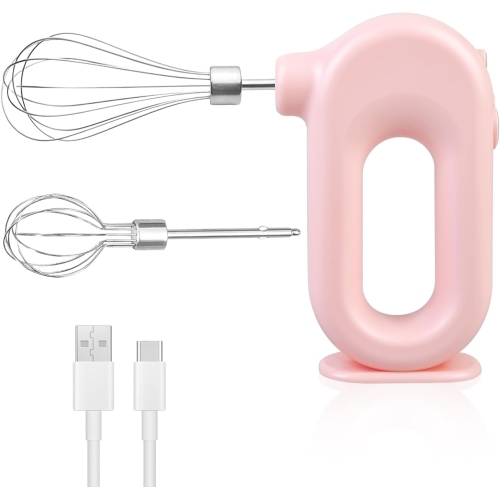
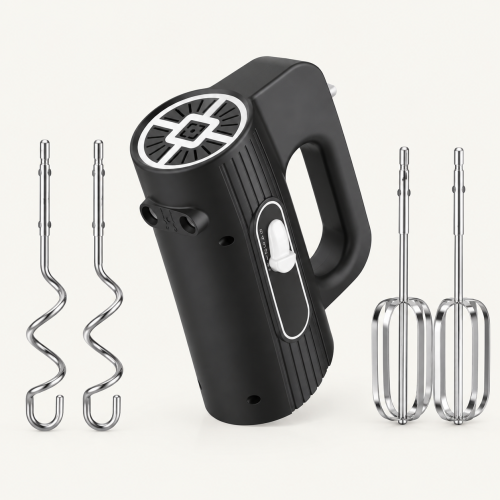
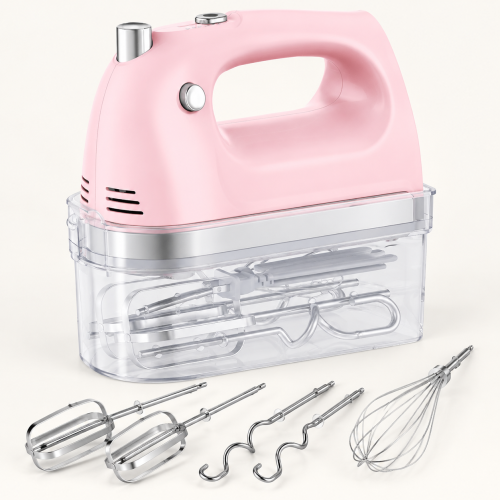
Why six cupcakes can call for a different mixer
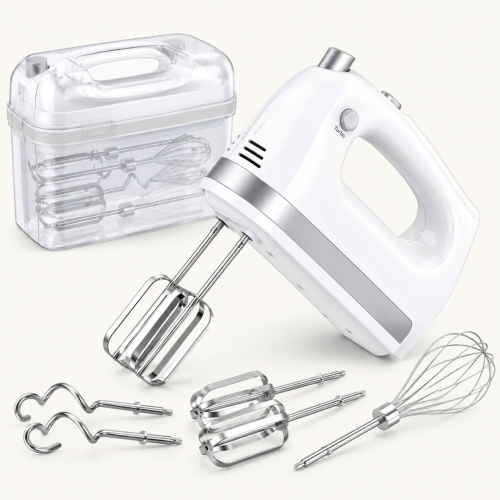
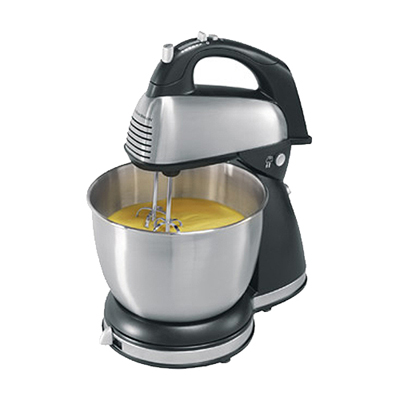
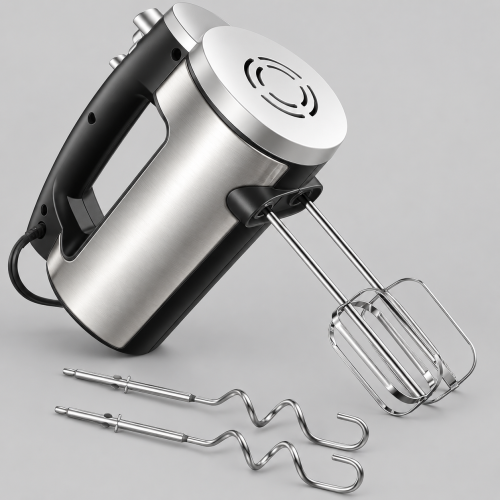
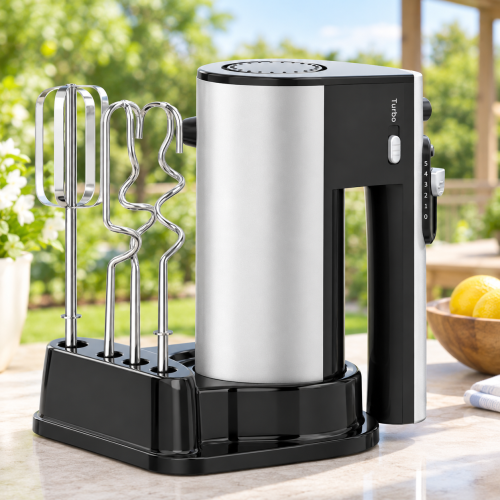
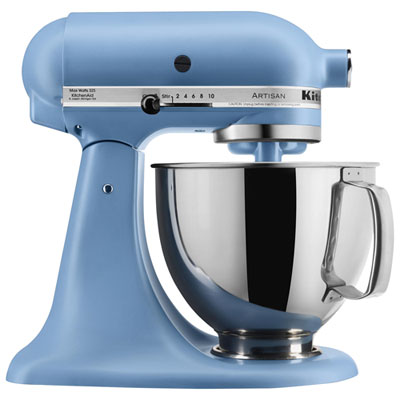
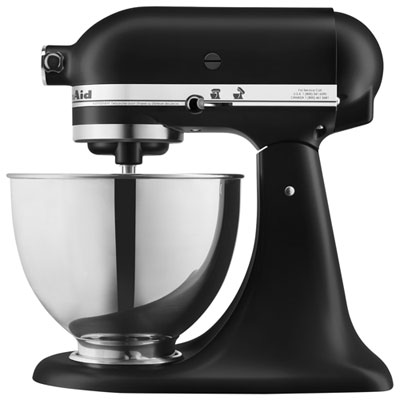
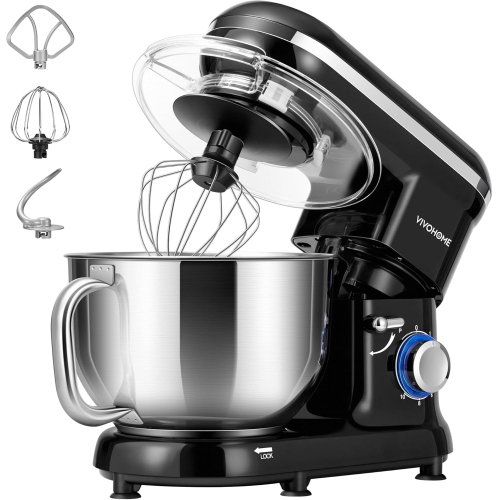
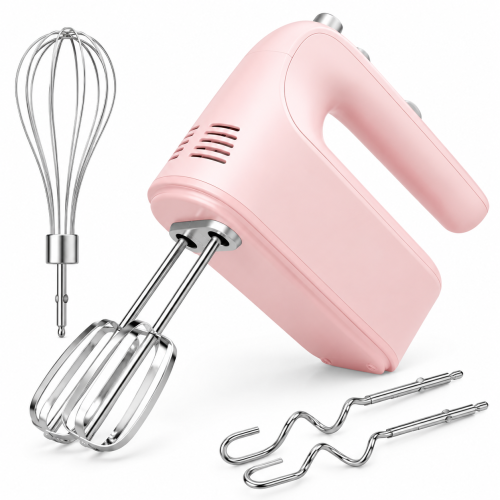
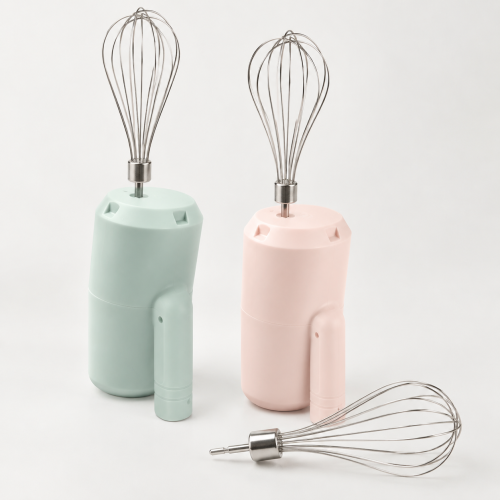
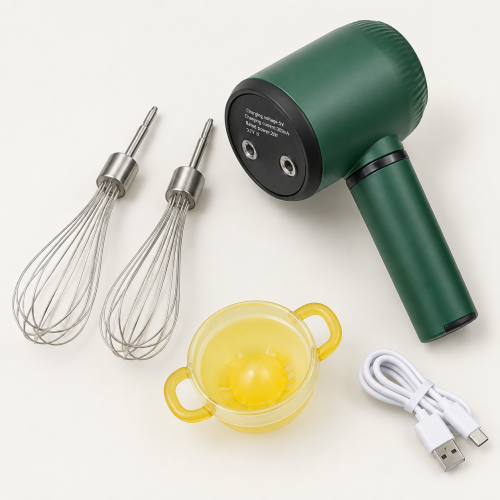
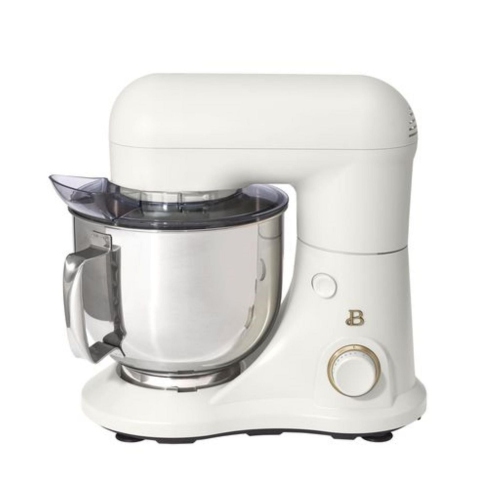
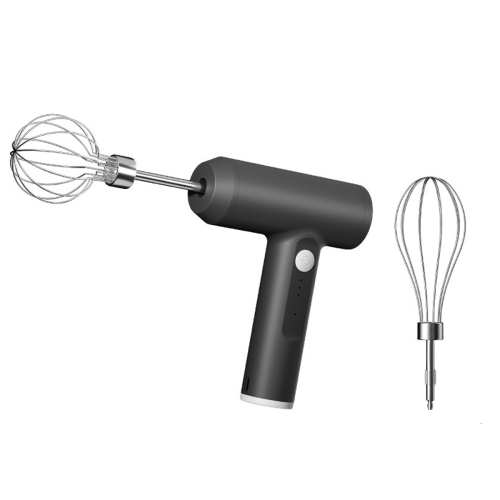
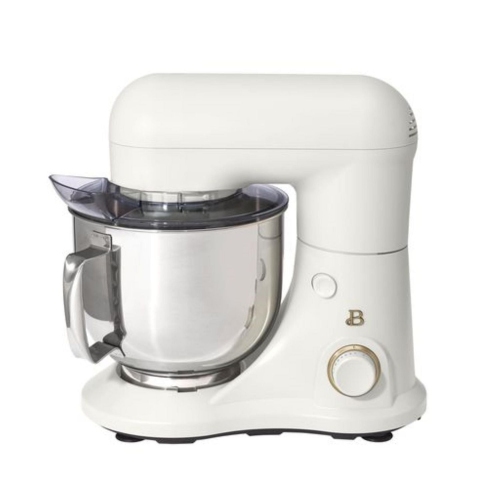
Cupcake mixers are kitchen tools for blending cake batter and, in some cases, whipping the frosting that goes on top. A boxed cupcake mix provides the dry ingredients for a recipe; a mixer combines those ingredients with the liquids or other additions called for on the package. The same tool can handle batter made from scratch, but the way it mixes matters more than whether the flour came from a box or a bag. A manual crank mixer can be a good fit for a small batch of pourable batter, especially when the recipe calls for little more than bringing wet and dry ingredients together. An electric hand mixer offers more control for recipes that start by creaming butter and sugar, and it can move from a batter bowl to a separate bowl of frosting without taking up much storage space. A low starting speed helps keep flour in the bowl instead of sending a cloud across the countertop. A stand mixer keeps the bowl in place and frees both hands to measure ingredients or add them gradually. That setup is useful for bakers who fill several pans in one session or regularly make thicker buttercream. For a batch of six cupcakes, though, the size of the bowl and how close the attachment gets to the bottom can matter more than how much batter the mixer can hold. A small quantity may sit below the reach of an attachment in a larger bowl. The broader range of Batter Mixers includes tools suited to other baking tasks as well, but for cupcakes, it helps to start with the batch size and the kind of batter typically on the menu. A light vanilla batter, a dense chocolate batter and a bowl of whipped frosting put different demands on the same equipment.
Fit is about more than the space a mixer takes up on the countertop. For a handheld model, the angle of the grip, the location of the speed control and the weight of the motor housing all affect how it feels when held over a bowl for several minutes. A deep bowl helps contain splashes, but it also needs to be wide enough to move the beaters through the batter without constantly bumping the sides. With a stand mixer, leave room to raise the head or operate the bowl lift, depending on the design. A sturdy base helps keep the mixer steady during use, and a handle on a larger bowl makes it easier to lift and pour when full. Stainless steel bowls are generally lighter than glass bowls of a similar size and can withstand the occasional knock against the sink. Glass makes it easier to spot a streak of flour clinging to the side, though a full bowl can be heavy to tip with one hand. Stainless steel beaters are a practical choice for frequent baking, while lighter plastic components can make a manual mixer easier to handle. Some manual tools combine mixing and dispensing in one container; others are dispensers only and need to be filled with batter mixed separately. A dispenser can make quick work of getting a smooth batter into mini cupcake liners, where a wide bowl spout might send batter over the edge. Thick batter or batter with berries or chocolate chunks may not pass easily through a narrow opening. For those recipes, a scoop can portion the batter without crushing the additions or clogging a spout. Similar amounts in each liner help the cupcakes bake at a similar rate, whether the batter is poured, dispensed or scooped.
Ease of cleaning can make a difference in how often a mixer gets used. Batter tends to collect where beaters meet their shafts and around the seals of a dispenser, so removable parts that are easy to reach can save time at the sink. Check which parts can go in the dishwasher, since a dishwasher-safe bowl does not necessarily mean the same applies to the attachments or lid. Detach beaters before washing, avoid immersing the motor housing and let the parts dry before putting them away. For a mixer that gets regular use, a crank that turns smoothly, attachments that lock firmly into place and controls that are easy to wipe clean are practical details. A compact hand mixer can suit someone baking in a first apartment, where a mixing bowl may already serve a few purposes and counter space is shared with meal prep. A manual mixer can be useful for occasional bakers who mostly make small batches and prefer a tool that does not need an outlet. For someone who makes cupcakes for birthday parties, bake sales or family gatherings, a stand mixer may make more sense, especially if it will also be used for frosting and other baking. When giving a mixer as a housewarming or birthday gift, consider how the recipient bakes rather than assuming a larger machine is an upgrade. Someone who makes a dozen cupcakes from a boxed mix may get more use from a lightweight hand mixer than from a machine that needs a permanent spot on the counter. A frequent baker who makes several batches from scratch may value a stable bowl and the ability to switch from a flat beater for batter to a whisk for frosting. In either kitchen, a mixer earns its place by being easy to set up, comfortable to use and straightforward to clean after the last liner is filled.
Top selling and popular products
-
 Your price for this item is $59.98
-
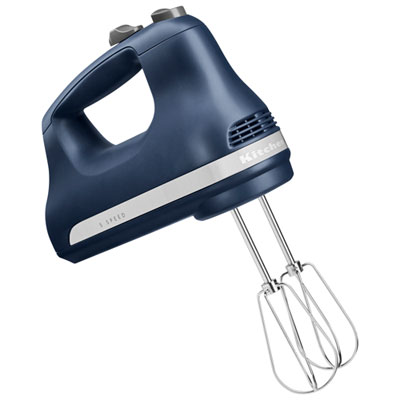 Your price for this item is $89.99
-
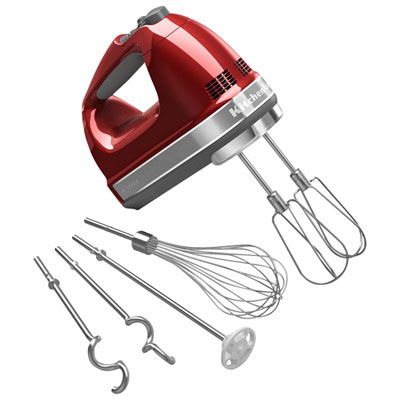 Your price for this item is $119.99
-
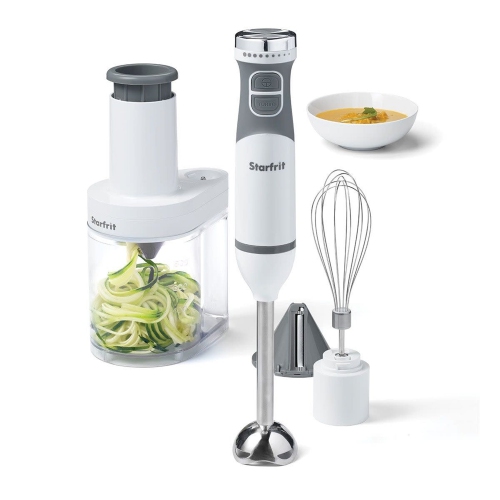 Your price for this item is $49.99
-
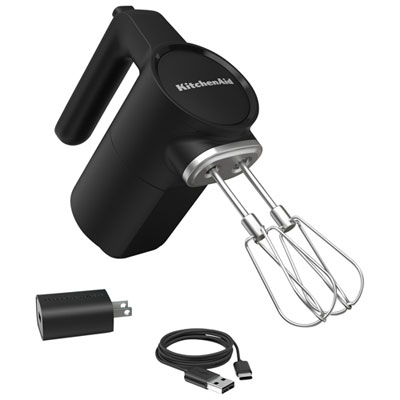 Your price for this item is $119.99
-
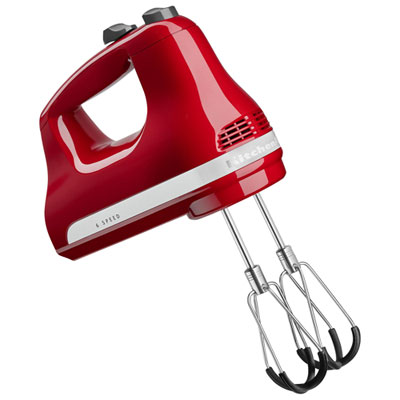 Your price for this item is $94.99
-
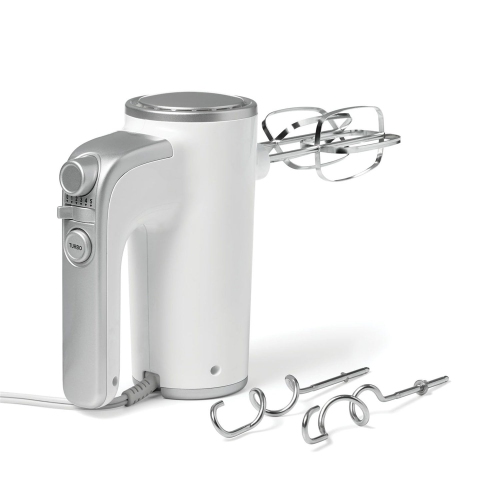 Your price for this item is $29.99
-
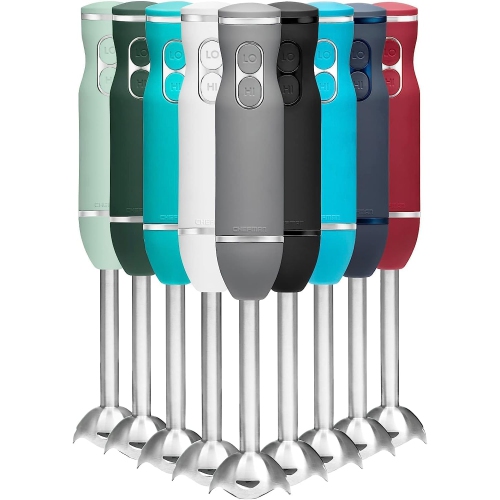 Your price for this item is $57.99
Discover more categories related to Cupcake Mixers

Top Collections:
Best Black Friday Deals This Year, Best Black Friday Deals On Electronics, Kindle Devices, Pokemon Centers, Best Black Friday Deals On Apple Products, Best Cameras for Sports Photography, Dyson Airwrap, Pokémon 30th Celebration Cards, Apple iPhone 17 Pro, Canon G7X Cameras
Some products may be subject to Environmental Handling Fees
(EHF) depending on your province.
Learn more about EHFs.