Mixers for Student's Baking
Mixers For Student's Baking are designed to help make baking projects easier and more enjoyable, whether you're preparing treats in a dorm kitchen or experimenting with new recipes at home. Find a range of options that fit small spaces and busy schedules, making it simple to whip up everything from cookies to cupcakes. With the right mixer, students can tackle their favorite baking tasks and discover new skills in the kitchen. Explore mixers for student’s baking to find the perfect match for your culinary adventures.
Sort
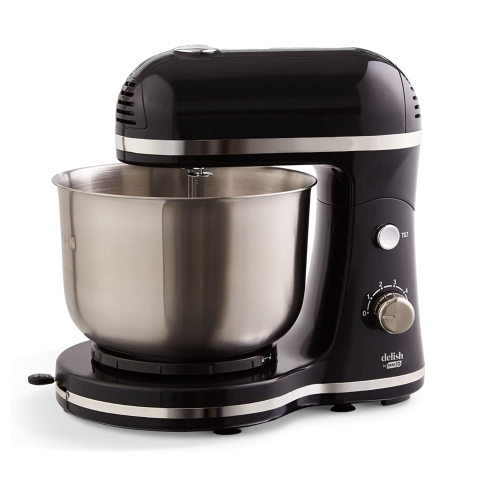
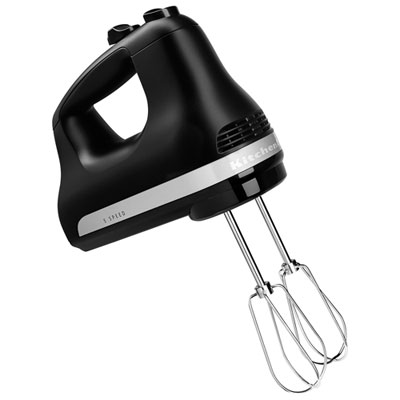
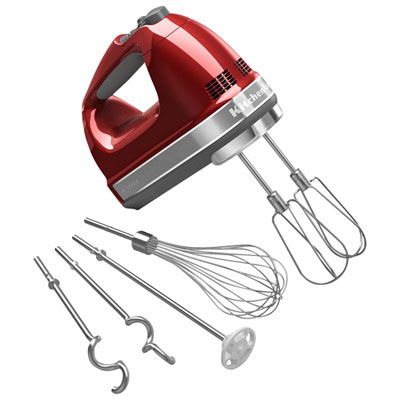
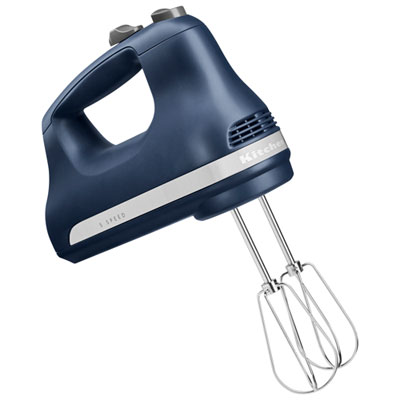
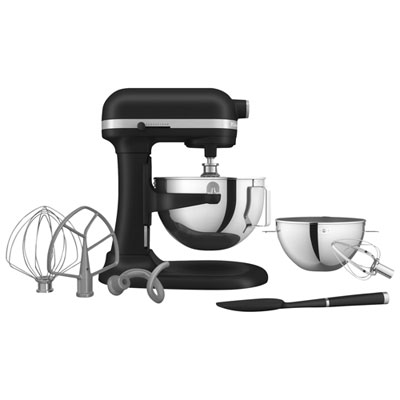
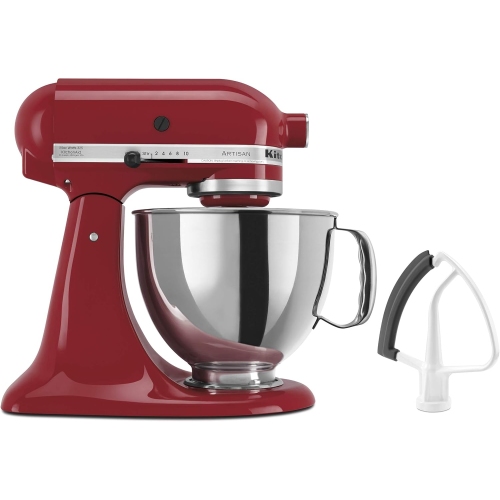
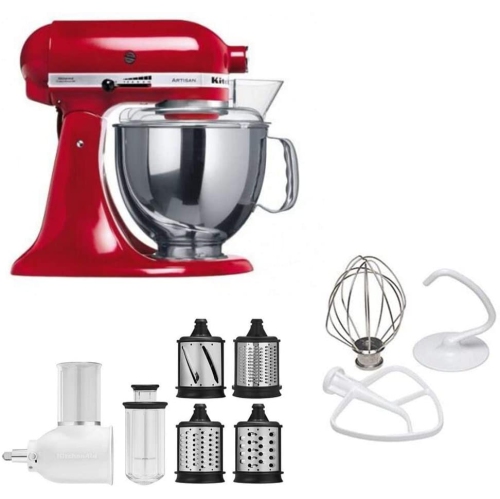


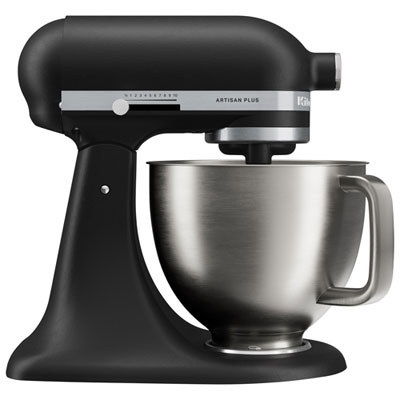
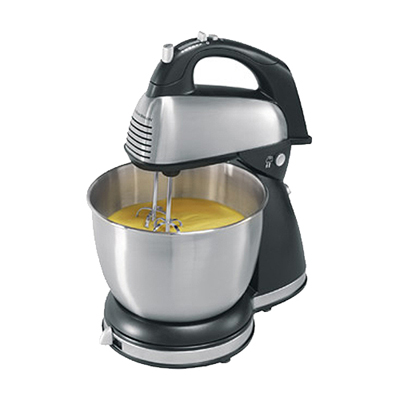
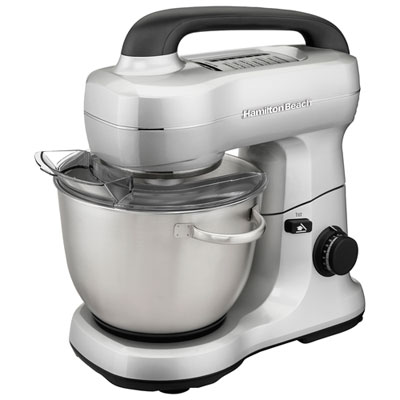
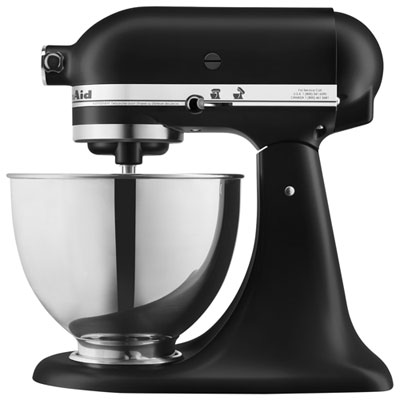
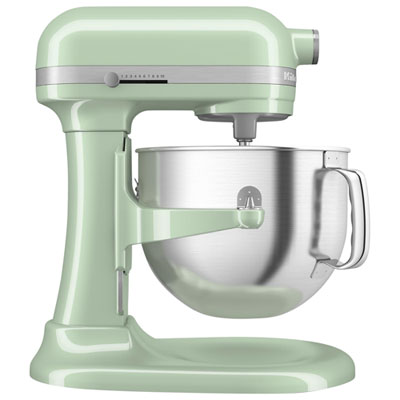
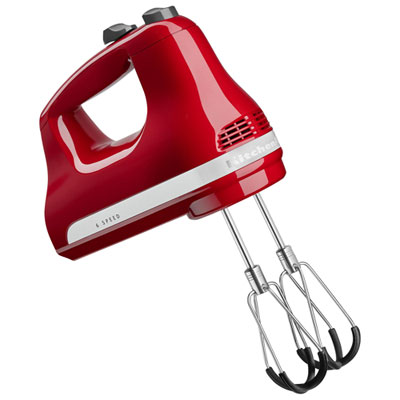
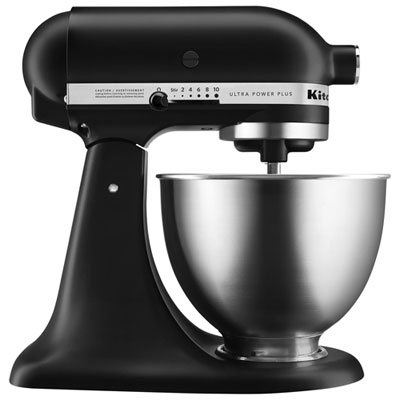

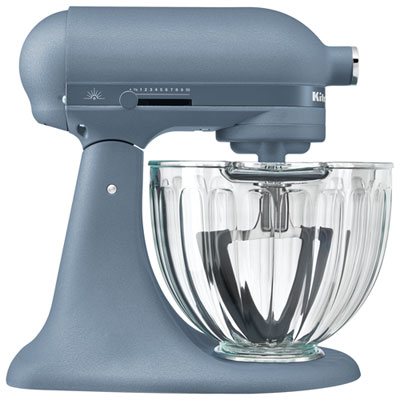
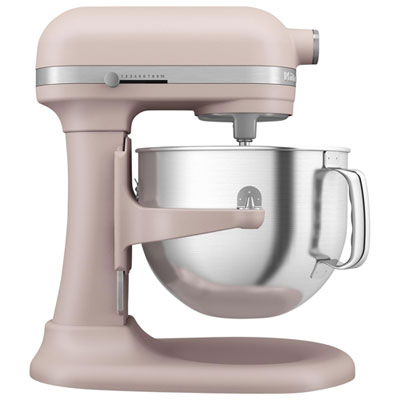
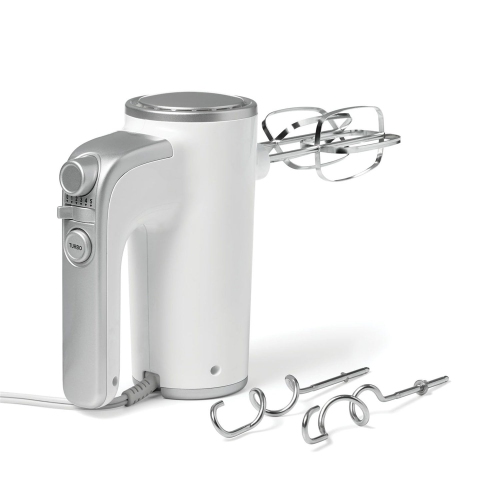

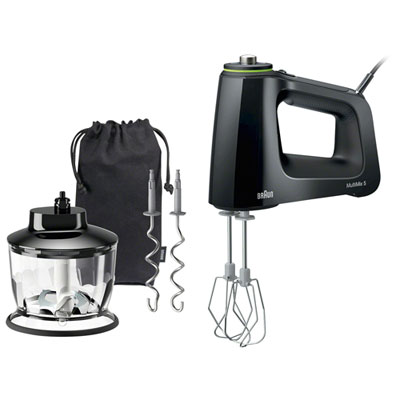
Hand versus stand mixers in a shared kitchen
Mixers for student baking can make homemade cakes, cookies, and other favourites easier to fit around lectures, assignments, and a shared kitchen. An electric hand mixer generally suits occasional baking and limited storage because it can be tucked into a cupboard and used with a suitable mixing bowl. A compact stand mixer can suit students who bake regularly and have a stable countertop where it can stay between batches. The practical difference is how each style works: a hand mixer needs to be held and moved through the ingredients, while a stand mixer supports its own mixing attachment over a bowl. That can make longer mixing tasks less tiring, although a running appliance still needs supervision. For a student preparing a small cake after class, portability and quick cleanup may matter more than a large bowl or numerous attachments. Someone who regularly makes cookies for housemates or bakes for campus club events may appreciate more bowl capacity and a mixer that handles repeated use comfortably. Kitchen space includes more than the spot where the appliance sits. Stand mixers need clearance to raise the head or remove the bowl, and enough surrounding space to add flour without crowding nearby dishes. A hand mixer needs somewhere to rest between additions, along with storage for its beaters and cord. Weight also matters when an appliance has to move between a cupboard and the countertop each time it is used. In a shared residence or apartment, a permitted kitchen area, access to a suitable outlet, and a clear work surface are important parts of the setup. Housing rules may limit where small appliances can be used, so a mixer belongs in an approved food-preparation space rather than automatically becoming part of a residence room. A comfortable fit with the kitchen and the student’s actual baking habits makes either mixer style more useful than choosing by size alone.
The mixtures a student makes most often help determine which features deserve attention. Beaters are useful for many everyday tasks, including creaming butter and sugar, combining cake ingredients, and preparing some cookie doughs. A whisk attachment, where supported, suits tasks such as whipping cream or egg whites, while dough hooks are intended for dough mixing only within the appliance’s stated limits. The presence of dough hooks does not mean every mixer can knead a dense bread dough or handle a large batch. Bowl capacity, maximum ingredient quantities, and recommended mixing times provide a clearer picture of intended use than wattage alone. For occasional muffins or brownies, controlled mixing can be more helpful than maximum speed, especially when flour needs only brief incorporation. A low starting speed helps limit splashes and clouds of dry ingredients, while accessible controls make it easier to adjust the pace as a mixture changes. With a hand mixer, a comfortable grip and balanced weight can make a noticeable difference during several minutes of mixing. With a stand mixer, a secure bowl and a stable base help keep preparation manageable. Bowl size deserves similar attention: a large bowl provides room for bigger batches, but a very small quantity may not meet the attachment effectively. Attachment reach and the manufacturer’s minimum quantities matter for that single serving of whipped cream or a small batch of frosting. Materials affect everyday handling as well. Stainless steel bowls tolerate frequent handling, while glass bowls allow a clear view of ingredients but add weight and need protection from knocks. Plastic housings can help keep a hand mixer lighter to carry, although overall durability also depends on construction, attachment fit, and use within the rated capacity. Smooth surfaces, accessible attachment sockets, and beaters that release easily can reduce the effort needed to clean up before the kitchen is needed for someone else’s dinner.
A student’s baking routine may be as simple as cookies to share during a study session or as involved as a birthday cake for a housemate. For baking centred on sponge cakes, cupcakes, and buttercream, Mixers for Cake-Making offers a closely related selection. Across these uses, convenient care helps a mixer remain a practical part of the kitchen rather than an appliance left at the back of a cupboard. Removable attachments are easier to clean before batter dries onto them, but dishwasher suitability varies by component and should be confirmed in the care instructions. The motor housing should be unplugged and wiped clean rather than immersed in water. Attachments need to be dry before storage, and cords are best stored without tight bends or tension at their connection points. In a shared kitchen, thorough cleaning also helps prevent ingredients from carrying over into another person’s baking; households managing food allergies may need dedicated equipment and additional precautions. Durability depends partly on respecting batch limits, using the correct attachments, and allowing any rest periods specified by the manufacturer. Thick mixtures should not require forcing the mixer through dough or repeatedly running it beyond its intended duty. For a student receiving a mixer as a gift, the most thoughtful match reflects both baking interests and living arrangements. A keen baker moving into an apartment may welcome a stand mixer, while someone carrying kitchen supplies between home and residence may prefer a lighter hand mixer with straightforward storage. Comfort matters, too: attachment release, bowl handling, and control placement can affect how easy an appliance is to use for someone with limited grip strength or hand fatigue. Whether it supports an occasional tray of brownies or regular batches of cupcakes, a well-matched mixer leaves room for the rest of student life while making familiar baking tasks more manageable.
Top selling and popular products
-
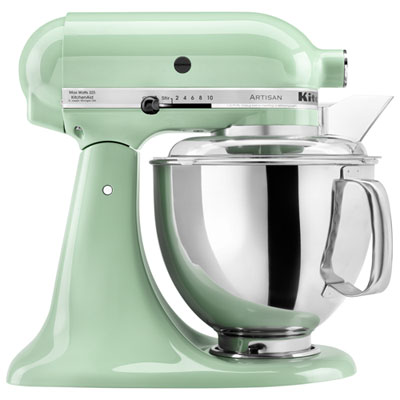 Your price for this item is $379.98
-
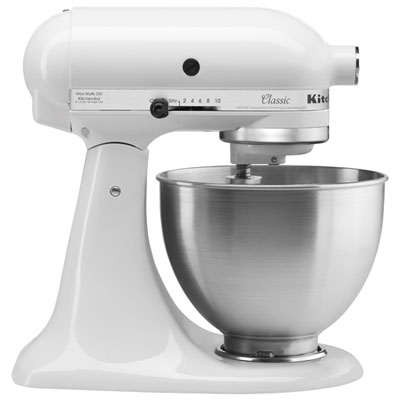 Your price for this item is $299.99
-
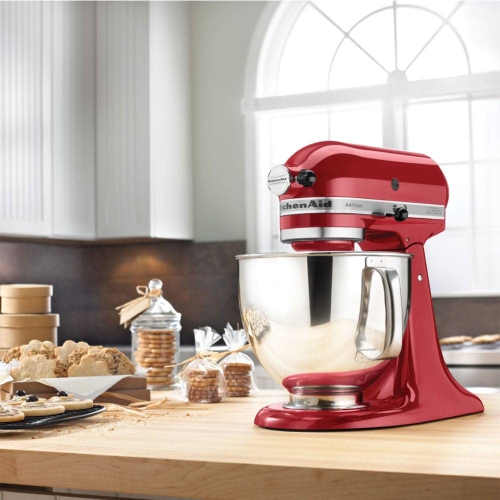 Your price for this item is $949.05
-
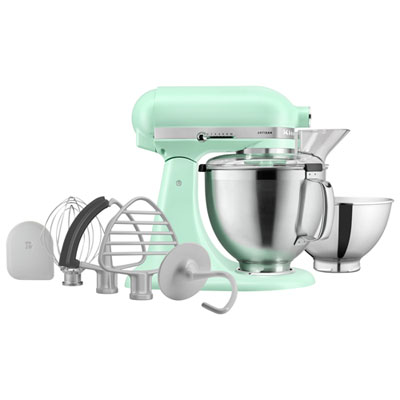 Your price for this item is $544.99
-
 Your price for this item is $399.99
-
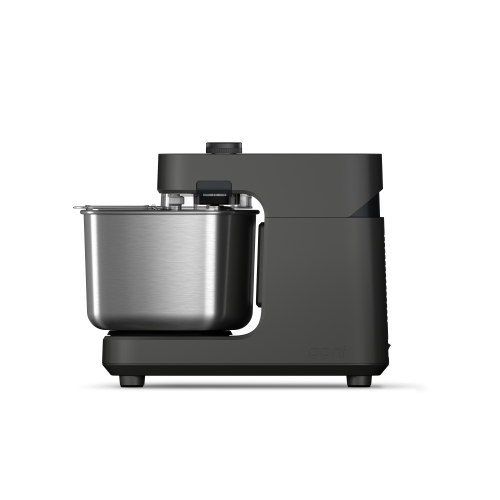 Your price for this item is $1099
-
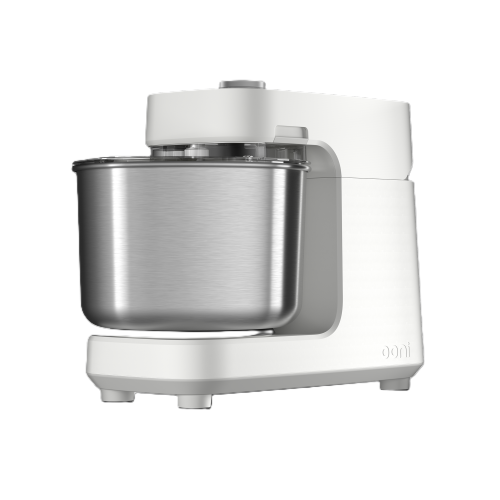 Your price for this item is $1099
-
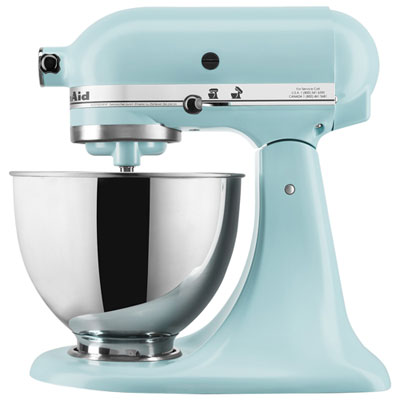 Your price for this item is $499.99
Discover more categories related to Mixers for Student's Baking
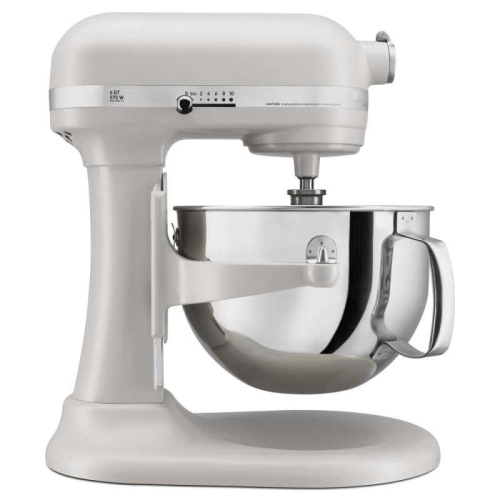

Top Collections:
Best Black Friday Deals This Year, Best Black Friday Deals On Electronics, Kindle Devices, Pokemon Centers, Best Black Friday Deals On Apple Products, Best Cameras for Sports Photography, Dyson Airwrap, Pokémon 30th Celebration Cards, Apple iPhone 17 Pro, Canon G7X Cameras
Some products may be subject to Environmental Handling Fees
(EHF) depending on your province.
Learn more about EHFs.