Electric Cookers
Looking to revolutionize your cooking experience? Our selection of electric cookers offers a convenient and efficient way to prepare delicious meals with ease. Whether you're a busy parent looking to save time in the kitchen or a culinary enthusiast seeking precision in your recipes, these electric cookers are designed to cater to a variety of cooking needs. From programmable settings to sleek designs, discover the perfect electric cooker to elevate your culinary skills and streamline your meal preparation process.
Sort


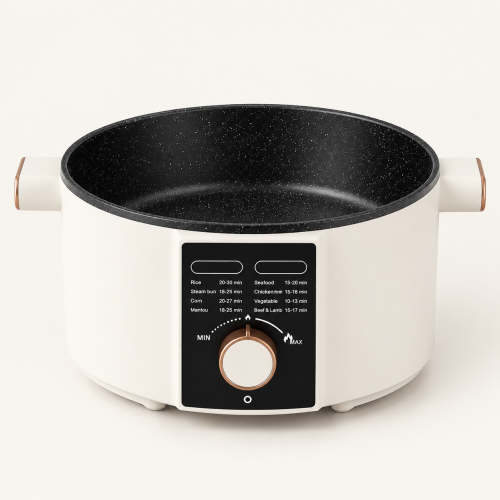
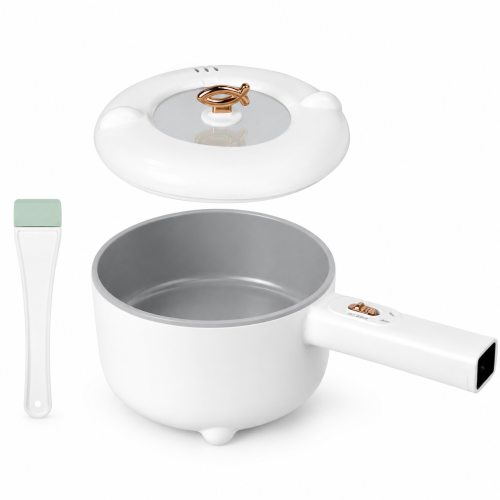


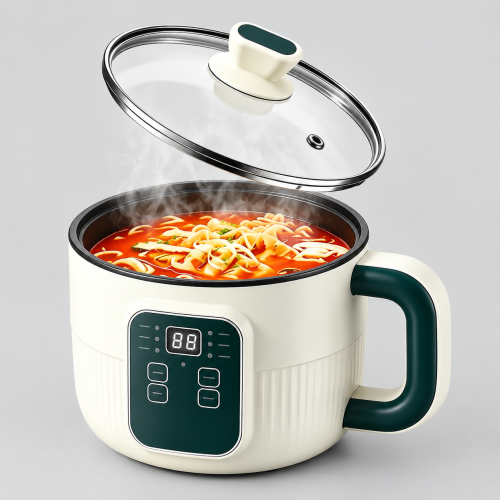
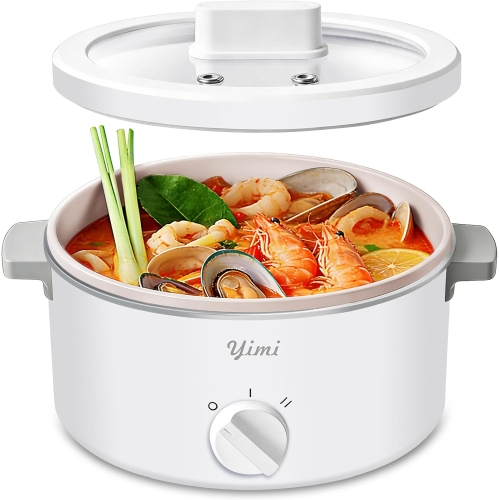



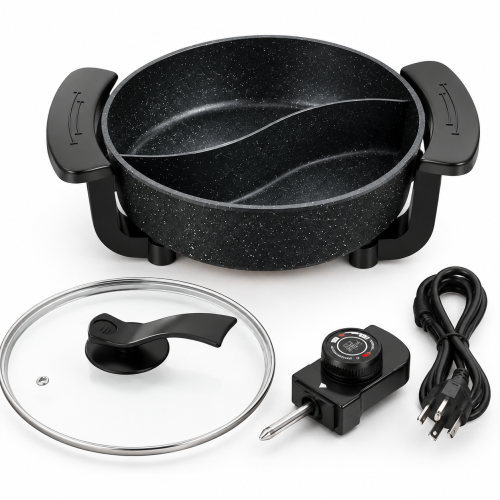


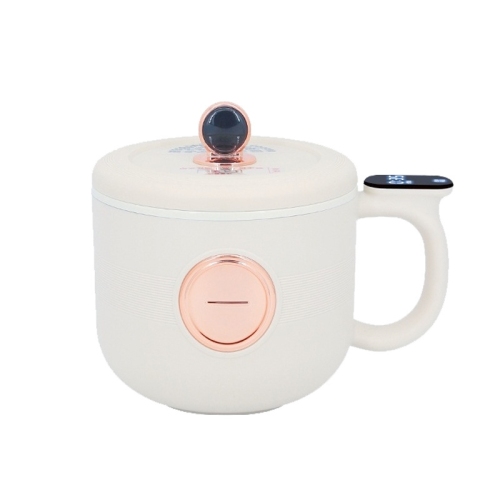
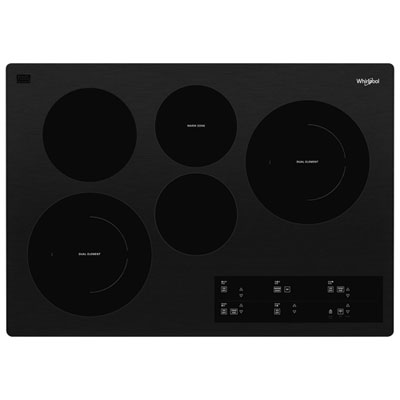
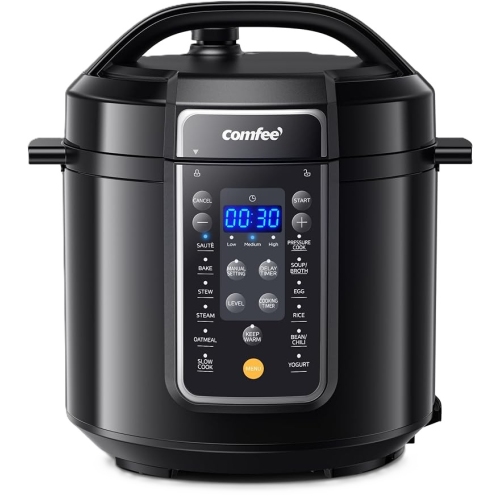




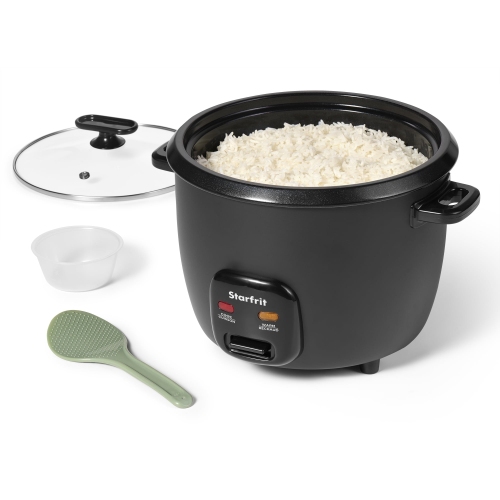

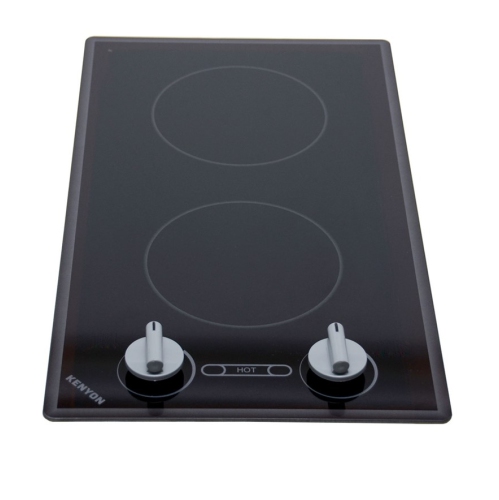

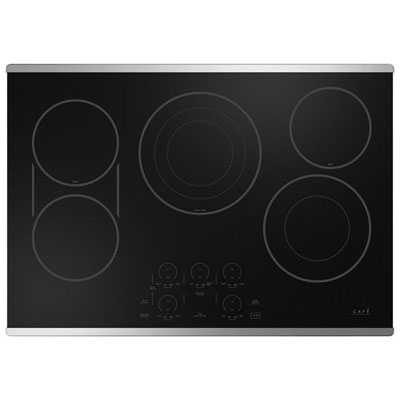
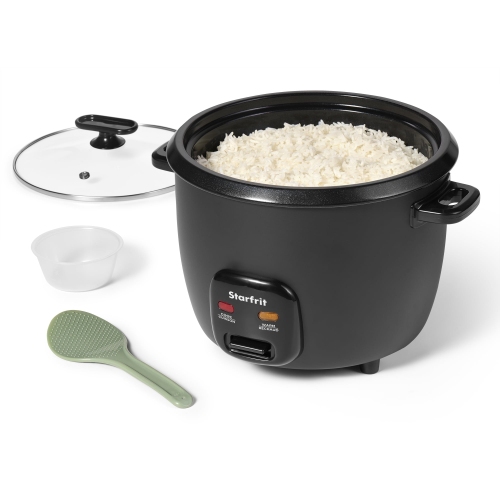


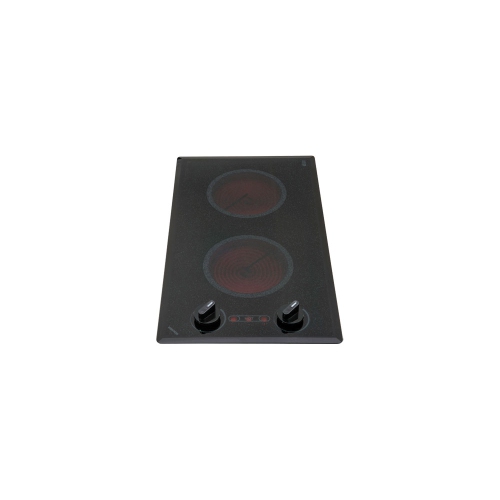
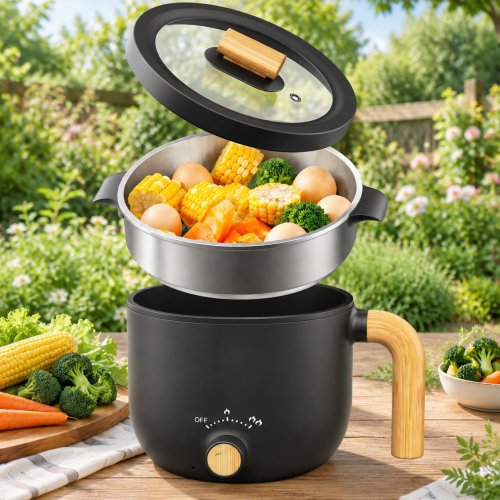
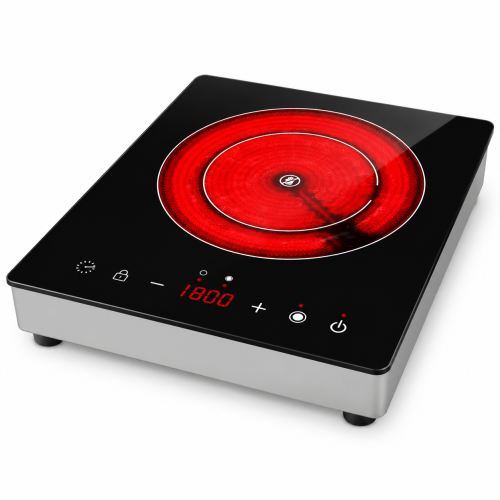





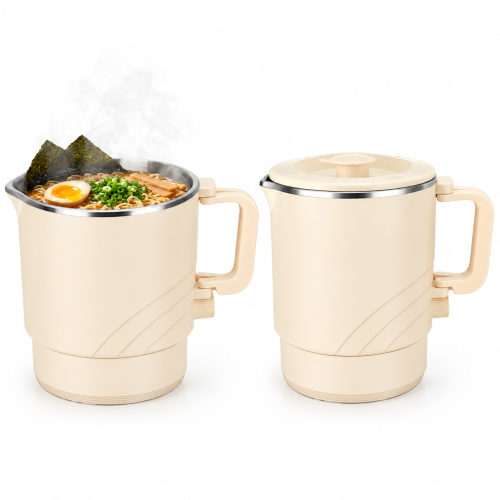
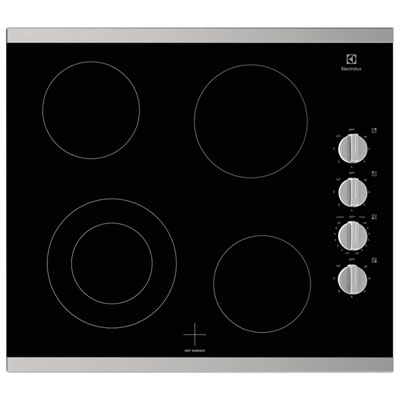
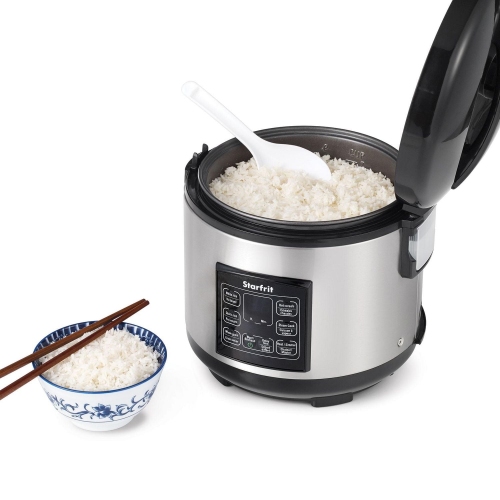

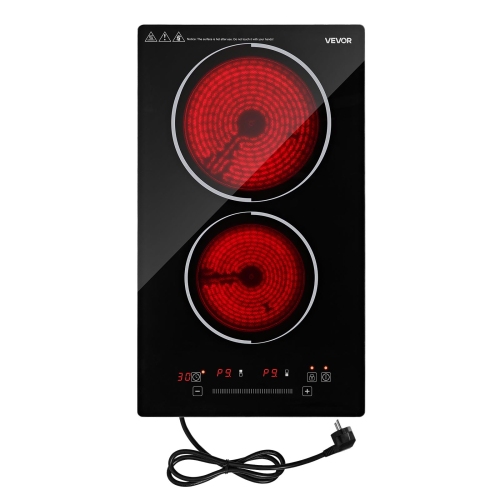
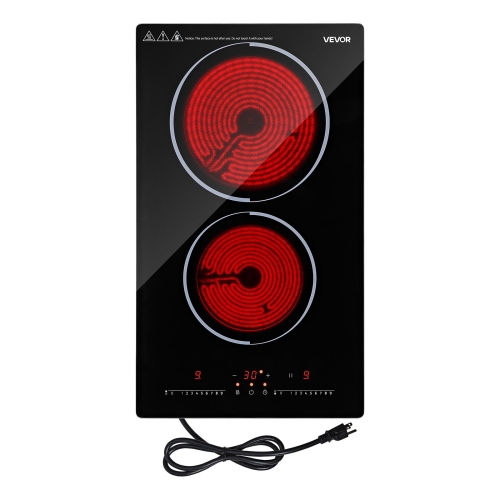


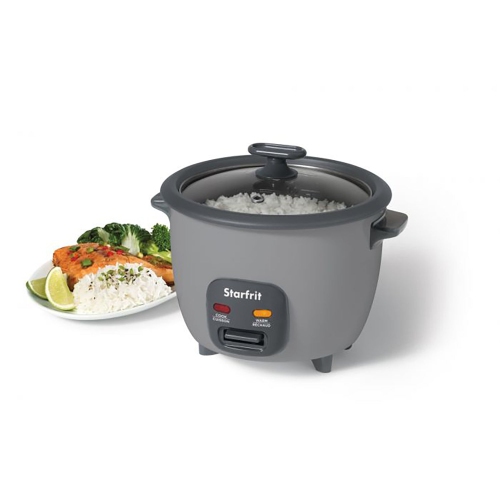
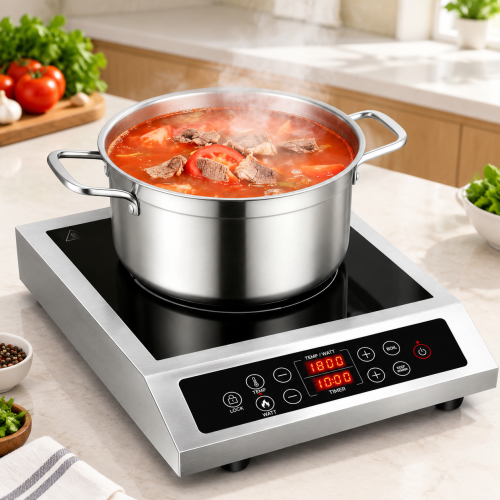
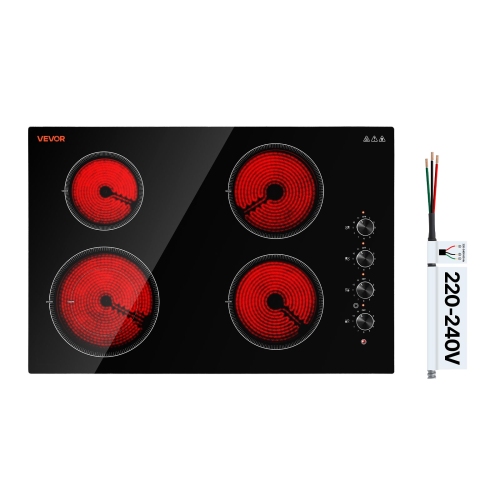
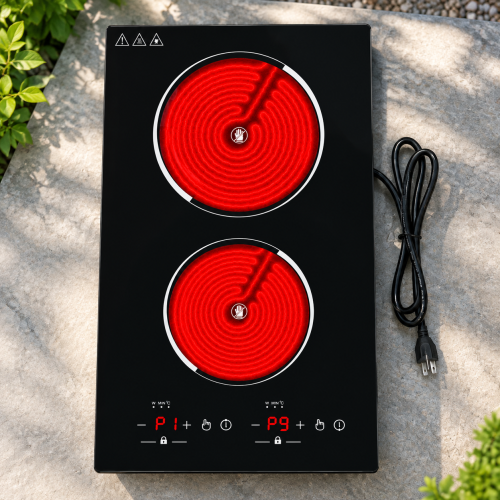
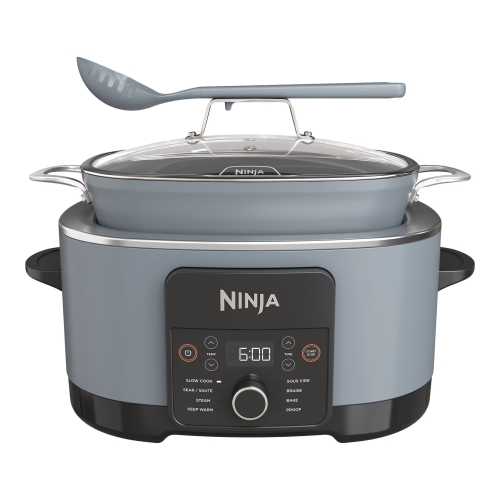
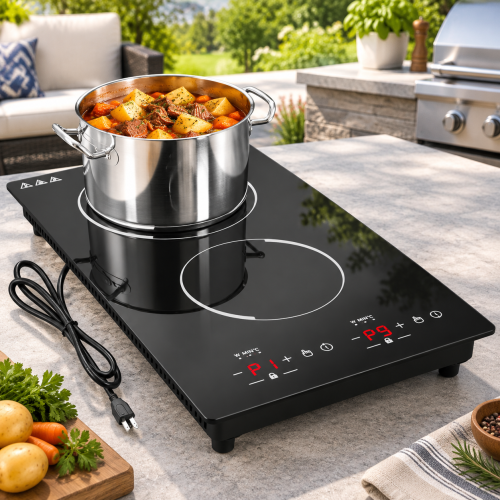
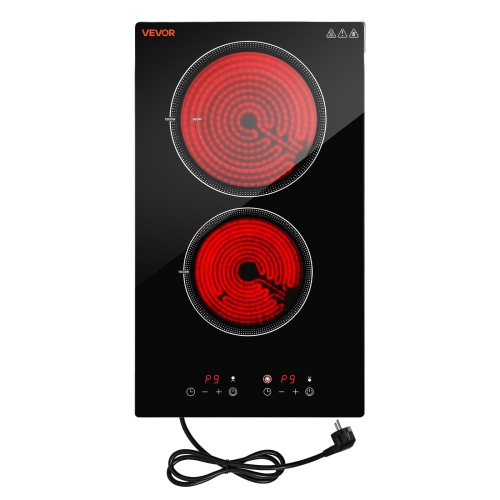














Why your favourite meals matter more than extra buttons
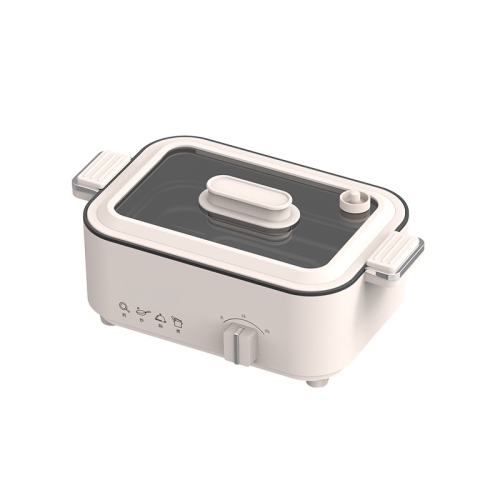
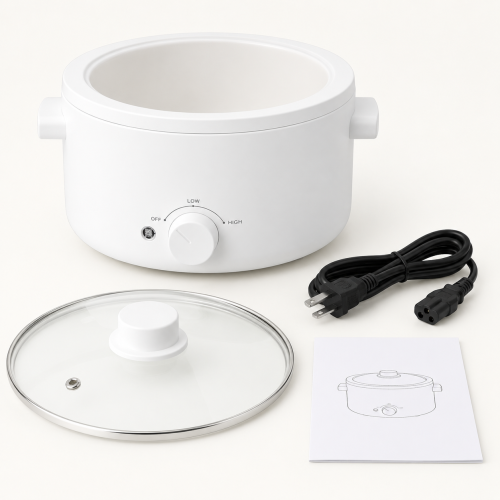
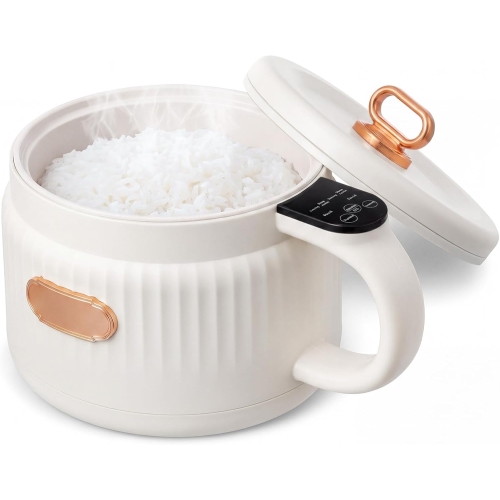
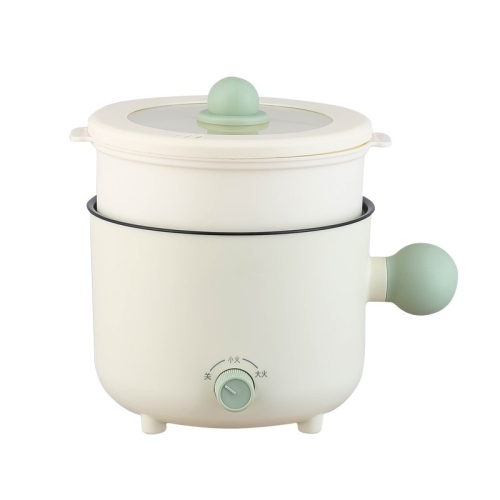
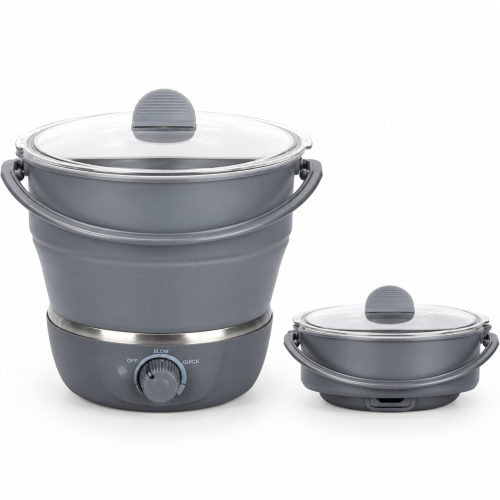
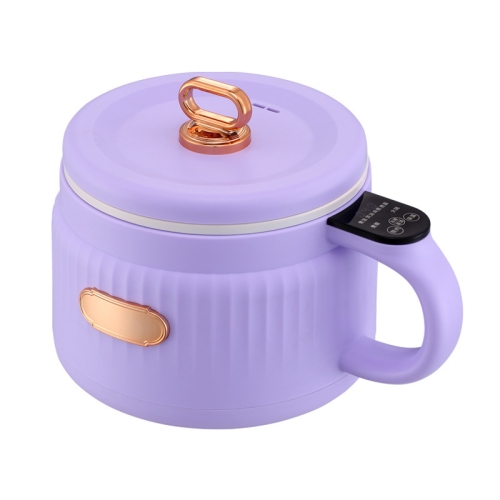
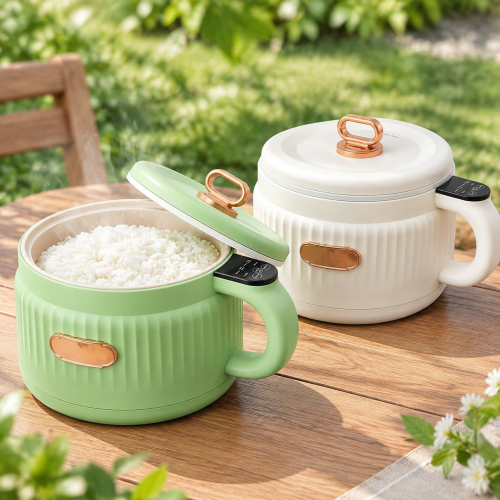
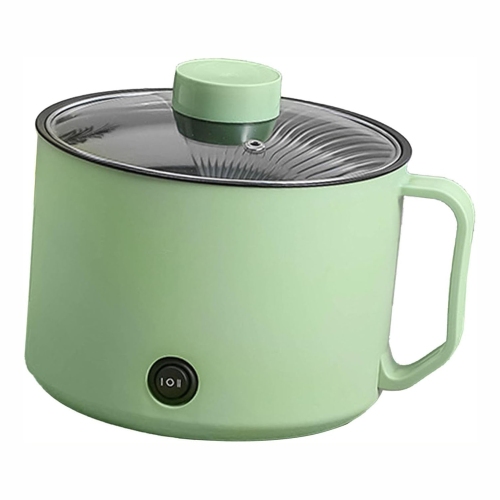
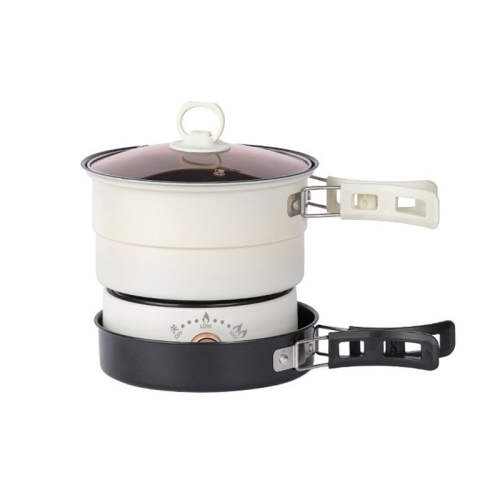
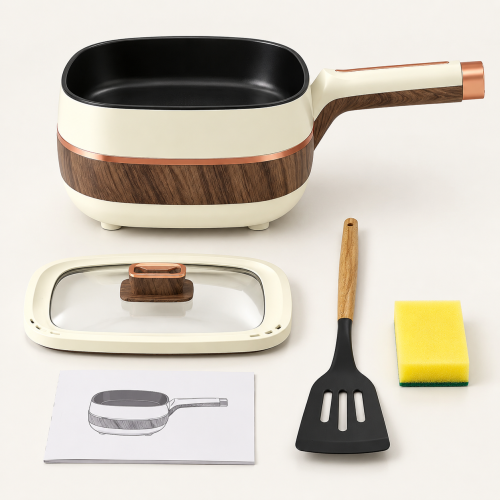
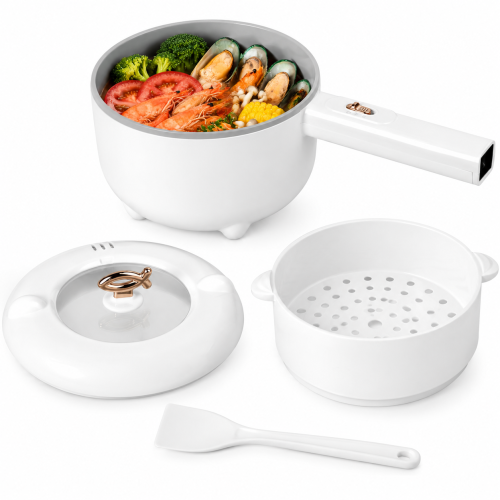
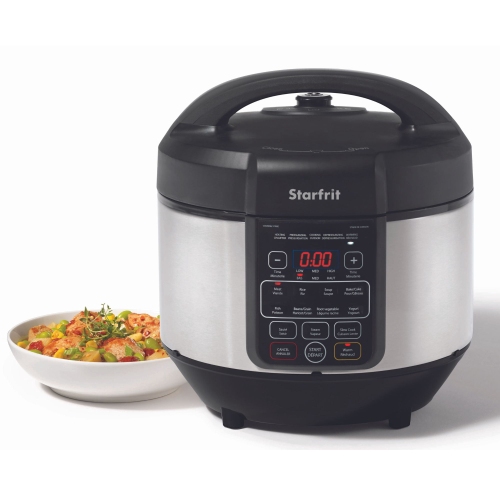
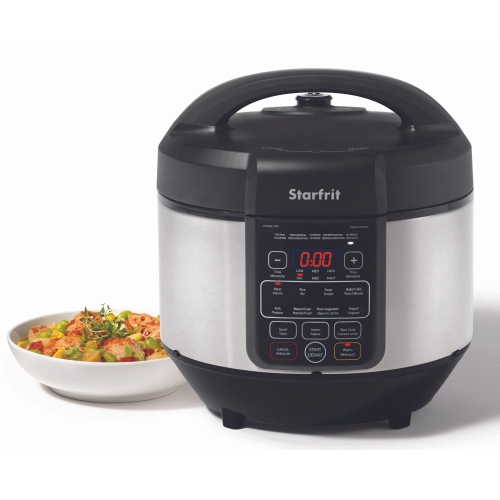
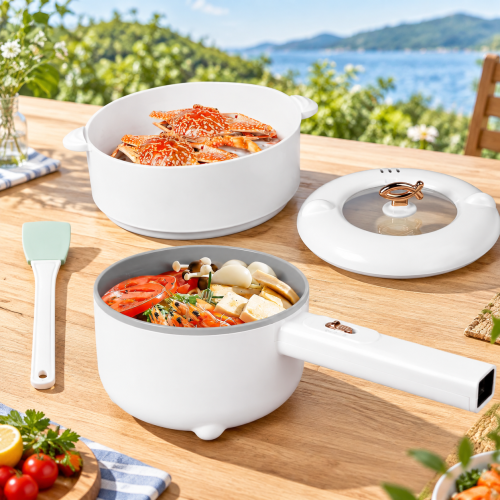
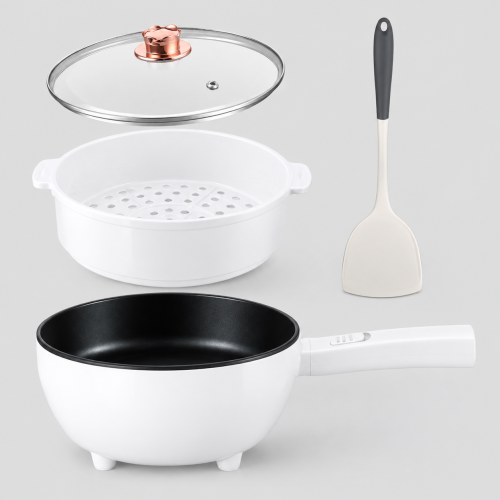
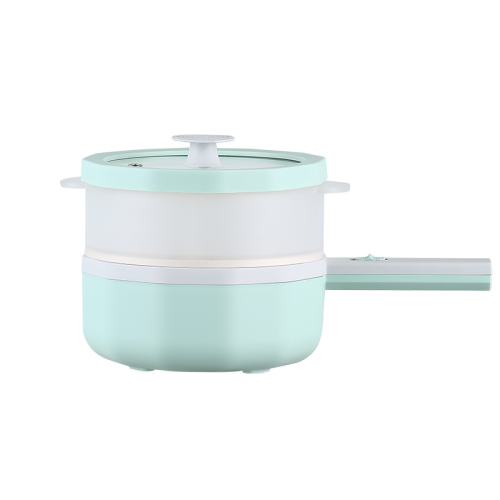
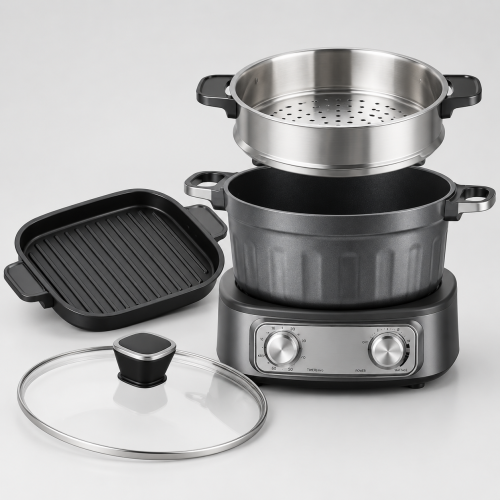
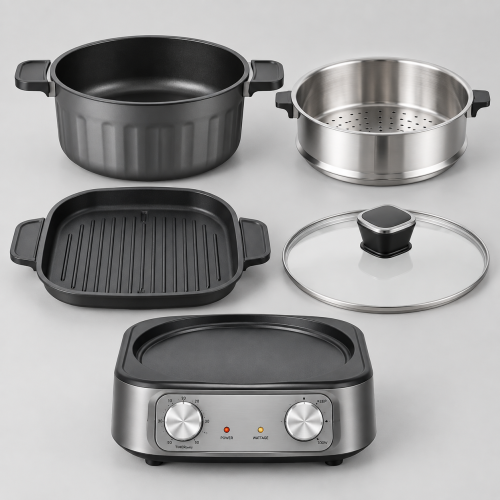
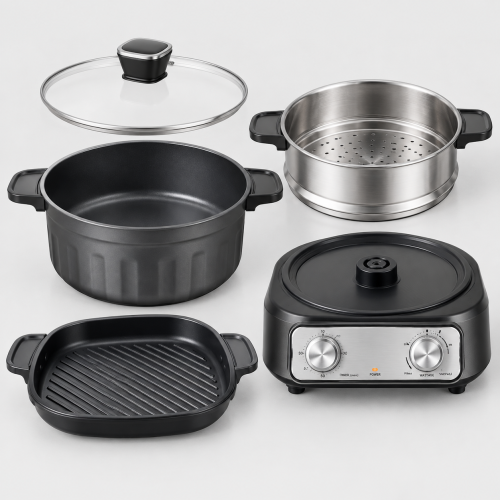
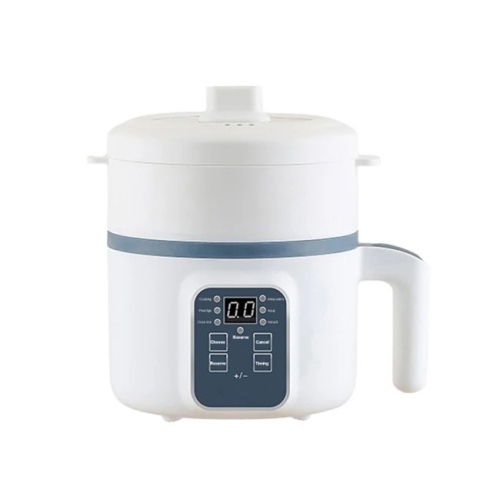
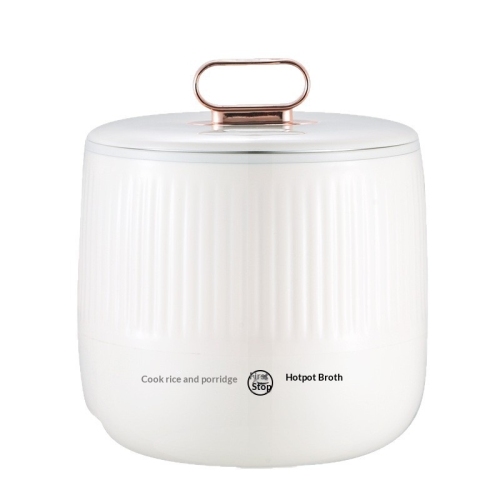
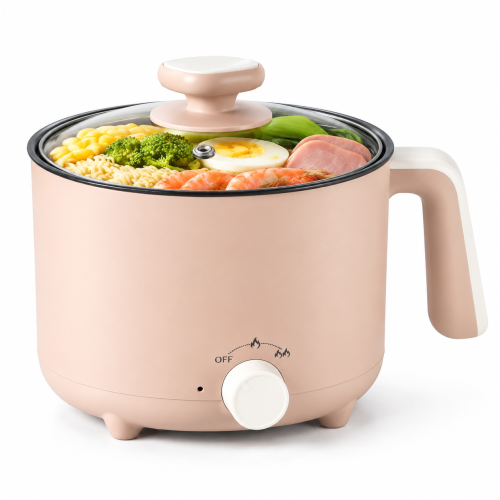
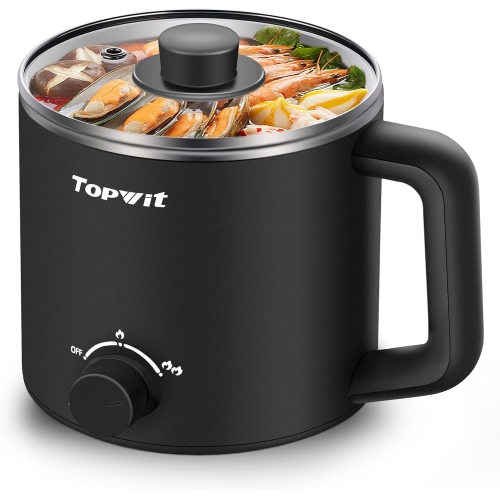
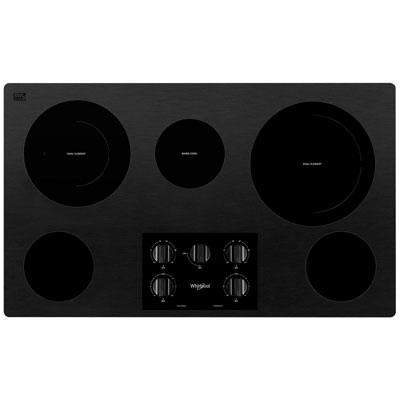
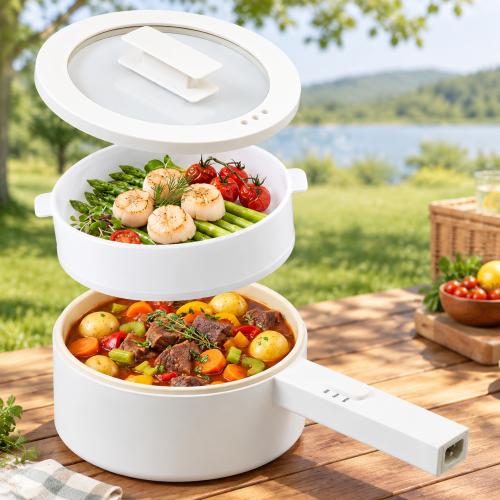
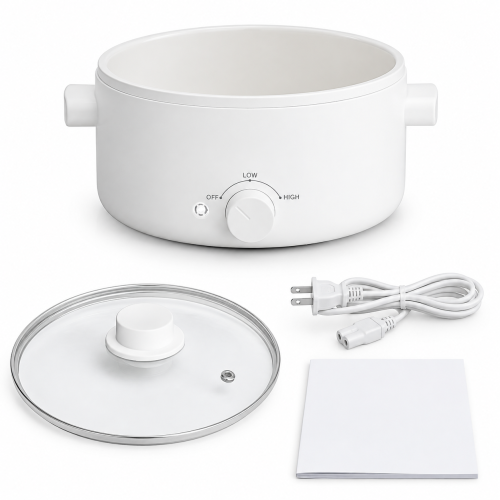
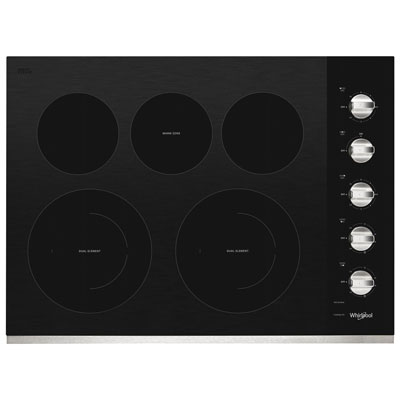
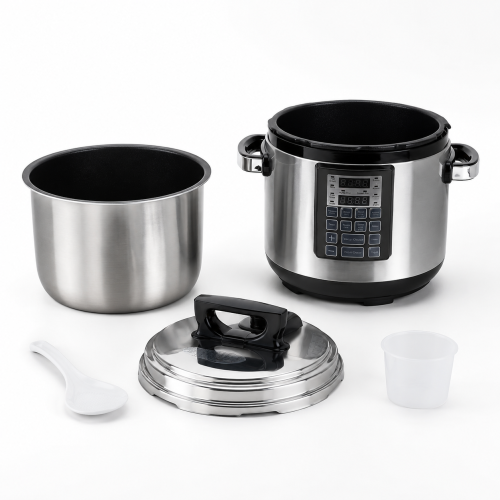
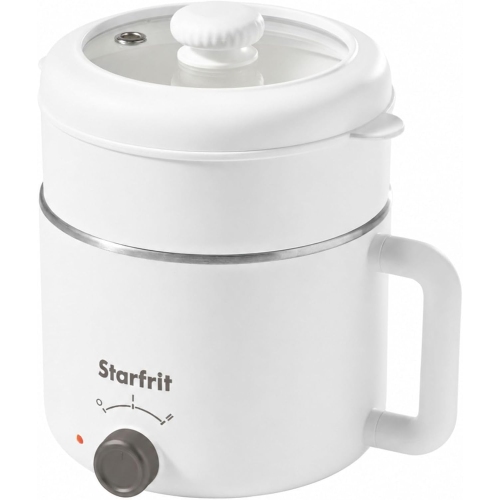
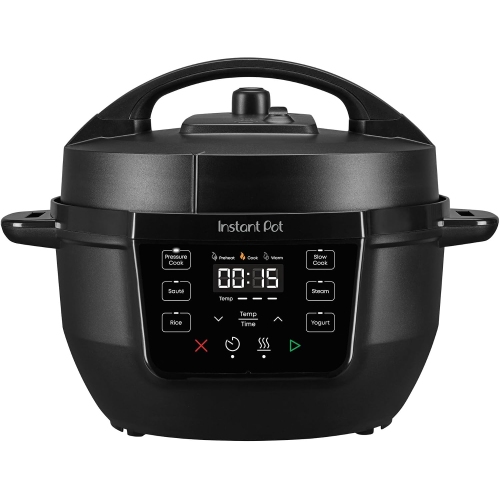
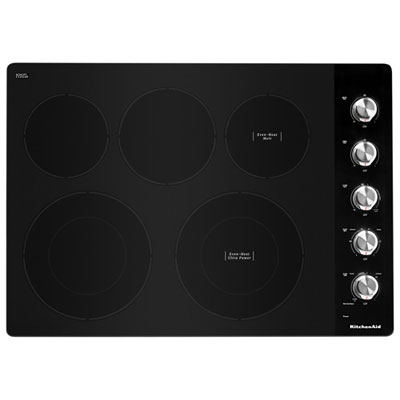
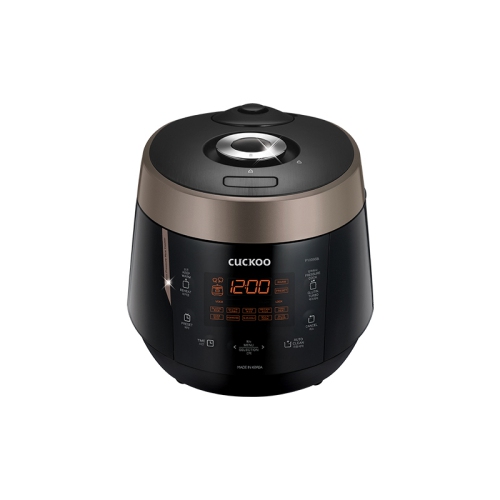
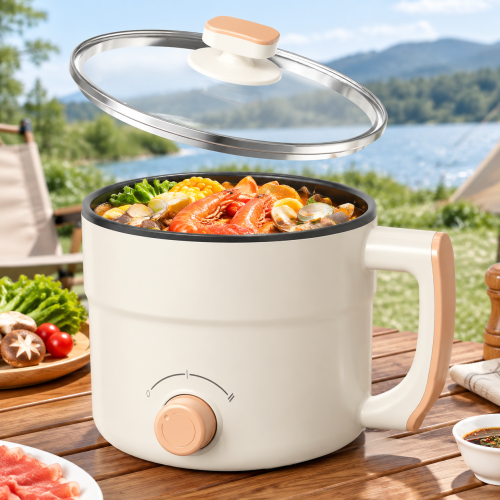
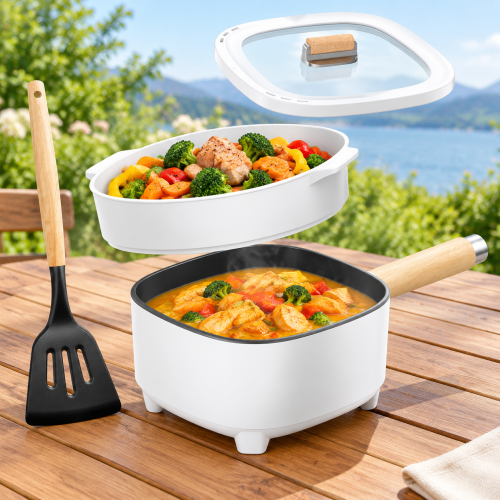
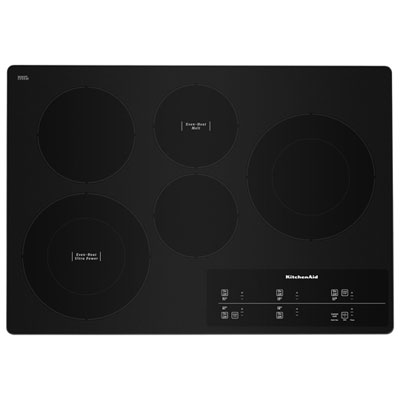
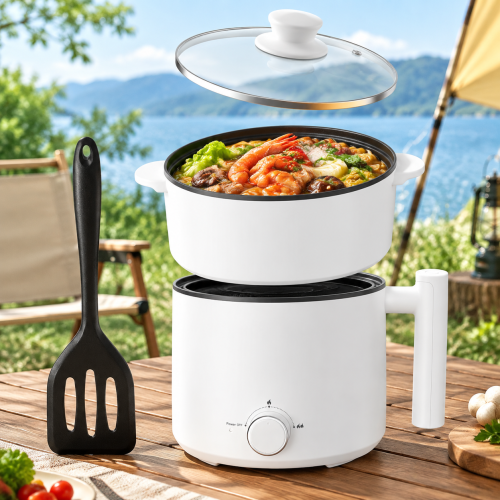
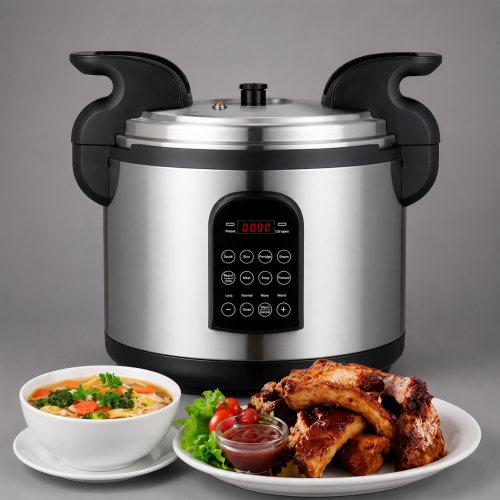
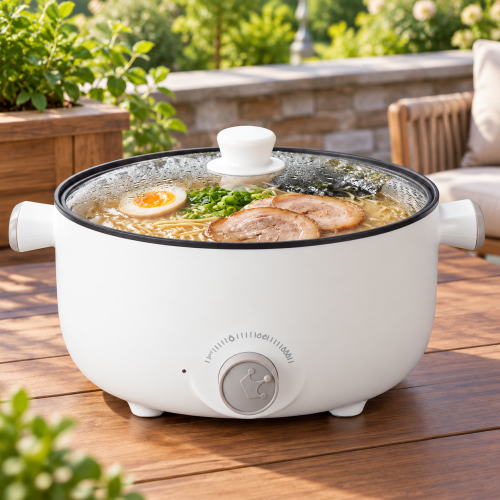
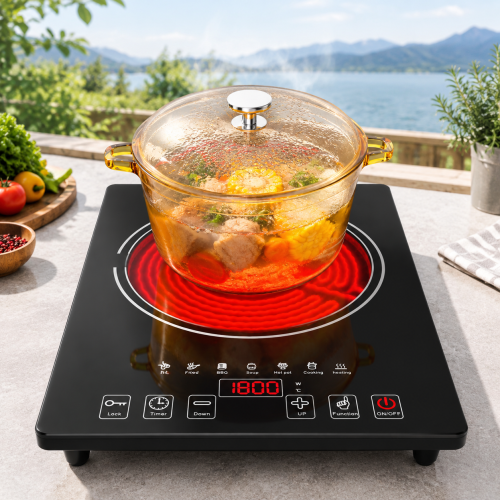
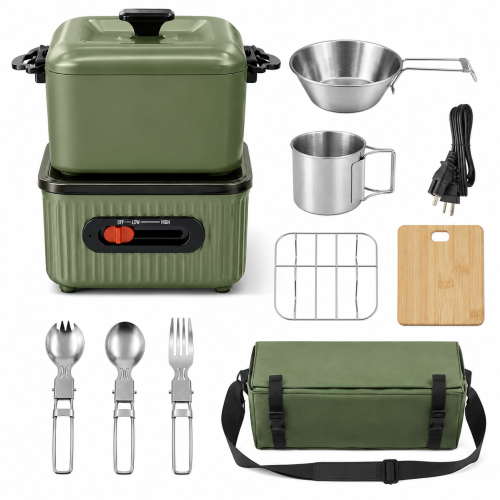
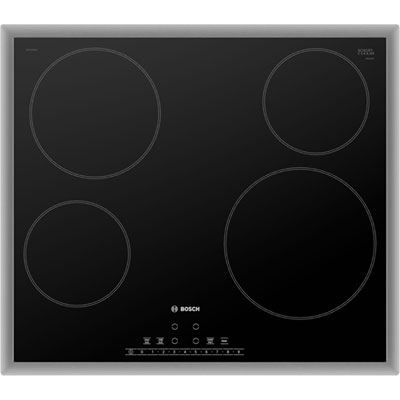
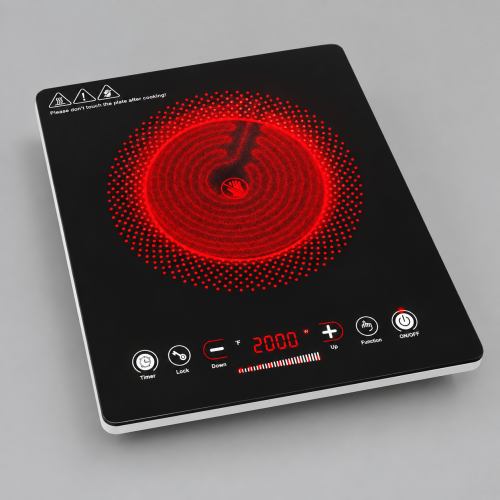
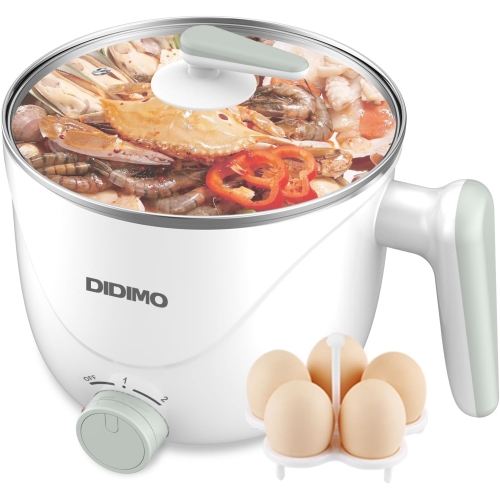
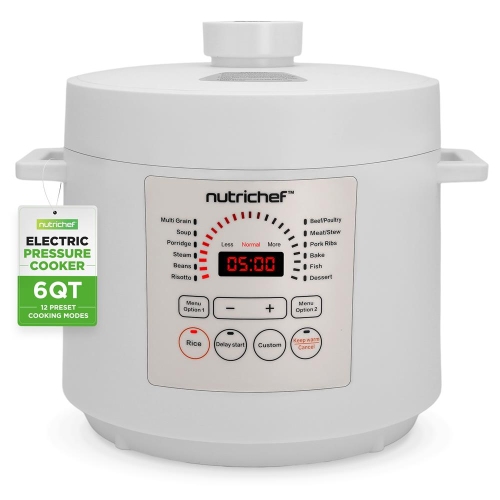
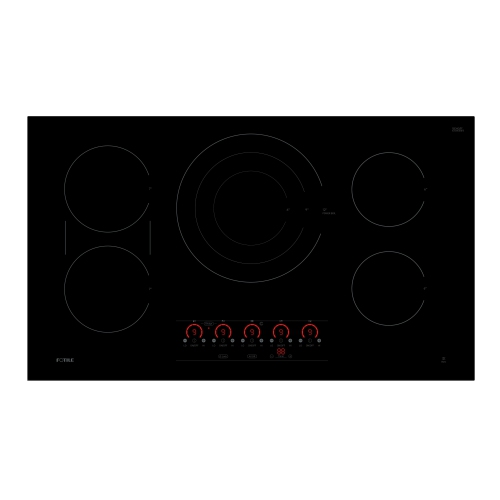
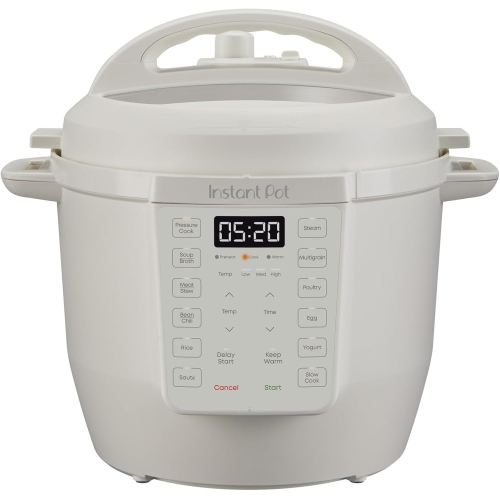
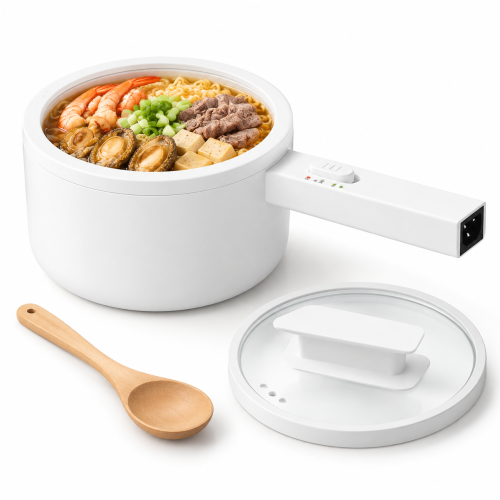
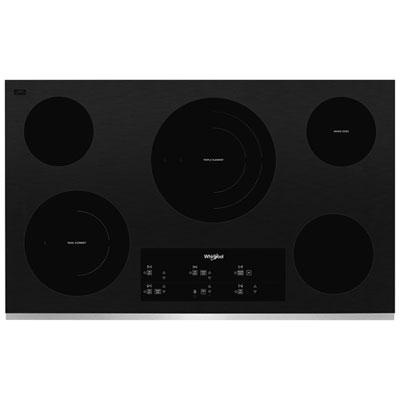
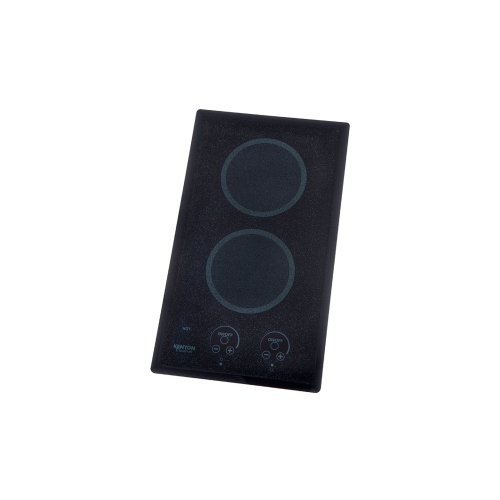
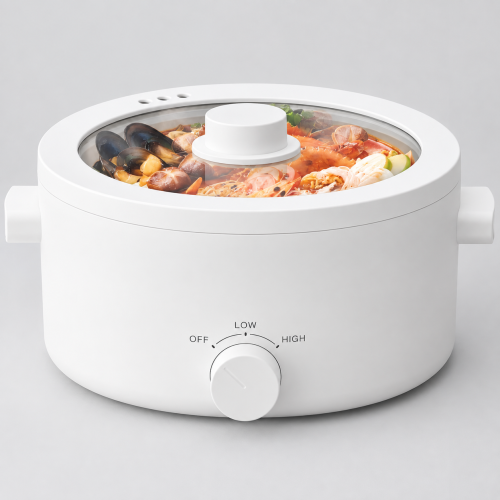
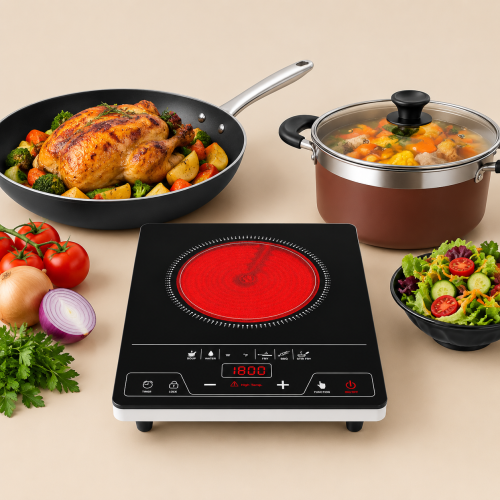
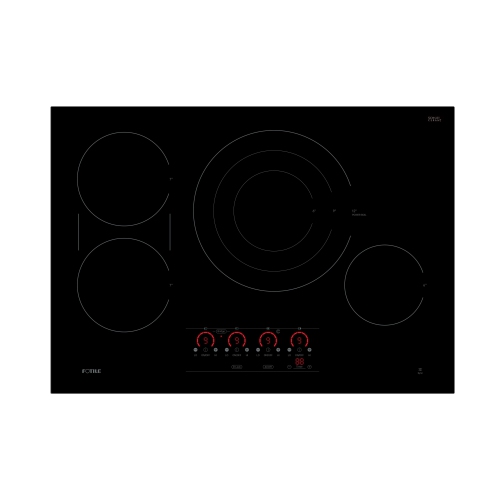
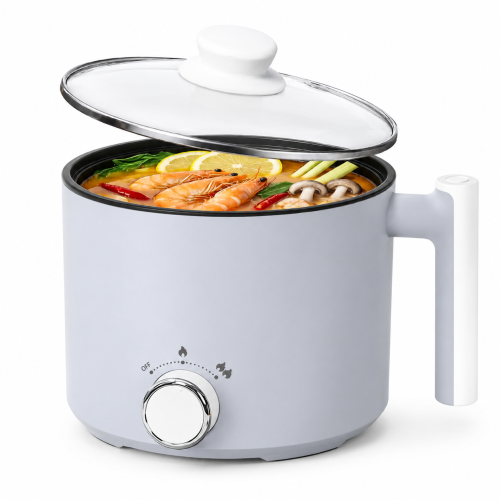
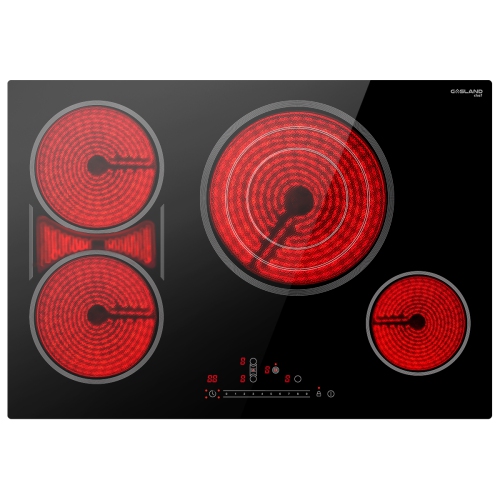
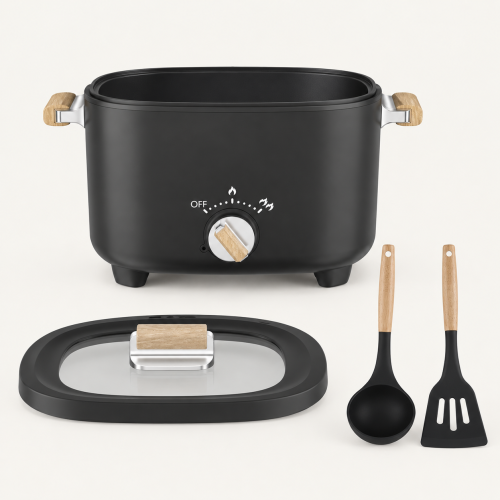
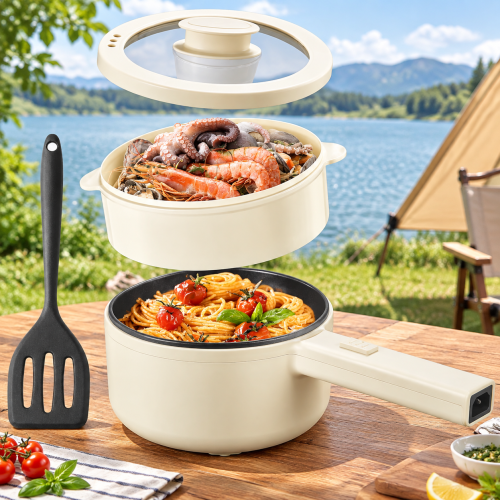
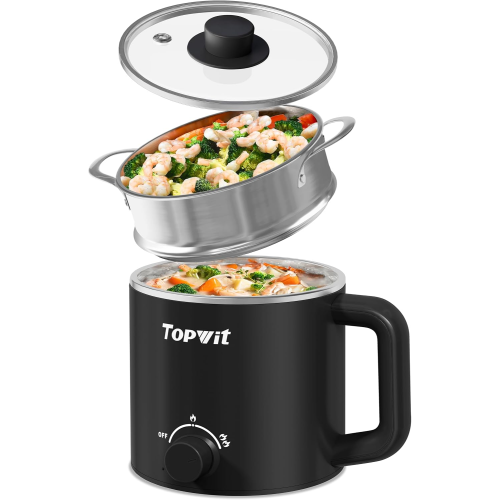
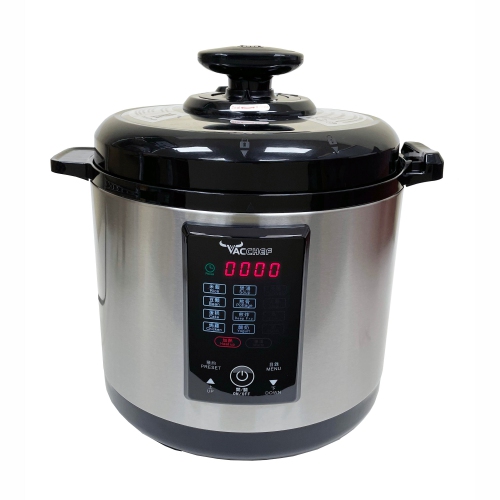
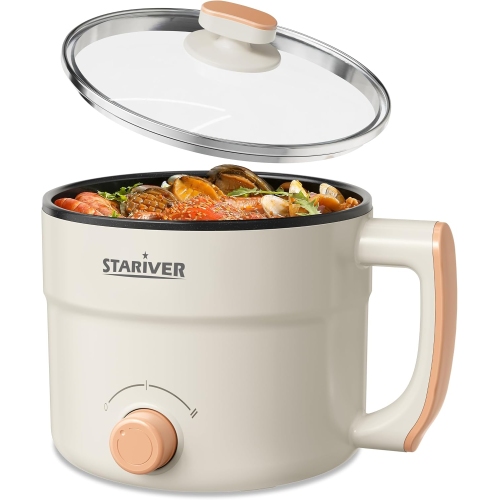
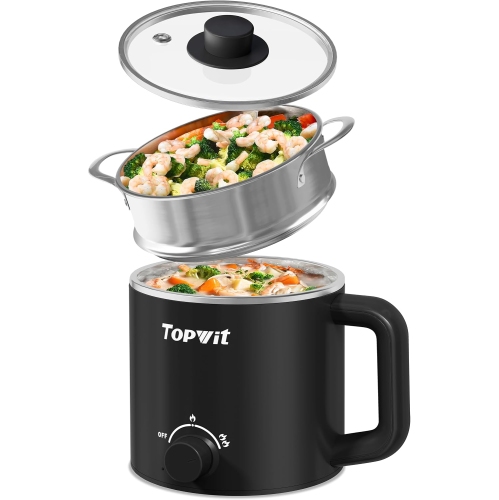
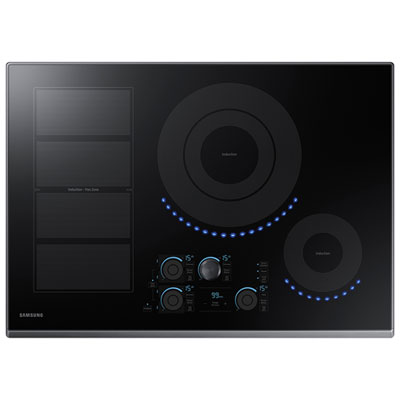
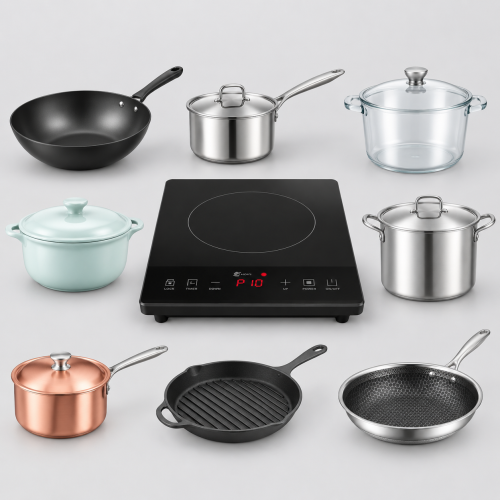
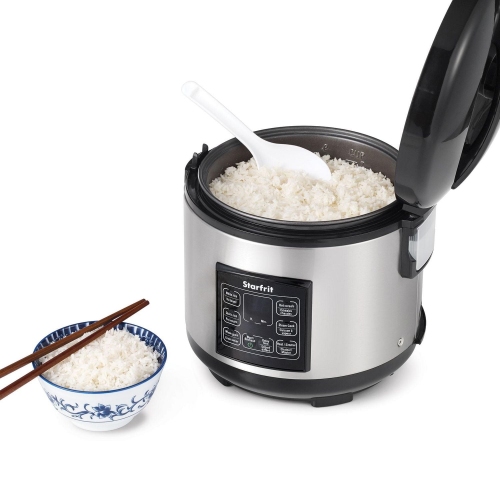
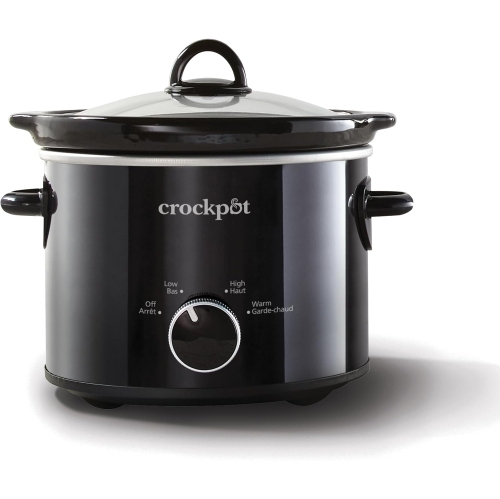
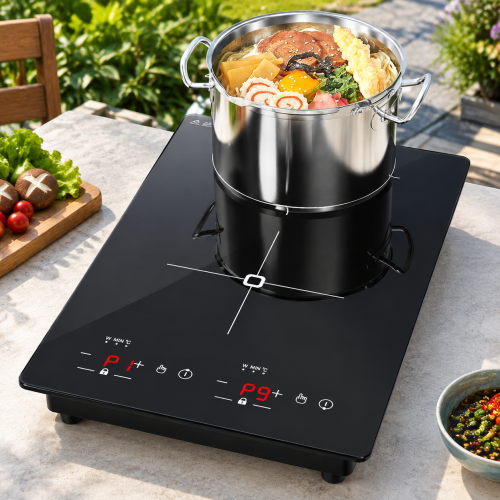
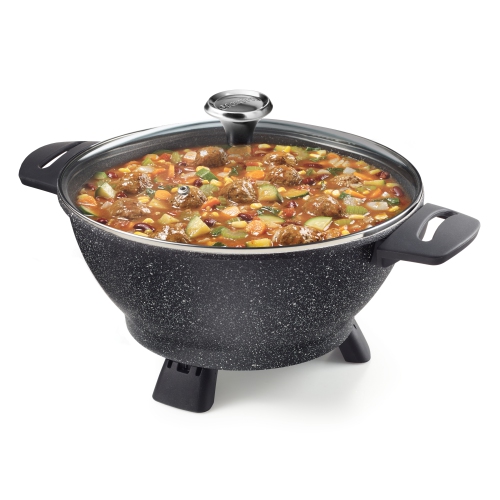
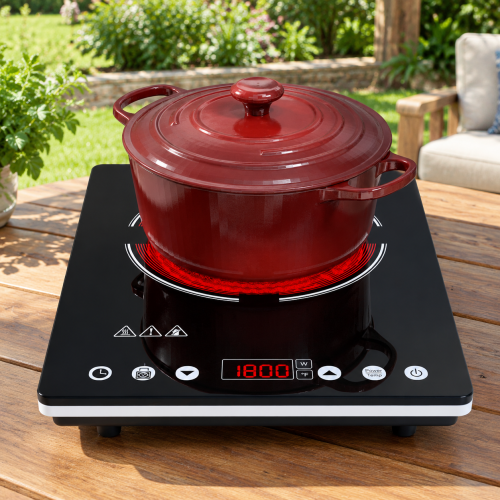
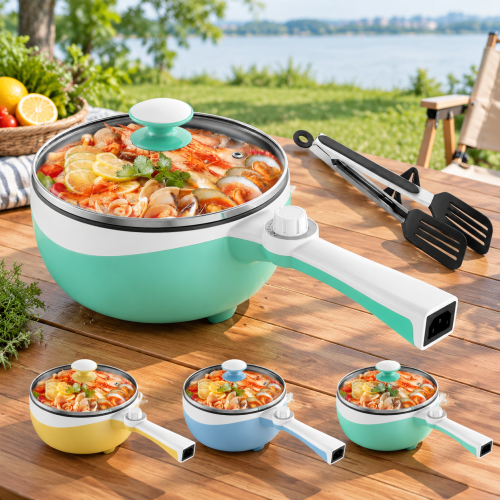
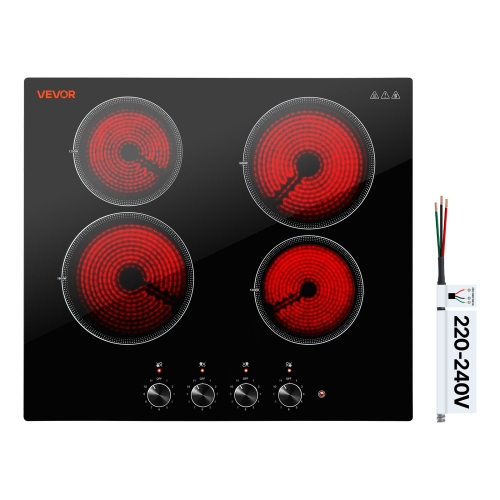
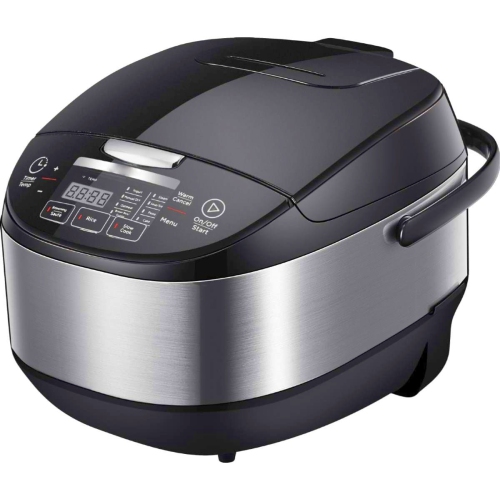
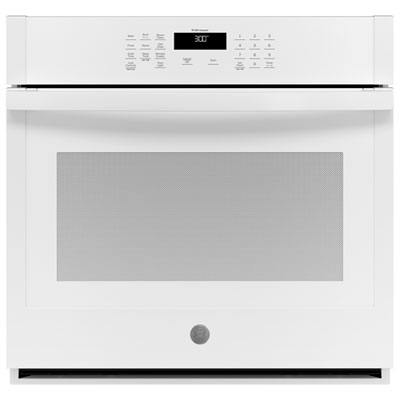
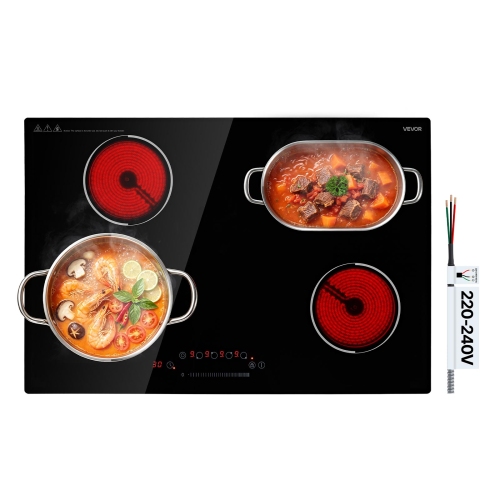
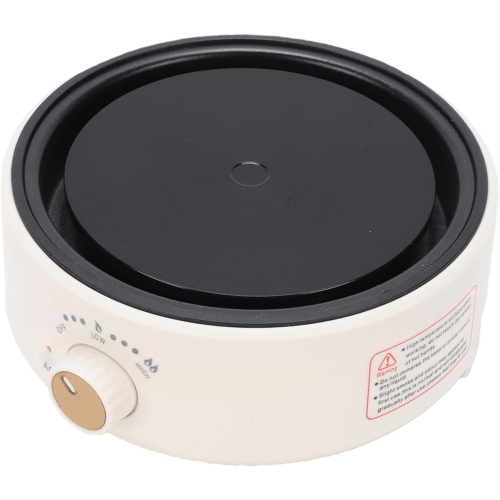
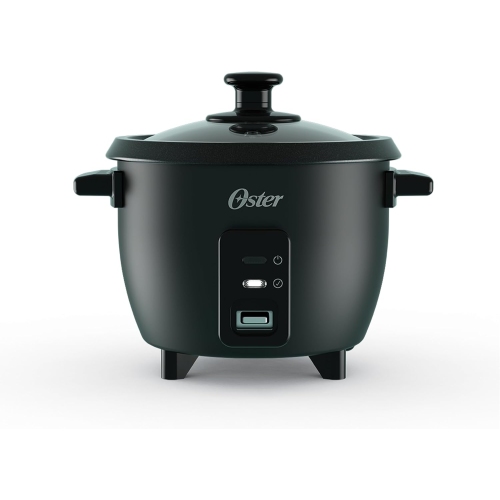
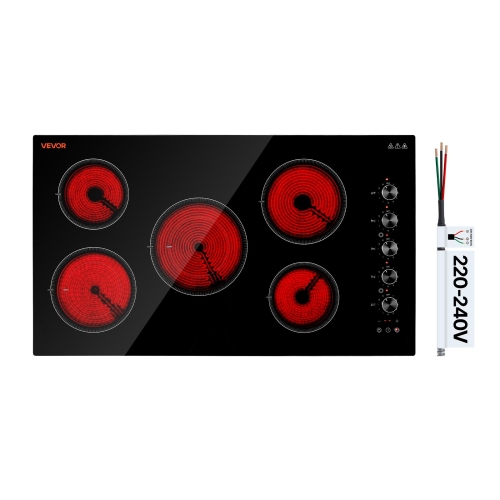
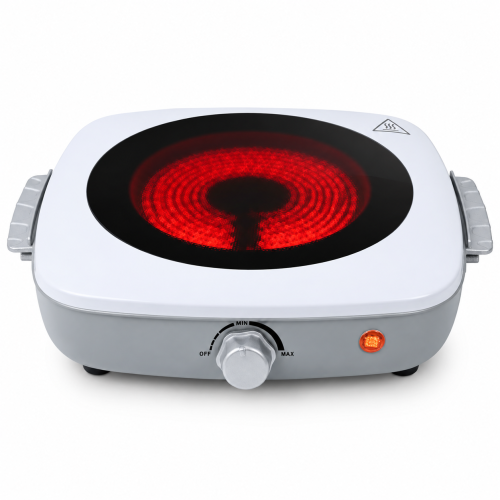
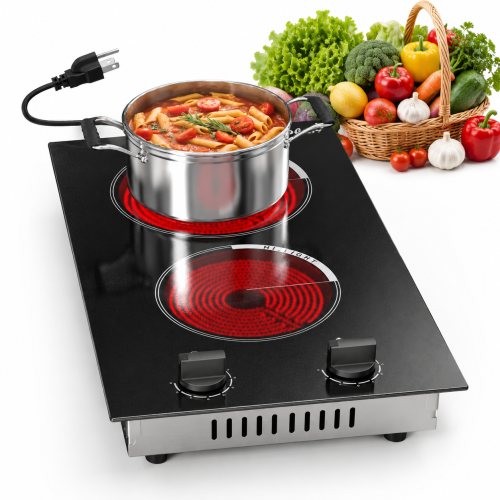
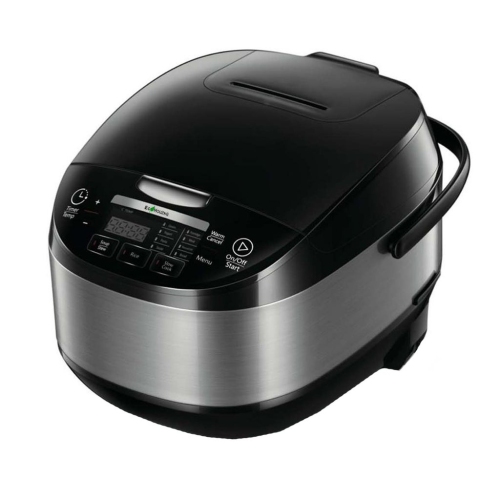
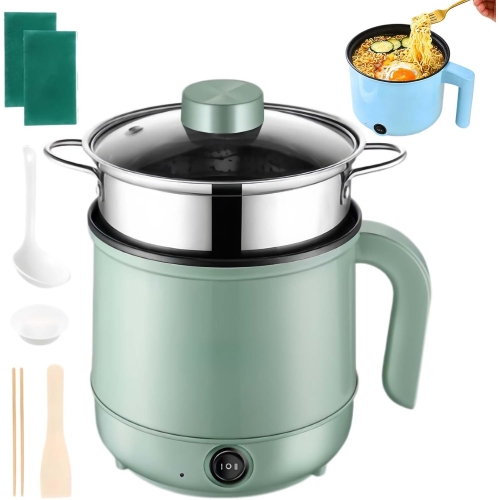
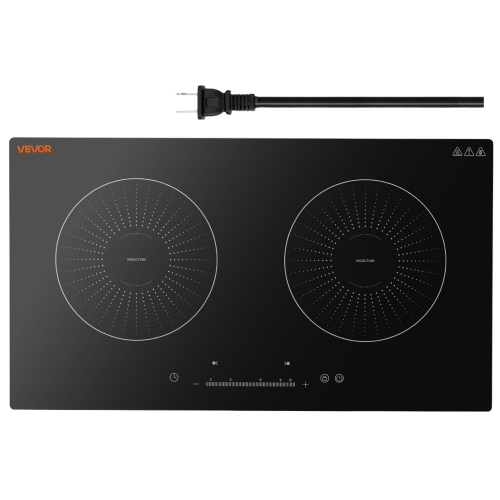
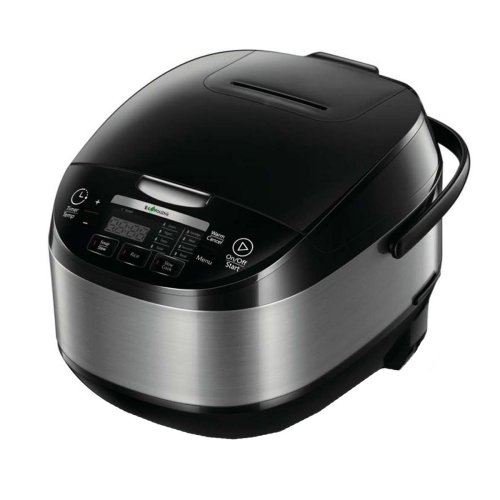
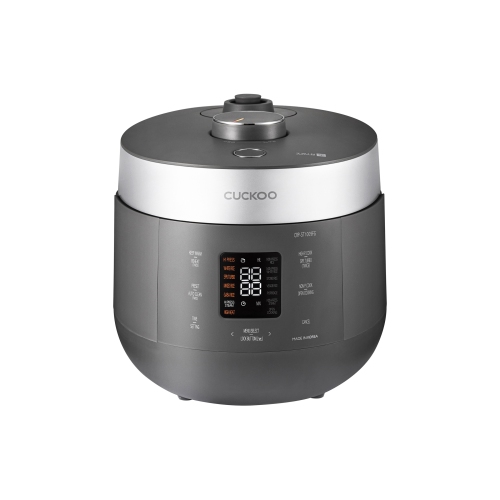
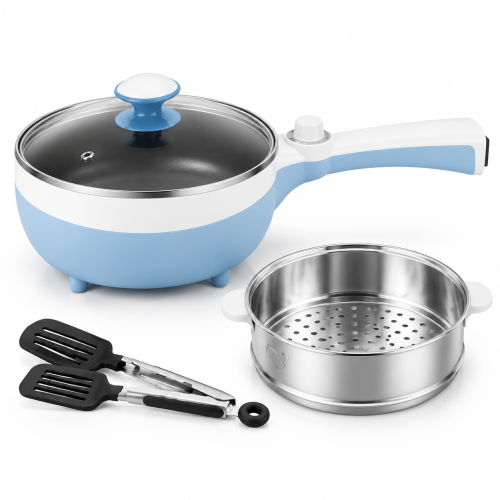
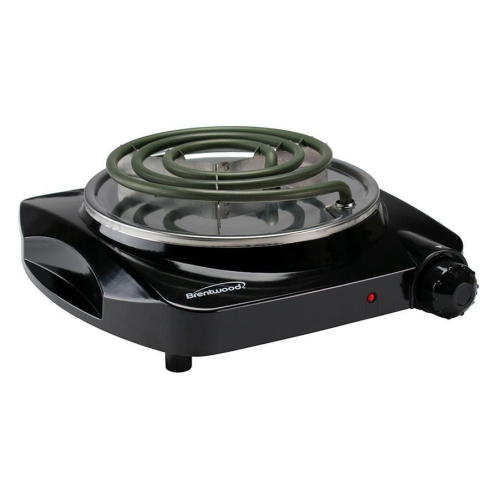
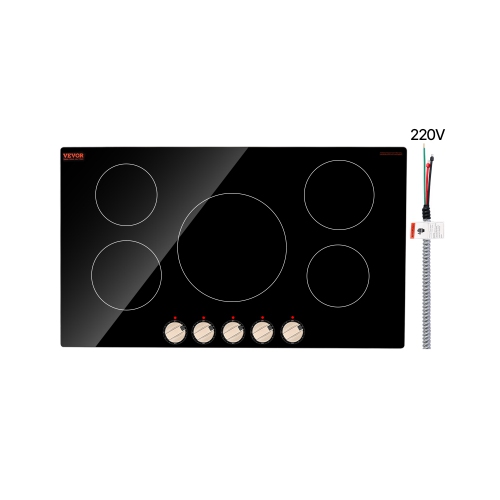
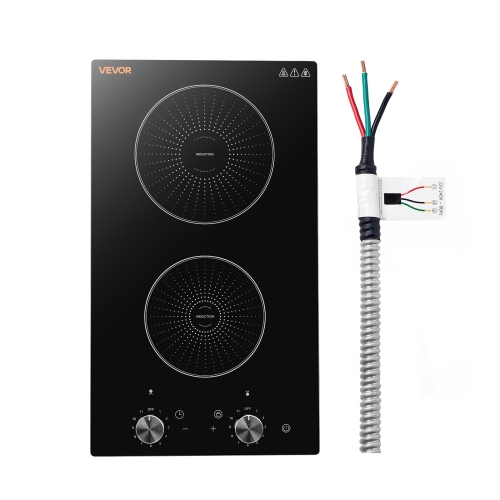
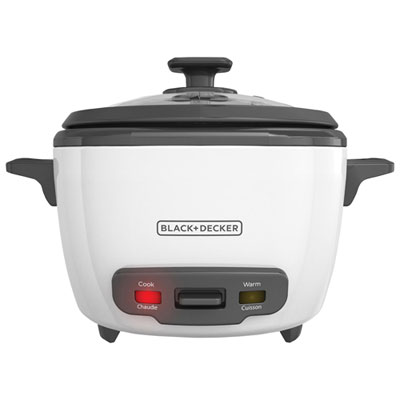
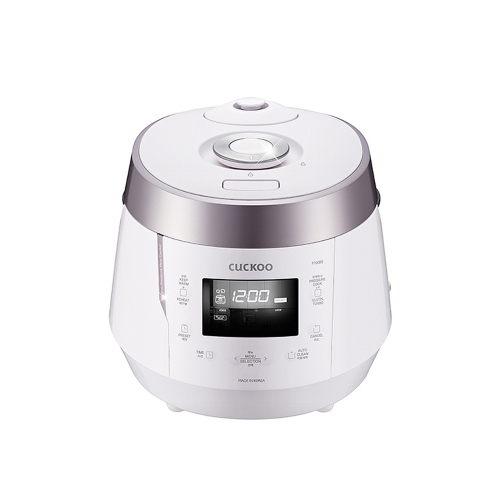
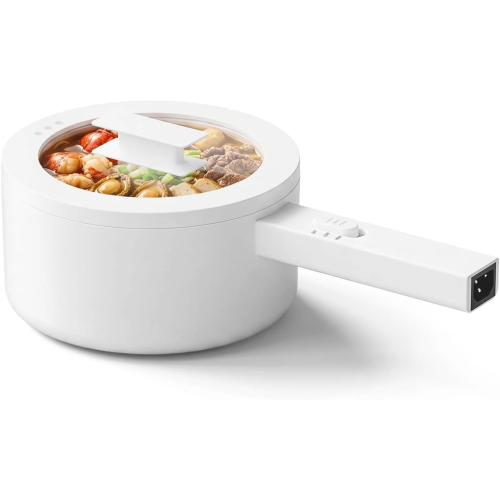
Electric cookers use electricity to prepare meals, with options ranging from compact countertop appliances to full-size kitchen ranges. For everyday countertop cooking, the main types are rice cookers, slow cookers, electric pressure cookers, and multi-cookers. Each suits a different way of preparing food, whether that means cooking a pot of rice alongside dinner or letting a stew simmer gently over several hours. Rice cookers are designed around the absorption method, managing heat as the grains take up water; some also include settings for brown rice, porridge, or steaming. Slow cookers use steady, gentle heat over a longer period, making them well suited to dishes such as pulled pork, vegetable soups, and braised beef. Electric pressure cookers cook inside a sealed vessel, using pressure to raise the boiling point of water and shorten the cooking stage for many dishes. Their total preparation time also includes building and releasing pressure, an important distinction when planning dinner. Multi-cookers combine several cooking methods in one appliance, although the exact functions differ. A sauté setting, for example, can allow onions to soften or meat to brown in the same inner pot before liquid is added for another cooking method. An electric range serves a broader role, combining a cooktop and oven rather than focusing on meals prepared inside a countertop vessel. The most useful type of cooker depends on the food being prepared and how it fits into the household routine. Someone who regularly serves rice with stir-fries may value straightforward grain settings more than a long menu of cooking programs. A household preparing several portions of soup at once may place greater importance on pot capacity, while a cook who enjoys beans, braises, and one-pot meals may appreciate the flexibility of pressure cooking. These differences matter more than the number of buttons on the control panel: a cooker should suit familiar recipes as comfortably as it supports trying something new.
Capacity, dimensions, and inner-pot construction shape how an electric cooker works in a real kitchen. Capacity may be stated in litres, quarts, or cups, but those measurements do not always describe the same thing. A rice cooker's cup rating may refer to uncooked rice or its cooked yield, and the supplied rice measure may differ from a standard measuring cup. For pressure cooking, the maximum working fill level is below the pot's total volume, with additional space needed for foods that foam or expand. Matching usable capacity to typical portions helps avoid an unnecessarily bulky appliance or a pot that is too small for a familiar recipe. A smaller vessel can suit a single-person household or side dishes, while a larger one can accommodate family meals and batch preparation within its stated limits. Electric cookers belong to the wider family of Countertop Cookers, so their footprint matters alongside the other appliances sharing the work surface. Allow room to open the lid, lift out the inner pot, and position any steam outlet according to the manufacturer's clearance requirements. A cooker that fits beneath a cupboard when closed may need a different operating position when releasing steam. Weight and handle design also matter if the appliance will move between a cupboard and the countertop. Inside, stainless steel pots offer a durable cooking surface that tolerates stirring and browning, although some foods may stick without suitable preparation. Non-stick coatings can make serving rice and cleaning up easier, but they need utensils and washing methods compatible with the finish. Ceramic or stoneware inserts, often used in slow cookers, retain heat well and can be heavy when filled. Their care requirements usually include protection from sudden temperature changes. A removable pot, accessible lid components, and clearly marked fill lines can make a noticeable difference over repeated use, particularly when preparing thick sauces, starchy grains, or meals that leave residue around the rim.
Controls and cooking functions are most valuable when they support the way meals actually come together. Clear displays, readable markings, and distinct settings help make operation straightforward, while adjustable cooking times provide flexibility for recipes with different quantities or textures. A household making the same rice several times a week may prefer a simple routine with consistent results. Someone preparing several components for packed lunches may find separate rice, steam, and sauté functions useful, provided the appliance supports those methods. A keep-warm setting can bridge a short gap between cooking and serving, but it is not a substitute for following food-safety guidance or refrigerating leftovers promptly. Similarly, an automatic cooking program does not remove the need to use appropriate quantities of liquid or follow the appliance's instructions. For electric pressure cookers, lid locks, pressure indicators, and the specified release procedure are important parts of everyday use; the lid must never be forced open while the vessel remains pressurized. Cleaning and care also influence long-term satisfaction. Removable sealing rings can retain food aromas, so regular washing and thorough drying are worthwhile, especially when alternating between savoury dishes and desserts. Valves, steam passages, and lid fittings need the attention described in the manual to remain clear of food residue. Dishwasher compatibility varies by component, and an inner pot being dishwasher-safe does not mean the lid or electrical base is. The base should not be immersed in water, and removable parts should be allowed to cool before washing. Gentle tools help protect coated surfaces, while inspecting seals and cords can reveal wear that needs attention before the next use. For a first apartment, a shared household, or a practical housewarming gift, an electric cooker makes the most sense when its size, cooking methods, and care needs match the recipient's habits. A compact rice cooker for someone who prepares grain bowls and a larger slow cooker for someone who regularly serves a group answer different needs. The lasting value lies in a good fit with everyday meals: manageable portions, comfortable handling, straightforward cleanup, and functions that earn their place on the countertop.
Top selling and popular products
-
 Your price for this item is $199.99
-
 Your price for this item is $159.99
-
 Your price for this item is $89.99
-
 Your price for this item is $179.99
-
 Your price for this item is $249.99
-
 Your price for this item is $309.98
-
 Your price for this item is $622
-
 Your price for this item is $179.99
Discover more categories related to Electric Cookers

Top Collections:
Best Black Friday Deals This Year, Best Black Friday Deals On Electronics, Kindle Devices, Pokemon Centers, Best Black Friday Deals On Apple Products, Best Cameras for Sports Photography, Dyson Airwrap, Pokémon 30th Celebration Cards, Apple iPhone 17 Pro, Canon G7X Cameras
Some products may be subject to Environmental Handling Fees
(EHF) depending on your province.
Learn more about EHFs.