Electric Skillets
Electric skillets are a convenient and versatile kitchen tool that can be used to prepare a wide variety of meals. These skillets are designed with a non-stick surface and a temperature control knob, which allow for precise cooking temperatures. If you're looking for a fast and easy way to cook meals, an electric skillet is a great option. Here are some of the best options available.
Sort

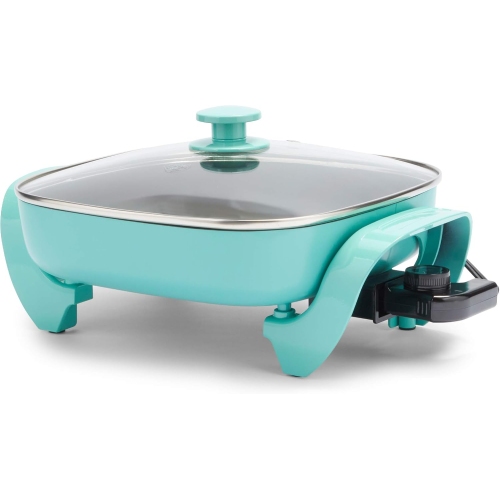
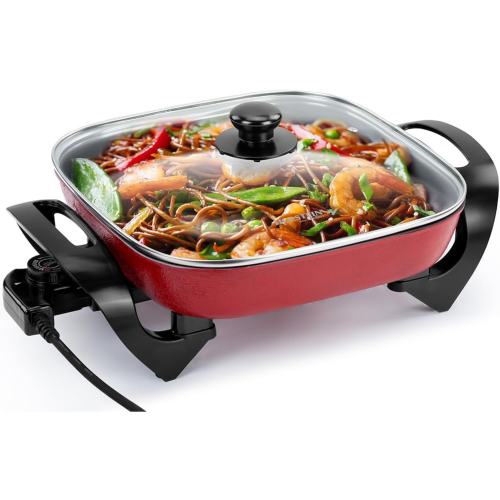
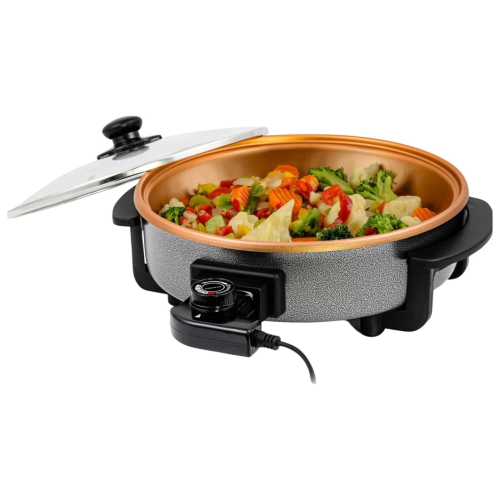
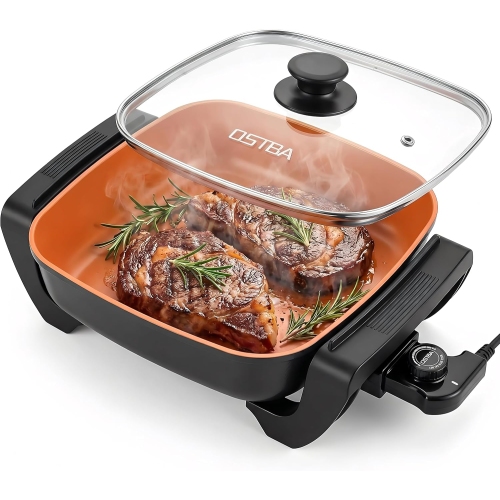
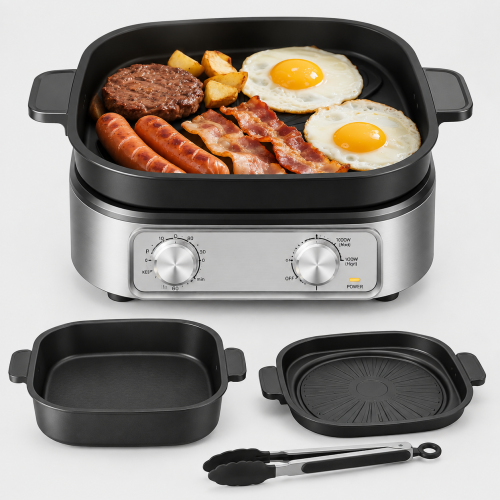
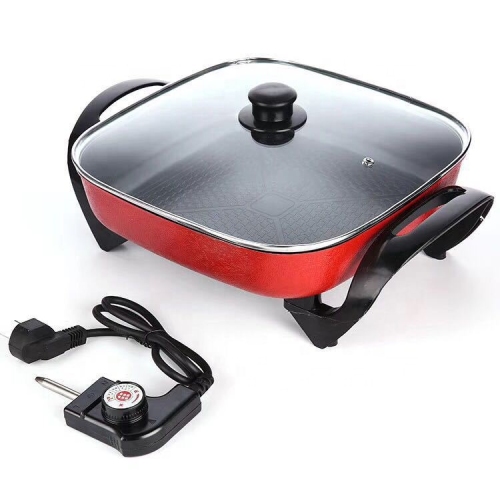
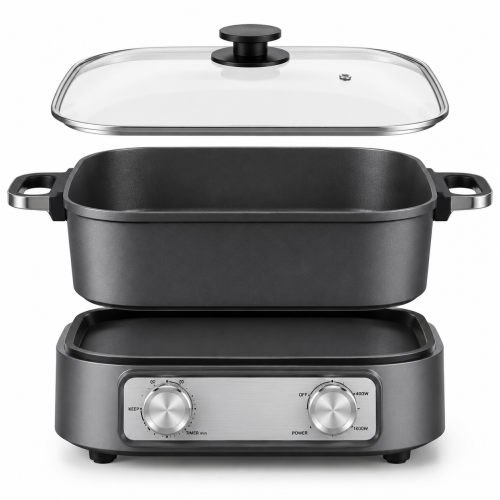
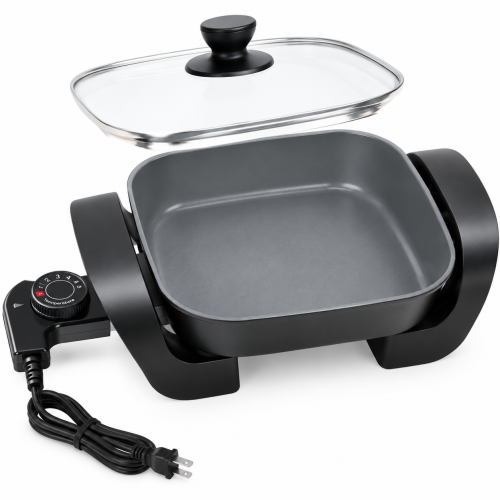
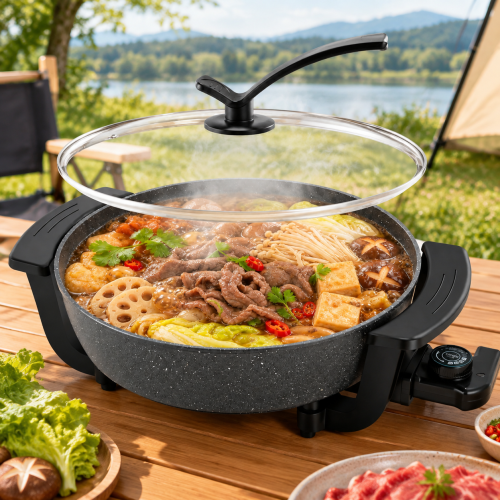
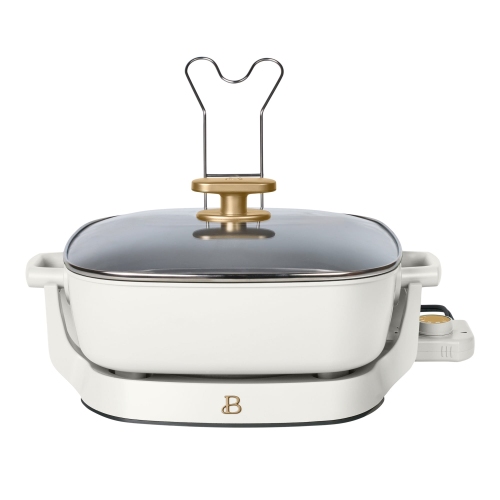
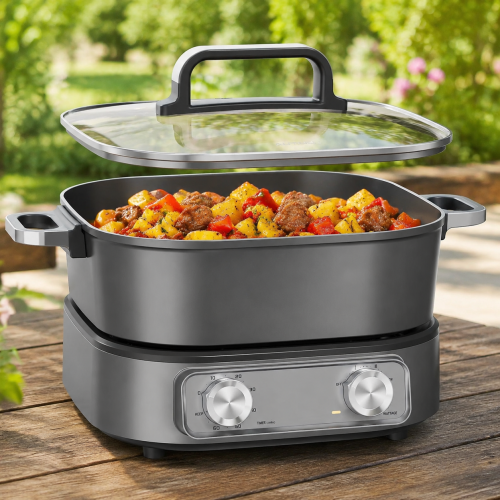
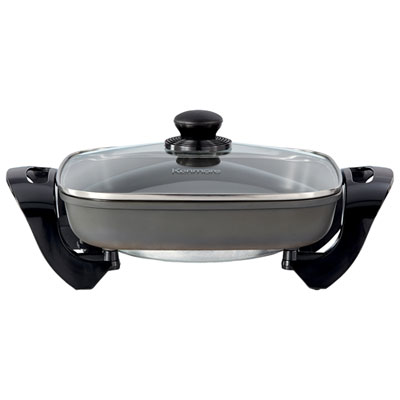
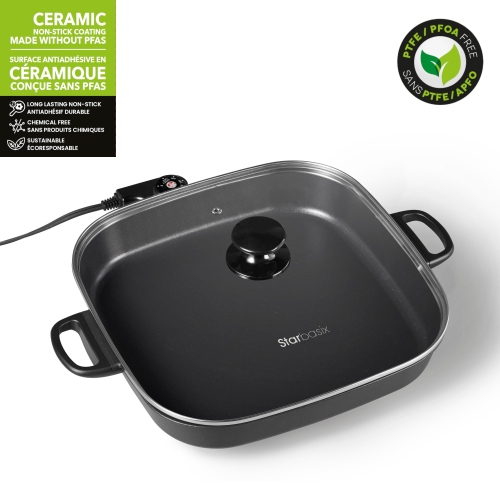
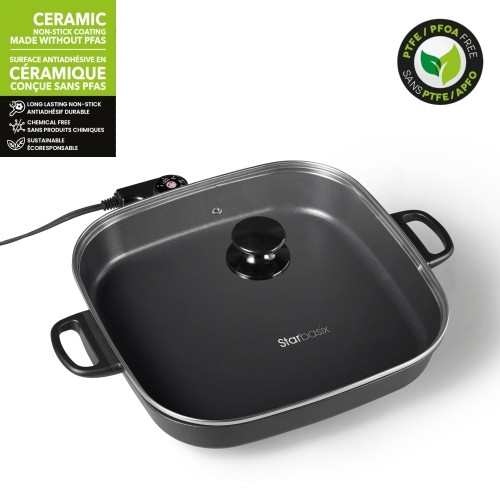
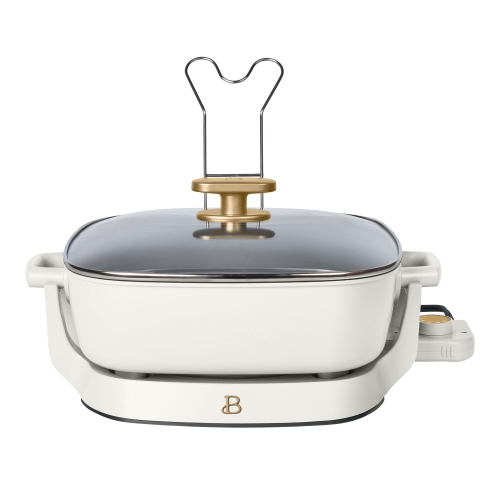
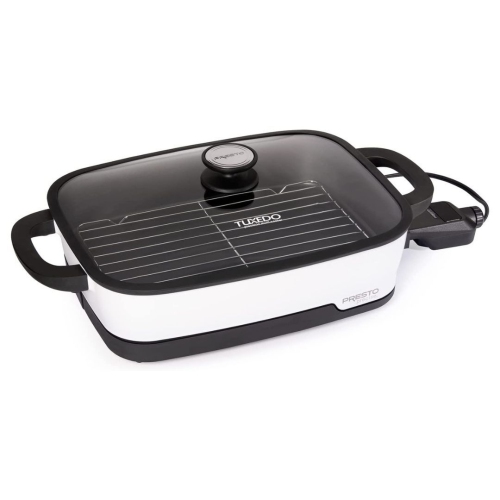


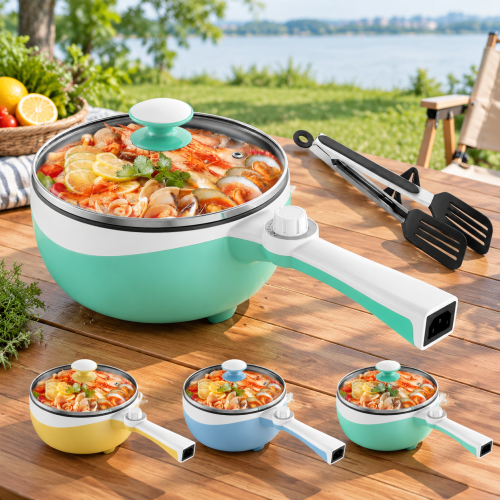
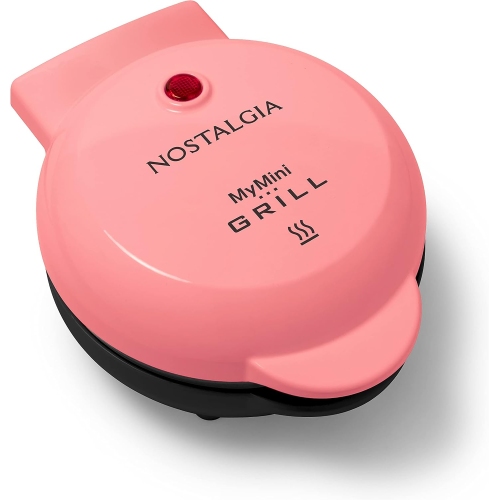
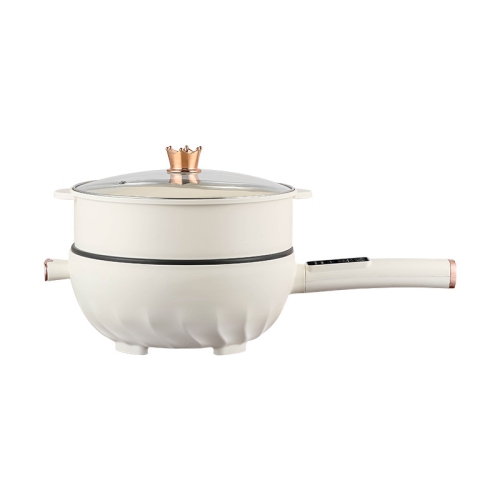
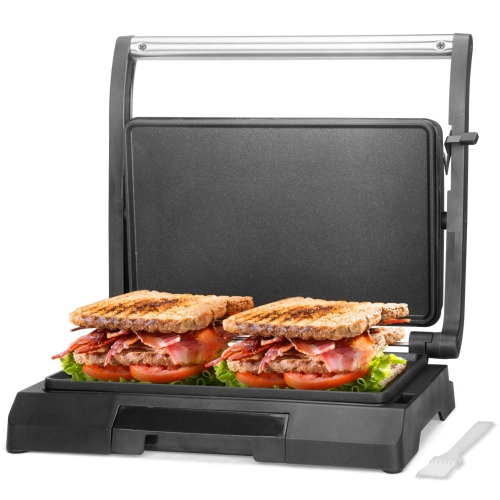

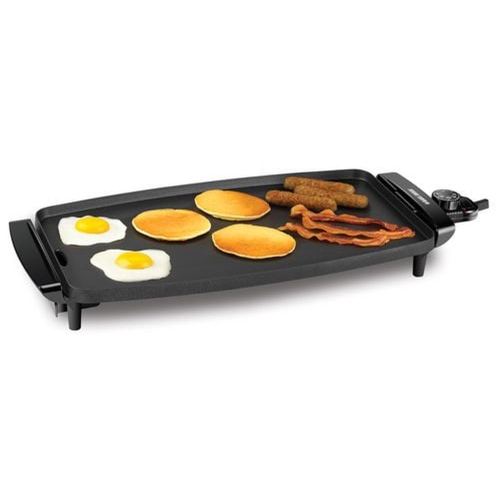
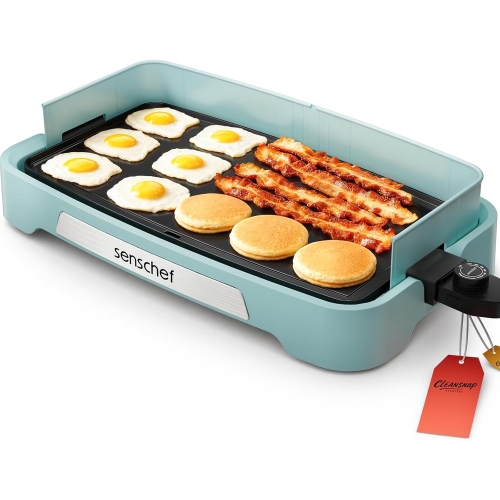
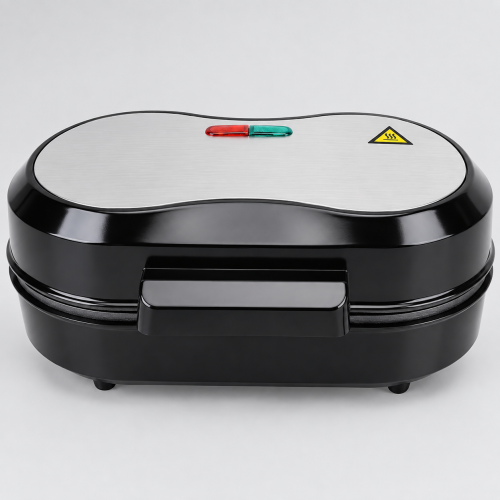


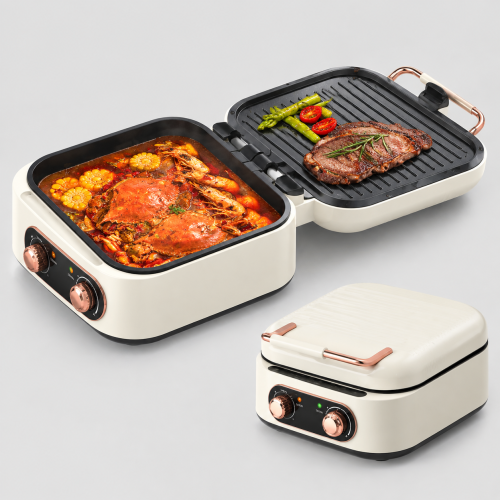
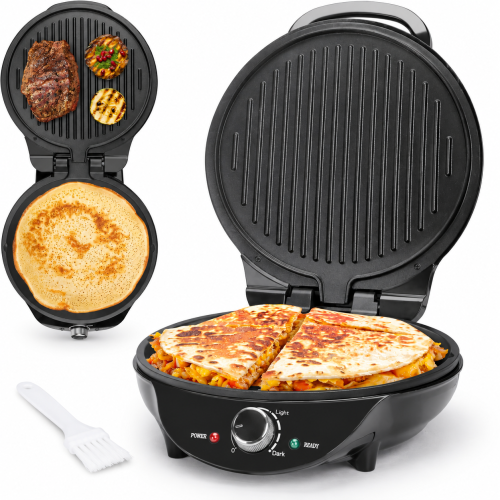
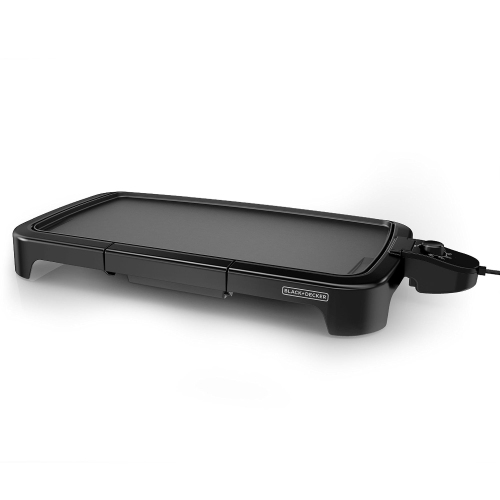
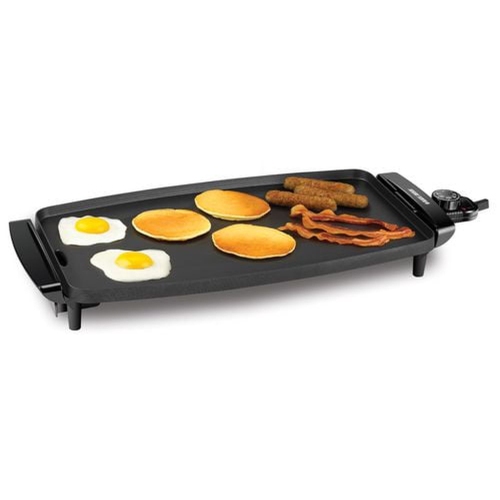

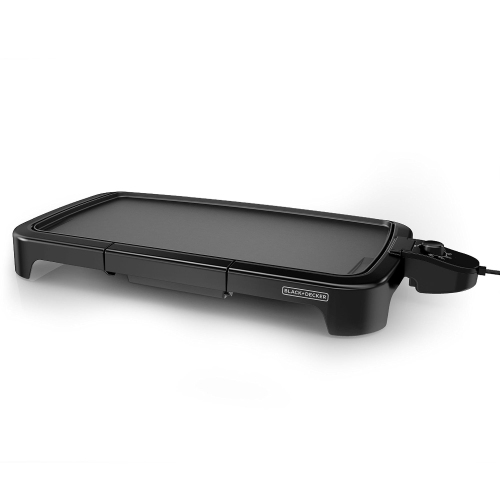
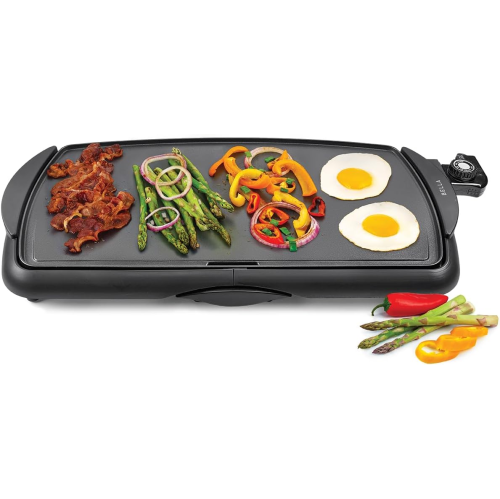

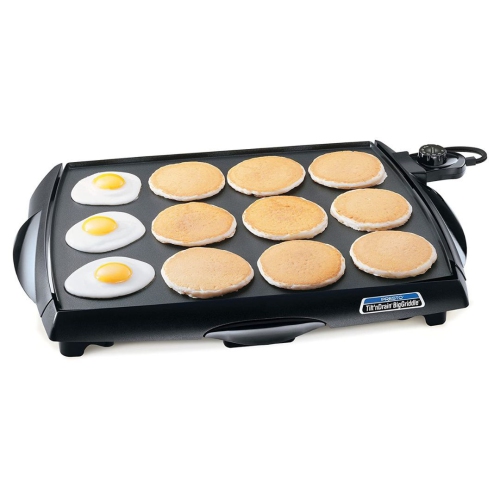
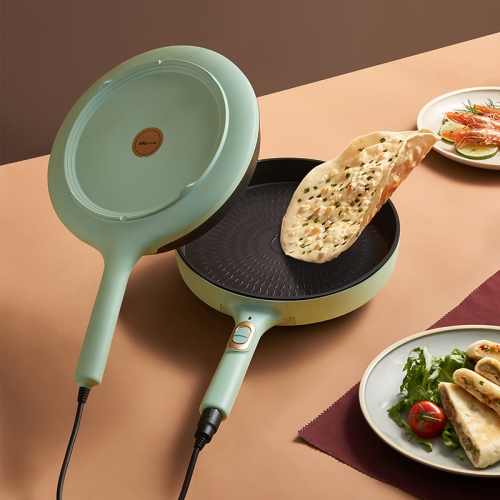
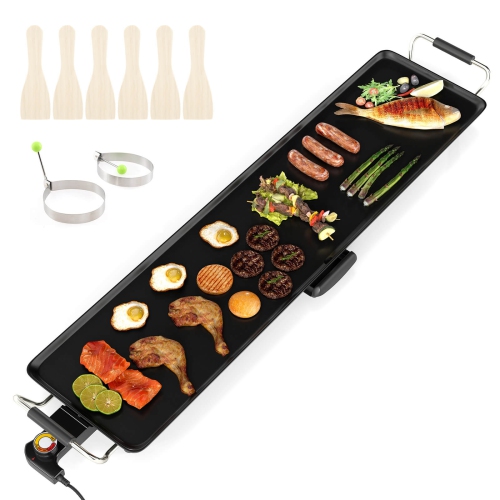
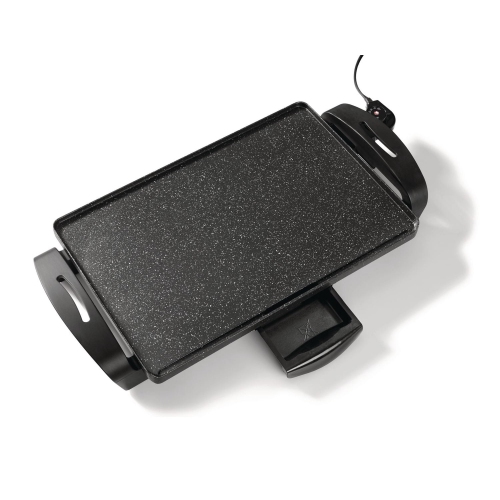
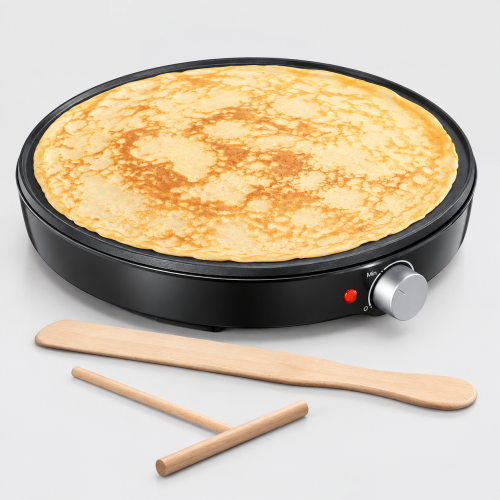

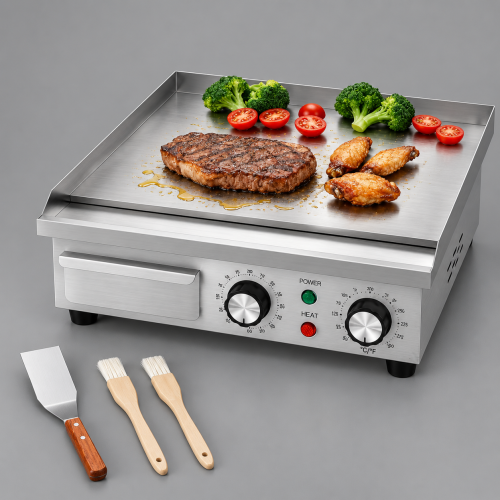
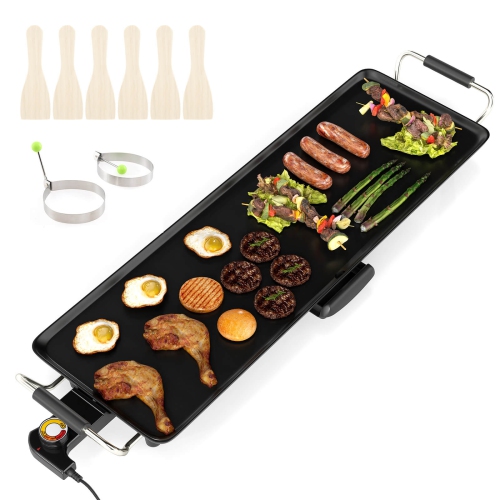
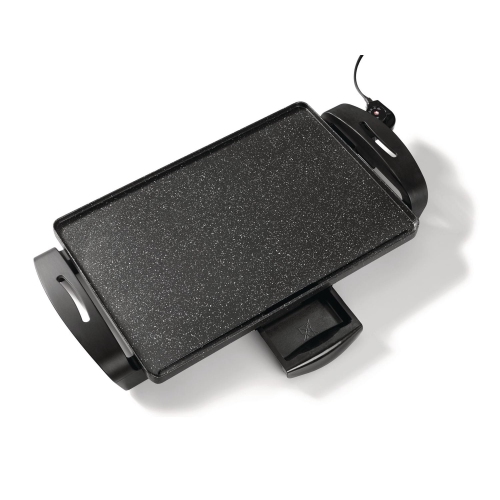
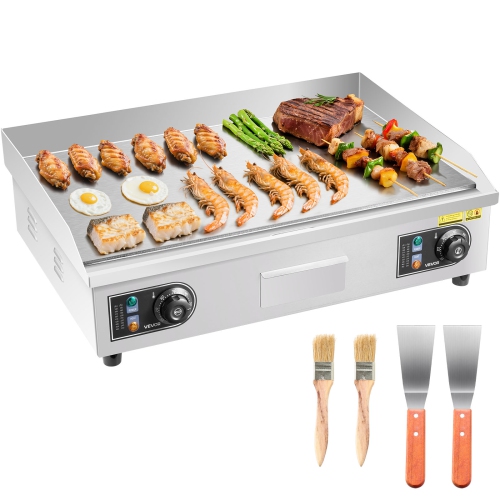
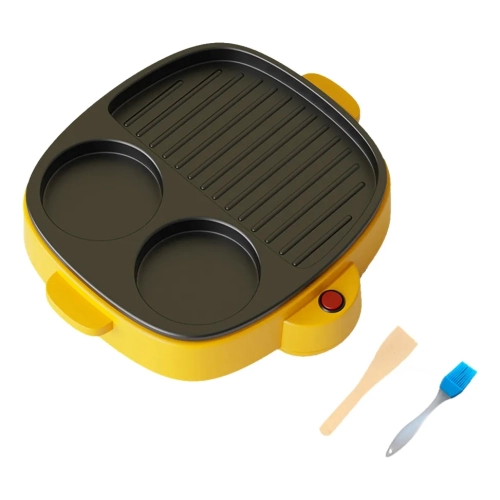
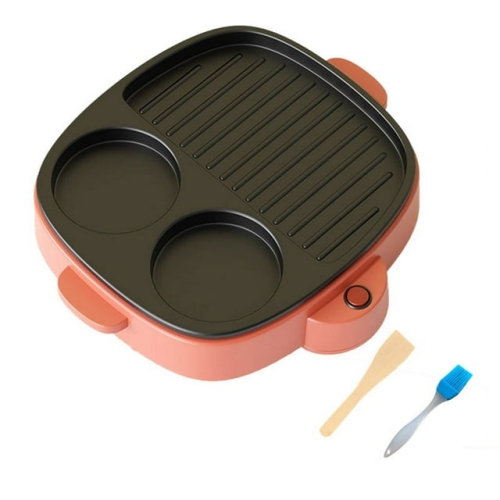
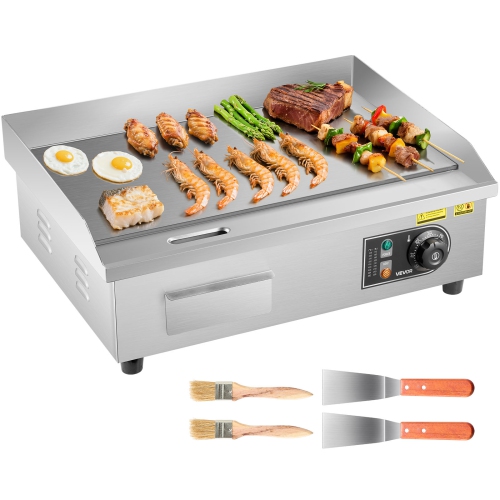
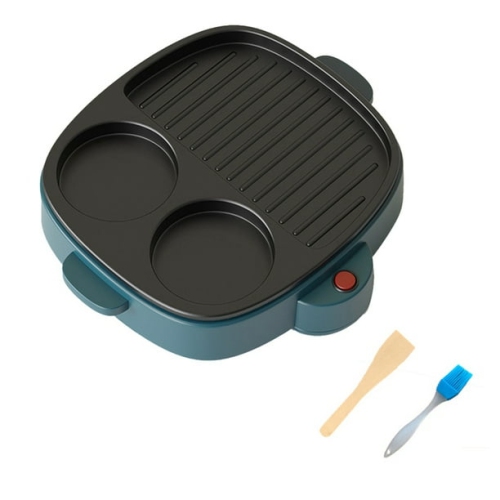
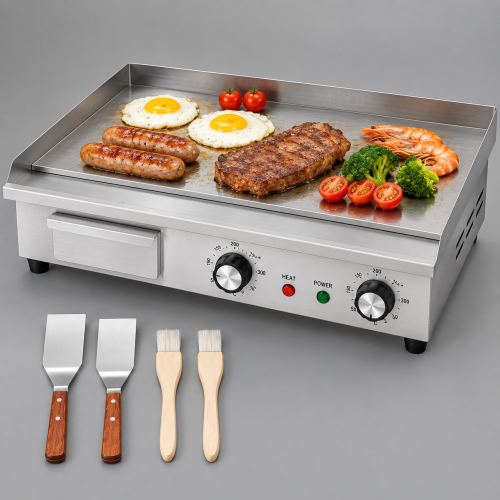

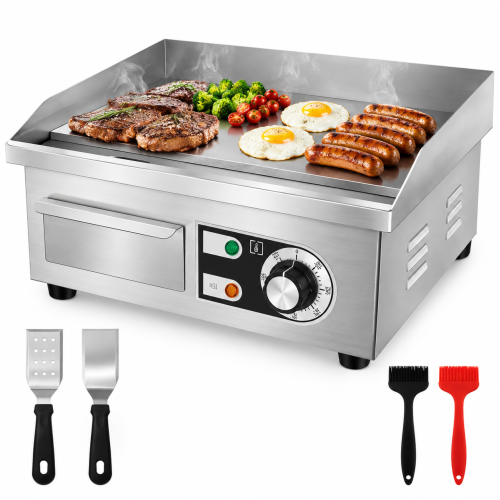
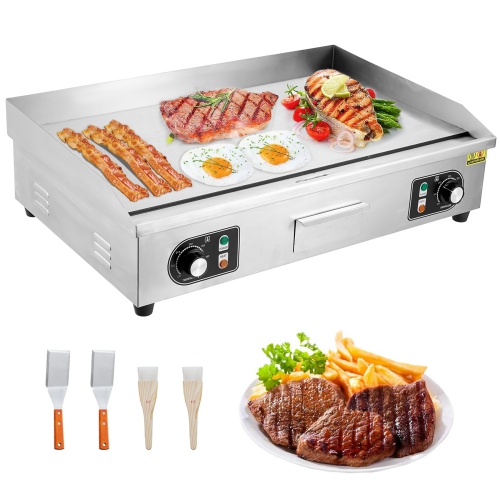
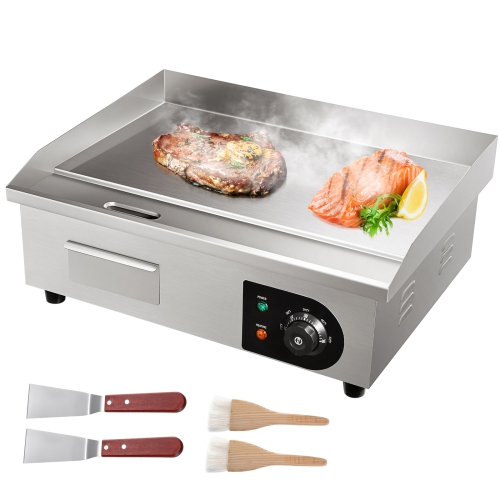
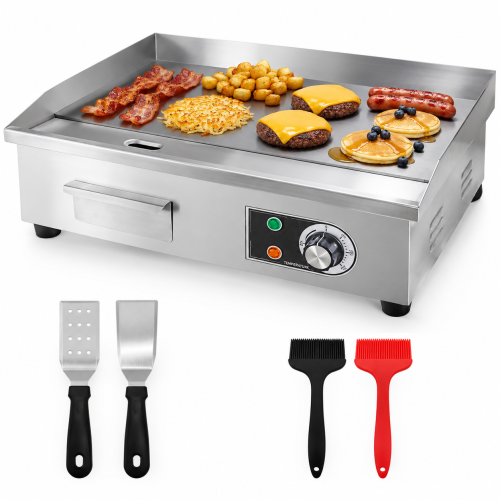
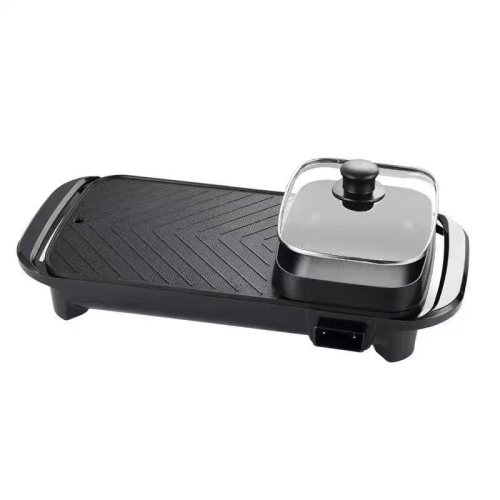
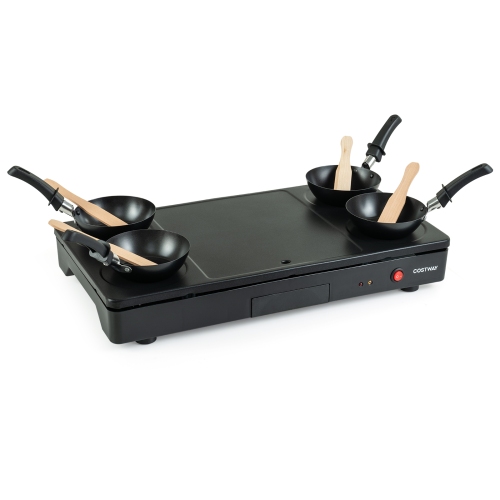
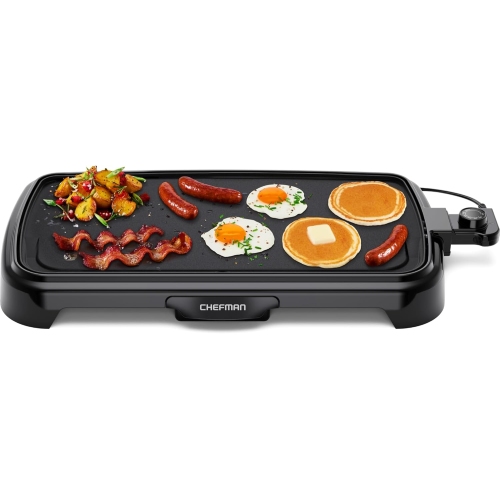
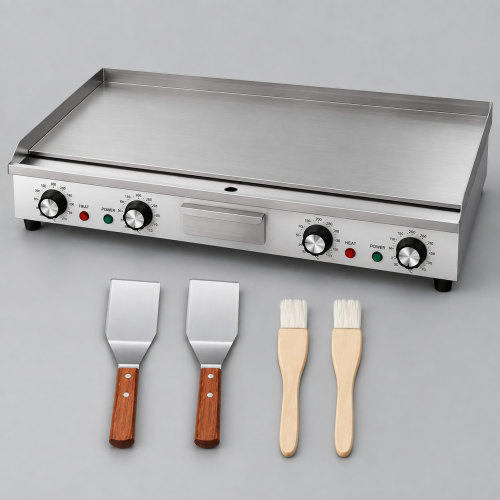
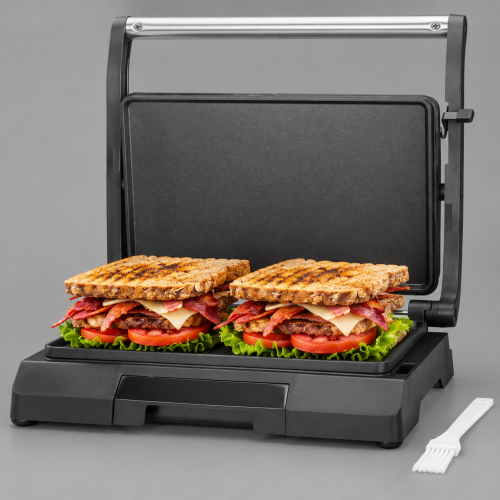
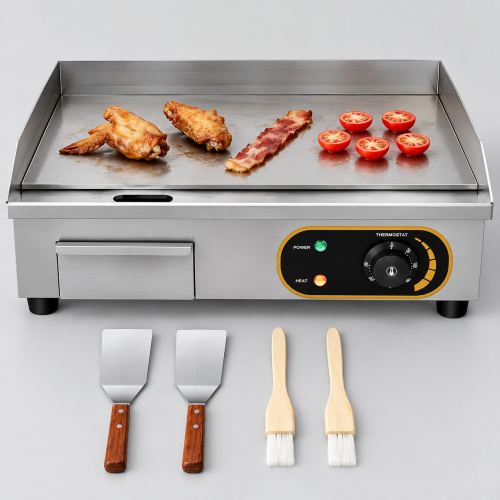
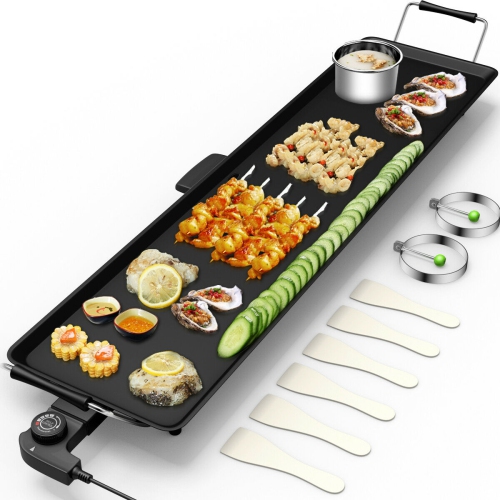
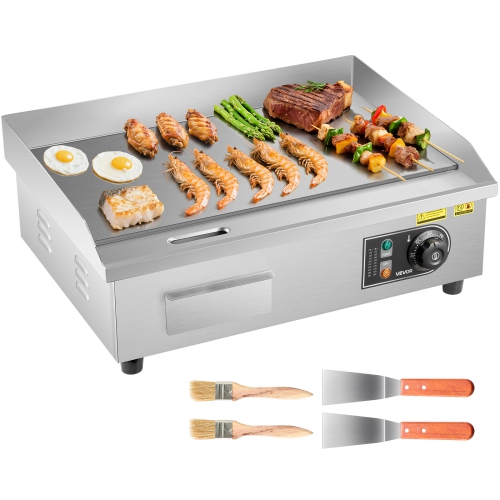
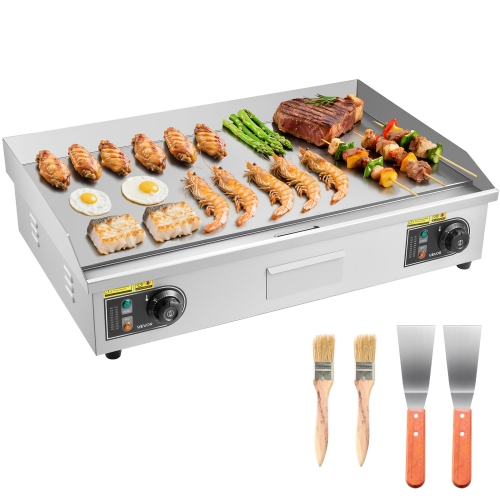
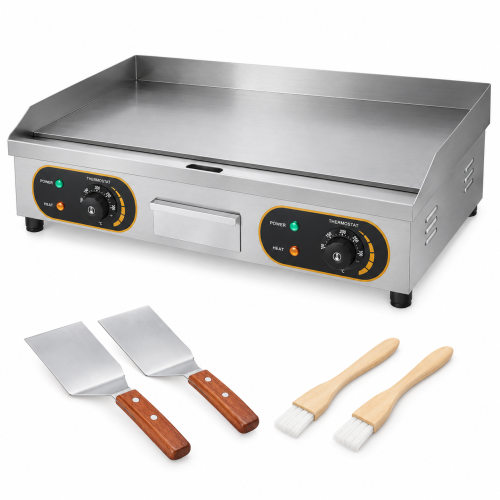
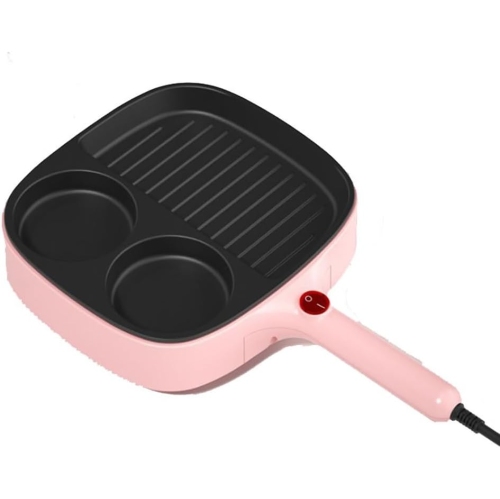
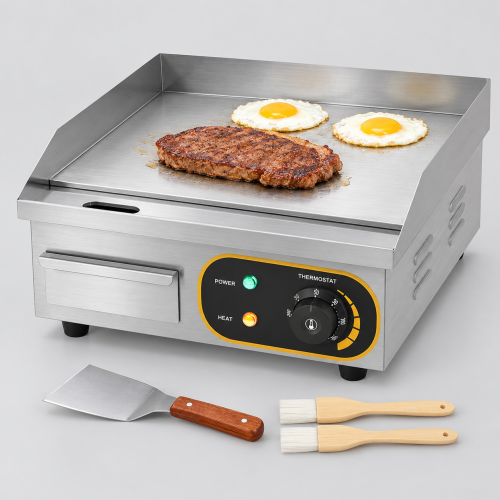
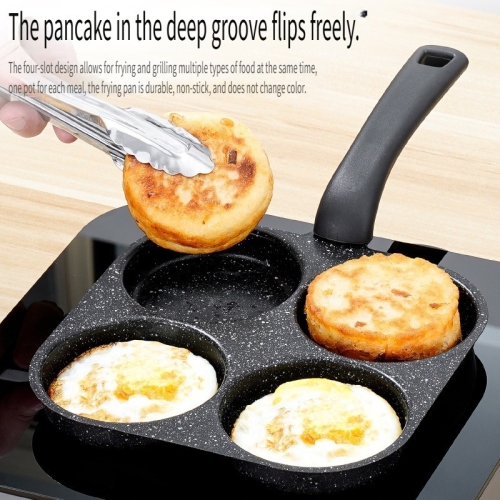
Breakfast batches and saucy dinners in one countertop pan
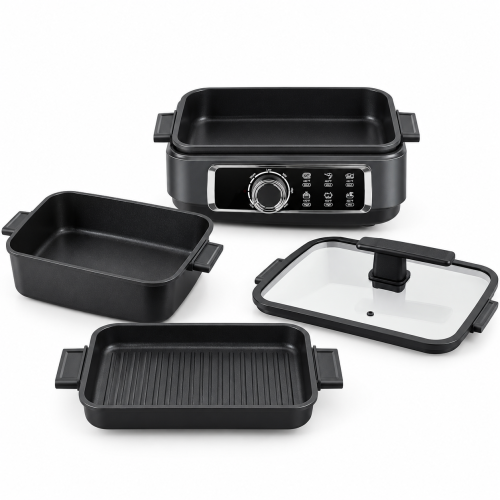
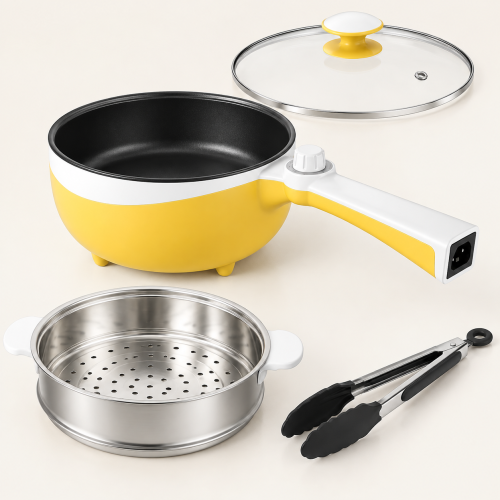
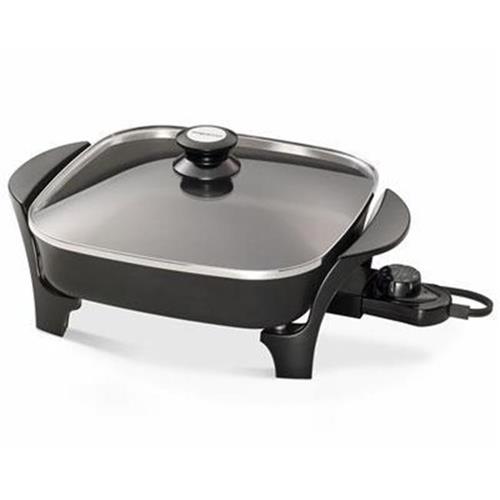
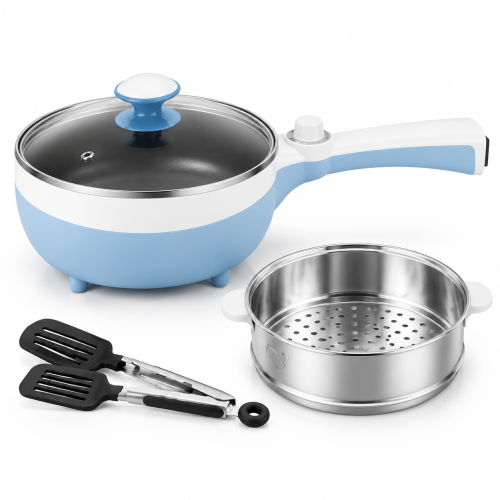
Electric skillets combine a heated cooking surface and a pan in one countertop appliance, allowing meals to be prepared without occupying a stovetop burner. Their raised sides make them useful for more than frying eggs or browning sausages: they can also handle sautéed vegetables, skillet pasta, shallow-fried cutlets and dishes that finish in a sauce. A batch of chicken can be browned first, then gently cooked with mushrooms and broth in the same pan, keeping the flavourful browned bits part of the meal. Adjustable temperature controls let cooks move between higher heat for browning and lower settings for simmering or holding food, although the available settings vary by design. Many electric skillets regulate heat by cycling the heating element on and off, so an indicator light changing during cooking does not necessarily signal a problem. A temperature dial controls the appliance rather than measuring the internal temperature of the food; a food thermometer remains useful for checking meat and poultry. Preheating according to the manufacturer’s directions and leaving space between ingredients can help food brown rather than steam. For breakfast, the cooking area can accommodate pancakes, eggs or French toast, with enough room to turn food without balancing several pans on the stove. For cooks interested mainly in an open surface for breakfast batches, Electric Pancake Grills offer a related option, while electric skillets provide raised sides for sauces and mixed dishes. A lid can help contain splatters and retain moisture when cooking rice dishes or tenderizing vegetables, provided the appliance is suitable for the recipe. This combination of frying, sautéing and covered cooking makes electric skillets useful for everyday dinners, shared breakfasts and meal preparation. They can also provide an additional cooking station when the stovetop is occupied, such as when vegetables need their own pan while a main dish cooks elsewhere. Their usefulness comes from matching the pan’s size, depth and heat settings to the meals being prepared, rather than treating every design as interchangeable.
Size and construction shape how an electric skillet fits into a kitchen and how it feels to use. Compact formats suit smaller portions and limited work areas, while broader rectangular or square pans provide room for several pieces of fish, sandwiches or a family-sized breakfast. Cooking surface measurements do not always represent the appliance’s full footprint: handles, the temperature control and the power connection can extend beyond the pan. Space for lifting the lid and setting it down matters, too, especially beneath cupboards. Interior depth is another practical distinction. Shallower sides make it easier to slide a spatula under pancakes, while deeper pans offer more room for stirring vegetables, turning larger portions and containing sauces. A large pan is not automatically better for every household, particularly if its weight or storage requirements make it awkward to bring out regularly. Aluminum bodies are common because they conduct heat readily, while the thickness of the pan and placement of its heating element influence heat distribution. Non-stick interiors help release delicate foods such as eggs and fish, and ceramic-coated surfaces are another option within this category. Any coated surface still needs care suited to its finish; silicone, wood or other approved utensils can help limit scratches. Stainless steel cooking surfaces, where offered, have different food-release characteristics and may need more attention to preheating and cooking fat. Glass lids allow a view of the food without repeated lifting, while lid handles, steam vents and the fit of the rim affect everyday handling. Handles designed to stay cooler can make repositioning easier, but hot surfaces and escaping steam still require caution. A clearly marked control, a stable base and a comfortable grip are small details that become noticeable when cooking regularly. Pouring lips or spouts may help with transferring sauces or draining cooking fat, though a full pan can remain heavy and difficult to tilt. Wattage describes electrical power use, but it does not, by itself, establish cooking quality; pan construction, temperature control and the amount of food all contribute to performance.
Care and storage are part of choosing an electric skillet that will remain convenient beyond the first few meals. Cleaning requirements differ significantly, even among appliances with detachable temperature controls. A removable probe does not automatically mean the pan can be immersed in water or placed in a dishwasher; the manufacturer’s cleaning directions determine which parts can be washed and how. The appliance should be unplugged and allowed to cool before cleaning, with electrical controls and connections kept dry as directed. For many cooking surfaces, a soft sponge and mild dish detergent are more appropriate than abrasive pads, which can damage a coating or dull a finish. Letting the pan cool before washing also avoids a sudden temperature change that may damage some materials. Residue around the rim, lid vent and handle attachments deserves attention, since those areas can collect grease even when the cooking surface wipes clean easily. Drying all washable parts thoroughly before storage helps keep the appliance ready for its next use. Where stacking is permitted, a soft protective layer can prevent the lid or nearby cookware from rubbing against a coated interior. Storage space should accommodate the pan, lid and control without sharply bending the cord or forcing pressure onto a connector. During use, a stable, heat-resistant countertop and the clearances specified by the manufacturer are important, as is keeping the cord away from hot surfaces and places where it could be pulled. An electric skillet can suit someone furnishing a first kitchen, a couple who prefer one-pan dinners or a home cook who wants extra cooking capacity without adding another pan to the stovetop. It can also be a thoughtful housewarming gift when the recipient’s cooking habits and storage space are known. For a household that regularly makes omelettes, dumplings or saucy rice dishes, the right balance of usable cooking area, manageable weight and straightforward cleaning can matter more than a long list of features.
Top selling and popular products
-
 Your price for this item is $49.99
-
 Your price for this item is $199.38
-
 Your price for this item is $44.98
-
 Your price for this item is $39.99
-
 Your price for this item is $79.99
-
 Your price for this item is $39.99
-
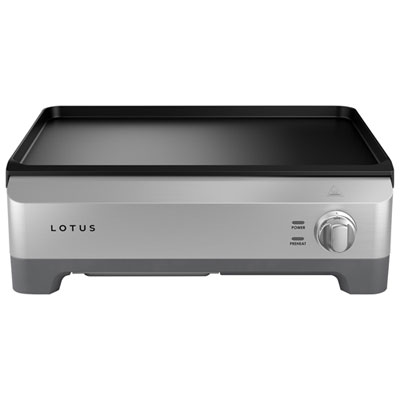 Your price for this item is $987.99
-
 Your price for this item is $119.99
Discover more categories related to Electric Skillets
Top Collections:
Best Black Friday Deals This Year, Best Black Friday Deals On Electronics, Kindle Devices, Pokemon Centers, Best Black Friday Deals On Apple Products, Best Cameras for Sports Photography, Dyson Airwrap, Pokémon 30th Celebration Cards, Apple iPhone 17 Pro, Canon G7X Cameras
Some products may be subject to Environmental Handling Fees
(EHF) depending on your province.
Learn more about EHFs.