Electronic Air Cleaners
Breathe in cleaner, fresher air with our range of electronic air cleaners. Designed to remove airborne particles, allergens, and odors, these innovative devices work quietly and efficiently to create a healthier indoor environment. Whether you're looking to improve the air quality in your home or office, our selection of electronic air cleaners offers a variety of features and sizes to suit your needs. Say goodbye to dust, pet dander, and other irritants, and say hello to a breath of fresh air with our electronic air cleaners.
Sort


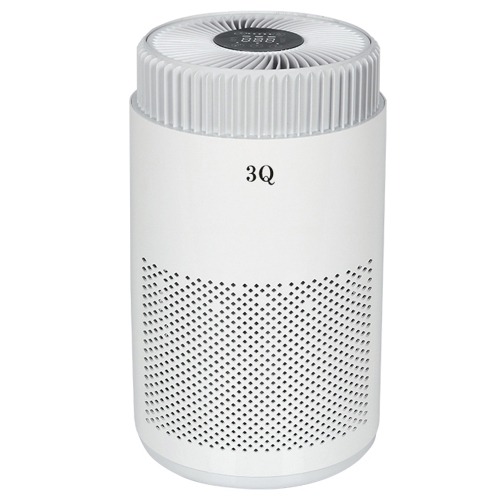


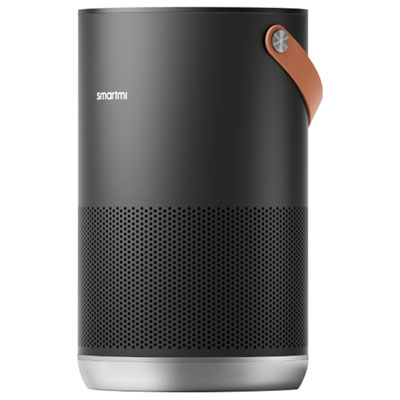
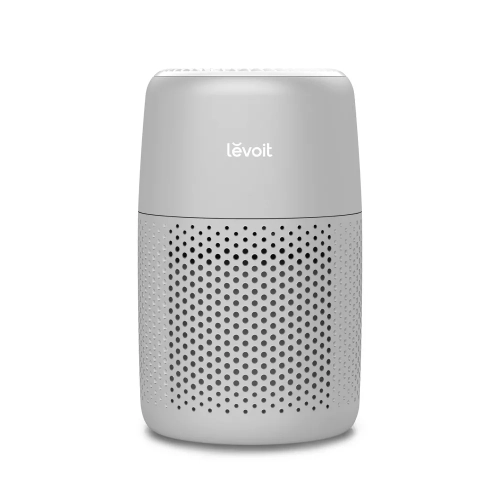

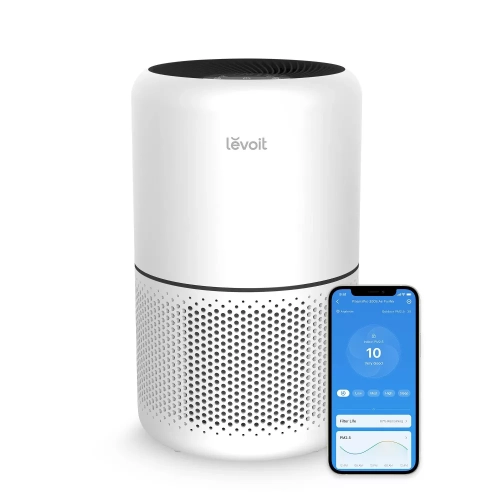
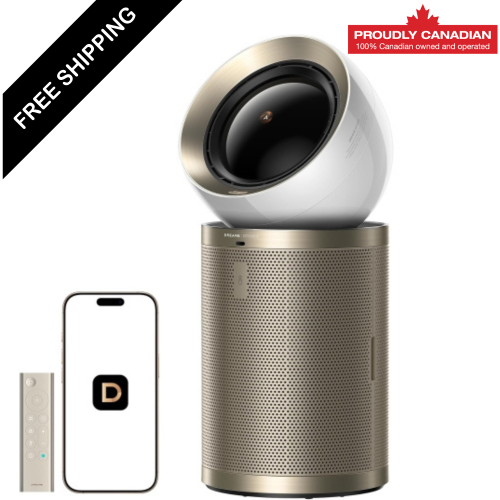
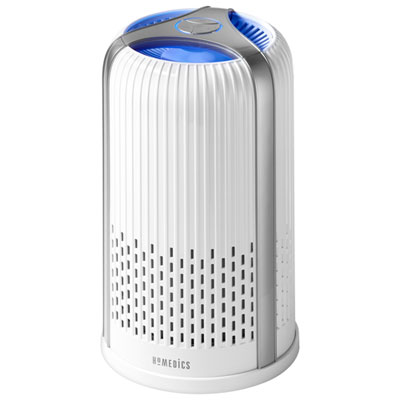
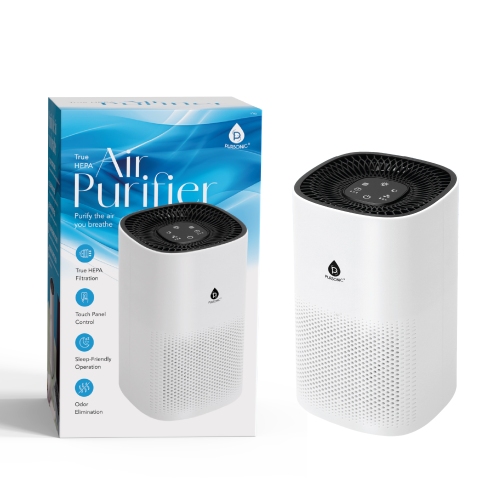
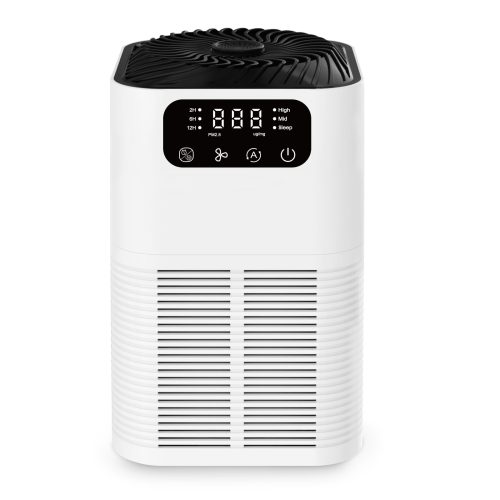

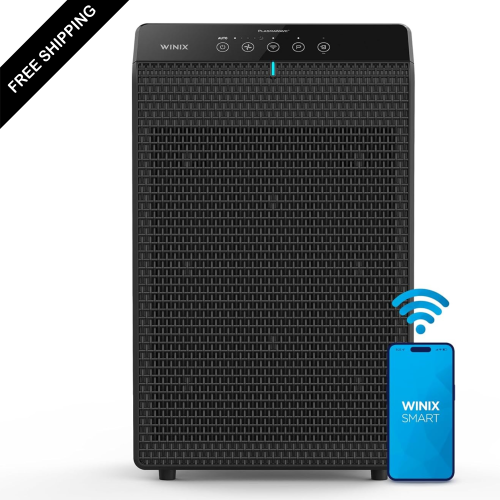
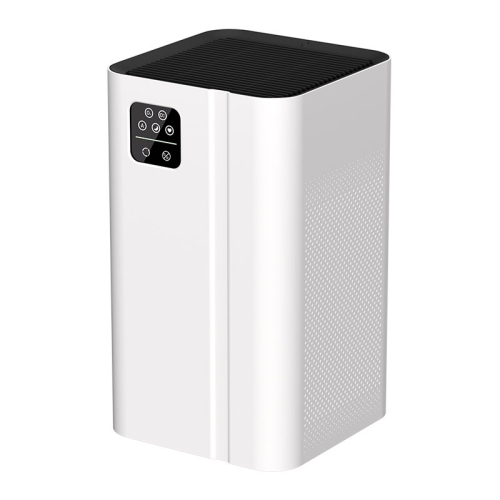

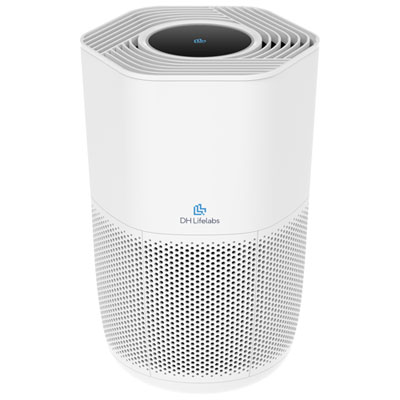
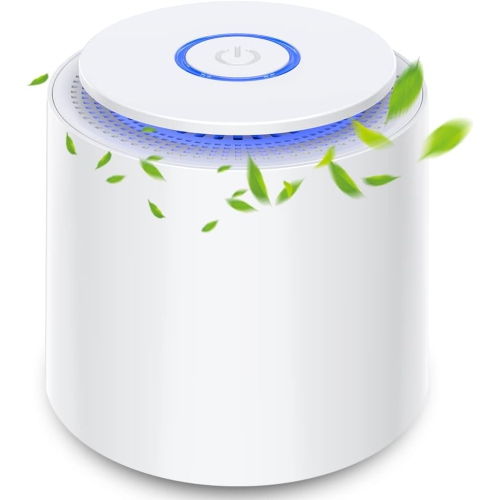
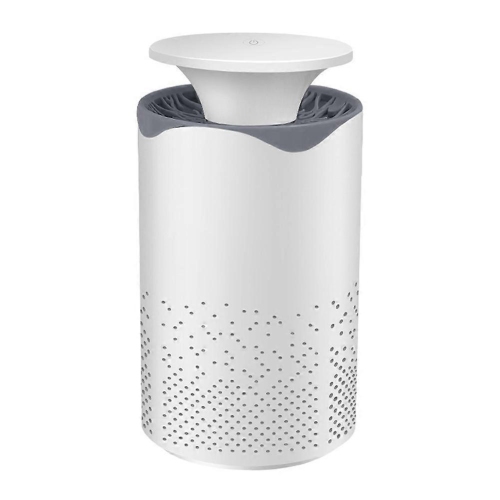
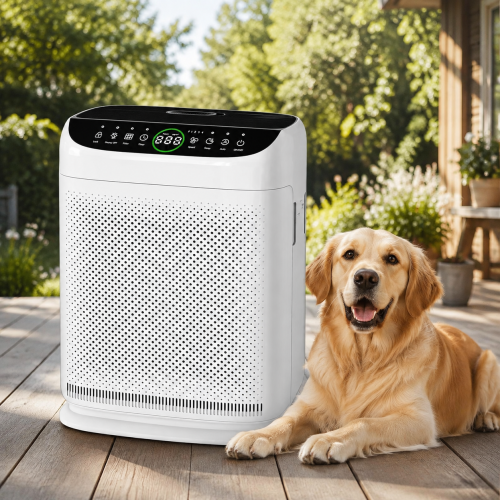
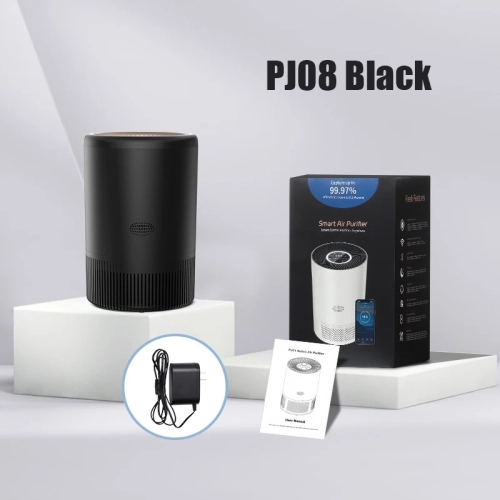
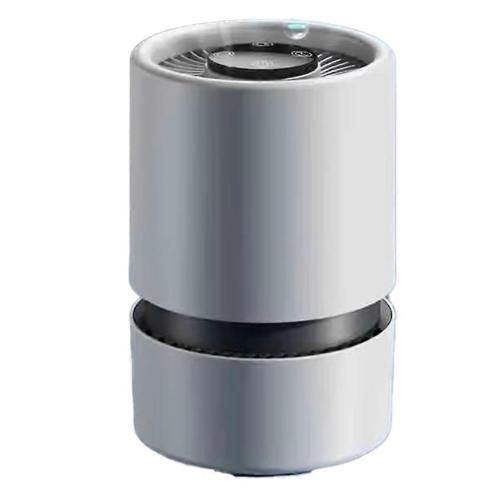

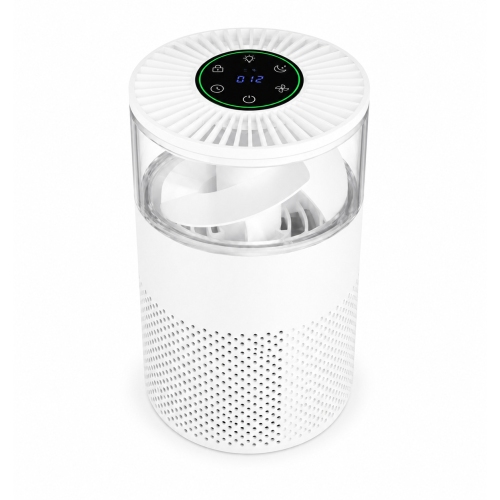
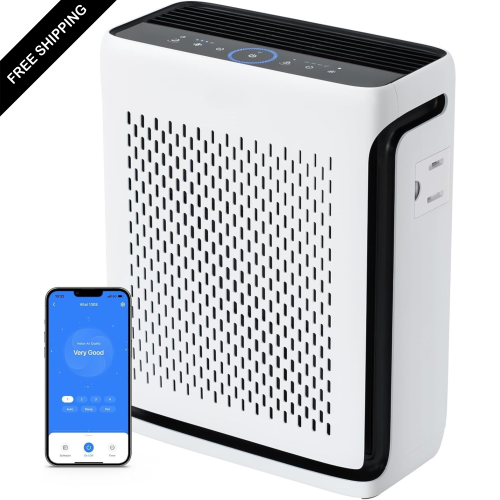
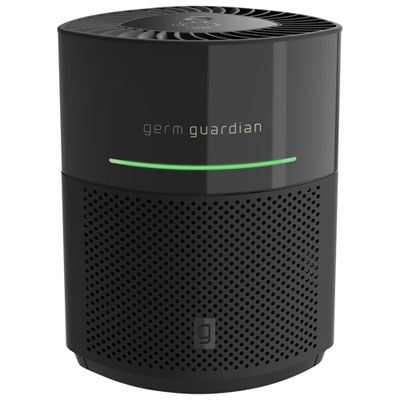
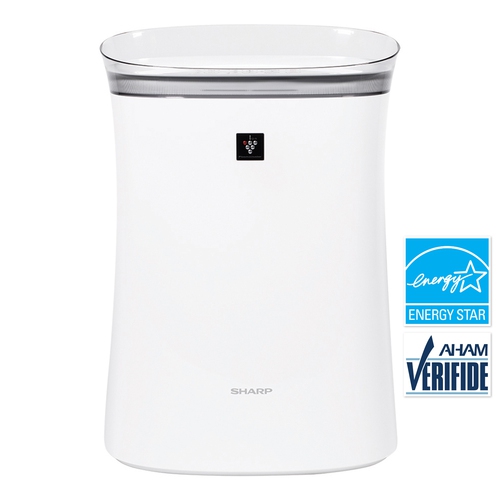
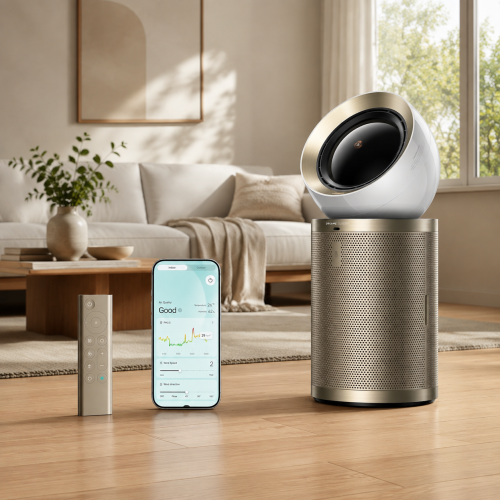
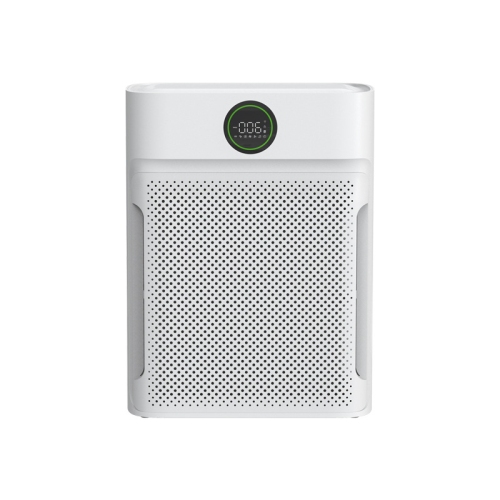
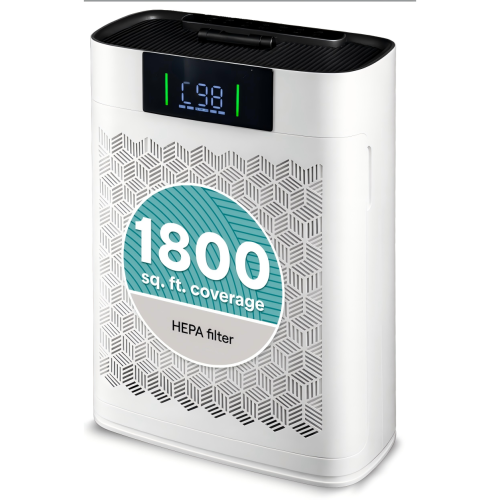
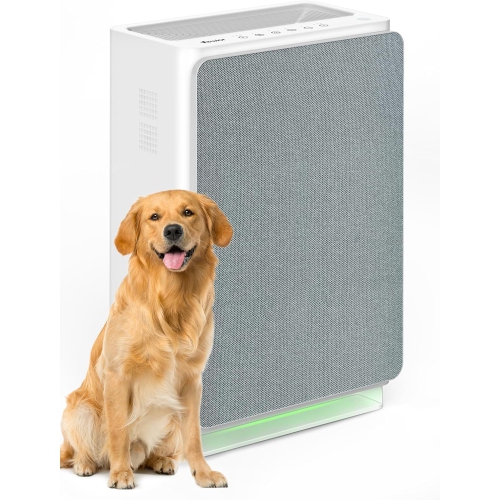
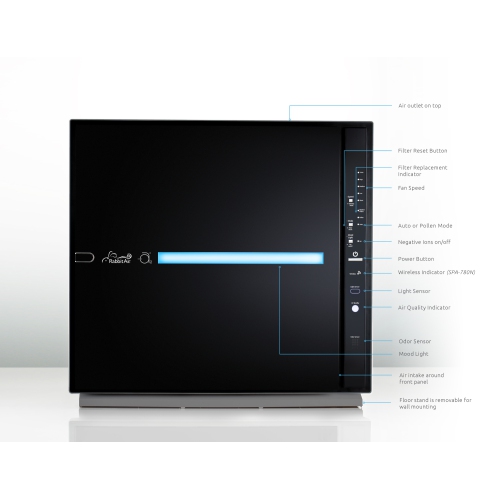

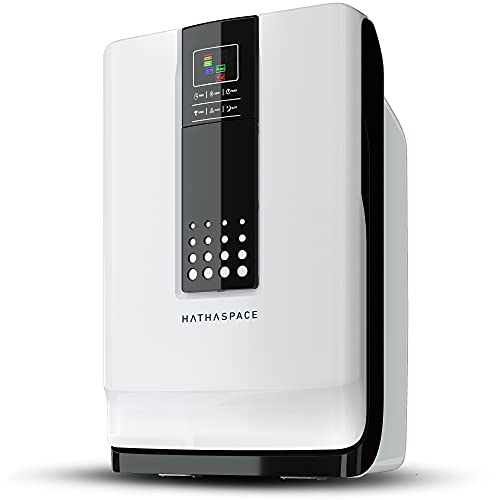


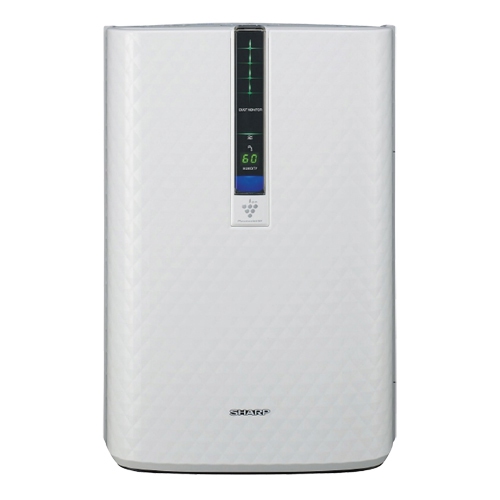
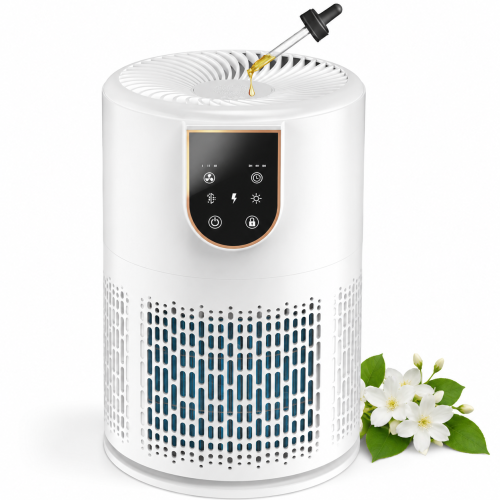
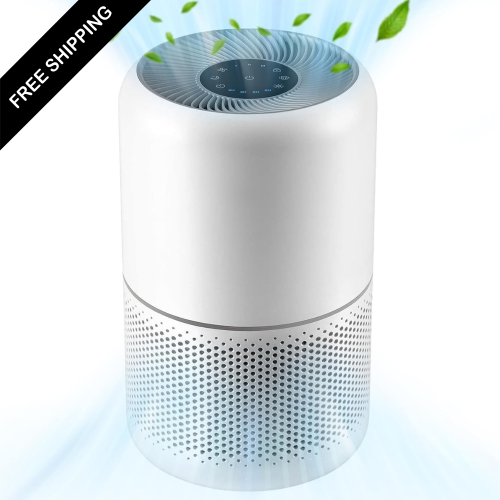
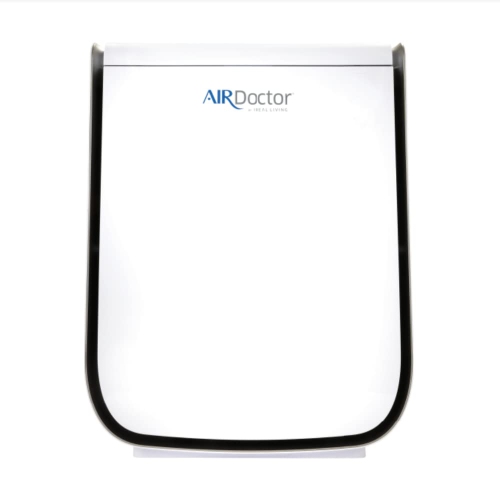
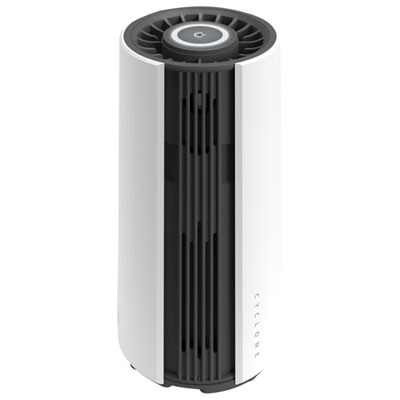
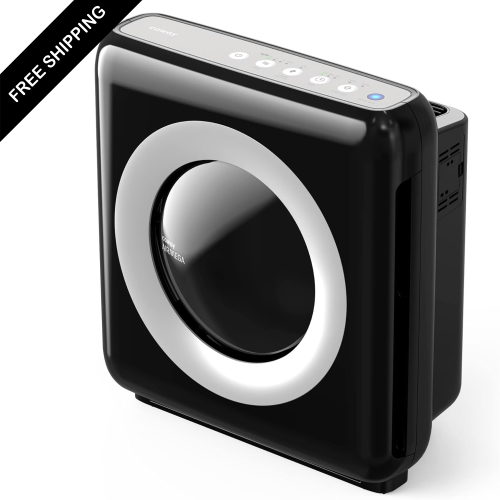
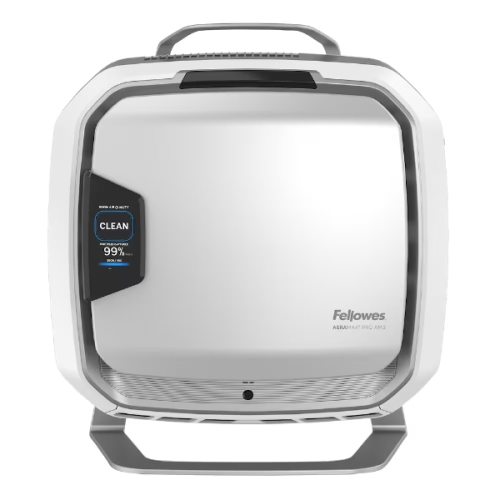
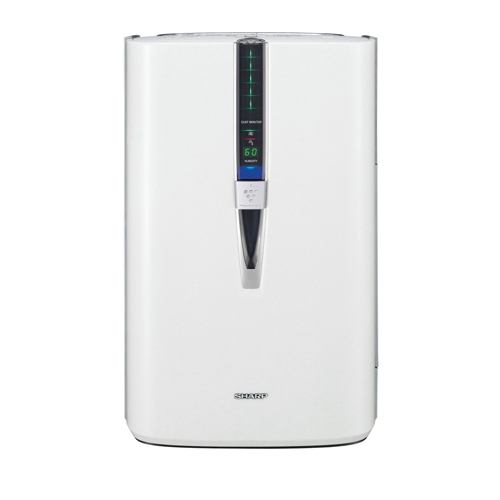
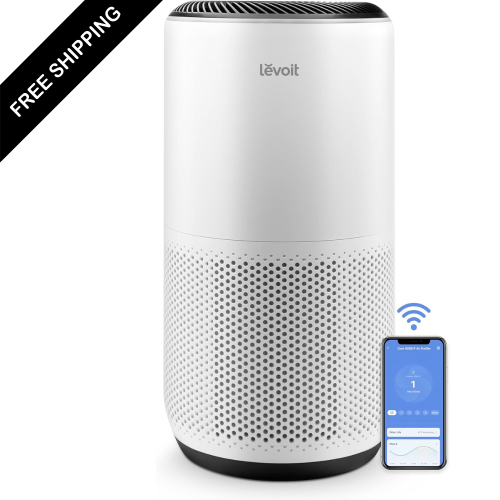
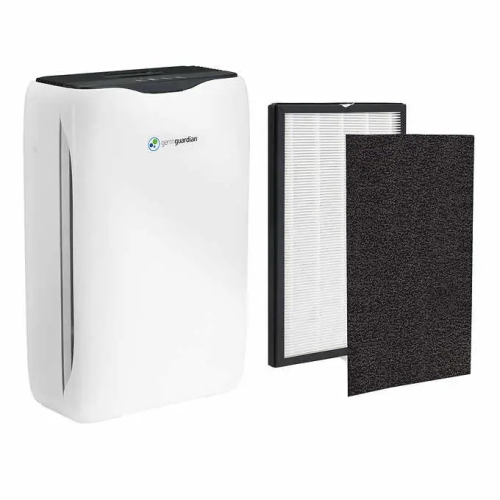

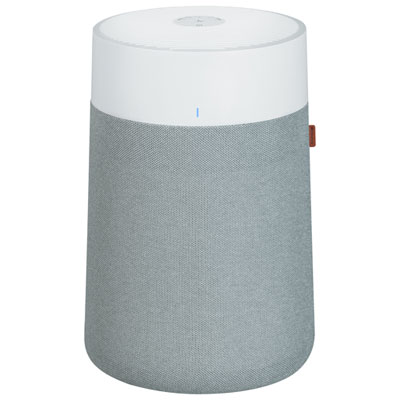
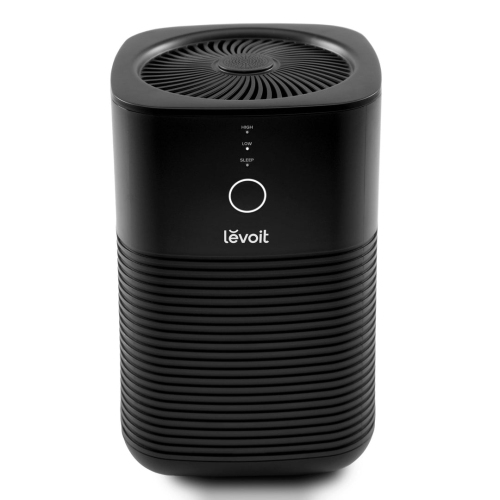
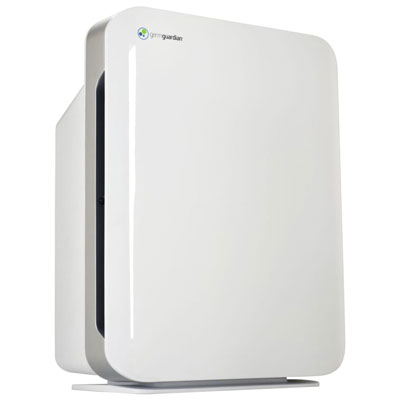
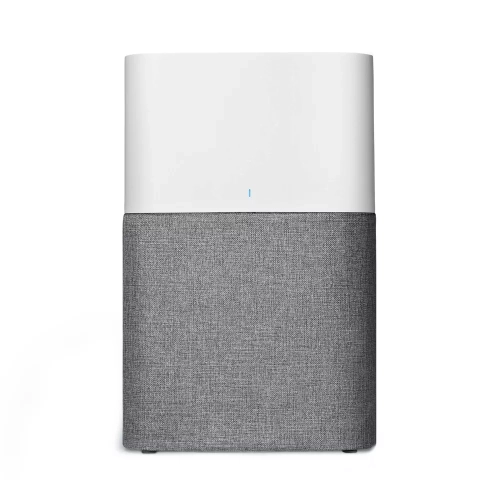
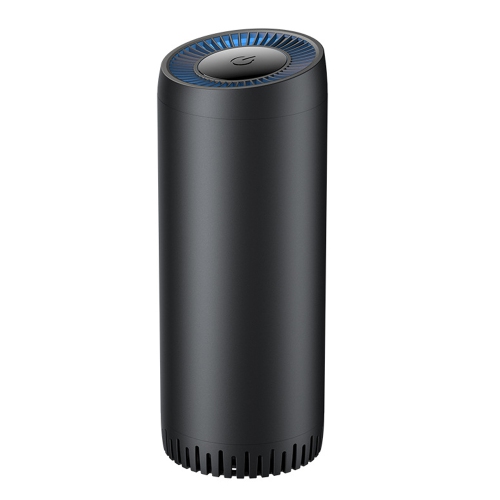
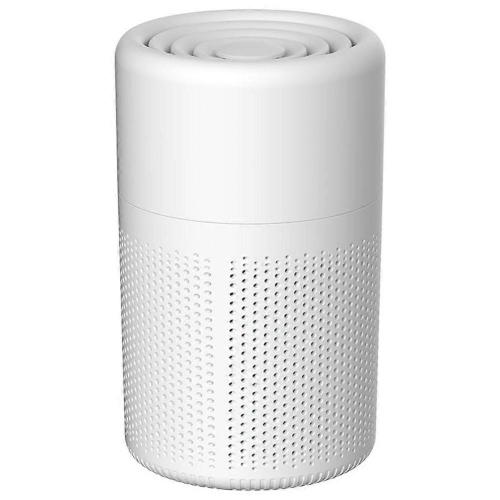
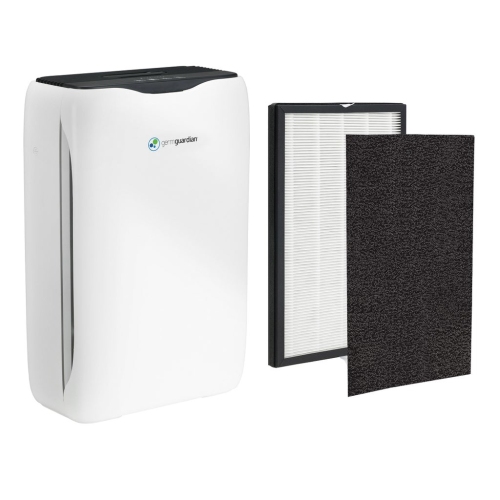
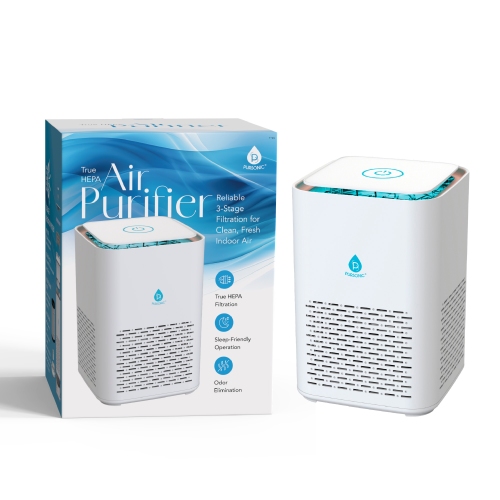



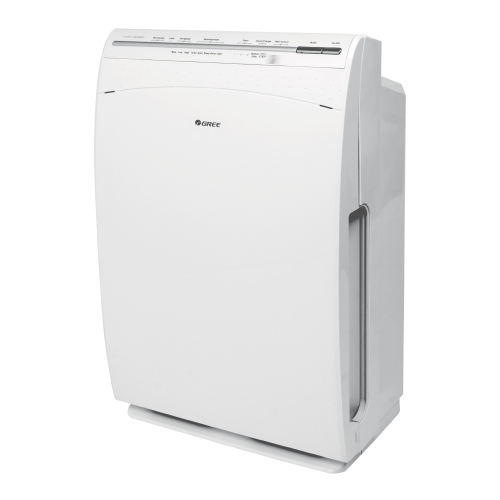
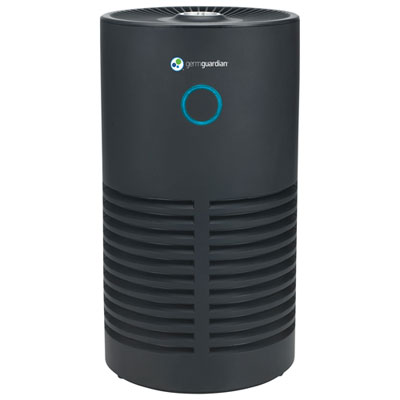
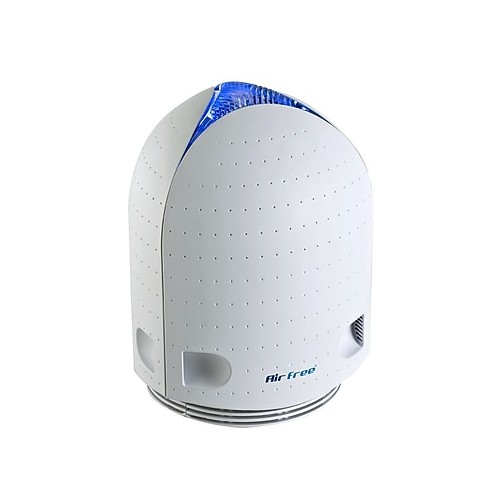
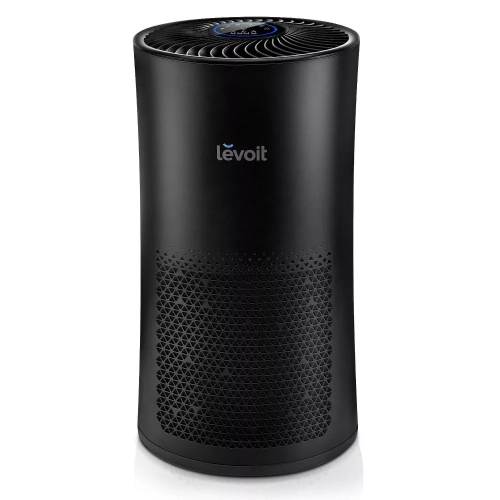
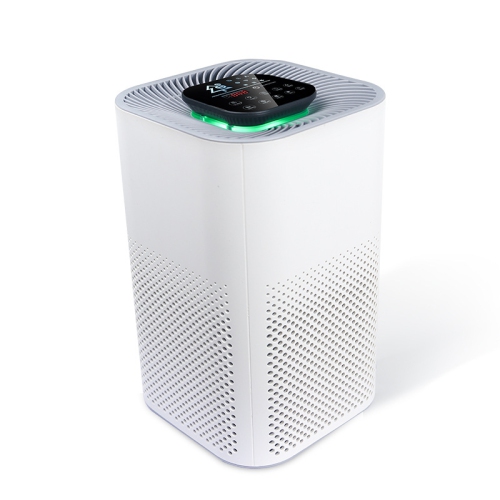
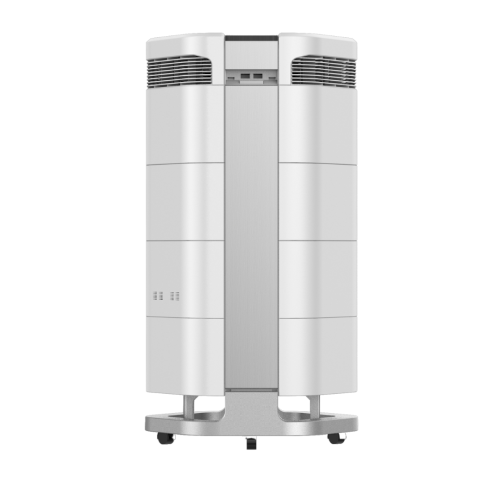
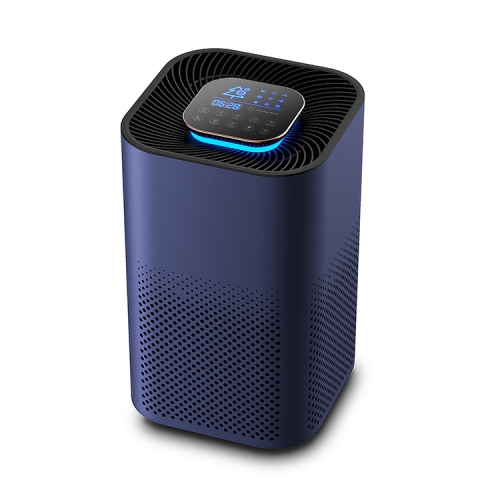
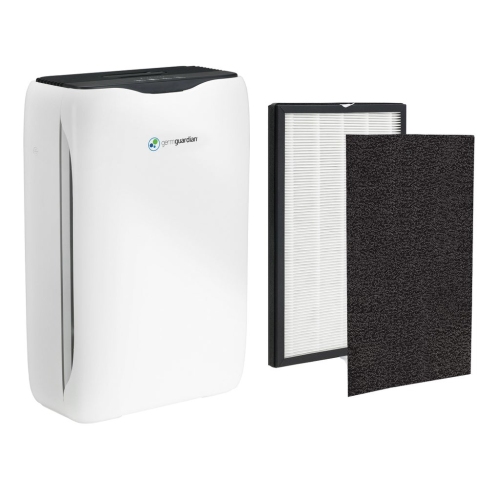
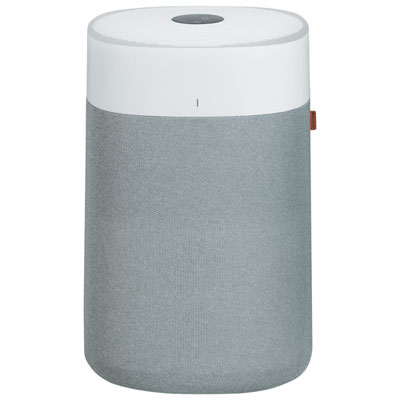
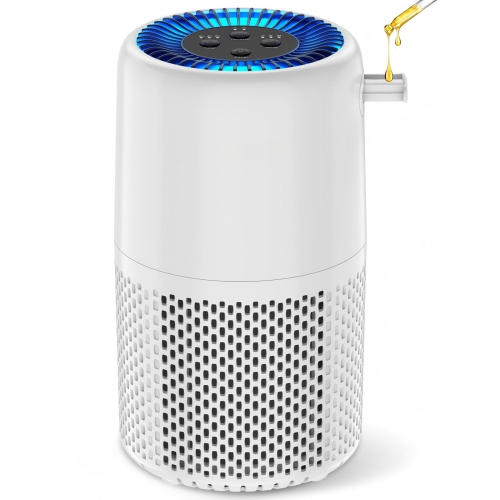
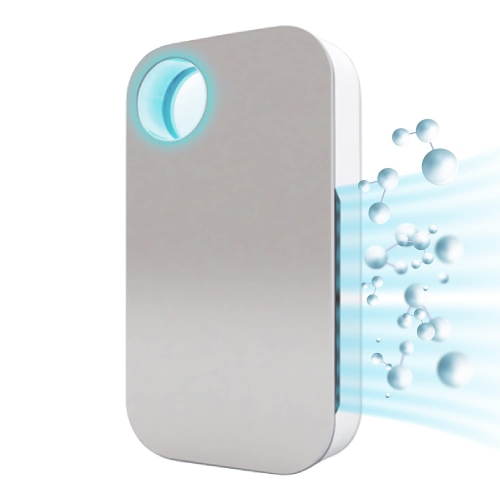
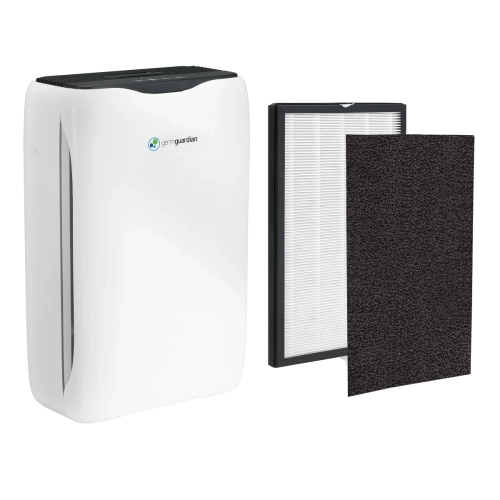
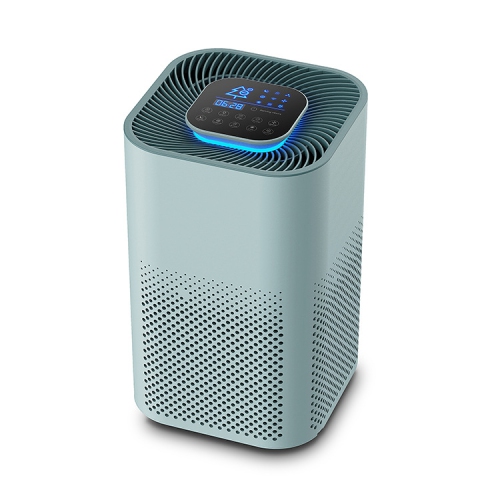
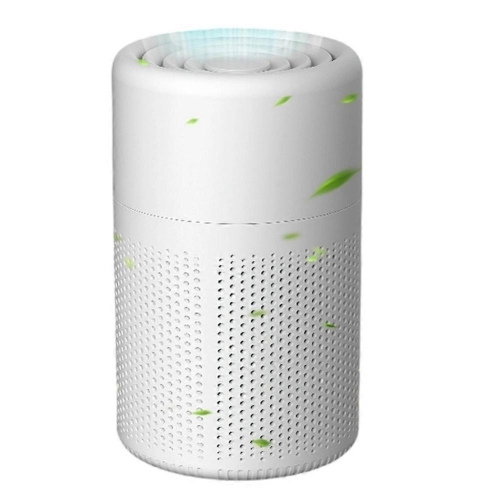
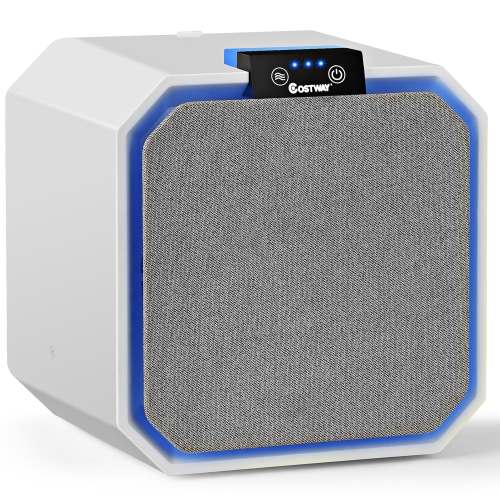
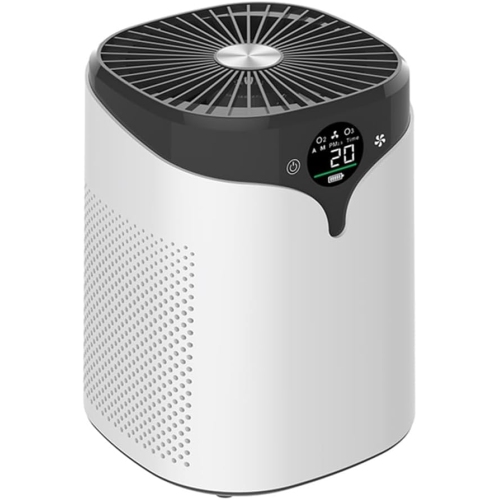

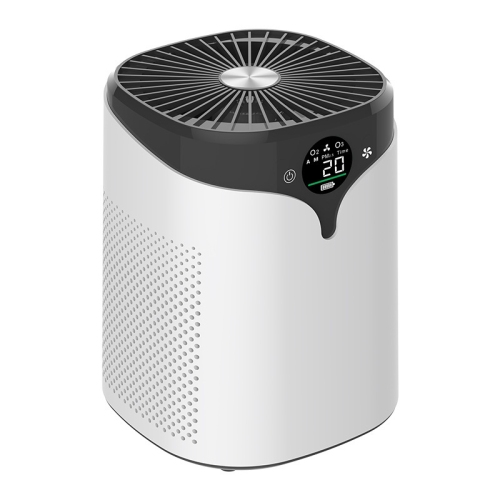
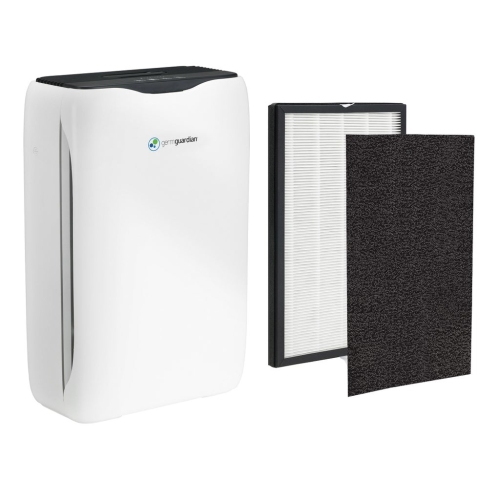
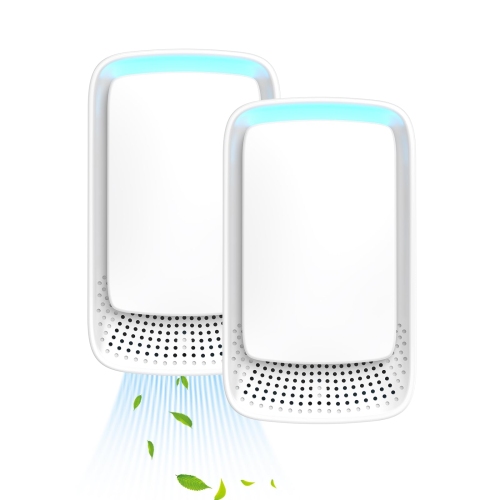
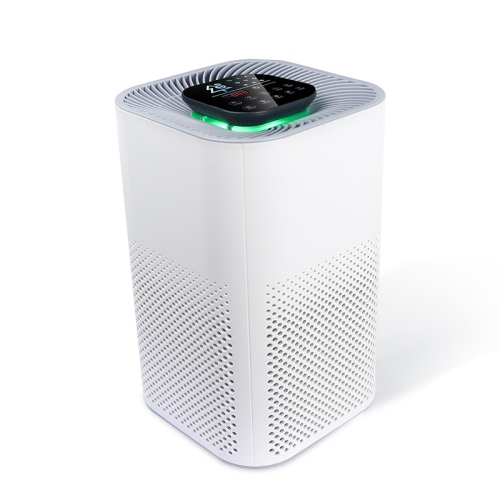
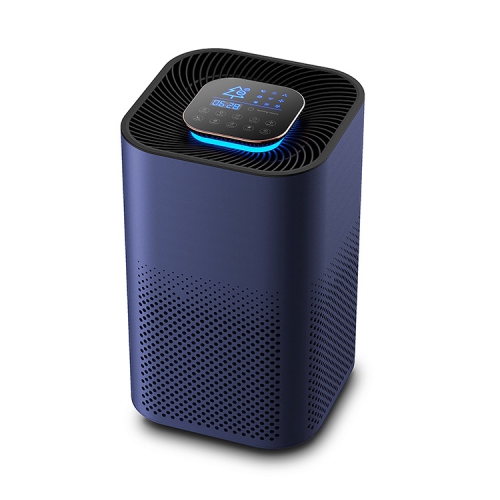
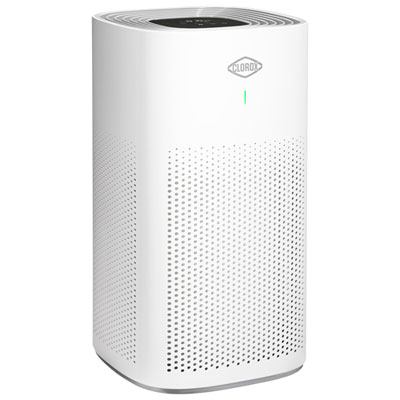
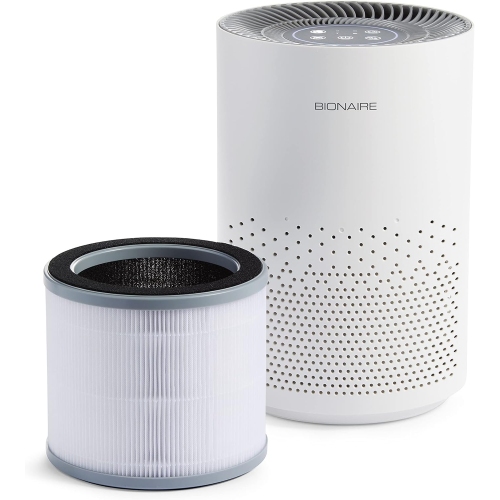

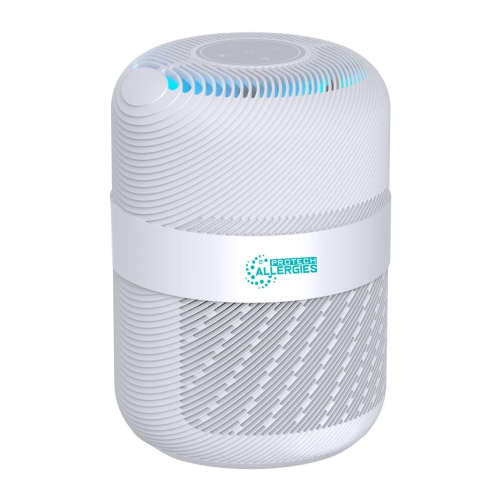

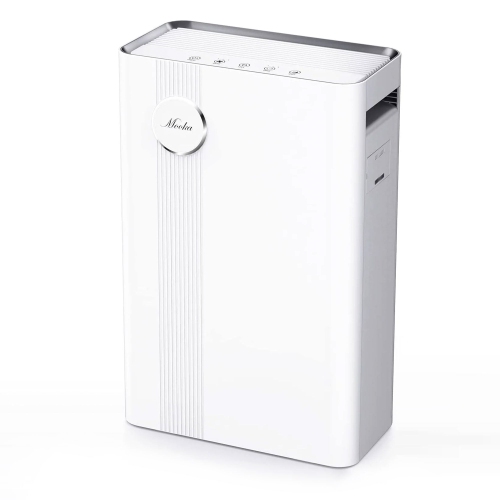
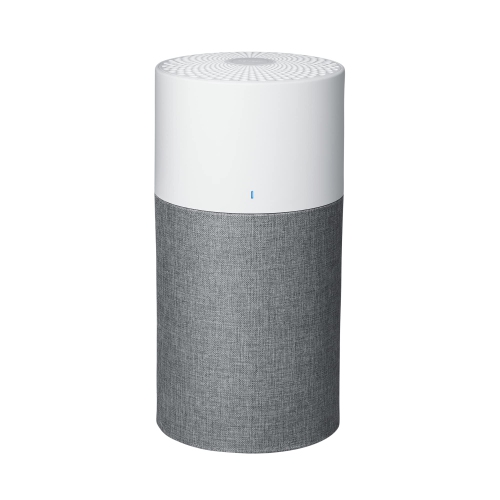

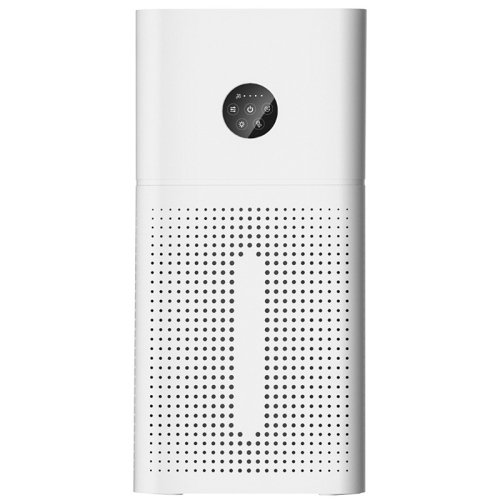
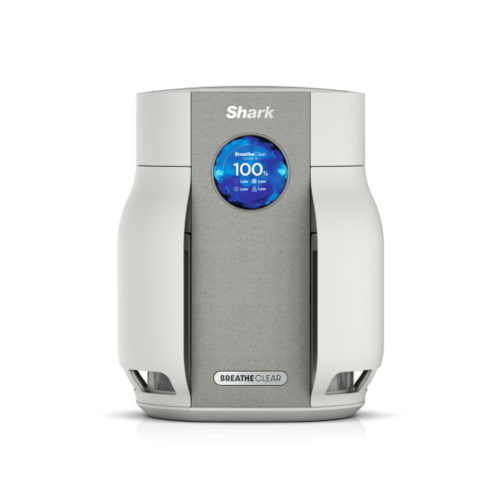
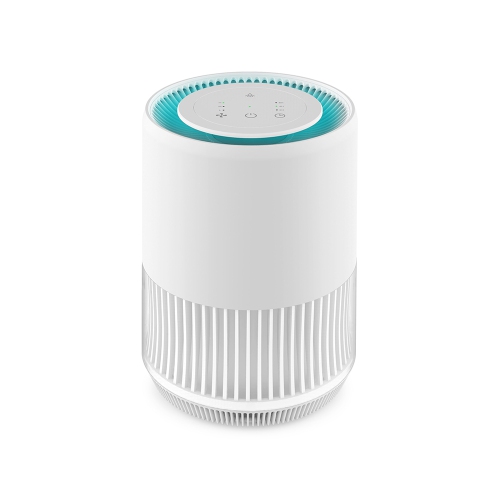
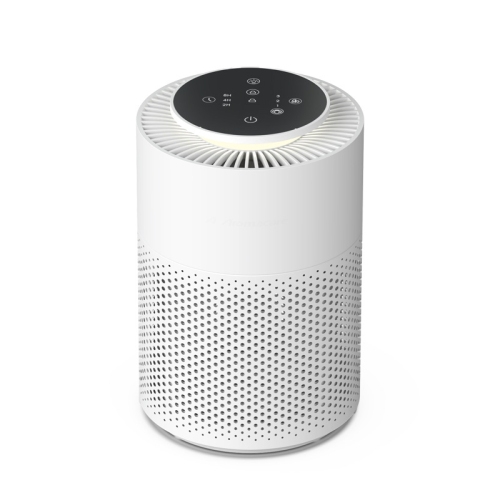
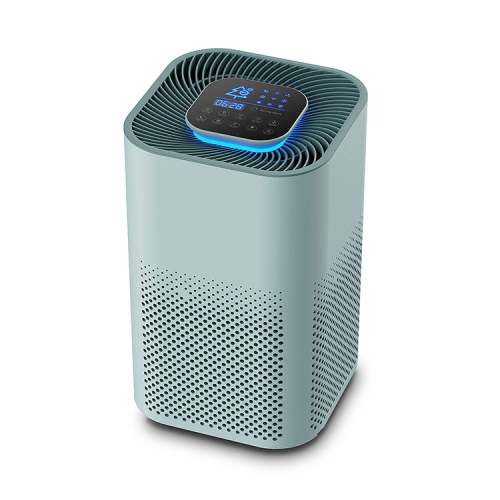
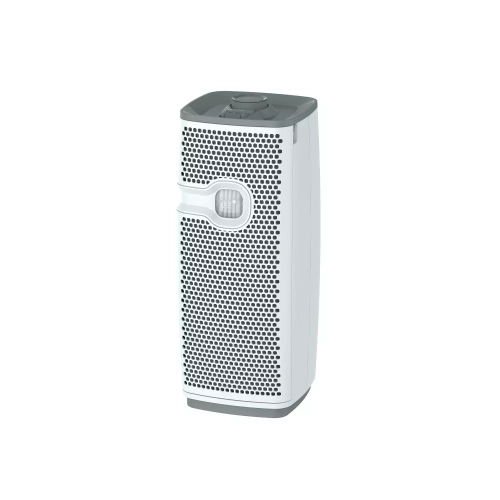
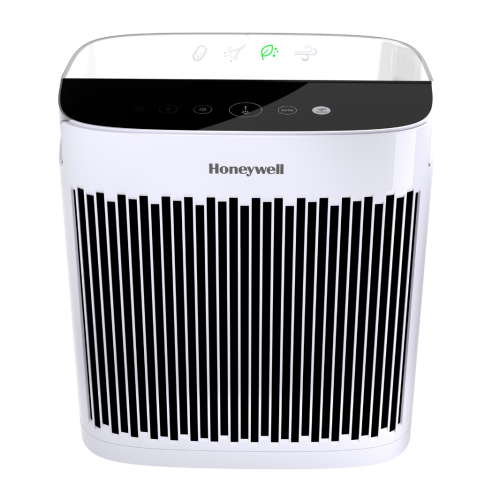
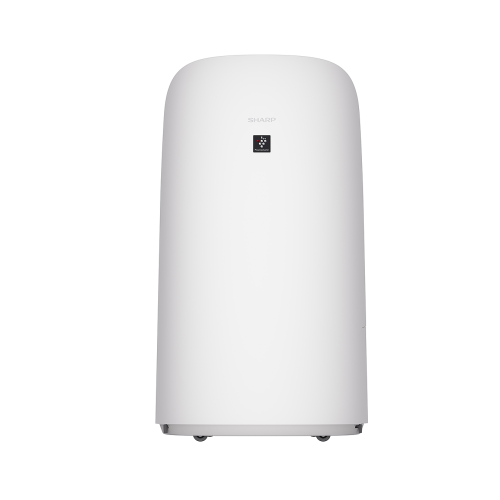
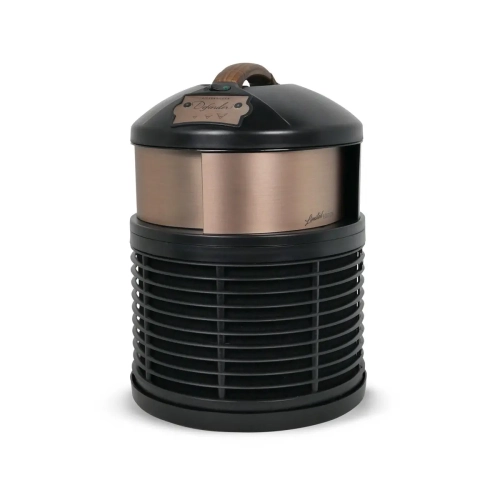


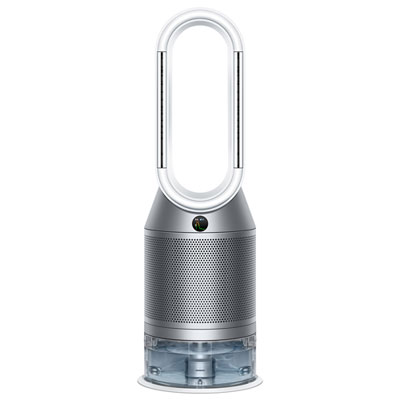
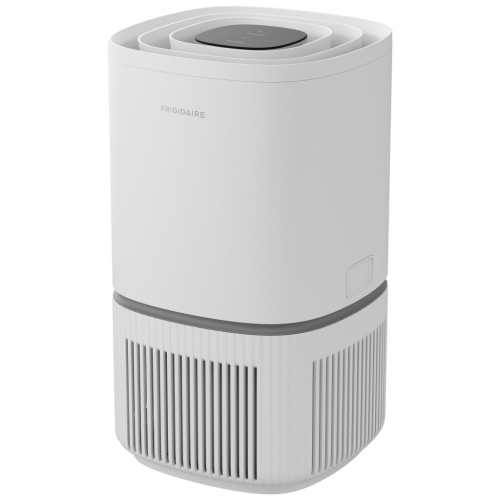
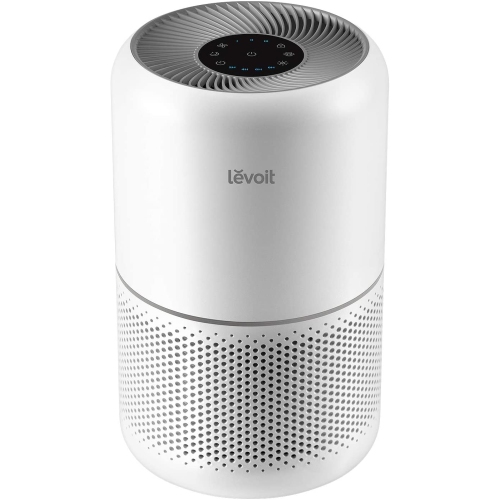

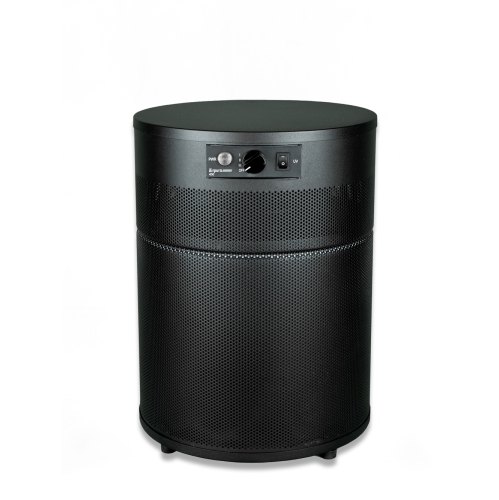
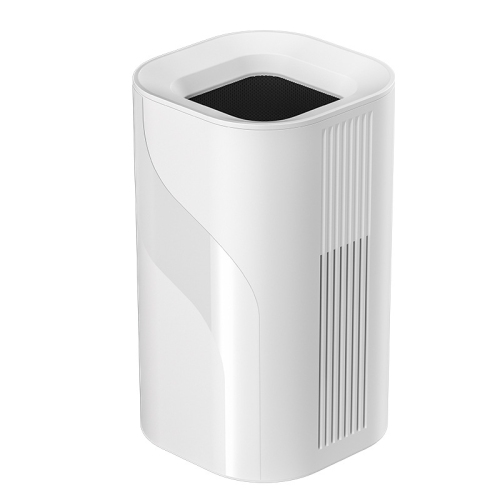
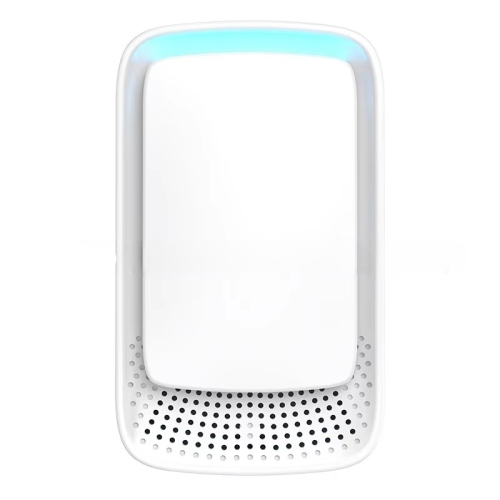
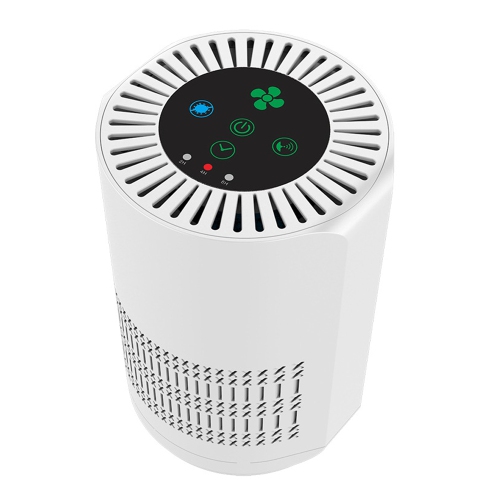
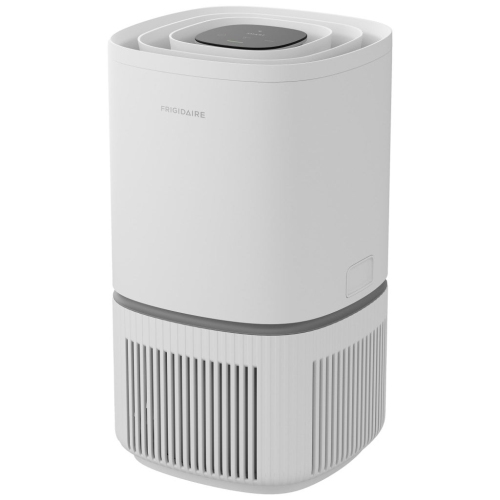
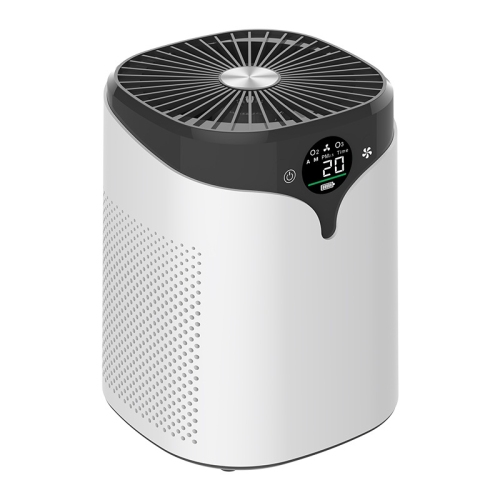

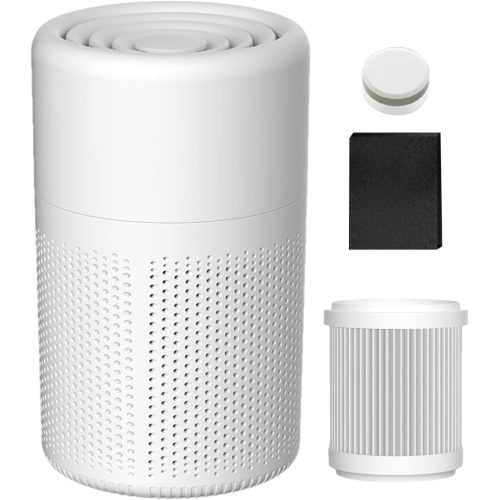
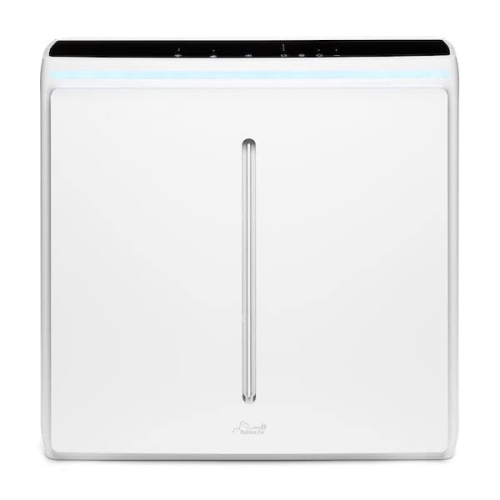
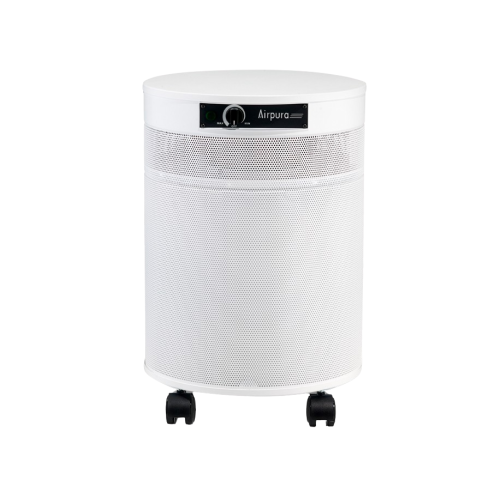
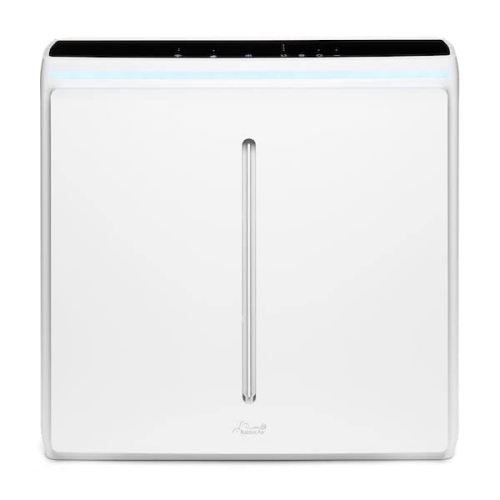
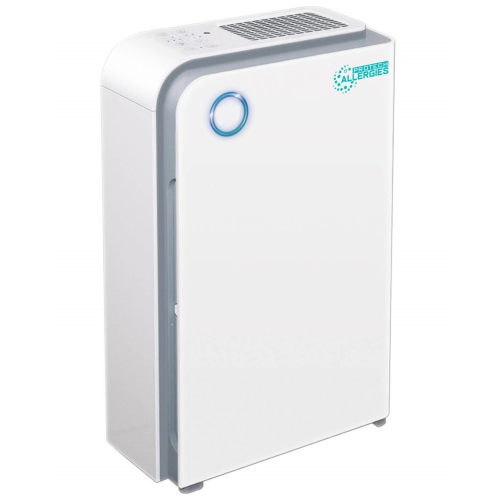
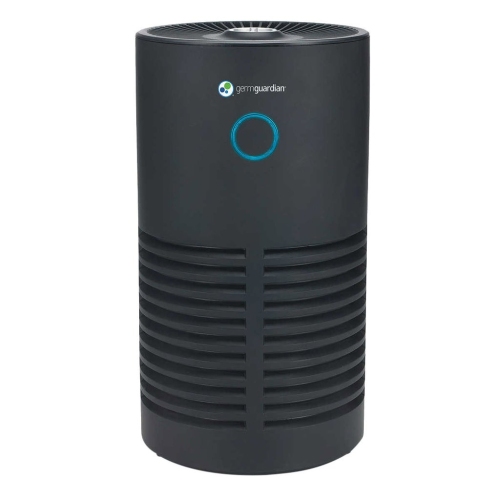
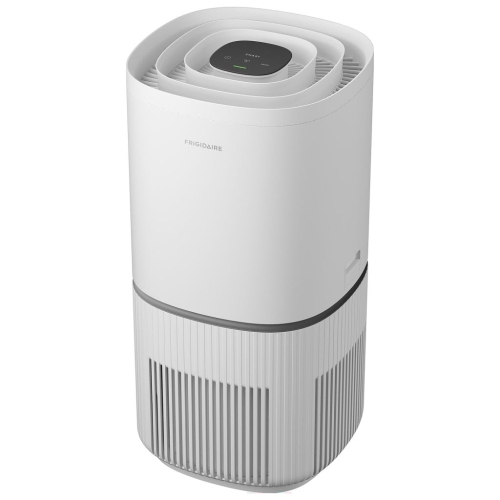

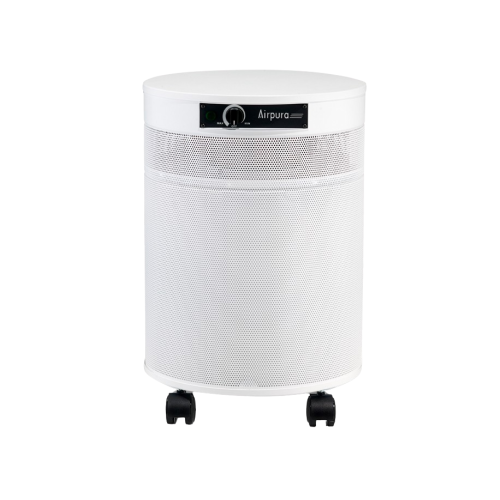
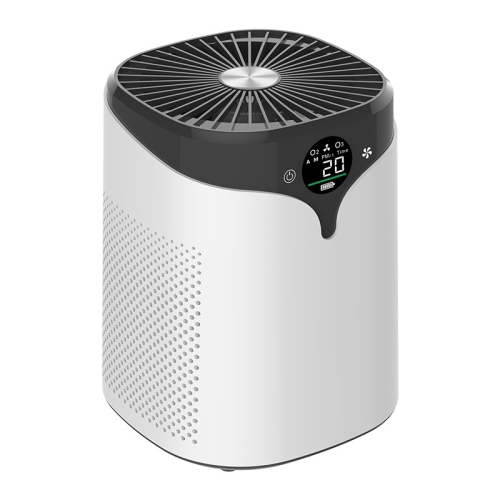
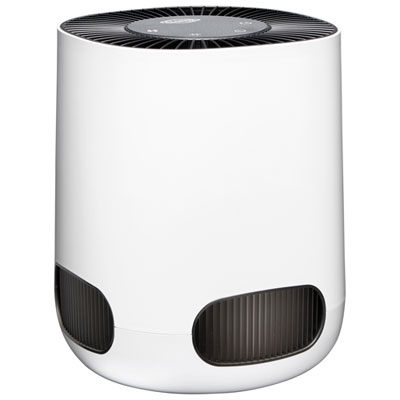
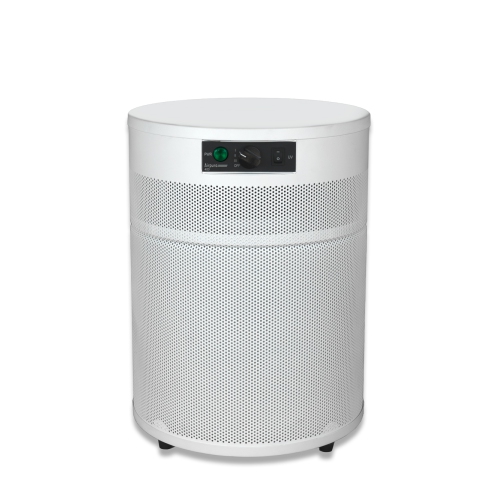
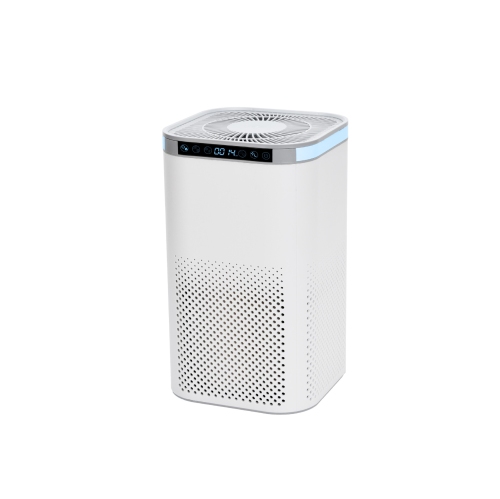
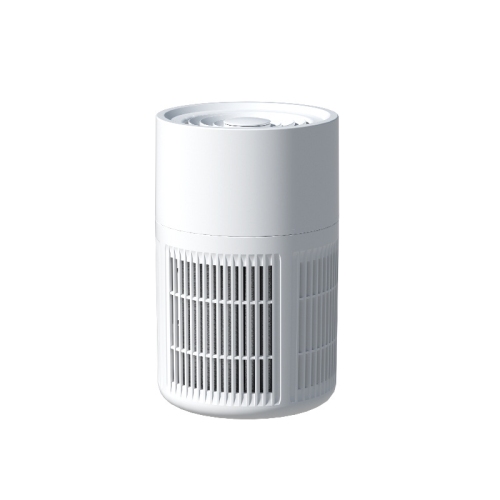
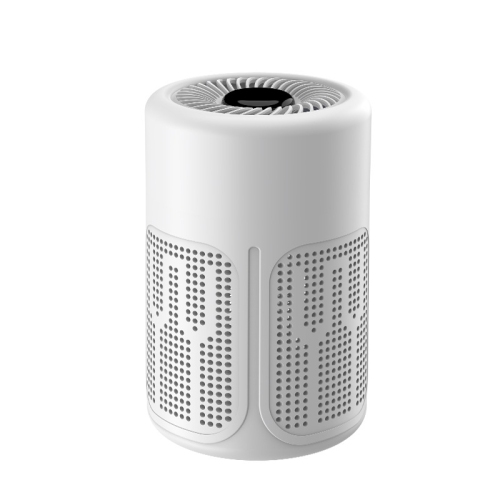

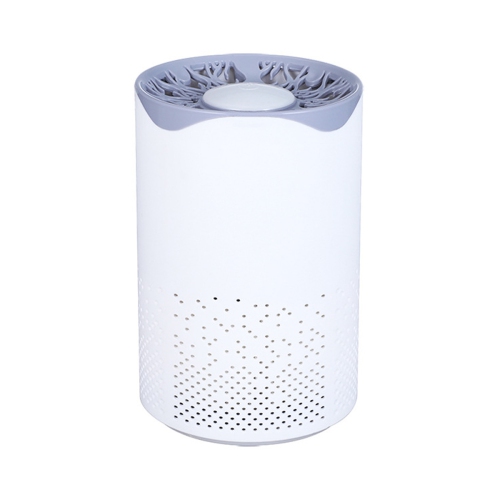
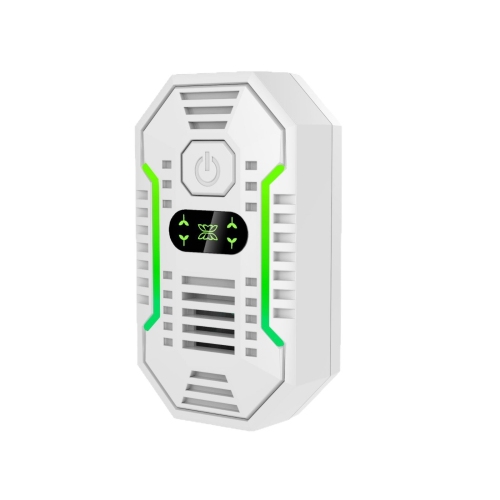
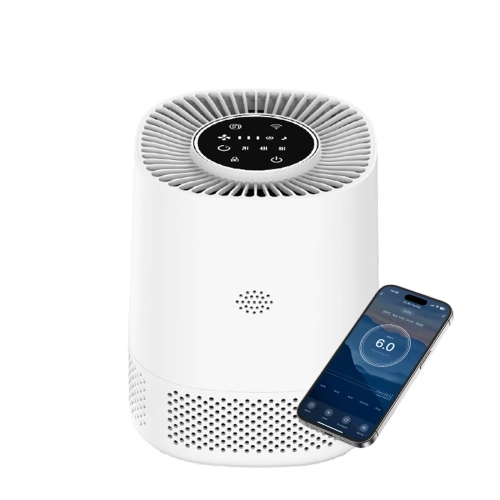
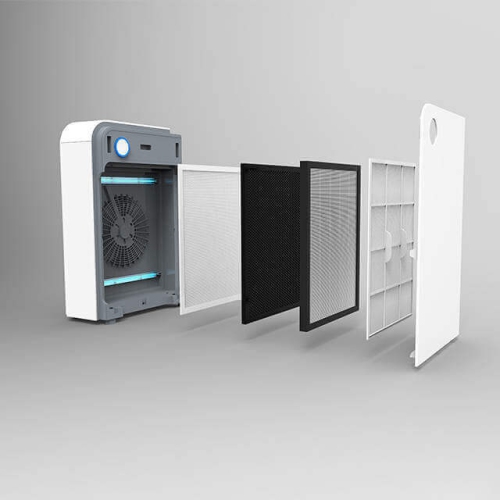
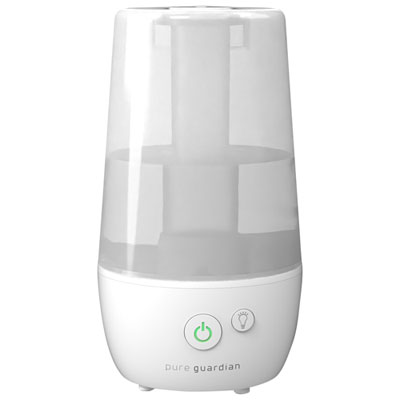
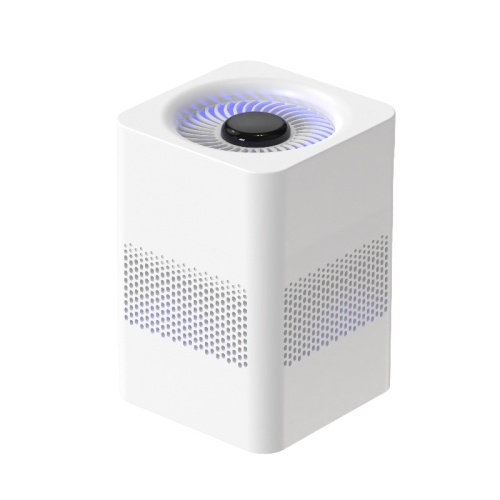
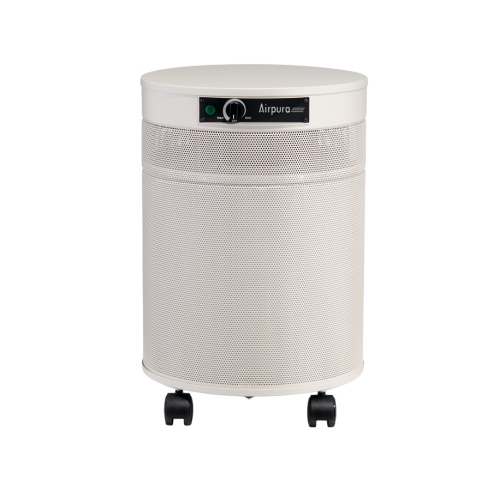
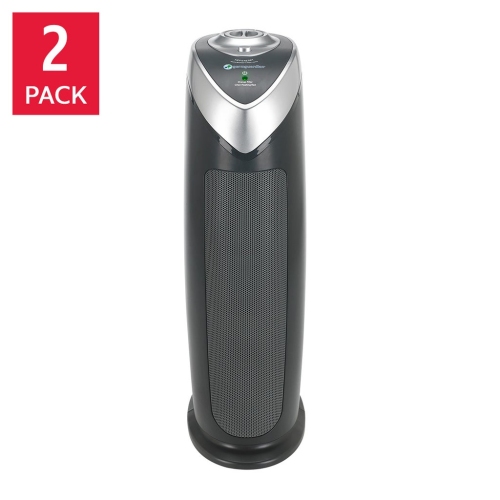
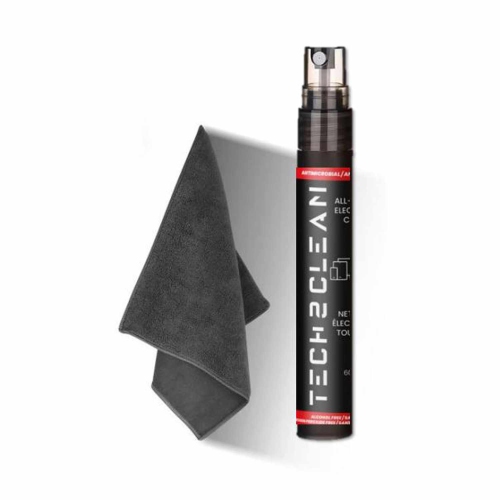
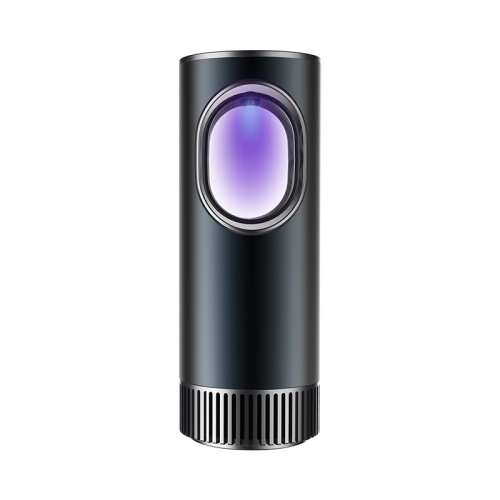
How electrical charges help capture airborne particles
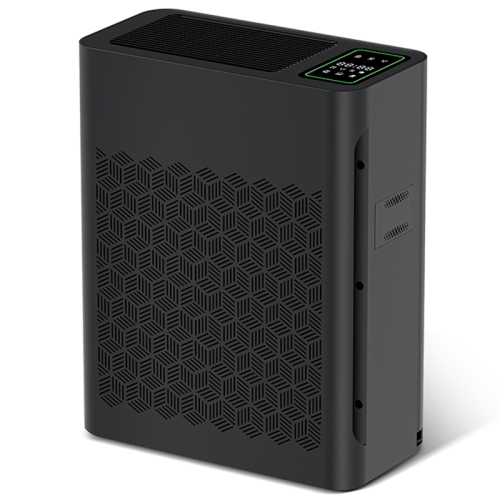
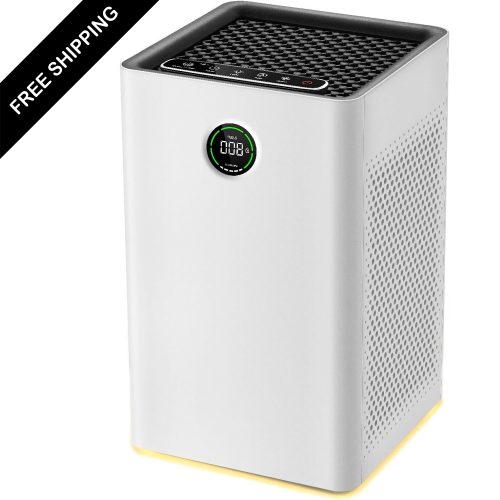
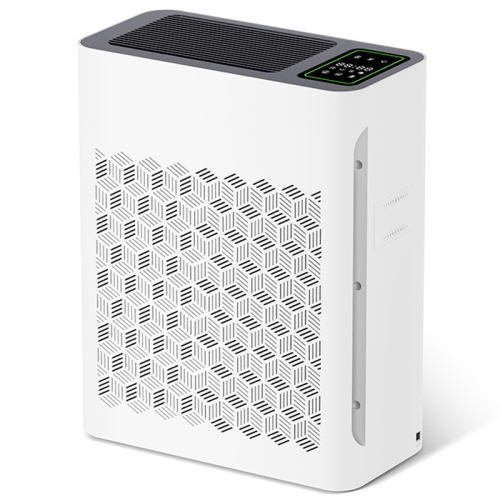
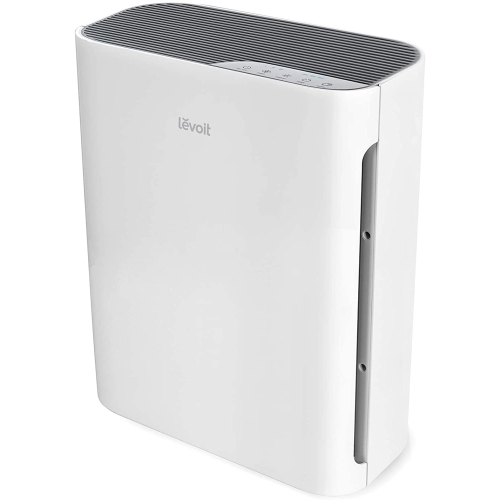
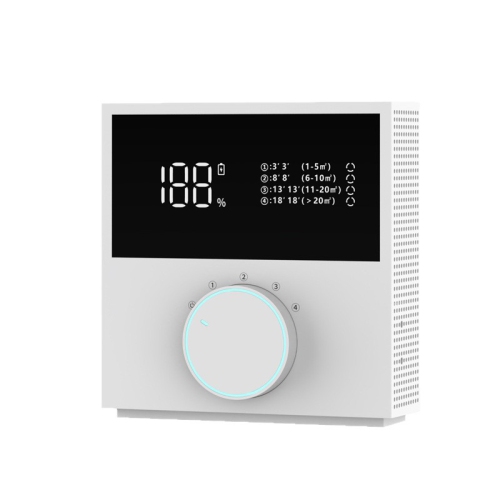
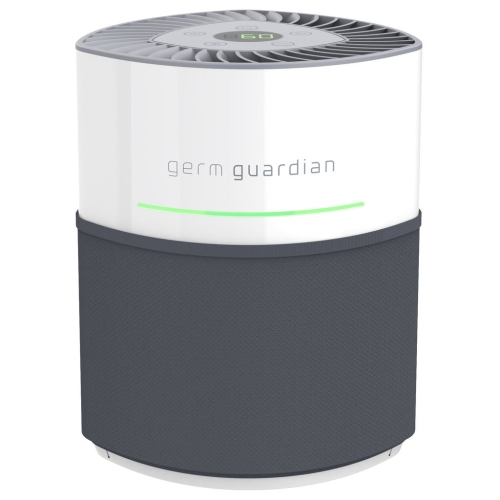
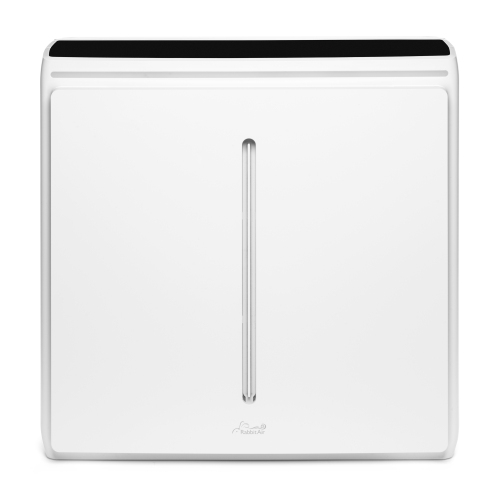
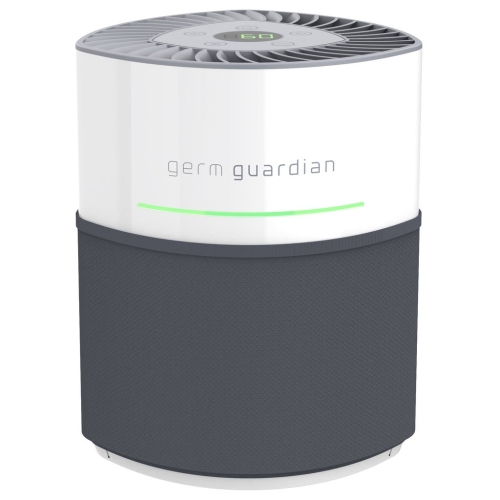
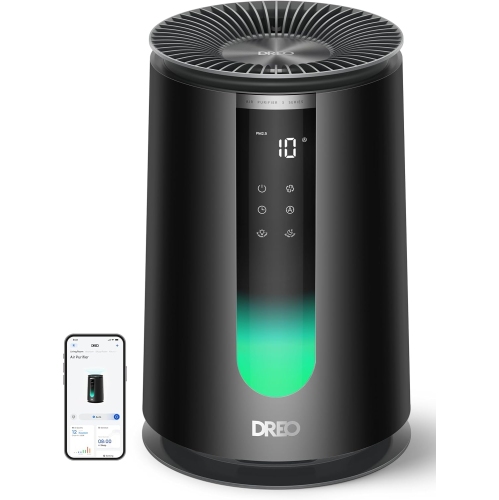
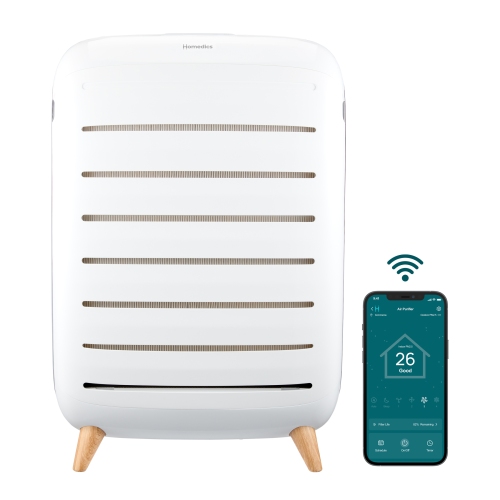
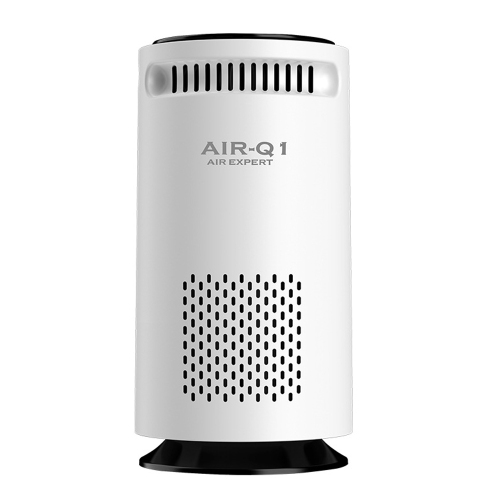
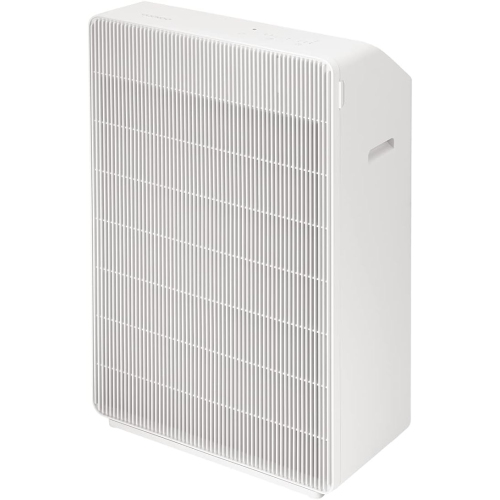
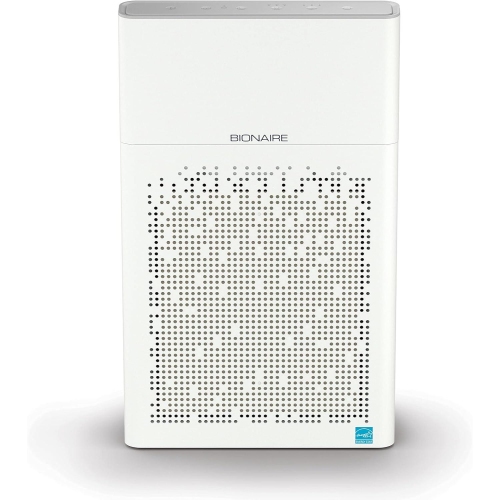
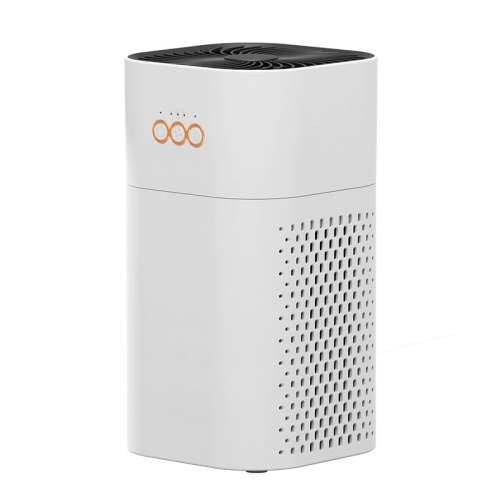
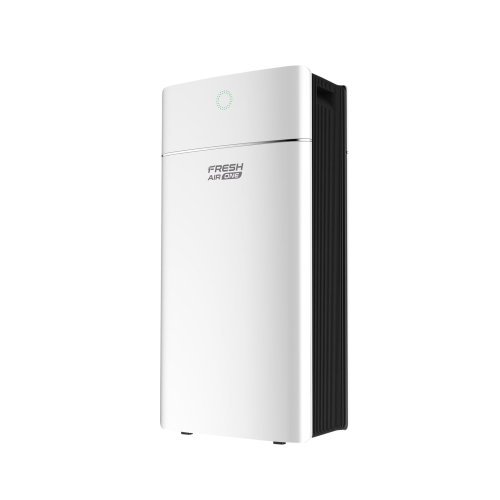
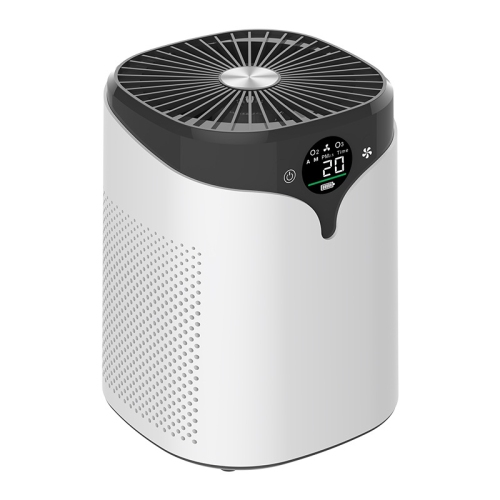
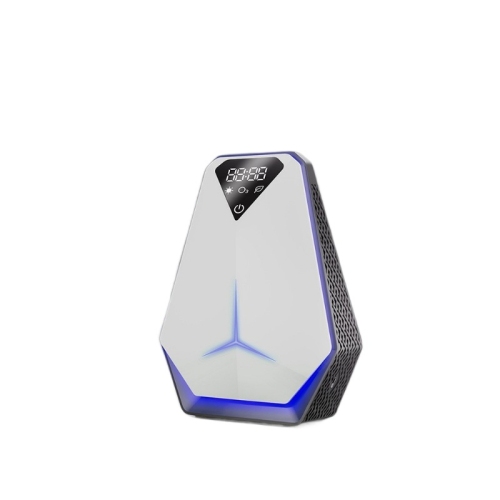
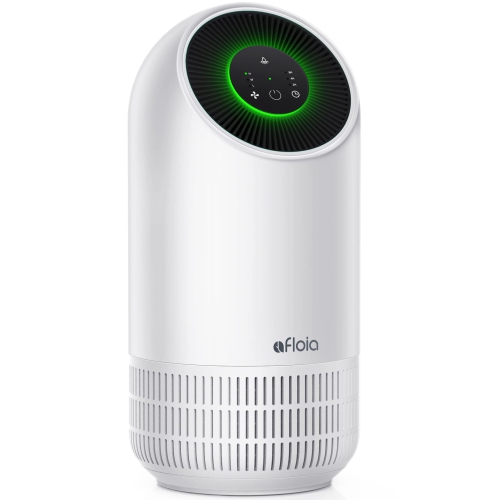
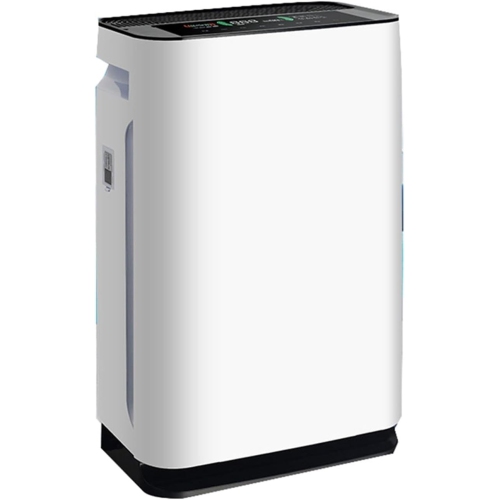
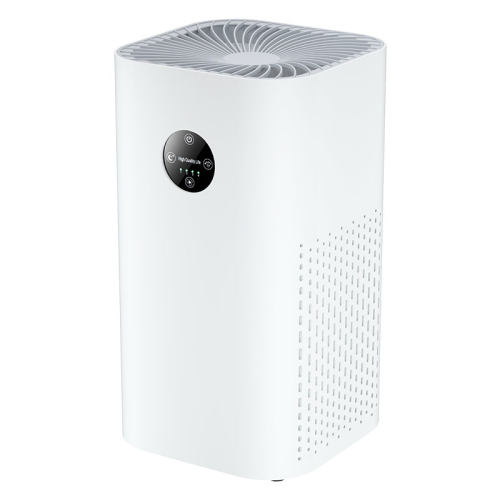
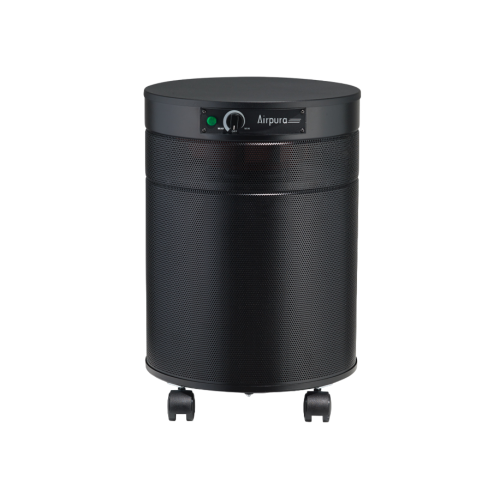
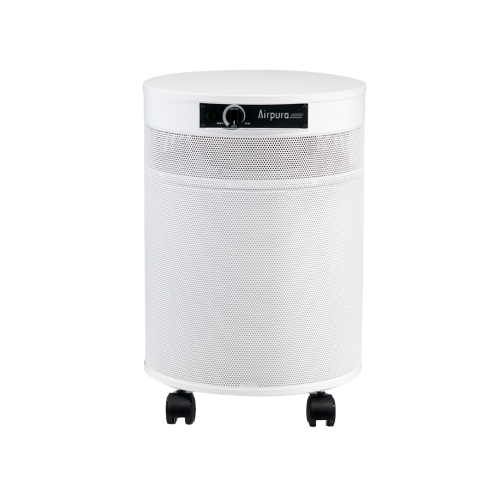
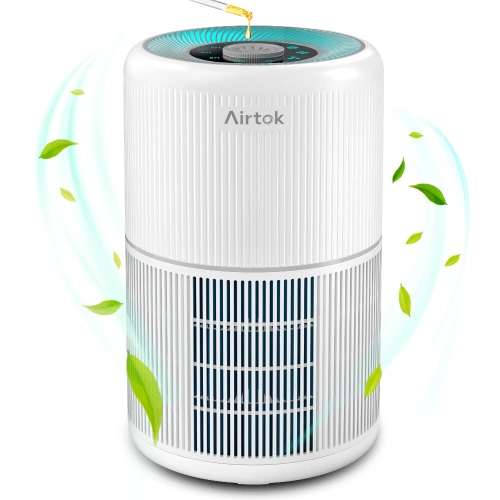
Electronic air cleaners use an electrical charge to help remove airborne particles such as dust, pollen and some smoke particles from air passing through the unit. In a typical electrostatic precipitator, air first moves through a pre-filter that catches larger debris, then passes through an ionizing section that charges smaller particles. These particles are attracted to oppositely charged collector plates, where they remain until the cells are cleaned. This collection method distinguishes plate-based electronic air cleaners from mechanical air purifiers, which capture particles in filter fibres. The terminology can overlap in product descriptions: some air purifiers combine mechanical filtration with an electronic stage, while some ionizers release charged ions without using collector plates. Looking at the actual collection method helps clarify how a unit works and what maintenance it needs. Electronic air cleaners come in portable formats for individual rooms and duct-mounted configurations that work with a compatible forced-air heating and ventilation system. A portable unit can serve a bedroom, home office or living area, while a properly sized whole-home unit treats air circulating through the ductwork. Neither format removes dust already settled on shelves, upholstery or floors, so ordinary household cleaning remains important. For households with pets, these cleaners may help capture airborne dander, although larger clumps of fur still need vacuuming. People sensitive to pollen or dust may also find particle filtration useful as part of a broader approach to reducing exposure, rather than as a treatment or a promise of symptom relief. Particle capture does not automatically mean odour or gas removal: those functions generally require suitable additional media, such as activated carbon, and performance depends on the media quantity and the substances involved. This distinction matters in everyday use, whether the concern is dust drifting through a sunlit room or lingering cooking odours near an open-plan kitchen.
The right fit depends on the space being served, the cleaner’s measured performance and how it will be used day to day. For portable electronic air cleaners, room coverage is most useful when it is supported by a stated clean air delivery rate, or CADR, and a clear explanation of the test conditions. A large coverage claim based on infrequent air changes is not equivalent to stronger airflow that filters the room’s air more often. Open doorways, high ceilings and connected living spaces can also make a room harder to serve than its floor area alone suggests. In a bedroom, sound at the speed needed for effective cleaning matters more than a quiet-mode claim by itself. A low setting may be comfortable for sleep but move less air, while brighter displays or audible alerts may be distracting beside a bed. In a home office, accessible controls and steady fan noise can make regular operation easier. A stable base and enough clearance around the intake and outlet help a portable unit fit into a room without being tucked behind a sofa or pressed against curtains. Durable outer housings may use moulded plastic or metal, while washable collector cells commonly contain metal plates and delicate charging components. Handles, removable access panels and a manageable cell weight can make a noticeable difference when it is time to clean the unit. For duct-mounted systems, cabinet dimensions, airflow capacity, electrical requirements and compatibility with the existing equipment all need to match; professional assessment and installation are generally appropriate. Electronic features also deserve attention. Some ionizing technologies can produce ozone, a respiratory irritant, so documented ozone-emission testing and applicable safety certifications are important considerations, particularly in occupied rooms. An ozone generator is not a substitute for a particle-collecting air cleaner. Automatic sensors, timers and connected controls can add convenience, but they do not replace suitable sizing, effective collection or routine care.
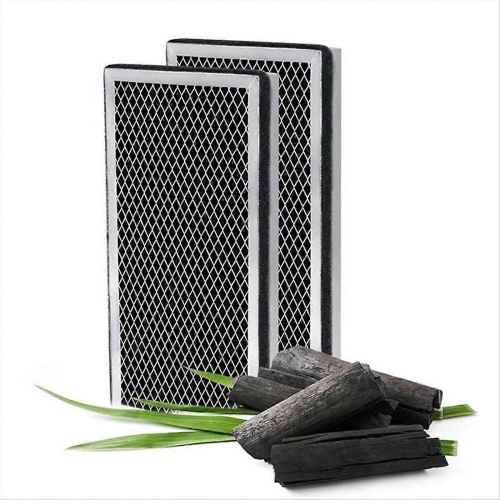
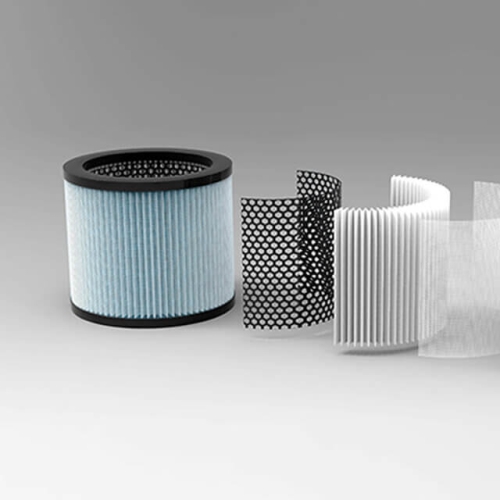
Care requirements are central to the long-term usefulness of an electronic air cleaner. Washable collector cells can reduce reliance on disposable particle filters, but they still need regular attention to maintain performance. As residue accumulates on the plates, collection efficiency can decline, and a unit that appears to be running normally may not be cleaning air as effectively as it did with clean cells. The correct cleaning interval depends on the manufacturer’s instructions, operating hours and the amount of airborne material in the home; there is no single schedule that suits every installation. A household with shedding pets or frequent cooking may need to inspect collection surfaces more often than a lightly used room. Before cleaning, disconnect power and follow any specified waiting period and handling precautions. Where permitted by the manufacturer, removable cells may be washed with warm water and a mild detergent, then rinsed thoroughly and left to dry completely before reinstallation. Dishwasher cleaning, soaking and particular cleaning solutions are not suitable for every design, and water should never be applied to electrical sections that are not intended to be washed. Thin plates and ionizing wires need gentle handling, since bending or damaging them can affect operation. Persistent snapping, unusual smells or visible damage call for inspection according to the instructions rather than continued use without checking the cause. Combination units may also contain disposable pre-filters, carbon filters or other components with separate replacement schedules; a washable collection cell does not make every part washable. When comparing Indoor Air Filters, matching the exact dimensions and equipment specifications helps prevent gaps, poor fit or airflow restrictions. Keeping access to the cleaner unobstructed makes these tasks easier, especially when a whole-home unit sits in a utility area shared with storage. For a portable unit, a location that allows the cell to slide out without moving furniture encourages consistent care. The most practical electronic air cleaner is one whose capacity, placement and upkeep fit the household, with clear operating instructions and collection components designed to withstand repeated maintenance.
Top selling and popular products
-
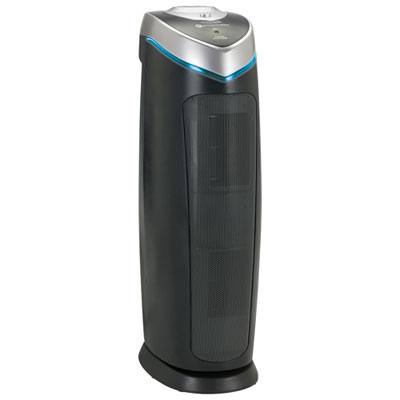 Your price for this item is $139.99
-
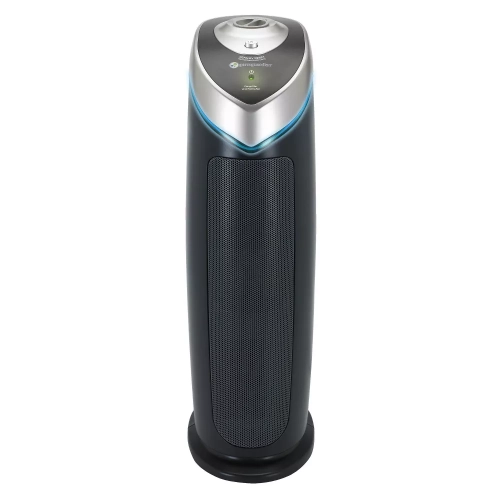 Your price for this item is $323.72
-
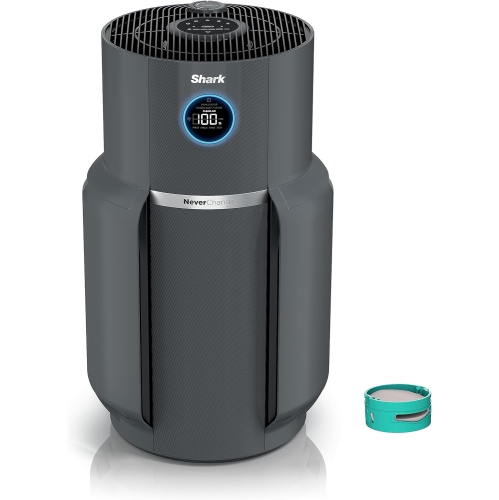 Your price for this item is $999.99
-
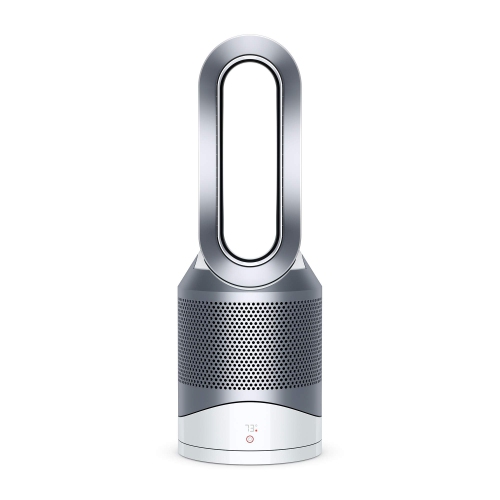 Your price for this item is $729.99
-
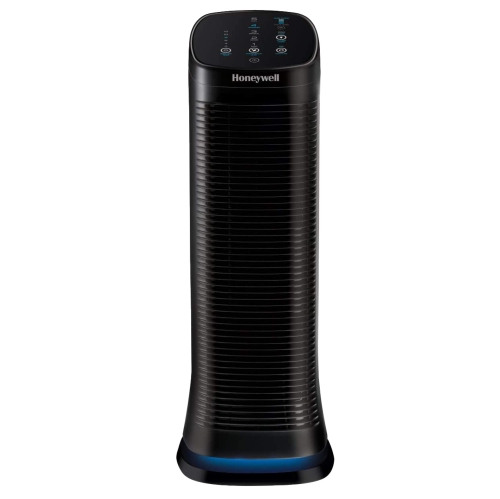 Your price for this item is $583.14
-
 Your price for this item is $719.39
-
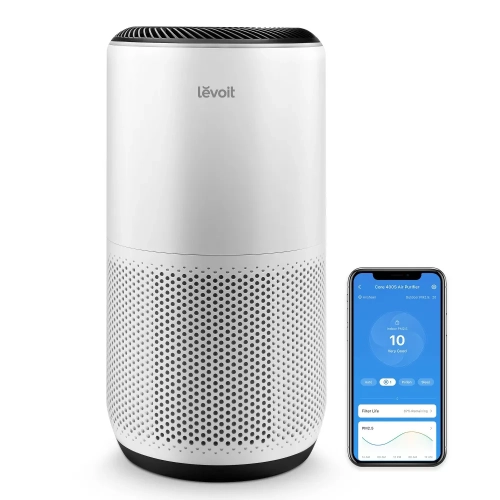 Your price for this item is $699.99
-
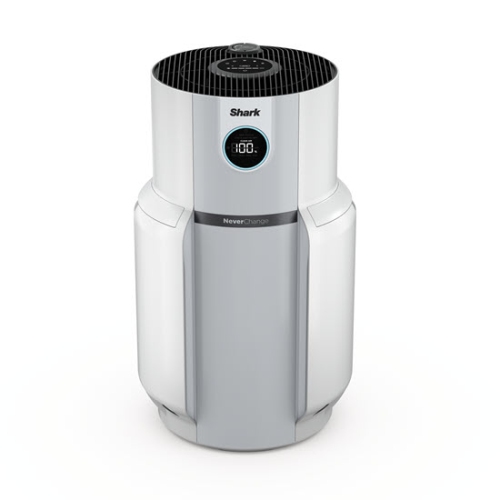 Your price for this item is $229.95
Discover more categories related to Electronic Air Cleaners

Top Collections:
Pokemon Centers, Best Cameras for Sports Photography, Kindle Devices, Samsung Galaxy Phones, Canon G7X Cameras, Pokémon 30th Celebration Cards, Refurbished Apple Laptops, iPhone 15 Apple, Laptops for Students, Budget Smartphones
Some products may be subject to Environmental Handling Fees
(EHF) depending on your province.
Learn more about EHFs.