Energy Efficient Chest Freezers
Looking for a way to keep your frozen goods organized and preserved without breaking the bank on energy costs? Look no further than our collection of energy-efficient chest freezers. Designed with cutting-edge technology, these appliances not only provide ample storage space for all your frozen essentials but also help you save on electricity consumption. Whether you're a small family or running a busy restaurant, our range of energy-efficient chest freezers offers the perfect solution to meet your freezing needs while minimizing your environmental impact. Explore our selection today and discover the perfect chest freezer that combines efficiency, functionality, and affordability.
Sort
How capacity, defrosting and placement affect everyday freezer use
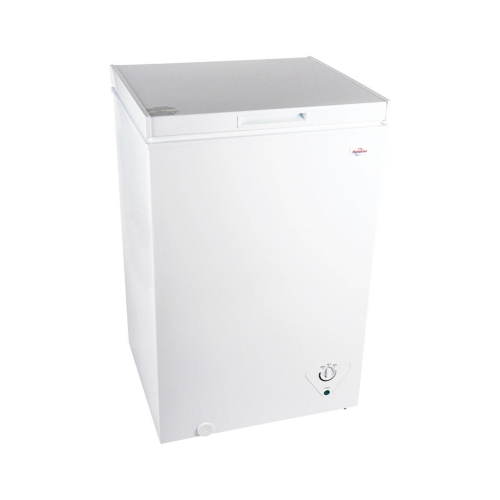
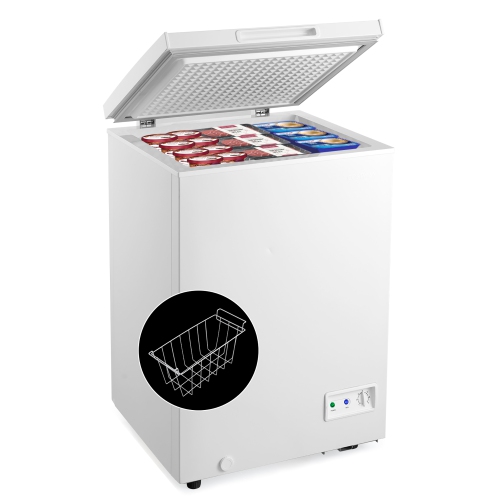
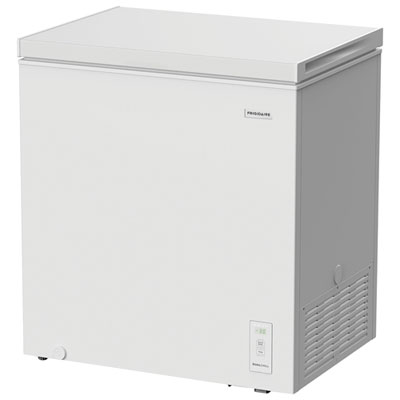
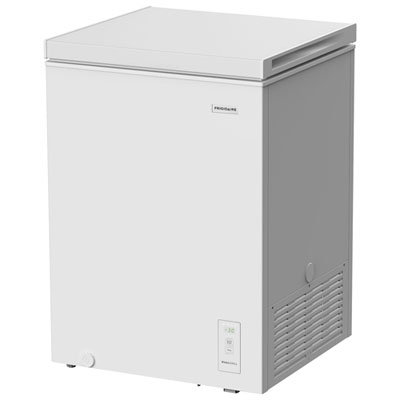
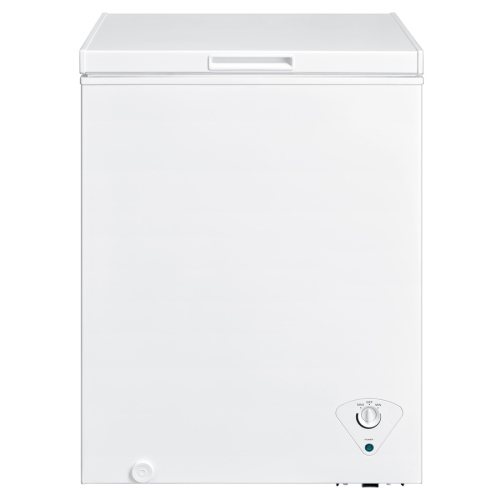
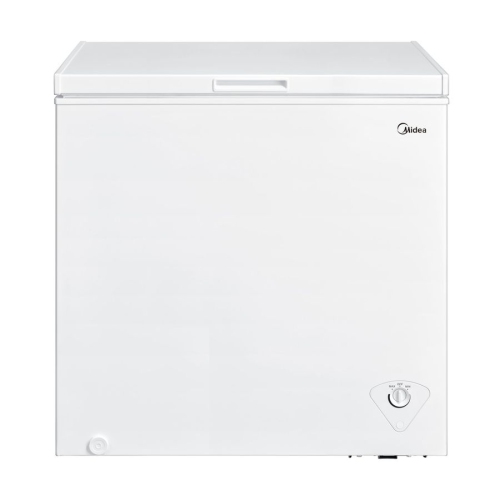
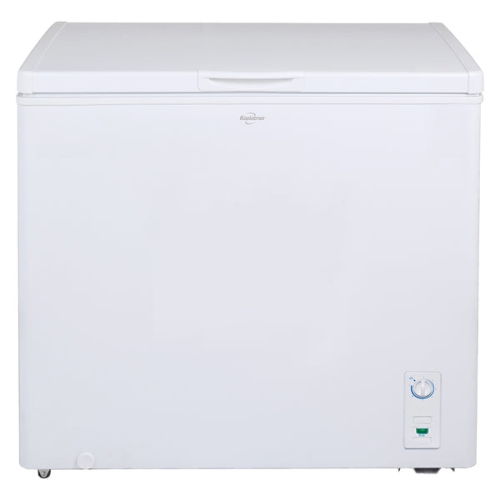
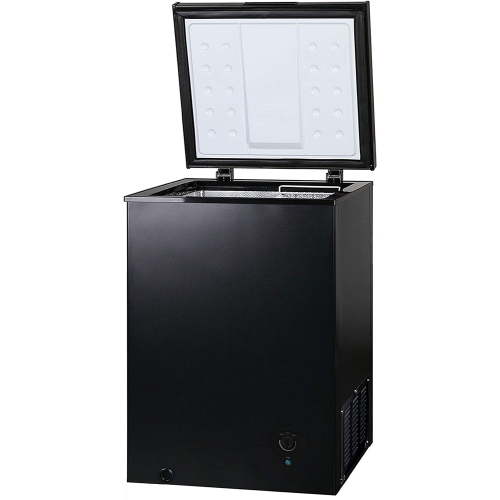
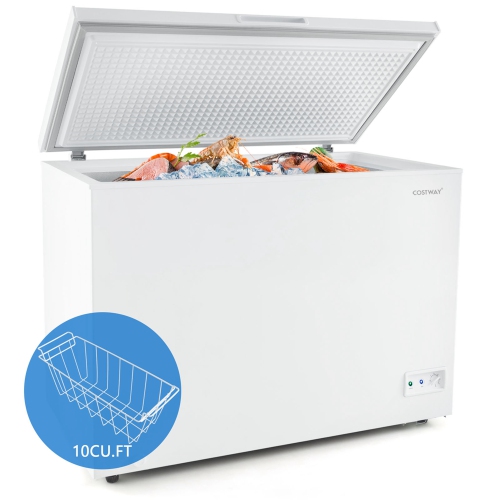
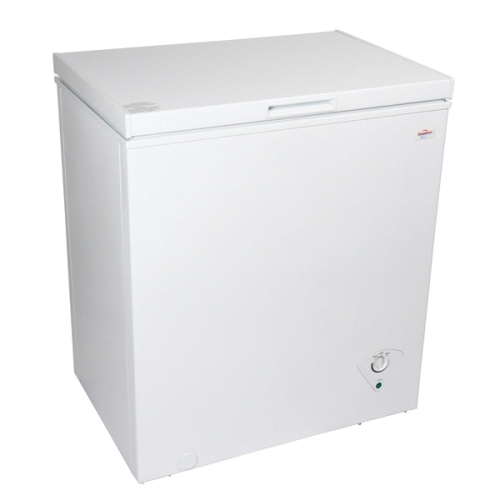
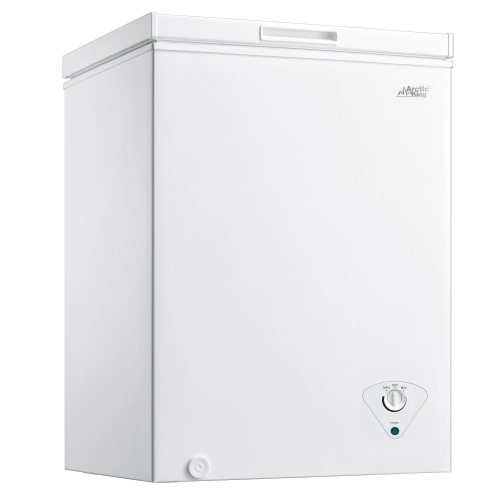
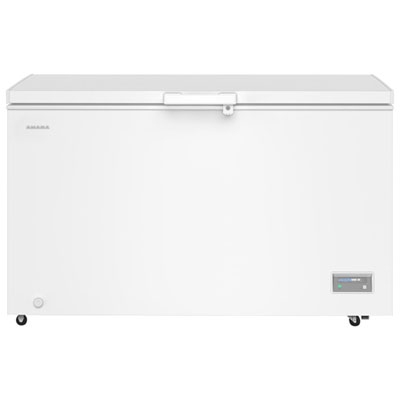
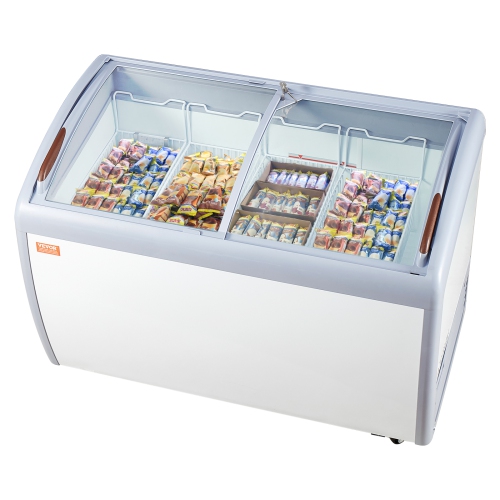
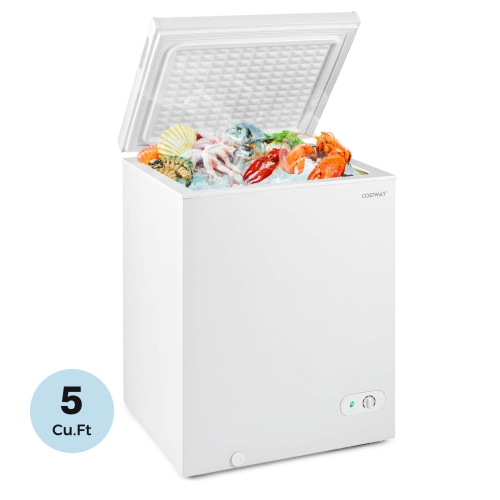
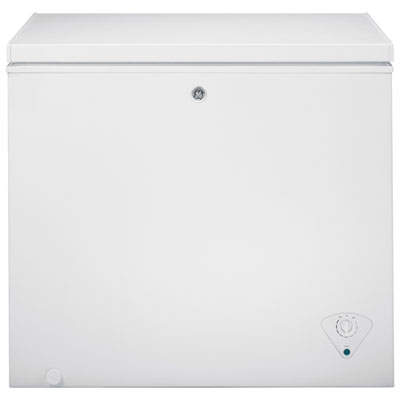
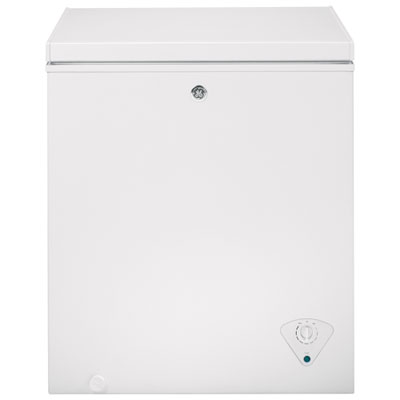
Energy efficient chest freezers provide practical extra cold-storage space while helping households manage electricity use over the long term. Their top-opening design is a major part of that efficiency: cold air is dense, so it settles inside the cabinet rather than flowing out as quickly when the lid is lifted. By comparison, opening a front door on an upright freezer allows more chilled air to escape immediately. A chest freezer can be useful for families who buy larger quantities of meat, frozen vegetables, prepared meals or baking ingredients, as well as for people who preserve seasonal produce and need room beyond the freezer attached to their refrigerator. It can also suit cottages, workshops, basements and garages where a second freezer offers convenient overflow storage. Before choosing a size, consider both the amount of food you plan to keep frozen and the floor space available around the unit. Compact models can fit beneath counters or along a basement wall, while larger capacities are better suited to bulk shopping and households that prefer to prepare meals in batches. Remember that the outside dimensions do not tell the whole story: leave enough clearance for the lid to open fully, for air to circulate around the cabinet and for you to reach items at the bottom without moving the freezer.
Manual defrosting is another feature commonly associated with energy efficient chest freezers. Instead of running an automatic defrost cycle, a manual-defrost model allows frost to build gradually and requires occasional cleaning by hand. This simpler operation can use substantially less electricity than an automatic system, but it does require some planning. When frost becomes thick, transfer food to insulated coolers, unplug the freezer, allow the ice to melt and wipe the interior dry before restarting it. Keeping a regular inventory can make this task easier, since food is less likely to be forgotten beneath layers of packages. Storage baskets, dividers and labelled containers help organize smaller items near the top, while heavier or less frequently used foods can be placed below. A freezer thermometer provides an independent check of the interior temperature, and the lid should close completely without packages preventing a proper seal. Look for an ENERGY STAR certified model when comparing efficiency, since certification provides a consistent way to evaluate electricity consumption. Product specifications may list estimated annual energy use in kilowatt-hours, which can help you compare operating costs alongside capacity, features and purchase price. Actual consumption varies with room temperature, how often the lid is opened, the amount of food inside and the condition of the gasket, so placing the freezer in a suitable location and maintaining it properly remains important.
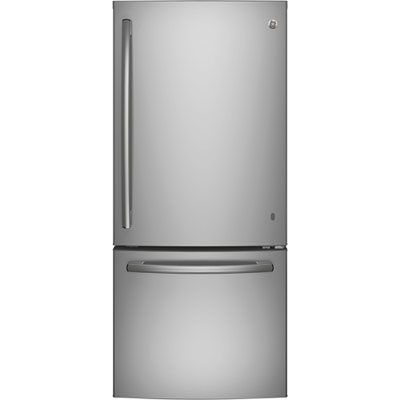
The installation environment deserves particular attention, especially when a chest freezer will be placed in a garage, utility room or cottage. Check the manufacturer’s recommended operating temperature range before choosing a location, since very cold or very warm surroundings can affect performance. A garage-ready design may be better suited to seasonal temperature changes, while a standard model may be intended for a more controlled indoor space. Use a properly grounded household outlet and avoid relying on an extension cord unless the manufacturer specifically permits it. In cottages or remote locations, some chest freezers are designed for direct-current power systems, battery setups or solar installations; these units should be matched carefully with the available voltage, wiring and power capacity. During an outage, keep the lid closed as much as possible so the stored food stays cold for longer, and consider a temperature alarm if the freezer holds valuable or hard-to-replace contents. A well-organized chest freezer is also easier to use safely: place newer packages behind older ones, record freezing dates and divide food into portions that match your usual meals. For households comparing a separate chest freezer with a refrigerator-freezer combination, the right choice depends on available space, preferred access and the type of food being stored. Those looking to compare related full-height refrigerator options can browse Best Energy Efficient Fridge Freezers. Whether it supports bulk meal preparation, extra storage during the cooler months or dependable frozen-food capacity at a cottage, an energy efficient chest freezer can make everyday organization simpler when its capacity, defrost method, placement and electrical requirements match the way your household actually uses it.
Manual defrosting is another feature commonly associated with energy efficient chest freezers. Instead of running an automatic defrost cycle, a manual-defrost model allows frost to build gradually and requires occasional cleaning by hand. This simpler operation can use substantially less electricity than an automatic system, but it does require some planning. When frost becomes thick, transfer food to insulated coolers, unplug the freezer, allow the ice to melt and wipe the interior dry before restarting it. Keeping a regular inventory can make this task easier, since food is less likely to be forgotten beneath layers of packages. Storage baskets, dividers and labelled containers help organize smaller items near the top, while heavier or less frequently used foods can be placed below. A freezer thermometer provides an independent check of the interior temperature, and the lid should close completely without packages preventing a proper seal. Look for an ENERGY STAR certified model when comparing efficiency, since certification provides a consistent way to evaluate electricity consumption. Product specifications may list estimated annual energy use in kilowatt-hours, which can help you compare operating costs alongside capacity, features and purchase price. Actual consumption varies with room temperature, how often the lid is opened, the amount of food inside and the condition of the gasket, so placing the freezer in a suitable location and maintaining it properly remains important.
The installation environment deserves particular attention, especially when a chest freezer will be placed in a garage, utility room or cottage. Check the manufacturer’s recommended operating temperature range before choosing a location, since very cold or very warm surroundings can affect performance. A garage-ready design may be better suited to seasonal temperature changes, while a standard model may be intended for a more controlled indoor space. Use a properly grounded household outlet and avoid relying on an extension cord unless the manufacturer specifically permits it. In cottages or remote locations, some chest freezers are designed for direct-current power systems, battery setups or solar installations; these units should be matched carefully with the available voltage, wiring and power capacity. During an outage, keep the lid closed as much as possible so the stored food stays cold for longer, and consider a temperature alarm if the freezer holds valuable or hard-to-replace contents. A well-organized chest freezer is also easier to use safely: place newer packages behind older ones, record freezing dates and divide food into portions that match your usual meals. For households comparing a separate chest freezer with a refrigerator-freezer combination, the right choice depends on available space, preferred access and the type of food being stored. Those looking to compare related full-height refrigerator options can browse Best Energy Efficient Fridge Freezers. Whether it supports bulk meal preparation, extra storage during the cooler months or dependable frozen-food capacity at a cottage, an energy efficient chest freezer can make everyday organization simpler when its capacity, defrost method, placement and electrical requirements match the way your household actually uses it.
Top selling and popular products
-
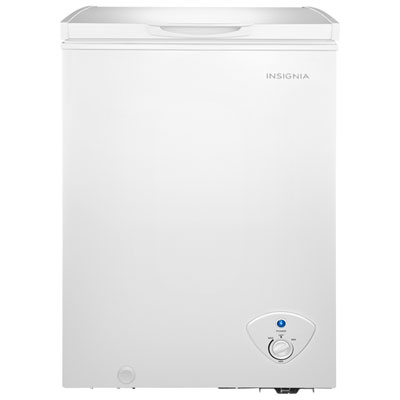 Your price for this item is $279.99
 -
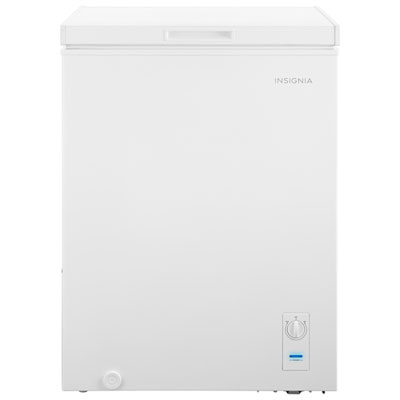 Your price for this item is $179.99
 -
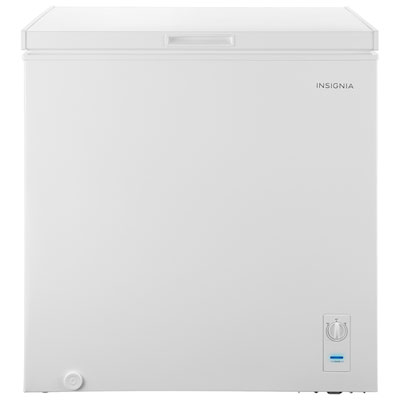 Your price for this item is $199.99
 -
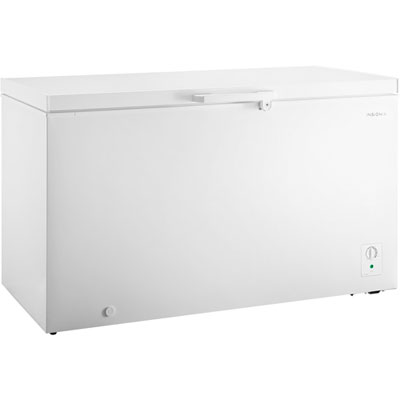 Your price for this item is $799.99
 -
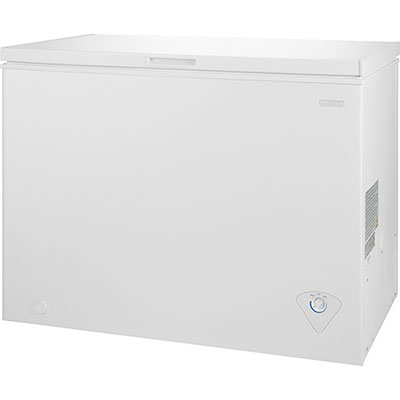 Your price for this item is $499.99
 -
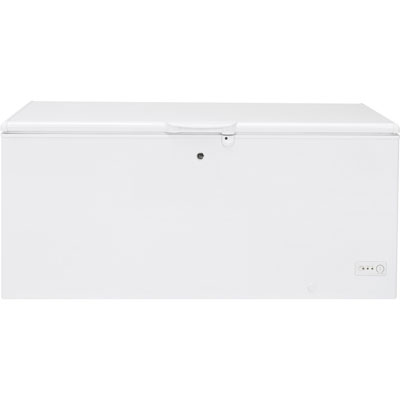 Your price for this item is $2049.99
 -
 Your price for this item is $549.99
 -
 Your price for this item is $499.99
Discover more categories related to Energy Efficient Chest Freezers
Top Collections:
Best Laptops for Video Editing, Pokemon Centers, Samsung Z Fold, Kindle Devices, Best Cell Phones Under $300, Best Laptops for Writers, Best Budget Office Chairs, Best Cell Phones Under $500, Best Laptop Computers for Students, iPhone 15 Apple
Some products may be subject to Environmental Handling Fees
(EHF) depending on your province.
Learn more about EHFs.