Fan Heaters
As the temperatures drop and the chill sets in, a fan heater becomes an essential companion for creating a warm and cozy atmosphere in your home. Compact yet powerful, these versatile appliances are perfect for quickly heating up any room, offering comfort and convenience at the touch of a button. Whether you're looking to add warmth to your living space, bedroom, or office, fan heaters provide an efficient solution that fits seamlessly into any environment. With a variety of styles and features available, finding the perfect fan heater to suit your needs has never been easier. Discover the ideal balance of functionality and design to keep you snug all season long.
Sort

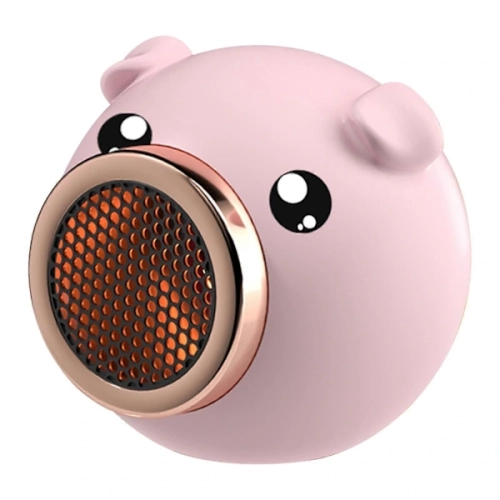
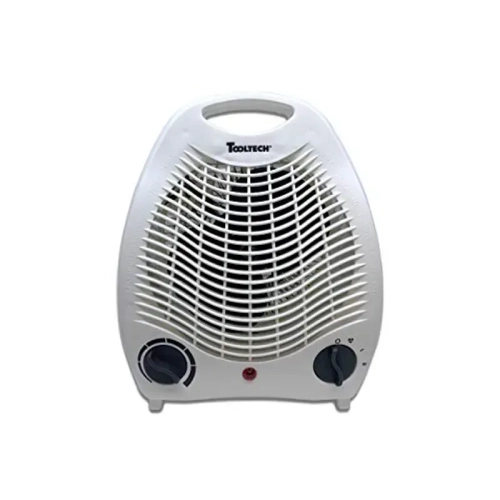
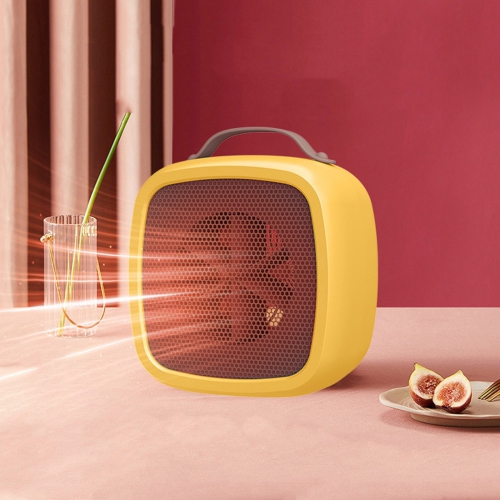
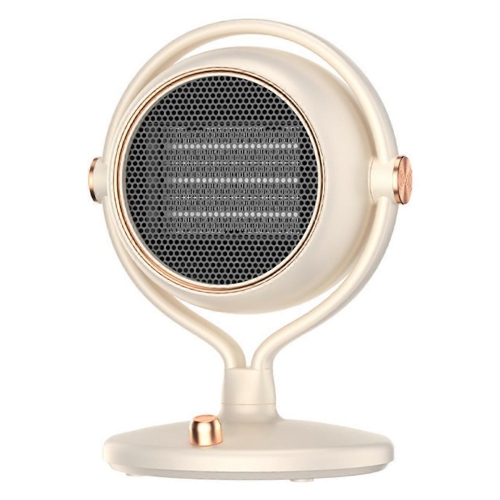
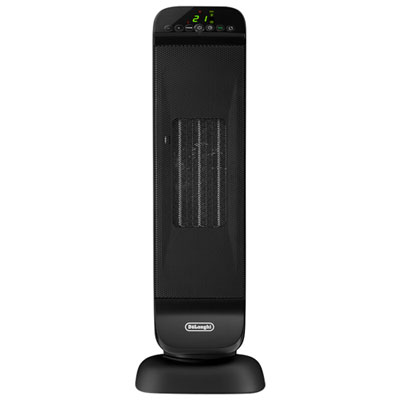
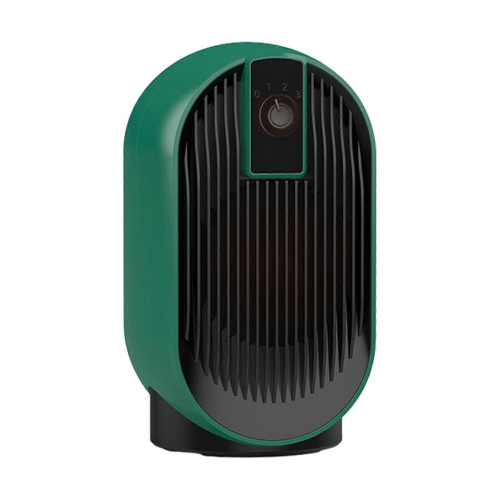
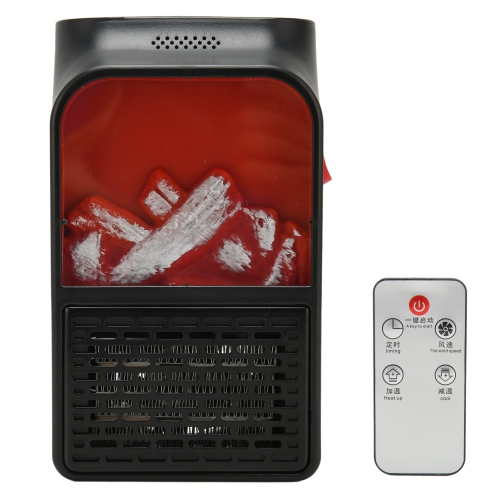
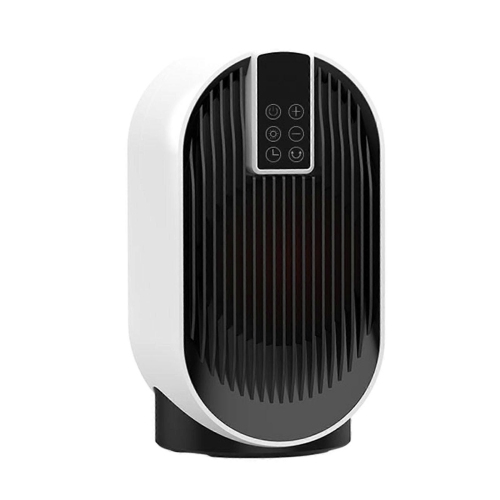

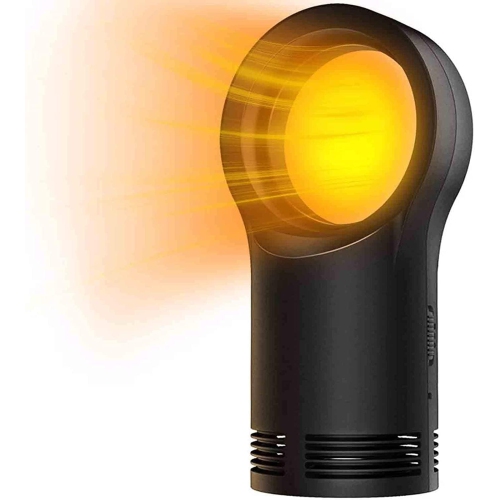
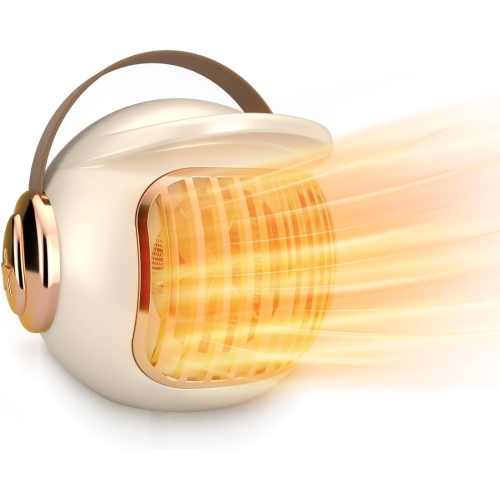
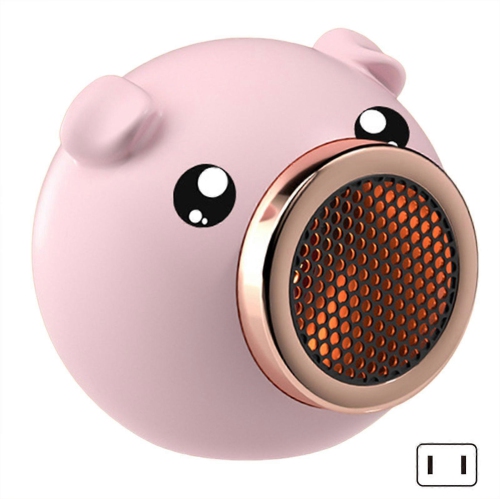
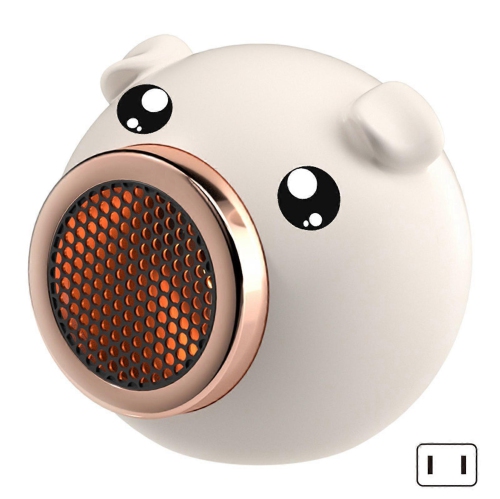
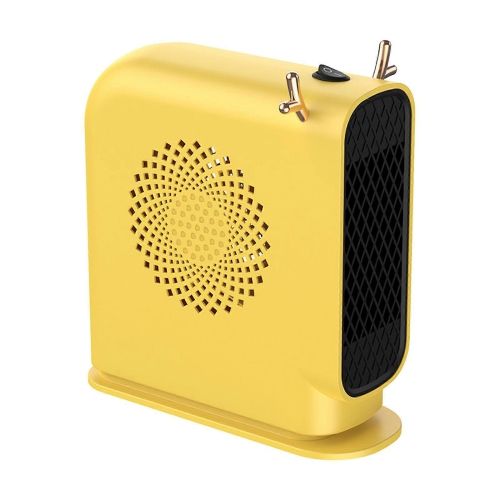
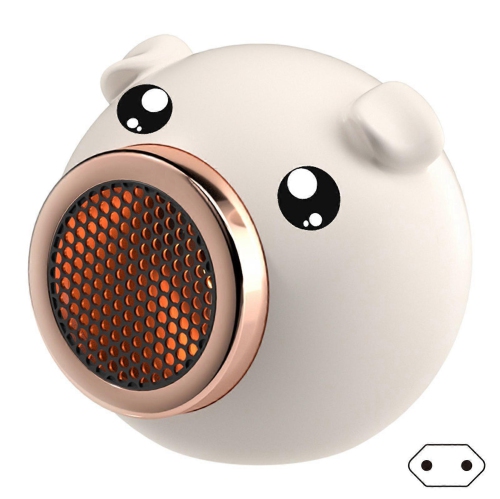
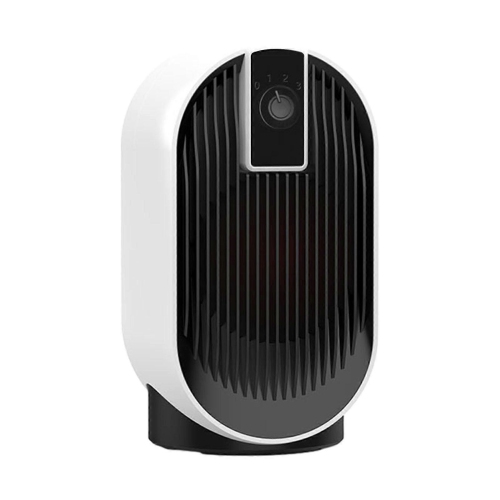
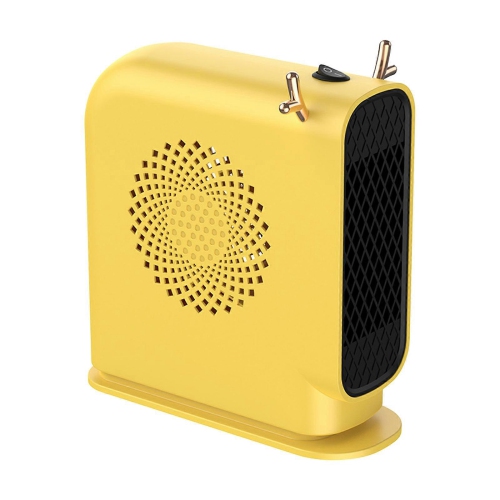

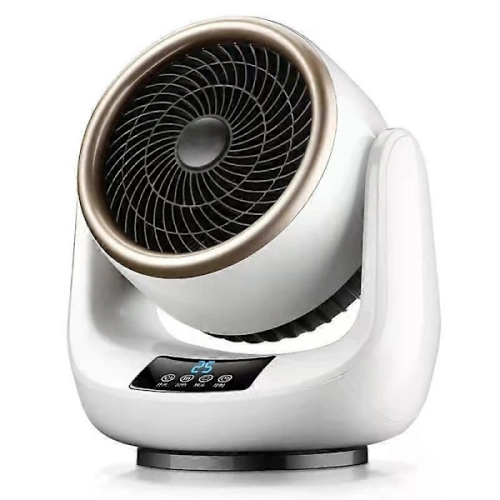
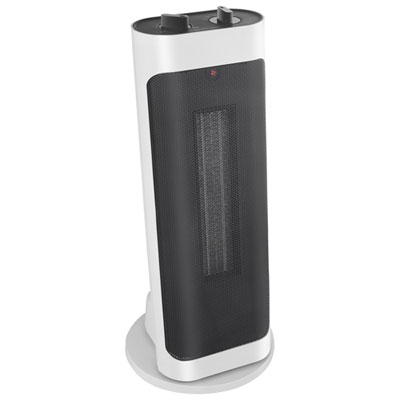
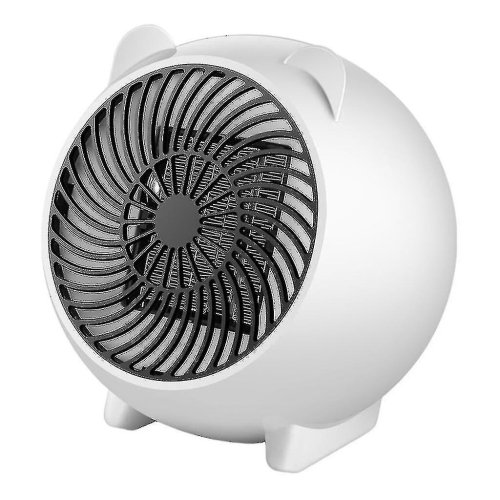
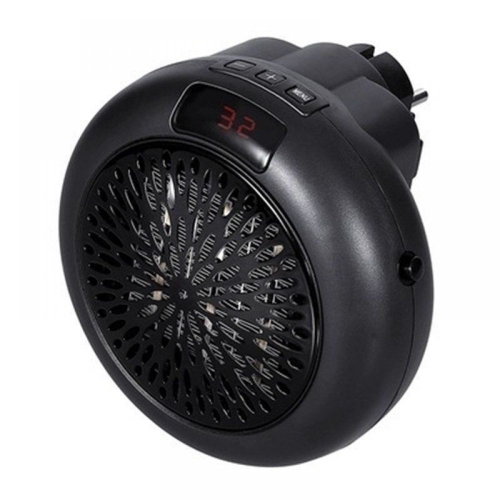
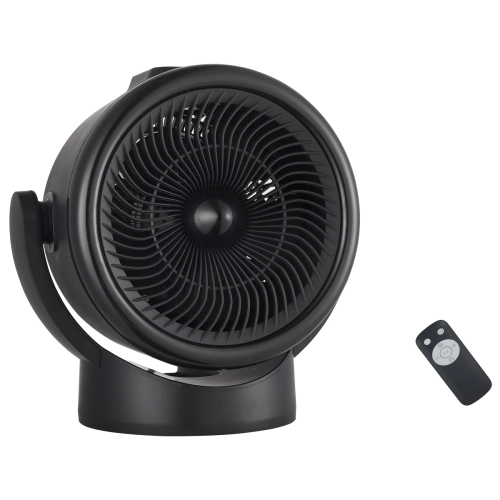
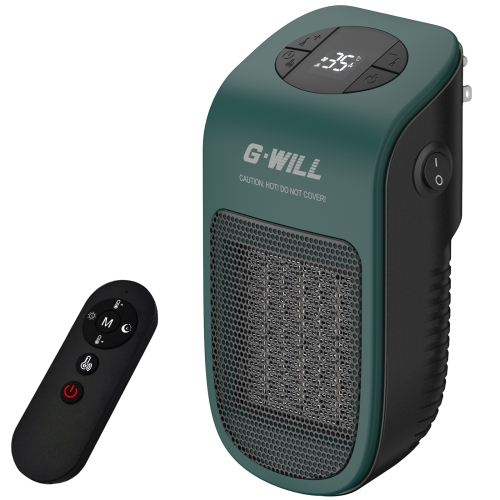
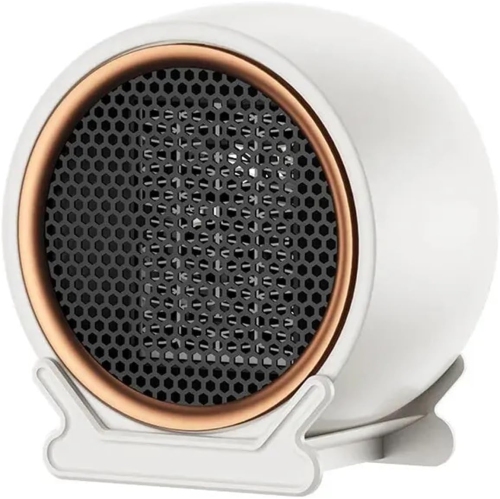
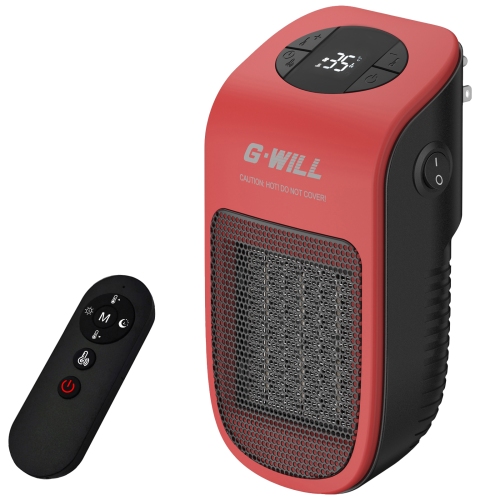



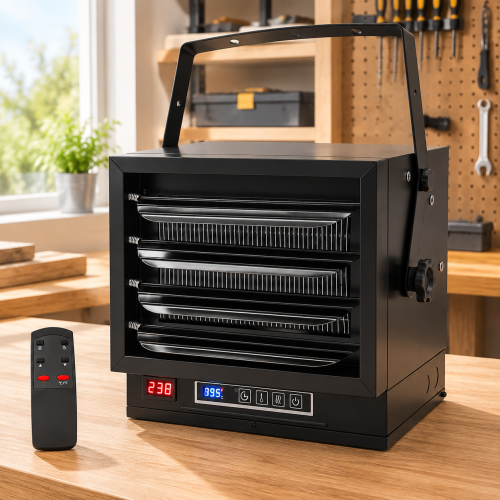
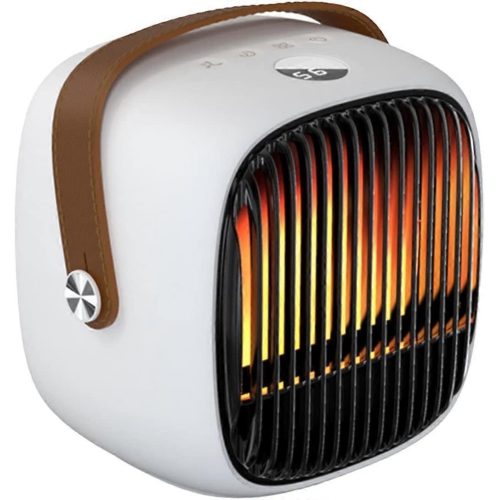
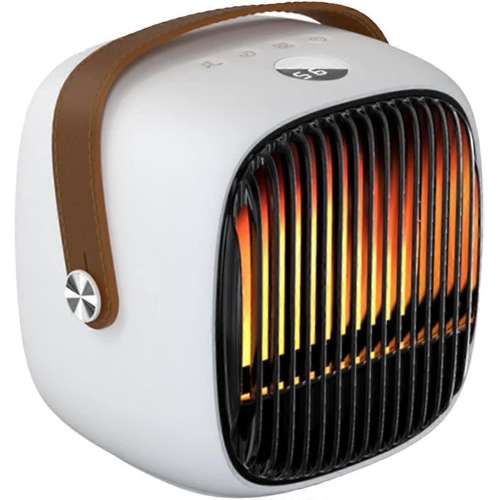
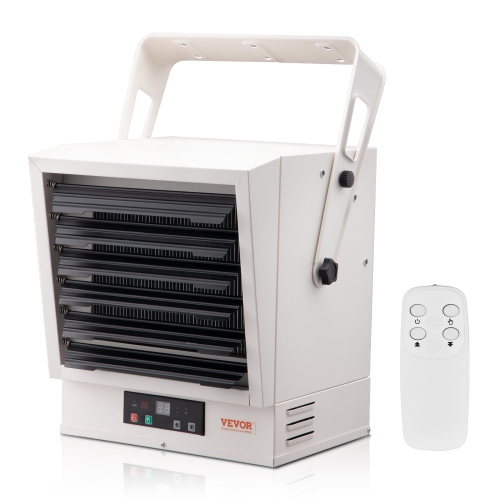



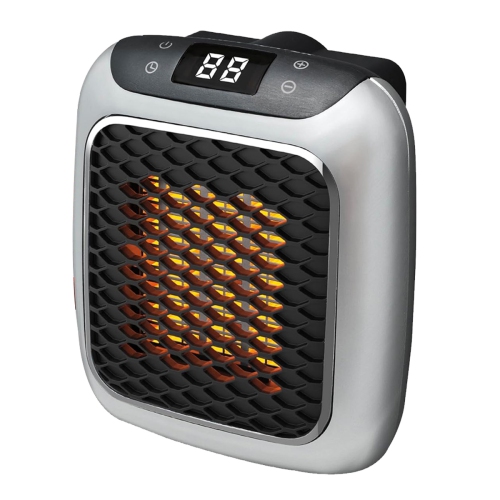

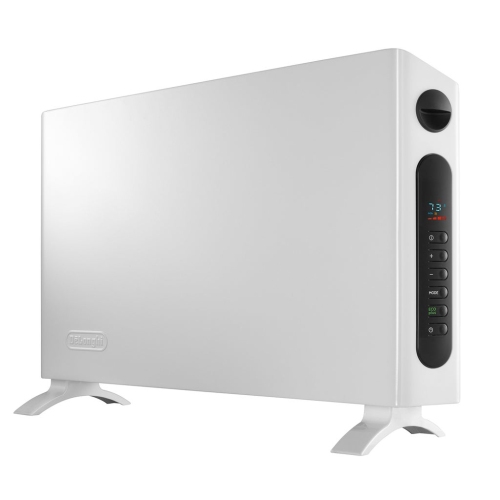
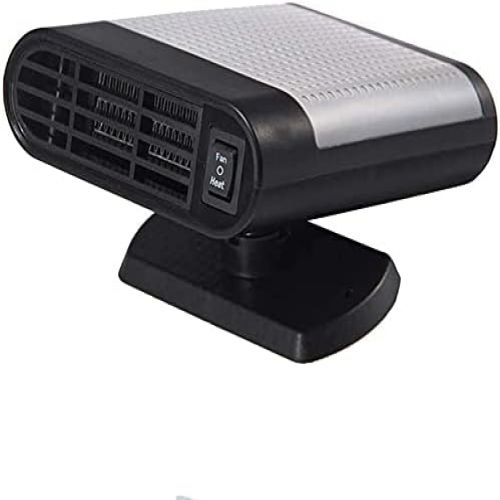
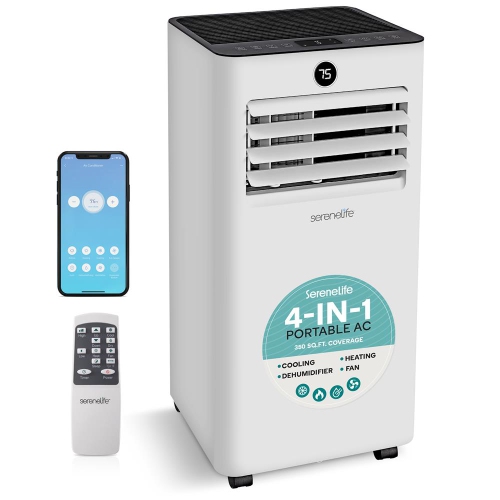
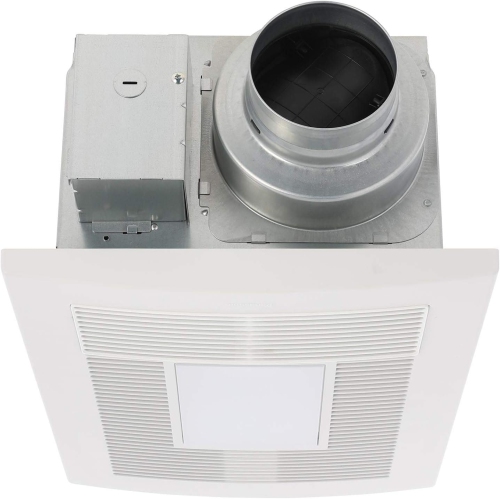
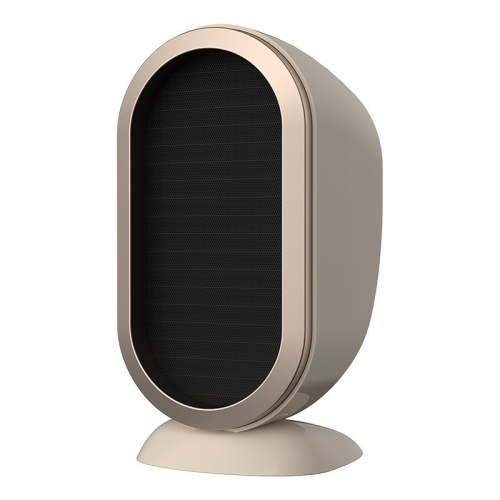
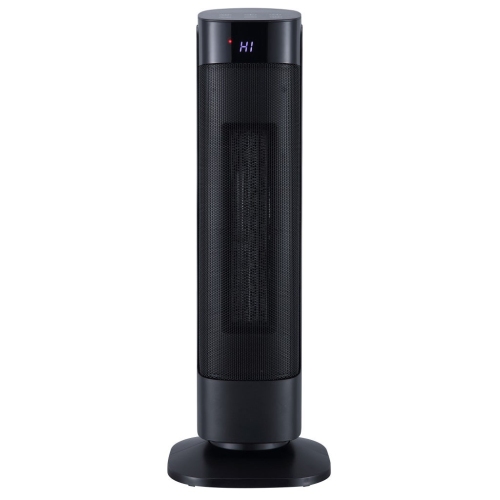
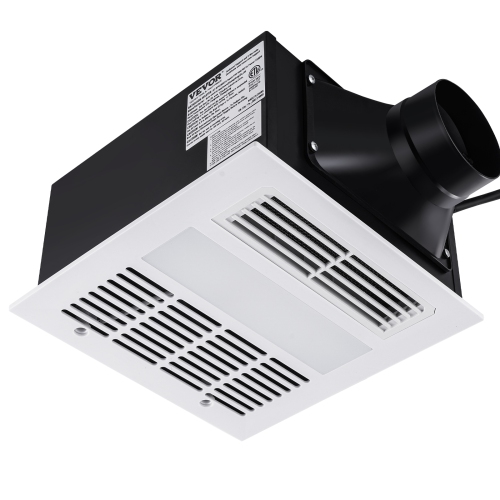
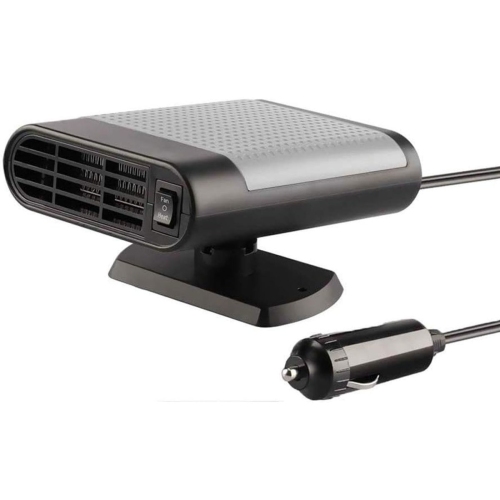
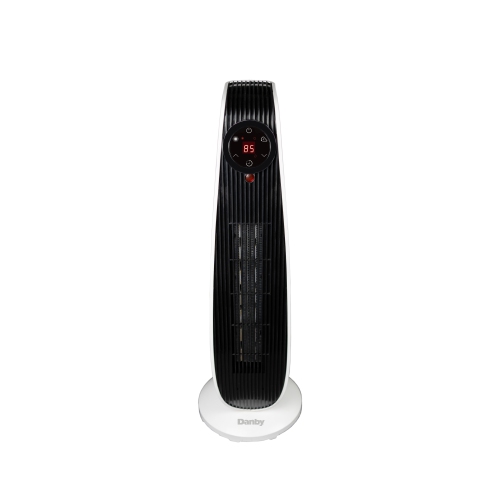
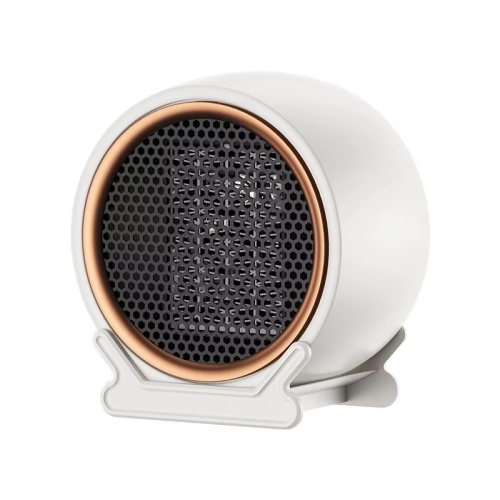
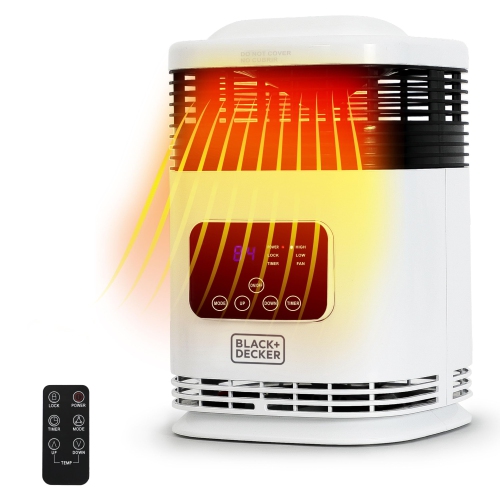
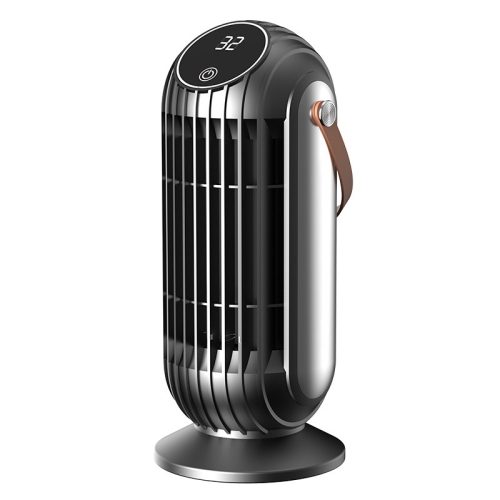
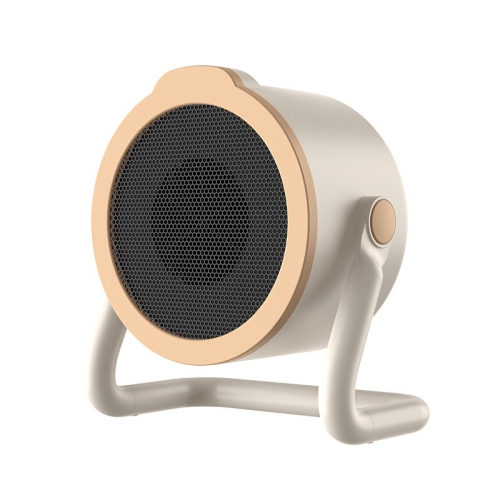
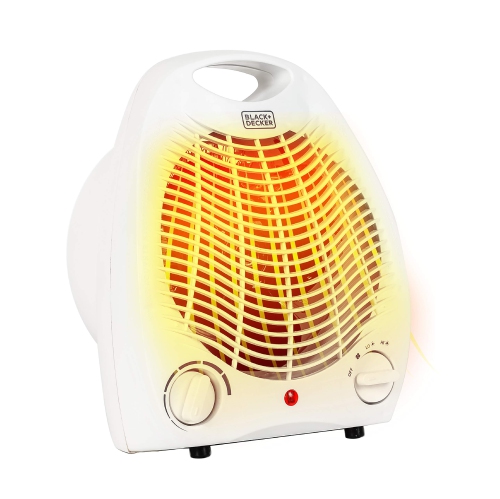
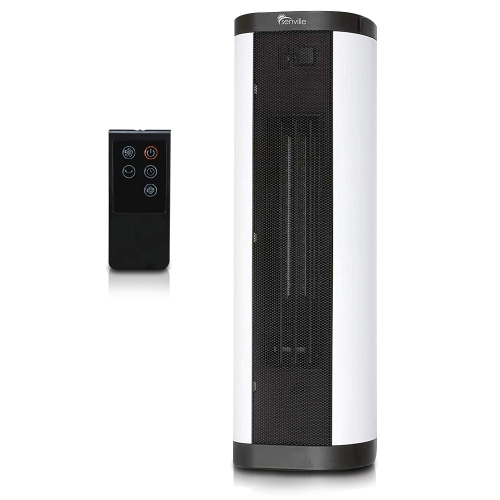
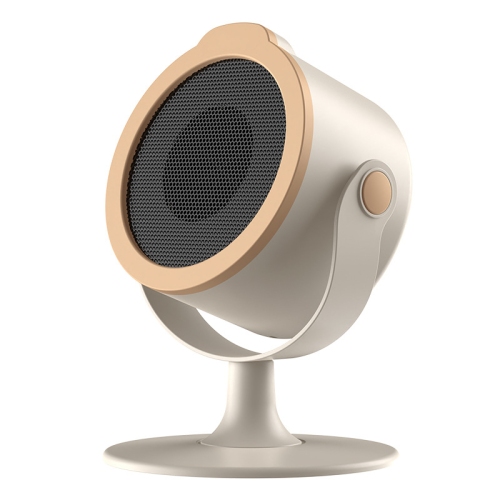
How directed airflow delivers warmth where you need it
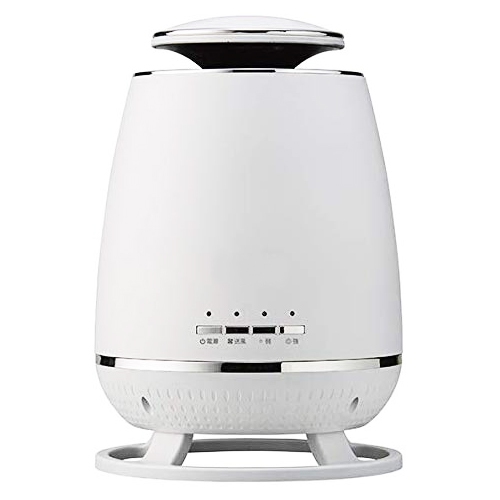
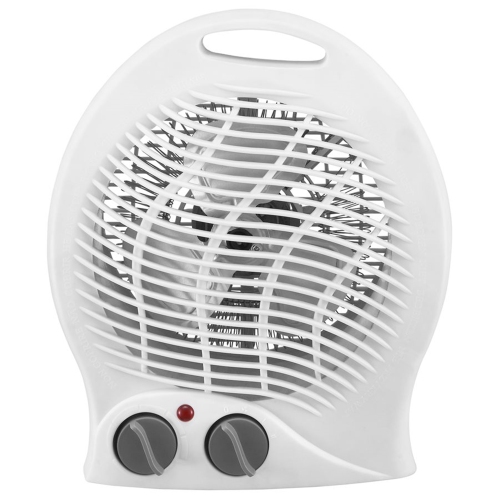
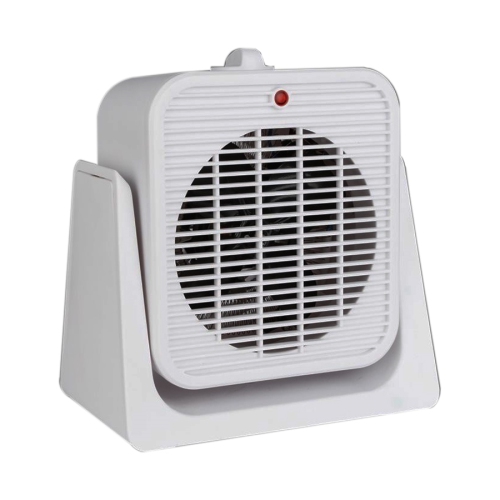
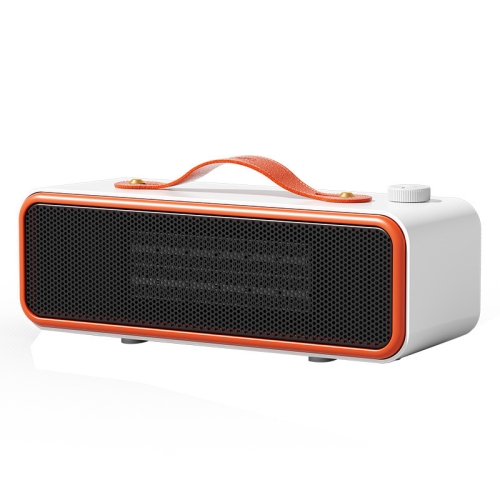
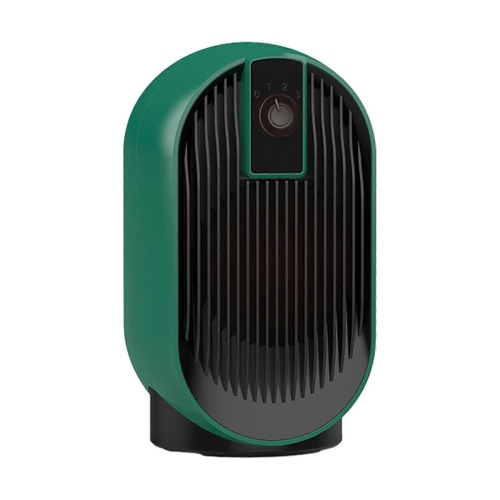
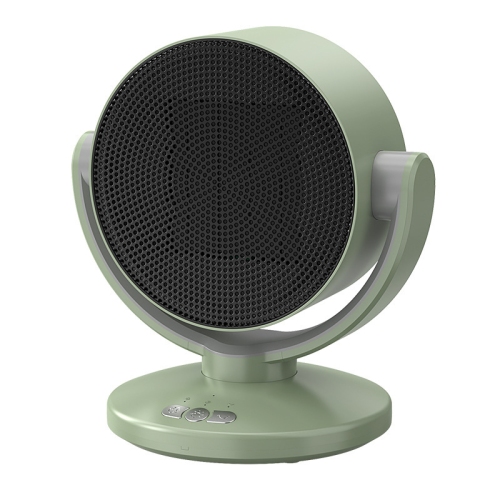
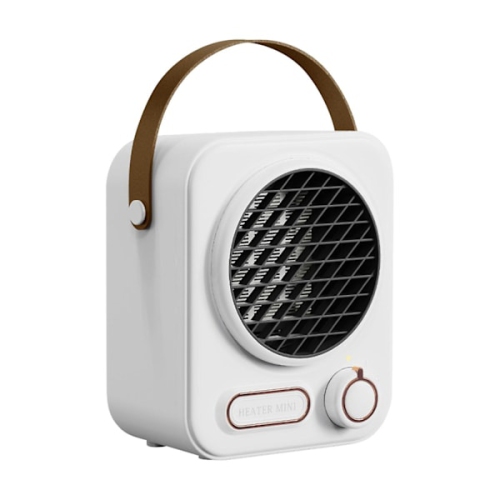
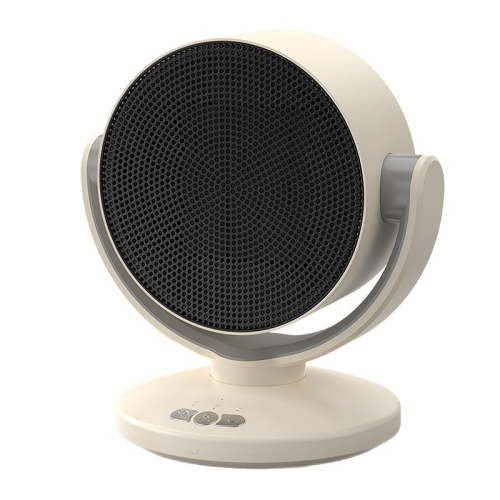
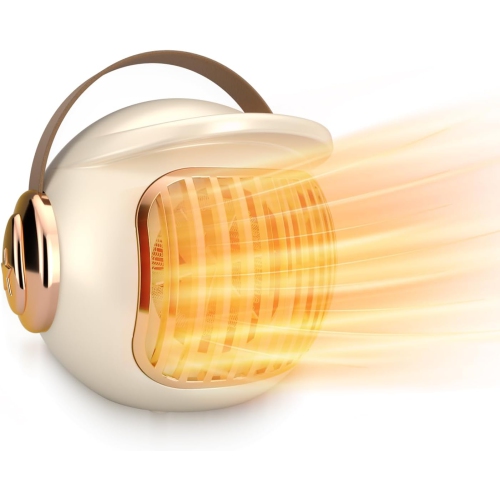
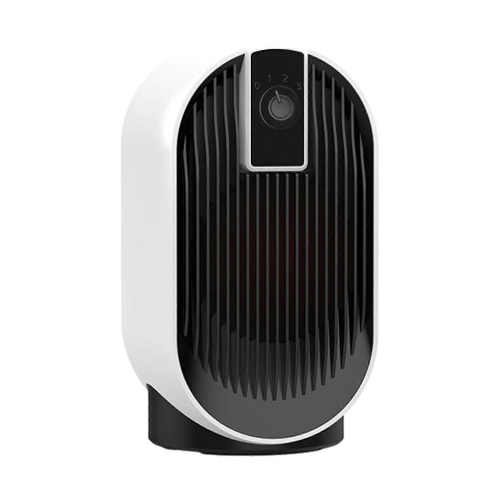
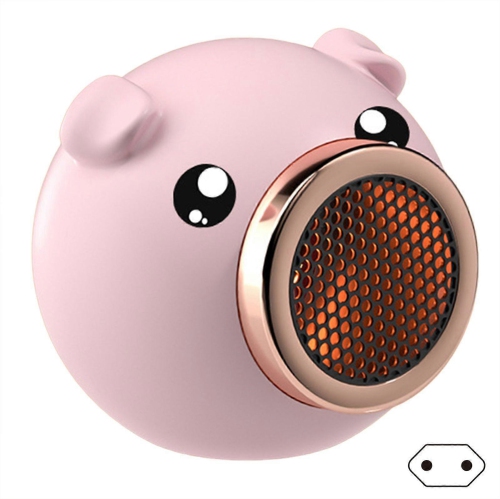
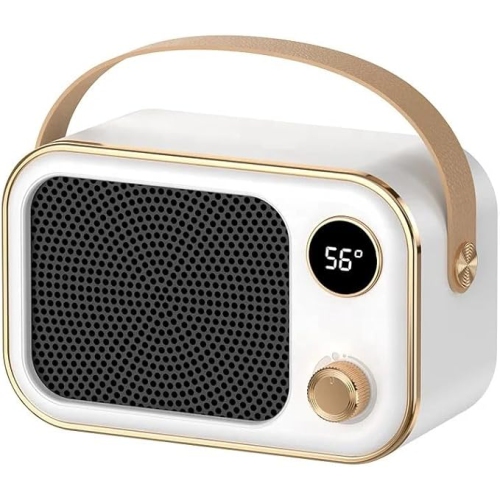
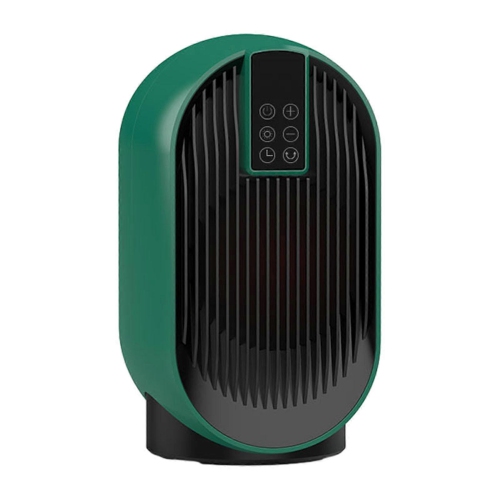
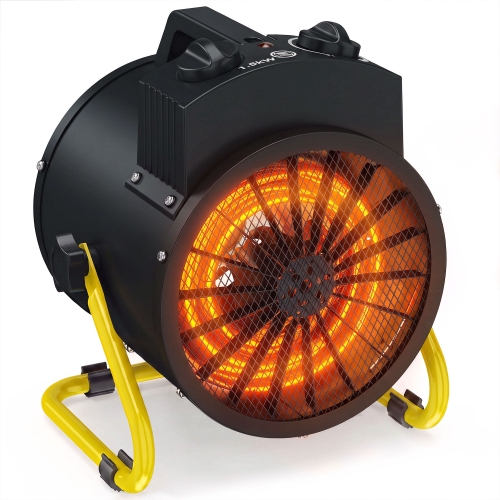
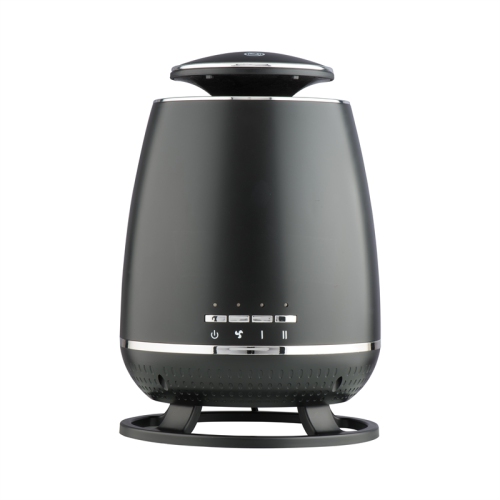
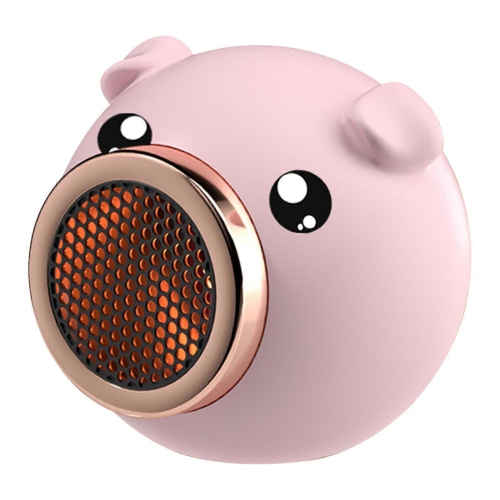
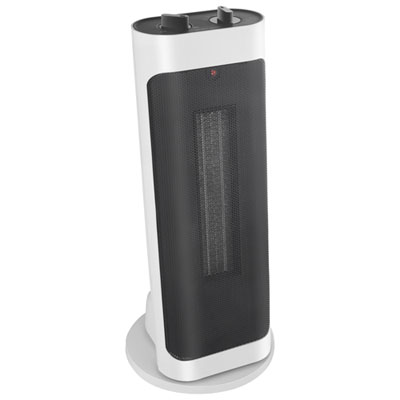
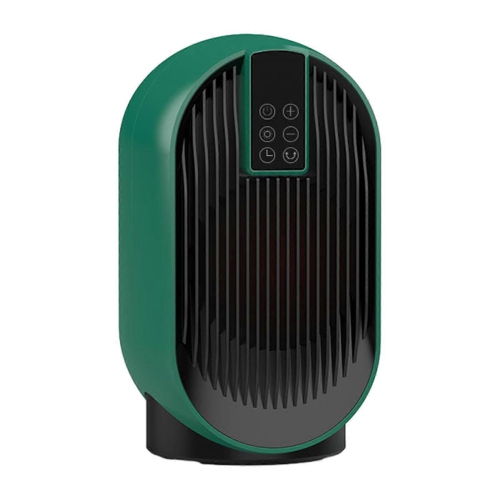
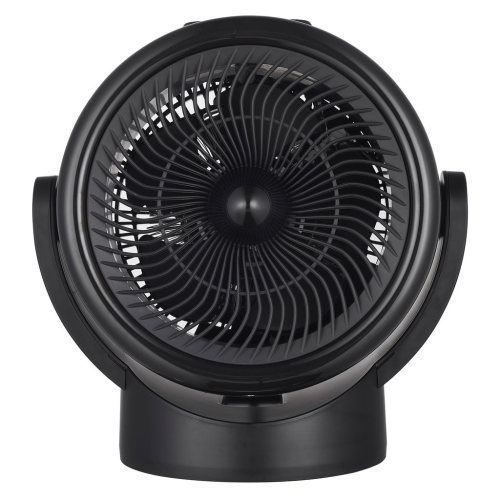
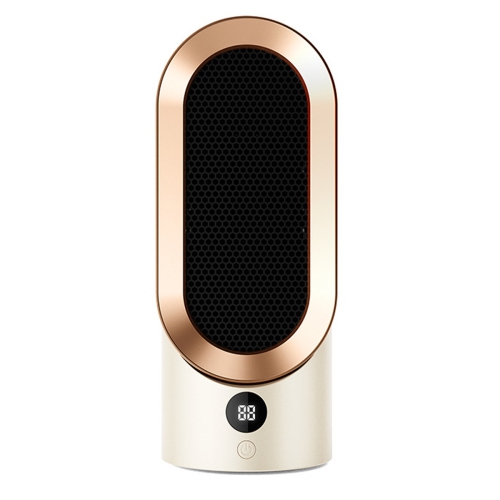
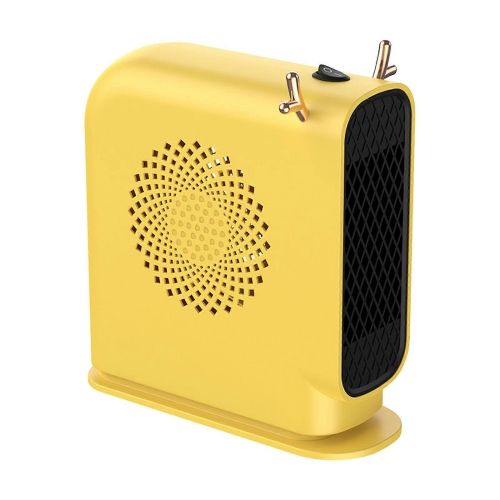
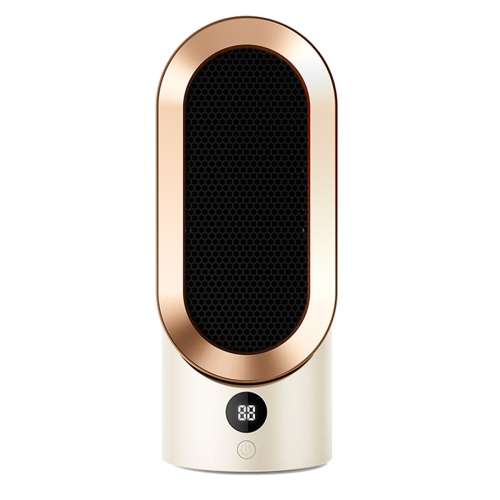
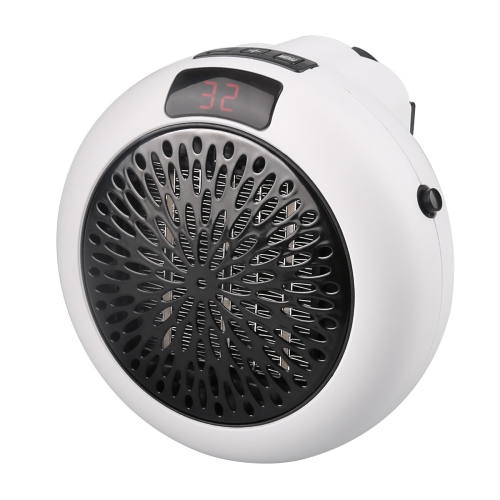
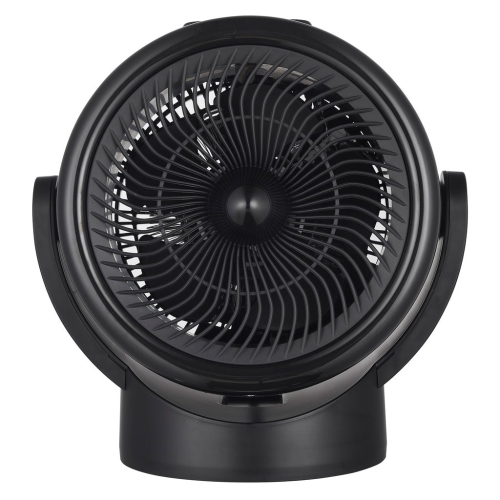
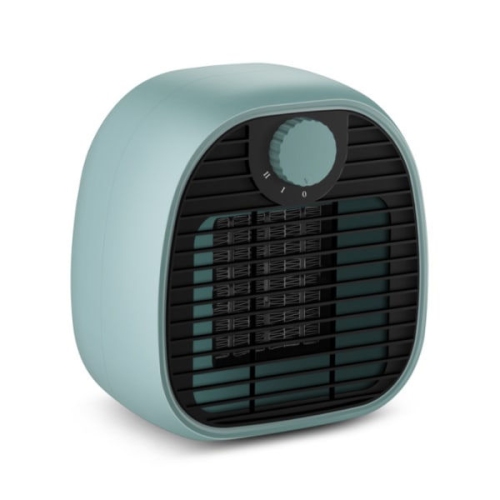
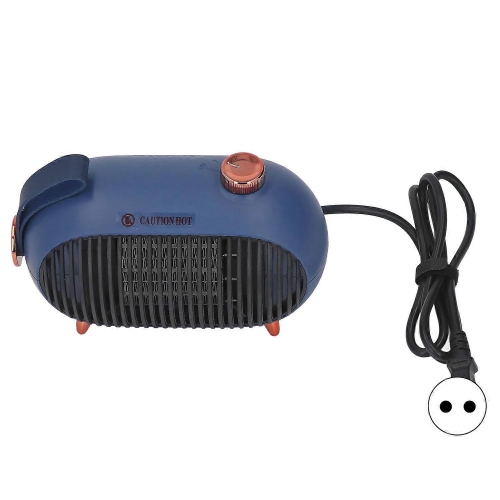
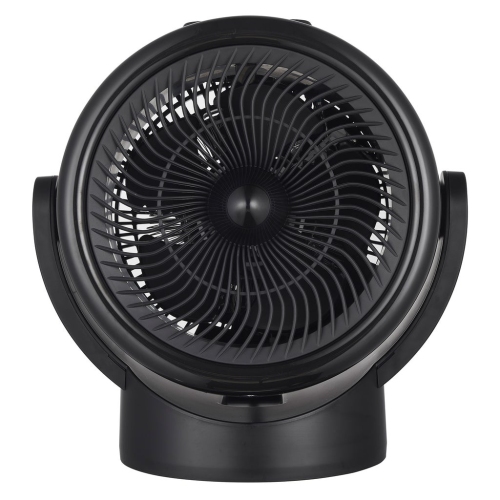
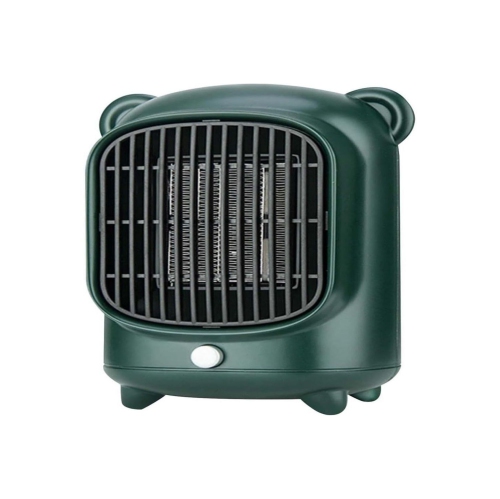
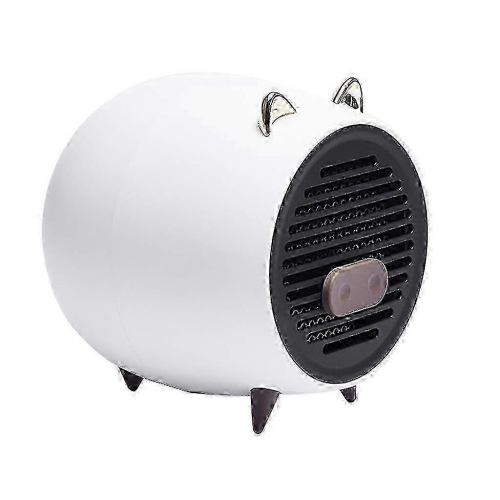
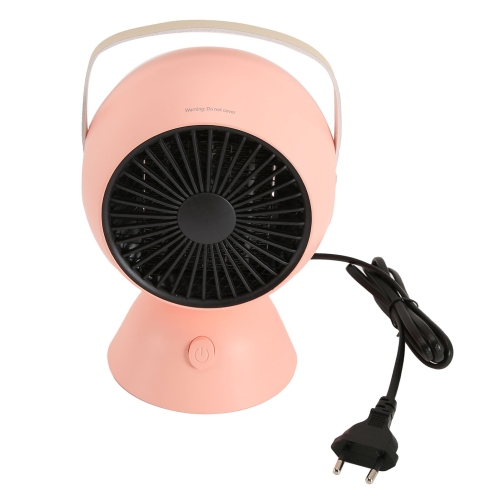
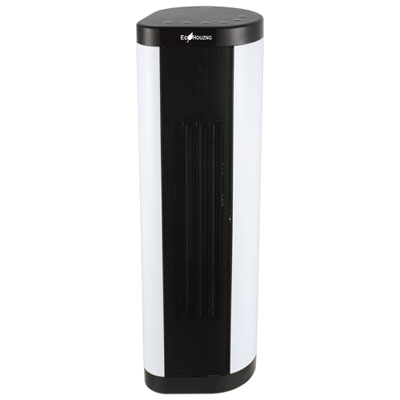
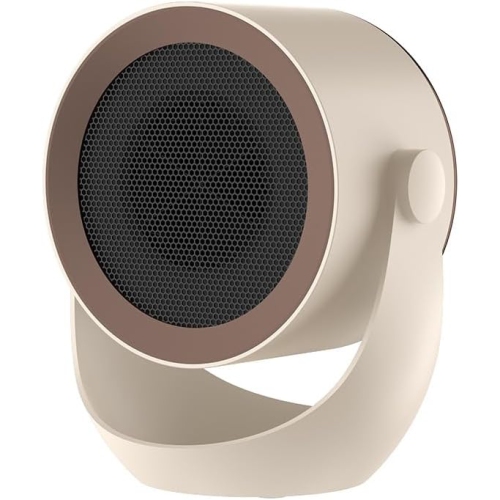
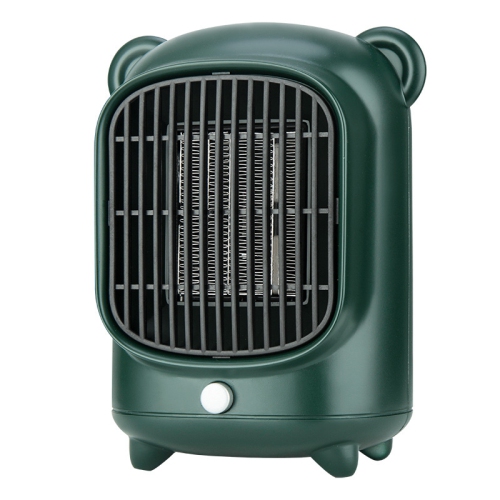
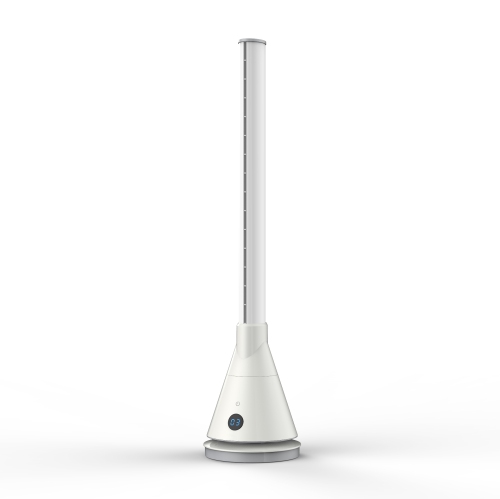
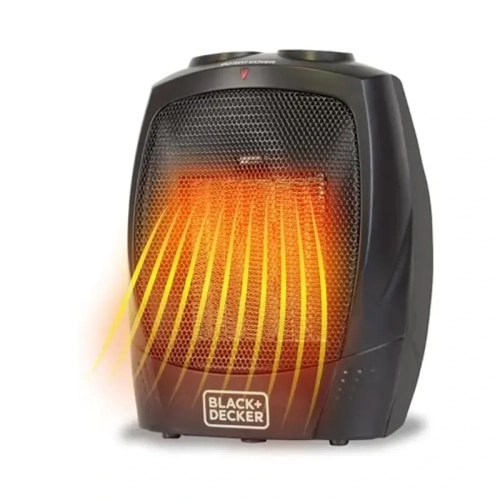
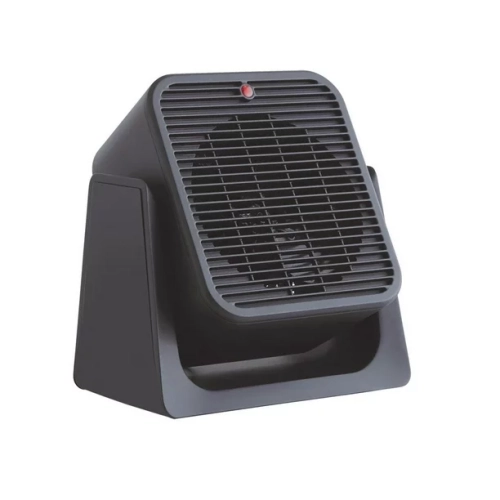
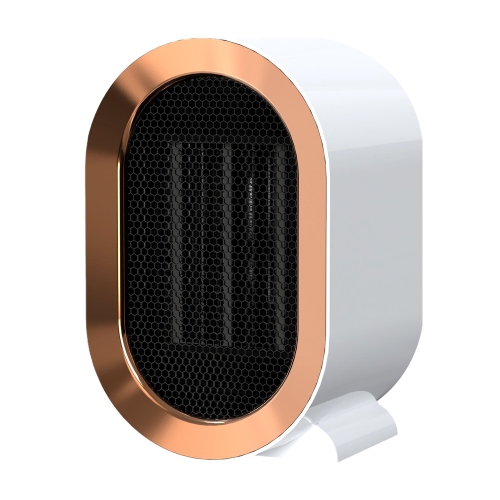
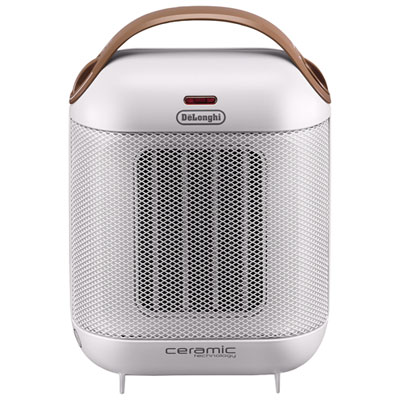
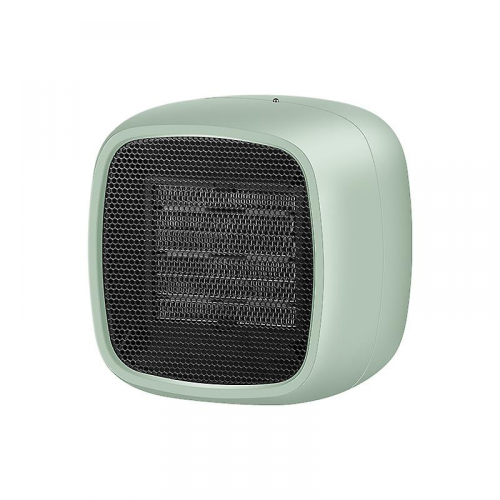
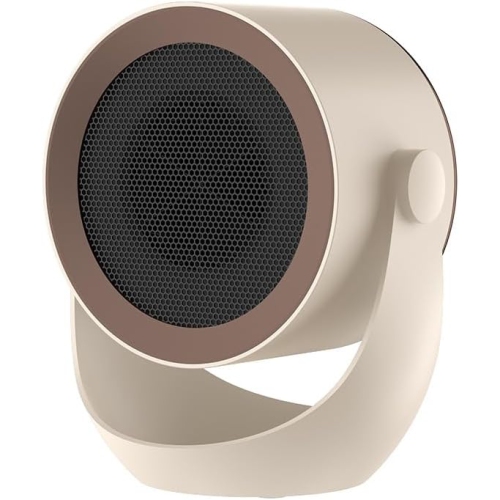
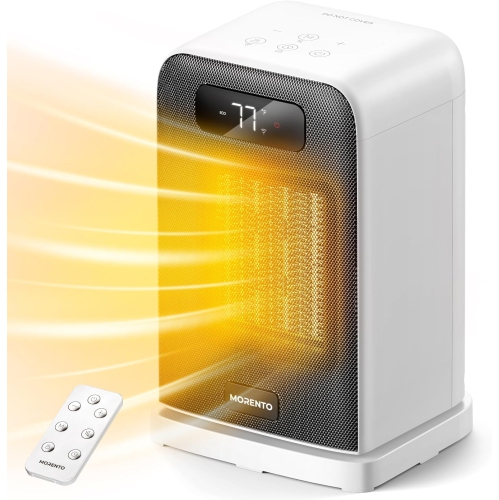
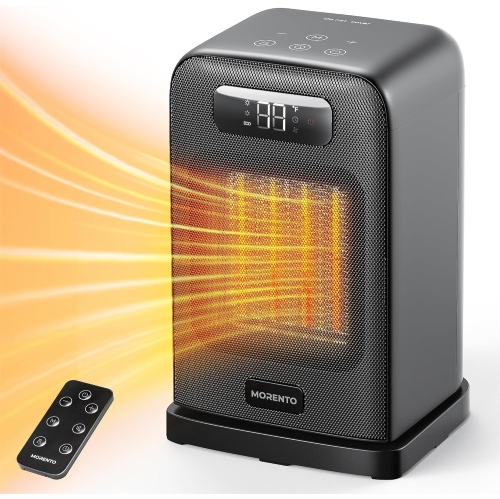
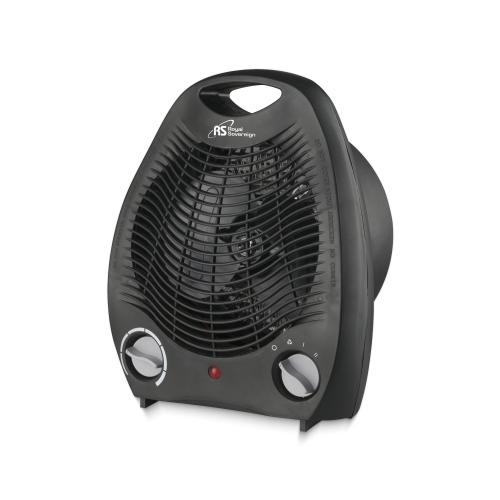
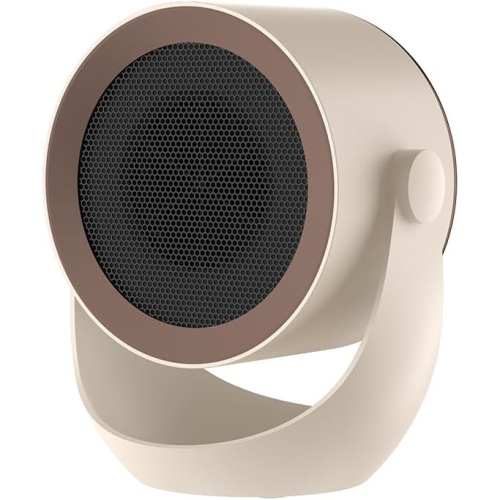
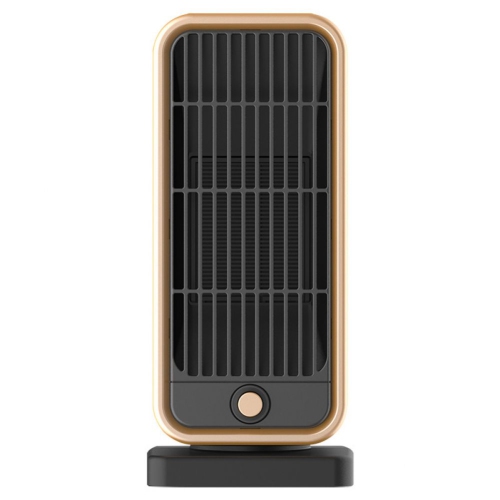
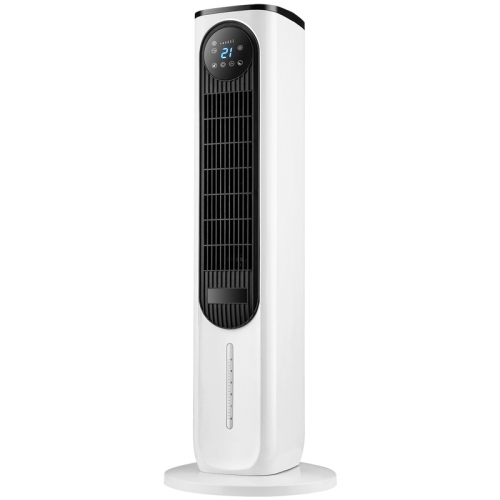
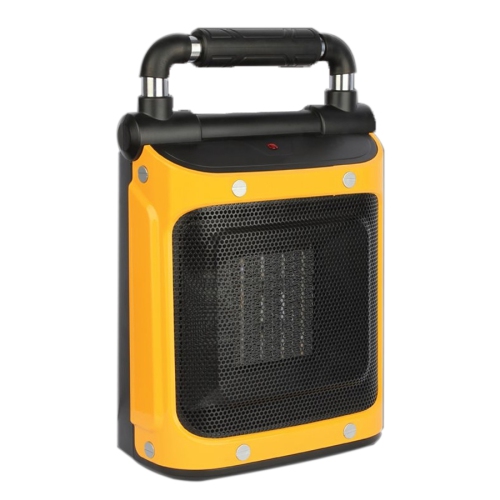
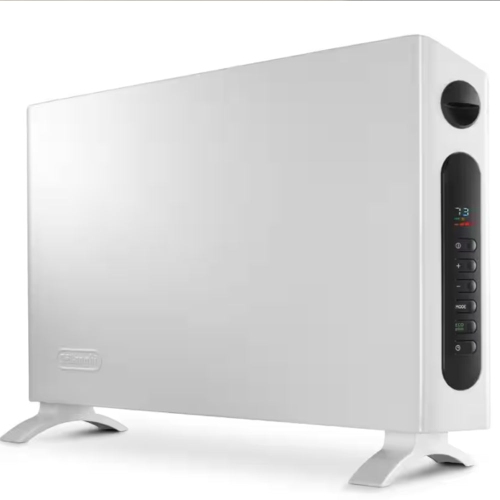
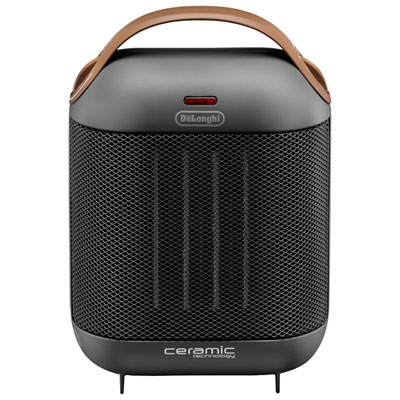
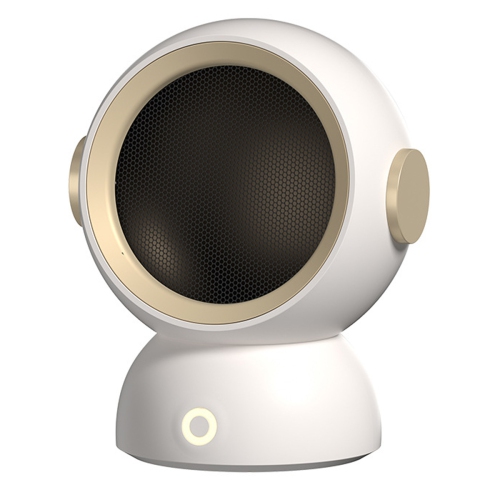
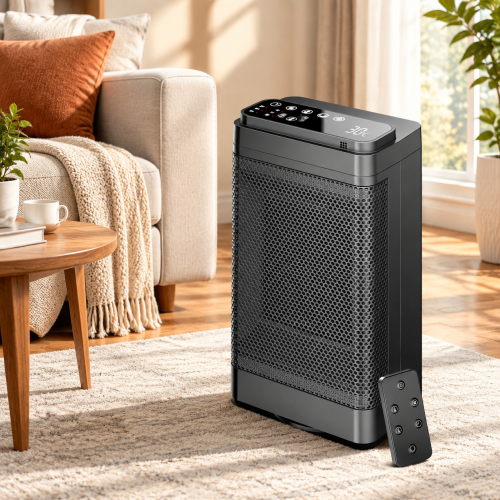
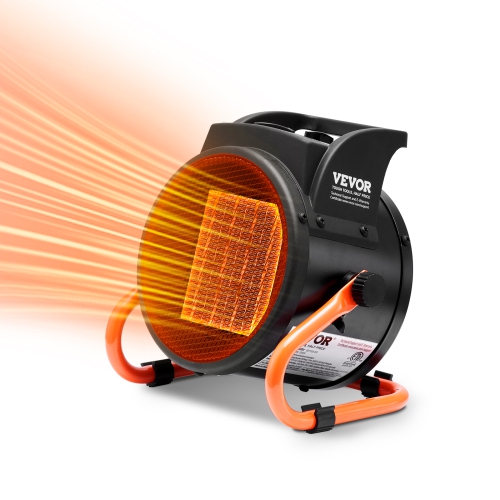
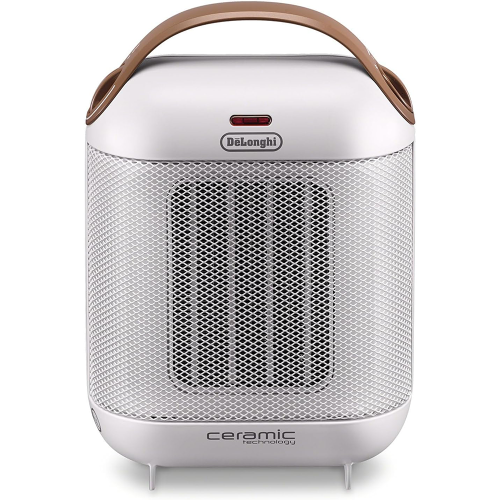
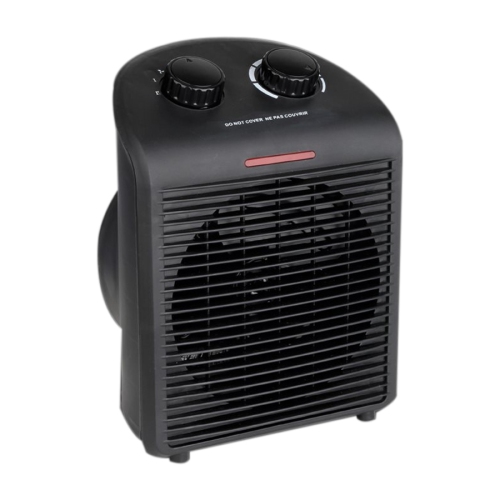
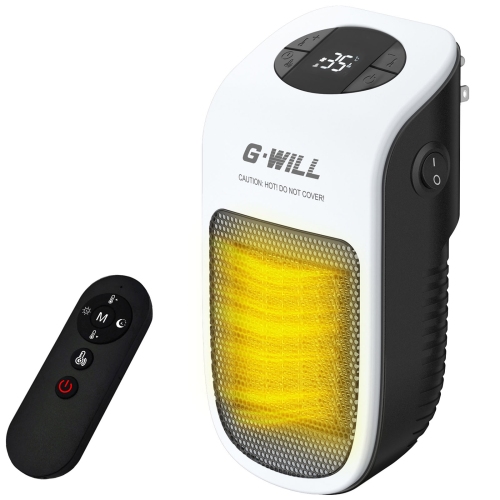
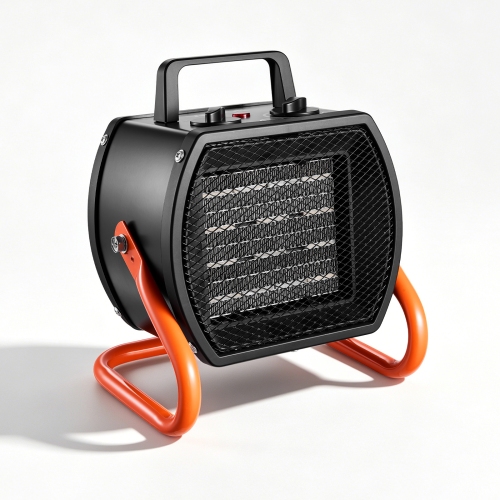
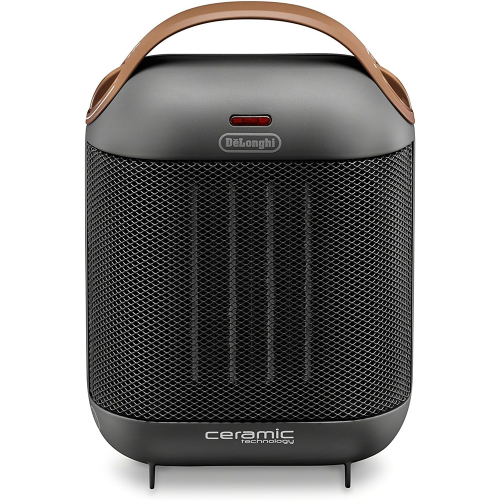
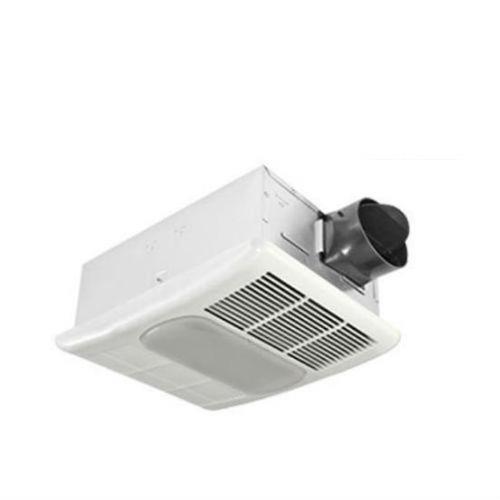
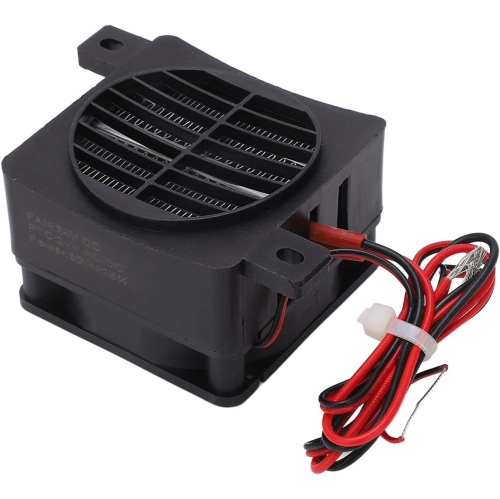
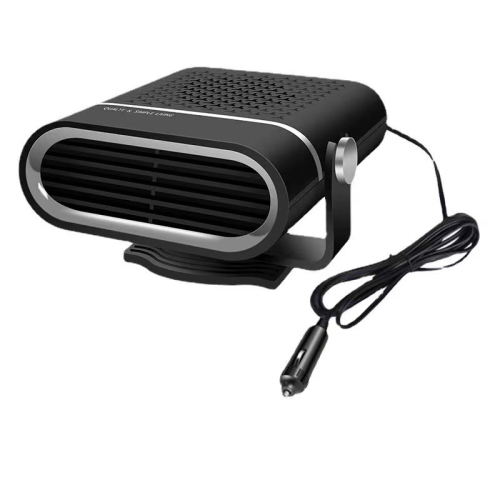
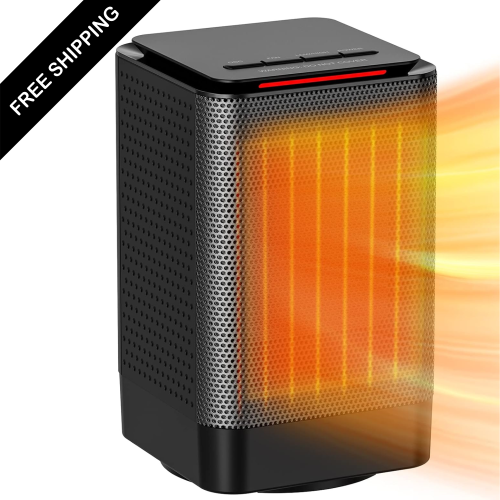
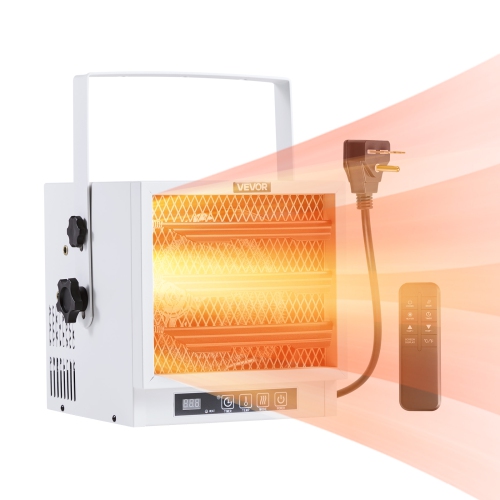
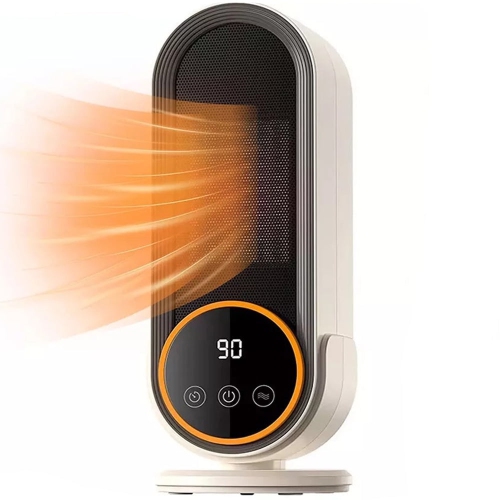
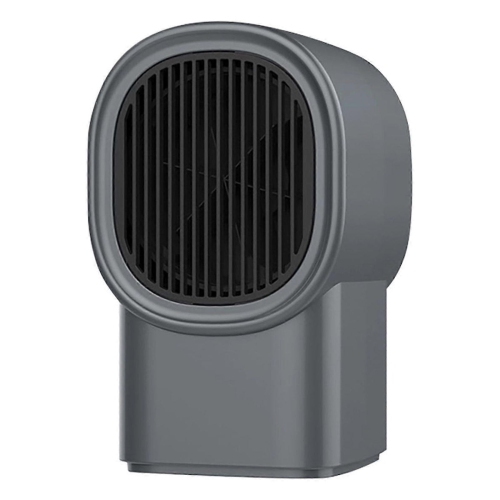
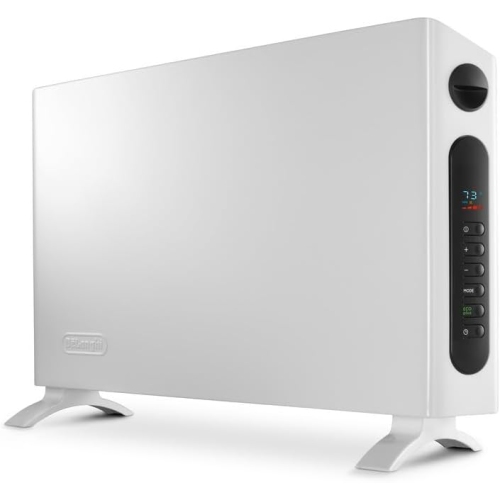
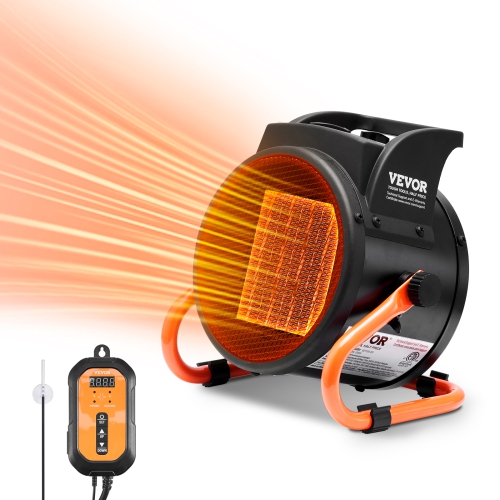
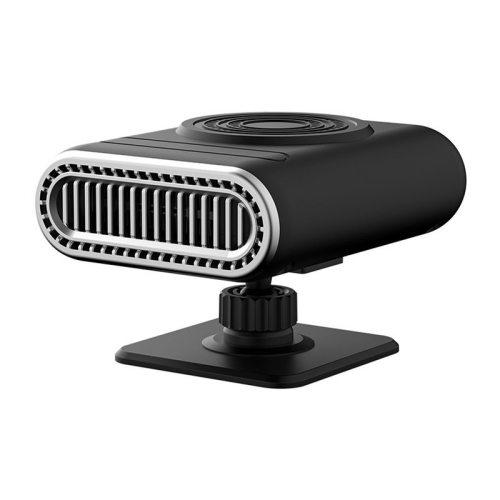
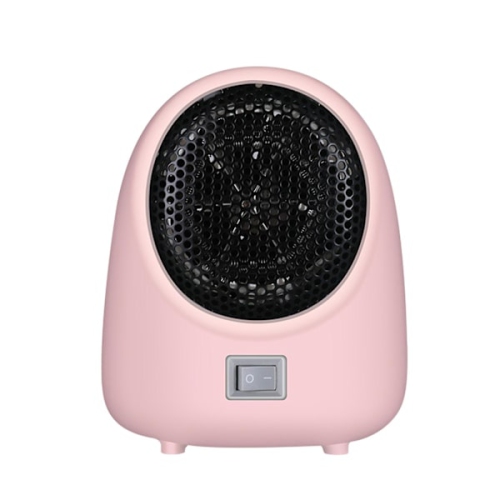
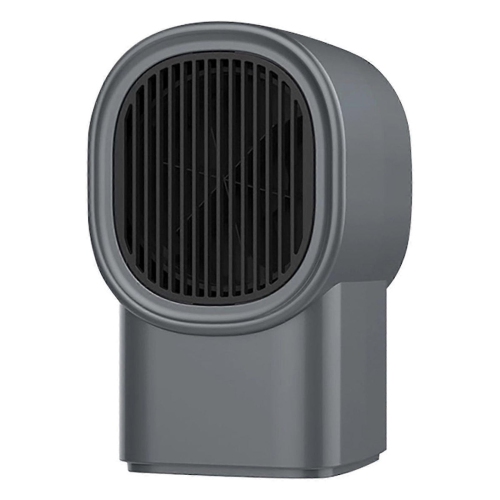
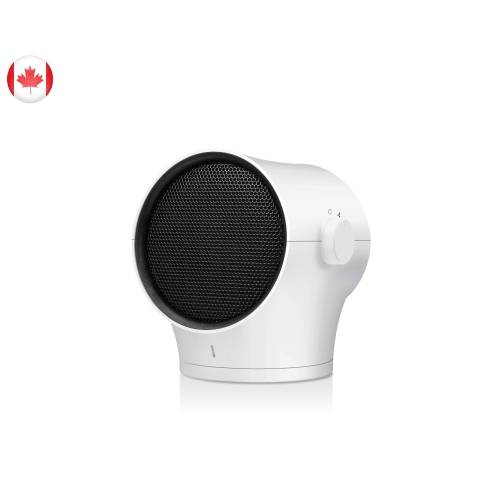
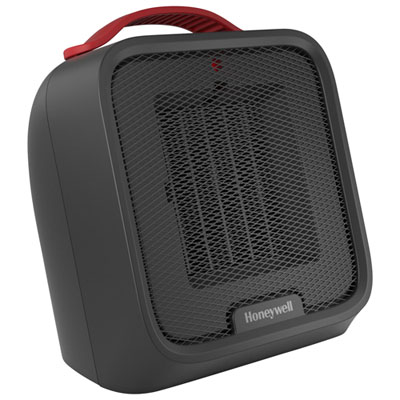
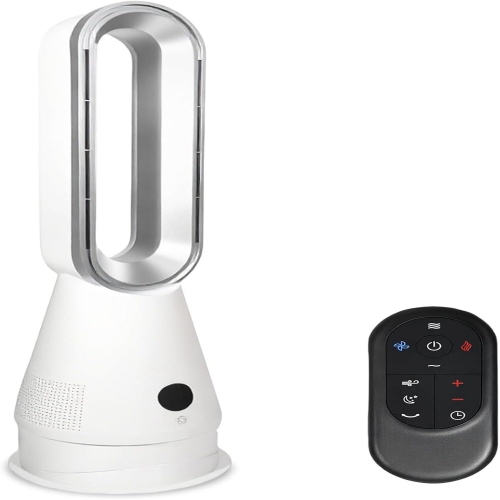
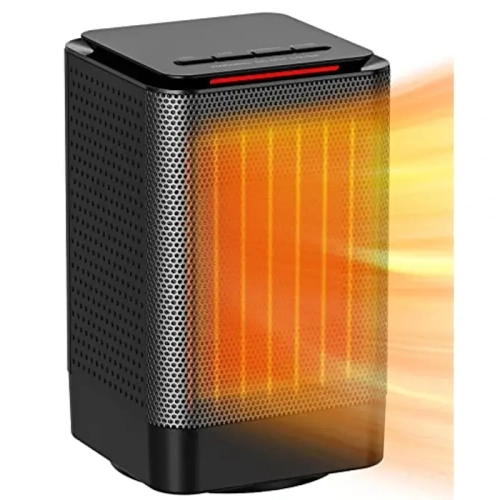
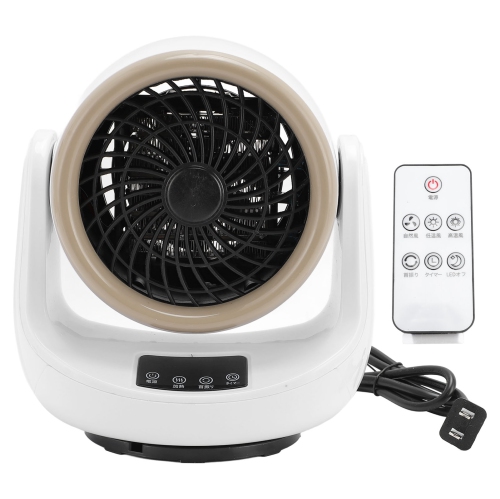
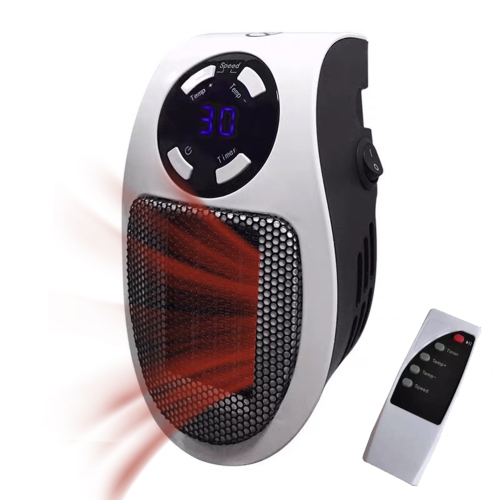
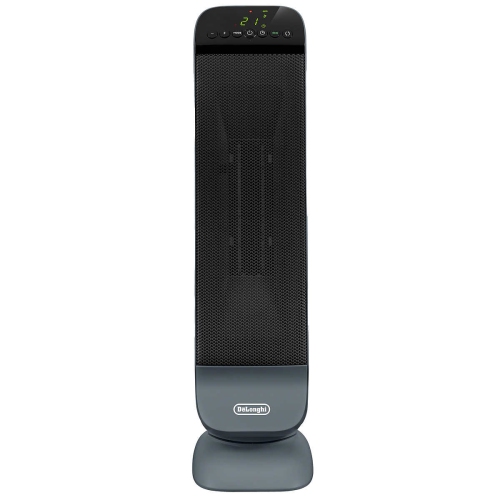
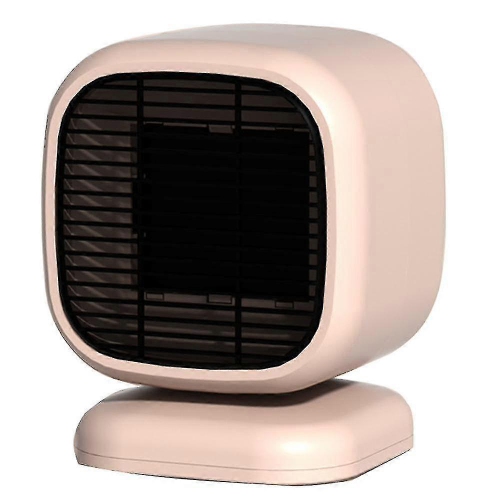
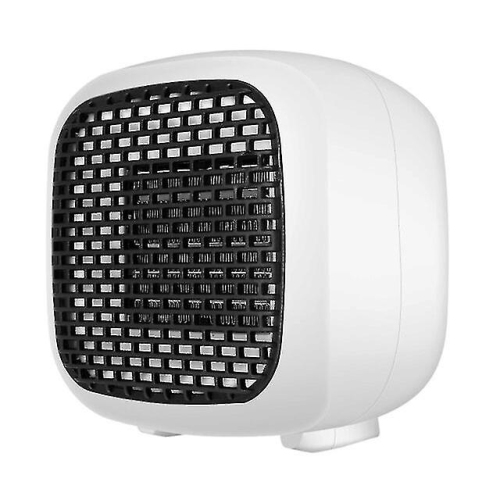
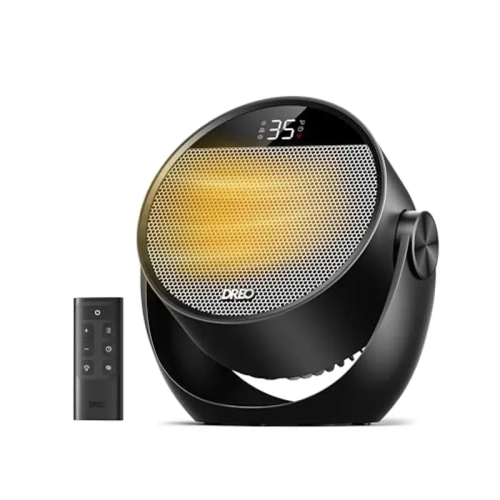
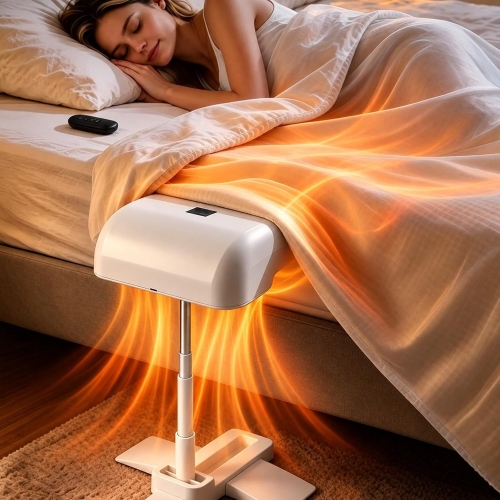
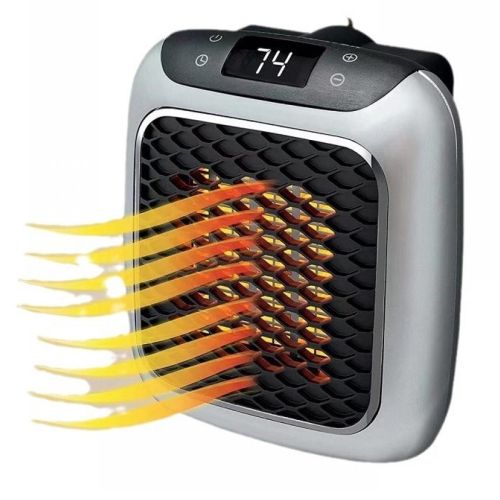
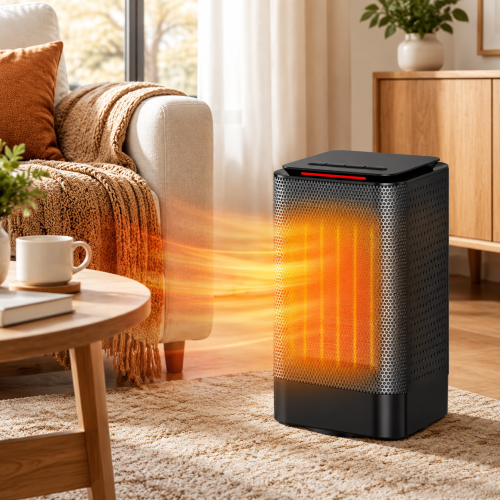
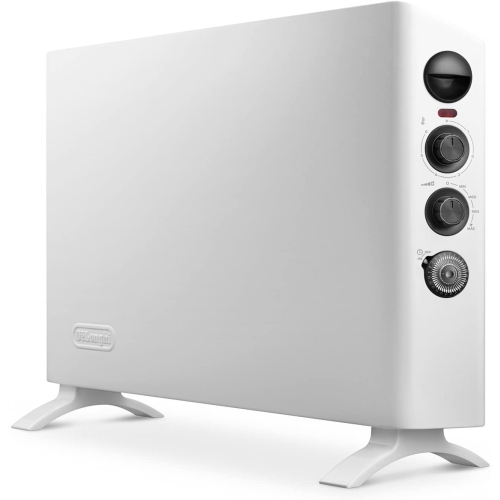
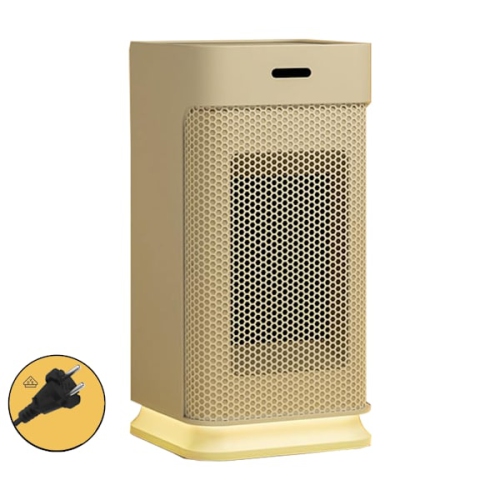
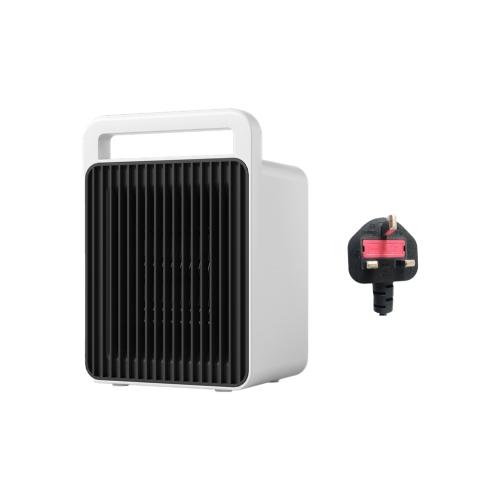
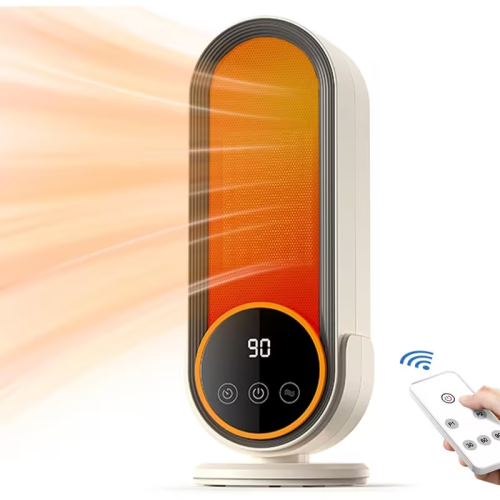
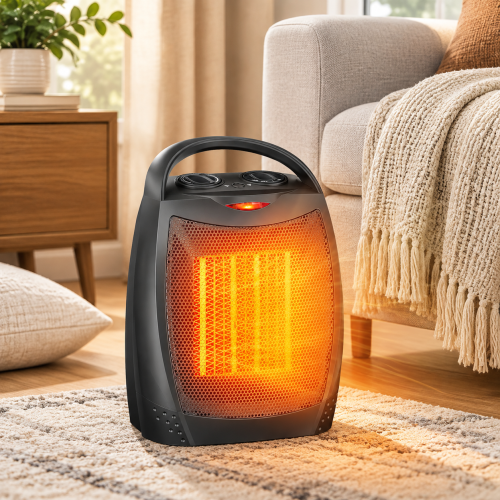
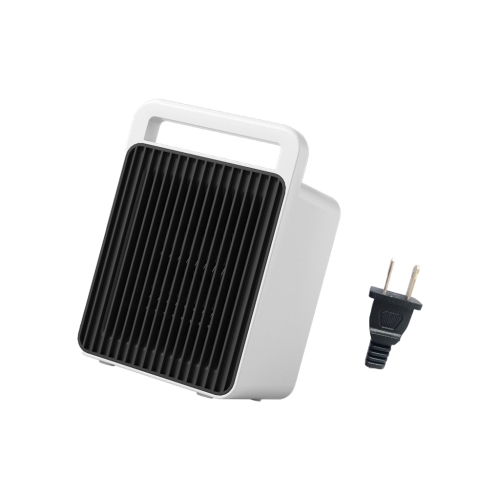
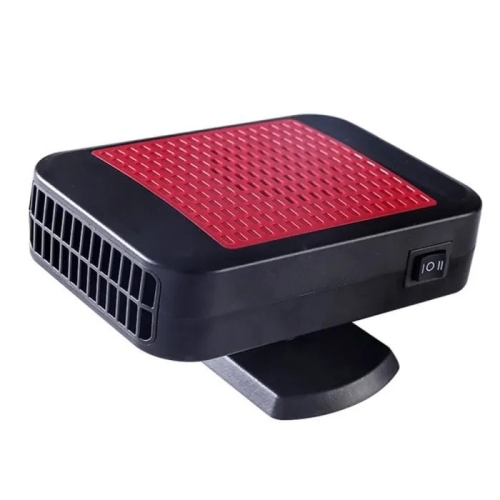
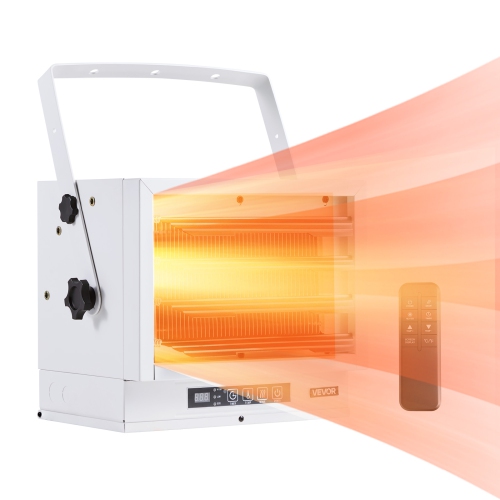
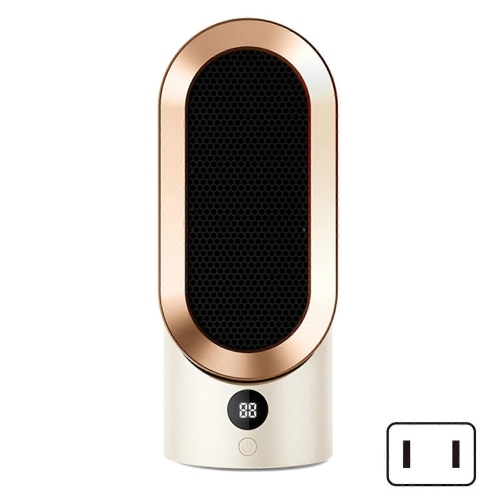
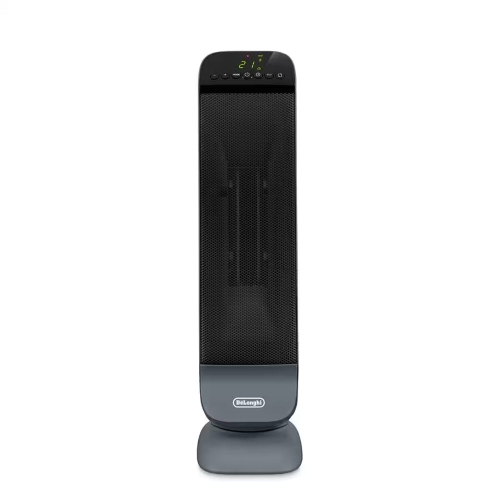
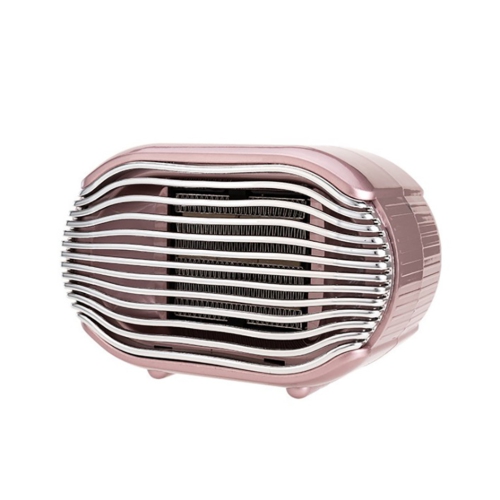
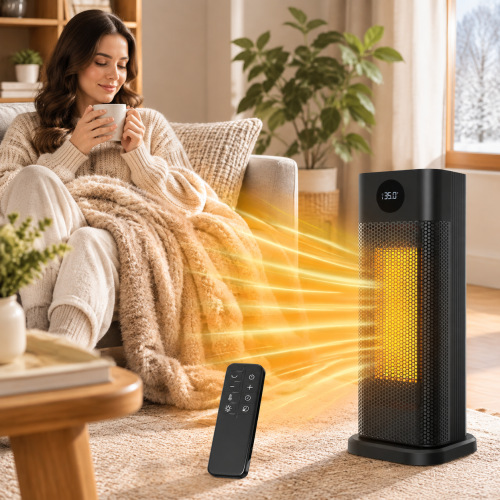
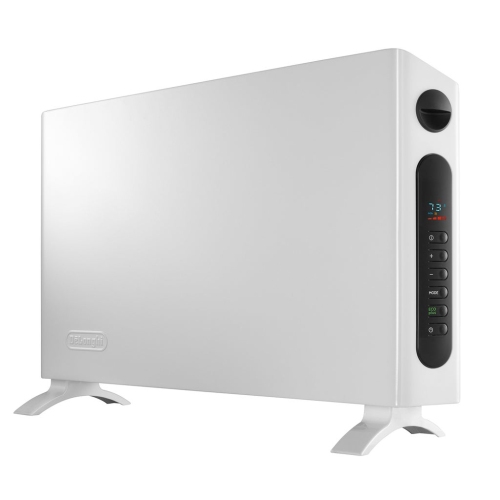
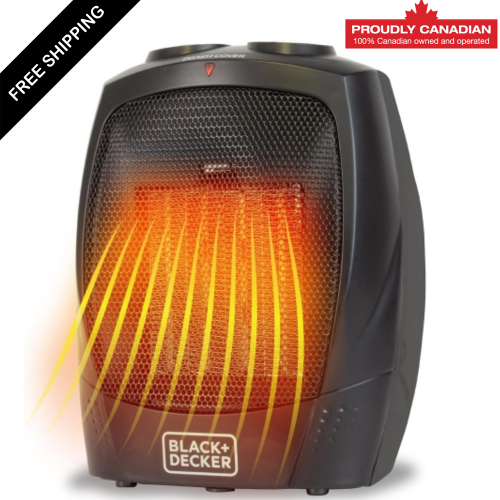
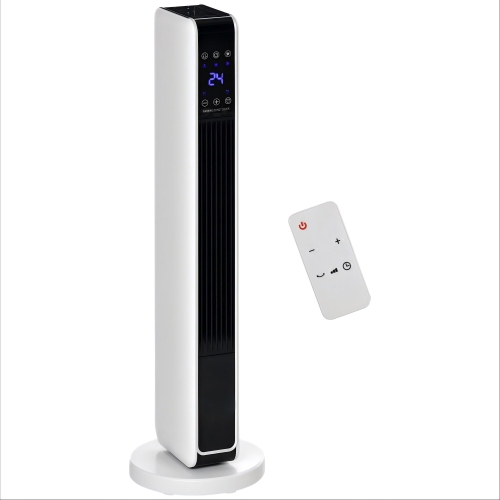
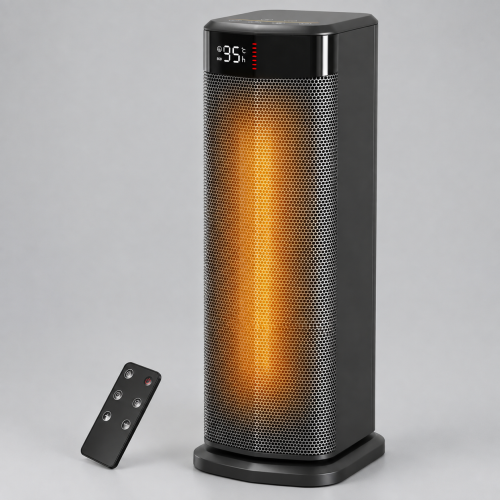
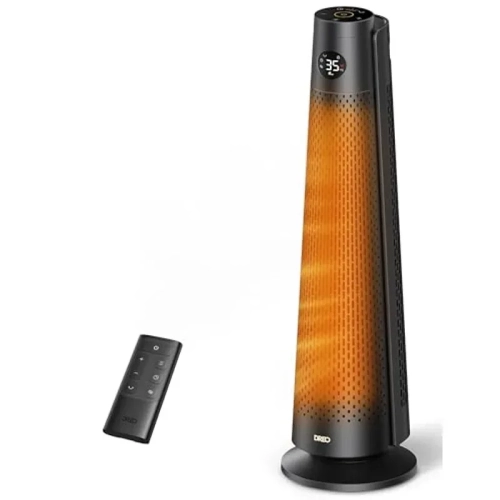
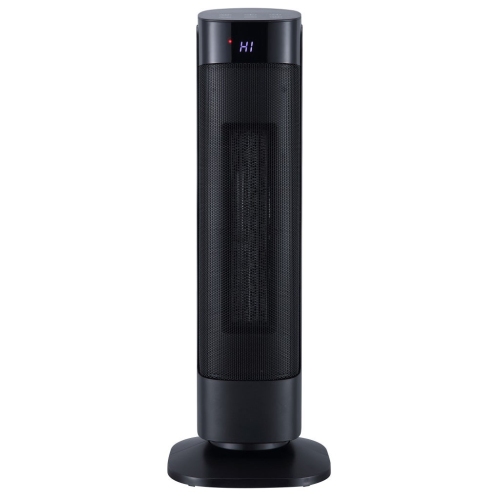
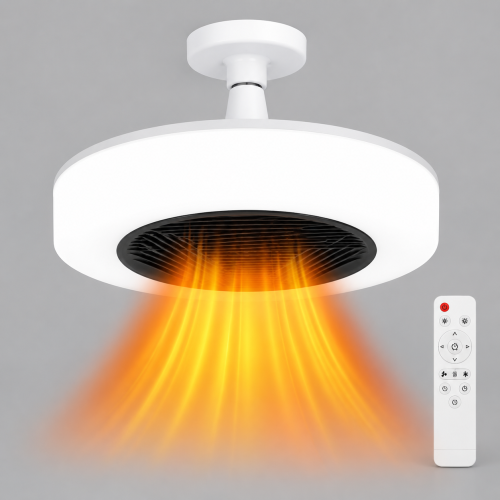
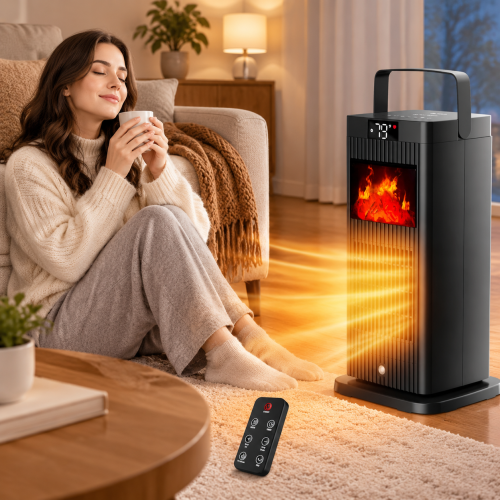
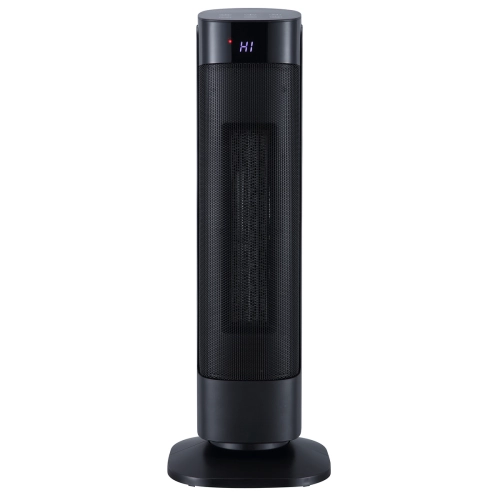
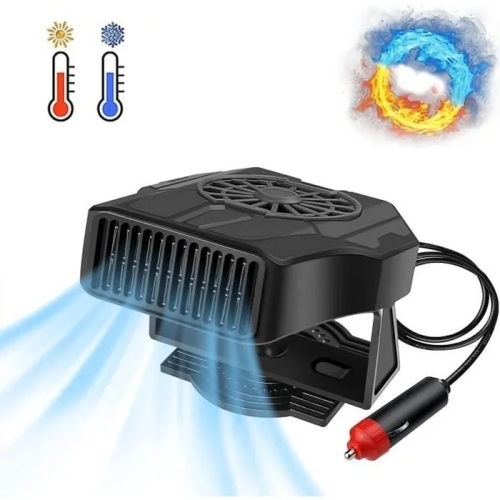
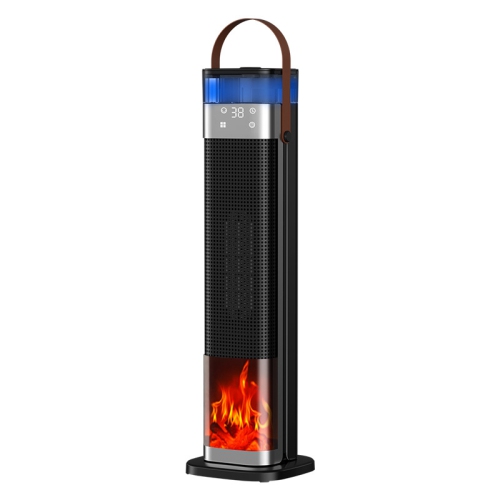
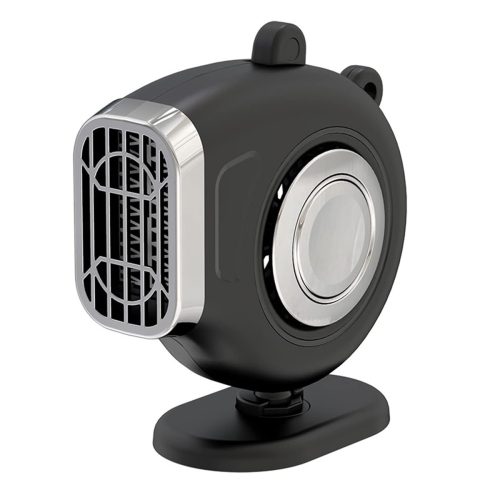
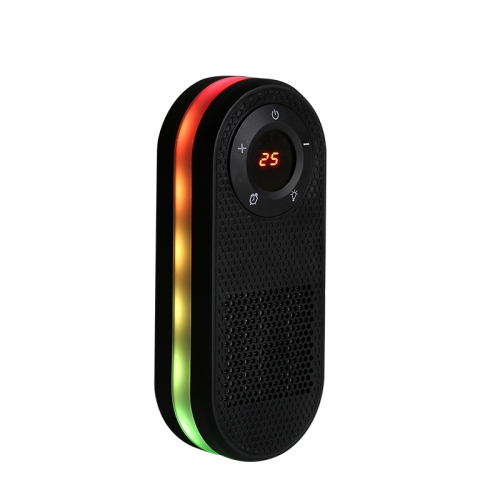
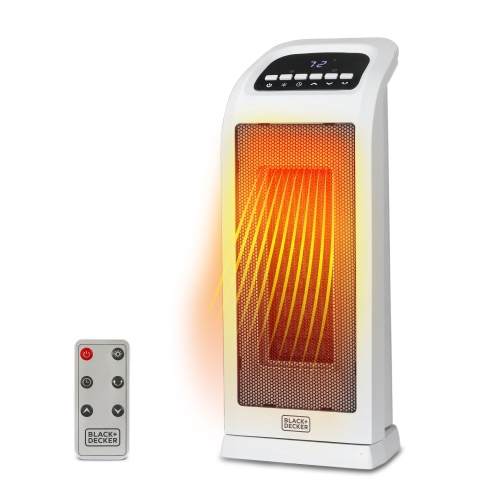
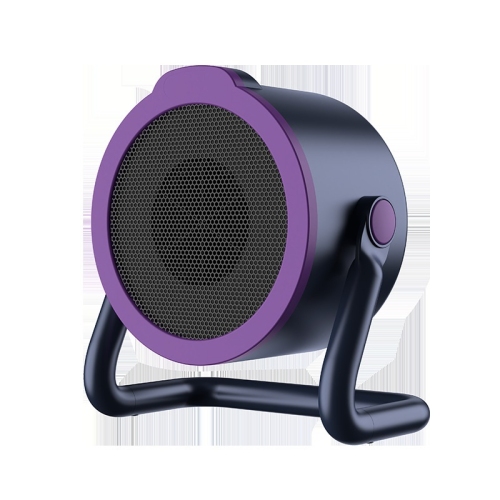
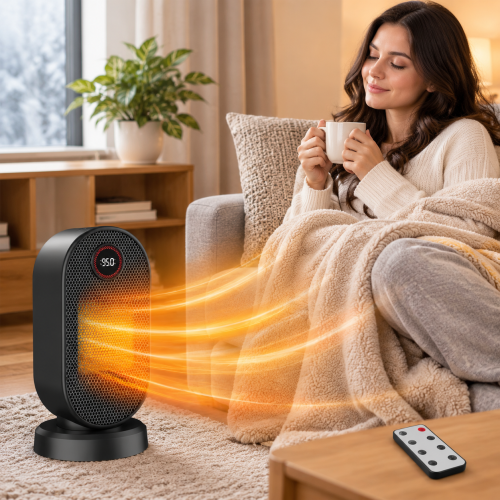
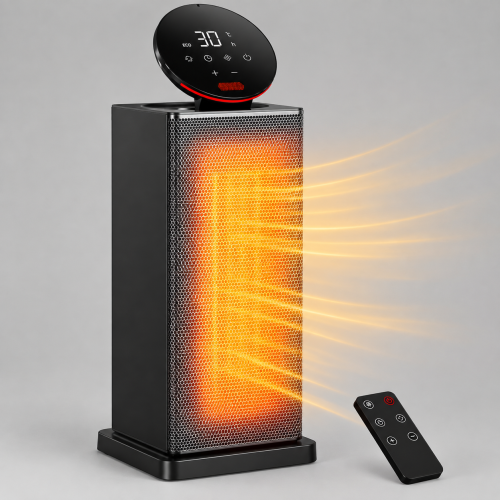
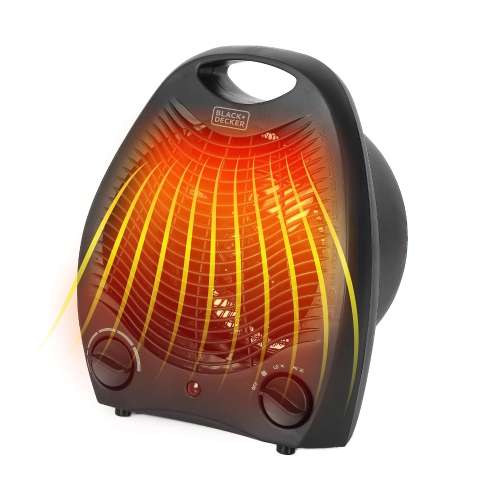
Fan heaters provide fast, direct warmth by using an electric fan to move air across a heating element and into the surrounding space. The element may be a metal coil or a ceramic component, but the basic process is the same: air enters through an intake, passes over the heated surface, and leaves through a grille. This forced-air design makes fan heaters useful for localized heating, whether that means taking the chill out of a home office or adding warmth near a favourite reading chair. Warm airflow can be felt soon after the heater starts, although bringing an entire room to a comfortable temperature takes longer and depends on the room’s size, insulation, ceiling height, and drafts. Portable fan heaters are generally intended to supplement a home’s main heating system rather than replace it throughout the house. Their compact proportions suit spaces where a larger appliance would be awkward, while their directed airflow helps deliver warmth where people are sitting or working. Ceramic designs often use self-regulating heating elements, but they still require the same attention to placement and safe operation as other portable heaters. Housing materials commonly include heat-resistant plastic and metal, with protective grilles separating the heating components from everyday contact. A sturdy base, securely fitted controls, and a comfortable carrying handle contribute to practical daily use, especially when the heater moves between rooms. The grille and nearby surfaces may become hot, so a compact size should never be mistaken for a cool-touch design. Heating performance is influenced more by the appliance’s rated power and the space being heated than by its appearance. Two electric resistance heaters drawing the same power produce broadly similar amounts of heat; differences in airflow, thermostat control, and placement affect how that warmth feels. For someone spending several hours at a desk or relaxing in a smaller sitting area, a fan heater can add targeted comfort without requiring a permanent installation.
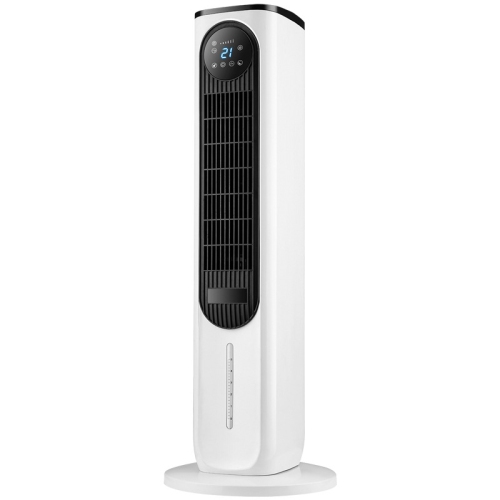
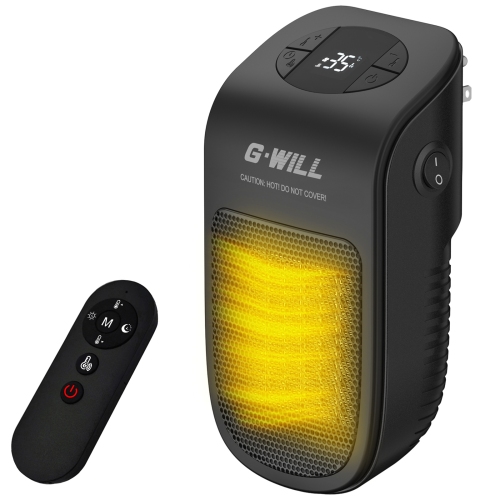
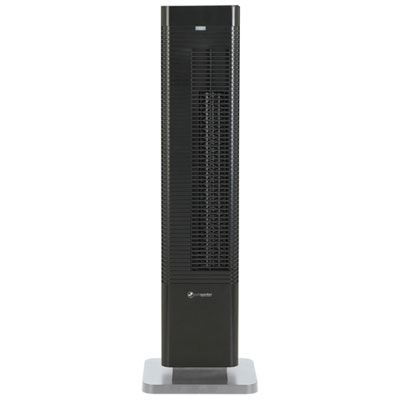
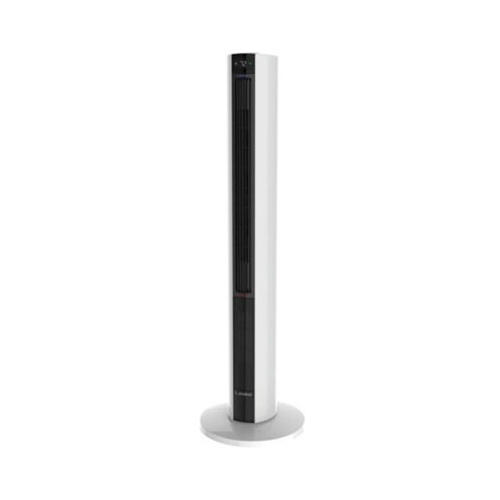
The right fit involves more than finding a heater that occupies little floor space. A low-profile unit may suit an open area beside a workstation, while an upright tower can offer a smaller footprint and a higher air outlet. Neither shape removes the need for clear space around the appliance, and floor-standing designs should not be placed on a desk unless their instructions expressly permit it. For a workstation where compact proportions are especially important, Desk Heaters offer a related category to consider, with placement requirements remaining an essential part of the fit. A carrying handle and manageable weight are useful when moving a heater from a study to a sitting room, provided it is switched off, unplugged, and allowed to cool first. Controls also shape the daily experience. Simple dials can make adjustments straightforward, while digital displays may offer a temperature setting that is easier to read. An adjustable thermostat cycles heating to help maintain the selected level of warmth; its reading can differ from a wall thermostat because it measures conditions near the appliance. Multiple heat settings allow the output to be adjusted, and an oscillating design sweeps airflow across a wider area instead of keeping it aimed in one direction. A timer can limit a heating session, but it does not make unattended operation safe. Some designs include a fan-only setting, which circulates room air without heating it and does not cool the air like an air conditioner. Sound matters, too: the fan produces a steady airflow noise that may be noticeable during video calls, quiet reading, or television viewing. Published sound ratings, where provided, can help set expectations, although the selected setting and nearby surfaces influence what is heard. Many household portable heaters have a maximum setting of 1,500 watts, but the appliance label is the reliable source for its actual power requirements. Room coverage claims are best considered alongside the layout: an enclosed office and an open living area with a staircase will not retain warmth in the same way.
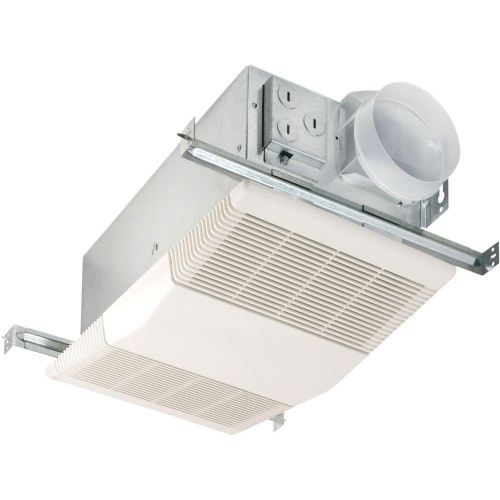
Safe placement and regular care are central to living with a fan heater. It belongs on a firm, level surface in a position approved by the manufacturer, away from foot traffic and somewhere its cord will not create a tripping hazard. Keep curtains, bedding, clothing, papers, and upholstered furniture clear of the heater, following the specified clearance distances; a separation of at least one metre from combustible materials is commonly recommended, and greater clearance may be required. Both the air intake and outlet need unobstructed space, so a heater should not be tucked beneath hanging fabric, covered, or used to dry laundry. Plug a portable electric heater directly into a suitable wall outlet rather than an extension cord or power bar, and follow its electrical requirements. A loose plug, damaged cord, discoloured outlet, or plug or outlet that becomes hot is a reason to stop using it and have the issue assessed. Tip-over shutoff and overheat protection are valuable features, but neither replaces supervision or correct placement. Look for an electrical certification mark recognized in Canada, and check the instructions for any restrictions on use. Children and pets need space away from the appliance, including models whose outer housing stays cooler than the outlet grille. Switch the heater off and unplug it before leaving the room or going to sleep. Ordinary indoor fan heaters are not automatically suitable for bathrooms, damp basements, garages, or workshops; those locations require an appliance specifically designed for the conditions, with particular attention to moisture, dust, and flammable materials. Care is usually straightforward: unplug the heater, let it cool completely, and remove surface dust from accessible grilles as directed in the manual. Avoid spraying cleaners into openings or immersing any part of the appliance in water. Keeping airflow paths clear helps the heater operate as intended, while occasional checks of the cord, base, and controls can reveal wear before further use. For storage, allow the unit to cool and keep it in a dry location with the cord arranged loosely rather than wrapped tightly around the housing. These practical details help make a fan heater a dependable addition to a frequently used room.
Top selling and popular products
-
 Your price for this item is $549.99
-
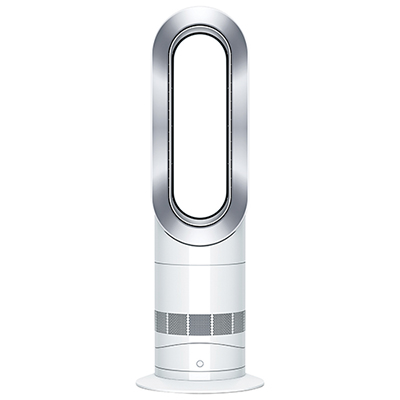 Your price for this item is $549.99
-
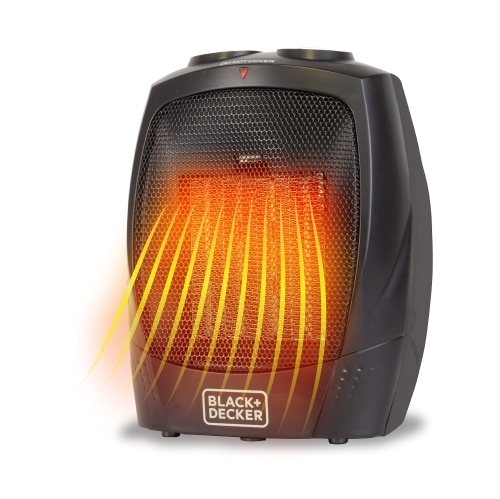 Your price for this item is $41.99
-
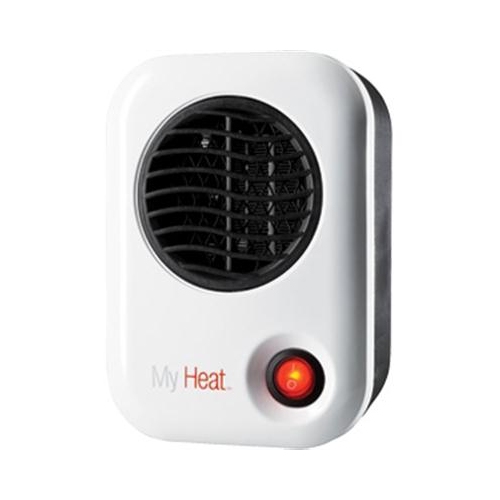 Your price for this item is $136.99
-
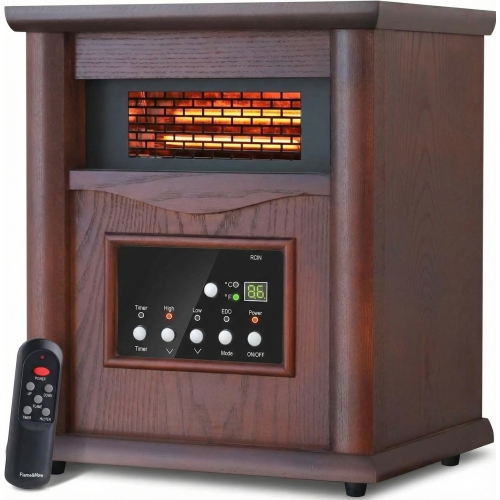 Your price for this item is $159.95
-
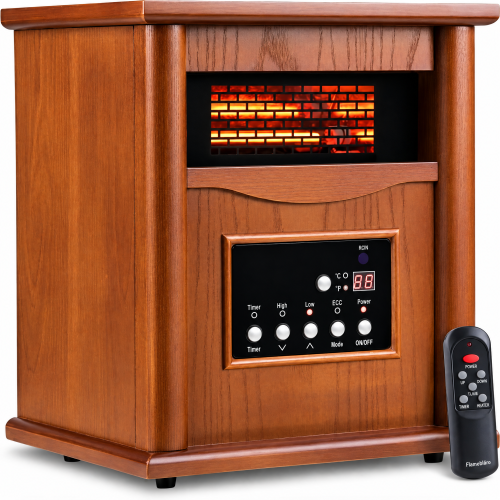 Your price for this item is $159.95
-
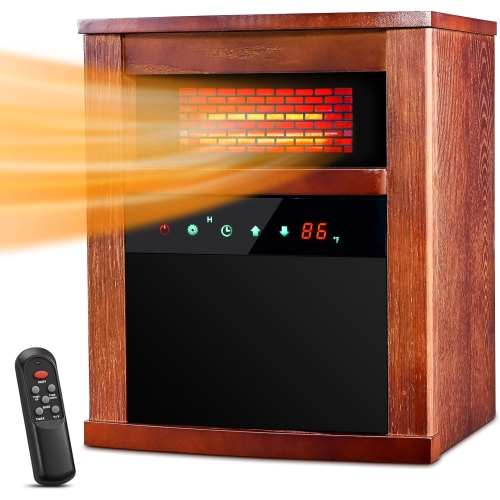 Your price for this item is $219.95
-
 Your price for this item is $159.95
Discover more categories related to Fan Heaters
Top Collections:
Best Black Friday Deals This Year, Best Black Friday Deals On Electronics, Kindle Devices, Pokemon Centers, Best Black Friday Deals On Apple Products, Best Cameras for Sports Photography, Dyson Airwrap, Pokémon 30th Celebration Cards, Apple iPhone 17 Pro, Canon G7X Cameras
Some products may be subject to Environmental Handling Fees
(EHF) depending on your province.
Learn more about EHFs.