Flat Mops
Looking for a convenient and efficient way to keep your floors sparkling clean? Look no further than our selection of flat mops. Designed to make cleaning a breeze, flat mops are perfect for tackling dirt, dust, and spills on a variety of flooring surfaces. With their sleek design and easy-to-use features, flat mops are a must-have tool for any home or office space. Say goodbye to traditional mops and hello to the future of floor cleaning with our range of high-quality flat mops.
Sort

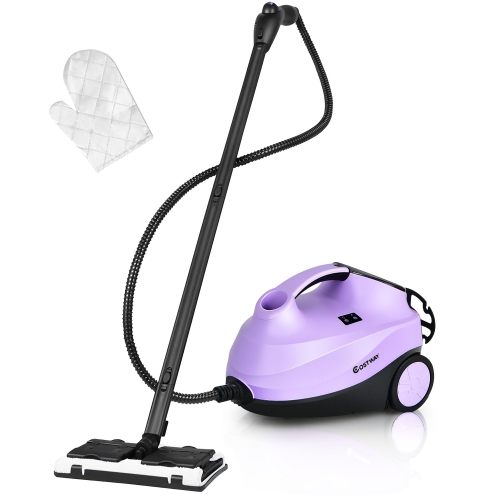
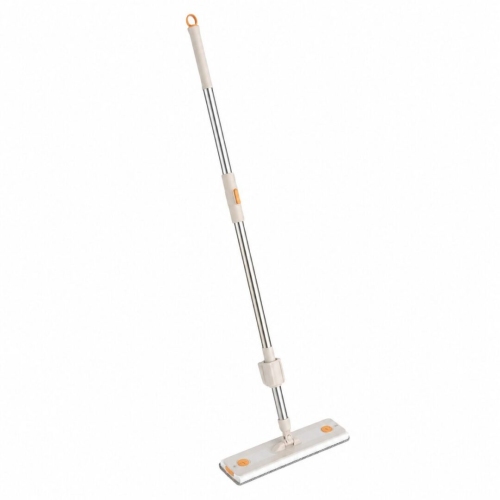


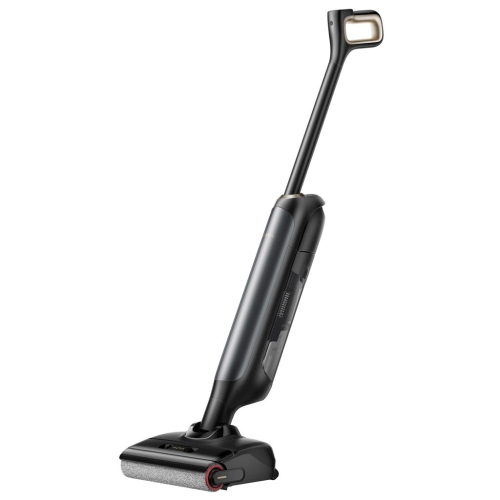
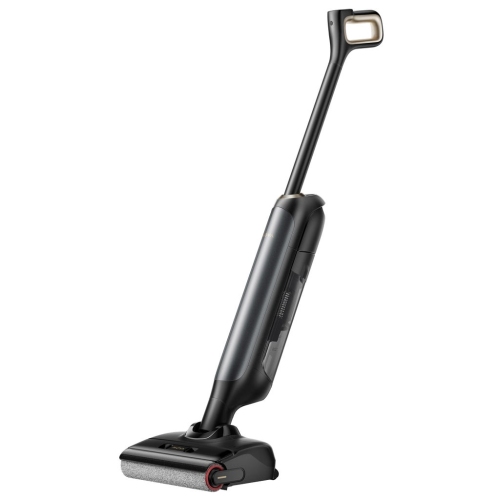
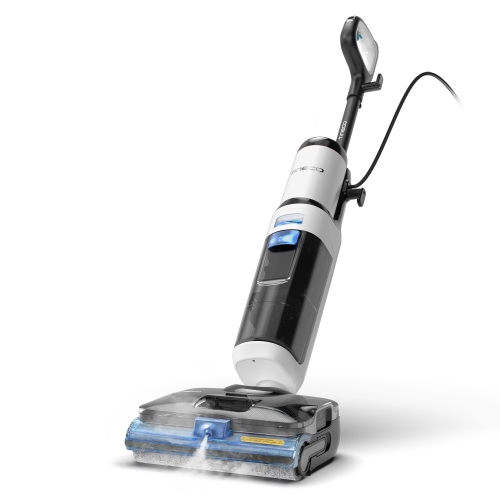

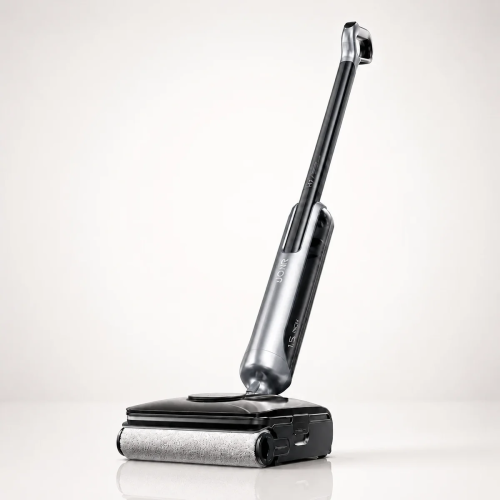

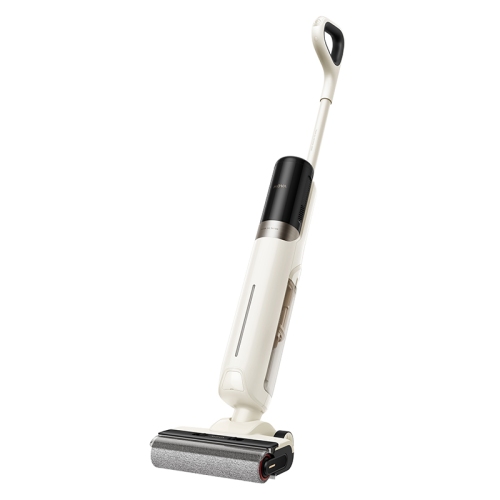
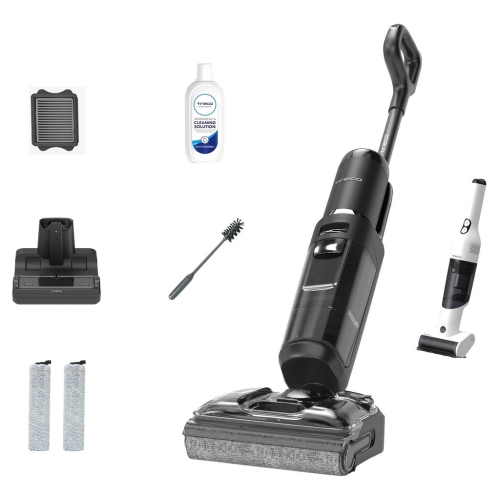
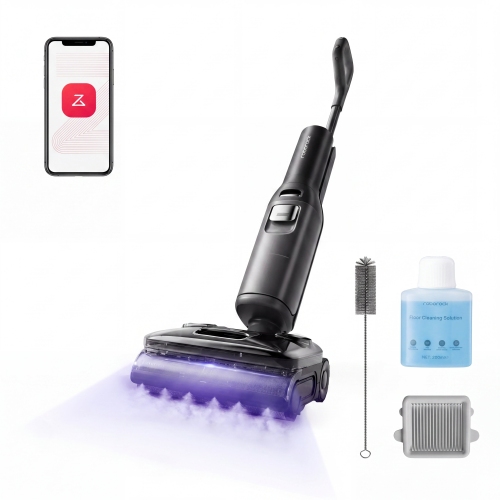
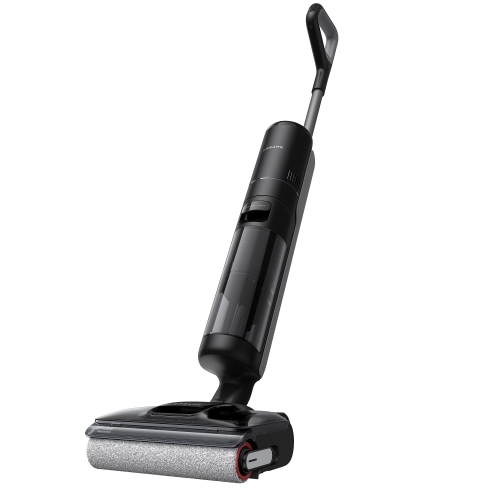

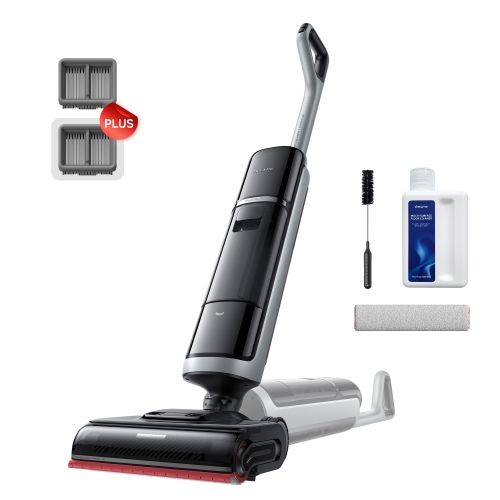

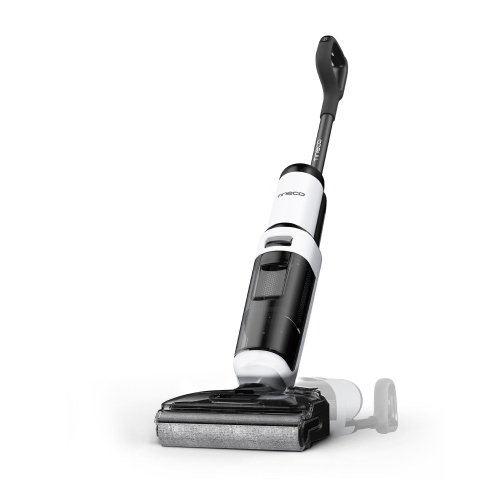
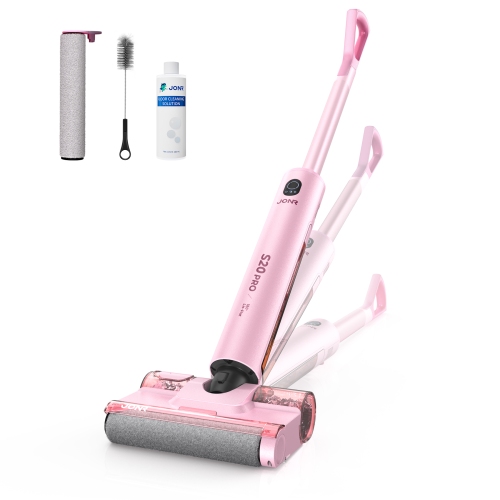

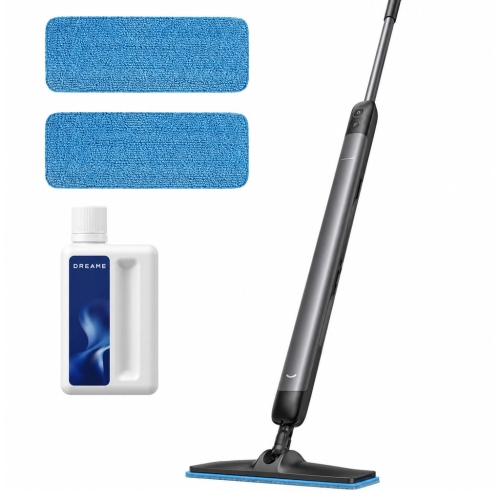
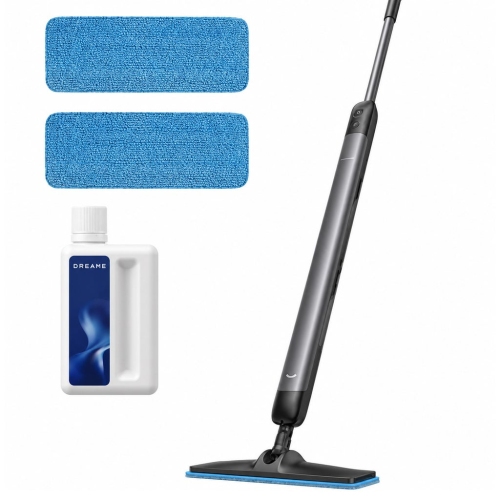


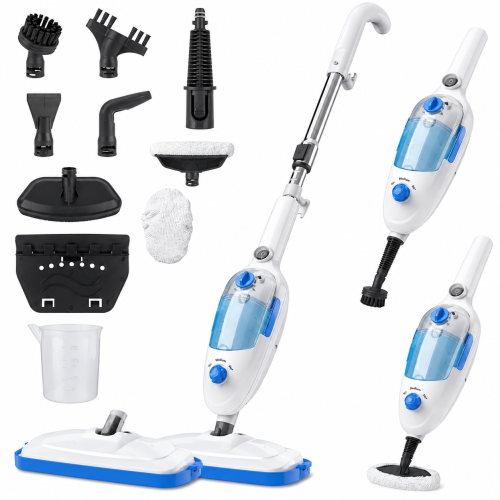
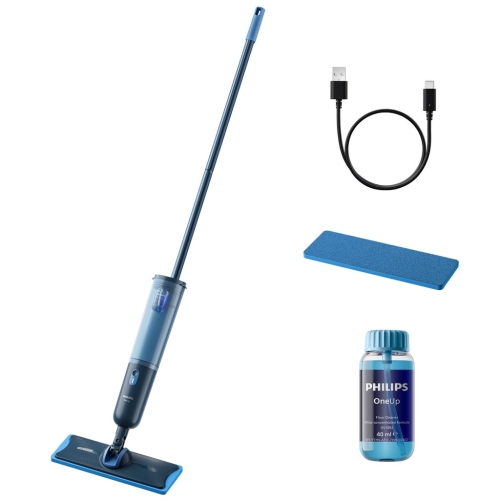

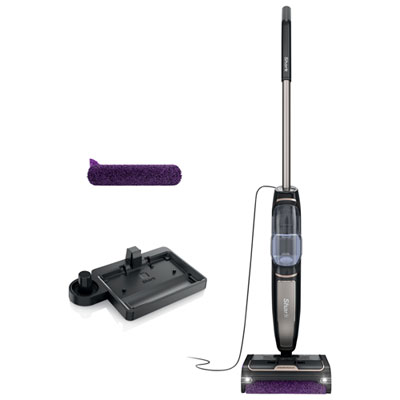

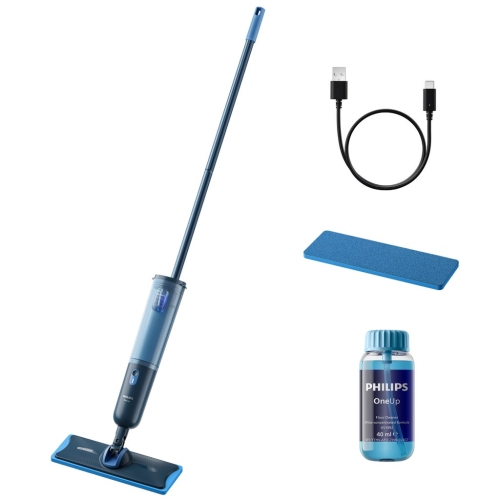
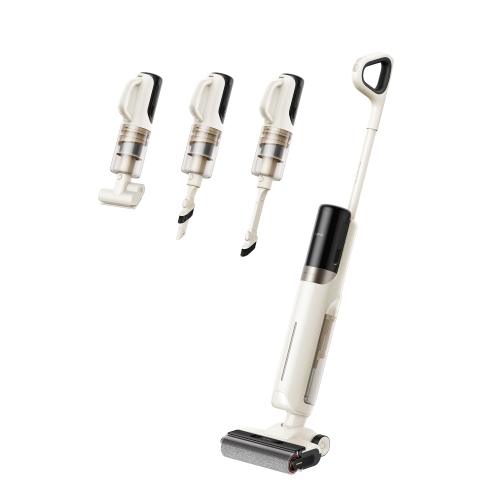
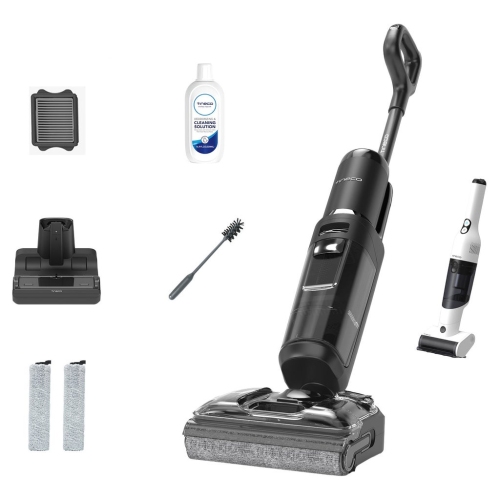
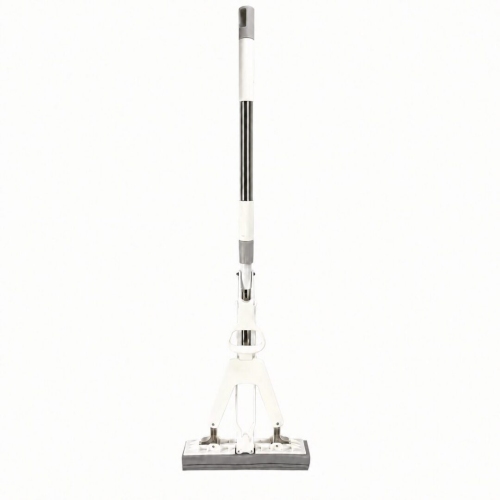
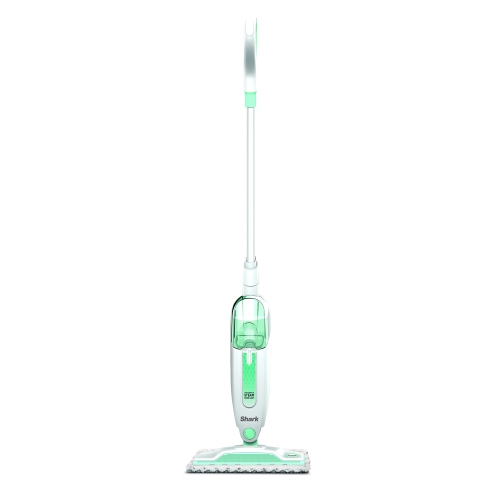
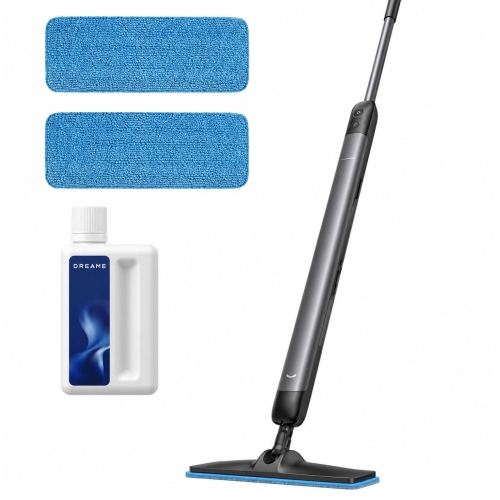
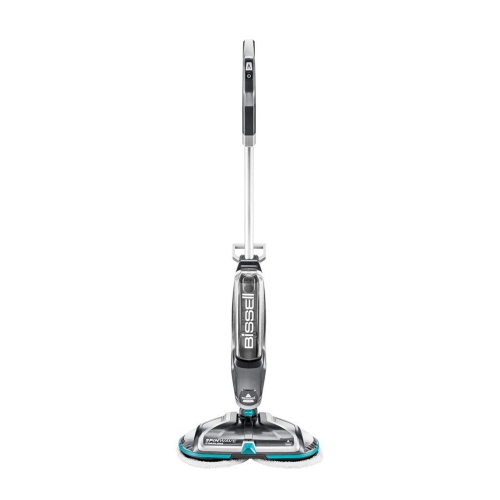

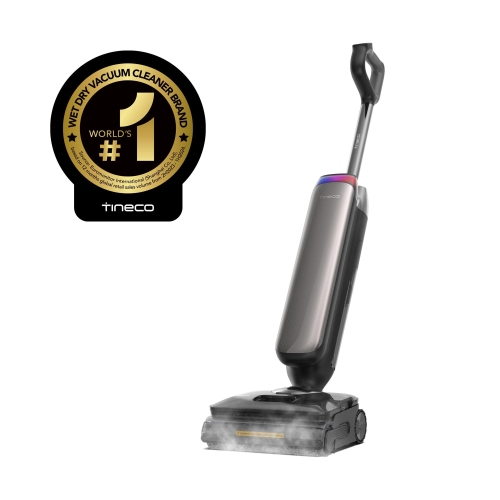
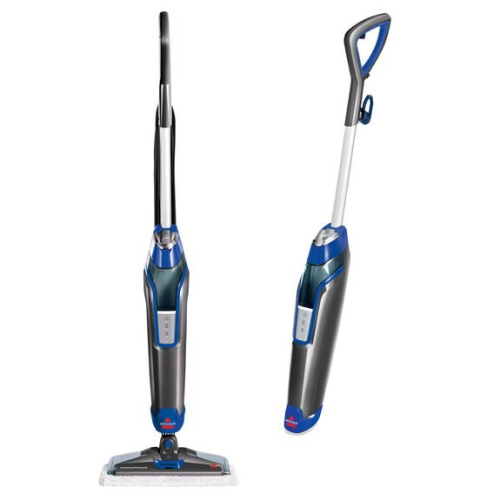
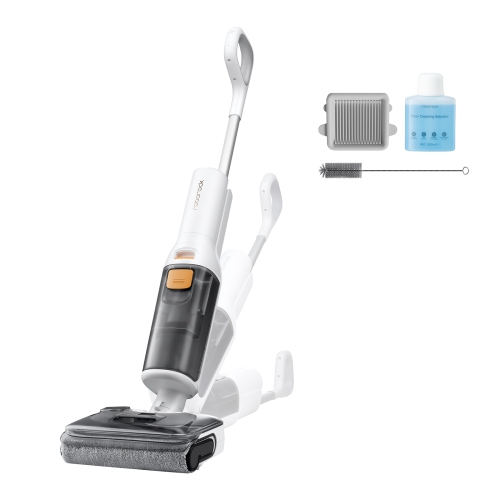

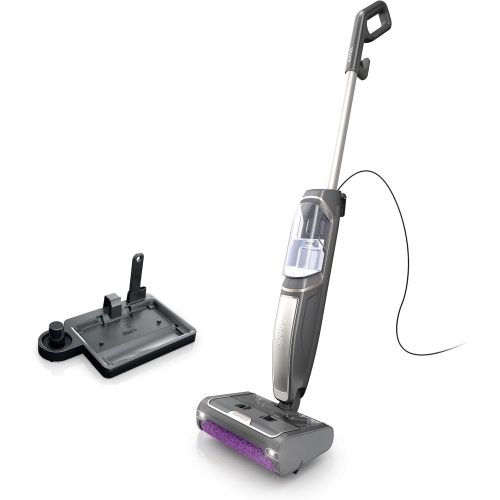


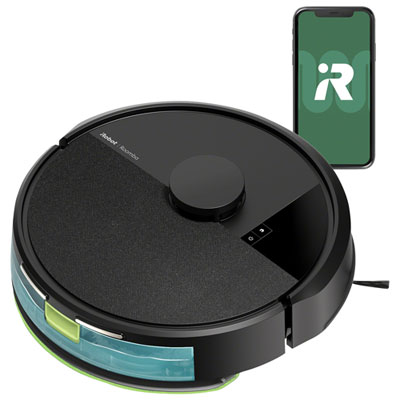
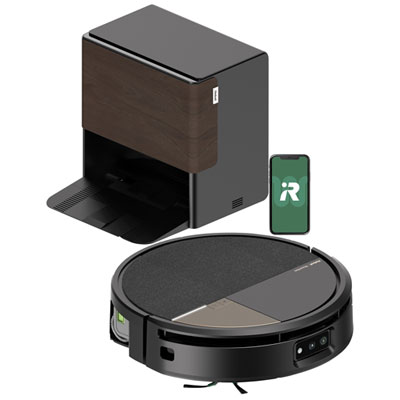
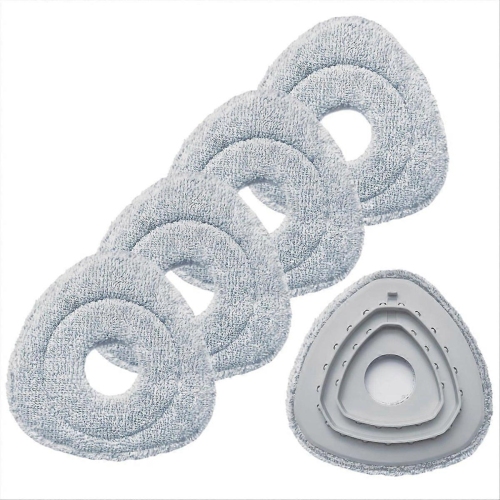

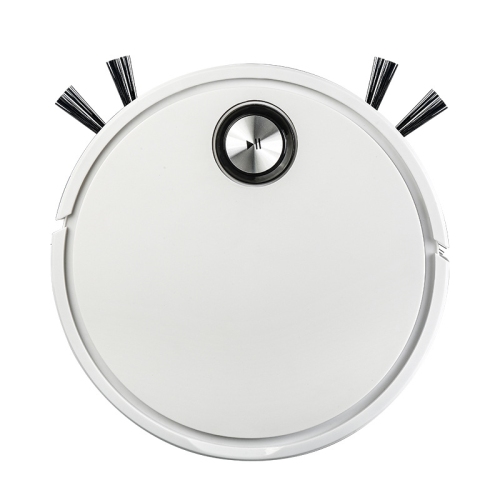
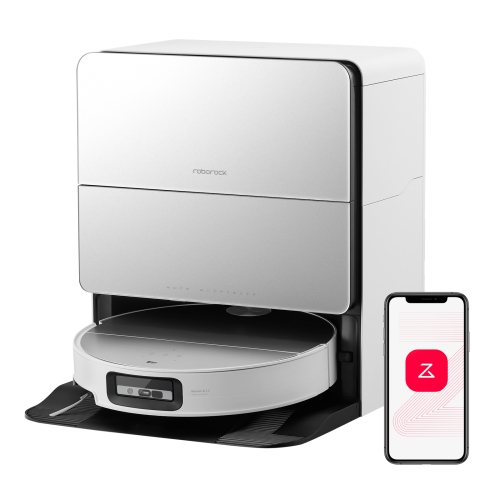
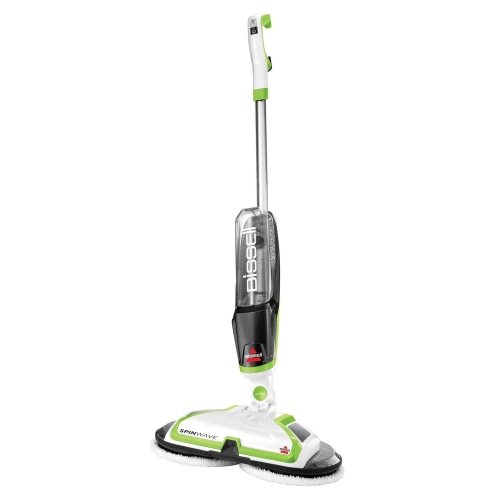
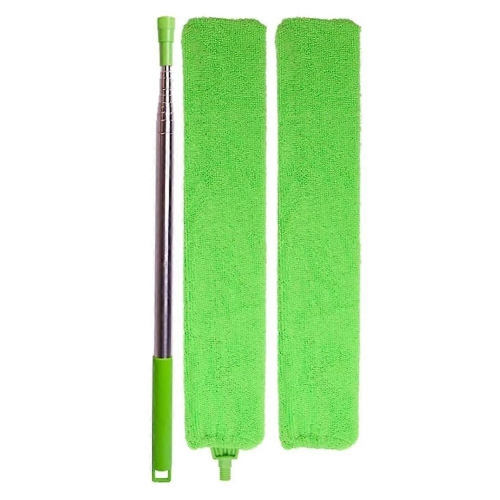
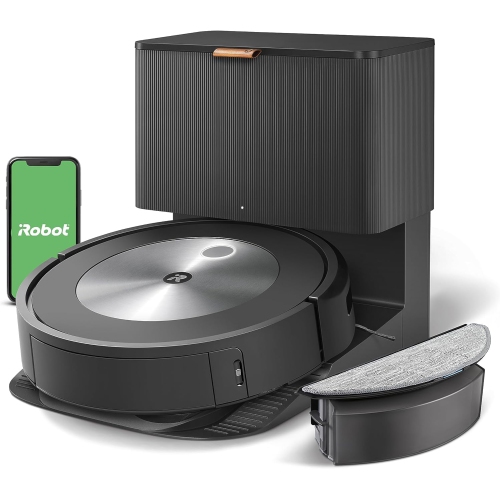

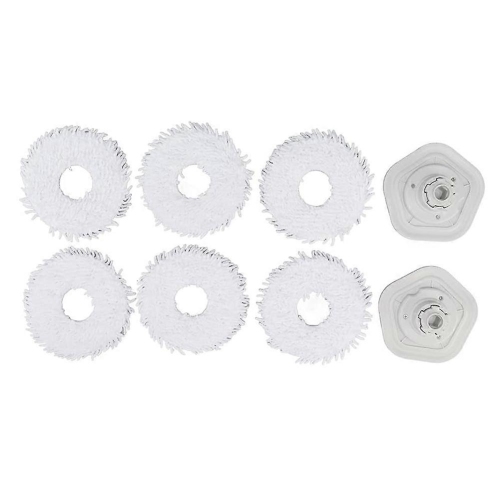
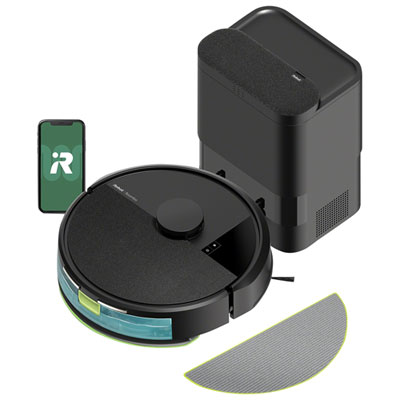
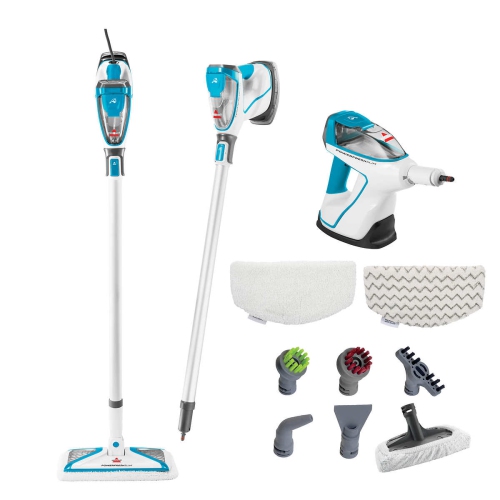

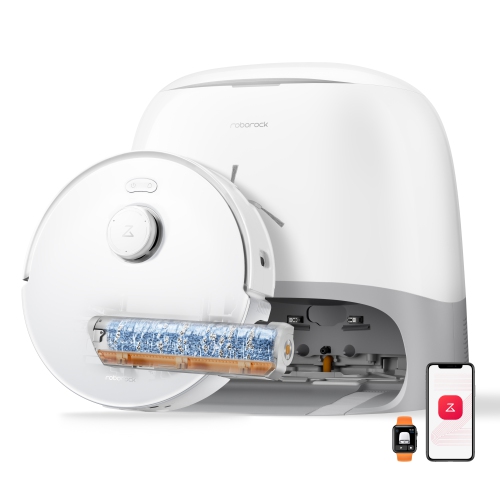
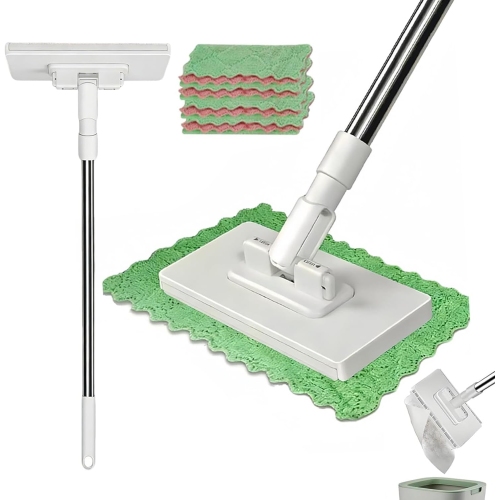
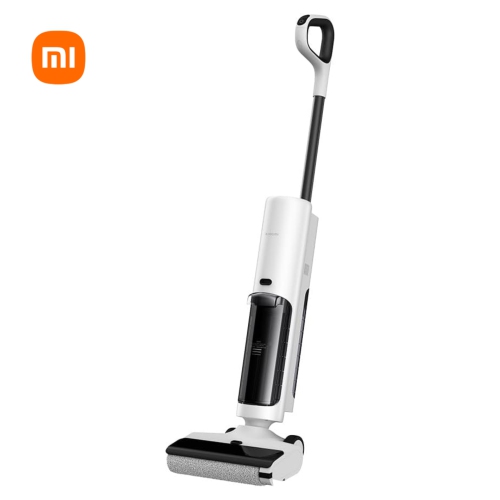

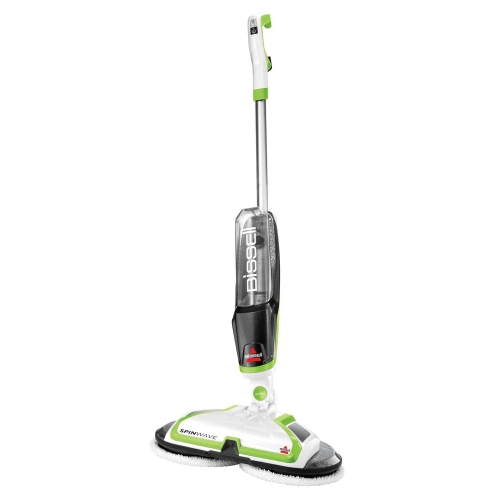
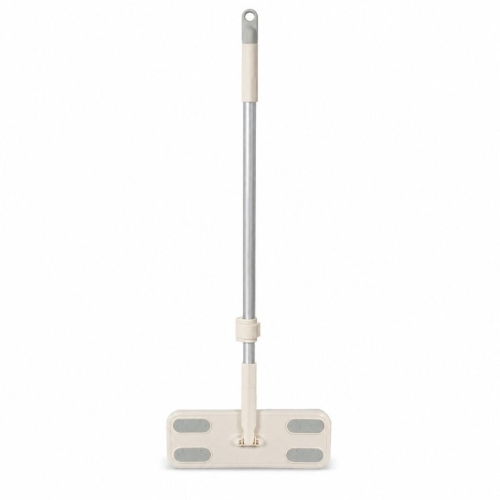

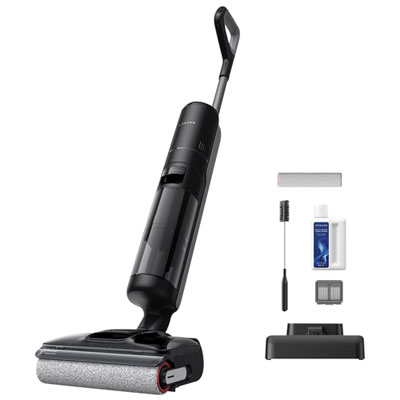
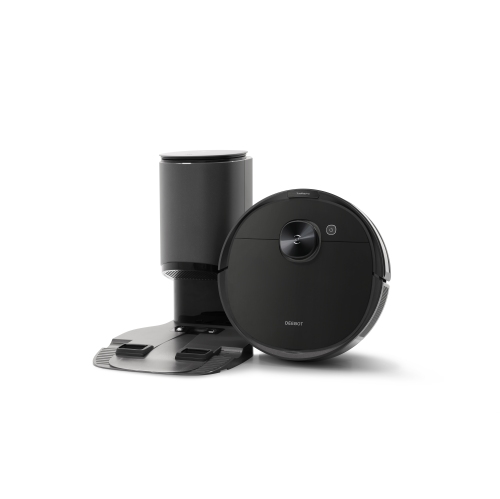
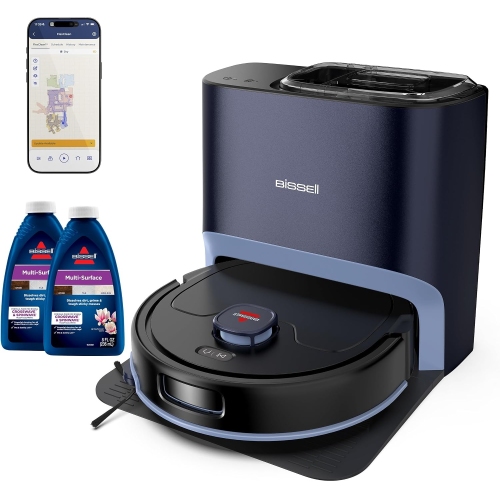


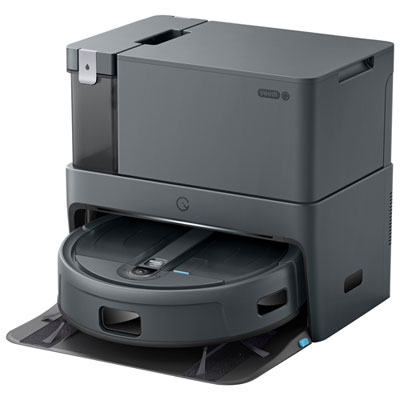
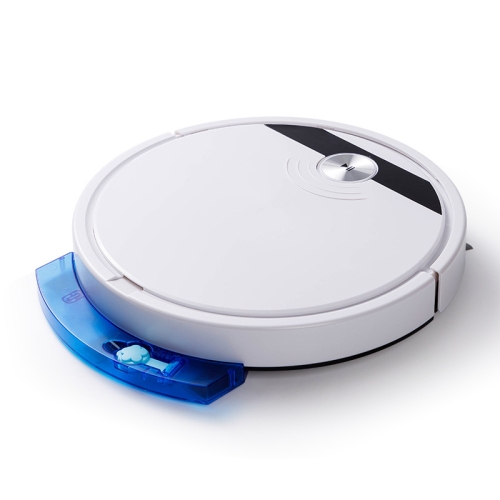
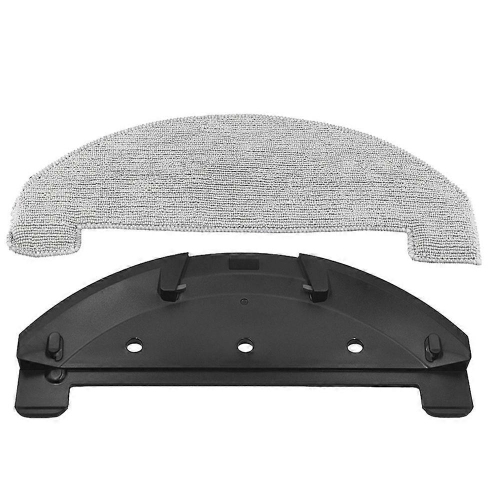


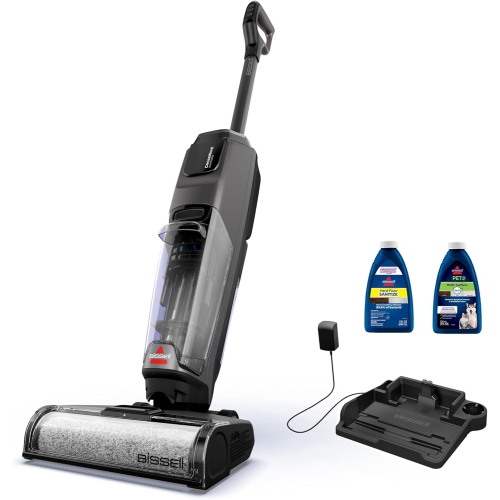
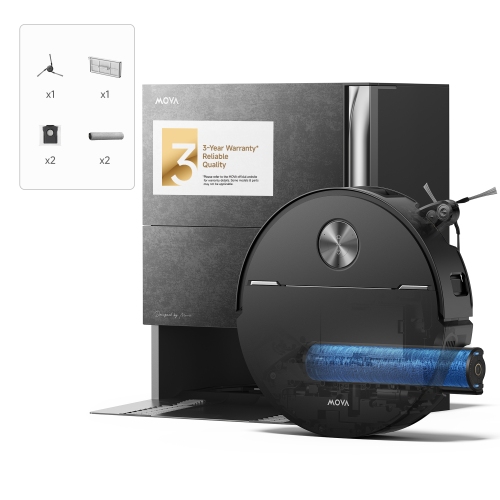
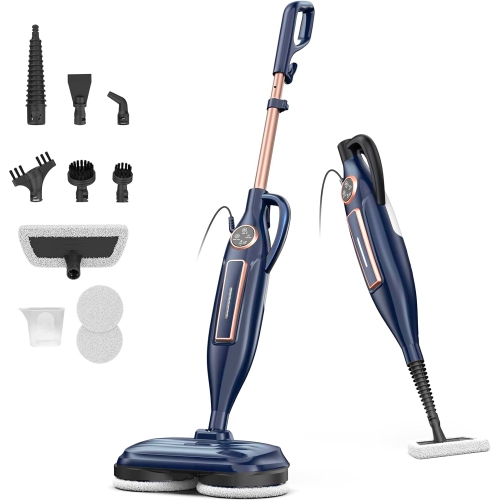
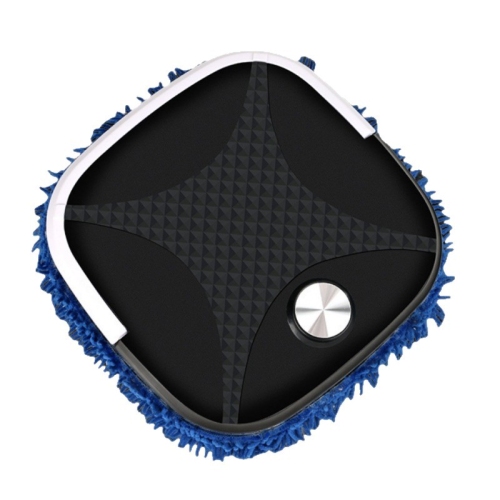

Low-profile heads reach beneath furniture for everyday floor cleaning
Flat mops are hard-floor cleaning tools with a broad, low-profile head and an attached cleaning pad that sits flat against the floor. Most have a rectangular head, although shapes and edge designs vary, and use either washable or disposable pads to collect dust, hair, and everyday dirt. Their slim shape makes them useful for reaching beneath beds, alongside kitchen cabinets, and around dining furniture without moving every piece out of the way. A swivelling joint helps the head turn around chair legs and follow the edges of a room, while the wide cleaning surface covers open areas with fewer passes than a narrow head. Flat mops suit many smooth, sealed hard floors, including certain hardwood, laminate, vinyl, and tile surfaces, provided the pad, cleaning solution, and moisture level meet the flooring manufacturer’s care requirements. The flat head alone does not make a mop safe for every finish; the amount of water left on the floor matters just as much. Dry pads can gather loose dust and pet hair between deeper cleans, while damp pads help lift light spills, footprints, and the fine film that builds up in busy rooms. For a kitchen with crumbs under the table or a hallway marked by everyday foot traffic, that combination can make routine upkeep more manageable. Heavier grit is best removed with a broom or vacuum first so it does not become trapped beneath the pad and drag across the finish. Flat mops are particularly practical in apartments, condos, and homes where storage space is limited, though wider heads also suit larger stretches of flooring. Within the broader range of floor cleaning mops, they offer a compact format for regular surface cleaning rather than the concentrated scrubbing sometimes needed for deeply textured tile or recessed grout lines.
Pad material and construction influence how a flat mop feels in use and the type of mess it handles best. Microfibre pads use fine fibres to capture dust and hold moisture, with textures ranging from smooth, closely woven surfaces to thicker loops or mixed-fibre strips. A soft pad can glide comfortably over a suitable sealed floor, while a more textured pad may provide extra friction for dried splashes when approved for that surface. Cotton and blended-fibre pads offer other absorbent options, though drying time, lint, and washing requirements vary. Reusable pads are designed to be removed for cleaning, while disposable pads are replaced after use according to their instructions. Neither format is universally compatible with every mop head. Dimensions, attachment points, and the shape of the backing all affect whether a pad stays secure as the mop changes direction. Hook-and-loop fasteners, pockets, clips, and other attachment systems should hold the pad flat without leaving loose edges that bunch beneath the head. A pad that wraps slightly around the sides can help collect dust along skirting boards, although exposed hard edges still need care around painted trim and furniture. Head width also changes the experience: a broader head covers a living room efficiently, while a smaller one fits more comfortably between bathroom fixtures or beneath a compact table. Handle length matters for posture, particularly when several people share cleaning tasks. An adjustable shaft can accommodate different heights and shorten for storage, while a secure locking mechanism helps prevent it from sliding down during use. Lightweight aluminium, coated steel, and plastic components each contribute differently to weight and handling; joint construction and overall balance matter alongside the material itself. A comfortable grip and a head that pivots smoothly can reduce awkward wrist movements, but very flexible joints may feel less controlled when working on a stubborn spot. For people who find lifting a full bucket difficult, the total weight of the cleaning setup deserves as much attention as the mop’s stated weight.
Different flat mop formats suit different household routines. A basic pad mop can handle dry dusting or damp cleaning with a separately moistened pad, making it a straightforward choice for small spaces and quick touch-ups. Spray flat mops carry a reservoir on the handle and dispense liquid ahead of the head, allowing small sections of floor to be cleaned without carrying a bucket from room to room. The reservoir capacity, trigger action, and permitted cleaning liquids vary, and a full tank adds weight to the handle. Bucket-and-wringer systems provide a place to rinse and remove excess water from compatible pads. Some designs separate clean and dirty water, while others use distinct washing and wringing sections; separate chambers do not necessarily mean that fresh water remains isolated throughout cleaning. The amount of effort needed to wring the pad and the space required to store the bucket can make a noticeable difference in daily use. Whatever the format, moisture-sensitive flooring generally calls for controlled dampness rather than saturation, with no standing liquid left at seams or edges. A washable pad also needs regular care to keep cleaning effectively. Following its laundry instructions, removing trapped hair, and allowing it to dry fully before storage help prevent lingering odours and dirt transfer. Fabric softener can affect the performance of microfibre, so pad-specific washing directions are important. Worn backing, flattened fibres, and damaged fasteners can leave a pad less secure or less effective, even when the handle remains in good condition. Replacement-pad compatibility therefore matters for long-term use. Households with pets may prefer to keep separate pads for collecting hair and damp cleaning, while separate bathroom and kitchen pads help keep cleaning tasks distinct. For shared homes, a simple attachment system and clearly identified pads can make the routine easier for everyone to follow. Whether used for a small patch beside the sink or a full sweep through an open-plan room, a well-matched flat mop brings together suitable reach, manageable weight, and floor-appropriate cleaning without unnecessary bulk.
Top selling and popular products
-
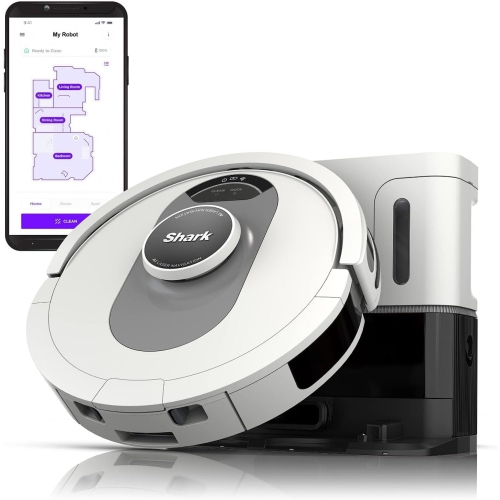 Your price for this item is $699.99
-
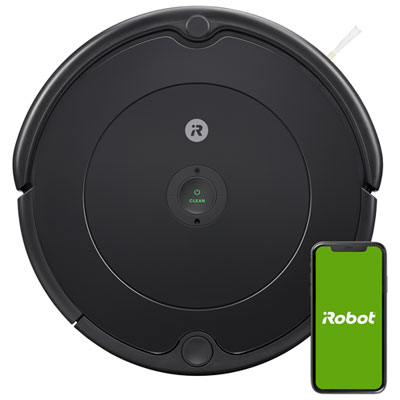 Your price for this item is $279.97
-
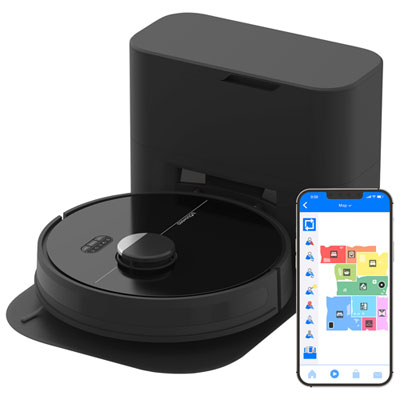 Your price for this item is $1029.99
-
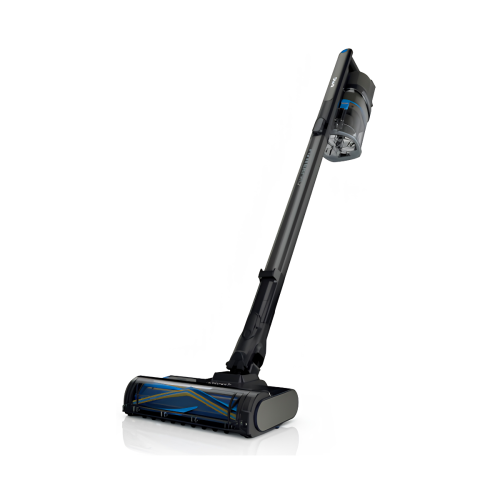 Your price for this item is $399.99
-
 Your price for this item is $999
-
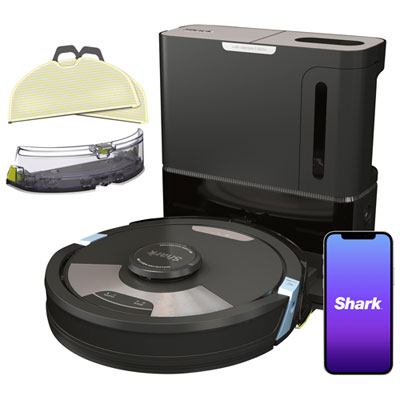 Your price for this item is $899.99
-
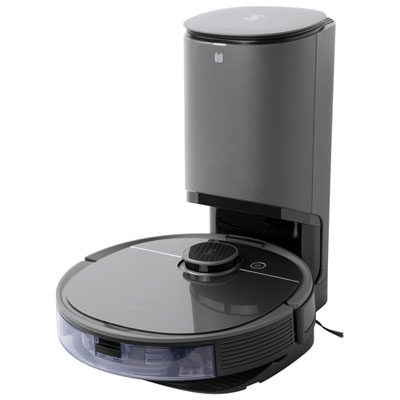 Your price for this item is $799.95
-
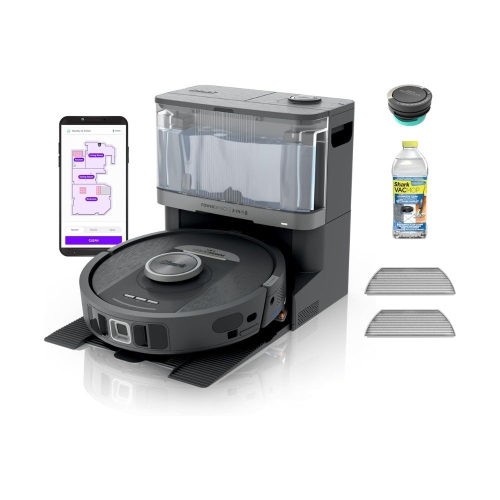 Your price for this item is $1149.99
Discover more categories related to Flat Mops
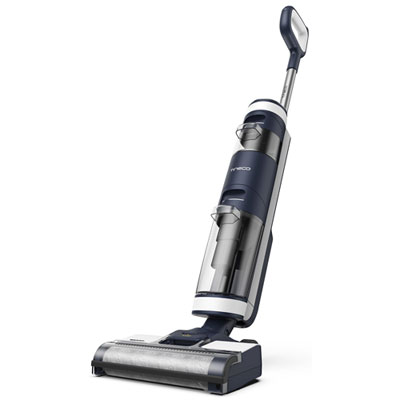

Top Collections:
Pokemon Centers, Kindle Devices, Best Cameras for Sports Photography, Pokémon 30th Celebration Cards, Apple iPhones 16, Canon G7X Cameras, iPhone 15 Apple, Flip Phones, Samsung Galaxy Phones, Alarm Clock
Some products may be subject to Environmental Handling Fees
(EHF) depending on your province.
Learn more about EHFs.