Food Dicers
Our collection of food dicers is here to make your meal prep a breeze. Whether you're a seasoned chef or just starting out, these handy tools are designed to effortlessly chop, slice, and dice your ingredients with precision and speed. From fruits and vegetables to meats and cheeses, our food dicers offer a versatile solution for all your culinary needs. Say goodbye to tedious chopping and hello to perfectly diced ingredients in no time. Explore our range of food dicers today and take your cooking skills to the next level.
Sort


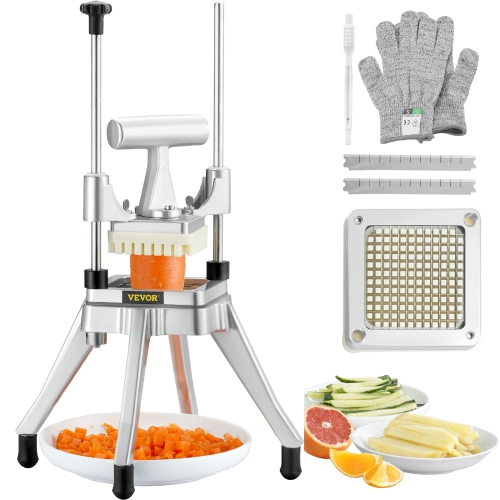
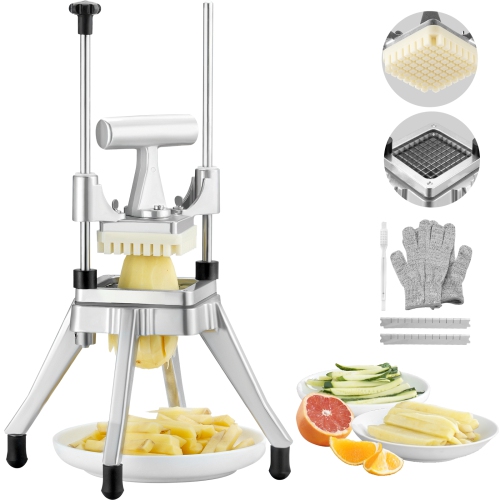
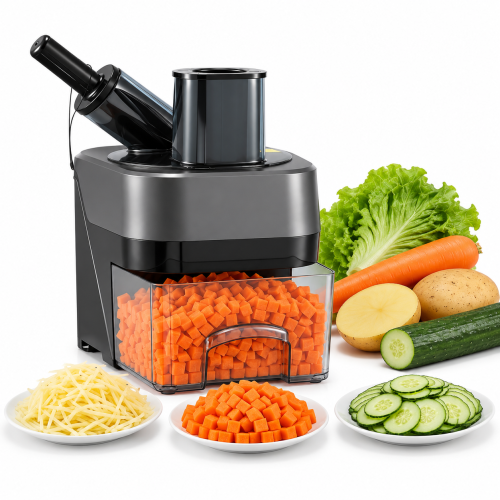
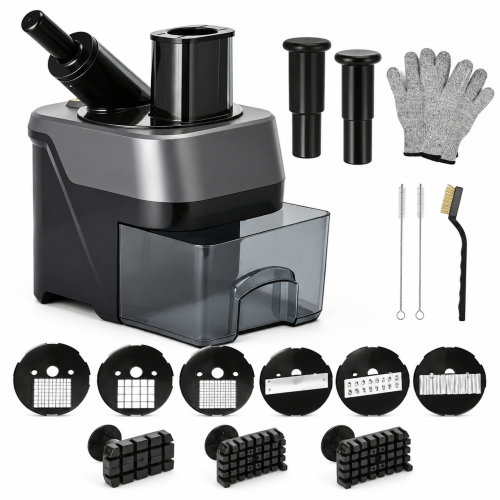
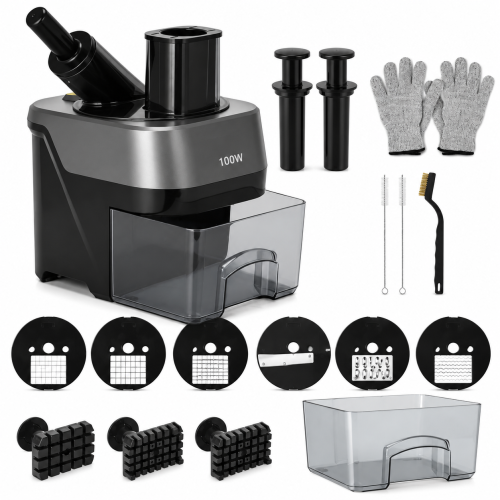
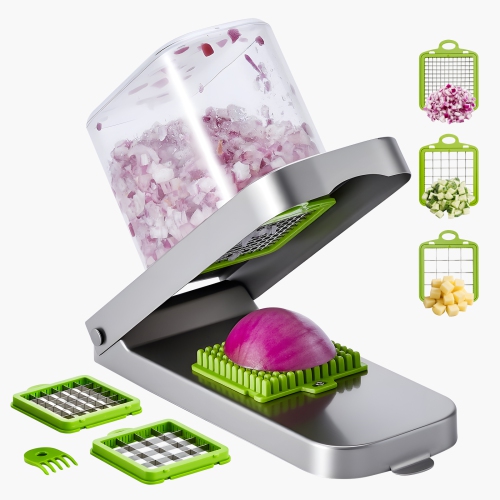
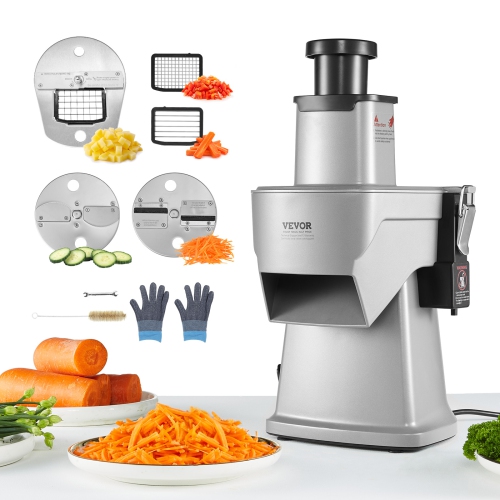

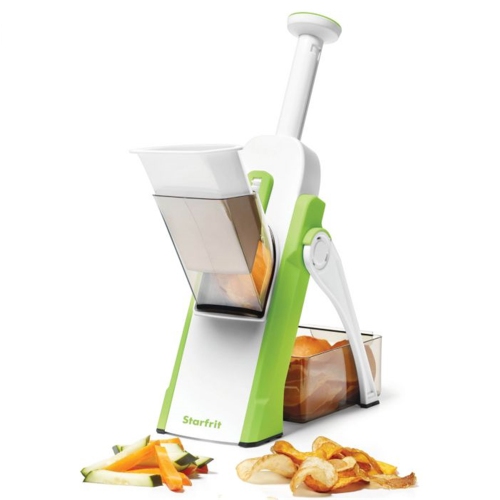
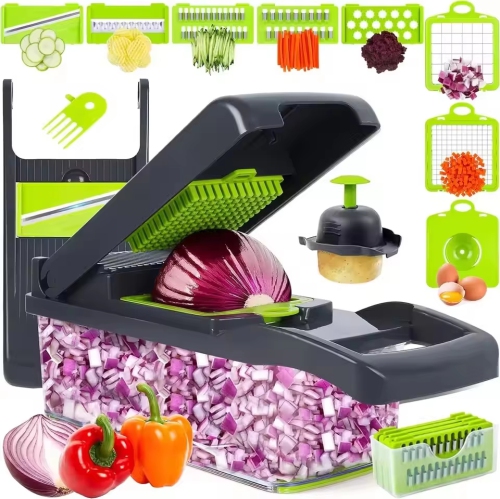
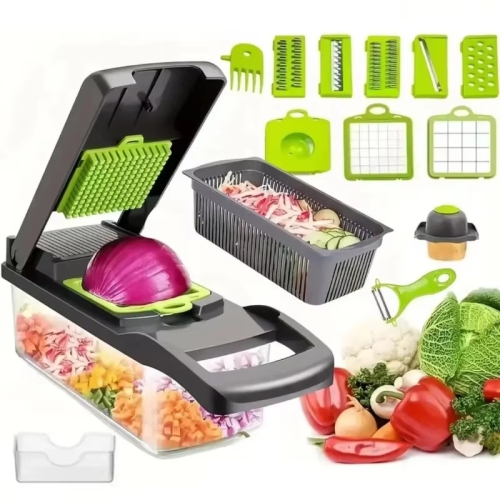

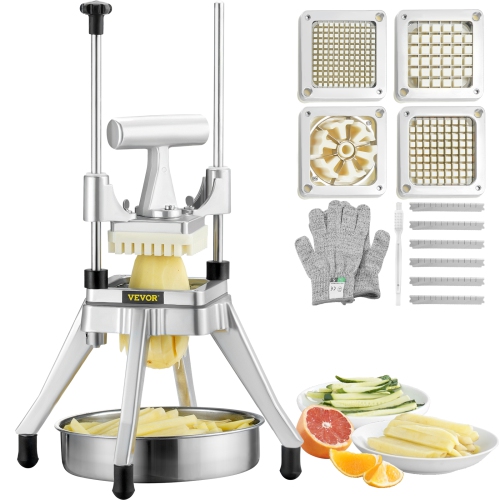
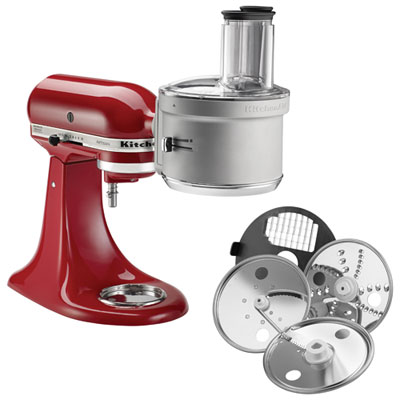
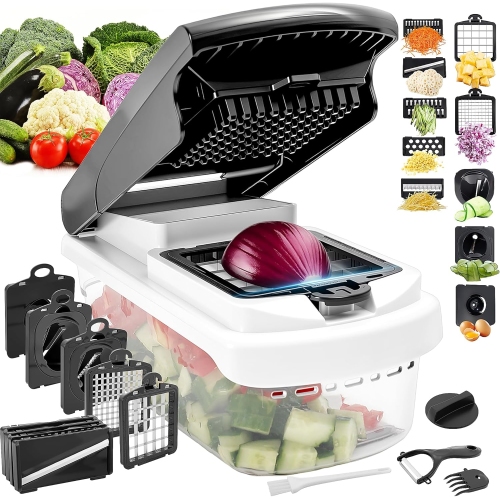
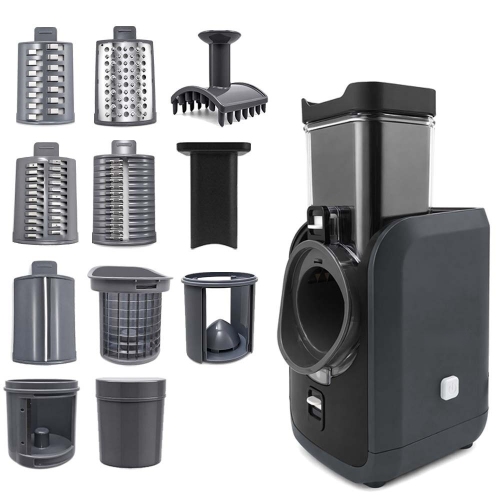
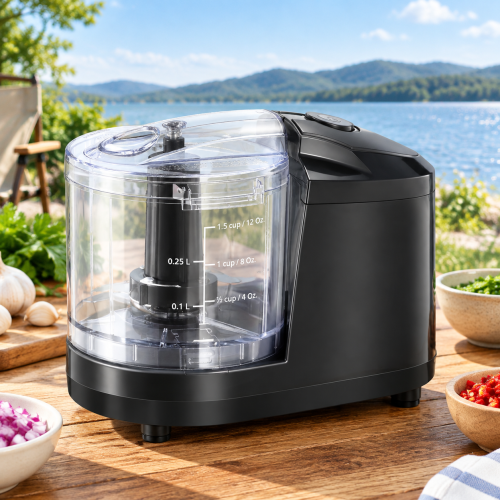
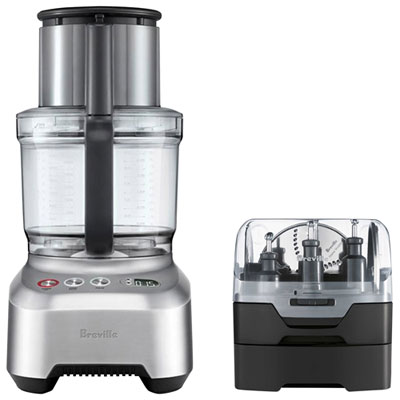

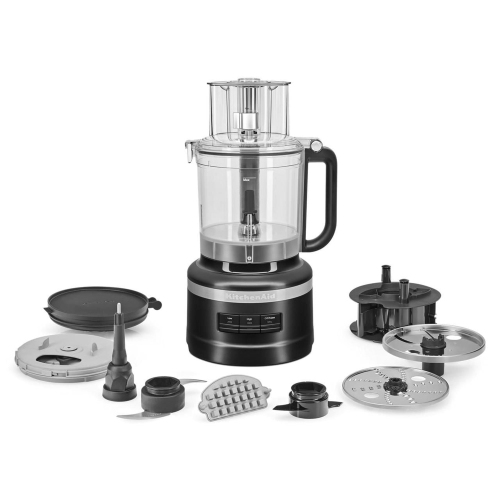
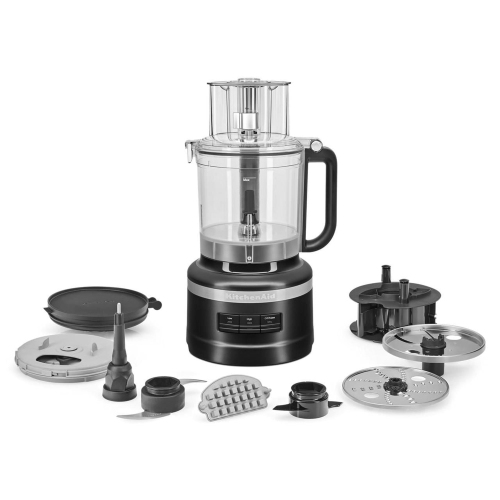
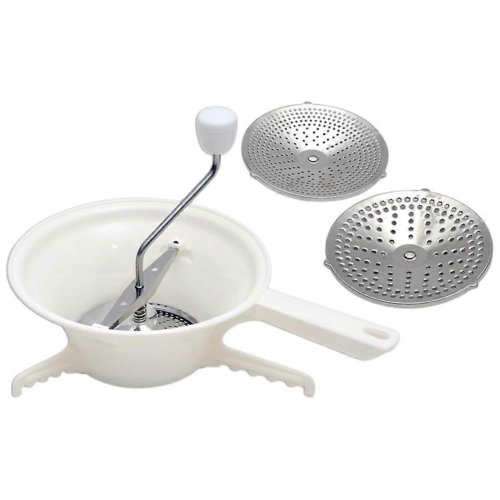
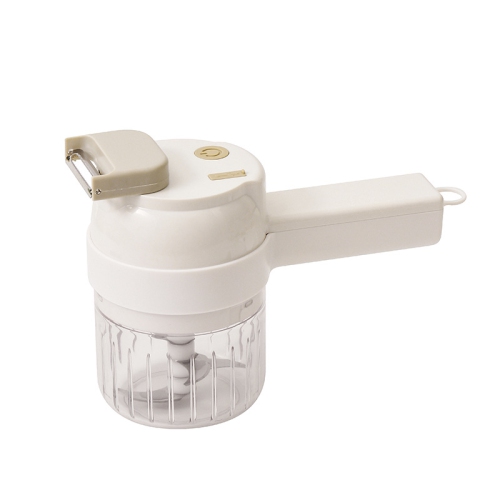
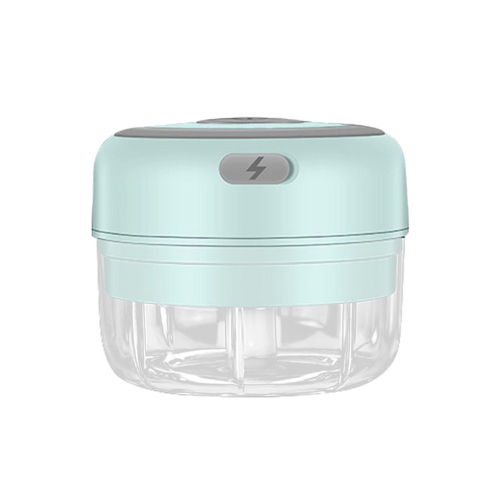
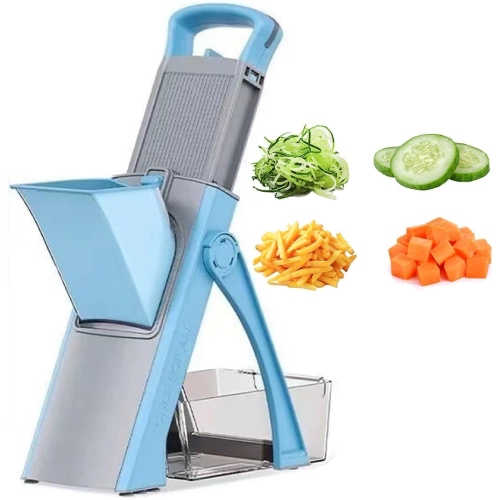
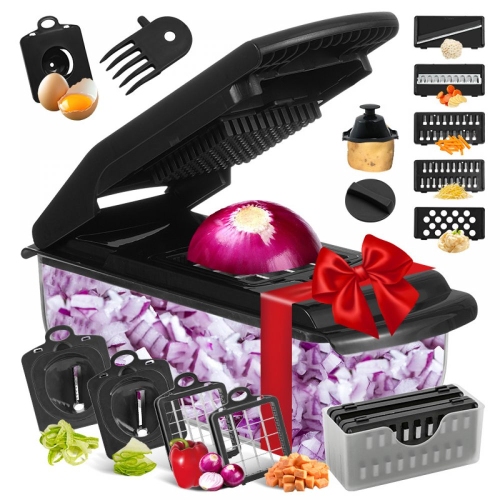
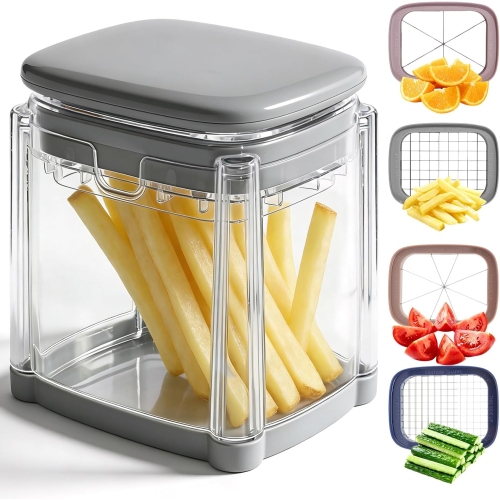
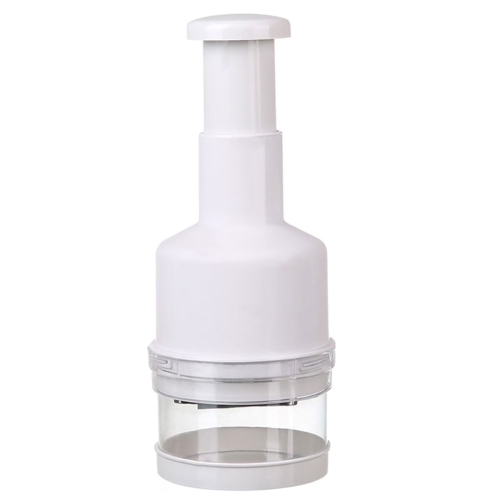
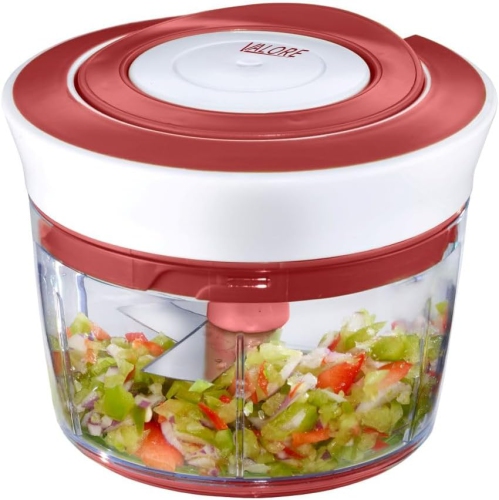
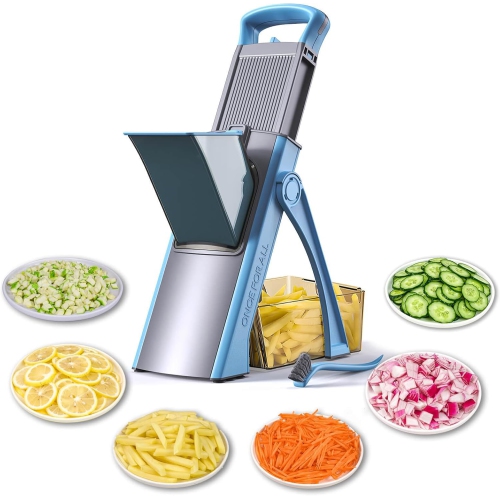
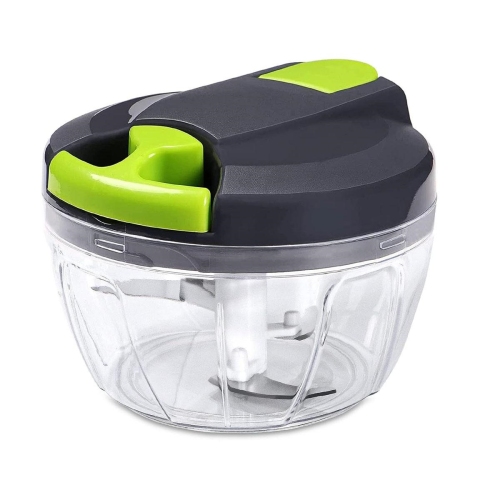
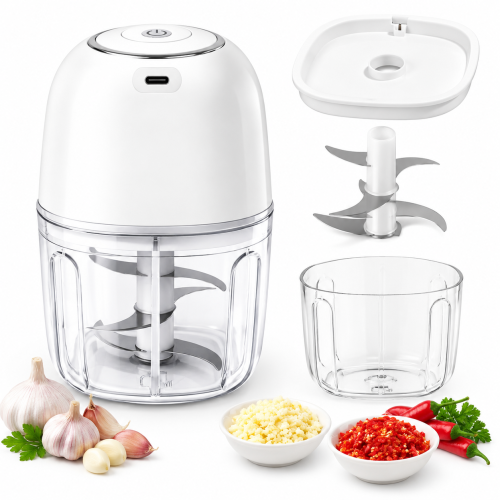
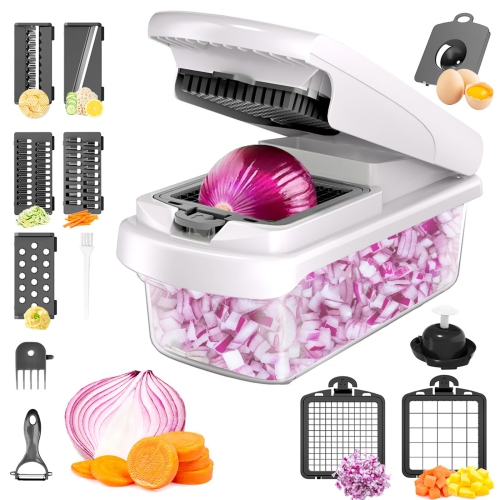
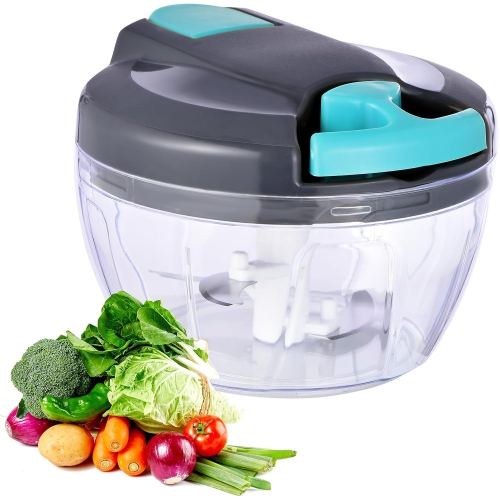
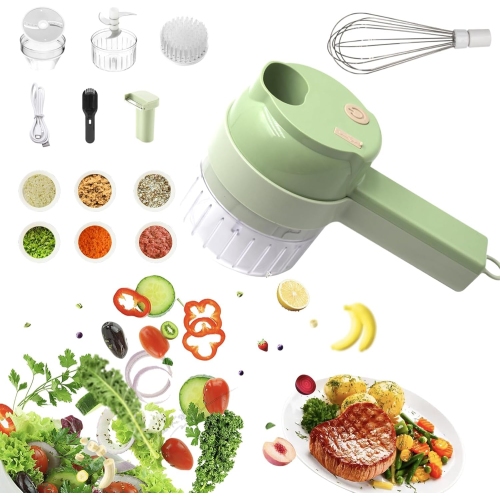
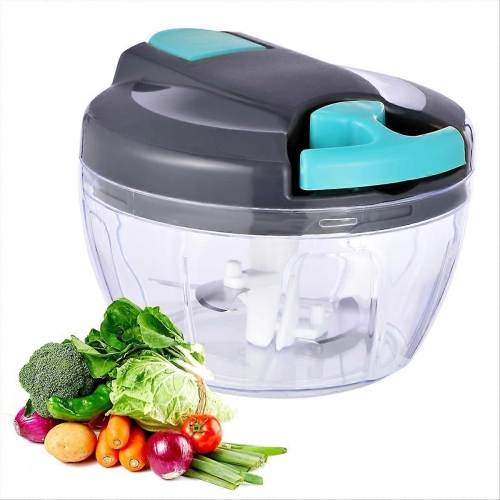
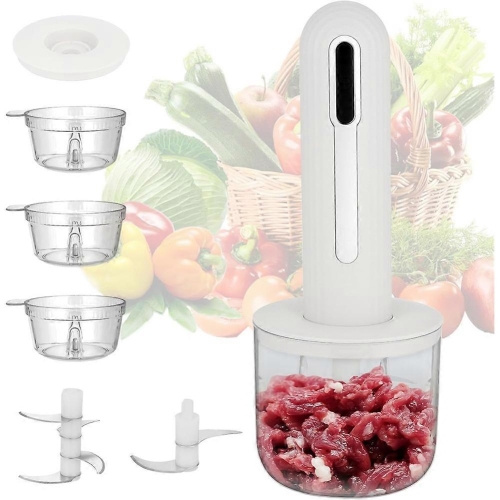
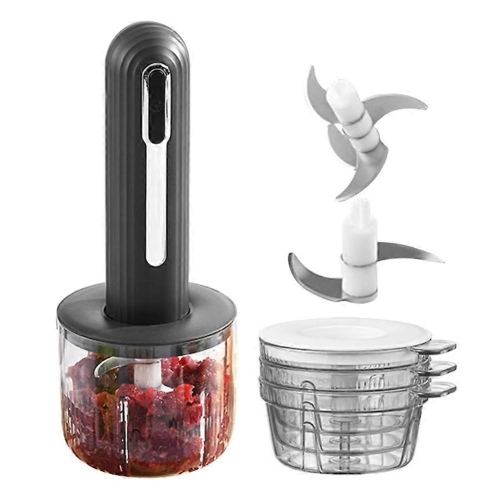
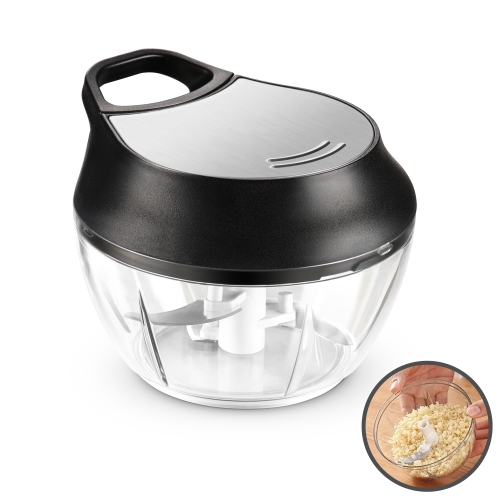

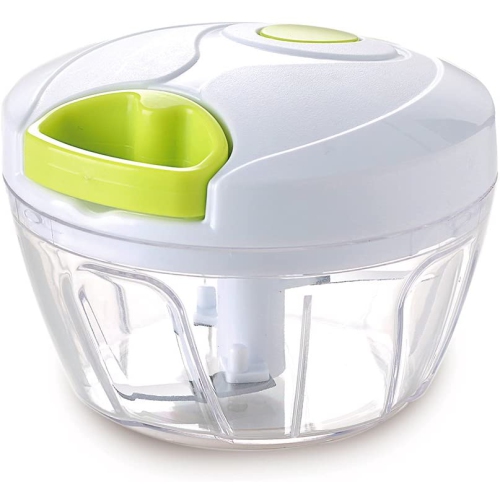
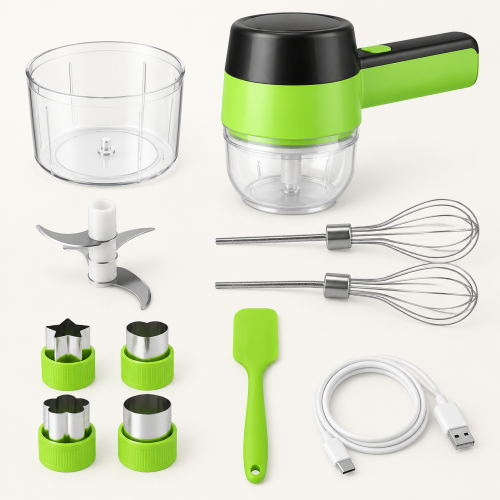
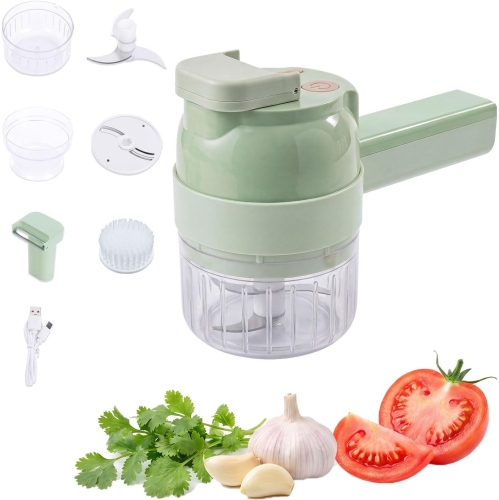
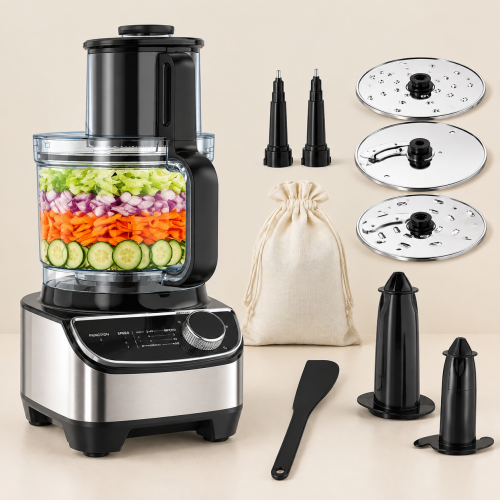
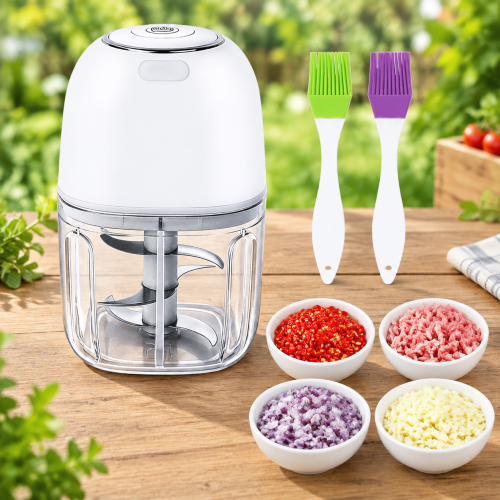
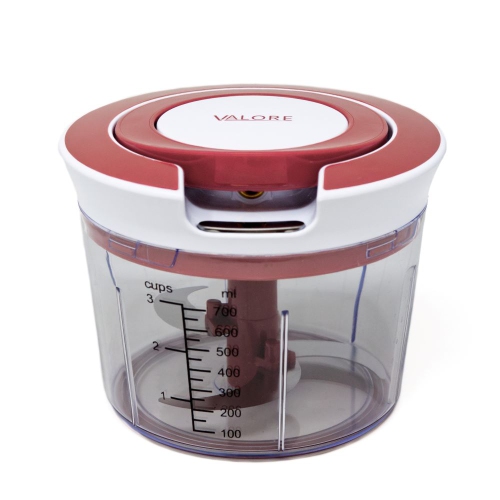
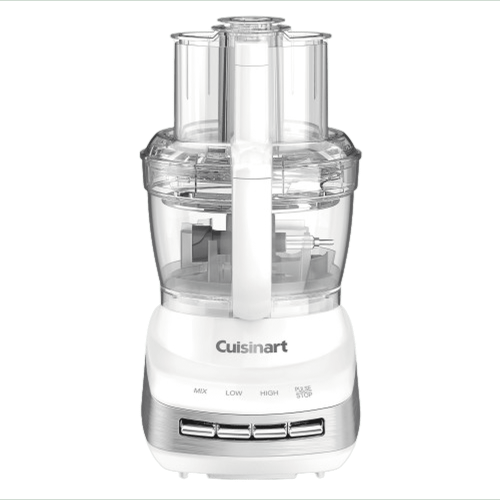
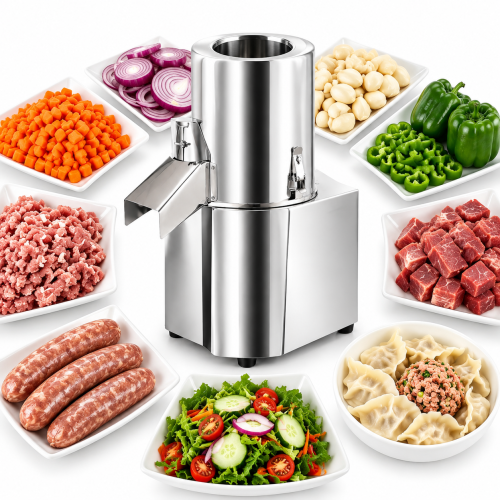
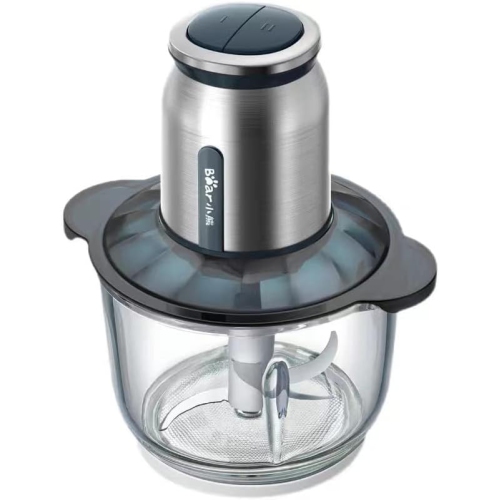
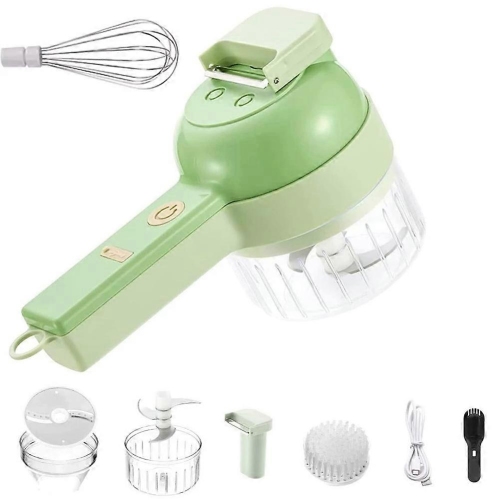
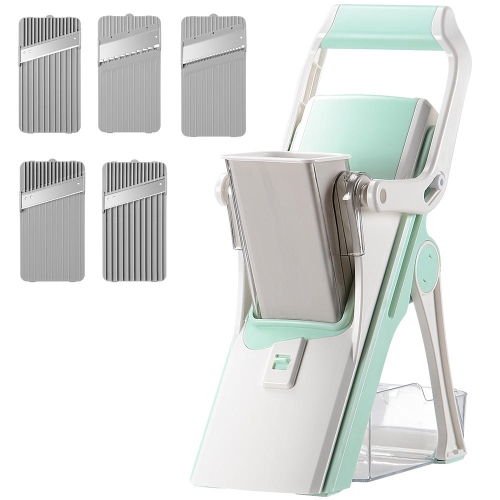
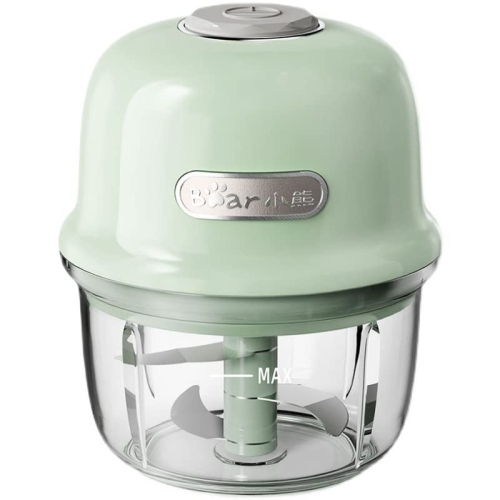
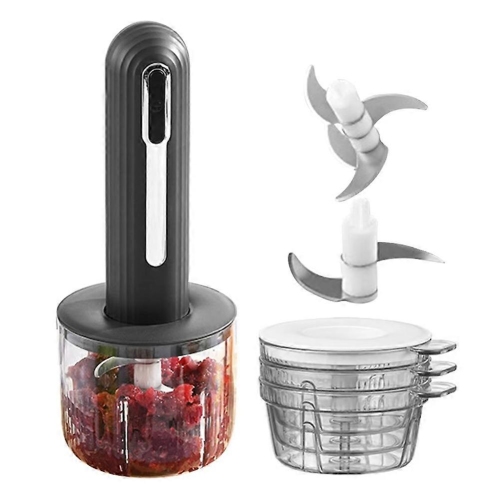
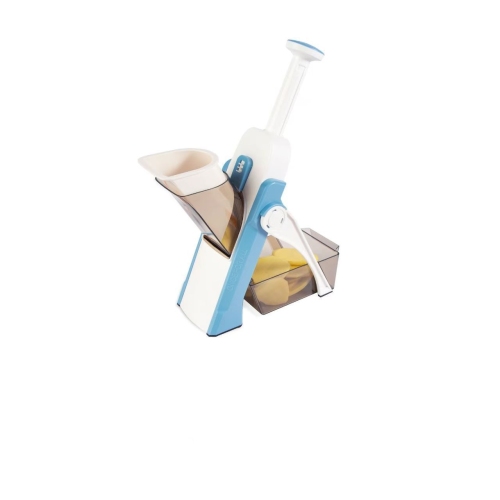
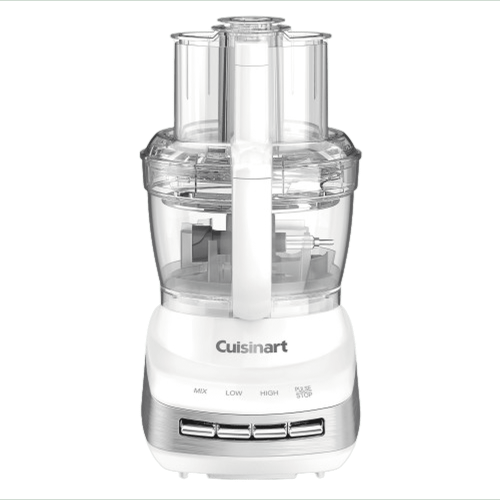
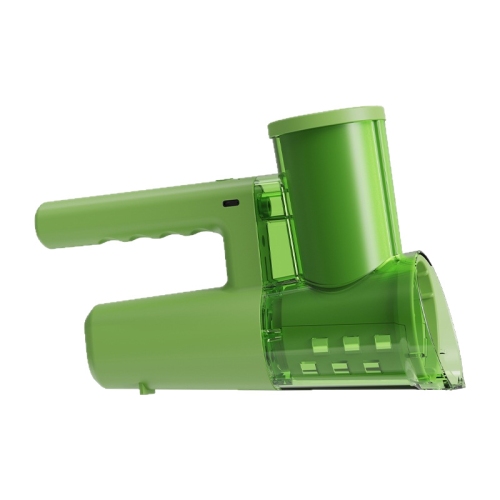
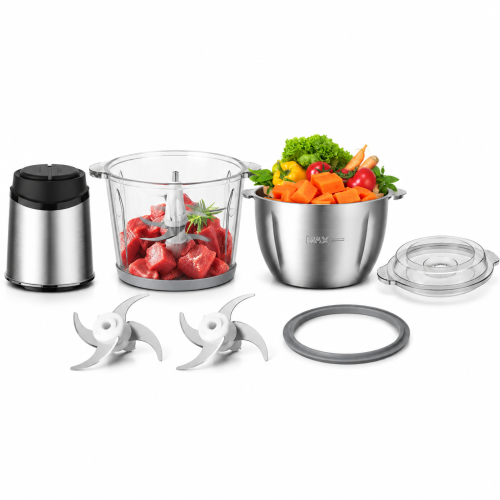
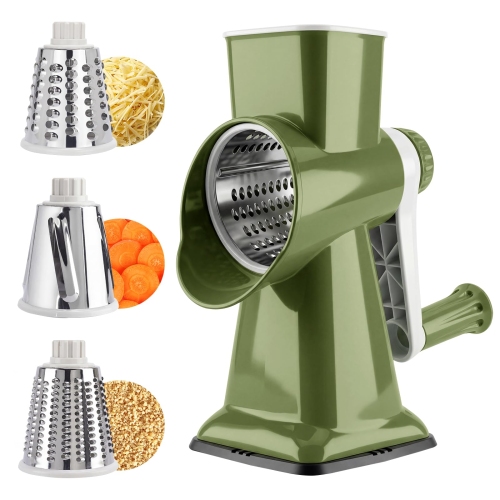

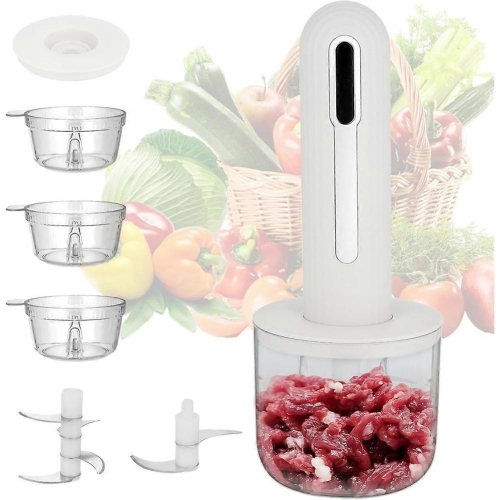
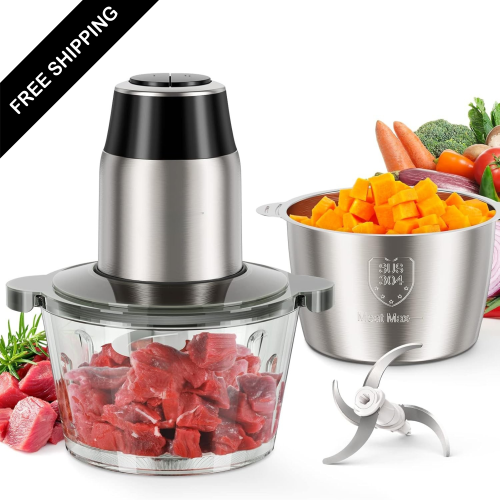
Even cuts and less repetitive chopping for everyday meals
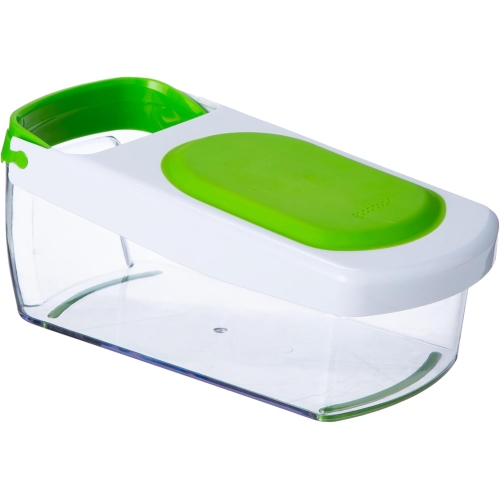
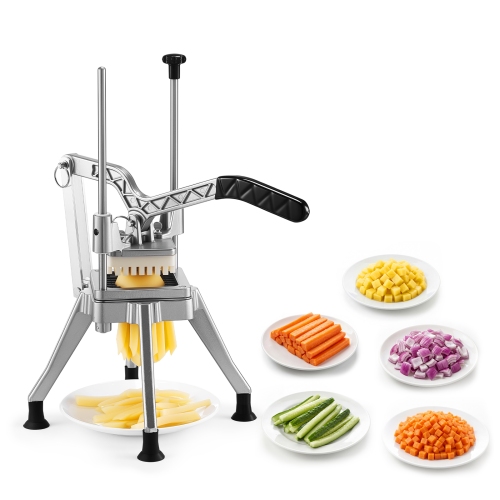
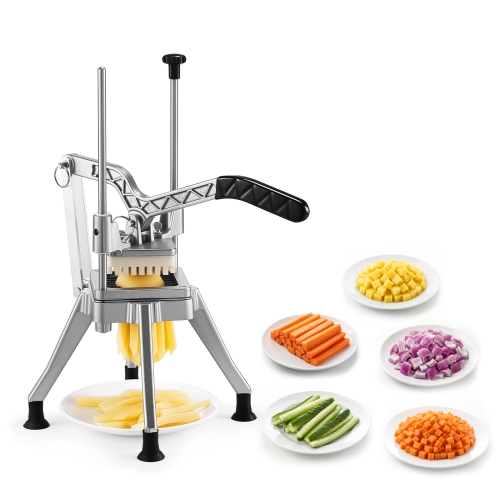
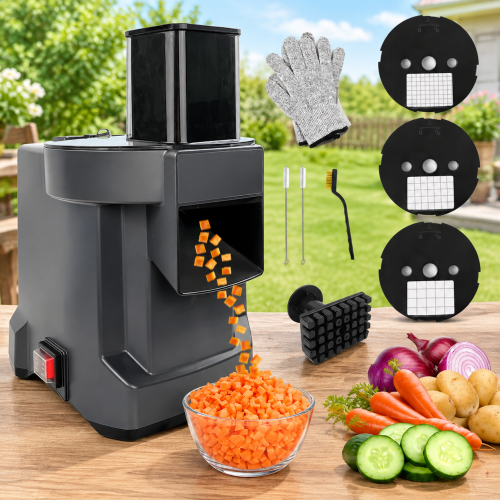
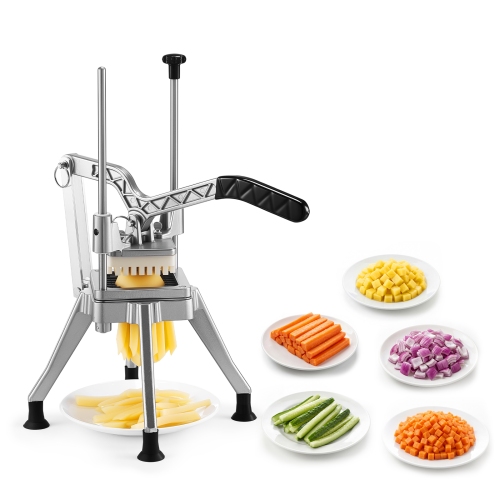
Food dicers are kitchen tools designed to cut suitable ingredients into small, fairly uniform pieces for cooking and serving. They are especially useful for vegetables and firmer fruits, turning the repetitive work of chopping onions, peppers, cucumbers, and potatoes into a more consistent part of meal preparation. Evenly sized pieces help ingredients cook at a similar pace and give dishes such as salsa, chopped salads, soups, and breakfast potatoes a balanced texture. A fine dice spreads onion through a tomato topping without leaving oversized chunks, while a larger dice gives vegetables enough substance for a hearty stew. Manual food dicers commonly use a hinged press and an interchangeable blade grid, with cut ingredients falling into a container underneath. The grid determines the width of the pieces, while the thickness of the prepared ingredient also affects their final shape. A thick wedge and a thin slice will not produce identical cubes, even when pushed through the same grid. That distinction matters when a recipe calls for a neat, even dice rather than simply smaller pieces. Other manual choppers use a pull cord, crank, or push mechanism to move rotating blades; these can be useful for general chopping but do not necessarily produce cubes. The intended ingredient matters as much as the mechanism. A firm cucumber behaves differently from a very ripe tomato, and dense root vegetables may need peeling, trimming, or cutting into smaller sections before processing. Food dicers are therefore best understood as tools that reduce repetitive cutting, not as replacements for every knife task. For someone preparing packed lunches, filling containers for several meals, or making a large bowl of salad for guests, the appeal is practical: repeated cuts, a defined collection area, and less loose produce scattered across the work surface. The most useful format depends on the foods prepared regularly, the desired cut size, and the amount of preparation involved.
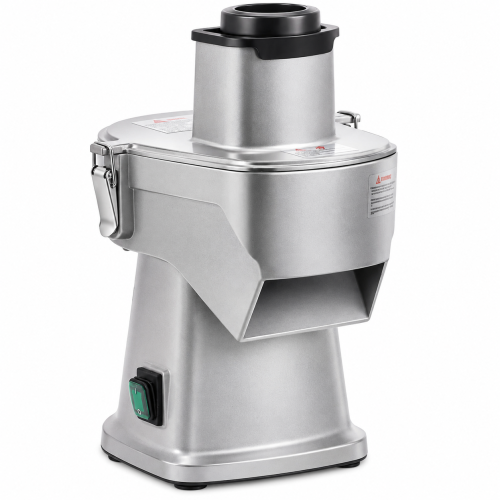
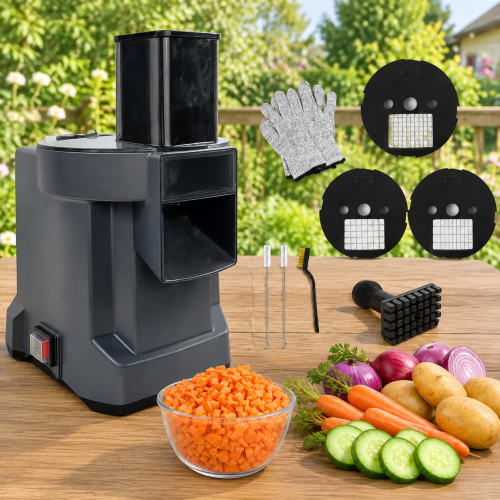
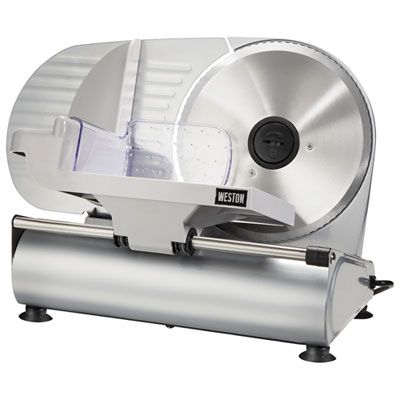
Manual and electric food dicers suit different routines. A compact manual press can make sense for smaller batches and kitchens where cupboard space is limited, provided the user is comfortable applying the pressure its mechanism requires. A broad handle, a secure lid, and a stable base can make the tool easier to control, although firm ingredients may still require considerable force. An electric appliance with a dedicated dicing attachment can suit repeated preparation or larger quantities, but a general-purpose food processor does not automatically include this function. Standard chopping blades usually create pieces of varying sizes; true dicing depends on an attachment designed to make intersecting cuts. Slicing and shredding are separate functions as well, even when they share the same appliance. For kitchens focused on repeated slices rather than cubes, Industrial Food Slicers represent a different equipment category with different handling and space requirements. Household and commercial equipment also differ in intended workload, so motor power alone does not establish suitability for continuous food-service use. Capacity deserves similar attention. A generous collection container can reduce interruptions when preparing vegetables for several meals, while a smaller container may be easier to lift, empty, and store. The size of the feed opening or chopping platform affects how much preliminary knife work remains necessary, particularly with large onions, potatoes, and peppers. Blade spacing determines the available dice sizes, and interchangeable grids offer flexibility when moving between a finely chopped relish and larger vegetable pieces. Additional attachments are useful only when their functions match the cooking routine and there is room to store them safely. A dicer that fits comfortably on the counter, stays steady during use, and comes apart without awkward handling is often more practical than a larger appliance with functions that rarely get used. Storage dimensions, including the height of an assembled lid or feed chute, can matter just as much as the footprint.
Materials and construction influence how a food dicer feels during use and how well it stands up to repeated preparation. Stainless steel blades are common because they can hold a cutting edge and resist corrosion with appropriate care, but blade quality, alignment, and secure mounting remain important. The frame and hinge of a manual press must withstand repeated pressure, while the lid and container should fit together without excessive movement. Food-contact plastic can keep a container light and make its contents easy to see; its suitability for dishwasher cleaning depends on the manufacturer's directions rather than appearance alone. Removable grids, accessible corners, and a separate cleaning tool can make it easier to clear onion fibres or potato residue from the cutting assembly. Sharp grids require careful handling even when detached, and protective covers or enclosed storage help keep cutting edges away from hands reaching into a drawer. Dishwasher-safe components may simplify cleanup, but that label should not be assumed to apply to every part. Electric bases generally require wiping rather than immersion, and appliances should be unplugged before attachments are removed or cleaned. Drying washed components before storage helps protect metal parts and keeps moisture from collecting inside a closed container. Beyond cleanup, durability depends on using the tool within its intended limits: hard pits, bones, frozen ingredients, and other unsuitable materials can damage blades or housings. A food dicer earns its place through familiar tasks, whether that means cucumber and pepper for lunch bowls, onion and celery for a soup base, or firm fruit for a neatly cut serving platter. It can also be a thoughtful gift for an adult who enjoys cooking, regularly prepares meals ahead, or likes hosting, particularly when its size and functions suit the recipient's kitchen. For cooks with limited hand strength or dexterity, the operating force, grip shape, and blade-handling requirements deserve particular attention; a manual press is not automatically the easiest option. A well-matched dicer supports the meals someone actually makes, with manageable preparation, predictable results, and care requirements that fit into everyday kitchen routines.
Top selling and popular products
-
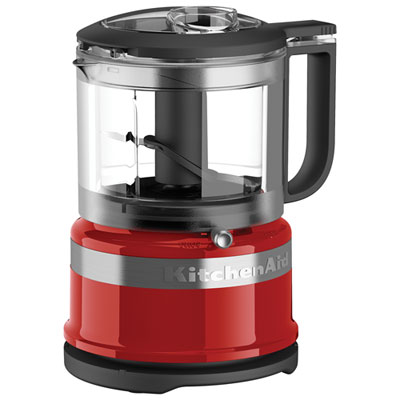 Your price for this item is $49.99
-
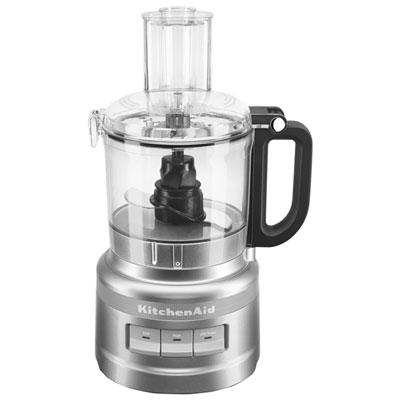 Your price for this item is $134.99
-
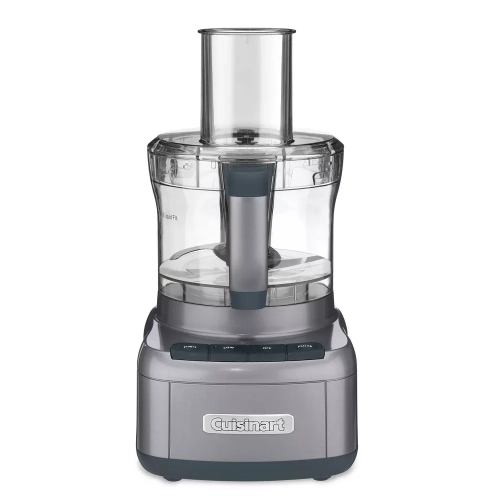 Your price for this item is $317.89
-
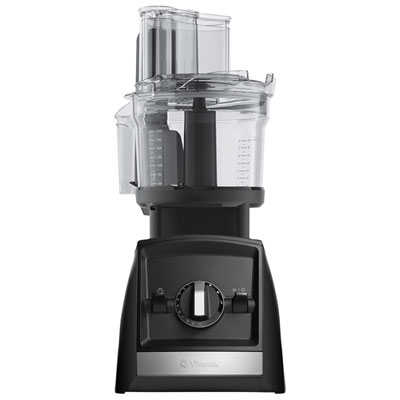 Your price for this item is $349.99
-
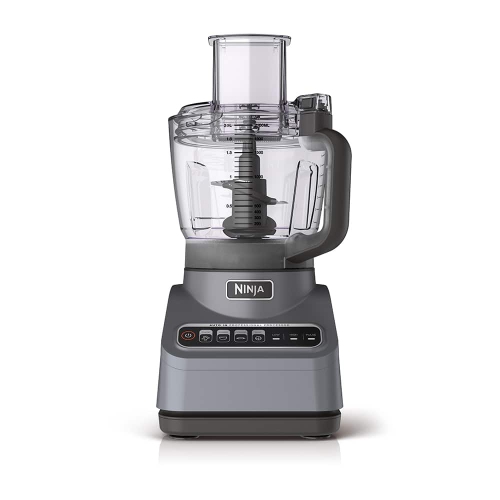 Your price for this item is $210.06
-
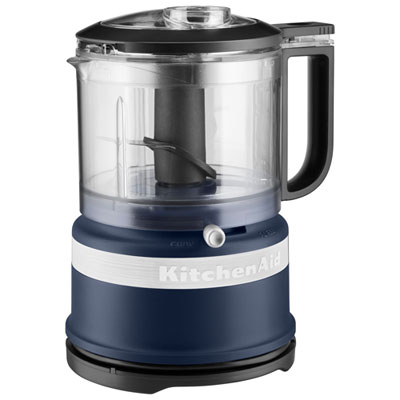 Your price for this item is $49.99
-
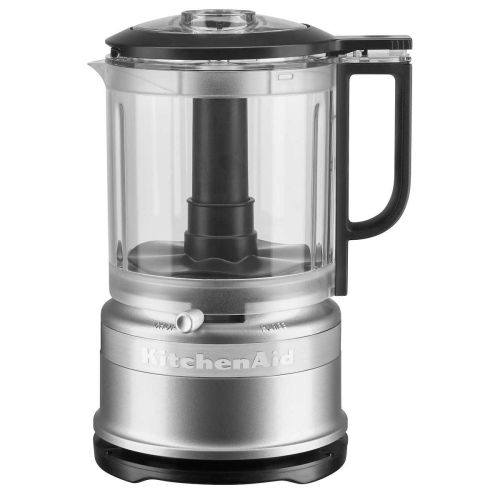 Your price for this item is $159.99
-
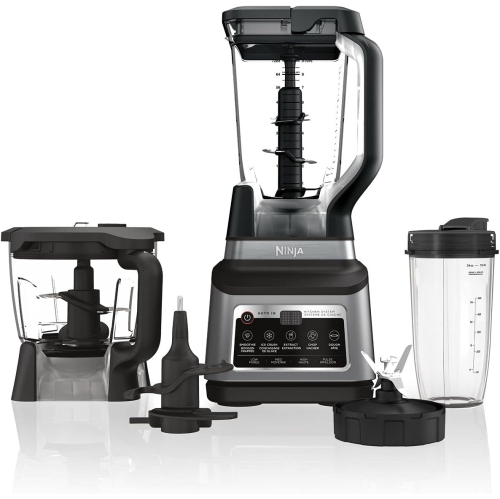 Your price for this item is $289.99
Discover more categories related to Food Dicers
Top Collections:
Pokemon Centers, Kindle Devices, Best Budget Office Chairs, Canon G7X Cameras, Apple iPhones 16, Samsung Galaxy Phones, Refurbished Apple Laptops, Laptops for Students, iPhone 15 Apple, Budget Smartphones
Some products may be subject to Environmental Handling Fees
(EHF) depending on your province.
Learn more about EHFs.