Food Processors
Food processors are essential kitchen appliances designed to help streamline meal preparation and save valuable time. Whether you’re chopping vegetables, mixing ingredients, or preparing dough, food processors offer versatility for a wide range of cooking tasks. Explore options that cater to various needs and kitchen sizes, making it easy to find the right fit for your culinary routine. Elevate your home cooking experience with food processors that bring efficiency and convenience to every recipe.
Sort
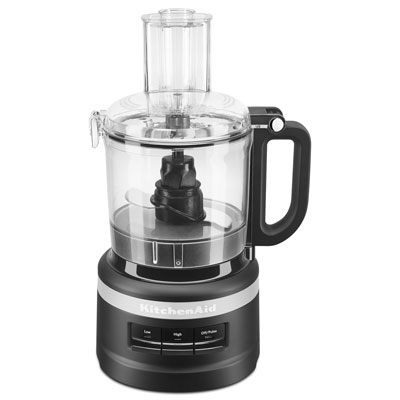
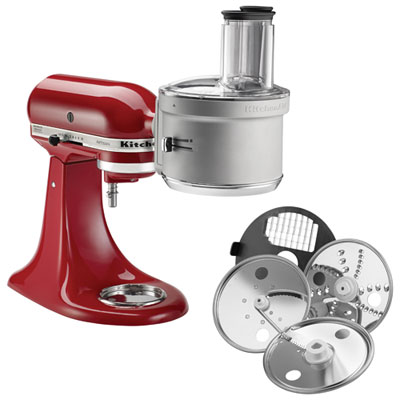

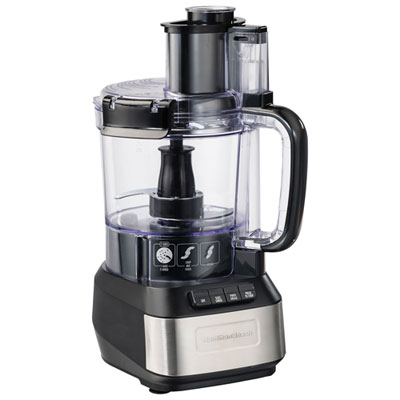

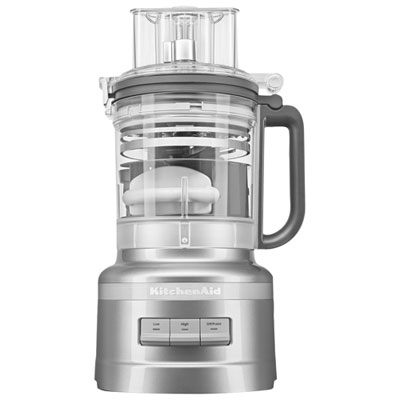
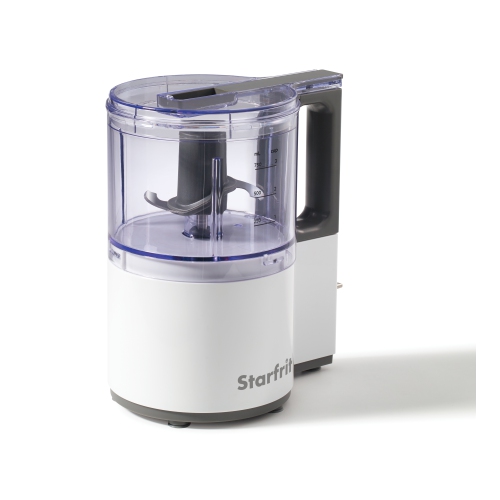
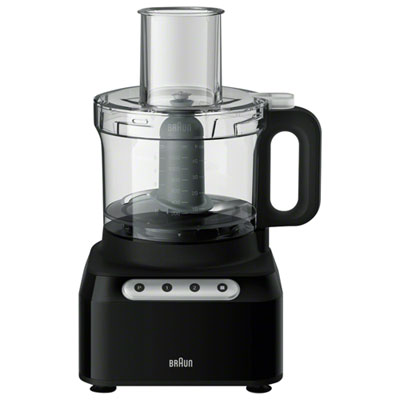
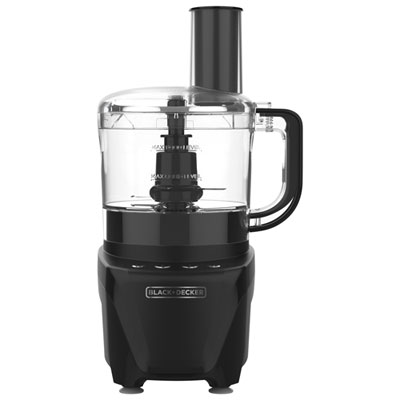
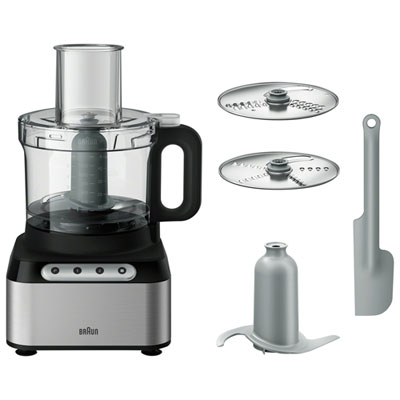
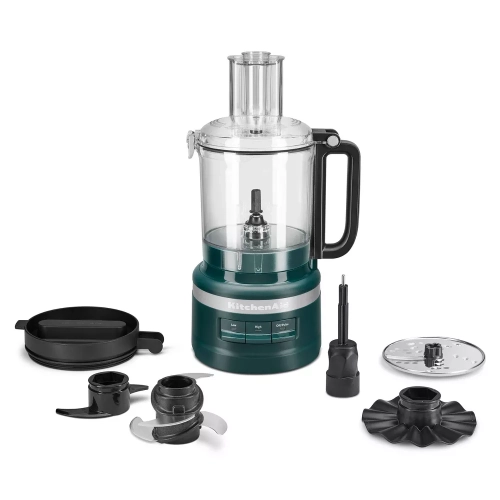

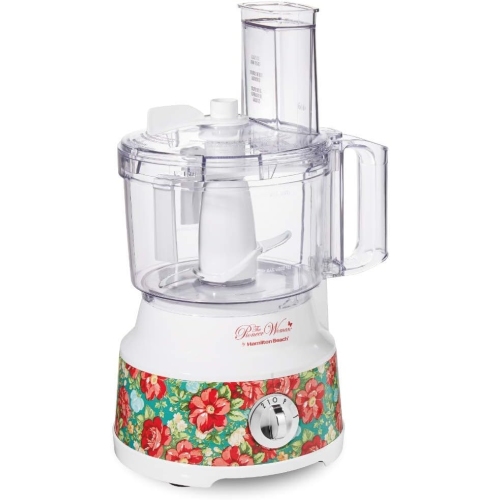
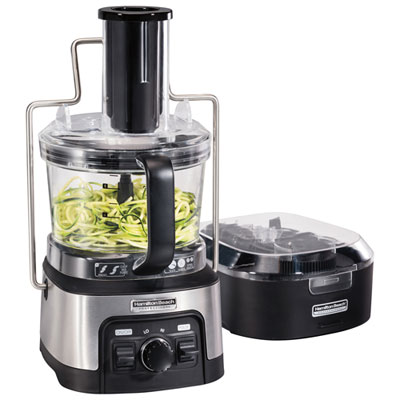


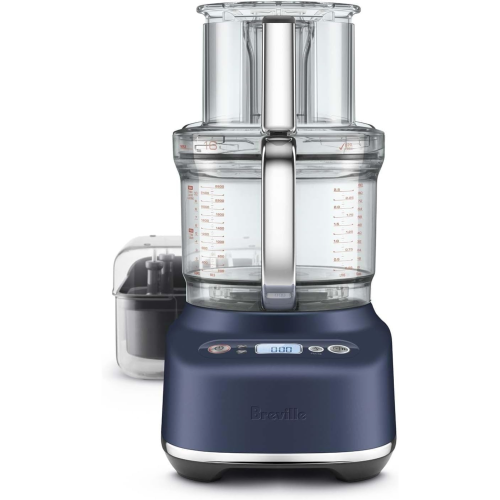

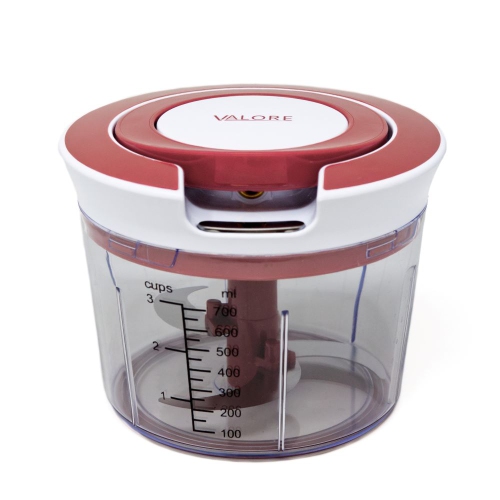
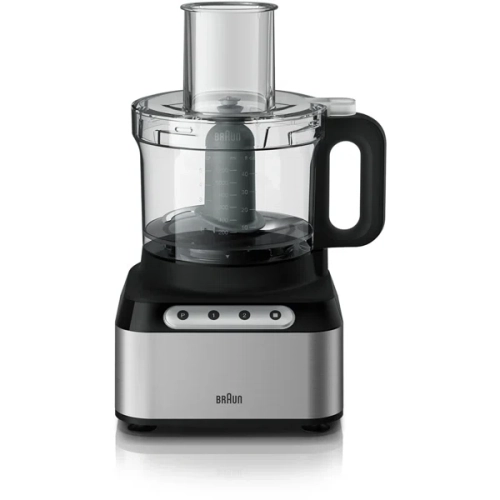
Less knife work for everyday meals and bigger batches
Food processors are countertop kitchen appliances that chop, slice, shred, mix, and purée ingredients, with some also supporting dough kneading, dicing, or grinding through purpose-built attachments. Their broad work bowls and interchangeable blades make them useful for preparing ingredients without adding the liquid that many blenders need. A few short pulses can turn onions, carrots, and celery into a base for a pasta sauce, while a shredding disc can prepare cabbage for slaw or cheese for a baked casserole. For home cooks who prepare several meals at once, a food processor can reduce repetitive knife work and help create consistent pieces for more even cooking. Smaller food choppers, often around 3 to 5 cups, suit modest portions of herbs, nuts, dressings, and dips, although they may not offer the slicing and shredding functions of a full-size processor. Food processors in the 8- to 11-cup range can accommodate many everyday household tasks, while bowls around 12 to 14 cups or larger provide more room for larger batches. Stated bowl capacity is not always the same as usable capacity, particularly for liquids and dough, so the marked fill lines and task-specific limits matter. A large bowl may also struggle to catch a small handful of ingredients beneath its blade; a smaller work bowl can be helpful for those jobs when the appliance supports one. The right fit depends as much on cooking habits as household size: someone making a small batch of pesto has different needs from someone shredding several vegetables for packed lunches. Physical size matters, too. Overall height with the feed tube attached, clearance beneath cabinets, and the space needed to remove the lid all affect everyday convenience. A processor that can remain on the counter may be easier to use regularly, while a lighter, compact design can be more practical when it needs to move between a cupboard and the work surface.
Blades and attachments determine how a food processor handles different recipes. The curved chopping blade, often called an S-blade, cuts ingredients inside the bowl and can produce anything from a coarse salsa to a smooth bean dip, depending on the ingredients and processing time. Pulse control gives brief bursts of movement, making it easier to retain texture in chopped vegetables or prevent nuts from becoming a paste. Slicing and shredding discs work above the bowl, processing food as it passes through the feed tube; reversible discs can perform two tasks, while adjustable slicing discs offer different thicknesses. Wider feed tubes may reduce the amount of cutting needed beforehand, though ingredients still need to fit comfortably and be prepared according to the appliance instructions. The supplied food pusher keeps hands away from moving blades and helps apply steady pressure. Some processors support dicing grids or dough attachments, but these functions are model-dependent rather than standard across the category. Dough preparation also depends on the recipe, batch limit, and motor design, not simply the size of the bowl. Motor wattage describes electrical power consumption and does not, by itself, establish how effectively an appliance will knead dough or handle dense ingredients. Blade geometry, drive design, and permitted running time all contribute to performance. For cooks comparing food processors with blenders, the main distinction is the intended texture and task. Food processors generally excel at solid-food preparation and mixtures such as hummus, pastry, and chopped fillings, while blenders are typically better suited to pourable mixtures such as smoothies and finely blended drinks. The Food Processor Blenders collection is relevant to households interested in both functions, with each appliance’s attachments and supported uses determining its versatility. Ice crushing, milling dry grains, and processing hot liquids require explicit manufacturer approval; they are not functions to assume from a powerful motor or a large bowl.
Materials, construction, and cleaning details influence how comfortably a food processor fits into a regular cooking routine. Stainless steel blades resist corrosion with proper care, while transparent work bowls make it easier to monitor texture without repeatedly opening the lid. Bowl materials and finishes vary, so resistance to scratching, staining, and dishwasher heat depends on the particular component. A solid base and non-slip feet help keep the appliance steady, especially when processing firm vegetables or mixing heavier ingredients. Secure bowl and lid connections also matter, as many processors use safety interlocks that prevent operation until the parts are correctly assembled. Clearly marked controls, readable capacity markings, and a handle that feels comfortable when the bowl is full can make a noticeable difference during a busy meal preparation session. Easy-to-reach crevices and removable seals, where provided, can simplify cleaning after oily dressings or sticky mixtures. Removable parts should only go in the dishwasher when the manufacturer identifies them as dishwasher-safe, and the motor base should be wiped clean rather than immersed. Prompt rinsing helps keep food from drying around the blade hub and lid, while careful handling and separate storage protect both sharp edges and fingers. Complete drying before reassembly is useful for keeping moisture out of enclosed spaces. An accessory case or dedicated storage space can keep discs from knocking against other utensils and make the right attachment easier to find. Durability also depends on staying within recommended batch sizes, allowing any required rest periods, and avoiding ingredients the appliance is not designed to process. For people who cook frequently, these everyday details can matter as much as the number of attachments. Food processors can also make thoughtful gifts for enthusiastic home cooks, someone setting up a kitchen, or a household that enjoys making dips, sauces, and baked dishes from scratch. A suitable gift reflects the recipient’s counter space, preferred recipes, and willingness to clean and store the parts, giving the appliance a useful place in their routine rather than another cupboard to occupy.
Top selling and popular products
-
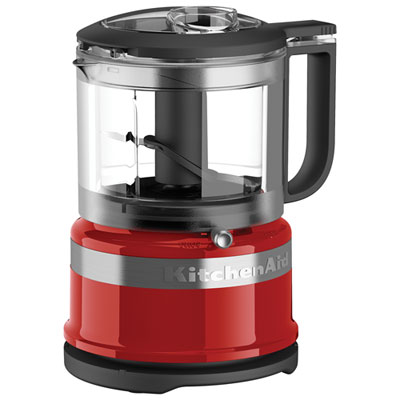 Your price for this item is $49.98
-
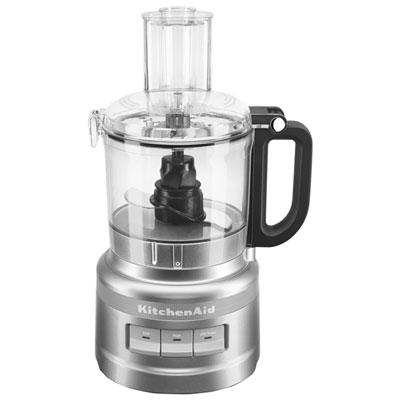 Your price for this item is $124.98
-
 Your price for this item is $144.99
-
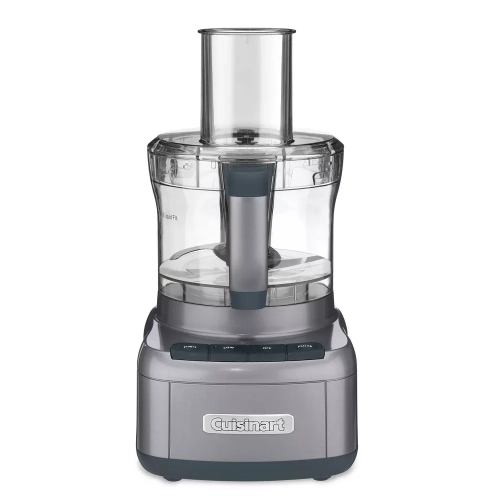 Your price for this item is $317.89
-
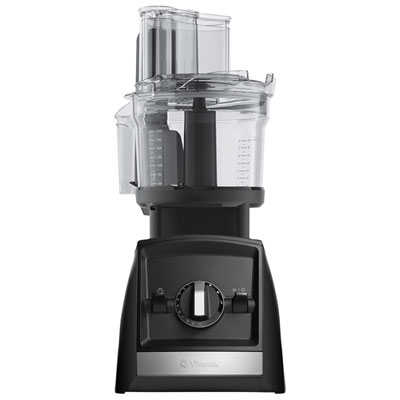 Your price for this item is $349.99
-
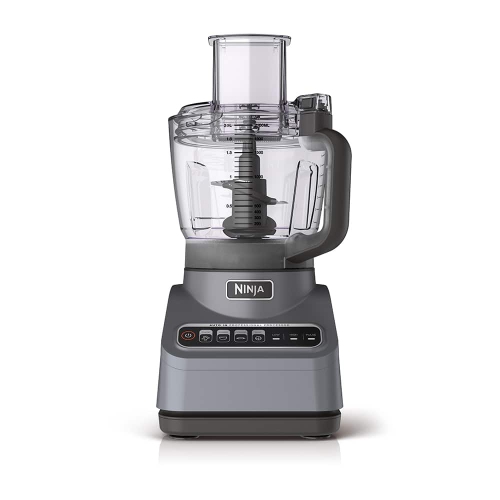 Your price for this item is $204.72
-
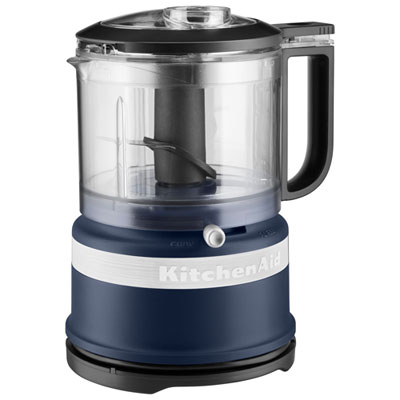 Your price for this item is $79.99
-
 Your price for this item is $79.16
Discover more categories related to Food Processors

Top Collections:
Best Black Friday Deals This Year, Best Black Friday Deals On Electronics, Kindle Devices, Pokemon Centers, Best Black Friday Deals On Apple Products, Best Cameras for Sports Photography, Dyson Airwrap, Pokémon 30th Celebration Cards, Apple iPhone 17 Pro, Canon G7X Cameras
Some products may be subject to Environmental Handling Fees
(EHF) depending on your province.
Learn more about EHFs.